
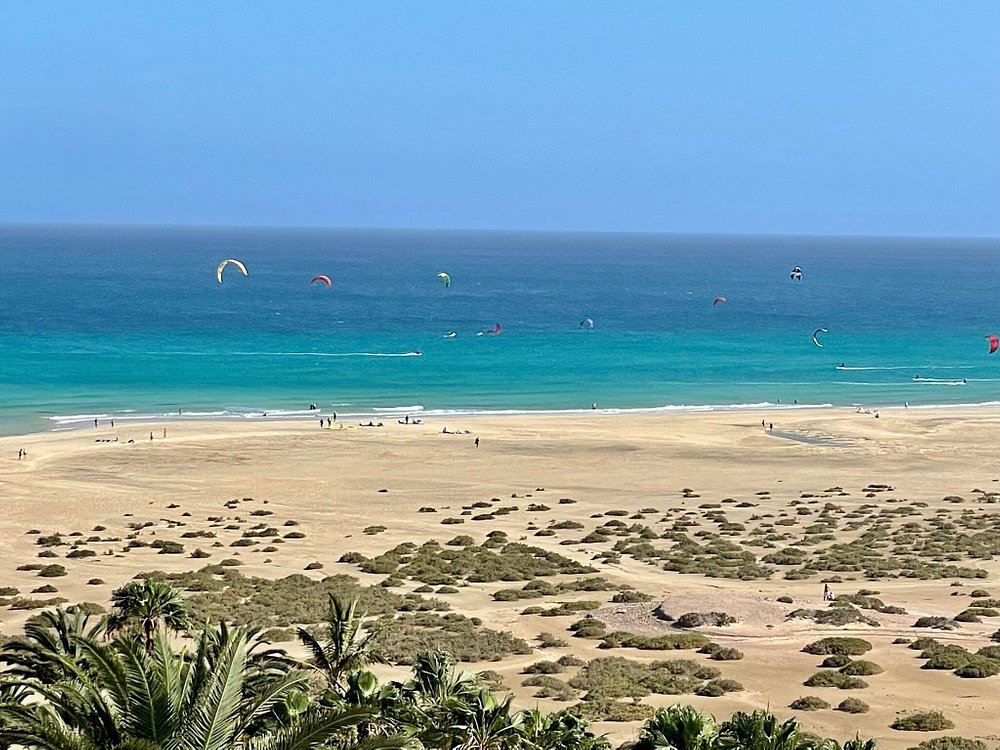
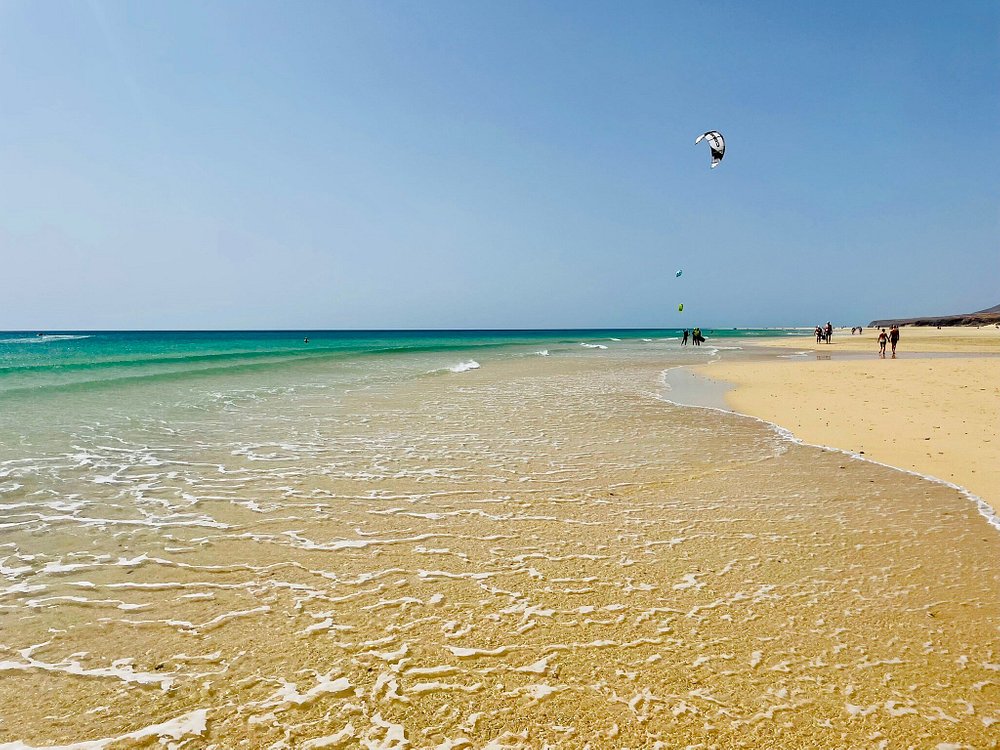
Picture this: dozens of vibrant kites swirling above turquoise water, while surfers carve smooth lines underneath. That’s just a regular day at Sotavento Beach, tucked along Fuerteventura’s southeastern coast.
Sotavento Beach serves up some of the world’s best kitesurfing conditions. The wind’s nearly always blowing, the lagoon’s huge and shallow, and the weather? Pretty much perfect all year.
I’ve checked out a lot of kitesurfing spots around the world, but honestly, Sotavento’s got something special going on. The wind squeezes between two mountains here, so you get stronger, steadier gusts than anywhere else on the island.
That natural wind tunnel, paired with a 4-kilometer tidal lagoon, turns the place into a playground—for both spectators and anyone itching to get out on the water.
You can just kick back and watch the kitesurfing show from the sand, or maybe you’ll feel tempted to try it yourself. I’ll walk you through the best spots to take it all in, how to find beginner-friendly kitesurfing schools, and what else you can do in this Canary Islands gem.
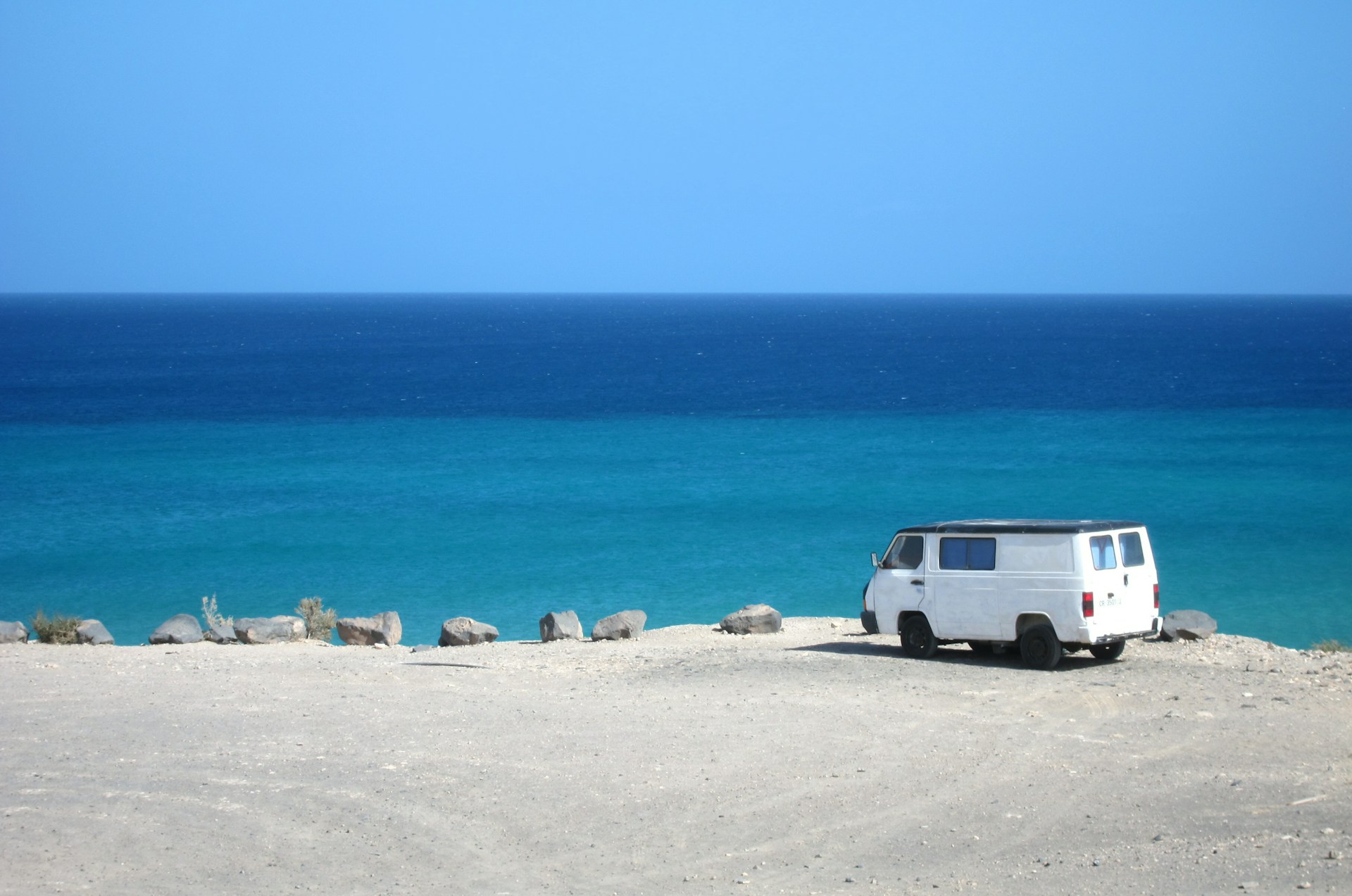
Kitesurfing Spectacle at Sotavento Beach
Sotavento Beach turns into a living kitesurfing stage, drawing athletes from all over. It’s not just the wind or the competitions—there’s a buzz here that makes it unforgettable.
The place offers a mix of perfect wind, pro-level events, and zones for every skill level. It’s easy to see why kitesurfers love it.
Why Sotavento Beach Tops the Global Kitesurfing List
I’ve seen firsthand how Sotavento’s landscape shapes the wind into something magical. The mountains funnel it, so you get those steady, punchy gusts that kitesurfers crave.
When the wind’s on, speeds can hit over 50 knots from the northeast. Spring and summer are especially reliable—months of good conditions, which isn’t something you find everywhere.
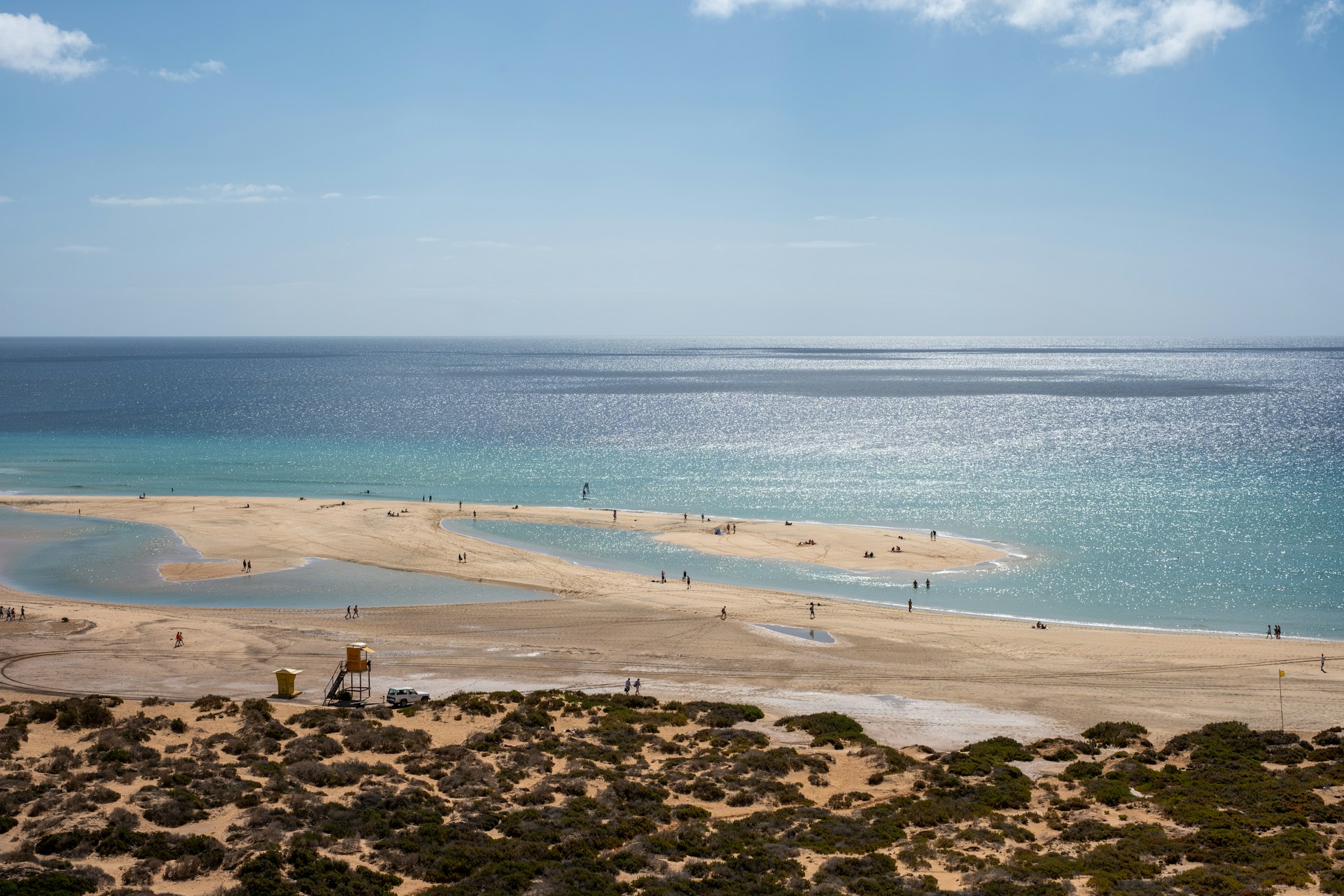
There’s also the lagoon, which fills up at high tide and turns into mirror-flat, waist-deep water that almost looks too blue to be real.
Here’s what makes Sotavento stand out:
- Wind that sticks around all year
- Wide, sandy spots to launch from
- A protected lagoon for flat-water sessions
- On-site gear rentals and shops
- Lessons for all levels
Waves break close to shore but don’t block the entry points. It’s easy to get in, whether you’re a seasoned pro or just starting out.
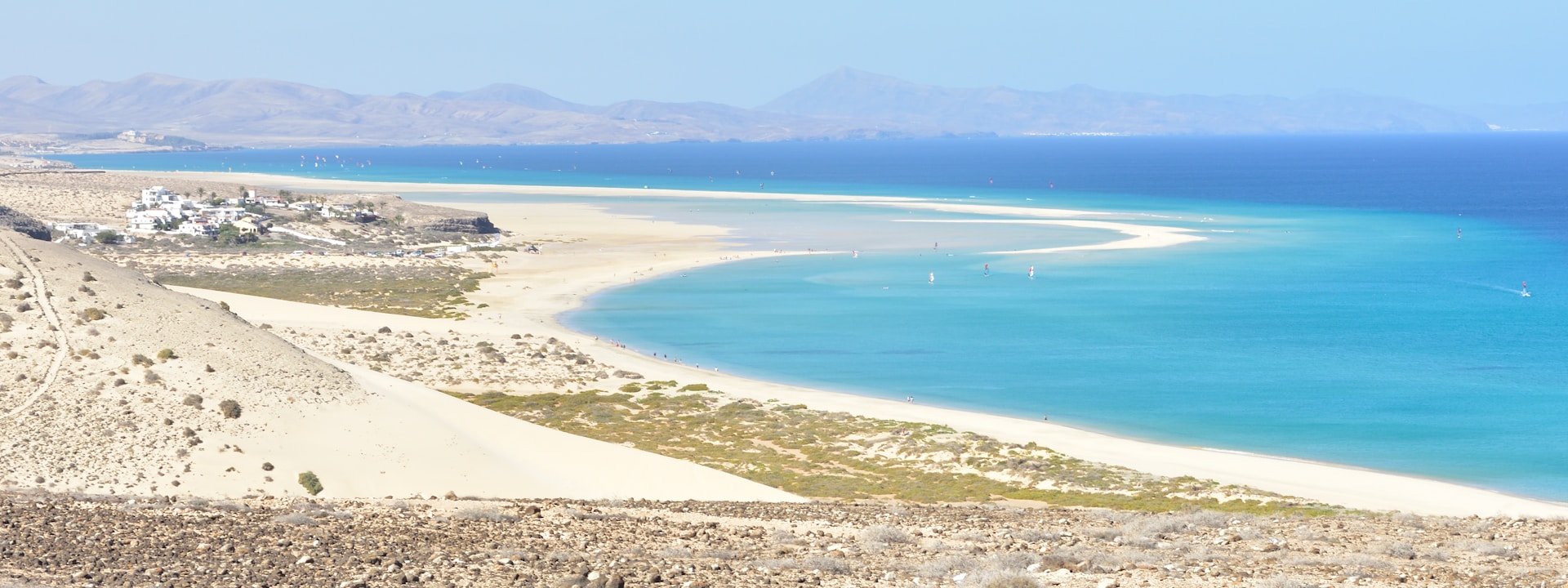
World-Class Kitesurfing Events and Competitions
Every year, Sotavento Beach draws some of the biggest names in water sports. The PWA World Cup comes through, bringing top windsurfers and kitesurfers to the island.
I’ve watched the GKA Kite-Surf World Cup turn the beach into an international hotspot. Athletes push their limits here, and the conditions have even helped set new speed records.
The Sportif kitesurfing center has been running these big events for years. They really know how to put on a show and highlight everything awesome about kitesurfing.
Spectators flock in from all over Europe and beyond. Watching the pros tackle the lagoon and open water is just plain thrilling.
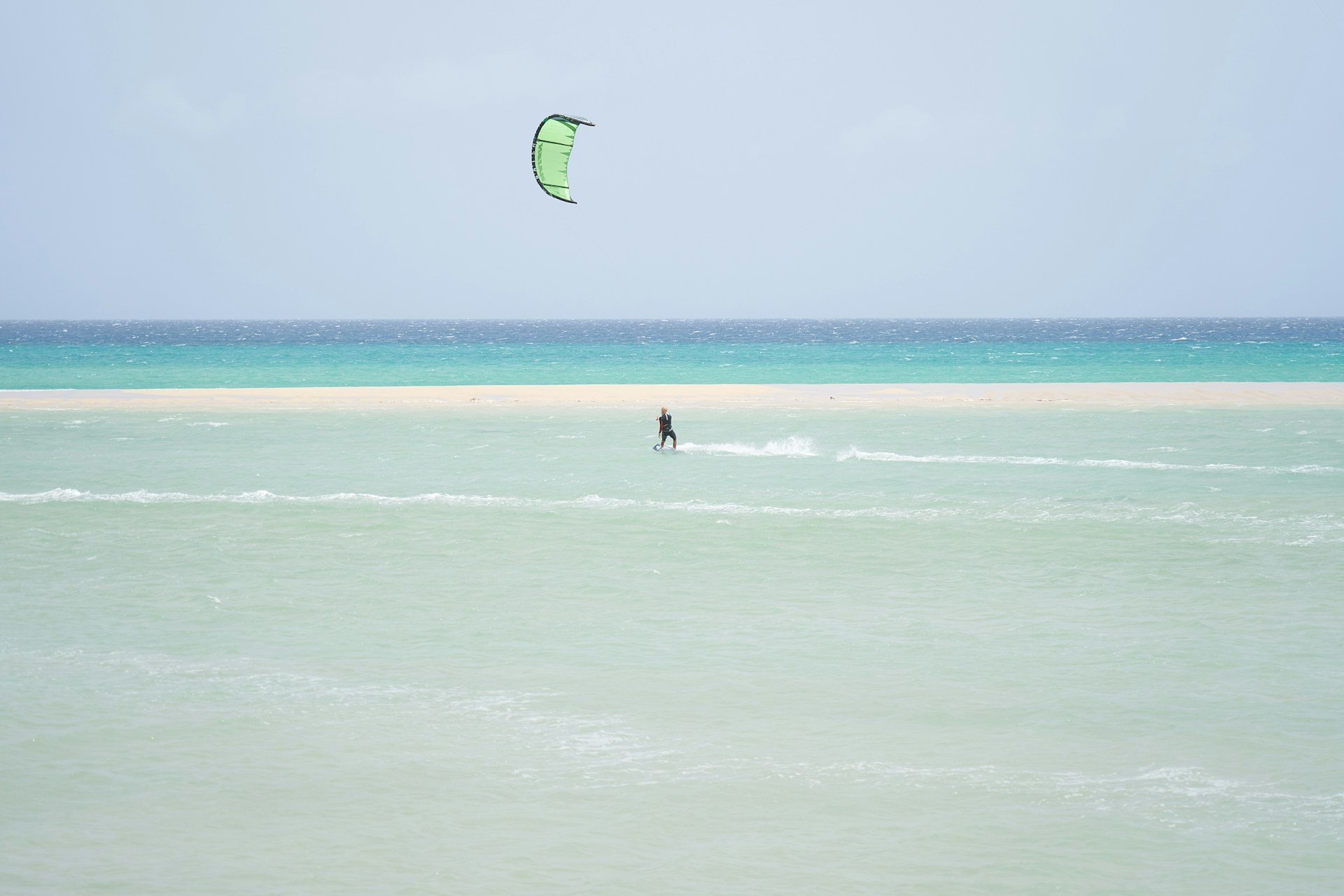
Ideal Conditions for All Skill Levels
Sotavento’s beauty is that it doesn’t matter if you’re a newbie or a veteran. Beginners get to play in the shallow lagoon, while more advanced riders can chase the big gusts.
For those starting out:
- Calm, shallow water in the lagoon
- Soft, sandy bottom for safer falls
- Lessons right on the beach
- Easy gear rentals
The lagoon’s flat water makes learning way less intimidating. You don’t have to stress about currents or getting out of your depth.
If you’re more experienced, there’s room to explore windier, wavier stretches. The beach is big enough that everyone finds their own space.
And with the wind so steady, lessons and sessions rarely get called off. That’s a huge bonus if you’re planning a kitesurfing trip or want to level up your skills.
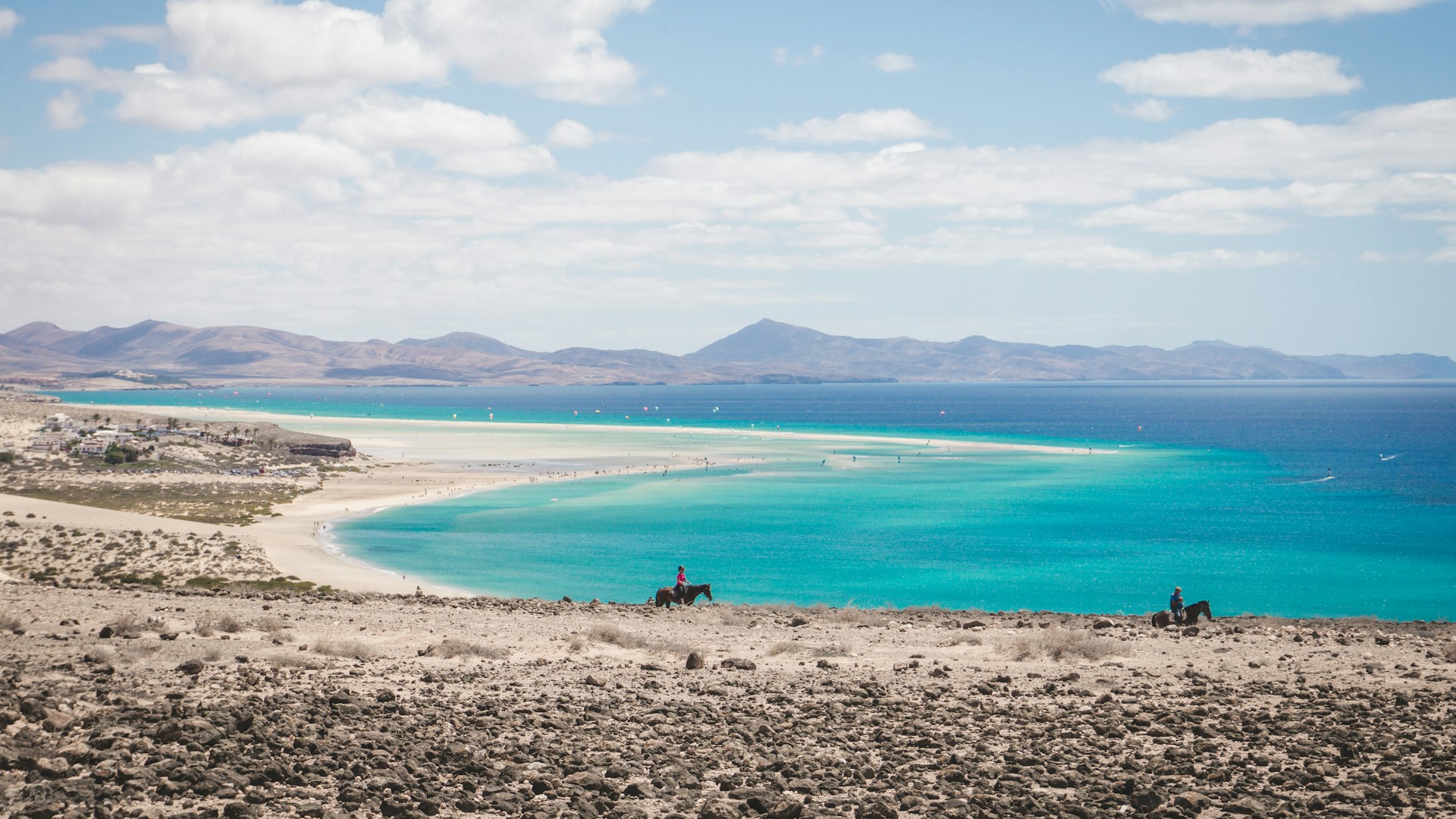
The Lagoon: Nature’s Playground for Wind and Water Sports
The Sotavento lagoon shifts with the tides, stretching out for 4 kilometers when it’s full. It’s a dream for kitesurfers and windsurfers alike.
I’ve spent plenty of time here, and the warm, shallow water is perfect—whether you’re just learning or you’ve been riding for years.
Tidal Lagoon Formation and Unique Features
The lagoon forms thanks to the tides, and when it’s at its biggest, it’s over 4 kilometers long and up to 200 meters wide.
Moon phases control the water levels. During full and new moons, the lagoon gets its deepest.
You’ll notice the lagoon splits into two main zones:
- Kitesurfing area—for kite riders only
- Windsurfing zone—reserved for windsurfers
The water’s warmer than the open ocean, so you won’t freeze if you’re out there on a breezy day.
Popular spots like La Barca and Risco del Paso draw crowds, especially during competitions.
There’s plenty of sandy space to set up your gear, and the golden dunes make for a stunning backdrop.
Best Times to Visit for Lagoon Access
If you want the best lagoon conditions, come between May and September. Winds typically blow 20-30 knots, and temperatures hover around 20-25°C.
Definitely check the lagoon timetable before you head out. The tides change things fast.
Peak kitesurfing season brings the most reliable access, but honestly, there’s wind here almost every month.
Some days, the gusts climb to 40 knots. On those days, bring smaller kites if you have them.
Early mornings and late afternoons tend to be the smoothest. The lagoon fills up best during spring tides.
Safety Considerations on the Lagoon
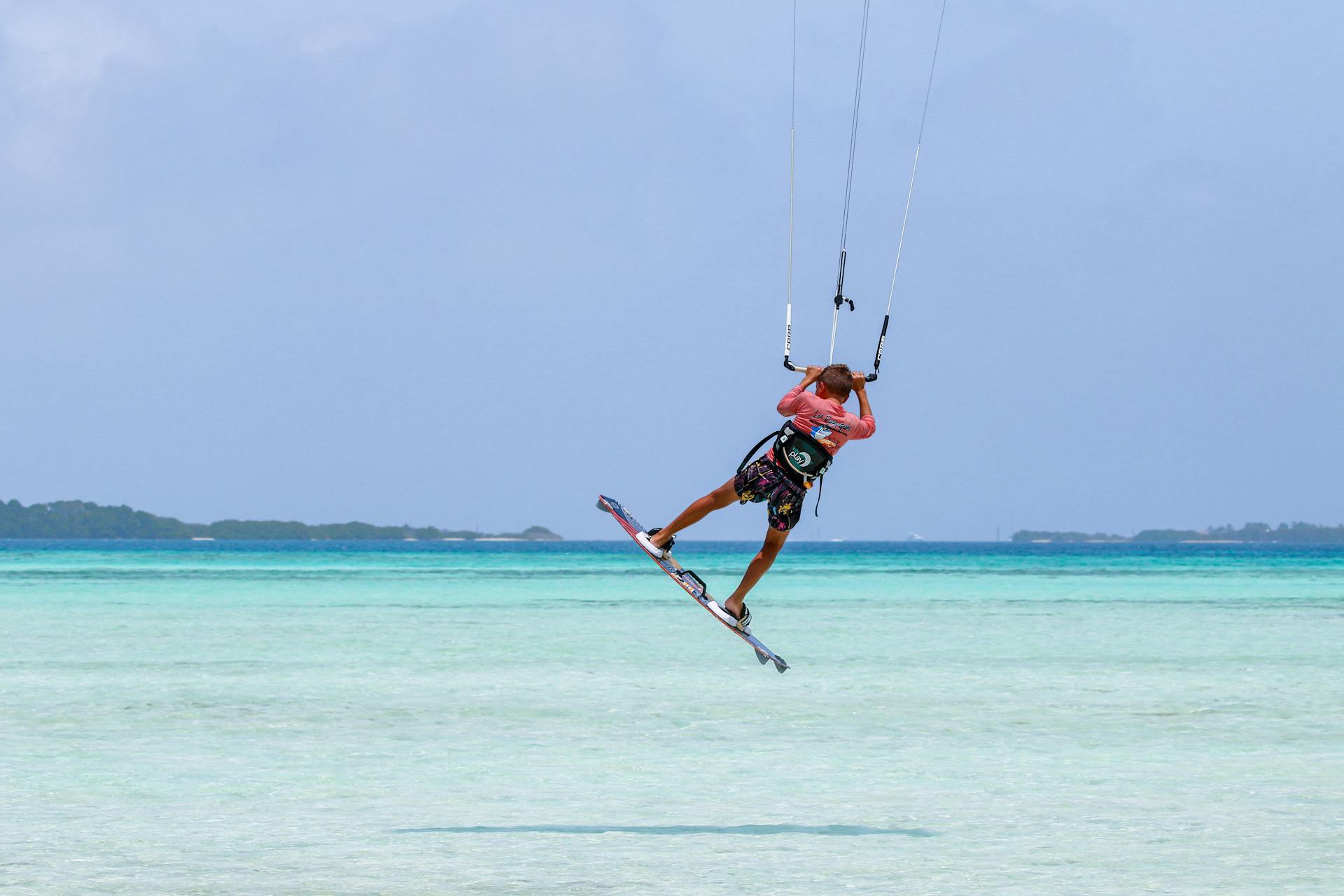
The lagoon’s shallow water means you need at least 100cm depth if you’re windsurfing, or you risk damaging your fin.
I always double-check the water level before heading in. At low tide, sandbars pop up and can trip you up.
Stay in your designated zone—kitesurfers and windsurfers have separate areas for a reason.
René Egli Center runs the lessons here and takes safety seriously. They’ll brief you and check your gear before you hit the water.
On strong wind days, keep your wits about you. Gusts can shift quickly in a space like this.
Local instructors know the lagoon inside out. Even if you’re experienced elsewhere, a safety rundown here is worth it.
Experiencing Kitesurfing Yourself: Schools, Lessons, and Rentals
Sotavento’s home to top-notch kitesurfing schools, so you can get proper lessons no matter your level. If you’re ready to go solo, rental shops have quality gear for you.
The lagoon’s shallow, steady conditions make it a fantastic place to learn.
Beginner Courses and Professional Instruction
I found a bunch of established schools right on the lagoon. The Sportif kitesurfing centre has been teaching here for about nine years, and René Egli Center holds the exclusive license for lessons across the lagoon.
Most schools start you off on land, focusing on kite control and safety before you ever touch the water. The shallow lagoon makes those first attempts way less nerve-wracking.
A typical beginner course looks like this:
- Day 1: Kite handling and safety basics
- Day 2: Body dragging and relaunching in water
- Day 3: Water starts and maybe your first rides
Schools keep beginners and advanced riders in separate sections, so you’re not dodging experts while you’re learning.
Equipment Rental Options and What to Expect
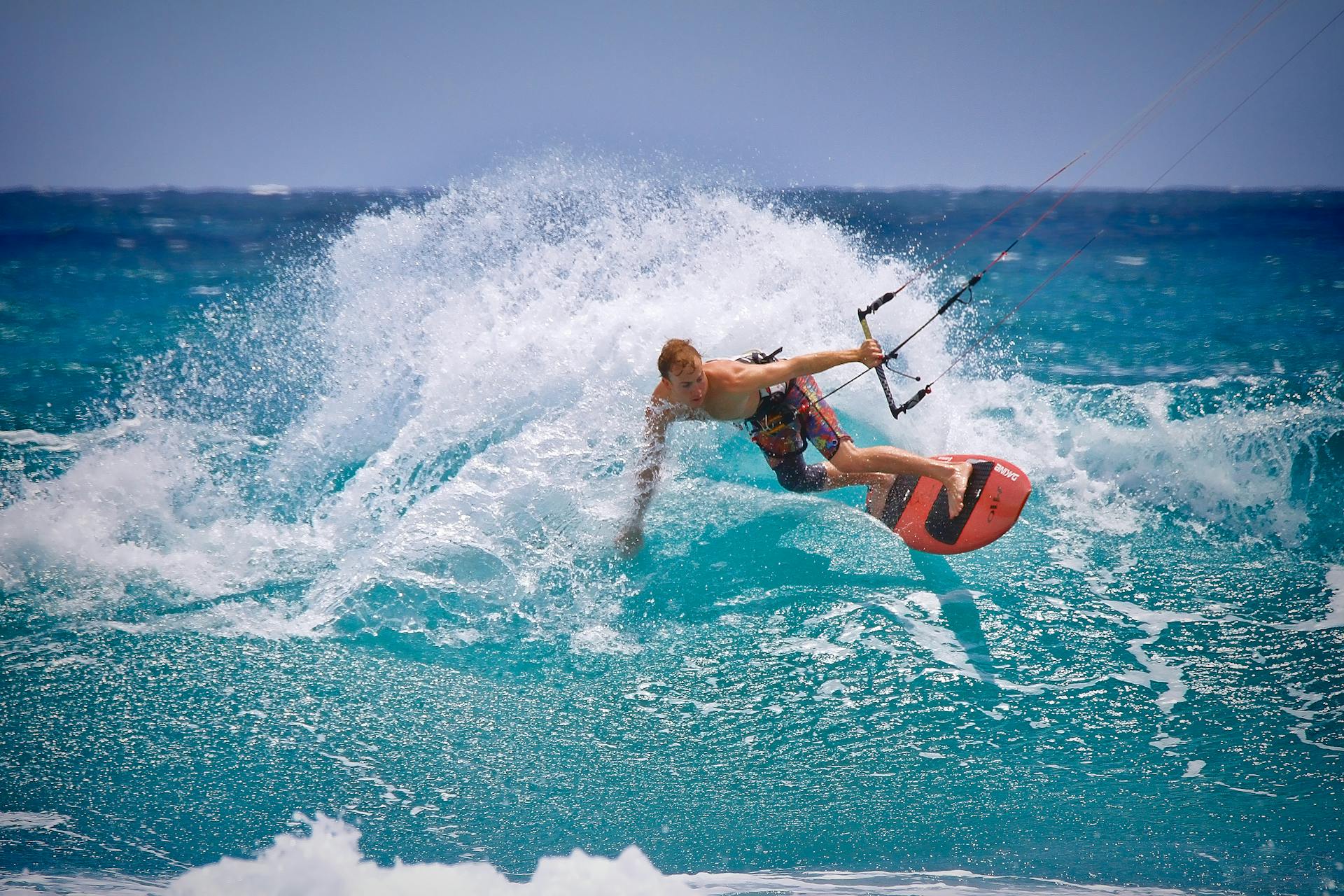
Rental shops line the beach, offering full kitesurfing setups. You can grab kites, boards, harnesses, and wetsuits—by the hour or for the whole day.
A standard rental package includes:
- Kite (size depends on the wind)
- Control bar and lines
- Board
- Harness
- Safety leash
Staff will help pick the right gear for your skill and the wind that day. Some places want to see your kitesurfing certification, or they might ask you to show your skills first.
Daily gear rental usually runs 40-60 euros, but if you’re staying a while, multi-day deals save you some cash.
What to Know Before You Try Kitesurfing
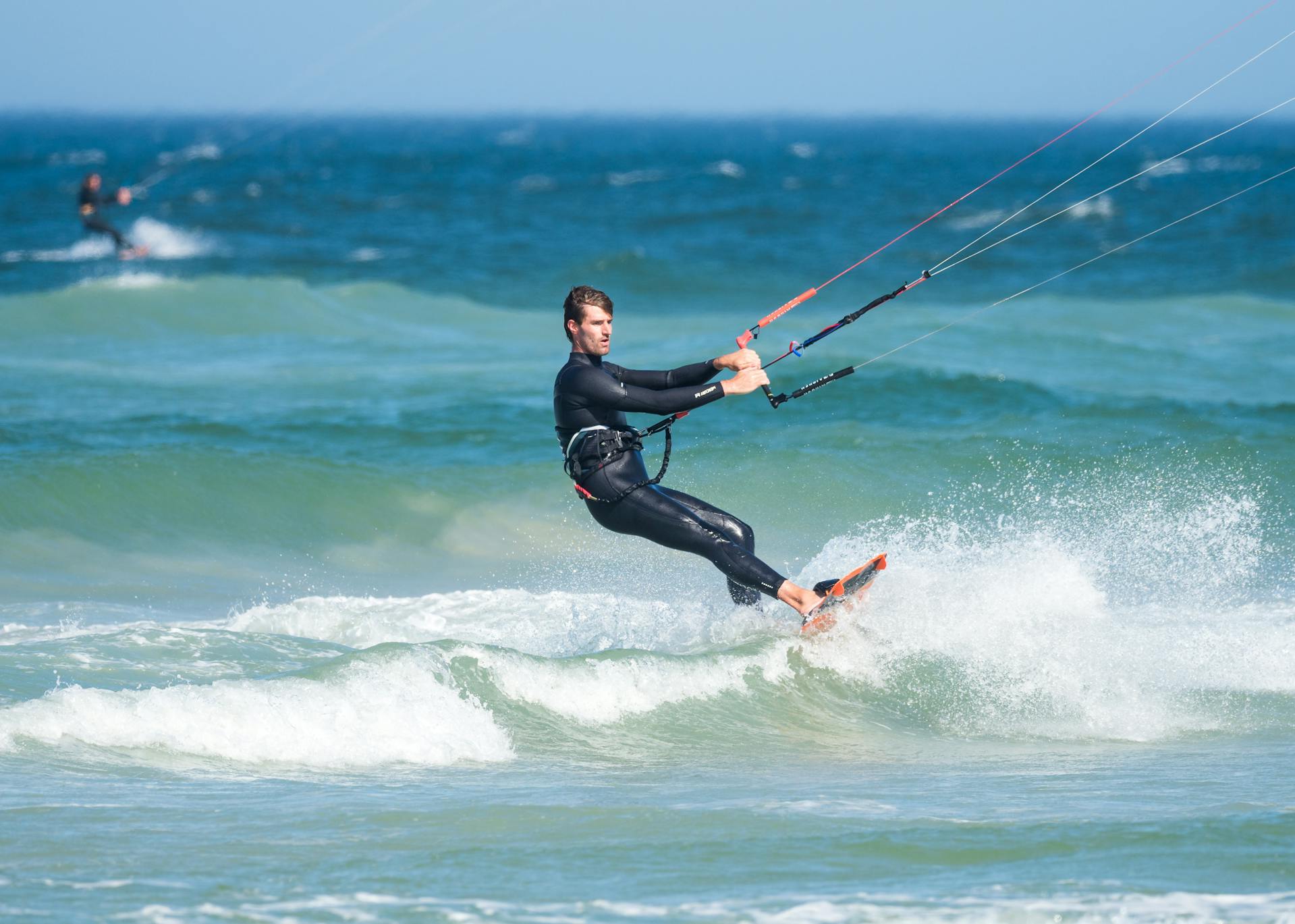
Honestly, take a lesson before you try kitesurfing solo. It’s a blast, but it’s not something you want to wing without proper instruction—even if you’re good at other water sports.
You’ll need:
- To be able to swim
- A decent fitness level
- No serious back or shoulder problems
Check the wind forecast before you book. Sotavento works best with 12-25 knots—too little, and you’ll struggle; too much, and it’s risky for beginners.
The lagoon fills up with the tides, especially around the full and new moons. Schools keep a timetable so you can plan your session for the best water level.
Don’t forget reef-safe sunscreen, a hat, and plenty of water. The Fuerteventura sun is no joke, and lessons can last for hours.
Sotavento’s Other Water Sports and Activities
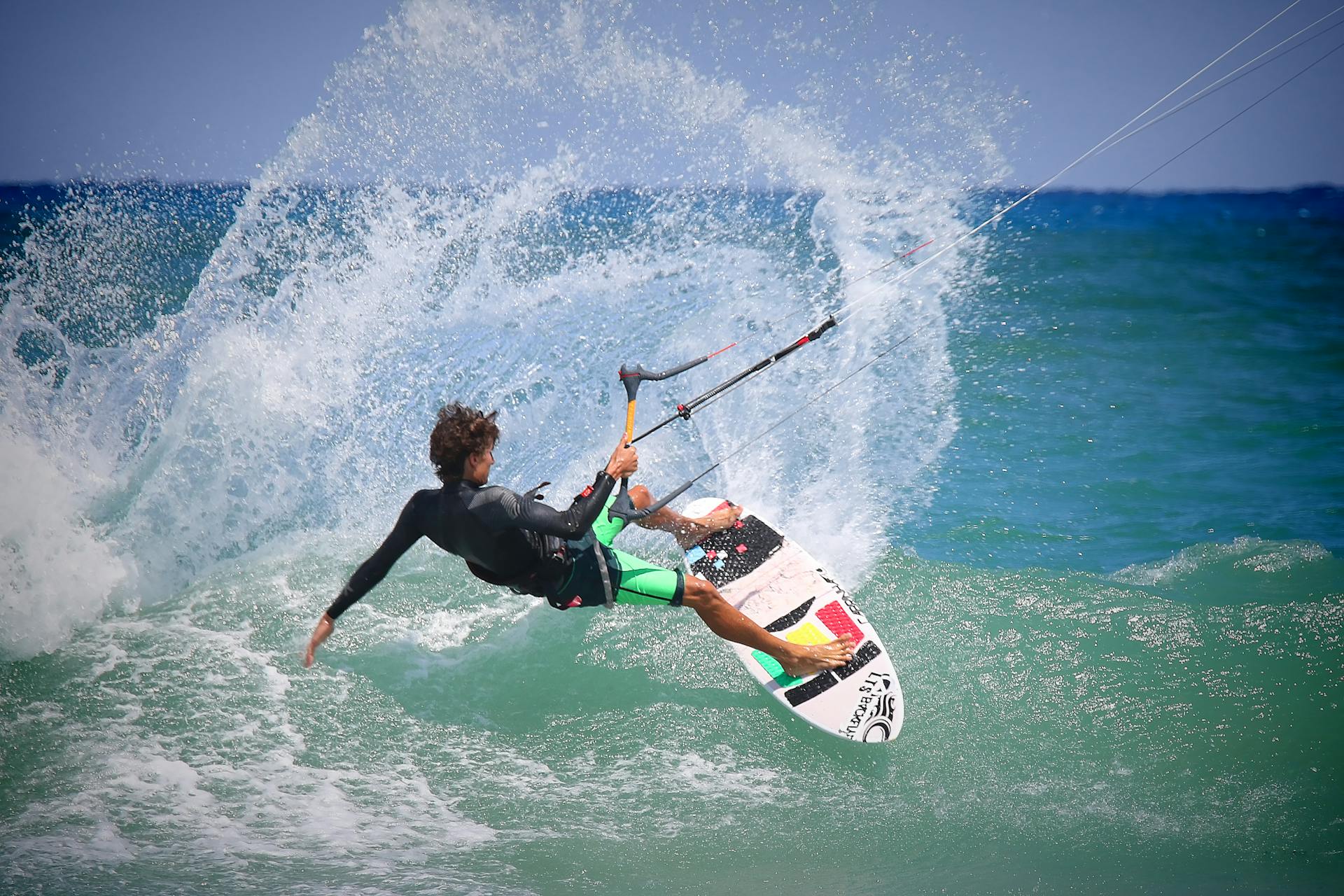
Kitesurfing might steal the spotlight, but Sotavento Beach offers much more. World-class windsurfing competitions, paddleboarding, and relaxed swims in the lagoon all make this spot special.
Windsurfing and Its International Appeal
Sotavento Beach regularly hosts some of the world’s top windsurfing events. The PWA World Tours come here every year.
I’ve watched competitors from all over take advantage of the steady trade winds. The conditions are so good, you’ll see pros training and racing side by side.
What you’ll find:
- Annual international championships
- Pro training facilities
- Multiple rental shops
- Lessons for every level
The beach stretches for kilometers, so windsurfers never feel cramped. Advanced riders head into deeper water, while beginners stick to the calm lagoon.
René Egli Center has the training rights for the lagoon, and this 4-kilometer area is just about perfect for learning.
Surfing and Paddleboarding Opportunities
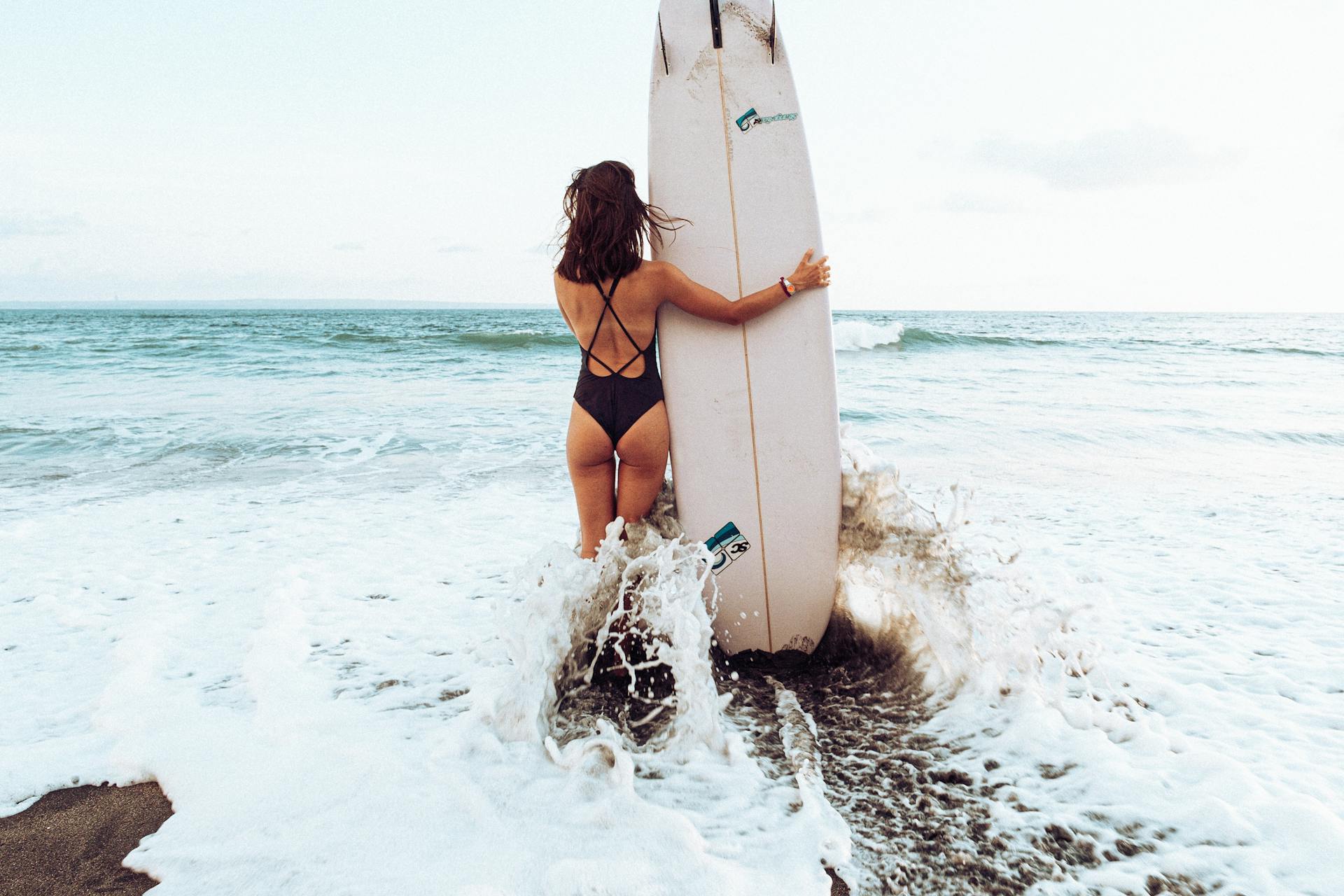
Not into kites or sails? The quieter parts of Sotavento are great for stand-up paddleboarding. I think the lagoon is ideal if you’re just starting out.
Other water sports:
- SUP (stand-up paddleboarding)
- Snorkeling in clear water
- Jet ski rentals
- Classic sailing
Rentals are easy to find, and a few shops offer lessons or guided tours if you want to try something new.
The lagoon forms behind sandbars 100 to 300 meters from shore, creating a 3-kilometer sheltered area—perfect for mellow water fun.
Family-Friendly and Relaxing Beach Options
Sotavento’s lagoon has shallow, warm water that’s safe for kids and anyone who’s not a strong swimmer.
I’d say low tide is the best time for families—the lagoon’s easiest to access, and the water’s calm even if the ocean’s wild.
For families:
- Strolls along the golden sands
- Swimming in the lagoon
- Snorkeling in clear, shallow water
- Sandcastle-building on the wide beach
The coastline here splits into five sections: La Barca, Risco del Paso, Mirador, Los Canarios, and Malnombre. Each has its own vibe and amenities.
This part of Fuerteventura gets warm weather all year, so you can enjoy the sand and sea whenever you visit.
Essential Guide to Sotavento Beach and the Surrounding Area
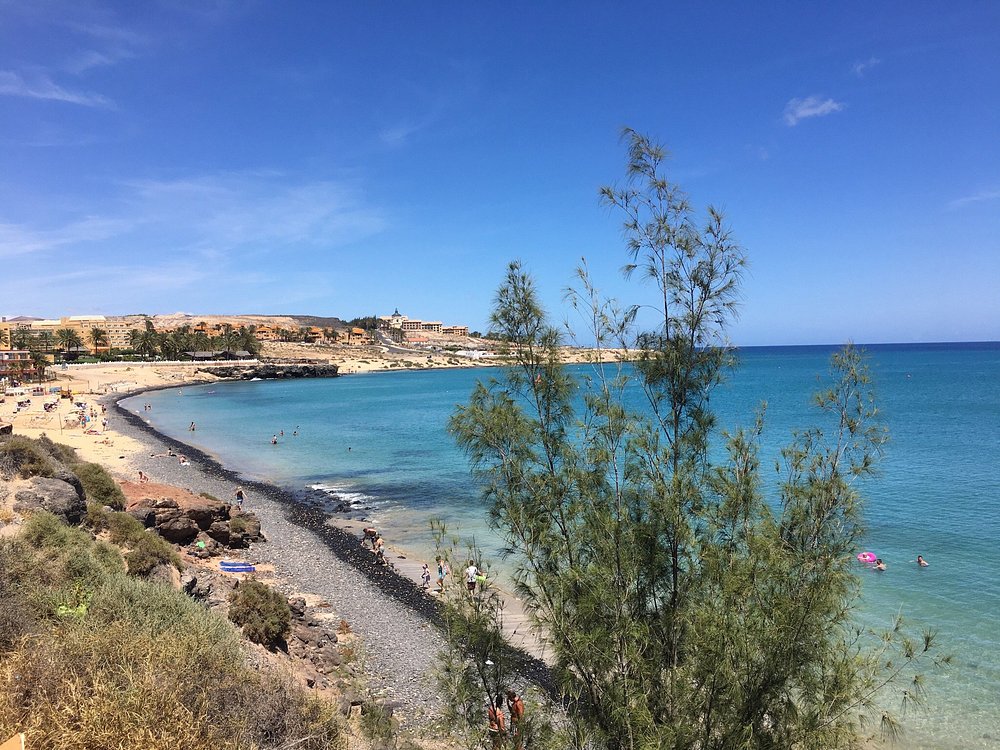
Sotavento Beach hugs Fuerteventura’s eastern coast, just south of Costa Calma. You can get here easily by car or bus.
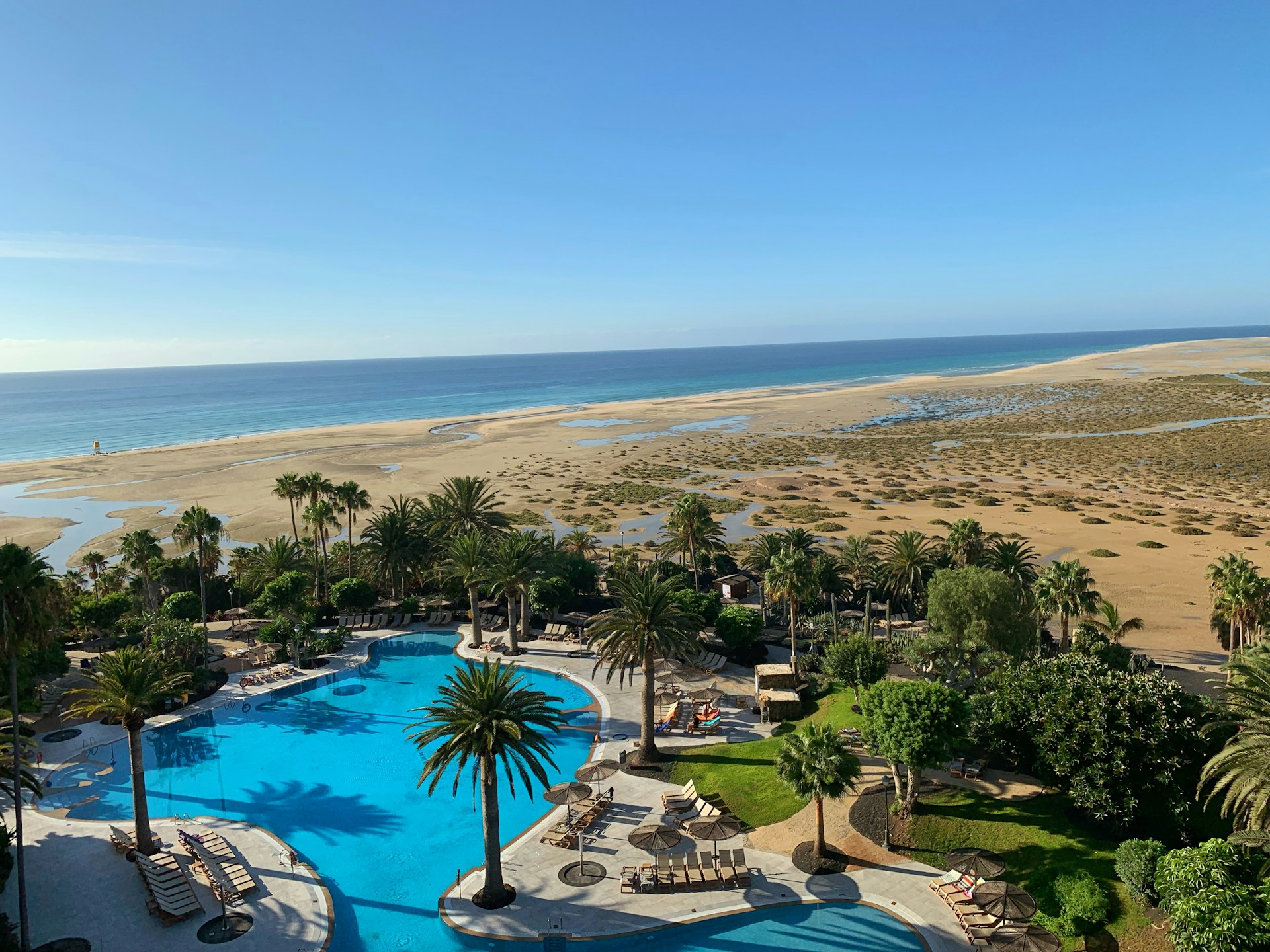
The beach itself keeps things simple with basic facilities and parking. For more comforts—like hotels and restaurants—Costa Calma is just a short hop away.
Getting to Sotavento Beach from Costa Calma
Driving from Costa Calma to Sotavento Beach usually takes me around ten minutes. I just follow the FV-2 road heading south toward Morro Jable.
There’s a pretty big parking lot tucked behind the dunes. It doesn’t cost anything, but wow, it can fill up fast when windsurfing season kicks in from April to October.
Public Transport Options:
- Bus Line 1 connects Costa Calma and Morro Jable.
- The bus stops close to the beach entrance.
- You’ll see buses every half hour or so during the day.
If you’re up for a bit of a walk, you can actually stroll along the coast from Costa Calma. It takes about 45 minutes on the sand. The walk feels peaceful, though I’d definitely pack some sunblock—there’s almost no shade out there.
Taxis wait outside most Costa Calma hotels. Usually, the ride costs somewhere between 8 and 12 euros each way.
Practical Tips for Visiting
I always check the tide times before heading out. When the tide’s low, that famous three-kilometer lagoon appears—honestly, it’s something you just have to see. At high tide, the vibe shifts, and you’ll notice different water sports taking over.
What to Bring:
- Sunscreen and a hat (shade is pretty much nonexistent)
- Windbreaker or a light jacket
- Water and snacks
- Beach umbrella or some kind of shelter
Afternoons here get seriously windy. If you’re traveling with kids or just want a mellow vibe, mornings are way calmer.
There’s a surf center by the lagoon that rents gear and offers lessons. You’ll spot a few surf schools scattered along the beach, especially when the wind’s up.
Weekends and competition days mean packed parking. I try to show up early, or just pick a weekday for a more laid-back trip.
You’ll find basic restrooms at the beach. I usually bring my own food and drinks, since grabbing a bite right on the sand isn’t really an option.

Nearby Attractions and Accommodation
If you want to stay closest to Sotavento Beach, Costa Calma is your best bet. This lively town has a mix of hotels, from affordable spots to all-inclusive resorts.
Recommended Areas:
- Costa Calma: Just a 10-minute drive and packed with hotels and restaurants.
- Morro Jable: Head 15 minutes south for more upscale resorts and a quieter vibe.
- La Barca: This tiny village nearby has some great local restaurants if you want something low-key.
I’ve stayed at both the Club Jandía Princess and Fuerteventura Princess. They’re both solid choices—right on the beach and great for families.
Nearby Attractions:
- Mirador de Sotavento: This viewpoint gives you a sweeping look over the beach. Totally worth a stop.
- Jandía Natural Park: If you’re into hiking or nature, you’ll love these protected trails and wild scenery.
- La Barca village: For a real taste of Canarian culture and food, this spot delivers.
Costa Calma has all the basics covered—supermarkets, pharmacies, and car rentals are easy to find. The town center is dotted with restaurants serving up fresh seafood and classic Canarian dishes.
If you want to escape the tourist crowds, I’d suggest driving inland to Los Canarios village. It’s got that authentic vibe, and the local cuisine there feels like a hidden gem.