
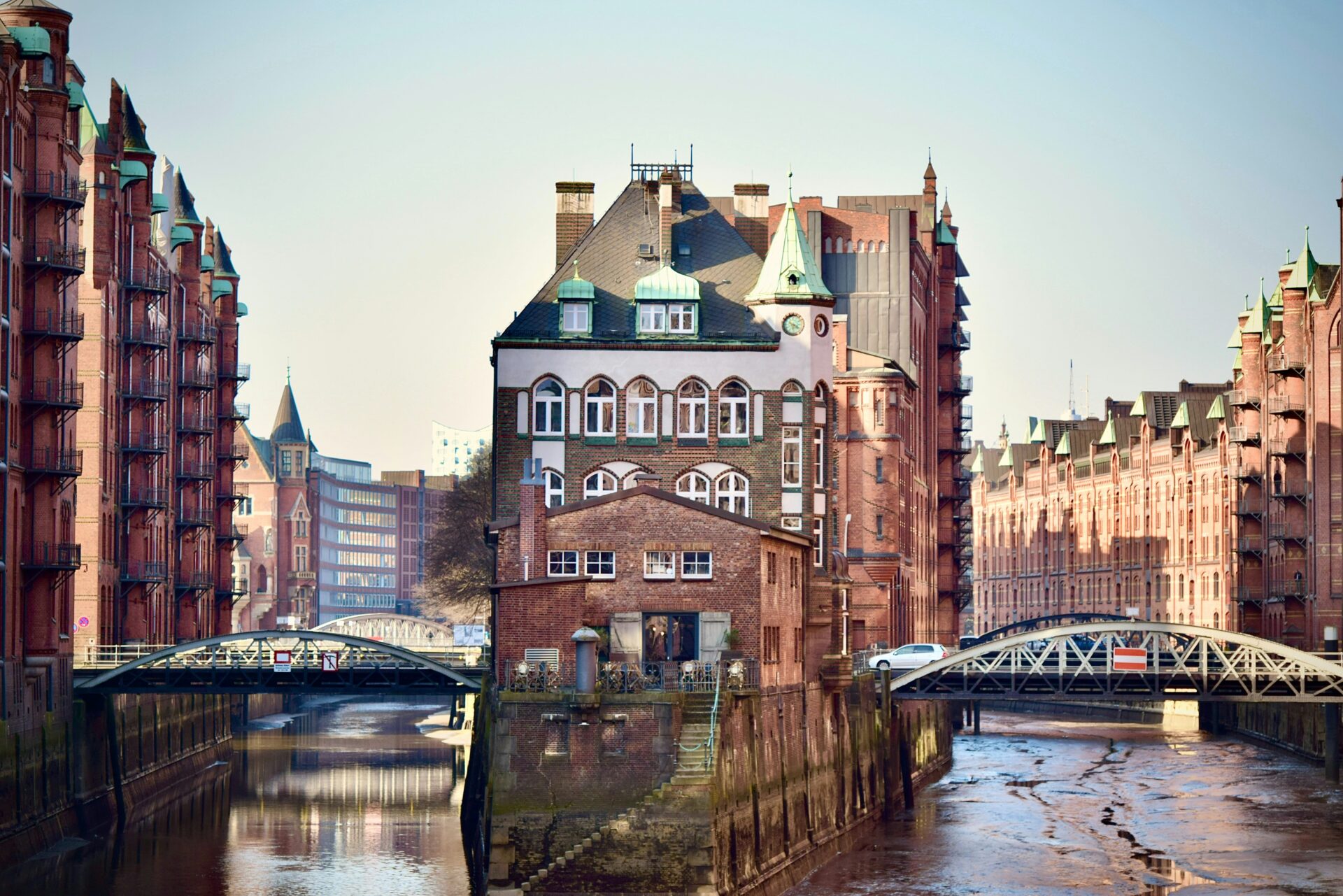
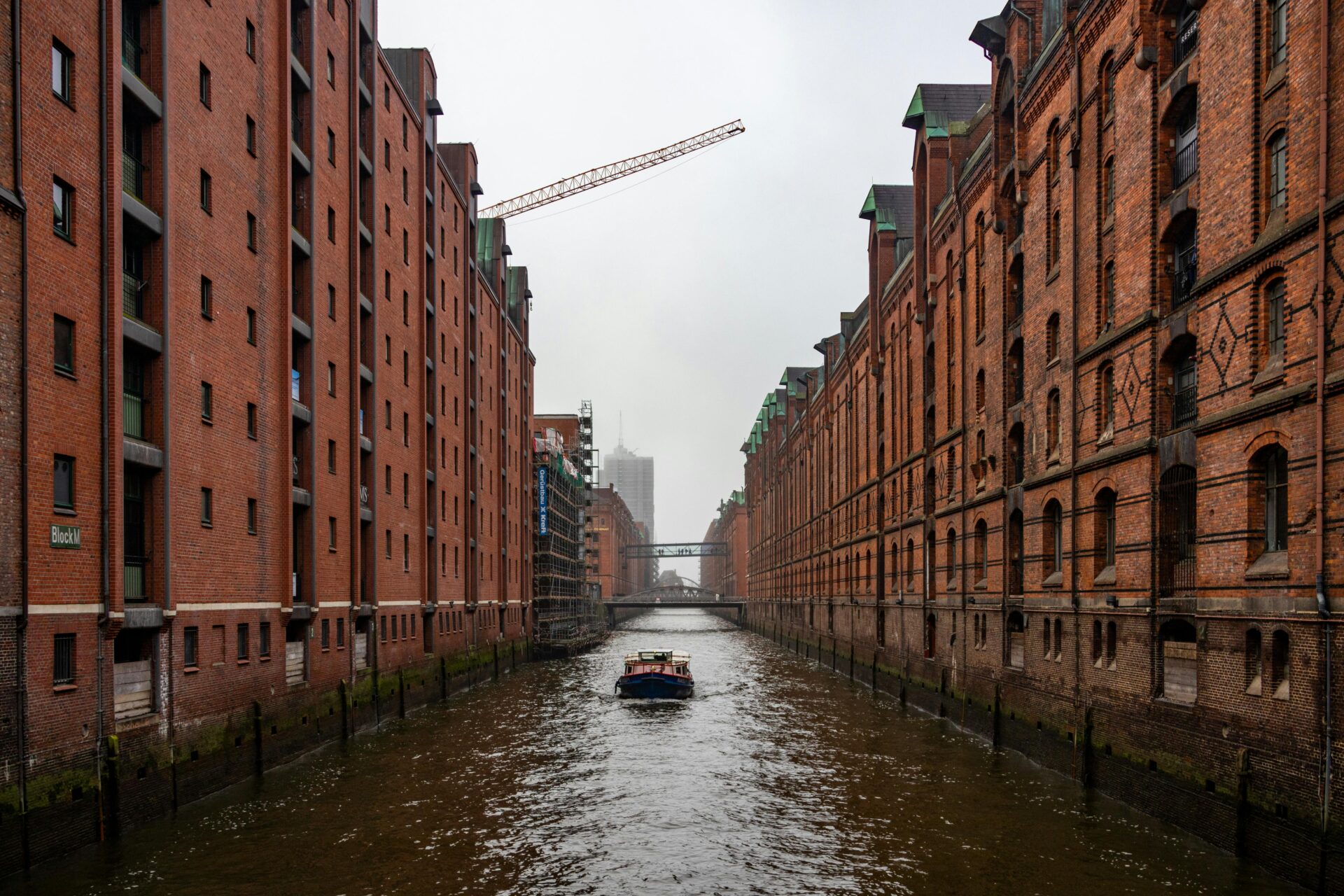
Speicherstadt in Hamburg is the world’s largest historic warehouse district and a UNESCO World Heritage Site, packed with red-brick buildings, peaceful canals, and over 20 bridges. When I wandered these streets, I felt this unmistakable blend of old-world architecture, tight waterways, and a calm that just doesn’t exist in the city’s busy heart.
I strolled past rows of warehouses built between 1883 and 1927, all perched on thousands of wooden pilings. The mix of history and the gentle sound of water underfoot made every step a little adventure. Speicherstadt isn’t just a relic; it’s key to Hamburg’s story and still pulses with life today.
Speicherstadt’s UNESCO World Heritage Status
Speicherstadt really stands out as the world’s largest historic warehouse district. The red-brick buildings, the canals, the bridges—they all create this atmosphere you won’t find elsewhere. Its UNESCO status puts a spotlight on its industrial and cultural importance, especially its ties to the nearby Kontorhaus District and Chilehaus.
UNESCO Recognition and Significance
Back in 2015, Speicherstadt landed a spot on the UNESCO World Heritage list. That’s no small thing—it means the world sees it as a prime example of port-related industrial architecture.
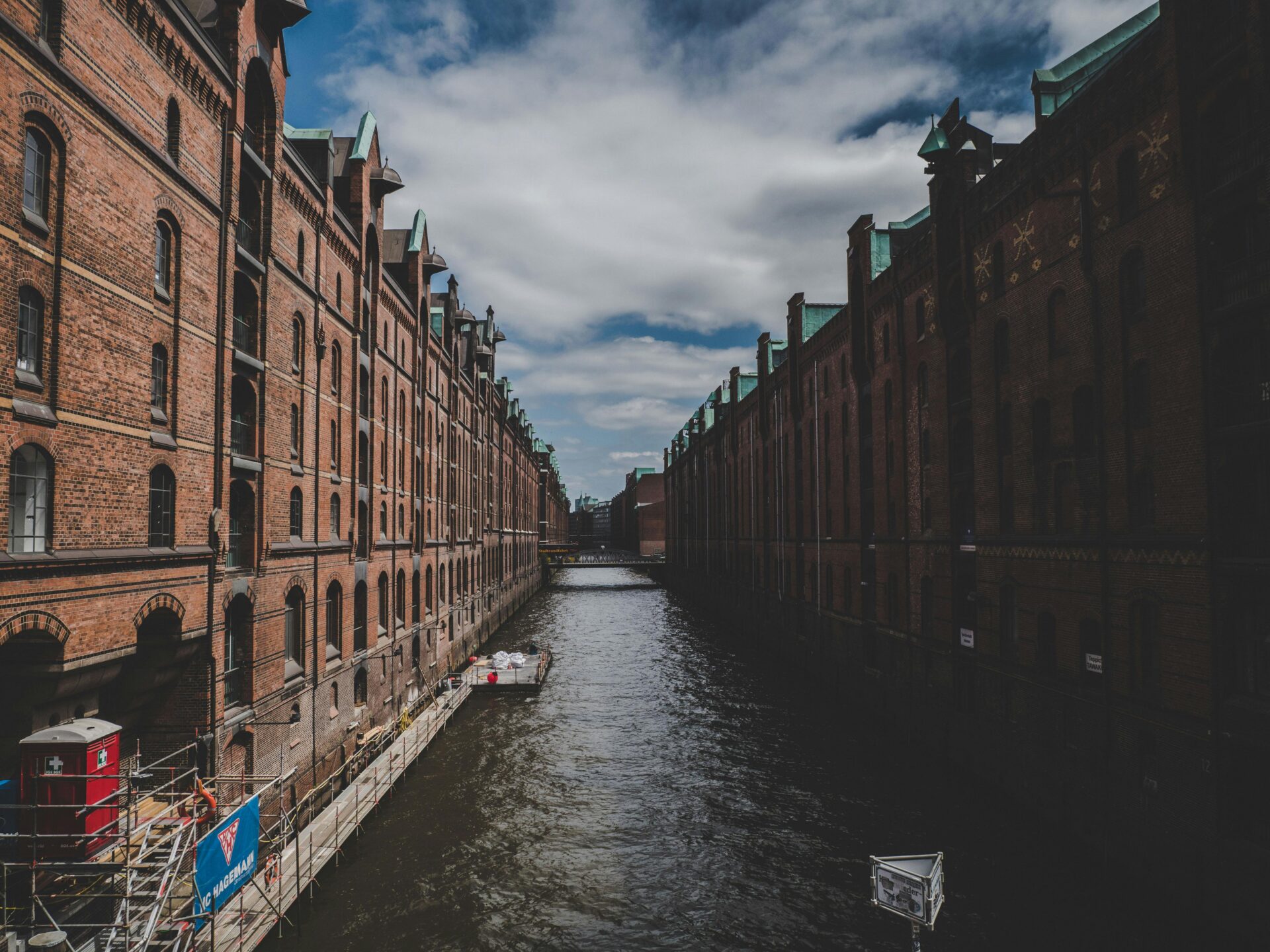
The warehouses, built from 1885 to 1927 and partly rebuilt after WWII, interlock in this clever way. They sit on oak piles in the Elbe River, stretching for 1.1 km with that almost obsessive urban precision.
Thanks to UNESCO, Hamburg’s maritime roots get international attention. That helps preserve Speicherstadt’s character and nudges developers to treat the area with care.
Criteria and Historic Importance
UNESCO picked Speicherstadt and the Kontorhaus District because of their architecture and urban design. The nomination highlighted their role in international trade and their unmistakable look.
You can still see how the layout—with rows of warehouses and those crisscrossing canals—once kept Hamburg’s trade humming. Coffee, spices, carpets, you name it, all flowed through here. The district’s status as a free economic zone helped Hamburg become a major port.
What caught UNESCO’s eye?
- The uniform red-brick style
- Thousands of oak poles holding everything up
- The seamless mix of water and land transport
All of that is still right there, telling the city’s economic tale.
Connections to Kontorhaus District and Chilehaus
Speicherstadt, the Kontorhaus District, and Chilehaus together make up this UNESCO World Heritage Site. The Kontorhaus District sits right next door, filled with tall office buildings from the early 1900s.
Chilehaus really pops out with its sharp brickwork and pointy shape—a modernist beacon in the Kontorhaus area.
These areas are tightly linked, both in what they did and where they are. Speicherstadt stored the goods; the Kontorhaus District handled the business side. UNESCO’s nod celebrates both the industrial and commercial sides of Hamburg’s rise.
The Remarkable History of Speicherstadt
Speicherstadt isn’t just another warehouse district. Its story covers the rise of massive warehouses, shifts in global trade, and the scars of war.
Origins in the German Empire
Speicherstadt’s roots go back to a time of big changes. In 1871, Hamburg joined the German Empire but kept its own customs rules for a while. That let local merchants keep trading without too much hassle.
But in 1881, Hamburg joined the German customs union. Suddenly, a free-port area became essential for international trade. So, construction on Speicherstadt began in 1883. Brick warehouses shot up along the canals.
By 1888, the first phase finished. The neo-Gothic style—with pointed brick facades—became the district’s signature. These warehouses held coffee, tea, spices, and carpets. Speicherstadt modernized the old port, making Hamburg more efficient for global business.
Role in Global Trade and Shipping
Speicherstadt fueled Hamburg’s growth as a world port. The warehouses acted as hubs for goods from every corner of the globe.
Coffee beans from South America, Asian spices, Persian carpets—all passed through these doors. Special customs rules meant goods could be traded here without full German taxes, drawing foreign traders to Hamburg.
Long canals and sturdy bridges kept everything moving. Barges brought shipments straight to the warehouses, and workers hustled goods between docks and storage. The whole setup let Hamburg handle massive volumes and all sorts of trade.
Impact of World Wars and Operation Gomorrha
The world wars hit Speicherstadt hard. During World War I, shipping slowed way down, leaving many warehouses half-empty. After the war, Germany’s defeat brought more economic headaches and new trade patterns.
World War II was even rougher. Air raids in 1943—Operation Gomorrha—wrecked much of Speicherstadt. Warehouses and bridges burned or collapsed, leaving ruins along the canals.
Rebuilding took years. Some old buildings couldn’t be saved, but many warehouses rose again. You can still spot battle scars on certain facades and bridges. The district’s survival says a lot about Hamburg’s resilience.
Architecture and Urban Design
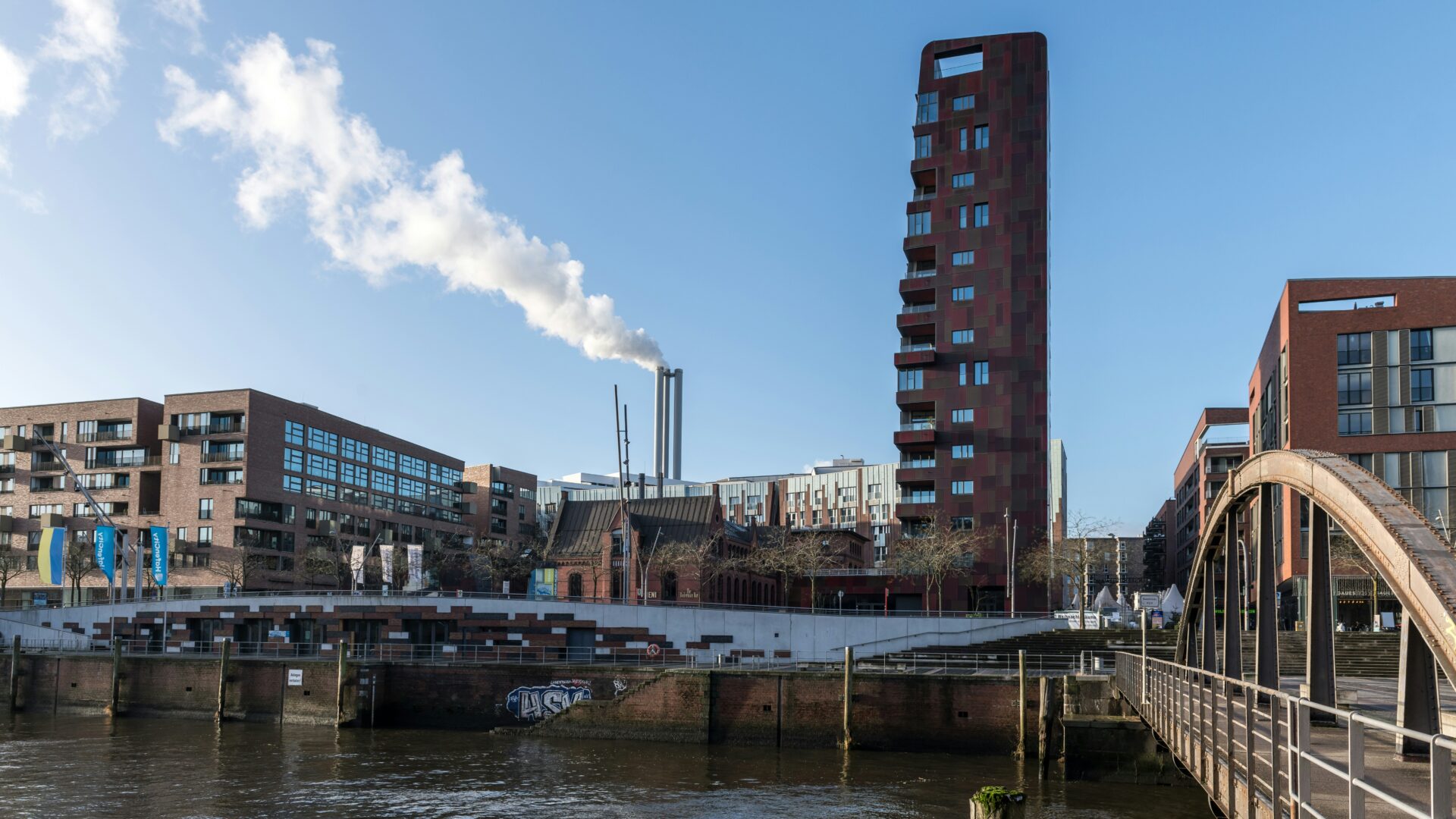
Speicherstadt’s design mixes historic brick architecture with a clever network of canals and bridges. Being wedged between the Elbe River and the city center shaped both the look and the layout.
Neo-Gothic Brick Architecture
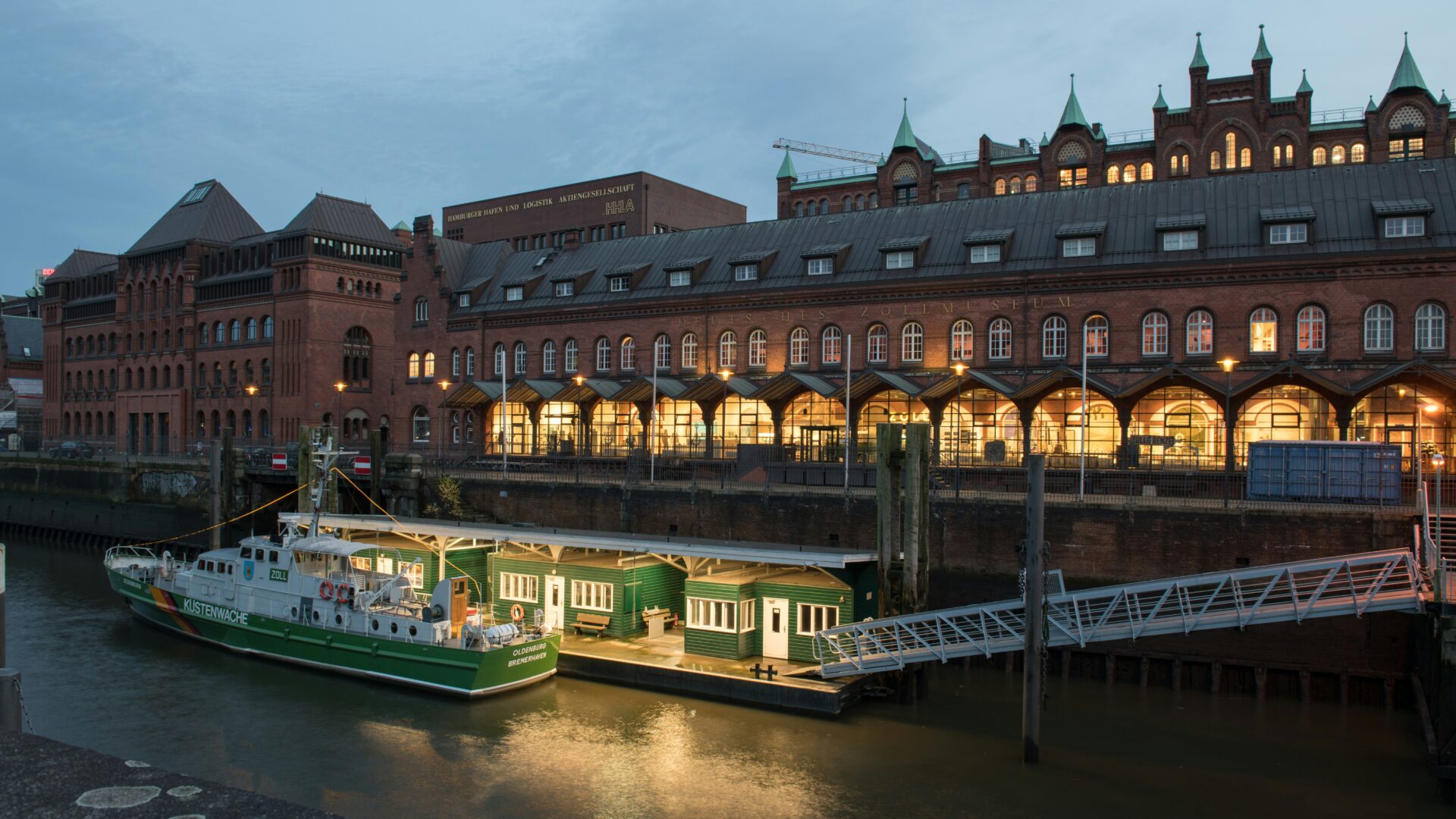
The neo-Gothic style jumps out at you right away. Warehouses sport pointed arches, turrets, and sharp gables, making the area stand out from newer buildings.
Dark red bricks dominate, with carved stone ornaments and decorative railings. Walking by, I spotted intricate details around windows and doors. All that brickwork isn’t just for show—it made these buildings sturdy enough for mountains of coffee and spices.
Neo-Gothic touches are everywhere, from the smallest corner warehouse to the tallest one by the waterfront. Even the lamp posts and iron railings echo the same vibe.
Red-Brick Warehouses and Bridges
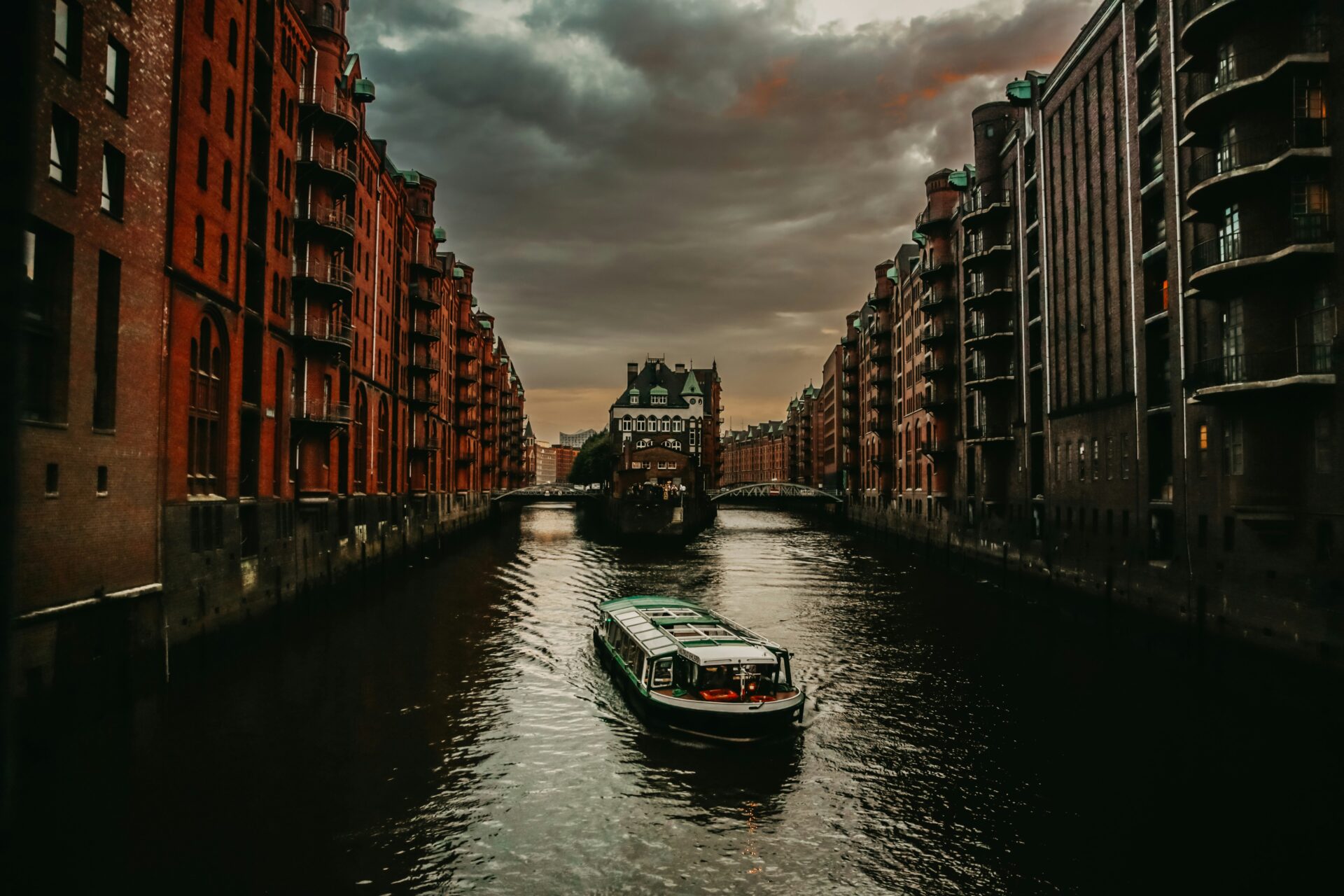
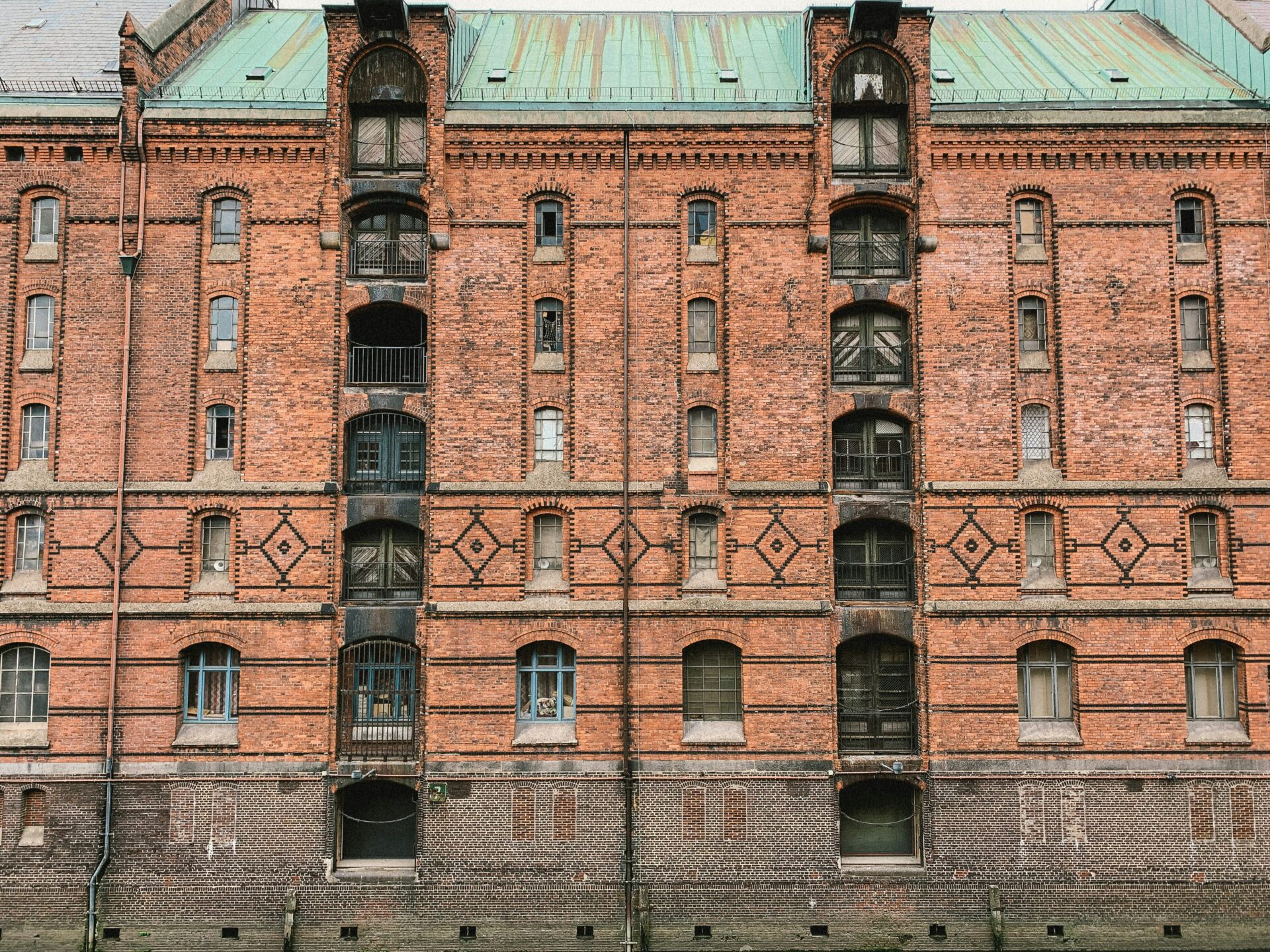
Rows of red-brick warehouses line the canals. Each has big doors facing the water, perfect for loading goods right off the boats. Many buildings show off green copper roofs, which pop against the brick and brighten up the skyline.
Bridges tie almost every block together. Some are stone, others steel or iron. This web of bridges let people and goods flow easily from one warehouse to the next.
Inside, you’ll see iron beams and thick wooden floors. Some warehouses run for more than a hundred meters, making these long, uninterrupted brick walls along the canals. These days, lots of them house museums, offices, and cozy cafes.
Canals, Sandtorkai, and Elbe River
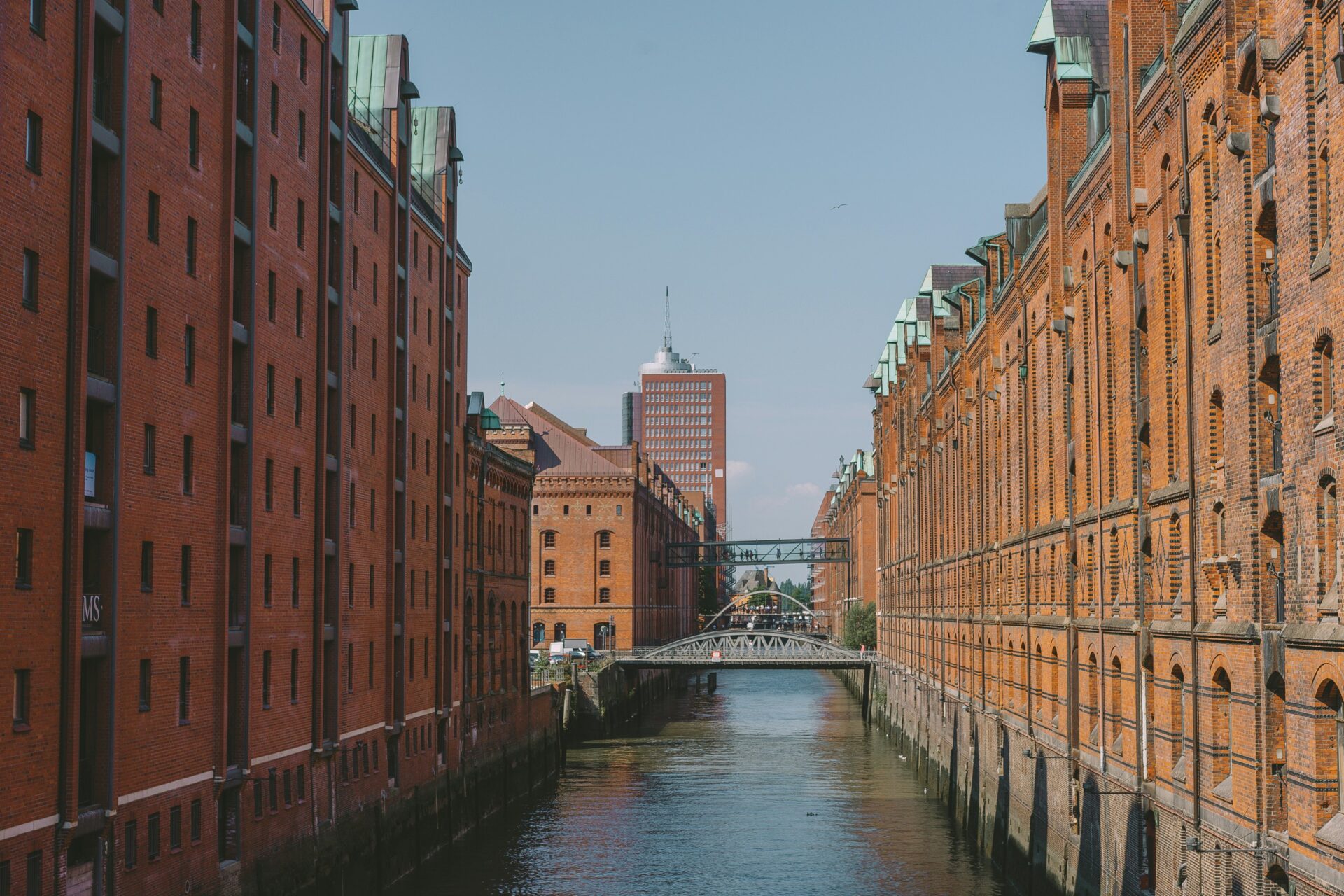
Six man-made canals twist through Speicherstadt, ducking under bridges and eventually spilling out into the Elbe River. I stood and watched water lap against deep stone embankments and the old oak piles holding everything up.
Sandtorkai, a main street, runs alongside the canals and links the warehouses to the river. It was once the heart of all the shipping bustle. Barges and small boats still drift by, keeping the area alive with gentle movement.
The Elbe shapes everything here. Its tides change water levels in the canals and still affect how the district works. The way warehouses, bridges, and water all fit together shows just how much thought went into Speicherstadt over a hundred years ago.
Exploring Speicherstadt: Attractions and Experiences
Speicherstadt has a ton to offer—museums, interactive exhibits, and quirky spaces. I stumbled on places that dive into Hamburg’s maritime roots, world cultures, and old trades.
Miniatur Wunderland and Model Railway
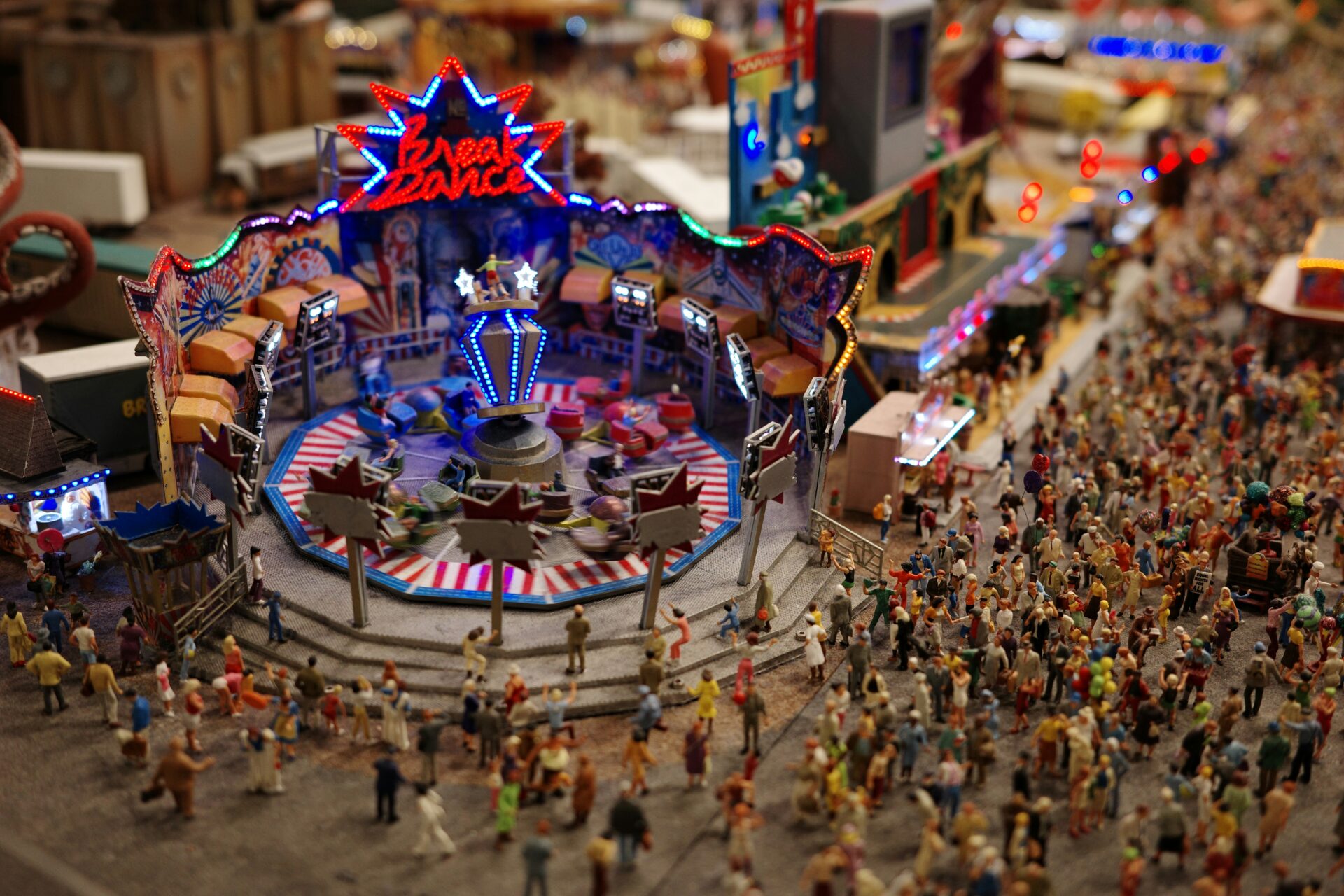
I kicked things off at Miniatur Wunderland, which claims the title of world’s largest model railway. The displays sprawl across several rooms, showing off scenery from Switzerland, Austria, the USA, and more. Trains, tiny people, and miniature cities spring to life with moving parts and clever lighting.
Interactive buttons let you control lights, vehicles, and even the weather. The detail is wild—cars drive, airports buzz, and day shifts to night. It’s a hit with families, train lovers, and anyone who likes a bit of whimsy.
Sometimes it stays open past midnight, which is a completely different vibe after dark. I’d book tickets ahead, though. It gets packed, especially on weekends and holidays.
Speicherstadt Museum and Maritime Heritage
Next up, I wandered into the Speicherstadt Museum, tucked inside a restored warehouse. The museum digs into the district’s history, focusing on the work that happened here over the years. Original workbenches, old weighing scales, and packing gear line the exhibits.
Photos, documents, and vintage equipment show how spices, coffee, and carpets moved through Speicherstadt. I read stories of traders and workers who shaped the area, and the museum highlights the unique brickwork and canal system that made everything possible.
If you’re into maritime history or local stories, this place is worth a stop. I spent extra time tracing trade routes on the old maps.
International Maritime Museum and Hamburg Dungeon
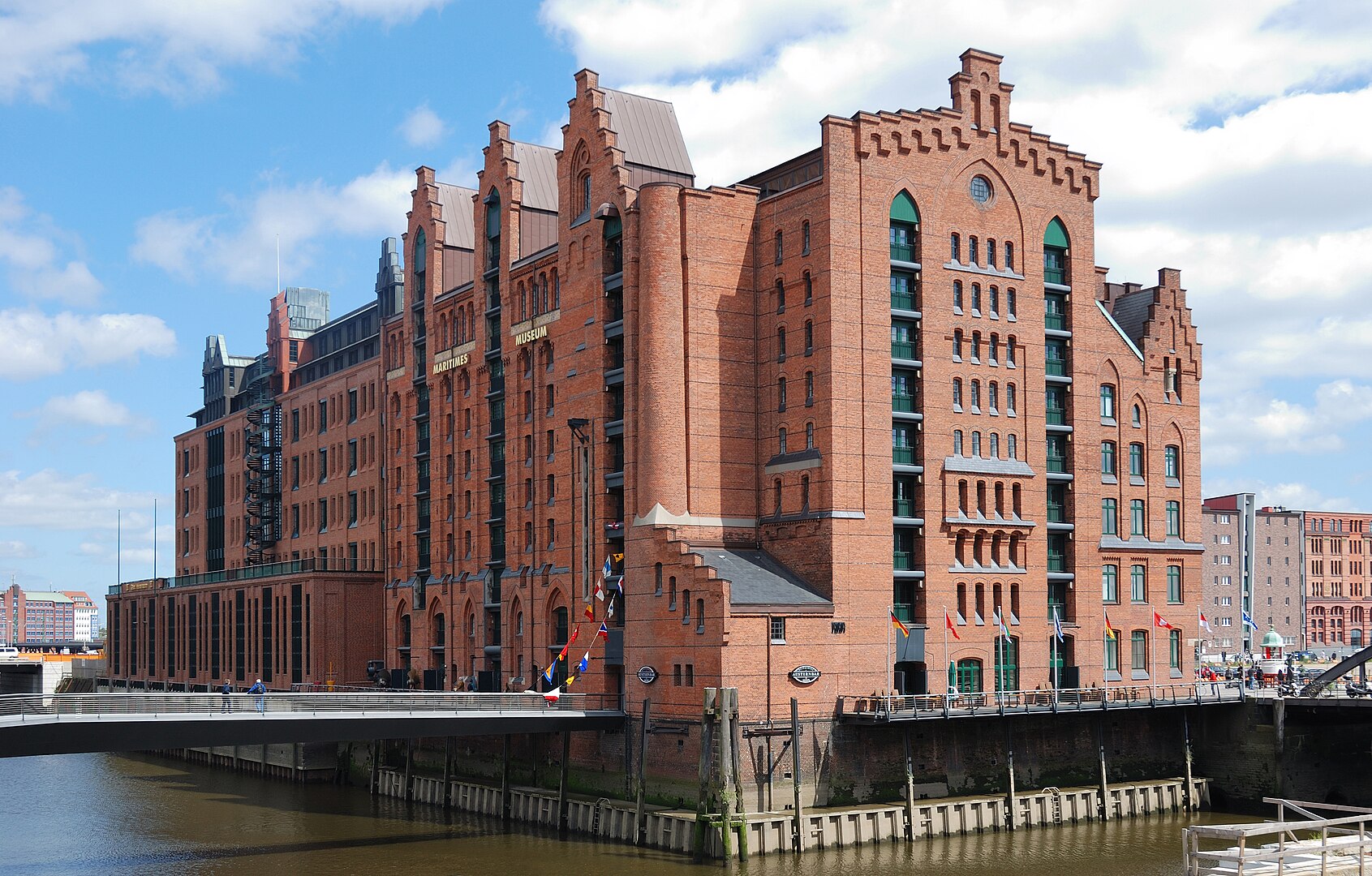
Just a few steps away, the International Maritime Museum covers 3,000 years of maritime history. It’s set in a historic warehouse and crammed with model ships, uniforms, paintings, and all sorts of naval gear.
Some highlights:
- Ship models from ancient to modern times
- Exhibits on sea exploration and navigation
- Interactive displays for all ages
Down the street, the Hamburg Dungeon puts on a wild show. Actors, special effects, and rides bring the city’s darker stories to life—think plagues, pirates, and fires. It’s fast-paced and a bit creepy, so probably better for older kids and adults. I left with a new appreciation for Hamburg’s grit.
Spice Museum and Coffee Museum Burg
Deep in the red-brick maze, the Spice Museum offers a sensory adventure. I wandered past piles of cinnamon, pepper, and other spices, with signs explaining how these goods shaped trade, food, and medicine.
You can touch, smell, and even taste some of the spices. That hands-on approach made the visit stick with me. The museum also tells the stories of the traders and the shipping tools they used.
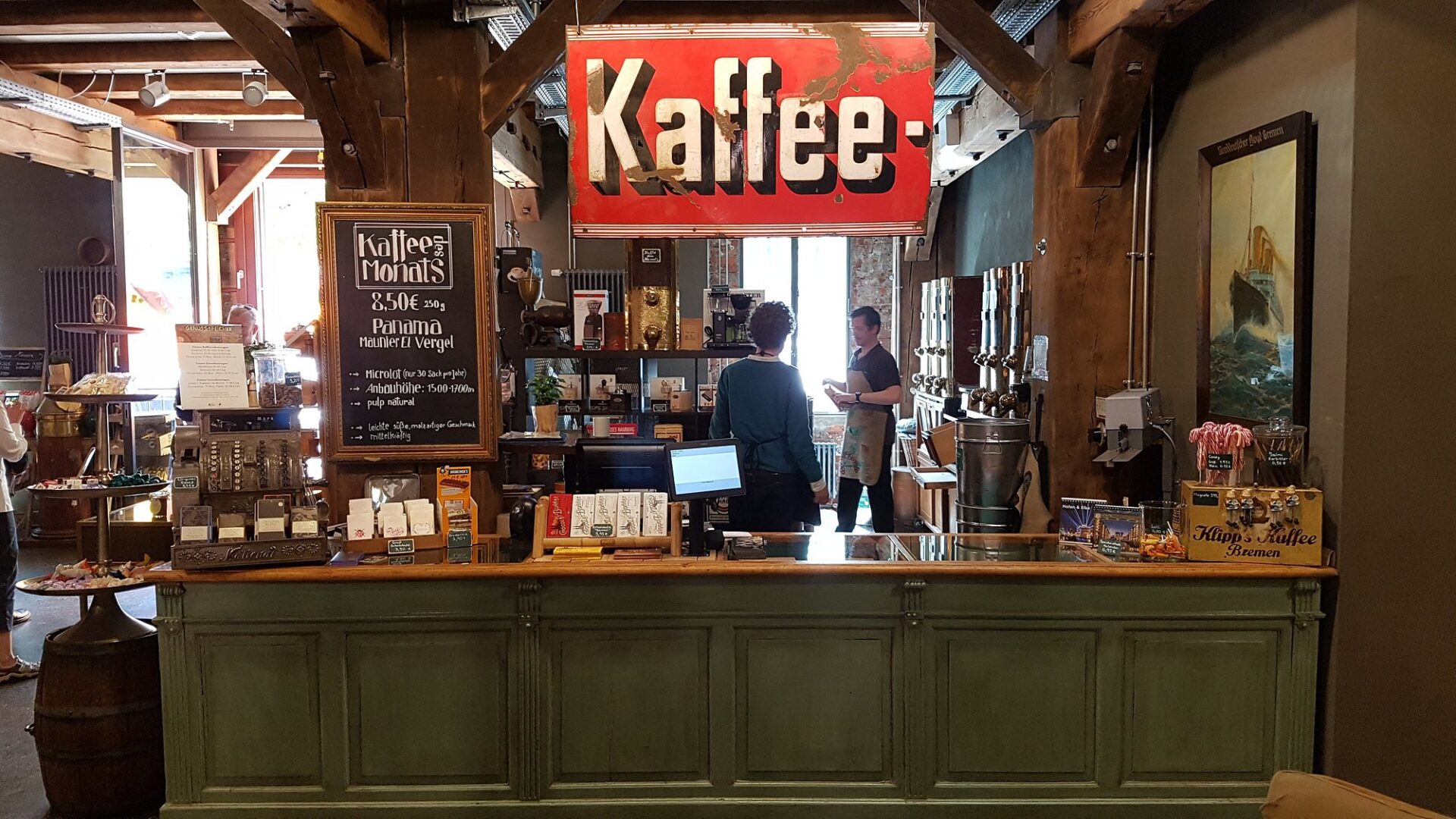
If you love coffee, don’t skip the Coffee Museum Burg. Inside a former warehouse, it covers coffee’s journey from bean to cup. I watched old roasting machines in action and learned about Hamburg’s coffee port legacy. The best part? Sipping fresh coffee in a café surrounded by vintage posters and cups from every era.
A Walk Through Speicherstadt’s Canals, Bridges & Cafes
Speicherstadt weaves together winding canals, historic bridges, and those unmistakable warehouse buildings. I found charming cafes and specialty coffee roasters tucked between the waterways, making every corner feel like a discovery.
Iconic Bridges and Waterside Routes
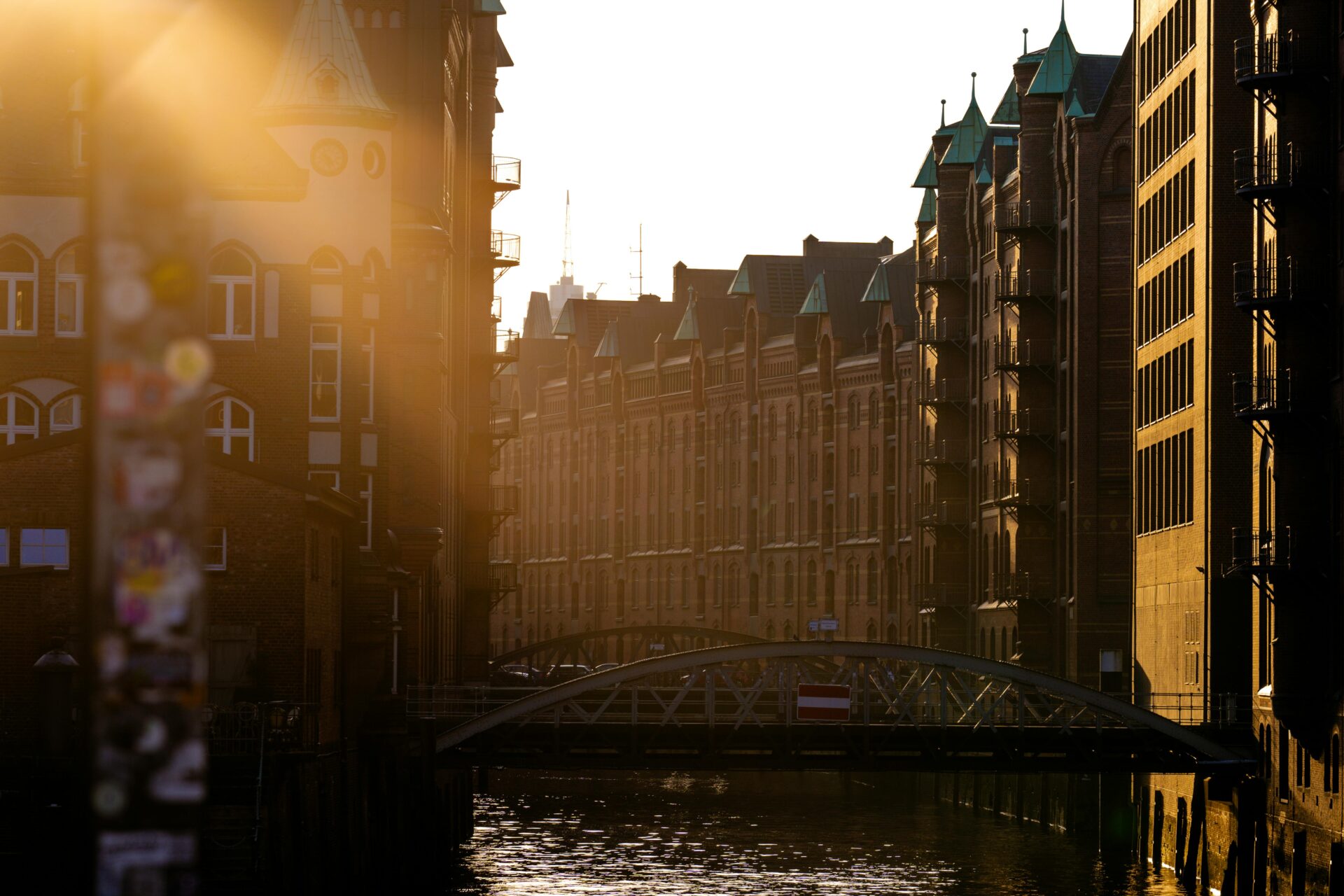
I kicked off my walk on one of Speicherstadt’s narrow bridges, just soaking in the morning air. These bridges zigzag across six man-made canals, linking up the red-brick warehouses that sit on little islands between the waterways.
There’s something about the architecture here—neo-Gothic arches and quirky turrets, lots of wrought iron details. It’s easy to see why UNESCO put this place on their list.
The bridges aren’t just for getting around; they’re downright photogenic. I kept stopping to snap pictures, especially near Sandtorhafen port, where old steamers and towboats bob on the water.
As I wandered, I watched boats of all sizes glide underneath. Walking along the water, I felt history and modern life blend together.
Some bridges, like Brooksbrücke and Wandrahmsteg, display plaques with their names and dates. I found these little details pretty charming—they hint at how long these crossings have mattered to the city.
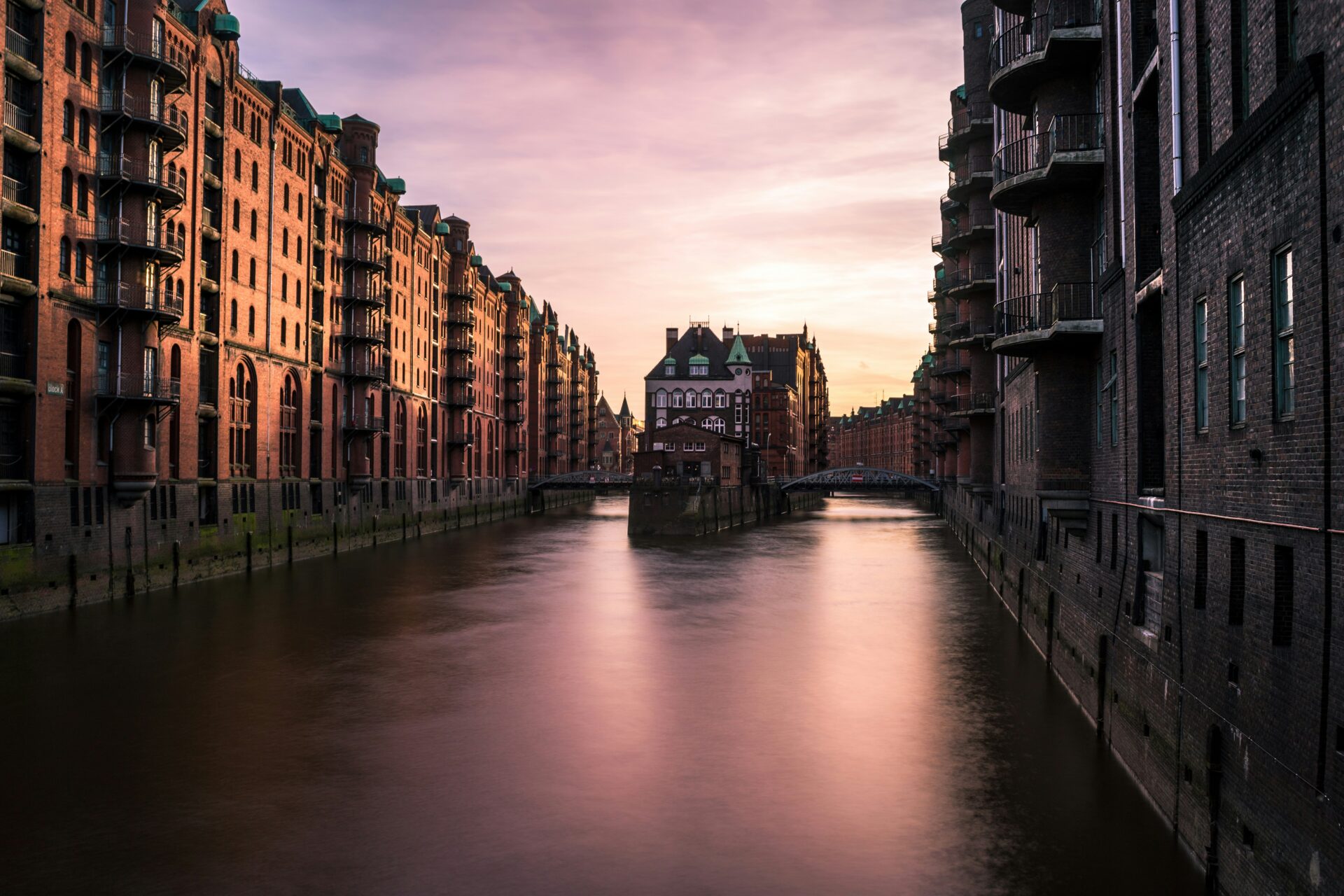
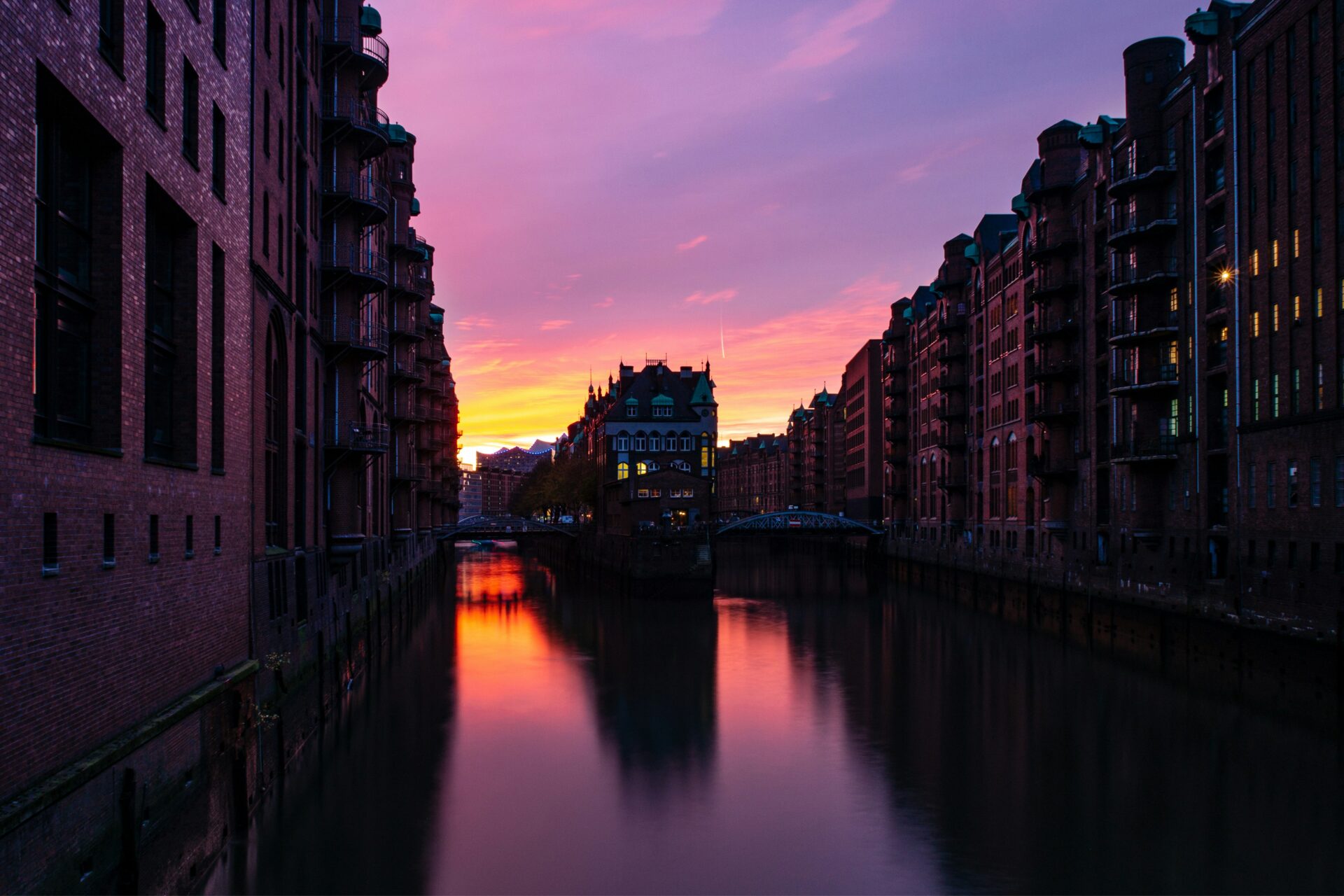
In the early morning, the brick buildings reflect perfectly in the canals. It’s one of those scenes that makes you pause, whether you’re a local or just passing through.
Wasserschloss and Cafes
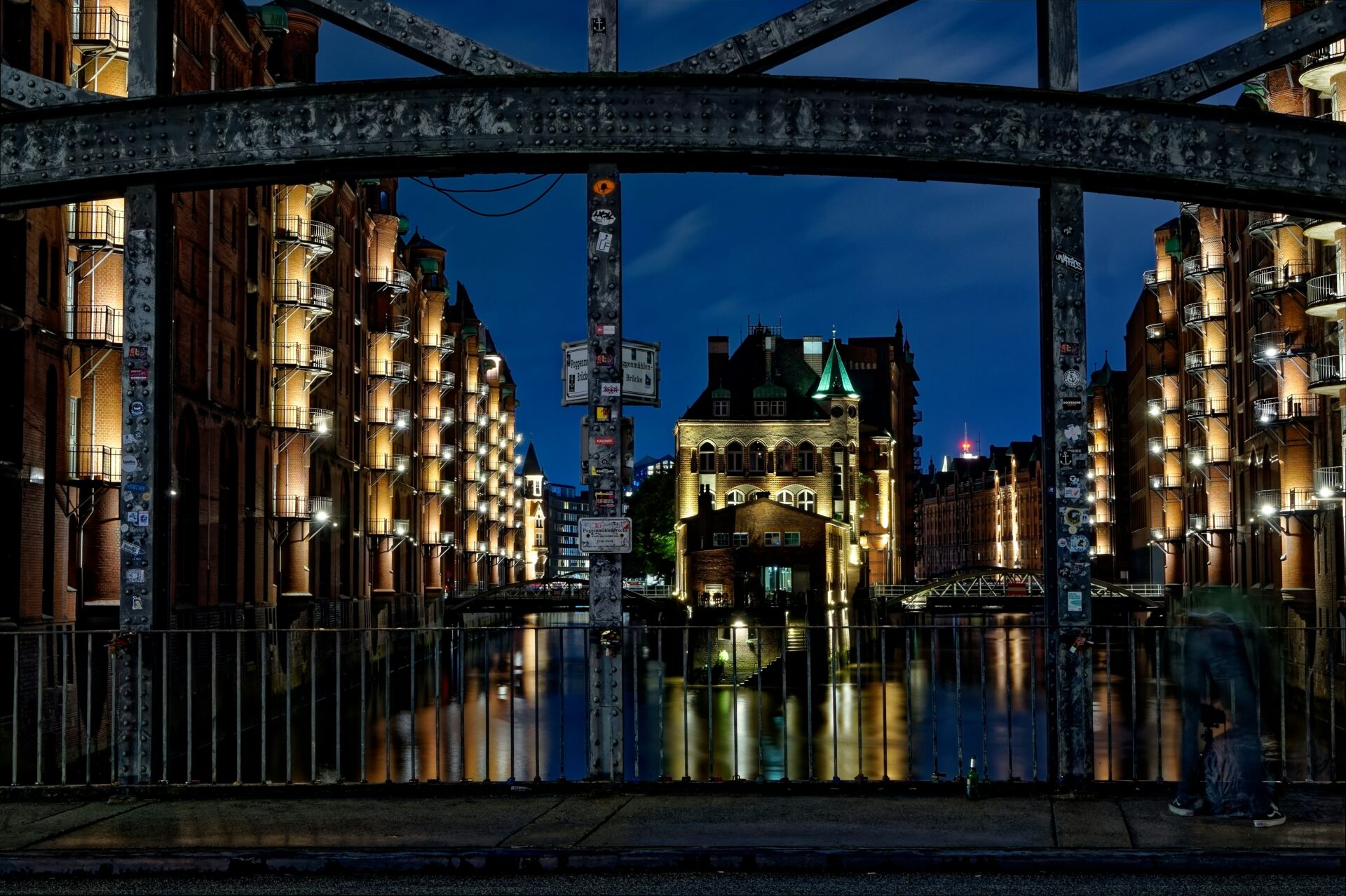
Eventually, I stumbled onto the Wasserschloss, perched right where two canals meet. Its pointed spires and peaceful setting make it a magnet for photographers, and honestly, I couldn’t resist either.
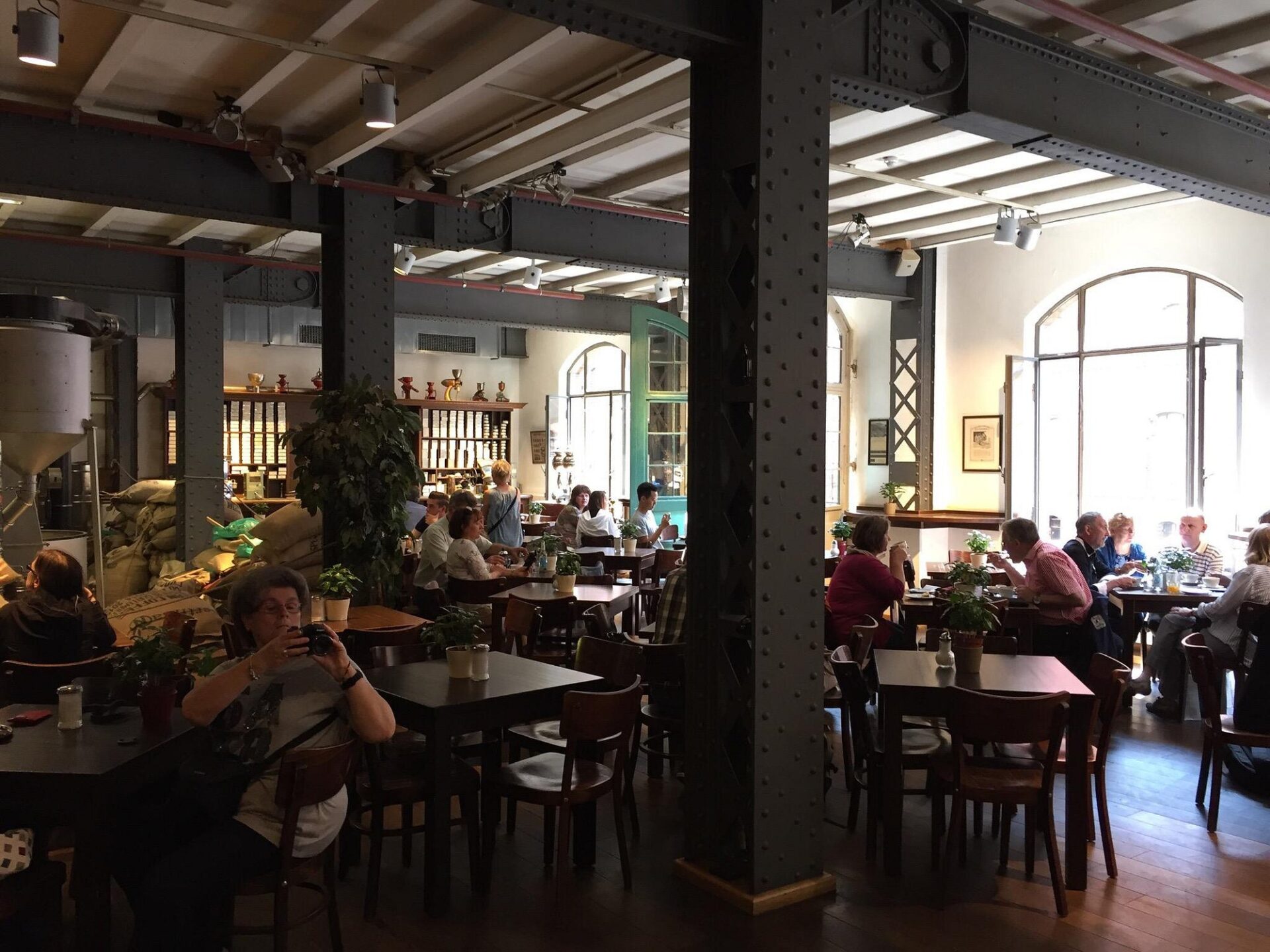
Inside, the Wasserschloss cafe feels both grand and cozy. Wooden tables, high ceilings, and big windows looking out over the water—what’s not to love?
I sipped my tea and watched boats drift by. The menu’s got local cakes, sandwiches, and an impressive tea selection.
There are other cafes tucked away in the district too. Many sit inside old storage rooms, which gives them a snug, unique vibe.
If you’re lucky with the weather, you can grab a spot outside right by the canal. On a sunny afternoon, it’s hard to imagine a better break.
Coffee Roasteries and Tea Houses
Speicherstadt’s got deep roots in the coffee and tea trade. You can still find traditional coffee roasteries here, and I made a beeline for the well-known Speicherstadt Coffee Roastery.
The smell of roasting beans hit me as soon as I walked in. They let visitors taste coffees from Brazil, Ethiopia, Indonesia—you name it.
Vintage grinders and brewing gadgets sit on the tables, adding to the atmosphere. It feels like a little museum for coffee lovers.
Tea fans aren’t left out either. The Wasserschloss Tea Shop has shelves packed with loose-leaf teas, from classic black blends to rare green varieties.
Staff are friendly and happy to chat about their favorites or help you pick something new. Each cup feels connected to Speicherstadt’s long trading history.
Visitor Information: Tours, Transport & Photography
I found visiting Speicherstadt pretty straightforward. There are organized tours, handy public transport, and plenty of tips for snapping photos or picking up unique souvenirs.
Guided Tours and Harbor Cruises
I joined a guided walking tour to get my bearings. The guide pointed out highlights like the Wasserschloss, the Speicherstadt Museum, and those iconic red-brick warehouses.
Most tours last about 1.5 to 2 hours. The stories and facts brought the area’s history to life in a way I wouldn’t have picked up wandering alone.
Harbor cruises are another great way to see Speicherstadt. Boats slip through the canals between warehouses, offering a totally different perspective.
Onboard guides share tidbits about Hamburg’s shipping legacy and its global coffee and spice trade. It’s a fun way to learn without feeling like you’re in a classroom.
Tour Options Table
| Experience | Typical Duration | Language Options | Booking Method |
|---|---|---|---|
| Walking Tours | 1.5–2 hours | English, German | Online, in person |
| Harbor Cruises | 1–2 hours | English, German | Docks, online |
I’d suggest booking tickets ahead, especially during summer. Sometimes you can grab a last-minute spot if you show up early.
Using the Hamburg Card and Public Transport
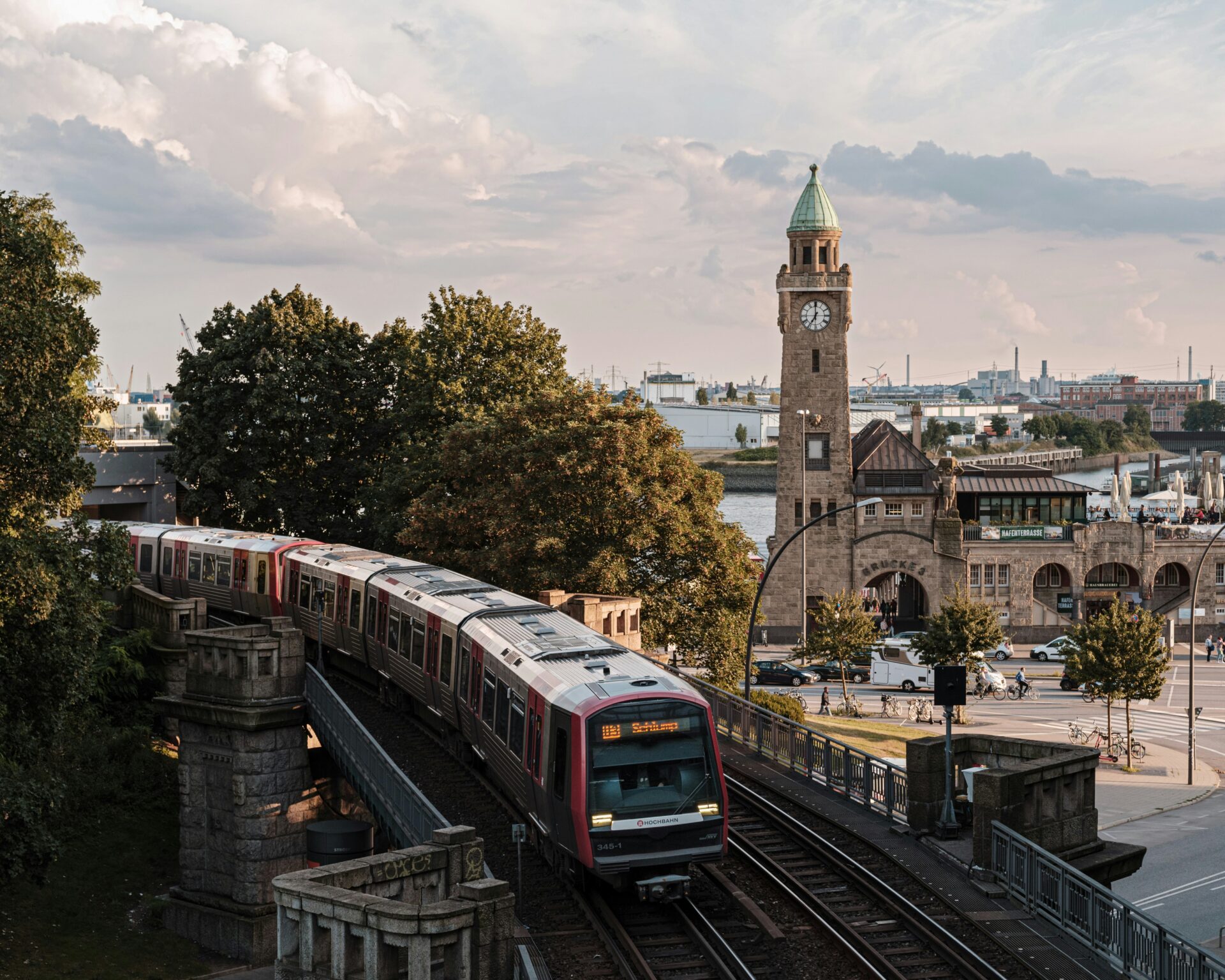
Getting to Speicherstadt was a breeze. I hopped on Hamburg’s public buses and the U-Bahn—both the Baumwall and Überseequartier stations are just a short walk away.
The Hamburg Card turned out to be a real money-saver. It covers unlimited rides on buses, trains, and ferries, plus discounts at some museums and attractions in Speicherstadt.
I bought my card online, but you can also snag one at stations or tourist info points. For groups or families, it’s a solid deal.
Bus stops and metro stations have English signs and clear maps. I relied on Google Maps for live directions, which made getting around super simple.
Best Spots for Photography and Shopping
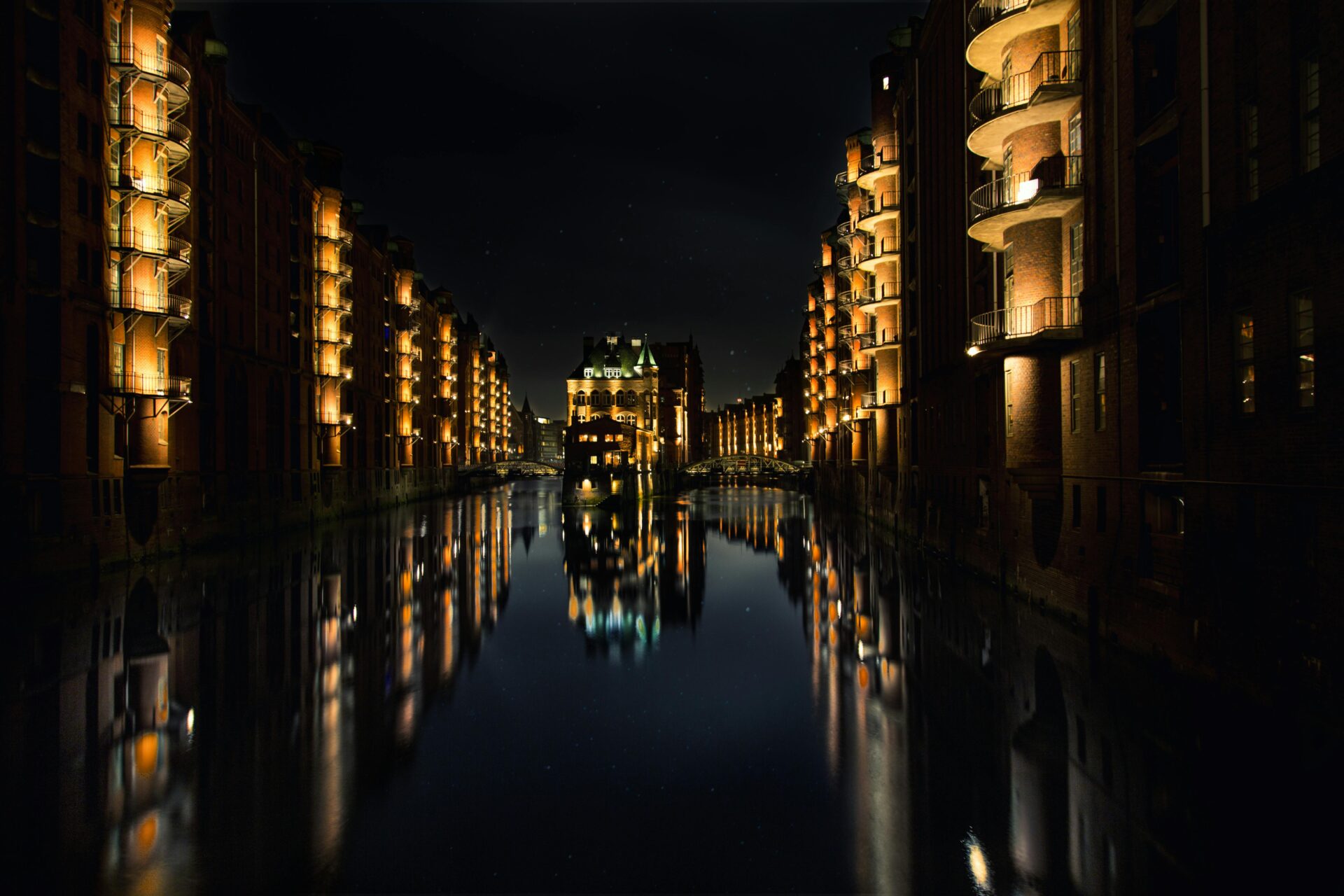
Speicherstadt? It’s honestly picture-perfect. I stumbled across the best photo spots near the Wasserschloss, where canals stretch out on both sides.
You’ll also find magic light along the Brooksfleet bridge. Early morning felt calm and almost cinematic, while the golden hour before sunset just made everything glow.
Top Photo Locations List
- Wasserschloss (castle-like warehouse)
- Poggenmühlen-Brücke (classic canal view)
- St. Annen Bridge (panoramic shots)
Shops here really lean into local flavors—spices, coffee, and all sorts of regional treats. I ducked into a retailer tucked inside a historic warehouse and got lost among rare teas and fragrant spices.
If you’re hunting for souvenirs, the Speicherstadt Museum’s gift shop surprised me with items you won’t find anywhere else—everything’s got this cool Hamburg twist.
Cafés line the canals, and most have outdoor seats. After some casual shopping, I grabbed a seat at one and just soaked in the view.
Photography’s totally welcome, but if you’re thinking about using a tripod, I’d go early. Crowds show up fast, and it gets tricky to set up.