
Some places just won’t let go of their stories, no matter how much time passes. Spinalonga, just off Crete’s coast, is definitely one of those places. Once a leper colony, this island stands as a powerful symbol of sorrow, strength, and the will to endure in the face of hardship.
As I got closer by boat, the faded stone walls and empty houses just sat there—quiet, heavy with memories. I stepped onto the island and wandered paths where outcasts once walked, feeling their presence in every shadow.
Exploring Spinalonga turned into more than a history lesson for me—it became a journey through human hope and heartbreak. I couldn’t help but feel inspired by the resilience of the people who managed to build a life here, even when the world shut them out.

The Allure of Spinalonga: A Portal to the Past
Spinalonga isn’t just a tiny island off Crete—it’s a place where history feels like it’s breathing. My trip over was a weird mix of curiosity, respect, and this urge to figure out why the island leaves such a mark.
First Impressions Upon Arrival
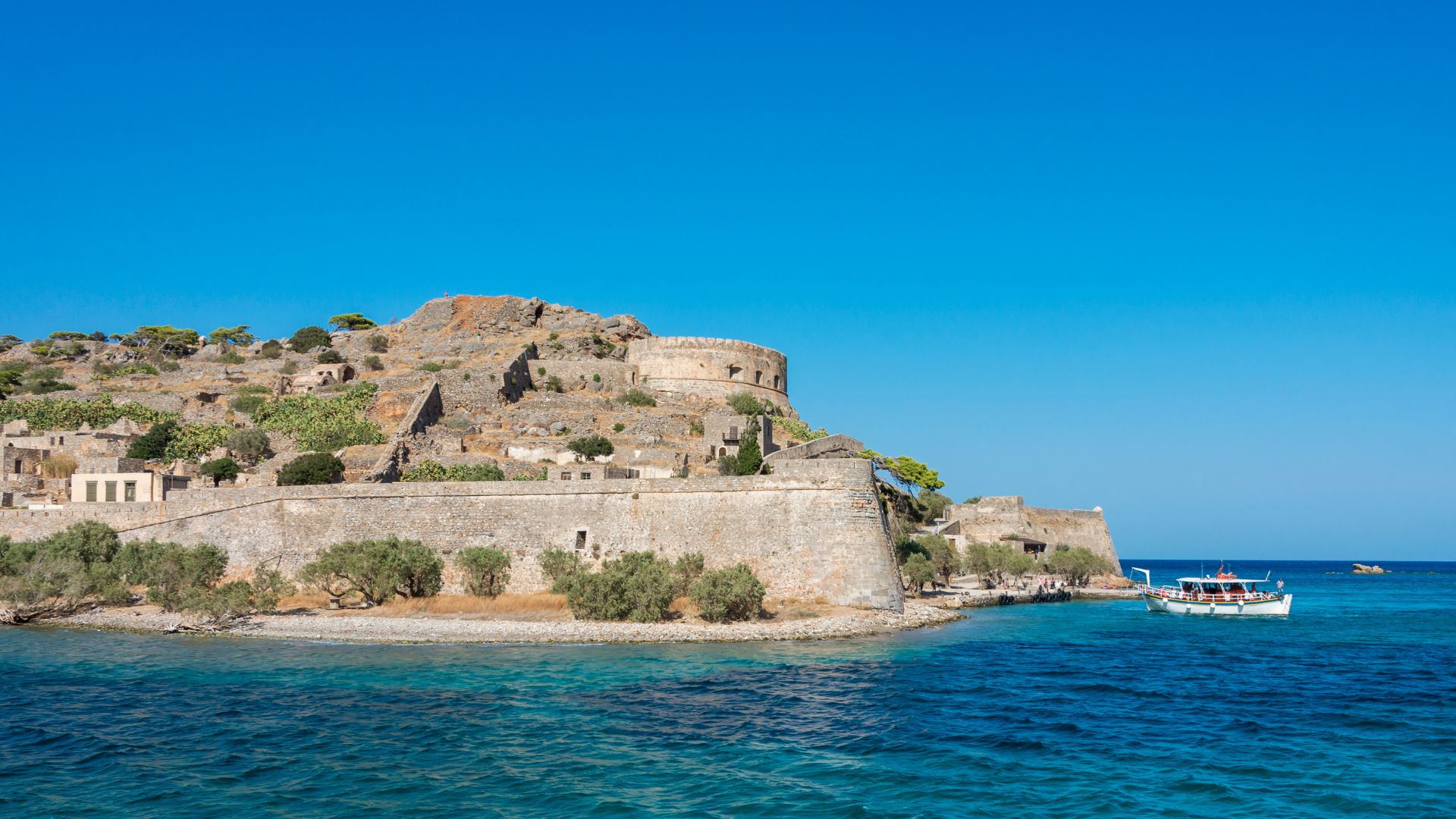
As the boat crept closer, Spinalonga’s old stone walls rose out of the sea, almost daring you to look away. The air smelled salty and the quiet was only broken by the engine’s hum or a stray seagull overhead.
I stepped off onto the jetty and honestly, it felt like crossing into another era. Visitors drifted along the narrow paths, but everyone kept a hush, as if the place demanded it. I saw ruined houses next to buildings that still stood strong—each one hinting at lives that once filled these lanes with laughter, chores, and hope.
I clutched a laminated guide map that pointed out the entrance gate, the church, and the old hospital. Every step felt like a small act of remembrance, like the ground itself was urging me to pay attention.
A Glimpse into Spinalonga’s Unique Location
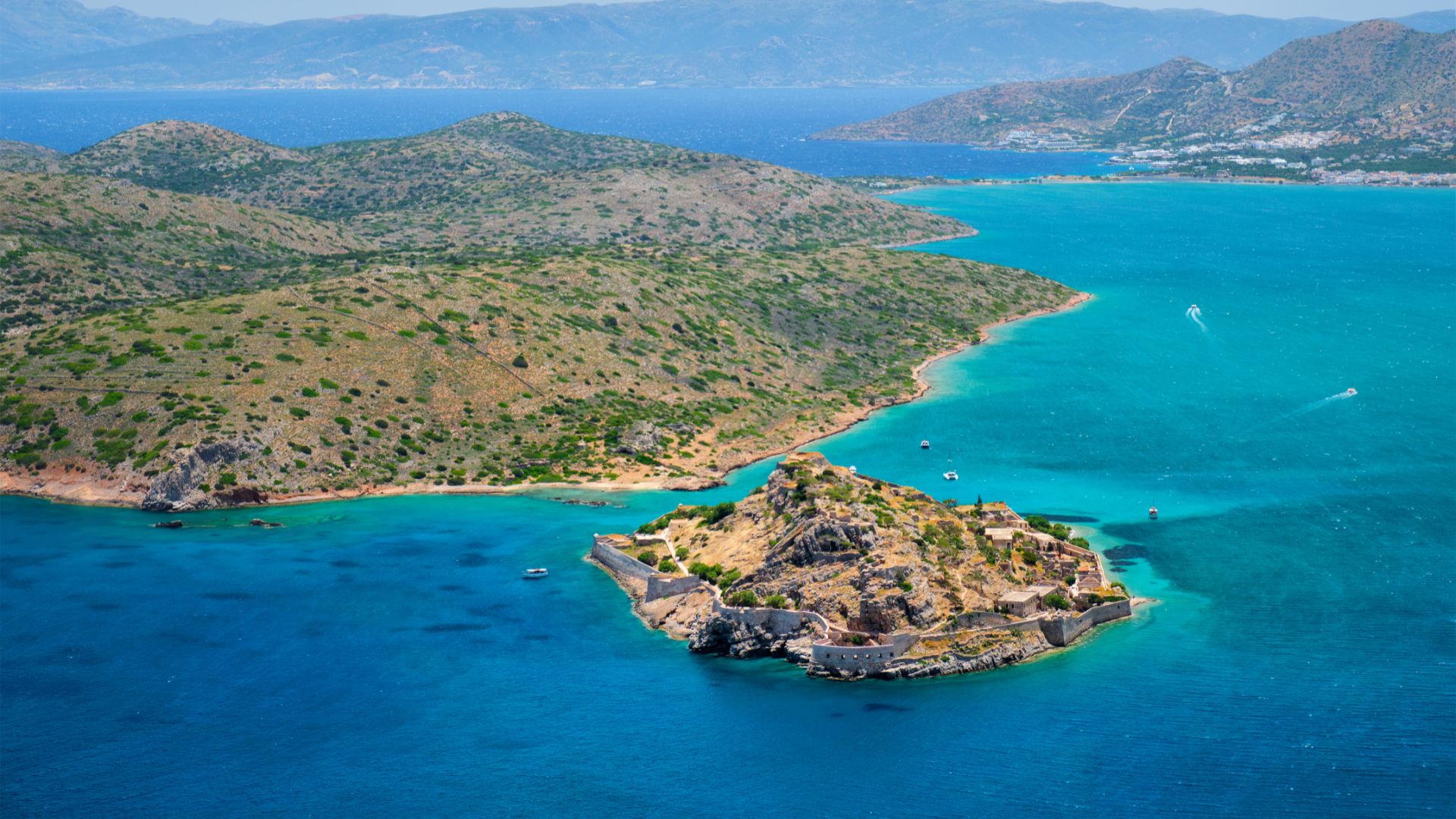
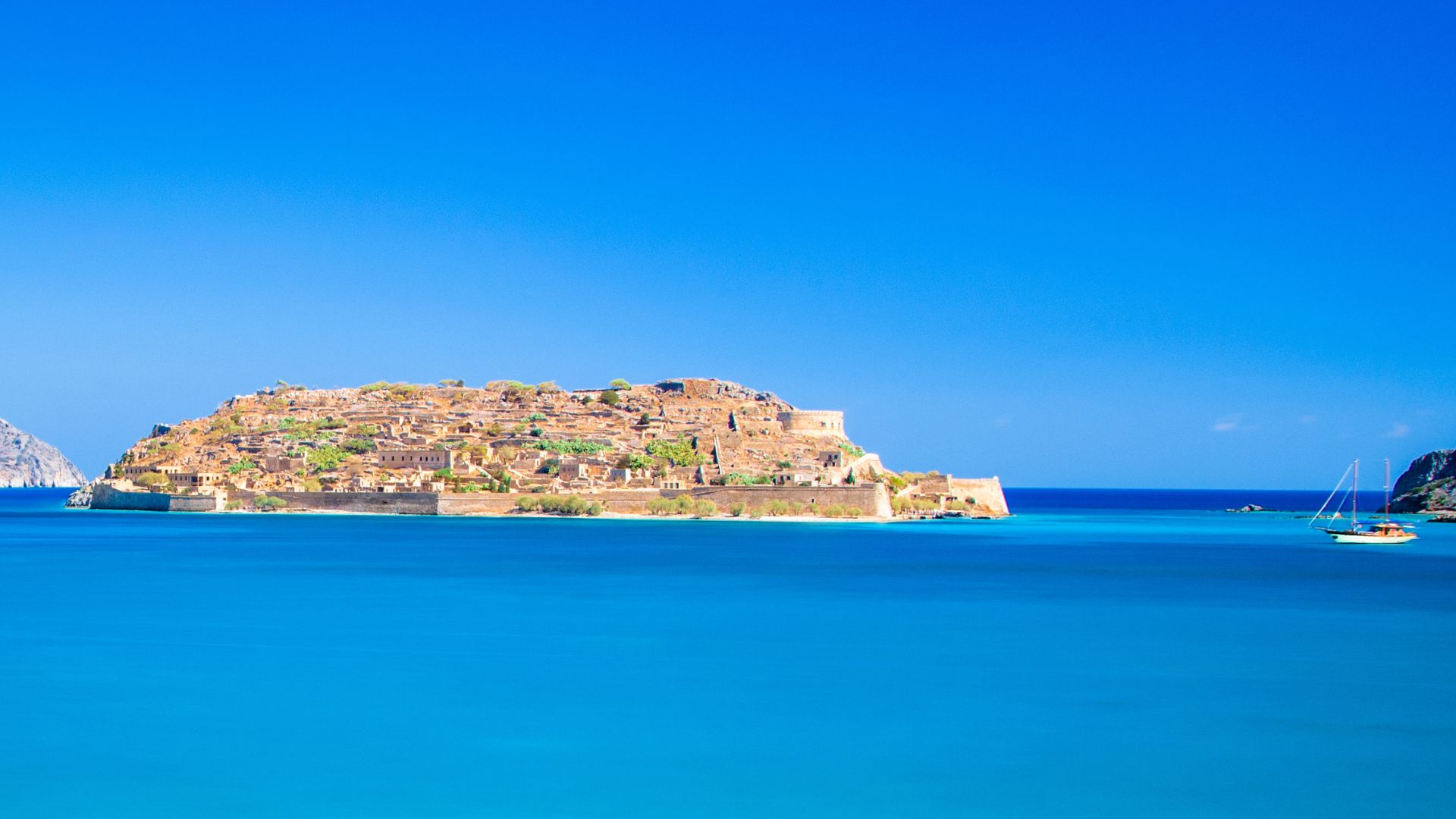
Spinalonga floats in the Gulf of Elounda, wrapped by that unreal blue water. From the boat, it looks tiny—a dot next to Crete—but for people sent here, that distance was everything.
Standing on the shore, I could see the mainland wasn’t far, but the water made it feel like a world apart. That narrow gap created both a real and emotional divide. When Spinalonga became a leper colony, the sea kept people in and everyone else out.
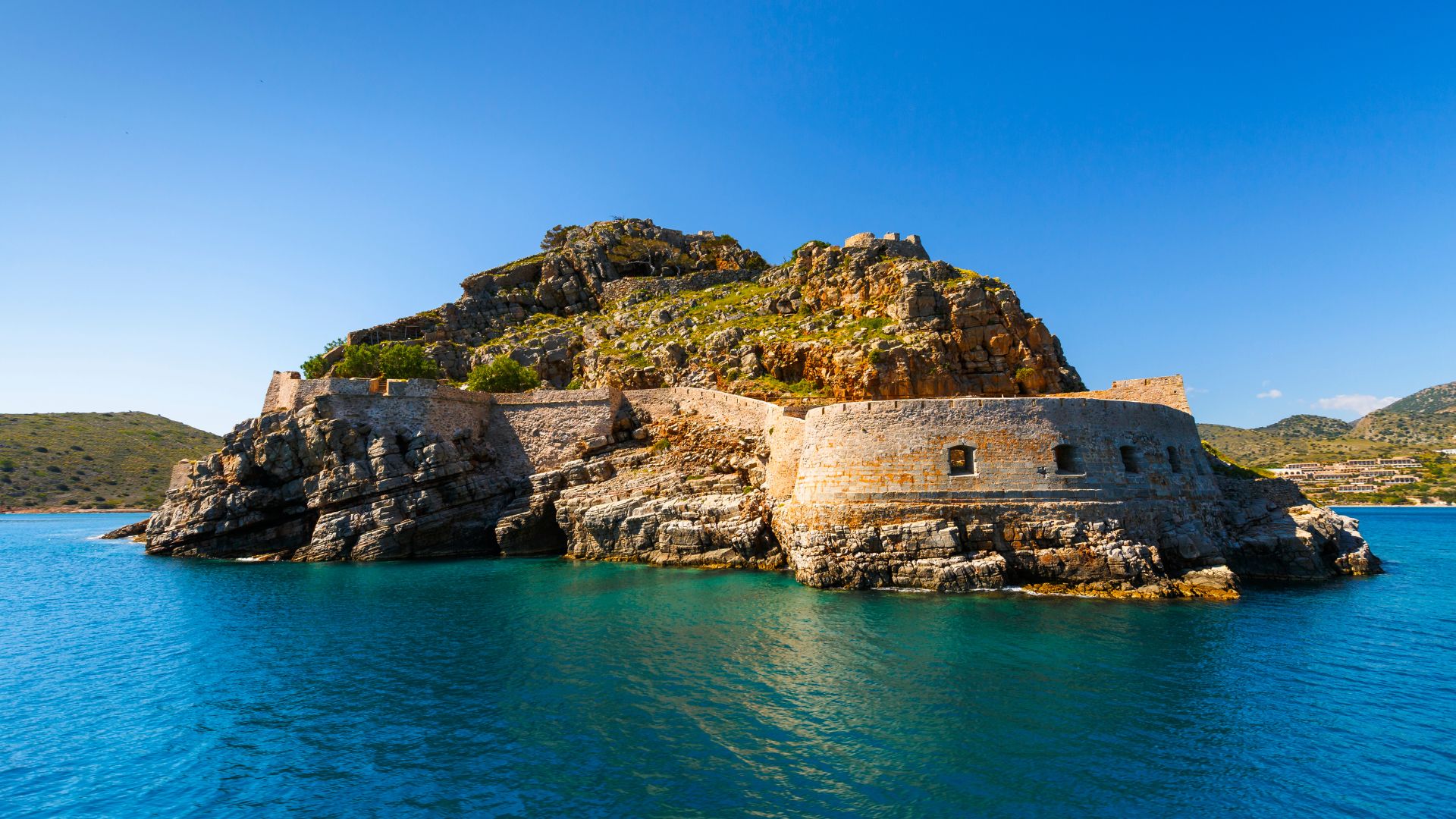
Venetians and Ottomans valued its spot, too. The old fortifications still stand, offering wide views across the water to distant mountains. It’s easy to see why this island was used for defense, trade, and later as an isolated community for the sick.
Unveiling the Island’s Haunting Beauty
What really struck me was Spinalonga’s fragile, almost spooky beauty. Nature has slowly softened the abandoned buildings—bougainvillea crawls up the stone, wild grass sneaks into empty courtyards. Sunlight slips through broken windows, catching on bricks worn down by storms and years.
There’s sadness, sure, but not a sense of total despair. The old church, with its candles flickering on cold stone, whispers of faith that survived. The most moving things were the small details—blue-painted doorways, iron beds, faded photographs under dusty glass.
For me, Spinalonga’s beauty is all about contrasts: ruined homes under a bright sky, a fortress turned into a place of quiet resilience, and a tragic history softened by wildflowers. The island doesn’t hide what happened here, but instead mixes sorrow and hope in a way that stays with you.

Echoes of Sorrow: The Legacy of Leprosy on Spinalonga
As I wandered Spinalonga’s crumbling paths, the island’s history of exile and endurance pressed in from every side. The place carries deep scars, but I also caught glimpses of courage and a community that refused to disappear.
How Spinalonga Became Crete’s Leper Colony
Spinalonga didn’t always carry this weight. It started as a Venetian fortress, guarding Crete’s coast. In 1903, everything changed—Greece turned it into its main leper colony.
Officials forced people diagnosed with leprosy to leave their homes and families. Once they arrived, they couldn’t leave; Spinalonga quickly became known as “the island of no return.” Many came from all over Greece, not just Crete, because of the fear and stigma around the disease.
The government said this isolation would protect others, but it also meant those who arrived faced a tough, lonely life. Still, despite the walls and gates, Spinalonga grew into something more than just a prison.
Stories of Isolation and Human Endurance
As I stood in the quiet courtyards, I couldn’t help but imagine the pain of such forced isolation. Old photos and letters show how people struggled with loneliness and missing loved ones.
But they didn’t just give up. Many formed new friendships here. Some found hope and a sense of community where you’d least expect it. They started schools for the kids, celebrated holidays together, and made routines to keep their spirits up. There were weddings, music, and laughter, right alongside all the sorrow.
That endurance really hit me—how people, even under the weight of disease and stigma, clung to dignity and tried to live as fully as possible. Stories from former residents remind me that, even in the harshest places, the human spirit can shine.
Remnants of the Community: Daily Life and Struggles
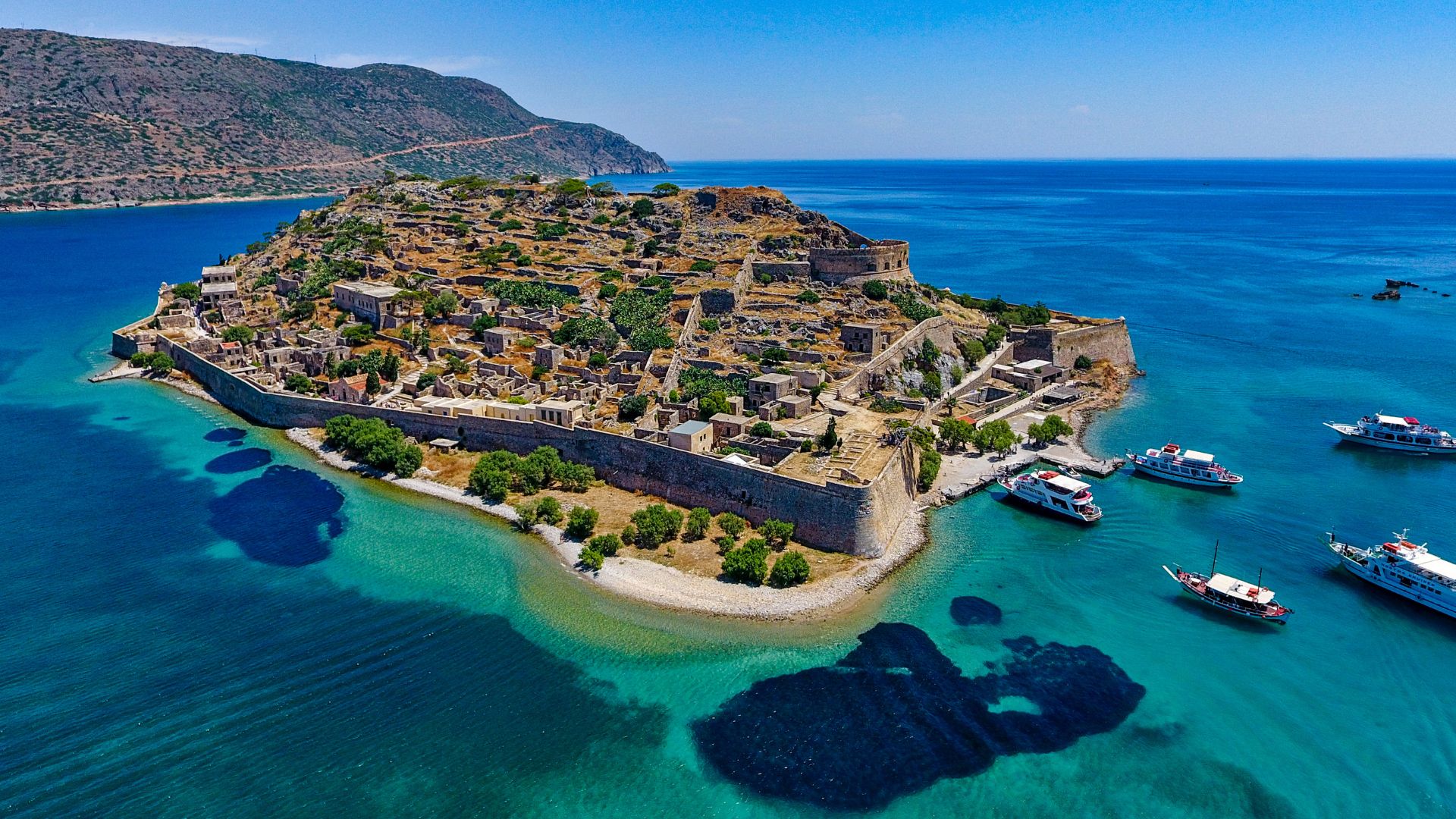
Now, the remains of houses, shops, and even a little hospital help me picture daily life on Spinalonga. The residents built their own structures, grew what vegetables they could, and shared whatever they had.
Water was precious, so wells and cisterns were lifelines. I saw the old bakery and school—tiny symbols of hope in a tough place. Medical care was scarce, but visiting doctors brought news and sometimes medicine from the mainland.
Everyday tasks were tough, but people adapted. Routines and shared work brought a bit of comfort. Walking these narrow lanes, I kept thinking about how survival often depends on blending resilience with the support of others.

Survivors and Spirit: Personal Encounters and Testimonies
Visiting Spinalonga put me face-to-face with stories I never expected to find on a quiet Greek island. Through conversations, memorabilia, and little symbols left behind, the people of Spinalonga started to feel real—not just names in a dusty book, but resilient survivors whose legacies still ripple across Crete.
Meeting the Descendants of Spinalonga’s Residents
As I walked up the sunny lane from the harbor, I met Kostas, whose grandmother spent her youth on Spinalonga. He proudly showed me an old photograph—she’s smiling beside the chapel, even on her hardest days. Meeting descendants like Kostas made the past feel close.
Some families come back every year to honor relatives, especially when the old church holds special services. A local woman told me, voice trembling, how her great-aunt’s handwritten letters helped her see the truth: Spinalonga wasn’t just exile, but also unexpected friendships and small victories.
People in the nearby village of Plaka remember all sorts of details—who sent fresh linen, or how families gathered at the shore to catch a glimpse of loved ones. These stories bridge past and present, keeping the memory alive for new generations.
Reliving Memories Through Artifacts and Narratives
Inside the small museum by the entrance, glass cases hold keys, worn shoes, and diary pages faded by time. I stopped at a wooden suitcase with its owner’s name barely visible, wondering about the mix of fear and hope packed inside. These artifacts gave me a direct link to the men, women, and children who once called this place home.
Audio guides and local volunteers share the voices of former residents. Listening to fragments of their daily lives—shopping in the communal store, decorating rooms, organizing music nights—challenged my idea of Spinalonga as just a place of suffering. Life found a way, even here.
Restored photographs hang beside personal items like handmade jewelry and embroidered handkerchiefs. It’s not just history behind glass; it’s an invitation to understand the real people who survived and shaped the island’s identity.
Symbols of Hope Amidst Hardship
Along the winding paths, I spotted little signs of hope that once gave residents strength. The old schoolhouse and church still stand, proof that Spinalonga was a living community. Kids learned to read under olive trees, others tended gardens in tiny plots behind stone walls.
Painted icons and crosses carved into doorways show how important faith was for many. Even as medicine improved and hope for a cure grew, people leaned on beliefs and created routines that brought comfort.
Locals in Plaka told me about yearly feasts, when people from Spinalonga and the mainland celebrated together—sharing bread, stories, and laughter. These small traditions, from decorating boats at Epiphany to lighting candles for loved ones, showed me that even in sorrow, the human spirit looks for light.
Exploring Spinalonga Today: A Practical Travel Guide
Spinalonga isn’t just a relic—it’s a living museum where history unfolds with every step. Visiting means walking old stone streets, peering out from fortress walls, and getting up close to stories of hardship and hope.
How to Get to Spinalonga from Crete
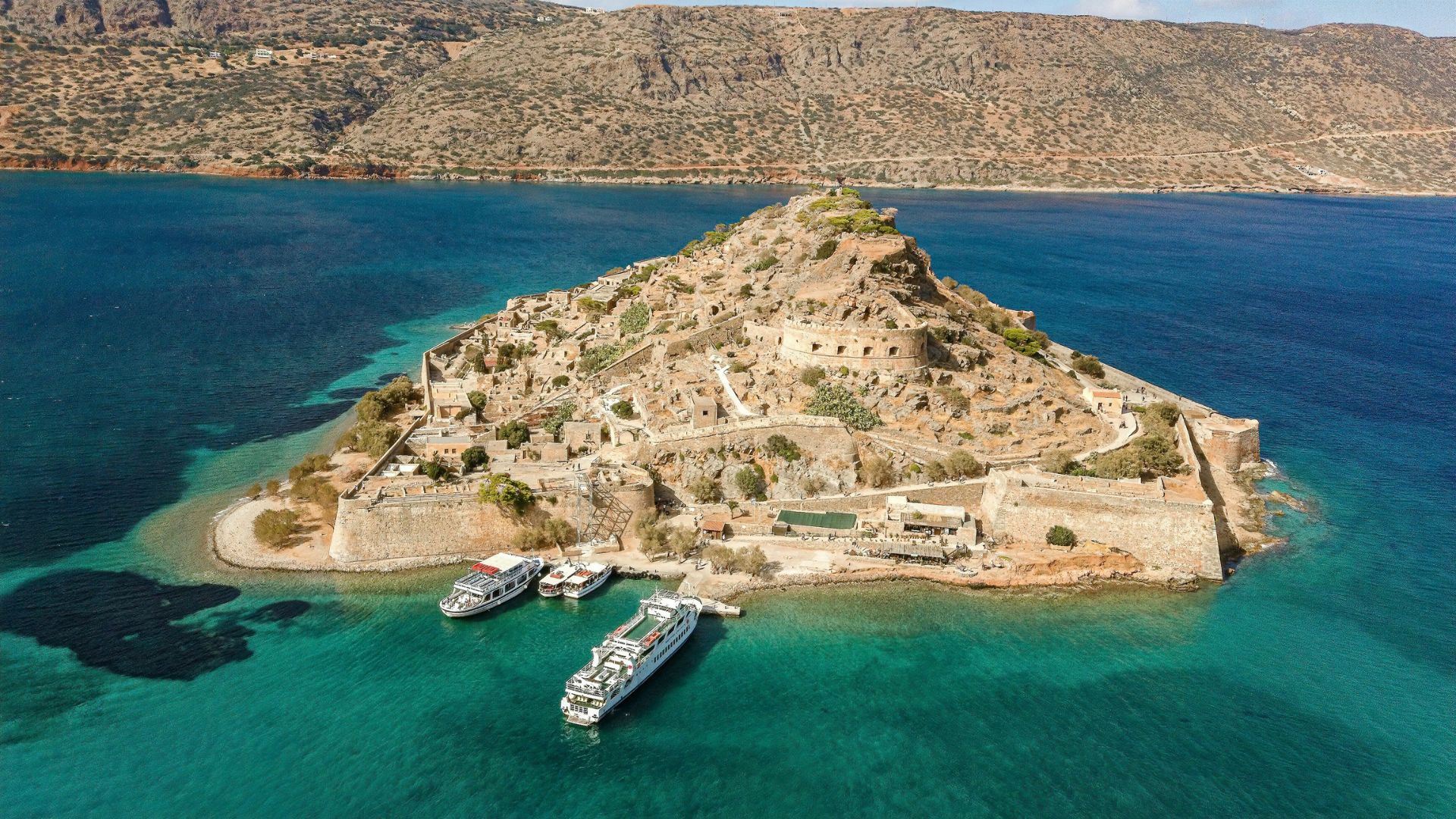
If you’re in eastern Crete, getting to Spinalonga is pretty easy. Boats leave from three main places: Elounda, Plaka, and Agios Nikolaos. I picked Plaka, which is closest—it’s about a 10-minute ride. It’s a small fishing village and boats go back and forth all day.
Elounda is a bit farther, with boats taking about 15–20 minutes. From Agios Nikolaos, the trip lasts around an hour, usually with a guided tour. Summer is busiest, with boats leaving every half hour.
Arrive early if you want to skip the crowds, especially in July and August. Ticket booths sit right by the water. I’d check return times before heading out—last boats fill up fast.
Guided Tours Versus Solo Exploration
You’ve got two options: join a guided tour or wander solo. I did a guided tour my first time to get the full story. Guides share details you won’t find on any sign, and it’s easy to ask questions.
Exploring alone means freedom. I lingered in quiet corners, took photos, and read signs at my own pace. Maps are at the entrance, and main buildings are clearly marked.
Guided tours come in several languages and are easy to find near the ticket booths. If you go solo, bring a guidebook or download an audio guide. Both ways have their perks—one is structured and full of info, the other lets you take it all in your own way.
Top Sights: Fortress Walls, Homes, and Hospitals
Three sights really stand out on Spinalonga. First, the Venetian fortress walls wrap around the island. Walking the ramparts gives you sweeping sea views, and you can almost picture ancient guards on watch.
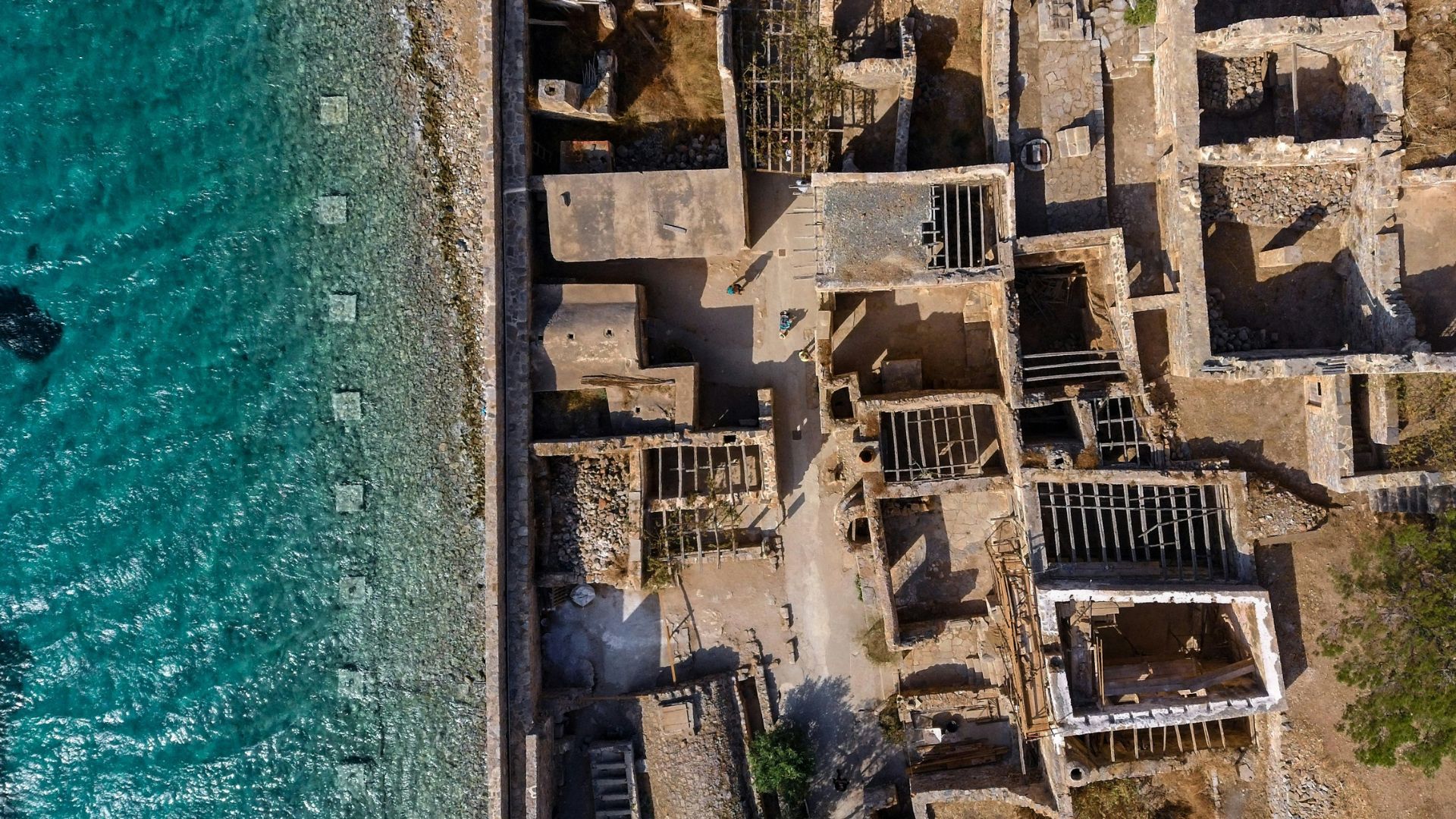
Next, I wandered through the abandoned homes where people with leprosy once lived. The doors are open, so you can step inside and see empty rooms and faded photos—little reminders of interrupted lives.
The hospital remains are especially moving. Here, hope and hardship mixed together in tiny wards. Info panels explain the old treatments, and early 1900s photos line the walls. Time feels weirdly frozen as you walk through.
Tips for Visiting Spinalonga (Best Time, What to Bring)
The best time to visit is early morning or late afternoon. The midday sun can be brutal, and crowds peak between 10 a.m. and 2 p.m. I liked late afternoons—quieter, calmer, especially in spring or early fall when it’s not so hot.
Wear sturdy shoes; there’s a lot of uneven ground. The island has almost no shade, so I always bring a hat, sunscreen, and plenty of water. No cafes or restaurants, so pack snacks if you’ll stay longer than an hour.
You can take photos everywhere. I like to carry a small notebook for jotting down thoughts. And bring cash for ferry tickets or souvenirs—credit cards aren’t always accepted.
Reflections on Sorrow and Survival: The Enduring Spirit of Spinalonga
When I wandered through Spinalonga’s quiet ruins, the stories hidden in those walls hit me hard. The island’s past really grabs you, pushing you to think about loss, courage, and that stubborn hope people cling to when things get rough.
Lessons from History for Modern Travelers
Long ago, people with leprosy had to live here, far from their families. The stigma stuck around for years, even after Spinalonga stopped being a leper colony in 1957.
As I walked the paths, I started to see how important it is to face difficult histories head-on. It’s tempting to look away, but there’s value in not doing that.
Travel isn’t always about chasing beauty or fun. Sometimes, you learn the most from places that make you uncomfortable.
I spotted signs of survival everywhere. The old houses, the hospital, even the crumbling chapel—people found ways to gather and comfort each other.
These moments made me think about empathy. It’s not just about the past; it matters now, too.
Spinalonga shows that even when people get pushed aside by fear or illness, they still hang on to dignity and kindness. I guess every traveler leaves with a little piece of that strength tucked away.
Capturing the Island’s Atmosphere: Photography and Writing
My camera helped me catch Spinalonga’s quiet strength. I kept going back to rusted doors, cracked windows, and those sun-bleached walls.
The light in the early morning or late afternoon changed everything. Shadows stretched across the ruins, and suddenly, every photo felt like it meant more.
As I took pictures, I tried to be careful about the island’s memory. I focused on small things—a pair of worn shoes, a message scratched into stone—details that tell their own stories.
Jotting down notes in my journal helped me sort out my thoughts. Describing the silence or the wind slipping through broken rooms made the place feel more real to me.
I think sharing these pieces—photos, words, even just feelings—lets others connect with Spinalonga’s past, too.

Preserving Memory: Why Spinalonga Matters Today
Spinalonga stands as a visible reminder of the harm caused by stigma and exclusion.
Today, you’ll find guided tours and well-marked paths. They help visitors get a sense of what life felt like for the people who once called this place home.
Keeping the memory of Spinalonga alive means more than just protecting old buildings.
Honestly, it’s about giving a voice to those who were once silenced. Museums and storytelling pass their experiences on to new generations, making sure we don’t forget their courage.
As a traveler, I feel a duty to share what I’ve learned.
Spinalonga matters today because it pushes us to treat others with empathy and care, no matter what they’re going through.
Its story reminds me that every place—even the sorrowful ones—can reveal the best parts of human endurance and hope.
