
Spring in Andalusia feels like waking up in a colorful dream. Flowers blanket the fields, and the scent of orange blossoms fills the air—it’s a whole region coming alive in ways I’d only imagined.
I wandered sunlit paths lined with wild poppies and stumbled into towns buzzing with Spain’s most vibrant ferias. Local traditions welcomed me in and made me feel surprisingly at home.
Andalusia’s spring isn’t just about what you see. Every step brought new sounds, tastes, and scents.
I browsed markets bursting with fresh produce and joined locals for the famous Feria de Abril. Music and laughter echoed late into the night, and with each day, I realized how this seasonal awakening brings everyone together. Life here gets colored with energy and joy.
Wildflower Fields in Full Bloom
Spring in Andalusia paints the countryside with bold colors. Hills and valleys explode with wildflowers, fresh scents, and a kind of teeming, wild life that’s hard to describe.
Exploring the Sierra de Grazalema Meadows
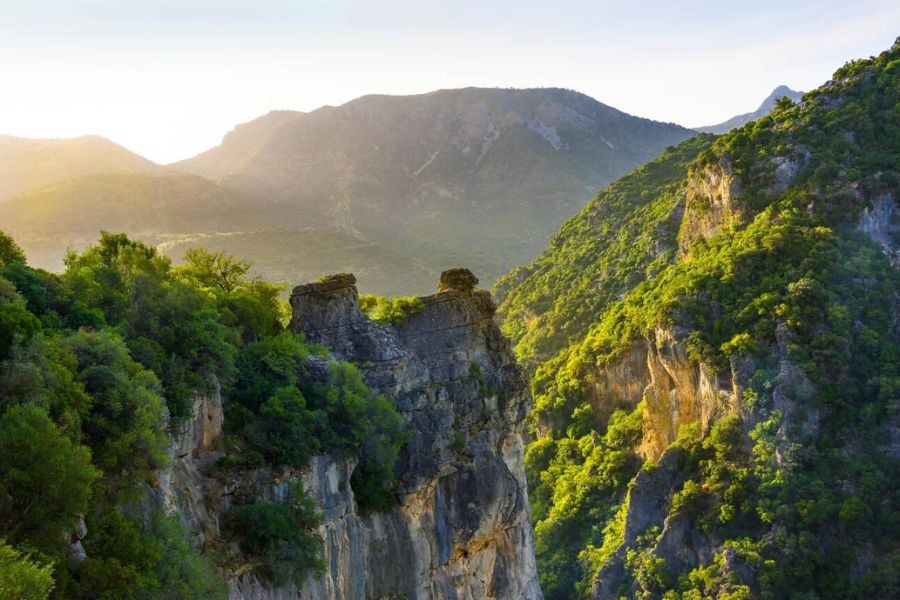
I walked through the Sierra de Grazalema and found meadows overflowing with wildflowers. This area gets plenty of rain, so every spring, it bursts into color.
The fields are easy to reach from nearby villages, so planning walks or sightseeing trips felt pretty simple. I followed narrow paths where yellow daisies, white rockroses, and red poppies lined the way.
Lavender and thyme scented the air, and sometimes the wildflowers seemed to roll on forever, a tapestry of color against green grass and rocky hills. Locals set up small tables with handmade crafts and fresh orange juice.
Stopping for a chat, I picked up tips on the best spots for blooms.
Hiking Amidst Poppies and Lavender
Granada’s countryside trails have some of the richest wildflower displays in Andalusia. My favorite route wound along the edge of the Alpujarra mountains.
Red poppies and purple lavender mixed together in dense, lively clusters. The trails are well-marked and not too steep, so most travelers can enjoy them.
I stopped often to take in the view—wildflowers swaying, bees buzzing, and the distant sound of cowbells. Locals gathered wild herbs or picnicked among the blooms.
If you go, start early to avoid crowds and catch cooler weather. Comfortable shoes and plenty of water—don’t skip them.
Capturing Andalusia’s Spring Colors
Taking photos here just feels easy. Early mornings gave me soft light for bright, natural shots.
Honestly, I used my phone’s landscape mode for most wide shots to capture the full spread. For close-ups, I’d kneel down to catch dew on petals or bees gathering pollen.
The contrast between all those blooms and the hills made for striking images. To keep track, I made a quick table in my travel journal:
| Location | Flower Highlights | Best Photo Time |
|---|---|---|
| Grazalema Meadows | Daisies, Rockroses | 7-9 AM |
| Alpujarra Trails | Poppies, Lavender | Early Morning |
I shared these photos online, and fellow travelers jumped in, asking for tips on wildflower spots. Andalusia’s spring colors really left their mark on me—my camera roll is still overflowing.
The Enchanting Scent of Orange Blossoms
In Andalusia, spring comes with the intense aroma of orange blossoms drifting everywhere. Their scent seeps into daily life, a fragrant reminder of how closely nature and culture intertwine here.
Seville’s Streets Perfumed by Azahar
On my first morning in Seville, I stepped outside and instantly noticed the thick, sweet smell of azahar—orange blossom. It’s not just tucked away; the scent floats from trees lining plazas and winding streets, mixing with the city’s rhythm.
Locals told me the orange trees aren’t grown for fruit but for their blossoms. In spring, the white flowers burst open in huge clusters, giving Seville a perfume that’s both fresh and nostalgic.
Azahar becomes part of the city’s identity. The April Fair happens just as the blossoms peak, adding a touch of magic to everything.
If you visit, wander through the old Jewish Quarter or along the Guadalquivir banks early in the morning. The air gets thick with fragrance, and the sunlight catches the white blooms against deep green leaves. I found it impossible not to slow down and let the scent guide me.
Orange Groves Along the Guadalquivir
I hopped on a bike and left the city behind, heading for the edge of the Guadalquivir River. Out here, orange groves stretch toward the horizon.
It’s quieter, almost hypnotic. Trees grow in neat rows, branches heavy with ripe fruit and clusters of blossoms.
Farmers tend the groves with real care, and local markets overflow with their produce. In spring, the air between the trees becomes saturated with the gentle but bold smell of orange blossom.

Lunch under the leafy canopy—surrounded by wildflowers and birdsong—turned into a feast for the senses. Here, I got a taste of the real Andalusia, where food, nature, and tradition all blend together. The citrus trees shape both the landscape and the local way of life.
Local Traditions and Orange-Inspired Delicacies
Orange blossom’s influence runs deep in Andalusian culture. I found azahar in perfumes, handmade soaps, and especially in the local kitchen.
Seville’s markets brim with orange blossom honey and baskets of thick-skinned local oranges. Eating here means trying sweets like tarta de naranja and orange-flavored pestiños—bakeries fill up with them in spring.
Some cafés serve orange blossom tea, and restaurants sometimes end meals with a slice of orange dusted in cinnamon or drizzled with olive oil.
Orange blossom flavors show up in both food and festival traditions. During the big ferias, stalls sell candies and drinks featuring azahar. Locals say it brings luck and health—a little tradition that just sticks with you.
Vibrant Ferias: Festivals of Color and Life
Spring in Andalusia explodes with activity, art, and tradition. I got swept into crowds, soaked up music and dance, and found myself loving customs that felt ancient and totally new at the same time.
Feria de Abril in Seville
Seville’s Feria de Abril stands out as one of the most exuberant festivals anywhere. After Easter, the fairgrounds transform into a city of striped tents called casetas.
Every evening, people gather for food, laughter, and flamenco rhythms that never seem to stop. Even as a visitor, I felt welcomed.
Locals showed me how to clap along or join a spontaneous dance. Women shimmered in traje de flamenca dresses, men looked sharp in jackets and hats, and horses paraded through the grounds by day.
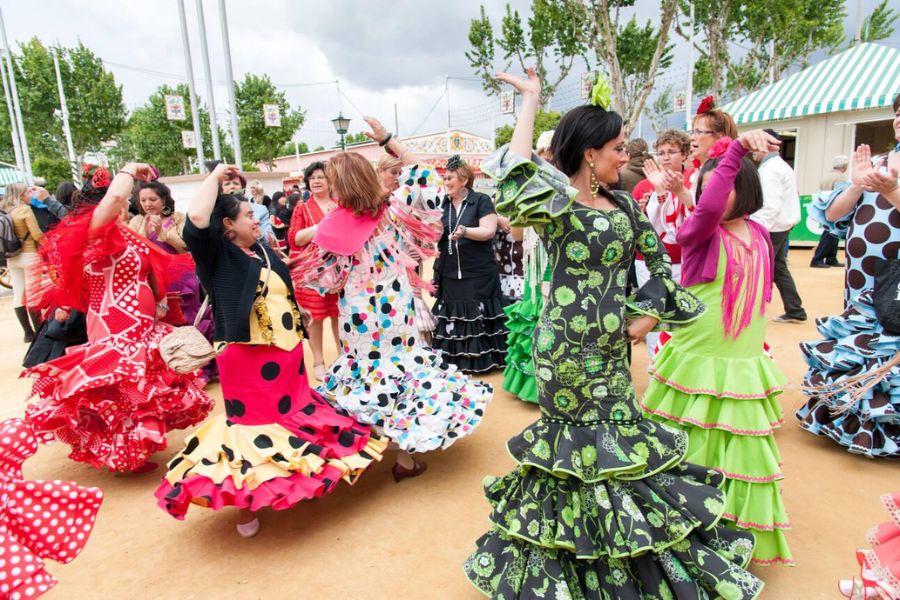
At night, the whole place bursts into life with lights and cheerful crowds. If you go, plan your visit for late afternoon, when the festival shifts from family time to nightlife.
Cordoba’s Patio Festival Experience
Walking through Cordoba during the Patio Festival felt like stepping into private art galleries. Every May, locals open their flower-filled courtyards for everyone to see.
It’s a competition, and the pride shows in every arrangement. My favorite sights? Bold geraniums, jasmine tumbling over walls, ancient stones, and hand-painted tiles.
Neighbors swap gardening tips right on their doorsteps. Entry is free, but some courtyards welcome donations to help keep their gardens lovely.
I chatted with hosts eager to share stories. Cordoba’s sense of community and quiet charm hit differently from Seville’s high-energy scene, but it’s just as memorable.
Traditional Costumes, Parades, and Flamenco
Each feria has its own twist, but traditional costumes and parades pop up everywhere. The display of traje de flamenca and traje corto isn’t just for show—it’s a living part of Andalusian identity.
I learned to spot the little differences in patterns and accessories from town to town. Flamenco performances pulse at the heart of every festival.
Sometimes, the best shows happened offstage—an impromptu song in a plaza, a group clapping out a rhythm for fun. The music and dance pull everyone in, no matter your age or where you’re from.

Andalusia’s festivals mix energy, welcoming social scenes, and art in ways that are easy to join, even if you’re new. Watching, listening, and joining in made these traditions feel alive for me.
Andalusian Towns: Hidden Gems of Spring
In spring, Andalusia’s smaller towns wake up with color, history, and a burst of local culture. Exploring on foot or by car, I really got to feel the region’s charm, away from the city crowds.
Ronda’s Dramatic Clifftop Views
Ronda sits high above a deep gorge, whitewashed houses perched right on the cliff edge. Crossing the Puente Nuevo bridge, I looked down into El Tajo canyon and just had to pause to take it all in.
Ronda’s old town is a maze of cobblestone streets, tiny art galleries, and hidden courtyards blooming with flowers. The town’s history runs deep.
I toured the ancient bullring, Plaza de Toros, and wandered through Moorish architecture at the Mondragon Palace. Sampling local olive oil at the market made me feel connected to Andalusia’s roots.
The White Villages Route
Driving the White Villages Route felt like flipping through a storybook. Places like Grazalema, Zahara de la Sierra, and Arcos de la Frontera each have their own blend of history and culture.
White houses, pots of red geraniums, and spring sun everywhere. I stopped often—narrow lanes, home-cooked tapas, local art studios, quiet churches, and family-run shops with hand-painted ceramics.
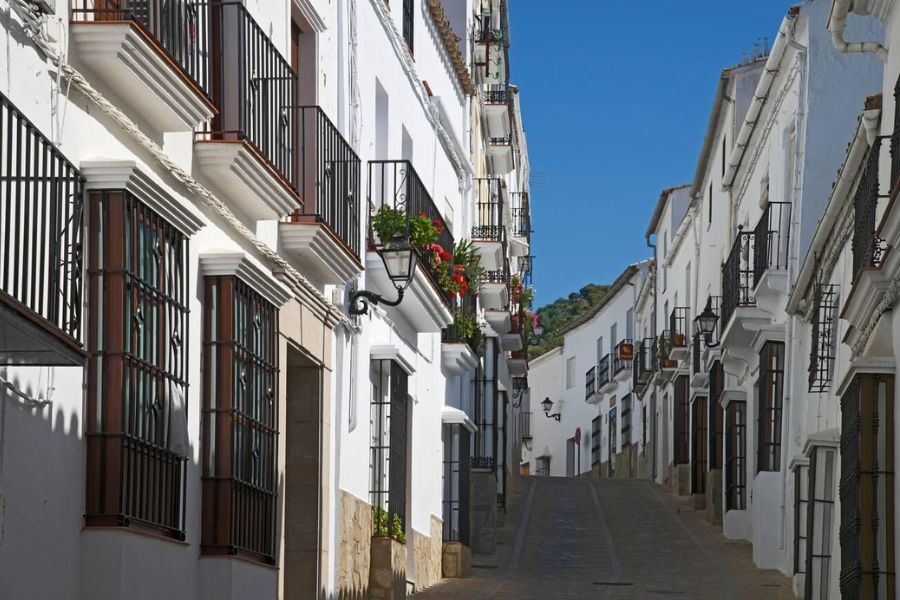
The slower pace let me notice every tiled street and historic wall.
Art, Architecture, and History Unveiled
Spring is honestly the best time for sightseeing in Andalusia. Cities like Granada and towns near Toledo buzz with street art, murals, and special exhibits.
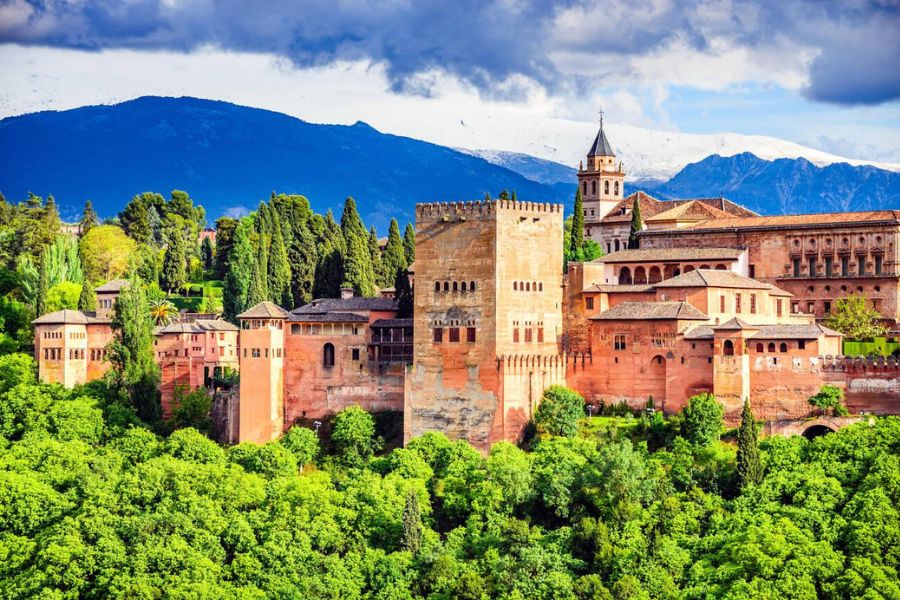
In Granada, I walked under almond blossoms toward the Alhambra. The palace’s mosaic tiles and carved arches really are unforgettable.
Local museums showed everything from Roman history to works by Andalusian artists. Even small bars had colorful tiles and paintings on the walls.
Architecture here is a mix of cultures—Moorish palaces, Renaissance churches—telling Andalusia’s story at every turn. Each town surprised me with something new and inspiring.
Tastes of the Season: Gastronomy and Wine
Spring in Andalusia brings fresh flavors to the table. Orange blossom and wild herbs fill the air, markets buzz, local wines flow, and eating outdoors becomes a daily pleasure.
Sampling Fresh Tapas in Spring
Spring in Andalusia always brings a rush of excitement, especially for anyone who loves tapas. Small bars and family-run restaurants toss together dishes that really let fresh, simple ingredients shine.
You’ll spot artichokes, asparagus, and broad beans on just about every menu. I couldn’t stop ordering alcachofas con jamón—those artichokes with cured ham just taste better in spring.
Markets in Seville, Granada, and Córdoba pile up bright, beautiful produce. Chefs take advantage, putting out light, colorful plates that seem made for long, sunny afternoons on a terrace.
Since most dishes come in little portions, you can try a bit of everything. Ensaladilla rusa with peas, salmorejo, and anchovies drizzled with olive oil all stood out for me.
Even paella gets a local twist here, swapping in spring seafood and Andalusian rice. Sure, most people think of Valencia or Barcelona, but I’d say don’t skip it down south.
Seasonal Wines and Local Vineyards
Wines from Andalusia bring as much character as the region itself. When festival season kicks off in spring, local bodegas start pouring crisp whites and young rosés that feel just right for the weather.
I kept reaching for fino and manzanilla sherries—dry and refreshing, perfect before dinner. Vineyards in places like Jerez de la Frontera welcome visitors for tours and tastings.
I wandered through sunlit cellars and tried wine straight from the barrel. Cafes set out glasses of pale sherry next to salty almonds or slices of jamón ibérico, and honestly, it’s hard to imagine a better pairing.
Some vineyards go organic, making small-batch wines and letting wildflowers and herbs grow between the vines. You can really taste those herbal notes, especially in the local whites and rosés.
Pairing these wines with fresh seafood or tapas turns any meal into something worth remembering.
Andalusian Culinary Traditions
Spring feasts in Andalusia really come alive during the local ferias.
I found myself joining locals for rebujito—that sherry and sprite cocktail—while we snacked on plates of olives, grilled sardines, and fried fish.
At every table, people mix custom blends and keep those centuries-old traditions going.
A lot of these recipes go back for generations.
Dishes like salmorejo—that chilled tomato and bread soup from Córdoba—just taste better when everyone’s outside together.
Village bakeries stack their shelves with pastries flavored with orange blossom, which somehow matches the scent drifting through the streets.
Seasonal ingredients, like fava beans and young garlic, always show up in stews and tortillas.
Food here isn’t just about eating; it’s how people connect with Andalusian culture.
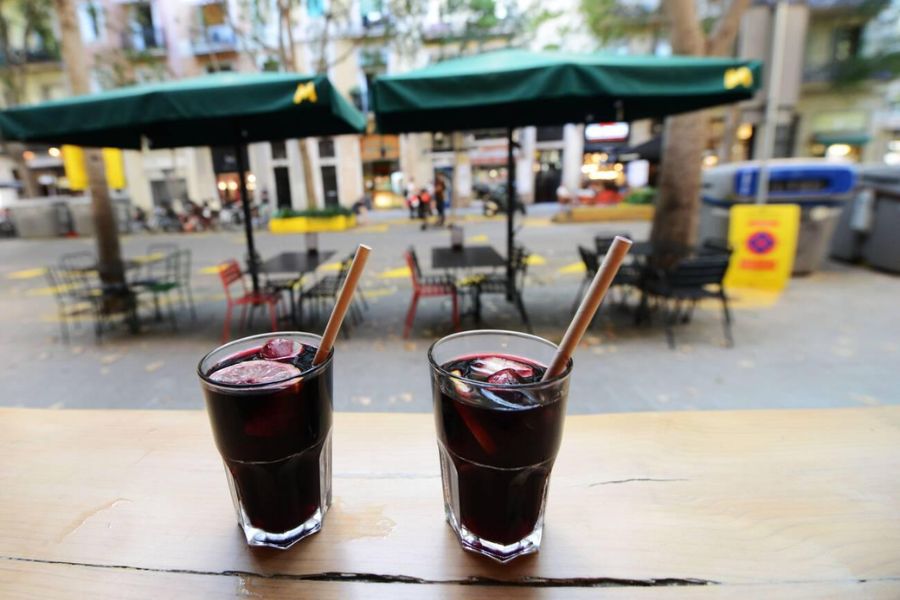
You’ll spot folks taking evening strolls with tinto de verano in hand, or passing around homemade sweets during Semana Santa.
The region’s food roots run deep, shaped by old stories and whatever’s fresh that season.
