
I stood on the ancient stone starting line in Olympia, Greece, and honestly, I got a rush of excitement that’s tough to describe. This same strip of stone launched athletes more than 2,000 years ago, back when the first Olympic Games brought everyone together in 776 BC.
Being in a place where history actually happened just feels different. I kept imagining the energy, nerves, and hopes that must have filled the air so long ago.
As I walked along the stadium, I could almost see crowds on the hillsides and athletes getting ready to sprint the original “stadion” race. The groove in the stone starting line is still there, a reminder of all those competitors who once pressed their toes down, waiting for their big moment.
Visiting Olympia isn’t just another sightseeing stop—it’s a real connection with the origins of sport and tradition. It’s honestly unforgettable.

Walking in the Footsteps of Olympic Legends
Standing where ancient athletes once gathered, I felt like history came alive right under my feet.
From the worn marble starting line to the quiet hillsides, you can sense the weight of what happened here.
The Echoes of Ancient Competitions
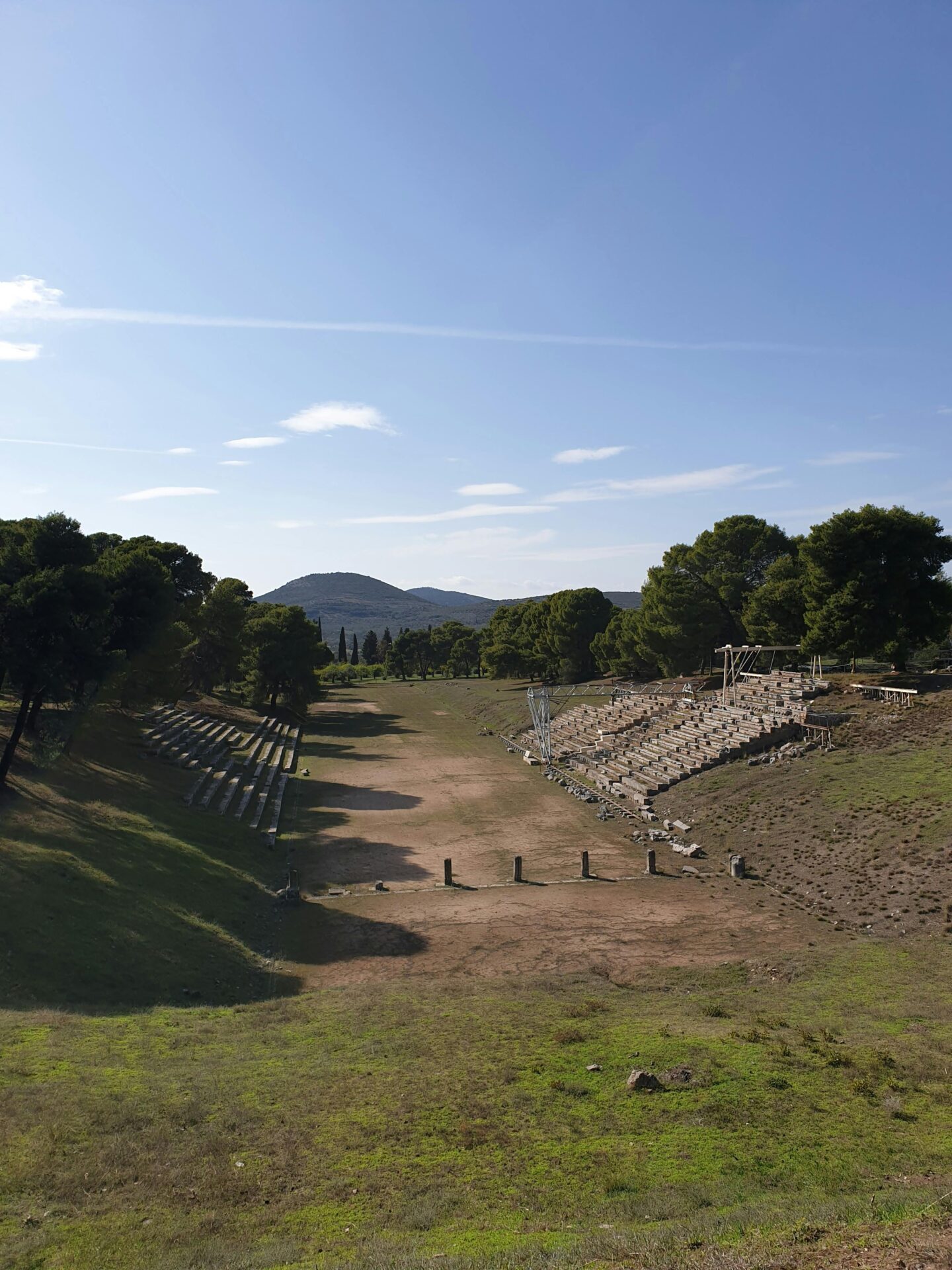
When I walked into the stadium at Olympia, its simplicity really struck me—just open fields with grassy banks on either side. Those slopes once held thousands of ancient Greek spectators.
I pictured the cheers and tension as athletes from different city-states prepared for sprinting, long jump, boxing, and javelin. The very first Olympic Games started here in 776 BC.
The ground felt almost sacred, having witnessed so many victories and defeats. I felt humbled standing on the same earth where athletes competed for honor, not just prizes.
They enforced strict rules even back then. I learned that cheaters or false starters faced harsh penalties, sometimes even flogging. Today’s International Olympic Committee still tries to keep that sense of fair play alive. The Olympic ideals of unity and excellence started right here.

Unforgettable Chills at the Original Starting Line
When I lined up my toes behind the weathered marble groove—the official starting line—I knew I’d remember that moment forever. The stone is over 2,000 years old, smooth and a bit sunken from centuries of runners.
I imagined athletes gripping the ground, hearts pounding, waiting for the signal to sprint. Standing right there, I felt a weird connection across time.
They didn’t have gold medals back then, but the athletes carried pride and determination. Even without the Olympic rings, the drive to push for personal bests and set early records began on this very track.
I took a deep breath and pictured the pressure and excitement. Everything around me was quiet, but in my mind, I could almost hear the ancient crowds urging their favorites to break records.

Modern Connections on a Timeless Track
Today, people from all over the world visit Olympia to feel that legacy for themselves. Some, like me, end up racing friends down the original track.
Others just stand there, soaking it all in. Modern Olympic events might look flashier—with huge stadiums, five rings, and high-tech medals—but the core feeling is surprisingly familiar.
Travelers walk, run, and even pretend to be ancient athletes, bonding over the shared sense of wonder. The International Olympic Committee keeps these traditions alive by preserving the site, and cities hoping to host the Games often come here for inspiration.
Tips for visitors:
Wear shoes that can handle uneven ground.
Bring water—it gets hot and there’s not much shade.
Don’t rush. Take your time and let it all sink in.
The Olympic spirit still lives here. Even without roaring crowds or cameras, the old starting line at Olympia gives you a real glimpse into where athletic dreams began.

Exploring Ancient Olympia: Ruins, Myth, and Magic
Among the ancient stones of Olympia, I felt a deep connection to Greek myths and history. Legendary gods, heroic athletes, and breathtaking ruins all seem to meet in this one-of-a-kind place.
Temple of Zeus and the Mythic Gods
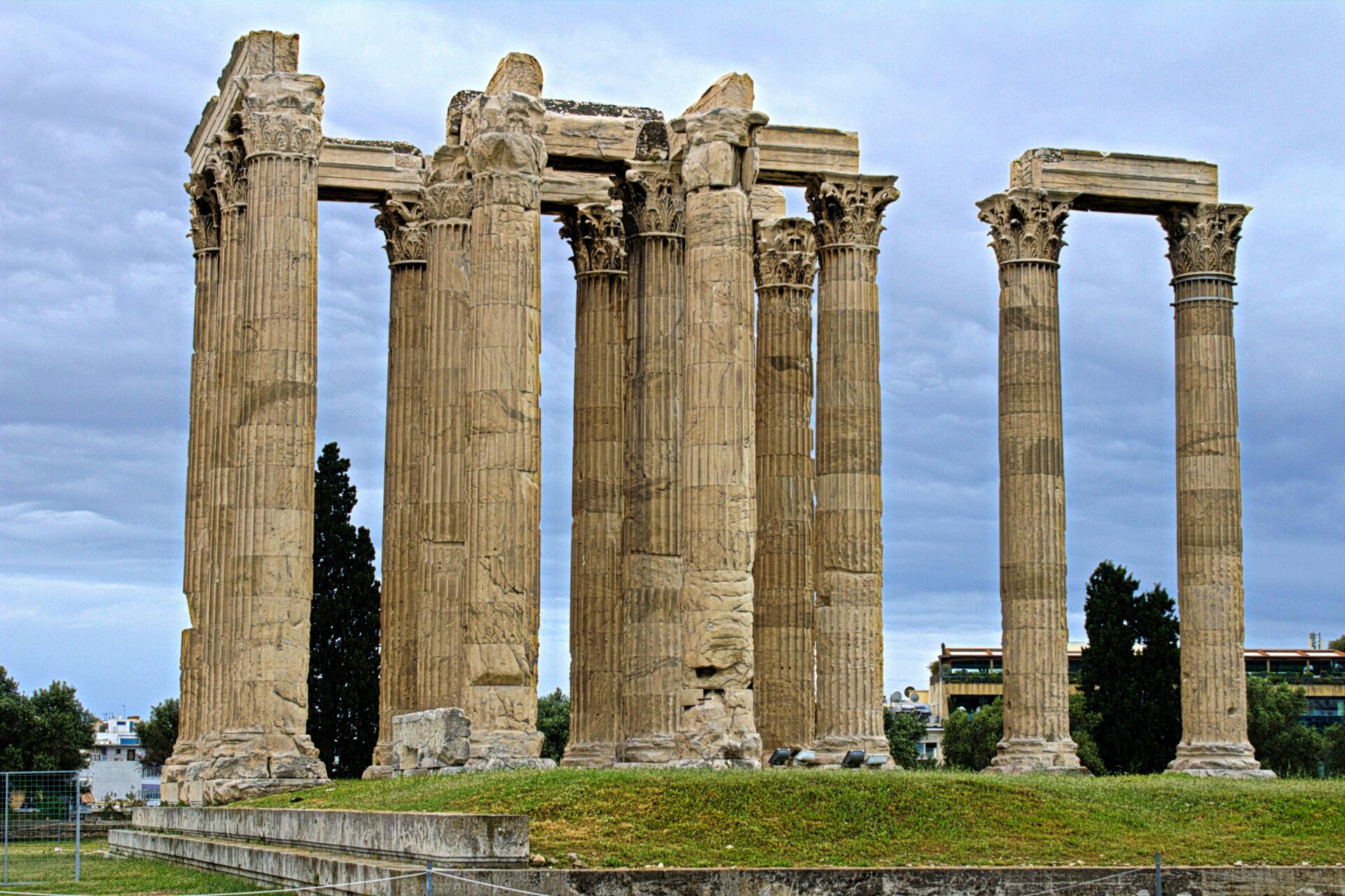
The Temple of Zeus dominates the Olympia site with its massive columns and weathered stones. As I walked around it, I tried to picture how grand it must have looked ages ago.
This was one of the biggest Doric temples in Greece, built to honor Zeus, the king of the gods. The size blew me away—it once held a gigantic statue of Zeus, one of the Seven Wonders of the Ancient World.
Key details about the temple:
| Feature | Description |
|---|---|
| Column Height | About 13 meters (43 feet) |
| Number of Columns | 34 |
| Statue of Zeus | Nearly 12 meters (39 feet) tall |
Walking among the ruins, I could easily imagine ancient followers leaving offerings or praying under the temple’s high roof, hoping for Zeus’s favor during the Games. Zeus’s presence almost lingers in the air, connecting faith, sport, and myth.
Heracles and the Origins of the Games
Legend says Heracles (or Hercules) started the Olympic Games. While I stood on the ancient starting line, I remembered stories of him laying out the first track, even measuring the stadion—a unit of distance—with his own feet.
That myth adds a spark to the whole experience.
Why was Heracles so important to Olympia?
- He was famous for his strength and courage.
- His legendary labors inspired athletes to compete with honor and skill.
Locals shared tales of Heracles testing his limits at Olympia, making sport more than just a contest. The Games became a tribute to both human strength and the favor of the gods.
Stories of Pan, Atlas, and Ancient Champions
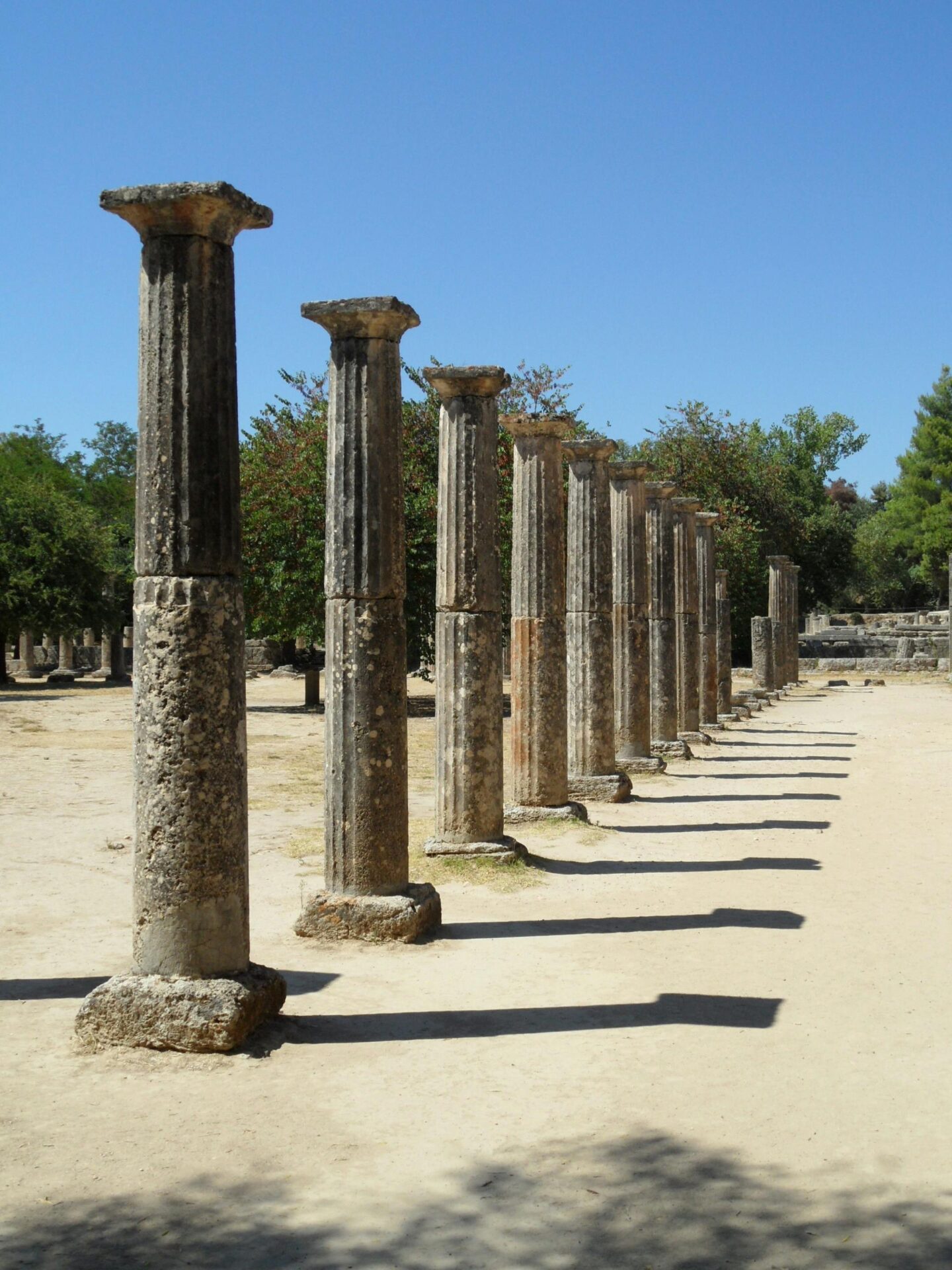
Not far from the stadium and temples, shaded paths and olive trees remind you of other legendary figures. Pan, the wild god, supposedly played his pipes in Olympia’s groves.
Atlas, another titan, pops up in stories about endurance and holding up the sky. These myths and the landscape seem to blend together everywhere you look.
When I met local guides, they shared stories of runners, wrestlers, and charioteers who competed on sacred ground. Some shields with champions’ names carved in them are still here.
At Olympia, tales of Pan and Atlas mix with real-life achievements. Each visit brings new stories—a blend of history and legend that sticks with you long after you leave.
Reimagining the Race: Olympic Sprints Past and Present
Walking the stadium at Olympia made Olympic sprinting feel real in a way I didn’t expect.
Standing on the same ground where athletes once raced barefoot connected me with the history and the evolution of the sport—from ancient customs to today’s high-tech tracks.
From Barefoot Runners to Track Stars
I learned that runners at ancient Olympia lined up at a stone starting line, barefoot, eyes fixed on the finish. The main race was a single length of the stadium, the “stadion,” about 192 meters.
They stood upright, not crouched, and started at a signal. No starting blocks, no spikes. Athletes competed naked and relied only on skill and training.
Crowds gathered, just like now, to cheer on the fastest men in Greece. It’s humbling to imagine that basic race—cheers, pounding feet on hard earth—so different from modern stadiums, but just as thrilling.

Michael Johnson and the 200-Meter Dash Legacy
My interest in sprinting always circles back to the 200-meter dash, mostly because of Michael Johnson. Watching his record-breaking run at the Atlanta Olympics in 1996 inspired so many of us. He finished in 19.32 seconds, wearing those unforgettable golden shoes.
Today, the 200-meter dash kicks off on a smooth, synthetic track, with runners in aerodynamic gear and using starting blocks. Technology, training, and technique have changed sprinting so much.
Seeing the stadium at Olympia made me appreciate just how far the sport—and the spectacle—have come since the days of barefoot champions.

The Cultural Pulse: Life Surrounding the Ancient Games
In ancient Olympia, you can almost feel the excitement that once buzzed through the place. Beyond races and athletic contests, Olympia thrived with lively performances, spirited social gatherings, and everyday moments among citizens, travelers, and even animals.
The Role of Dance and Performance
During the Olympic Games, dance filled the city’s sacred spaces and open grounds. Skilled dancers performed in honor of the gods, especially Zeus, blending athletic moves with flowing rhythms.
These dances tied together religion, victory, and entertainment in a way that spoke to everyone. Choral performances brought crowds together, with locals and visitors singing songs about victors or Greek myths.
Just standing there, I could imagine the sound of lyres and flutes joining in. Between events, performers entertained athletes and guests, making every moment feel like a festival.
The traditions of song and dance made me realize how much the Greeks valued creativity and expression alongside competition.

Courtesans, Taverns, and Social Life
Olympia wasn’t just a place for athletes. People came to relax, meet others, or even make business deals. Taverns lined the area, buzzing with laughter and lively talk.
Plates of olives, bread, and wine probably filled every table. Travelers from all over Greece swapped stories and news.
Courtesans, who often traveled during the Games, played a unique role. They weren’t only companions—they were talented musicians, poets, and dancers.
These women made social gatherings richer and more exciting. Many visitors came for sport but stayed for friendship and entertainment in Olympia’s lively spots.
Being there, I realized the Olympic spirit was about connection as much as competition. Taverns and gatherings helped shape the Games just as much as the events themselves.

Dogs, Consuls, and Everyday Olympia
Life in Olympia didn’t stop during the Games. Local dogs roamed the streets, following crowds or napping in shady corners.
Seeing stray dogs near the ruins today made me think about how animals once mingled with people back then. Roman consuls and officials, especially later on, brought their own traditions when they visited Olympia.
They watched contests, met local leaders, and sometimes joined celebrations. This mix of cultures must have made the Olympic Games even more colorful.
Daily life carried on among market stalls, shaded paths, and family homes. Olympia wasn’t just a place of glory—it was a real, living city, full of ordinary moments, friendly faces, loyal animals, and important guests.

Timeless Inspirations and Far-Off Connections
Standing at the ancient Olympic starting line brought history to life in ways I hadn’t really expected. Legendary poets, distant lands, and a web of influences from Athens and beyond all seemed to echo across the dusty grounds.
Aeschylus and Ancient Translations
Looking out across Olympia, I thought of Aeschylus and other great Greek playwrights. Their words, once performed for crowds in Athens, still hit home today.
Every translation across centuries and languages just adds to the power of those old stories. Traveling in Greece, I often carried a small book of Aeschylus translations.
Reading his lines under the Greek sun made the past feel close. I realized that these ancient writers helped shape not just drama, but the whole culture around the Games at Olympia.
When I visited Athens before Olympia, I noticed how many museums honor translators and scholars. They kept Aeschylus’s legacy alive so travelers like me could feel connected to the world he knew.

Legends of Hyperborea, Boreas, and Phaethon
You can’t really escape the sense of myth that hangs over Olympia. Locals would talk about places like Hyperborea, where Boreas—the legendary north wind—howled across the land.
Sometimes, someone would bring up Phaethon, the reckless guy who almost burned the world when he tried to steer the sun chariot. These stories always made me realize the Olympics meant more than just sports.
The ancient Greeks seemed to see gods, heroes, and all sorts of strange places woven into their daily lives. I loved hearing how the Hyperboreans supposedly sent sacred gifts to Olympia, coming from somewhere beyond the wildest winds.
Every myth I heard added a new layer to the ground under my feet. Sure, I know these are just stories, but honestly, I felt connected to people from thousands of years ago who believed in far-off lands like these.

Olympic Influences from Athens to Ark
When I traveled from Athens to Olympia, I realized the games wove Greece together in ways I hadn’t expected. In Athens, folks celebrated Olympic victories with poems, statues, and a kind of civic pride that still lingers.
You can see it for yourself—the museums and ruins practically shout about how much these achievements meant. I bumped into another traveler on the way, actually, who was headed to Ark. That city hosts modern events to keep the ancient spirit alive.
Honestly, it surprised me how the Olympic influence keeps showing up, even in today’s festivals and athletic meets. Local guides told me the original rules and rituals from Olympia shaped competitions all over Greece.
Quick tips for travelers:
- Athens museums: The National Archaeological Museum has artifacts tied to the Olympics.
- Ark festivals: Check local calendars for reenactments or modern games inspired by Olympia.
- Train connections: There’s a direct train from Athens, which made my trip to Olympia both affordable and honestly, pretty scenic.
Standing on that starting line, I felt the weight of all those connections. Every region, every legend, and every translation just added something new to my journey through ancient Greece.


#/media/File:Johnson,_Michael_D.jpg)
