
Stonehenge rises out of the flat Salisbury Plain, a wild circle of massive stones placed with mind-boggling care thousands of years ago. As I walked up to the monument, I could almost feel the weight of its history pressing down, along with all the questions that still swirl around it.
Standing next to Stonehenge, I suddenly understood why people travel from all corners of the world to see it, and why its mystery just won’t fade.
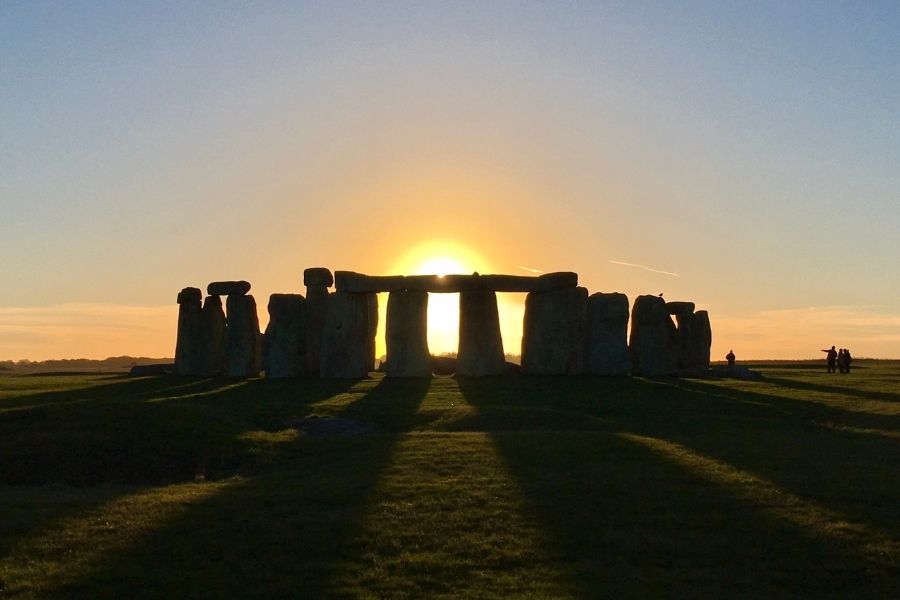
During my visit, I paid special attention to how the stones line up with the sun, especially at sunrise and sunset. It’s easy to see why people have always felt drawn here, puzzling over how it was built and what it meant.
The place hits harder in person than any photo or documentary ever could.
So, what does it feel like to stand at Stonehenge? I’ll try to share that, plus some tips to make your own visit smoother and more meaningful. And maybe a few of the questions that kept popping into my head as I wandered around.
The Origins and History of Stonehenge
Stonehenge stands alone as a prehistoric monument on Salisbury Plain. Its construction spanned centuries and shows off the surprising skills in engineering, teamwork, and ceremony in Neolithic Britain.
Early Construction Phases
Stonehenge’s story kicks off around 3000 BC. Early builders dug a circular ditch and bank—a henge—using animal bones and basic tools.
That first version looked way simpler than what we see today.
About 500 years later, people hauled in huge stones. The smaller bluestones came from Wales, about 150 miles away. The giant sarsen stones, weighing up to 25 tons each, were dragged from the Marlborough Downs, which is closer but still a trek.
Archaeologists say teamwork and planning made it possible. People dug holes, moved stones, and set them upright with surprising precision. The monument’s purpose seems to have shifted as generations passed.
Bronze Age and Neolithic Context
Stonehenge sits in the middle of a landscape full of other ancient sites. Places like Durrington Walls were built nearby, and burial mounds dot the area—some still hiding cremated human remains.
During the Neolithic and Bronze Ages, Stonehenge likely played different roles. Maybe it started out as a gathering place for ceremonies, then became a focus for burials and spiritual activities.
Its location lines up perfectly with the sunrise at summer solstice, so I’m convinced the builders understood the movement of the sun.
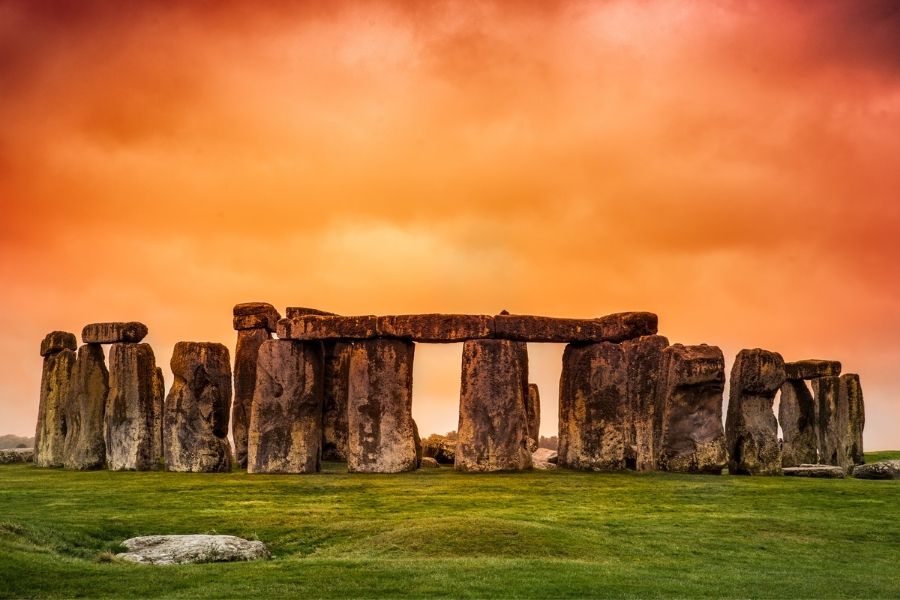
UNESCO named Stonehenge and its landscape a World Heritage Site because of its archaeological value and its deep ties to early British societies.
Major Archaeological Discoveries
Modern digs have changed what we know about Stonehenge. Archaeologists have found hundreds of artifacts—tools, animal bones, pottery, and bits of human skeletons.
These discoveries offer real clues about how people lived and why they built the monument.
The “Altar Stone” stands out, sitting in the middle and possibly serving as a focal point for ceremonies. They’ve also found that Stonehenge was a burial ground, with at least 150 cremation burials uncovered so far.
Researchers now use radiocarbon dating and ground-penetrating radar to dig deeper. These tools reveal new details about how the site was built and used, and about the people who visited, lived, and died here.
Stonehenge’s Design, Construction, and Physical Features
Stonehenge stands out for its massive upright stones, its unique circular layout, and the sheer engineering muscle needed to move and place everything. The stones come from distant places, and the monument sits among several other prehistoric sites across Salisbury Plain.
The Stone Circle and Trilithons
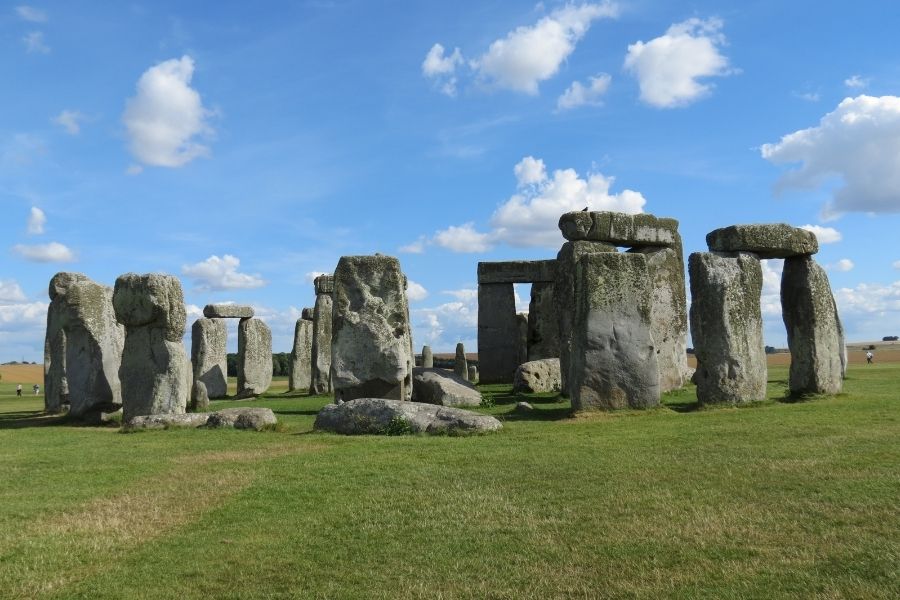
When I finally saw Stonehenge up close, the stone circle honestly took my breath away. The outer ring is made of upright sarsen stones, each about 13 feet tall and 7 feet wide.
They form a ring around 100 feet (30 meters) across.
Inside that, you find the famous “trilithons”—pairs of tall stones topped with a horizontal stone, like ancient gateways. The tallest trilithon soars up to 24 feet (7.3 meters).
The builders used a post-and-lintel design, with horizontal stones balanced on uprights—a pretty rare trick for that era. I also spotted the “Aubrey Holes,” a ring of pits that seem to be among the site’s earliest features.
Materials: Sarsen Stones and Bluestones
Stonehenge is built from two main types of stone: sarsen stones and bluestones. The hulking sarsens came from the Marlborough Downs, about 20 miles away, and they’re tough sandstone.
The bluestones are smaller, more varied, and traveled all the way from the Preseli Hills in Wales—over 150 miles (240 kilometers). Moving them must have been a nightmare, needing loads of teamwork and planning.
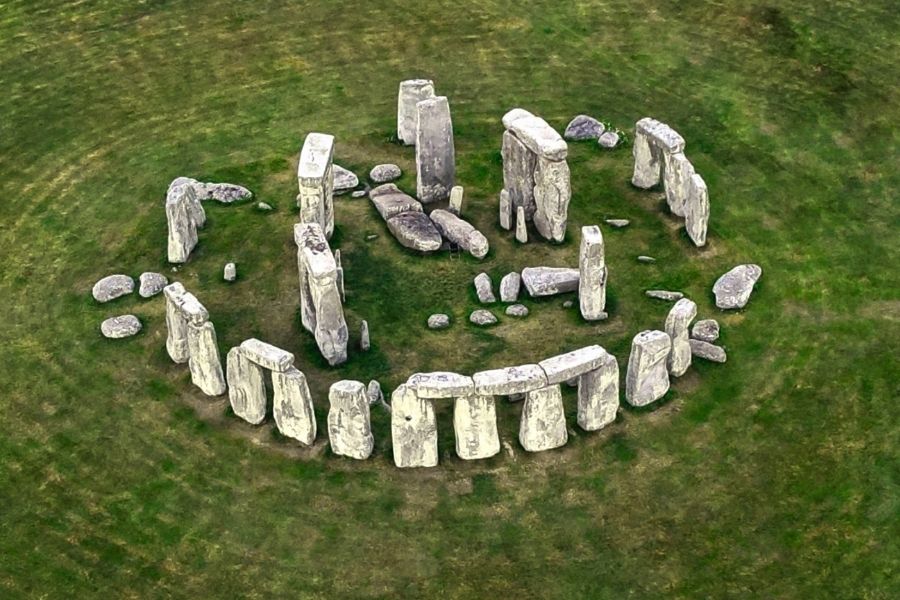
The sarsens probably made their way overland, while the bluestones might’ve traveled by both water and land.
| Stone Type | Source Location | Distance to Site | Main Use |
|---|---|---|---|
| Sarsen | Marlborough Downs | ~20 miles (~32 km) | Outer Circle, Trilithons |
| Bluestone | Preseli Hills, Wales | ~150 miles (~240 km) | Inner Rings, Horseshoe |
Construction Techniques and Engineering
Building Stonehenge took some serious know-how. The builders shaped the stones with hammerstones, then dug deep holes to hold the uprights steady.
They used mortise and tenon joints—think peg and hole—to connect the stones, which is pretty impressive.
To move the stones, people probably used wooden sledges, rollers, and ropes. Raising each massive stone and placing the lintels on top must have taken a huge crew, simple machines, and a lot of sweat.
Stonehenge didn’t appear overnight. People built it in stages between 3000 BCE and 1520 BCE, and the design evolved from a simple earthwork henge to the stone circle we see today.
Associated Sites: Avenue, Cursus, and Woodhenge
Stonehenge isn’t alone out there. The surrounding landscape is dotted with other prehistoric monuments.
The Avenue is a long, straight path, likely used for ceremonies or processions.
The Cursus sits northwest of Stonehenge—a much older, mile-long earthwork. No one really knows what it was for, but it proves this area mattered for millennia.

Not far away, you’ll find Woodhenge, another circular monument that once had wooden posts instead of stones.
Exploring these sites made me realize Stonehenge is just one piece of a much bigger, ancient puzzle—one packed with mystery.
Unraveling the Mysteries and Cultural Significance
Stonehenge sits at the heart of centuries of debate and curiosity. Scientists, historians, and storytellers have all tried to crack its secrets, and honestly, I don’t think anyone’s nailed it yet.
Spiritual and Ceremonial Purposes
Walking among the stones, I felt a strange sense of history and something almost spiritual. Many experts say Stonehenge was a ceremonial site, deeply meaningful to the people who built it.
Archaeological finds suggest ancient groups gathered here for rituals, maybe to honor ancestors or nature.
Some studies show Stonehenge doubled as a burial ground. Human remains found around the site point to a long tradition of honoring the dead.
Legends claim the stones had healing powers, drawing people seeking cures. Even now, some visitors talk about a special energy at Stonehenge. I can’t say for sure, but it’s definitely got a vibe.
Astronomical Alignments and Celestial Events
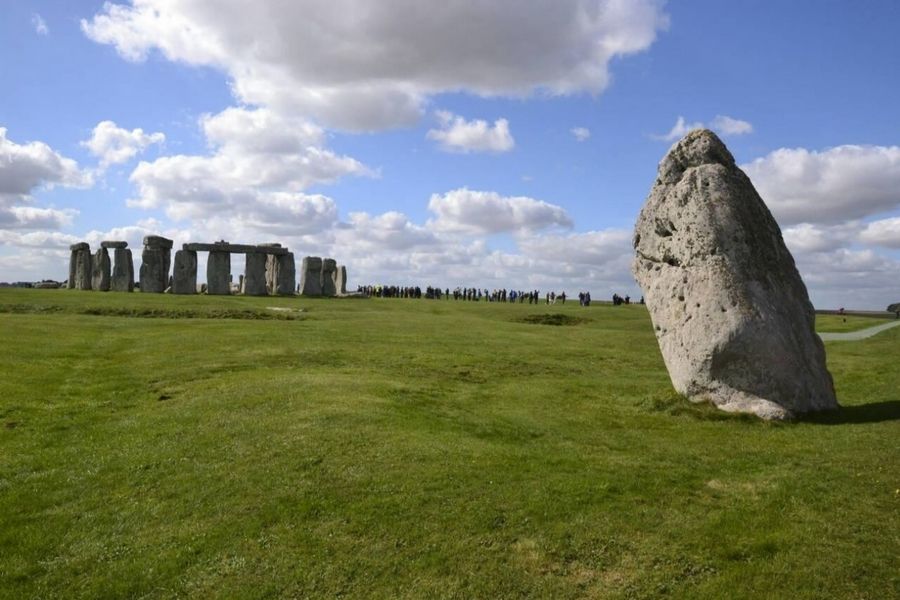
Stonehenge’s stones line up with key celestial events like the summer and winter solstices. When I visited, I learned that on the summer solstice, the sun rises right above the Heel Stone. It’s dramatic, even magical.
Many believe Stonehenge worked as an ancient observatory or calendar.
Researchers have mapped out how the stones align with solar and lunar cycles. These alignments probably helped people track the seasons or plan rituals.
The careful placement of each stone shows that tracking the sun and moon was a big deal for the builders.
This idea of an astronomical calendar isn’t just a theory—the monument’s layout and archaeological evidence back it up. Predicting celestial events would have been crucial for farming and ceremonies.
Legends, Folklore, and Famous Myths
Stonehenge is wrapped up in all kinds of legends. One famous story claims Merlin, the wizard from Arthurian legend, magically transported the stones from Ireland. Geoffrey of Monmouth, a medieval writer, spread this tale in his book about Britain’s history.
Other stories link Stonehenge to Druids, the priests of ancient Celtic religions. While there’s no proof Druids built it, they’re now forever tied to the site in popular culture.
The idea that the stones can heal also pops up in old stories.
King Arthur gets looped into the legend too, but those tales are pure myth. Still, these stories add to the monument’s mystique, drawing visitors from everywhere and blending fact with fiction in a way that’s hard to resist.
A Visitor’s Guide to Stonehenge
Visiting Stonehenge is more than just ticking off an ancient site—it’s about planning ahead so you actually enjoy it. Trust me, a little prep goes a long way.
Planning Your Visit: Tickets, Memberships, and Access
Pre-booking tickets is a must for everyone, even English Heritage and National Trust members. Entry is timed, so snagging your slot early is smart, especially during busy months.
Memberships with English Heritage or the National Trust get you in for free. I used my English Heritage card and saved a bit, so think about joining if you’re hitting more UK sites.
Check your ticket options:
- Standard tickets: General admission, with access to the visitor center and the main path around the stones.
- Stone Circle Experience: Lets you step inside the stones, either before or after regular hours, in a small group.
Walk along the processional routes to see how ancient visitors approached the monument. Always buy tickets from the official Stonehenge site or trusted partners.
The Exhibition, Café, and Amenities
After my ticket got scanned, I headed into the exhibition center. It’s packed with real Neolithic artifacts, immersive displays, and stories that try to unravel Stonehenge’s mysteries.
You get a sense of how people lived and what the landscape once looked like.
The café serves up sandwiches, snacks, and hot drinks. There are vegetarian and gluten-free options, and prices aren’t too bad for a tourist spot.
You’ll find indoor and outdoor seating, perfect for a quick rest.
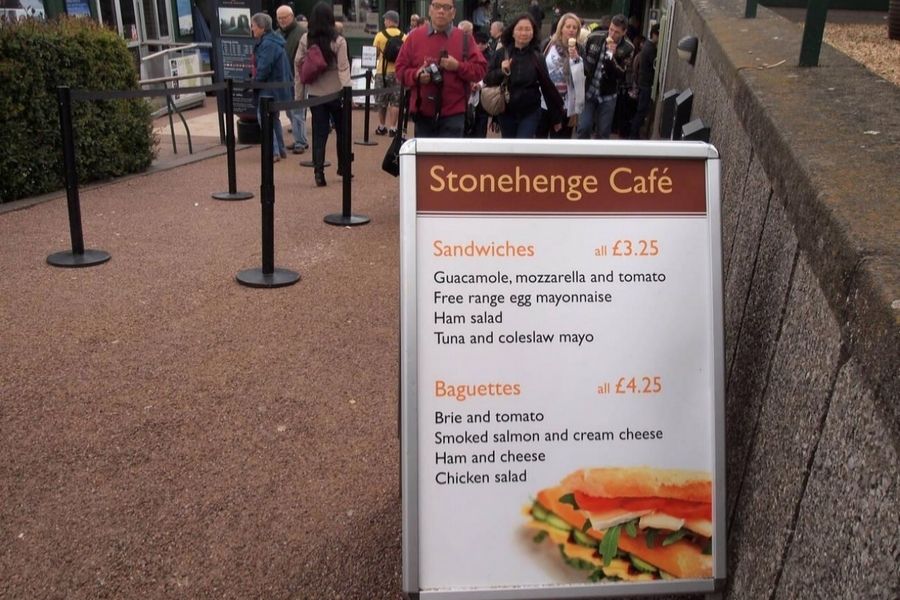
Restrooms are clean and close to the entrance. The site is mostly accessible for wheelchairs and strollers, and you can grab a free audio guide for your phone.
The gift shop is fun too—books, souvenirs, and even little model stones if you want to bring home a piece of the magic.
Best Times to Visit and Special Events
Stonehenge is open all year, but your experience will shift with the seasons. I found early morning or late afternoon to be the quietest—and honestly, the light is just better for photos.
Crowds thin out outside summer and school holidays.
Special events like the Summer Solstice (around June 21) and Winter Solstice bring big crowds who come to celebrate the sun’s alignment with the stones.
On those days, you can actually walk right up to the stone circle at sunrise, no barriers in the way. It’s crowded, but the atmosphere is something else.
Check the official site for opening hours, especially around solstice dates. Some tickets, like the Stone Circle Experience, let you visit before or after the main crowds for a more peaceful session.
Photography Tips and Stone Circle Experience
You can take photos almost everywhere here, but tripods and drones? Usually a no-go unless you arrange something special. Since the weather can turn wild, I brought a camera with solid weatherproofing and made sure to layer up for wind and rain.
Want better photos? I’d say go in the morning or late afternoon—the light’s softer, and there aren’t as many people. I like to shoot wide to get the whole monument and landscape in the frame. Then, I get up close for shots that show off the lichen and rough textures on the stones.
The Stone Circle Experience really stood out for me. This tour happens outside regular hours, so you can actually walk among the stones. There’s just something about standing right there, feeling how massive they are, and snapping photos without crowds in the way.
You’ve got to book ahead—spots go fast. But if you’re into photography or just want something more personal, honestly, it’s worth every bit of effort.
Exploring the Surrounding Landscape
Stonehenge rises from Salisbury Plain, but you only start to get its real significance when you look at the ancient landscape and all the monuments scattered nearby.
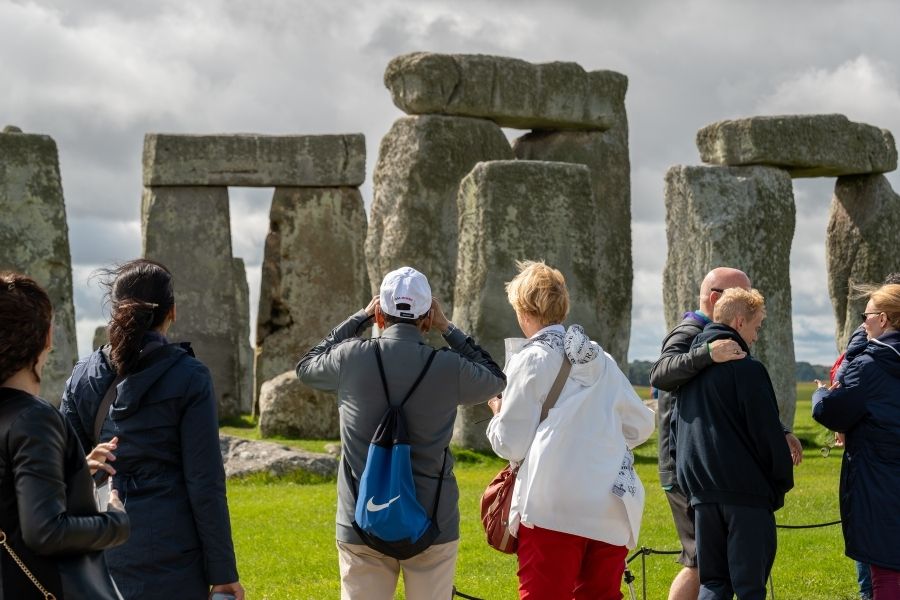
Walking the trails, I passed burial mounds and earthworks that whispered stories from thousands of years back. Archaeologists keep digging up new artifacts, and each find adds a piece to the puzzle—showing how Stonehenge connects to sites in Wiltshire and even as far as Ireland and Wales.
Nearby Monuments: Old Sarum and Durrington Walls
Just a short drive away, I checked out Old Sarum, this ancient hill fort that might’ve been here before Stonehenge itself. Climbing up the grassy ramparts, I got sweeping views across Wiltshire.
Old Sarum once held an Iron Age community, and later, a medieval castle. It’s wild to stand there and think about how people kept coming back to this spot through all those centuries.
Not far off, Durrington Walls called to me. This place is a huge circle of banks and ditches—a real feat of engineering. Archaeologists believe it was a bustling village, probably home to the folks who built or used Stonehenge.
They’ve found animal bones, pottery, even house platforms—evidence of big gatherings or feasts. It seems likely these celebrations tied directly to Stonehenge’s creation and rituals.
Connections Across the British Isles and Ireland
Digging around Stonehenge has revealed links stretching across Britain and Ireland. The famous bluestones? They came all the way from the Preseli Hills in Wales.
Hauling those stones over 150 miles must’ve taken serious effort, and maybe it meant something spiritual, too. Tools and pottery found at Stonehenge often match stuff from faraway places, hinting at a web of connections between distant communities.
Some burial mounds nearby hold artifacts from even further afield—like beads and axes made from Irish stone. That tells me Stonehenge wasn’t just a local thing.
It drew people, ideas, and probably traditions from all over the British Isles. Imagine the travelers, the shared ceremonies, and the ancient networks that once brought everyone together here.
Archaeological Research and Ongoing Discoveries
Stonehenge keeps surprising us, honestly. Researchers still wander around Salisbury Plain, digging into new mysteries every year.
They use things like ground-penetrating radar and chemical analysis to peek underground without wrecking anything. I found out there are over 400 ancient sites out here—barrows, cursus monuments, old avenues—that surround Stonehenge and turn the area into a kind of archaeological playground.
Every season, someone uncovers a few more artifacts. Sometimes it’s just a stone tool, other times it’s animal bones or even human remains. These finds give scientists a better idea of how people actually lived here.
I’ll never forget reading about the “Amesbury Archer.” His skeleton turned up with gold and tools, hinting at connections far beyond this patch of England. That kind of discovery makes you realize people traveled and traded way more than we might guess.
So yeah, the research keeps going, and every new find adds another piece to the Stonehenge puzzle. It’s wild how much there still is to learn about this mysterious landscape.
