
I found myself standing among the ancient stones of Stonehenge during the summer solstice, and honestly, it felt like stepping into another world. Watching the sunrise light up the Wiltshire landscape and shine through the center of this historic monument stirred something deep inside me—like I was sharing a moment with people from thousands of years ago.
The longest day of the year began with a hush and a sort of electric energy in the air. Peaceful, yet powerful—there’s really no better way to describe it.
Even with a crowd gathered to witness the sunrise, I still caught that quiet, mysterious vibe Stonehenge is famous for. The way the monument lines up perfectly with the rising sun at this time? That blew my mind.
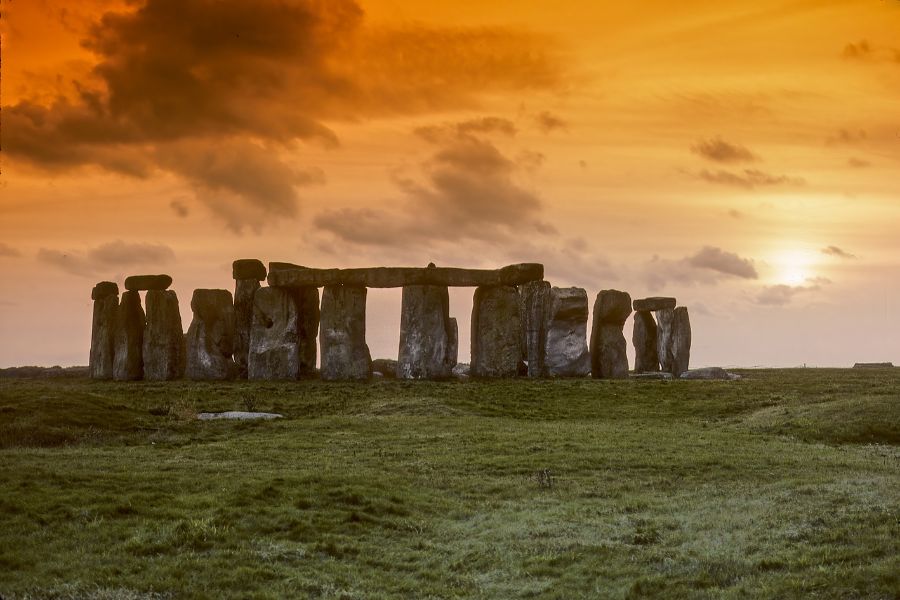
Being at Stonehenge on the solstice was something I’d always daydreamed about. Getting up before dawn was absolutely worth it.
Stonehenge and the Solstice Phenomenon
Stonehenge is legendary for its connection to the sun, especially during key times of the year. Its massive stones practically shout about its deep ties to the solstices and shifting seasons.
The Significance of the Summer Solstice
The summer solstice usually lands around June 21, marking the longest day. At Stonehenge, it’s a big deal.
When I visited, I saw people gathering before dawn, all waiting for that moment when the sun would rise right behind the Heel Stone. The first light beamed straight through the stones.
For many, this is a time to celebrate or reflect. Thousands come to watch the solstice sunrise, just like people did thousands of years ago. It’s wild to think about—modern folks and ancient cultures, all connected by this one ritual.
For me, it felt like I was part of something much older than myself.
Understanding Solstice Alignments
People built Stonehenge around 2500 BC, arranging those giant sarsen stones and smaller bluestones with serious intention. The central axis points right where the sun rises on the summer solstice and where it sets on the winter one.
This isn’t by accident. Stonehenge probably worked as a kind of calendar or observatory. When the sun shines into the heart of the stone circle at solstice, you can see the ancient builders’ skill firsthand.
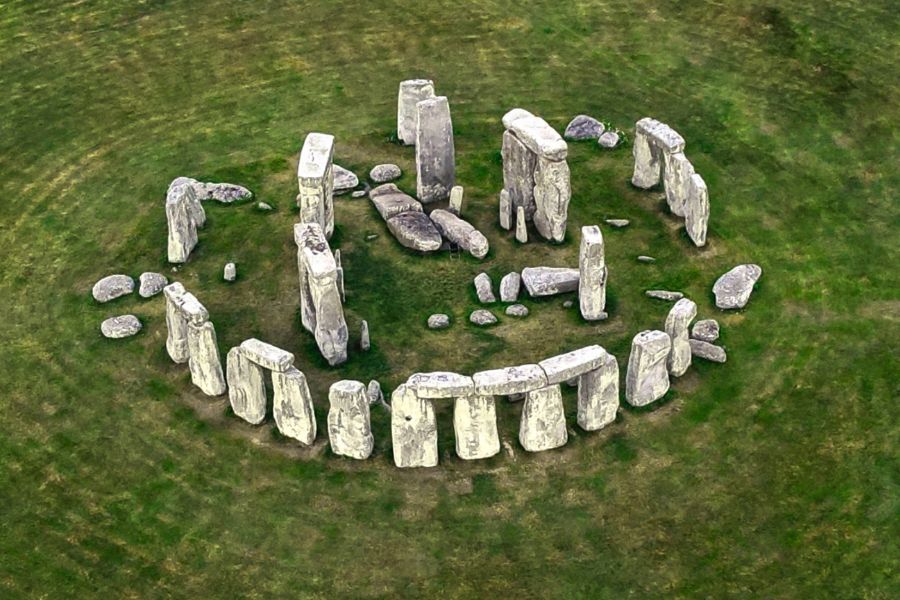
It’s honestly staggering to think they tracked the seasons with such accuracy.
The Winter Solstice and Equinoxes
People usually talk about the summer solstice, but the winter solstice is just as important here. Around December 21, the sun sets in direct alignment with Stonehenge’s main axis.
That sunset marks the shortest day—and the promise of longer days ahead. I actually find the winter solstice a bit more peaceful.
Fewer people show up, and the darkness gives the site a quiet, haunting beauty. Stonehenge also lines up with the spring and autumn equinoxes, when day and night are equal. Each event ties the monument to the cycles of sun and seasons.
My Stonehenge Solstice Experience
Getting to Stonehenge for the summer solstice sat on my bucket list for ages. Watching the sun rise above those stones, surrounded by thousands of people, brought a sense of unity and renewal I’ll always remember.
Preparing for the Event
I kicked off my solstice adventure by booking a private access tour, which let me in before the big crowds. Packing took some thought—I brought warm layers because those early hours can be surprisingly cold, even in June.
I took the dedicated solstice bus tour to skip parking headaches. Most people arrived the night before, since the monument field opens at 19:00 on June 20, 2025.
I made sure to bring water, snacks, and a blanket to sit on while I waited. If you’re planning your first visit, definitely check the official English Heritage website for entry times and rules—they can change.
Witnessing the Solstice Sunrise
Standing inside the ancient stone circle at dawn? That was the highlight.
As the sky lightened, I watched the first rays of the solstice sunrise peek over the Heel Stone. Sunrise hit at 4:51 am, and suddenly the whole site glowed golden.
Walking among the stones during the solstice is rare, only allowed twice a year. I wandered quietly, soaking in the sacred atmosphere. People stood still, eyes fixed to the east, waiting for that perfect alignment.
Some folks brought drums or sang softly, while others just stood in silence. The mix of sound and stillness made the sunrise feel both joyful and oddly peaceful.

For a few minutes, you could almost feel ancient tradition come alive.
The Atmosphere at Stonehenge
The celebrations actually started long before sunrise. Groups gathered in the field, sharing stories, food, and music.
There was a buzz of excitement, but also a sense of respect for the ancient site. Some people wore costumes or traditional dress; others just wrapped up in blankets and enjoyed the cold air together.
The crowd often swells to thousands, but it feels like a community. Some folks come for spiritual reasons, hoping for renewal or a connection to nature. Others just want to be part of something historic.
Despite the numbers, the mood stays calm and friendly. Security staff kept a low profile, but made sure everyone felt safe.
As daylight spread, I started to understand why people return year after year. It’s not just about the sunrise—it’s about being together in a place where humans have gathered for thousands of years.
History and Architecture of Stonehenge
Stonehenge ranks as one of England’s best-known prehistoric monuments. Neolithic people built it, and every massive stone seems to connect earth, sky, and meaning.
Neolithic Origins and Construction
Stonehenge’s story started around 3000 BC. Builders first dug a big circular ditch with 56 pits—those are called Aubrey Holes.
Maybe they held wooden posts or stones. Over centuries, the monument changed as more stones arrived from far away.
Neolithic people used both local and distant materials, especially for the biggest stones. They shaped the site through several phases.
Building Stonehenge took planning and a big community effort. Archaeologists say the process shows impressive engineering.

People probably gathered here for ceremonies, especially around the solstices. The original builders likely held rituals connected to the sun and seasons.
Key Features: Heel Stone, Trilithon, and Bluestones
Some parts of Stonehenge really stand out. The Heel Stone sits northeast of the main circle, and on the summer solstice, the sunrise appears just above it.
That alignment must have been important for ancient viewers. The Great Trilithon is a pair of upright stones with a big stone on top—once the tallest structure in the circle.
The bluestones are smaller and probably came from Wales, over 140 miles away. Moving them must have been a huge challenge.
Each type of stone seems to have its own meaning. The careful placement hints at complex beliefs about the cosmos and time.
The size and layout show off the builders’ skills.
Durrington Walls and Prehistoric Monuments
Stonehenge sits among a group of impressive prehistoric sites. One of the largest is Durrington Walls, just a few miles away.
This massive earthwork is a henge—a circular ditch and bank. Archaeologists found evidence that thousands of people lived and celebrated there while Stonehenge was under construction.
Other nearby monuments include wooden and stone circles, barrows, and causewayed enclosures. These sites probably connected, forming a sacred landscape.
I find it fascinating how these structures show the area’s importance for gathering, feasting, and ceremony in Neolithic England.
Archaeologists keep studying these sites, piecing together how prehistoric people worked together. They help us understand what Stonehenge meant to those who built and visited it.
Rituals, Ceremonies, and Modern Celebrations
Most solstice gatherings at Stonehenge blend old traditions with modern celebrations. The sunrise is the main event, but the experience includes unique rituals, community celebrations, and careful protection of the site.
Druidism and Ancient Rituals
When I arrived early, I noticed groups in white robes and green sashes—some called themselves Druids. The Druids follow a spiritual movement inspired by ancient Celtic traditions.
At Stonehenge, they lead rituals focused on connecting people, the cosmos, and nature. Their ceremonies usually start before dawn.
I saw them forming circles, chanting, and sharing blessings to welcome the sun. Sometimes, they used drums and horns as night turned to day.
These rituals honor earth, sky, the seasons, and the energy believed to flow through the stones. I watched people hold hands and close their eyes in silent meditation.
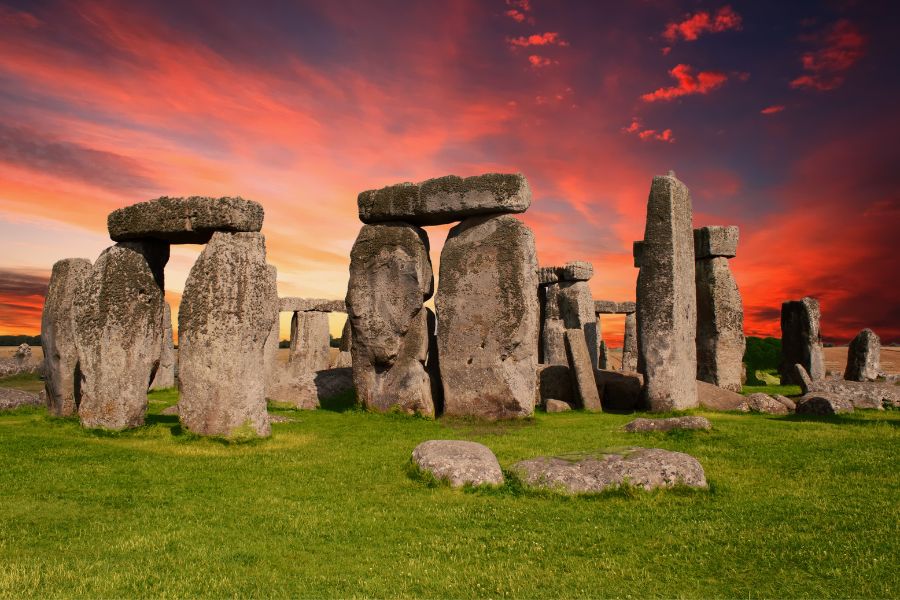
Each gesture seemed to bring the group together and celebrate the cycles of life.
Contemporary Solstice Celebrations
Beyond the ancient rituals, the atmosphere at Stonehenge felt lively and open. Thousands traveled to the site—some just wanted to see the sunrise, others joined in music, dancing, and fun.
Local laws banned alcohol inside the stone circle, which kept the focus on the shared experience. I joined a drumming circle, adding my own rhythm to the mix.
There was laughter, bright costumes, and a few impromptu performances. While some followed serious rituals, others simply enjoyed being at one of the world’s most famous ancient sites.
Many visitors brought small offerings—flowers, written wishes—and left them at the base of the stones. For most, the celebration was a joyful mix of personal meaning, tradition, and excitement for the new season.
Role of English Heritage in Preservation
English Heritage staff made their presence known from the start. Signs reminded everyone to leave no litter and treat the stones and landscape with care.
Staff walked among the crowds, answering questions and helping people respect the monument. English Heritage plans the whole event.
They organize safe access, provide first aid, and keep an eye on crowd numbers. Their rules make sure music, rituals, and celebrations don’t harm the stones or wildlife.
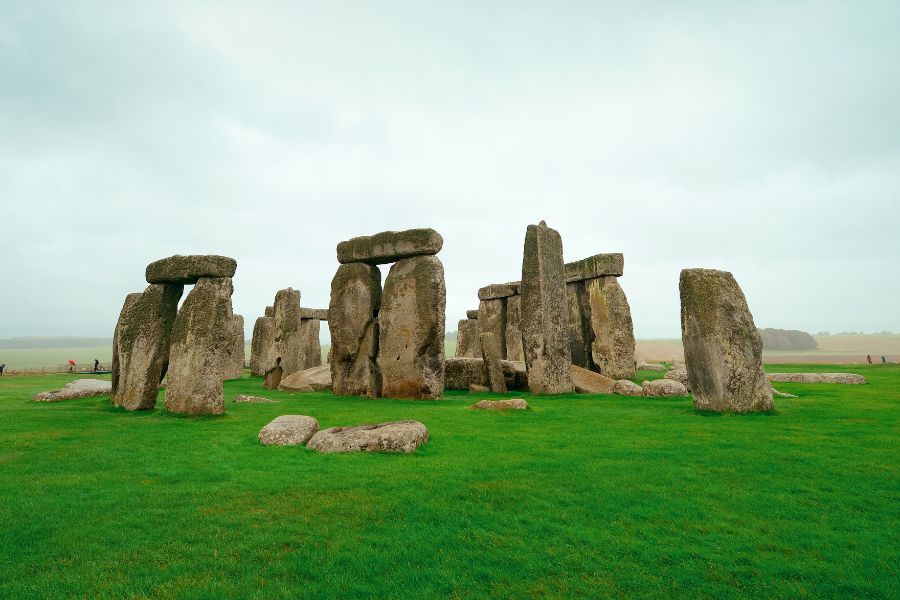
Clear boundaries marked off certain areas, and volunteers explained why some stones shouldn’t be touched or climbed on. I appreciated this focus on preservation—without it, future generations might not get to experience the solstice at Stonehenge.
Stonehenge’s Purpose and Mystical Appeal
Stonehenge remains one of England’s most fascinating ancient sites. Some folks think it was built to track the cosmos; others see it as a place of legend and mystery that still inspires awe.
Astronomical Observatory Theories
I’ve always found the idea of Stonehenge as a giant calendar or observatory pretty compelling. The way the stones line up with the sunrise at the solstices—especially the summer one—is hard to ignore.
That alignment shows the builders understood the sun’s movement, maybe even the moon’s. Some archaeologists think people used the site to know when to plant or harvest crops.
Others suggest it was for ceremonies tied to the changing seasons. Many stones are arranged with real precision, maybe even to line up with certain stars.
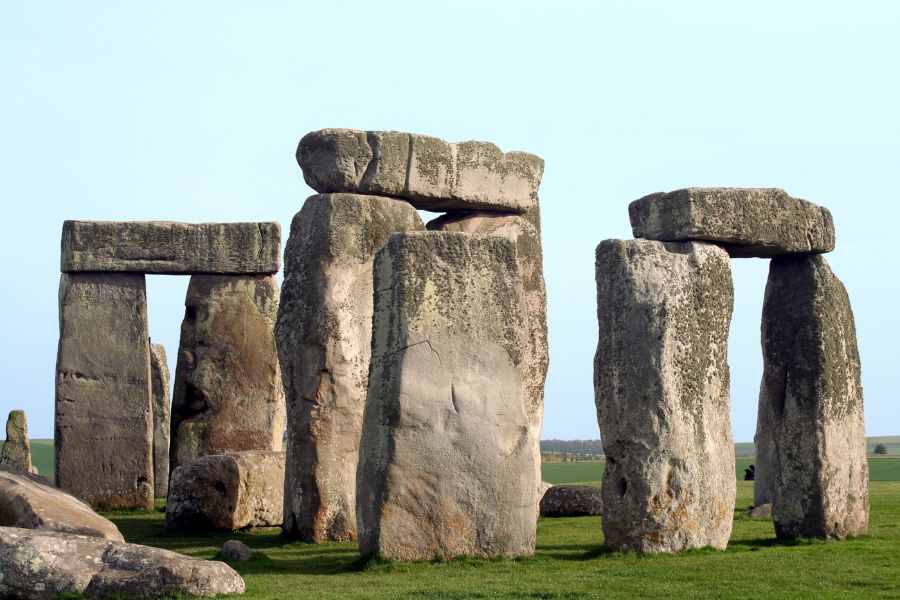
The mystery’s still there, but it’s obvious Stonehenge connects deeply to the sky and cycles of time.
Key Astronomical Facts:
| Event | Stone Placement |
|---|---|
| Summer Solstice | Heel Stone aligns with sunrise |
| Winter Solstice | Stones frame sunset |
| Possible lunar links | Certain stones face moon points |
Legends, Myths, and the Story of Merlin
You can’t really talk about Stonehenge without diving into the legends swirling around it. There’s just something about the place that pulls you in. One of the classics? The story of Merlin—the legendary wizard from old British tales.
Some say Merlin, with a flair for the dramatic, used his magic to haul those massive stones all the way from Ireland. He supposedly set them up right where they stand today. I mean, can you picture it? A wizard orchestrating a monument that still baffles scientists.
Other stories claim Stonehenge served as a stage for ancient ceremonies or even as a healing spot. Folks have tied it to spell-casting, wild Druid rituals, and sometimes even as a burial ground for chiefs or priests.
Sure, nobody’s proven these tales. But honestly, they shape how we all experience Stonehenge. The mystery still hangs in the air, tempting storytellers and visitors alike to wonder what secrets those stones hide. For me, the myths wrap the whole site in a kind of magic that history books just can’t capture.
