
Let’s be honest—winter doesn’t have to trap you indoors. Glamping can turn cold months into an adventure, letting you soak up snowy views and crisp air, all while you stay toasty inside a heated tent, dome, or cabin.
The best winter glamping spots keep things cozy with heated spaces, plush bedding, and inviting touches like fire pits or hot tubs. You’ll often find indoor dining areas and activities that let you enjoy nature without freezing. It’s a blend of comfort and adventure that regular camping just can’t match.
I’ve gathered five winter glamping destinations where you can stay warm and comfortable, yet still get that outdoor buzz. Heated safari tents, insulated domes—these places prove you really don’t have to hibernate all season.
Key Takeaways
- Winter glamping mixes outdoor adventure with heated spaces and cozy perks like fire pits and warm beds.
- The best glamping spots offer both heated indoor retreats and outdoor fun, so you can enjoy nature without the chill.
- Planning and packing right makes winter glamping safe and super comfortable, even in the cold.
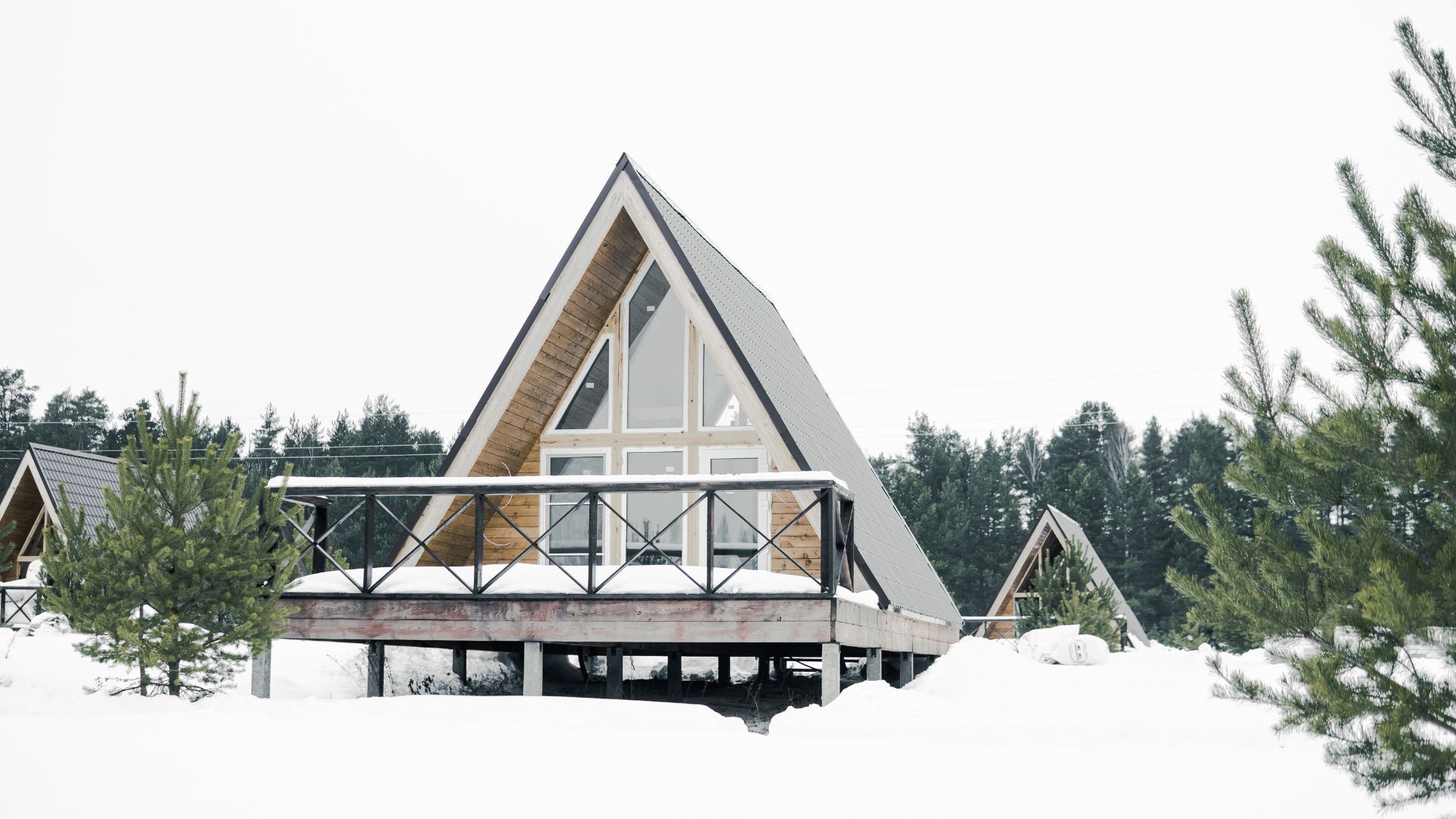
What Makes Winter Glamping Warm and Cozy?
Warmth in winter glamping comes down to solid insulation, reliable heating, and clever design. The right setup means you’re not shivering in your sleeping bag.
Insulation and Heating Solutions
I’ve noticed the best glamping sites use layered insulation. Most tents have thick canvas with interior liners that trap heat. Domes often add foam or spray insulation between double walls.
Heating varies. Upscale sites usually go for electric fireplaces—they’re safe and simple. Rustic spots might give you a wood-burning stove, which adds both heat and that cozy glow. Some places rely on propane heaters rated for indoor use.
Many glamping spots throw in heated floors or electric blankets. These touches keep you warm at night without blasting a heater. The magic number for comfort? Usually between 60 and 70°F inside, even when it’s icy outside.
Essential Amenities for Cold Weather
Hot water is a must. I always look for sites with heated bathrooms and warm showers—ideally right inside your tent or cabin. There’s nothing like a hot shower when everything outside is frosty.
Bedding matters more in winter. You’ll want thick duvets, flannel sheets, and plenty of blankets. Some places even toss in cold-rated sleeping bags, just in case.
Other key perks: Wi-Fi for weather checks, electricity for charging and heating, and dry spots for your wet boots. A coffee maker or kettle lets you sip something hot without stepping outside.
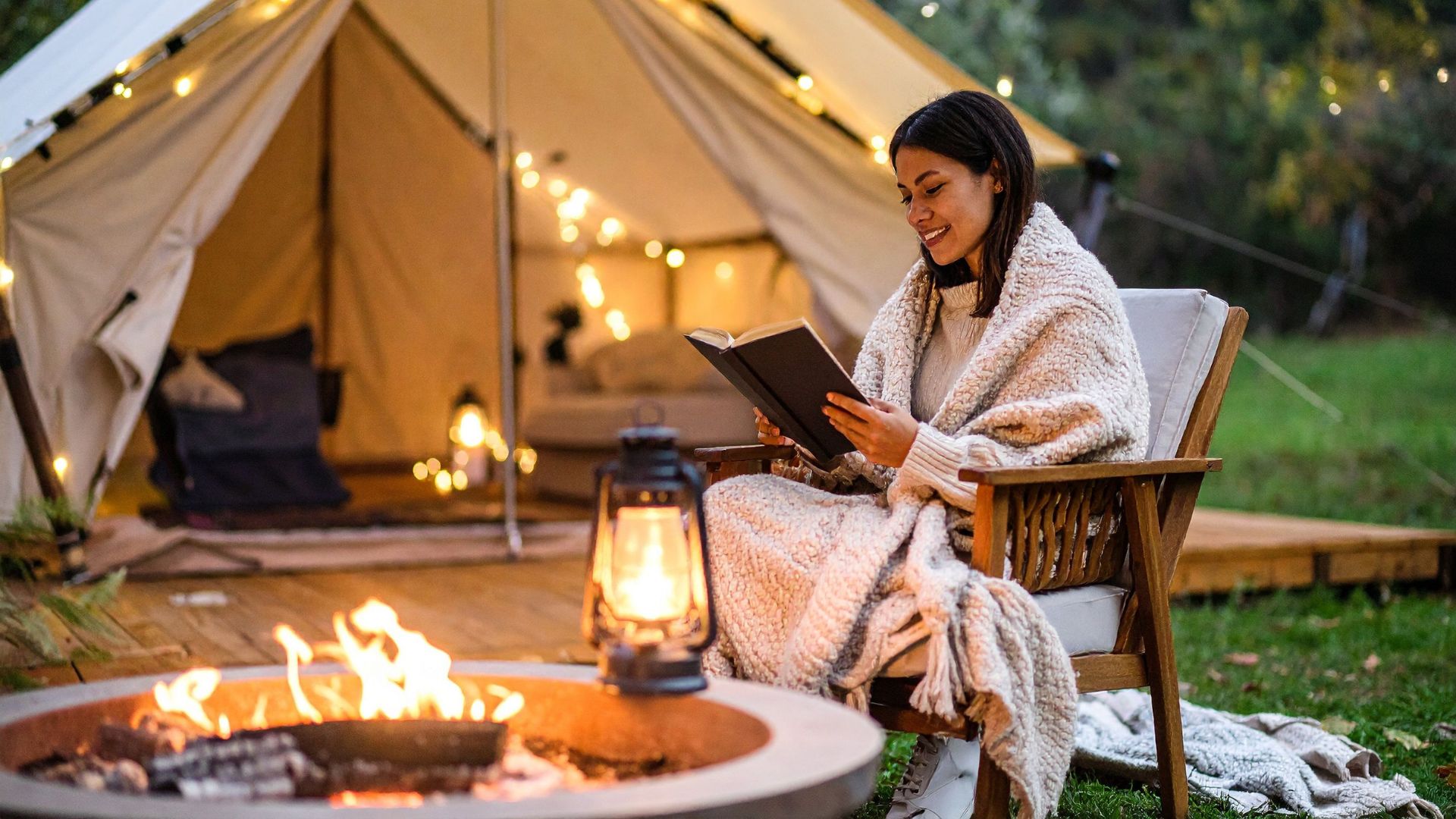
Accommodation Types: Tents, Domes, and Cabins
Canvas tents can work in winter if they’re well-insulated and heated. Safari-style tents with solid floors and sturdy frames handle snow better than your usual camping setup.
Geodesic domes are awesome for winter glamping. Their shape sheds snow and spreads heat evenly. The curved walls mean no chilly corners. Some even have clear panels for stargazing from your warm bed.
Treehouses and small cabins offer the most protection. These usually come with real insulation, double-paned windows, and stronger heating than tents or domes. Honestly, they feel more like tiny homes than campsites.
Top 5 Winter Glamping Spots That Stay Warm Inside
Winter glamping brings you the thrill of the outdoors with serious comfort. These five destinations keep you cozy, no matter how cold it gets outside.
Unique Features of Each Glamping Destination
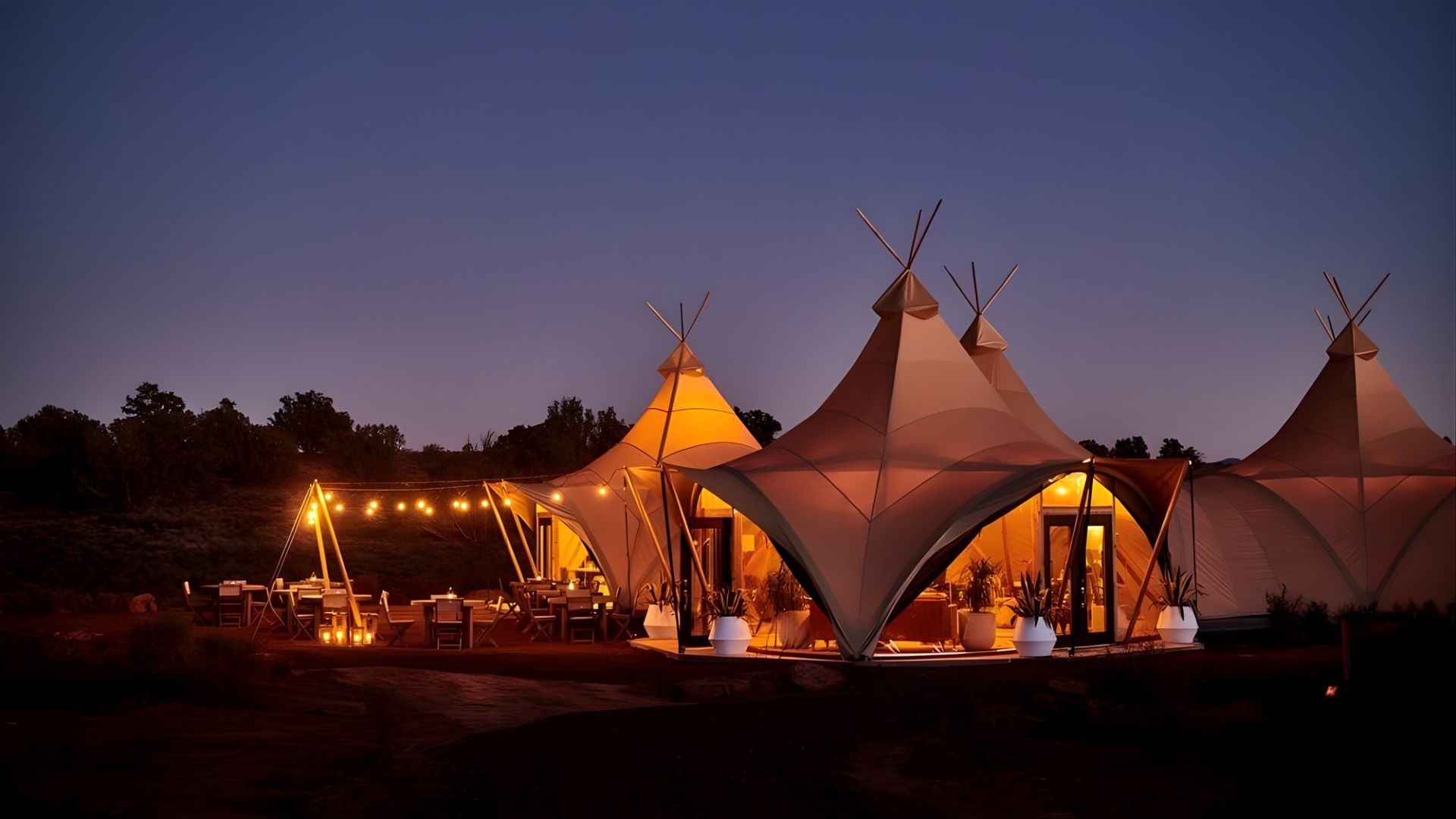
Under Canvas Grand Canyon, Arizona sets you up in safari-style tents with wood-burning stoves. The desert nights get cold, but those stoves make the space feel downright snug. Plus, there’s an on-site restaurant serving up seasonal dishes, and the bedding is designed for winter comfort.
Mendocino Grove, California puts you among redwoods in canvas tents with real fireplaces and heated showers. They back it up with electric heating and solid Wi-Fi. I loved the combo of crackling fire and modern warmth—it just works.
The Roost, Tennessee offers treehouse glamping with both an electric fireplace inside and a fire pit outside. The treehouse sits off the ground, which adds insulation and privacy.
Klarhet, Minnesota gives you eco-friendly heated domes with huge windows over a lakeside view. The domes hold heat well, and you get to wake up surrounded by tranquil winter scenery.
Camp Long Creek, Missouri (part of Big Cedar Lodge) features heated canvas tents with electric heat and insulated floors. The resort amenities mean you can always duck into a warm lodge, too.
Geographic Diversity: Forests, Parks, and Warm Regions
These glamping spots cover all kinds of climates and landscapes. Arizona’s Grand Canyon offers sunnier, milder days, though the nights are cold. Mendocino Grove sits in damp, moderate redwood forests, so heating is a must.
The Roost in Tennessee sits in the Smokies and faces real winter weather, sometimes with snow. Klarhet in Minnesota embraces deep winter, with domes built for sub-zero temps. Camp Long Creek, Missouri, sits in the Ozarks, where winter can swing from mild to chilly.
You get options—from gentle winters to full-on snow. Many of these spots are tucked in national or state parks, so you’re right by hiking trails and wildlife.
Year-Round Comfort: How Warm is Warm?
Most glamping tents keep things between 65 and 75°F, no matter what’s going on outside. At Under Canvas, the wood stove can heat the tent to over 70°F in half an hour. Electric heat keeps things steady overnight.
Inside a well-heated dome, I’ve felt as comfy as in a hotel room. The insulation really holds the warmth once you get it going. Many spots toss in extra blankets and heated mattress pads for an extra layer of comfort.
The real game-changer? Heated bathrooms. A hot shower in a warm room makes winter glamping feel like a treat, not just survival.
Booking Tips and Seasonality
Winter glamping usually runs 20-30% cheaper than peak summer. For the best spots during holidays, book two or three months ahead. If you can swing a midweek trip in January or February, you’ll find more options and better deals.
Check if your chosen spot stays open all winter—some close for a few weeks in January. Many require a two-night minimum when it’s cold.
When booking, ask about:
- Weather-related cancellation policies
- How much firewood or heating fuel is included
- How far you’ll be from heated common areas
- Whether you can drive in if there’s snow or ice
- Extra blankets or heater rentals
Give the property a quick call to ask how things went for recent winter guests. Some tents hold heat better than others, especially if they’ve been recently updated.
Outdoor Activities Beyond the Tent
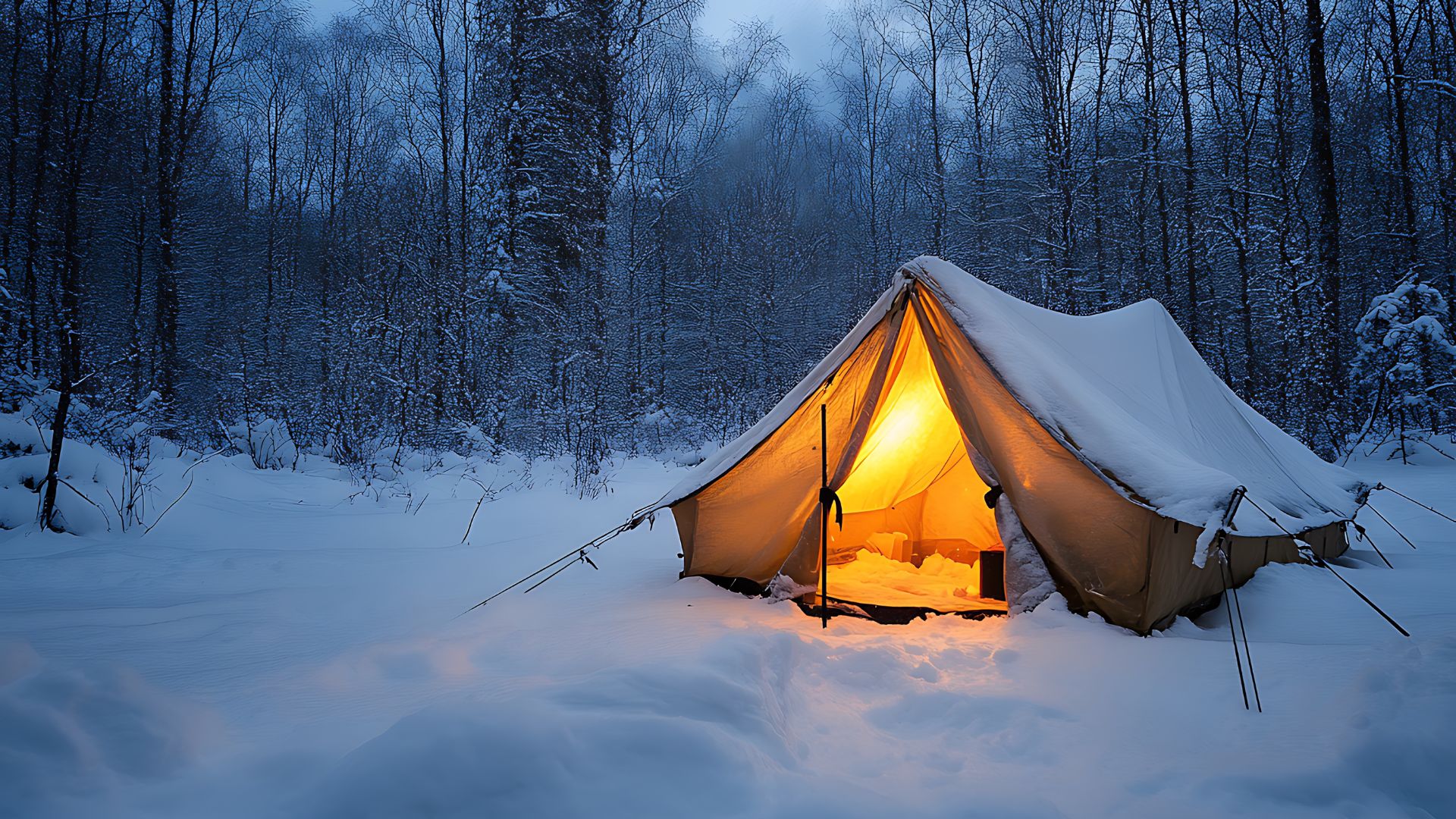
Glamping in winter gives you a warm basecamp and easy access to cold-weather fun. Once you step outside your cozy tent, a whole new world opens up.
Hiking Adventures in the Winter Landscape
Winter hiking feels completely different than summer. Bare trees let you see farther, and frozen waterfalls turn trails into icy wonderlands.
If you’re new to cold-weather hiking, start small. Even a three-mile trail feels tougher in the cold. Always pack extra layers, even if you start off warm.
Winter Hiking Must-Haves:
- Insulated, waterproof boots with grip
- Moisture-wicking base layers
- Hand warmers and spare gloves
- Insulated water bottle
Many glamping sites keep nearby trails clear. These are easier to follow and let you enjoy the winter scenery without worrying about getting lost in the snow.
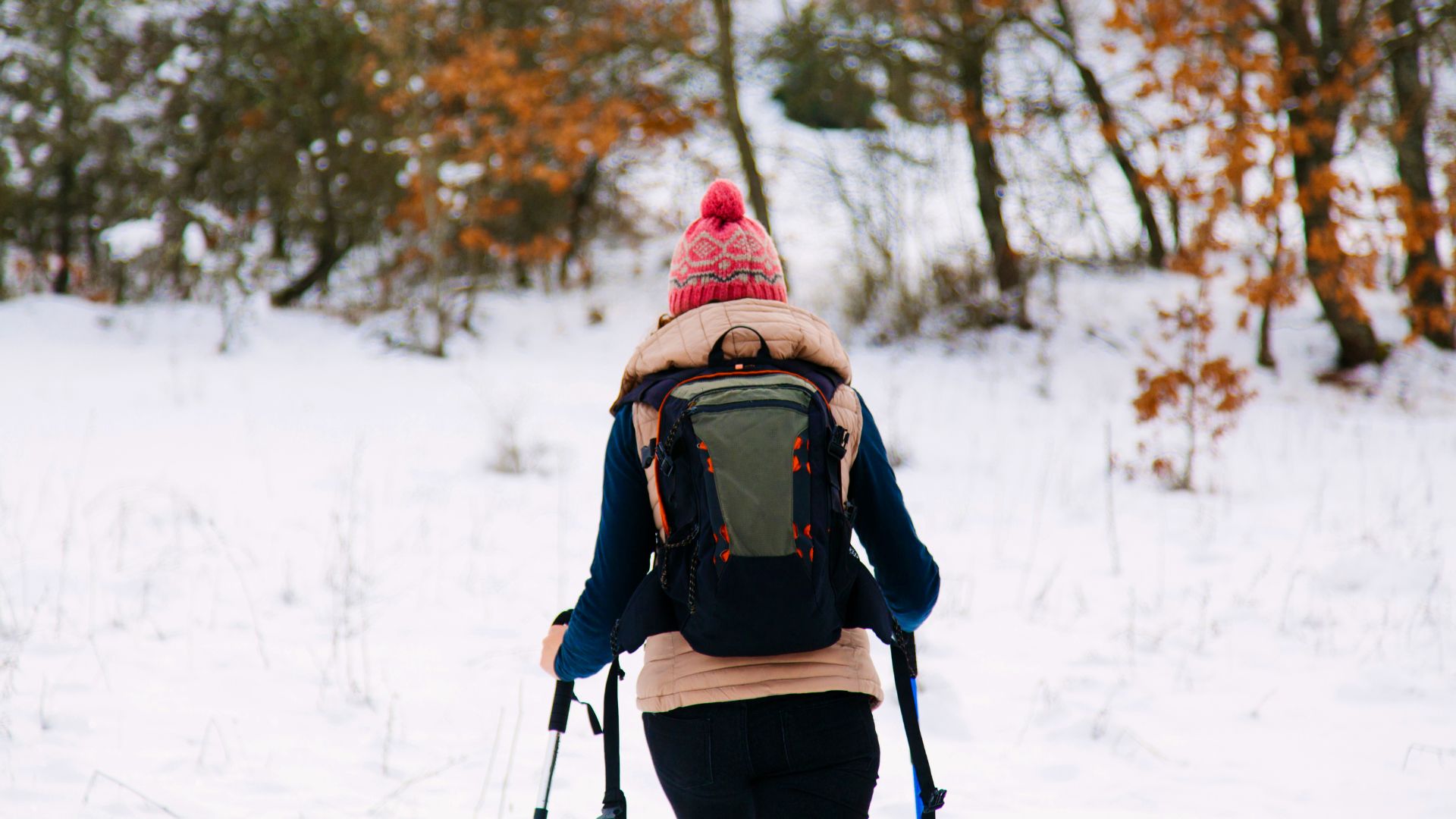
Snowshoeing and Sledding Experiences
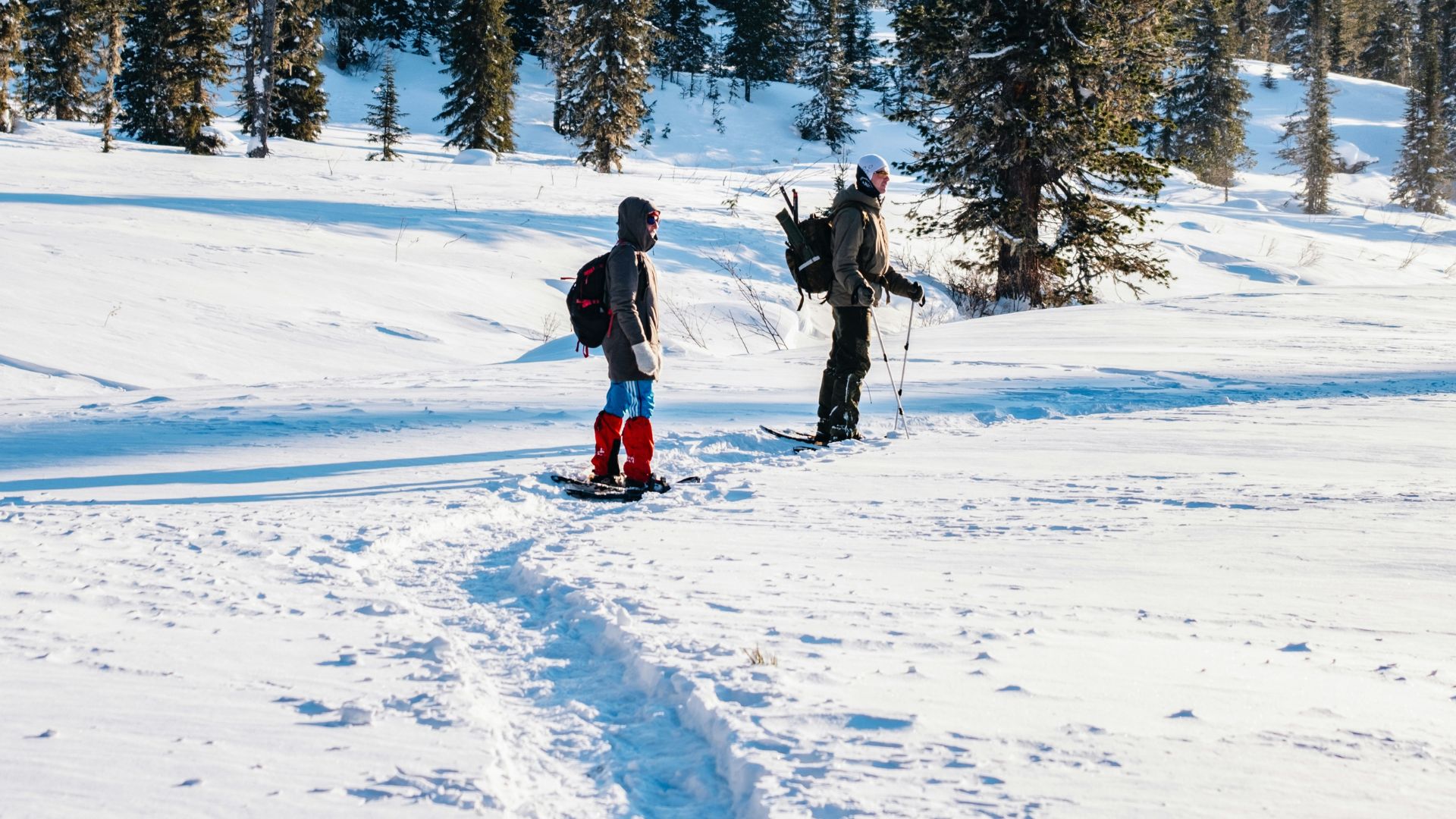
Snowshoeing is surprisingly easy and opens up areas that would be impossible to hike. Just strap them on and stroll over deep snow.
Most glamping spots offer snowshoes or rent them cheap. I’ve found modern snowshoes are light and simple—you’ll get the hang of it in minutes.
Sledding is pure fun, no experience required. Some glamping sites have their own hills or can point you to nearby spots. The fancier places might even provide sleds or tubes.
Skiing Destinations Near Glamping Spots
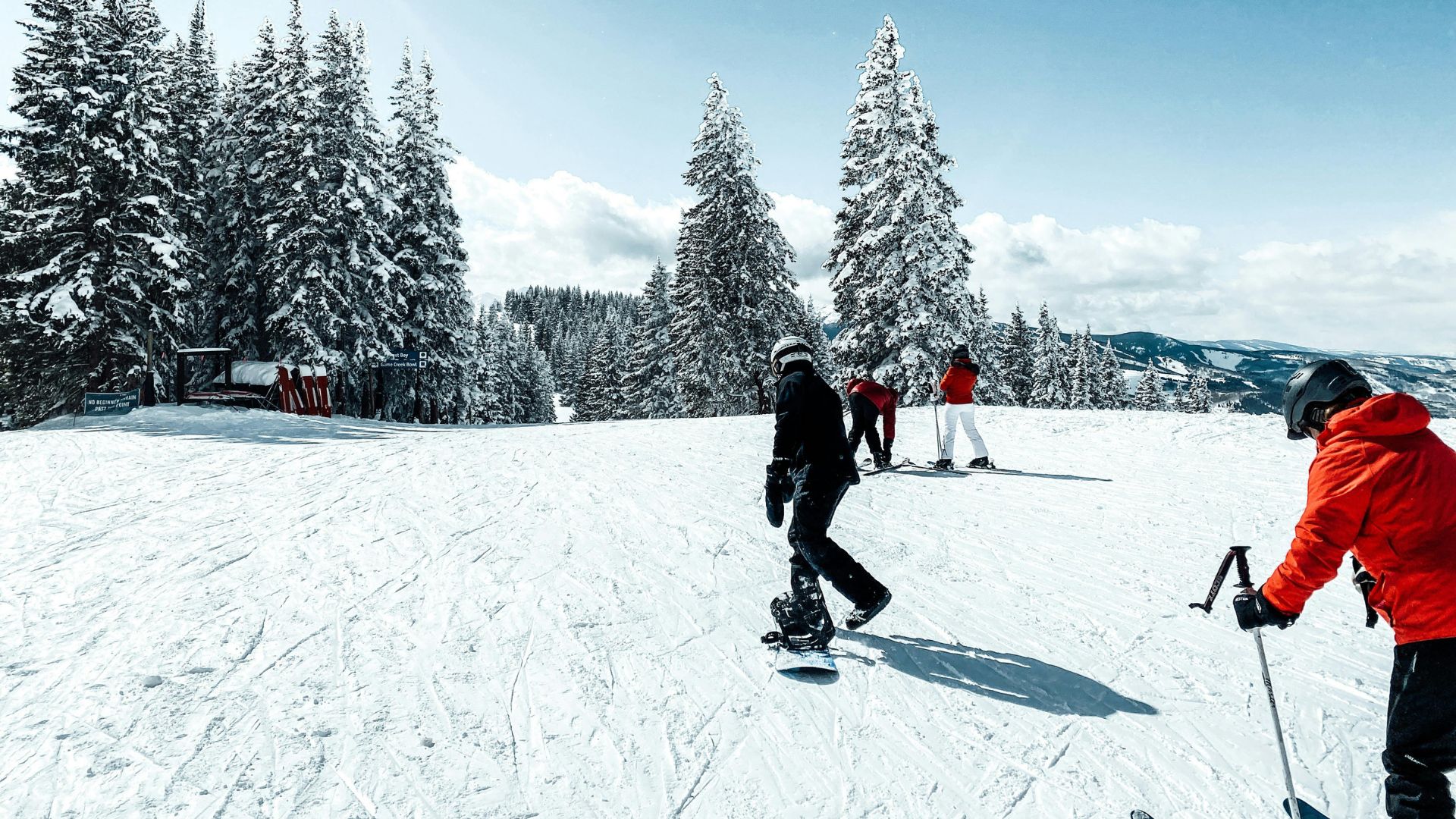
Some glamping sites sit just a short drive from ski resorts. You can hit the slopes all day, then come back to a private, heated tent—way better than a noisy lodge.
Glamping near ski areas usually costs less than a resort hotel, and you get a way more memorable stay. Mountain access, but with your own space.
Top Ski-Adjacent Glamping Regions:
- Colorado towns near Aspen and Vail
- Lake Tahoe (California and Nevada)
- Jackson Hole, Wyoming
- Vermont’s Green Mountains
A lot of glamping properties even have cross-country ski trails right onsite. It’s a gentler way to explore winter, and you can go at your own pace.
Warm-Weather Winter Glamping Escapes
Not all winter glamping means snow and ice. Plenty of U.S. destinations promise sunshine and mild temps, perfect for families or anyone who’d rather skip the freeze.
Tropical and Mild-Climate Glamping Options
Southern and coastal regions are your best bet for warm-weather glamping in winter. Florida, southern California, and Arizona usually stay pleasant from December through February. Glamping sites here use tents and yurts with good airflow, not heavy insulation.
The desert Southwest really shines. Arizona’s glamping near Sedona or Tucson offers daytime temps in the 60s or 70s, plus red rocks and big, starry skies.
Along the southern California coast, you’ll find mild winter glamping with ocean views and beach access. I always look for sites here where it rarely dips below 50°F.
Family-Friendly Glamping in the Sun
Warm-weather glamping is a win for families. Kids can play outside in comfort, without the hassle of snow pants or short days.
A lot of these spots offer:
- Guided nature walks through forests or deserts
- Wildlife viewing during the most active hours
- Outdoor pools that stay open all year
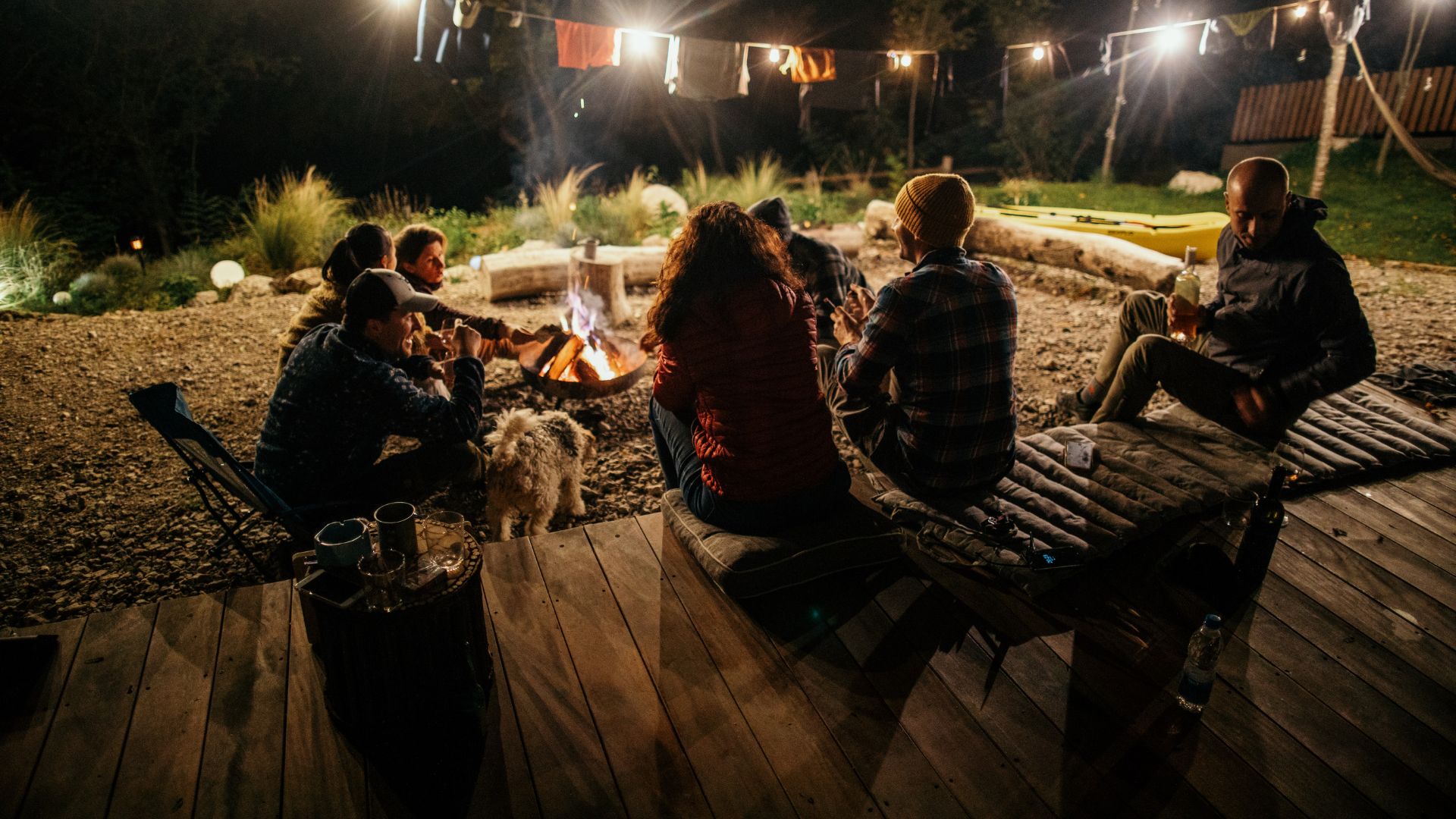
- Campfire programs that are actually comfortable in the evening
Family-sized accommodations are common—think multi-room tents or connected pods. Most have real beds, electricity, and climate control to take the edge off cool nights.
Nature and Wildlife Encounters
Glamping in a warm climate gives you a front-row seat to wildlife. Animals stay active in mild weather, unlike the hibernators up north.
National parks in these regions stay quieter in winter, so you get better wildlife viewing and peaceful trails. I love exploring without the crowds or summer heat.
Desert glamping opens up birdwatching and the chance to spot reptiles or small mammals that thrive in winter. Along the coast or in lowland forests, you’ll find year-round greenery and easy hiking—no snow or mud to deal with. It’s a sweet spot for nature lovers.
Planning, Packing, and Safety for Winter Glamping
Winter glamping goes best when you prep ahead. The right gear and a little planning can turn a cold trip into a cozy memory. I’ve learned the difference between a great trip and a miserable one is all in the details.
What to Pack for a Cozy Retreat
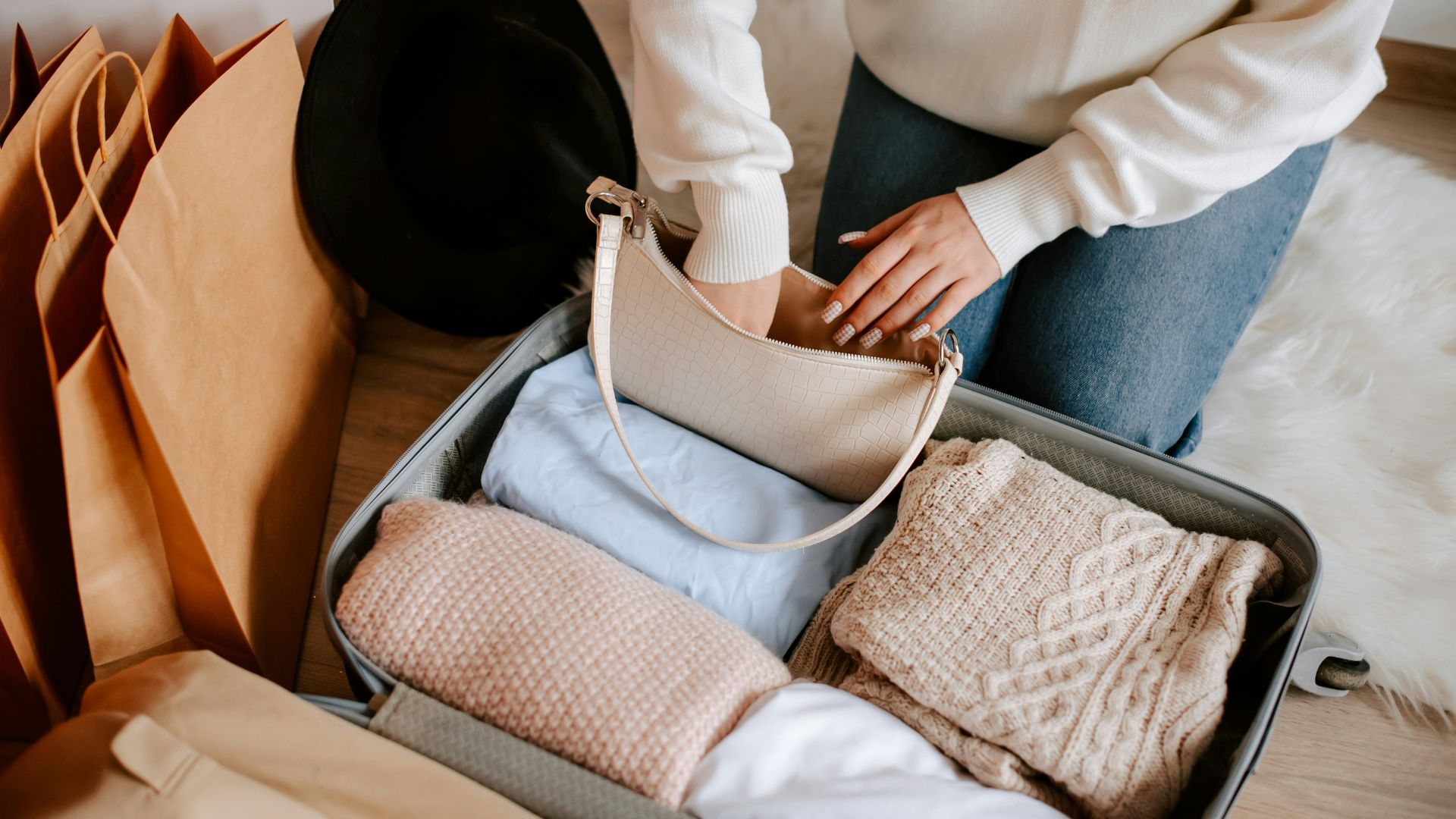
Let’s talk about packing for winter glamping—layers are the name of the game. I always reach for merino wool thermals first; they keep moisture away and really lock in warmth. Fleece mid-layers and a trusty waterproof shell usually round out my basics.
Here’s what usually makes it into my bag:
- Warm clothing: thermal underwear, fleece jackets, insulated pants, and wool socks
- Accessories: insulated gloves, a cozy hat, scarf, and hand warmers
- Footwear: waterproof, insulated boots with solid traction
- Bedding extras: a sleeping bag rated for real cold, extra blankets, and flannel sheets
- Comfort items: slippers, a soft sweater, and a hot water bottle
I ditch disposables and bring real mugs and plates—there’s just something about sipping coffee from a proper mug in the morning chill. LED candles or battery-powered string lights turn a glamping tent into a little winter haven, minus the fire hazard. I never forget good coffee, hot chocolate, and ingredients for hearty, warm meals. A Bluetooth speaker is a tiny luxury that makes a big difference for evening vibes.
Safety Tips for Staying Warm
Before I book, I always check that my spot has reliable heating. Wood stoves and fireplaces show up often in winter glamping setups, so I make sure I know how to use them safely.
Carbon monoxide is no joke—every tent or cabin I stay in needs a working detector. I absolutely skip propane heaters meant for outdoors when I’m inside.
Here are a few safety habits I stick to:
- I keep a window cracked for ventilation, even when it’s freezing.
- Fire extinguishers stay close at hand.
- I never overload outlets with space heaters.
- Extra blankets stay within arm’s reach at night.
- My phone stays charged, just in case.
Maximizing Comfort and Enjoyment
Mixing outdoor adventure with cozy downtime works best for me. I’ll hike in the morning, then settle into a heated nook with a book or board game later. Prepping simple meals before the trip keeps things easy when hunger strikes.
Lighting really changes everything. Lanterns and string lights help soften the early winter darkness. I always have a stack of books, a couple of games, or movies downloaded for those long evenings.
I keep an eye on the forecast and stay flexible—winter weather loves to surprise. Overpacking on warm layers? I do it every time, because shivering through the night just isn’t worth it.
Frequently Asked Questions
Winter glamping can be magical, but staying comfortable in cold conditions takes a bit of planning. The right gear and a few clever tricks make all the difference.
Start with the ground—cold creeps up fast. I lay down a thick tarp under the tent, then toss in foam pads or an insulated mat inside.
Thermal blankets can line the tent walls. I usually attach them with clips to keep a little air gap for extra insulation.
Draft stoppers by the door keep cold gusts out. Weather stripping around zippers and seams seals up any sneaky gaps.
I always grab a sleeping bag rated at least 10-15 degrees colder than the forecast. Adding a liner gives a surprising boost in warmth without much extra weight.
Dry thermals at bedtime help trap body heat. If my clothes are damp, I change before crawling in.
A hot water bottle at the foot of my sleeping bag is a game changer. I fill it before bed and make sure it’s sealed tight.
My essentials? A four-season sleeping bag, insulated sleeping pad, and thermal clothing. Wool socks, thermals, and a beanie always make the cut.
Hand and foot warmers are lifesavers on those bitter nights. I stash a few extras in case some quit early.
A tent-safe heater (with ventilation and a carbon monoxide detector) really ups the comfort level. I always bring extra fuel, just in case.
Four-season tents are built for winter conditions. They’ve got sturdier poles and less mesh, so they shrug off snow and wind.
Geodesic dome tents spread out weight and stand up to gusts. I like how the shape sheds snow and feels roomy inside.
Canvas wall tents with stove jacks let you use a wood stove for real warmth. They take a bit longer to set up, but the coziness is worth it.
I make a vestibule with a tarp at the tent entrance. It acts like a buffer, so cold air doesn’t blast right in every time I open the door.
I’ve heated rocks by the campfire, then tucked them in a metal container inside the tent for radiant heat. Wrapping the container in a towel keeps things safe and spreads the warmth.
A high-calorie snack before bed—nuts, cheese, or chocolate—helps my body stay warm through the night. Sometimes, it’s the little things that make the biggest difference.
Winter glamping sites usually charge more. Heating costs and limited spots bump up the price, so I always set aside a little extra for those sneaky utility fees.
Cold weather really changes the vibe. You’ll probably spend more time indoors, and a lot of trails shut down for the season. Those shorter daylight hours? They creep up on you fast.
Reaching those dreamy, remote glamping spots can turn into a real challenge if there’s snow or ice. I make it a habit to check road conditions ahead of time, and I never skip packing proper tires and a few emergency essentials.
Winter glamping is magical, but it’s not all cozy blankets and fairy lights—plan ahead, and you’ll dodge most of the headaches.