
Winter trips used to stress me out. Packing a bulky coat always meant either coughing up extra money for luggage or wrestling with my carry-on, trying to squeeze everything in. After way too many times standing at the airport counter, wallet in hand, I finally had enough. There had to be a better way, right? That’s when I stumbled on a layering trick that totally changed how I pack for cold weather trips.
Instead of stuffing a heavy winter coat into my suitcase, I started wearing layers that barely took up any space but kept me warm in any climate. This simple shift saved me from that dreaded $50 checked bag fee on my last trip. Plus, I ended up with more outfit options than when I traveled with just one giant coat.
Honestly, this method just works—ski trips, city breaks, even Arctic adventures. Once I figured out which pieces to pick and how to mix them, I couldn’t believe I ever bothered with old-school winter packing methods.
Key Takeaways
- Layering with the right fabrics keeps you warmer than a single bulky coat and frees up luggage space.
- Wearing your heaviest pieces while traveling and packing lightweight layers saves you from baggage fees.
- Choosing versatile, mix-and-match pieces gives you way more outfit options than just one or two heavy winter items.

Why Bulky Coats Aren’t Worth Packing Anymore
Heavy winter coats eat up half your suitcase and tack on pounds to your luggage. These days, smart layering and modern fabrics keep you just as warm—without the bulk.
The Downsides of Packing Bulky Outerwear
A single heavy coat can weigh three to five pounds and hog a quarter of your suitcase. That’s a big deal when airlines love to charge $35 to $100 just for checked bags.
I found this out the hard way. My winter coat pushed my carry-on over the limit, and the gate agent made me shell out $65 while everyone behind me sighed impatiently.
Space is just as much of a problem as weight. Bulky coats mean less room for clothes, shoes, and toiletries. You end up picking between packing your coat or having enough outfits.
Thick coats also make travel awkward. They’re a pain to carry on planes, uncomfortable to sit in for hours, and just plain annoying at security.
Common Packing Mistakes for Winter Travel
One of the biggest mistakes I see? People assume they need the thickest coat they own. In reality, layering works better and takes up less space.
Three common mistakes:
- Grabbing the bulkiest coat instead of thinking about layers
- Packing a pile of bulky sweaters instead of thin base layers
- Stashing items in your luggage you could just wear on the plane
Most folks forget that hotels, restaurants, and shops crank up the heat. You don’t need heavy outerwear when you’re inside. Now, I pack three thin layers instead of one puffy jacket and stay warm all day—using half the space.
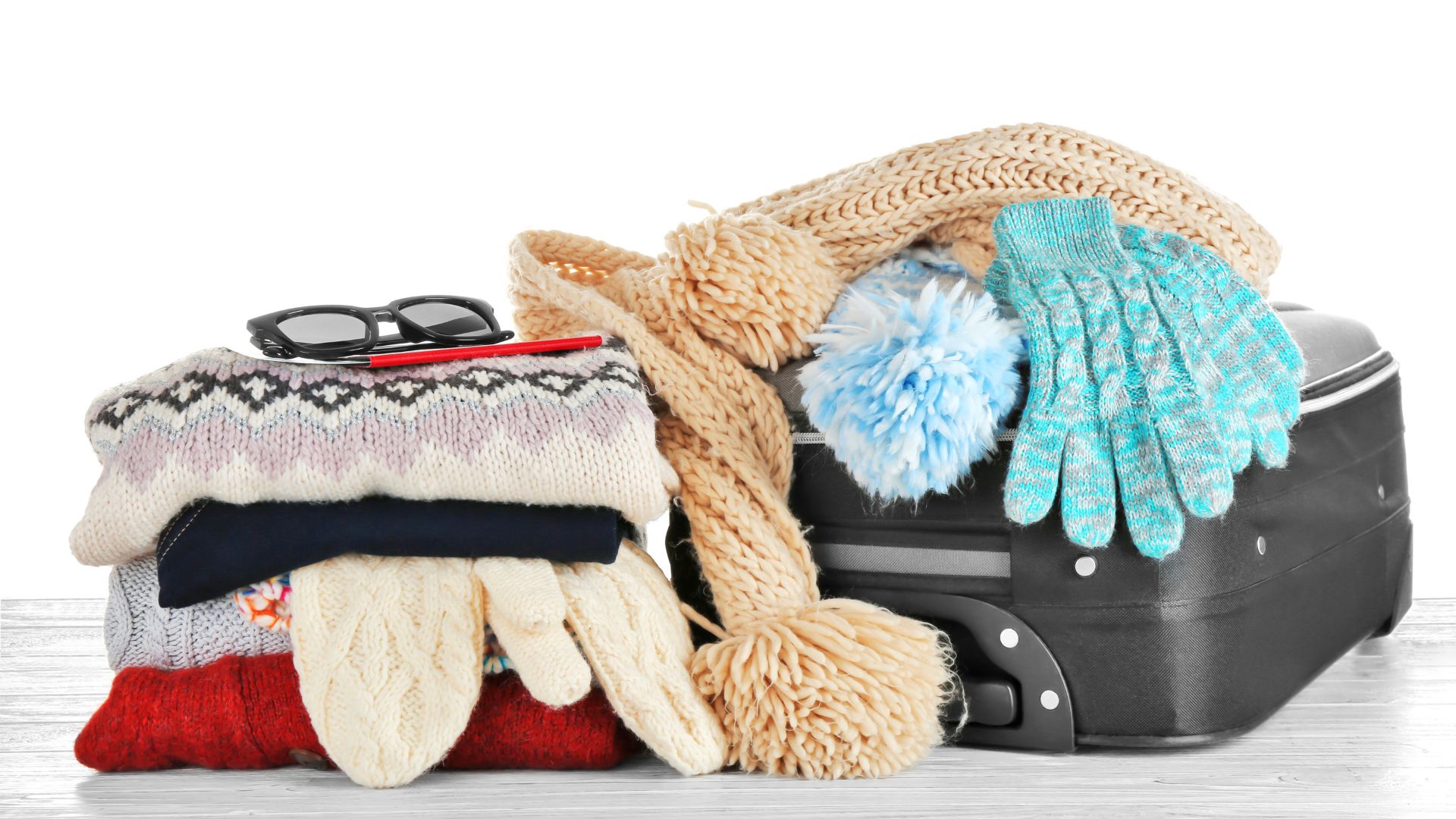
The Layering Hack: The Secret to Warmth Without Bulk
Everything changed when I stopped thinking warmth meant one thick piece. I started using three smart layers. Each layer does its own job, and together, they keep you seriously warm—without taking over your suitcase.
Base Layers: Thin Yet Effective
I used to skip base layers completely. Big mistake.
A good base layer sits right against your skin and wicks away moisture. I always pack merino wool or synthetic thermal tops. They’re super thin but trap heat close to your body and barely take up space.
Merino wool is my favorite. It keeps my temperature steady and doesn’t smell, even after a few days. I’ve worn the same base layer for three days on cold trips—no issues. Cotton? Nope. It holds moisture and just leaves you cold.
For winter trips, I bring two lightweight thermal tops. One dries overnight while I wear the other. Each weighs about four or five ounces but adds real warmth under any outfit.
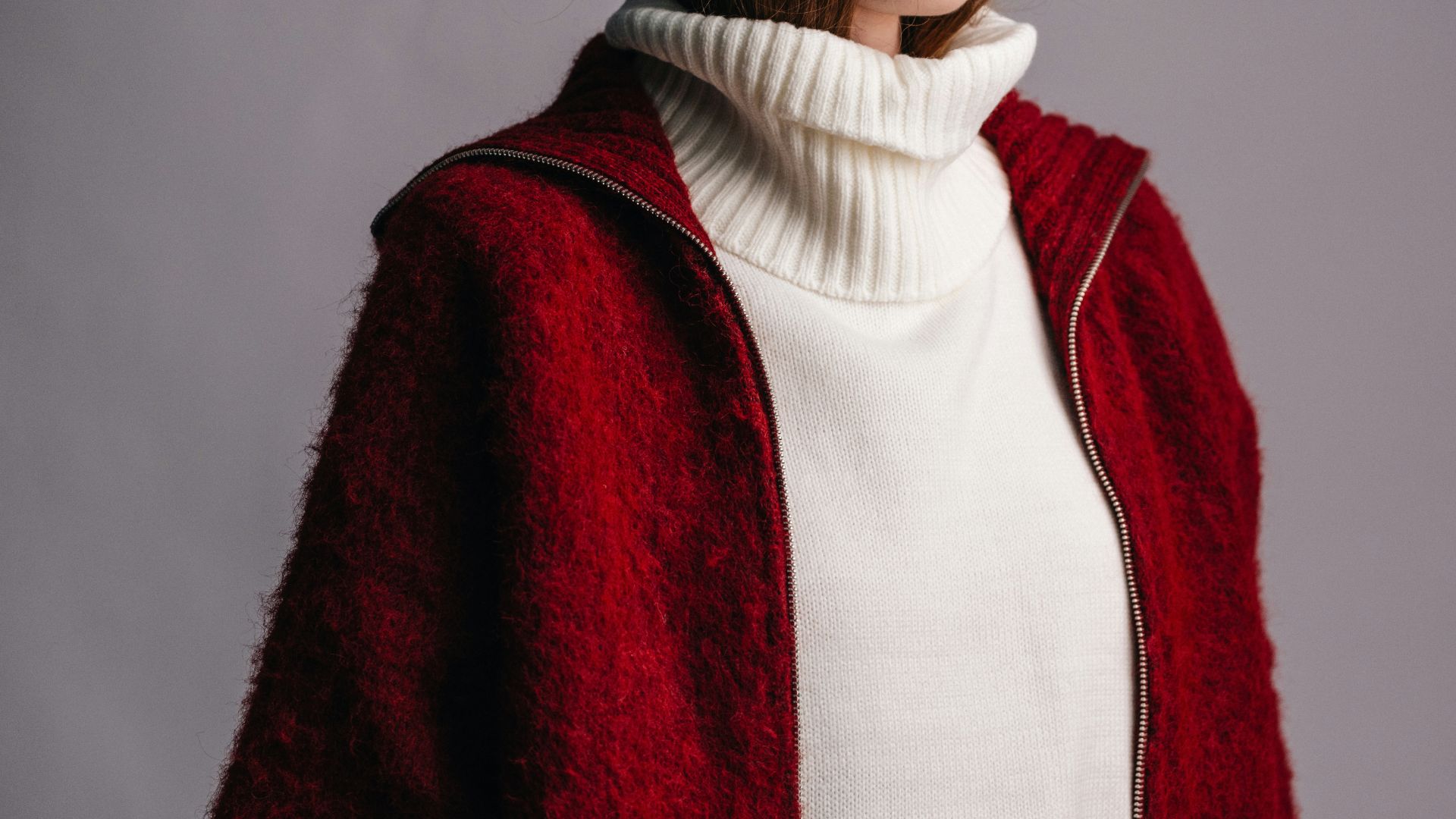
Insulating with Fleece and Merino Wool
My mid layer handles most of the warmth. This is where fleece and merino sweaters come in.
I usually pack a thin fleece jacket or a fine-knit merino sweater. A 200-weight fleece gives me excellent insulation at about 10 ounces—lighter than most sweatshirts and way warmer.
Slim pieces trap warm air best. I skip chunky knits and oversized sweaters. They just take up space and don’t keep me any warmer.
I can wear my fleece under a dress shirt for meetings or over my base layer for casual days. That flexibility means I pack less overall.
Choosing Streamlined Outer Layers
The outer layer is all about protection from wind and weather. I found that a packable, windproof shell outperforms a heavy wool coat for travel every time.
Now, I pack a lightweight puffer or a windproof shell. These compress into a tiny stuff sack and expand when you need warmth. My current travel jacket weighs just 14 ounces and packs down smaller than jeans.
Your outer layer doesn’t need built-in insulation if your base and mid layers are solid. I look for water-resistant fabrics, adjustable cuffs, and a hood. That’s enough to keep wind and rain off without adding heft.
If it’s freezing, I wear all three layers. Once I’m indoors or the sun comes out, I just peel off the outer layer and stash it in my bag.
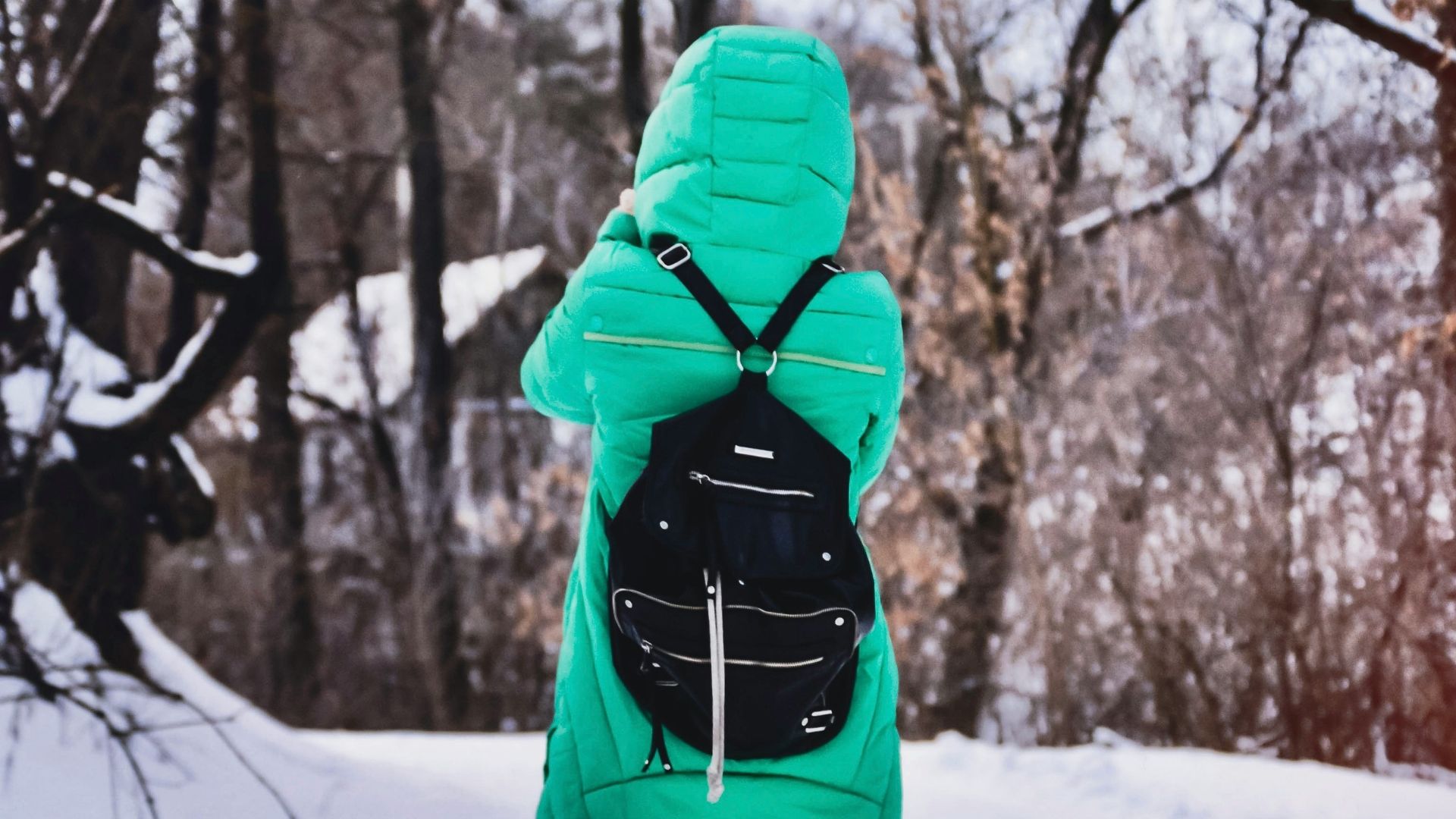
Key Pieces and Accessories for Space-Saving Layering
Smart layering starts with the right pieces—stuff that packs down tiny but still delivers warmth and function. I go for items that compress easily and play well with multiple outfits.
Scarves: Compact Warmth and Style
Scarves are my secret weapon. A single wool or cashmere scarf rolls up smaller than my fist but adds serious warmth around my neck or even as a head wrap in biting wind.
I stick to two scarves max—one neutral to match everything, one with a pattern for fun. Merino scarves weigh just a few ounces but trap heat like crazy. When I’m not wearing them, I tuck scarves into shoes or use them to wrap sunglasses.
My favorite scarf materials:
- Merino wool: Lightweight, warm, and never itchy
- Cashmere blend: Ultra-compressible and feels amazing
- Silk: Barely takes up space and works as a light layer
I steer clear of thick knit scarves that hog space. A thin scarf layered under a jacket keeps me just as warm as a bulky coat.
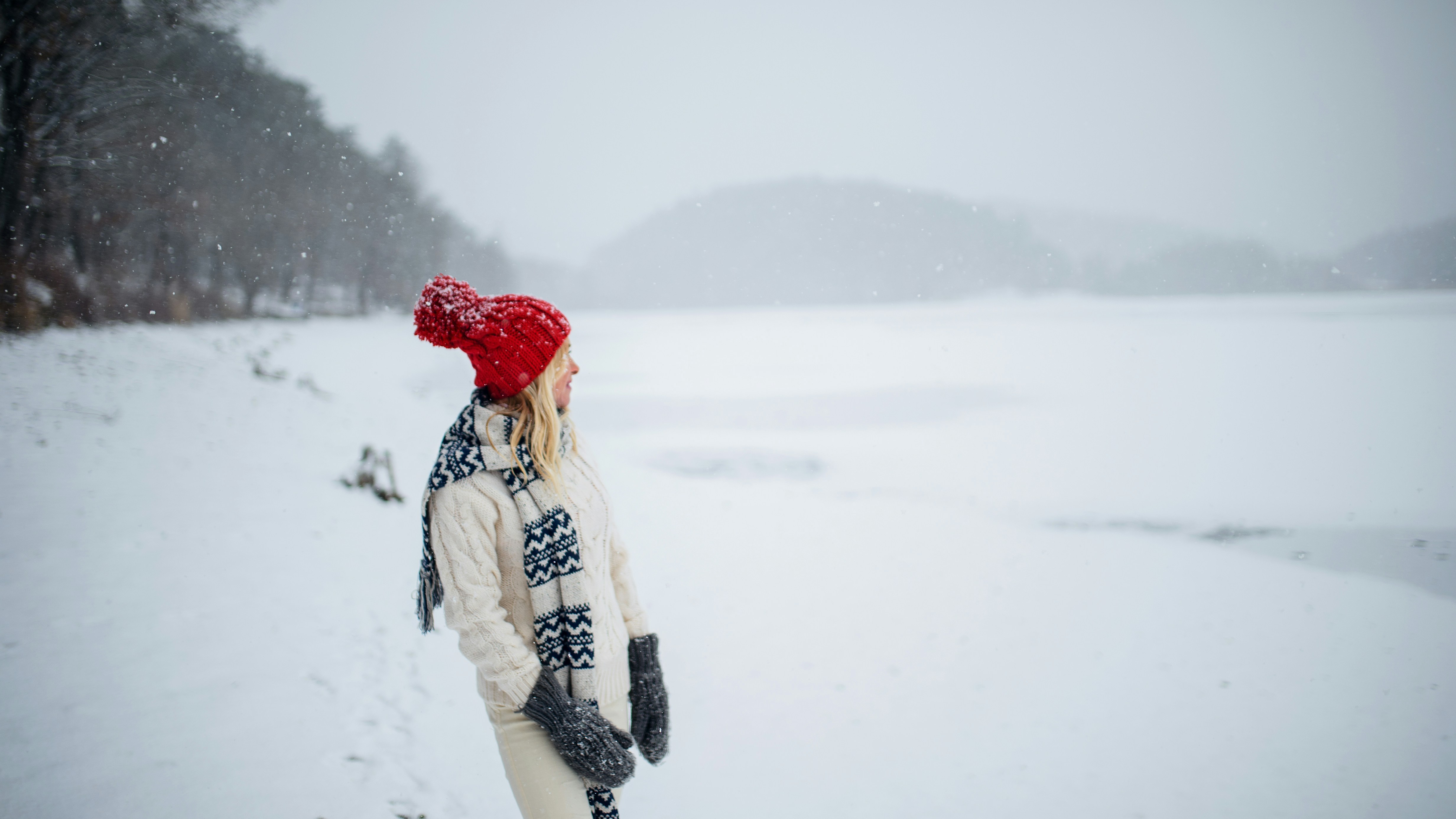
Versatile Clothing for Mixing and Matching
I pick clothes that work in at least three combos. A black long-sleeve base layer goes with jeans, leggings, or a skirt. A gray fleece works over that base and under a rain shell.
When every piece serves multiple purposes, I pack half as much. One pair of dark jeans is enough—they look good for hiking and dinner. Two or three tops that mix with everything else? Done. Neutral colors like black, gray, navy, and olive make it easy.
| Item Type | Example | Number Packed |
|---|---|---|
| Base layer tops | Merino tee, long-sleeve | 2-3 |
| Mid layer | Fleece, light sweater | 1-2 |
| Bottoms | Dark jeans, leggings | 2 |
| Outer shell | Packable rain jacket | 1 |
I skip single-use items. If I can’t wear it three ways, it stays home.
Lightweight Footwear and Socks
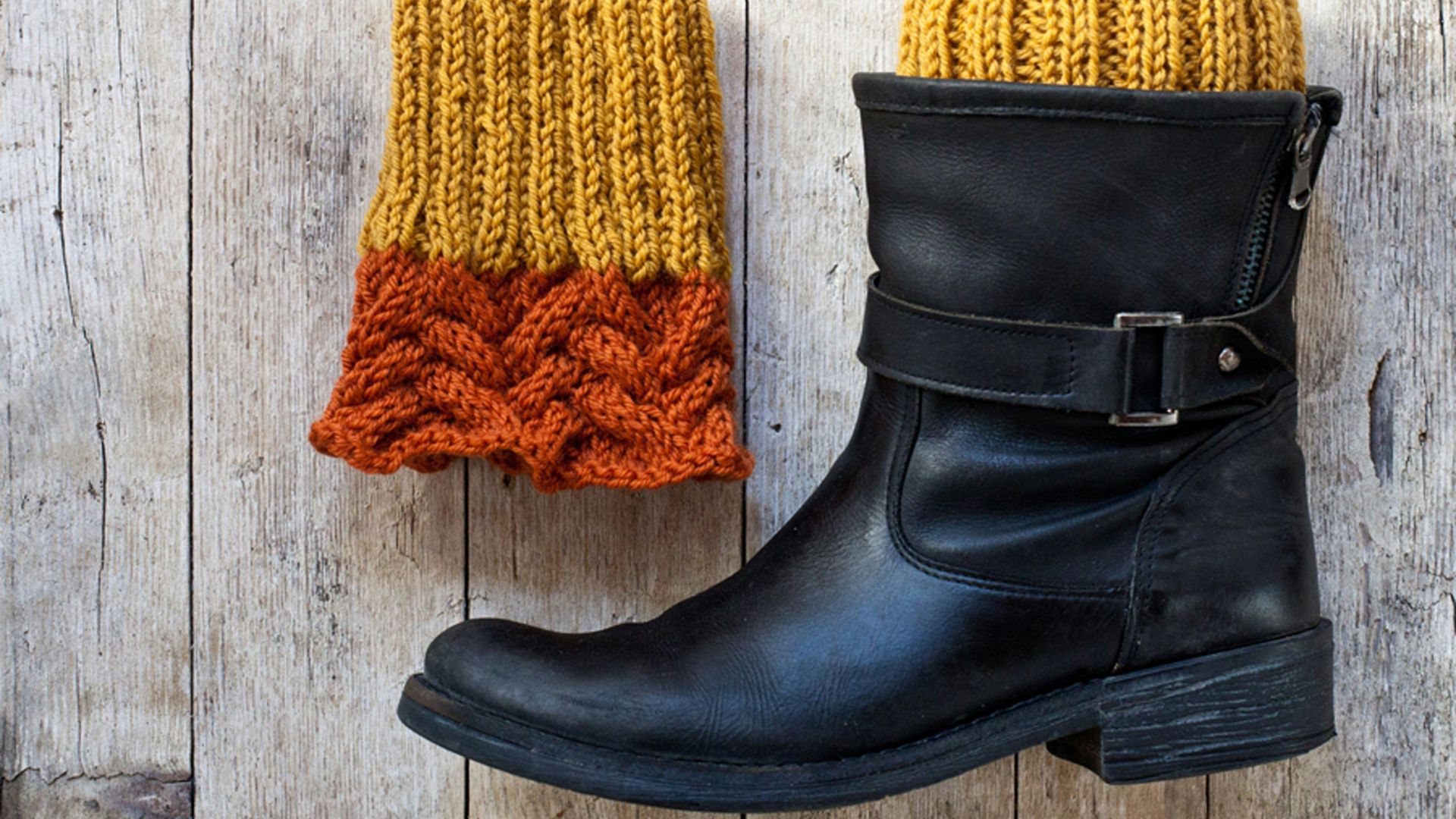
Shoes take up a ton of space, so I limit myself to two pairs. I always wear my bulkiest shoes—usually sneakers or boots—on the plane. Then I pack one lightweight pair like slip-ons or sandals.
For socks, I swear by thin merino wool. They regulate temperature, dry fast, and I can wear them a couple days before washing. I roll up three or four pairs and tuck them into my shoes.
No need for multiple heavy boots or chunky sneakers. One solid pair of walking shoes covers almost everything, and my lightweight backup handles the rest.
Pro Packing Tricks for Winter Clothes
Smart packing techniques can literally cut your luggage space in half. Over time, I’ve picked up a few tricks—rolling, compression tools, and wearing my bulkiest items— that make packing for winter so much easier.
Rolling Versus Folding for Maximum Space
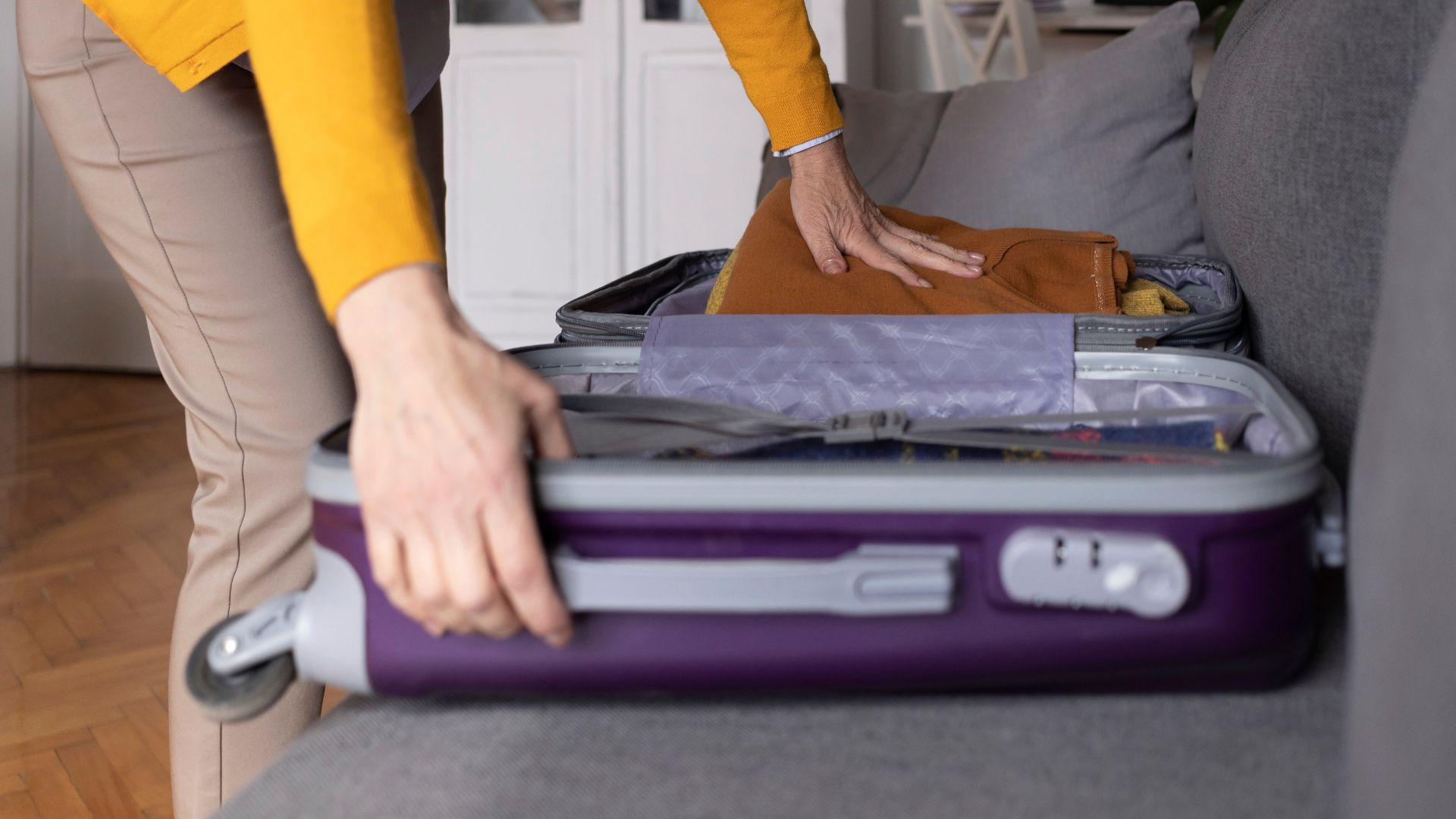
I roll my winter clothes. Rolling not only cuts down on wrinkles but also saves about a third more space than folding.
Here’s how I do it: lay each item flat, fold the sleeves in, then roll from the bottom up, squeezing out air as I go. For thicker sweaters, I use the “burrito method”—fold in half lengthwise, roll tightly, and secure with a rubber band.
Jackets need a different approach. I fold the arms across the chest, then roll from the hood to the hem. This makes a compact bundle that fits in suitcase corners. For puffers, I press down hard while rolling to get rid of trapped air.
Using Packing Cubes and Compression Bags
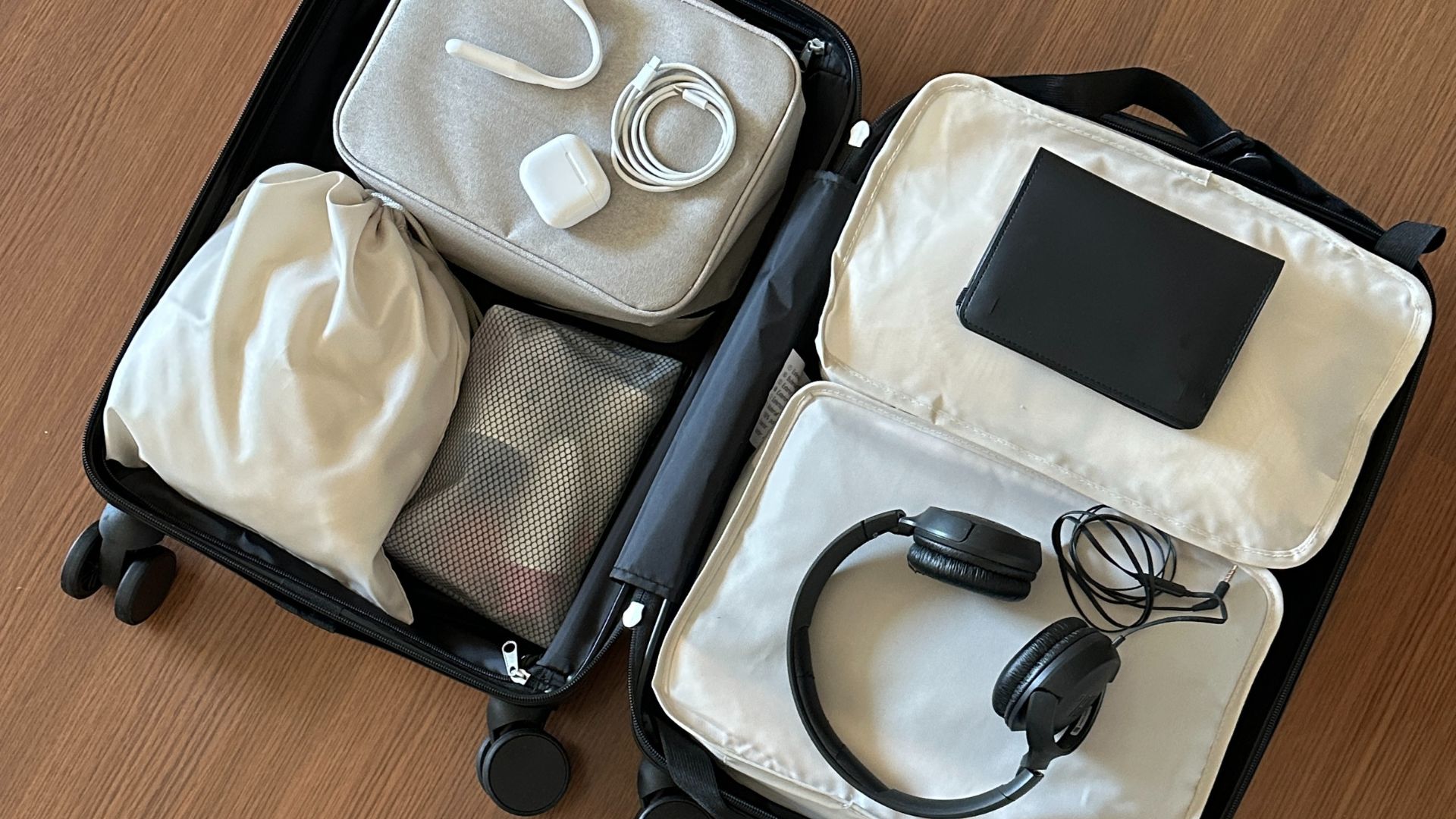
Packing cubes changed my packing game. I use medium cubes for sweaters and small ones for accessories—everything stays organized and easy to grab.
Compression bags are lifesavers for my bulkiest stuff. Down jackets shrink by half (sometimes more) in vacuum-sealed bags. If there’s no vacuum available, I use roll-up compression bags—just seal and roll out the air.
I don’t over-compress delicate insulation, though. Too much pressure can ruin down filling. Heavier, compressed items go at the bottom of my suitcase for balance.
What to Wear in Transit
I wear my heaviest coat while traveling. It’s such a simple move but saves up to a third of my luggage space. I do the same with my bulkiest boots and layer up underneath.
My go-to travel outfit: base layer, mid-layer fleece, and my winter jacket. I peel off layers if I get warm on the plane. This keeps my bag lighter and gives me options when I land.
Organizing Your Suitcase Efficiently
I pack my suitcase in three layers. Heavy shoes go on the bottom, heel-to-toe. I stuff socks and underwear inside to use every inch.
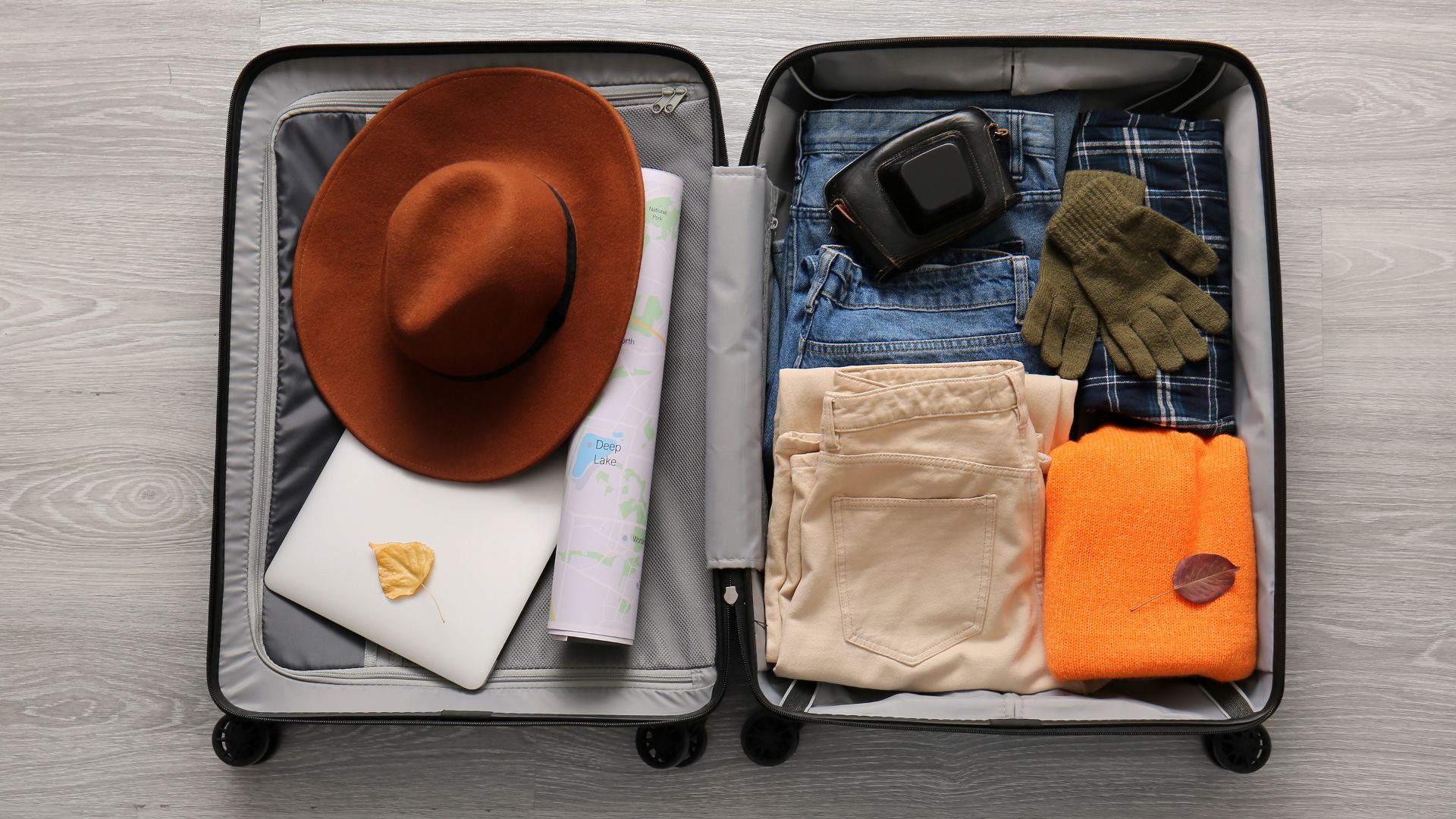
The middle layer holds my rolled sweaters and compressed jackets. I fill gaps with scarves and hats. On top, I keep things I’ll need first—like toiletries and a change of clothes.
Shoes go along the hinged side for balance. Delicate stuff sits in the center, cushioned by softer clothes.
Mistakes to Avoid When Packing for Cold Weather
Packing for cold weather isn’t always straightforward. I’ve learned a few hard lessons that make winter travel a lot easier (and cheaper).
Overpacking Heavy Items
I used to pack multiple thick sweaters and heavy coats for every trip. That approach ate up way more space than I needed. The real mistake? Bringing chunky, single-use items that couldn’t pull double duty.
Heavy wool sweaters and thick scarves just take up space. Now, I pack lighter fleece layers instead. They’re just as warm and compress to half the size.
I also stopped packing more than one bulky coat. Instead, I wear my heaviest jacket during travel. That simple change saves tons of space and keeps me from paying checked bag fees.
Weight matters, too. I always go for the best warmth-to-weight ratio—down or synthetic insulation over heavy wool whenever possible.
Selecting the Wrong Fabrics
Honestly, cotton’s been my biggest regret when I’ve traveled in cold weather. It just soaks up moisture and takes ages to dry. If it gets wet from snow or sweat, forget about staying warm—cotton won’t help at all.
Now I reach for synthetic fabrics and merino wool on winter trips. These wick moisture away, dry fast, and somehow always pack down smaller than any cotton shirt I’ve tried.
Fleece? It’s my go-to for a middle layer. It’s lighter than old-school wool and still keeps me toasty. Plus, I can roll up fleece tight and it bounces right back.
Choosing the right fabrics means I don’t have to overpack. Quick-drying stuff lets me wash and reuse pieces on the road, so my bag stays light.
Ignoring Versatile Accessories
I used to toss accessories in my bag without thinking. That left me with single-use stuff taking up precious space. Now, I hunt for accessories that pull double or triple duty.
A good scarf is a lifesaver. I’ve used mine as a blanket on chilly flights, a head wrap when the wind picks up, and even a makeshift bag when my hands are full. I stick to lightweight, neutral scarves—they match everything.
Gloves and hats barely take up any room, but wow, do they add warmth. I pack thin liner gloves that slip easily into my coat pockets. They’re perfect on their own or layered under heavier gloves when it gets really cold.
I also stash accessories inside my coat pockets before rolling up my outerwear. This fills up empty space and keeps little things from disappearing in my bag. That little trick has made packing so much easier for me.
Frequently Asked Questions
Layering for travel? It’s all about wearing thin pieces that trap heat and picking the right materials. That way, you stay warm without lugging around a giant coat. Here’s what I’ve learned:
The layered technique? It’s pretty simple: three main layers. The base layer sits next to your skin and pulls sweat away. The middle layer adds insulation and keeps you warm. The outer layer shields you from wind and rain.
I usually start with a thin thermal shirt and leggings. Then I throw on a fleece or a light sweater. My outer layer is a packable jacket that blocks the wind. This setup lets me mix and match depending on the weather.
Each layer should hug your body but not squeeze it. If your clothes are too baggy, cold air sneaks in and you’ll feel it.
I go for materials that are warm but not heavy. Merino wool and synthetics beat cotton every time, especially if things get damp. One thin merino shirt does the job of two cotton ones.
I look for pieces that work in different ways. My fleece jacket fits under my rain shell on cold days or over my base layer when it’s just chilly. Scarves double as blankets or extra insulation.
Rolling my clothes instead of folding them saves space. I’ll even stuff socks and underwear inside my shoes—no space wasted.
Thermal tops and leggings made of merino wool or synthetic blends always make up my base layer. They’re light but keep me surprisingly warm. I usually bring two sets so I can rotate and wash.
A thin fleece jacket or vest works great as the middle layer. It’s lighter than a sweater and dries super fast. I also pack a lightweight down or synthetic insulated jacket that folds into its own pocket.
For my outer shell, I pick a packable rain jacket. Mine weighs about eight ounces and packs down smaller than a water bottle. Wool socks and a thin beanie don’t take up much space but make a huge difference in the cold.
Absolutely—layering can actually keep you warmer than just one heavy coat. Thin layers trap more heat between them. I’ve stayed comfortable in 20-degree weather with just three layers and a light shell.
Layers also let you adjust as you move between cold streets and warm buildings. I just peel off my middle layer instead of sweating in a bulky coat. That flexibility is a lifesaver.
Quality matters, though. If you cheap out on materials, layering won’t help much. But with merino wool and a solid insulated mid-layer, you’ll be set.
I always check the forecast for both average and low temps before I pack. For mild winters—say, 40 to 50 degrees—I’ll bring a base layer, one mid-layer, and a light rain shell. If it’s colder, I add a second mid-layer and swap the shell for something insulated.
Humidity changes things. If it’s damp, I make sure my outer layer is waterproof. For dry cold, I focus on insulation. I also think about what I’ll be doing; hiking warms me up, but strolling around a city doesn’t.
I usually toss in one extra base layer, just in case. They’re so thin, it’s worth it for peace of mind.
Let’s be honest—airlines love to charge for every extra pound. So, I always wear my bulkiest stuff on the plane. Hiking boots, thick pants, even that heavy jacket? I just put them on, no matter how silly it feels. It’s saved me five to seven pounds in my bag, easy.
Compression bags can be a game changer, but only for soft things like fleeces or base layers. I skip them for insulated jackets; squishing those too much just ruins the fluff. Rolling up clothes tightly does the trick for most of my stuff anyway.
Packing feels a bit like playing Tetris sometimes. I stuff socks inside my shoes, then tuck smaller layers into jacket pockets. My packable rain shell? It doubles as a stuff sack for stray clothes when I’m not wearing it.
These little tricks have honestly saved me from extra luggage fees more times than I can count. Give them a shot—they might just save your wallet (and your sanity) on your next trip.
