
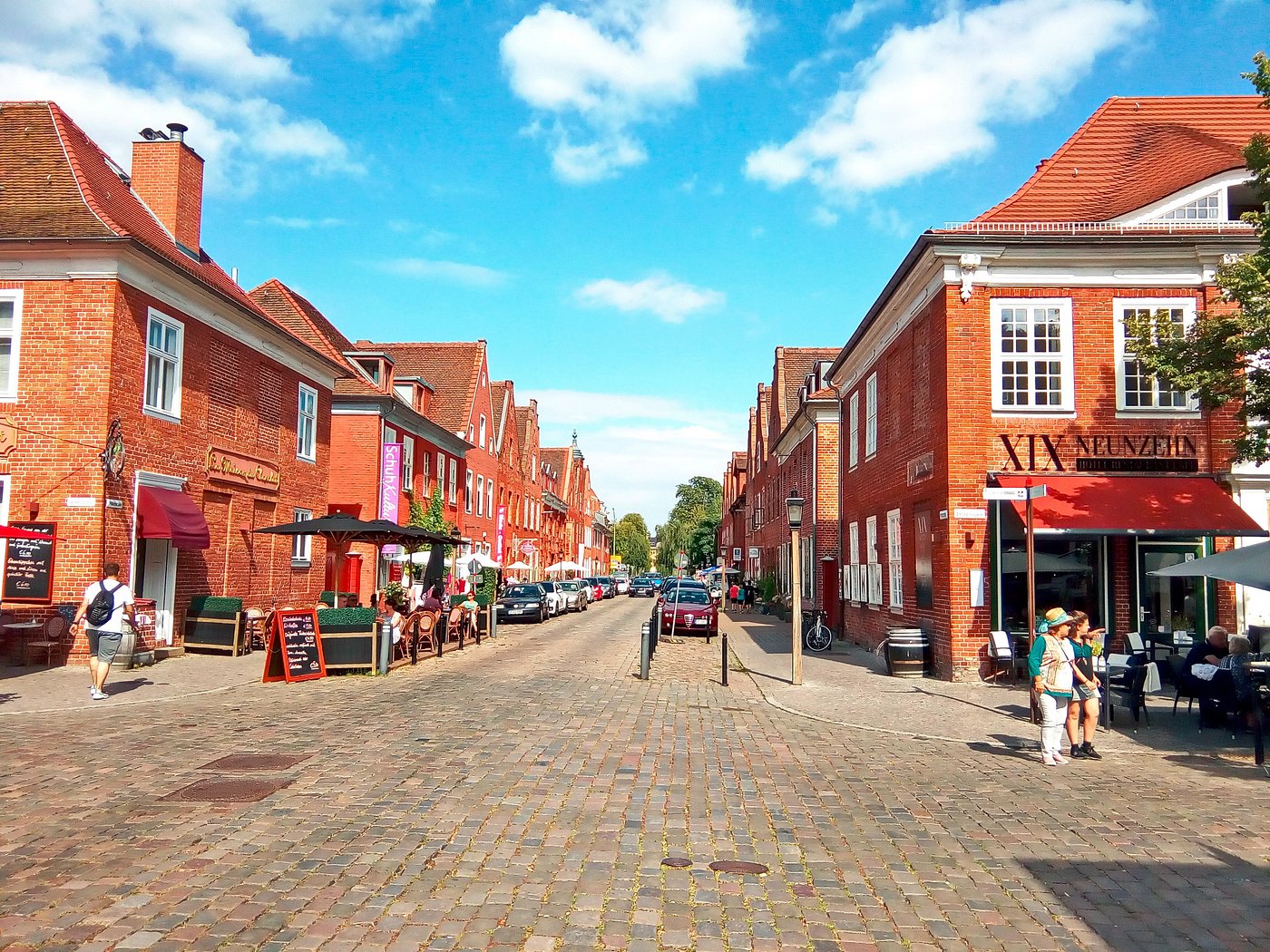
Walking through Potsdam’s Dutch Quarter, I almost forgot I was still in Germany. The red-brick buildings with crisp white trim and quirky gables looked straight out of a Dutch postcard.
It’s wild how this neighborhood, built in the 18th century for Dutch artisans, still stands as one of Europe’s most distinctive and eye-catching quarters.
What really pulled me in? The atmosphere. You can sense the history on every block.
Cozy shops, peaceful cafés, and classic architecture offer a welcome break from Potsdam’s grand palaces.
There’s more to this city than just its famous sights—wandering here became one of my most memorable things to do in Potsdam.
Unveiling the Dutch Quarter: History and Architecture
Hidden in Potsdam, the Dutch Quarter pops with bold red-brick streets and a vibe all its own.
I stumbled onto a mix of rich history and unique architecture, shaped by Dutch artisans and Prussian kings.
Origins and Vision of the Dutch Quarter
Locals call it Holländisches Viertel. In the early 1700s, Frederick William I of Prussia, the “Soldier King,” decided he wanted Dutch craftsmen to help modernize his city.
He got things moving in 1734, and building continued until 1742. The idea was to lure Dutch workers and their families with these new homes, blending practical city planning with a real European flair.
Right in Potsdam’s heart, the quarter covers four city blocks. Over time, brickwork and carpentry experts settled here, bringing their skills and shaping Potsdam’s new look.
That mix created an architectural gem you rarely find outside the Netherlands.
Red-Brick Elegance: Architectural Features
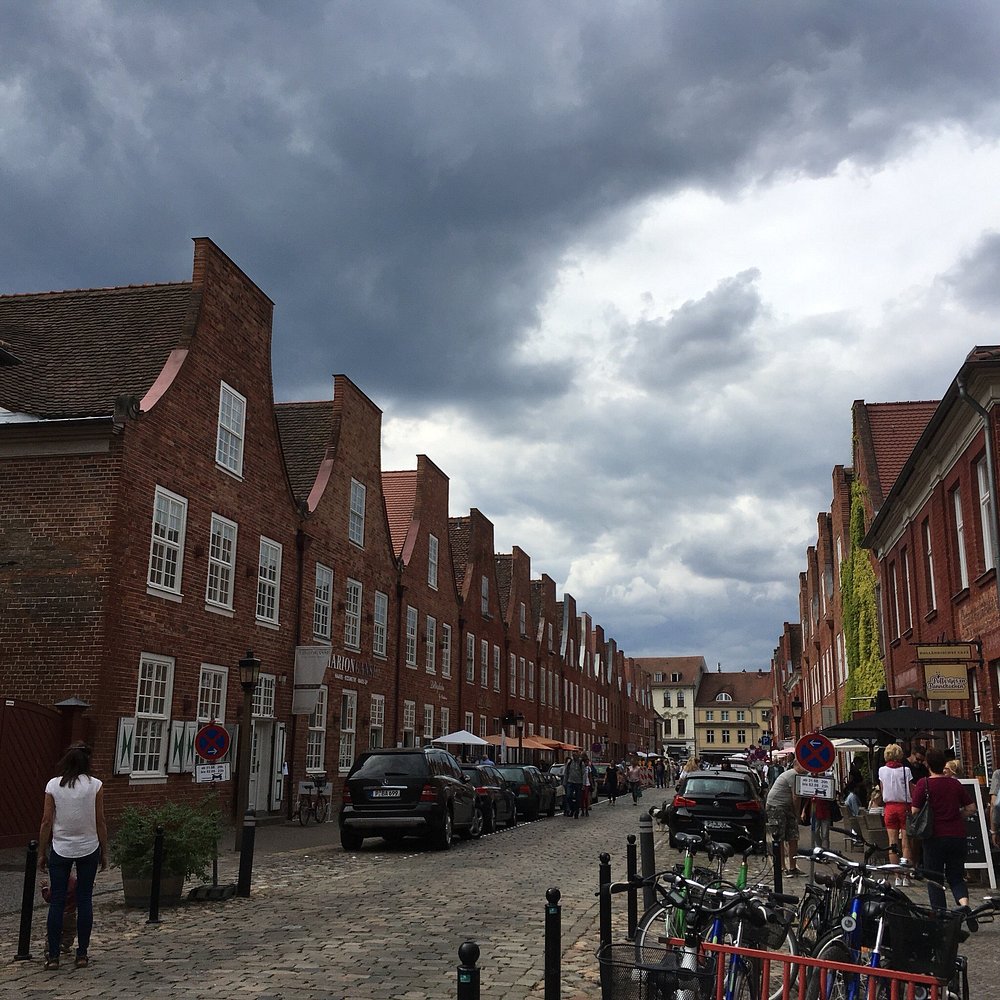
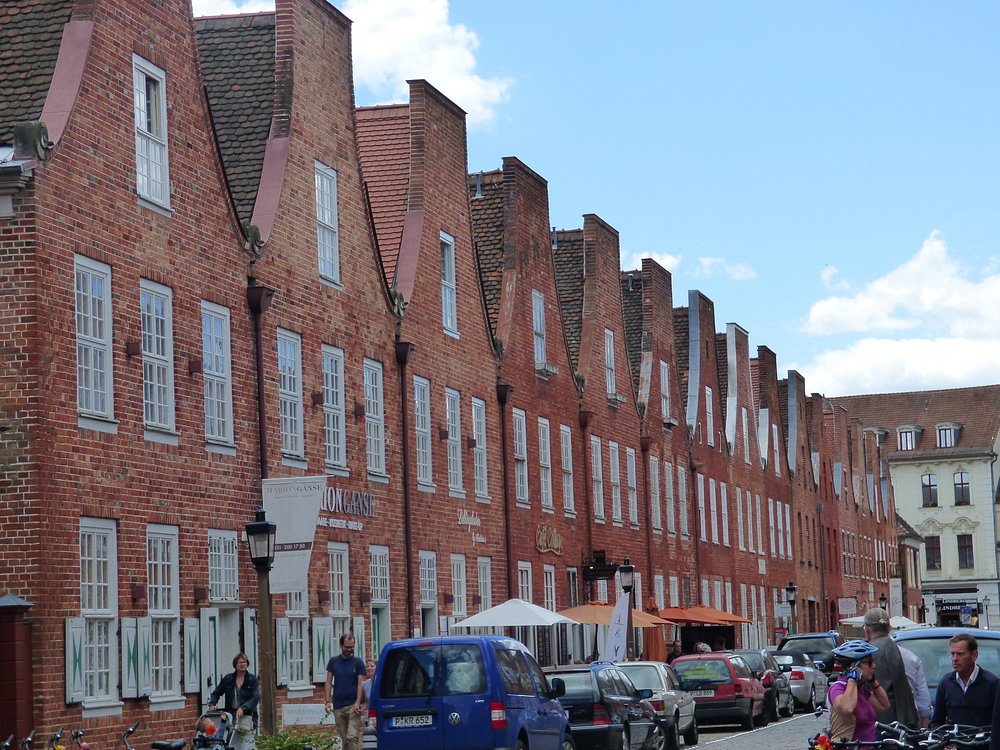
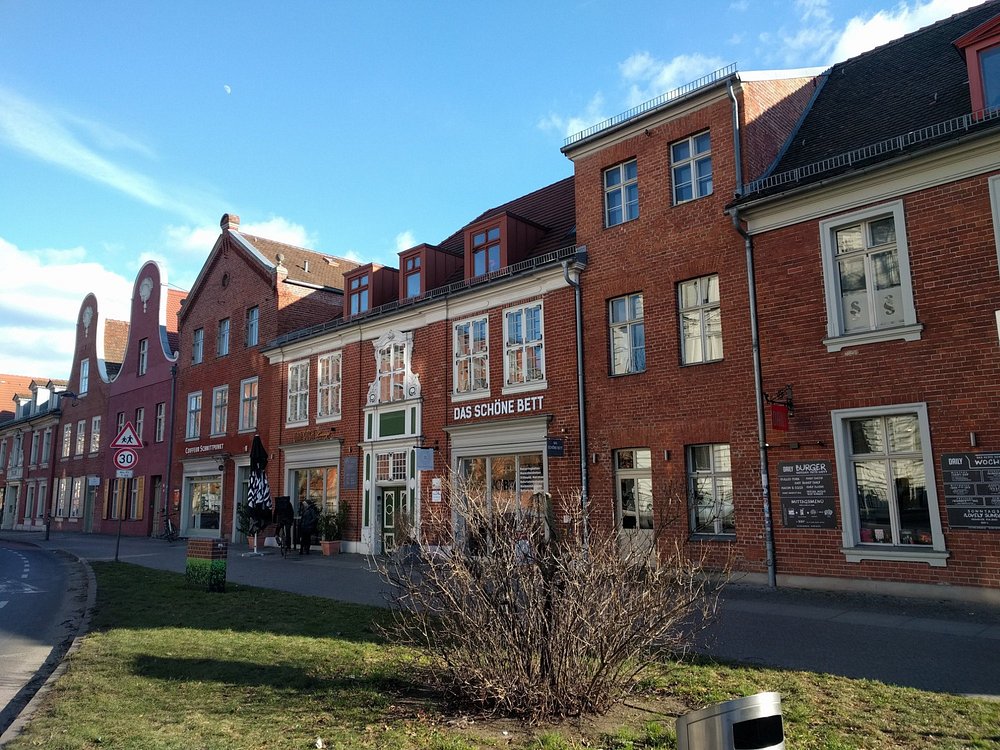
The Dutch Quarter’s rows of red-brick houses are iconic. Most houses aren’t plastered, so you see the clear white joints, green wooden shutters, and those gently curved gables that scream Dutch style.
Windows are framed by carved portals, and a few homes show off baroque touches.
About 150 houses cluster around Mittelstraße and Benkertstraße. Some of the three-story buildings near Bassinplatz really stand out, and they used brick from Rathenow for both looks and strength.
It’s not just about individual homes. The whole district forms an architectural ensemble, a favorite among history buffs and fans of rococo architecture.
Restoration work keeps many original features intact, so the area still feels authentic.
From Prussian Kings to Dutch Artisans: Key Figures
Frederick William I made this project possible. He wanted a modern Potsdam built by Dutch experts, and his son Frederick the Great later kept the momentum going.
Jan Bouman (or Johann Boumann, if you’re feeling German) directed much of the construction. He planned the area from Mittelstraße 8, which now houses the Jan Bouman House—a small museum that dives into Bouman’s story and the lives of those who lived here.
Dutch craftsmen brought their traditions and building methods, shaping the look of the Dutch Quarter and helping Potsdam become a showcase for architectural wonders.
Experiencing the Quarter’s Unique Atmosphere
Visiting Potsdam’s Dutch Quarter dropped me into a world of red-brick houses, quirky culture, and small-city charm.
Each street offers a mix of historic beauty and modern energy. It’s easy to see why people fall for this place.
Charming Street Scenes and Special Flair
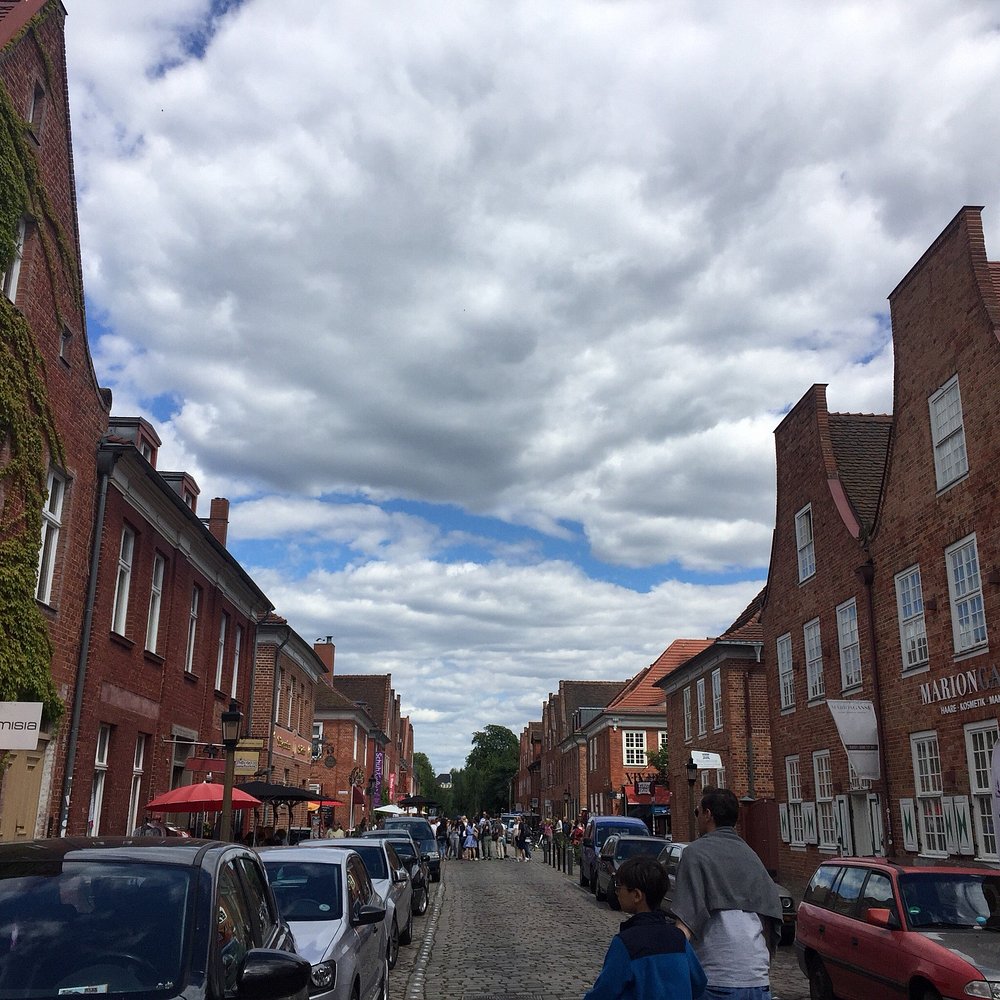
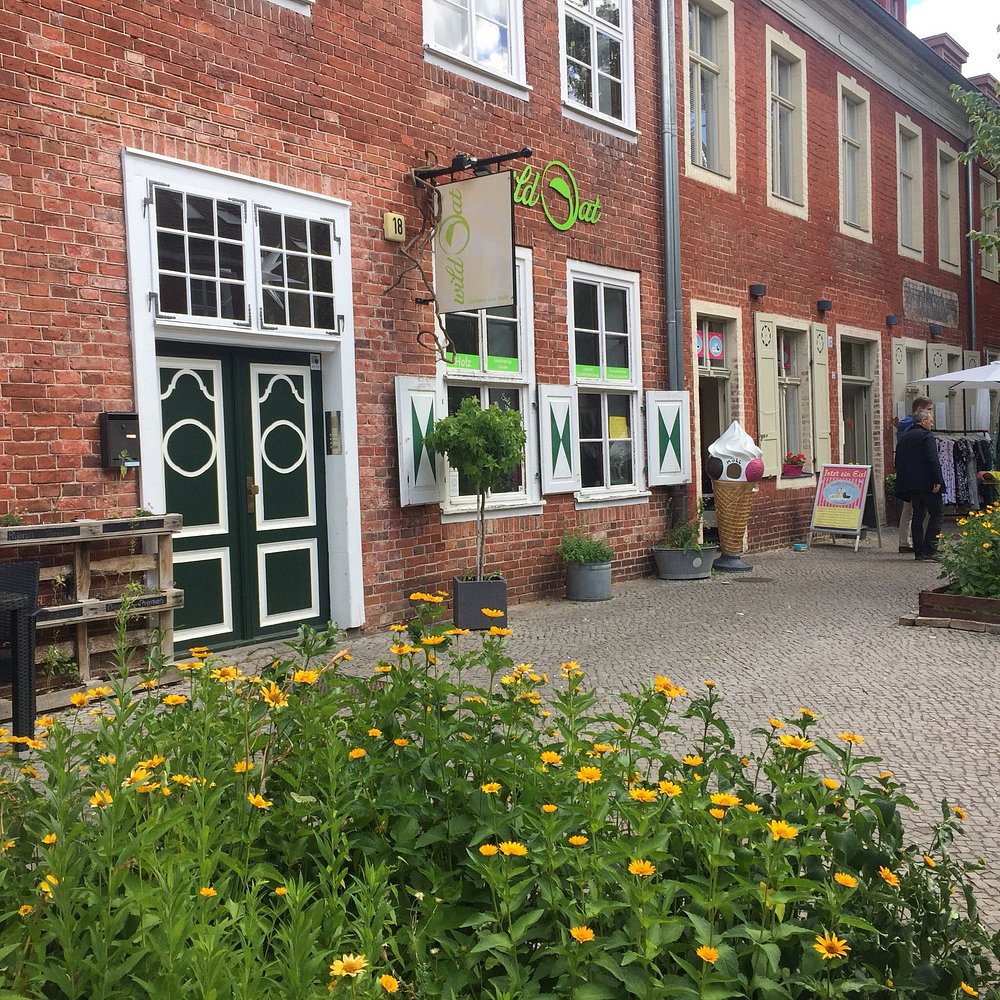
Right away, the look of the Dutch Quarter stood out. Rows of red-brick houses, usually two stories high, sit tightly packed along the four city blocks.
The white joints and bold shutters make the buildings pop.
Some gables curve in that Dutch way you don’t see much outside the Netherlands.
It almost feels like a movie set, but people actually live and work here.
As I wandered, I heard street musicians playing softly. Flowers spilled from window boxes.
Both locals and tourists drifted along the cobblestones, stopping for photos or just to soak up the vibe.
Exclusive Shops and Artisan Boutiques
Tucked into the brick houses, the Dutch Quarter’s shops and artisan boutiques surprised me. Shelves held handmade ceramics, chocolates, jewelry, and local art.
I browsed delicate pottery from local artists. Shops are small, but never crowded—so you can linger and chat.
Some boutiques offer unique finds you won’t see elsewhere in Potsdam. A couple of independent clothing stores carry Dutch and European labels.
Shopkeepers often share stories about their products, making each item feel special. Shopping here feels personal, not like a big department store.
Inviting Cozy Cafés and Restaurant Delights
Cold weather in Potsdam made the Dutch Quarter’s cafés and restaurants even more inviting. Café Guam pulled me in with its warm lights and cakes in the window.
Inside, it was peaceful—a perfect spot to sip coffee and regroup.
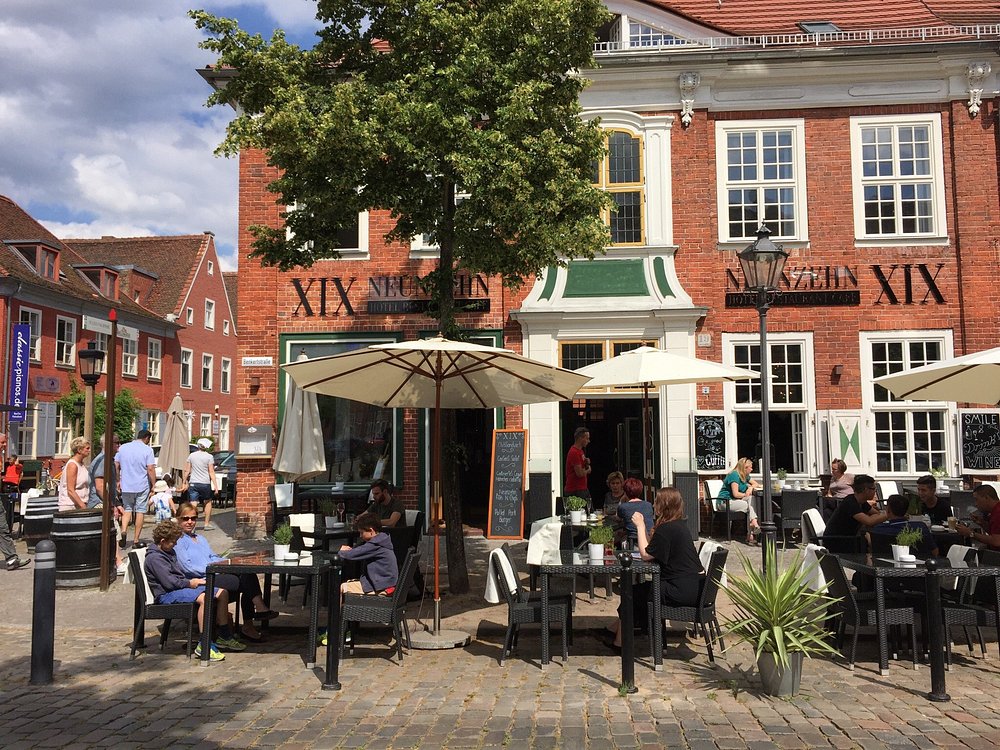
Eateries here blend Dutch, German, and international flavors. Most places are small and cozy, and some offer outdoor tables for people-watching.
Menus feature fresh pastries, filling lunches, and local drinks. Staff are friendly and never rush you. I loved lingering over a hot drink, planning my next move in this lively city.
Essential Things to Do in and Around the Dutch Quarter
Exploring the Dutch Quarter gave me a mix of old architecture, local traditions, and cultural spots.
There’s plenty to fill your Potsdam itinerary, whether you want a quick stroll or a full day trip from Berlin.
Guided Tours and Local Insights
I kicked things off with a guided tour, wandering the four famous blocks of red-brick houses.
Guides shared stories about King Frederick William I’s vision and how Dutch craftsmen shaped Potsdam.
They pointed out hidden courtyards, quirky brickwork, and bits of the quarter’s past as a busy trade hub.
We peeked into shops and learned about the neighborhood’s history.
Booking a tour is easy online, and most offer free cancellation—handy if you’re not sure about your plans.
Walking tours usually start near Potsdam’s center, so you can easily tack one onto a Berlin day trip.

Seasonal Highlights: Potsdam Tulip Festival
Spring brings the Tulip Festival (Tulpenfest) to the Dutch Quarter, and it’s a blast. Streets fill up with flower stalls, music, Dutch snacks, and people in traditional costumes.
The festival, usually in April, celebrates the area’s Dutch roots and brings in both locals and tourists.
I tried poffertjes (tiny pancakes) and picked up tulips from colorful stands along the historic streets.
Other times of year, you’ll find the Sinterklaas Christmas Market in December and a pottery market every September.
These events add even more charm to the district and make a Potsdam day trip extra special.

Museums and Cultural Landmarks Nearby
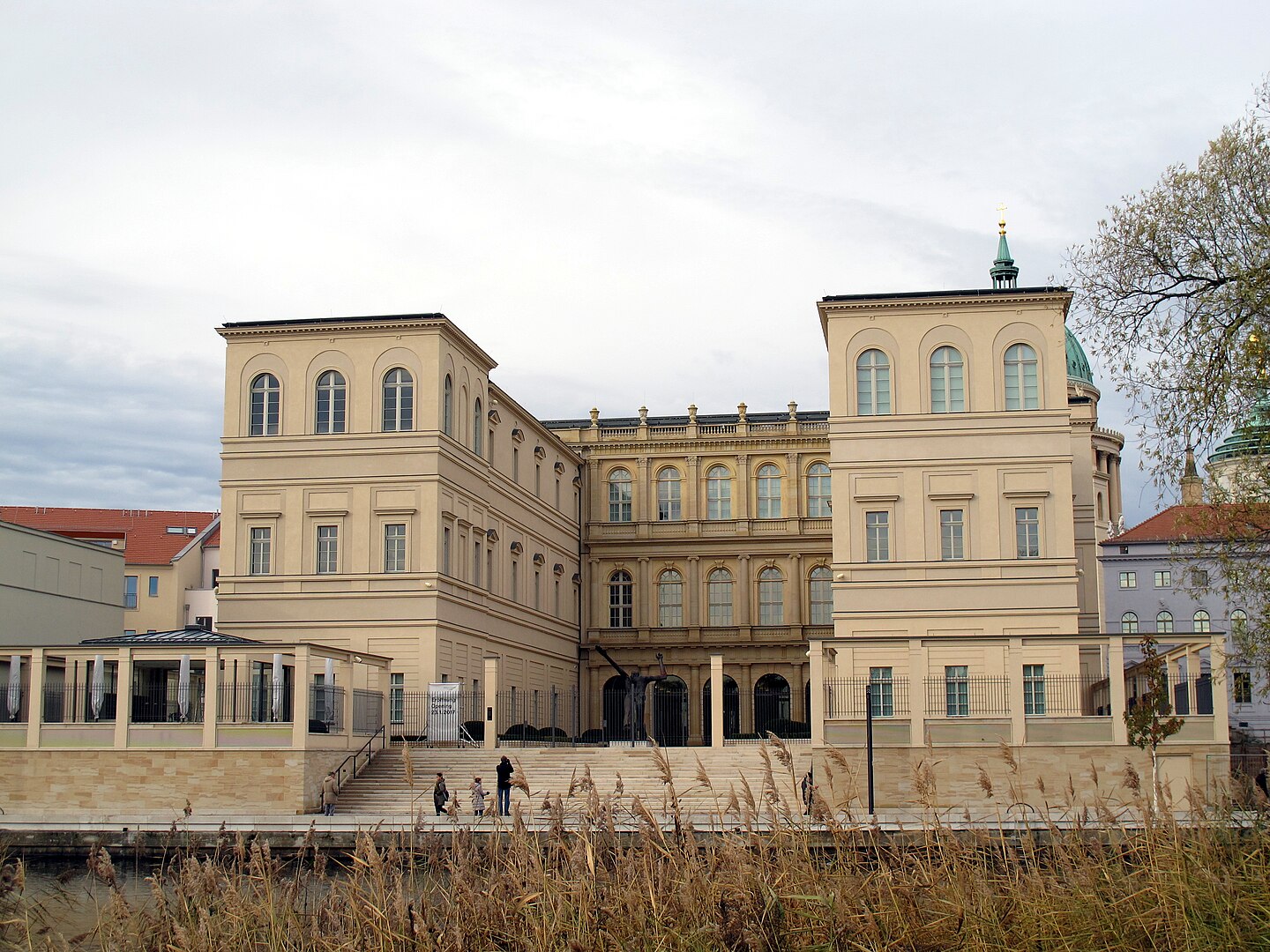
A short walk from the Dutch Quarter, I found some great cultural landmarks and museums. The Museum Barberini wowed me with its art exhibitions—modern and classic paintings in a grand old palace.
The Film Museum Potsdam is another gem, showing off the history of German cinema. Old film posters, cameras, and costumes from Babelsberg Studios fill the rooms.
The quarter itself also hides small galleries and artisan shops, giving a taste of Potsdam’s creative side.
With a little extra time, these museums really deepen the experience and round out a stroll through the Dutch Quarter.
Beyond the Quarter: Iconic Potsdam Sights
Potsdam isn’t just about the Dutch Quarter. The city bursts with royal palaces, lush gardens, and riverside parks that tell the story of Prussia’s grand past.
Sanssouci Palace and Baroque Gardens
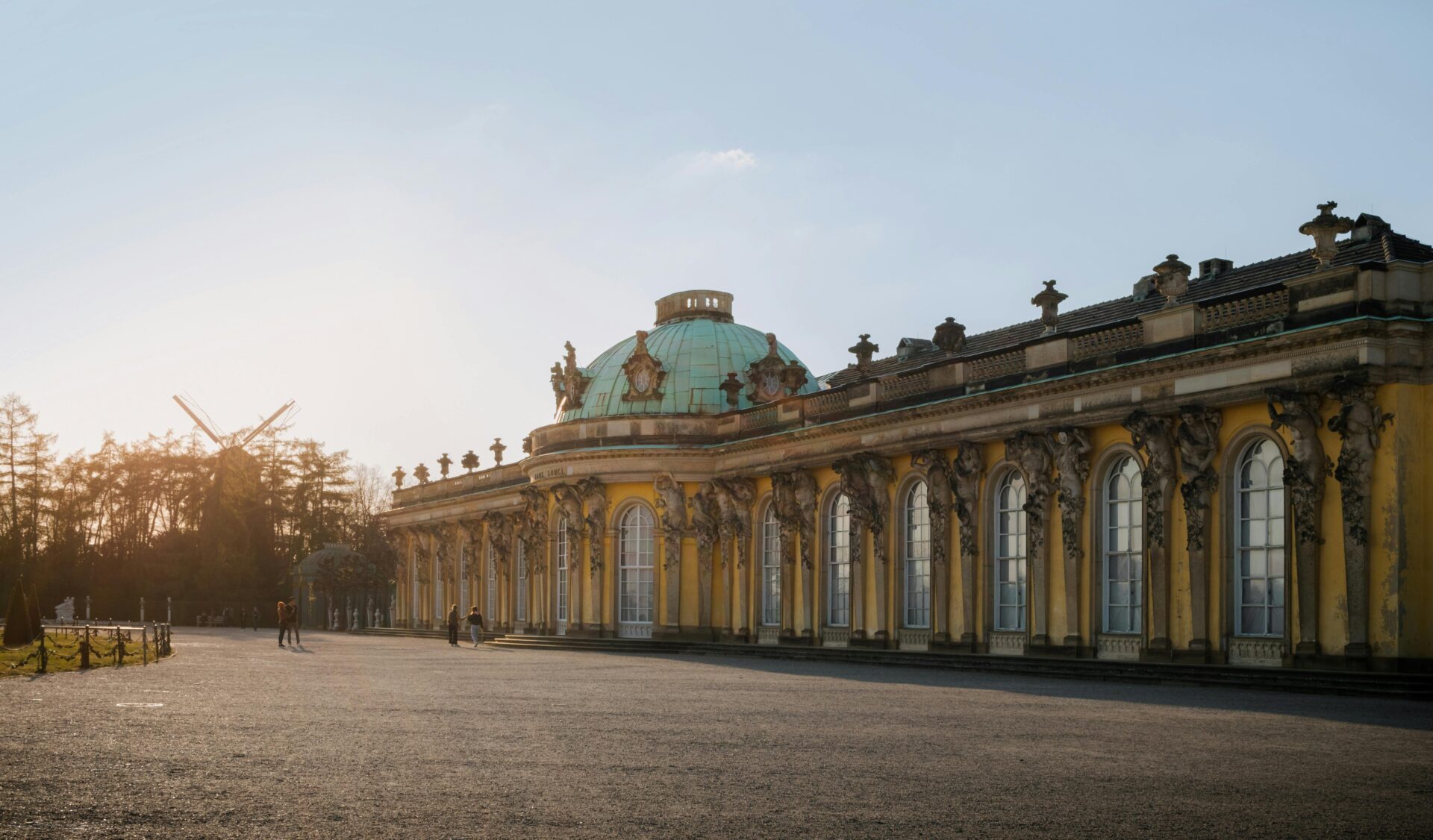
Visiting Sanssouci Palace felt like time travel into Prussian history.
Frederick the Great used it as his summer home, and it’s a top-notch example of rococo architecture. The pastel colors and ornate details give the palace a light, almost dreamy look.
The real highlight for me? Sanssouci Park, stretching behind the palace. Every path took me past perfect lawns, sparkling fountains, and neat grapevines.
I wandered by the Chinese House, covered in golden statues and curved roofs. Art and nature mix everywhere here.
Nearby, the Orangery Palace and Charlottenhof Palace add even more to the landscape. Walking between these buildings and through the endless greenery is both relaxing and inspiring.
Royal Residences and Architectural Marvels
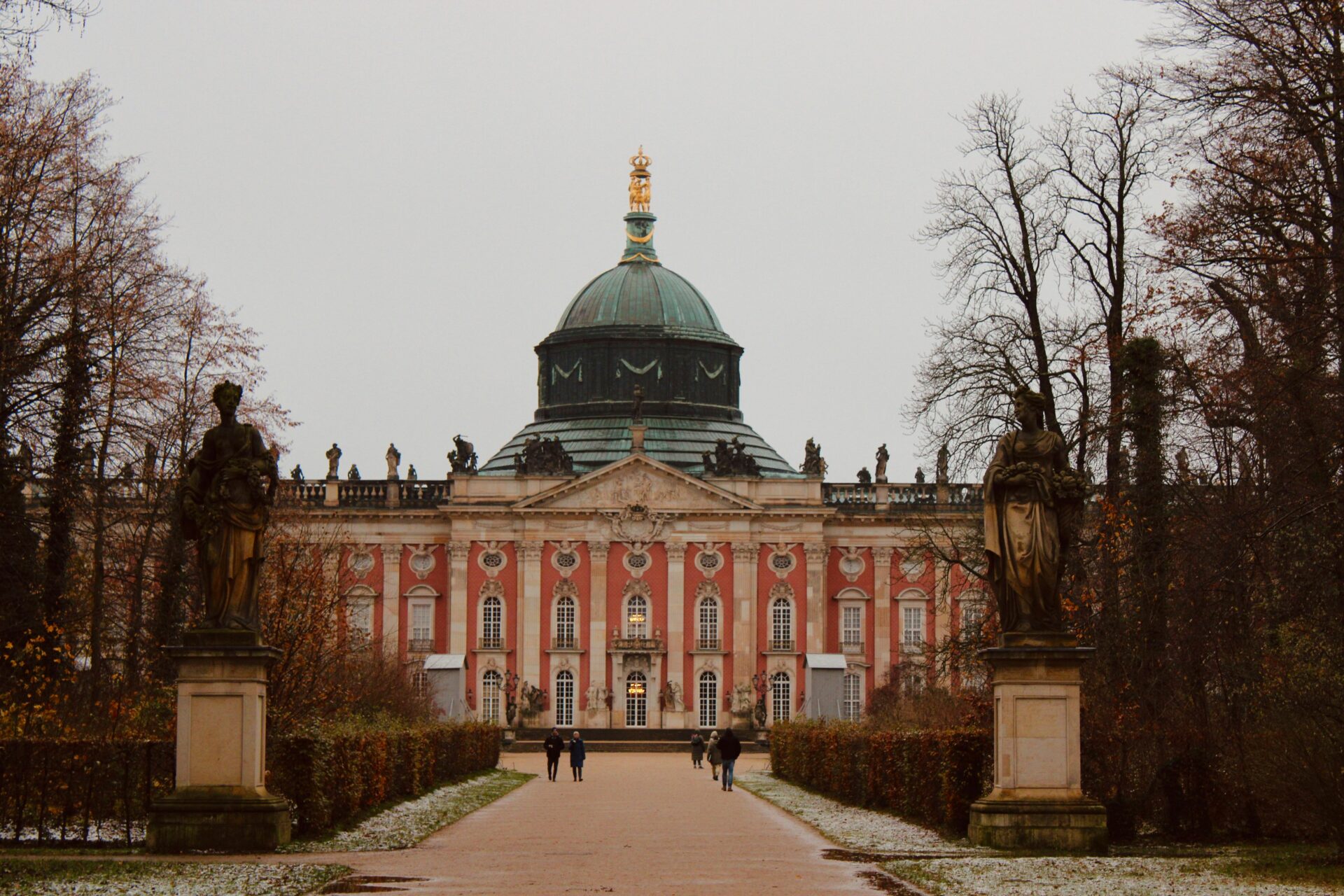
Potsdam is packed with royal residences that show off its rich past. The New Palace anchors one end of Sanssouci Park, towering over the landscape with marble halls and crystal chandeliers.
I explored the Neuer Garten (New Garden), a quieter spot with thick trees and winding paths. The Marble Palace sits by the lake, its white walls mirrored in the water.
Babelsberg Park has a castle with towers that look straight out of a fairy tale.
Pfaueninsel, or “Peacock Island,” floats nearby in the Havel River, overgrown with trees and featuring a playful white palace. You reach it by a short ferry ride.
These places reveal just how much the Prussian kings loved art, nature, and a little bit of whimsy.
Havel River and Natural Beauty
The Havel River wraps gently around Potsdam, creating peaceful corners all over the city. I loved walking or just sitting by the water, watching boats glide past and swans drift near the shore.
Parks like New Garden and Babelsberg Park run right down to the river. They’re great for picnics, bike rides, or just quiet walks among old trees and blooming flowers.
Even close to major sites, the natural scenery stays calm and welcoming. From Sanssouci’s terraced gardens to the lawns near Charlottenhof Palace, there’s always space to relax and soak up some nature.
The mix of riverside views and garden paths made my time in Potsdam both peaceful and memorable.
Cultural and Historical Connections
Potsdam’s Dutch Quarter sits at the crossroads of history and cultural exchange. Prussian ties, Russian influences, and UNESCO recognition all layer the city with stories.
Russian Colony Alexandrowka and Beyond
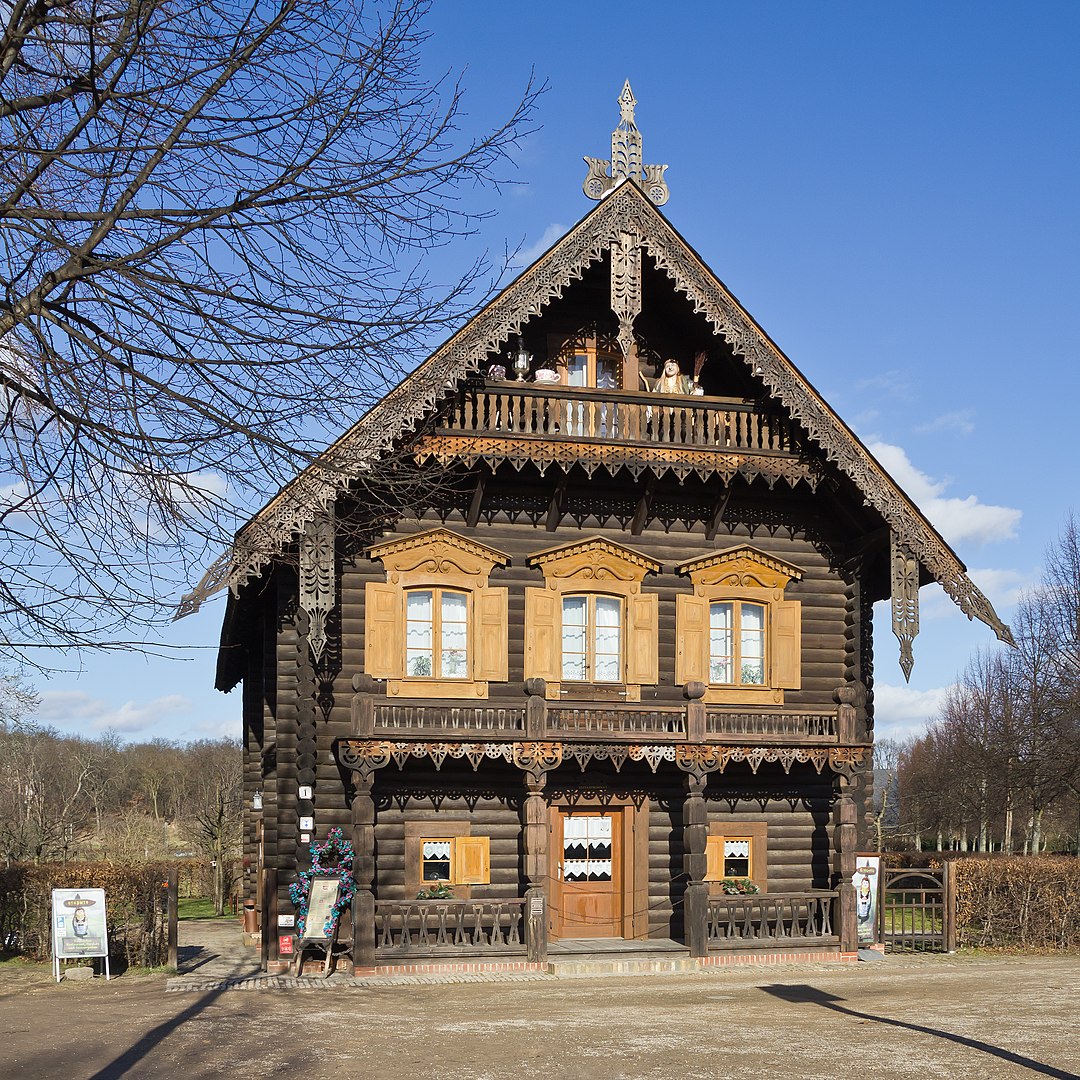
Leaving the red-brick streets behind, I wandered into Alexandrowka, the Russian Colony.
Built in the early 1800s for Russian singers brought to Potsdam by King Frederick William III, the wooden houses here look nothing like the Dutch ones.
The Church of Saint Alexander Nevsky stands at the center, its onion domes a clear nod to Russia’s mark on Prussian history.
Alexandrowka and the Dutch Quarter together show how Potsdam welcomed different cultures. Restoration teams work hard to keep these wooden homes and historic churches looking their best.
These neighborhoods tell a story of international connections that started long before modern times.
World Events: Potsdam Conference and Glienicke Bridge
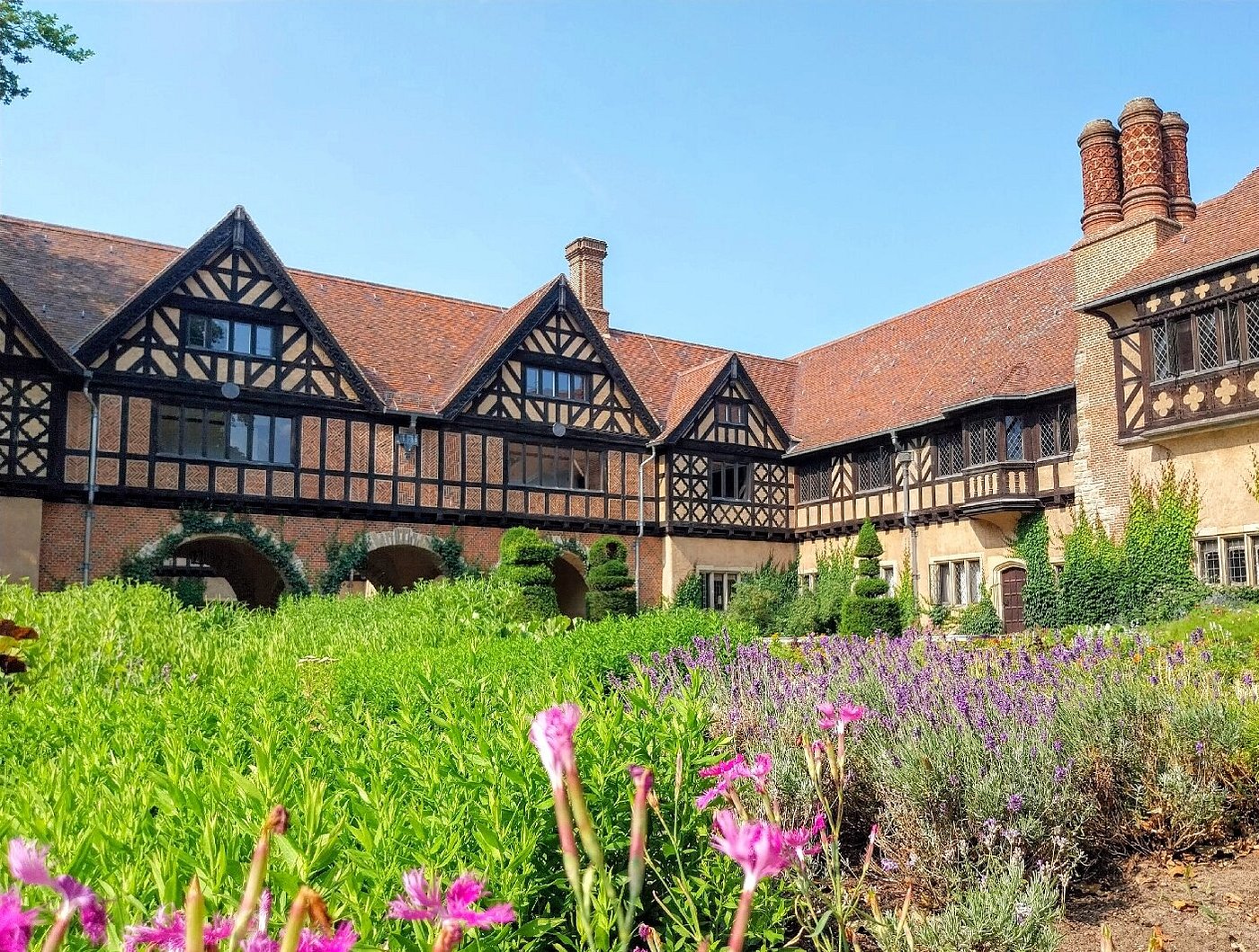
I couldn’t walk around Potsdam without thinking about its deep ties to 20th-century history. Cecilienhof Palace sits just a short stroll from the Dutch Quarter, and honestly, it’s hard not to picture the famous Potsdam Conference of 1945 happening right there.
Leaders from the United States, Britain, and the Soviet Union gathered inside those walls to plan what Europe would look like after the war. Standing in the gardens, I found myself imagining the tense conversations—can you picture the pressure in the air? It’s wild to realize how much of the world’s future took shape on those very grounds.
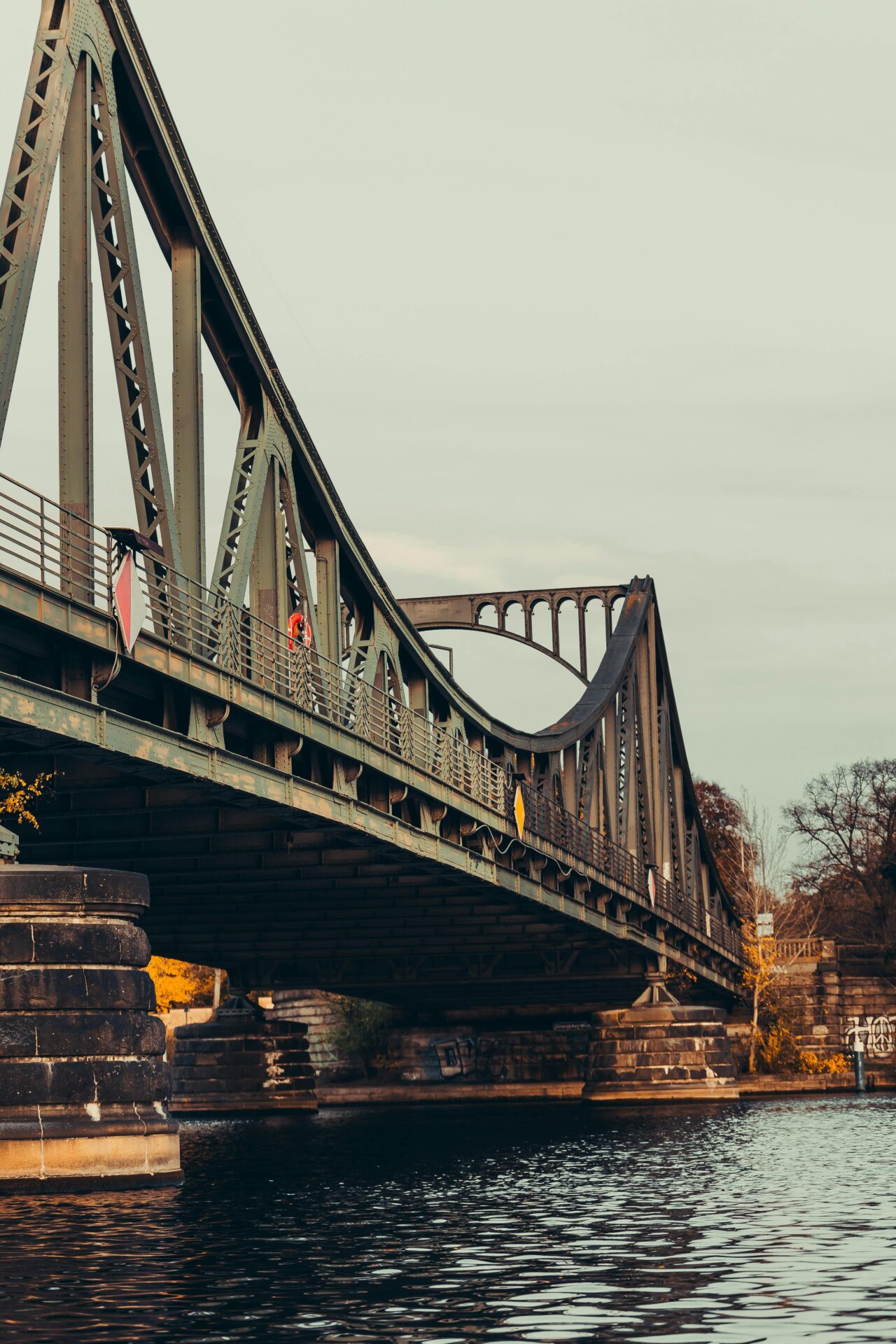
Not too far from Cecilienhof, the Glienicke Bridge stretches across the Havel River. People call it the “Bridge of Spies,” and for good reason.
Back in the Cold War days, the bridge set the scene for dramatic exchanges of captured agents between East and West. These historic sites really drive home the fact that Potsdam isn’t just about charming architecture. It’s a place where some of the world’s biggest stories unfolded right before our eyes.
UNESCO Heritage: Preserving Potsdam’s Legacy
Potsdam’s Dutch Quarter now sits proudly within the UNESCO World Heritage Site for the “Palaces and Parks of Potsdam and Berlin.” That recognition? It’s a big deal—it celebrates the ongoing care and restoration that locals and experts have poured into these landmarks, from the winding parks to the quirky old neighborhoods.
When I wandered through the Dutch Quarter, those red-brick facades instantly grabbed my attention. Alexandrowka’s wooden cottages felt like a storybook scene, and I couldn’t help but notice how both places pull in visitors curious about Potsdam’s many layers.
People don’t just restore old buildings here—they keep the city’s heart beating. This UNESCO status makes sure future travelers can soak up Potsdam’s charm and its surprisingly multicultural history.

.jpg)
#/media/File:Potsdam_Alexandrowka_02-14_img2.jpg)