
Summer in Mexico? Oh, it’s a wild ride—think 80-degree days, blazing sunshine, and that feeling you get when adventure is just waiting around every corner. Sure, the heat can feel like a wall at first, but honestly, I’ve come to see it as a ticket to some of the best festivals, natural escapes, and real-deal experiences you just won’t stumble into during peak tourist season.
The trick? You gotta work with the climate, not fight it. I lean on smart strategies to stay cool while diving deep into everything Mexico has to offer. Timing your outings, tracking down hidden cenotes, or escaping to the mountains—there’s always a way to soak up the magic without melting.
If you’re after lively festivals that only happen in summer or searching for those cool, off-the-radar spots, Mexico never disappoints. Let’s jump into how you can navigate the summer climate safely, discover the best places to chill out, and find the moments that make this season unforgettable.
Understanding Mexico’s Summer Climate
Mexico’s summer climate is all over the map—literally. Coastal areas can be surprisingly mild, while the deserts bring the heat.
From June to September, the weather shifts depending on where you land. Geography, elevation, and region all play their part.
Regional Differences in Temperature and Humidity
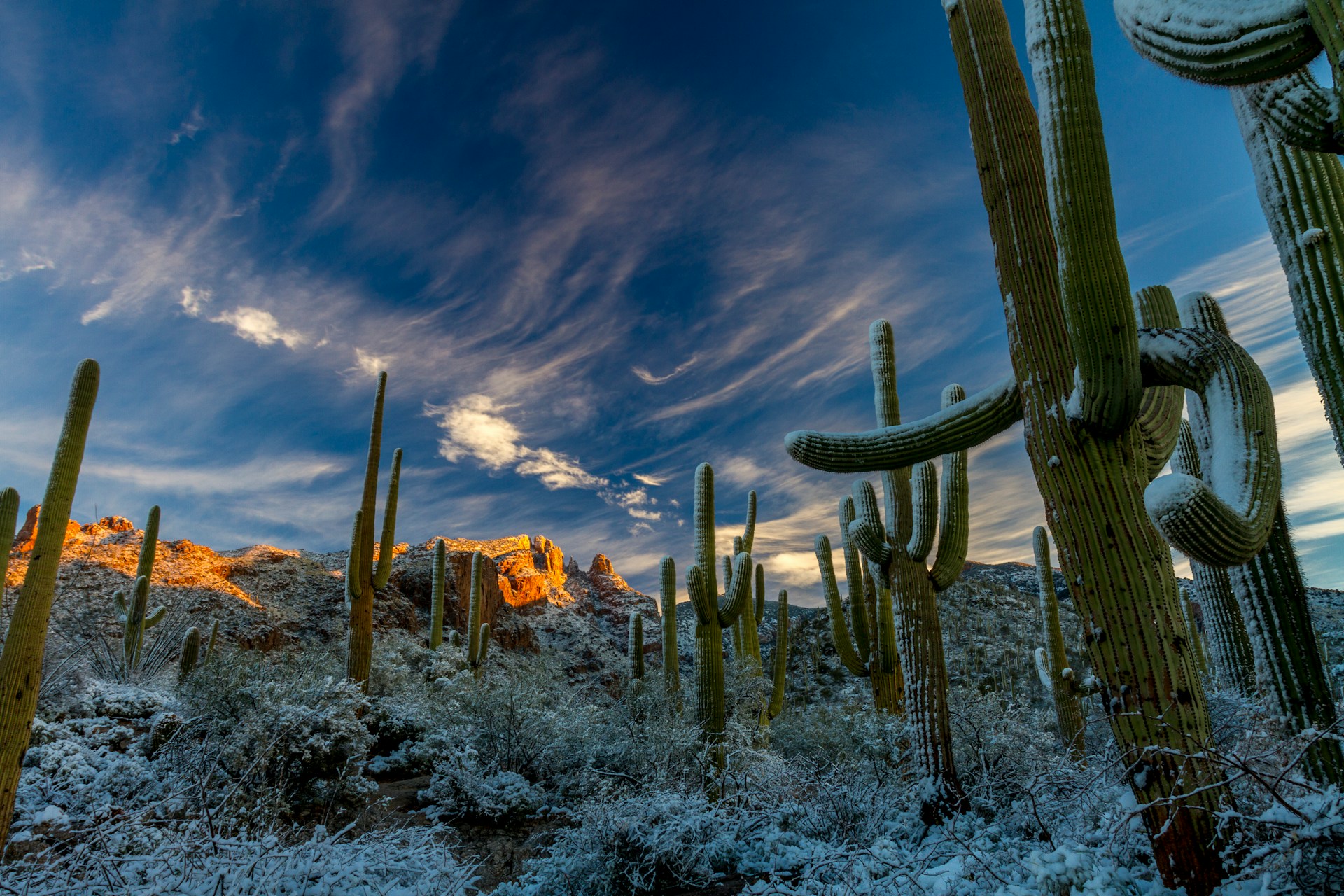
Mexico’s size means summer feels different everywhere. The north? Well, that’s where the desert really turns up the heat.
In the Sonoran Desert, Hermosillo often hits 40°C (104°F) in June. The Chihuahuan Desert, like Ciudad Juárez, can top that, even at higher elevations.
Northern regions deal with the toughest heat:
- Mexicali often soars past 45°C (113°F)
- Baja California’s east coast hovers around 35-36°C (95-97°F)
- Desert air stays pretty dry
Coastal areas have their own set of challenges. The Gulf coast gets sticky with humidity, making even moderate temps feel hotter. Eastern plains sit around 29°C (84°F), but the moisture? Yikes.
Central and southern areas mix things up. The tropics stay warm and humid, but the mountains bring sweet relief with cooler air.
The west coast, thanks to ocean currents, keeps it chill. Baja California’s west side rarely climbs above 25°C (77°F).

Typical Summer Weather Patterns
Mexico’s summer isn’t just hot—it’s a bit dramatic. June through September marks the main summer stretch.
The rainy season kicks in across most of the country. Afternoon storms and rising humidity show up from June to October. Down south, the rain really pours.
Desert regions get their own mini-monsoon. The Sonoran Desert gets wetter from July to October, with August usually seeing the most rain—about 100mm.
Humidity? It depends:
- Coastal zones stay muggy all year
- Desert air jumps from 33% humidity in June to 55% in July
- Mountain towns get afternoon storms but keep humidity moderate
Winds can make or break your day. Up north, hot desert gusts can push temps even higher. On the coasts, ocean breezes save the day.
And don’t forget—hurricane season runs June to November. Both coasts see storms, especially later in summer.

The Influence of Elevation on Summer Heat
Elevation really changes the game in Mexico. The higher you go, the cooler it gets.
High-altitude cities like Mexico City stay much more comfortable than the lowlands. These “tierras frias” offer natural air-conditioning.
Here’s how it breaks down:
- Every 1,000 meters up, temps drop about 6°C
- Mountain towns almost never get extreme heat
- Nights get chilly at elevation
So, what does that mean for regions?
- Coastal plains: hot and humid
- Mid-elevation spots: nice and moderate
- High mountains: cool days, cold nights
Cities like Guadalajara and Oaxaca sit at that sweet spot—high enough to dodge both humidity and desert heat.
Mountain ranges like the Sierra Madre Occidental create their own weather. These places stay lush and green, with big temperature drops at night.

Cultural Experiences and Festivities
Summer in Mexico bursts with energy—think parades along the coast, food festivals in old towns, and locals keeping ancient traditions alive. The best part? Visitors are always welcome to join in.
Summer Festivals and Local Events
June kicks off festival season, and honestly, this is when Mexico feels most alive.
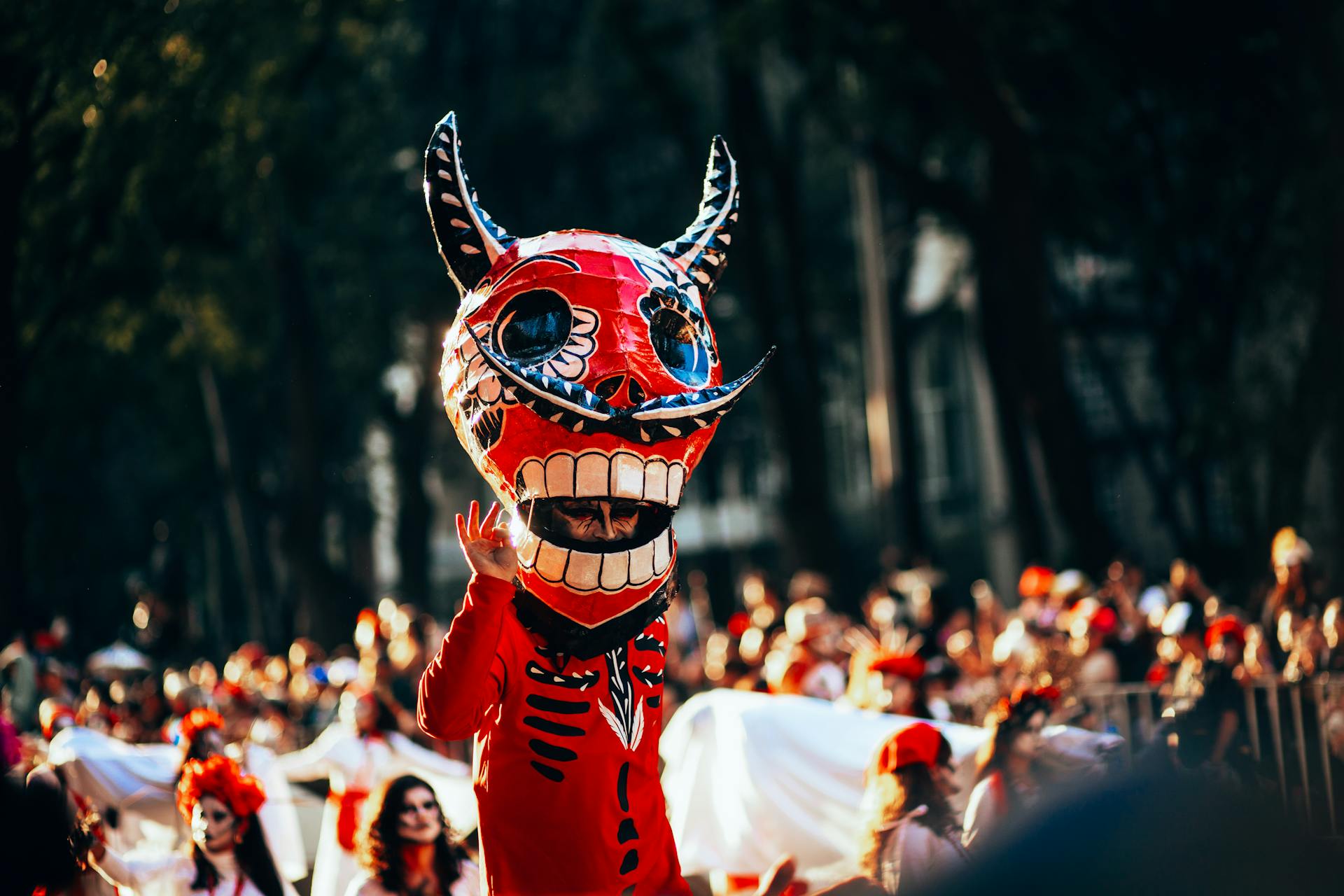
Guelaguetza Festival in Oaxaca every July is unforgettable. Dancers in wild costumes fill the streets, and the music tells stories older than the city itself.
Carnival lingers into summer in places like Veracruz and Mazatlán. Nights explode with salsa, cumbia, and masked dancers weaving through the crowds.
Pride festivals light up major cities:
- Mexico City throws the biggest bash in June
- Puerto Vallarta turns into one long beach party
- Guadalajara mixes concerts with culture
Small towns put on patron saint festivals. Expect fireworks, music, and big communal meals. Each place puts its own spin on these traditions.
Traditional Foods and Refreshments
When the heat cranks up, Mexico’s food scene gets seriously refreshing. I always hunt for these treats when the sun’s relentless.
Fruit vendors set up everywhere:
- Watermelon dusted with chili
- Mango slices with lime and salt
- Fresh coconut water
- Pineapple on sticks
Aguas frescas are summer’s answer to heat. Hibiscus, tamarind, horchata—you name it, someone’s blending it up on the street.
Elote (grilled corn) is a must. Smothered in mayo, cheese, and chili, it’s messy but worth it.
Ice cream shops churn out paletas—real fruit popsicles in flavors like mango, coconut, and lime. Many of these places have been family-run forever.

Seasonal Customs and Social Gatherings
As the sun sets, life spills outdoors. Plazas fill up, and you can feel the community vibe everywhere.
Plaza strolls are a nightly ritual. Families circle the square, kids dart around, and sometimes, a band sets up and plays until dark.
Beachside ceremonies happen all summer. Fishermen and their boats get blessed in rituals that mix Catholic and indigenous traditions.
Markets stay open late. Handmade crafts, street food, and local clothes—these spots buzz with energy after dark.
Some towns still keep up the tradition of evening serenades. Musicians drift through plazas or play under balconies, especially on those warm nights.

Essential Tips for Staying Cool and Safe
Staying comfortable in Mexico’s summer isn’t about luck—it’s about planning. Hydration, the right clothes, and a little prep for storms or bugs go a long way.
Hydration and Nutrition During Hot Days
Drink water all day, not just when you’re thirsty. The heat sneaks up on you.
Electrolytes matter when you sweat buckets. Try aguas frescas, pop a supplement in your bottle, or sip a sports drink (just watch the sugar).
Stick to light foods—fresh fruit like watermelon and pineapple keeps you hydrated and energized. I steer clear of heavy meals when the sun’s at its worst.
Hydration hacks:
- Always carry a cold water bottle
- Sip often, don’t chug
- Eat a snack when you drink to help your body absorb water
- Go easy on booze and coffee—they dry you out
Local ice pops (bolis) and coconut water are fun ways to stay cool and taste the culture.
Clothing Choices and Sun Protection
Loose, light-colored clothes in cotton or linen? Total game-changer. They let your skin breathe and reflect sunlight.
A wide-brimmed hat saves your face and neck. Good sunglasses are essential—UV rays in Mexico mean business. Oddly enough, long sleeves made from light fabric often beat short sleeves for sun protection.
What to pack:
- White or pastel cotton shirts
- Breezy pants or long skirts
- Big hat for shade
- UV-blocking sunglasses
- SPF 30+ sunscreen (and lots of it)
Put sunscreen on 30 minutes before heading out. Reapply every couple of hours, especially if you’re swimming or sweating.
Don’t forget your feet. Breathable shoes or sandals with coverage keep you from burning on hot pavement.

Managing Summer Rain and Mosquitoes
Those afternoon storms? They show up fast and can flood the streets. I keep a small umbrella handy and wear quick-dry clothes during rainy season (June to October).
Standing water after rain is mosquito heaven. I use repellent with DEET or picaridin, especially at dawn and dusk.
Mosquito defense:
- Slather on repellent every 4-6 hours
- Pick hotels with screens or AC
- Pack light long pants for evenings
- Bring after-bite cream
I skip dark clothes and heavy scents—they just attract more bugs. Light outfits make it easier to spot and shoo away mosquitoes.
When storms roll in, I duck inside. Mexican rain rarely lasts long, but it can be intense. I wait for things to drain before heading back out.
Top Destinations to Beat the Heat
Mexico’s got options if you want to cool off—mountain towns, breezy beaches, and cities perched high above the sticky lowlands. Each spot blends comfort with culture.
Highland Retreats and Colonial Towns
Mountain towns stay way cooler than the coasts. We’re talking temperatures 15-20 degrees lower.
Tapalpa in Jalisco sits at 7,000 feet. The plaza’s full of colonial charm, and the air feels crisp even in July.
Days rarely break 75°F. Nights dip into the 50s, perfect for cozying up.
Hiking trails wind through pine forests, and you can ride horses or just relax at local restaurants serving Jalisco’s best.
San Cristóbal de las Casas in Chiapas is another gem at 6,900 feet. The city’s markets overflow with colorful textiles and crafts.
Ancient churches line the cobbled streets. Summers here top out at 70-75°F, and the mountain air keeps things fresh.

Refreshing Beach Escapes
If you crave the ocean, certain beaches offer more than just sand—they come with a built-in breeze.
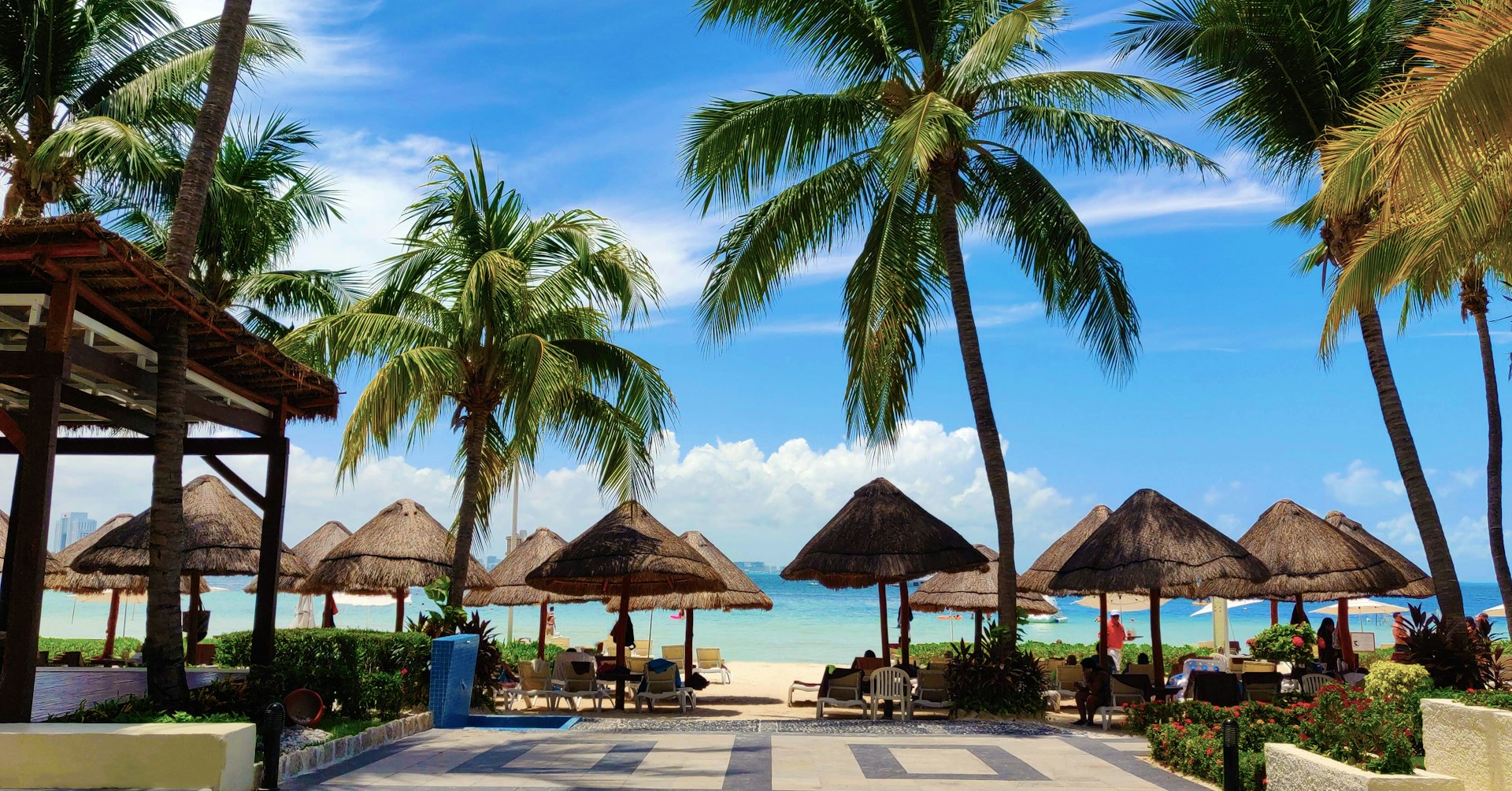
Los Cabos gets dry desert air that cuts the humidity. The Baja Peninsula’s shape means ocean winds are a constant.
Water activities—snorkeling, swimming, boat trips—keep you cool. Hotels know the drill, offering pools and shaded lounges.
Pacific coast beaches in Nayarit and Jalisco catch daily winds from the sea. Most afternoons, the breeze picks up right when you need it.
Beach clubs offer umbrellas, misting fans, and ice-cold drinks. And honestly, just listening to the waves can make you feel cooler.

Cool Urban Experiences in Mexico City
Mexico City sits at 7,350 feet above sea level, which keeps summer temperatures surprisingly mild. That high altitude? It’s like the city’s built-in air conditioner.
During summer, highs usually land between 75 and 80°F. Nights cool off to around 55°F, which honestly feels refreshing after a day out.
Because of this elevation, you’ll find Mexico City cooler than most US cities in the summertime. It’s a bit unexpected, right?
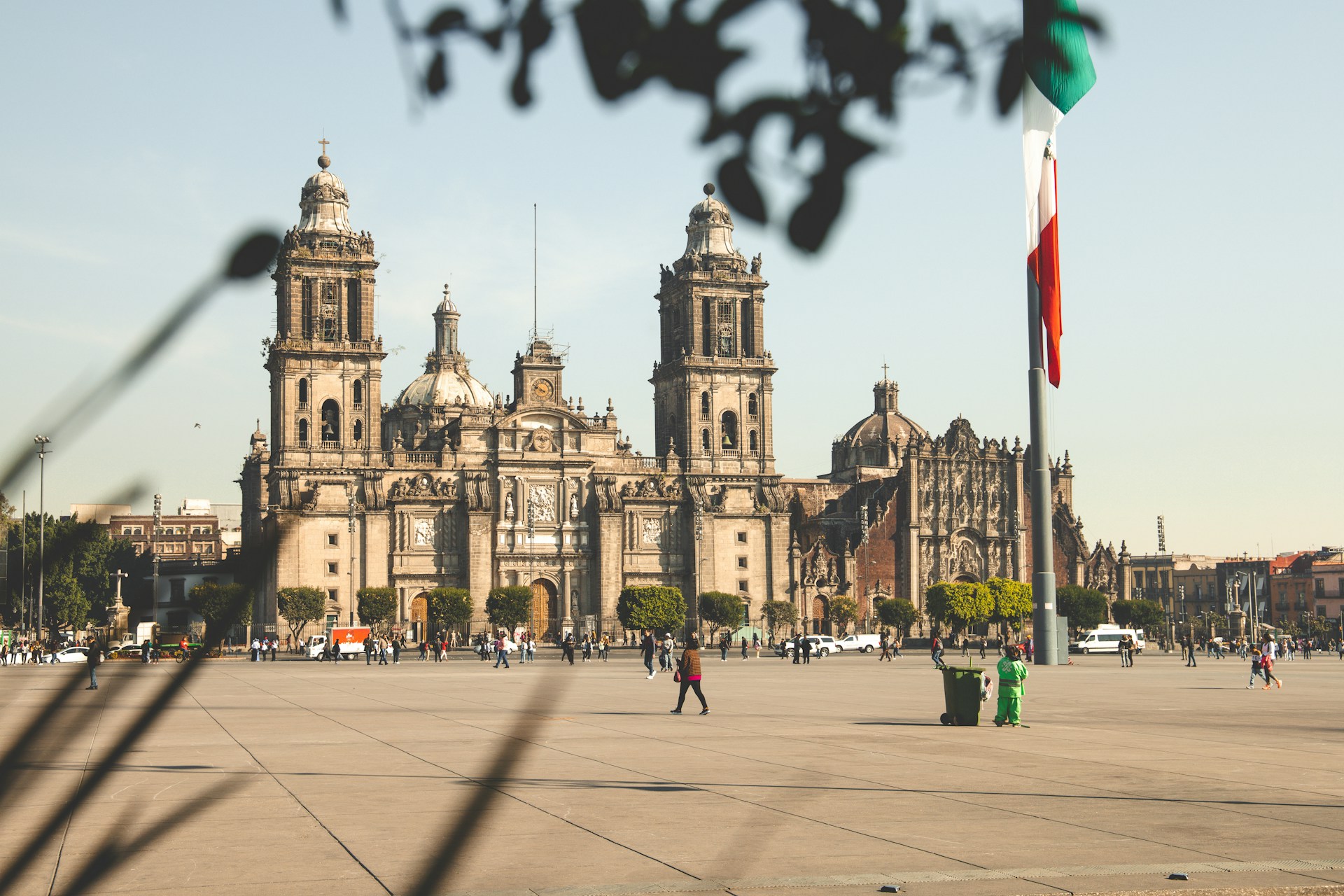
The Historic Center is a maze of shaded walkways tucked between grand colonial buildings. When the sun gets intense, I love ducking into museums for a dose of culture and a blast of air conditioning.
Chapultepec Park sprawls across 1,695 acres, and the old trees create pockets of shade everywhere. The park usually feels 5-10 degrees cooler than the busy streets outside.
Wandering through Roma Norte and Condesa, you’ll notice the leafy streets and lively rooftop bars. Evenings are perfect for outdoor dining—no sweating through your clothes here.
Getting around is easy thanks to the city’s extensive metro system. The underground trains double as a cool escape between stops.
Most restaurants and shops keep their interiors comfortable, so you can always find a spot to chill out.
Nature’s Summer Wonders
Mexico’s summer heat isn’t just about sweating it out—it actually unlocks some wild adventures you won’t find in cooler months. Suddenly, swimming in underground cenotes feels like bliss, waterfall mists turn into instant relief, and wildlife gets more active as the sun sets.
Swimming in Cenotes and Natural Pools
If you’ve ever slipped into a cenote in winter, you know how chilly it can get. But in summer, those same caves feel like the world’s best swimming holes. The water temperature hovers around 75°F year-round, but on a hot day, that’s just about perfect.
I always suggest hitting up Cenote Taak-bi-ha near Tulum first thing in the morning. The turquoise water and dramatic limestone formations make you feel like you’ve stumbled into an underground cathedral. Even when the surface is blazing, it stays cool down there.
Another favorite is Cenote Cho-ja, tucked between Cancun and Merida. Locals keep the place spotless, with showers and sturdy stairs leading right into the water. Swimming under those cathedral-like stalactites? It’s otherworldly.
Looking for something off the usual path? La Media Luna lagoon in San Luis Potosi is a gem. This state park has:
- Shallow pools for beginners
- Deep zones for seasoned divers
- Warm currents to swim against
- Several cenotes to explore
The water stays toasty all summer. You can even camp nearby and make a weekend out of it.

Chasing Waterfalls: Highlights Like Agua Azul
When summer rains hit, Mexico’s waterfalls really put on a show. The extra water turns gentle trickles into roaring cascades, and the cliffs come alive.
Agua Azul in Chiapas turns into a thundering paradise during the rainy season. The pools glow an unreal blue, set against a backdrop of thick jungle. The mist from the falls? It’s like nature’s own air conditioner.
The Huasteca Potosina region is a waterfall lover’s dream in summer. Dozens of cascades hide within a few hours’ drive. I’d plan at least three days to soak it all in—trust me, you’ll want the time.
Las Grutas de Tolantongo mixes waterfalls with natural hot springs. After a sweaty hike, those warm pools feel incredible. The caves here create natural steam baths that locals have raved about for generations.
Quick tip: Pack water shoes—seriously. The rocks get slippery, and you don’t want to wipe out. If you forget, most spots sell them for about 100 pesos.

Wildlife Encounters and Nighttime Adventures
You’ll find Mexico’s wildlife really comes alive on those warm summer nights. As the sun dips, animals start to stir—escaping the daytime heat and making the evenings unexpectedly magical.
Let’s talk about Sotano de las Golondrinas. If you’re up for an early morning adventure, this spot is unforgettable. Picture thousands of swallows shooting out of a massive cave at dawn, swirling together in wild, coordinated flocks. I’d suggest arriving around 6 AM for the best view. Just keep in mind, if it’s raining, the birds usually stay put.
Now, the Marietas Islands—they’re a dream for whale watchers. Humpback whales pass through here in summer, and honestly, seeing them breach is something you won’t forget. Boat tours often spot playful dolphins and sea turtles gliding by too.
Down at the Sian Ka’an Biosphere, dusk feels electric. Howler monkeys call from the trees, and if you’re lucky, you might catch a glimpse of a jaguar. Over 300 bird species fill the air with sound. Night tours here sometimes reveal crocodiles lurking, their eyes glowing eerily in the flashlight beams.
If you’re into bats—and honestly, who isn’t at least a little bit curious—Mexico’s cenotes put on quite a show at sunset. Millions of bats pour out in thick, twisting clouds, silhouetted against the fading light.
With those long summer days, you get extra time to snap wildlife photos or just soak up the sights before darkness settles in. There’s something about the way the light lingers that makes every encounter feel even more special.
