
Portugal’s Atlantic coastline stretches for 1,794 kilometers. It’s a dream for surfers—offering everything from mellow, beginner-friendly rollers to the wild, monstrous waves that thunder into Nazaré. I’ve spent years hopping from one beach to the next, and honestly, it still amazes me how Portugal caters to every level. Whether you’re catching your very first wave in the Algarve or standing in awe at Praia do Norte as legends chase world records, there’s something here for everyone.
Portugal ranks high on the list of top surf destinations. Its unique coastal shelf grabs powerful Atlantic swells all year, so you’ll find gentle beach breaks and the biggest rideable waves on the planet. The surf culture here runs deep. Places like Ericeira have World Surfing Reserve status, and Peniche hosts global competitions that pull in the best of the best.
But what really sets Portugal apart? It’s not just the waves—it’s how easy it is to get involved. I’ve surfed gentle 2-footers in the morning, then driven an hour to watch daredevils tackle 20-foot monsters by afternoon. Let’s dive into my favorite spots, tips, and a few insider secrets so you can make the most of Portugal’s epic surf scene. Whether you’re just starting or chasing Nazaré’s giants, there’s a wave here with your name on it.

Surfing in Portugal: What to Know Before You Go
Portugal’s Atlantic swells keep things interesting all year. You’ll find a friendly surf community and waves for every ability, from mellow beach breaks to the jaw-dropping giants at Nazaré.
Different regions shine in different seasons, so timing matters. Beginners and pros can both find their sweet spot if they know where to look.
Portugal’s Unique Surf Culture
Portugal’s surf vibe mixes old-school fishing traditions with a modern love for waves. People here genuinely welcome newcomers—something I really appreciate.
Local surfers often chat about conditions and share tips. In towns like Ericeira and Peniche, you’ll see how the fishing roots built the infrastructure that surfers now enjoy.
Ericeira even snagged the World Surfing Reserve title—the only European spot with that honor from Save the Wave.
Respect for the ocean runs deep here. The Atlantic can be wild, and locals take safety seriously.
Surf schools, shops, and camps blend right into the fishing villages. Surfing just feels like a natural part of life, not something forced or touristy.
Best Time of Year for Surfing
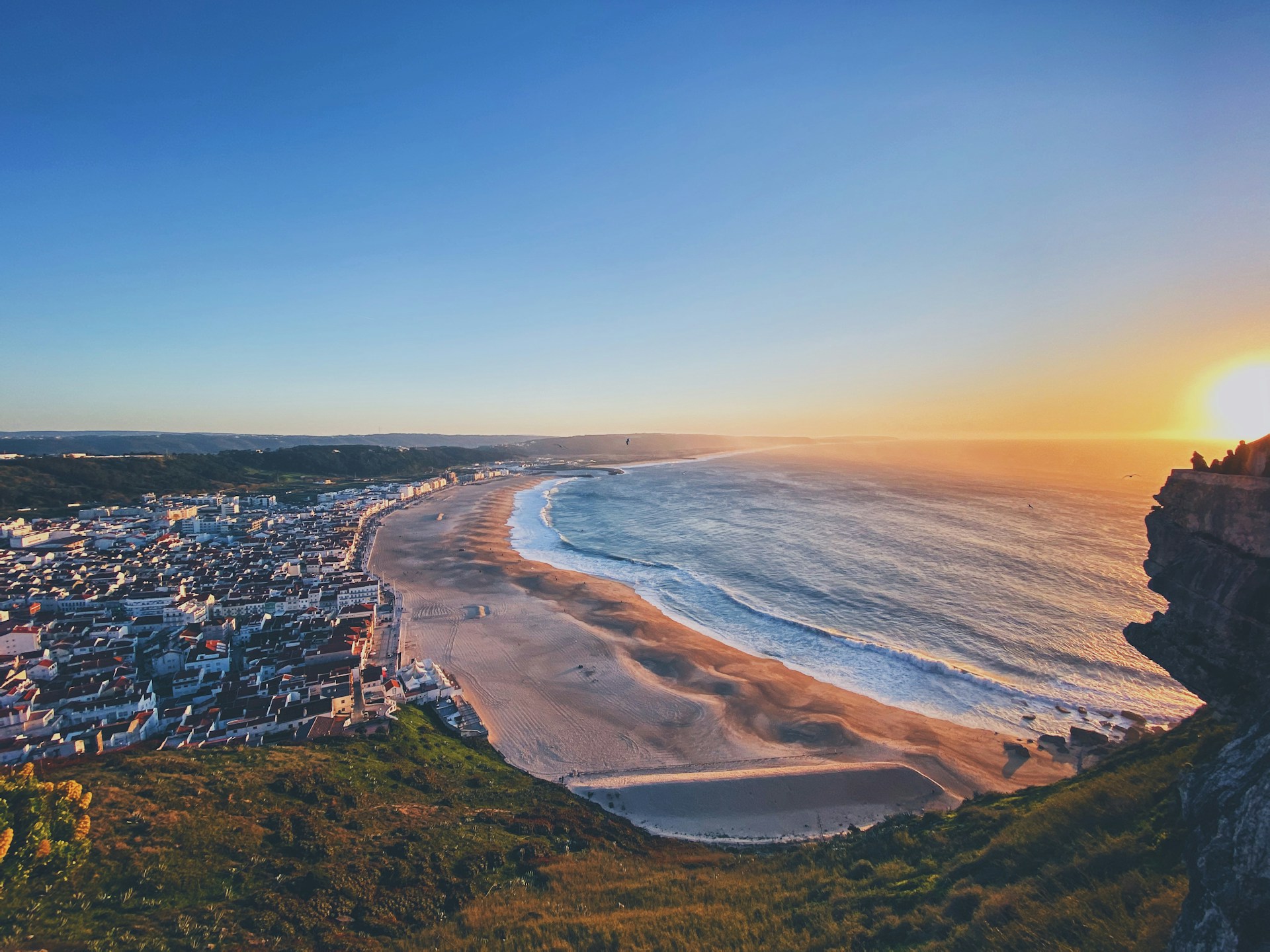
Winter (December–February) brings the biggest swells. If you’re an experienced surfer, this is your season.
Waves can hit 6–15 feet, and the water gets chilly—about 60°F—so bring a 4/3mm wetsuit.
Summer (June–August) mellows out. Waves shrink to 2–6 feet, perfect for beginners. Water warms up to 68°F, so a lighter 3/2mm wetsuit does the trick.
Spring and fall? They’re the sweet spot for most. You get solid waves, decent weather, and fewer people fighting for a set.
| Season | Wave Size | Water Temp | Wetsuit | Best For |
|---|---|---|---|---|
| Winter | 6–15 ft | 60°F | 4/3mm | Advanced |
| Summer | 2–6 ft | 68°F | 3/2mm | Beginners |
| Spring/Fall | 3–8 ft | 63°F | 3/2mm | All levels |
Types of Waves and Breaks
Portugal’s coast has three main kinds of surf breaks. Each one offers a different kind of ride, depending on what you’re looking for.
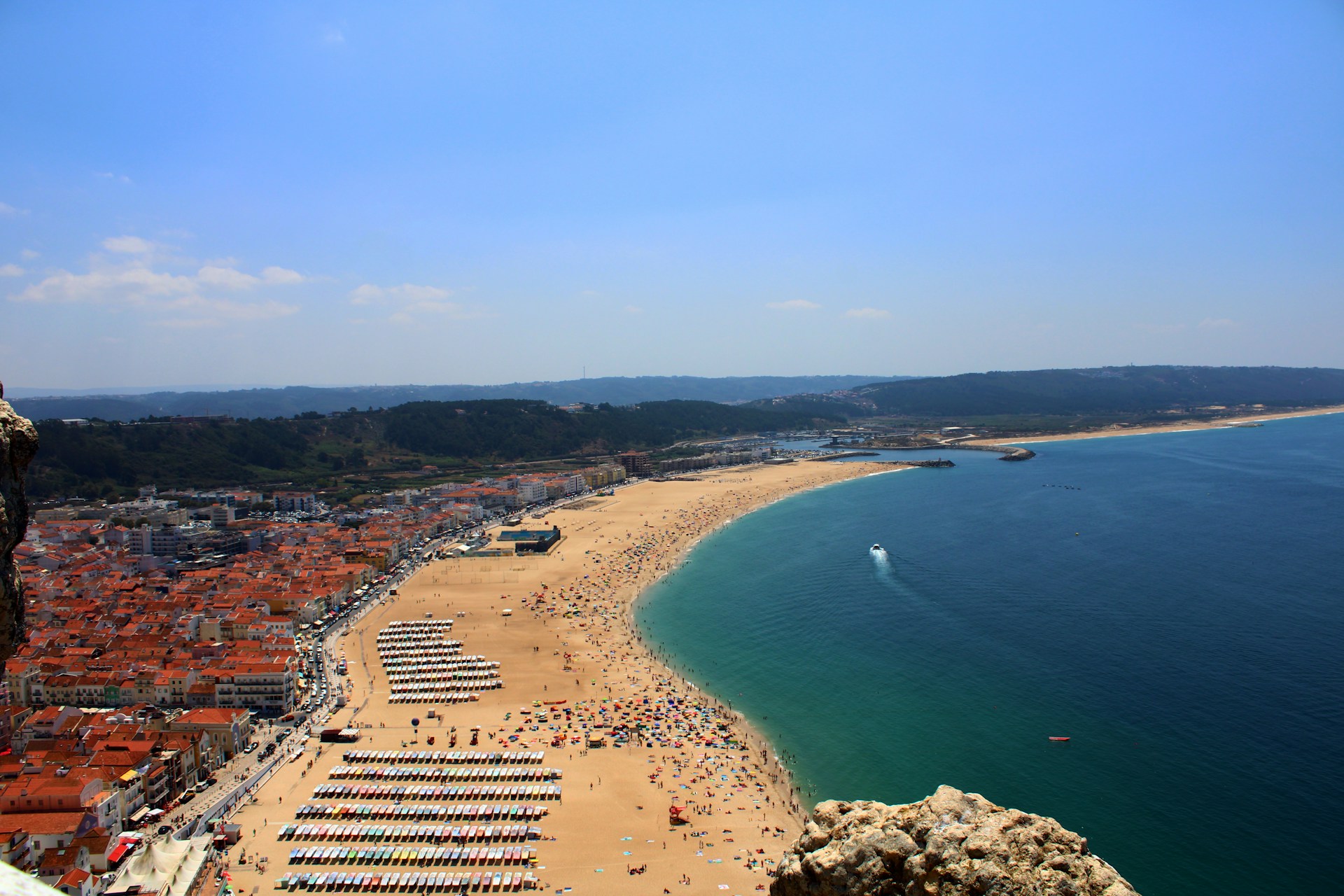
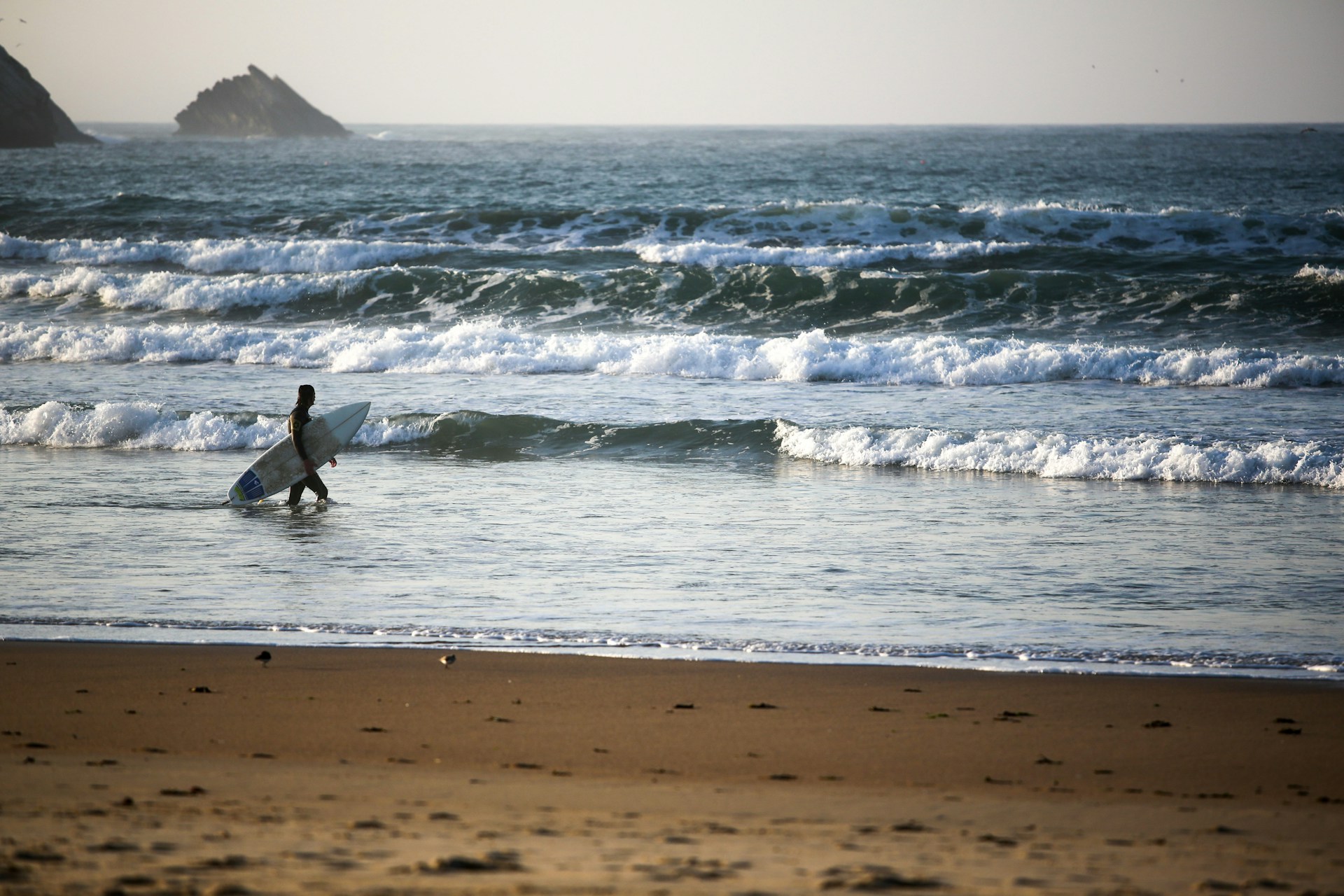
Beach breaks rule around Peniche and Ericeira. Sandy bottoms mean forgiving waves—perfect for learning and progressing.
Point breaks pop up along rocky stretches, especially near Sagres and the Algarve. These deliver longer rides and a bit more predictability.
Reef breaks lurk all over but take some local knowledge. They’re powerful, hollow, and not for the faint of heart.
If you’re after big wave action, head to Nazaré. For beginners, Cascais is a solid bet. Supertubos in Peniche? That’s Europe’s most famous beach break, no contest.
Up north, Porto’s beaches keep the waves coming year-round. Down south, Algarve spots light up in winter when Atlantic storms send energy their way.
Top Beginner-Friendly Surf Spots
Portugal’s coast is dotted with beaches that make learning to surf a breeze. Here are my top three for newbies—each one brings something special to the table.
Baleal Beach for Novices
Baleal Beach sits on a tiny island just off Peniche. A narrow sandbar links it to the mainland, which creates a natural shelter.
Waves here stay small and gentle all year. The sandy bottom means you won’t worry about rocks, which is a relief when you’re just starting out.
Why I Love Baleal for Beginners:
- Sheltered from big swells
- Soft sand everywhere
- Loads of surf schools
- Easy board rentals
Even when nearby beaches get wild, Baleal keeps things chill. It’s a reliable spot to master the basics.
Surf schools line the beach, offering lessons in several languages. Rentals are easy to find, and the vibe is relaxed.
You’ll find plenty of restaurants and places to stay within walking distance. Everything you need is right there.
Praia do Amado: Algarve’s Surf Oasis
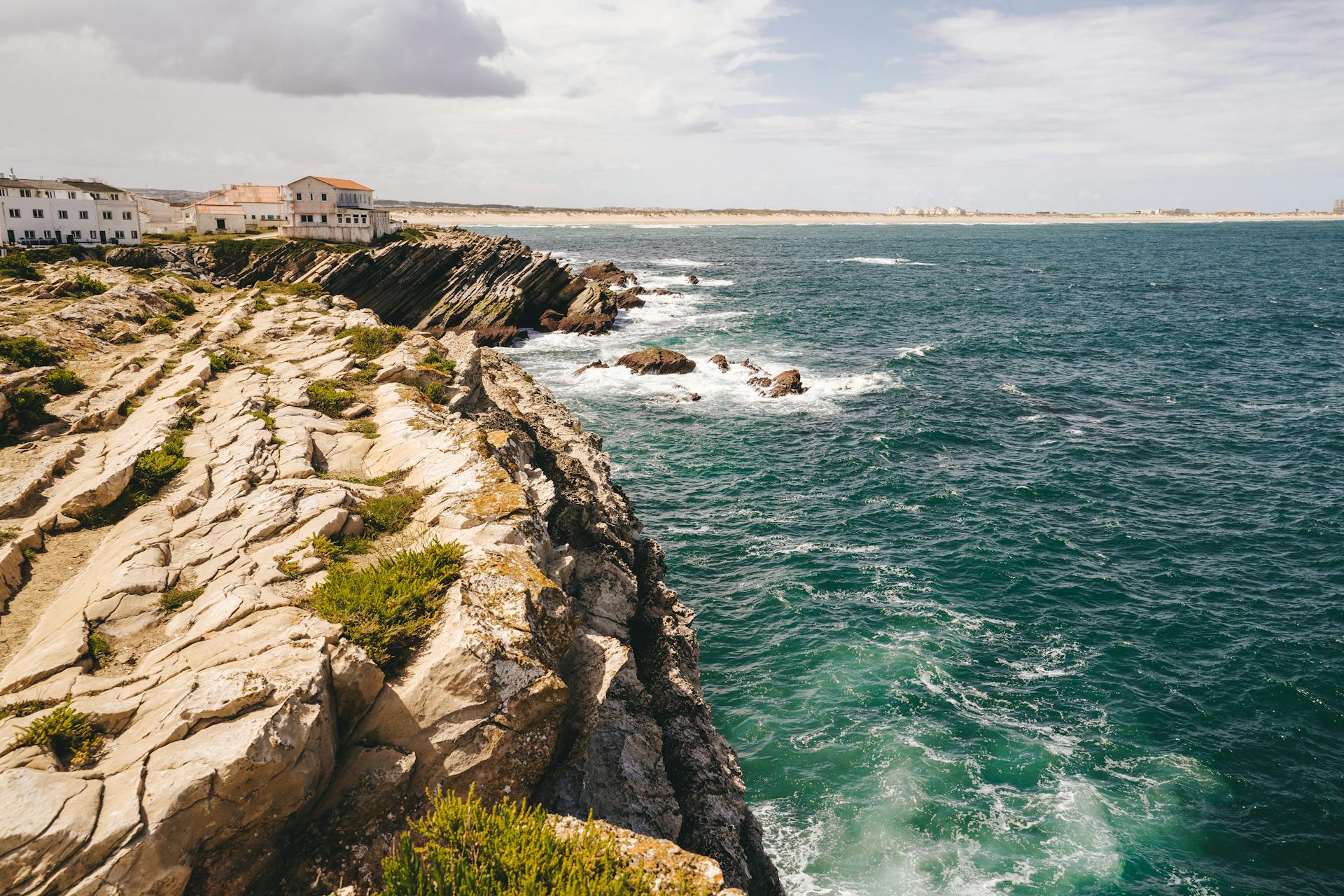
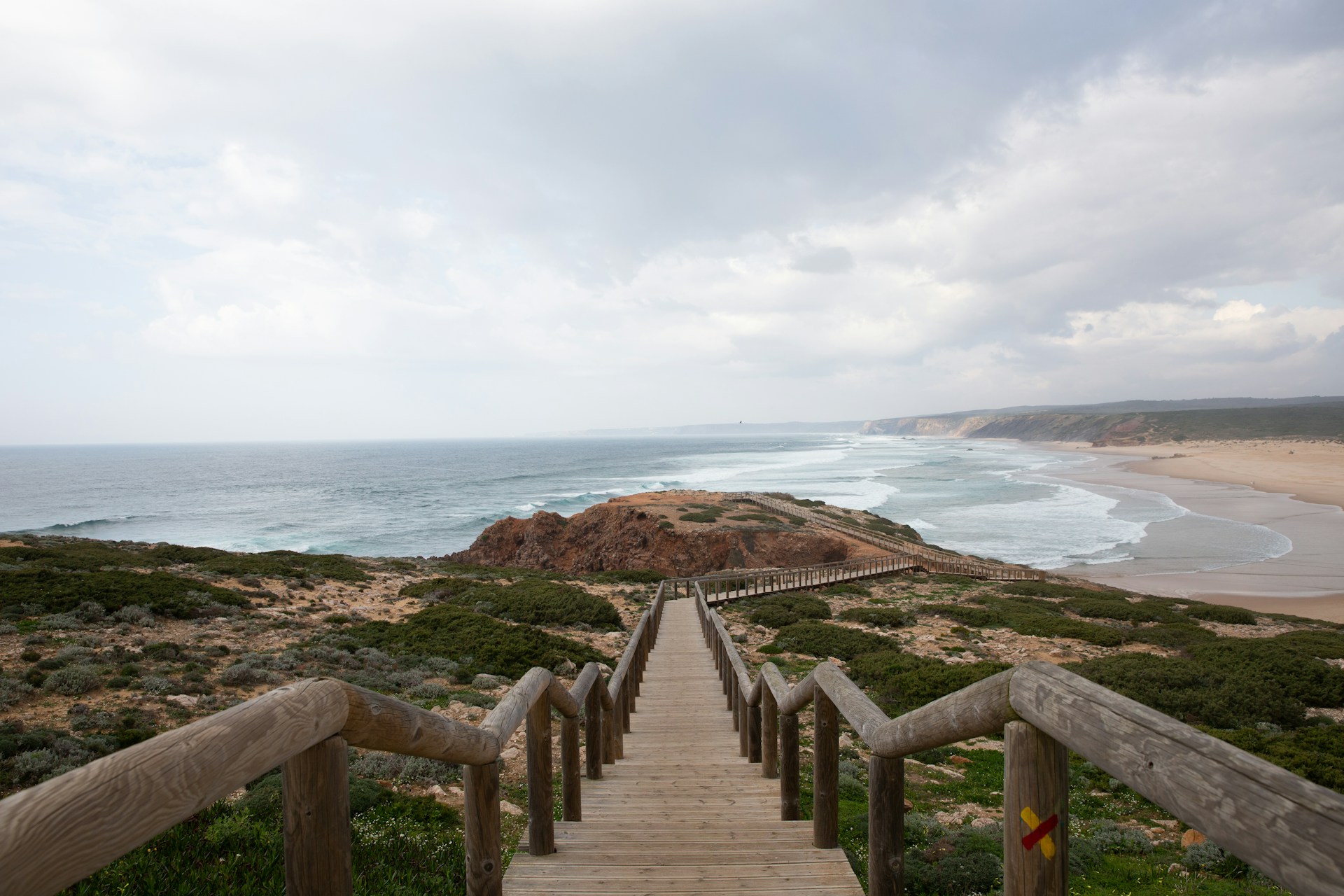
Praia do Amado hides out in Portugal’s southwest, near Carrapateira. It’s a summer favorite for learners.
Waves here usually stay in the 2–4 foot range. The west-facing beach picks up just enough swell to keep things fun, not scary.
What Makes Amado Stand Out:
- Gentle, sandy-bottomed waves
- Not too crowded
- Best from May to September
Surf schools set up right on the sand, and they’ll haul gear down for you. The cliffs mean you’ll walk a bit, but it’s worth it.
The area feels peaceful and untouched. It’s a welcome break from Portugal’s busier beaches.
You’ll need a car, since buses don’t really reach this stretch. Carrapateira is the closest town—about a 10-minute drive away.
Praia de Carcavelos: Lisbon’s Favorite Beginner Beach
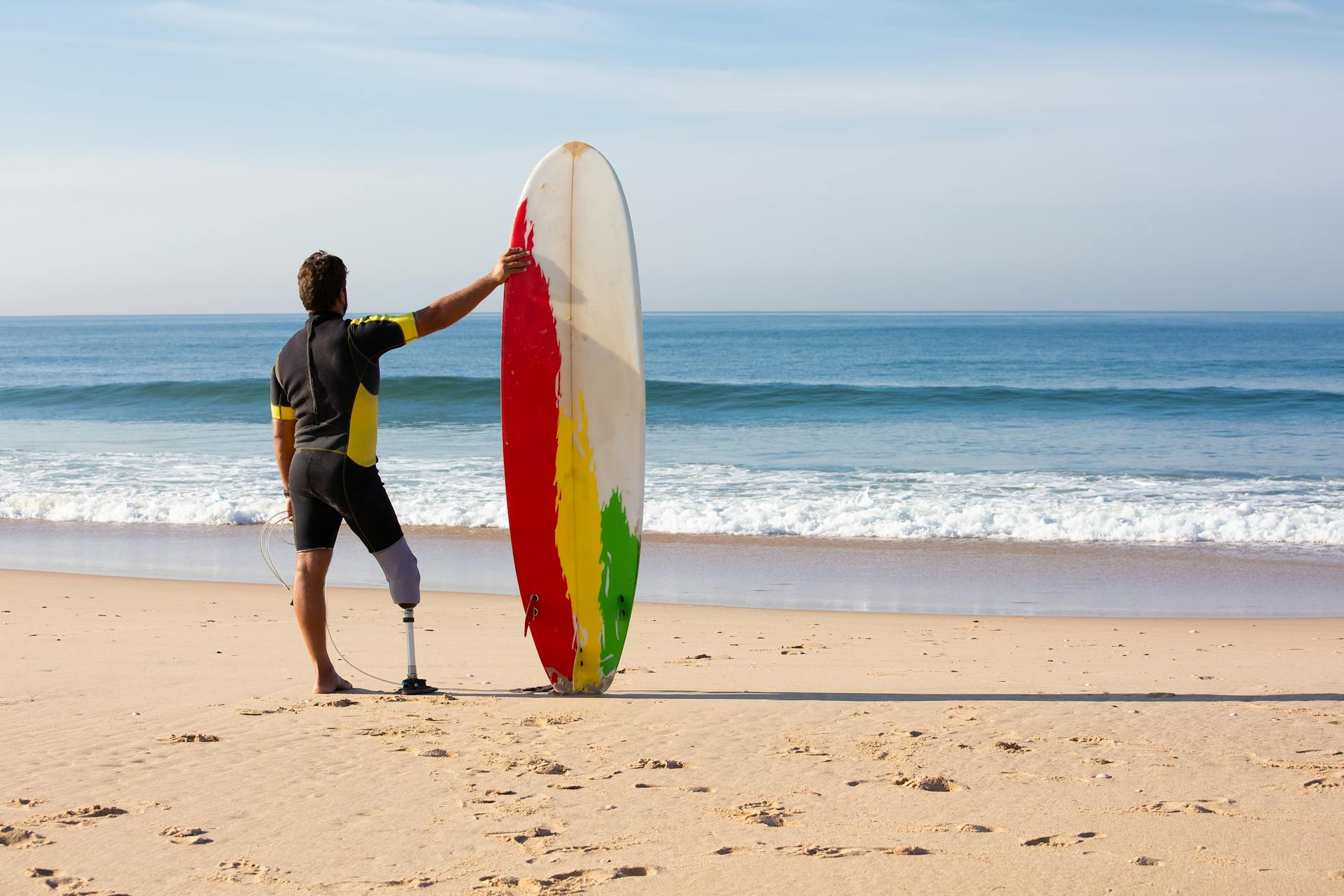
Praia de Carcavelos is the go-to spot near Lisbon. You can hop on a train and be there in half an hour, which is pretty unbeatable.
The beach runs for over a mile, so there’s room for everyone. Summer waves rarely top 4 feet, making it ideal for learning.
How to Get There:
- 25-minute train ride from Lisbon
- On-site parking
- Multiple entry points
Sandy bottoms stretch way out, so you’re not dodging rocks. That makes it safer and more fun for first-timers.
Surf schools and rental shops line the beach, and competition keeps prices fair.
Weekends can get crowded. If you can, go midweek for more space and less chaos.
Facilities are top-notch—showers, bathrooms, restaurants, you name it. It’s easy to spend the whole day here.
Intermediate to Advanced Waves Across Portugal
If you’re chasing something punchier, Portugal delivers. Peniche stands out as the epicenter for advanced surfers, with barrels and heavy waves that’ll push your limits.
Peniche’s Iconic Breaks
Peniche really is the heart of Portugal’s advanced surf scene. You’ll find world-class breaks within walking distance of each other.
The peninsula juts out, so you can always find a spot working for the day’s wind and swell. I love how you can surf different waves just by walking a few minutes.
Don’t Miss:
- Supertubos (the main attraction)
- Consolação (powerful and punchy)
- Baleal (multiple peaks for different moods)
- Molhe Leste (sheltered harbor break)
Rocky coastlines keep the waves coming year-round. Winter brings the wildest swells—sometimes double overhead. Spring and fall usually serve up cleaner, more manageable waves.
Surf shops offer gear and local advice. The town buzzes with surf culture, and locals really know their stuff.
Supertubos Beach: Barrel Heaven
Supertubos isn’t called the “Portuguese Pipeline” for nothing. When it’s firing, you’ll see some of Europe’s best barrels right here.
The wave breaks over a shallow sandbar, throwing fast, hollow lefts that can barrel for 50 meters or more. The right is shorter but still packs a punch.
Best Conditions:
- Swell: West to Northwest, 4–8 feet
- Wind: Light offshore (East)
- Tide: Mid to high tide
I’ve seen this wave handle 12-foot swells, but honestly, it gets gnarly fast. The shallow sandbar isn’t forgiving—experience is a must.
The WSL Championship Tour comes here every year. That alone says a lot about the wave’s quality.
Crowds show up when it’s good. If you want space, try dawn patrol or hit it midweek.

Praia do Cabedelo: Versatility and Challenge
Cabedelo gives you options. The jetty splits the break, so you get both lefts and rights—each with its own vibe.
The right barrels fast and hollow, perfect if you’re chasing tubes. The left is longer and a bit more forgiving.
Wave Breakdown:
- Right: Quick, technical, barreling
- Left: Longer rides, easier to manage
- Typical size: 3–10 feet
Winter storms shape the best sandbars. The jetty helps organize the swells, so waves stay clean and powerful.
Cabedelo often stays surfable even when other spots max out. That’s a lifesaver during big winter swells.
Watch out for rips near the jetty. I always check conditions and try not to paddle out alone.
Nazaré and the World of Big Wave Surfing
Nazaré used to be a sleepy fishing village. Now? It’s the world’s big wave capital, where surfers ride monsters up to 100 feet tall. The town holds multiple world records and draws the bravest to its legendary Praia do Norte break.
Praia do Norte: Home of Record-Breaking Giants
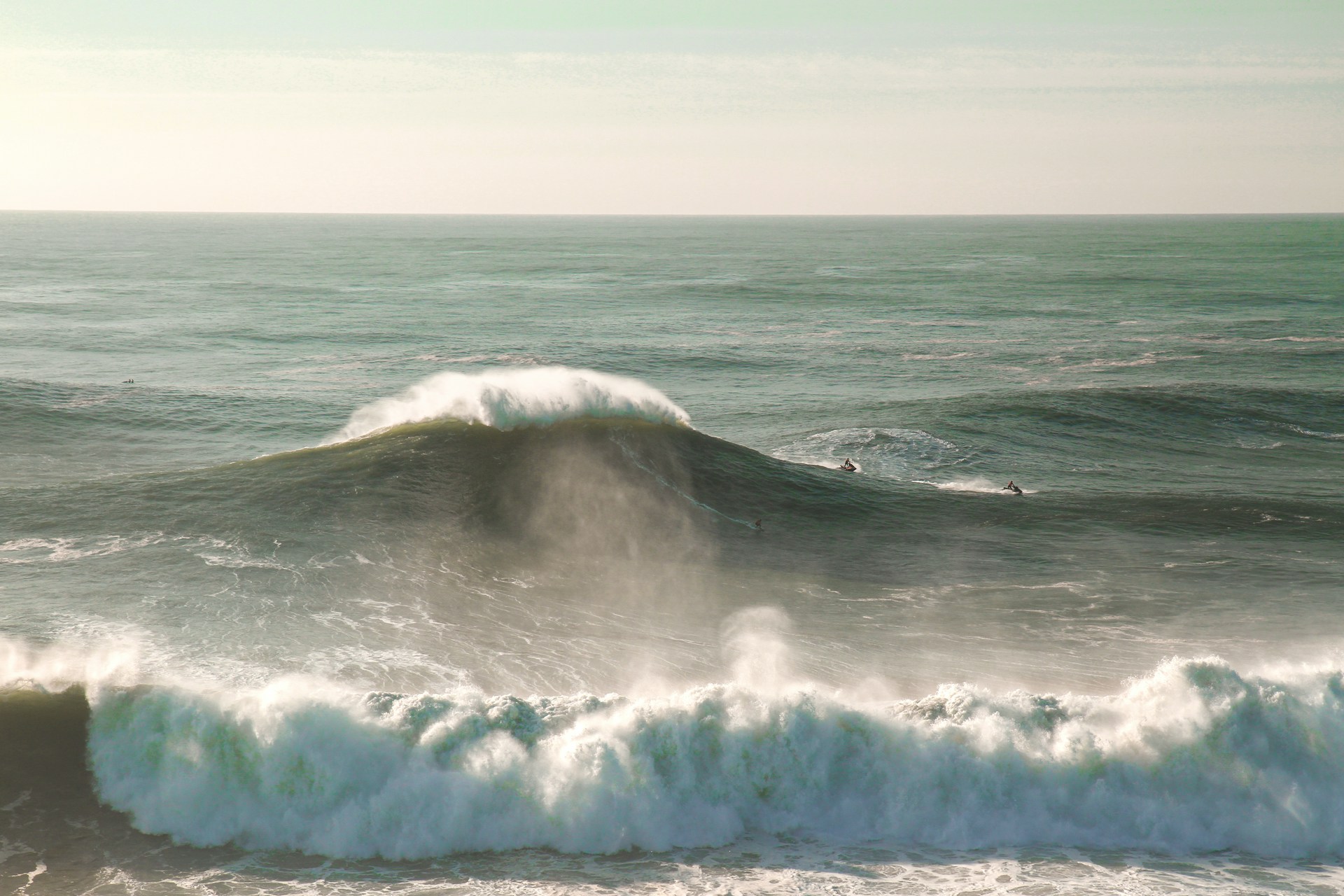
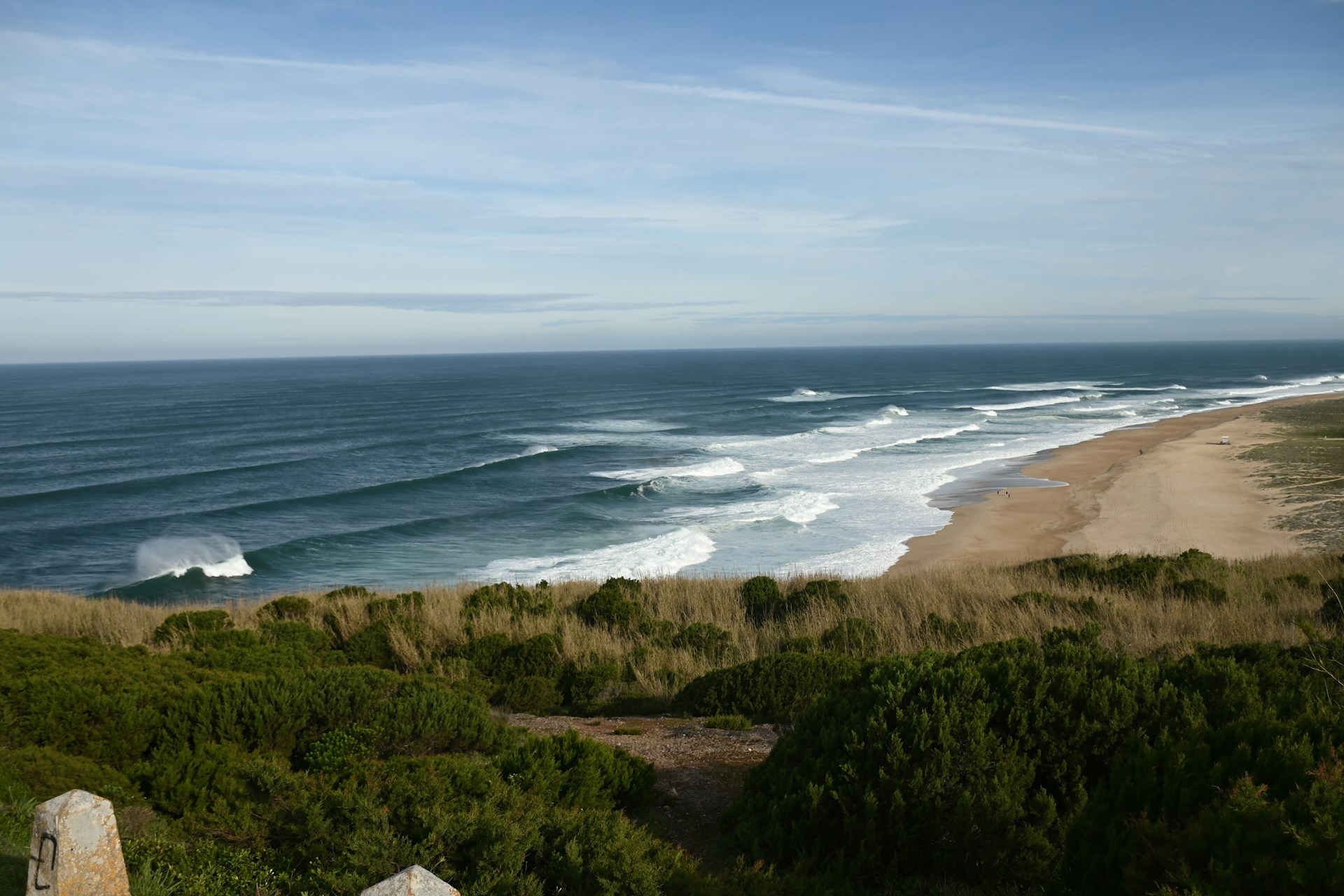
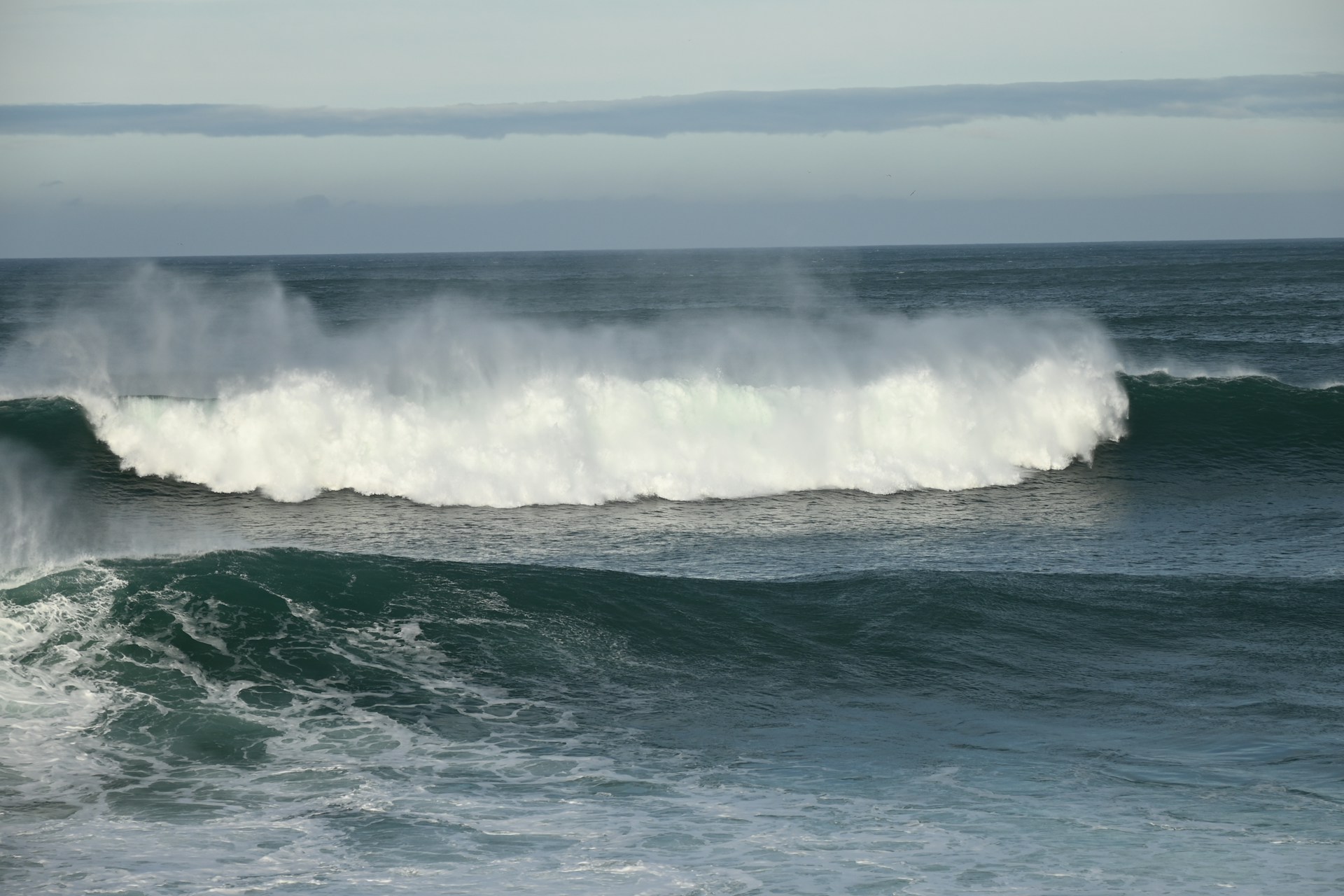
Praia do Norte is ground zero for big wave legends. In winter, waves here can reach 80 feet—sometimes over 100 feet on a wild day.
Garrett McNamara put Nazaré on the map back in 2011 when he surfed a 78-foot wave. Since then, records have fallen and the world keeps watching.
When to Watch:
- October to March
- 1–6 major swells per season
- Early mornings have the best visibility
Winter storms in the North Atlantic send massive swells straight to this coast. When everything lines up, it’s unreal.

What Makes Nazaré Unique
An underwater canyon is the secret sauce behind Nazaré’s giants. It’s a one-of-a-kind setup.
The Nazaré Canyon runs 200 kilometers long and plunges 5 kilometers deep. It funnels energy straight toward the beach, making waves explode in size.
When deep-water swells meet shallow sand, they jack up fast. The canyon turns normal waves into monsters in a matter of minutes.
Key Details:
- Canyon depth: 5km
- Length: 200km
- Only 3 miles from shore
Weather matters too. The biggest swells come from northwest storms, with the right wind and tide.
Nowhere else has this mix of deep canyon and shallow beach. It’s wild, unpredictable, and totally unique. If you love big wave surfing—or just want to watch—it’s a must-see.
Legends and Global Impact
Every winter, Nazaré draws in the world’s top big wave surfers. You see them prepping with specialized gear and tight-knit safety teams, ready to tackle the madness out there.
Tow-in surfing really rules the scene. Jet skis whip surfers into waves that are way too fast to paddle into. This method opens up the door to ride those absolutely massive walls of water.
Safety crews stay on high alert during every session. Rescue boats, medical teams, and water safety experts are always close by. Big wave surfing here? It’s risky business.
The town buzzes with thousands of spectators each season. Local hotels, restaurants, and surf shops have boomed, shifting Nazaré from a fishing village into a surf tourism hotspot.
International media outlets race to cover every major swell live. Surf photographers and videographers hustle to catch every record-breaking moment. Social media? It spreads Nazaré’s jaw-dropping waves around the globe in seconds.
Local surfers team up with international pros out in the lineup. Portuguese big wave riders have earned serious respect at their home break. Even with all the global attention, the surf community here feels close-knit.
Essential Tips for Your Portuguese Surf Adventure
The right gear, some practical safety know-how, and a few local connections can make or break your Portuguese surf trip. After countless sessions up and down Portugal’s wild Atlantic coast, I’ve picked up a few essentials.
Choosing the Right Equipment
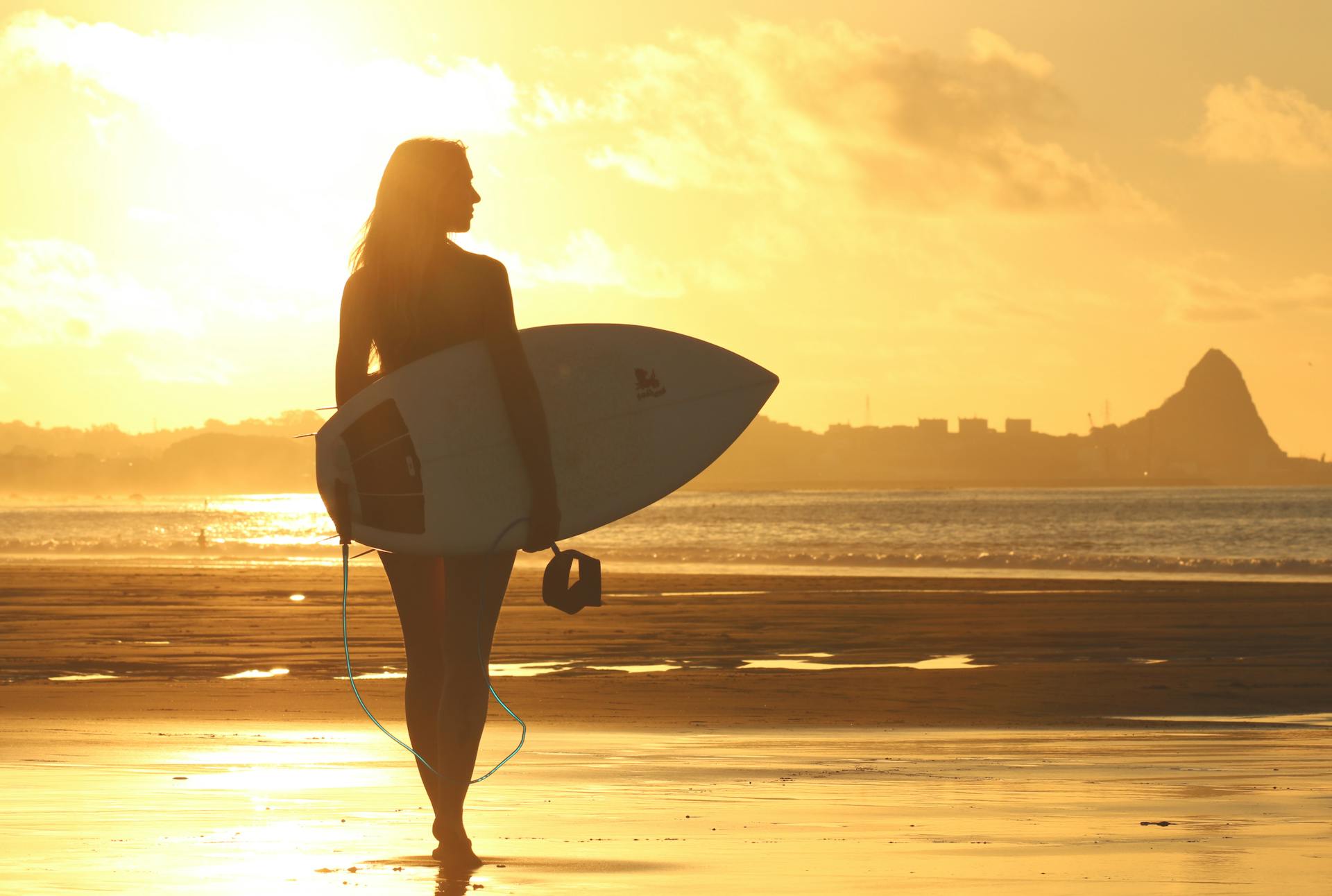
Wetsuit thickness is a game-changer in Portugal. I’ve found a 3/2mm wetsuit perfect for summer, but you’ll want a 4/3mm for winter’s chilly bite.
Atlantic water hovers around 60-65°F in summer and dips to 55-60°F in winter. Trust me, your wetsuit choice will shape every surf session.
Pick your board based on skill. If you’re new, go for longer, thicker boards with plenty of volume. I always suggest 9-10 foot longboards for first-timers at mellow spots like Ericeira.
Intermediates usually do well with 7-8 foot funboards. If you’re stepping up to bigger waves, you’ll want a shorter, high-performance board.
Don’t forget accessories:
- Booties for rocky breaks
- Surf wax made for Atlantic temps
- A leash strong enough for the swell size
- Rash guard for sun protection
Most coastal surf shops rent out solid gear. It saves space in your suitcase and lets you experiment with different boards.
Staying Safe in the Atlantic
Understand rip currents before you paddle out anywhere in Portugal. The Atlantic can create sneaky, strong currents that’ll pull you out if you’re not careful.
I like to watch the waves and water movement for at least 10 minutes before heading in. Look for those channels of water moving out between breaking waves.
Check surf forecasts every day. Sites like Surfline will tell you about wave height, period, and wind—essential info since Atlantic conditions shift fast.
Never surf alone at a new spot. During summer, popular beaches usually have lifeguards on duty.
Follow local surf etiquette. Portuguese surfers stick to classic lineup rules. Don’t snake or drop in on others’ waves.
Northern Portugal’s rocky coastlines can be rough. Wear protective gear and know where to get in and out. At low tide, hidden rocks pop up at a lot of breaks.
If there’s an emergency, dial 112 in Portugal. Coastal rescue teams respond quickly to surf accidents.
Surf Camps and Local Experiences
Surf camps make learning easy for beginners and intermediates. I’ve seen great ones near Peniche and Ericeira—they offer top-notch instruction.
Most camps bundle in a place to stay, meals, and daily surf lessons. Expect to pay €300-600 per week, depending on what’s included and where you go.
Local surf guides know the secret spots. They’ll take you to waves that never make it into guidebooks. These folks know the tides, the best times, and how to access hidden gems.
You’ll meet instructors who speak multiple languages. Many picked up English specifically to help international surfers.
Stay near surf towns like Nazaré, Peniche, or Sagres. You’ll find surf shops, board repairs, and a friendly crowd of fellow surfers.
Surf camps often shuttle you to different breaks. It’s a stress-free way to sample Portugal’s wave variety without renting a car.
Between sessions, you can dive into local culture—think traditional Portuguese food and beach barbecues. Many camps set up evening hangouts or group activities.
Frequently Asked Questions
Portugal’s surf scene sparks a lot of curiosity, especially for newcomers. I get questions all the time about learning spots, wave seasons, travel tips, and what makes Nazaré so legendary.
Praia do Baleal in Peniche is my go-to for gentle, consistent waves. The long, sandy stretch gives you plenty of room to practice without feeling crowded.
In Ericeira, Praia do Sul and Praia da Foz do Lizandro both work well. Each has surf schools and forgiving waves for newbies.
Closer to Lisbon, Praia do Guincho in Cascais is a solid pick. You can blend city exploring with surf lessons—pretty ideal.
Down south in the Algarve, Meia Praia in Lagos offers warmer water and smaller waves. The gradual slope makes it easy to get in and out.
If you want monster waves, aim for winter—October through March. December and January usually bring the biggest, wildest swells.
Atlantic storms power up these giants, and the Nazaré Canyon cranks them even higher. That’s how you get those record-shattering waves.
During peak winter storms, waves can soar to 60 or even 80 feet. Pro big wave surfers plan their trips around these forecasted swells.
The upper town is charming—full of classic Portuguese buildings and bustling local markets. Hop on the funicular for epic ocean views from the cliffs.
You’ll spot fishermen using those colorful “arte xávega” boats, keeping old-school beach fishing alive. Watching them work is a cool window into Nazaré’s maritime roots.
For wave-watching, the lighthouse at Forte de São Miguel Arcanjo is unbeatable. It’s where crowds gather when the surf goes off.
The easiest way is to catch a bus from Lisbon’s Sete Rios station. It takes about two hours and the buses run several times a day.
If you want more freedom, rent a car. The drive from Lisbon is about 1.5 hours on the A8 highway.
Some folks add stops in Óbidos or other coastal towns. It turns the trip into a bigger Portuguese adventure.
Seafront restaurants near the fishing boats serve up the freshest seafood in town. You’ll find classic Portuguese dishes, all made with the daily catch.
Caldeirada, a hearty fish stew, is Nazaré’s signature. Many family-run spots have been perfecting it for generations.
Head up to the old town for cozy taverns with grilled sardines and local specialties. These smaller joints often feel more personal and relaxed—perfect after a day in the waves.
Nazaré sits right at the top of the list for big wave surfing spots. Thanks to that wild underwater canyon, the waves here get absolutely massive—some of the biggest you’ll ever see.
Honestly, only seasoned big wave surfers should even think about paddling out. The waves pack a punch, and the rocky coastline doesn’t forgive mistakes. You’ll need sharp skills and solid safety gear.
You’ll spot pro surfers from all corners of the globe chasing these monster waves. Nazaré’s even claimed a few world records for the largest waves ever surfed.
