
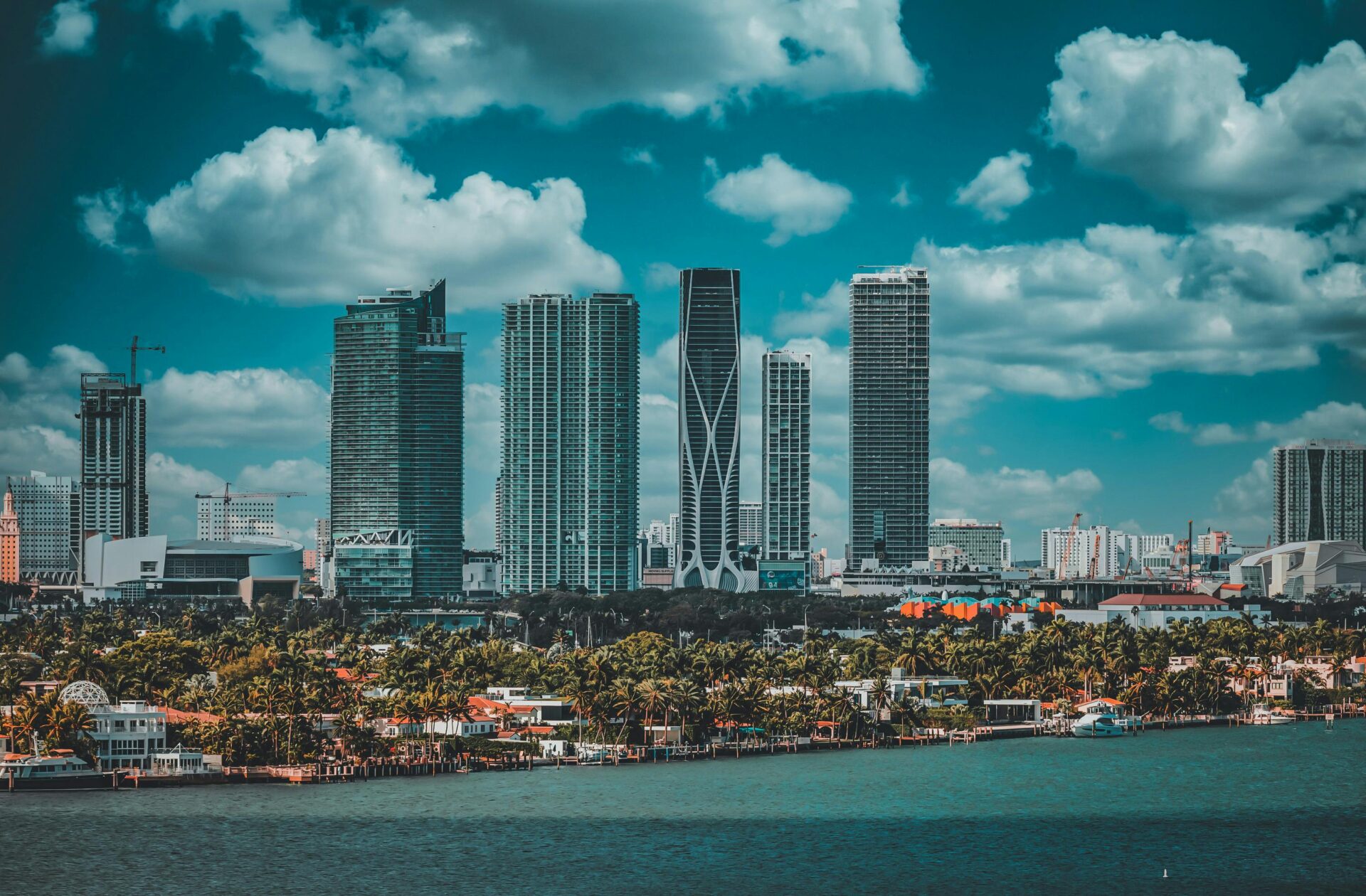
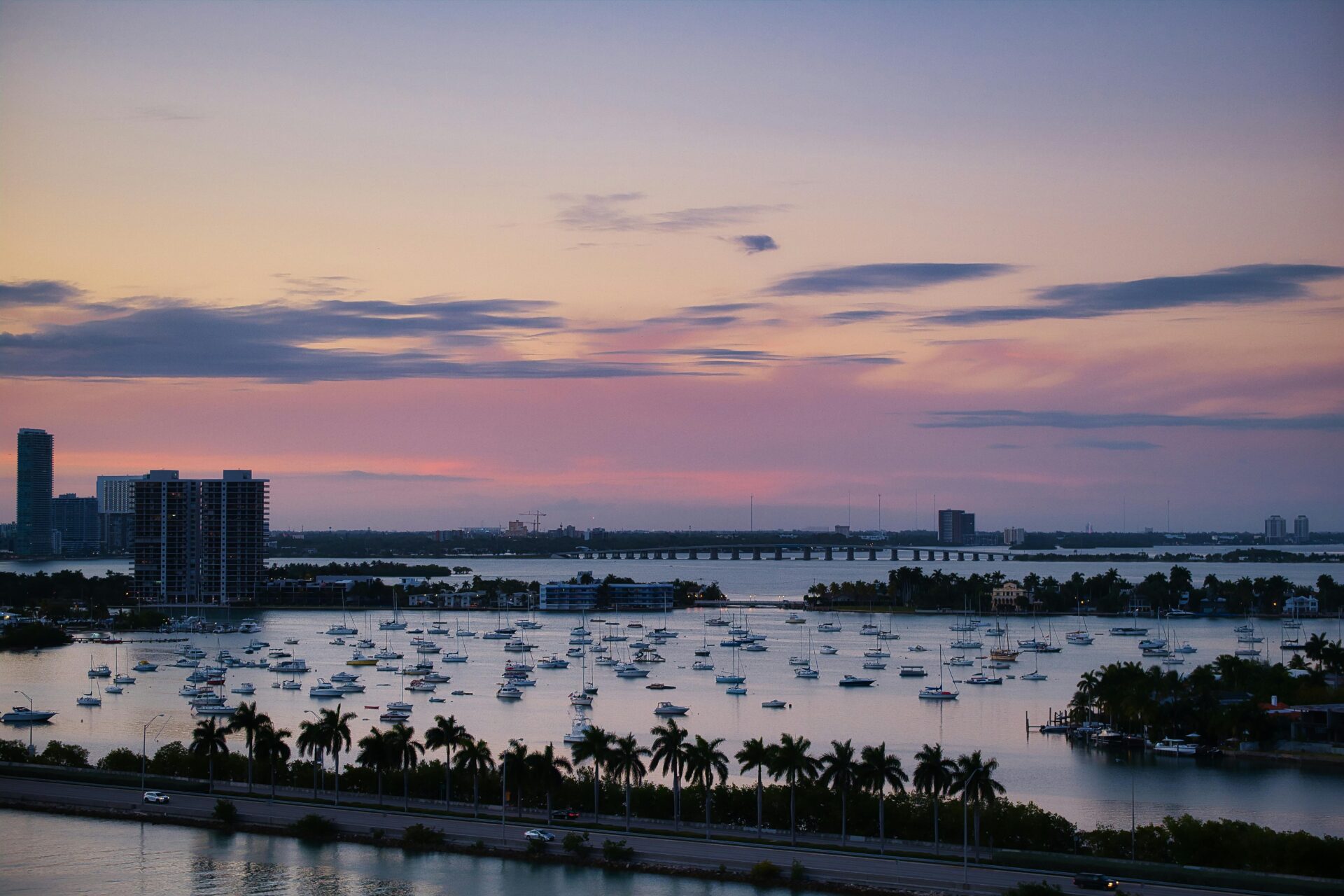
Swimming in Biscayne Bay feels like slipping out of the city and into a hidden slice of paradise. The bright Miami skyline sits just a short drive away, but the turquoise water tells a different story.
Even though Biscayne Bay is surrounded by city life, swimming here is peaceful, beautiful, and full of marine surprises.
I’ve tried swimming in all sorts of places, but Biscayne Bay really stands out with its clear water, gentle waves, and killer views. Dolphins, sea turtles, and even manatees sometimes show up, turning an ordinary swim into something memorable.
The water feels so clean and inviting that I forget I’m anywhere near busy city streets.
Not many places let you relax, explore, and soak up nature so close to all the action. Every swim brings something different, and honestly, I never get tired of it.
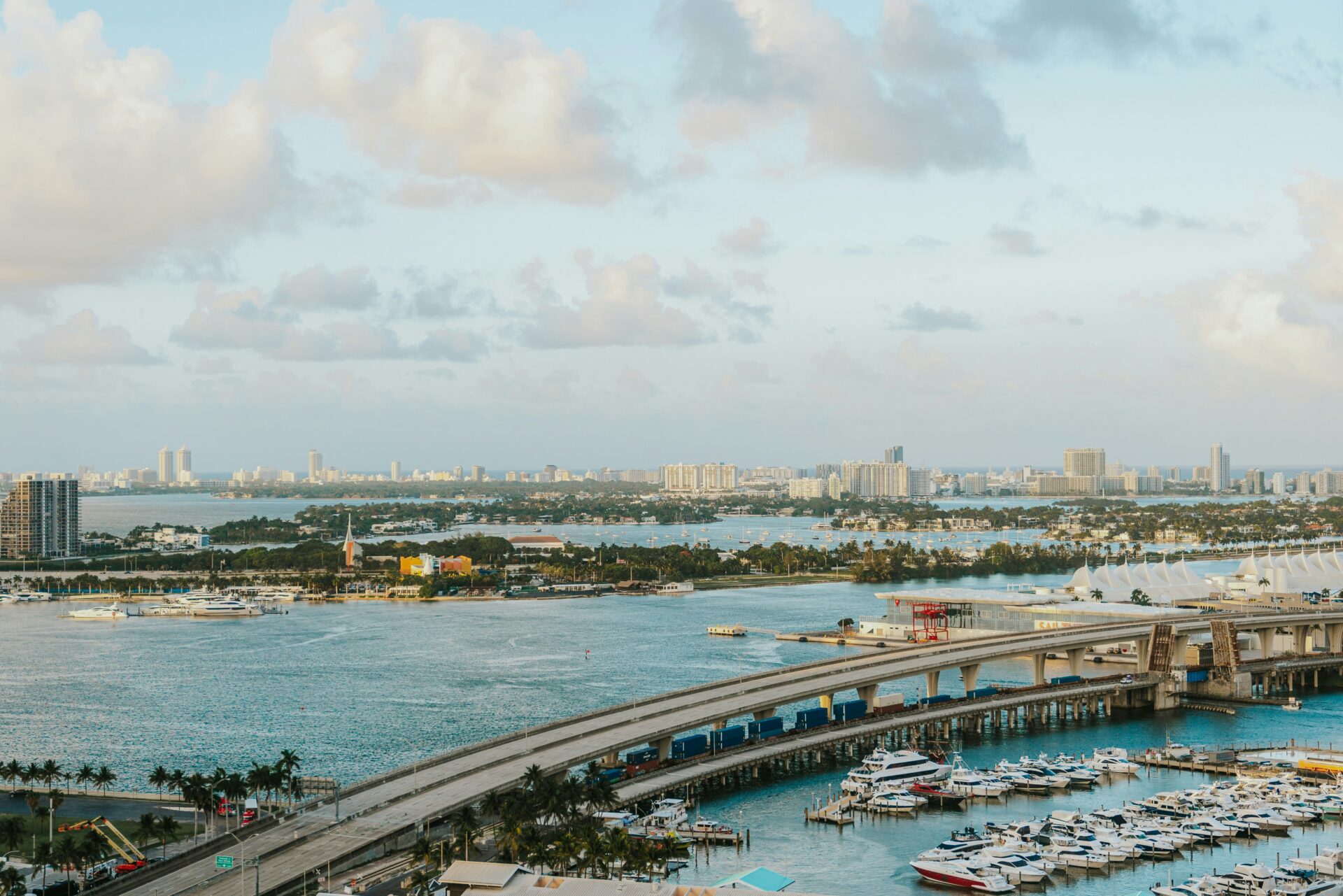
Why Biscayne Bay Is a Swimmer’s Urban Paradise
For anyone craving a swim near the city, Biscayne Bay has a special pull. Its geography, clean water, and lively marine world make it both exciting and soothing.
The Unique Geography of Biscayne Bay
Biscayne Bay stretches along South Florida’s Atlantic coast, with Miami on one side and barrier islands on the other. I love how the bay sits between city buzz and natural escapes.
It covers about 428 square miles, so there’s plenty of room to swim or try other water activities.
Most of the bay falls inside Biscayne National Park. The park protects mangrove forests, shallow bay waters, little islands called “keys,” and a big stretch of the world’s third-largest coral reef system.
These natural buffers keep the water calm and safe, even when the ocean outside gets wild.
What’s wild is seeing urban skylines and untouched wilderness in a single view. I haven’t found anywhere else in Miami where water and city life blend so effortlessly.
Pristine Water Clarity and Conditions
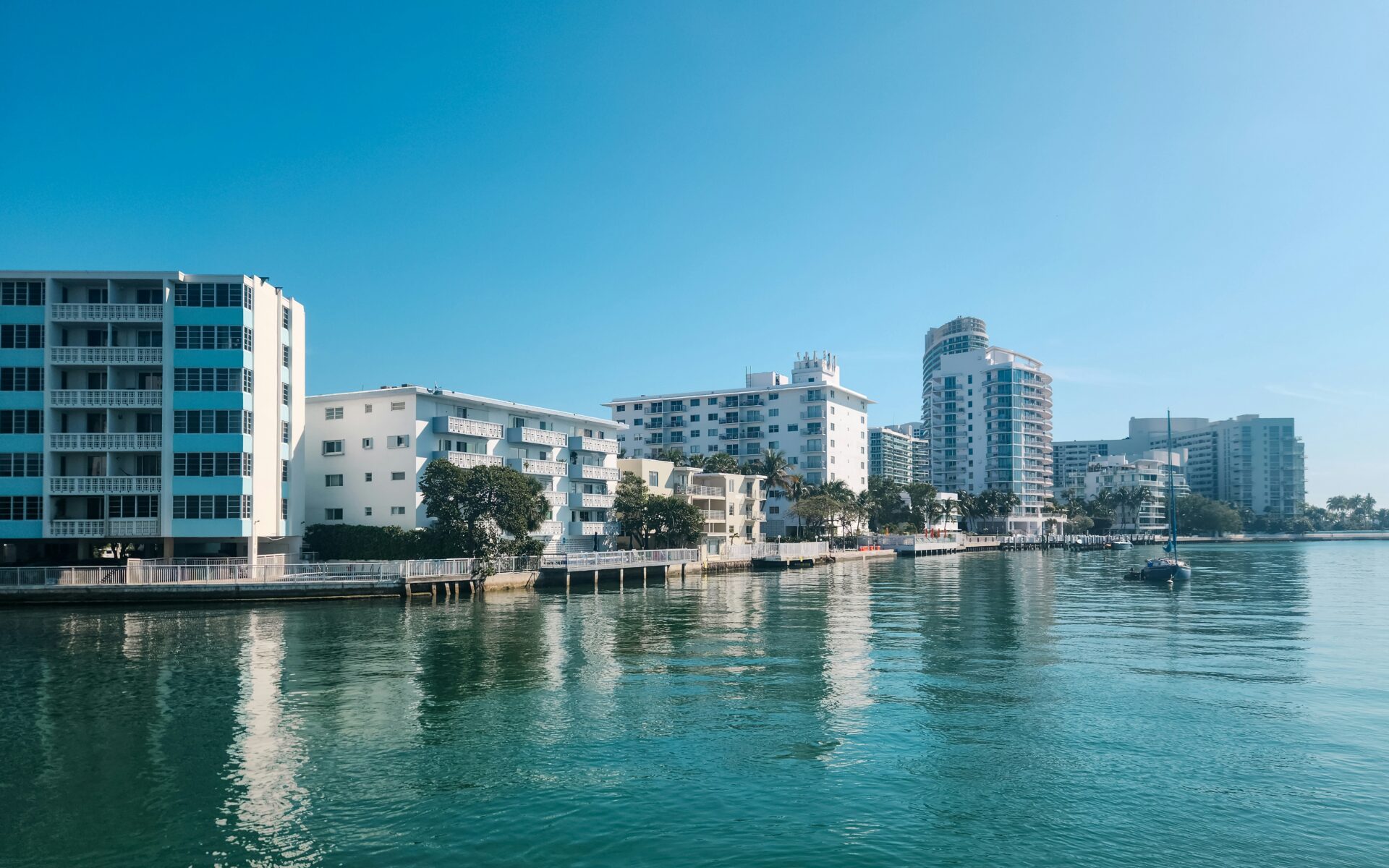
The bay’s calm, shallow waters are usually crystal clear, especially compared to other city-adjacent spots. Lots of the bay is protected, so there’s less pollution and boat traffic. That means cleaner, safer swimming.
I can often look down and see my feet, even in waist-deep water.
The water stays warm most of the year, so swimming’s comfortable almost any time. Mangroves and seagrass beds naturally filter the water, keeping it clearer than most urban bays.
Designated swimming areas, especially near beaches and inside Biscayne National Park, offer gentle currents and limited boat activity. I like knowing I can swim safely just minutes from downtown.
Abundance of Marine Life
Every swim here feels like a mini nature show. Dolphins, manatees, sea turtles, and all sorts of fish call Biscayne Bay home.
Coral reefs and seagrass beds attract everything from neon fish to gentle rays. Sometimes I’ll spot a school of mullet or a sea turtle gliding past.
The mangrove forests shelter young marine animals, giving them a safe place to grow before heading out to the Atlantic.
Local, state, and national protections help keep wildlife thriving, so it’s common to see wild creatures up close. That’s rare for city waters, and honestly, it’s what keeps me coming back.
Biscayne National Park: A Waterfront Adventure
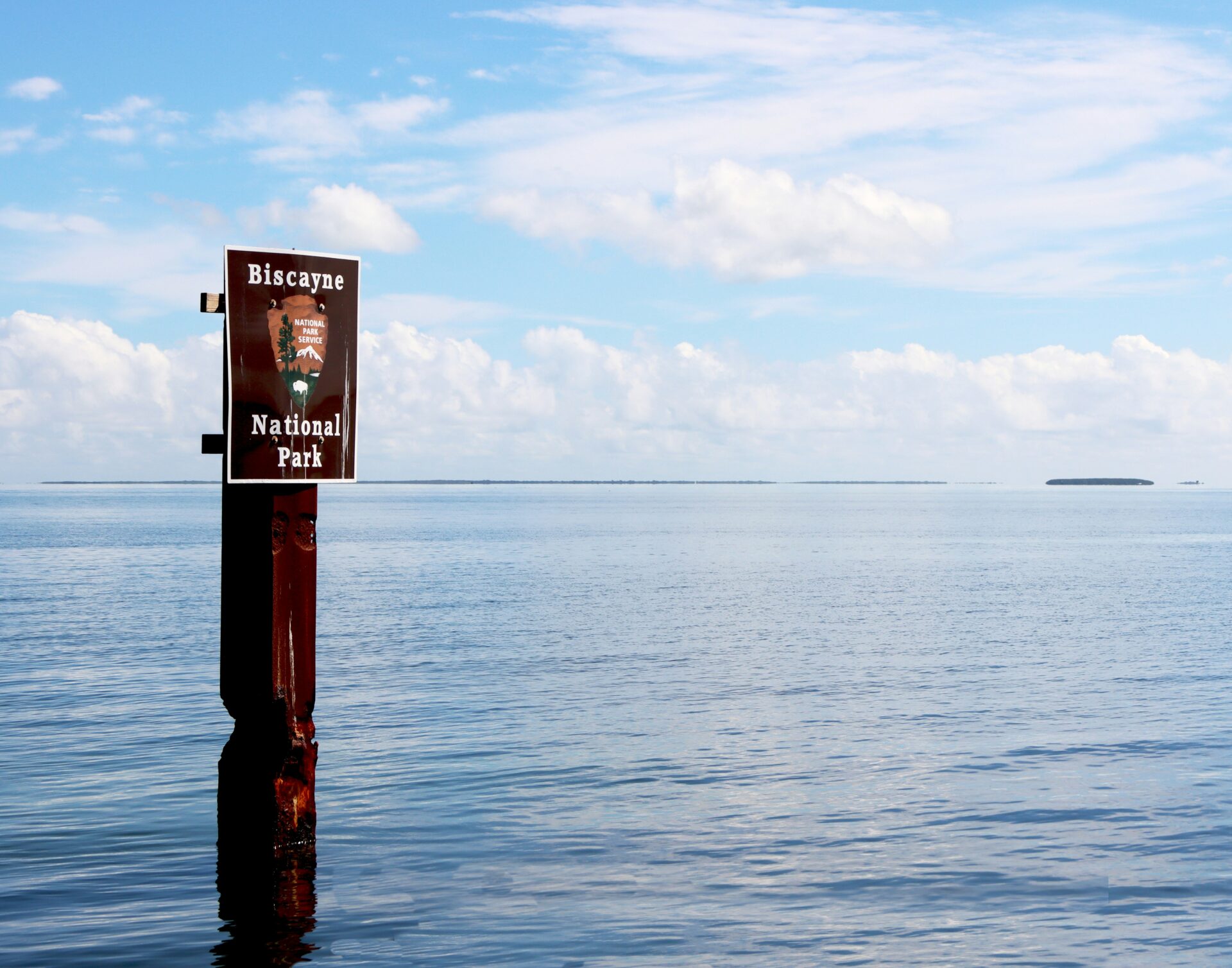
Biscayne National Park is this wild mix of glassy water, coral reefs, and subtropical islands just south of city life. With most of the park underwater, it feels like a peaceful escape where I can really connect with nature.
Overview of Biscayne National Park
Biscayne isn’t like most national parks I’ve visited. It covers 172,971 acres, and about 95% of it lies beneath the blue surface of Biscayne Bay.
Coral reefs, mangrove forests, and islands known as keys make up the landscape.
The National Park Service manages the park, highlighting spots like Elliott Key, Boca Chita Key, and the rare coral reef tract. People come here to snorkel, dive, paddle, and fish.
It’s also part of the only living barrier coral reef in the continental U.S.
The park protects delicate wildlife—fish, manatees, dolphins, turtles, and wading birds. Historic shipwrecks and the Maritime Heritage Trail add a sense of discovery for anyone curious about the past.
Access Points and Visitor Experience
Convoy Point is the best place to kick off a trip, with the Dante Fascell Visitor Center right there near Homestead, Florida. It’s about a 45-minute drive from Miami.
Here, I can grab maps, chat with rangers, and plan my day.
Most park features are offshore, so no roads lead directly to them. Boats, kayaks, or guided tours are the way to reach islands like Elliott Key and Boca Chita Key.
Most visitors, myself included, join tours or rent boats from Convoy Point.
Camping is allowed on Elliott and Boca Chita Keys, but you’ll need a tent and a way to get there by boat. There aren’t any food stands, so I always pack everything I need.
Campgrounds have restrooms and basic picnic areas, with awesome bay views.
A few helpful tips:
- Pack plenty of water and sun protection
- Don’t forget insect repellent, especially in summer
- Cell phone service can be spotty on the islands
The Role of Biscayne National Park Institute
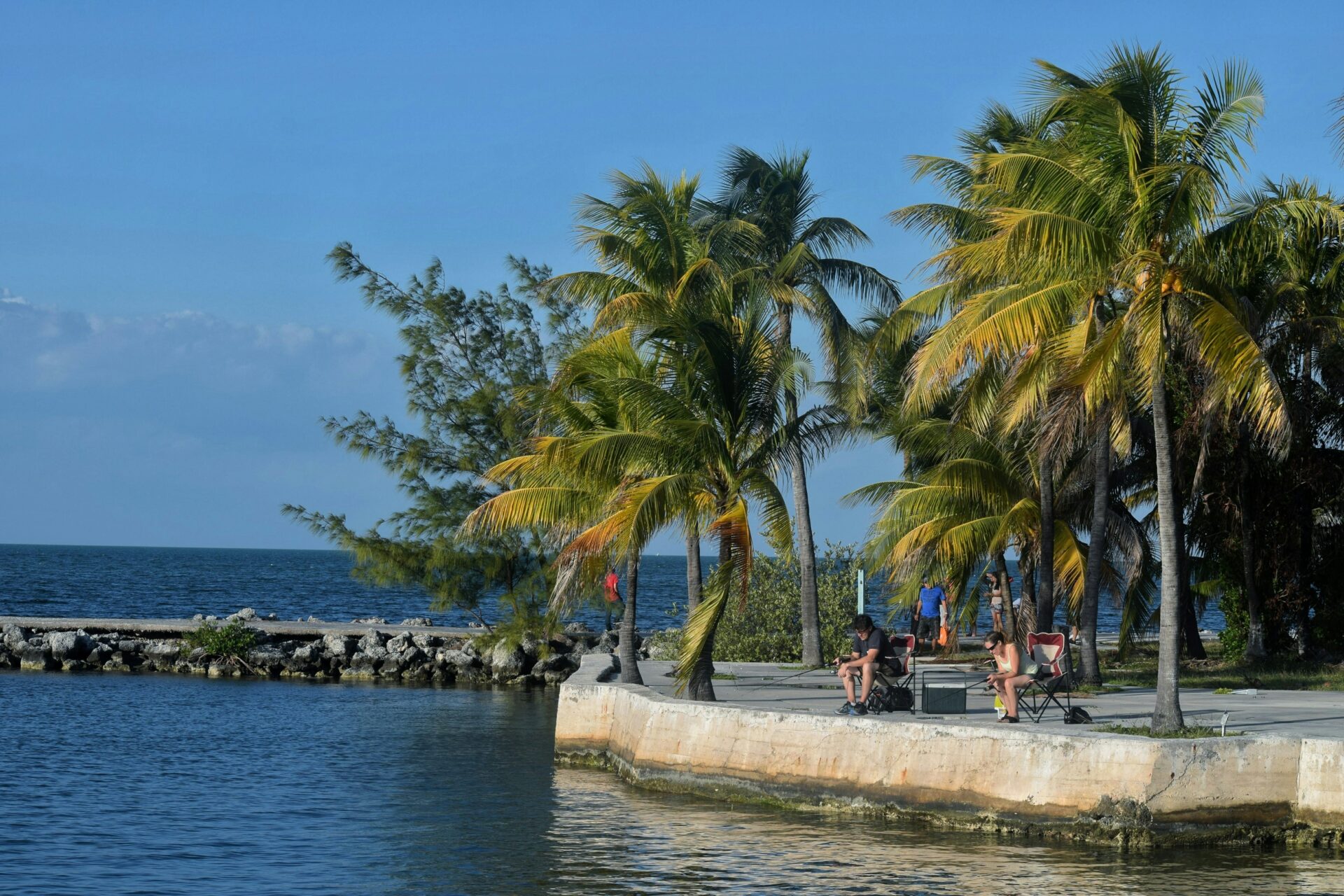
When I want to go deeper, I turn to the Biscayne National Park Institute. This nonprofit runs tours and programs that make it easier to explore responsibly.
Their trips cover snorkeling, paddling, wildlife watching, and guided hikes.
The staff are friendly and knowledgeable, always ready to share safety tips and cool facts about the park. They even offer glass-bottom boat tours for those who’d rather stay dry, and snorkeling trips for up-close reef and shipwreck views.
Booking ahead on their website is smart, especially in the busy dry season (November to May). By joining their tours, I get to support education and conservation efforts.
All tours start at the Dante Fascell Visitor Center, which makes planning simple.
Top Swimming Spots and Islands
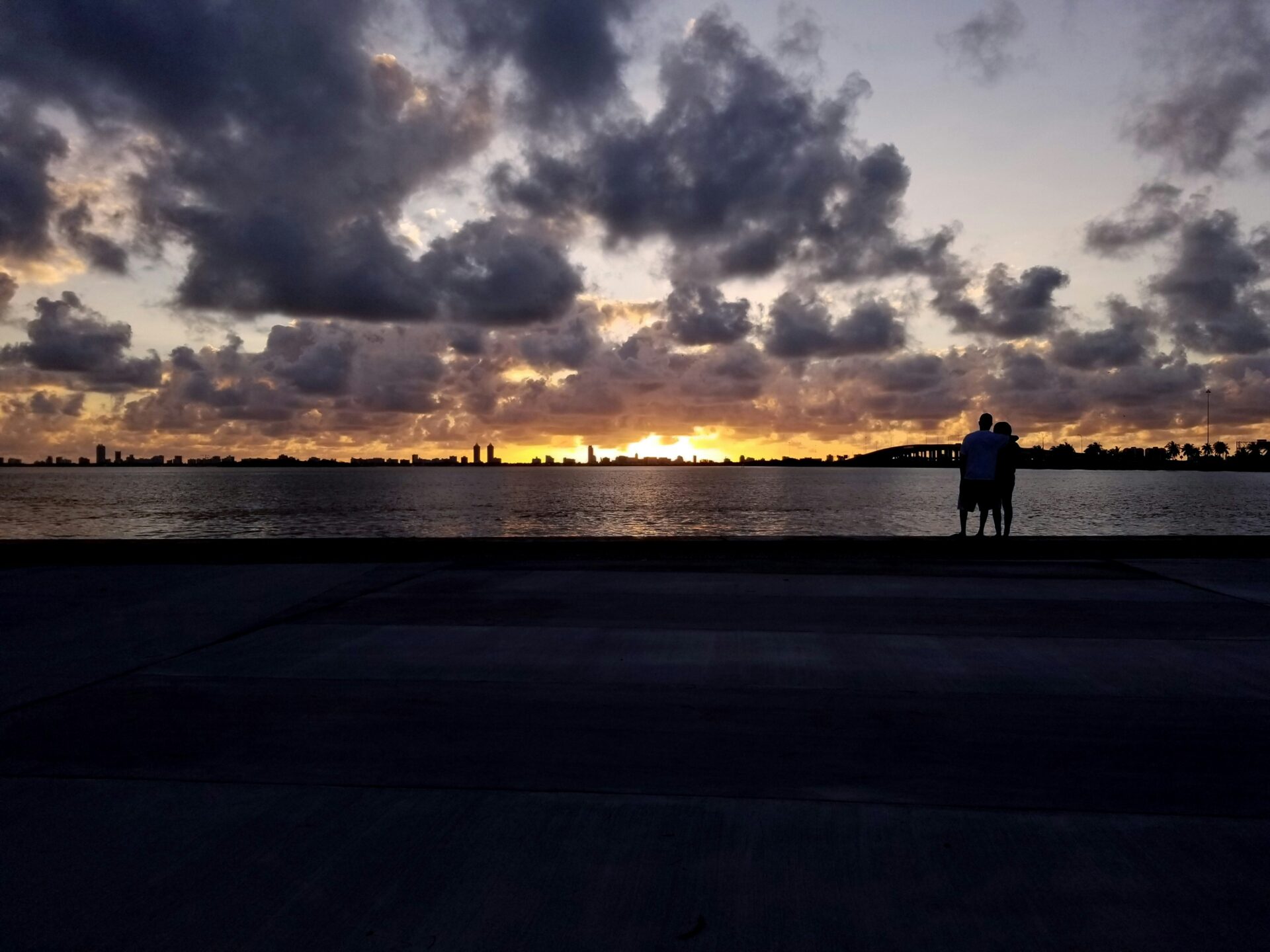
Biscayne Bay is packed with spots where you can dive into clean, warm water and sandy shores. Each place has its own vibe—quiet beaches, stunning scenery, or easy shoreline access.
Elliott Key: Popular Beaches and Recreation
Elliott Key is the largest island in the park, and most people get there by boat. That keeps the beaches uncrowded and calm.
The Atlantic side has especially clear water, and there’s a designated swimming area near the main harbor for safe, easy access.
Facilities include picnic tables, restrooms, and simple campsites. I like spending the whole day here—swimming, fishing, snorkeling, or even camping overnight.
The shallow, sandy areas are great for kids or anyone who just wants to wade in.
Wildlife is everywhere—sometimes I spot fish, crabs, or dolphins in the distance. The peace and natural views make Elliott Key a favorite.

Boca Chita Key: Scenic Swimming and Historic Lighthouse
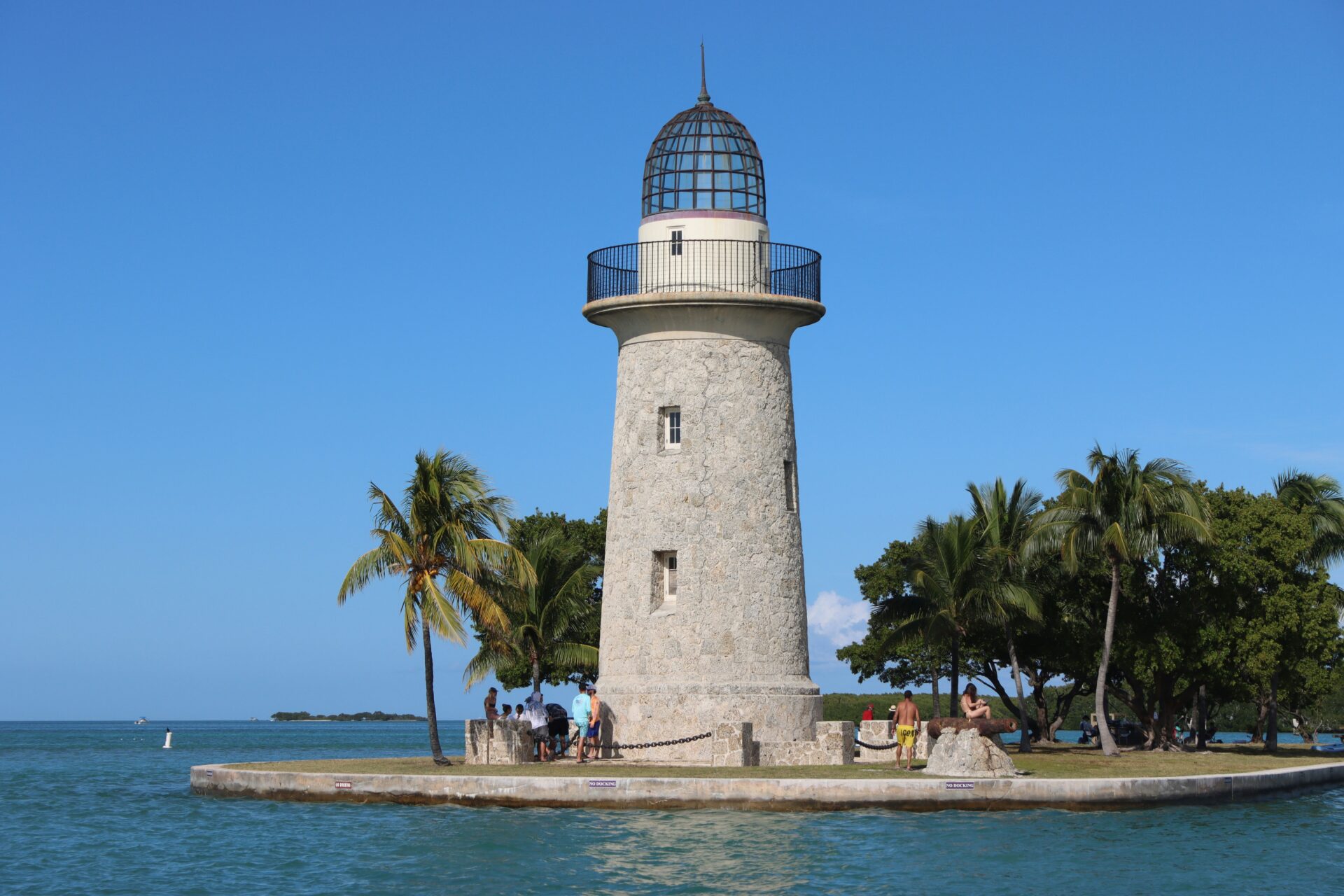
Boca Chita Key is famous for its scenic beauty and historic lighthouse. This little island draws a weekend crowd and is only accessible by boat.
The swimming area sits right by the boat harbor, with calm, shallow water perfect for a quick dip or a longer float. The view is unbeatable—clear blue water, palm trees, and the 65-foot lighthouse.
When park staff are around, the lighthouse is open for tours. Climbing up gives me a panoramic view of the bay and nearby islands.
You’ll find picnic areas and shady spots for relaxing between swims.
There aren’t any shops or restaurants, so I always bring food and water. The peaceful, photogenic setting makes every swim here feel special.
Deering Estate: Shoreline Access
The Deering Estate, just south of downtown Miami, lets you swim in the bay without needing a boat. The estate has a long stretch of natural shoreline along Biscayne Bay, with easy water access.
Swimming is allowed in certain waterfront areas during open hours. The shoreline mixes sandy and rocky spots, so water shoes are helpful.
Gentle waves and clear water make it a relaxing place to cool off, especially on hot days.
The estate is a cultural and nature preserve, so sometimes I catch guided tours or educational events nearby. Restrooms and picnic spots are available in the park.
If you want to swim close to the city, Deering Estate makes it easy and scenic. The blend of history, nature, and easy water access sets it apart.
Water Activities Beyond Swimming
Biscayne Bay isn’t just for swimming. There’s a whole world of water adventures waiting—whether you want to spot sea life, paddle through mangroves, or explore history below the surface.
Snorkeling Among Coral Reefs
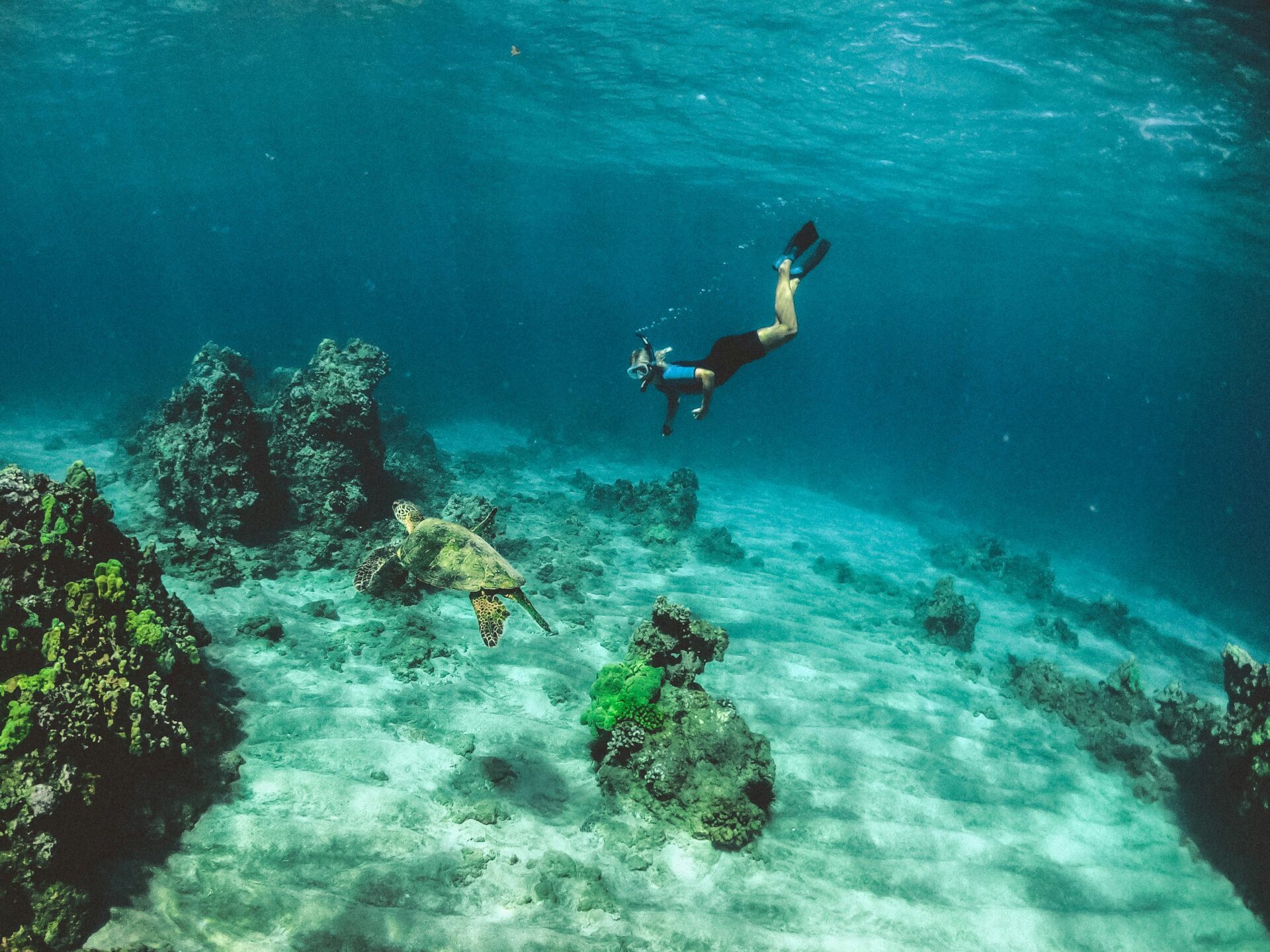
Snorkeling in Biscayne National Park’s clear water is a treat. The Florida Reef, just offshore, is the only living coral barrier reef in the continental U.S.
Bright parrotfish, angelfish, and sometimes sea turtles glide between the corals. Guided snorkeling tours usually include lessons, so even beginners can enjoy the reefs safely.
I make sure not to touch the coral—it helps protect these fragile habitats.
Shallow spots are great for seeing soft corals and sponges, while deeper areas might reveal a nurse shark resting on the sand.
What to bring for snorkeling:
| Essential Gear | Description |
|---|---|
| Snorkel Mask | Clear vision underwater |
| Fins | Easier swimming, less effort |
| Rash Guard | Protection from sun and jellyfish |
Kayaking and Paddleboarding Adventures
Kayaking and paddleboarding let you see Biscayne Bay from a whole new angle. Paddling quietly through mangroves and across calm water, I get to watch fish below and birds overhead.
Launch spots at Convoy Point and around the park’s shoreline make it easy to get started.
Local shops rent kayaks and paddleboards by the hour or day. Guided trips are available in winter—perfect for learning about the local ecosystem.
These activities offer a low-impact workout and a chance to enjoy the scenery at your own pace.

Exploring Shipwrecks on Maritime Heritage Trail
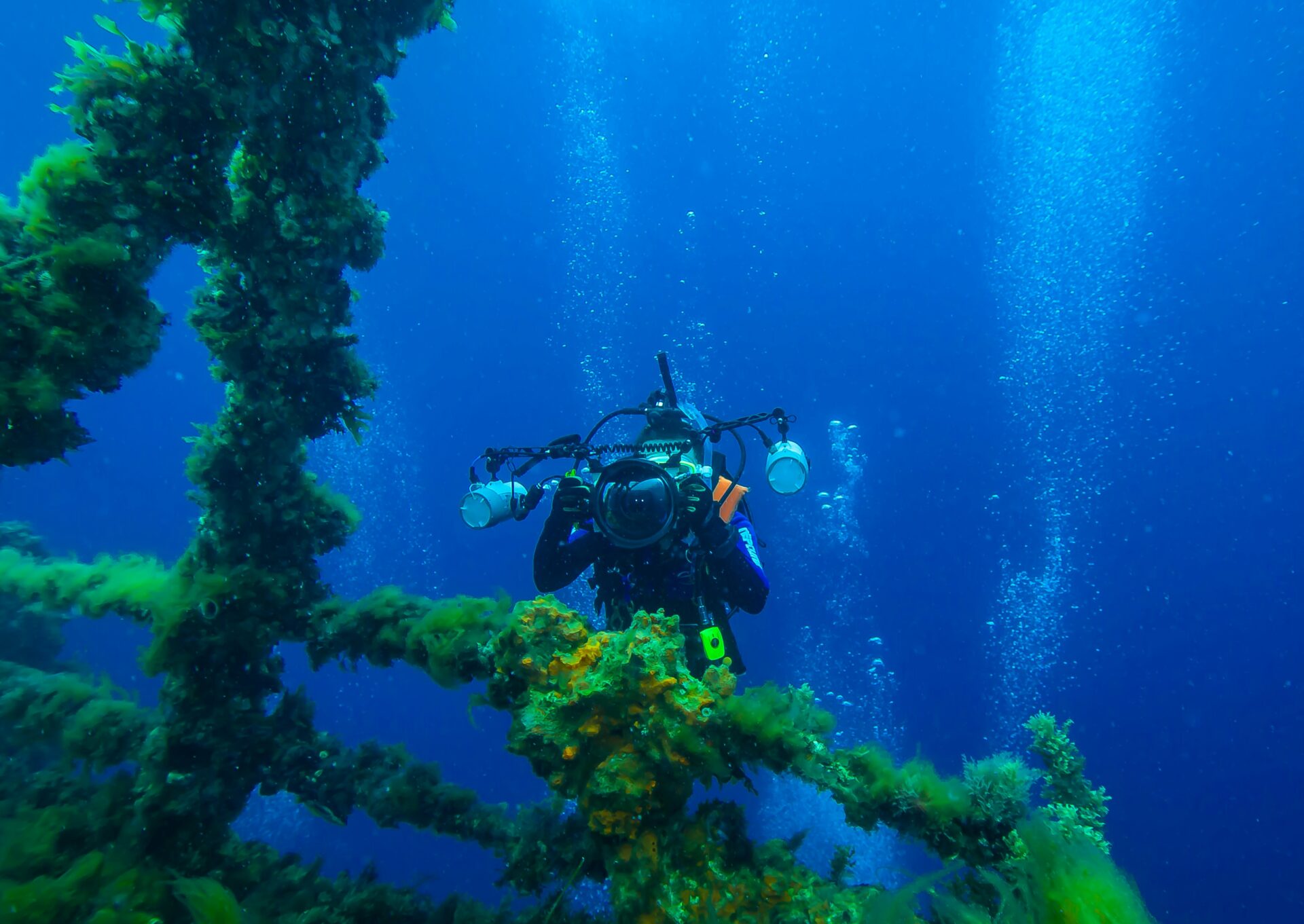
If you’re into maritime history, Biscayne National Park’s Maritime Heritage Trail is a real find. The trail features six shipwrecks scattered in shallow, protected waters.
Some date back more than a century and can be explored by snorkeling or scuba diving.
Maps and buoys help you locate the sites safely. The park provides info about each wreck’s story, making the adventure both fun and educational.
Snorkelers often spot schools of fish and the occasional sea turtle sheltering near the old hulls.
Visibility is usually good, so it’s easy to snap underwater photos or just soak up the hidden stories.
Boating and Wildlife Spotting
Boating gives you the freedom to explore islands, sandbars, and open water all across Biscayne Bay.
Boaters often anchor near Elliott Key or Adams Key for picnics, fishing, or a swim.
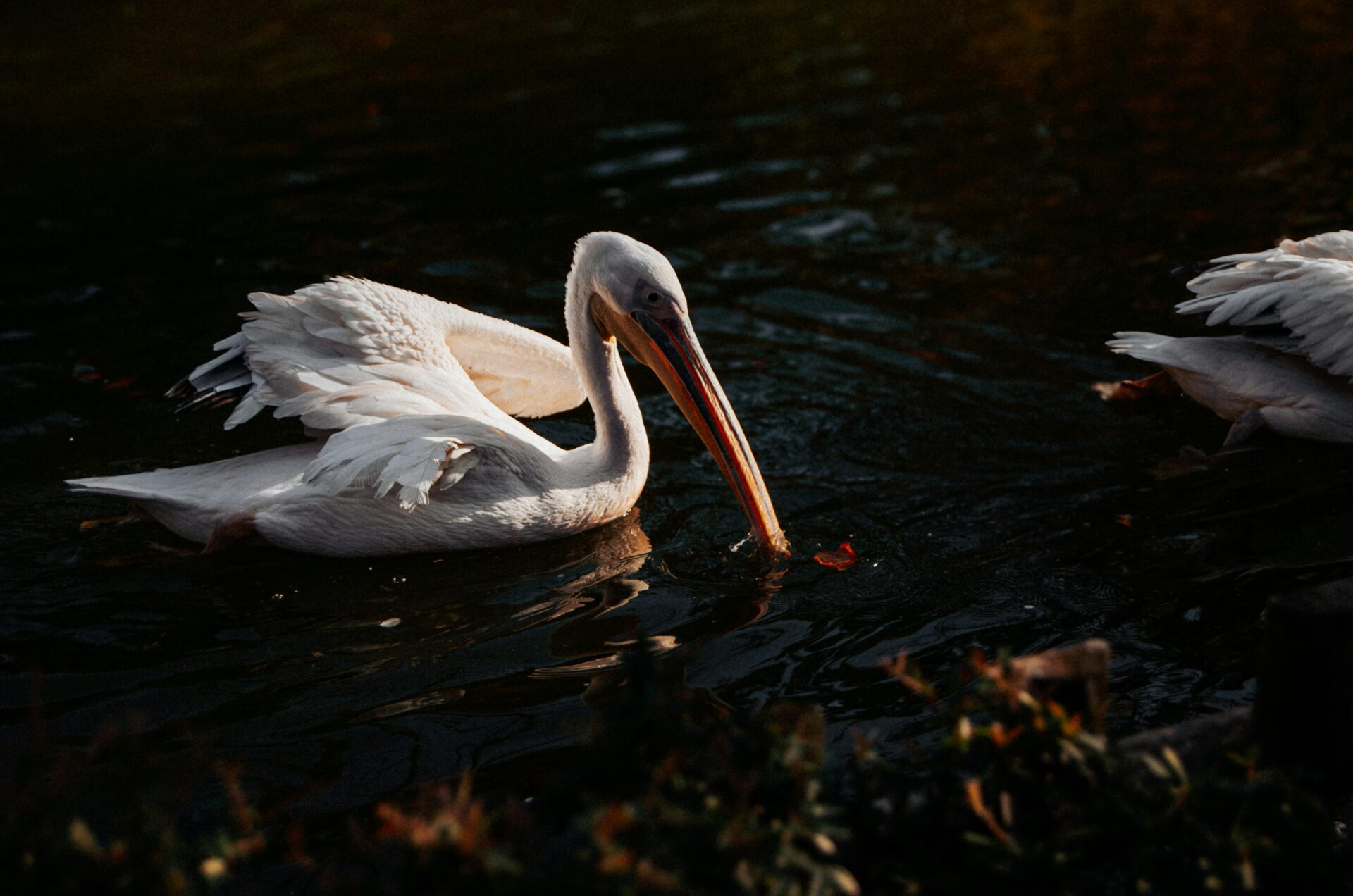
From the boat, I sometimes spot dolphins leaping nearby, manatees grazing on seagrass, or pelicans diving for fish.
It’s important to follow navigation rules and slow zones to protect wildlife, especially in shallow spots.
Several parks and marinas rent boats, or you can join a tour with experienced guides for a safer, more informative trip.
For wildlife photographers, boating is one of the best ways to spot rare birds and catch animals in their natural habitat.
Essential Tips for a Safe and Memorable Visit
When I swim in Biscayne Bay, I always try to stay aware of my surroundings. Respecting the natural setting just feels right, and honestly, it makes the whole experience better.
Knowing when to go, what to bring, and how to protect the local environment really changes everything. It’s easy to overlook, but it’s worth the effort.
Best Time of Year for Swimming
I usually aim for late spring through early fall. That’s when Biscayne Bay’s water warms up—think May to October.
The water temperature stays above 75°F (24°C) most days. It’s just more comfortable, and the sun feels amazing. Of course, those summer afternoons can bring sudden storms, so I stay alert.
Winter? Sure, you can swim, but the water cools off, sometimes dipping into the high 60s or low 70s Fahrenheit. I keep an eye on the wind and avoid rough water days. Safety always comes first.
After storms, I check local advisories for water quality or jellyfish warnings. Nothing ruins a swim like a surprise jellyfish.
If I want a quieter swim, I go on weekday mornings or avoid holidays. There’s just more space to relax. Florida heat can be intense, so I never forget water and sunscreen.
Gear, Rentals, and Guided Tours
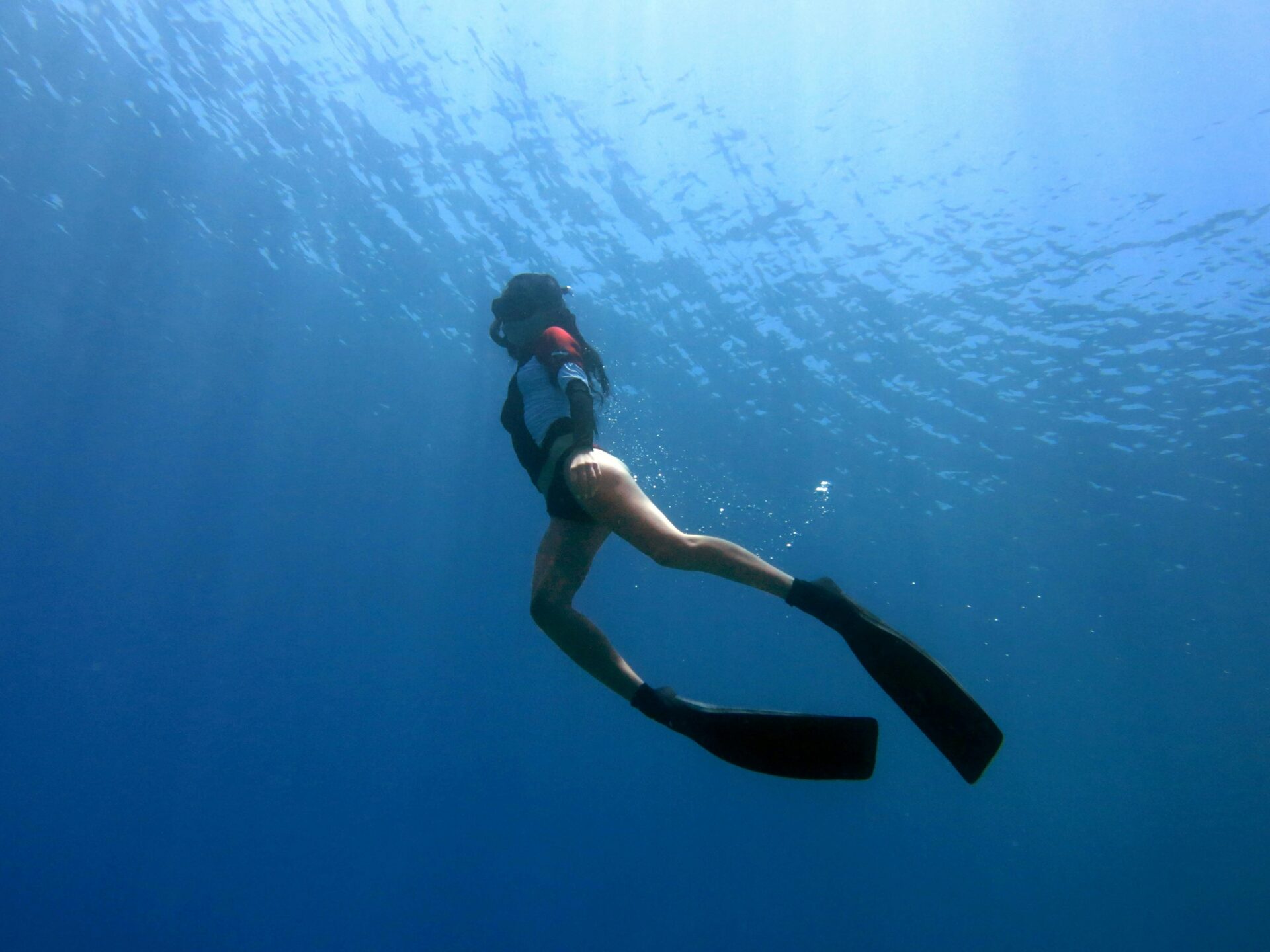
For gear, I go for a comfy swimsuit or a rash guard—sometimes a wetsuit if the water feels chilly. Swim caps and goggles help a lot, and I always choose reef-safe sunscreen. It protects my skin and doesn’t mess with the bay.
A swim buoy helps boaters spot me, especially in busy areas. It’s a small thing, but it makes me feel safer.
If I need gear, plenty of local outfitters rent out equipment. The Biscayne National Park Institute runs guided swim and snorkel tours. They provide masks, fins, life vests, and honestly, the guides know their stuff.
Guided tours are perfect if you’re new to open water swimming or want to explore the reefs without worrying about safety. Plus, you’ll probably learn something new.
I always pack a small bag with:
- Towel and dry clothes
- Lots of water
- Snacks in reusable containers
- Waterproof bag for electronics
- A first aid kit
It’s a simple routine, but it makes every swim more enjoyable.
Environmental Awareness and Reef Protection
Whenever I swim in Biscayne Bay, I move with extra care. Seagrass beds and coral reefs are so delicate—one careless kick or step can really mess things up fast.
I never stand on reefs or drag my gear along the seabed. It just feels wrong to risk damaging such a beautiful place. Instead, I pay close attention to where I put my hands and feet, always keeping a respectful distance from any marine animals I spot.
When it comes to sunscreen, I stick to biodegradable, reef-safe options. Regular sunscreen? Not worth the risk to the corals. And I never leave trash behind—whatever I bring in, I pack out, even those annoying snack wrappers that always seem to multiply.
If I camp overnight on Elliott Key or Boca Chita Key, I make sure to follow the park’s rules about campfires and waste. It’s not just about following orders; it’s about keeping the place wild for the next person.
The Biscayne National Park Institute runs some pretty eye-opening educational programs about marine life and reef safety. I’ve joined a few, and honestly, they helped me realize the little things I can do to swim responsibly and actually make a difference.
Respecting the environment isn’t just a rule—it’s a way to keep Biscayne Bay special for everyone who comes after us. Isn’t that what we all want?
