
Wandering the ancient streets of Syracuse really does feel like stepping back in time. This Sicilian gem used to be the largest city in the Mediterranean world, and you can sense it in every honey-colored baroque building, Greek theater, and winding alleyway. I’ve spent countless hours getting lost here, piecing together stories from nearly 3,000 years of history.
Syracuse offers travelers an unmatched blend of archaeological treasures, Mediterranean charm, and authentic Sicilian culture. It’s a must-see if you’re planning any kind of trip to Sicily.
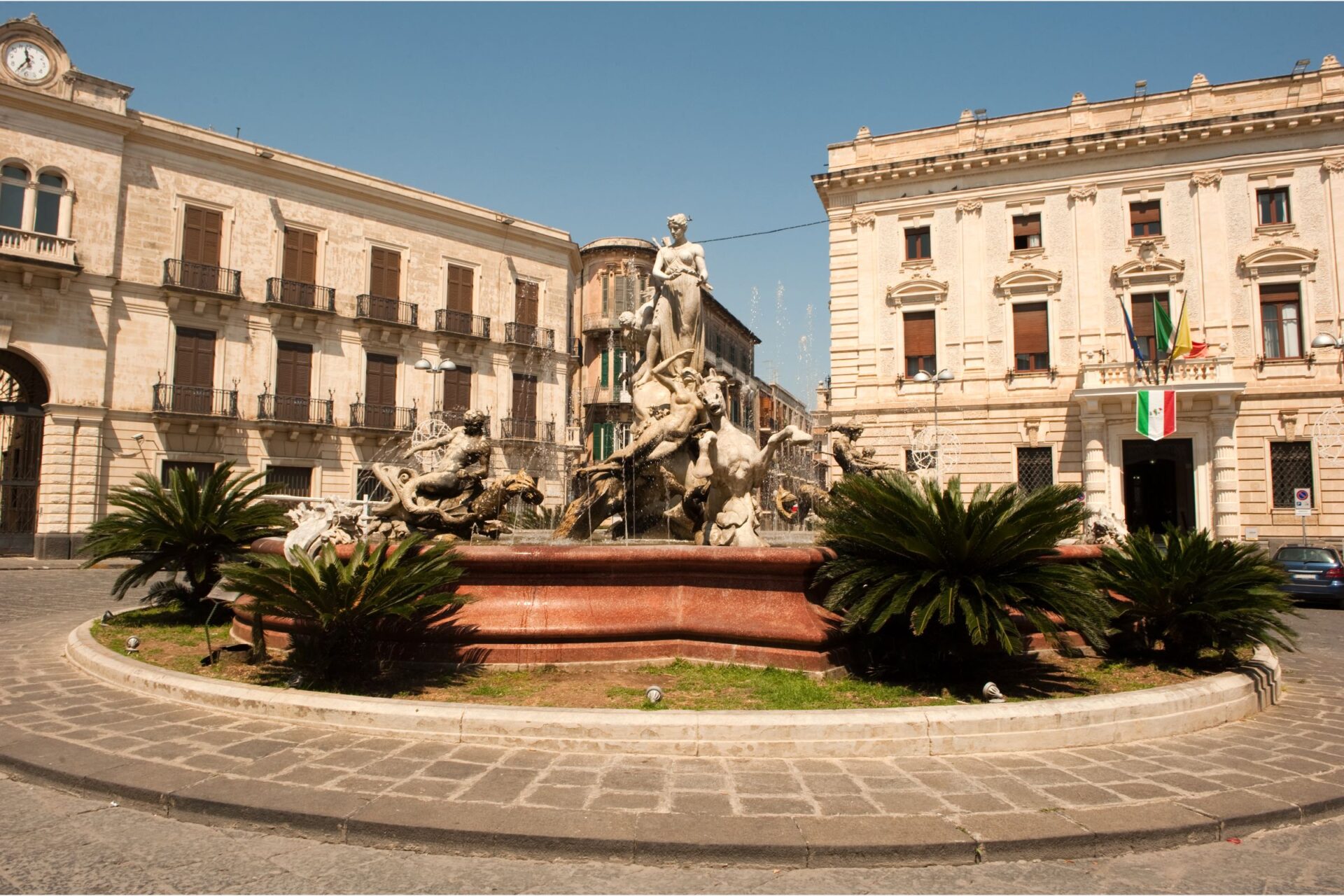
The city hooked me from my very first visit. Ortigia, the historic heart of Syracuse, sits on its own island, connected to the mainland by a couple of narrow bridges. What sets Syracuse apart is how it blends ancient Greek and Roman ruins with medieval Norman buildings and baroque architecture. One evening, I strolled through Piazza Duomo at sunset and watched locals gather for their passeggiata. In that moment, I finally understood why this city has inspired travelers, poets, and even conquerors for centuries.
Syracuse’s cultural heritage runs deep. You’ll find the impressive Archaeological Park here, home to one of the world’s best-preserved Greek theaters, and the mysterious Ear of Dionysius cave with its perfect acoustics. I love how the city balances these ancient wonders with beautiful beaches, buzzing seafood restaurants, and lively markets. Whether you’re into archaeology, food, or just want a taste of real Sicily, Syracuse keeps surprising you with little treasures around every corner.
Syracuse Through the Ages: Ancient Origins and Cultural Legacy
Syracuse’s history stretches back over 2,700 years. It started as a powerful Greek colony and grew into a major Mediterranean cultural center. The city’s past reveals layers of influence from different civilizations, each shaping its unique character and architecture.
Foundation as an Ancient Greek City
Greek colonists from Corinth founded Syracuse in 734 BCE. They picked Ortigia island for its natural harbor and defensive position. The city quickly grew into a powerhouse among the cities of Magna Graecia.
In the 5th century BCE, Syracuse hit its golden age under rulers like Dionysius I. The city’s forces defeated the mighty Athenian fleet in 413 BCE, which secured its dominance in the region.

Walking Syracuse’s streets today, I’m still amazed by the Greek Theater. Built in the 5th century BCE, it once hosted plays by Aeschylus and other legends. The theater seated 15,000 people and still shows off ancient engineering.
Syracuse also gave the world Archimedes. His inventions and mathematical genius were revolutionary, and stories say he designed defense mechanisms that held back the Romans for years.
Influences of Carthage and Rome
Syracuse’s strategic location made it a prize for rival powers. The city clashed with Carthage many times, with control of Sicily shifting back and forth for centuries.
In 212 BCE, Roman forces took Syracuse after a brutal two-year siege, despite Archimedes’ clever defenses. The Romans folded the city into their empire but kept many Greek traditions and buildings intact.
You can still see the Roman influence in the massive amphitheater, one of the largest the Romans ever built. I found it fascinating how they carved the structure straight from the bedrock. The Romans also improved the city’s infrastructure with aqueducts and public buildings.
Under Roman rule, Syracuse stayed important as an administrative and cultural hub. The catacombs beneath the city are huge—second only to those in Rome—showing how significant Syracuse was during the early Christian period.

Medieval and Baroque Transformations
After Rome fell, the Byzantines, Arabs, Normans, and Spanish took turns ruling Syracuse. Each group left its mark on the city’s architecture and traditions.
During the Byzantine period, they converted the Temple of Athena into a cathedral. I find this especially cool because you can still spot the original Greek columns inside the church walls.
The earthquake of 1693 devastated the city and led to a massive rebuilding in the Baroque style. When I walk through Ortigia, the honey-colored limestone buildings and fancy church façades always catch my eye.
Piazza del Duomo really shows off this transformation. The stunning Cathedral there combines a Baroque façade with elements from the original Greek temple inside.
Today, Syracuse holds UNESCO World Heritage status. Every street and building tells a piece of the city’s rich story.
Exploring Ortigia: The Heart of Historic Syracuse
Ortigia is the ancient island core of Syracuse, linked to the mainland by short bridges. This tiny island, just 1 square kilometer, packs in 2,500 years of history. You’ll find narrow medieval streets, gorgeous Baroque architecture, and sea views that really capture Sicily’s spirit.
Wandering the Old Town Streets
Getting lost in Ortigia’s maze of streets is honestly the best way to explore. The alleyways twist between stone buildings, some draped with colorful laundry and balconies overflowing with flowers.
I love mornings here. Locals crowd the lively market near the bridge, and the calls of vendors and fresh seafood displays create an atmosphere you just can’t fake.
Don’t skip Via Roma and Via Cavour. These streets are lined with cozy cafés. I enjoyed people-watching over an espresso while plotting out my next move.
The old Jewish quarter, or Giudecca, hides layers of history, including an underground mikveh (ritual bath). If you’re curious, a guided walking tour can reveal stories you’d probably miss on your own.

Image Source: Tripadvisor
Piazza Duomo and Architectural Landmarks
Piazza Duomo is the heart of Ortigia, a bright limestone square that truly dazzled me. The Syracuse Cathedral dominates the space, built right inside the ancient Greek Temple of Athena. You can still see the original Doric columns in the church walls!
This building is a mash-up of history: Greek temple, Byzantine church, Norman touches, and a Baroque façade all rolled into one. Inside, I found a wild blend of styles spanning millennia.
The square also features the ornate Palazzo Beneventano and the Church of Santa Lucia. In the evenings, the limestone glows golden as locals stroll across the piazza.
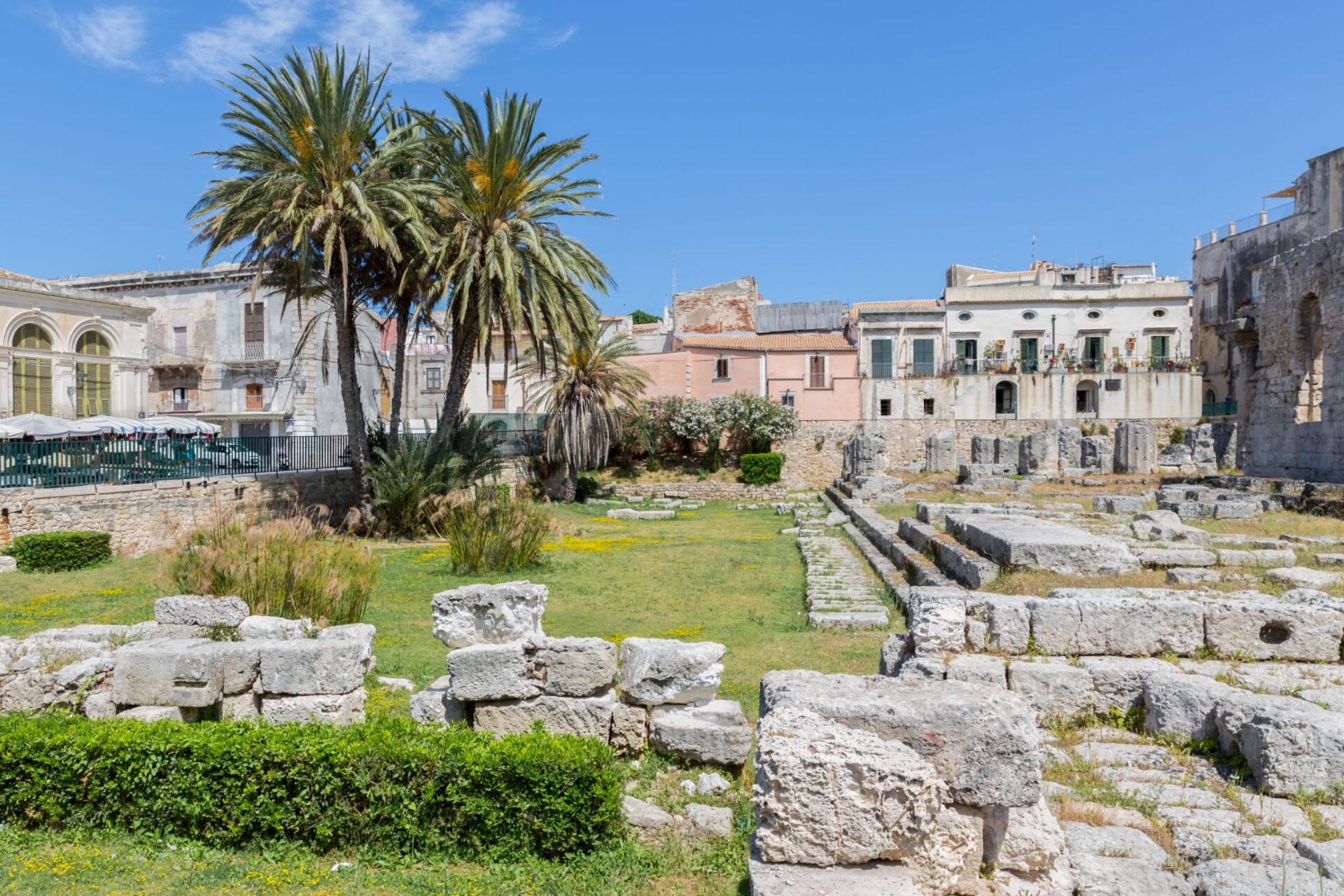
Nearby, the Temple of Apollo stands as Sicily’s oldest Doric temple, dating to the 6th century BCE. Its weathered columns still hint at ancient grandeur.
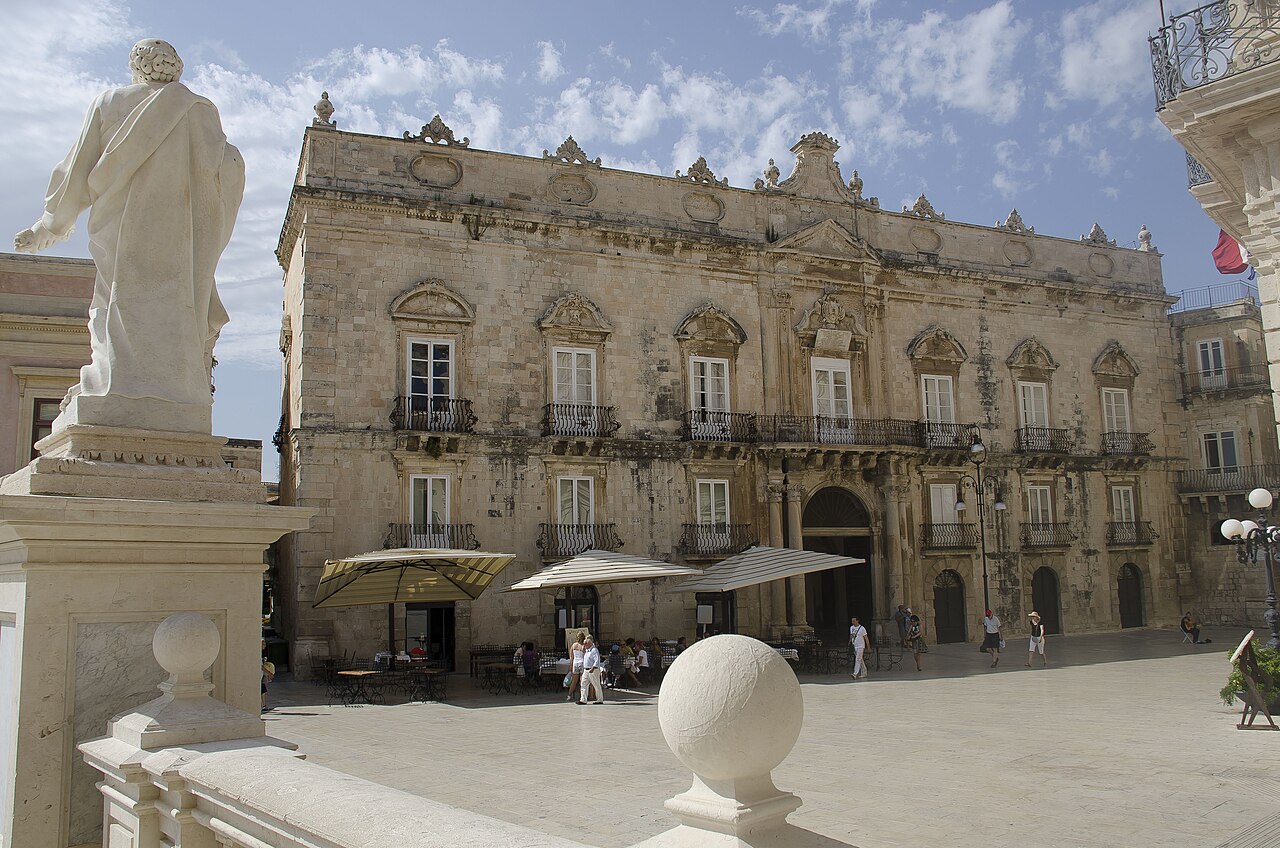
Image Source: Wikimedia Commons
Seaside Views and the Ionian Sea
Ortigia’s edges offer some of the best Ionian Sea views you’ll find anywhere. The Lungomare di Ortigia pathway hugs the island’s perimeter, with perfect spots for watching fishing boats return with their daily catch.
I recommend taking a sunrise walk along the eastern coast. The light at that hour creates a magical glow over the water. The Fonte Aretusa, a freshwater spring surrounded by papyrus, sits right by the sea. It’s an unexpected little oasis with ties to ancient myths.
For the best panorama, head to Castello Maniace on the southern tip of Ortigia. This Norman fortress offers wide-open sea views. I spent an hour there just watching waves crash against the old stone walls.
When it’s hot, locals head to the natural stone platforms for a swim. The turquoise water is perfect for cooling off. If you’re around at sunset, the western side of the island turns the sea into a canvas of orange and pink.
Iconic Monuments and Must-See Sights
Syracuse’s history shows up everywhere—in its monuments, ruins, and mix of Greek, Roman, Byzantine, and Baroque styles. If you’re a history lover, you’ll have plenty to keep you busy.
Cathedral of Syracuse and the Temple of Athena
The Cathedral of Syracuse stands out as my favorite example of how architecture evolves in Sicily. Built over an ancient Greek temple dedicated to Athena, this UNESCO site layers history right before your eyes.
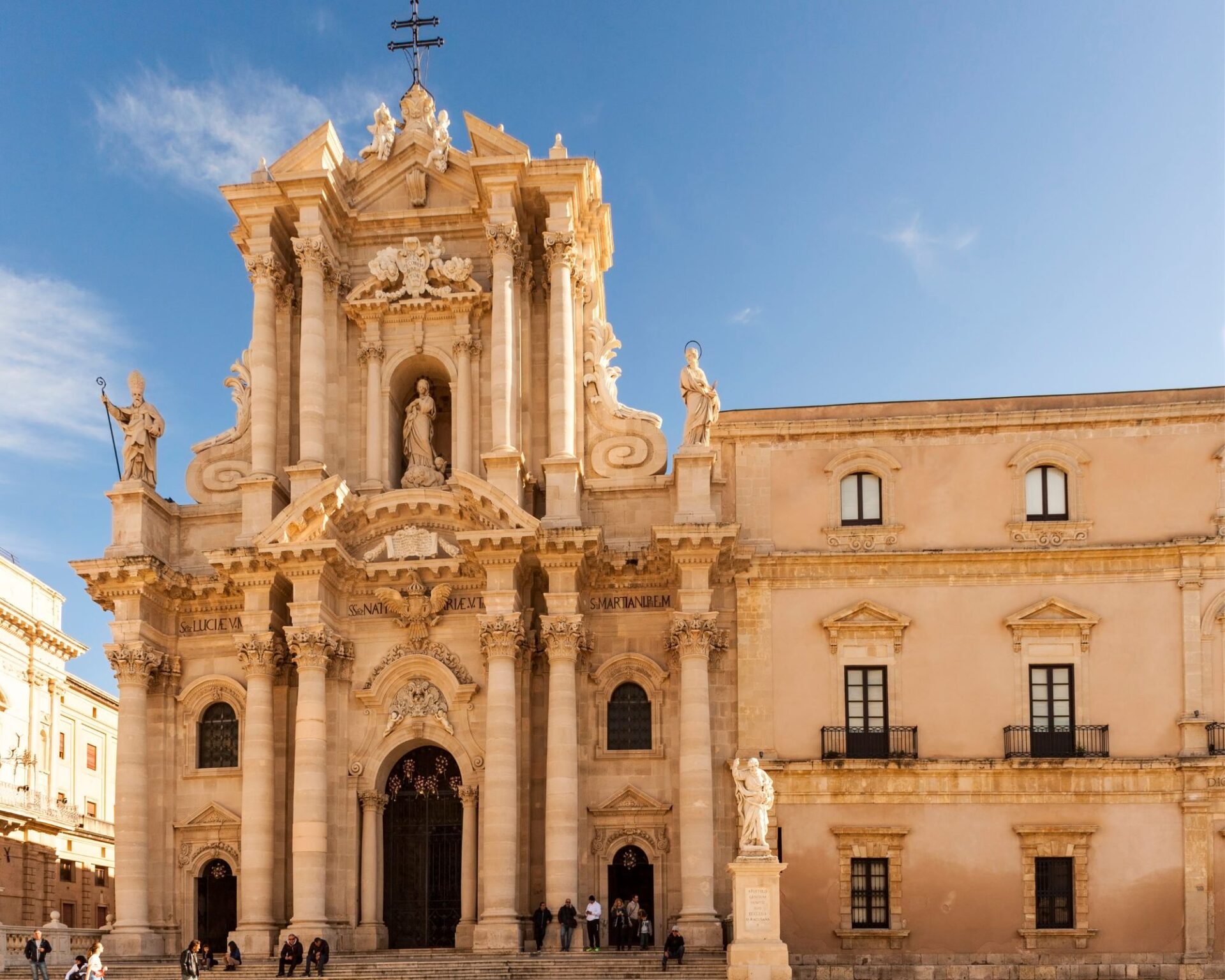
When I first walked in, I couldn’t believe how the massive Doric columns from the old temple now form part of the church’s walls. The transformation from pagan temple to Christian church happened in the 7th century under Byzantine rule.
The Duomo’s white limestone façade pops against the ancient Greek elements. Inside, you’ll see a wild mix of Norman, Baroque, and Rococo decorations that tell Sicily’s story.
Check out the silver statue of Saint Lucy, the city’s patron saint, and the baptismal font, which is actually a repurposed Greek vase from the 13th century.
Temple of Apollo and Ancient Ruins
The Temple of Apollo goes all the way back to the 6th century BCE. I was honestly impressed by its massive columns, still standing after nearly 2,600 years.
If you want the full ancient Greek experience, spend some time at the Parco Archeologico della Neapolis. This archaeological park includes:
- Greek Theater: One of the largest ever built
- Roman Amphitheater: Used for gladiator battles
- Ear of Dionysius: A cave with amazing acoustics
- Altar of Hieron II: A huge sacrificial altar
The stone quarries, or Latomie, where thousands of Athenian prisoners were once held, offer a sobering look into Syracuse’s turbulent past.
Castello Maniace and Historic Fortresses
Castello Maniace stands at Ortigia’s southern point, cutting a dramatic figure against the Mediterranean. I found this 13th-century fortress especially striking at sunset, when the light turns its stone walls gold.
Emperor Frederick II built this star-shaped citadel, which features Gothic architecture, detailed stone carvings, and a central courtyard. The Spanish later renovated the castle in the 16th century.
As I wandered, I stumbled upon ancient dungeons and thick defensive walls—reminders of Syracuse’s strategic importance.
Climb to the upper levels for panoramic views across the sea to the mainland. The promenade around the fortress is a perfect spot for an evening walk, with fishing boats bobbing nearby and the Sicilian coast stretching away.
Unearthing Syracuse: Archaeological Wonders
Syracuse’s ancient ruins let you walk through more than 2,500 years of history. The city’s archaeological sites reveal layer after layer of Greek and Roman civilization.
Archaeological Park of Neapolis
The Archaeological Park of Neapolis is where Syracuse’s ancient heart still beats. I spent a whole morning wandering this open-air museum, which holds the city’s most impressive ruins. The park preserves structures from the 5th century BCE, when Syracuse was at its peak.
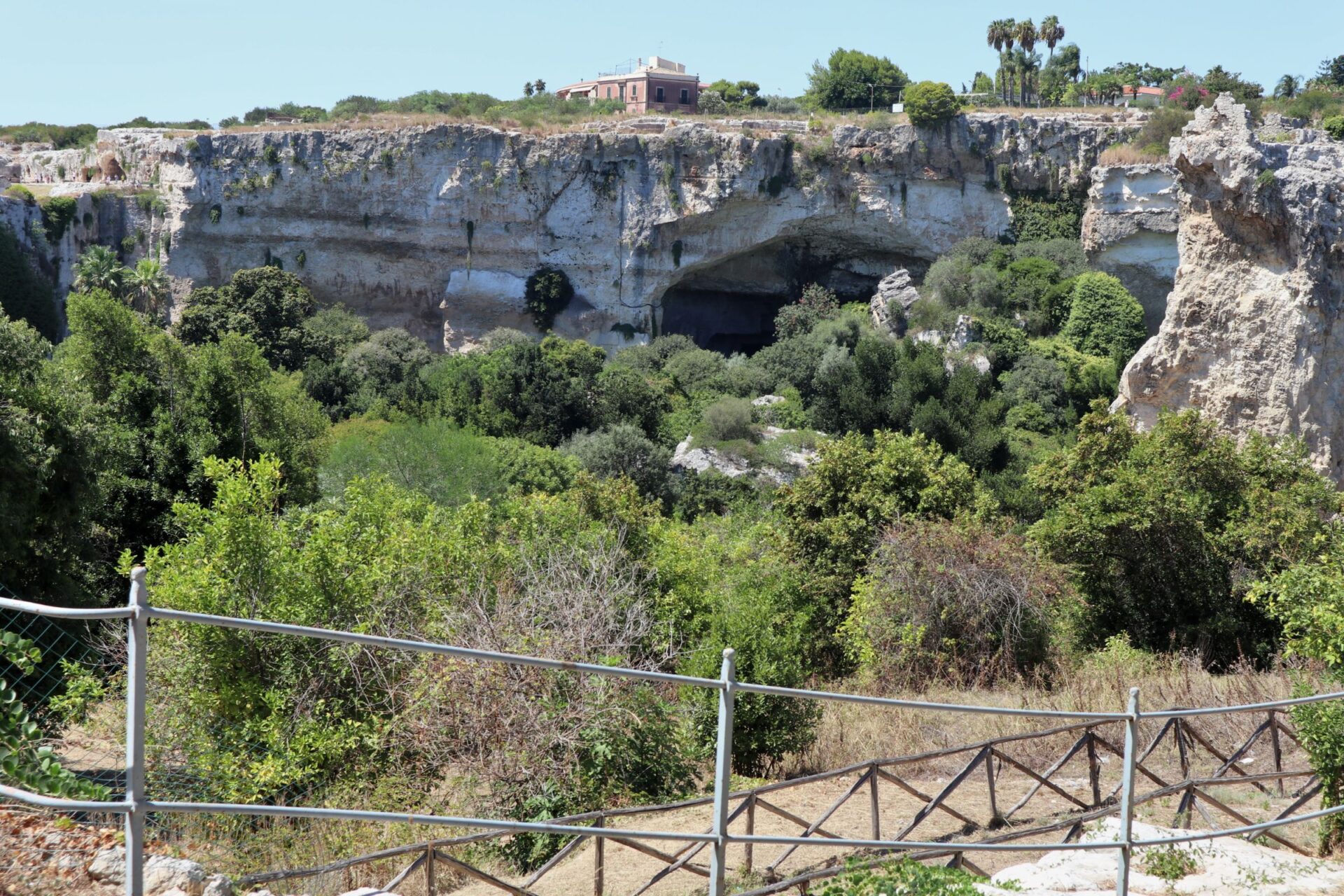
Exploring Neapolis feels like flipping through a living history book. The site mixes natural beauty with ancient architecture, and many buildings are carved straight from the limestone.
What really stood out to me was how the Greeks and Romans worked with the landscape in their designs. The park has helpful signs in several languages, so you can understand what you’re seeing even without a guide.
Visitor Tip: Go early to dodge the crowds and the midday Sicilian sun. The park is big, so wear comfy shoes.
Greek Theatre and the Legacy of Performance
The Greek Theatre is the crown jewel of Neapolis. Carved into the hillside in the 5th century BCE, this huge semicircular theater once held 15,000 people. I was blown away by how well the seating has survived after nearly 2,500 years.
Standing at the top, I could still hear whispers from the stage—a testament to the genius of ancient Greek acoustics. The theater once hosted premieres of plays by Aeschylus and other famous writers.
What’s really cool is that the theater still hosts performances every May and June. You can watch a Greek play here, just like audiences did thousands of years ago.
From the upper seats, the view sweeps across Syracuse and out to the sea. I can see why audiences, ancient and modern, never get tired of it.

The Ear of Dionysius and Latomia del Paradiso
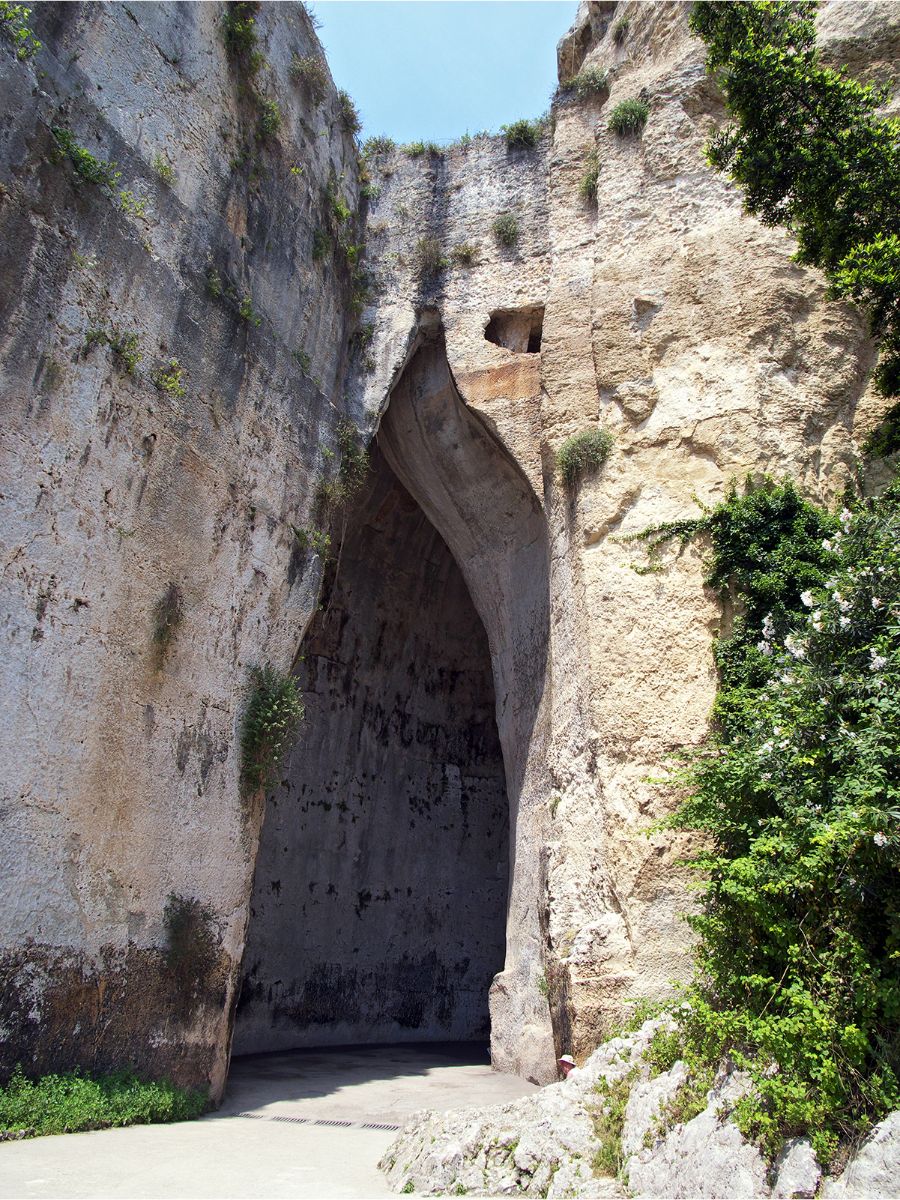
The mysterious Ear of Dionysius is a limestone cave with acoustics so sharp that even a whisper bounces around like it’s trying to escape.
Legend says the tyrant Dionysius locked up prisoners here and spied on them from a hidden chamber above, listening in on every secret.
I couldn’t help but stare at the cave’s odd shape—it really does look like a human ear from the right angle.
The ceiling towers 23 meters overhead, creating an echo that’s honestly a bit eerie.
This cave is just a piece of the bigger Latomia del Paradiso, ancient quarries where thousands of Athenian prisoners landed after Syracuse’s victory in the Peloponnesian War.
Over time, the quarries changed completely, turning into gardens full of citrus trees and bursts of flowers.
It’s wild how the place feels peaceful now, considering its brutal past.
Paths wind between jagged rocks and lush greenery, making every turn feel like a surprise.
Roman Amphitheater and Altar of Hieron II
The Roman Amphitheater tells a different story—one from Syracuse’s Roman era.
It’s smaller than the Greek Theatre, but this elliptical arena once held gladiator battles and all sorts of Roman spectacles.
I found myself comparing the Greek and Roman venues, noticing little details I’d never thought about before.
Right in the center, there’s a rectangular pit that used to hide machinery for raising animals and gladiators into the arena.
It must have been quite the show for those ancient crowds.
Nearby, the Altar of Hieron II looms—massive, built in the 3rd century BCE.
This thing is huge, about 198 meters long and 23 meters wide, and people once used it for mass animal sacrifices during festivals.
Archimedes, the city’s legendary mathematician, lived during Hieron II’s time, though there’s no direct link between him and these monuments.
Still, wandering here makes it easy to imagine the kind of world that inspired his genius.
Standing next to the altar’s massive stones, I suddenly appreciated just how skilled ancient engineers really were.
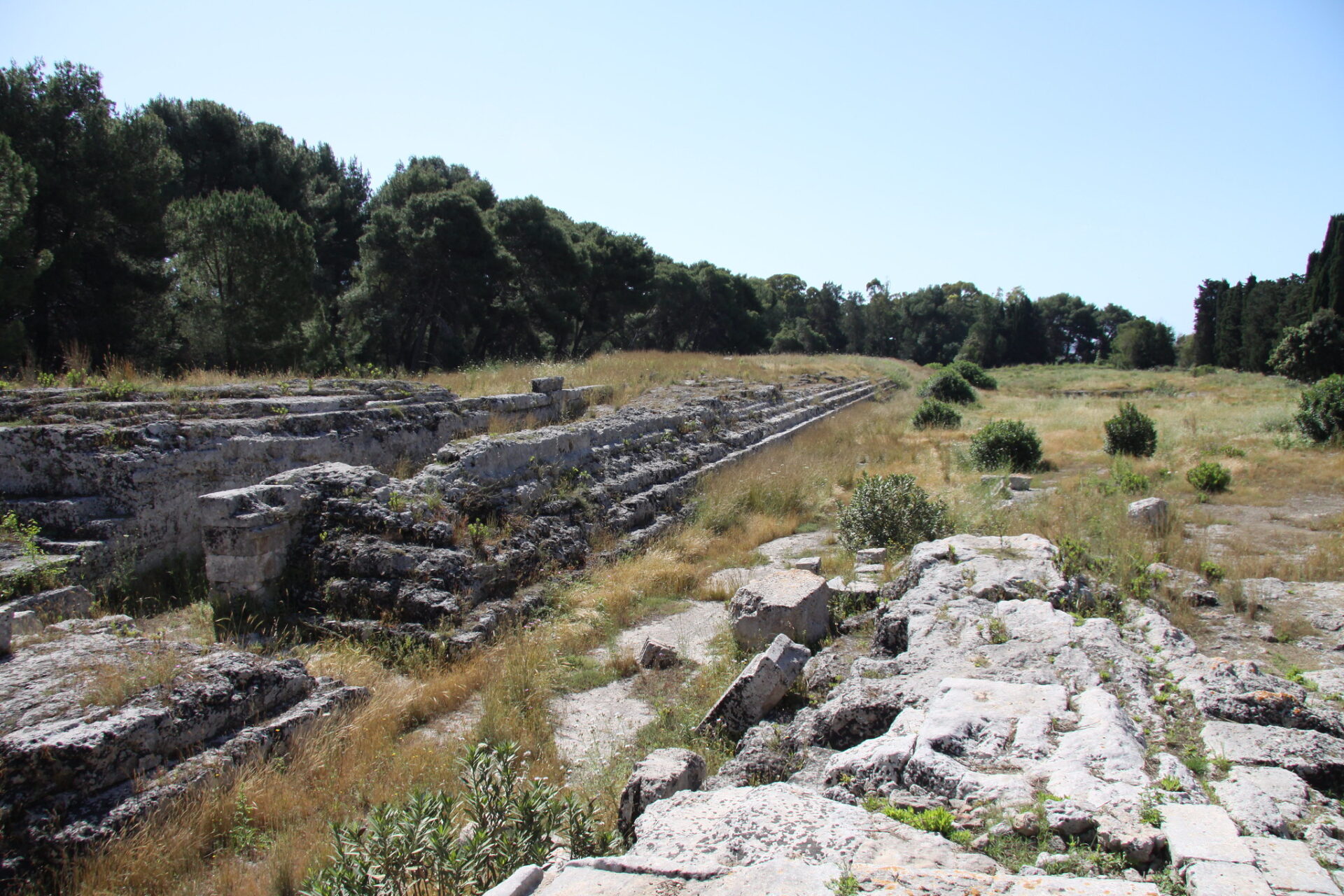
Image Source: Flickr
Art, Religion, and Local Legends
Syracuse’s culture is a colorful mix of art and faith, stitched together over centuries.
The city’s spiritual side comes alive in both its stunning art and ancient sacred spaces—there’s something about it that keeps drawing people in.
Santa Lucia and Caravaggio’s Masterpiece
Syracuse adores Santa Lucia, its patron saint who was born here around 283 AD.
Every December 13th, the city lights up for her feast day, with processions and her silver statue carried through candlelit streets.
It’s honestly magical—I still think about it.
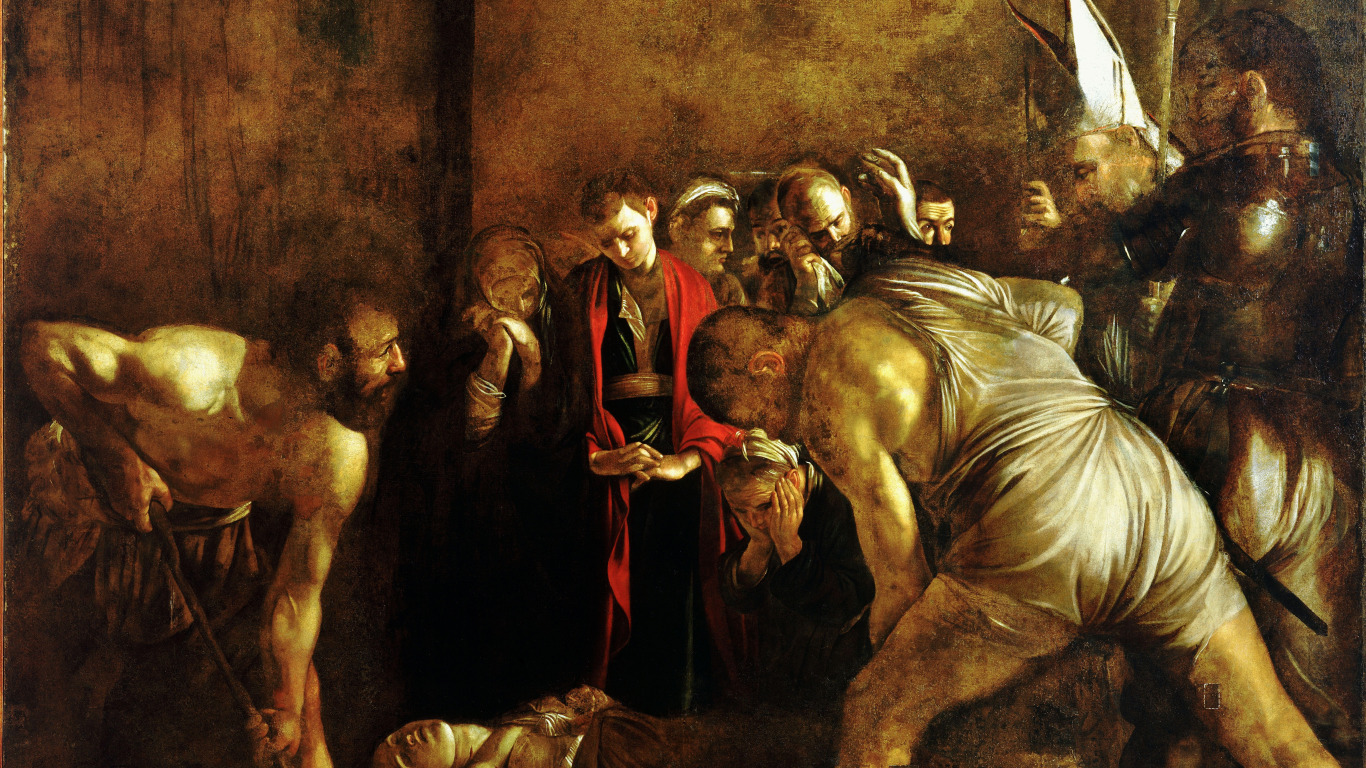
Caravaggio’s “Burial of Santa Lucia” is one of the city’s treasures, tucked inside the Church of Santa Lucia alla Badia in Piazza Duomo.
He painted it in 1608 while he was briefly in Sicily, and the drama in his use of light and shadow is just classic Caravaggio.
The painting shows the saint’s burial after her martyrdom.
Standing in front of it, I felt the raw emotion that Caravaggio somehow captured—almost like a photograph, but even more intense.
Catacombs of Syracuse and Religious Heritage
Beneath Syracuse, a whole network of catacombs waits, dating back to the 3rd century AD.
The Catacombs of San Giovanni are the most impressive, with tunnels, tombs, and early Christian burial sites winding below the city.
Walking through these shadowy passageways, I felt like I’d slipped into another era.
The catacombs show how early Christians practiced their faith in secret, hiding from persecution.
Syracuse’s Cathedral (Duomo) really shows off the city’s layered religious history.
Builders started with a 5th-century BC Greek temple to Athena—some of those columns are still there.

Later, it became a Byzantine church, then a Norman cathedral, and finally a Baroque masterpiece.
Inside, I found beautiful chapels, including one for Santa Lucia, filled with relics and silver.
This place is a living timeline of Syracuse’s culture, all under one roof.
Day Trips and Sicilian Culinary Delights
Syracuse makes an ideal base for exploring eastern Sicily.
The food here is unreal, and you’ll find both cultural gems and incredible flavors everywhere you go.
Venturing to Noto, Modica, and Taormina
Noto is just a short drive away, and it’s a Baroque dream.
The honey-colored limestone buildings glow at sunset—seriously, try to visit in the late afternoon.
The cathedral is a highlight, but wandering Corso Vittorio Emanuele is just as rewarding.
Modica brings a different taste of Sicily—literally.
This terraced city is famous for its chocolate, made the old Aztec way.
If you get the chance, stop at Antica Dolceria Bonajuto for a sample.
Taormina completely won me over with its dramatic views.
The town sits high on a cliff, looking out at Mount Etna and the Mediterranean.
Its ancient Greek theater is probably the most photogenic spot you’ll find in Sicily.
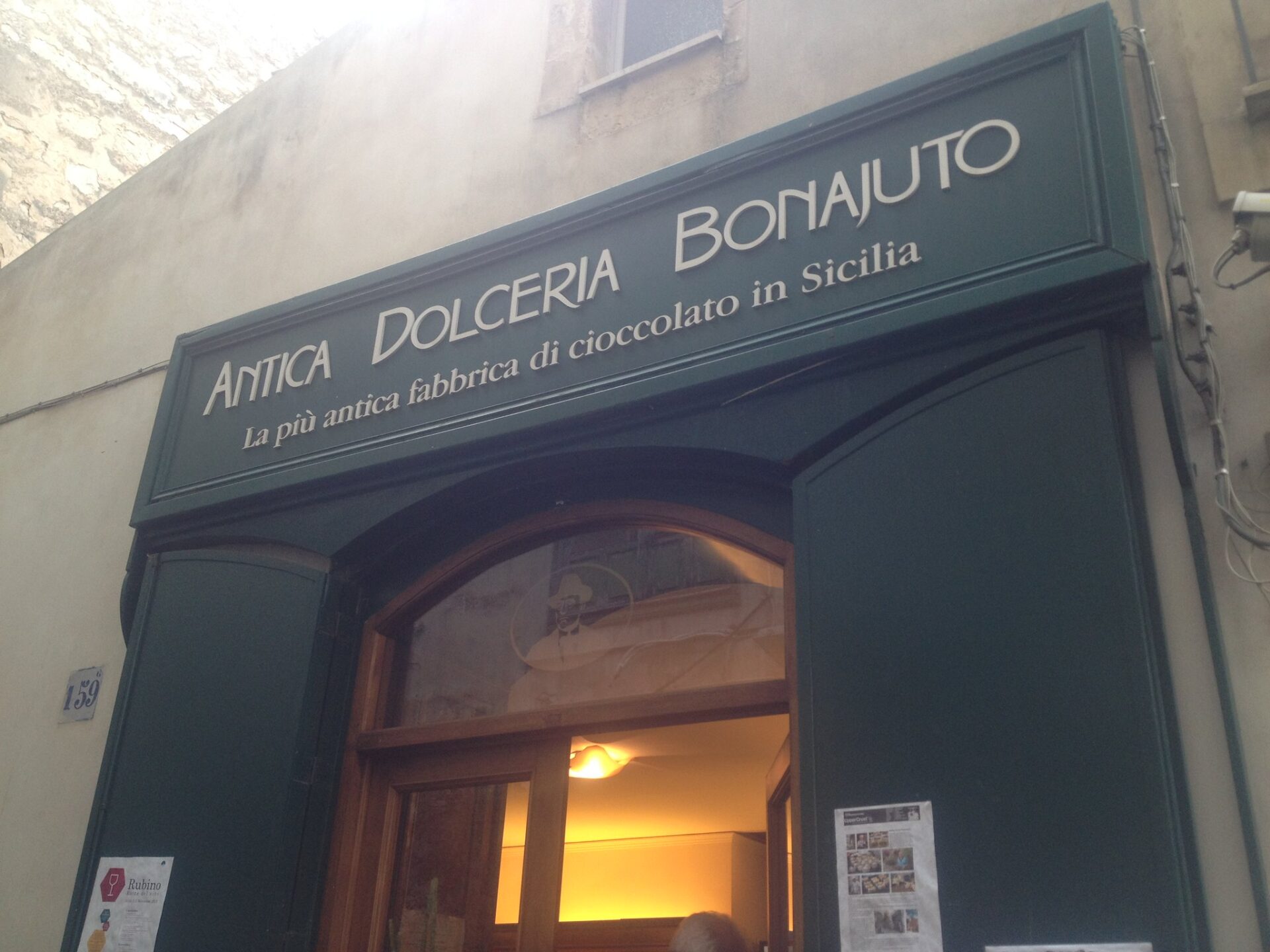
Image Source: Flickr
If you’ve got a little extra time, swing by Catania.
It’s a gritty, authentic city in Etna’s shadow, and you won’t find as many tourists there.
Traditional Sicilian Cuisine
Sicilian food is such a wild blend—Greek, Arab, Spanish, and Italian flavors all tangled together. Honestly, the island’s food probably deserves just as much hype as its beaches and ruins.
When I wandered through Syracuse’s markets, the seafood practically jumped off the stalls at me. You really have to try pasta con le sarde (that’s pasta with sardines) or pesce spada (swordfish) cooked up with nothing but a splash of local olive oil.
Craving something quick? Grab some arancini—those crispy rice balls stuffed with ragù, peas, and cheese. I kept spotting them at street vendors on almost every corner.

Sicily’s desserts are kind of legendary. The cannoli (those crisp pastry tubes with sweet ricotta) are out of this world, especially if you catch someone filling them fresh. And don’t even get me started on Sicilian ice cream—it’s so creamy, and sometimes they tuck it right into a brioche bun for breakfast. Wild, right?
If you’re into pizza, Sicilian style might surprise you. It’s thick, rectangular, and loaded with toppings. Totally different vibe from Neapolitan pizza, and honestly, it’s perfect for sharing.

