
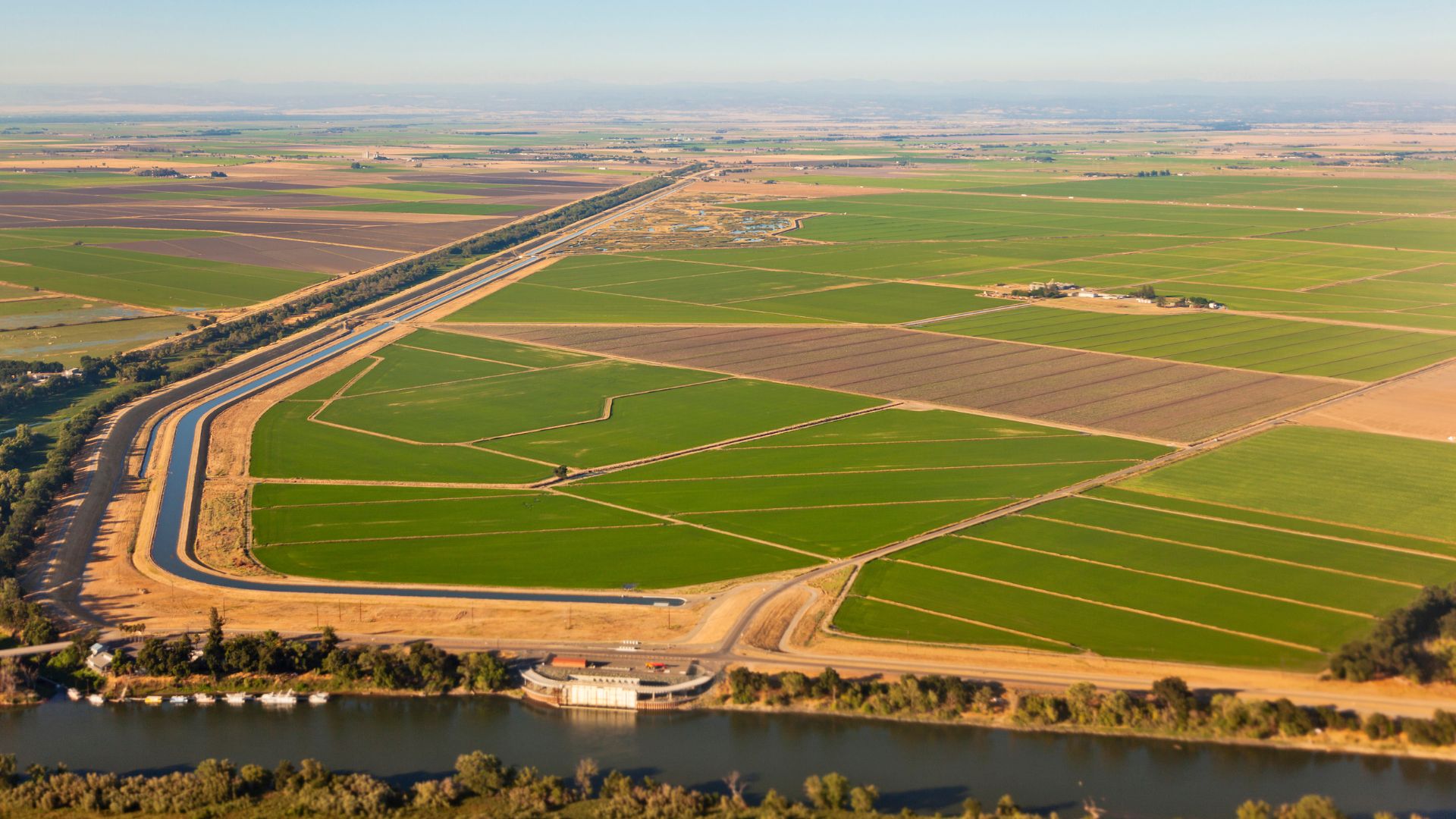
California’s Central Valley and Gold Country are a wild mix of farm-fresh abundance and old-school Gold Rush magic. Honestly, there’s nothing quite like this culinary adventure. With 35,000+ farms growing more than 250 crops, the Central Valley really anchors California’s farm-to-table scene. Right next door, Gold Country keeps the spirit of the 1849 Gold Rush alive through food and stories.
I’ve wandered through these regions and found five experiences that truly showcase both the Central Valley’s agricultural roots and the Gold Country’s mining-town character. There’s something special about eating under the stars on an organic farm or sipping a drink in a place that’s been around since the 1800s.
When you sit down at these tables, you’re tasting history and the present all at once. The food along Highway 49 and across the Central Valley forms a bridge between California’s past and its modern farm-to-fork culture.
Discovering California’s Farm-to-Fork Heritage
The Central Valley’s Mediterranean climate and fertile soil make it a year-round agricultural powerhouse. Local farmers markets and tasting rooms overflow with variety—every visit feels like a new discovery.
Central Valley’s Agricultural Bounty
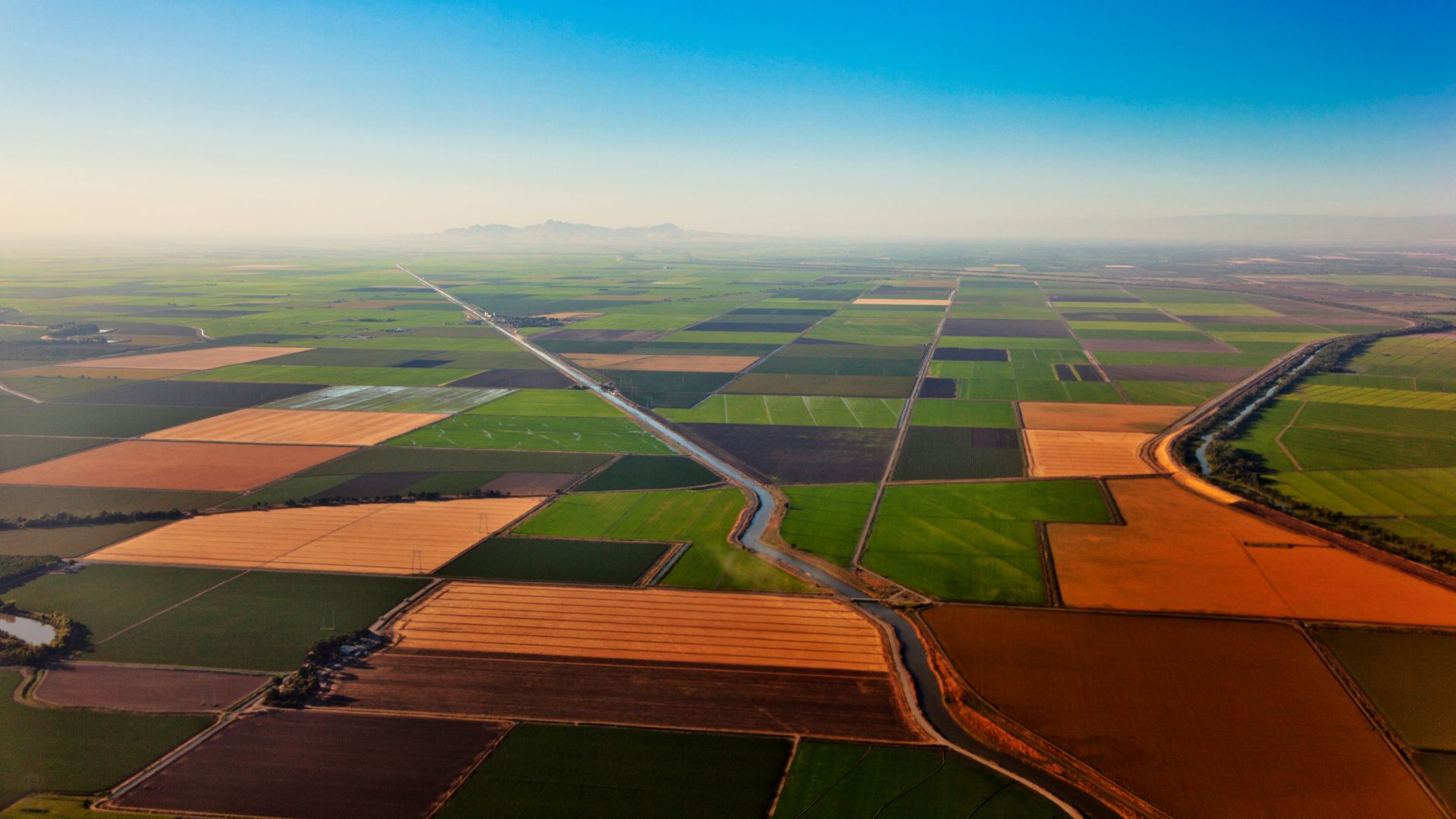
The Central Valley grows over 400 crops across 1.5 million acres. That’s a lot of farmland! I realized this region feeds people from San Francisco all the way to the East Coast.
Farmers here grow almonds, grapes, tomatoes, lettuce, and so much more. Summers get hot, easily hitting the 90s, but winters stay mild.
Key Crops I Found:
- Nuts: Almonds, walnuts, pistachios
- Fruits: Grapes, peaches, plums, cherries
- Vegetables: Tomatoes, lettuce, broccoli, carrots
- Grains: Rice, wheat, barley
Soil changes fast up here. The Sacramento Delta’s alluvial soil isn’t anything like the sandy loam near Fresno.
I watched farmers use drip irrigation to save water and boost yields. The scale and care involved are pretty impressive.
Seasonal Offerings and Local Markets
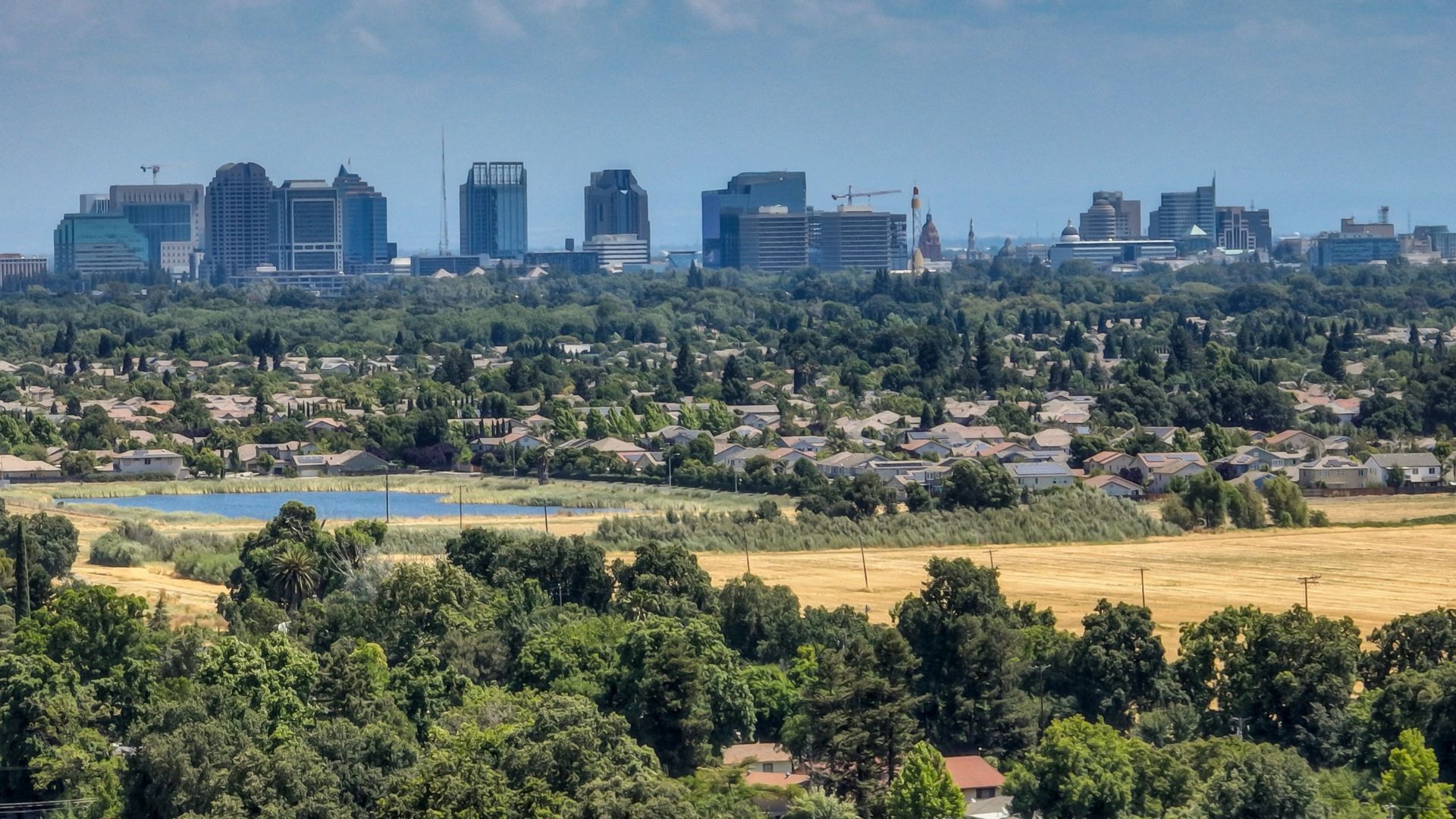
Sacramento’s certified farmers market is the biggest in California. Saturday mornings, I’d go early to get the best produce.
Spring means asparagus and strawberries. In summer, you’ll find stone fruits, tomatoes, and sweet corn. By fall, pumpkins and persimmons take over.
Market Schedule:
- Saturday: 8 AM – 12 PM (best selection)
- Tuesday: 10 AM – 2 PM
- Sunday: 9 AM – 1 PM
Farmers sell straight to you at these markets. I met growers with varieties you’d never spot at a supermarket.
The Davis Farmers Market feels like a local legend. I picked up purple carrots and heirloom tomatoes there.
September’s Farm-to-Fork Festival in Sacramento is a huge celebration—thousands come out to eat, drink, and soak up the harvest vibes.
Notable Farm Experiences and Tastings
I dropped by working farms for tours and tastings. There’s nothing like meeting the people who actually grow your food.
Farm Tours I Recommend:
- Fruit orchards: Pick your own peaches and apples
- Vegetable farms: Discover organic growing methods
- Dairy operations: Watch cheese get made
- Vineyards: Sample wines from local grapes
Many farms have year-round tasting rooms. I tried olive oils, honey, and preserves made right there.
U-pick fields are a blast for all ages. I picked strawberries in the spring and apples in the fall.
Some farms host cooking classes using just-picked ingredients. I learned to make pasta with tomatoes and herbs straight from the garden.
Farm dinners are a real treat—multi-course meals by local chefs, served in barns or under the open sky.
I joined an ag tour that hit five farms in a single day. It’s a crash course in sustainable farming, and you meet some passionate people.
Tracing Gold Rush History Through Local Flavors
The Gold Rush of 1849 didn’t just change fortunes—it transformed California’s food culture. People from all over the world brought their own recipes to the mining camps along the American River.
Gold Rush Era Culinary Traditions
When James Marshall found gold at Sutter’s Mill in 1848, food traditions started blending right away. Chinese miners brought stir-frying and tea rituals. Mexican vaqueros introduced chili peppers and corn masa.
Italian immigrants rolled out pasta in the camps. Germans came with brewing and sausage-making know-how. The French brought bread and wine skills.
Key Cultural Contributions:
- Chinese: Rice dishes, tea, preserved veggies
- Mexican: Chili peppers, beans, corn tortillas
- Italian: Pasta, cheese, herb gardens
- German: Beer, cured meats, hearty stews
Miners swapped recipes around campfires after long days of panning for gold. It’s wild to think these fusion meals became the backbone of California’s food scene.
Pioneering Spirits: Mining-Camp Cuisine
Life in the camps was rough, and meals had to be simple and filling. Miners needed food they could carry, keep for days, and cook over a fire.
Common Mining Camp Foods:
- Salt pork and hardtack
- Bean and bacon stew
- Sourdough bread (starters lasted for weeks)
- Dried fruit and jerky
- Coffee (couldn’t start the day without it)
Sourdough was a big deal. Miners shared starter cultures and guarded them like gold. The bread’s vitamins kept them healthy through harsh winters.
Cast-iron skillets were worth their weight. Cooks made one-pot meals with whatever they could find or trade for.
Modern Interpretations of Gold Rush Dishes
Today’s Gold Country chefs love to riff on these old recipes. I’ve tasted modern takes that still honor the originals.
Modern Gold Rush-Inspired Dishes:
- Artisanal sourdough with local butter
- Cast-iron cornbread with honey from nearby hives
- Slow-braised pork and heirloom beans
- Wild game sausages paired with craft beer
Wineries have taken over fields once owned by John Sutter. Their wines pair perfectly with these hearty, history-inspired meals.
Farm-to-fork restaurants here really lean into the legacy. They source from family farms that go back generations. It’s a way of giving a nod to the miners and farmers who built this place.
Top 5 Farm-to-Fork & Gold Rush Inspired Delights
My road trip through these historic regions turned up some unforgettable dishes. They blend Central Valley freshness with old-school mining camp recipes. Each spot serves up flavors that tell the story of California’s wild past and rich present.
Hangtown Fry and Historical Dining in Placerville
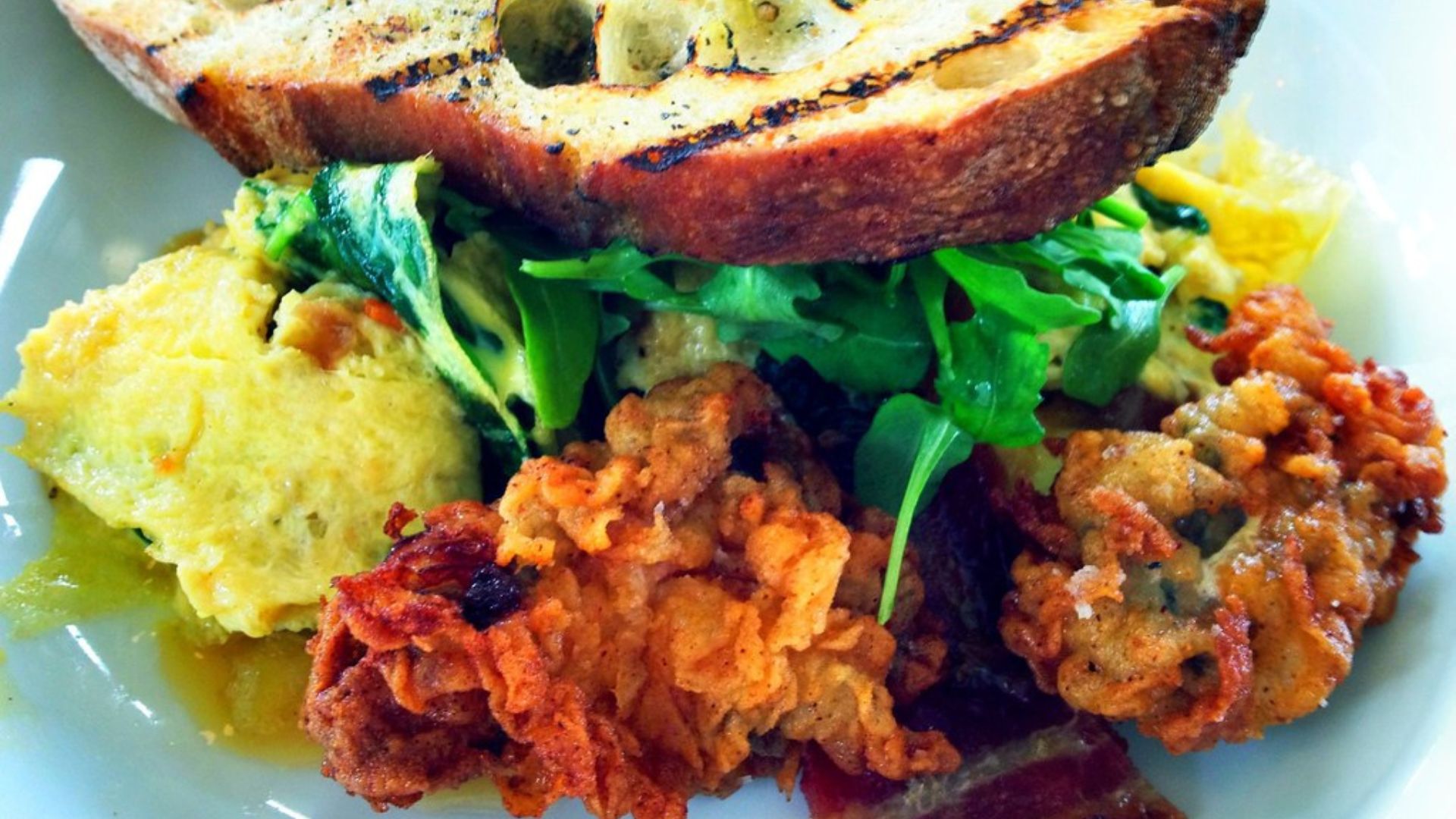
Placerville’s Hangtown Fry is the ultimate Gold Rush dish. Oysters, eggs, and bacon—miners ordered this when they hit it big.
The story goes, a lucky miner wanted the fanciest meal in town. Restaurants still serve it with local eggs and the best oysters they can find.
Best spots for Hangtown Fry:
- Historic Cary House Hotel restaurant
- Sweetie Pie’s on Main Street
- Poor Red’s Bar-B-Q (modern spin)
Chefs sometimes add mushrooms or local peppers. The trick is crisp oysters and creamy eggs. It’s rich, filling, and pure California history.
Apple Hill Seasonal Treats in El Dorado County
Come fall, Apple Hill turns into a food lover’s dream. I wandered through more than 50 family farms making everything from classic apple pie to inventive apple wine.
The seasonal treats go way beyond apples. Think cider, apple butter, and caramel apples—often made right where the fruit grows.
Rainbow Orchards and Boa Vista Orchards were highlights. You can pick your own apples and watch them get pressed into cider on the spot.
Don’t miss Apple Hill favorites:
- Hot apple cider donuts
- Fresh apple butter
- Apple wine and hard cider
- Flaky apple turnovers
Best time to visit? September to November. Weekends get packed, but the farm-fresh experience is worth it.
Mark Twain’s Inspired Flavors in Calaveras County
Calaveras County goes all in on its Mark Twain connection. Local restaurants serve up dishes inspired by “The Celebrated Jumping Frog of Calaveras County.”
I spotted frog leg specials and other old-timey meals. The area’s wineries even name bottles after Twain’s stories.
Camps Restaurant in Arnold has a Mark Twain dinner menu. They serve wild game and mining camp classics, but with a modern twist.
The Jumping Frog Jubilee is a quirky festival where vendors dish out sourdough bread and wild berry preserves. I couldn’t resist trying a bit of everything.
Gold Dust Pancakes and Jamestown Specialties
Jamestown’s Diamondback Grill does breakfast right. Their Gold Dust Pancakes come with edible gold flakes and local honey—talk about a showstopper.
The place sits in a restored miner’s building. The menu is full of nods to local history and characters.
Jamestown signatures:
- Gold Dust Pancakes with honey
- Miner’s Benedict (farm eggs, of course)
- Sourdough bread from century-old starters
- Wild berry compotes from nearby foothills
Some restaurants keep sourdough starters alive from the 1800s. They treat them like family treasures.
Combining Central Valley produce with mining camp cooking creates flavors you won’t forget. Every bite feels like a taste of California’s story.
Iconic Towns and Culinary Landmarks Along Highway 49
Highway 49 snakes through the Mother Lode, linking gold rush towns where farm-to-fork food is the new gold. Each town brings its own flavor—literally and figuratively.
Sutter Creek’s Artisan Fare
Sutter Creek is packed with artisan food gems. Main Street is a food lover’s playground.
Sutter Creek Cheese Shoppe crafts cheeses from local milk. I sampled their sharp cheddar and creamy goat cheese with honey.
Choc-O-Latte whips up specialty coffees and homemade chocolates. Their lavender hot chocolate uses herbs from the Sierra foothills.
Bistro 49 serves seasonal menus with Central Valley produce. Their pan-seared salmon with local veggies was a standout for me.
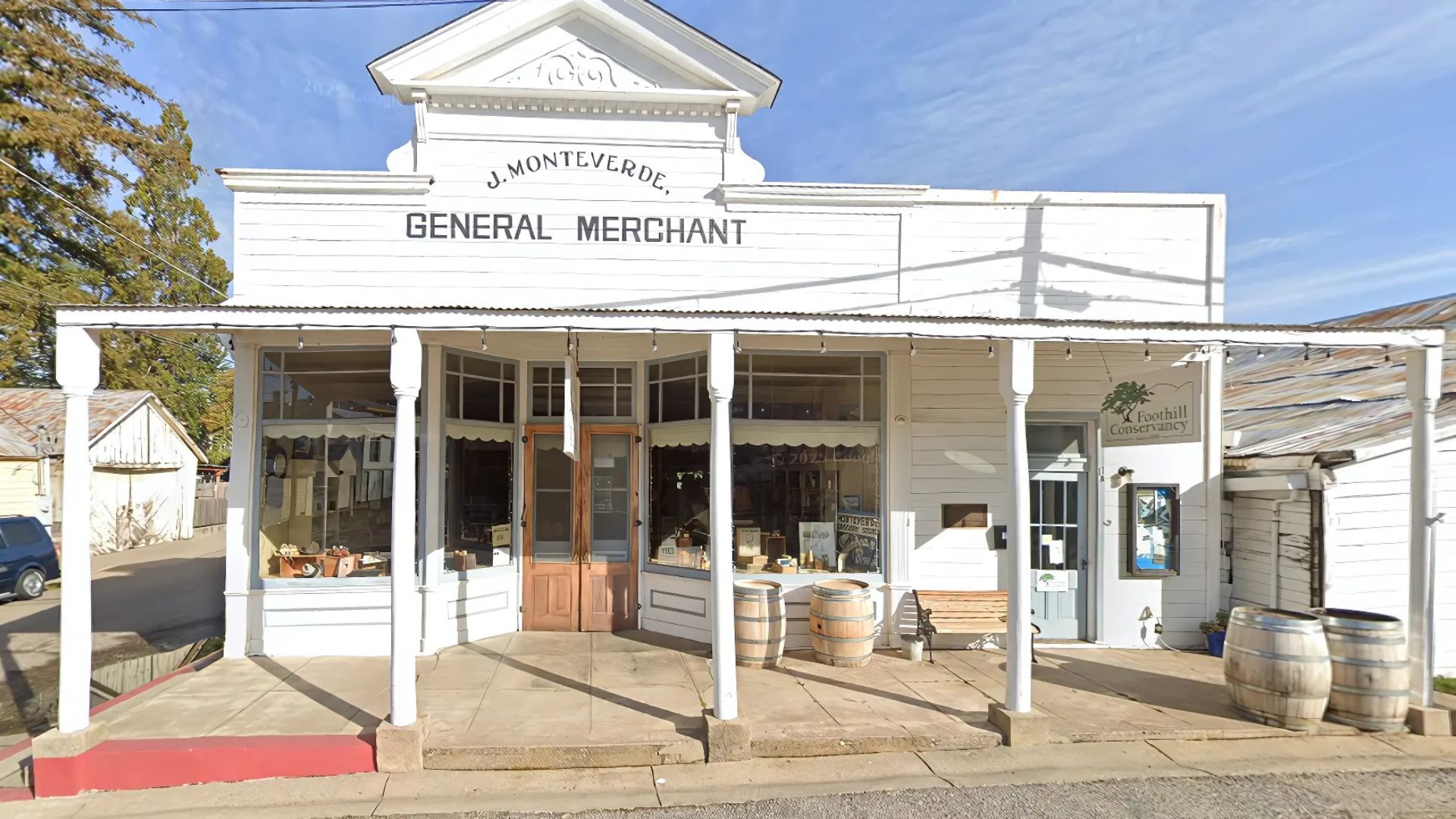
The Monteverde General Store Museum shows how miners shopped for supplies in the 1850s. It’s a cool glimpse into the past that adds to the food scene’s charm.
Murphys Wine Tasting and Local Pairings
Murphys is a wine lover’s haven. Over 20 tasting rooms line the streets, all within easy walking distance.
Ironstone Vineyards pours estate wines made from Sierra foothills grapes. Their Cabernet Sauvignon is killer with local beef.
Twisted Oak Winery focuses on Rhône varietals. I tried their Viognier with cheeses from nearby creameries.
Grounds Restaurant blends wine country dining with gold rush flair. Their menu uses ingredients sourced from Central Valley farms.
The town’s Main Street hosts wine walks connecting tasting rooms. Restaurants offer pairings that really showcase regional flavors.
Sonora’s Gold Rush Cafés and Markets
Sonora keeps its gold rush vibe alive, but the food scene is anything but old-fashioned. Downtown restaurants are tucked into buildings from the 1850s.
Diamondback Grill serves steaks and seafood with a Central Valley twist, all in a restored gold rush building.
Mountain Sage Market stocks local produce and artisan eats. I picked up fresh veggies and homemade preserves.
The Peppery dishes out Mexican cuisine with recipes passed down through generations. They use ingredients from local farms whenever possible.
Washington Street cafés brew up coffee and pastries in spaces that haven’t changed much since the gold rush. It’s a blend of history and modern flavor that’s hard to beat.
Must-Visit Historic Sites for Food & History Lovers
Central Valley and Gold Country aren’t just about gold—they’re where California’s mining heritage and culinary traditions intersect in the most unexpected ways. I’ve wandered through these places, and honestly, the blend of history and food here feels like a living story. You can taste the past, literally, and the 1849 Gold Rush echoes in every bite.
Coloma and Marshall Gold Discovery State Historic Park
Coloma really struck me as the heart of California’s Gold Rush. James Marshall found those first gold flakes here back in January 1848, and it changed everything.
The visitor center bursts with quirky exhibits about daily life during the mining era. I remember learning how miners survived on hardtack, beans, and salt pork—definitely not a foodie’s dream, but fascinating all the same.
What makes this site special for food lovers:
- Gold panning lessons that let you feel what miners went through just to eat
- Recreated 1850s buildings, including a general store
- Educational programs on pioneer cooking
The American River runs right through the park. I wandered those same trails that thousands of gold-seekers once trudged, and it’s wild to think about.
Throughout the year, folks put on period demonstrations. Watching them cook and preserve food without any modern gadgets gave me a whole new respect for the pioneers.
Columbia State Historic Park’s Old-Time Sweets
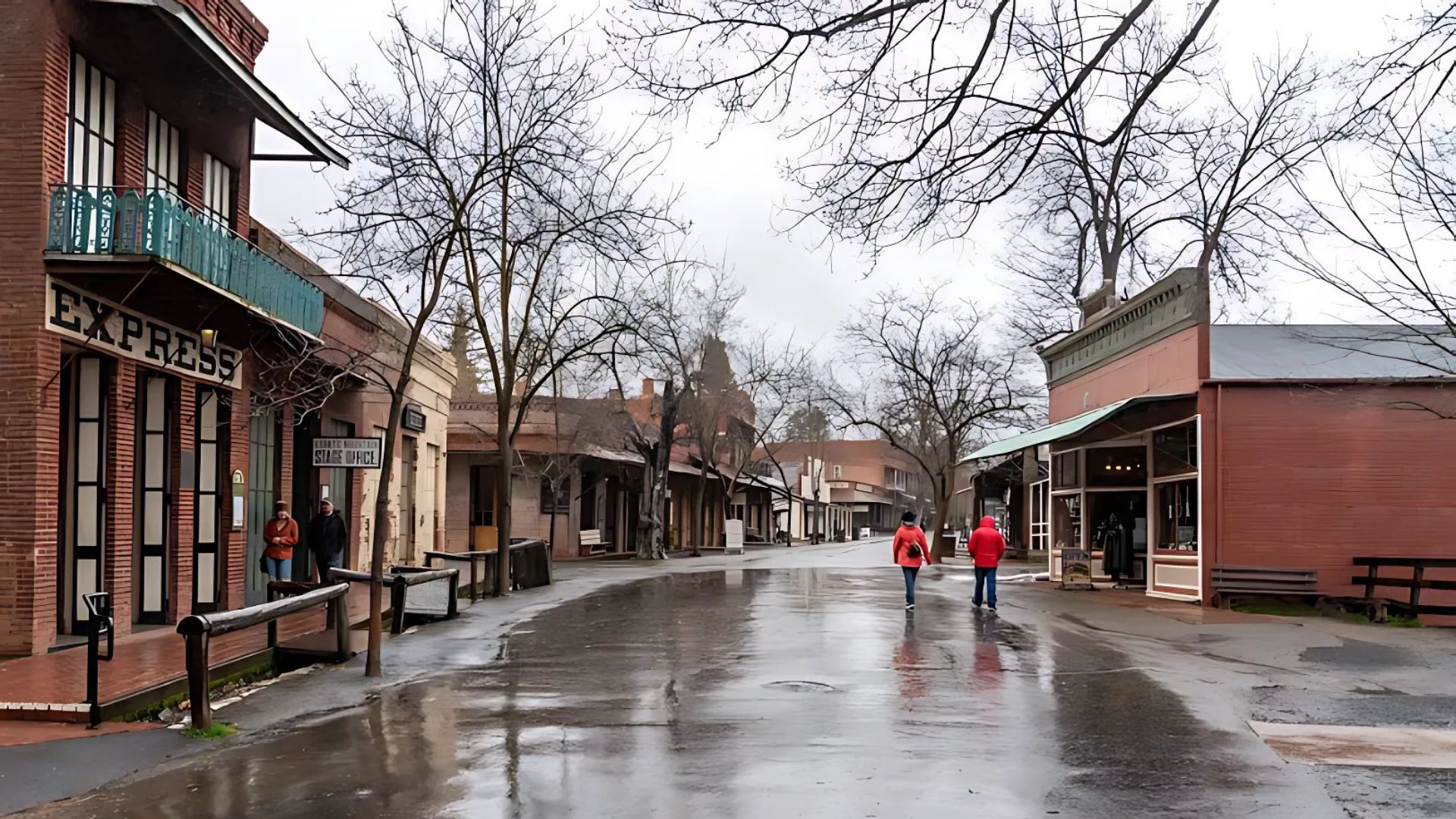
Walking into Columbia feels like getting dropped into the 1850s. The downtown is a living museum—seriously, it’s like time travel.
The Fallon Ice Cream Parlor? Oh man, their sarsaparilla and hand-churned ice cream taste old-fashioned in the best way. I could almost picture miners lining up for a scoop.
Over at the Columbia Mercantile 1855, I found candies like horehound drops and peppermint sticks. These were the treats of Gold Rush days, and they’re still oddly satisfying.
Historic food experiences include:
- Stagecoach rides right down Main Street
- Two authentic saloons pouring period drinks
- A working blacksmith and other craftspeople doing their thing
About 30 original buildings from the 1850s still stand here. Each one whispers a bit about how people lived—and what they ate—when the gold fever hit.
Sometimes, street vendors pop up with roasted nuts and snacks that miners would’ve recognized. Honestly, the whole vibe feels authentic, not like a tourist trap.
Grass Valley and the Empire Mine Experience
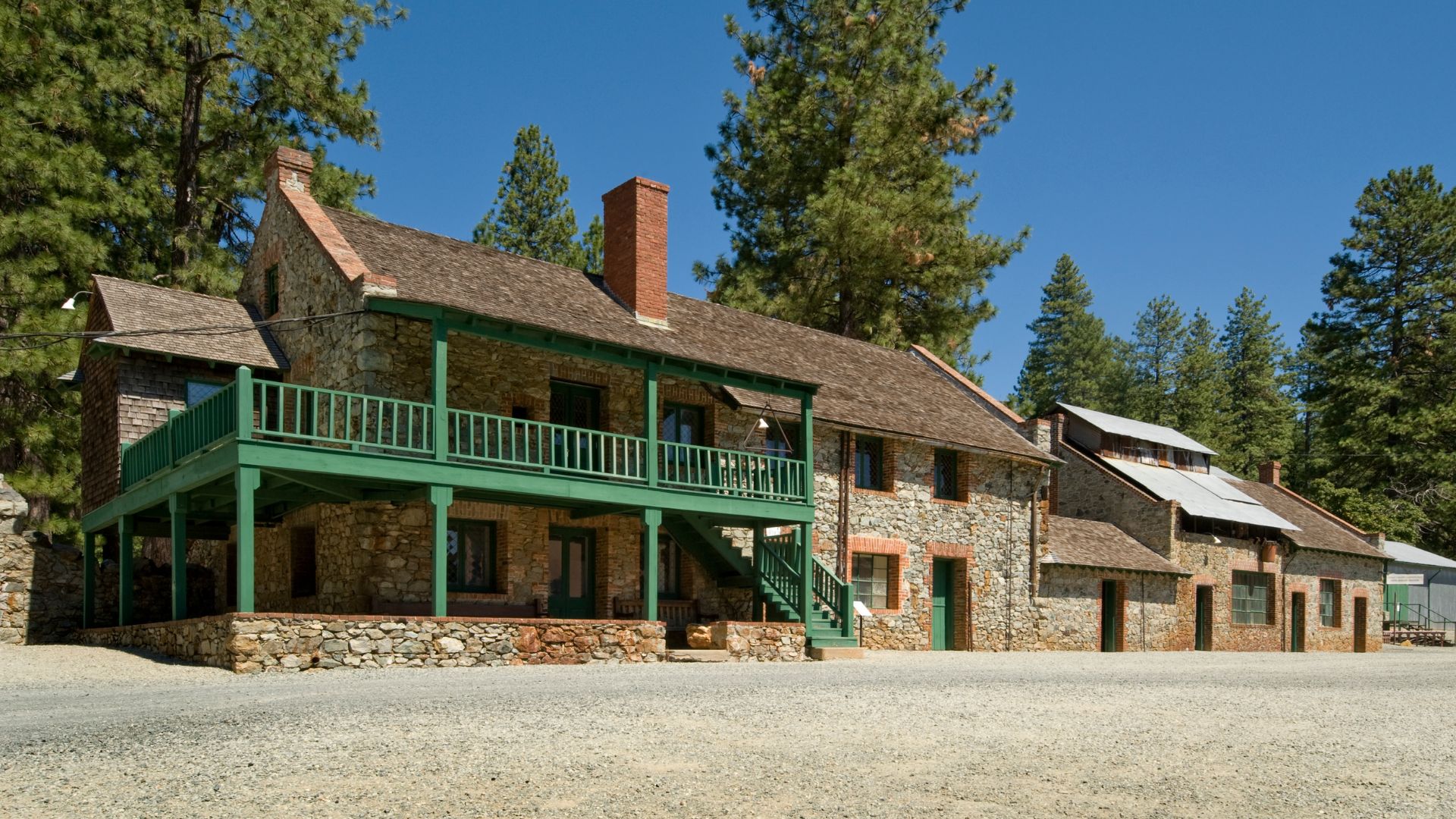
Empire Mine State Historic Park dives deep into the business side of Gold Rush history. This mine produced almost 6 million ounces of gold—can you imagine?
I toured William Bowers Bourn Jr.’s estate, the guy who ran the mine from 1879. His mansion shows off how the big shots dined and entertained.
The gardens and grounds are gorgeous. These families brought in fine foods and wines from San Francisco, showing off a very different Gold Country lifestyle.
Historic highlights include:
- Mine structures and equipment on display
- The Bourn mansion decked out with period furnishings
- Beautiful gardens to wander
Downtown Grass Valley has its own food history. The Golden Gate Saloon has been serving drinks since 1852. I grabbed a cocktail there, thinking about all the miners who did the same.
The place keeps its old-school charm but serves up modern craft cocktails and a seasonal menu. That mix of old and new just works.
The Holbrooke Hotel has welcomed guests since 1862. Their restaurant still leans into the tradition of fine dining that once attracted wealthy mine owners and investors.
Exploring the Natural and Culinary Wonders Beyond the Plate
Central Valley and Gold Country aren’t just about history—they’re drop-dead gorgeous, too. The landscapes shape the food culture, and there’s something special about eating a great meal after a day in the mountains or by the lake.
Yosemite National Park Cuisine
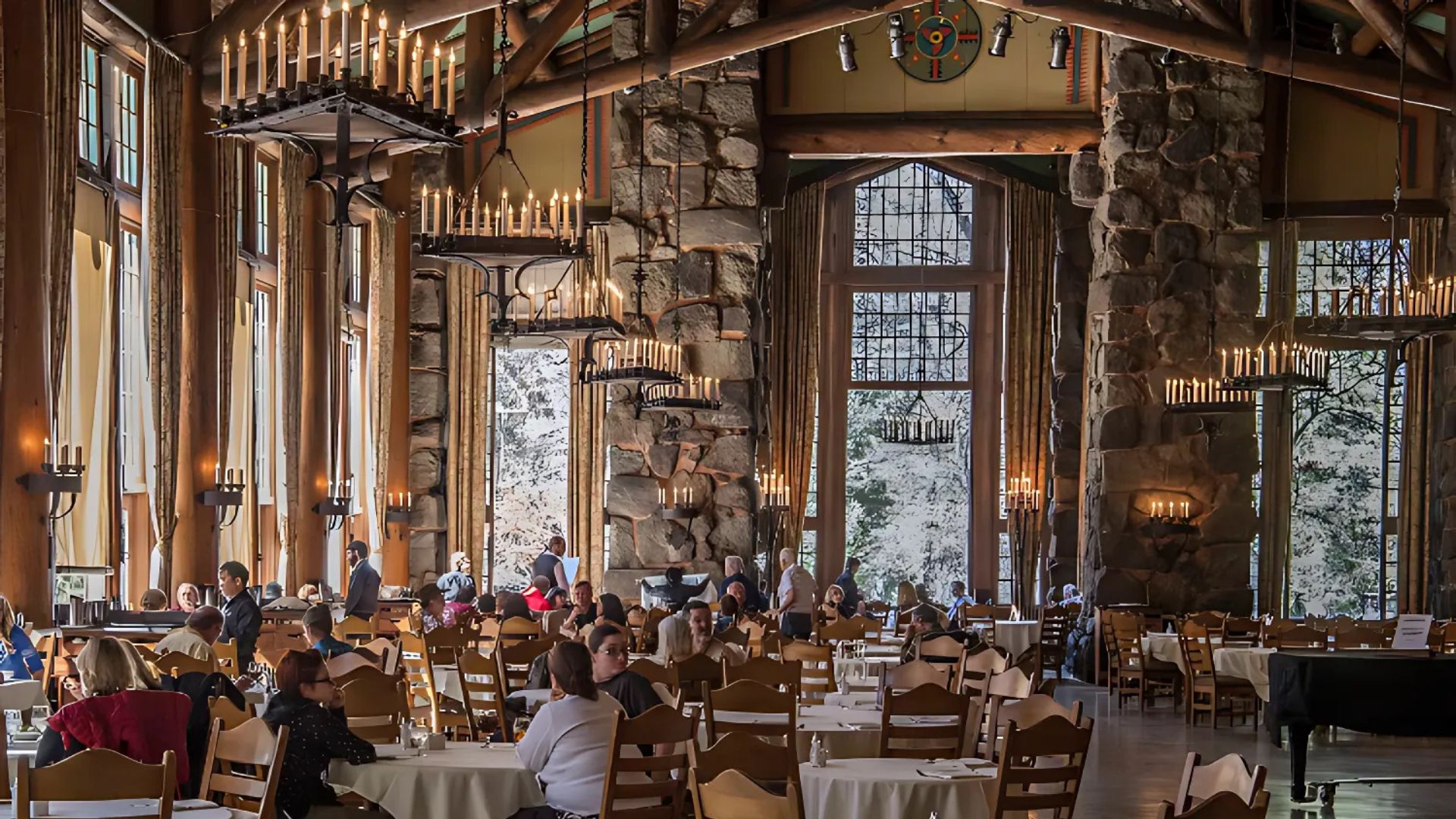
Yosemite blew me away, both with its scenery and its food. The Ahwahnee Dining Room? Those floor-to-ceiling windows make every meal feel epic.
Restaurants here focus on seasonal ingredients from nearby farms. After a long hike, I’d hit the Curry Village Pizza Deck for something casual, or the Mountain Room Restaurant for hearty, satisfying food.
Local suppliers bring in fresh produce daily from Central Valley farms. The park’s menus are packed with locally-sourced ingredients—I kept spotting dishes made with stuff grown within 100 miles.
Popular dining spots include:
- Ahwahnee Hotel’s fine dining
- Yosemite Valley Lodge food court
- Glacier Point Snack Stand
- Wawona Hotel dining room
Lake Tahoe and Sierra Nevada Flavors
Lake Tahoe’s food scene surprised me. There’s mountain comfort food, sure, but also some truly upscale spots. The Sierra Nevada Mountains make a killer backdrop for meals featuring local trout and wild game.
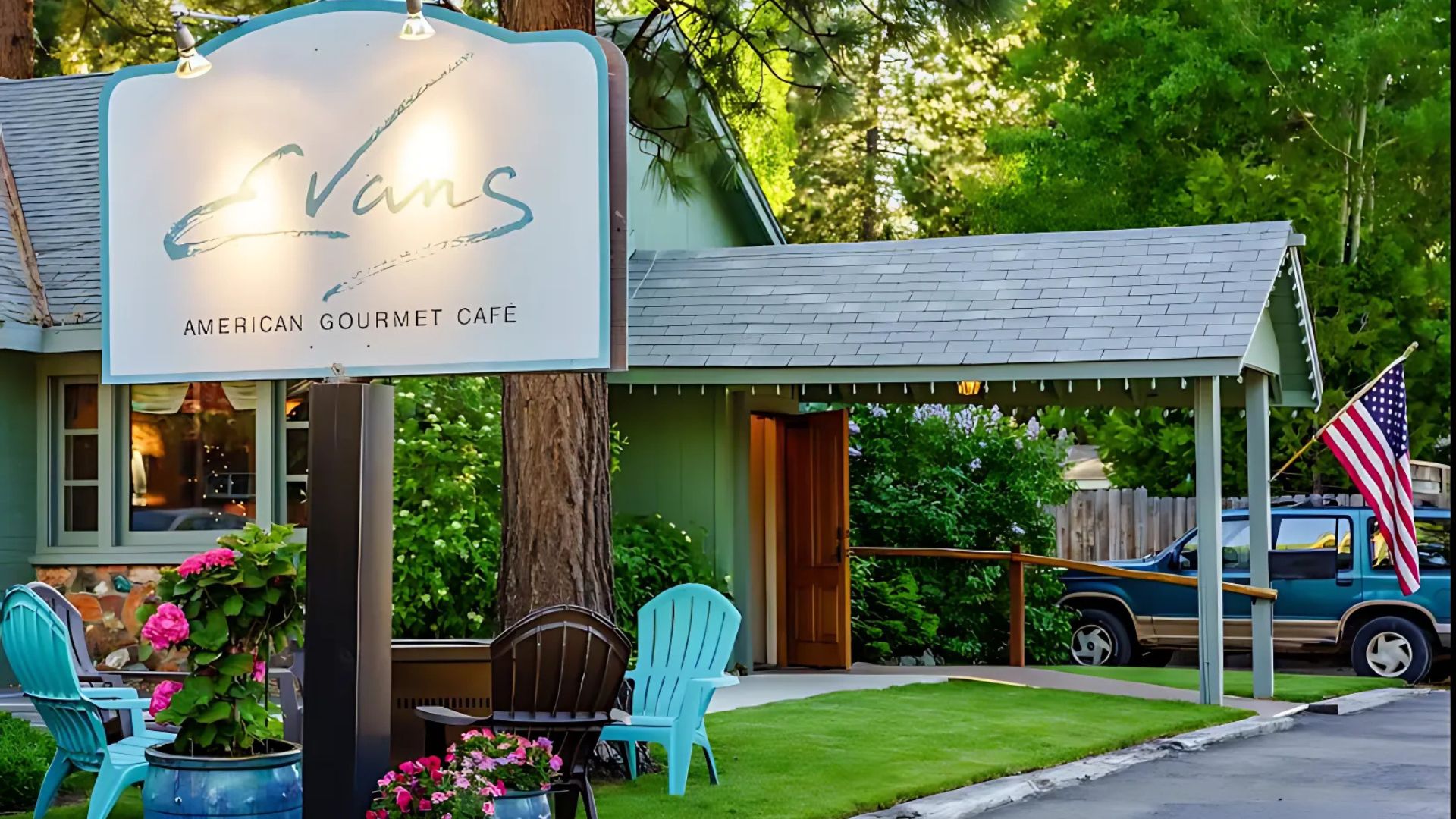
I tried places like Evan’s American Gourmet Cafe, where they use ingredients from nearby farms. The elevation here actually helps grow some unique crops.
Mountain breweries craft beers with Sierra Nevada spring water. I sampled ales that practically tasted like the mountain air itself. Local distilleries use the same pure water for their spirits.
Must-try Lake Tahoe foods:
- Fresh lake trout
- Mountain-grown veggies
- Craft beer from local breweries
- Pine nut dishes
Instagrammable Eats and Local Hotspots
My Instagram feed just bursts with color every time I visit Central Valley’s most photogenic restaurants. Those farm-to-table plates? They’re just begging for a quick photo—honestly, some meals almost look too pretty to eat.
I stumbled across a few places that locals love, but you might not find them in the usual guidebooks. There’s this family-run Mexican spot, tucked away on a quiet street, serving up real-deal dishes with valley-grown ingredients. You can really taste the difference.
Top photo-worthy spots:
- Colorful farmer’s market displays
- Rustic barn restaurants
- Vineyard dining rooms
- Historic Gold Rush town cafes
Some of the best surprises came from the local food trucks. They whip up creative fusion dishes—think traditional recipes, but with a fresh, modern twist. I’m still dreaming about the tacos I tried, loaded with locally-raised beef and crisp veggies straight from the valley.
Central Valley’s agricultural bounty makes every meal a little masterpiece. Fresh fruit platters, vibrant salads, and veggie dishes really show off the region’s farming roots. It’s honestly hard not to snap a pic before digging in.
