
Walking along the Thames in London, I couldn’t miss the enormous brick building that’s now Tate Modern.
This famous museum stands as a masterpiece of transformation, turning the old Bankside Power Station into one of the world’s top spots for modern and contemporary art.
I felt genuinely curious about how this unusual setting would shape my experience—with both the artwork and those jaw-dropping views.
The moment I stepped inside, the mix of industrial architecture and thought-provoking art grabbed my attention.
Huge spaces, tall chimneys, and bold installations give the museum a vibe that’s totally different from any other gallery I’ve visited.
I kept stopping, not just for the art, but to gawk at the London skyline from the upper floors.
My journey through Tate Modern became more than a gallery visit—it felt like a walk through history and creativity, all inside a former power station.
If you’re after a spot that blends art, history, and some of the best city views, you really shouldn’t skip this place.
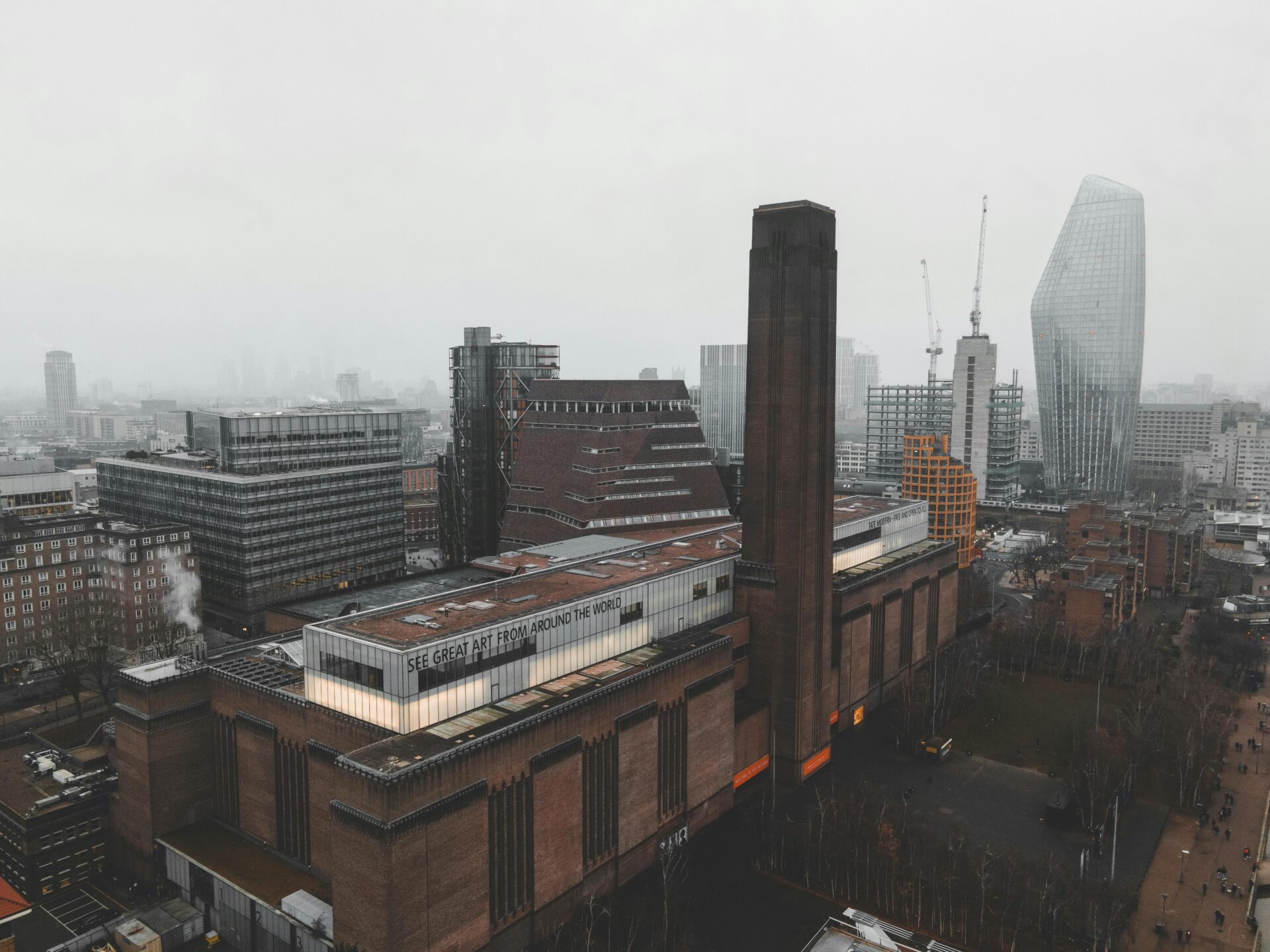
Tate Modern Power: From Industrial Icon to Art Haven
Tate Modern stands on the South Bank of the Thames, inside what used to be Bankside Power Station.
Its transformation from a coal-fired plant into a world-famous gallery is honestly as fascinating as the art inside.
The History of Bankside Power Station
When I entered Tate Modern for the first time, I could still feel the industrial bones beneath the modern art.
The building originally operated as Bankside Power Station, built in Southwark after World War II.
Bankside Power Station generated electricity for London from 1952 until 1981.
Sir Giles Gilbert Scott designed it—the same guy who gave London its iconic red telephone box.
The station’s tall brick chimney became a true local landmark along the Thames, super easy to spot from across the river.
After it closed, the power station just sat there, empty for years.
The vast turbine hall once held huge machinery that powered the city.
Looking at old photos, I can hardly believe that the huge space I wander through today used to be filled with noise and smoke.
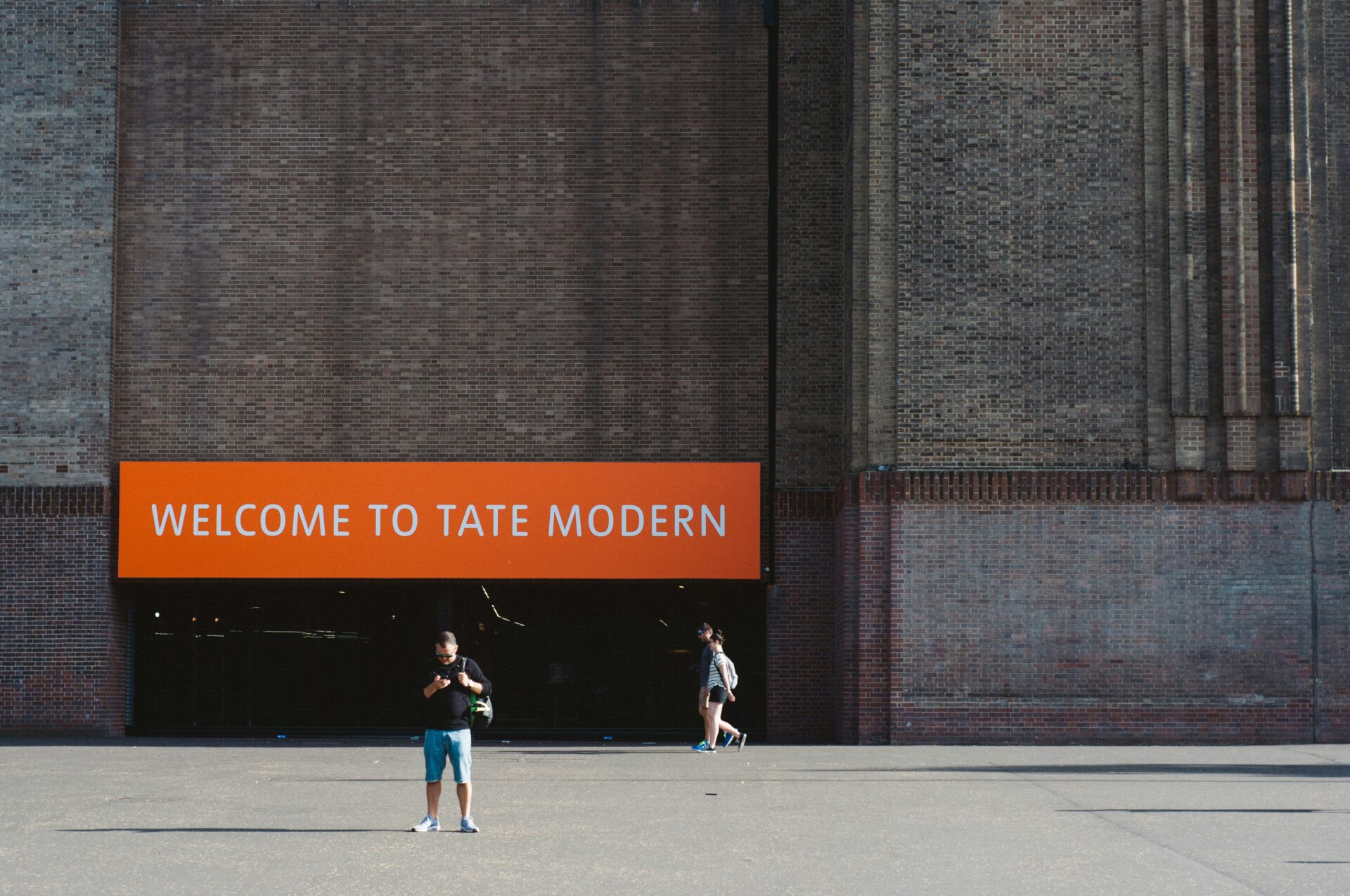
Reinventing an Industrial Landmark
The rebirth of Bankside Power Station into Tate Modern started with a vision to create an art space for everyone.
Planners picked the site for its size, history, and riverside location right across from St Paul’s Cathedral.
In the late 1990s, Swiss architects Herzog & de Meuron took on the redesign.
They respected the building’s heritage and kept much of the original brickwork and structure.
The Turbine Hall became this signature spot for massive art installations.
That preserved the station’s industrial feel, which I honestly think makes seeing modern art here even better.
The transformation turned a dark, forgotten site into a public space that now welcomes millions every year.
Its spot in Southwark, a lively London borough, helped revive the South Bank and brought new visitors to the neighborhood.
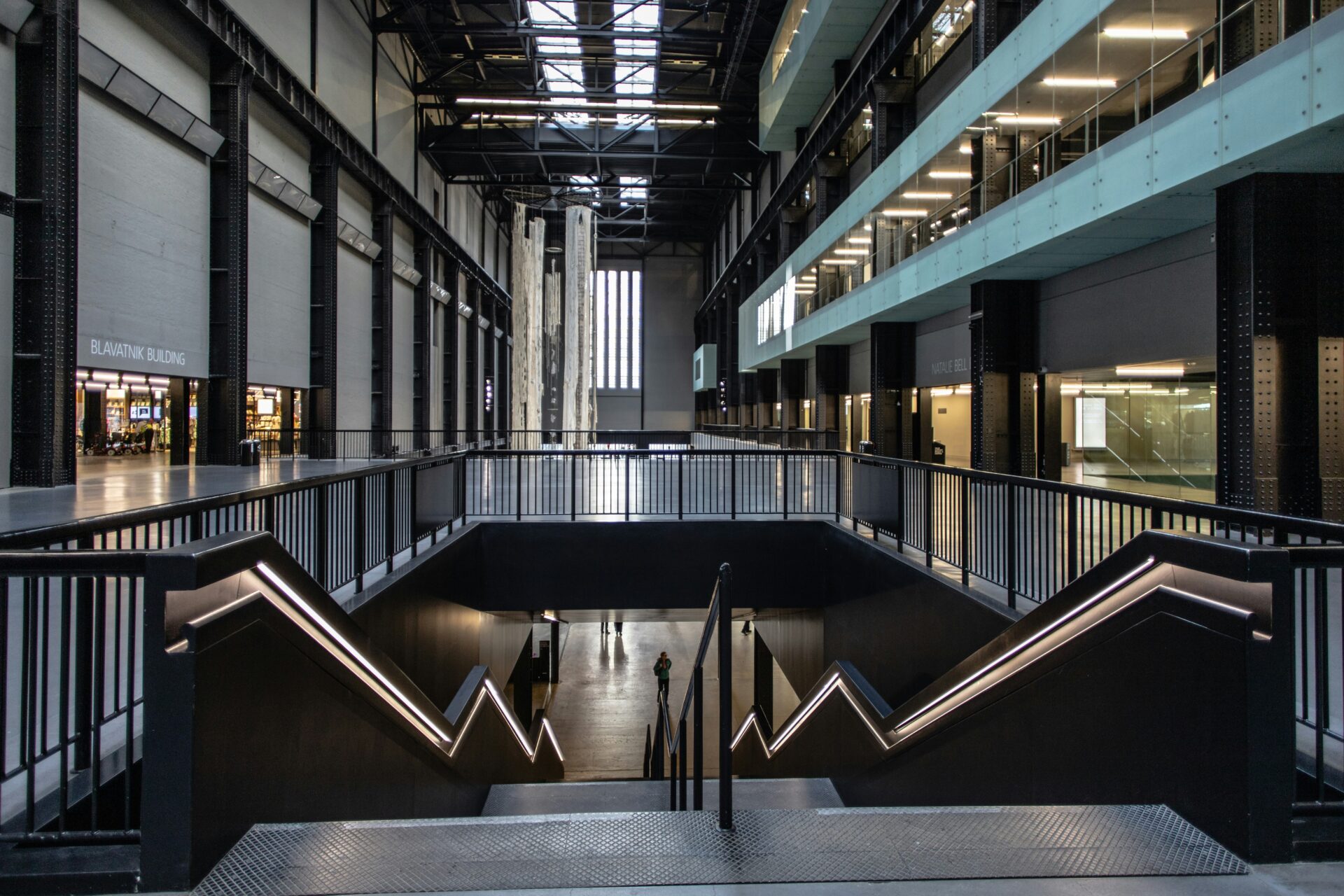
Architecture and Design Wonders
The architecture of Tate Modern amazes me every time I visit.
The old Bankside Power Station brickwork stands strong, now paired with sleek modern extensions.
That chimney still towers over Southwark, a stubborn reminder of the building’s past.
Inside, the Turbine Hall wows me—wide, high, and open.
It often hosts art installations that play with the massive scale.
The Switch House extension, finished in 2016, brought twisting brickwork and panoramic city views.
Light pours in through the windows, illuminating both the art and the textures of brick and steel.
Some features you’ll want to notice:
- Turbine Hall: Massive main entrance, famous for immersive temporary exhibits.
- Switch House: Modern, angular design with wrap-around walkways.
- Viewing Terrace: Offers some of the best city and Thames views in London.
Every visit feels different, blending industrial history with creative energy in one unforgettable space.
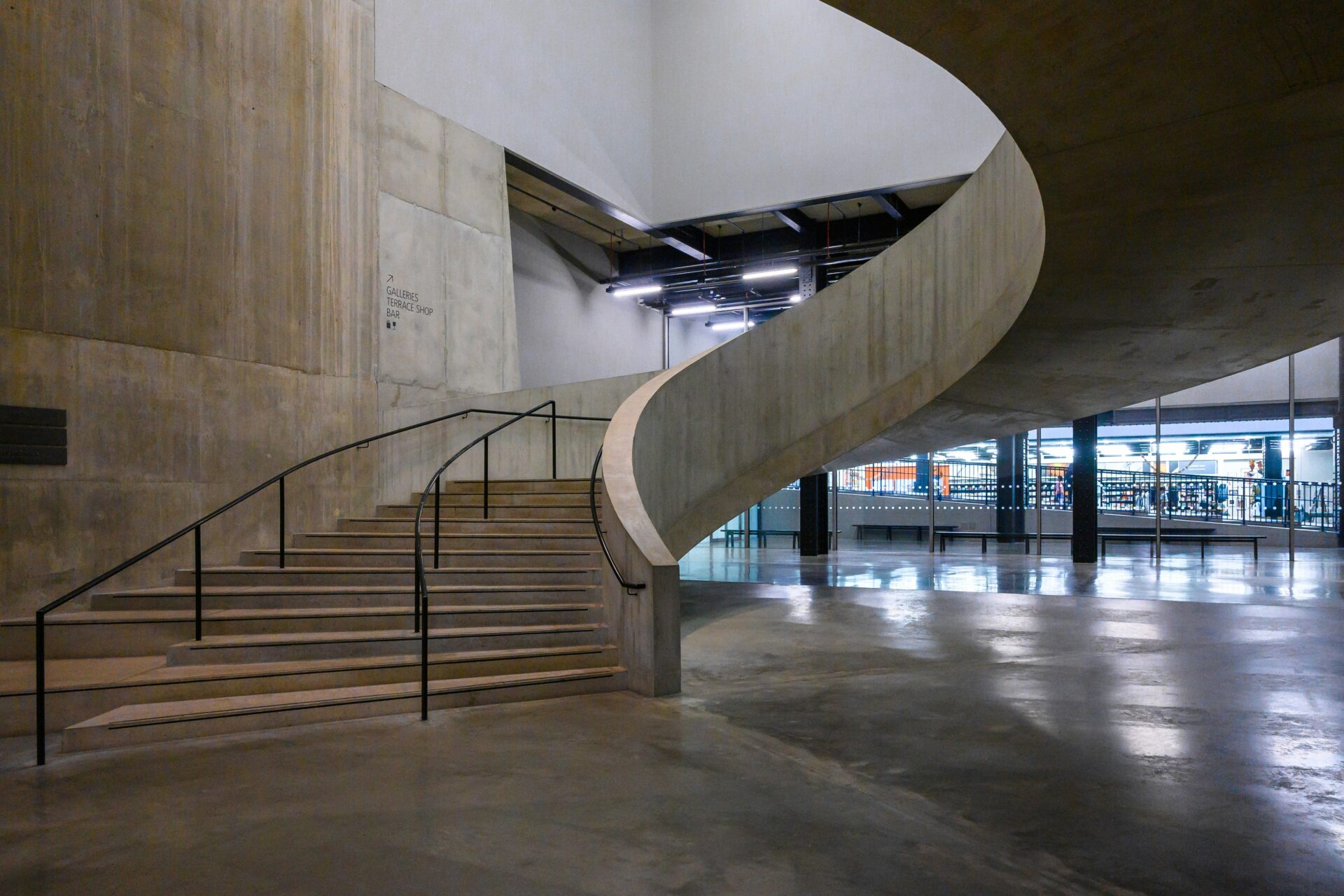
Immersive Gallery Spaces and Must-See Collections
Tate Modern totally changed my idea of what an art museum could be.
There’s always something new to discover—from stunning modern art to wild gallery layouts.
Exploring the Permanent Collection
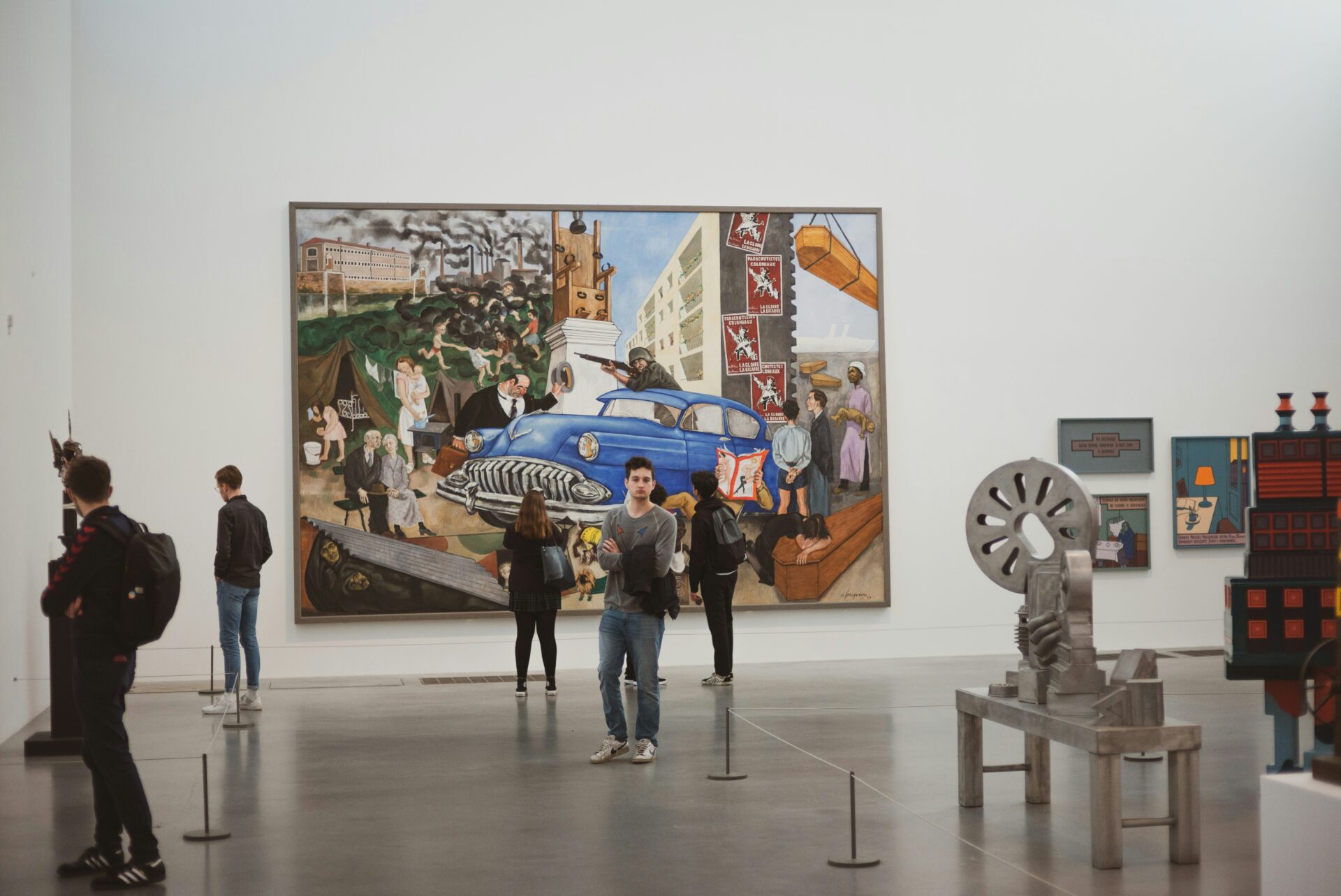
I started off in the heart of the permanent collection, which mixes British art from the 1500s with global modern and contemporary works.
The way they display paintings and sculptures makes it easy to jump into different art movements.
I saw Dada works, bold pieces by Picasso, and classic examples of minimalism.
It’s not just paintings—there’s photography, film, and even sound installations.
Moving from one room to another, I felt like every area told its own story.
I didn’t expect to see so many world-famous artists all in one place.
For anyone who loves modern art, these galleries are honestly a treat.
Visitor Tip: The museum often rotates its displays. If you have favorite artists, check online before you go.
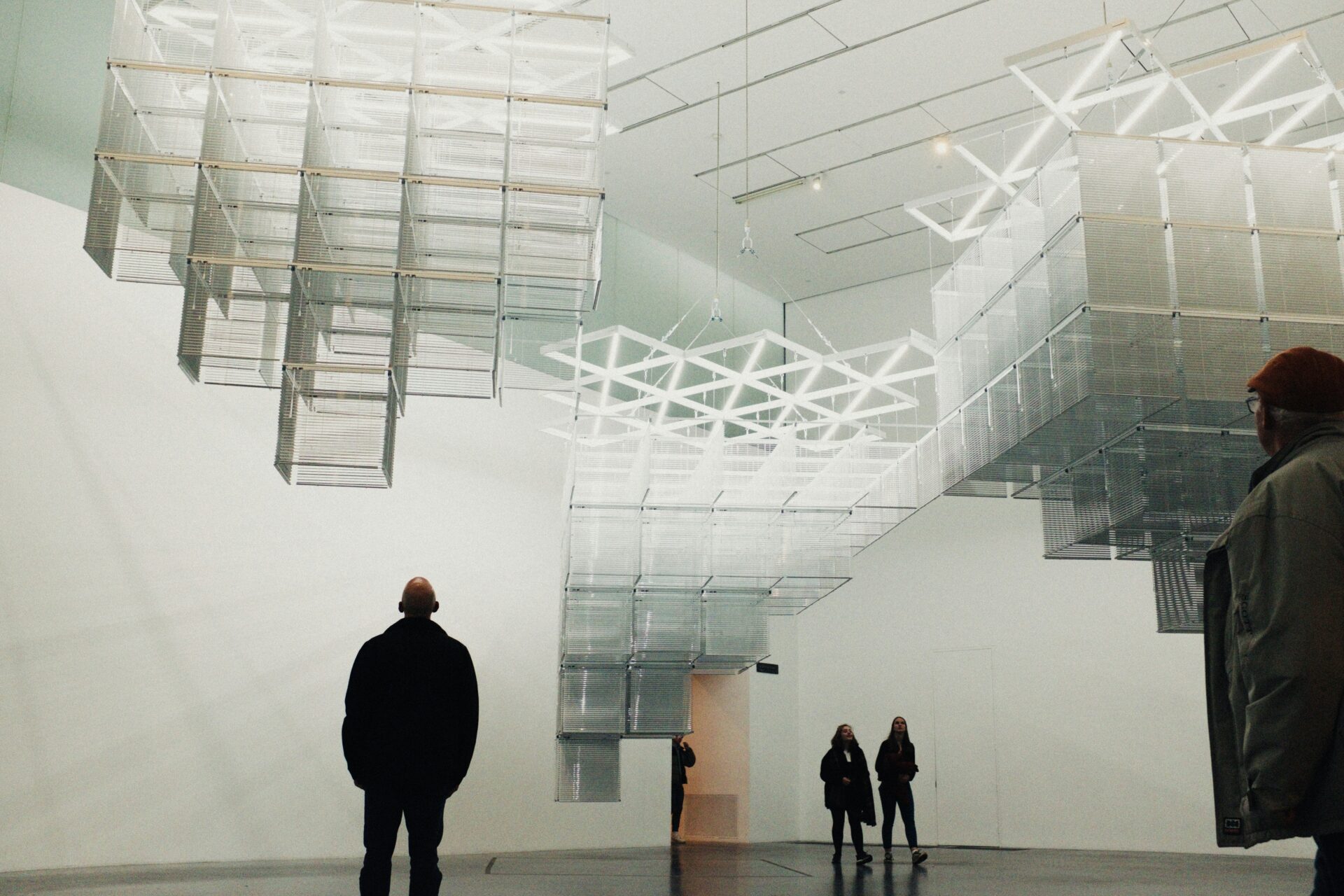
Gallery Spaces: A Walking Adventure
As I wandered through the gallery spaces, I immediately noticed how the museum still feels like the old Bankside Power Station.
Tall ceilings, steel beams, and exposed brick give each room its own character.
The Turbine Hall—a massive former machine room—now hosts giant installations you can sometimes walk through or around.
I explored areas that felt wide open and others that felt cozy and intimate.
Big windows let in lots of natural light, so art pieces really pop against the changing sky.
My favorite spots are the upper floors, where I catch glimpses of the Thames and the city below between gallery visits.
Quick List:
- Turbine Hall: Best for large-scale installations
- Level 4: Known for international modern art
- Riverside Rooms: Great for seeing famous works with city views
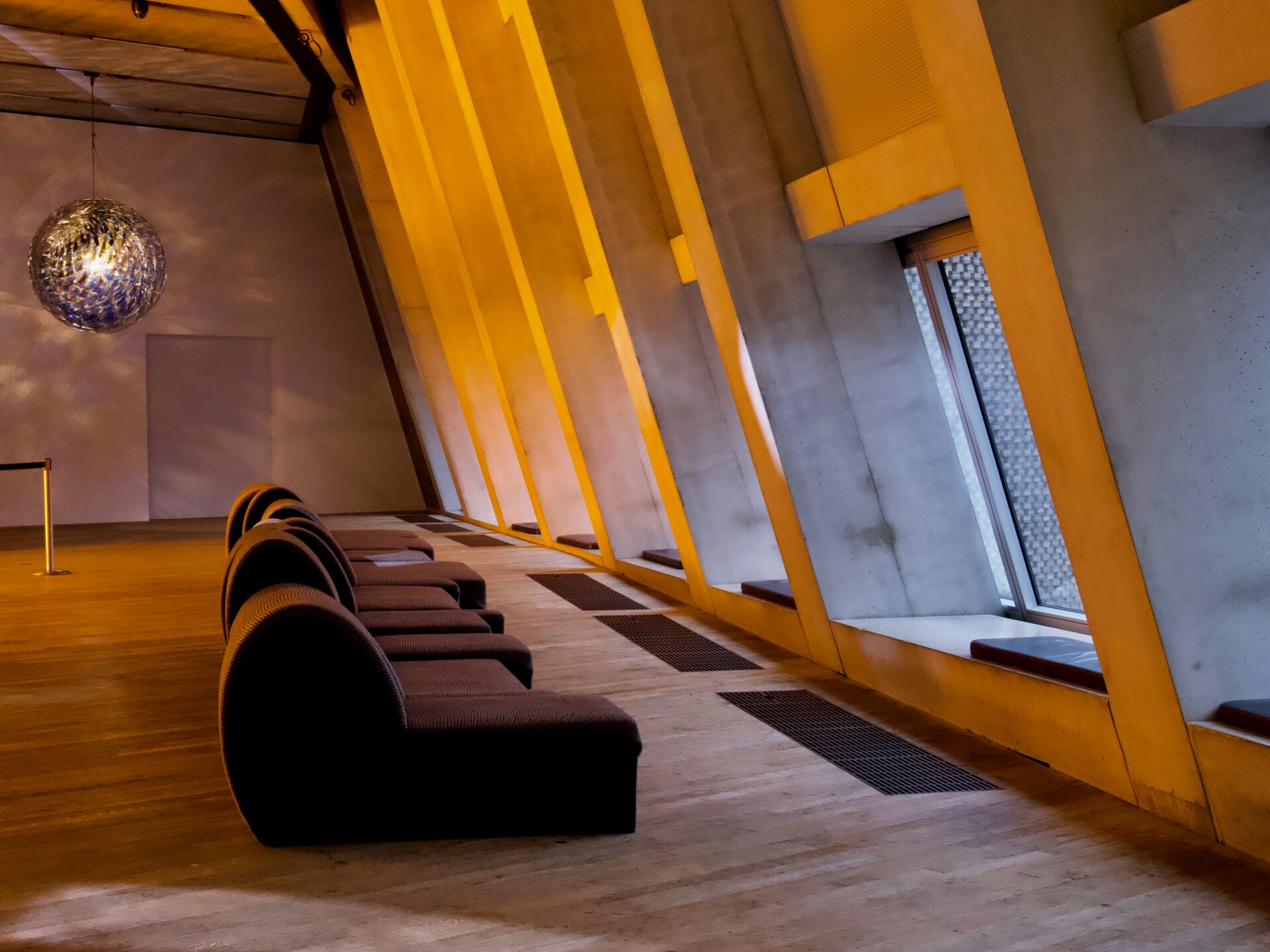
Viewing Contemporary Masterpieces
Contemporary art really comes alive at Tate Modern.
I found myself standing in front of bold paintings, unexpected mixed media pieces, and powerful sculptures.
Works from big names like Picasso show up, mixed with exciting new artists and movements like Dada.
There’s a huge range, from giant murals to delicate abstract sculptures and vivid photographic art.
Some galleries feature rotating exhibitions, so you might catch experimental art you won’t find anywhere else.
I often jot down notes or snap photos of inspiring setups (where it’s allowed), since the way art is grouped really sparks ideas.
When I wander through these galleries, I feel the museum connecting visitors to both the past and present of contemporary art.
Being surrounded by creative energy in a space that once powered a city makes every visit feel special.
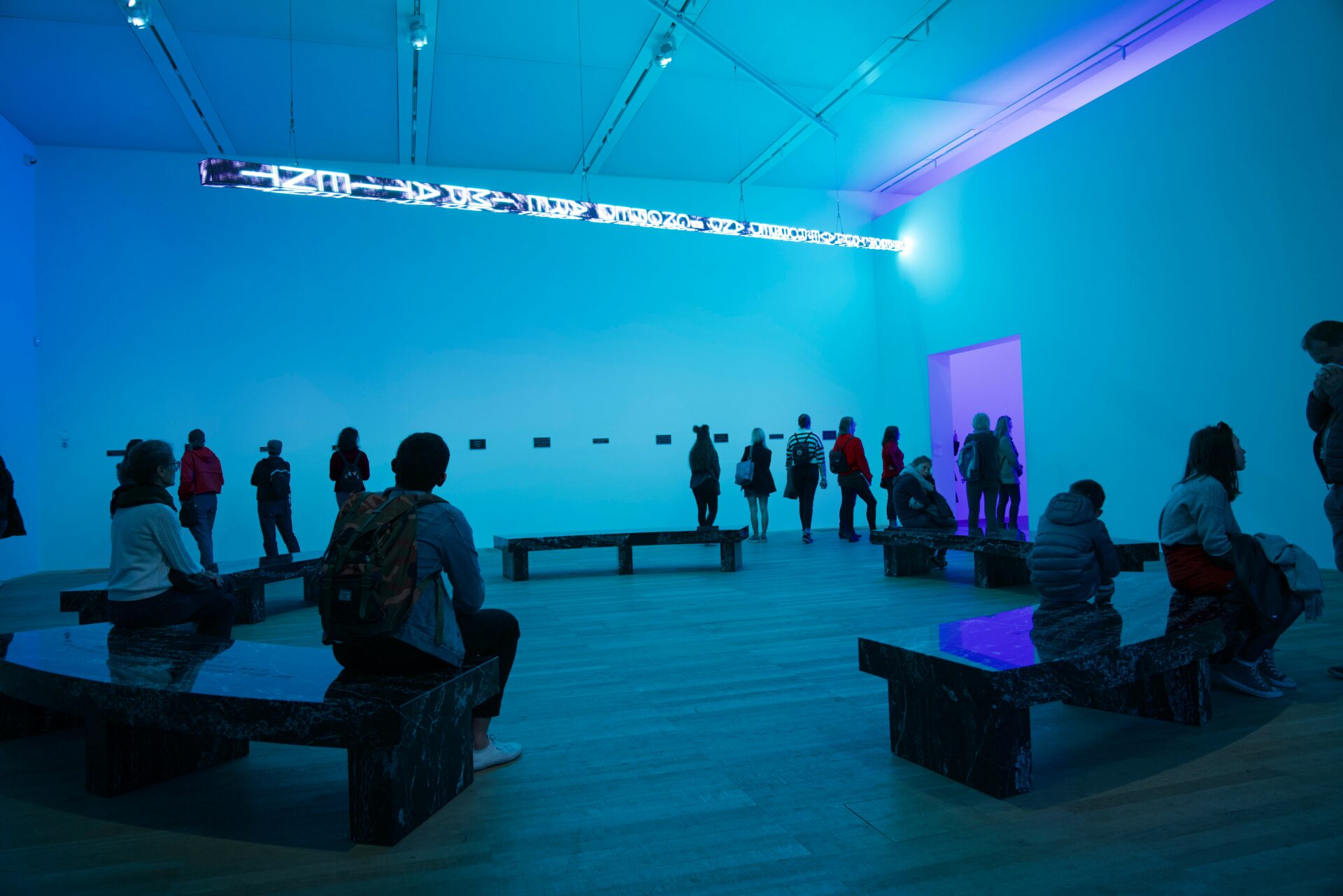
Unforgettable Exhibitions and Turbine Hall Experiences
Walking through Tate Modern, I felt surrounded by bold creativity, interactive moments, and art that stretched the limits of what a museum could be.
The former power station’s unique spaces—especially the Turbine Hall—set the stage for one-of-a-kind encounters with modern art.
Major Exhibitions That Left a Mark
Over the years, I’ve seen unforgettable exhibitions that brought together leading artists from around the world.
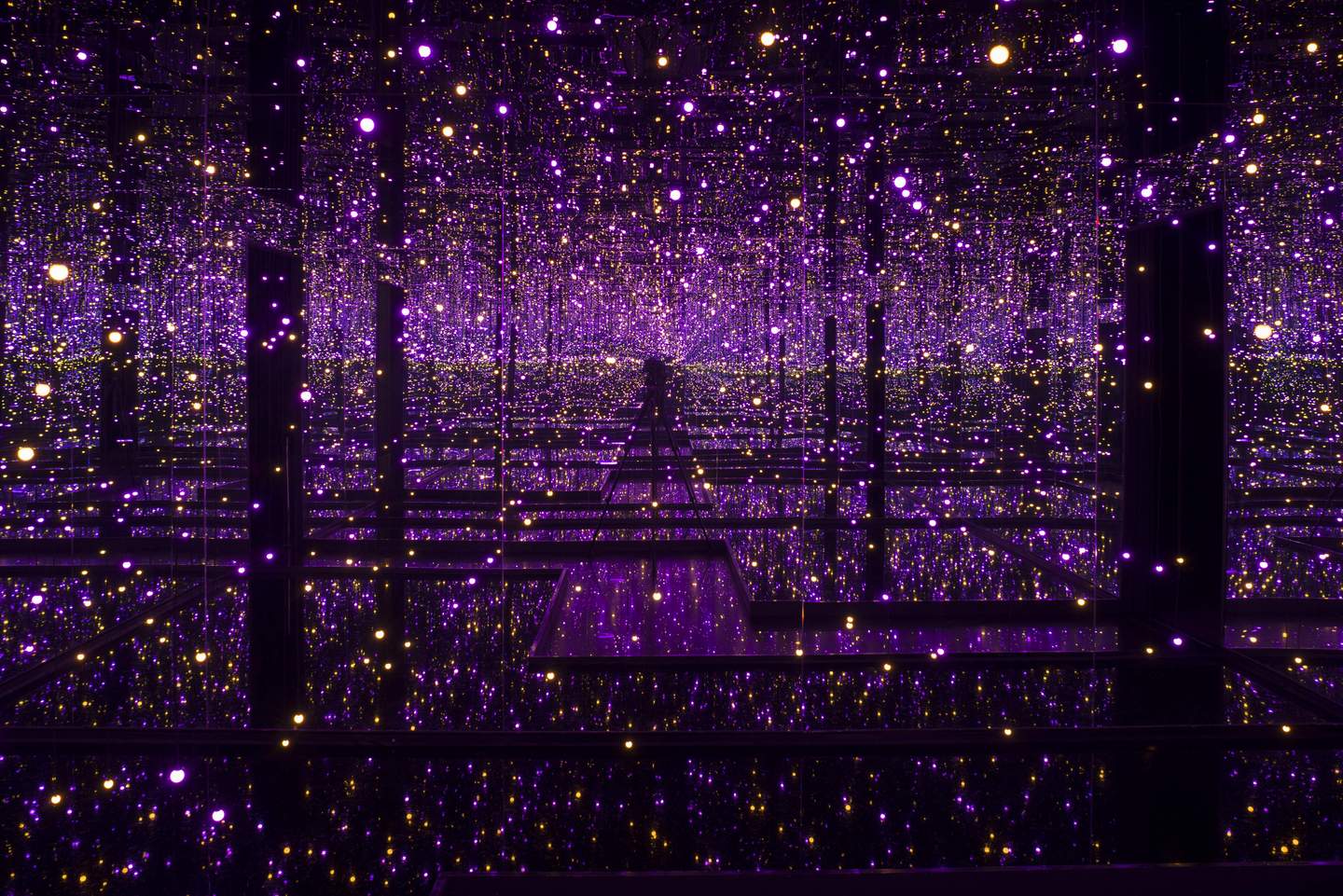
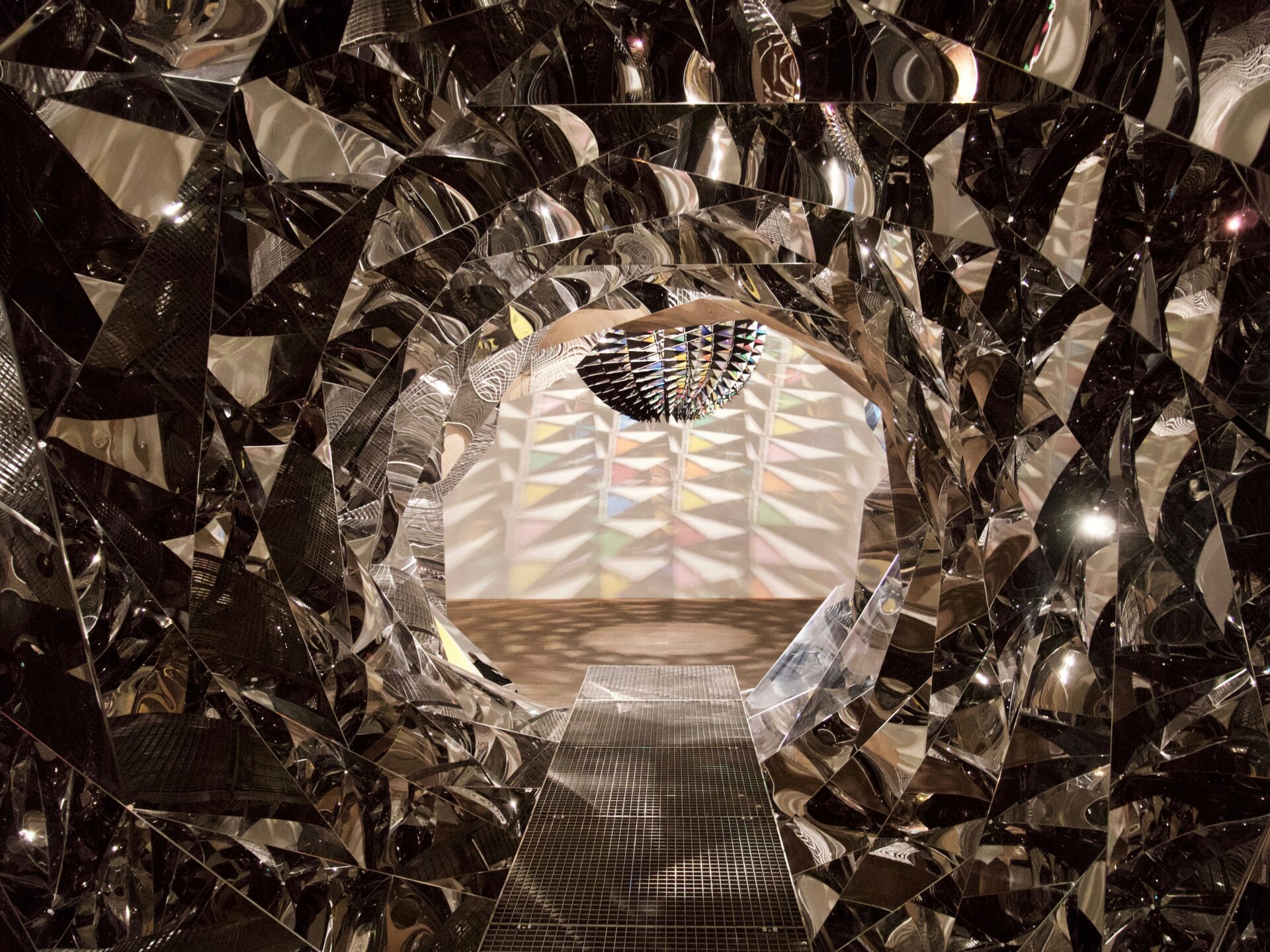
Yayoi Kusama’s Infinity Mirror Rooms turned ordinary rooms into endless light and reflections, making me feel like I’d stepped inside a dream.
Olafur Eliasson’s Weather Project used mist and artificial sunlight to turn the Turbine Hall into a glowing sunset—people sprawled out on the floor, soaking it all in.
I also saw the Shchukin Collection, which showcased iconic works by Picasso and Matisse.
The powerful portraits of African diaspora by Zanele Muholi stuck with me too.
Large-scale retrospectives introduced me to whole movements that shaped modern society.
Each visit felt like an introduction to new perspectives.
Turbine Hall: Awe-Inspiring Installations
The Turbine Hall stands out as one of the most memorable spaces I’ve explored.
Once home to powerful generators, now it’s famous for ambitious, site-specific installations.
When I walked down its long ramp, I was amazed by how artists adapted the vast space so creatively.
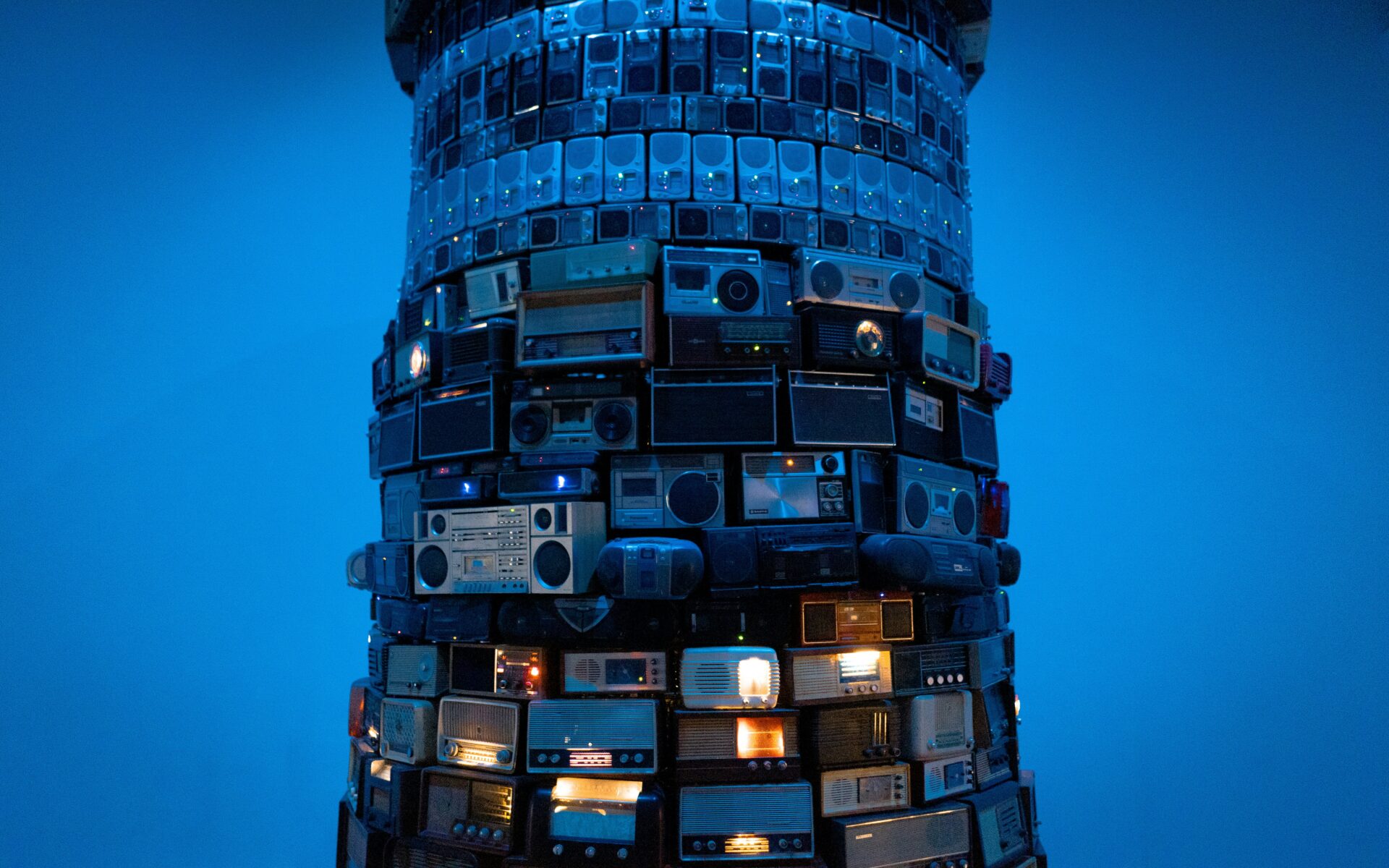
Past installations included Ai Weiwei’s “Sunflower Seeds,” where millions of hand-painted porcelain seeds blanketed the floor.
Miroslaw Balka’s How It Is turned the hall into a massive, dark steel box.
Each artwork uses the industrial features—like tall ceilings and concrete floors—to heighten the experience.
I got lost in these immersive environments, sometimes literally, sometimes emotionally.
Performance and Interactive Art
What makes Tate Modern unforgettable for me isn’t just the static displays, but also the lively, unpredictable events.
I’ve stumbled into performances in galleries and the Turbine Hall itself.
When Tino Sehgal staged a living piece, I watched as performers danced and chatted, pulling visitors right into the art.
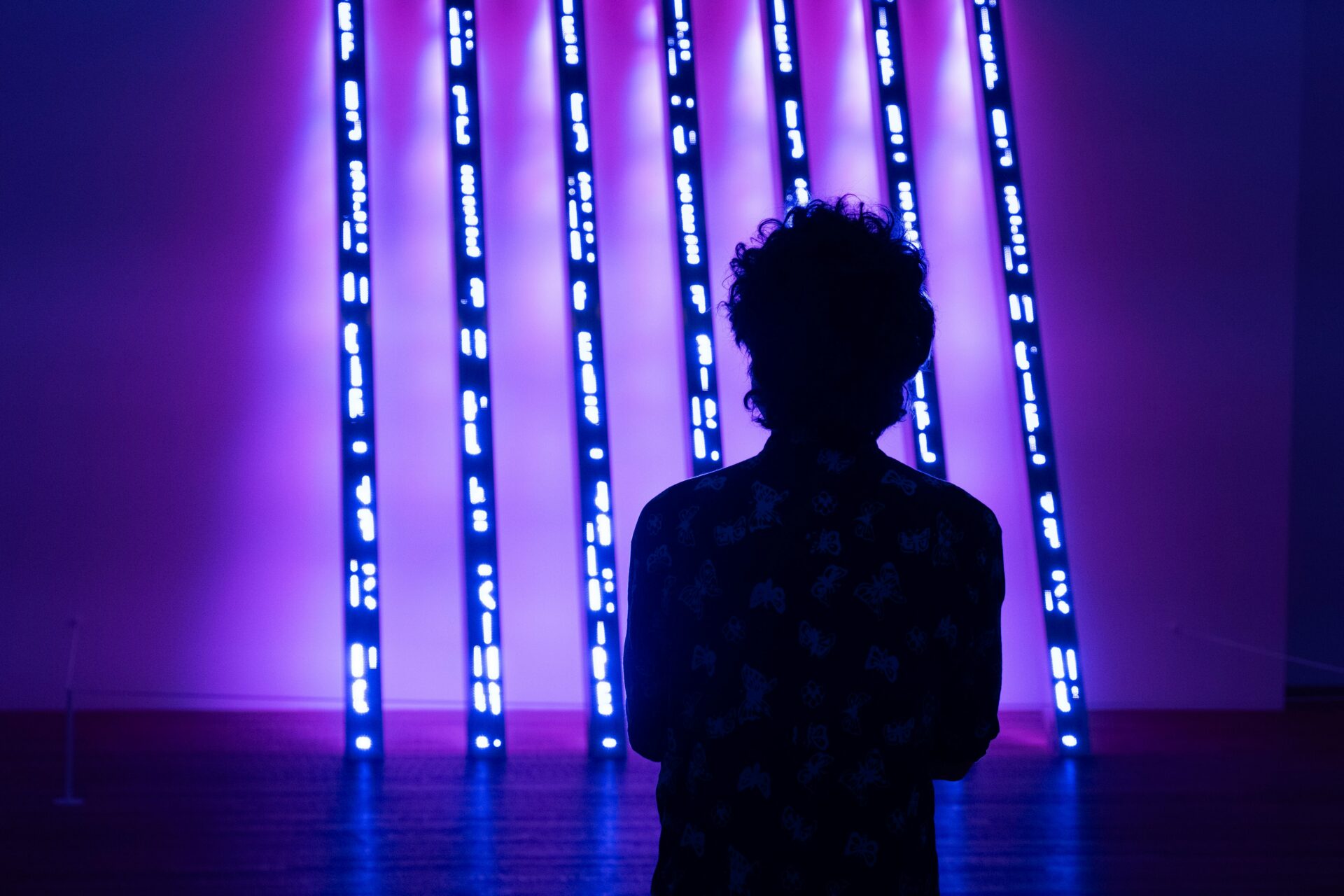
Interactive art has included everything from community projects where visitors painted together, to sound installations that react to movement.
I liked feeling part of the creations—sometimes just by walking through, sometimes by sharing a story or adding to the work.
The mix of performance and interaction keeps every visit feeling fresh, no matter how many times I come back.
Art, Memory, and the Human Experience: Personal Reflections
Wandering through Tate Modern, I found myself not just looking at art—but also looking inward, connecting artwork with memories and world events.
Pieces from different times and places made me think about writing, reading, and our shared struggles.
Finding Meaning in Modern Art
Standing in front of abstract canvases, I felt challenged to search for meaning beyond what I could see.
Modern art at Tate often leaves space for personal interpretation, so each visitor might walk away with a different message or memory.
Sometimes, I caught myself thinking about old conversations or experiences when looking at sculptures or installations.
The museum doesn’t just show art—it invites us to write our own story in response.
I noticed other visitors quietly reading wall labels, then chatting softly about what they saw.
Tip: Bring a small notebook—jotting down first impressions helped me remember which pieces hit the hardest.
Memories Sparked by Spanish Civil War Art
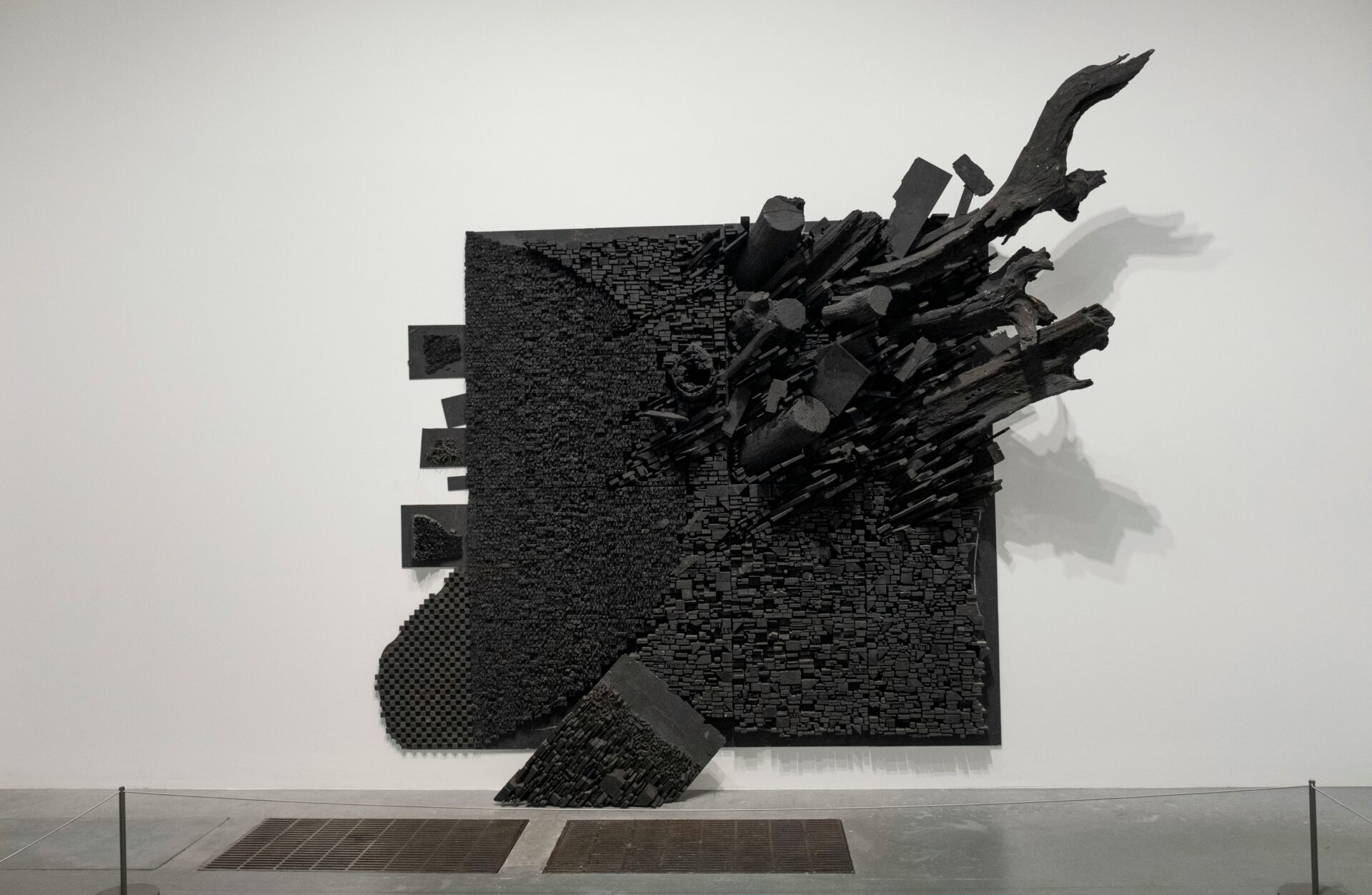
A section of the gallery focused on artists who responded to the Spanish Civil War, and I found those works especially moving.
Paintings and photographs told stories of loss, hope, and resistance.
Looking at these pieces, I thought about how history shapes memory.
The struggle and pain captured by Spanish artists—sometimes with just a single, haunting image—made me reflect on how war changes lives.
I saw a group of teens reading an artist’s statement, then quietly discussing what war must have felt like for families at the time.
Table: Spanish Civil War Art Themes
| Theme | Example |
|---|---|
| Loss and Suffering | Mothers and children |
| Resistance | Protest banners & posters |
| Hope | Bright, surviving colors |
Apartheid and South Africa Through Art
In the section dedicated to South African artists, I was drawn to works responding to apartheid.
Paintings and mixed media pieces gave a voice to those affected by segregation and discrimination.
The raw emotions—pain, anger, and sometimes hope—came through in color, texture, and subject.
I spent extra time reading about the artists’ personal histories.
Some used their art as a form of protest.
While looking at these powerful pieces, I realized how art can keep memory alive, reminding us about the realities of injustice while pushing us to stay informed and thoughtful travelers.
Tip: Read the accompanying texts and listen to any available audio guide. These resources added context and depth, turning a simple viewing into a lesson about the human experience during apartheid.
Practical Tips: Views, Eats, and Exploring Beyond the Gallery
Visiting Tate Modern isn’t just about the art; there’s so much more to enjoy.
From riverside dining to sweeping city views, this spot on the Thames brings together culture, great food, and some of London’s best scenery.
The Restaurant with a Thames View
I remember sitting at the Tate Modern restaurant up on the top floor. Glass walls open up the space, showing off the River Thames and flooding the room with daylight—even when London’s sky is gray.
You can’t help but pause and just soak in the city stretching out in front of you. The menu leans into British and European dishes, and they really focus on fresh ingredients.
I liked how simple it was to find something that worked for my diet. They’ve got vegan and gluten-free options, which is always a relief.
Staff keep things casual but genuinely friendly, so it feels like a nice break from wandering around the galleries. Want that perfect window seat? You’ll probably want to book ahead, especially if it’s the weekend.
Where to Find the Best City Panoramas
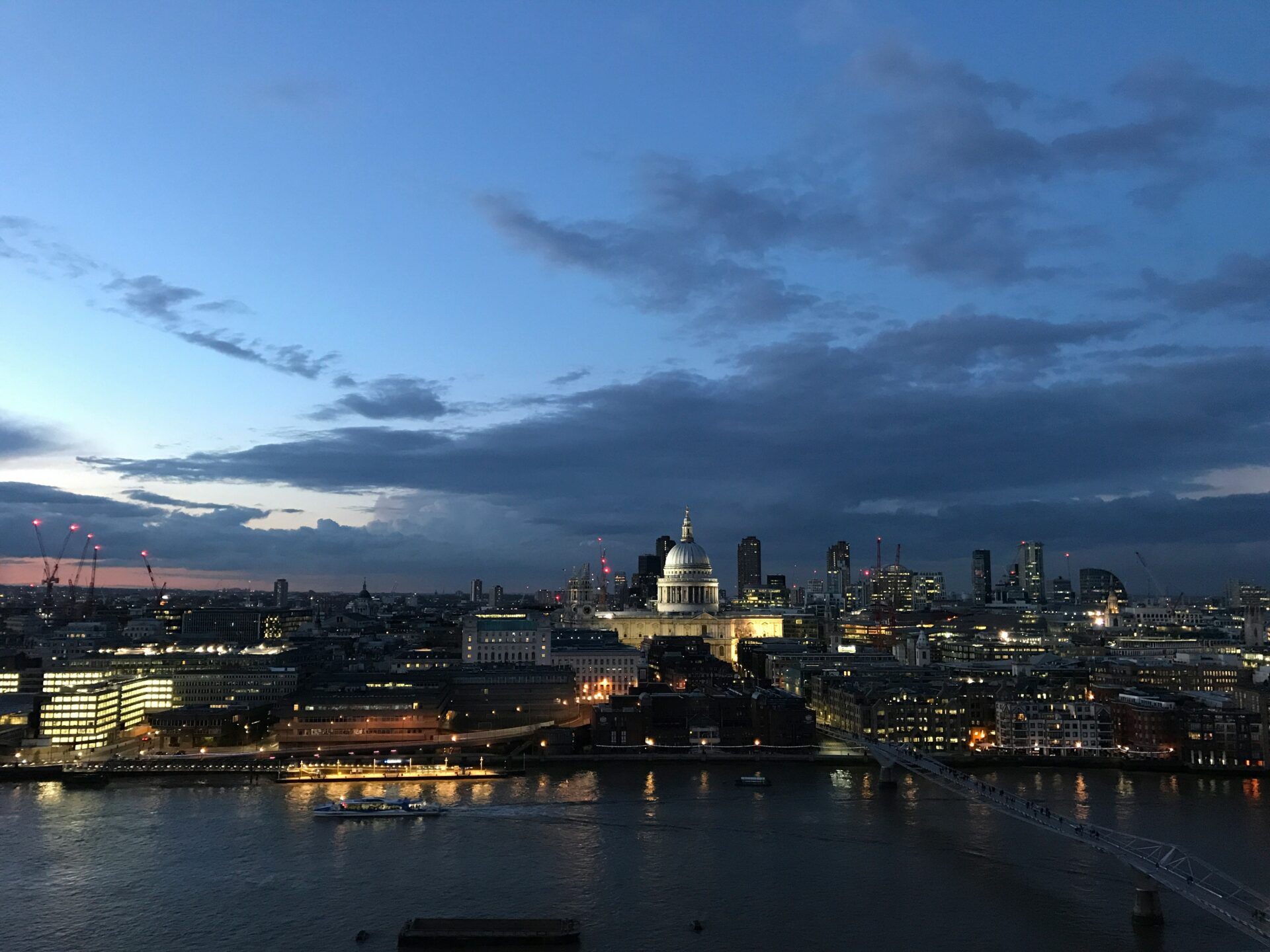
Whenever I want the best city views, I go straight to the Blavatnik Building’s viewing level. The open-air terrace wraps around the top, letting you see all of London at once.
You’ll spot St Paul’s Cathedral’s dome on one side, and the Shard slicing into the skyline on the other. The river winds through everything, and if the weather’s clear, you can even pick out far-off skyscrapers.
This spot doesn’t cost anything to visit, so honestly, why not go? I’ve found it’s quieter in the mornings.
It’s a great place to catch your breath, snap a few photos, or just watch the city moving below. The mix of old landmarks and modern towers always makes me see London differently.

Planning Your Tate Modern Adventure
Getting to Tate Modern isn’t complicated. I usually wander across the Millennium Bridge from St Paul’s Cathedral—it’s a quick walk, and honestly, the view always makes it worth it.
The museum opens every day. You can check out the main collection for free, though you’ll need a ticket for some special exhibitions.
If you haven’t been before, try downloading the Tate’s free app. It’s got interactive maps and a few suggestions that can help you figure out where to start.
The building feels really accessible. You’ll find lifts to every floor and accessible toilets, which is always a relief.
There are lockers if you want to stash your stuff. The gift shop’s fun to browse, and if you have kids along, you’ll spot some family-friendly activities.
Once you’re done inside, the riverside path outside makes for a nice stroll. If you’re hungry, Borough Market is just nearby and totally worth a visit for some local eats.
