
Cycling, skating, and picnicking at Tempelhofer Feld honestly felt like nothing else I’ve ever done in Berlin. This massive park, right in the city’s heart, used to be an airport—now it’s just wide open for everyone, like some gigantic urban playground.
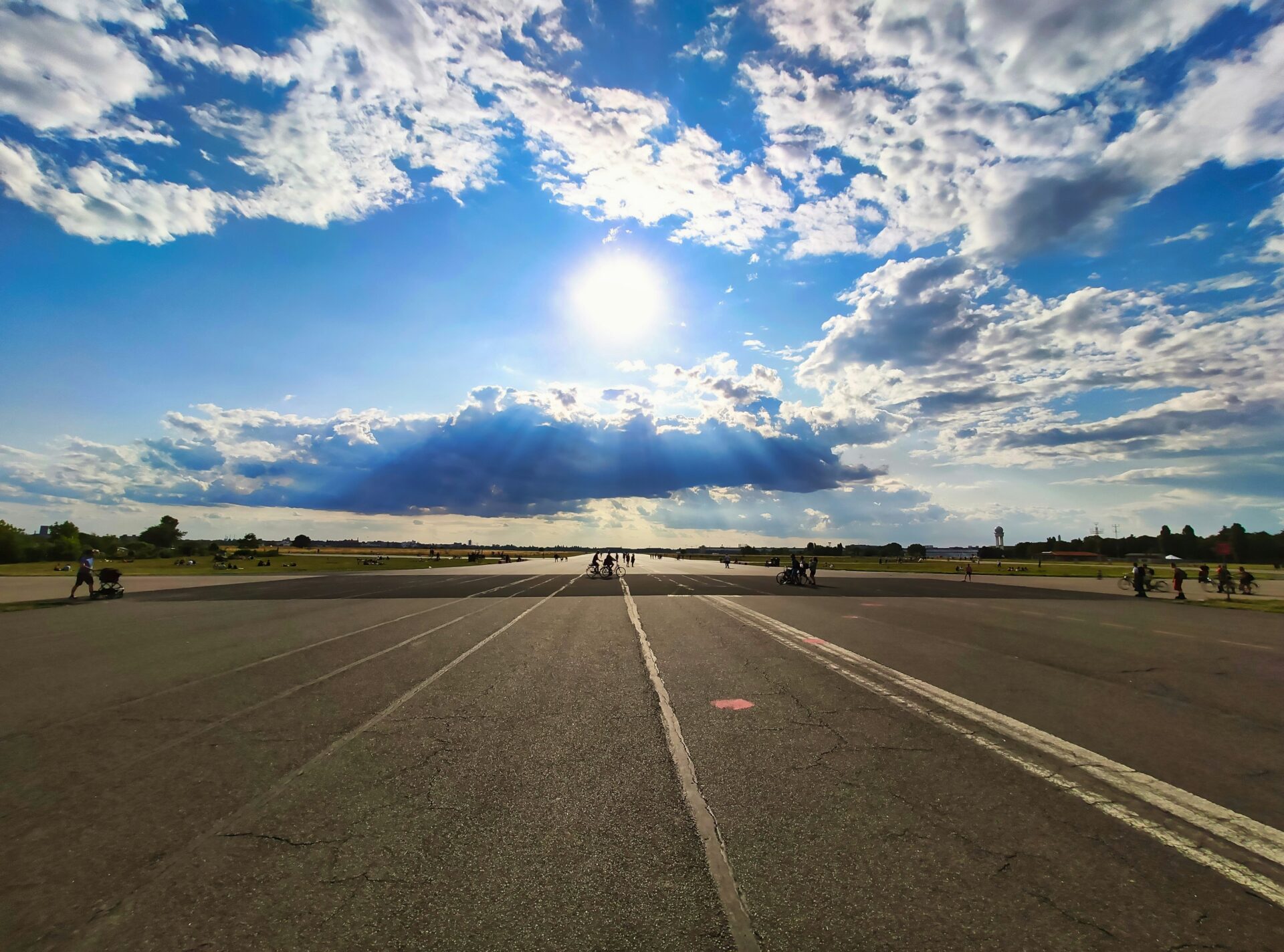
Riding my bike down a real runway, sky stretching above and city skyline all around, just felt wild and a little surreal.
I spent hours exploring the old airport grounds, gliding along those broad paved paths, and flopping down on the grass for a simple picnic. All around, people were flying kites, rollerblading, or just soaking up the open space. The vibe—this crazy mix of freedom, history, and community—really sets Tempelhofer Feld apart from any other park in Berlin.
If you’re looking for something truly unique right in Berlin’s core, you’ve got to check out Tempelhofer Feld.
Unveiling Tempelhofer Feld: From Airport Runway to Urban Playground
Tempelhofer Feld is one of those places that feels both historic and totally alive. Its story is shaped by aviation, Cold War drama, and Berliners fighting to keep it open. Walking around, I kept thinking: how did this wild transformation even happen?
History of Tempelhof Airport
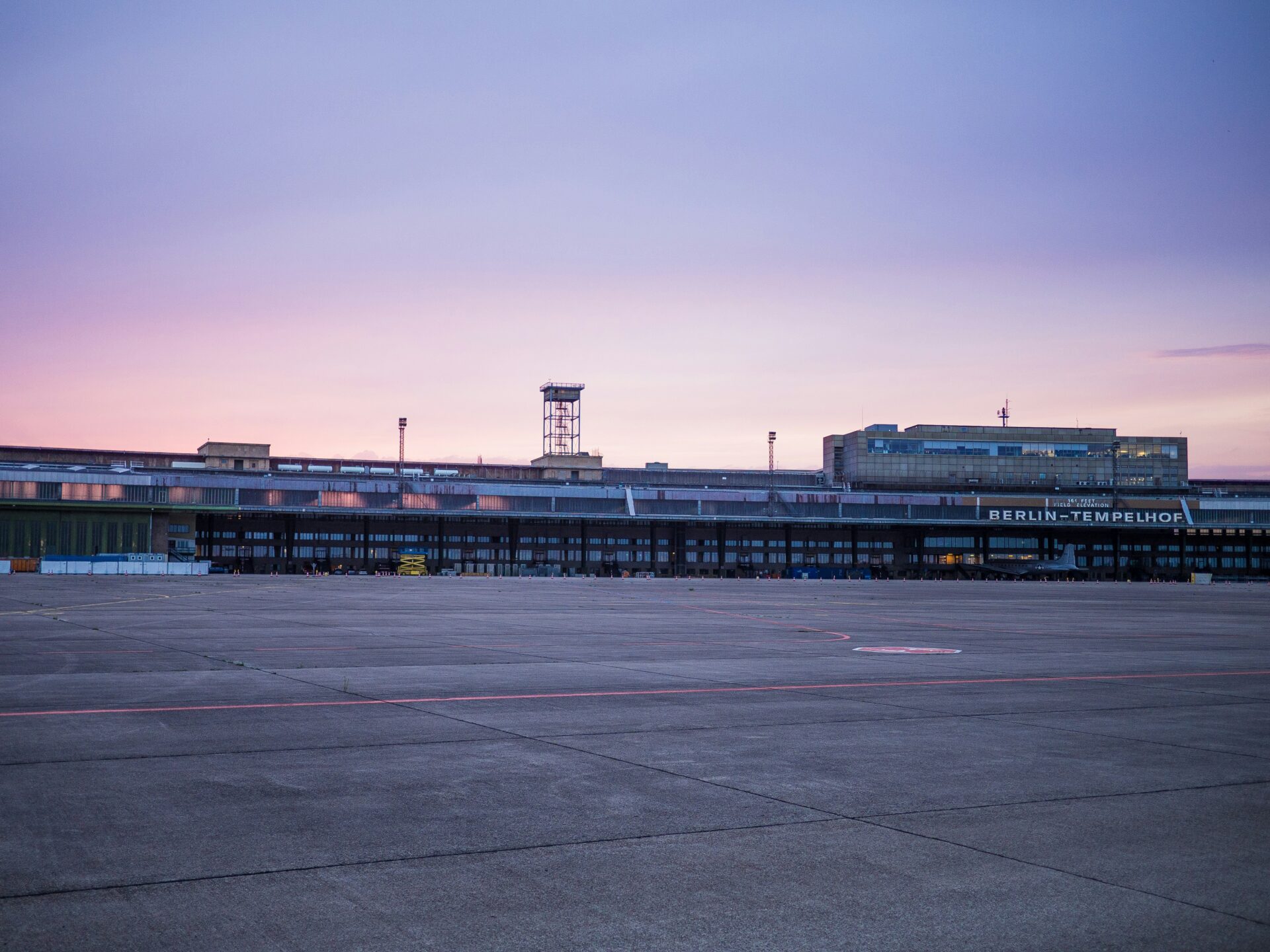
Tempelhof Airport once played a huge role in Berlin’s aviation scene. Built in the 1920s, then expanded by the Nazis in the ’30s, it was actually one of the world’s largest buildings. That curved terminal? It’s iconic.
Back in the day, Tempelhof connected Berlin to major European cities. The terminal buzzed with travelers and aviation geeks. It became this symbol of progress, especially when air travel was still new and glamorous.
The airport weathered some wild times—Nazi rule, bombings, and then the tense Cold War years. By the 2000s, Berlin didn’t really need a central airport anymore, so they finally shut it down in 2008.

Transformation Into a Public Park
Once the airport closed, Berliners faced a big question: what should we do with all this space? In 2014, after lots of debate, people voted to keep it undeveloped. That decision turned Tempelhofer Feld into a permanent public park.
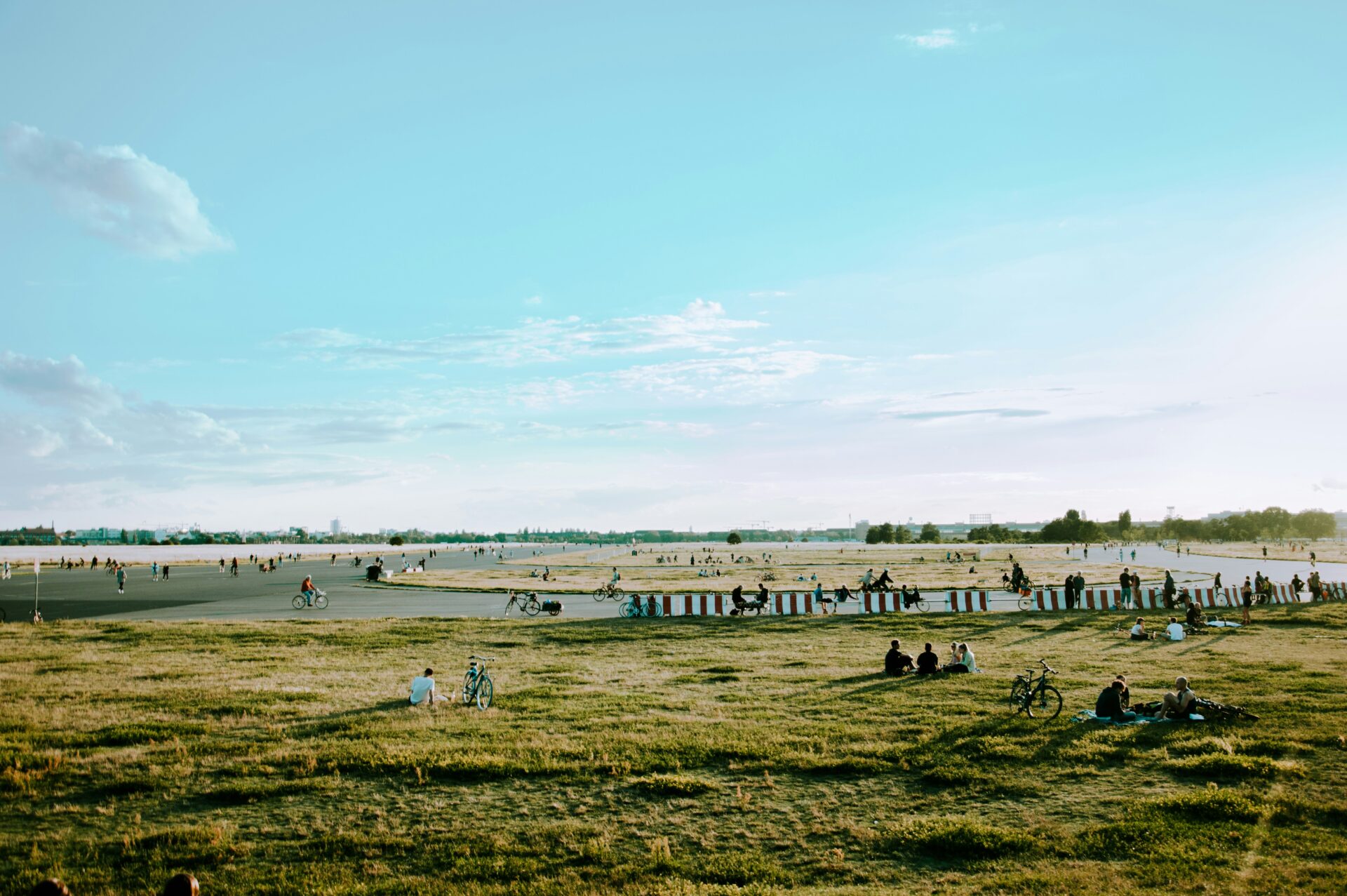
Locals quickly claimed the space for cycling, skating, sports, and community events. I saw people zipping down the old runways on bikes and skates, with families picnicking nearby. It’s rare to find this much open land in a city.
Groups like Grün Berlin GmbH and neighborhood residents jumped in to plan the park’s future. Their efforts kept Tempelhofer Feld open and accessible. Now, it stands as one of the world’s largest urban parks—pretty wild when you think about it.

Historical Significance and the Berlin Airlift
Tempelhofer Feld isn’t just a park; it’s a living piece of history. During the Berlin Blockade in 1948-49, this place became the main site for the Berlin Airlift.
For nearly a year, American and British planes landed here every few minutes, bringing food and supplies to a city cut off by the Soviets. The same runways I biked along once helped save West Berlin.
The airlift marked a turning point in Cold War history. It symbolized the West’s commitment to Berlin’s freedom. As I walked and rode across Tempelhofer Feld, I couldn’t help but feel connected to those dramatic days. There are signs and displays scattered around, honoring the people who made it all happen.
My Personal Journey: Cycling, Skating & Picnicking on Tempelhofer Feld
Tempelhofer Feld just isn’t like any other Berlin park. You get endless open space, tons of ways to stay active, and plenty of chill spots to meet up with friends.
Cycling the Expansive Runways
Cycling here is something else. The runways are so wide and flat, stretching on forever—it’s just pure freedom. I brought my own bike, but I noticed plenty of people renting or grabbing city bikes.
The surface is super smooth, so it’s perfect for fast rides or lazy loops with stops to take in the view. Marked lanes keep things organized, even when it’s busy. Bikes are hands down the best way to see everything, from the old terminals to the different park zones.
No cars means no stress. I could just ride and not worry about traffic.
| Time of Day | Experience |
|---|---|
| Morning | Peaceful, uncrowded, great for exercise |
| Afternoon | More people, lively, family-friendly |
| Evening | Cooler air, beautiful sunset views |
Skating and Skateboarding Adventures
After cycling, I switched to rollerblades. The paved airstrips are a dream for skating and skateboarding—tons of space, smooth as can be. I picked up speed, tried a few tricks, and joined a group of skaters just hanging out.
No cars, no obstacles—just open runway. I saw kids on scooters, teens practicing skateboard flips, and even a few seasoned locals showing off. One skater told me they come here every day just for the perfect surface.
Groups of skaters often meet near the center or by the old terminal. Sometimes you’ll stumble on an impromptu lesson or a friendly competition.

Picnicking and Gathering With Friends
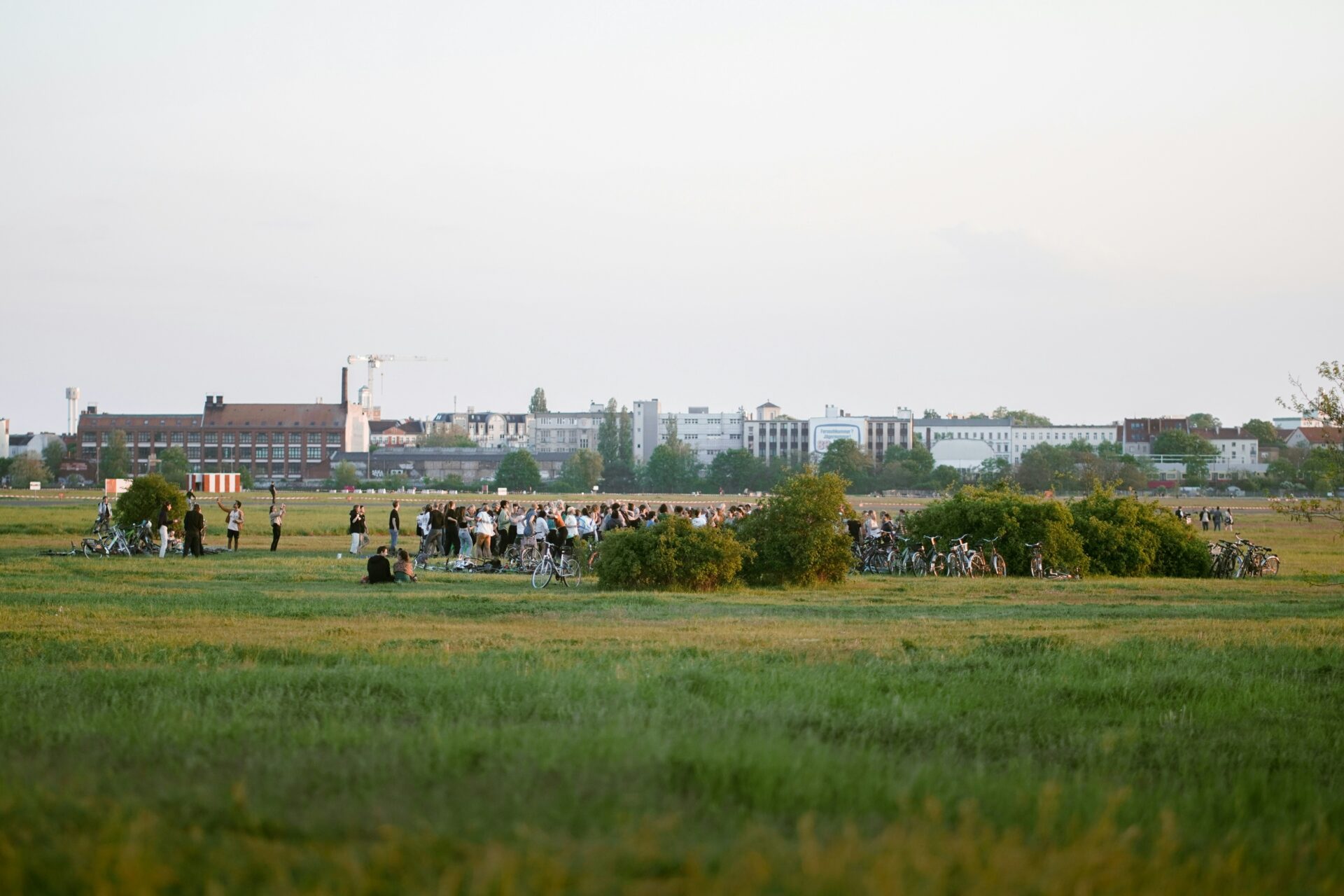
Picnicking at Tempelhofer Feld is honestly a breeze. There’s so much grass and open space that it’s easy to find your own spot, even on busy weekends.
I brought snacks and water, then later a few friends joined with homemade food. We saw other groups celebrating birthdays or just relaxing after work. We made sure to clean up—everyone seemed pretty respectful of the park.
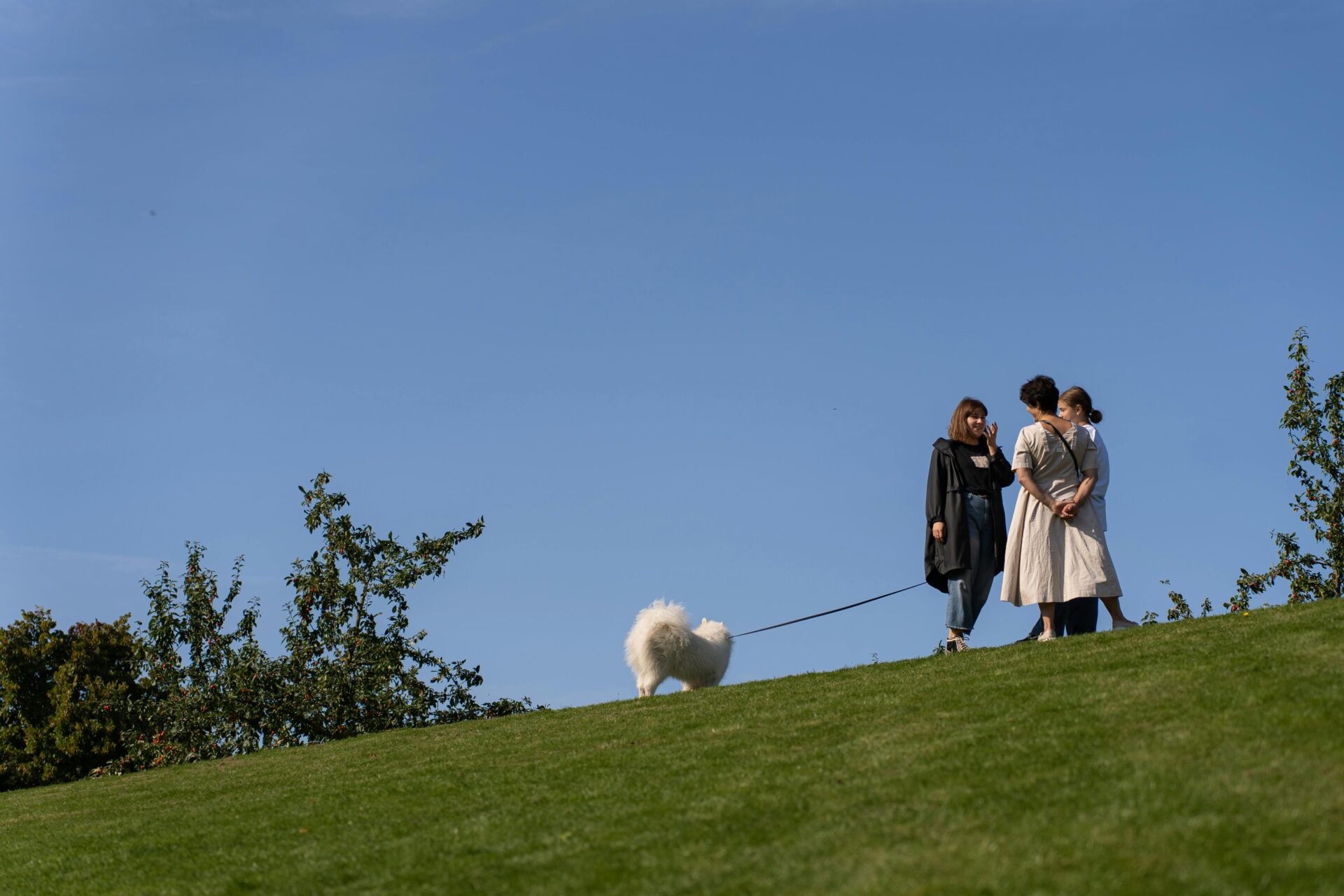
Nearby, families flew kites and groups tossed frisbees. The whole place just feels friendly and laid-back. There are even community gardens and special picnic areas that help keep things organized.
Barbecue and Beer Garden Experiences
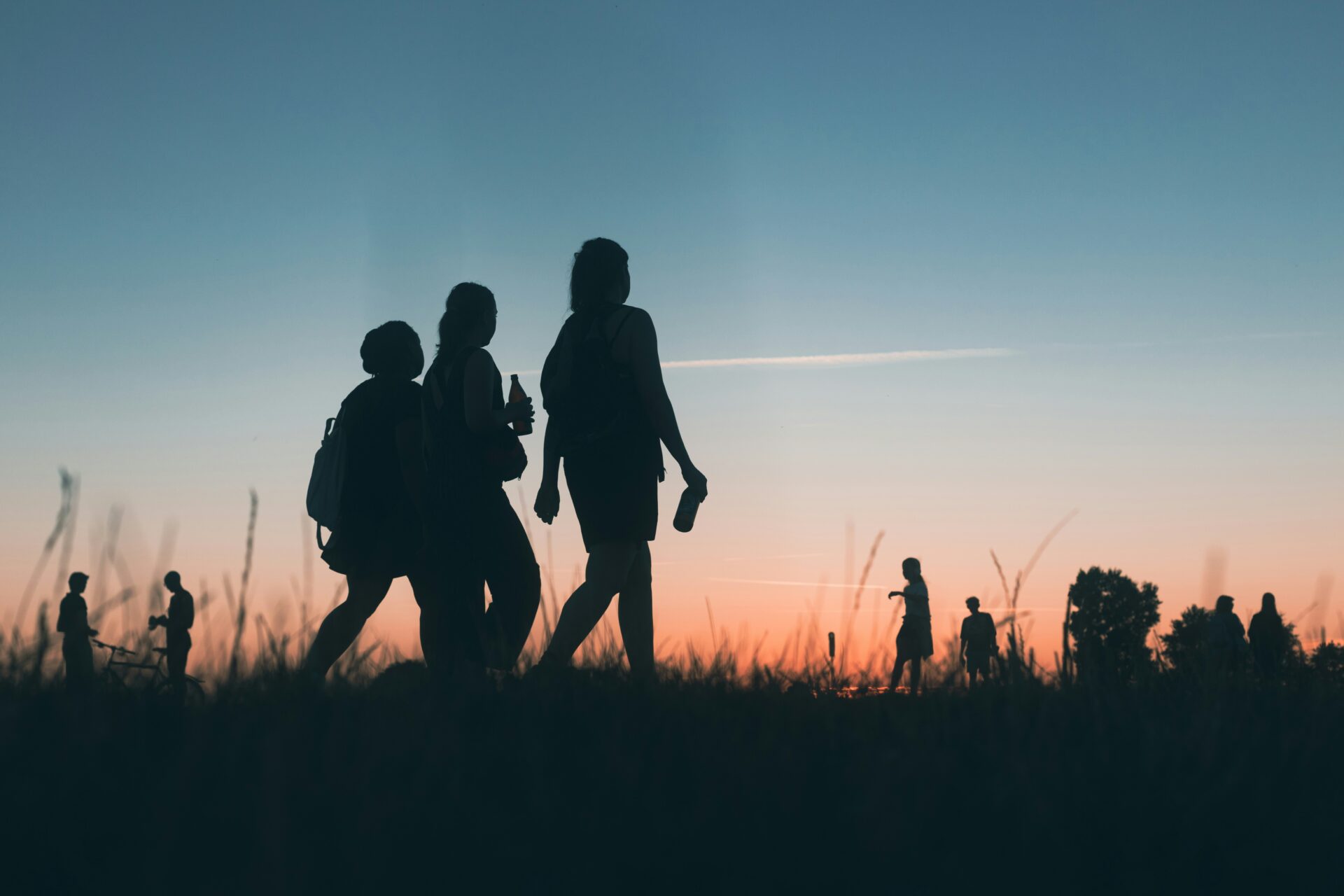
There’s a designated barbecue area here, and it gets lively. When I stopped by, the smell of grilled sausages and veggies filled the air. Someone even invited me to try their homemade bratwurst—Berliners are pretty welcoming like that.
You have to bring your own supplies, but the rules are clear and staff check in regularly. It keeps things running smoothly.
For drinks and snacks, the beer garden by the old terminal is a solid bet. I cooled off with a cold drink after my ride. There’s plenty of seating, and I ended up chatting with other visitors who were also soaking in the relaxed vibe. The beer garden really comes alive in the late afternoon and evening.
Activities and Events: How Berliners Embrace the Field
Tempelhofer Feld is way more than just empty space—it’s a hub for outdoor sports, community hangouts, and cultural happenings. I kept discovering new ways to have fun, learn about Berlin, and meet people—all on an old airport runway.

Kite Flying, Windsurfing, and Unique Pursuits
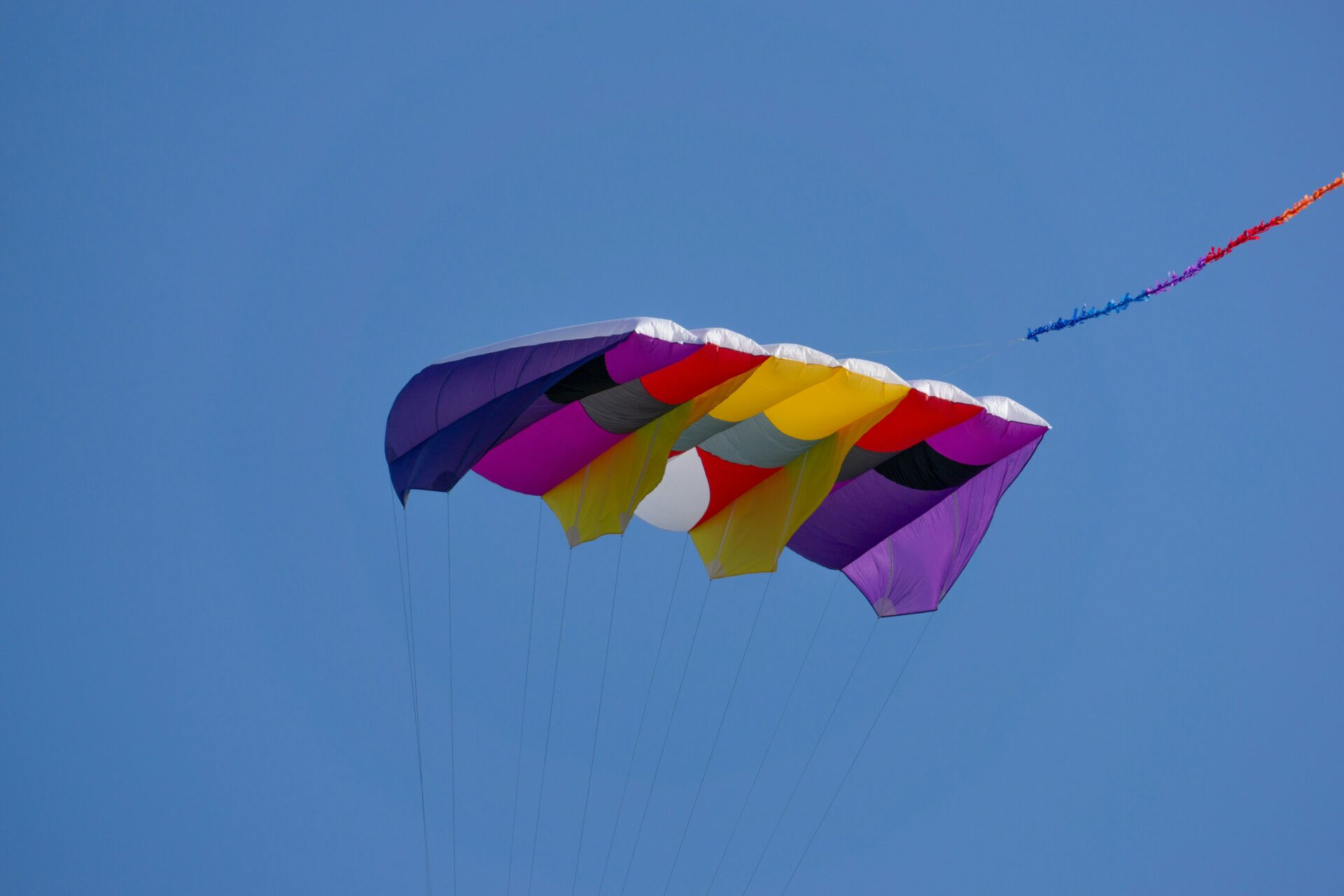
Those huge runways are perfect for kite flying, even the big ones that need lots of room. I watched colorful kites dancing high above the field, families and hobbyists loving the breeze.
On windy days, people show up with windsurfing gear. There’s no water, but you’ll see land windsurfing—skateboard-like boards with sails. I even spotted groups trying out land kiting, drone flying, and model airplane races.
Rollerbladers, skateboarders, and longboarders make good use of the smooth tarmac too. There aren’t many places in Berlin where you can go this fast and feel safe. It’s just pure, exhilarating fun.
Concerts, Festivals, and Major Events
Tempelhofer Feld regularly hosts concerts, music festivals, and big gatherings. I once went to an open-air music event here and couldn’t believe how massive the crowd was—or how good the sound carried across the field.
There are food festivals, movie nights under the stars, and sports tournaments. The field’s so huge, it easily holds tens of thousands of people. Sometimes you’ll see stages and tents set up right on the runway or in the meadows.
Event highlights:
| Event Type | Season | Typical Location |
|---|---|---|
| Music Concerts | Summer | Runways, Main Stage Areas |
| Food Festivals | Spring/Fall | Community Gardens, Picnic Spaces |
| Sports Tournaments | Year-round | Open Airfields, Marked Courts |
Organizers keep the field safe and accessible, even during big events.
Guided Tours and Exploring the Airport Building
I decided to join a guided tour of Tempelhofer Feld and the old airport terminal. The guides really bring the place’s layered history to life.
They walk you through the airport’s role during the Berlin Airlift and show off preserved parts of the terminal. Some areas aren’t usually open to the public—like the old departure halls, hangars, and even rooftop viewpoints.
Walking through those empty terminals, you can almost feel the echoes of the past. The guides know their stuff—aviation, Berlin’s social history, all of it. Tours run in multiple languages, so it’s easy for visitors from abroad to join. If you’re into history or architecture, don’t skip this.
Nature, Sustainability, and Urban Gardening Initiatives
Tempelhofer Feld isn’t just about open space—it’s a living, breathing patch of green, buzzing with biodiversity and community projects. I loved seeing how urban gardens, rare plants, and sustainability efforts make this park feel important—and alive.
Community Gardens and Urban Gardening Projects
The community gardens here are always lively. Neighbors, families, and friends grow veggies, herbs, and flowers in raised beds and planters. Every season brings something new.
But these gardens are more than just food plots. They’re places for people to connect and learn. Volunteers run workshops on gardening, composting, and sustainability, teaching everyone—from kids to adults—how to care for the earth.
I’ve seen people of all ages working together, swapping advice and seeds. It creates a really welcoming atmosphere.
Highlights:
- Open to everyone
- Mix of individual and shared plots
- Educational events for all ages
Biodiversity and Green Spaces
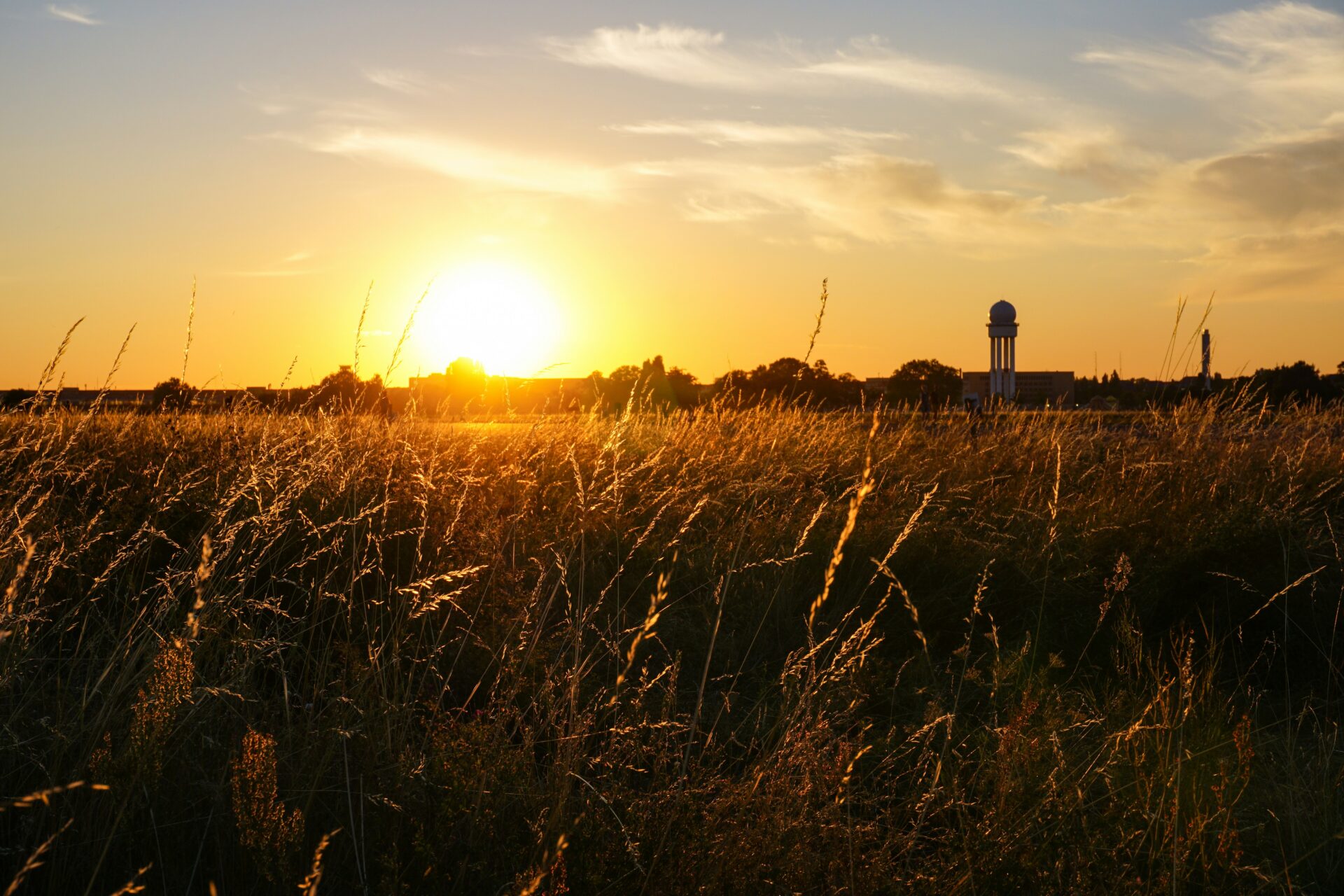
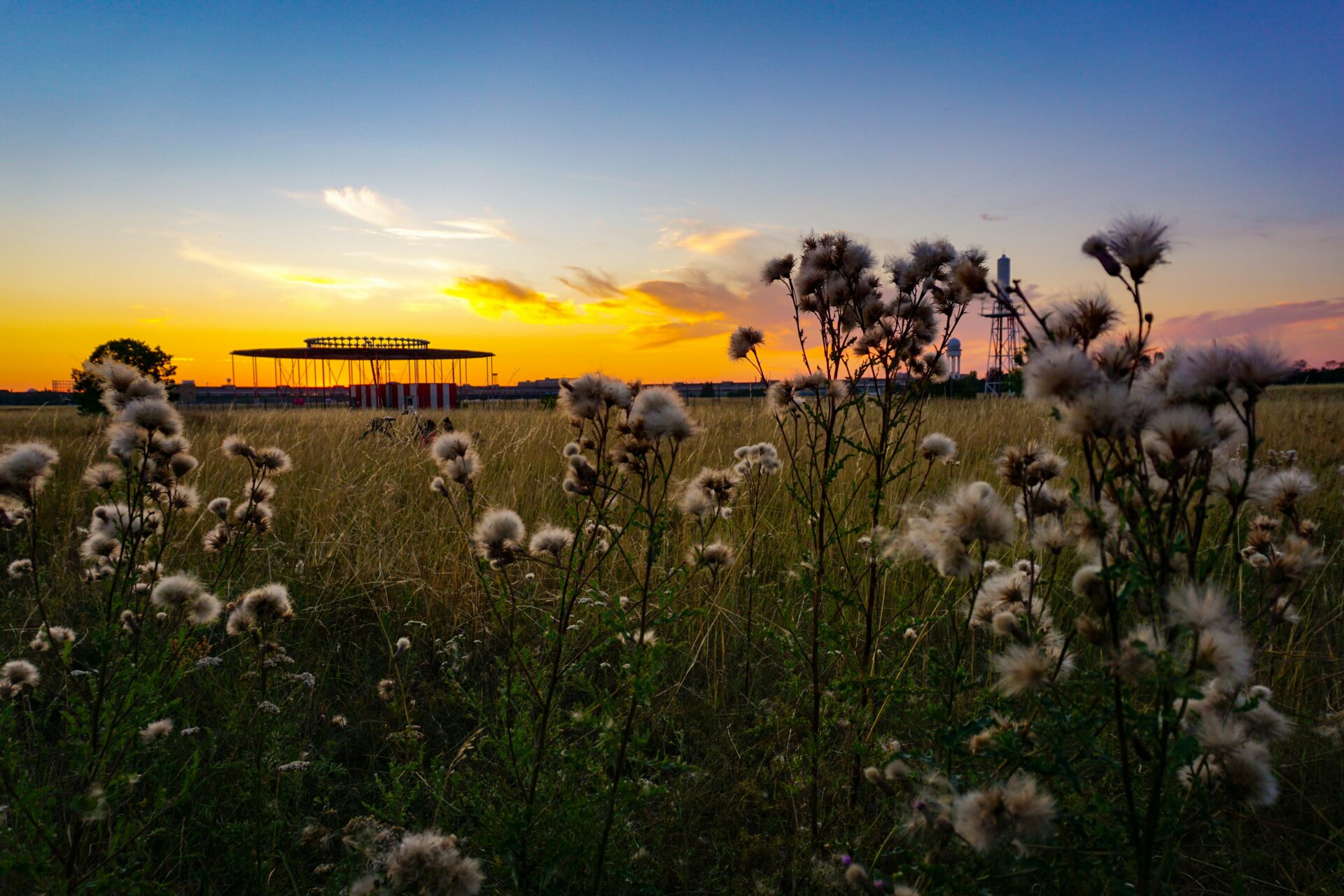
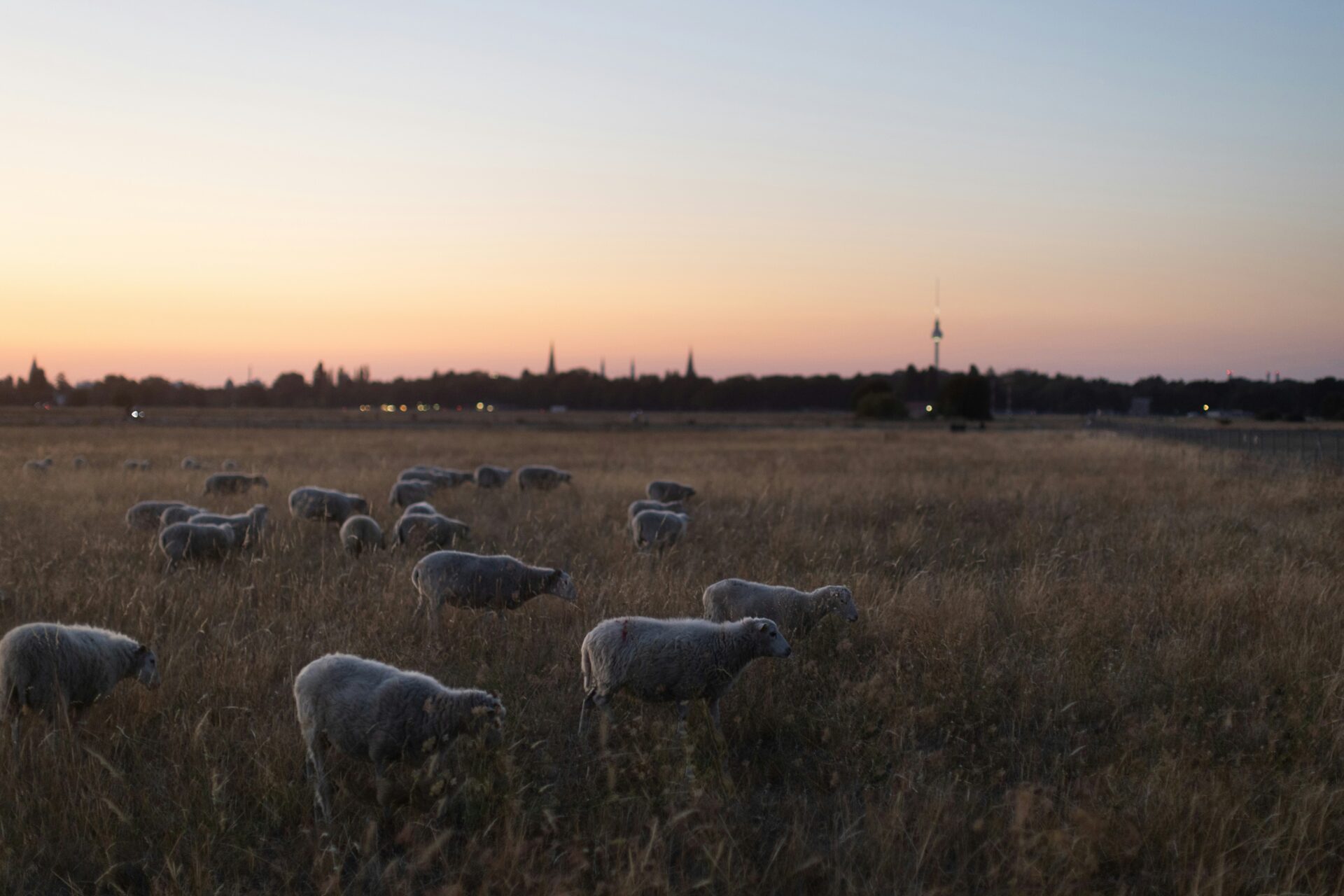
Wild meadows and gardens now support a surprising variety of plants and animals. Since the airport shut down, rare grasses and wildflowers have started to flourish. I’ve spotted birds, insects, and even rabbits darting between the runways.
Large fields let native plants spread out. You’ll see stretches of wildflowers and tall grasses, perfect for butterflies and bees. Some areas stay unmowed on purpose, giving different species a chance to thrive.
This kind of habitat is a big deal for Berlin, especially in districts like Neukölln and Kreuzberg where green space is scarce. Tempelhofer Feld gives city folks a spot to enjoy nature without leaving town. You can picnic, relax, and watch wildlife all in one place.
Sustainability and Environmental Stewardship
Tempelhofer Feld puts sustainability front and center. The gardens use composting and collect rainwater. I noticed signs and workshops explaining how to cut waste, reuse materials, and protect the soil.
Some park projects focus on planting native species and skipping pesticides. There are also educational events about climate change and what visitors can do to help.
Paths encourage cycling and skating, which means fewer cars and cleaner air. Waste bins are clearly marked for recycling and compost. Tempelhofer Feld really shows how a city park can support both people and nature.
Controversies and the Future: Development Plans & Public Debate
Tempelhofer Feld’s future is still up for debate in Berlin. There’s a lot of talk—sometimes heated—about whether to keep the huge open space untouched or use some of it to help with the city’s growing housing needs.

Referendum and Public Opinion
Berliners have some pretty strong feelings about Tempelhofer Feld and what it means to have this much public land. Back in 2014, the city put the question to the people: should anyone be allowed to build on the field?
Turns out, almost 65% of voters said no way to any development. That decision made it illegal, at least for now, to build anything on Tempelhofer Feld.
Whenever I chat with locals, they often mention how the space feels different—kind of essential, actually, for Berlin. Surveys and interviews keep showing that people treasure the field for recreation and nature.
Community groups like “100% Tempelhofer Feld” haven’t let up; they keep organizing, signing petitions, and making noise to protect this place. There’s this sense that it’s one of the rare spots in the city where anyone can just show up and be part of something, no strings attached.
Proposals by the Berlin Senate
Even with all this pushback, the Berlin Senate keeps tossing around new ideas for Tempelhofer Feld. They’ve floated plans for affordable housing and fresh community facilities.
At one point, there was talk of building thousands of apartments along the field’s edge to help with Berlin’s housing crunch. They even held international architecture competitions, hoping to spark creative visions for the site.
Berliners didn’t exactly sit quietly. People organized protests and launched public campaigns—there’s a real energy behind keeping the space open. Critics keep warning that any new construction would chip away at what makes the field special.
Still, the city’s need for more homes isn’t going anywhere, so the debate just keeps rolling on.
Preserving Freedom and Open Space
What really strikes me about Tempelhofer Feld is how it just screams freedom and openness.
After the airport shut down, the city handed the entire space over to the public.
Now, anyone can cycle, skate, picnic, or simply sprawl out and enjoy nature—no fences, no weird rules.
Locals treat the field like a lifeline for mental health and community.
With more than 300 hectares, it’s actually Berlin’s biggest urban open space.
People who love the field worry that if the city starts building on it, that feeling of freedom will just vanish.
Honestly, it’s a tough debate—how do you balance the need for growth with keeping rare places like Tempelhofer Feld untouched?
