
Most people assume you need a huge budget to live like royalty, but honestly, Mexico flips that idea on its head. You can enjoy luxury digs, feast on gourmet meals, and soak up premium experiences—all for just $50 a day in some of Mexico’s most stunning spots. This isn’t about scraping by or crashing in noisy hostels. It’s about making smart choices that unlock real comfort and a touch of style.
After months of hopping around different Mexican cities and regions, I’ve tested this budget firsthand. The results? Pretty surprising. In colonial gems like San Cristóbal de las Casas and laid-back coastal towns, your dollars stretch so far it almost feels like cheating.
Let’s break it down. I’ll show you how to split your daily spending, find luxury stays under $30 a night, and eat restaurant-quality meals for less than a sad fast-food combo back home. Whether you’re eyeing a quick getaway or dreaming of the nomad life, these tips work for both short escapes and longer adventures.

Breaking Down the $50-a-Day Budget
Living well on $50 a day in Mexico comes down to three main expenses. I usually spend $15-20 on a place to sleep, $20-25 on food, and $5-10 on getting around.
Cost of Accommodation in Mexico
Hostel dorms usually start at $8-12 per night in most cities, which is a steal. Private hostel rooms? Those run $15-20, and budget hotels go for $20-30.
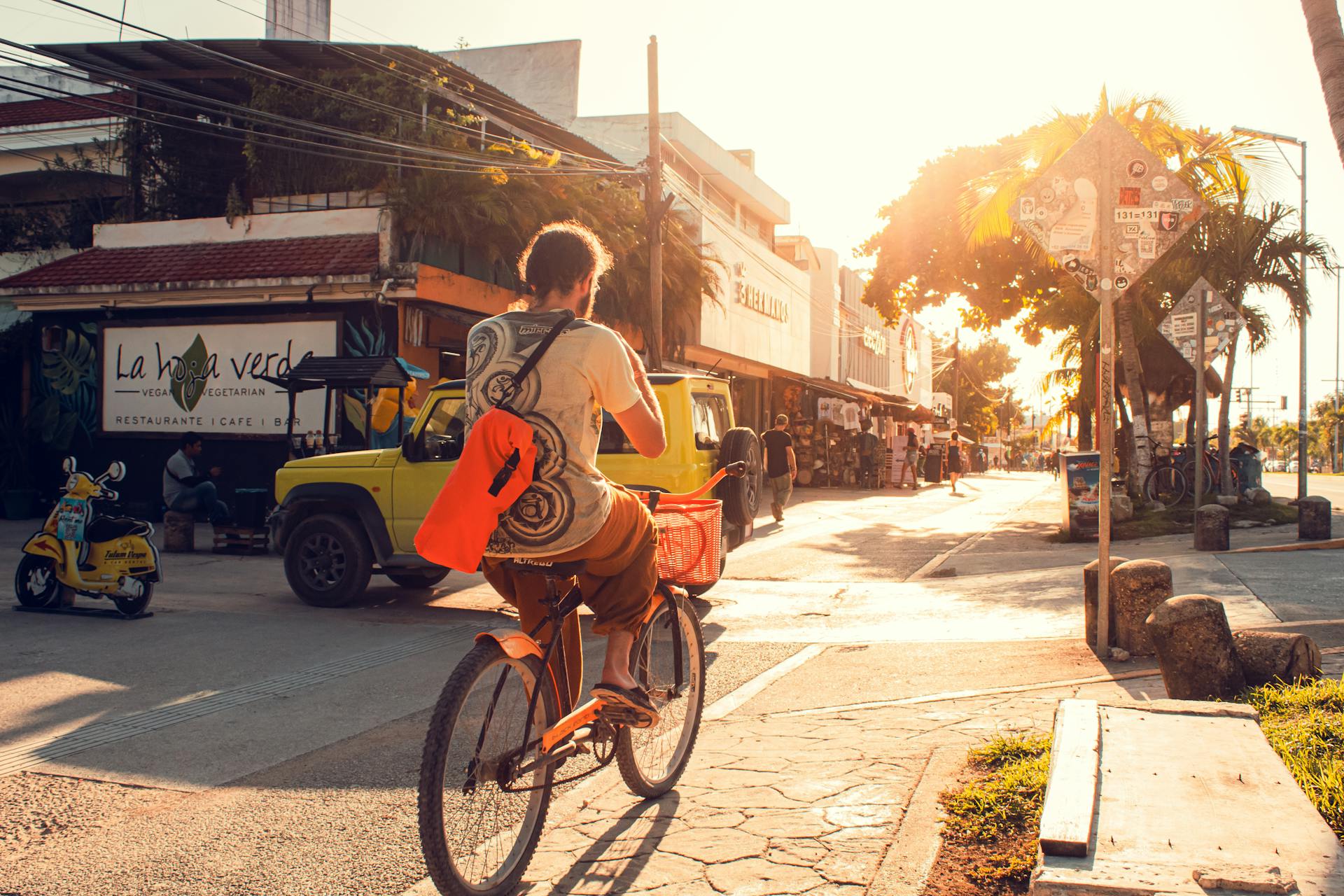
In smaller towns like San Cristóbal or Oaxaca, I’ve found clean guesthouses for $12-15 a night. Beachy places like Tulum or Playa del Carmen bump prices up to $18-25 for the basics.
Budget breakdown for accommodation:
- Hostel dorm: $8-15/night
- Private hostel room: $15-22/night
- Budget hotel: $18-30/night
- Guesthouse: $12-20/night
I always check a few booking sites because prices jump around. Sometimes, just walking into a place without a reservation lands me a better deal, especially on weekdays.
For longer stays, Airbnb wins. I’ve snagged entire apartments in Mexico City for $400 a month, which feels like a serious upgrade.
Daily Meals and Dining Options
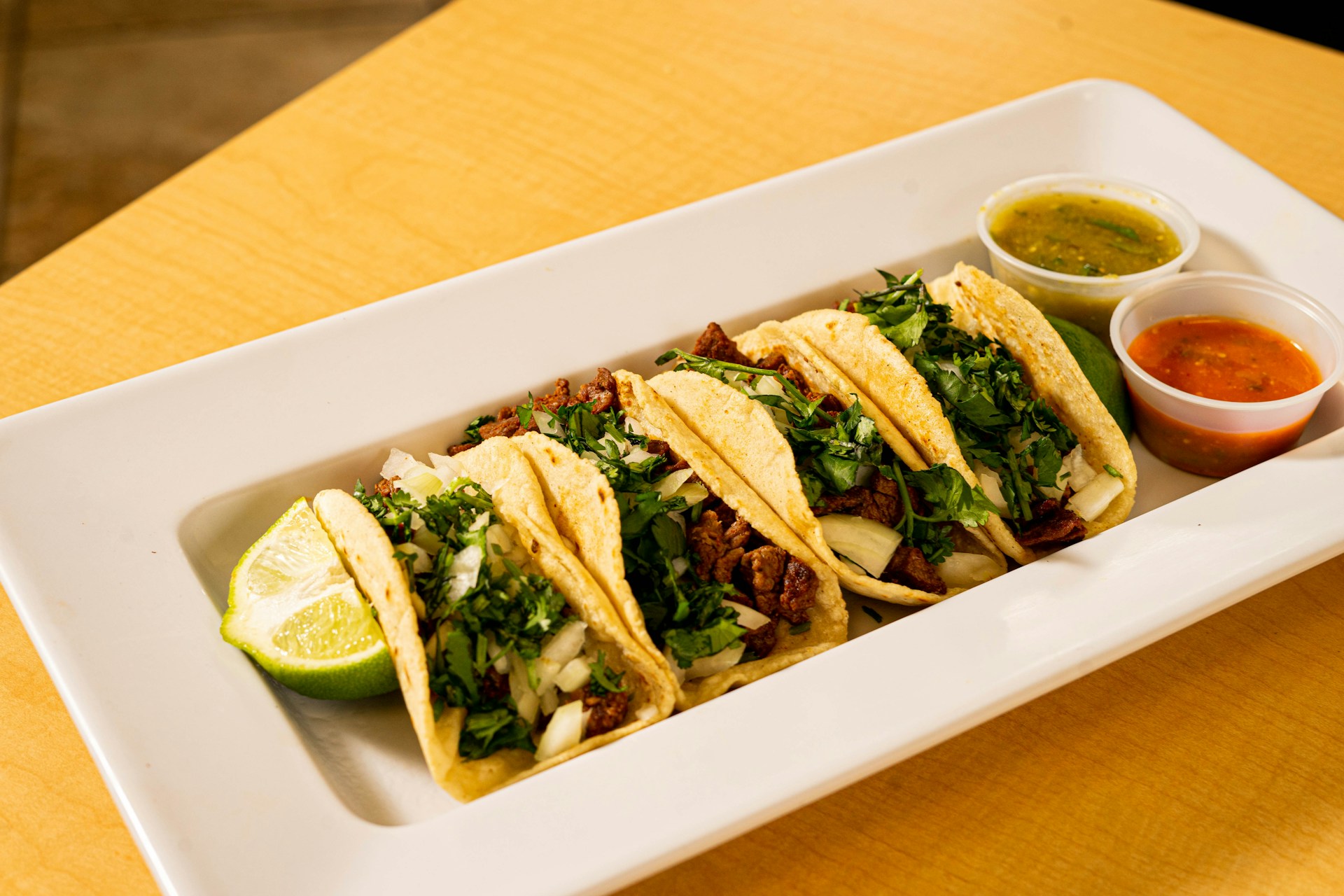
Street food keeps my meal costs ridiculously low. Tacos go for 10-15 pesos each (about $0.50-0.75). A full meal at a local market? Usually 40-60 pesos ($2-3).
Typical daily food budget:
- Breakfast: $2-4 (coffee and a pastry or eggs)
- Lunch: $3-6 (comida corrida or a market meal)
- Dinner: $4-8 (street food or a casual restaurant)
- Snacks/drinks: $3-5
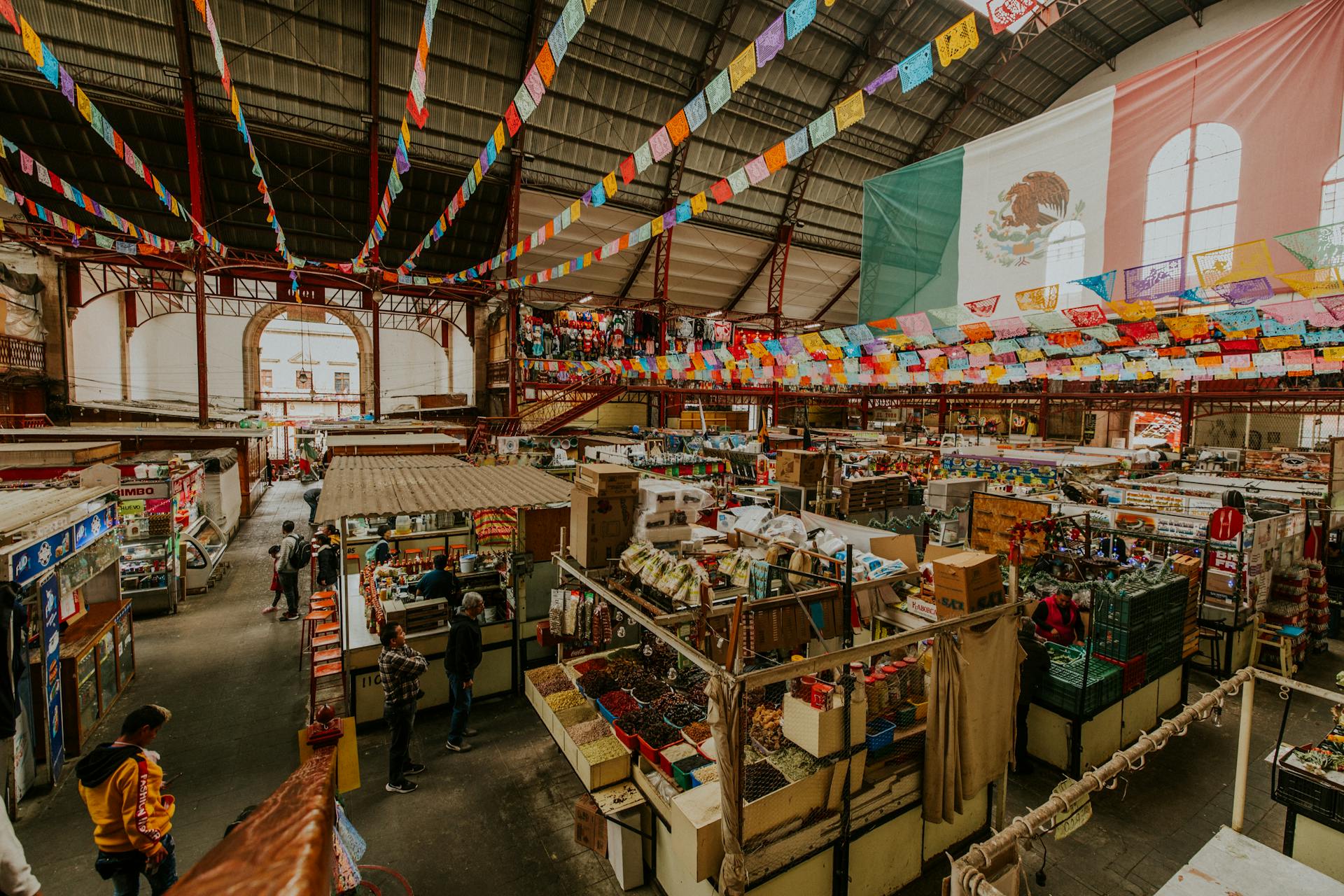
I love eating at comedores and local markets—authentic, filling meals for under $4. You get big plates with rice, beans, meat, and tortillas.
Grocery shopping saves even more. Fresh produce, beans, and tortillas from the market hardly dent my wallet. I spend $15-20 a week making simple meals.
Touristy restaurants? I skip them. The same dish costs $15 in the tourist zone and $4 at a spot just a few blocks away.
Transportation and Getting Around
Local buses usually cost 8-12 pesos ($0.40-0.60) per ride. Mexico City’s metro is even cheaper at 5 pesos ($0.25) a trip.
Transportation costs:
- City bus: $0.40-0.60 per ride
- Metro/subway: $0.25-0.50 per trip
- Colectivo (shared van): $0.50-1.50
- Long-distance bus: $20-40 per 500km
For short trips between towns, I hop in colectivos. These shared vans are cheap and connect smaller places efficiently.
Walking around saves cash and lets me really see the city. I usually budget $3-5 a day for local transport, which covers plenty of bus or metro rides.
Long-distance buses like ADO are comfy and reasonably priced. I book second-class buses to save 30-40% compared to first-class.
Uber and other ride-sharing apps work in big cities but cost more than public transport. I only use them for airport runs or late-night trips.

Luxury for Less: Where to Stay and What to Eat
Mexico has boutique hotels for $25-40 a night and street food meals for under $3. Local markets make cooking affordable luxury meals at home a no-brainer.
Boutique Hotels and Unique Stays
Boutique hotels in Mexico blew me away with their value. In cities like Mérida and Oaxaca, I’ve booked charming colonial spots for $25-40 a night.
These places usually have:
- Rooftop pools with killer views
- Traditional courtyards with bubbling fountains
- Hand-painted tiles and local art everywhere
- Complimentary breakfast with fresh fruit
Airbnb apartments with full kitchens go for $15-30 a night. I gravitate toward historic neighborhoods like Roma Norte in Mexico City or Centro Histórico in Puebla.
Hostels with private rooms cost $12-20 a night. Many have fast WiFi and fun common areas where meeting other travelers feels easy.
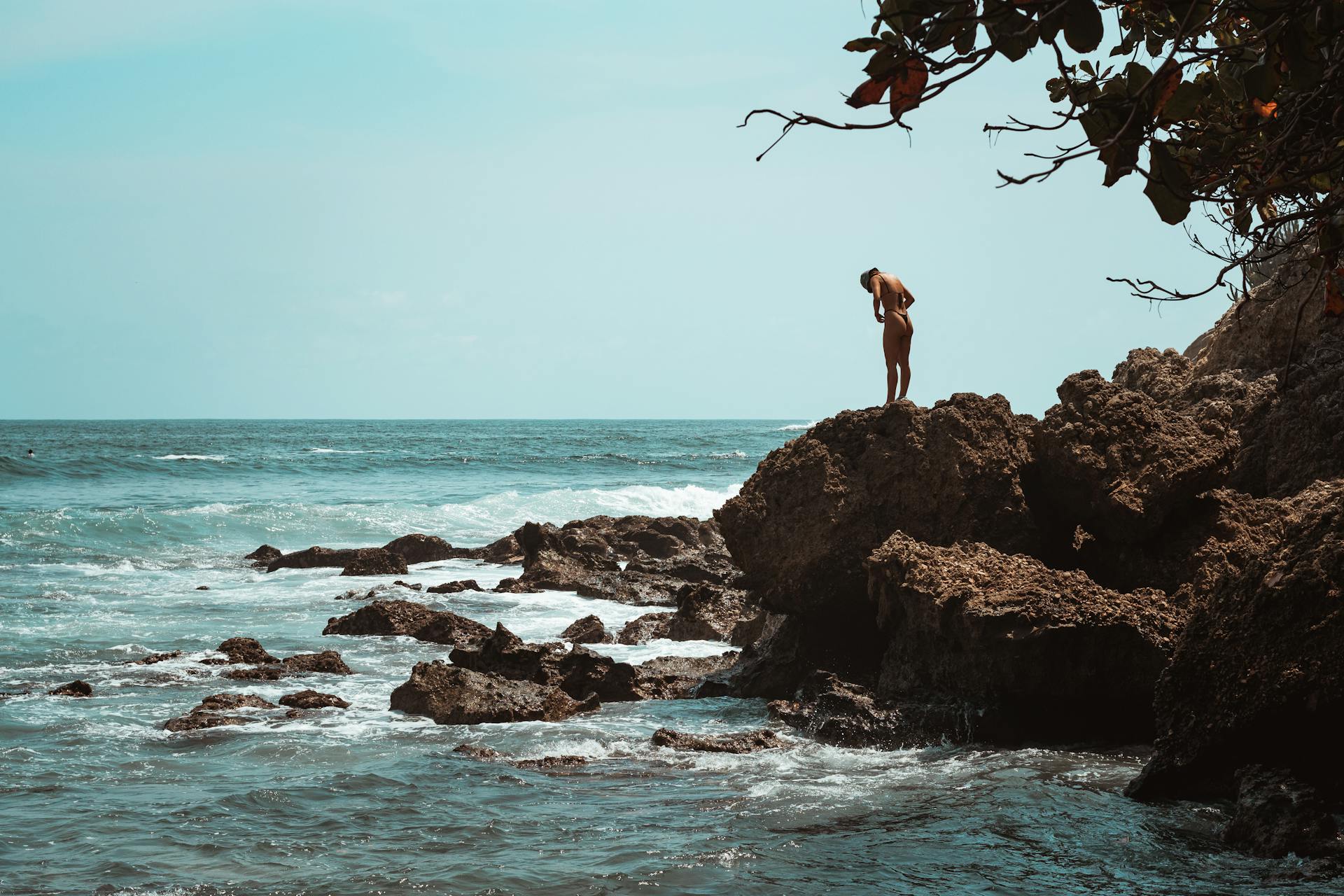
In beach towns like Puerto Escondido, I’ve stayed in beachfront cabañas for $20-35 a night. Simple but steps from the ocean—no resort markup.
Street Food and Upscale Restaurants
Street food is where Mexico’s affordable luxury really shines. I can eat three awesome meals a day for under $10 total.
Morning go-tos:
- Tamales from street vendors ($1-2 each)
- Fresh juice at fruit stands ($1-1.50)
- Local café coffee ($1-2)
Lunch and dinner deals:
- Tacos from street stalls ($0.50-1 each)
- Comida corrida specials ($3-5)
- Local restaurant dinners ($4-8)
Upscale restaurants charge $15-25 for plates that would run $60+ in the US. I treat myself to fine dining a couple of times a week and still stay under $50 a day.
Market comedores dish out home-style meals for $2-4. These family-run stalls inside markets serve up flavors you can’t fake.
Local Markets and Groceries
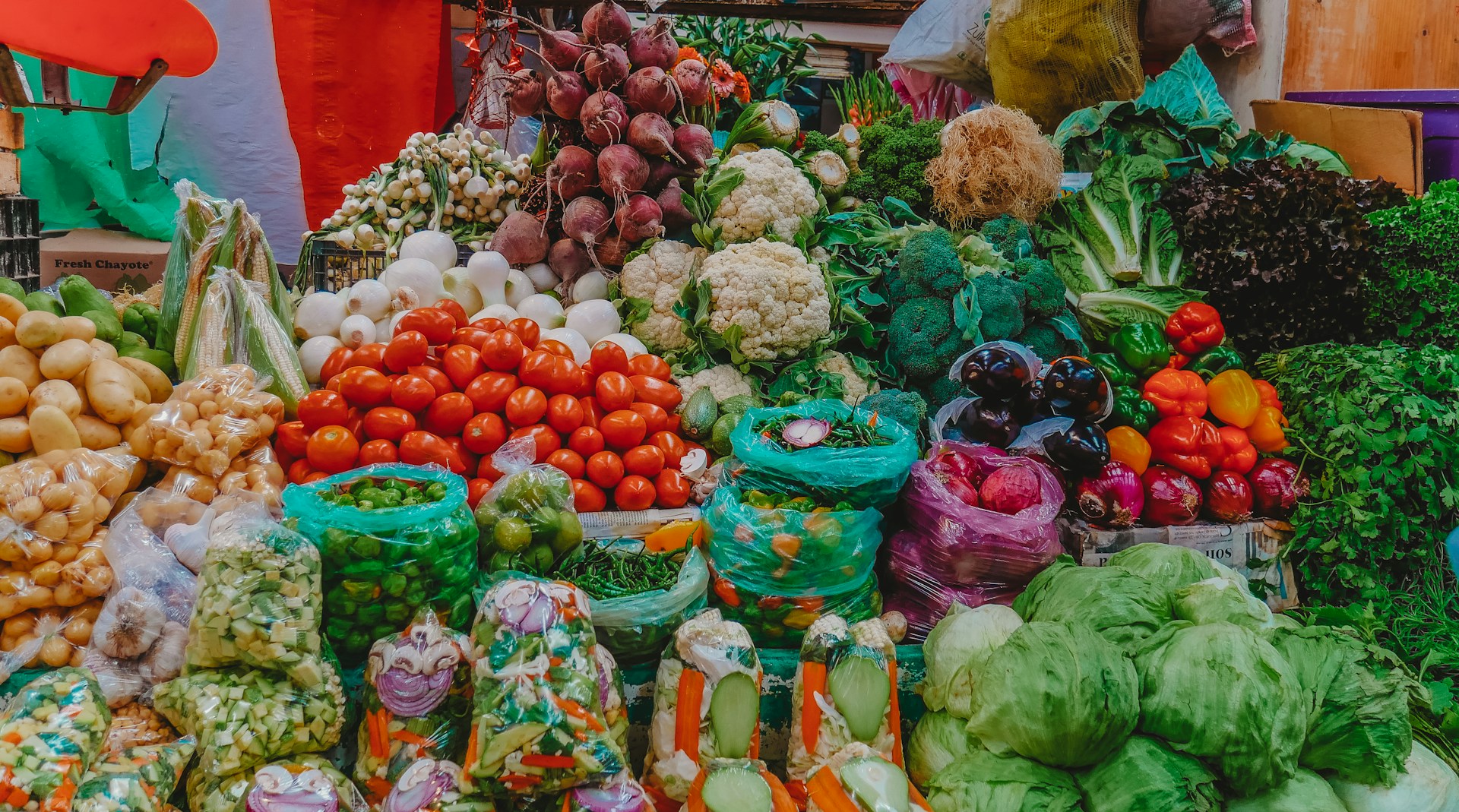
Mexican markets make home-cooked luxury meals so easy. I typically spend $8-12 a day on groceries and eat restaurant-quality food.
Produce prices:
- Avocados: $0.25 each
- Tomatoes: $0.50/lb
- Limes: $0.30/lb
- Mangoes: $0.40 each
Protein and basics:
- Fresh fish: $3-5/lb
- Chicken: $2-3/lb
- Rice and beans: $1-2/lb
- Local cheese: $2-4/lb
I shop at mercados municipales for the good stuff. Vendors sometimes toss in free samples or tips on how to cook their produce.
Grocery chains like Soriana and Chedraui carry imported items, but local brands cost 60-70% less and taste just as good.
Specialty goods like mole paste, fresh tortillas, and regional chilies go for a few bucks instead of the $15-20 I’d pay at home.
Best Experiences and Activities on a Budget
Mexico’s world-class experiences often cost less than a coffee in Manhattan. I’ve explored ancient ruins for under $25, joined cooking classes for $45, and even taken street food tours that cost less than a single dinner back home.
Cultural Attractions and Entertainment
National museums swing open their doors for free every Sunday. The Anthropology Museum in Mexico City usually charges $4, but on Sundays? Totally free. I’ve spent whole days wandering through ancient artifacts without spending a dime.
At sites like Ek Balam ($15 entry), I’ve climbed pyramids—something you can’t do at Chichen Itza anymore. I always go early, between 7-9am, to beat the crowds and the heat.
Local festivals turn regular trips into something unforgettable. Day of the Dead celebrations spill out into the streets—no ticket required. Families welcome visitors to watch ancestor ceremonies, and the whole thing feels more meaningful than any paid show.
Street performances in Mexico City’s Centro Histórico can honestly rival Broadway. Musicians, dancers, and artists put on shows for tips. I toss a few pesos their way and get front-row entertainment for less than popcorn at the movies.
Cooking classes in Oaxaca cost $45-75 and include market tours. Local grandmas teach real-deal techniques and share family recipes. The skills I pick up end up saving me money on future meals.

Hidden Gems Off the Beaten Path
Akumal lets you swim with sea turtles for free if you arrive before 9am. Tour operators charge $50 later in the day. I just bring my own snorkel and enjoy the magic before the crowds show up.
Cenotes—those natural swimming holes—usually charge around $10 for entry. Cenote Suytun near Valladolid has crystal-clear water and wild lighting. I like to go after 4pm, when things quiet down.
The Monarch Butterfly Reserve in Michoacán only charges $5 to enter from November to March. Millions of butterflies fill the forest canopy—seeing it feels surreal. Guides cost $10-15 and share cool facts about the migration.
Zipolite Beach in Oaxaca remains mostly untouched. Dramatic coastline, no resort fees, and hardly any crowds. The clothing-optional thing keeps it peaceful and a bit quirky.
Up in the mountains, San Cristóbal de las Casas offers cool weather and lively indigenous markets. Cobblestone streets, colorful textiles, and a chill 20-degree drop from the coast—what’s not to love?

Affordable Guided Tours
Street food tours in Mexico City run $30-60 and save you from picking the wrong taco stand (trust me, it happens). Guides point out the best spots and explain what makes each dish special.
Sierra Norte day hikes in Oaxaca cost $30-45 and take you through indigenous villages. Local guides share traditions and stories, and your money goes straight into the community. The cloud forest views? Unreal.
Whale watching in Baja California costs $50-100 from January to March. Gray whales come right up to the boats. It’s wild—way better than any aquarium.
Mezcal tastings in Oaxaca bars go for $5-10 per pour. Bartenders walk you through the flavors and the craft. I’ve learned to really appreciate mezcal, and the small producers benefit too.
Local walking tours often work on tips. I pay what I think it’s worth, and the guides always share secret spots and food recommendations that save me cash later.

Maximizing Comfort and Lifestyle in Mexico
Living well in Mexico on $50 a day takes some smart shopping and a little local know-how. The trick is knowing where to hunt for the best deals and how to access affordable services.
Smart Shopping and Bargaining Tips
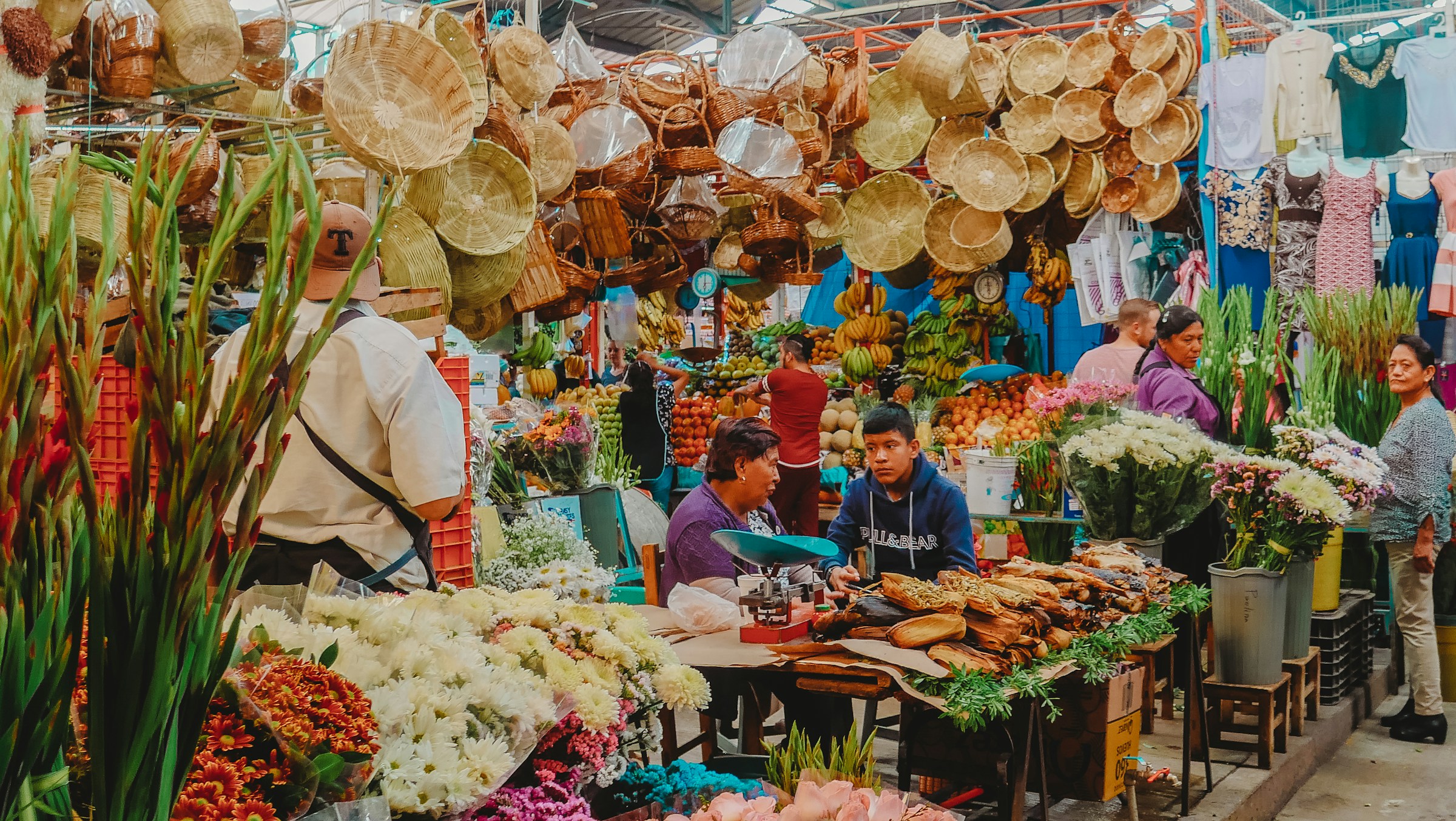
I always start at the local mercados, not the tourist traps. These markets offer produce for 50-70% less than supermarkets. Tomatoes for $0.75 a kilo? Yes, please.
Best Shopping Spots:
- Morning mercados (6-10 AM for the freshest picks)
- OXXO for basics
- Local carnicerias for fresh meat
- Neighborhood tiendas for daily needs
Bargaining works, but I keep it friendly. I’ll smile and ask, “¿Hay descuento?” (Is there a discount?)—it usually does the trick.
My Money-Saving Rules:
- Buy what’s in season
- Get cleaning supplies at dollar stores
- Pick up fresh bread at local bakeries for $0.25 a roll
- Skip imports—they’re pricey and rarely better
Carrying small bills makes life easier. Vendors appreciate exact change and sometimes throw in a little extra. Over time, building relationships with regular vendors leads to better prices and fresher finds.
Health, Safety, and Local Services
Mexico’s affordable healthcare keeps my costs down. Public clinics charge $2-5 for a visit, and private doctors are still only $15-25.
I use IMSS public healthcare when possible. Expats can join for about $350 a year. Prescription meds cost 60-80% less than in the States.
Essential Services I Rely On:
- Local banks for peso withdrawals (avoiding those nasty ATM fees)
- Neighborhood pharmacies with in-house doctors
- Public transport cards for unlimited monthly rides
- Community health centers for checkups
I keep emergency contacts in Spanish on my phone and written down just in case—local police, nearest hospital, embassy, the works.
For safety, I blend in. No flashy jewelry, no wads of cash, and I dress modestly. Most neighborhoods feel safe, but I always check with locals about any sketchy areas, especially at night.

Tips for Long-Term and Digital Nomad Living
Mexico’s honestly one of my favorite places for remote work. You get incredible value, especially if you know where to look for affordable housing and can find reliable internet.
I’ve learned that monthly rentals and co-working spaces can totally change the game. They help keep productivity up and your budget in check—something every digital nomad worries about, right?
Finding Short-Term Rentals
Let’s talk about rentals. Facebook groups are, hands down, where I find the best monthly deals in Mexico.
I usually type in “[City Name] Expat Housing” or “Digital Nomads [City Name],” and suddenly there are apartments listed for $300-500 a month. It’s wild how much you can save.
Local Facebook groups almost always beat Airbnb prices—sometimes by 30-50%. Owners skip those annoying platform fees and usually give better rates if you’re staying over a month.
I like to negotiate directly with landlords for longer stays. Most of them are open to 2-3 month commitments and will drop the price if you ask.
If you’re hunting for rentals, here’s what’s worked for me:
- Join local Facebook housing groups for your city
- Message Airbnb hosts directly about monthly discounts
- Browse classified sites like Mercado Libre
- Wander neighborhoods and look for “Se Renta” signs (seriously, it works!)
For something a bit more social, co-living spots like Selina and Viajero are a solid option. You’ll pay $400-600 a month, but that usually covers utilities, cleaning, and even some networking events.
I always book my first week through the official site. Once I’m there, I chat with the manager about extending my stay—sometimes they’ll knock off a chunk of the price if you pay cash or commit to a longer booking. It never hurts to ask!

Reliable Internet and Co-Working Spaces
Internet in Mexico? Honestly, it’s all over the place. Some spots are lightning-fast, others… not so much. I make it a rule to check the speeds myself before signing any lease—fast.com or speedtest.net are my go-tos.
Essential internet requirements:
- At least 10 Mbps download speed
- Ping under 50ms for those endless video calls
- Always have a backup mobile hotspot
I’ve found Telmex and Totalplay usually deliver the most consistent connections. If I see Infinitum or some tiny local brand, I skip it—especially if I need to get stuff done.
Co-working spaces can be a lifesaver when Wi-Fi at home just isn’t cutting it. Prices usually run between $50 and $150 a month. WeWork pops up in most big cities, and they never seem to have internet issues. Plus, meeting rooms are a nice bonus.
Best co-working options by city:
- Mexico City: Impact Hub, Homework
- Playa del Carmen: NEST Coworking
- Oaxaca: Tons of local cafes offer day passes
I always grab a Mexican SIM card loaded with unlimited data, just in case. Telcel and Movistar both have solid 20GB monthly plans for around $15-20—not bad for peace of mind.
Some hostels even throw in co-working spaces with your stay. Viajero and Selina are two chains that really get what digital nomads need, with actual work zones instead of just a table in the lobby.
