
Thrift stores all over America have turned into playgrounds for treasure hunters. Smart shoppers know how to turn vintage discoveries into real-life adventures—and sometimes, those finds can even pay for your next road trip.
After years of wandering secondhand shops from coast to coast, I’ve realized something: the right thrift store score can actually fund your next collecting spree or travel plans. Wild, right?
The American thrift store trail is packed with chances to uncover valuable vintage items—things that can bankroll future thrifting escapades and help you build a collection nobody else has. Sometimes it’s designer clothing buried among the basics. Other times, it’s rare collectibles just sitting there on a dusty shelf. Every visit feels like a new adventure.
I’ve picked up a few tricks for navigating different thrift stores, spotting valuables, and shopping in a way that’s good for your wallet and the planet. The world of secondhand shopping goes way beyond just old clothes or basic housewares—there are specialty gems out there that can totally transform your style or living space.
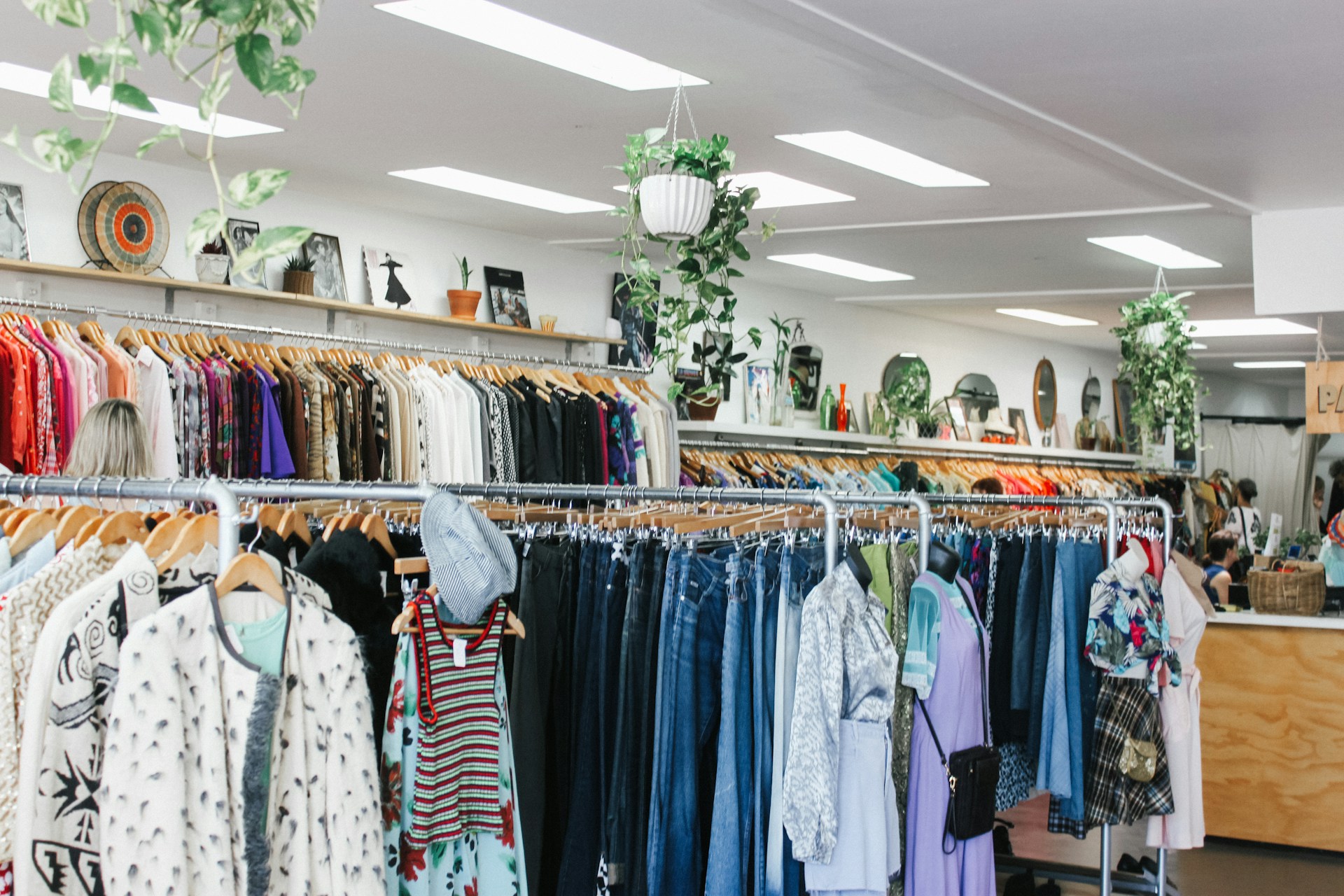
Exploring The American Thrift Store Trail
The American thrift store trail isn’t just a route—it’s a full-on experience. Each chain and indie shop brings its own vibe, and you never really know what you’ll stumble across.
Every location has its own quirks. That’s what makes vintage finds affordable, surprising, and sometimes even profitable.
Signature Features Of American Thrift Store Locations
I’ve noticed American thrift stores usually stock anywhere from 10,000 to 75,000 items. They restock constantly—sometimes several times a day.
Here’s what I usually find at American Thrift Stores:
- Clothing and accessories—Everything from designer gems to everyday basics
- Electronics—Small appliances, quirky gadgets, and the occasional vintage surprise
- Home goods—Furniture, bedding, and décor that’s anything but boring
- Books and media—CDs, DVDs, and old-school publications
- Jewelry—Fine pieces hiding among the costume stuff
The layouts are spacious, so you can wander and browse without feeling cramped. And those daily 50% off sales? They’re the secret sauce for big savings.
Most spots run some kind of rewards program, too. You’ll snag extra discounts or get the jump on special sales if you join.
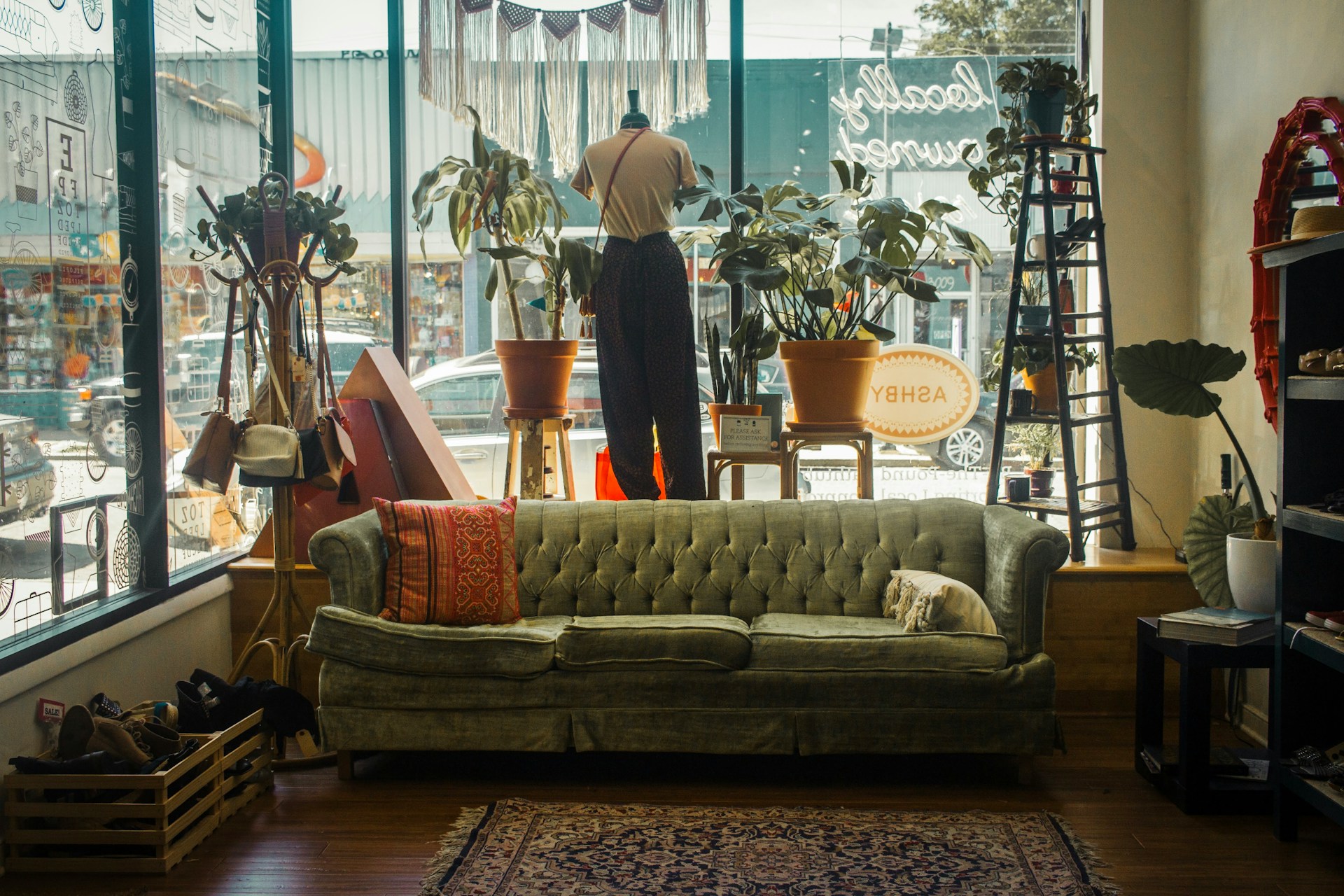
Major Thrift Store Chains And Local Favorites
America’s Thrift Stores has 19 locations across the South. They focus on community partnerships and give back to local charities.
American Thrift Stores runs eight shops in Florida, New Jersey, and New York. Since 1997, they’ve specialized in brand-name merchandise and vintage finds.
Other big names and local gems:
- Goodwill (you’ll find them everywhere)
- Salvation Army (always community-minded)
- Local indie shops with unique inventory
Every chain has its own pricing structure and restocking rhythm. I always check out a few different stores in my area before making a big haul.
Independent thrift shops usually curate their selection more carefully. Sure, inventory changes slower, but you’ll often find higher-quality treasures.
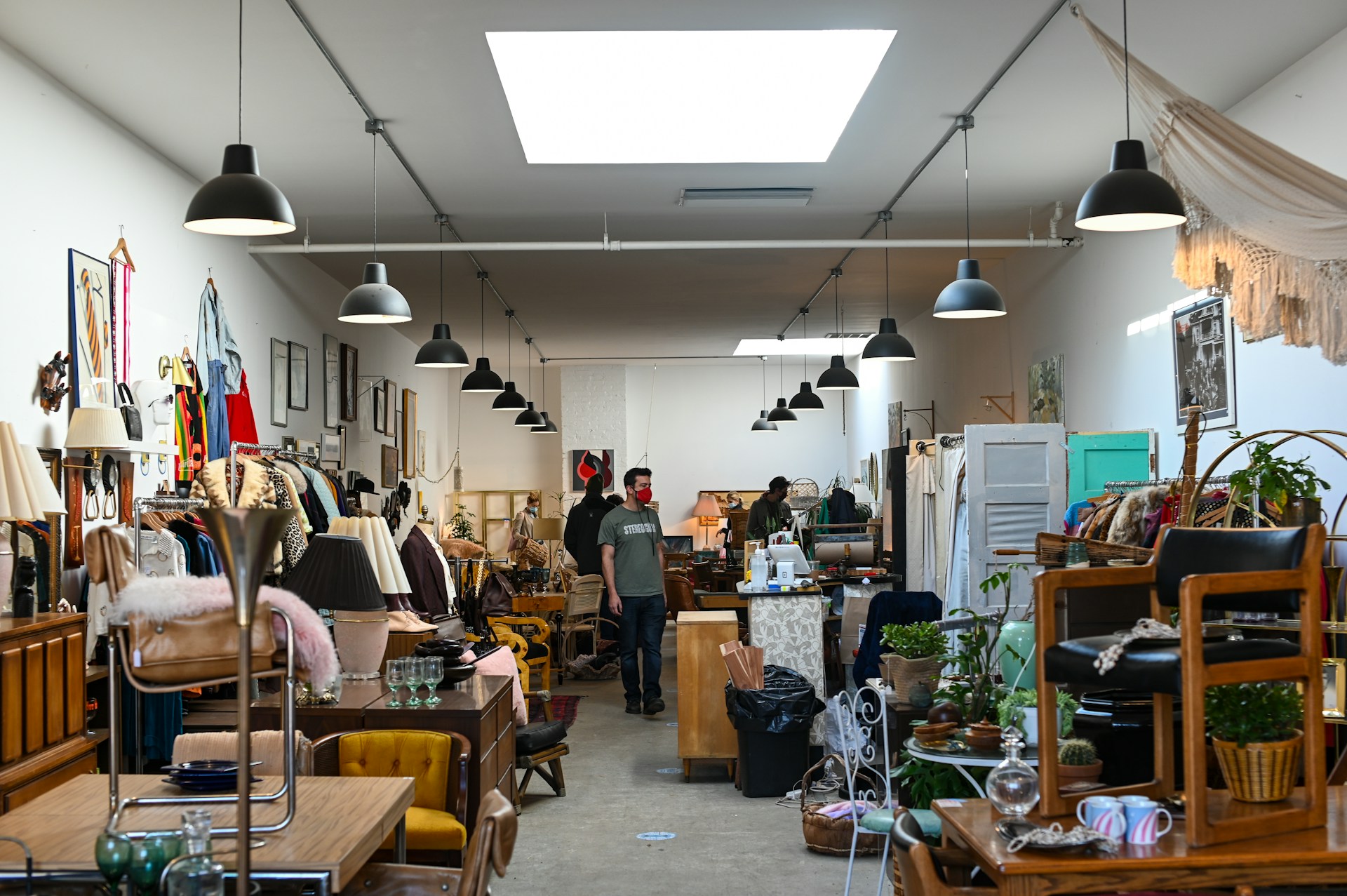
Why Vintage Finds Fund New Adventures
Thrift shopping isn’t just about saving money—it can actually make you money. Buy quality items at bargain prices, then resell them for a tidy profit.
Hot resale categories:
- Designer clothing and handbags
- Vintage cameras and electronics
- Collectible books and vinyl
- Unique home décor
Apps like Mercari, Poshmark, and eBay make it easy to flip a $5 jacket into $50 or more. It’s honestly kind of addictive.
Those profits? They cover travel expenses, storage, and fund even more thrifting trips. I’ve met people who turned their thrift store habit into a legit side hustle.
The more you thrift, the sharper your eye gets. You’ll start spotting valuable brands and rare pieces in seconds.
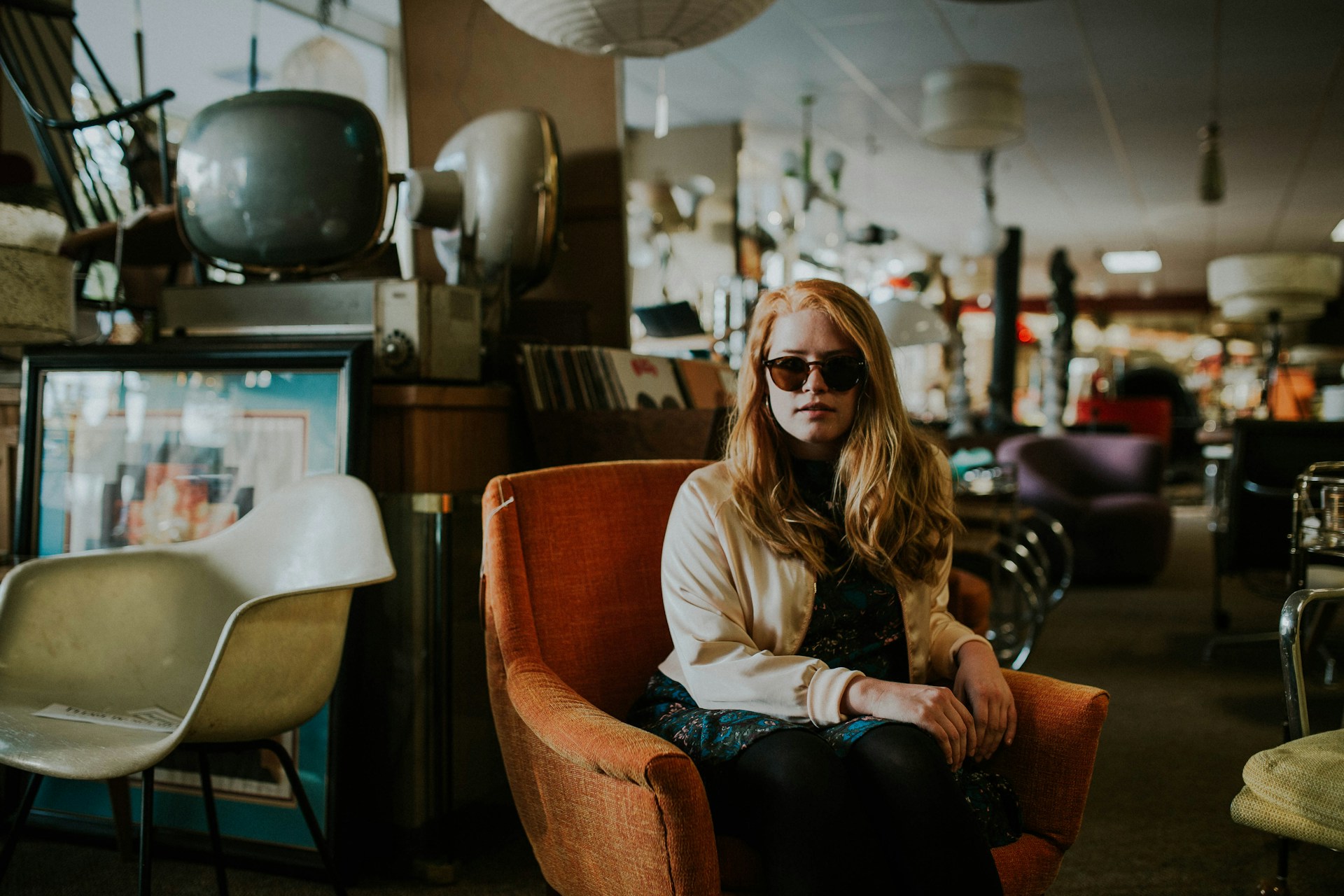
The Ultimate Thrifting Experience
The best thrifting adventures mix smart navigation with a sharp eye for hidden treasures and a bit of patience. There’s an art to knowing where to look, what to grab, and how to wait for that perfect find.
Navigating Store Layouts And Departments
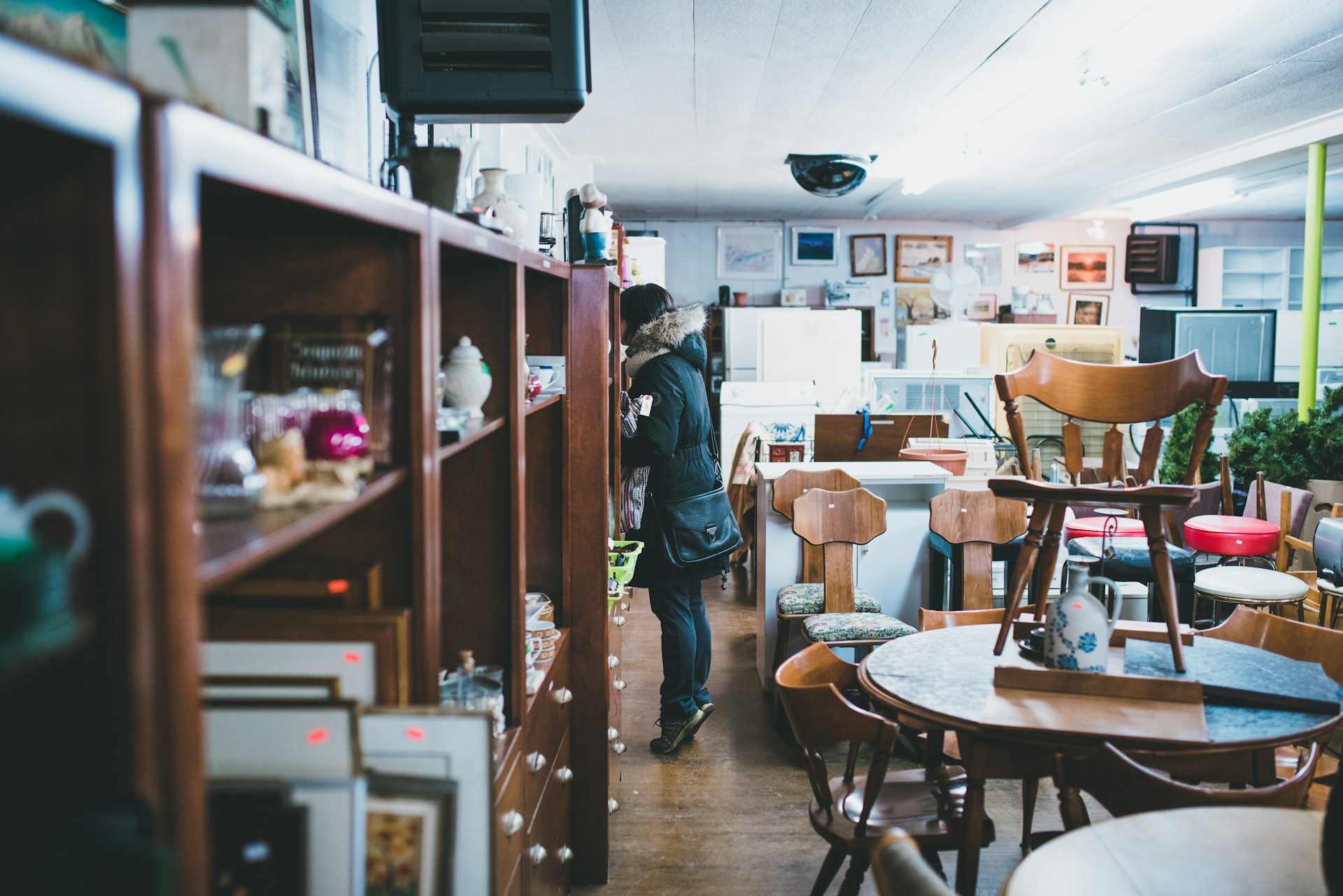
Most thrift stores organize things in a similar way, which makes shopping easier once you get the hang of it. Clothing usually goes by gender and size, but designer pieces can be anywhere—so keep your eyes peeled.
I always hit the housewares section first, usually near the entrance. Dishes, small appliances, and décor go fast, so it pays to check early.
Furniture usually sits in the back or down in the basement. If I’m after a good chair or table, I head there before the best stuff disappears. Colored stickers on furniture mean different discounts, so I pay attention to those.
Books and media get their own wall or corner. I scan spines for first editions, rare titles, or anything that jumps out.
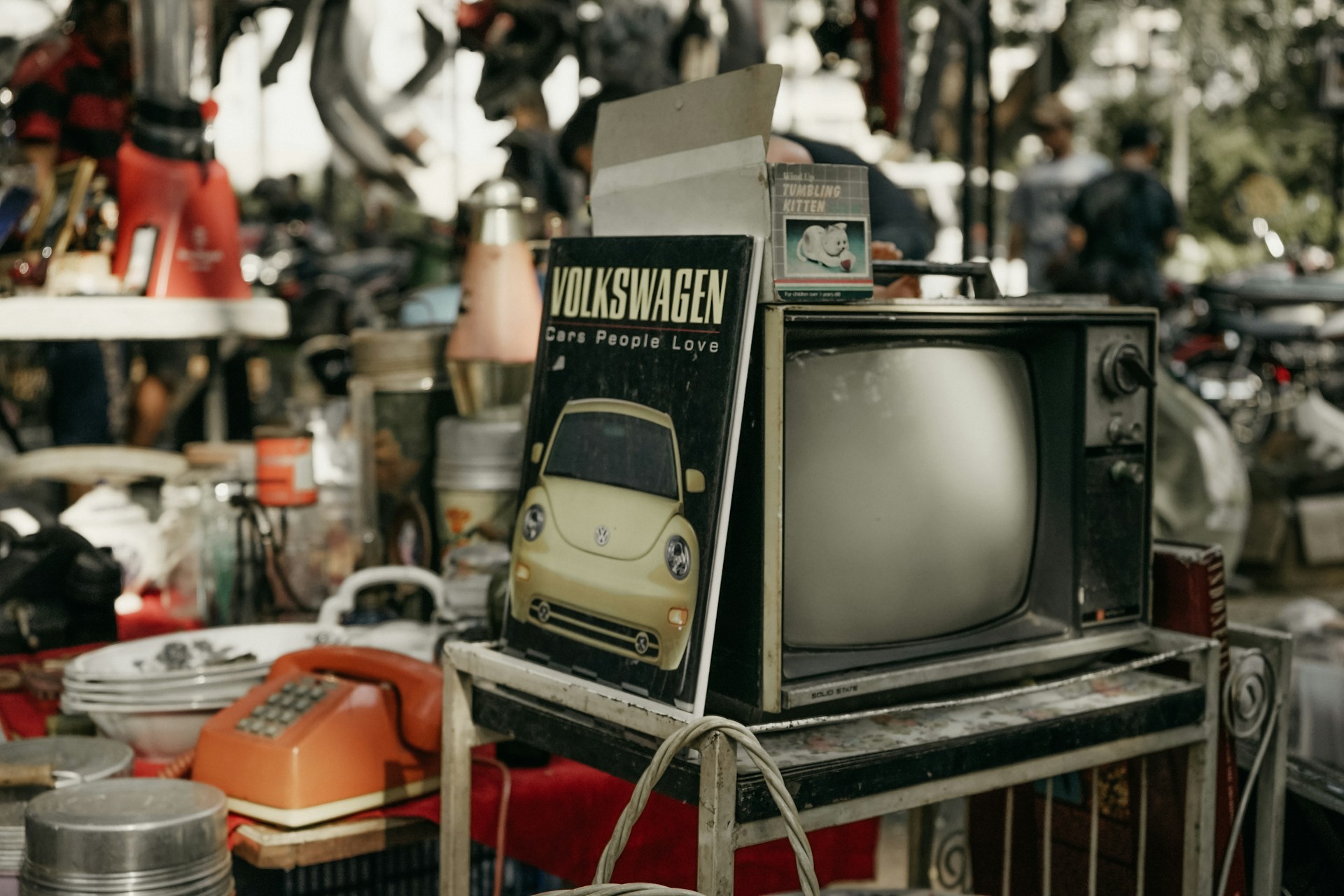
Electronics and toys often cluster together. I always test electronics before buying, and I look for complete games or vintage toys in good shape.
The jewelry counter is usually near checkout. I take my time here—real treasures hide among the costume pieces at bargain prices.
Finding Unique Treasures And Rare Items
Thrifting isn’t just luck—it’s about knowing what’s valuable. I focus on certain brands, materials, and time periods that collectors chase.
Vintage clothing from the ‘60s to the ‘90s sells great online. Band tees, designer labels, and wild patterns always catch my attention.
Solid wood furniture is worth it. I check the joints and drawers—no particle board for me, no matter how cheap.
First edition or signed books? Those are gold. I whip out my phone to check the value of rare titles or textbooks.
Art and pottery can be sneaky valuable. I look for signatures, maker’s marks, and quality. Handmade ceramics and original artwork are always on my radar.
Kitchen finds like cast iron, vintage Pyrex, and sharp knives keep their value. If I see them at a good price, I grab them.
Tips For First-Time Thrift Shoppers
New to thrifting? Patience is key—don’t expect a jackpot every time. But if you show up often, your odds go way up.
Go regularly since inventory changes all the time. I swing by my favorite stores once a week and try to learn their restocking days.
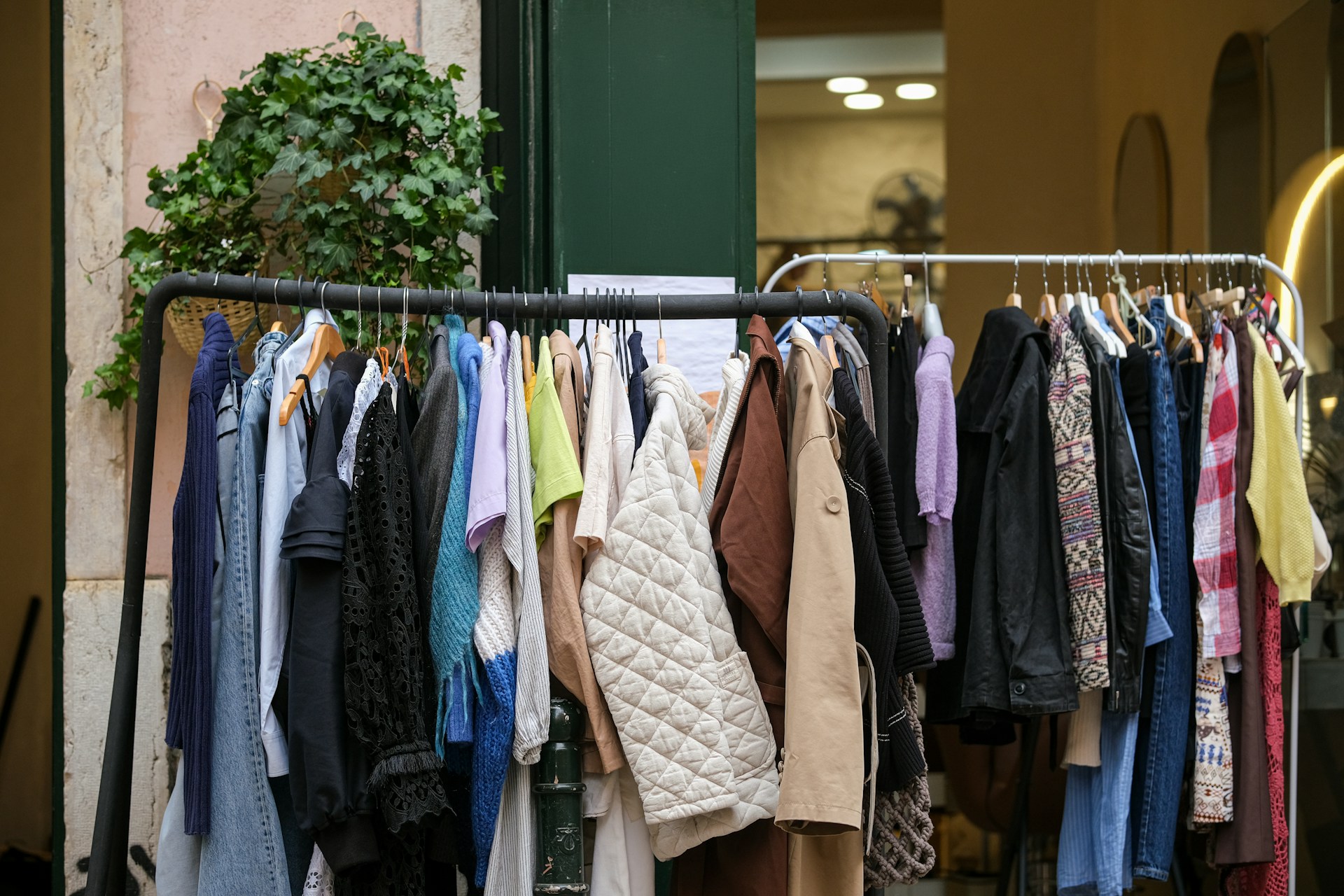
Wear comfy clothes you can layer. Fitting rooms are rare, so fitted clothes make it easier to try things on over what you’re wearing.
Bring cash and small bills. Some stores give better deals for cash, and smaller shops might not take cards.
Check every item for damage, stains, or missing pieces. I always test zippers, seams, and electronics before I buy.
Figure out the store’s discount system. Color-coded sales happen all week, and knowing the schedule saves a ton.
Start with what you know—books or home goods are usually easier than clothing or electronics. Once you’re confident, branch out.
Stay open to surprises. Some of my best finds were things I never planned to buy but recognized as valuable on the spot.
Vintage Clothing And Fashion Finds
Thrift stores are absolute goldmines for authentic vintage clothes, quality accessories, and affordable fashion for the whole family. If you love unique style, you’ll feel right at home.
Discovering Vintage Pieces And Used Clothing
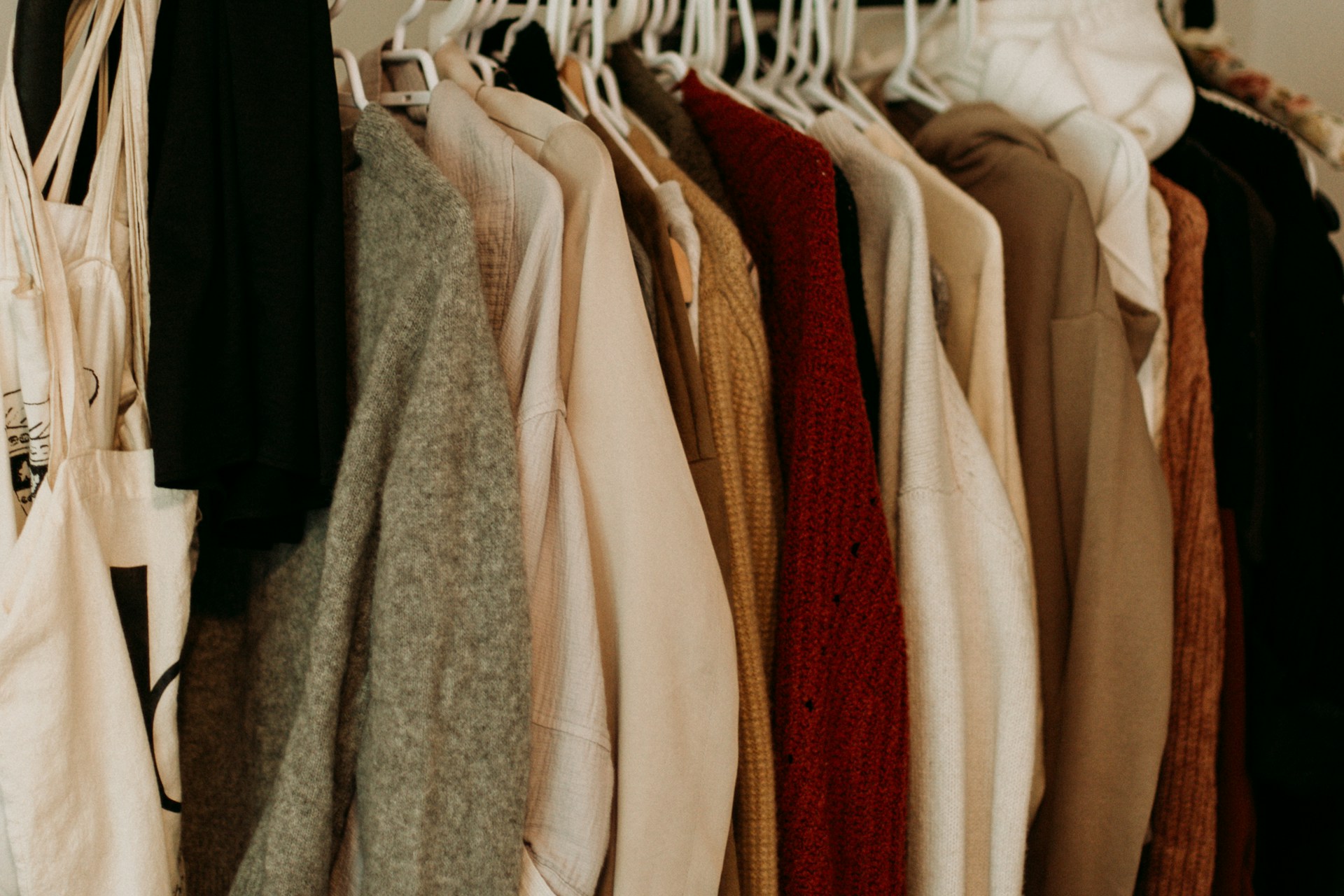
Walking the aisles, I spot clothes from the ‘70s, ‘80s, and ‘90s. Each piece tells a story—sometimes literally, with old band tees or embroidered patches.
Why vintage rocks:
- You’ll find designs nobody else has
- The fabrics and construction are usually better
- It’s way cheaper than buying new
- It’s a sustainable way to shop
Thrift stores aren’t just about the old stuff, either. There are plenty of recent brands and designer pieces at a fraction of retail prices.
The secret? Patience and repeat visits. New donations roll in every week, so showing up often pays off.
Spotlight On Vintage Fashion And Accessories
Vintage fashion means anything at least 20 years old. These pieces usually have way better craftsmanship than today’s fast fashion.
Some of my favorite finds:
- Leather jackets from the ‘80s
- Floral dresses from the ‘70s
- High-waisted jeans from the ‘90s
- Classic band tees
Accessories tie it all together. I’m always hunting for vintage jewelry, scarves, belts, and bags to add flair.
Thrift stores price accessories way lower than vintage boutiques. You can build a killer collection without blowing your budget.
Occasionally, I stumble on true antiques. Doing a little research helps me spot the pieces worth way more than their thrift price.
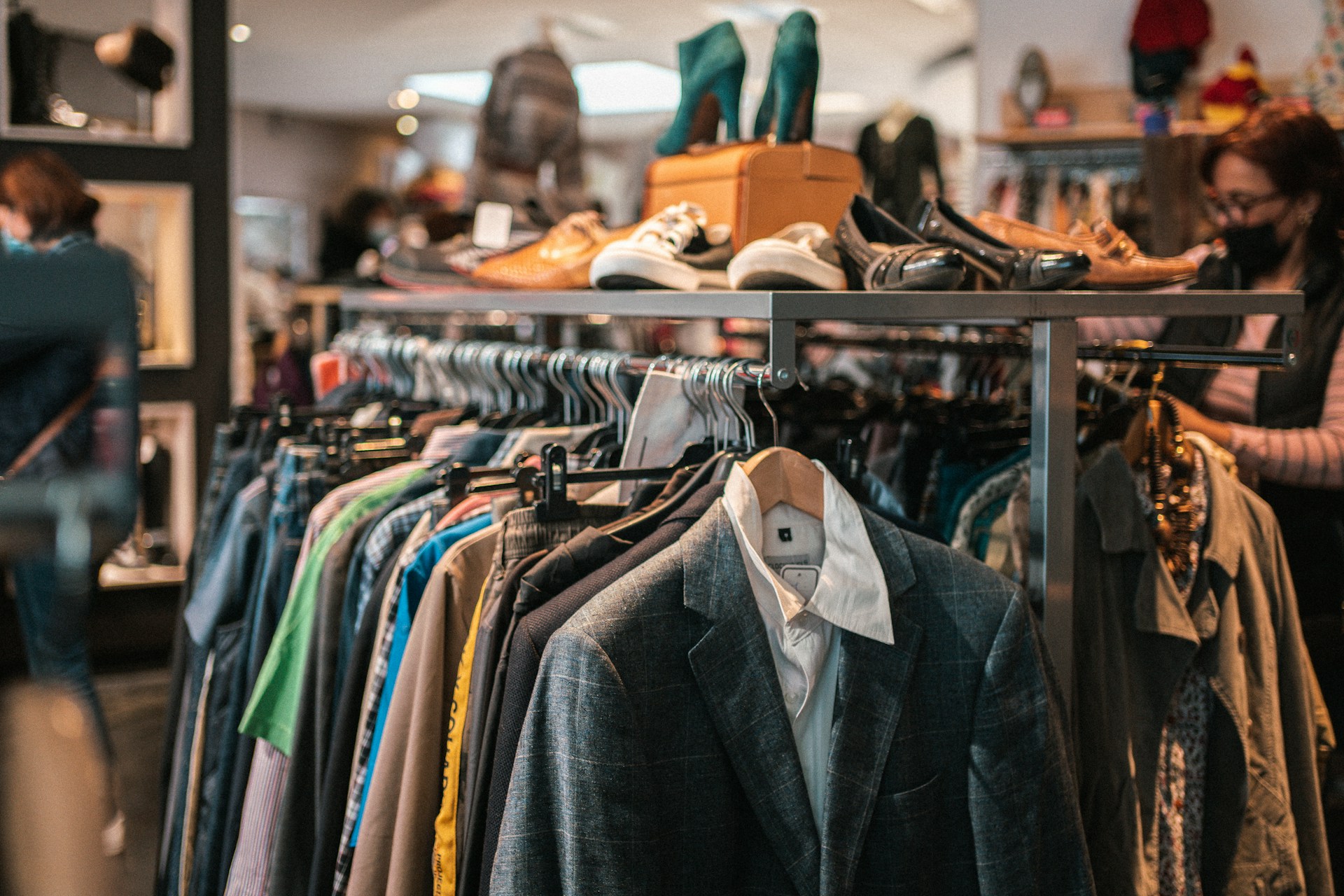
Women’s, Men’s, And Children’s Clothing Selection
Most thrift stores sort clothes by gender and size. Women’s sections usually have the biggest selection—think dresses, blazers, shoes, and more.
Women’s clothing gems:
- Vintage blazers and suits
- Designer bags and shoes
- Formal dresses for special nights
- Everyday staples
Men’s sections have dress shirts, suits, casual wear, and sometimes awesome vintage tees or leather shoes.
Kids’ clothing is a steal. Since kids outgrow stuff so fast, parents donate nearly-new items all the time.
Why families love it:
- Super affordable for growing kids
- Name brands for less
- Seasonal updates without breaking the bank
- Fun, unique pieces for special events
The racks change constantly, so every visit brings something new.
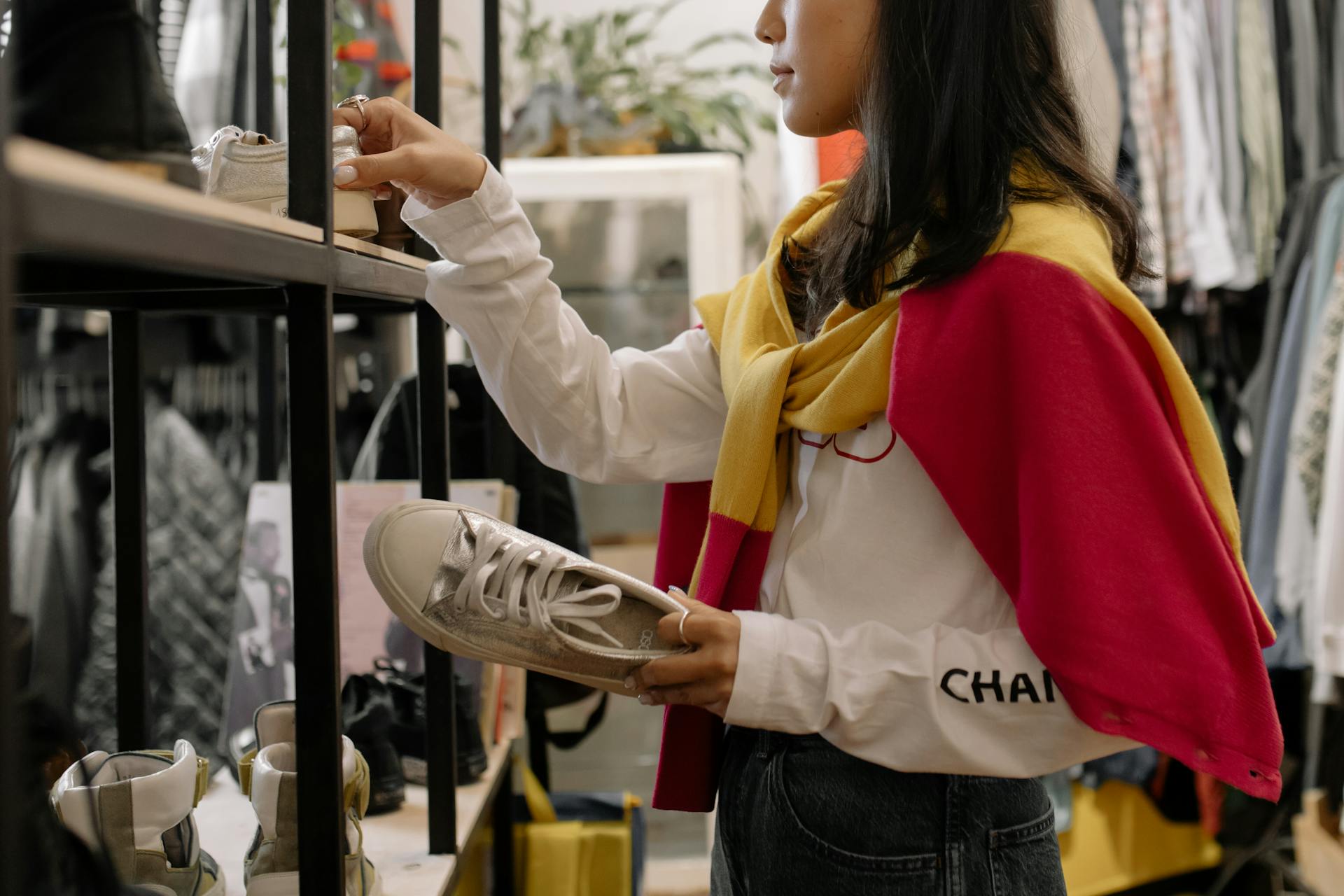
Home Goods, Decor, And Collectibles
Thrift stores are packed with home goods and décor that can totally refresh your space—and maybe even fund your next trip. Mid-century modern furniture and vintage glassware are hot right now, while classics like Pyrex and collectible books never go out of style.
Home Decor Trends And Mid-Century Modern Finds
Lately, crystal and glass lighting is everywhere. Tiered chandeliers and Murano glass pieces get snapped up fast by people who want something special.
Mid-century modern chairs are still in demand. I love finding Scandinavian pieces from the ‘50s and ‘70s—they work in any room and hold their value.
Items I always look for:
- Swedish armoires and credenzas
- Bamboo mirrors from the ‘70s
- Brass accents and natural wood
- Franco Albini-style furniture
Maximalist chairs with bold patterns don’t last long on the shelves. Upholstered stools and quirky drink tables are fun to reupholster.
Wicker and rattan pieces bring warmth and texture. The craftsmanship on some of these is just beautiful.

Sourcing Furniture, Lamps, And Vintage Glassware
Vintage table lamps with sculptural shapes are in demand. I keep an eye out for hand-painted details or pleated shades.
Top glassware finds:
- Crystal stemware with scalloped edges
- Colorful ribbed glass
- Serving bowls for a statement table
- Spanish Fajalauza pottery with bold designs
Picture frames are a sleeper hit. New ones cost a fortune, but thrifted vintage frames have real character.
Copper cookware is rare these days. It looks great in kitchens and sells for a premium, so I grab it when I can.
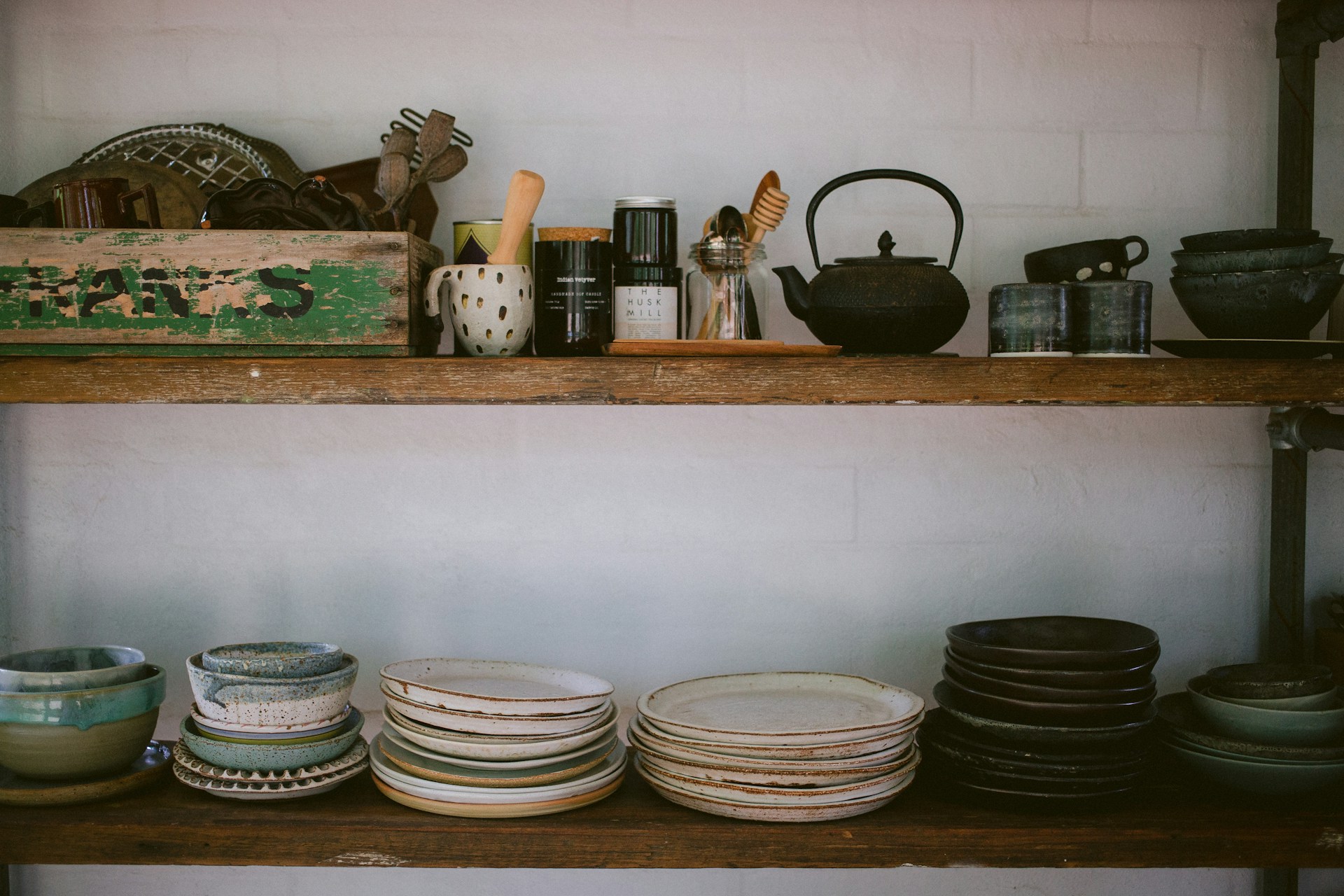
Decorative ceramics work as dinnerware or art. Handmade pieces with unique patterns are always worth a second look.
Collecting Books, Electronics, And Vintage Pyrex
Coffee table books are steady sellers. I collect art, fashion, travel, and architecture titles that reflect my interests.
Electronics to scout for:
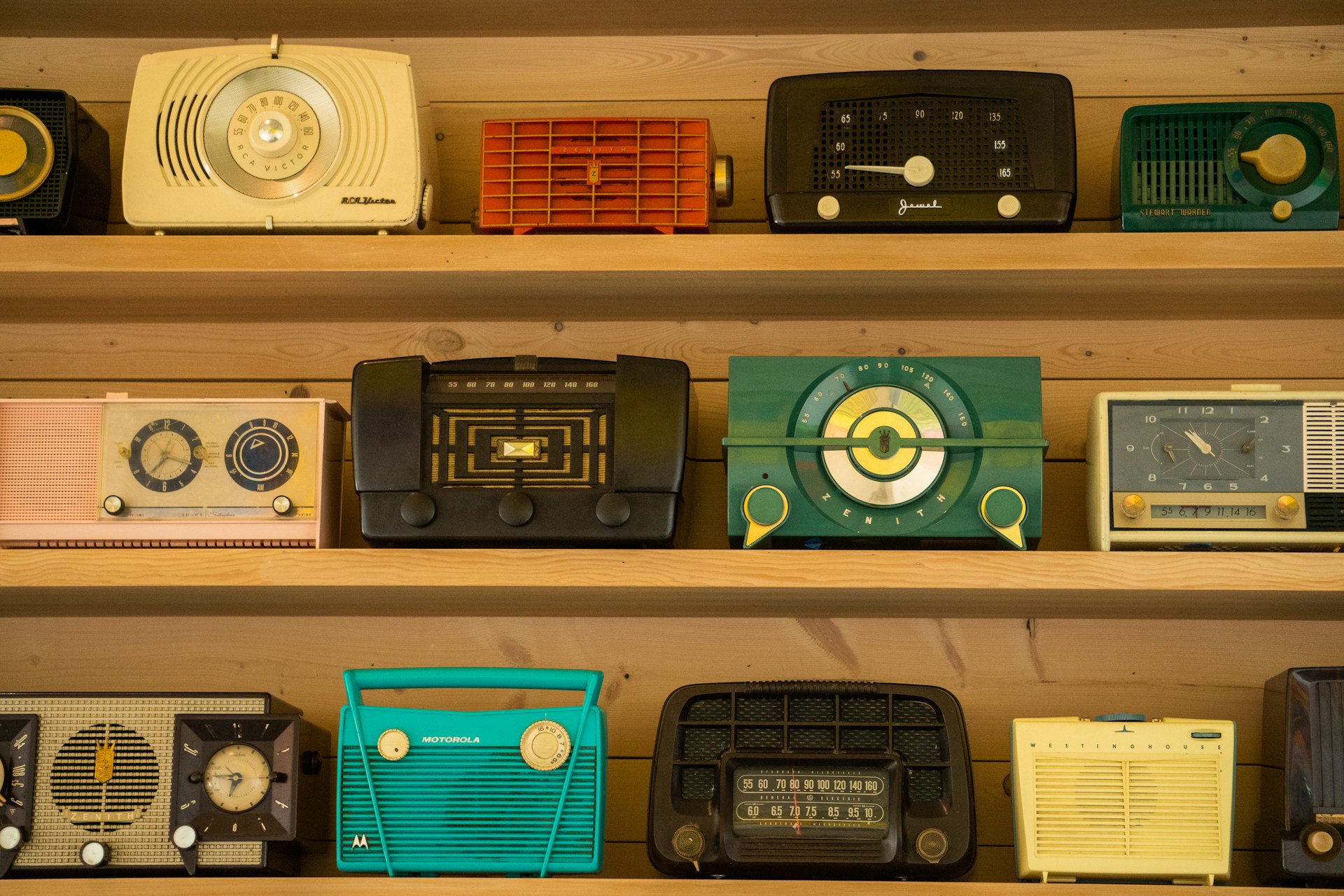
- Vintage radios that still work
- Mid-century stereo gear
- Retro kitchen gadgets
- Camera equipment from known brands
Pyrex mixing bowls with rare patterns are among the most valuable finds. I always check the pattern before buying—some are worth a small fortune online.
Quilts and fiber art are having a moment. Handmade textiles make great wall hangings or cozy bedding.
I always test electronics for functionality. Working vintage gear sells for way more than broken stuff.
Jewelry And Unique Accessory Discoveries
Thrift stores are goldmines for valuable jewelry and unique accessories—often at a fraction of retail prices. With a little know-how, you can find everything from designer costume pieces to real gold and silver.
Costume Jewelry And Rare Treasure Hunts
I never thrift for jewelry without my trusty 10x jeweler’s loupe. It helps me spot tiny details and read stamps like 10k, 14k, or 925 for sterling silver.
Weight matters. Real metals feel heavier than costume pieces. I always compare similar items by hand.
I trust my senses. Gold and silver don’t have a metallic smell, but plated metals do. Through the loupe, gas bubbles mean glass or plastic stones—not genuine gems.
Red flags to watch for:
- Peeling or chipped metal
- Loose clasps and hinges
- Stones that look too plastic or uniform
- Missing parts or shoddy construction
I flip pieces over to check for maker’s marks. Those stamps can reveal designer names or quality indicators that make a piece way more valuable.
Curating Personal Style With Thrifted Accessories
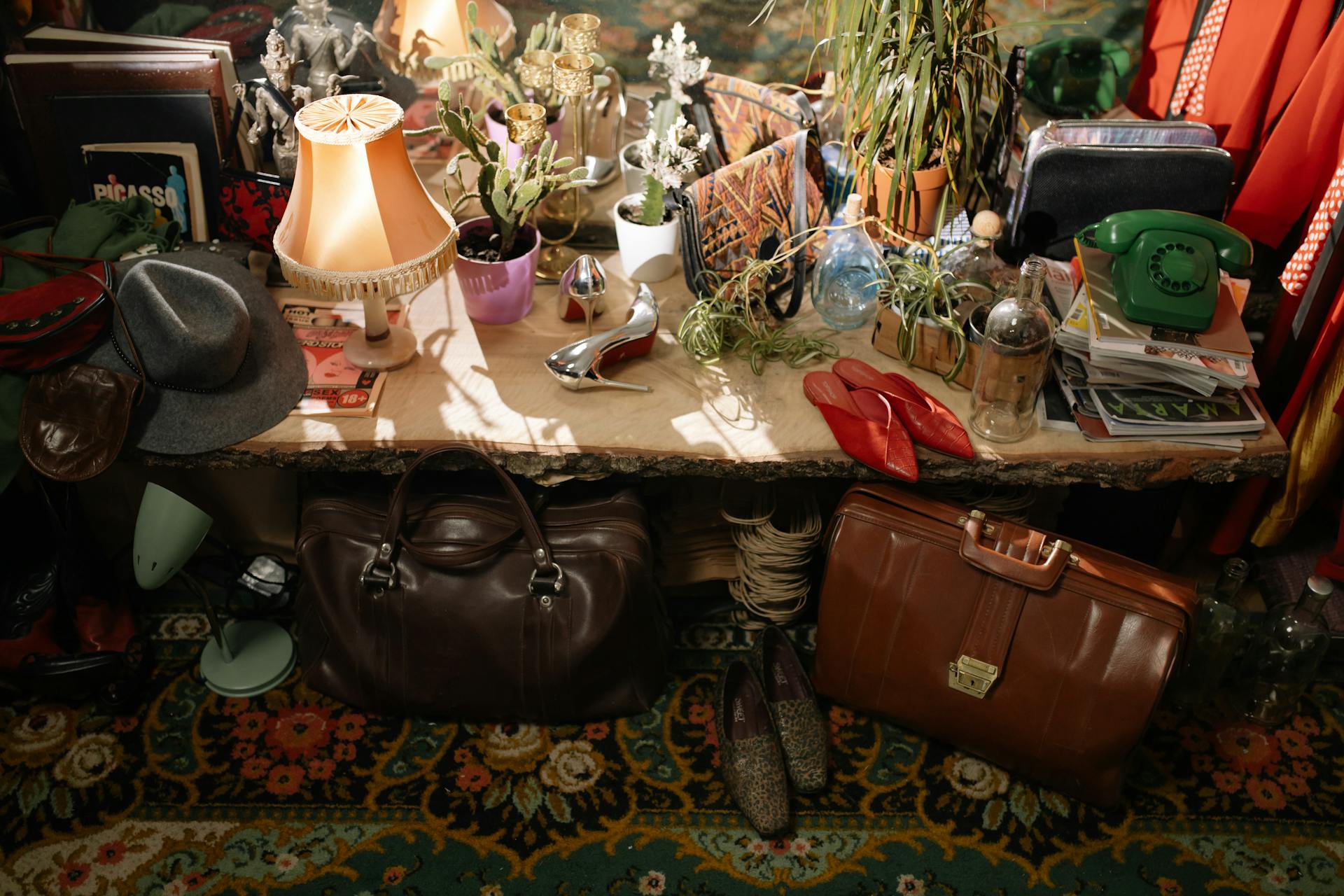
When I walk into a thrift store, I don’t just grab everything that looks valuable. Instead, I hunt for pieces that actually fit my style. There’s no point in snagging a beautiful vintage brooch if it’ll just collect dust in my jewelry box.
How I decide what comes home with me:
- Does it work with what I already own?
- Can I style it in more than one way?
- Does it really feel like “me”?
Tarnished silver or gold? That doesn’t scare me off. Most of the time, a little cleaning brings these pieces back to life. I’ve revived so many forgotten accessories with nothing but basic polish and patience.
Whenever I can, I chat with thrift store staff about the backstory of a piece. Sometimes, learning about a previous owner or where it came from makes the find even more special.
I like to stay in touch with local jewelers. They help me authenticate my treasures, and I pay for their expertise. This way, I know what I’m really buying, and I’ve built a bit of trust with them over time.
Sustainability And The Future Of Thrifting
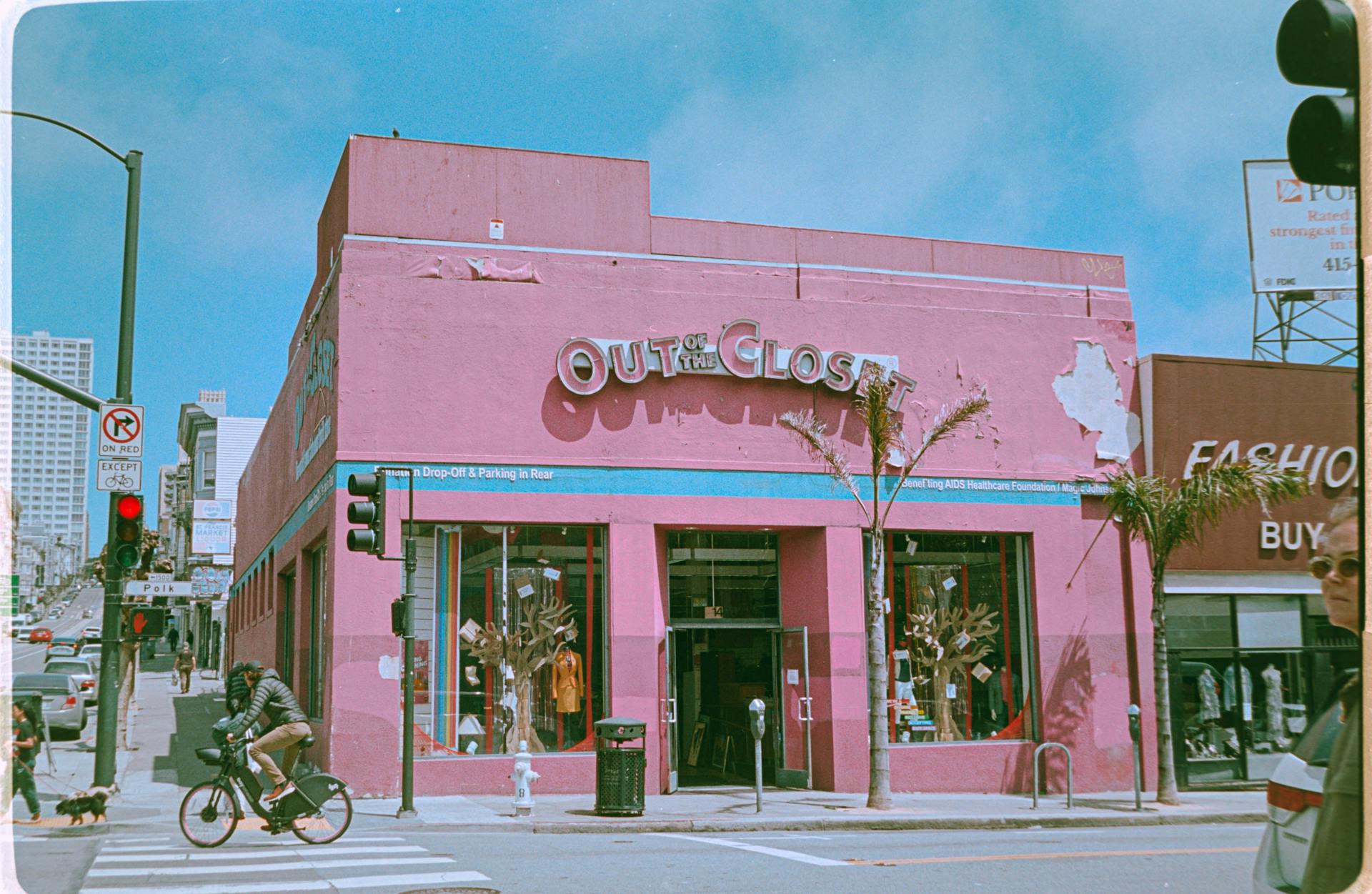
Thrift stores do more than just offer bargains. They keep millions of items out of landfills, which has a huge impact on the environment. Plus, these shops fuel creative projects and help fund community programs that support local families.
Environmental Benefits Of Secondhand Shopping
Honestly, I’ve seen just how much thrift shopping cuts down on waste. Every time someone buys secondhand, that’s one less item heading for a landfill. It might not seem like much, but it adds up. Did you know textile waste takes up about 5% of landfill space in the U.S.? Every thrifted purchase gives those clothes a new lease on life.
There’s another side to this. Making new stuff—especially clothes—uses a ton of resources. One cotton t-shirt? About 700 gallons of water. So when I pick up a vintage tee, I know I’m saving water and energy.
The carbon footprint drops, too. Manufacturing and shipping new goods pumps out emissions. Secondhand items? They’ve already made that journey.
| Environmental Impact | New Items | Thrift Items |
|---|---|---|
| Water Usage | High | Zero additional |
| Carbon Emissions | High | Minimal transport |
| Landfill Waste | Eventual | Prevented |
Upcycling Projects And Creative Reuse
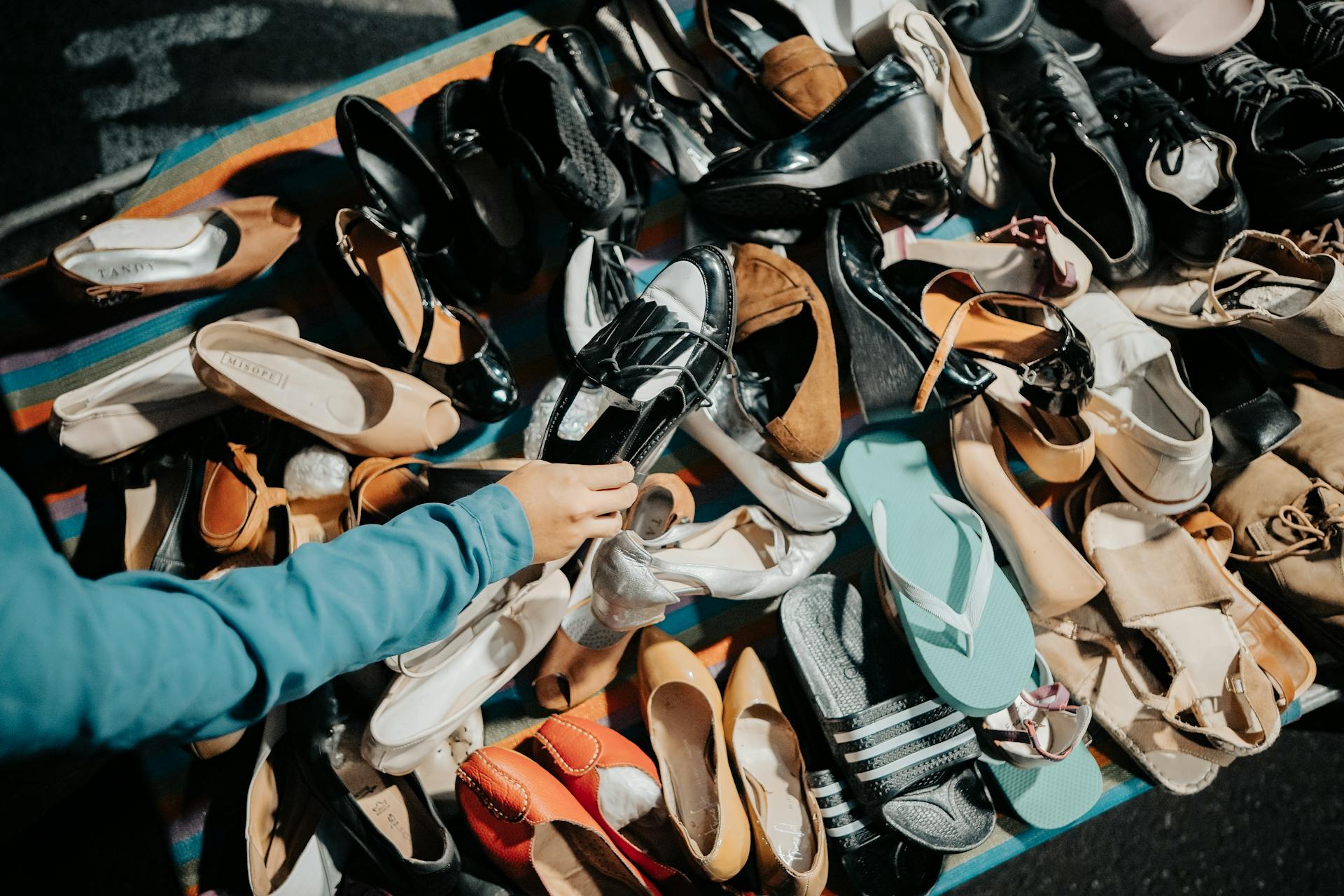
Thrift stores are basically treasure troves for upcyclers. I love finding old wooden furniture that just needs a fresh coat of paint to shine again.
Upcycling is where the magic happens. An old sweater might become a pillow cover. Vintage suitcases? They make surprisingly chic storage boxes. Glass jars can turn into planters or organizers in no time.
These projects save a ton of money, and you end up with something nobody else has. I once grabbed a $5 dresser and turned it into a piece worth $200—just took some creativity and a bit of elbow grease.
Upcycling multiplies the environmental benefits, too. Each item gets a second, third, or even fourth life. My home is packed with these transformed finds, and guests always ask where I got them.
Social media’s definitely helped upcycling take off. People love sharing their projects, and it’s hard not to get inspired by what others create with thrifted goods.
Supporting Communities Through Thrift
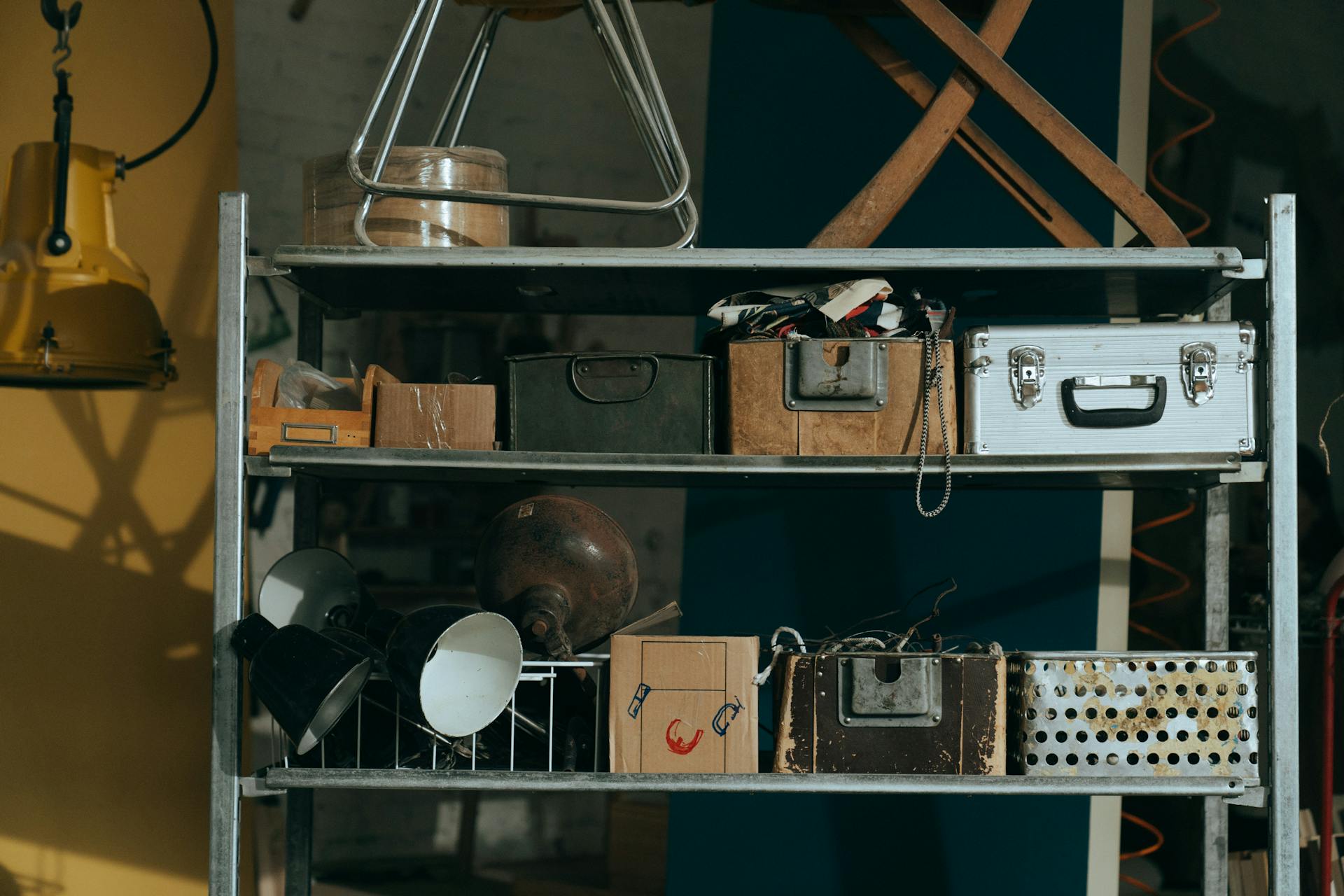
Thrift shopping does so much more than just save you money—it actually fuels programs that lift up local families in tough spots. Most thrift shops? They’re nonprofits, and they pour what they make into addiction recovery, job training, and even housing help.
The other day, I spent just $10 at my neighborhood thrift store. That small purchase might’ve helped someone land a job interview outfit or covered part of a family’s emergency rent. I love knowing my money isn’t vanishing into some corporate void—it stays right here, where it matters.
You’ll also find affordable goods for anyone on a tight budget. Parents can pick up kids’ clothes without sweating the price tag. College students? They can set up an entire apartment for less than the cost of a fancy coffee maker.
Thrift stores hire locals, too. People sort donations, ring up sales, and keep things running behind the scenes. Some shops even teach retail skills through job training programs, which is honestly pretty amazing.
Donating feels good, but it’s more than that. When neighbors drop off their gently used stuff, they’re helping others in the community score quality goods at prices that make sense. That’s a win-win if you ask me.
