
Every spring, Washington DC bursts into color as thousands of cherry blossom trees bloom around the city’s most iconic landmarks. It’s honestly magical to see the city draped in pink and white, and no surprise—millions of people make the pilgrimage just to witness this fleeting spectacle.
If you’re hoping to catch the 2026 cherry blossom season, timing is everything. The bloom only lasts for a couple of weeks, so planning ahead really pays off. Let’s get into the nitty-gritty of peak bloom, the best places to see the flowers, and a few tricks for making your trip unforgettable.
The sweet spot for cherry blossoms in DC usually lands in late March through early April. That’s when the trees tend to hit their peak, and the weather is just right. If you visit too early or too late, you might only see buds or, sadly, just fallen petals.
Your whole experience hinges on hitting that window. The bloom period is short—sometimes only a week or so—so flexibility helps. Weather, crowds, and even last-minute forecasts all play a part. Trust me, a little research goes a long way.
Here’s a rundown of what I’ve learned after years of chasing cherry blossoms in DC. From peak bloom dates to the best spots for photos, I’ll walk you through everything you need to know for 2026.
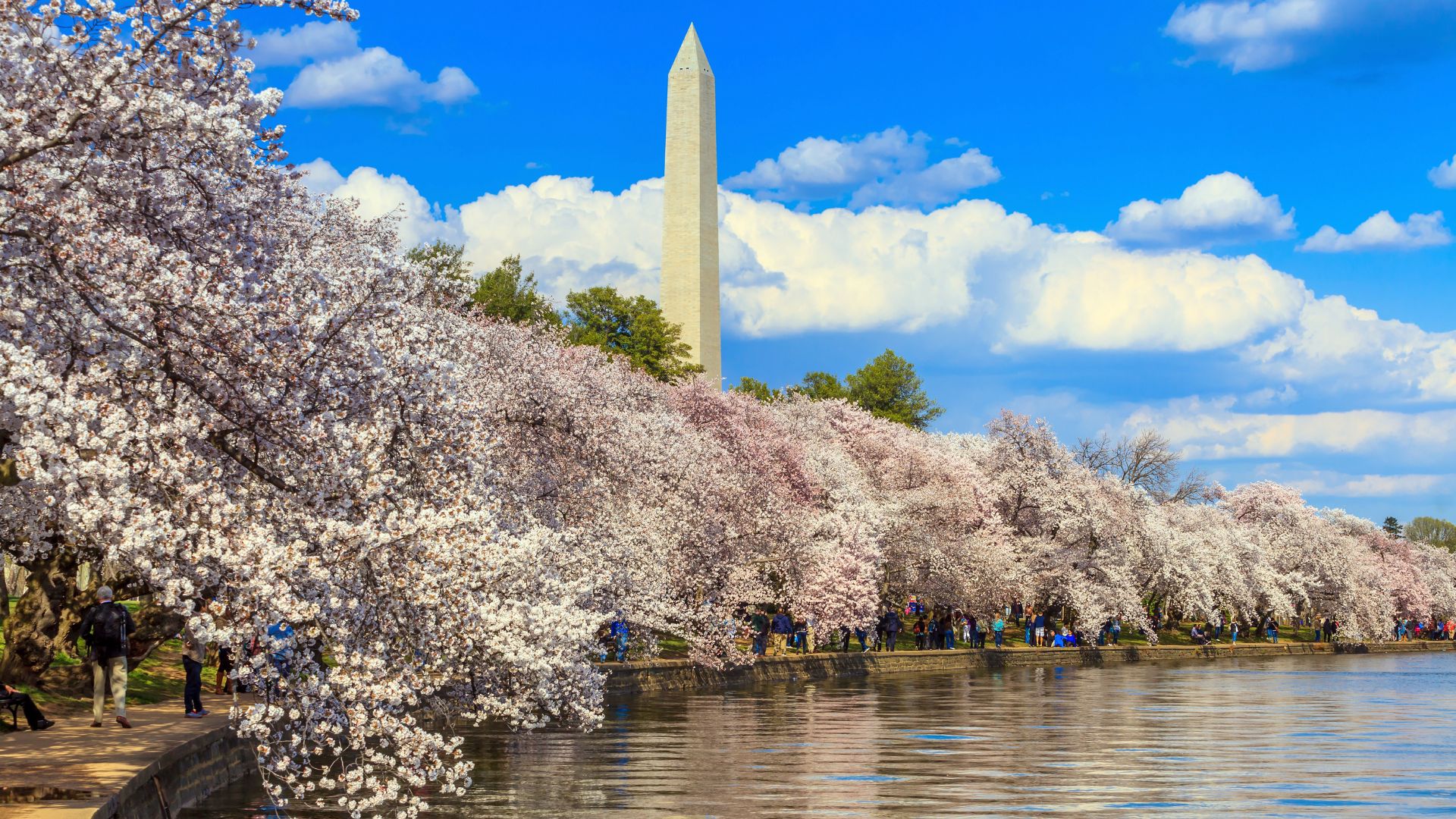
1) Late March to Early April: The Prime Window
If you want to see DC’s cherry blossoms at their best, late March to early April is your golden ticket.
Peak bloom happens when about 70% of the blossoms are open. This magic moment usually sticks around for four to seven days, but with good weather, you can get up to two weeks of pretty blooms.
Every year, the exact timing shifts. Sometimes the trees surprise everyone and bloom in mid-March; other years, they hold out until mid-April. On average, April 4 is the historical sweet spot.
If you can, build a little wiggle room into your travel plans. The trees follow Mother Nature’s schedule, not ours. Checking the official forecasts closer to your trip will save you a lot of guesswork.
Even if you miss the exact peak, the city still looks gorgeous. The season stretches beyond just those perfect days.
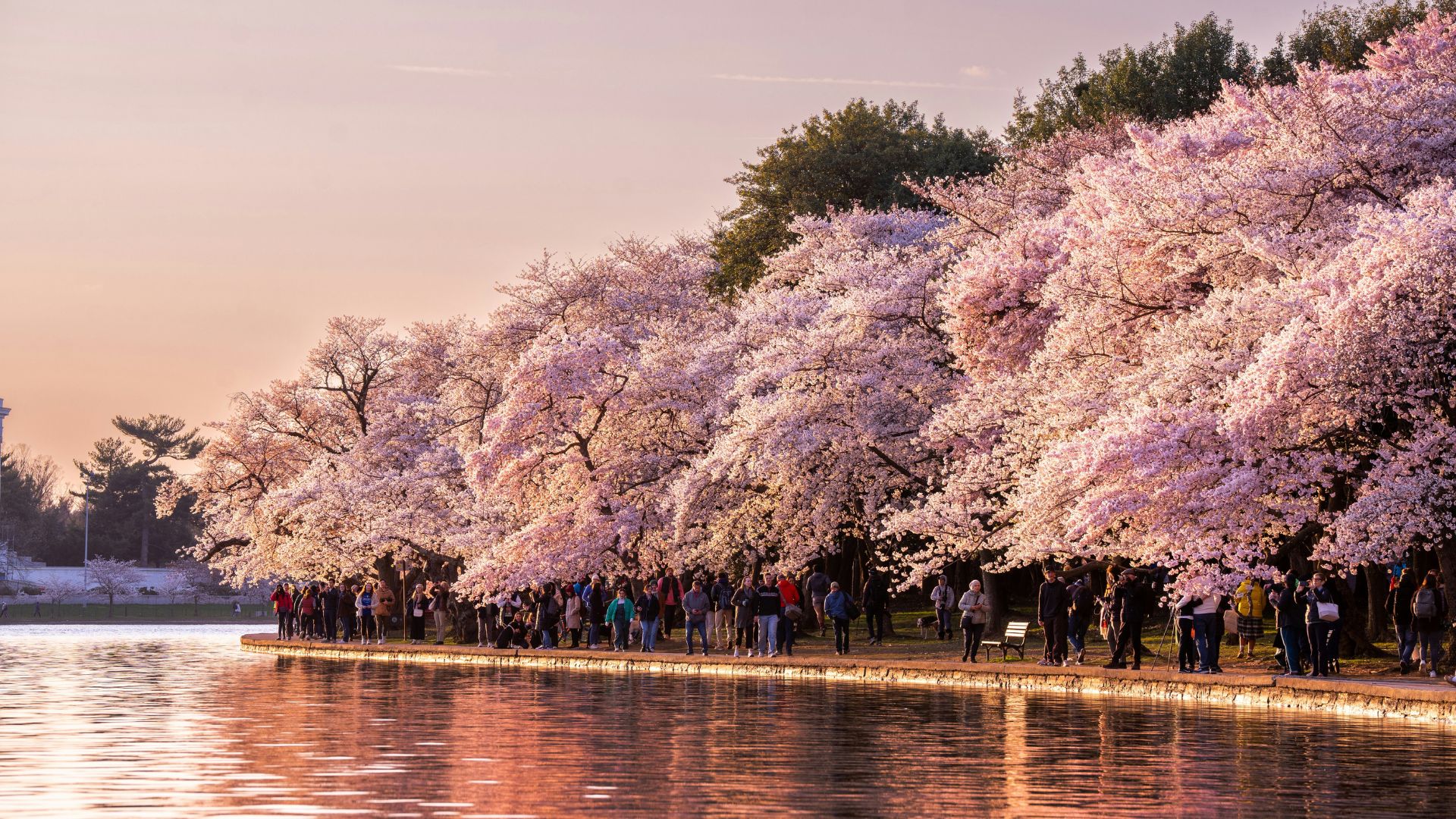
2) Peak Bloom Usually Falls Between March 28 and March 31
Most years, peak bloom in DC happens during the last week of March. That’s when the Yoshino cherry trees put on their most dazzling show.
The National Park Service tracks the blossoms closely. Looking at past years, March 28 to March 31 is the prime window for catching the trees in full bloom.
Warm spells can nudge the bloom earlier, while chilly weather pushes it back. Once peak bloom starts, the flowers usually stick around for a few days.
You can still see blossoms before and after those dates, but late March delivers the most jaw-dropping views. If you aim for the end of March, your odds of catching peak bloom are pretty high.
For 2026, the official prediction will drop in late February. Until then, use March 28-31 as your best bet.
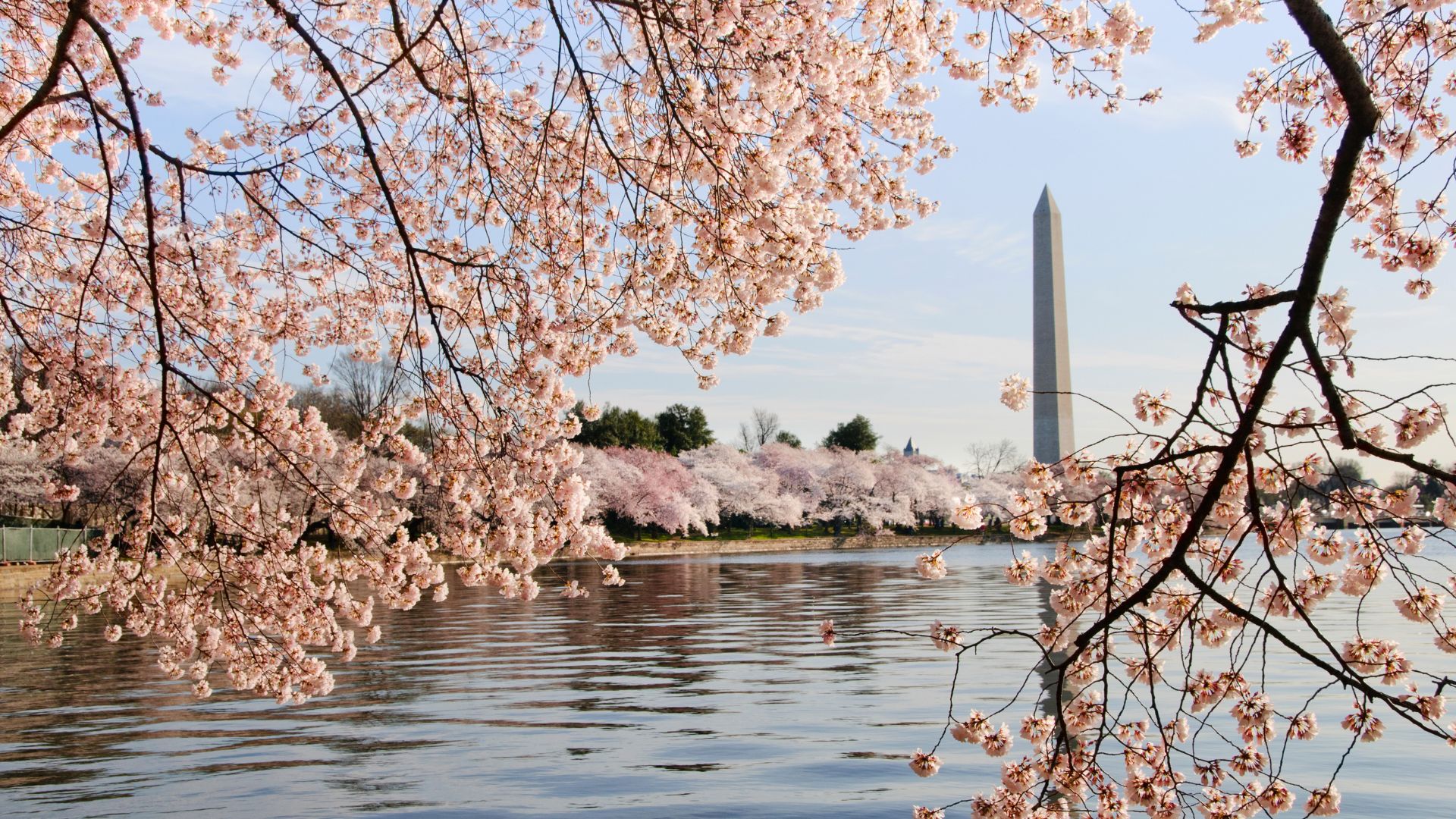
3) The Tidal Basin and National Mall: Top Spots for Cherry Blossoms
When it comes to cherry blossoms, the Tidal Basin and National Mall steal the show.
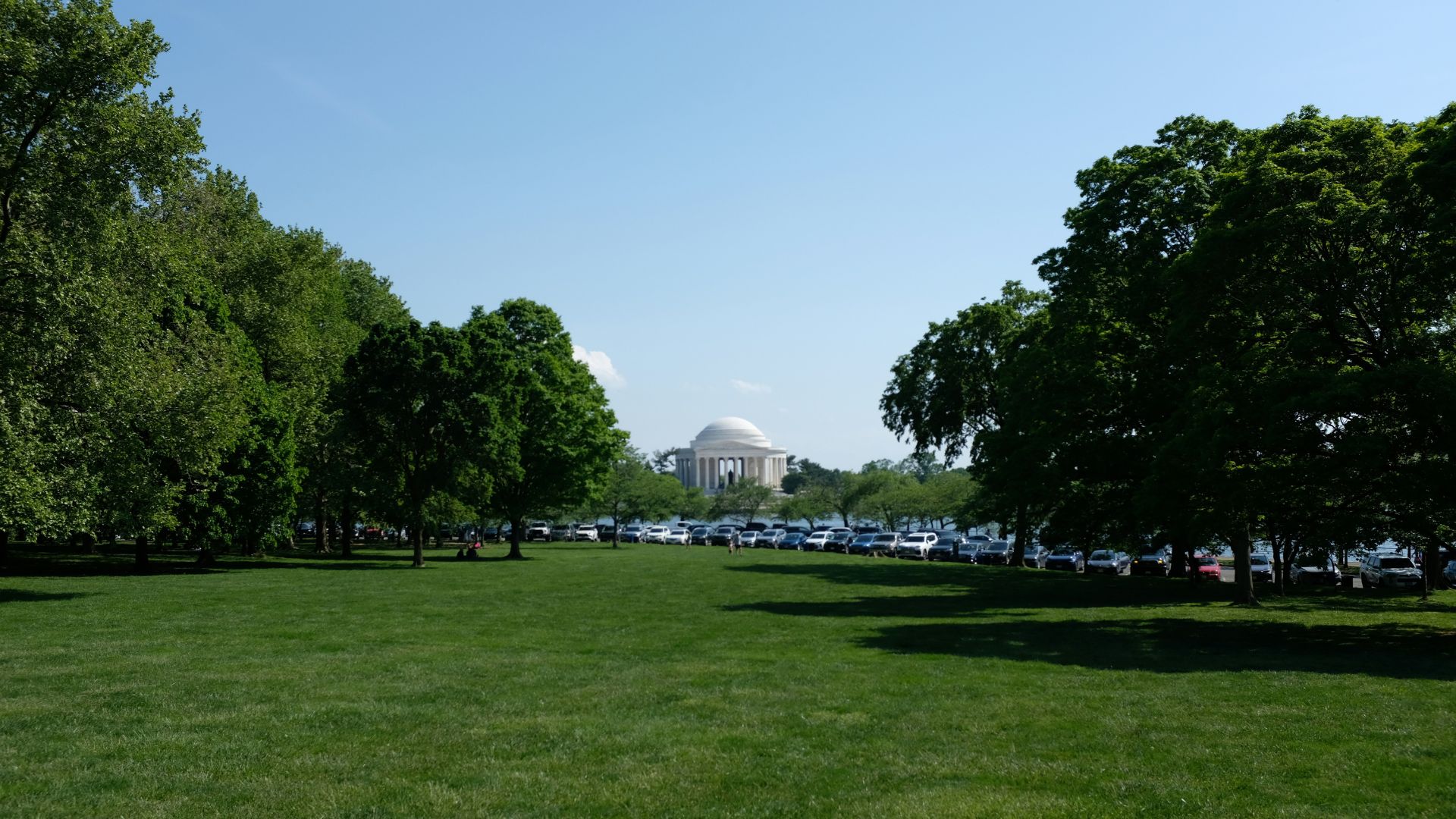
The Tidal Basin is basically cherry blossom central. Walking the two-mile loop, you’ll get up close to the blooms—and the views of the Jefferson Memorial, MLK Memorial, and Washington Monument are unbeatable.
The National Mall is another favorite. You get those classic shots of blossoms with the monuments as your backdrop.
These spots attract massive crowds, especially during peak bloom. If you want a quieter stroll, you’ll have to get creative with your timing.
Still, nothing beats the atmosphere at these locations. I always make time for both, just to soak it all in.
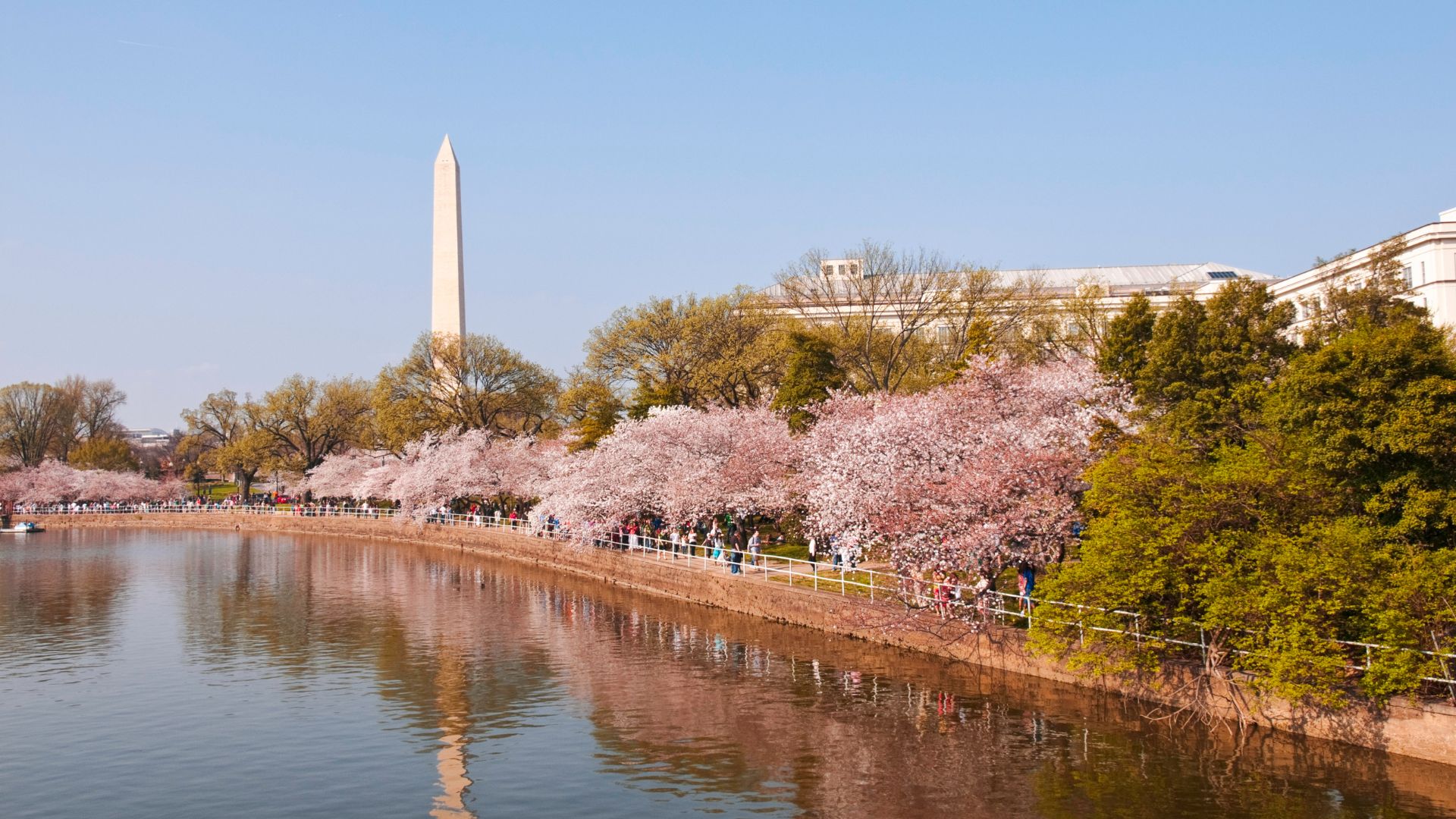
4) Weather Can Shift Bloom Dates—Stay Flexible
Trying to guess the exact peak bloom months ahead? Good luck! The weather in late winter and early spring decides everything.
Warm days can make the blossoms pop early. Cold snaps hold them back. Sometimes, a storm rolls in and ends the show overnight.
Peak bloom only lasts a few days if the weather cooperates. Rain and wind can cut it short.
The National Park Service updates its forecasts as the season approaches, usually about 10 days out. If you want the best shot at catching the blossoms, check the latest predictions and keep your plans flexible.
5) Early Spring Means Mild Weather and Happy Blossoms
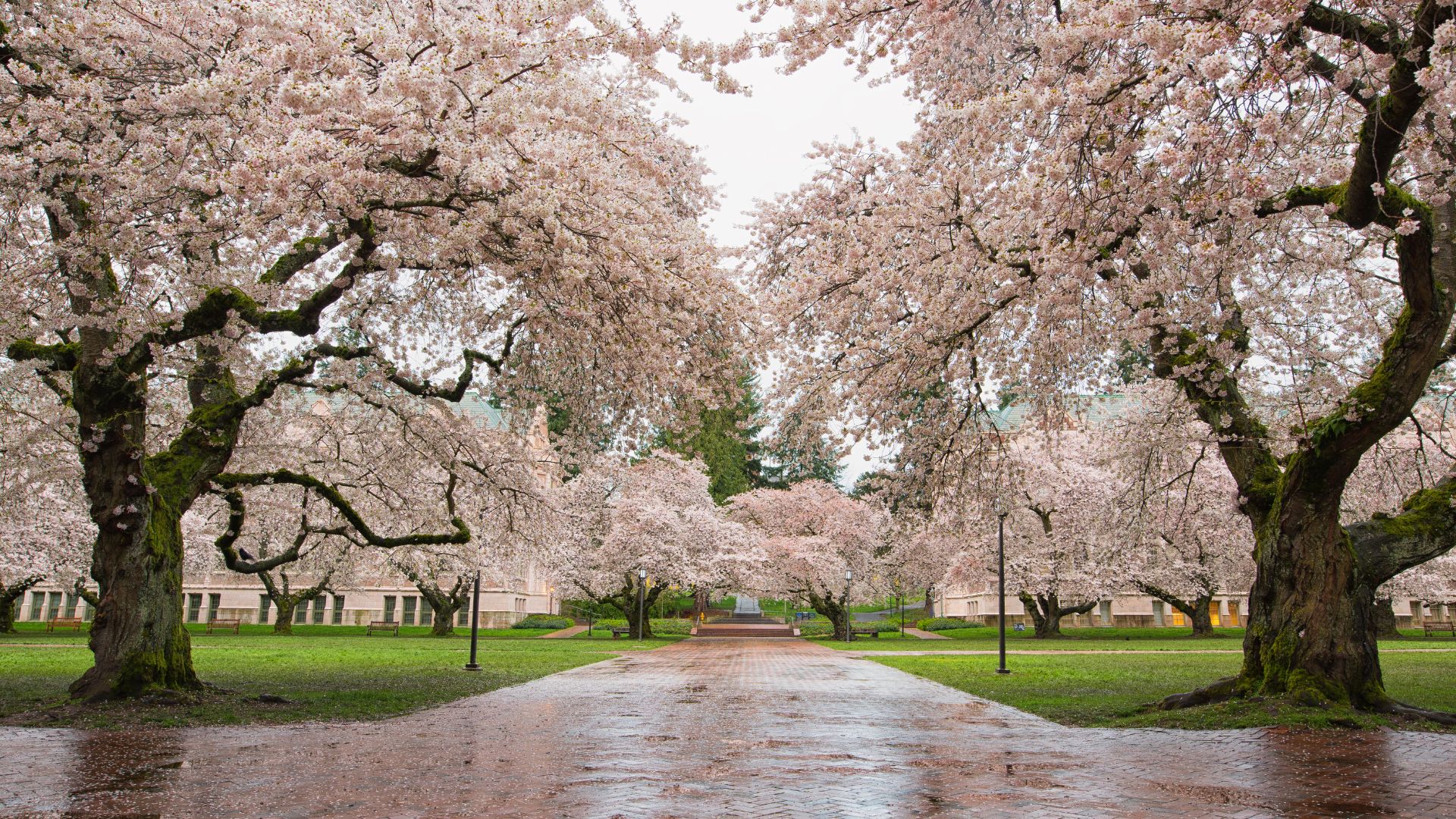
Early spring in DC just feels right for cherry blossom viewing. The trees usually wake up in late March or early April, once the temperatures hit that sweet spot.
Most days, it’s 50 to 65 degrees Fahrenheit—perfect for long walks without breaking a sweat.
Mild weather helps the blossoms last longer. Cold snaps can damage the flowers, while heat makes them fade fast.
I always pack light layers—mornings can be brisk, but afternoons warm up nicely. A light jacket is usually all you need.
It’s honestly the best time to explore outdoors. You can wander for hours and just soak up the beauty.
6) Skip Early March—The Blossoms Aren’t Ready Yet
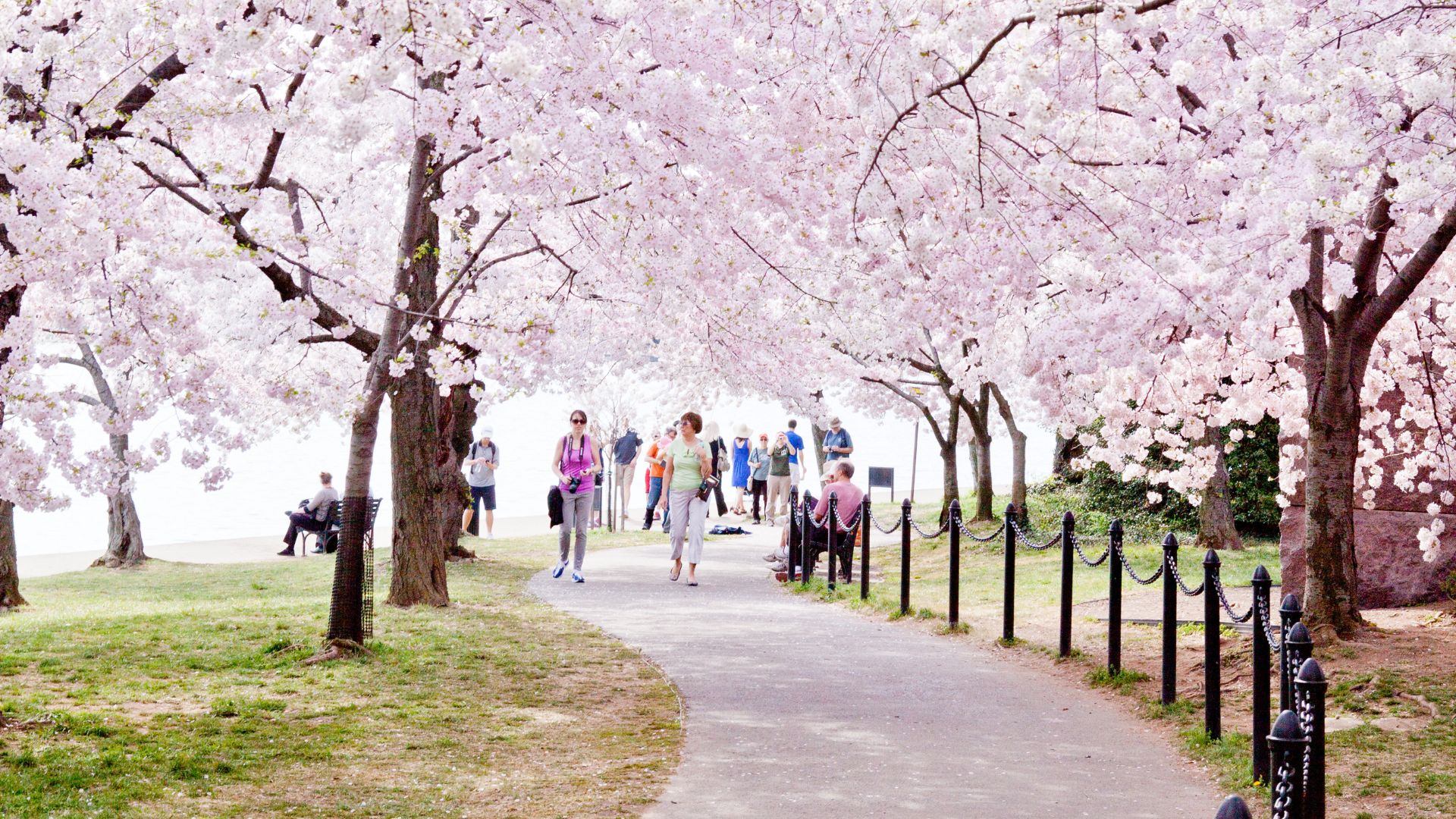
If you show up in early March, you’ll probably just see bare branches and a few tiny buds.
The trees need a certain amount of warmth before they bloom. Early March is usually too cold for anything more than hints of what’s to come.
Peak bloom almost always lands between March 28 and April 5. That’s when most of the Yoshino cherry trees around the Tidal Basin are at their prettiest.
You might spot a few early bloomers in sheltered spots, but the main display won’t be ready. If you’re after those iconic photos, patience pays off.
Aim for the last week of March or the first week of April. And keep an eye on the National Park Service’s predictions in late February—they’re your best guide.
7) Mid-April: Fewer Crowds, Fading Blossoms
By mid-April, most of the cherry blossoms have already put on their show. You’ll still see some color, but many trees have started dropping petals.
Usually, blossoms peak in late March or early April. After five to seven days, petals begin to fall, especially if it’s windy or rainy.
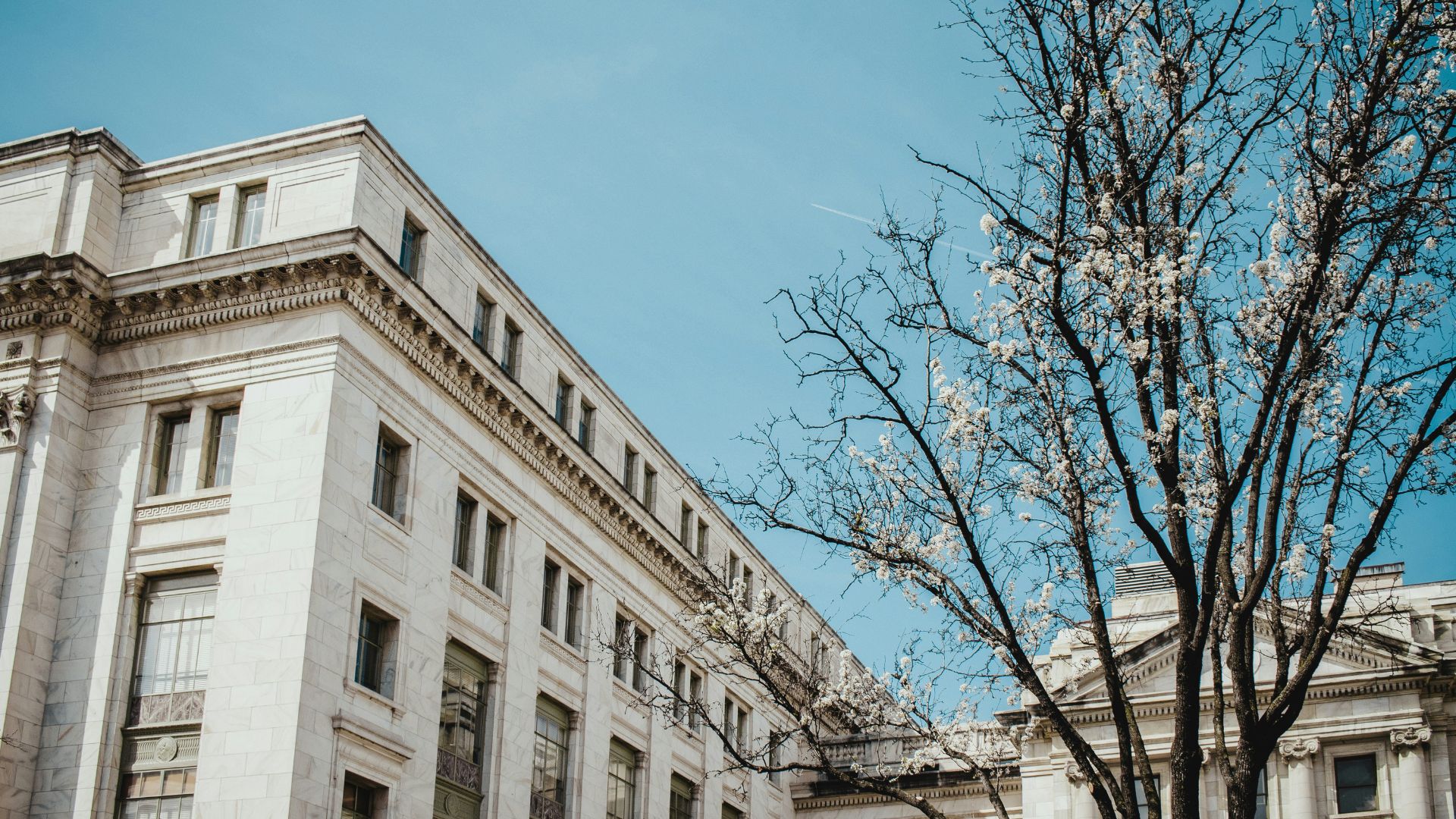
If you visit in mid-April, expect thinner canopies and some trees already sprouting green leaves. The classic pink clouds over the Tidal Basin get patchy pretty quickly.
On the bright side, the National Cherry Blossom Festival is still going. The events are fun, and the crowds thin out a bit.
With fewer people around, it’s easier to snap photos and enjoy the monuments. The weather stays pleasant, so outdoor exploring is still a good time.
8) Weekdays in Late March = Smaller Crowds
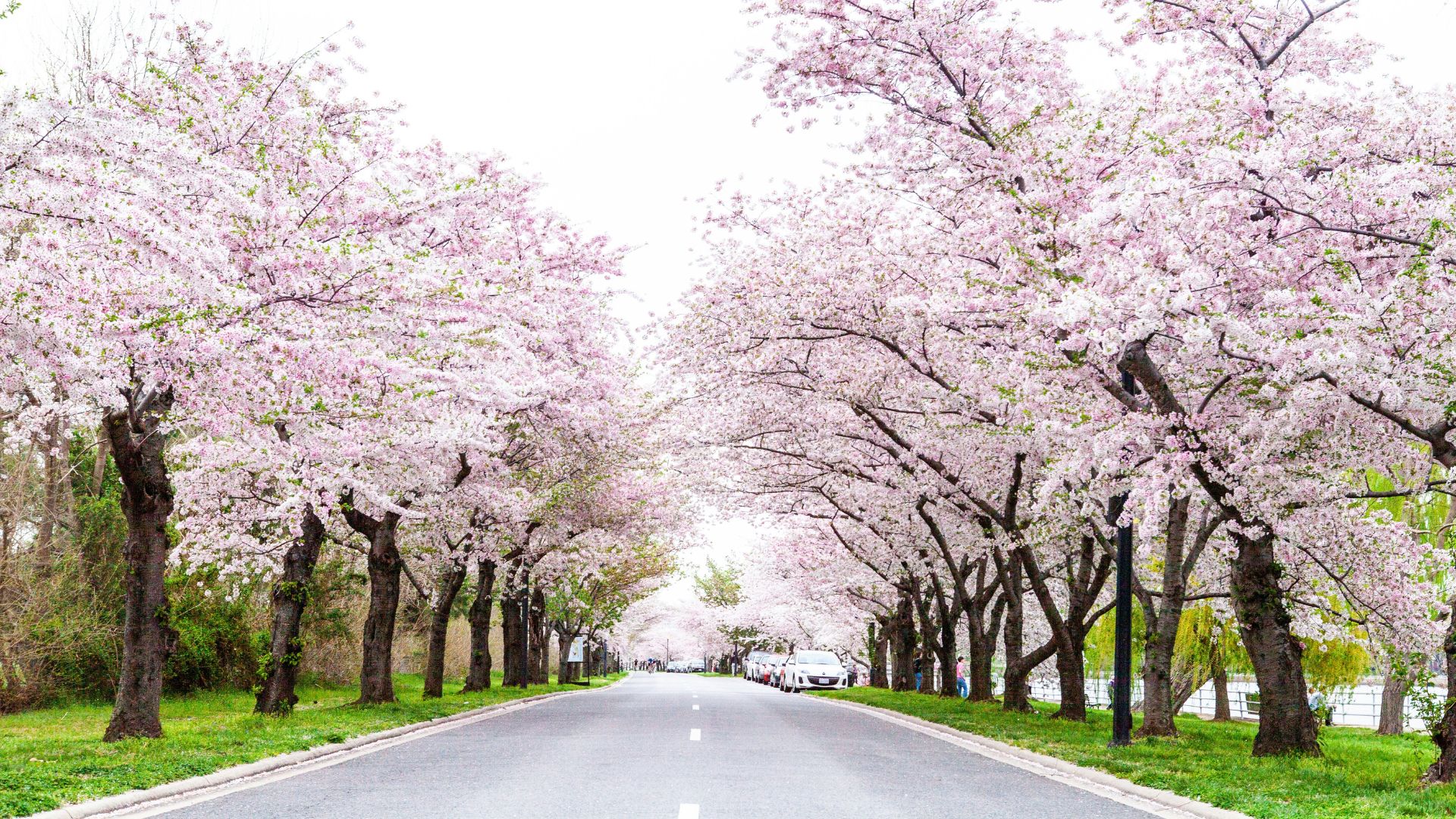
Want to dodge the crowds? Visit on a weekday in late March.
Weekends get packed, especially if peak bloom hits on a Saturday or Sunday. But if you go on a Tuesday, Wednesday, or Thursday, you’ll have more breathing room.
Early mornings are even better. Most people show up later, so before 9 AM, the paths are surprisingly peaceful.
Late March also tends to see fewer tourists than early April. Many folks wait for the official bloom announcement before booking trips, so you can catch early blossoms with less hustle and bustle.
Even so, expect some company—over a million people show up every year. But weekdays are your best shot at a quieter experience.
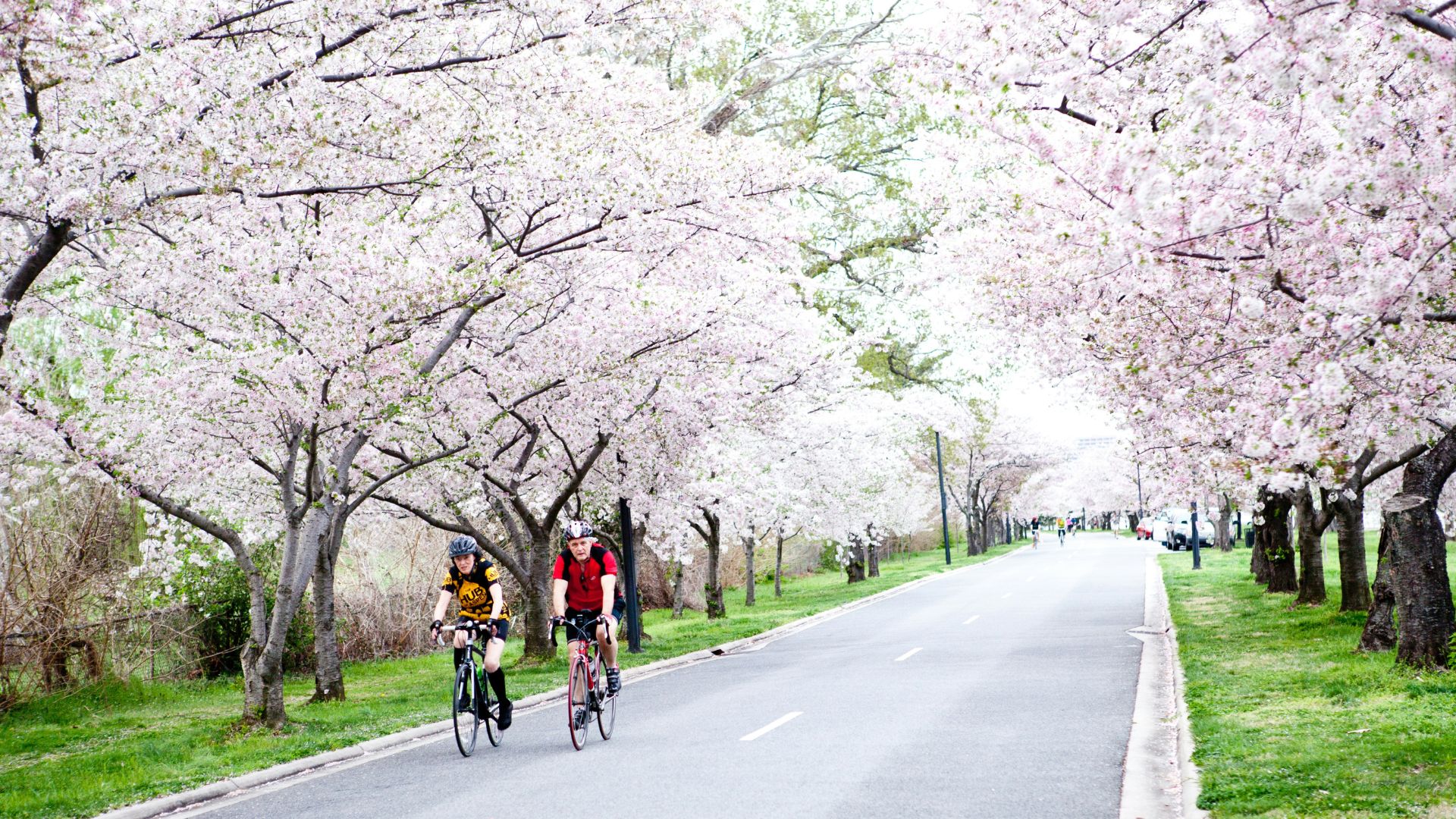
9) Don’t Miss the National Cherry Blossom Festival
The National Cherry Blossom Festival runs from March 20 to April 12, 2026. It celebrates the 1912 gift of 3,000 cherry trees from Tokyo’s mayor.
Events pop up all over DC, Maryland, and Virginia. There’s something for everyone—families, couples, solo travelers, you name it.
Signature events include the Opening Ceremony, Blossom Kite Festival, and the always-popular National Cherry Blossom Parade.
The festival lines up with peak bloom as best it can. Restaurants, art installations, and special hotel deals add to the fun.
If you’re lucky, your visit will overlap with both the blossoms and the festival. It’s a celebration of US-Japan friendship, and the city really comes alive.

10) Check the National Park Service for the Latest Bloom Forecasts
The National Park Service keeps a close eye on the cherry trees and posts official bloom forecasts.
They track bud development all winter and spring, updating predictions as the weather shifts.
Peak bloom means 70% of the Yoshino cherry trees around the Tidal Basin have opened their flowers. Since weather can change fast, forecasts are most accurate about 10 days out.
Before you book anything, check the Park Service’s Cherry Blossom Bloom Watch page. Local news outlets also share updates.
A late frost or sudden warm spell can change everything, so check updates a few days before you go. That way, you’ll know exactly when to expect the blossoms at their fullest.

What Affects Peak Cherry Blossom Bloom?
Cherry blossom timing depends on temperature patterns, winter chill, and spring warming trends.
Looking at the data, bloom dates can swing by more than a month depending on the year. So, if you’re planning a trip, stay flexible and keep checking those forecasts!
Climate Trends and Weather Patterns
Temperature really sets the pace for cherry blossom season every year. Cherry trees crave a good stretch of cold winter weather to break dormancy, and then they wait for those first warm days of spring to start showing off.
When winter temperatures dip below 45°F, the trees start prepping for their big moment. After dormancy breaks, those buds get extra sensitive—just a few warm days in late winter or early spring can nudge them to bloom faster.
But let’s be honest, a sudden cold snap can totally throw things off. Blooms might get pushed back days, even weeks. If March stays warm, expect earlier blooms. If cold hangs around, everything gets delayed.
Key temperature factors:
- Chilly winters (December through February)
- How quickly spring warms up (especially February and March)
- Those unpredictable daily temperature swings near bloom time
Historical Bloom Dates in Washington DC
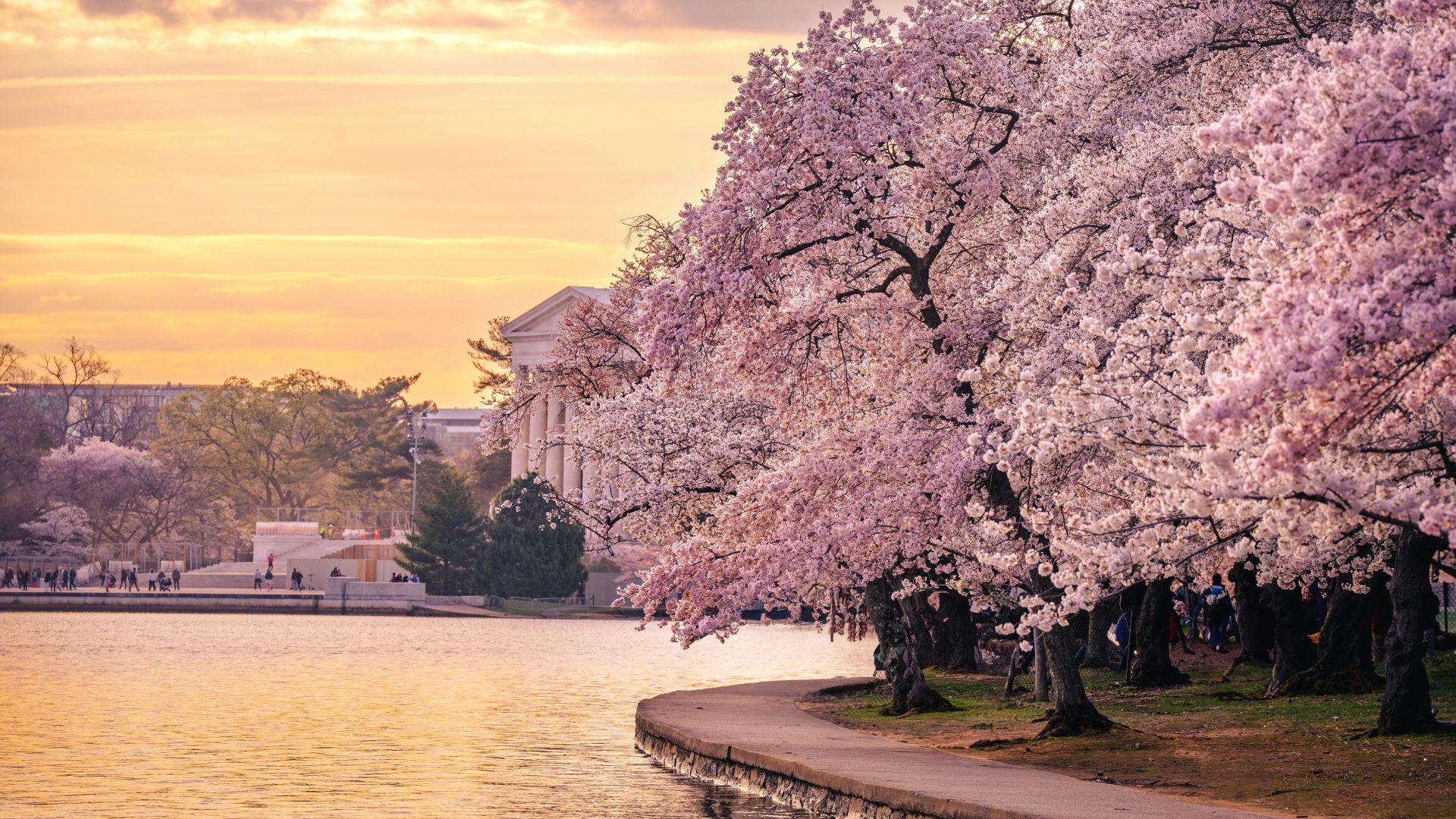
Since 1921, Washington DC’s peak bloom dates have bounced between March 15 and April 18. March 15, 1990, saw the earliest, while April 18, 1958, took its time.
Most years, blossoms peak from late March to early April. On average, April 4 is the magic date, though lately, blooms have been creeping earlier.
Once peak bloom hits, you usually get four to seven days of floral magic. If the weather behaves—think mild temps, no wild winds or rain—the show can last up to two weeks.
Impacts of Climate Change on Bloom Times
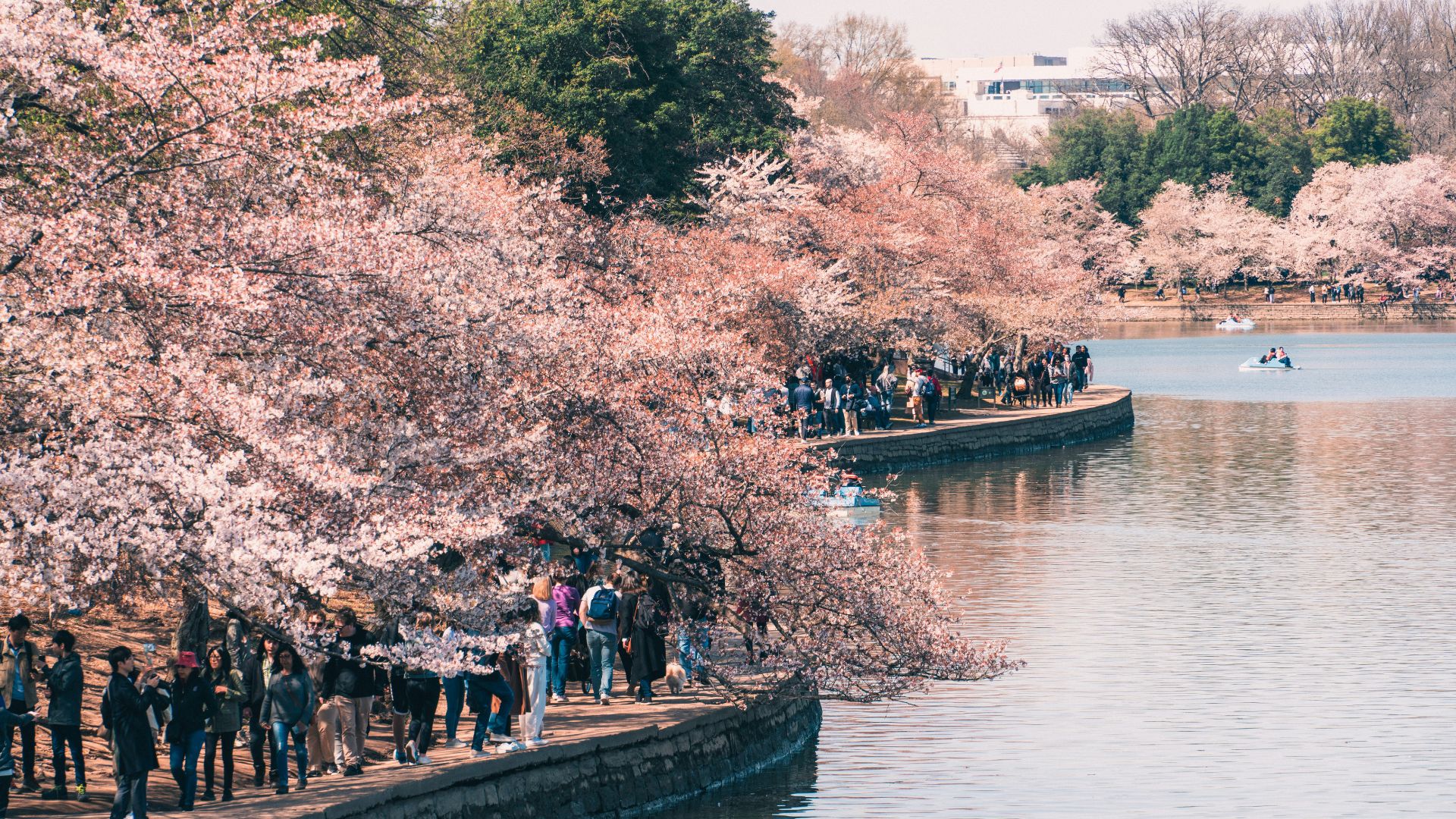
Warmer average temperatures have nudged bloom dates earlier over the past few decades. Nowadays, cherry blossoms burst open about a week sooner than they did in the 1950s.
Oddly, if winters don’t get cold enough, trees might actually bloom later. Still, a warm spring usually speeds things up. All this makes bloom timing harder to predict.
Honestly, planning ahead feels trickier every year. Sometimes blooms show up in mid-March, other times they wait until mid-April. The window for catching them just keeps stretching out.
Tips for Planning Your Trip During Cherry Blossom Season
Cherry blossom season in DC is pure magic, but wow—it gets busy fast. Hotels fill up, crowds flock to the Tidal Basin, and parking? Good luck if you don’t plan ahead.
Booking Accommodations in Advance
Book your hotel three or four months before your trip, if not earlier. Places near the National Mall and Tidal Basin can sell out six months ahead.
Prices jump by 30–50% during cherry blossom season. Downtown rooms and nearby neighborhoods get pricey fast.
Want to save money? Try Arlington, VA or Silver Spring, MD. You’ll usually find better rates, and the Metro whisks you right into the city. Booking a vacation rental or Airbnb early can also be a smart move.
Stay close to a Metro station on the Blue, Orange, or Silver lines. Smithsonian station drops you just a short walk from the Tidal Basin.
Crowd Management and Best Viewing Practices
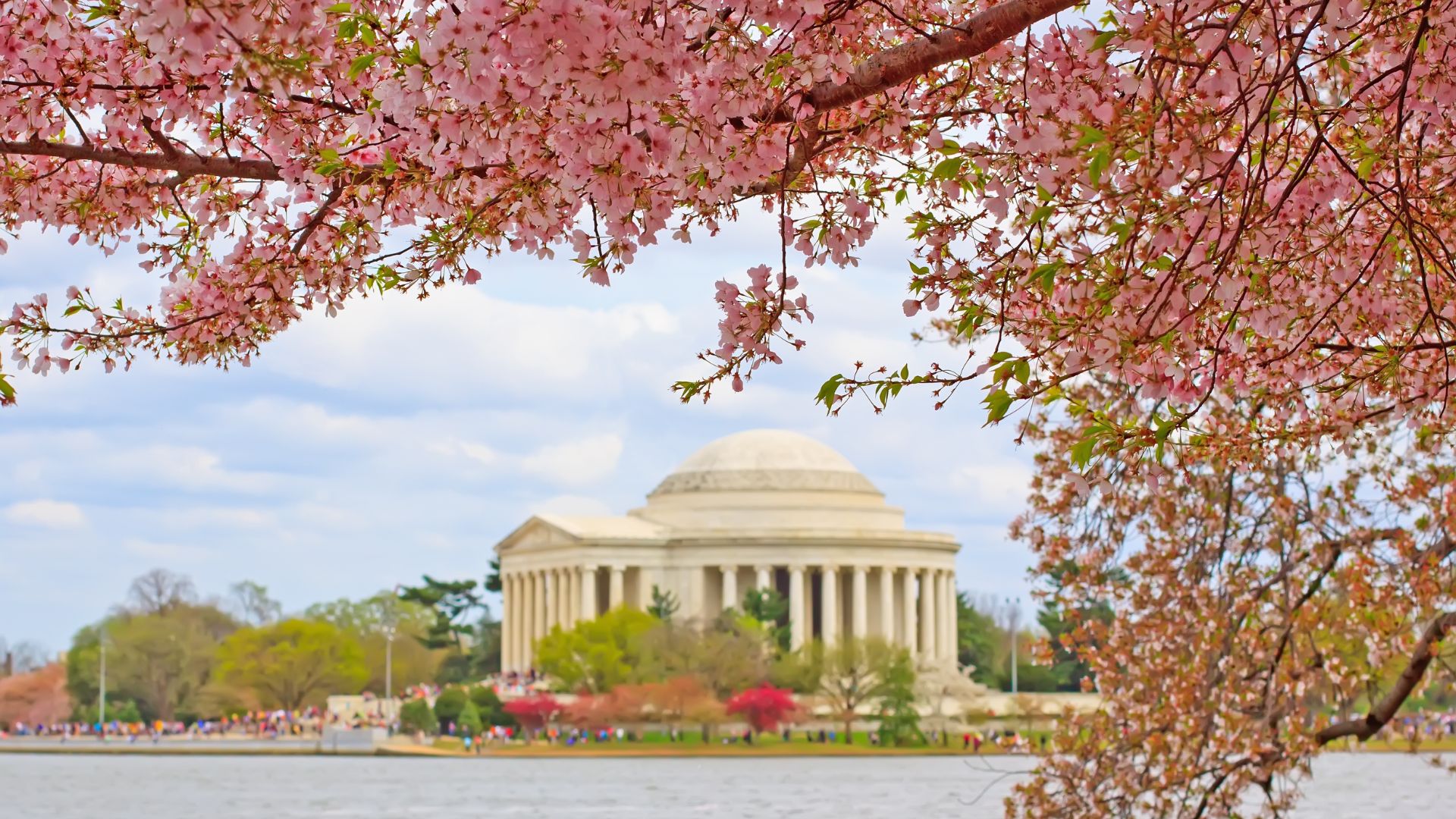
If you want to dodge the biggest crowds, hit the Tidal Basin before 8 AM or after 6 PM. Early mornings offer dreamy light for photos and a calmer vibe.
Weekdays, especially Tuesday through Thursday, are less crowded than weekends. If you can, plan your visit midweek.
Looking for a quieter spot? The National Arboretum is a hidden gem with beautiful cherry trees and way fewer people. Hains Point and the area around the Washington Monument are also worth checking out if you want more space.
Pack water, snacks, and comfy shoes. You’ll be walking a lot—trust me, the Tidal Basin loop is longer than it looks.
Transportation and Parking Considerations
Skip driving if you can. Metro is your friend—Smithsonian station on the Orange, Blue, and Silver lines gets you closest to the action.
Street parking near the monuments is basically impossible during peak bloom. Garages downtown charge $25–$40 per day and fill up early.
From outer Metro stations, allow at least 30 minutes of travel time. Trains come every 6–12 minutes during peak hours, but they get crowded with blossom-chasers.
Capital Bikeshare is a fun way to hop between spots. You’ll find stations all around the National Mall, and rentals are available by the hour or day.
If you’re using a ride-share, ask your driver to drop you at the Martin Luther King Jr. Memorial or near Independence Avenue. It’s usually easier than trying to get right up to the Tidal Basin.
Frequently Asked Questions
Peak bloom usually lands between late March and early April, with most blossoms out around March 28–31. The National Mall and Tidal Basin are the classic viewing spots, and you don’t need tickets.
For 2026, expect peak bloom between March 28 and March 31. That’s when about 70% of the cherry trees around the Tidal Basin should be in full bloom.
Weather in February and March will decide the exact dates. If it’s warmer than usual, blossoms could pop a bit earlier. If it’s chilly, everything shifts later.
Keep an eye on official forecasts starting late February 2026. The National Park Service usually shares predictions about a month before peak.
The National Cherry Blossom Festival stretches over three to four weeks in spring. It usually kicks off in mid-to-late March and wraps up by mid-April.
In 2026, you can count on a similar schedule. The festival keeps going even after the peak bloom, so more visitors get a chance to enjoy the fun.
Events and celebrations continue throughout the entire festival, even after the petals start to fall.
The Tidal Basin is the star of the show, with about 3,700 cherry trees circling the water near the National Mall.
East Potomac Park is another great spot, and it’s often less crowded. The park stretches along a peninsula and offers lots of pretty views.
You’ll also spot cherry blossoms at the Washington Monument grounds and along nearby streets. Hains Point, the National Arboretum, and even some neighborhoods around DC have their own blooms.
Nope, you can see cherry blossoms at all the main spots for free in 2026. The Tidal Basin, National Mall, and East Potomac Park don’t charge admission.
Some special festival events might require tickets, but just walking around and enjoying the trees won’t cost you anything.
Parking near the best viewing areas usually isn’t free, though. Guided tours or certain festival activities could also have fees.
The National Cherry Blossom Festival kicks off with the Opening Ceremony, featuring performances and speeches.
The Blossom Kite Festival is always a hit—families fill the National Mall with colorful kites. The big parade rolls through the city with floats, bands, and performers.
You’ll catch Japanese cultural performances all over town. Other highlights include Petalpalooza, fireworks, concerts, and art exhibits. There’s something for everyone, whether you’re into music, food, or just soaking up the spring energy.
Every spring, the Credit Union Cherry Blossom 10 Mile Run pops up during the festival, and honestly, it’s one of the most anticipated races in DC. If you’re eyeing the 2026 event, you can pretty much count on it happening on a Sunday in early April—though, as always, check for the official date just in case.
The course? It’s a stunner. You’ll wind your way past the Tidal Basin, sweep along the National Mall, and catch glimpses of those iconic monuments. It’s almost impossible not to get distracted by the views, especially if the cherry blossoms decide to show off.
Registration opens months ahead of time. Trust me, spots disappear fast, so if you’re hoping to snag a bib, don’t wait around. This run is a favorite for locals and visitors alike, and it fills up before you know it.
