
Walking through the grand Gothic entrance of the Doge’s Palace feels like stepping back in time to Venice’s golden age. This magnificent building, once the seat of power for the Venetian Republic for over 700 years, stands as a testament to the city’s remarkable history and artistic achievements.
The Doge’s Palace offers visitors an unparalleled glimpse into Venice’s political past, stunning architecture, and some of the most impressive art collections in Italy.
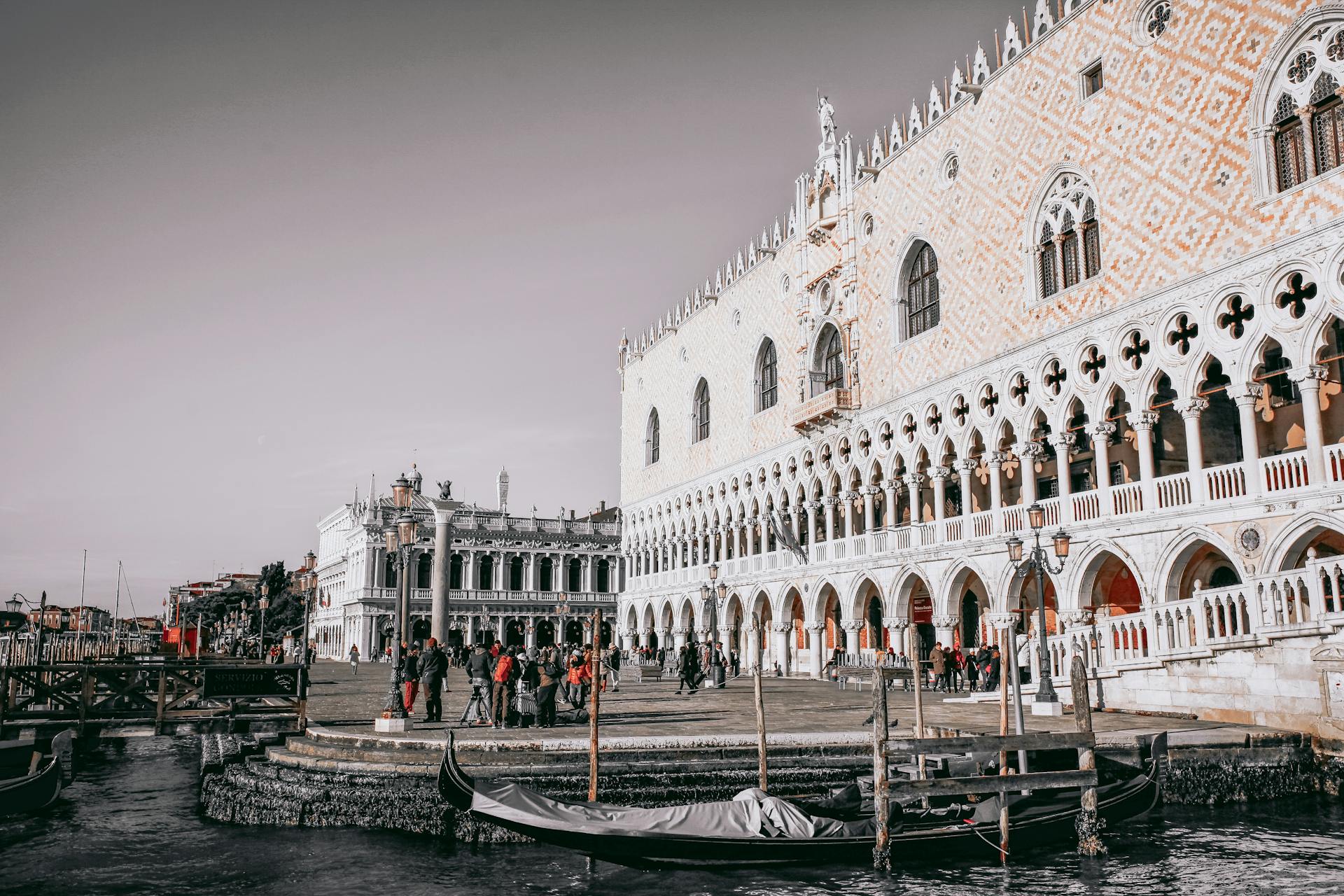
During my recent visit, I was captivated by the palace’s incredible mix of Byzantine, Gothic, and Renaissance influences. From the ornate Scala d’Oro (Golden Staircase) to the massive Great Council Chamber with its Tintoretto masterpieces, every room tells a story of Venice’s wealth and influence.
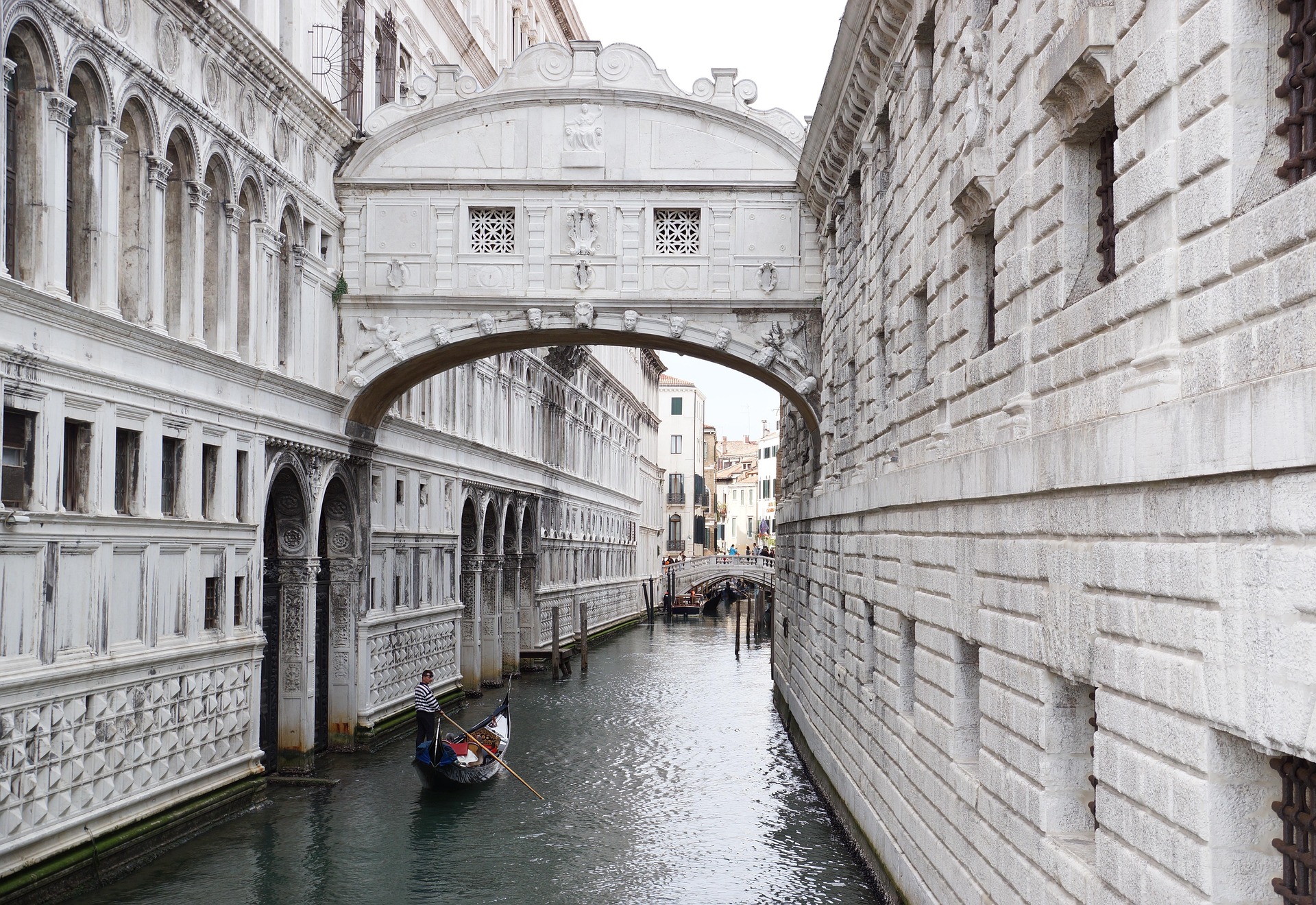
I found myself lingering in the armory and the haunting prison cells connected by the famous Bridge of Sighs, imagining what life was like in this powerful maritime republic.
Planning your visit ahead of time is essential to fully appreciate this iconic landmark. The palace gets crowded, especially between 11 AM and 2 PM, so I recommend arriving early or booking skip-the-line tickets.
Trust me, you’ll want plenty of time to admire the spectacular paintings by Venetian masters like Veronese and Titian that adorn nearly every inch of this incredible historic treasure.
A Journey through Time: The History of Doge’s Palace
The magnificent Doge’s Palace stands as a testament to Venice’s glorious past, with roots stretching back to the 14th century. This iconic landmark wasn’t just a beautiful building—it was the beating heart of one of history’s most fascinating maritime empires.
The Rise of the Venetian Republic
The story of the Doge’s Palace is inseparable from the rise of Venice itself. As I walked through its grand halls, I could almost feel the presence of the powerful doges who once ruled this seafaring republic.
The palace’s origins date back to the 9th century, though the structure we see today began taking shape in the 1300s.
Venice’s unique government system placed the doge at its center—elected for life but constrained by complex checks and balances. I was fascinated to learn that these leaders weren’t absolute monarchs but rather the face of the republic’s sophisticated political machine.
The palace served dual purposes: as the doge’s residence and as the seat of government with chambers for the Great Council and Senate. Its strategic position next to St. Mark’s Basilica symbolized the close relationship between church and state.
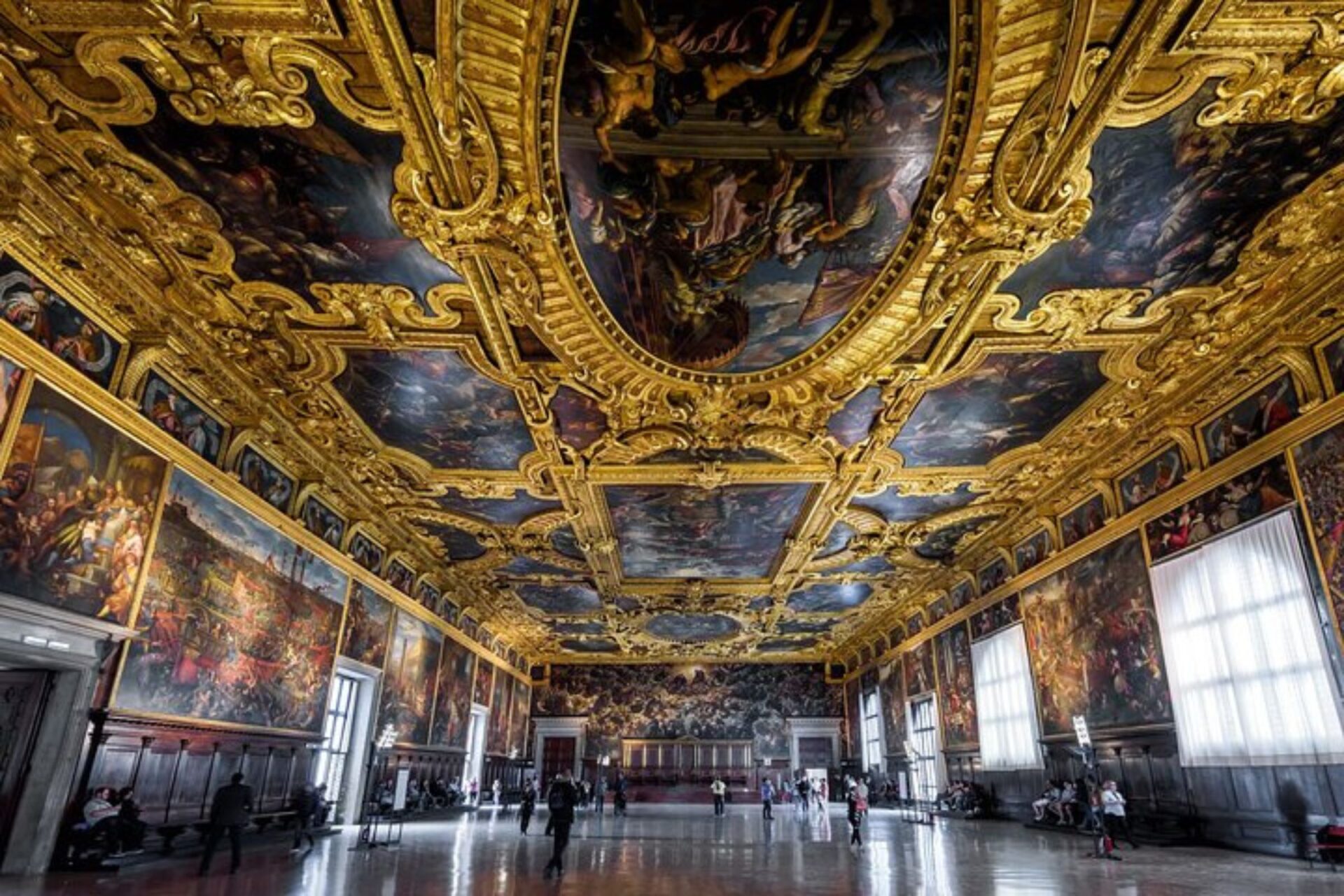
Image Source: Tripadvisor
From Residence to Museum: Transformations of the Palace
When Napoleon conquered Venice in 1797, he ended the republic’s remarkable 1,100-year history. The palace underwent significant changes during this period, no longer housing doges but serving new administrative functions.
The building’s transformation into a museum began in the 19th century. Walking through its hallways today, I marveled at how each room tells a different chapter of Venetian history. The palace contains priceless artworks by Venetian masters like Tintoretto and Veronese.
Perhaps most intriguing are the infamous prison cells connected to the palace by the Bridge of Sighs. I found it chilling to see these spaces where prisoners once took their last glimpse of beautiful Venice before imprisonment.
Today, the Doge’s Palace welcomes visitors from around the world, offering a remarkable window into Venice’s golden age of wealth, power, and artistic achievement.
Architectural Wonders: Gothic Splendor Meet Venetian Artistry
The Doge’s Palace (Palazzo Ducale) stands as the most beautiful palace in the world, showcasing Venetian Gothic architecture at its finest. This magnificent building blends Byzantine influences with Islamic and European medieval styles to create something truly unique.
Exploring the Facade: Porta della Carta and Fables in Stone
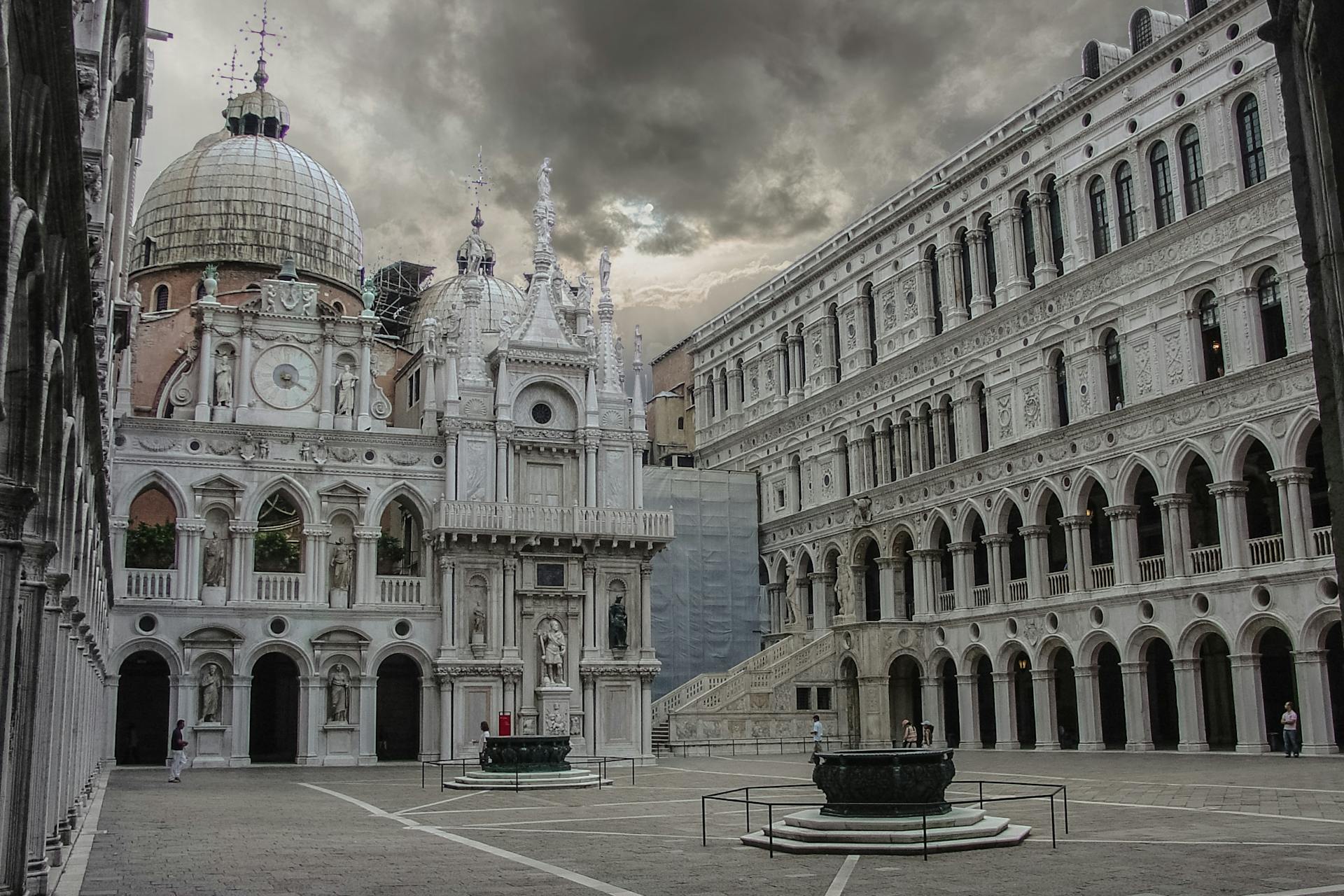
When I first approached the Doge’s Palace, the stunning facade took my breath away. The intricate Gothic details are on full display at the Porta della Carta, the ceremonial entrance that connects the palace to St. Mark’s Basilica.
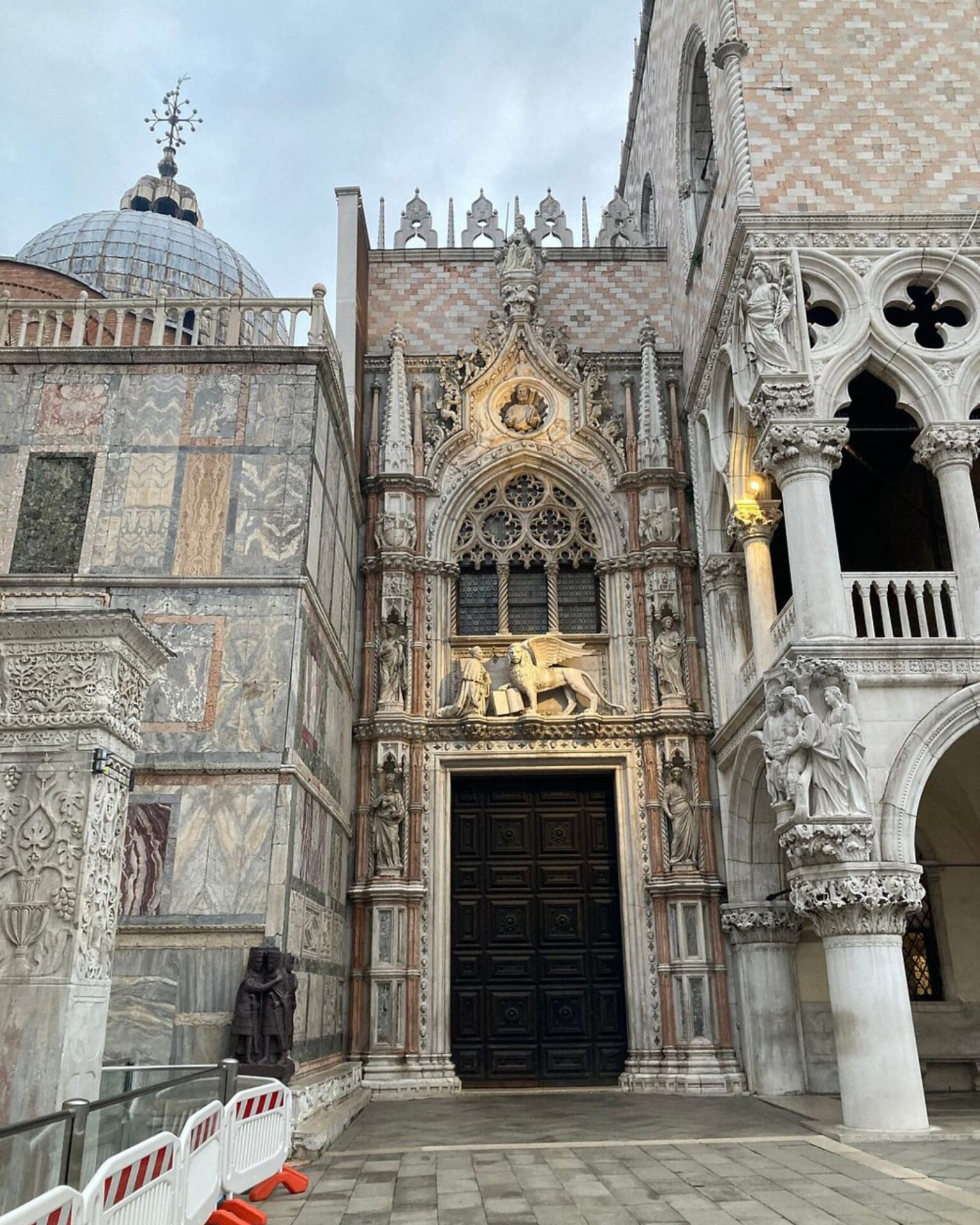
Image Source: Tripadvisor
This magnificent gateway was designed by Giovanni and Bartolomeo Bon in the 15th century. What struck me most was the delicate stonework that tells stories through detailed carvings and sculptures.
The facade features a rhythmic pattern of white Istrian stone against pink Verona marble, creating a distinctive diamond pattern that’s instantly recognizable. I noticed how the pointed arches, quatrefoils, and ornate tracery create a lace-like appearance that seems almost too delicate to be made of stone.
The Magnificence Within: Golden Staircase and Scala dei Giganti
Inside, the architectural wonders continue to amaze. The Golden Staircase (Scala d’Oro) left me speechless with its opulent gold-leaf ceiling and ornate stucco work.
Built between 1530-1559, this lavish entrance was reserved for distinguished guests and high-ranking officials.
The Scala dei Giganti (Giants’ Staircase) forms the ceremonial heart of the palace courtyard. Named for the massive statues of Mars and Neptune that stand guard at the top, this grand white marble staircase was where each new Doge was crowned.
I was fascinated by the perfect proportions and Renaissance styling of this staircase, designed by Antonio Rizzo. Standing at its base, I could imagine the elaborate ceremonies that took place here, with the newly elected Doge receiving symbols of his authority.
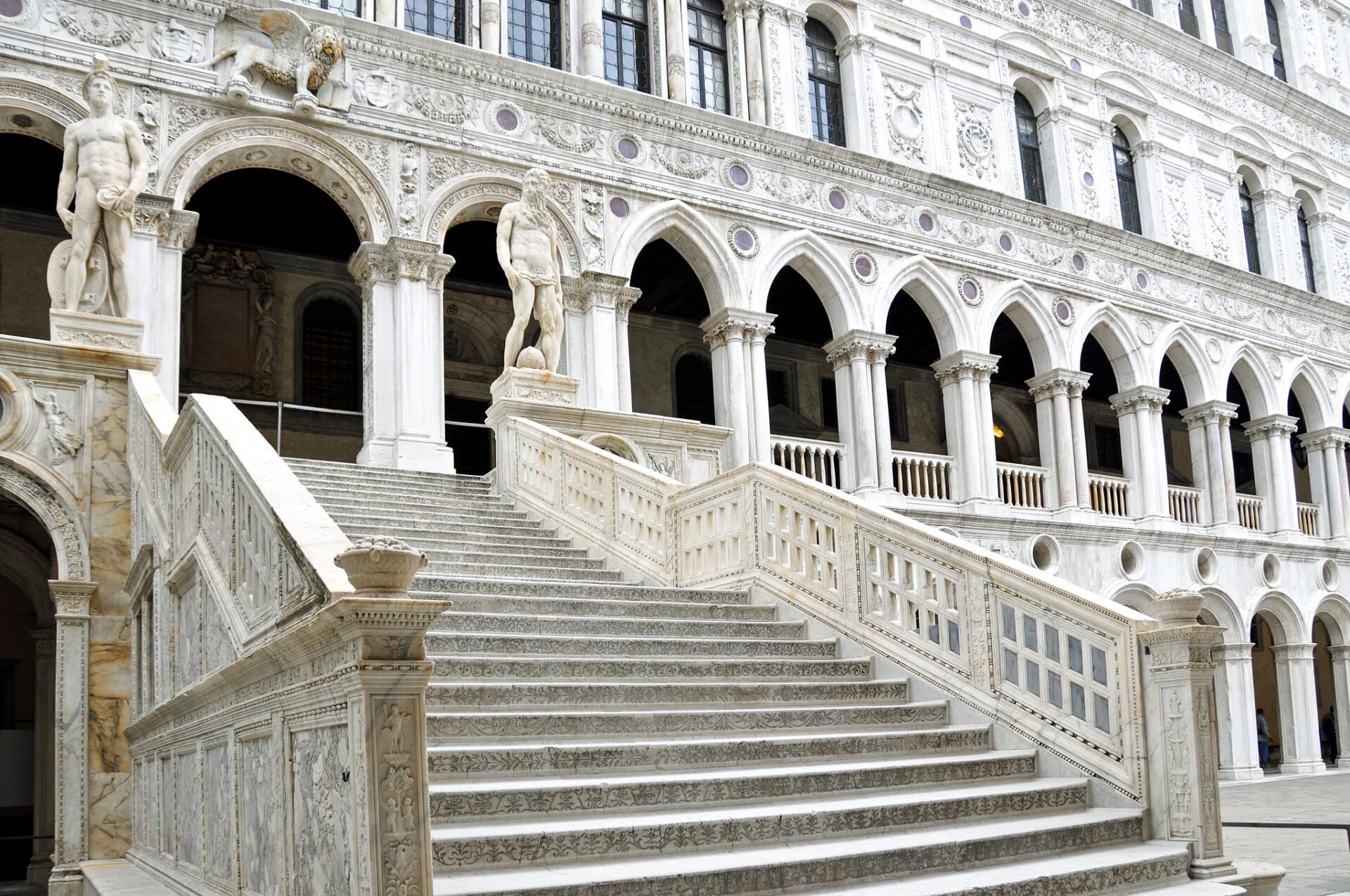
Image Source: Flickr
The Heart of Power: Doge’s Apartments and Institutional Chambers
At the core of Venice’s political might lies the private and public spaces where decisions shaping the Republic’s destiny were made. These ornate rooms combined lavish decoration with serious governmental function, showcasing both the power and wealth of the Venetian state.
Doge’s Apartments: Private Quarters of Power
The Doge’s Apartments represent the perfect blend of luxury and authority. Walking through these rooms, I was struck by how the personal living spaces of Venice’s elected leader reflected both comfort and status.
The apartments feature richly decorated ceilings, ornate fireplaces, and stunning artwork that proclaimed the Republic’s wealth.
Each Doge personalized these quarters during their tenure, though they couldn’t make permanent structural changes. The most impressive room is the Sala dello Scudo (Shield Room), where maps displaying Venetian territories and trade routes cover the walls.
Despite their grandeur, these apartments were surprisingly modest compared to other European rulers’ palaces. This reflected Venice’s unique government system where the Doge held significant influence but was still accountable to the councils.
Influential Halls: Council of Ten and Sala del Consiglio dei Dieci
The Council of Ten operated as Venice’s powerful secret service and justice department. Their meeting room, the Sala del Consiglio dei Dieci, features stunning artwork by Veronese on its ceiling, contrasting with the serious, sometimes frightening decisions made below.
This select group handled matters of state security, espionage, and political crimes. Their proximity to the infamous prison cells via the Bridge of Sighs served as a stark reminder of their judicial power.
Nearby, the magnificent Sala del Maggior Consiglio (Great Council Hall) showcases one of the world’s largest oil paintings – Tintoretto’s “Paradise.” This breathtaking room, where hundreds of noblemen gathered to vote, perfectly symbolizes Venice’s republican ideals and artistic patronage.
The walls around these chambers tell stories of Venice’s triumphs through carefully commissioned artwork, turning government spaces into powerful propaganda tools.
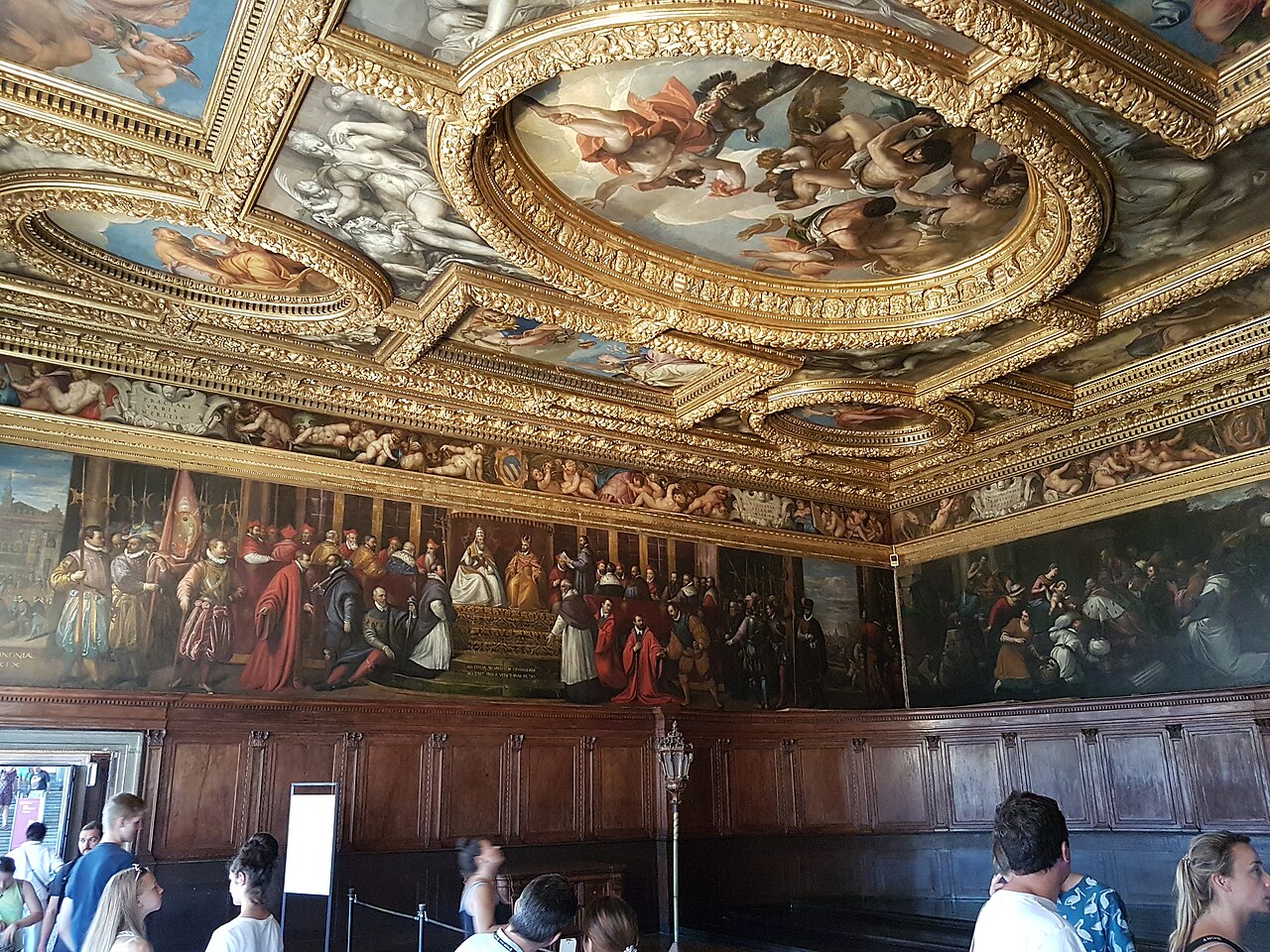
Image Source: Wikimedia Commons
Treasures Unveiled: Masterpieces of Tintoretto, Titian, and Veronese
Walking through Doge’s Palace feels like stepping into a living art gallery. The walls showcase incredible works by Venice’s most celebrated Renaissance painters, each telling stories of the city’s power and glory.
The Grandeur of Sala del Maggior Consiglio
The Great Council Hall (Sala del Maggior Consiglio) takes my breath away every time I visit. Its enormous size—53 meters long and 25 meters wide—makes it one of the largest rooms in Europe.
Tintoretto’s “Paradise” dominates the room’s end wall. It’s massive! At nearly 25 meters wide, it’s considered the largest oil painting on canvas in the world. The detail is astonishing, with hundreds of figures swirling in heavenly light.
The ceiling and walls feature works by many Venetian masters. I particularly love Veronese’s allegorical paintings that celebrate Venice’s victories and virtues. His use of color is extraordinary—those signature blues and greens feel so alive even centuries later.
Don’t miss the historical timeline of paintings around the room’s upper walls. They showcase Venice’s military might and diplomatic triumphs throughout history.
A Glimpse of the Venetian Art Scene
Venice’s unique artistic style blooms throughout the palace. Unlike Florence’s more rigid Renaissance approach, Venetian art embraces rich colors and dramatic lighting.
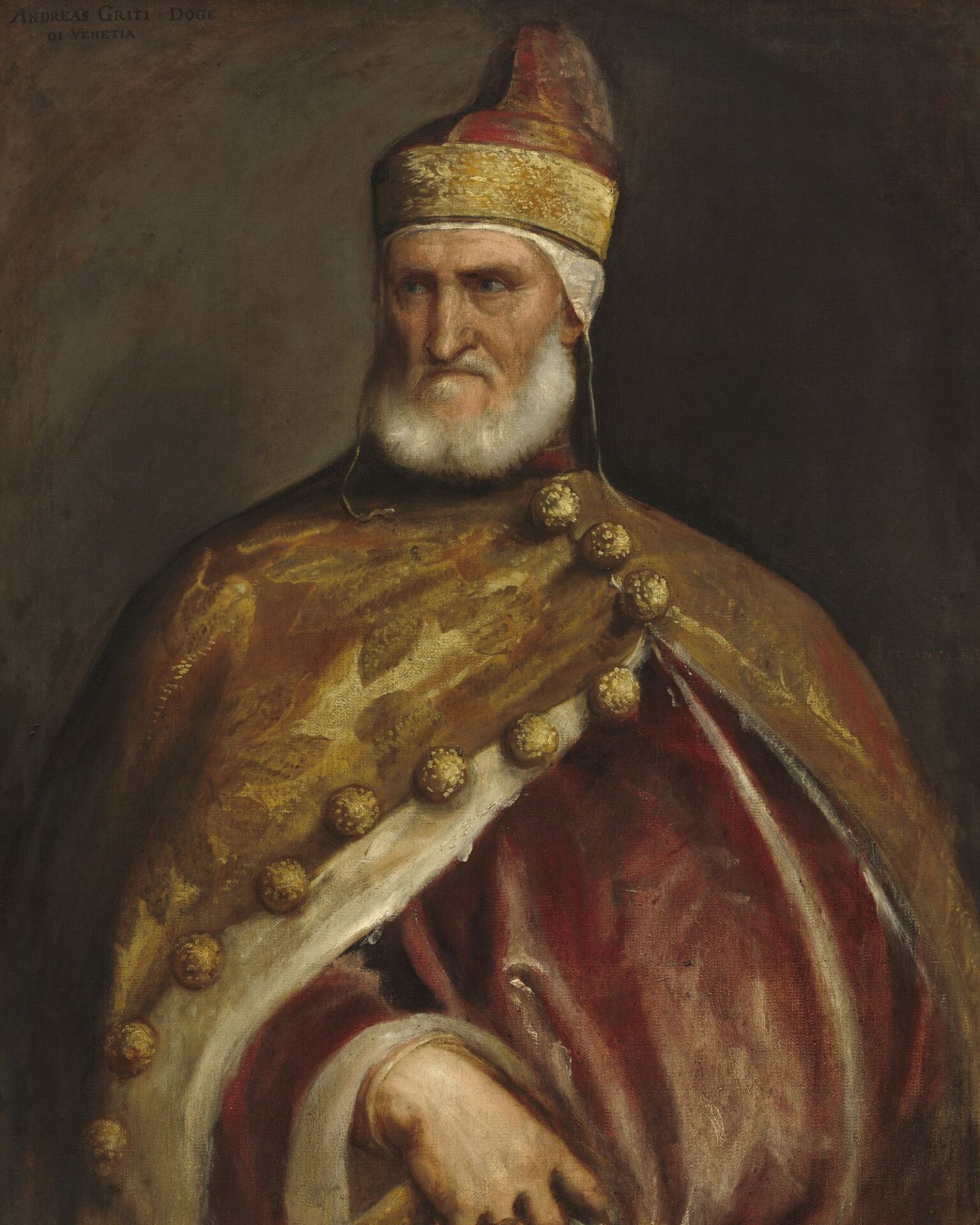
Titian’s contribution appears in several key rooms. His portrait of Doge Andrea Gritti shows why he was considered the master of Venetian portraiture. The way he captures fabric textures and the intensity in his subject’s eyes is remarkable.
I recommend spending time in the Collegio Room where Veronese’s ceiling decorations demonstrate his masterful perspective tricks. The figures seem to float above you!
Tintoretto’s dramatic style—with those signature dark backgrounds and bursts of light—is perfect for the palace’s narrative paintings. His “Bacchus and Ariadne” in the Anticollegio Room uses mythological themes to honor Venice’s prosperity.
Planning Your Visit: Tips and Insights for a Memorable Experience
A successful visit to Doge’s Palace requires some planning. I’ve learned from experience that knowing when to go and how to get there can make your visit much more enjoyable.
Timing Your Tour: Best Times to Visit and Skip-the-Line Access
I’ve found that arriving early in the morning (8:30-9:30 AM) is ideal for avoiding the largest crowds. Weekdays, especially Tuesdays and Wednesdays, typically have fewer visitors than weekends.
During peak season (June-August), I strongly recommend booking skip-the-line tickets in advance. These tickets saved me hours of waiting when I visited last summer!
The palace is open daily from 8:30 AM to 7:00 PM (last entry at 6:00 PM), with shorter hours during winter months.
If you’re interested in the Secret Itineraries tour, book it at least 2-3 weeks ahead as these specialized guided tours often sell out quickly. This unique tour takes you through hidden passageways and chambers not accessible on the standard visit.
Getting There: From Vaporetto Routes to Piazza San Marco
Reaching Doge’s Palace is straightforward using Venice’s water transportation system. I recommend taking Vaporetto Line 1 or 2 to the San Marco stop. This puts you just a short walk from the palace entrance.
If you’re staying in central Venice, walking might be your best option. Many streets lead to Piazza San Marco, where the palace is located on the eastern side.
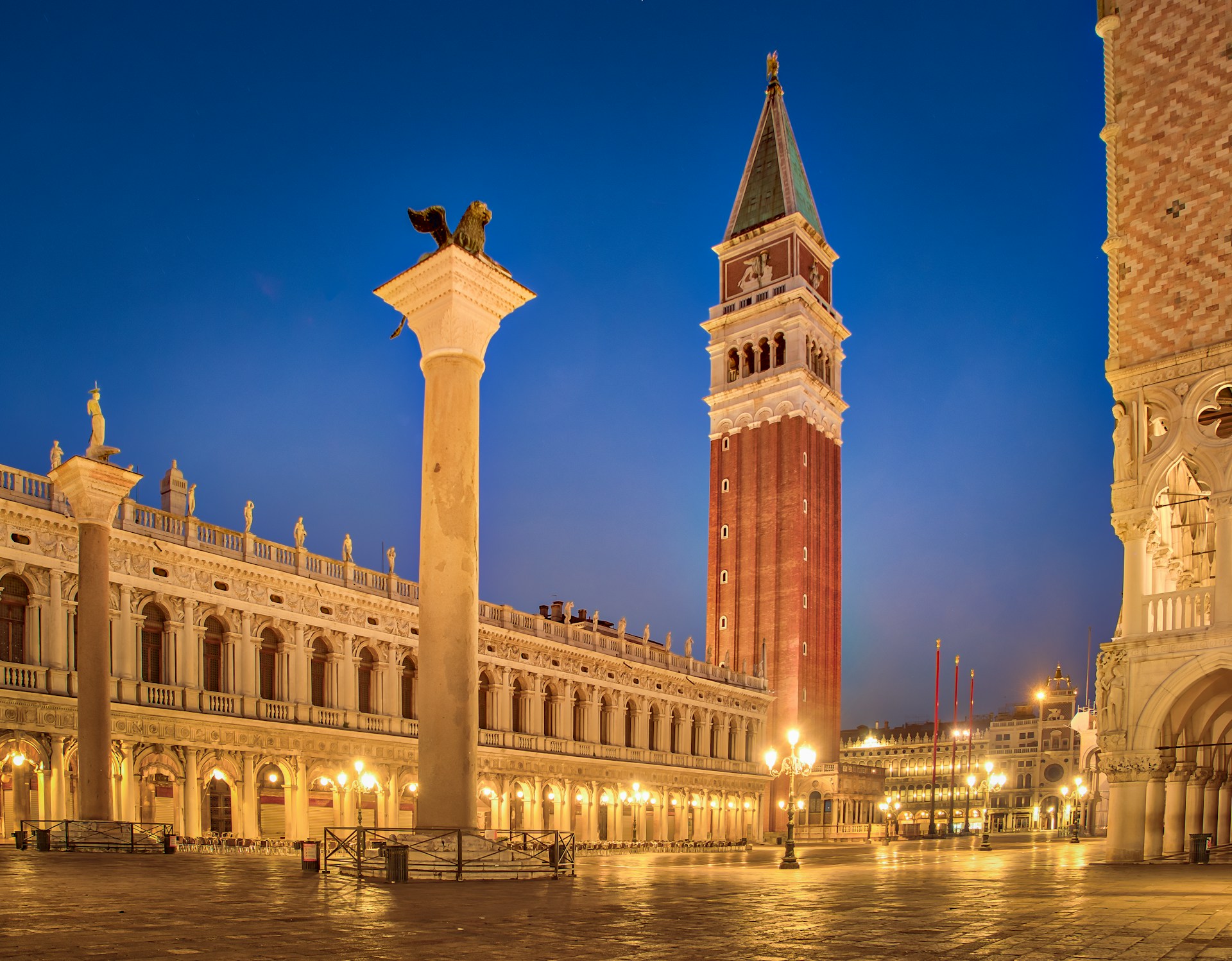
For those arriving early morning, I suggest approaching from the Riva degli Schiavoni waterfront path. This route offers stunning views of the lagoon as you make your way to the palace.
When planning your visit, remember that Piazza San Marco can flood during acqua alta (high water) periods, typically in fall and winter. Check the tide forecasts if you’re visiting during these seasons.

