
Last week, I found myself standing at the very top of Capri, and honestly, it felt unreal—almost like I’d landed on another planet. Monte Solaro towers 589 meters above the sea, and the views? Absolutely wild. From up there, I could spot not just one, but three gulfs—the Gulf of Naples, the Gulf of Salerno, and even the far-off Gulf of Gaeta. The Amalfi Coast and Mount Vesuvius were right there too, sprawling out in the sunshine.
Getting up there was half the adventure. Most people hop on the Seggiovia Monte Solaro chairlift from Anacapri, but I decided to hike up. The path wound through all sorts of fragrant Mediterranean shrubs, and every step gave me a new peek at Capri’s jaw-dropping scenery.
Capri’s got its share of famous sights—the Blue Grotto, Marina Grande, those iconic Faraglioni rocks—but nothing felt quite as special as this mountaintop. Up there, away from the crowds, I actually found a little peace. Just me, the breeze, and those endless, mind-blowing views. If you’re ever on Capri, you’ve got to see it from up high at least once.
Planning the Hike to Capri’s Highest Point
Monte Solaro sits at 589 meters (1,932 feet) above sea level, making it the island’s highest spot. When I started planning my climb, I realized a few things could make or break the whole experience.
Choosing the Best Season
Spring and fall really hit the sweet spot for hiking here. I found April to May and September to October just perfect—temperatures hovered around 65-75°F (18-24°C), and there weren’t mobs of tourists everywhere.
Summer? Way too hot, and the crowds can get pretty intense. Winter’s a gamble—sometimes you get clear skies, but rain and wind can blow in out of nowhere.
I always check the weather before heading out. Mornings usually promise the clearest views, before haze creeps in. The plants even change with the seasons—spring bursts with wildflowers, and by fall, the olive trees glow gold.
How to Reach Anacapri
Anacapri, where the hike starts, sits on Capri’s west side. From Marina Grande, I hopped on a bus that zigzagged up narrow roads, and the views from the window? Pretty great. The ride took about 20 minutes and cost me around €2.
You could also take the funicular from Marina Grande to Capri Town, then switch to a bus for Anacapri. Taxis are there if you’re feeling fancy, but they’ll set you back €25-30.
Once I got to Anacapri, the chairlift station (Seggiovia Monte Solaro) was easy to spot near Piazza Vittoria. If you’re feeling adventurous, you can skip the chairlift and take the steeper walking paths from Anacapri, but you’ll need decent navigation skills.
Essential Gear and Preparation
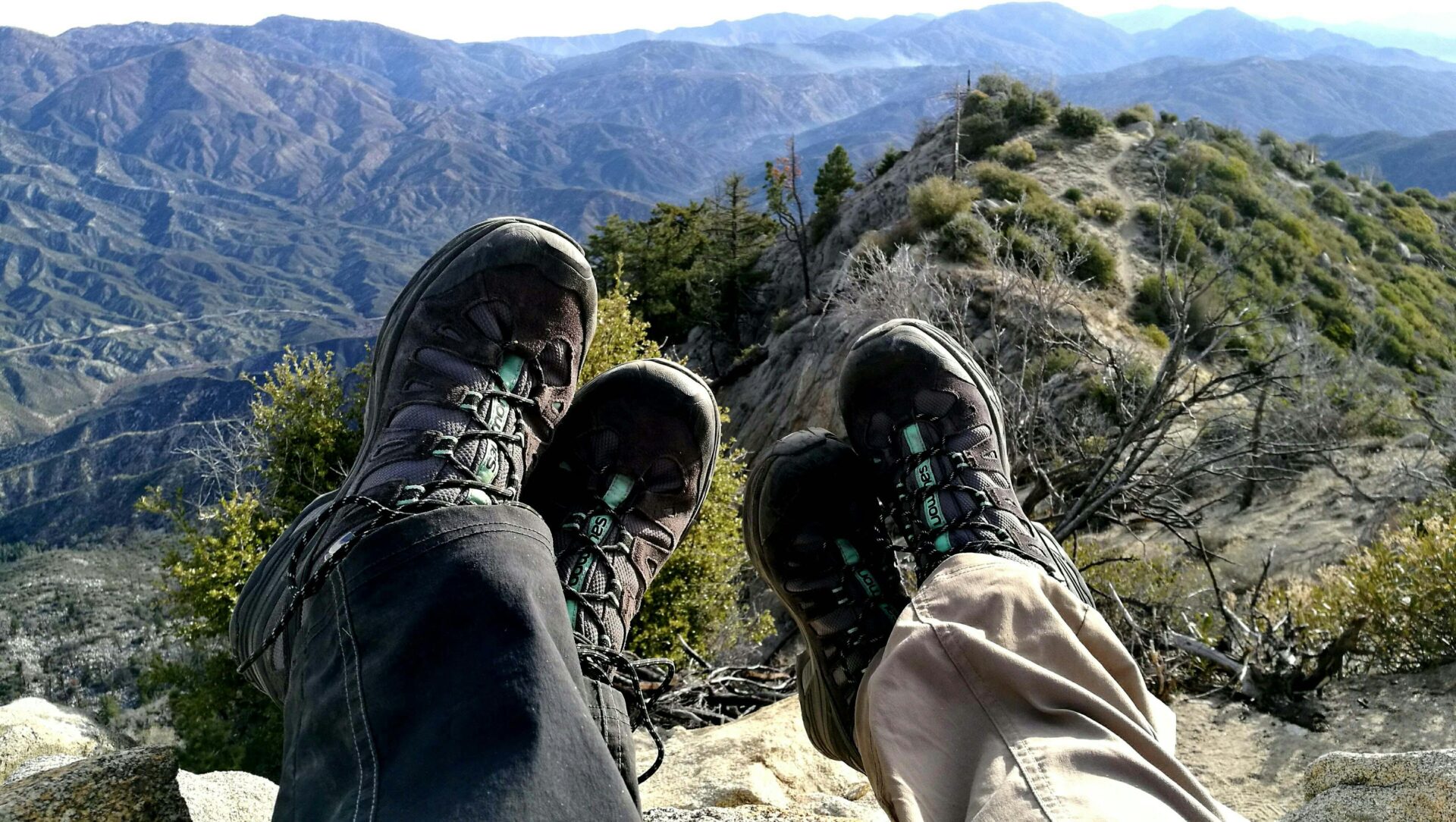
Good shoes are non-negotiable. I wore lightweight hiking boots, which saved my feet on the rocky, sometimes slippery paths lined with olive trees and wild herbs.
Sun protection is a must:
- Wide-brimmed hat
- Sunscreen (SPF 30+)
- Sunglasses
- Light, airy clothes
I brought at least 1-2 liters of water since there’s nowhere to refill along the way. My small backpack held a camera, some snacks, and a light jacket—trust me, it gets windy up top, even when the sun’s out.
If you skip the chairlift, the hike takes about 1-1.5 hours each way. I’d start early to dodge the heat and crowds. The chairlift itself is a scenic 12-minute ride and costs €12 round-trip if you want to save your legs for the summit.
Ascending Mount Solaro: The Journey Begins
My trek up Mount Solaro kicked off in the quiet village of Anacapri. The climb offers something for both nature lovers and anyone craving a bit of adventure.
Chairlift Ride from Anacapri
I found the chairlift tucked right in the center of Anacapri. It’s a single-seater, and you just hop on and let it carry you up the mountainside. The 12-minute ride costs about €12 one way or €17 round-trip.
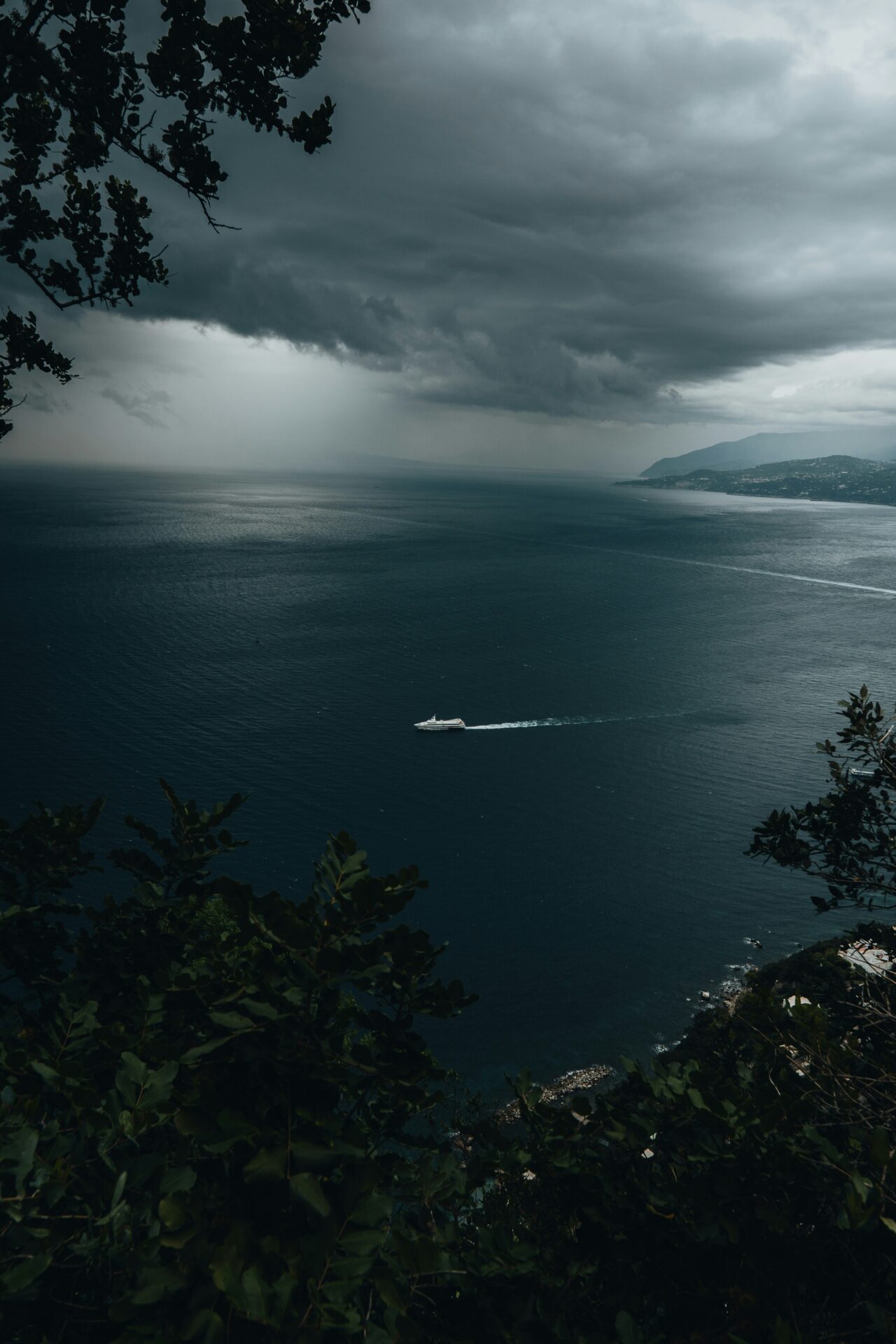
Gliding up, I felt like a kid again. My feet dangled over green shrubs and rocky ledges, and the higher I went, the more the island opened up beneath me.
The ride itself felt like an experience, not just a shortcut. I spotted tiny gardens and secret villas, and the Mediterranean seemed to stretch forever. Lots of people pick this route for the convenience, but honestly, it’s just fun.
Hiking Route and Trail Highlights
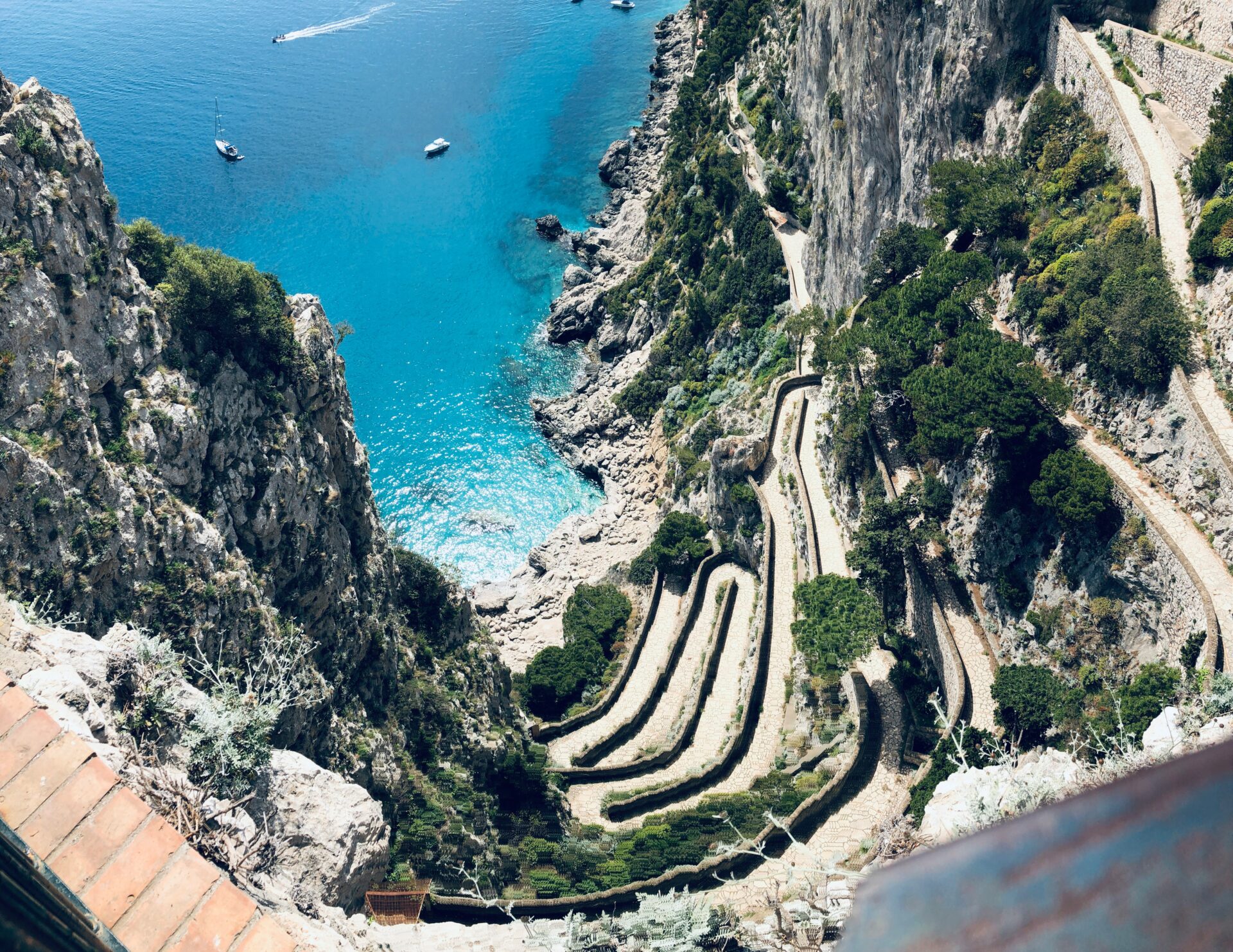
If you’re up for it, the hiking trail starts near Piazza della Pace. The path zigzags up with stone steps and clear signs.
It takes about 1-1.5 hours, depending on your pace and how many times you stop for photos. I can’t stress sturdy shoes and plenty of water enough, especially if it’s hot.
There are several spots along the way that are just begging for a photo. About halfway up, I took a breather on a little plateau with a wide-open view of the Tyrrhenian Sea.
The last stretch gets steeper, but the views ramp up too. The trail’s in good shape and works for anyone with moderate fitness, though you’ll want to watch your step on the rougher bits.
Notable Flora and Fauna Along the Path
Mount Solaro bursts with Mediterranean plants. As I walked, wild rosemary, thyme, and heather filled the air with their scents.
Old olive trees cling to the slopes, their silvery leaves catching the sun. In spring, wildflowers explode along the trail, and you might even spot rare orchids unique to this area.
Bird lovers, keep your eyes peeled for peregrine falcons nesting on the cliffs. If luck’s on your side, you’ll see the blue rock thrush, or “passero solitario,” darting around.
Plenty of lizards sun themselves on the rocks too. I lost count of the emerald-backed wall lizards darting away as I walked by.

Hidden Ancient Ruins on the Trail
One of the coolest surprises? The ancient ruins tucked along the way. About two-thirds up, I stumbled on the remains of a Roman lookout post—crumbling stone walls that once watched for ships.
Plaques explained the history and how these ruins linked to other forts around Capri.
Not far from there, I found the ruins of a tiny chapel. Local stories say a hermit once lived up here and built it himself.
The stonework’s held up surprisingly well. These old structures add a layer of history that makes the hike feel even more special.

Reaching the Summit: Panoramic Views and Sights
At the top of Mount Solaro, 589 meters above the sea, I just stood there for a while, soaking it all in. The views stretched out in every direction—seriously, it was hard to know where to look first.
The Three Gulfs: Naples, Salerno, and Gaeta
From the summit, I could pick out three gulfs at once. The Gulf of Naples lay to the north, blue and dotted with boats, and I could just make out the curve of the mainland.
Naples itself looked tiny, and Mount Vesuvius towered behind it. Honestly, it’s wild seeing it all from so high up.
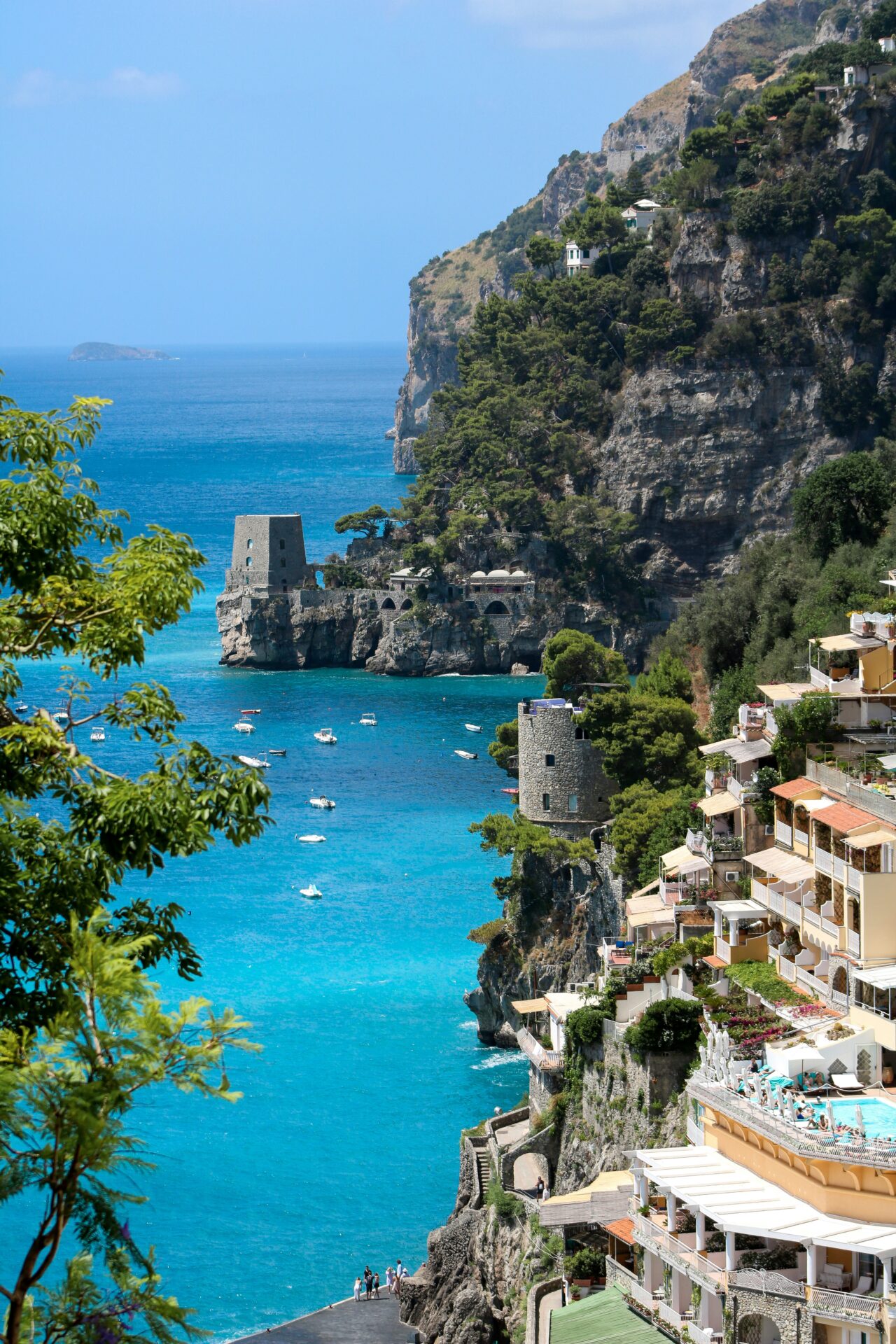
Looking south, the Gulf of Salerno reached toward the Amalfi Coast, with its steep cliffs and pastel towns. On clear days, I could spot Positano and Ravello way off in the haze.
The Gulf of Gaeta was off to the northwest—less famous, maybe, but just as gorgeous. Seeing all three together made the climb totally worth it.
Breathtaking Views of Capri’s Landmarks
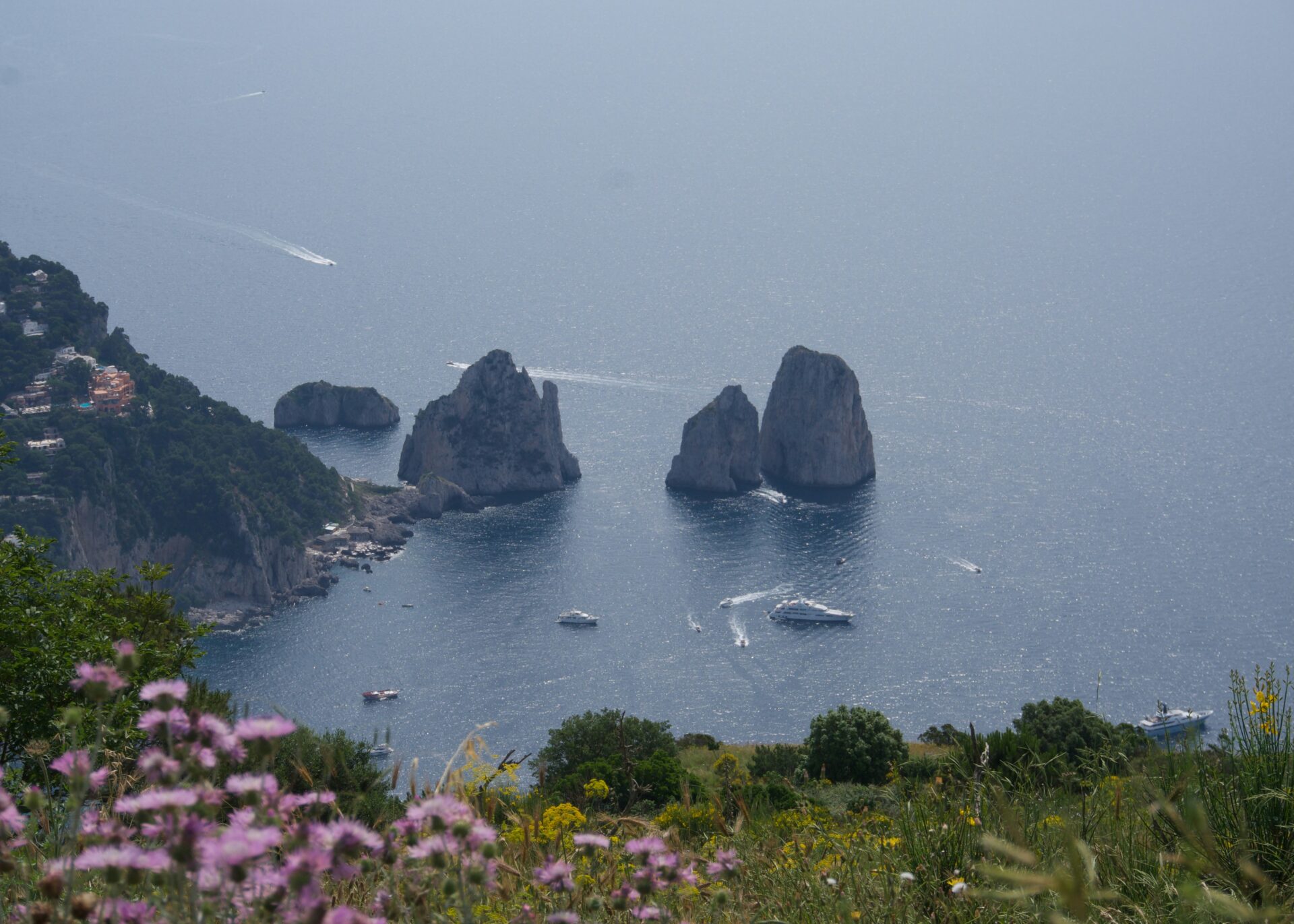
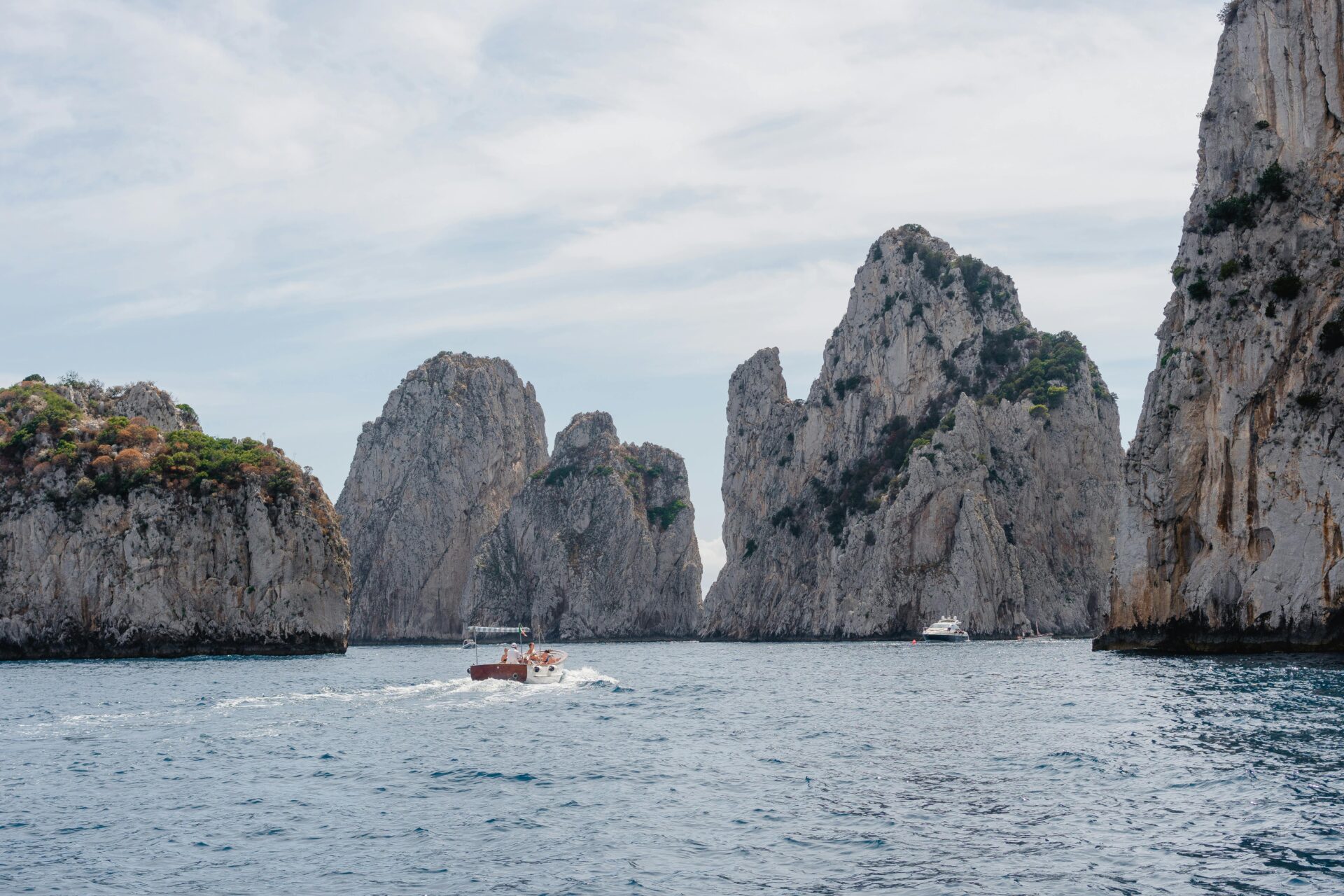
From up here, Capri’s icons looked like pieces on a game board. The Faraglioni rocks poked out of the sea like stone fingers.
Both Marina Grande and Marina Piccola, the harbors, were easy to spot, with winding roads connecting everything. Anacapri’s white houses spilled down the hillside right below.
I could even see Villa Jovis, the old palace of Emperor Tiberius, perched on the island’s east side. The Blue Grotto area was visible to the northwest, though the cave itself stayed hidden.
And the chairlift? From up here, it looked like a single strand of thread running down the mountain.

Spotting Mount Vesuvius and Ischia
Beyond Capri, the mainland’s landmarks stood out. Mount Vesuvius loomed across the Gulf of Naples, its cone shape unmistakable.
Sometimes, I could even see a wisp of smoke curling from the crater—a reminder that it’s only sleeping.
On really clear days, Ischia and Procida popped up on the horizon as dark shapes. Ischia’s size and volcanic shape were easy to spot from this angle.
The Sorrentine Peninsula stretched out to the southeast, splitting the Gulf of Naples from the Gulf of Salerno. All these distant sights made for some of the best photos I’ve ever taken.

Iconic Sights To See From Above
Standing on Monte Solaro, you get a view that’s hard to beat. The whole island and three gulfs just open up in front of you.
Faraglioni Rocks and Their Legends
The Faraglioni rocks looked incredible from the summit—three limestone stacks rising out of the blue sea. I could spot all three: Stella (still attached to the island), Mezzo in the center, and Scopolo standing alone.
Local legends claim giants threw these rocks during ancient battles. Another story says Ulysses dodged them when the Cyclops Polyphemus hurled boulders at his ship.
The middle arch is famous for its rare blue lizards—you won’t find them anywhere else. Apparently, they turned blue to blend in and avoid birds.
The Enchanting Blue Grotto
From up top, I could see where the Blue Grotto hides, though the magical blue glow stays below the surface. This sea cave turns sunlight into an unreal, electric blue that feels almost otherworldly.
Roman Emperor Tiberius supposedly used it as his private pool. Ancient Romans believed sea nymphs and sirens lived there, luring sailors with their songs.
The grotto stayed forgotten until 1826, when German poet August Kopisch rediscovered it. The blue effect happens when sunlight filters through an underwater opening, letting only blue light shine through.
If you want to see the best glow, go between noon and 2 PM when the sun’s just right.

Punta Carena Lighthouse
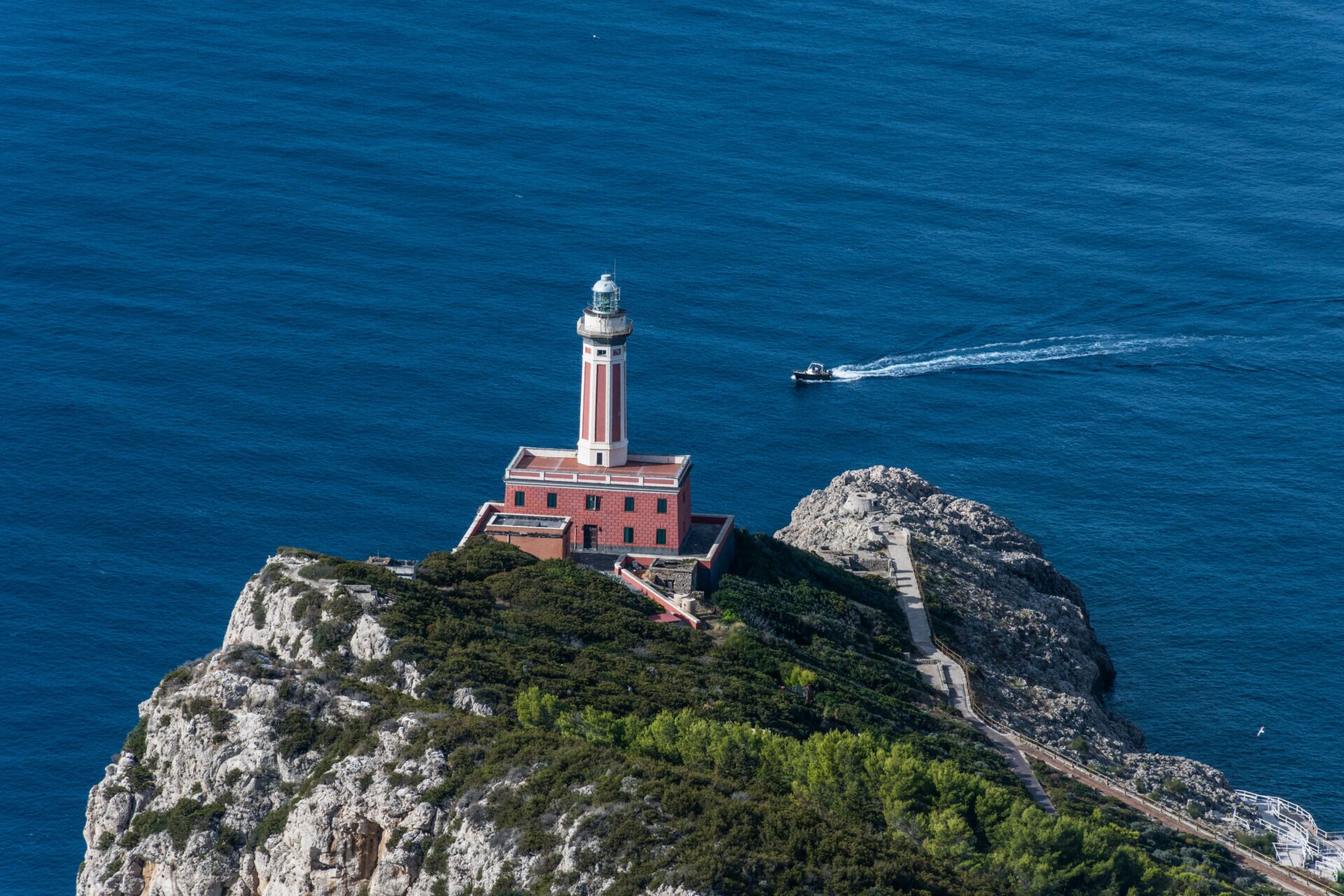
Punta Carena Lighthouse sits on Capri’s southwest tip, its white tower standing out against the deep blue sea. Built in 1866, it’s still working and ranks as Italy’s second most important lighthouse.
I watched people gathering at the beach below—locals and tourists, all catching the sunset. It’s one of the best spots on the island for that.
What really struck me was how the lighthouse marks the meeting point of the Gulf of Naples and the Gulf of Salerno. On a clear day, I could spot boats cruising past, looking like tiny toys from way up here.
From Capri Town in the distance to this far-off lighthouse, Monte Solaro gives you the whole island in one sweeping view.
Capri’s History and Timeless Charm
Capri’s magic has pulled in visitors for centuries, from Roman emperors to today’s celebrities. There’s just something about the place—nature, history, and a bit of glamour all mixed together.
From Emperor Augustus to Modern Day
Capri’s story kicks off around 29 BCE, when Emperor Augustus fell for its charms and claimed it as his own. He built villas and spent his summers here, starting a trend among Roman nobles.
Tiberius took over after Augustus and made Capri his home from 27-37 CE. He built Villa Jovis, which you can still wander through today. The palace sits right on the cliff’s edge—no wonder the views pleased the emperor.
Walking through those ruins, I couldn’t help but picture the wild parties and political drama that must’ve happened there. The past feels close on Capri.
Over the centuries, the island changed hands—Byzantines, the Republic of Amalfi, and eventually unified Italy in 1866. By the late 1800s, Capri was attracting artists, writers, and the rich and famous.

Anacapri and Capri Town: Contrasts and Cultures
Capri splits into two towns, each with its own vibe. Capri Town feels chic, full of designer shops and busy Piazzetta. I spent ages there, people-watching and sipping limoncello as stylish locals strolled by.
Winding alleys lead to cozy cafes and old churches. Every turn brings another postcard view or a little shop selling handmade sandals or perfumes.
Anacapri, higher up, is calmer and feels more authentic. I wandered quiet streets, found family-run restaurants, and watched locals go about their day, mostly ignoring the tourist buzz.
The towns show two sides of Capri—part international playground, part timeless village. Villa San Michele in Anacapri, built by Swedish doctor Axel Munthe, kind of sums it up with its gardens and old artifacts.

