
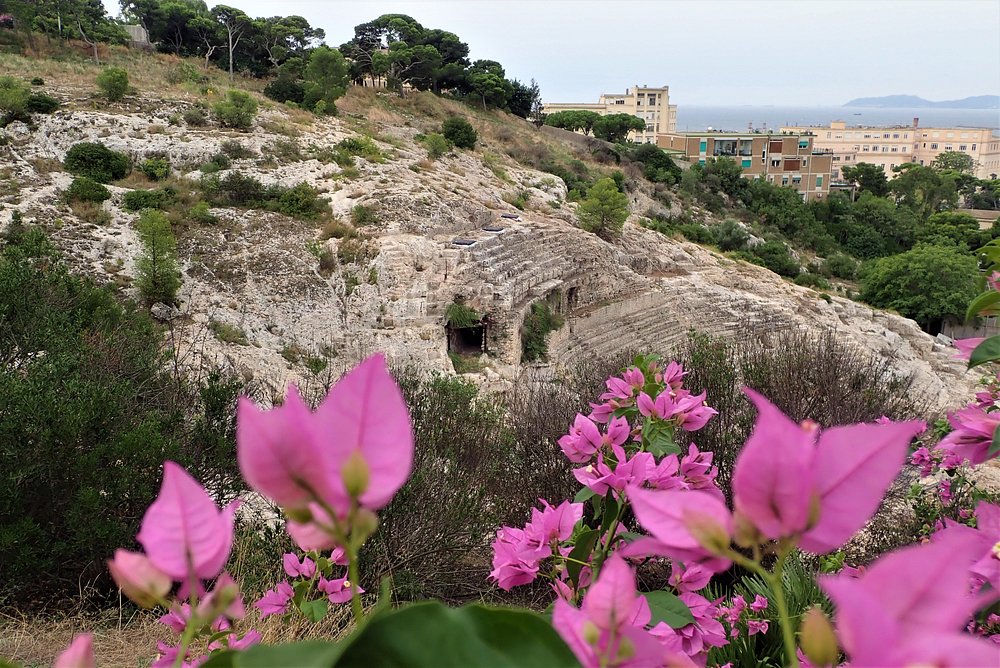
I stood at the edge of Cagliari’s ancient Roman amphitheater, honestly not trusting my own eyes. My gaze kept drifting past the weathered stone ruins to the wetlands below, dotted with pink.
Sardinia’s capital gives you one of the most surreal views in the Mediterranean—vivid flamingos wading below a 2,000-year-old Roman structure. It’s a wild mashup of history and nature that just feels… unreal.
I caught that magical scene just before sunset. The sky turned gold, and the flamingos began their evening rituals in Molentargius Park.
This nature reserve sits so close to the city center that it’s kind of hard to believe. Cagliari might be the only European city where wild flamingos and Roman ruins share the same view.
My day started with an electric bike ride through the old town’s narrow streets. I expected history, but nothing prepared me for flamingos shimmering in the distance.
The contrast between the ancient amphitheater stones and the delicate pink birds was breathtaking. If you’re heading to Sardinia, try to catch the amphitheater at sunset. You get a two-for-one: history and wildlife, all at once.
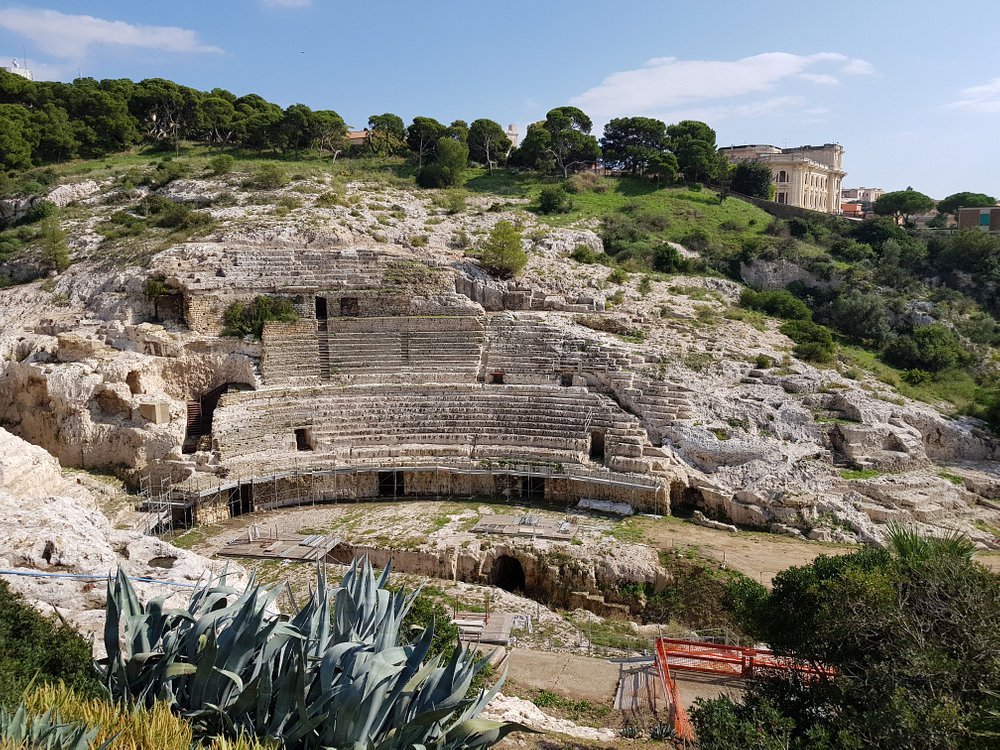
Discovering Flamingos from the Roman Amphitheater
Standing at Cagliari’s Roman amphitheater, I found myself in one of Sardinia’s most unique wildlife spots. The historic structure offers a vantage point where history and nature collide.
The Perfect Viewpoint
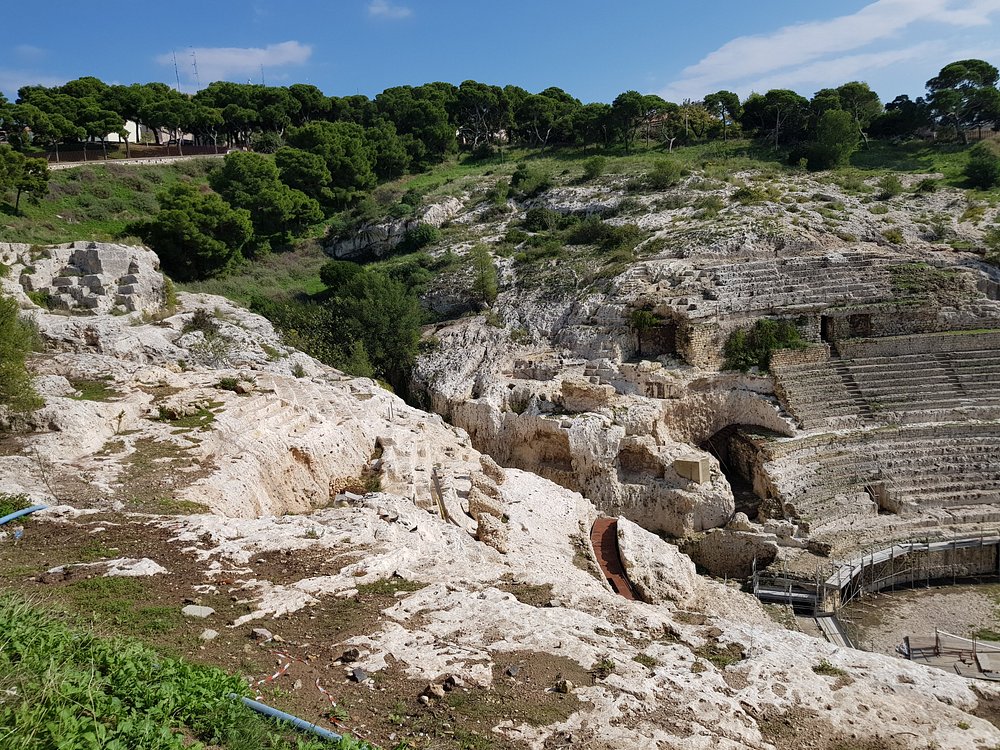
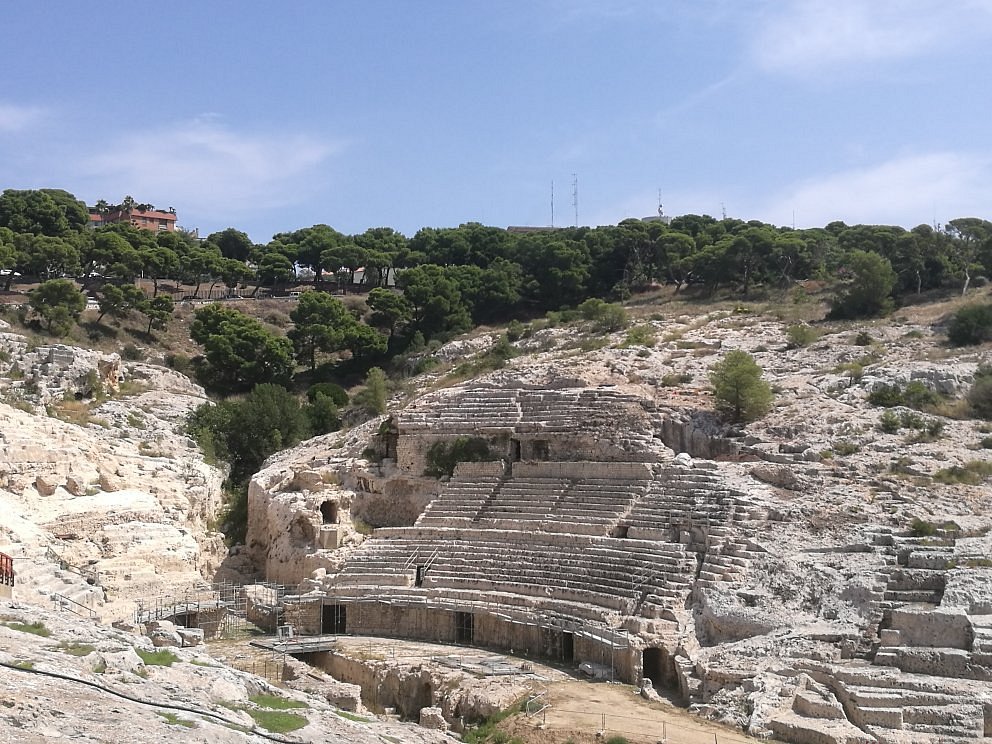
The Roman amphitheater perches on a hillside, giving you sweeping views of the city and coastline. Built in the 2nd century AD, this ancient structure once hosted gladiators, but now it’s a pretty unbeatable observation deck.
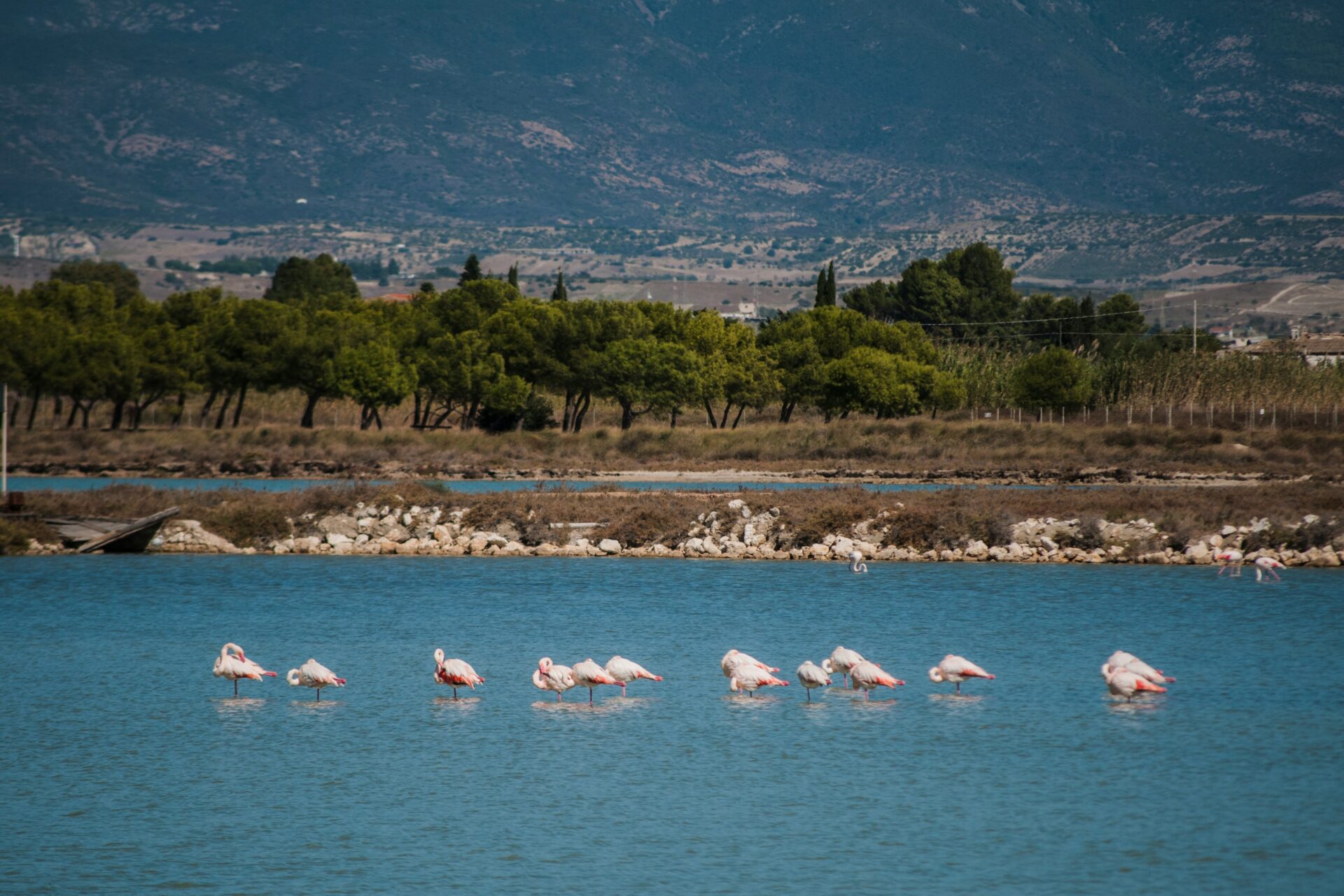
From up there, I could see the salt pans and wetlands stretching out to the horizon. The place glows at sunset—everything turns gold.
The old stone seating creates perfect tiers for viewing. I found a spot among the ruins and pulled out my binoculars.
Sitting on stones that old, looking out at all that wild beauty, felt almost dreamlike.
Spotting the Flamingos
As I focused my binoculars, pink dots started popping up in the distance. Sardinia’s famous flamingos were gathering in the wetlands near Cagliari.
Sunset is hands-down the best time to watch them. The sky turns pink, and the birds seem to blend right in.
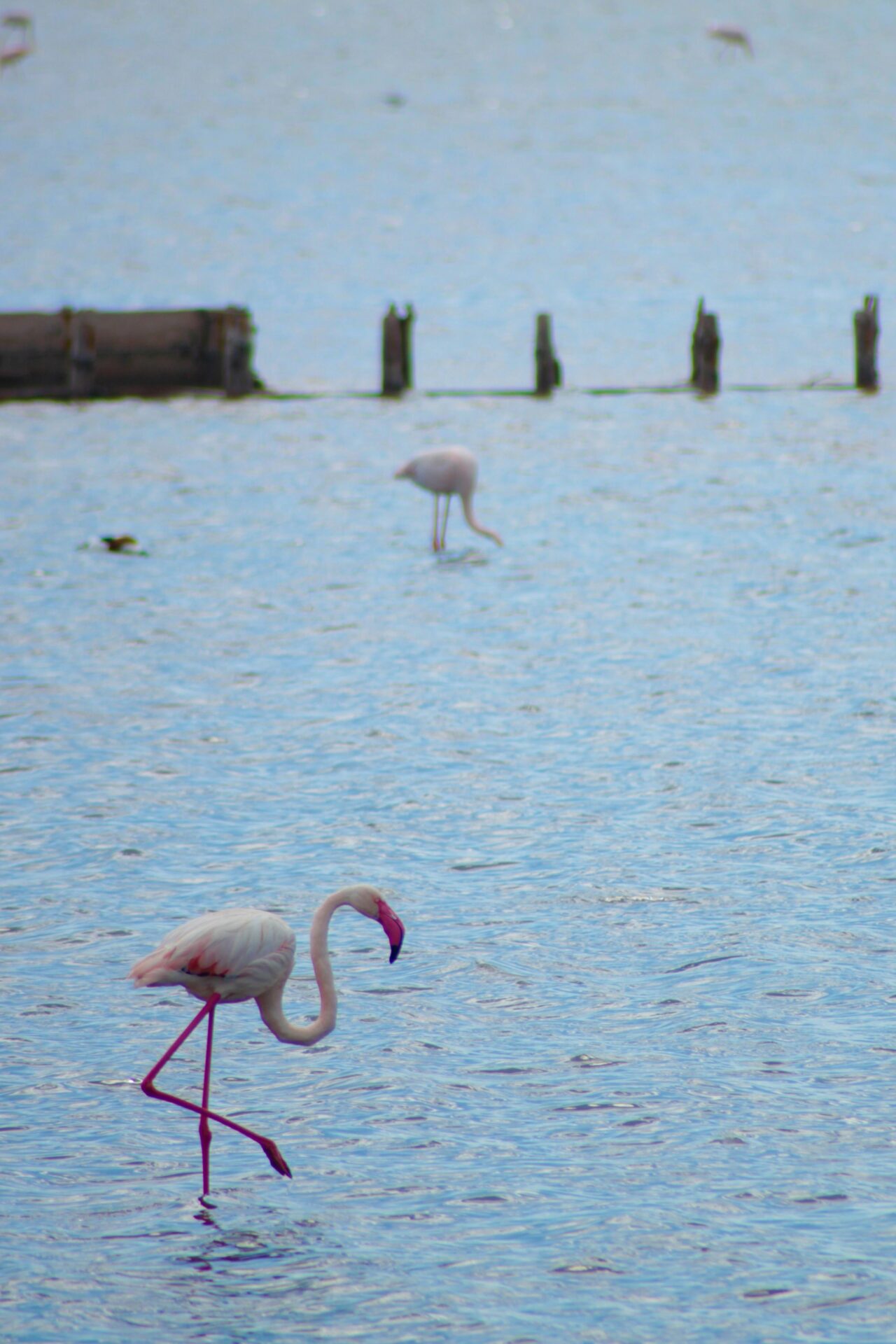
I counted at least thirty flamingos wading through the shallow waters. Their movements made gentle ripples across the surface.
Some fed with their heads upside down, others balanced on one leg. They looked almost luminous as the sunset hit their feathers.
Their pink plumage caught the light in a way that made them glow against the blue-gray water. It was honestly magical.
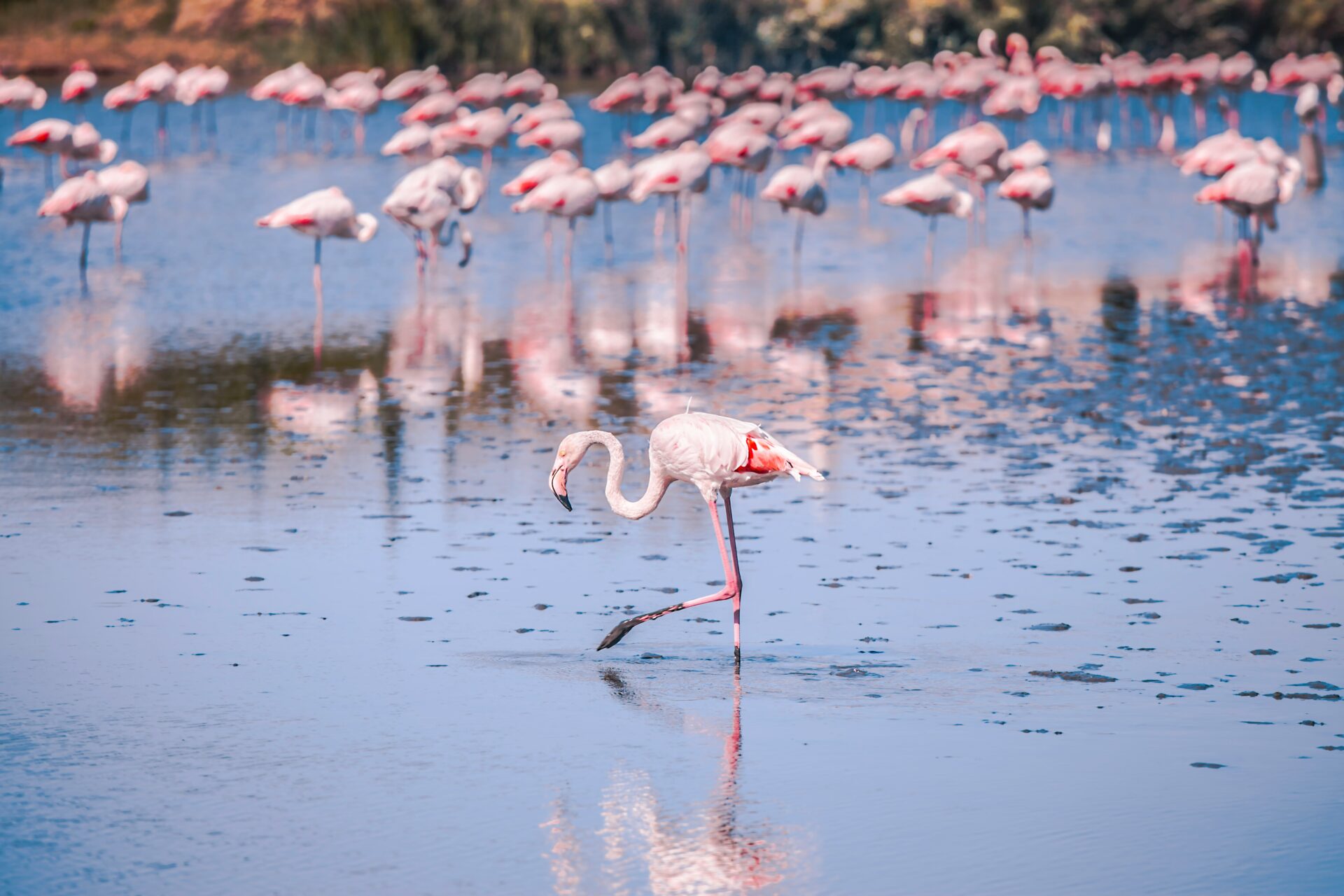
Personal Encounter in Cagliari
I hadn’t planned my visit to the amphitheater as a wildlife trip. History drew me in, but the flamingos made me stay.
A local guide named Marco noticed my fascination. He told me the flamingos migrate here every year. “They’ve been coming to these wetlands for centuries,” he said. “Even when the Romans watched shows here, the birds probably fed in those same waters.”
I lost track of time watching the flamingos move so peacefully. Their presence softened the harshness of the amphitheater’s past.
Before I left, I snapped a few photos with my zoom lens. Those shots—pink flamingos framed by ancient stone—became my favorite souvenirs from Southern Italy.
The Historical Legacy of the Roman Amphitheater
Standing among the ancient stones of Cagliari’s amphitheater, I felt the weight of centuries beneath my feet. This place has survived empires, wars, and the slow grind of time.
It stands as a testament to Roman engineering and Sardinia’s place in the ancient world.
Ancient Roots in the Roman Empire
The amphitheater dates back to the 2nd century AD, when Rome ruled the Mediterranean. Workers carved most of the arena straight into the rocky hill of Buon Cammino, then added local limestone.
I still can’t wrap my head around how they designed it to hold about 10,000 people. The Romans didn’t just build it for fun—they used it to bring their culture to Sardinia.
Gladiator fights, animal hunts, and public executions all happened here. These events weren’t just for entertainment; they were political displays that showed off Roman power to the locals.

Importance During the Middle Ages
After Rome fell, the amphitheater changed roles completely. During medieval times, locals used the ruins as a quarry, taking stones for new buildings in Cagliari.
The arena also turned into a fortress during invasions. Its spot on the hill made it useful for defense.
Christian influence shifted how people saw the amphitheater. It became a place of martyrdom—some early Christians were executed here, and medieval pilgrims sometimes visited to honor them.
By the late Middle Ages, the amphitheater stood mostly abandoned, slowly disappearing under plants and dirt until archaeologists took interest in the 18th century.
UNESCO Significance
The amphitheater isn’t on the World Heritage list yet, but it’s a big part of Sardinia’s push for UNESCO recognition. Preservation teams work constantly to keep this fragile site standing against weather and time.
The site now acts as a living classroom. Visitors get a real feel for Roman provincial architecture.
Summer concerts and events bring the place back to life, which I think is a fantastic way to connect past and present.
Local schools bring students here all the time. It’s a great way for young Sardinians to connect with their roots.
The amphitheater draws thousands of tourists every year, boosting Cagliari’s economy and raising awareness about the need to protect these old treasures.
Exploring Cagliari: More Than Just Flamingos
Flamingos might be the headline, but Cagliari has so much more going on. The capital of Sardinia mixes ancient history and Mediterranean charm in a way that’s hard to resist.
Hidden Gems and Vibrant Streets
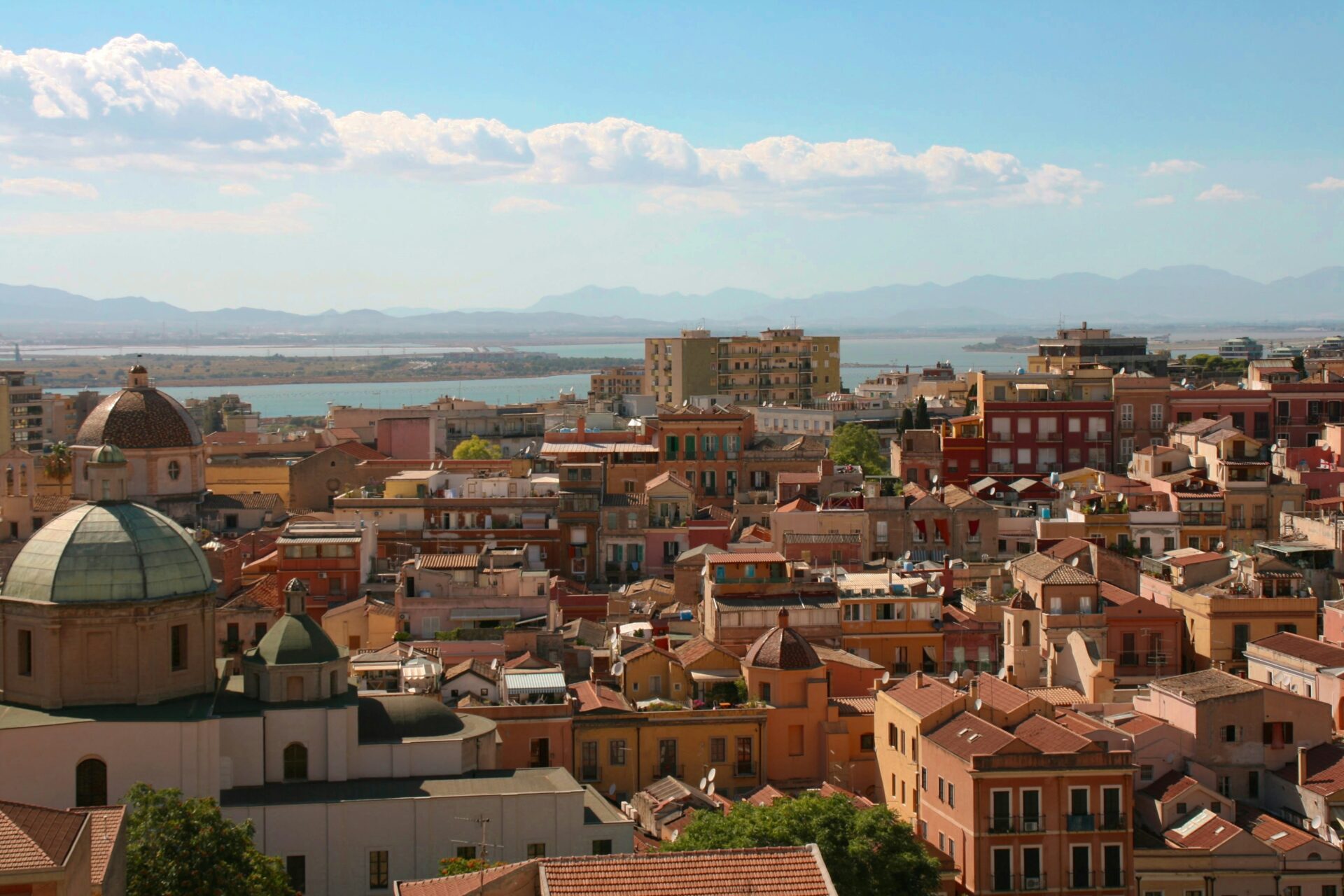
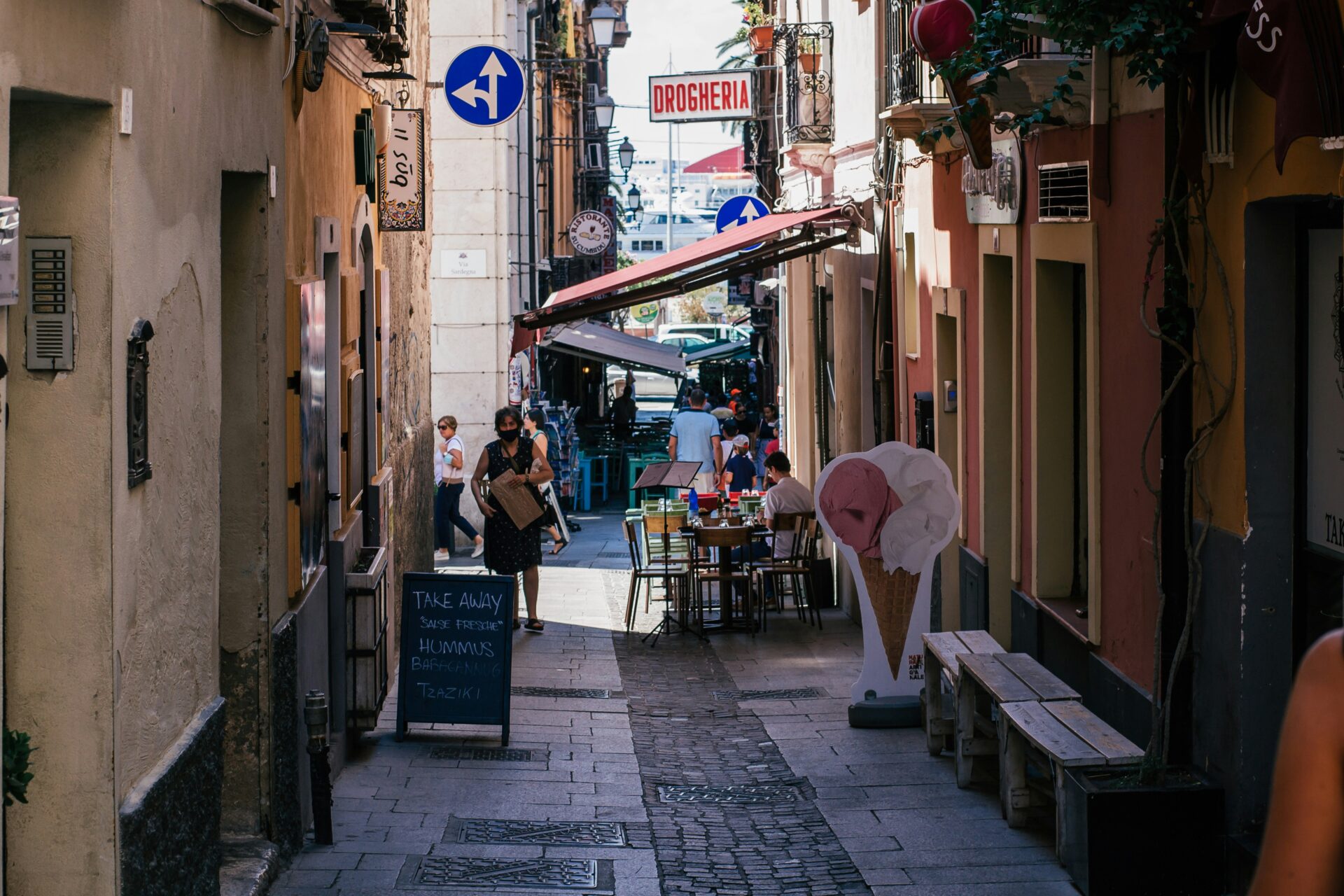
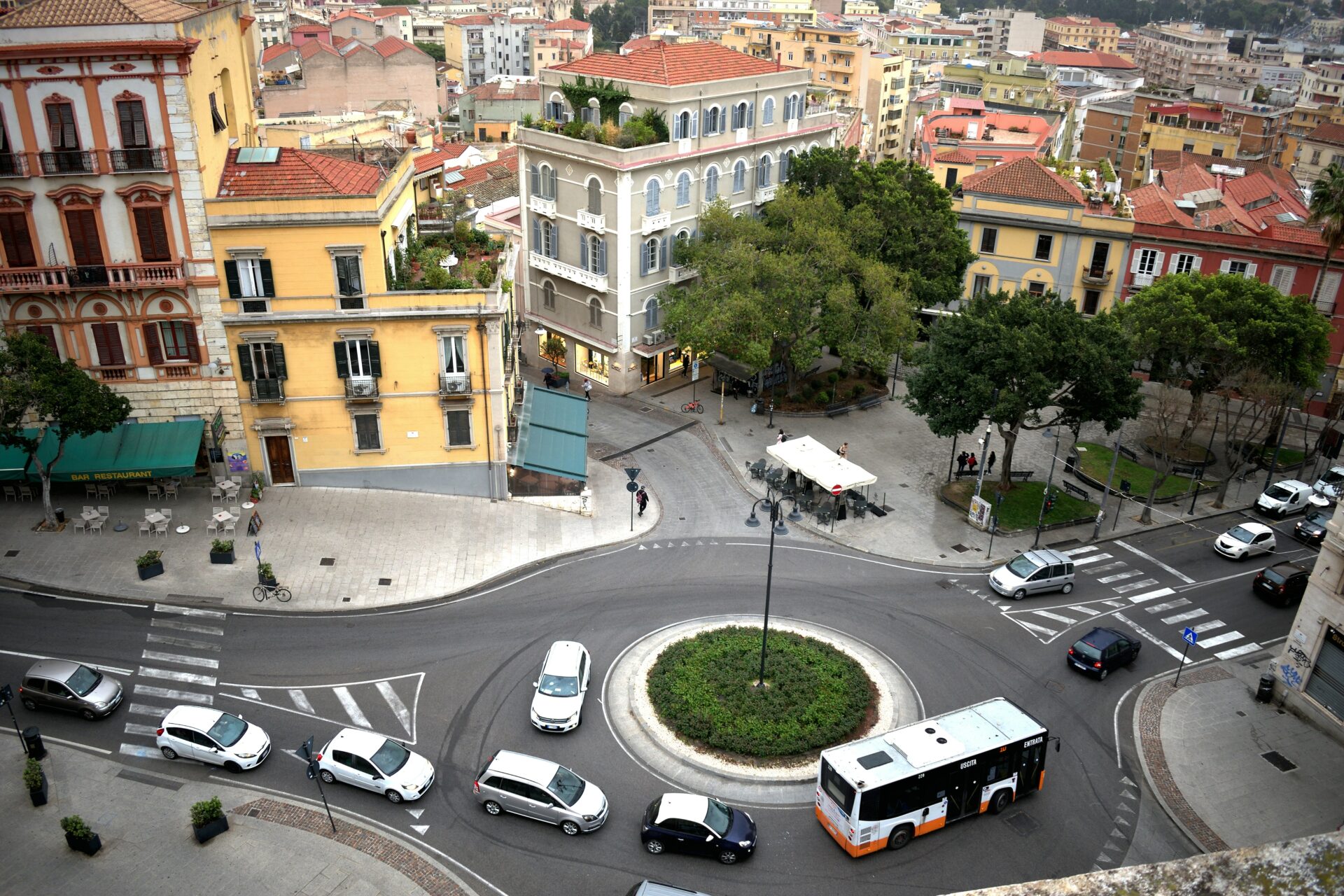
The historic quarter of Castello won me over with its narrow medieval streets and killer viewpoints.
Walking along the old walls, I kept stumbling on new panoramas of the city and sea. Each one seemed better than the last.
You shouldn’t skip the Roman Amphitheater, carved right into the hillside. When I visited early in the morning, it was almost empty.
The nearby Botanical Garden is a peaceful spot with over 500 Mediterranean plant species.
San Benedetto Market gave me a real taste of local life. The colors, smells, and friendly vendors made for a lively Sardinian morning.
I couldn’t resist snapping photos of the seafood section—fresh fish arranged like art.
Accommodations and Eating Out
I stayed in the Marina district, and honestly, I’d do it again. It’s convenient and full of charm.
Boutique hotels fill renovated historic buildings, so you get modern comfort with a local twist.
For travelers on a budget, Stampace has great guesthouses and B&Bs with personality. My favorite spot served fresh-baked pastries every morning.
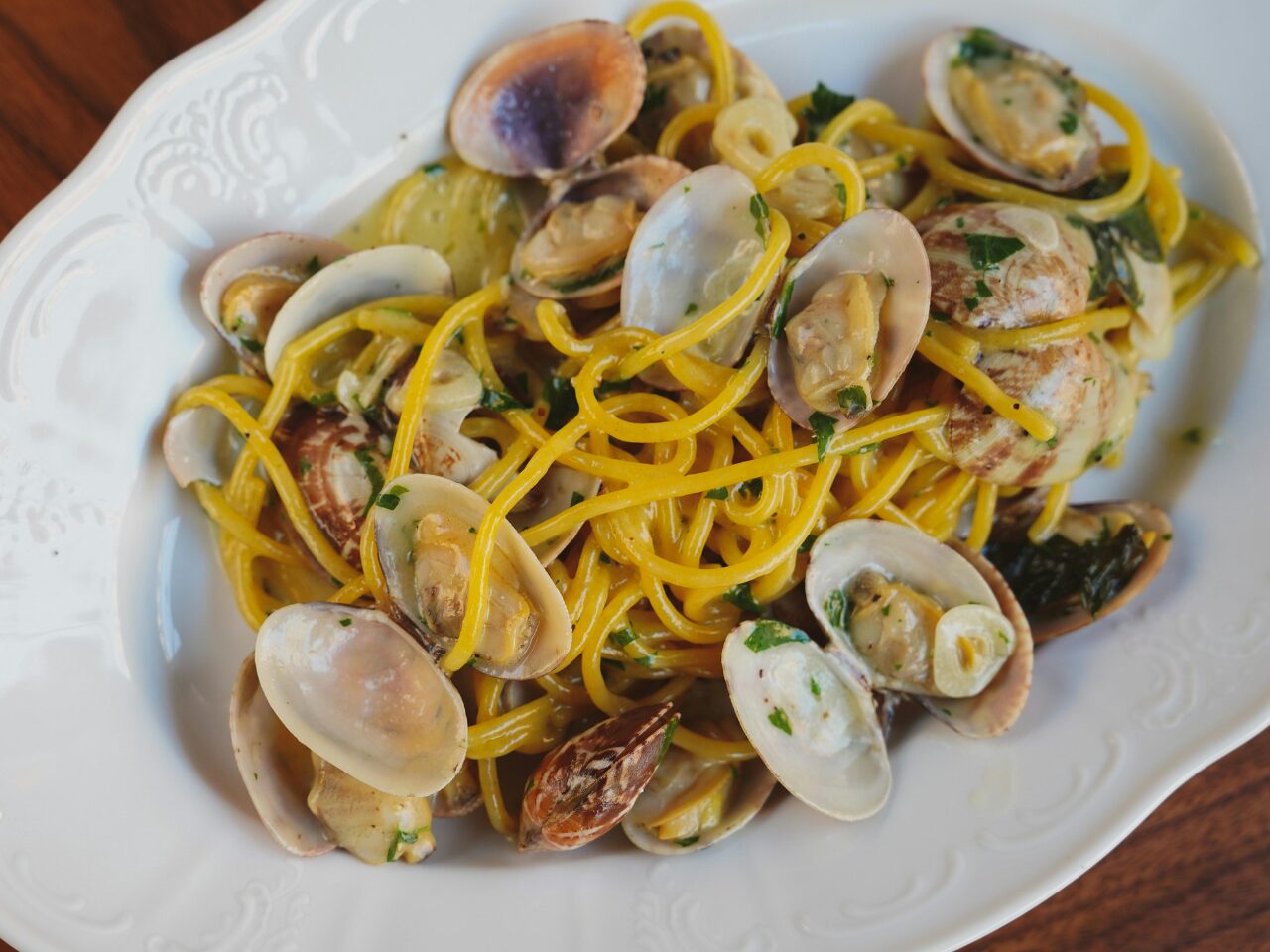
Cagliari’s food scene deserves a shout-out. Small trattorias serve seafood pasta that tastes like summer by the sea.
Try culurgiones (Sardinian ravioli) and fregola con arselle (small pasta with clams). Both dishes are delicious.
If you love coffee, the tiny cafés around Piazza Yenne serve espresso that packs a punch. I kept coming back for my daily fix and a bit of people-watching.
Shopping and Local Culture
Via Garibaldi and Via Manno make up the main shopping area. Beyond the usual Italian brands, I found boutiques selling handmade Sardinian textiles and ceramics.
I picked up a hand-painted ceramic plate from an artisan shop in Castello. Now it sits in my kitchen at home, reminding me of those winding streets.
Cultural experiences pop up all over the city. The National Archaeological Museum is packed with Nuragic artifacts from Sardinia’s ancient past.
I spent way longer there than planned—the collection is much bigger than I expected.
Street art tours show off Cagliari’s creative side. Colorful murals turn ordinary walls into art.
My guide pointed out pieces I would’ve missed on my own, and honestly, the stories behind them were half the fun.
The Surrounding Beauty of Sardinia’s Coastline
Sardinia’s coastline blew me away with its variety. There are urban beaches, hidden coves, and some of the clearest water I’ve ever seen.
Poetto Beach and Its Attractions
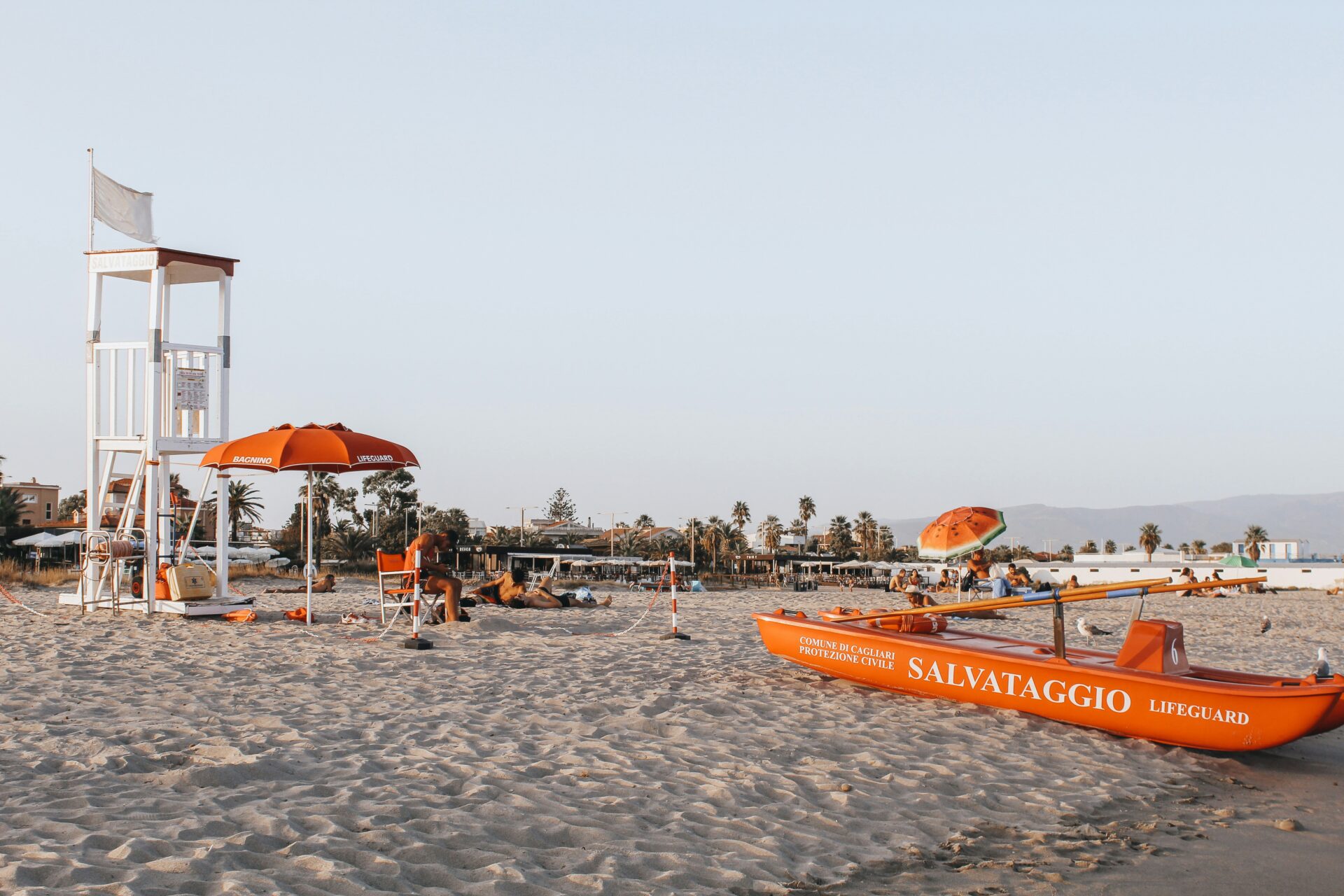
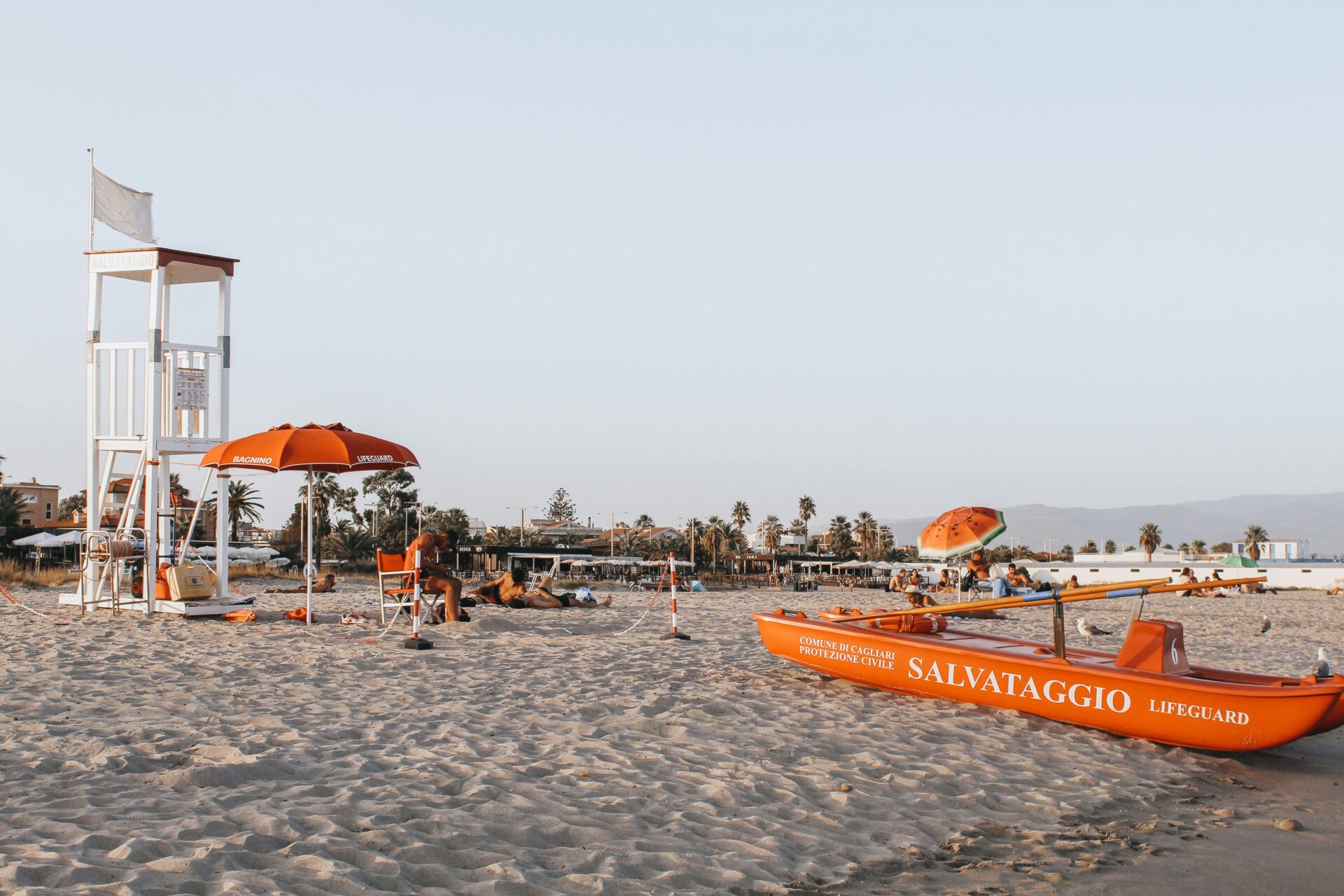
Poetto Beach stretches for five miles, curving along the edge of Cagliari. It’s an urban beach, but it feels like a getaway.
I rented a chair and umbrella from one of the colorful “beach clubs” lining the shore. The gentle slope into the sea makes it perfect for swimmers of any level.
What surprised me most was the wildlife. While sunbathing, I spotted pink flamingos in Molentargius Park, just behind the beach.
These elegant birds have become symbols of Cagliari. They add a touch of magic to the beach scene.
The promenade behind the sand is packed with dining spots and gelaterias. I loved biking along this path at sunset after a swim.
Beaches and Crystal-Clear Waters
Beyond Poetto, Sardinia’s coastline just keeps getting better. The island has some of the Mediterranean’s most pristine waters.
Some of my favorite finds:
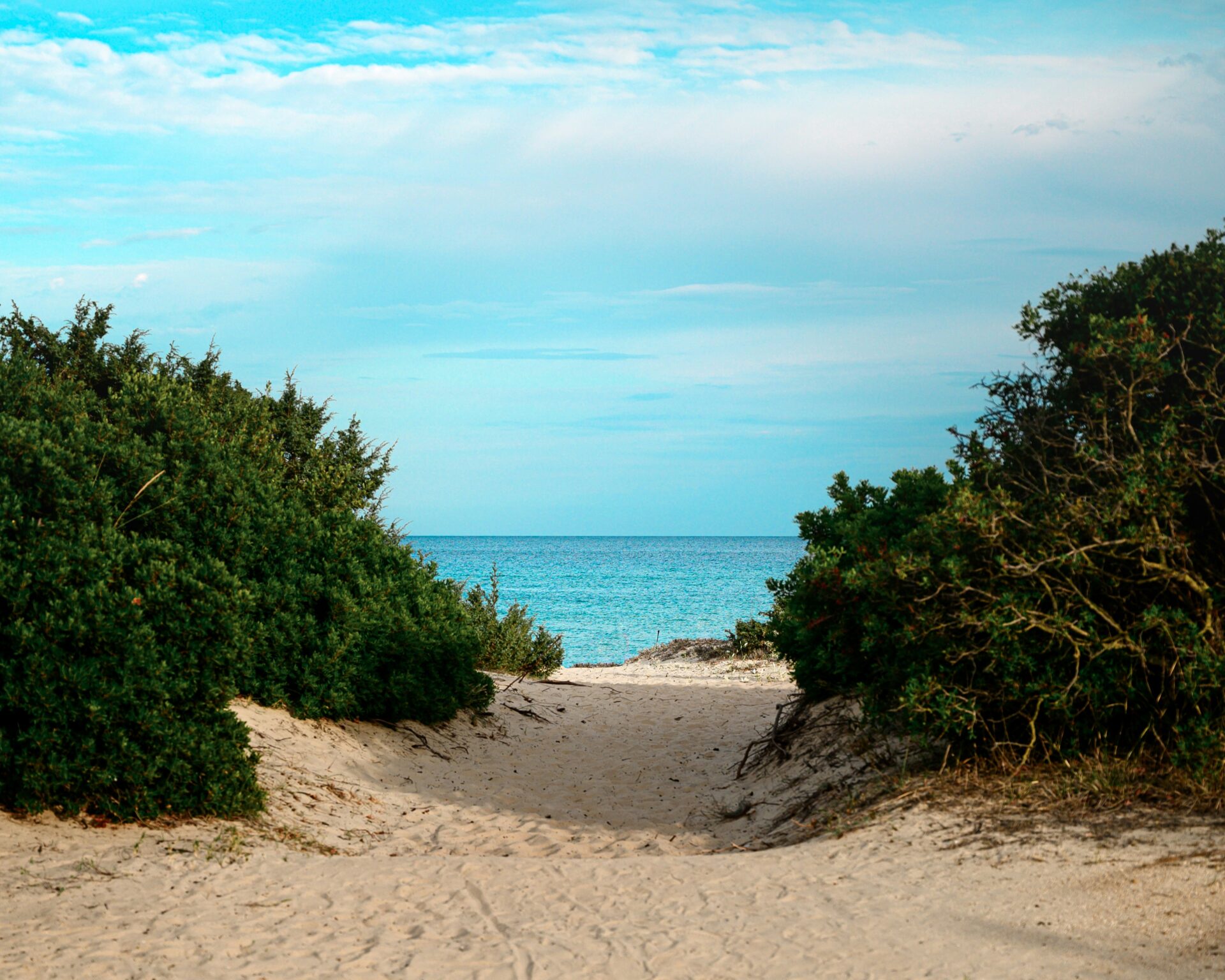
- Chia Beach: Golden sand dunes and turquoise waters that honestly rival the Caribbean.
- Tuerredda: A crescent of fine white sand with shallow, crystal-clear water.
- Costa Rei: Seven kilometers of powdery beaches with mountain views.
The water is so clear you can see your toes even when you’re chest-deep. The colors shift from emerald to sapphire depending on the light.
Many beaches are still wild and undeveloped. If you go off the beaten path, bring your own water and snacks—amenities can be scarce.
Villasimius and La Maddalena Adventures
Exploring Villasimius and the La Maddalena archipelago turned out to be the highlight of my coastal trip.
Villasimius is about an hour from Cagliari and has a string of stunning beaches. Porto Giunco was my favorite, with a double-sided beach and a lagoon where more flamingos gather.
I joined a boat tour from Villasimius that stopped at hidden coves you can’t reach by car. The captain pointed out ancient Roman ruins along the coast and let us swim in secluded grottos.
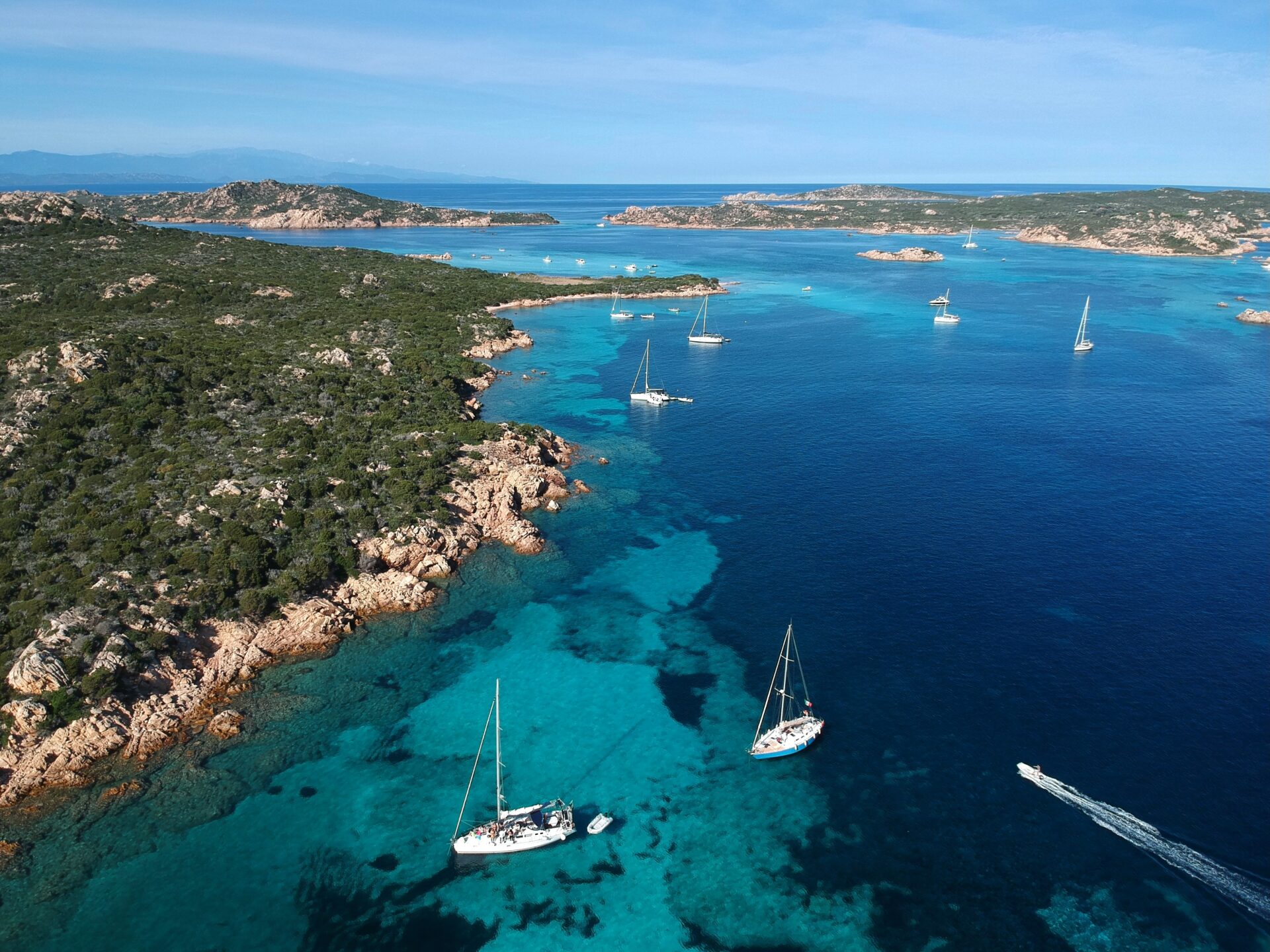
For La Maddalena, I took a ferry from Palau. The pink granite rocks, white sand, and emerald waters looked almost unreal.
Budelli Island’s “Pink Beach” (access is limited) and Spargi’s untouched shores are among the most beautiful I’ve ever seen.
Outdoor Activities and Wildlife Experiences
Cagliari is a paradise for nature lovers. The city’s spot between mountains and sea creates endless options for wildlife encounters and outdoor adventures.
I found myself constantly surprised by how easy it was to step out of the city and into wild, beautiful places.
Hiking and Panoramic Walks
The trails around Cagliari gave me some of the most stunning views I’ve seen in Italy. I especially loved hiking up to Sella del Diavolo (Devil’s Saddle), where you get sweeping vistas of the whole gulf.
The path isn’t too tough, so it’s great for casual hikers like me. I spent about two hours wandering the trails, pausing often to snap photos of the coastline below.
Monte Urpinu Park has easier walking paths, but the views still impress. I even spotted a few local birds while strolling through its pine forests.
Want the best sunset? Hike to Capo Sant’Elia. The golden light bouncing off the Mediterranean Sea made for a magical evening I won’t forget anytime soon.

Sailing, Kayaking, and Water Sports
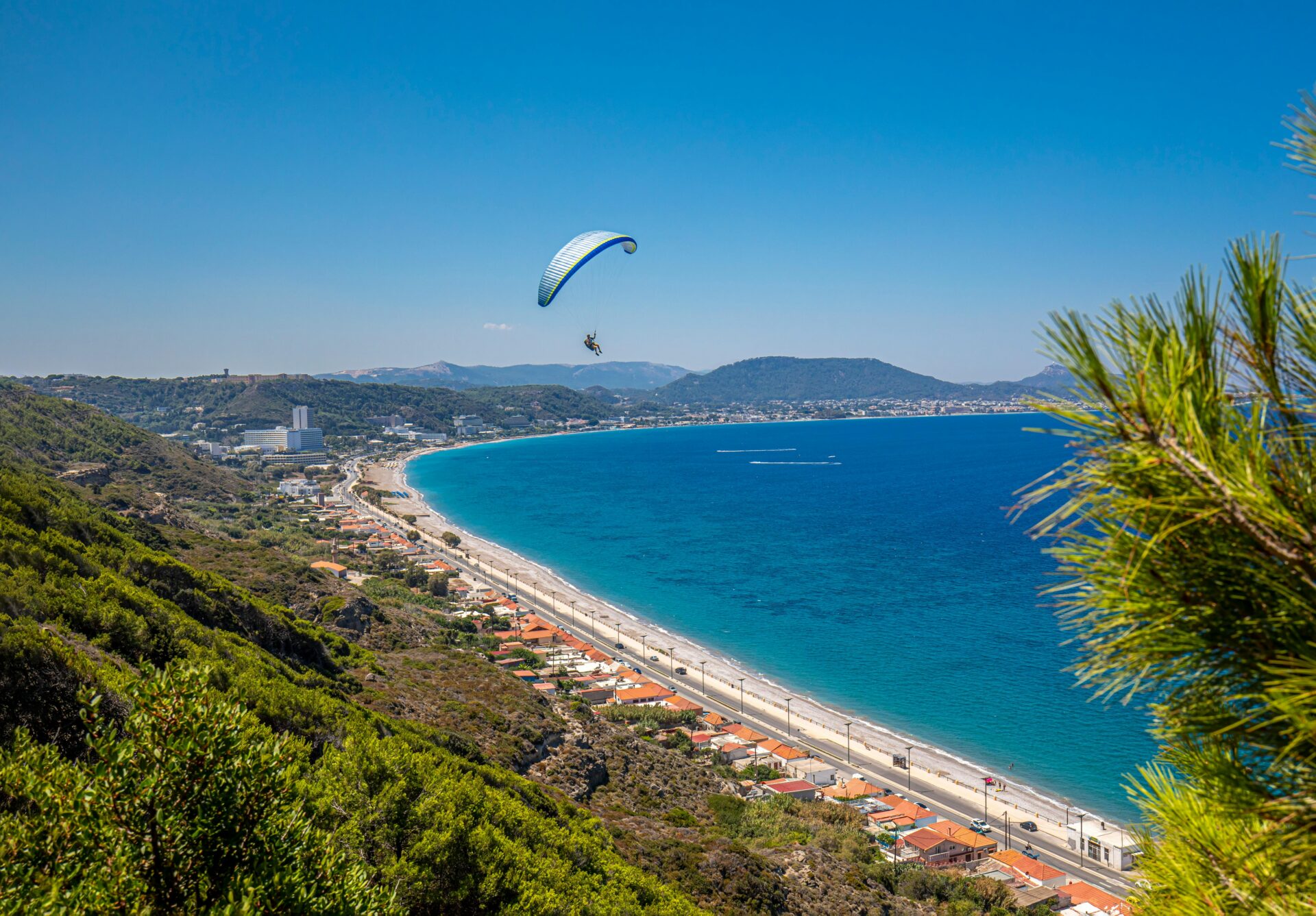
I rented a kayak and explored the gorgeous coastline at my own pace. Paddling along the clear waters of Poetto Beach, I found hidden coves you just can’t reach by land.
Several companies run sailing trips from Cagliari’s marina. I booked a half-day outing with snorkeling stops and a light lunch featuring local food.
Windsurfing is a big deal here, thanks to the steady breezes. As a total beginner, I took a lesson and, honestly, I was standing on the board within an hour.
If you crave thrills, you can rent jet skis or try parasailing at Poetto Beach. The water felt perfect for swimming, even in early May.
Snorkeling and Vibrant Marine Life
The underwater world around Cagliari blew me away with its variety. I grabbed snorkeling gear from a shop near Poetto Beach and explored the rocky spots by Calamosca.
Visibility was surprisingly good—at least 15 meters on calm days. I caught sight of colorful wrasses, sea bream, and even a small octopus tucked between rocks.
Mari Pintau beach is my pick for beginner snorkelers. The gentle slope and sheltered cove make it easy to explore underwater.
If you’re into diving, several operators run trips to nearby marine reserves. The underwater rock formations attract all sorts of Mediterranean fish.
Dolphins, Flamingos, and Colorful Fish
Visiting Molentargius Park to see the famous pink flamingos easily topped my wildlife experiences. I rented an electric bike and joined a guided tour through the reserve.
Hundreds of flamingos wade through the shallow waters just minutes from downtown Cagliari. Their brilliant pink feathers against the blue water—honestly, it’s a photographer’s dream.
Dolphin watching boats leave the marina regularly. On my three-hour tour, I spotted several pods of dolphins playing in our boat’s wake.
You’ll get the best flamingo views early in the morning or late in the day. I went around sunset and watched them feeding—seeing them filter the water with their odd-shaped beaks was incredible.
Local guides told me Cagliari is one of the rare European cities where flamingos nest every year. Molentargius’s protected status means these amazing birds keep coming back.
Travel Tips for Visiting Cagliari and Surrounding Regions
Sardinia’s capital blends history, nature, and Mediterranean charm in a way that’s hard to beat. Knowing when and how to visit can make your trip even more special, especially if you’re hoping to spot those famous flamingos.
Getting There and Accessibility
Cagliari International Airport (Elmas) sits just 10 minutes from the city center, so getting in is a breeze. I found direct flights from a bunch of European cities, but if you’re coming from farther away, you’ll probably connect through Rome or Milan.
The city is easy to walk, but be ready for some hills! The historic center sits up high, which means great views but also a bit of a workout. Definitely bring comfortable shoes.
Public transport works well and doesn’t cost much. If you’re staying a few days, grab the Cagliari Card—it covers buses and some attractions.
If you want to explore beyond the city, you’ve got options:
- Rent a car (most flexible)
- Take the train (connects to northern Sardinia)
- Try the ferry (great for day trips to Sicily)
Best Times to Visit for Flamingos and Festivals
Flamingos stick around all year, but the best time to see them is just before sunset when everything glows pink. I couldn’t believe how the evening light changed the salt pans and mountains.
Weather-wise, May to June and September to October bring perfect temps and smaller crowds. July and August buzz with energy, but prices and tourist numbers go up.
A few festivals to keep in mind:
- Sant’Efisio (May 1st): One of Italy’s biggest religious processions
- Cagliari Festa (October): Local food and wine galore
- Christmas markets (December): Cozy crafts and traditional treats
Winters stay mild but can get rainy, so flamingo watching outdoors isn’t always a sure thing.
Nearby Destinations: Nora, Sicily, and Beyond
You’ll find the ancient ruins of Nora just 40 minutes south of Cagliari. This Phoenician and Roman site rests on a peninsula with jaw-dropping sea views.
I wandered around for half a day, checking out the mosaics and the old theater. Honestly, it’s hard not to get swept up by the history here.
You can hop over to Sicily on an overnight ferry. It’s a solid way to stretch out your Italian adventure, if you ask me.
Greek influences in Sicily really add another layer to what you’ll see in Sardinia.
Some other day trips I think are worth it:
- Poetto Beach (just 15 minutes from the city center)
- Villasimius for those pristine beaches (about a 1-hour drive)
- Su Nuraxi di Barumini, a UNESCO site (also a 1-hour drive)
Don’t feel like you have to rush or see it all. Sardinia honestly feels better when you slow down.
I tried to pack my days at first, but I ended up finding way more joy by sticking around in fewer spots.

