
I still remember that magical evening in Ascoli Piceno, when the golden light of sunset made the Renaissance buildings glow against the dark sky.
Wandering through Piazza del Popolo, I was struck by how the travertine stone seemed to capture and reflect the fading daylight, creating an almost ethereal atmosphere in this hidden Italian gem.
My first taste of olive ascolane came from a small shop near the square. These oversized, juicy olives stuffed with meat and deep-fried are a specialty of Ascoli Piceno but enjoyed throughout Italy as a beloved street food.
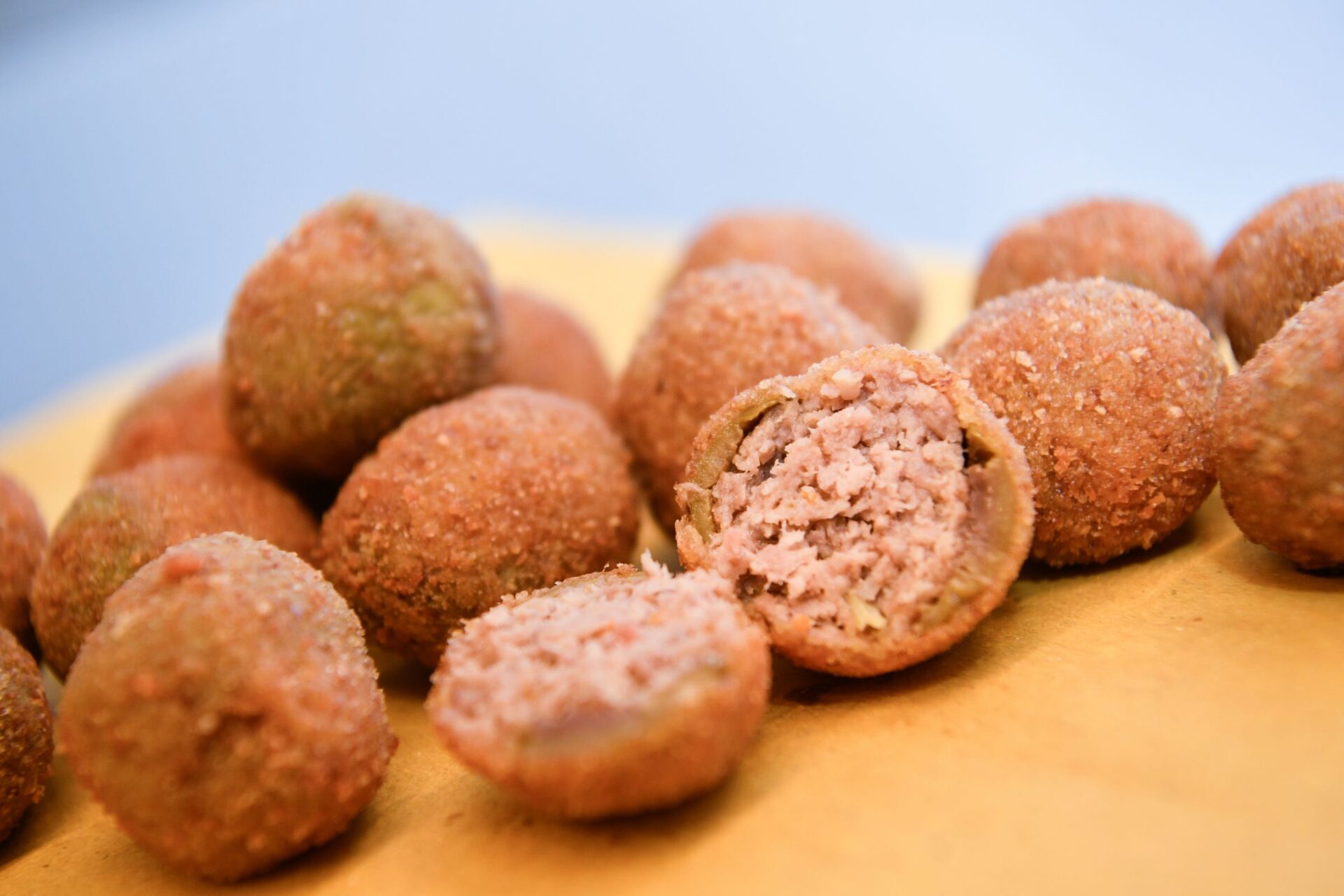
The contrast between the crispy exterior and the savory filling was a revelation, especially when paired with a glass of local wine as I watched locals gathering in the piazza.
What makes Ascoli truly special is how it balances its architectural beauty with everyday Italian life. Unlike some more tourist-heavy destinations, the Renaissance squares here aren’t just photo opportunities—they’re living spaces where you’ll find residents chatting, children playing, and food traditions being shared across generations.
It’s a place where history feels present rather than preserved behind velvet ropes.
Discovering the Delights of Ascoli Piceno
Ascoli Piceno captivated me instantly with its elegant medieval charm and rich cultural heritage. This hidden gem in Le Marche offers incredible gastronomic experiences and Renaissance architecture that rivals more famous Italian destinations.
The Culinary Gem: Olive Ascolane
My taste buds fell in love with Ascoli Piceno before I even saw its beautiful squares. Olive Ascolane, the city’s signature dish, became my favorite Italian street food after just one bite. These local olives are stuffed with seasoned meat, breaded, and deep-fried to golden perfection.
I found the best ones at Migliori Olive Ascolane, located at the corner of Piazza Arringo. The locals recommended this spot, and it didn’t disappoint.
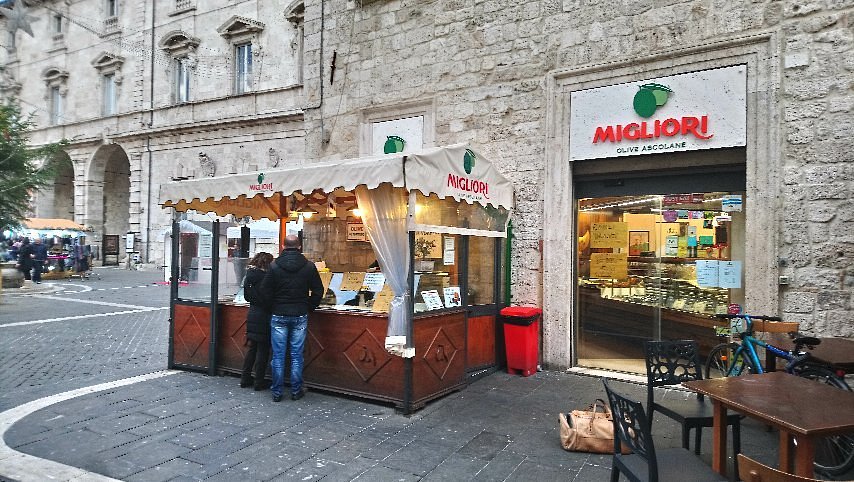
Image Source: Tripadvisor
The crispy exterior gave way to tender meat and the distinctive flavor of the region’s prized olives.
This culinary specialty has gained worldwide recognition for its unique taste and artisanal preparation process. Making these treats requires patience and skill, with recipes passed down through generations of Ascoli families.
Historic Piazza del Popolo
The heart of Ascoli beats in its stunning Piazza del Popolo. Walking into this Renaissance square felt like stepping back in time.
Surrounded by elegant porticoes and gleaming travertine marble, I spent hours just absorbing the atmosphere.
Cafés line the edges, offering perfect spots to sip espresso and watch local life unfold. The historic Caffè Meletti became my favorite morning ritual spot during my stay.
The square’s architectural harmony amazed me. The Gothic-style Palazzo dei Capitani and the Church of San Francesco create a perfect backdrop for the vibrant social scene.
During evenings, the piazza comes alive with locals enjoying their passeggiata (evening stroll).
I discovered that unlike many tourist-filled squares in Italy, Piazza del Popolo remains authentically Italian, still serving as the city’s living room rather than just a photo opportunity.

Image Source: Wikimedia Commons
Piazza Arringo: A Centerpiece of Culture
Just a short walk from Piazza del Popolo, I found Piazza Arringo, Ascoli’s oldest square and cultural hub. The magnificent Cathedral of Sant’Emidio dominates one side with its impressive façade and bell tower.
Inside the Pinacoteca Civica art gallery, I discovered masterpieces by artists like Carlo Crivelli. The museum’s collection offers a fascinating glimpse into the region’s artistic heritage through the centuries.
The Baptistery across from the cathedral features beautiful ancient mosaics that shouldn’t be missed. On market days, this square buzzes with activity as vendors sell local specialties and crafts.
What impressed me most about Piazza Arringo was how it balances historical significance with everyday life. While admiring Renaissance architecture, I watched children playing and elderly locals chatting on benches—a perfect example of Italy’s seamless blend of past and present.

Marche’s Earthquake Legacy
While exploring the beauty of Ascoli Piceno’s glowing travertine buildings, I couldn’t help but reflect on the resilience this region has shown through devastating seismic events. The Marche region’s relationship with earthquakes has shaped both its architecture and the spirit of its people.
Resilience Among Ruins
Walking through certain parts of Marche, I noticed the visible scars of past earthquakes alongside remarkable preservation efforts. Many historic buildings display reinforcement structures – subtle steel supports and carefully engineered retrofits that blend with the original architecture.
Local residents shared stories of the 2016 earthquake that severely damaged several towns in the region. Despite losing homes and historic landmarks, families remained determined to preserve their heritage.
“We rebuild because this is who we are,” an elderly man told me while sipping coffee in a recently reopened café that had been damaged.
Rebuilding and Revival Efforts
The recovery process in Marche demonstrates Italian ingenuity at its finest. Engineers and architects collaborate with historians to restore buildings using traditional methods while incorporating modern seismic protection.
Tourism has become a vital part of the rebuilding strategy. Many towns have created “earthquake walks” – guided tours that educate visitors about seismic history while generating income for reconstruction.
I was particularly moved by community-led initiatives like the “Adopt a Stone” program where visitors can contribute to specific restoration projects. Local festivals celebrating traditional crafts now include demonstrations of earthquake-resistant building techniques.
The region’s recovery has also sparked innovation in sustainable rebuilding practices that honor the past while securing the future.
Exploring Renaissance Squares and Urbino’s Majesty
My journey through the Marche region revealed architectural treasures that captured the essence of Italian Renaissance grandeur. These spaces weren’t just beautiful—they told stories of power, art, and community.
Architectural Marvels and Cultural Icons
In Ascoli Piceno, I found myself speechless in Piazza del Popolo. This elegant square is paved entirely with travertine stone, giving it a uniform, cream-colored appearance that glows golden at sunset.
The Renaissance proportions created a perfect harmony that made me linger for hours. I sipped coffee under the porticoes of Caffè Meletti, watching locals gather as they’ve done for centuries.
Nearby Piazza Arringo dazzled me with its more formal atmosphere. Home to the Cathedral of Sant’Emidio and the Pinacoteca Civica, this square balances religious power with civic pride. What struck me most was how these spaces remain vibrant community hubs rather than mere tourist attractions.
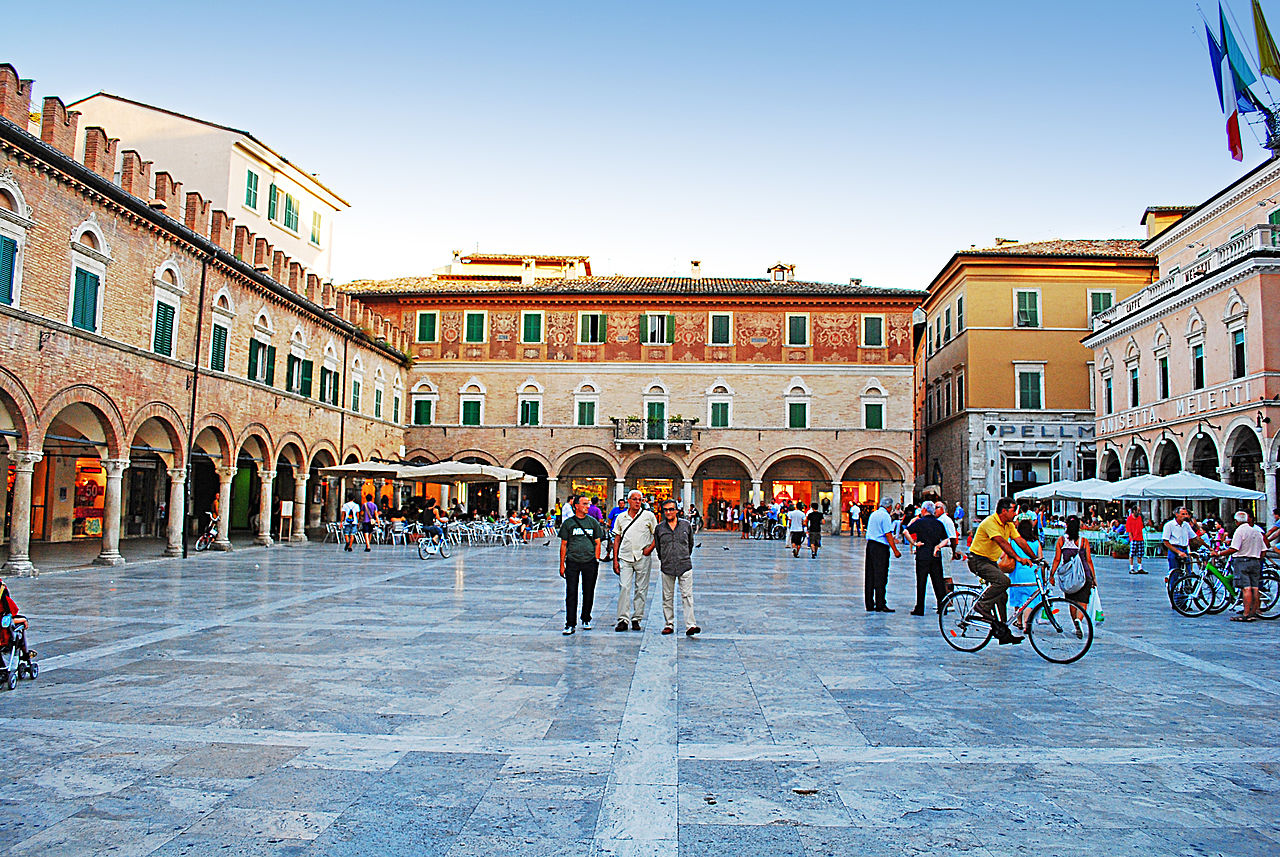
Image Source: Wikimedia Commons
Urbino: A Renaissance Jewel
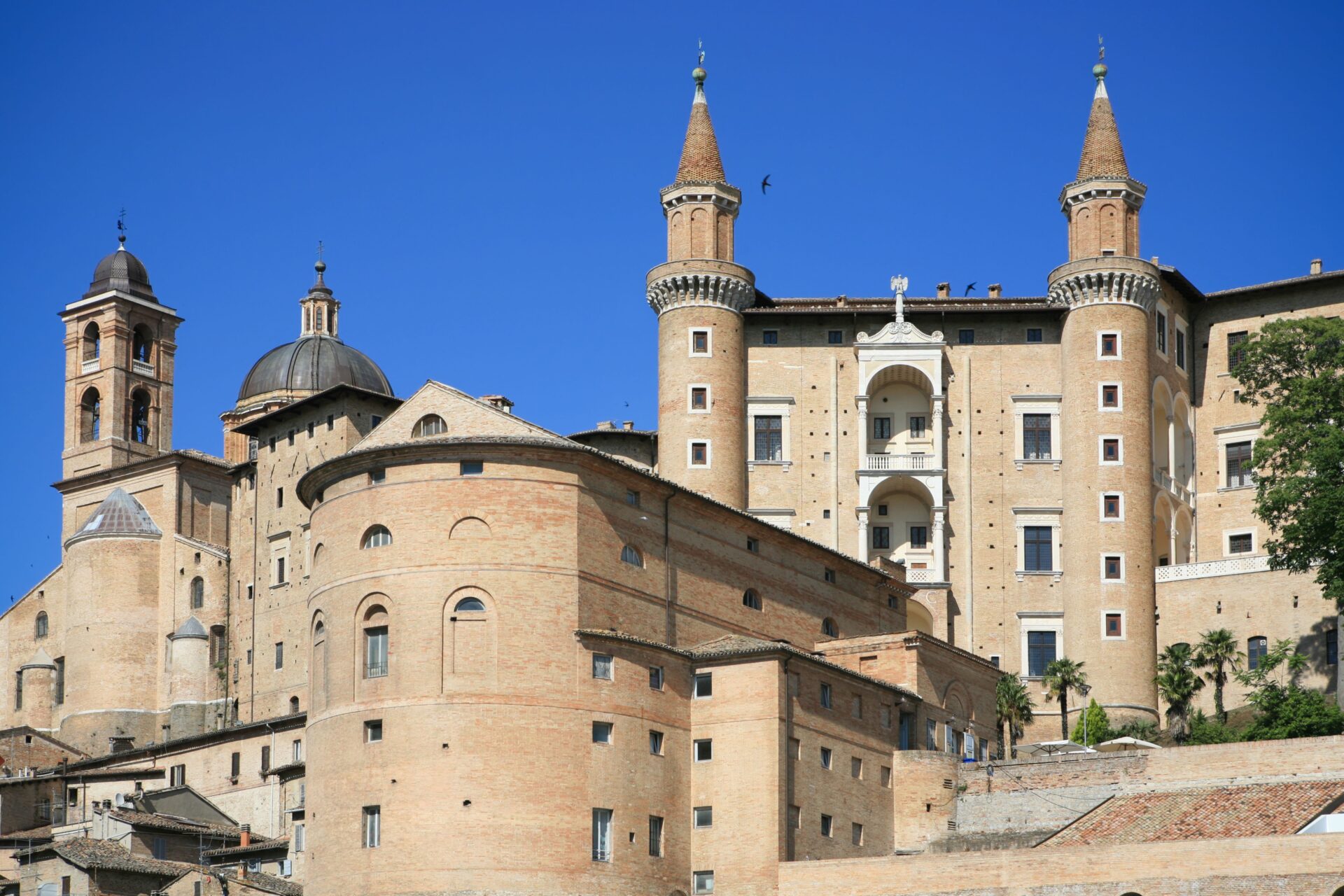
My trip to Urbino transported me to the height of Renaissance glory. This hilltop town, birthplace of Raphael, preserves its 15th-century character almost perfectly.
The Palazzo Ducale stands as Federico da Montefeltro’s masterpiece—a palace that embodied humanist ideals through perfect proportions and innovative design. I wandered through the studiolo with its stunning trompe l’oeil inlaid woodwork, marveling at the duke’s vision.
Urbino’s historic center, a UNESCO World Heritage site, offers narrow winding streets that open suddenly to breathtaking views of the surrounding countryside.
The University, founded in 1506, still energizes the town with youthful enthusiasm. I joined students at a local trattoria for dinner, where traditional Marchigiani dishes reminded me how deeply food connects to cultural identity here.
Savoring Marche: From Local Wine to Exquisite Coffee
My culinary adventure through Marche was a journey for the senses, featuring rich wines from coastal vineyards and aromatic coffee in historic piazzas.
The Wineries of Ancona and the Marche Region
The Marche region captivated my taste buds with its outstanding wines. Verdicchio, the region’s crisp white wine with notes of green apple and almonds, quickly became my favorite afternoon companion.
In Ancona, I visited several small vineyards where passionate winemakers explained how the sea breeze and mineral-rich soil create Rosso Conero’s distinctive character. This robust red wine comes from Montepulciano grapes grown on Monte Conero’s slopes.
One family-owned winery invited me to a tasting where they paired local cheeses with their wines. The owner proudly showed me oak barrels where their reserve wines mature slowly.
Many vineyards offer tours where you can learn about the entire process from grape to bottle. I recommend planning a half-day excursion to fully appreciate the winemaking traditions that stretch back centuries.
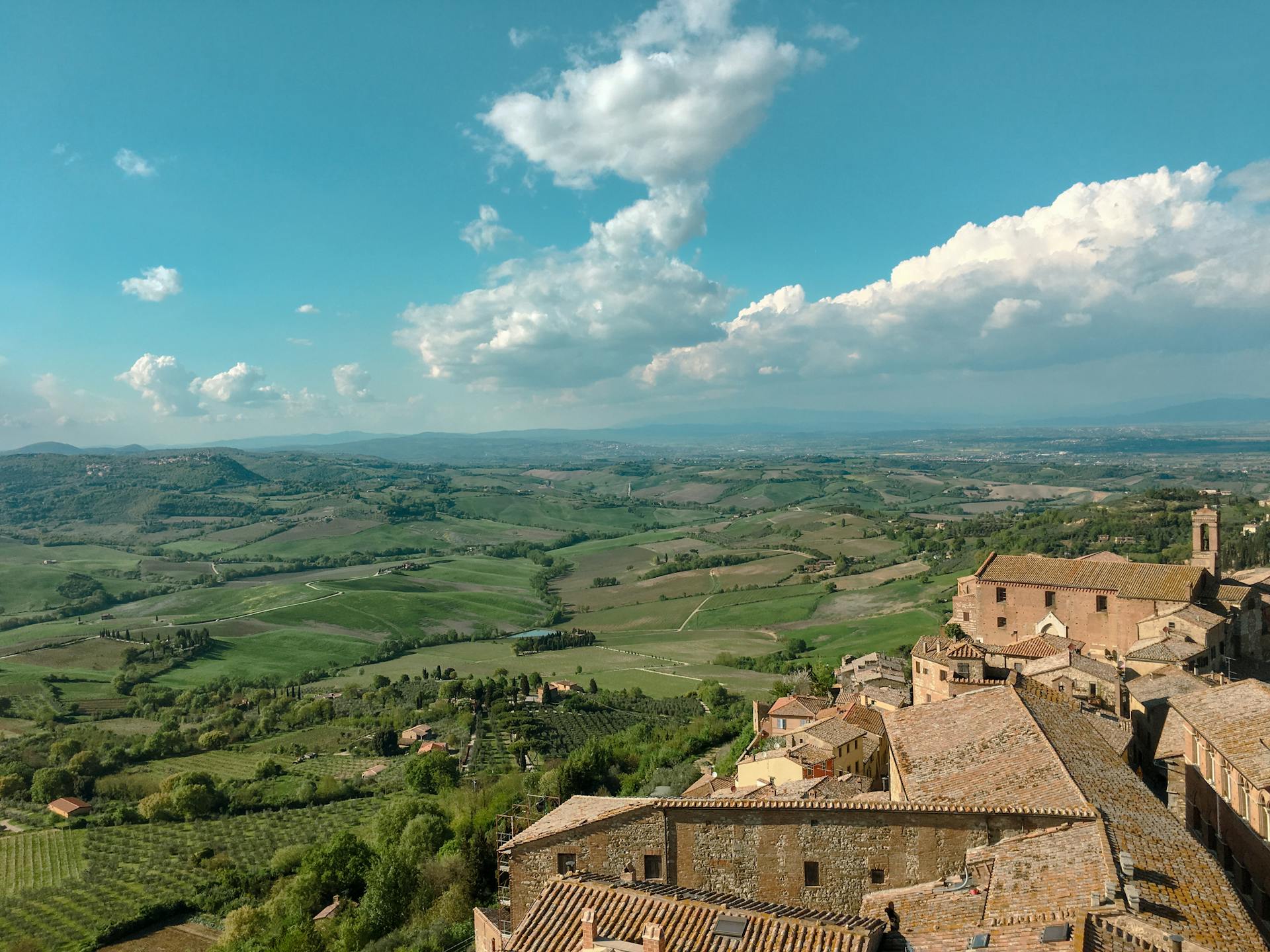
Caffeine Culture in the Heart of Italy
Coffee in Marche is more than a beverage—it’s a social ritual I quickly embraced.
Standing at the bar of a local caffè in Ascoli Piceno’s medieval piazza, I observed Italians expertly downing perfect espressos in mere minutes.
The baristas treat coffee-making as an art form. My morning caffè corretto (espresso “corrected” with a splash of anise liqueur) became a daily tradition. It paired perfectly with a freshly baked cornetto.
Marche’s coffee culture thrives in its historic squares. In Ascoli’s Piazza Arringo, I found cafés where locals gather for their daily doses of caffeine and conversation.
The best coffee experiences came with magnificent views. Sipping a macchiato while gazing at Renaissance architecture made even ordinary moments feel extraordinary.
Traditional Italian coffee differs from American versions—smaller, stronger, and consumed quickly rather than lingered over. Embracing these customs connected me to local life in ways tourist attractions never could.

Practical Travel Insights: Accommodation and Transportation
Finding the right place to stay and figuring out how to get around are essential parts of any trip to Italy’s Marche region. I discovered several convenient options during my visit that made exploring Ascoli Piceno and the surrounding areas much easier.
Where to Stay: Accommodation Options
I found Ascoli Piceno offers a wonderful range of places to stay that fit different budgets. The historic center boasts charming boutique hotels housed in Renaissance buildings, typically costing €80-120 per night. My favorite was a small family-run hotel near Piazza del Popolo.
For budget travelers, several B&Bs in the old town provide comfortable rooms with breakfast from €50-70. They often include those amazing homemade Italian pastries!
If you’re staying longer, consider an apartment rental. I noticed many affordable options (€300-500 weekly) with kitchens where you can cook those market-fresh ingredients.
The neighboring Abruzzo region also offers agriturismo farmhouse stays. These rural accommodations let you experience authentic Italian countryside living while still being close enough for day trips to Ascoli.
Navigating Marche: Public Transportation
Getting around Marche without a car is definitely doable, though it requires some planning.
Regional trains connect major towns including Ancona, Pesaro, and San Benedetto del Tronto. Tickets are affordable at €5-15 depending on distance.
Local buses fill the gaps between smaller towns and villages. I discovered Ascoli’s bus terminal is conveniently located just outside the historic center.
A single ride costs around €1.50, while day passes run about €4.
For trips between nearby towns, I recommend checking schedules in advance. Services typically run until early evening but become less frequent on Sundays.
Taxis are available but relatively expensive. I found having the contact number of a reliable driver handy for evening returns or reaching more remote spots.
A taxi from Ascoli to nearby villages costs approximately €15-25.


