
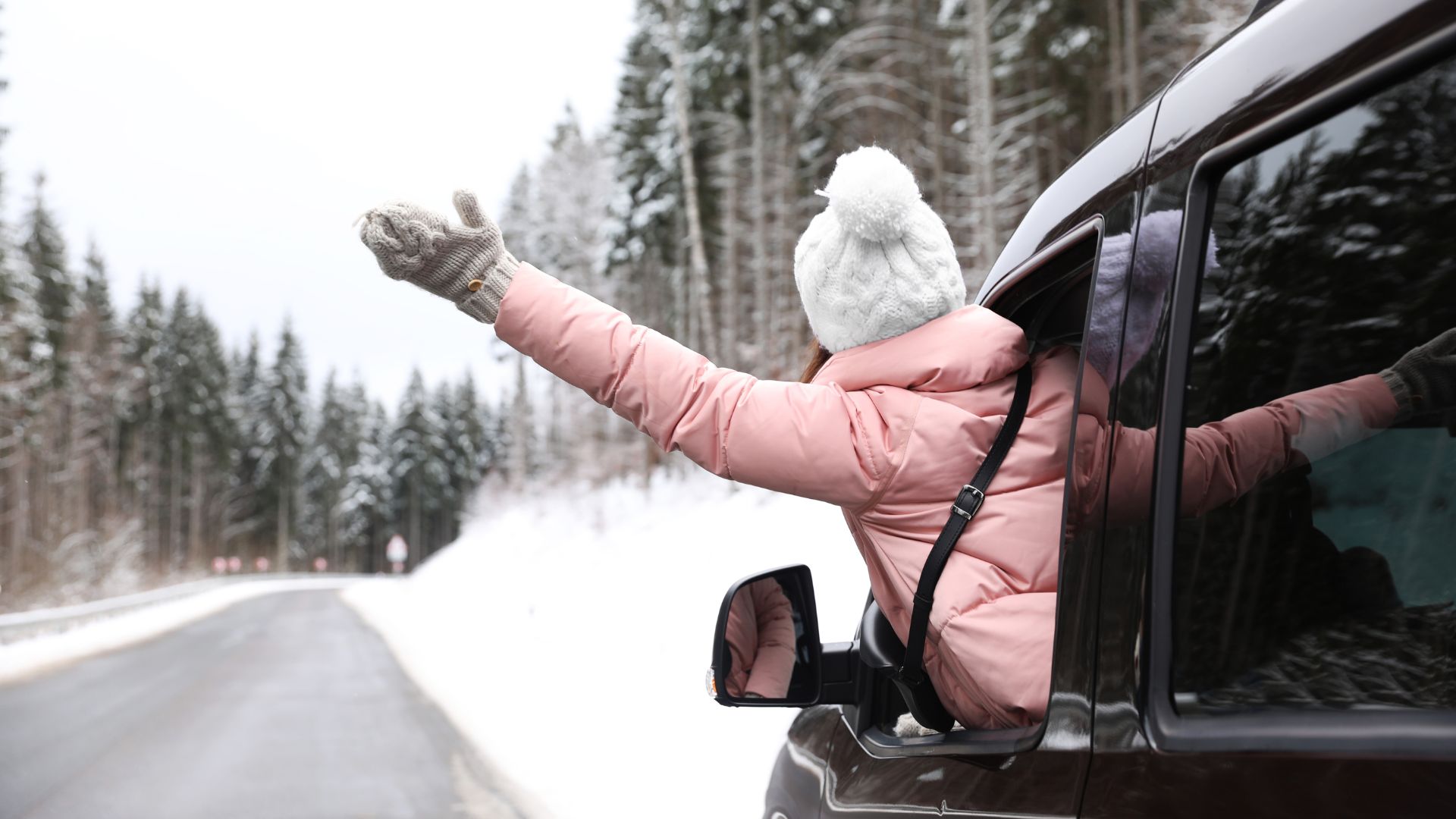
February just hits different, doesn’t it? The holiday buzz is gone, the days feel way too short, and that cold, gray weather seems like it’ll never end. If you’re feeling the February Blues—that real sense of sadness, low energy, and isolation that comes with winter—trust me, you’re not the only one.
Honestly, swapping a therapist’s couch for a beach chair somewhere sunny might be exactly what your mood needs. It could even cost less than you think.
Sunshine does wonders for your brain. It naturally boosts serotonin, which lifts your mood and gives you a little more pep in your step.
Mix in a change of scenery and a break from winter gloom, and you’re looking at some real mental health perks.
I’ve tracked down eight affordable sunny spots across the US where you can shake off the February chill—without blowing your budget.
Each of these destinations promises warm weather, outdoor adventures, and that sweet, sweet vitamin D your body has been missing.
Key Takeaways
- Sunshine naturally increases serotonin and helps fight off seasonal depression symptoms.
- Budget-friendly sunny US destinations can give your mental health a boost, maybe even more than a few therapy sessions.
- A winter getaway that won’t break the bank brings together mood-boosting sunlight, fresh air, and stress relief.

Understanding the February Blues
February brings its own set of challenges. The weather, short daylight hours, and that post-holiday slump all team up to create a pattern many of us know too well.
Common Symptoms and Signs
The February blues tend to show up in ways you can spot. People feel tired even after a full night’s sleep.
They lose interest in stuff they usually love. Suddenly, bread and pasta sound way more tempting than usual.
Weight gain sneaks in with those cravings. Irritability shows up more often, and sometimes sadness just hangs around for weeks.
Some folks worry more or struggle to focus on daily tasks.
The difference between a passing winter funk and something bigger? It’s really about how long it sticks around. If these feelings come back each winter and disappear in spring, it’s a pattern worth noticing.
Main Causes of Winter Sadness
The cause isn’t totally clear, but lack of sunlight stands out as the main trigger.
February brings shorter days and cold, gray weather that keeps people inside. That combo sets the stage for mood changes.
Less sunlight messes with your brain chemistry. It can throw off your body’s internal clock, making sleep routines harder to keep.
Serotonin drops when you don’t get enough light, and that’s a big reason for low energy and sadness.

Effects of Reduced Sunlight
Honestly, sunlight matters more than most people realize. Our bodies rely on it to keep circadian rhythms working right.
When February rolls in with barely any daylight, those natural rhythms get thrown out of whack.
First, sleep gets weird. You might feel sleepy all day but then can’t fall asleep at night.
That’s a tough cycle to break.
Vitamin D takes a nosedive, too. The body only makes it when your skin gets sun.
Low vitamin D can make you feel tired and moody. Indoor lights just don’t cut it, so getting outside—even in the cold—really helps.
Emotional Impact After the Holidays
Let’s be real: January and February are rough because the holiday magic is long gone.
The burst of energy from the new year fizzles out by February. No big holidays on the horizon, and spring feels forever away.
The difference between festive parties and quiet winter days can really sting. People stay in to avoid the cold, and that isolation just adds to the blues.
Holiday spending catches up with everyone, too. When those bills show up in February, it’s extra stressful.
Pair a tight budget with dreary weather, and it’s tough to find cheap ways to lift your mood.

Why Sunshine Is a Natural Mood Booster
Sunlight doesn’t just feel good—it actually changes how your brain and body work.
Your body responds to light by making vitamin D and tweaking sleep hormones. That can shift your mood and energy in a big way.
Benefits of Sunlight Exposure
When I step outside into sunlight, my body starts making vitamin D almost instantly.
This vitamin helps regulate mood and keeps the brain working smoothly.
Most people don’t even realize that just 30 minutes of sunlight can make a difference.
Sunlight also kicks up serotonin in your brain. That’s the stuff that helps you feel calm, focused, and generally happier.
Some key benefits of regular sun exposure:
- Better sleep at night
- More energy during the day
- Stronger immune system
- Less anxiety and stress
Your body’s clock actually depends on sunlight to keep you balanced. A little morning sun can help you wake up and feel more alert.
How Sunshine Impacts Mental Health
Sunlight gets to your brain in a couple of ways. Light comes in through your eyes and tells your brain to cut down on melatonin, which makes you sleepy.
Less melatonin during the day means you’re more awake.
Bright light also tells your brain to release mood-boosting chemicals.
People who get out in the sun regularly usually report fewer depression and anxiety symptoms.
Even cloudy daylight is way brighter than indoor lights.
If you can’t get outside, light therapy boxes are a solid backup. They mimic sunlight and can help you feel more awake and upbeat.
I like using them for about 20–30 minutes in the morning.
Winter months mean less sunlight, which is why so many people feel down this time of year.

Science Behind Seasonal Mood Changes
Seasonal Affective Disorder, or SAD, hits millions when days get short.
Less sunlight throws off your body’s rhythm and tanks your serotonin.
That’s why moods dip right along with the seasons.
My body makes less vitamin D in winter because the sun sits lower in the sky.
That shortage links directly to more depression symptoms. Blood tests often show low vitamin D in people battling the winter blues.
During dark months, my brain’s pineal gland pumps out more melatonin. Too much of it during the day leaves you tired and unmotivated.
Heading somewhere sunnier can help reset things fast.
Research shows light intensity matters more than temperature for mood. A bright, cold day can lift your spirits more than a warm, cloudy one.
Choosing Sunny Destinations Over Traditional Therapy
When February’s gray skies start weighing you down, a sunny getaway might actually cost less than months of therapy—and give you a mood boost right away.
A typical therapy session runs $100–200, and it usually takes a bunch of visits to feel real results.
Cost Comparison: Travel vs Therapy
Therapy usually costs between $100 and $200 per session. Insurance might help, but copays are still $20–50 a pop.
Weekly sessions for three months? That’s $1,200–2,400 out of pocket.
But a week-long trip to a sunny US spot can run $800–1,500 per person, including flights, hotel, and basics.
Florida, Arizona, and Southern California have some of the best deals in February.
| Expense Type | 3 Months Therapy | Week-Long Sunny Trip |
|---|---|---|
| Average Cost | $1,200–2,400 | $800–1,500 |
| Time Investment | 12+ hours | 7 days |
| Immediate Relief | Gradual | Yes |
Travel isn’t a replacement for real mental health care if you need it. But for mild, seasonal mood dips, a vacation can be a smarter, more uplifting investment.
Mental Health Benefits of Vacations
Sunlight triggers serotonin production. That’s the chemical that keeps you calm and focused.
Just 15–30 minutes of sun daily can change how you feel.
Vacations lower stress hormones like cortisol. Blood pressure drops, and sleep gets better.
These effects can last weeks after you get home.
You’ll naturally move more in a warm, inviting place. Whether you’re walking beaches, hiking, or just exploring, you’re getting exercise without even thinking about it.
Movement releases endorphins—your body’s built-in mood boosters.
Important Considerations When Traveling for Wellness
Travel works best for mild seasonal blues, not serious depression or anxiety.
If your symptoms are severe, talk to a doctor before booking anything.
Set realistic expectations. A week away won’t solve every problem, but it can be a great reset.
Stick to your budget. A trip that leaves you with credit card debt will just add more stress.
Look for flight and hotel deals, and set a daily spending cap.
Plan activities that actually relax you. Don’t overbook yourself.
Leave space for spontaneous beach walks, lazy afternoons, and downtime.

8 Sunny US Spots to Beat the February Blues
I’ve rounded up eight destinations where winter feels like a distant memory.
You’ll find warm temps, loads of sunshine, and affordable escapes that won’t wreck your wallet.
Each one offers reliable weather, fun outdoor options, and those mental health perks we all need in February.
Key Criteria for Selecting These Destinations
I picked these eight spots based on a handful of must-haves for a great February escape.
First, I wanted places with steady temps—think highs between 70–85°F and little rain.
Since February is peak season in some places, I also looked for destinations that are still reasonably priced.
Accessibility is important, too. I picked spots with major airports or easy drives from big cities.
Lastly, I wanted a mix of activities that don’t need fancy gear or marathon-level fitness.
Each place gets at least 7 hours of sunshine daily.
I skipped anywhere with unpredictable weather or sticky humidity that makes being outside tough.

Seasonal Highlights at Each Spot
Puerto Rico shines in February with barely any rain and perfect beach days.
The island buzzes with festivals and cultural events, but you won’t fight summer crowds.
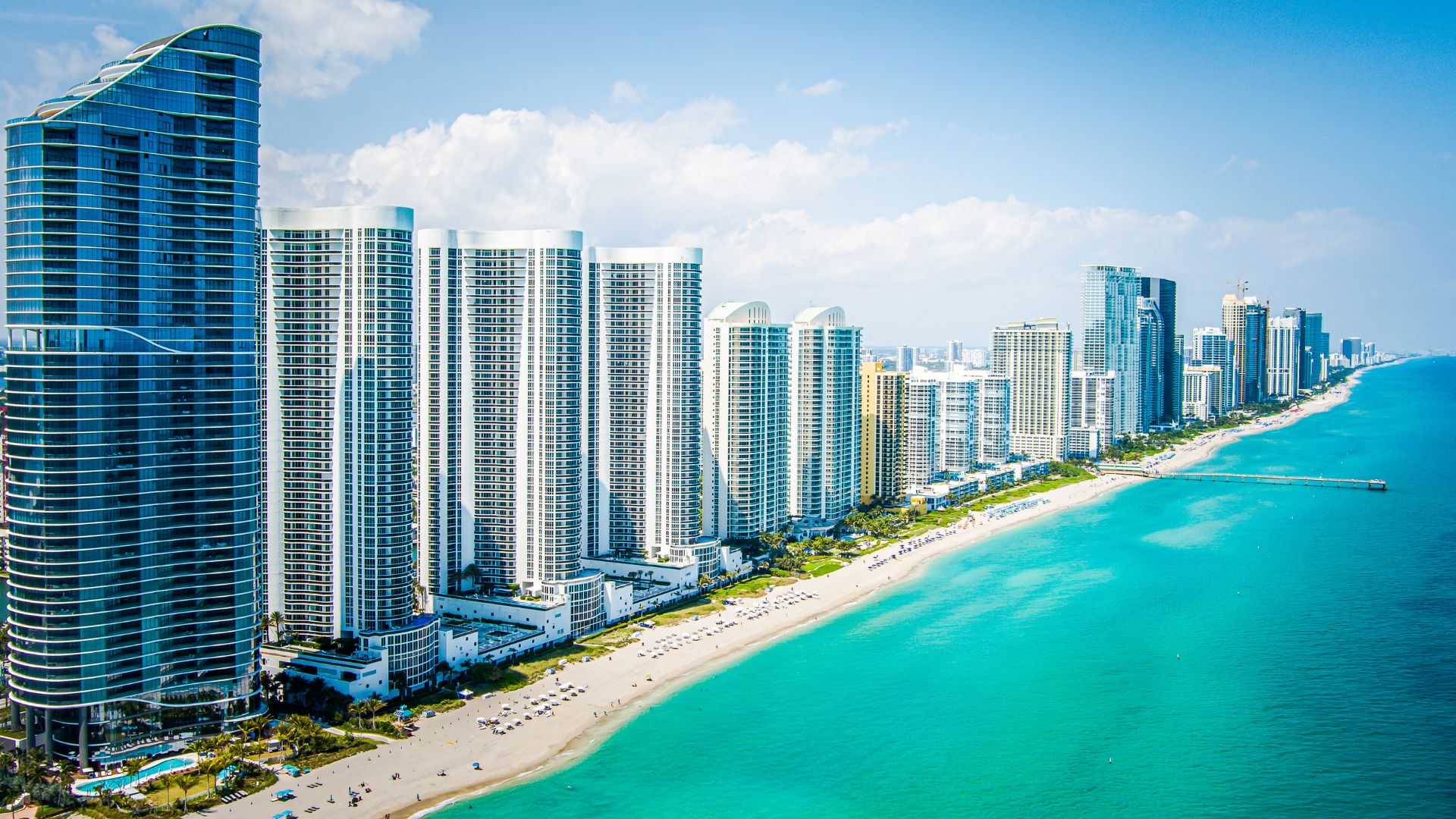
Miami Beach gives you ideal water temps—around 75°F—before spring breakers arrive.
San Diego is prime for whale watching from December through April, as gray whales cruise the coast.
Phoenix throws all sorts of outdoor festivals, from food trucks to cultural events.
Desert blooms even start popping up by late February.
Big Island Hawaii is the spot for whale watching, too, with humpbacks in town.
Palm Springs goes all out for Modernism Week, with architecture tours and fun events.
Fort Lauderdale has calm seas—perfect for water sports.
Kauai offers peaceful hiking trails with lush scenery and no crowds.
Average Temperatures and Sunlight Hours
| Destination | Average High | Average Low | Daily Sunshine |
|---|---|---|---|
| Puerto Rico | 83°F | 72°F | 8 hours |
| Big Island Hawaii | 80°F | 65°F | 7.5 hours |
| Miami Beach | 77°F | 68°F | 8 hours |
| Fort Lauderdale | 78°F | 65°F | 8 hours |
| Phoenix | 73°F | 48°F | 9 hours |
| Palm Springs | 73°F | 48°F | 9 hours |
| San Diego | 66°F | 52°F | 7 hours |
| Kauai Hawaii | 73°F | 64°F | 7 hours |
Phoenix and Palm Springs have the most sunshine, but nights get chilly.
Bring a jacket for evenings in the desert.
The Hawaiian islands and Florida stay warmer overnight.
Water temps in Florida and Hawaii hover around 74–76°F, so you can swim without a wetsuit.

Must-Visit Attractions for Relaxation
Puerto Rico: Head to El Yunque National Forest for waterfall hikes, or try evening kayaking in the glowing bioluminescent bays.
Old San Juan’s colorful streets are a treat—lots of culture, minimal walking.
Miami Beach: Stroll the South Beach boardwalk or wander Fairchild Tropical Botanic Garden for some peace and quiet.
San Diego: Balboa Park is my go-to for museums, gardens, and cool architecture—all walkable.
Phoenix: Check out the Desert Botanical Garden’s easy trails.
Camelback Mountain’s Echo Canyon trail isn’t too tough and gives you epic city views.
Palm Springs: The Aerial Tramway takes you to Mount San Jacinto for mountain scenery—no hiking boots required.
Big Island: Kona coast has mellow snorkeling at Kahaluu Beach Park.
Don’t miss the black sand beaches at Punaluu—just a short walk from the car.
Kauai: Poipu Beach has protected swimming and you’ll probably spot sea turtles.
Fort Lauderdale: The beaches are perfect for just plopping into a chair and soaking up the sun, with easy ocean access for when you feel like a dip.

How to Make the Most of Your Winter Escape
Ready to escape the winter blues? Let’s talk about how I stretch my travel budget, chase that much-needed sunlight, and plan activities that actually lift my mood when I travel in winter.
Tips for Affordable Travel
First up—flights. I usually book on Tuesdays or Wednesdays since prices drop by about 15-20% compared to weekends. Sometimes I’ll set price alerts on Google Flights and keep an eye out 6-8 weeks before I plan to leave.
Vacation rentals save me $50-100 a night over hotels, plus I get a kitchen. That means I can whip up breakfast and pack lunches, which slashes food costs in half.
I always travel with a carry-on to dodge those annoying $30-70 baggage fees. Packing versatile outfits and wearing my bulkiest shoes on the plane? Absolutely.
Money-Saving Booking Strategy:
- Book places with free cancellation, just in case
- Use credit card points for flights or hotels when possible
- Aim for shoulder season trips (late January through early March)
- Grab groceries at local markets, not tourist traps
- Sign up for free walking tours—they’re everywhere
Before I leave, I download offline maps and restaurant lists so I don’t rack up international data charges.

Planning Outdoor and Wellness Activities
I try to schedule outdoor time between 10am and 3pm, when the sun’s strongest and my body soaks up that vitamin D. Spending at least two hours outside—walking a beach, hiking, or just wandering a park—makes a world of difference.
Booking a wellness activity is a must for me. A beach yoga class or a spa treatment helps melt away winter stress. I’ve found outdoor fitness classes for $10-20 that are great for meeting locals and fellow travelers.
Free outdoor attractions are everywhere if you look. Public beaches, botanical gardens, scenic overlooks—most sunny destinations have them, and they don’t cost a thing. I usually mix in one or two paid activities just to keep things interesting.
Reusable water bottle? Always packed. Sunscreen? Never forget it.
Maximizing Sunlight Exposure
As soon as I wake up, I fling open the curtains to let in natural light. If I can, I’ll eat breakfast outside or at least by a sunny window. That first hour of sunlight really helps reset my body clock.
I try to go easy on the sunglasses unless I really need them, since a little unfiltered sunlight helps boost my serotonin. I aim for 15-30 minutes of direct sun on my arms and face (sans sunscreen), then I slather on protection if I’m out longer.
Afternoon walks get me moving and keep me out in the sun during the best hours. Even just 20 minutes outside improves my mood and helps me sleep better.
Heavy meals and alcohol in the evening? I skip them, since they mess with the sleep benefits I get from all that daytime sunshine.

Frequently Asked Questions
Hunting for affordable, sunny destinations in winter doesn’t have to be complicated. Here are some practical answers to common questions about planning a budget-friendly February escape to warmer spots in the US.
Southern Texas cities like San Antonio and Corpus Christi keep hotel rates reasonable, even in winter. Warm weather, fewer crowds, and you won’t empty your wallet.
Tucson and Phoenix in Arizona are also solid picks. You’ll find lots of free outdoor activities and affordable places to stay, all under that desert sun.
Florida’s Gulf Coast towns—think St. Petersburg or Clearwater—usually beat Miami or Key West on price. February temps hover in the 70s, and public beaches are free.
San Diego’s got reliable sunshine and endless beaches, trails, and parks. Getting outside here boosts vitamin D and your mood.
Head to Palm Springs or other Southern California desert spots for clear skies and hiking galore. The bright light and exercise combo? It’s a game-changer for winter blues.
Gulf Shores, Alabama mixes beach days with nature trails and fresh ocean air. The natural light and coastal vibe work wonders for mental health in the colder months.
I start searching for hotels and rentals at least six weeks ahead for the best deals. February’s usually cheaper than January, since it falls between busy holiday seasons.
Comparison websites help me check prices across different booking platforms. Mid-week stays are almost always cheaper, especially in coastal towns.
I don’t mind staying a little inland—just a 10-15 minute drive from the beach can save me 30-40% per night.
Port Aransas, Texas has 18 miles of beaches and way fewer crowds than South Padre Island. February brings mild temps and affordable places to stay.
Lake Havasu City, Arizona sits right on the California border. Warm desert weather, water activities, and fewer tourists than Phoenix—it’s a hidden gem.
Amelia Island, Florida blends historic charm with beautiful beaches. It’s warmer and more affordable than Jacksonville Beach, and I love the laid-back vibe. Warm February weather is a bonus.
I always book flights on Tuesdays or Wednesdays, since airlines drop fares mid-week. It’s the same for car rentals and hotels—cheaper days mean more money for adventures.
Packing snacks and booking places with kitchenettes lets me prep a few meals, which saves a ton. Eating out every meal just isn’t sustainable for my budget.
I look up free activities before I go—public beaches, state parks with cheap entry, free museum days. Many sunny destinations also host outdoor concerts and festivals in February, and you don’t have to pay a dime to enjoy them.
Beach walking? Honestly, it’s a game changer. You get exercise, sun on your skin, and a quick vitamin D boost all at once.
Most mornings, I’ll wander down the sand for maybe 20 or 30 minutes. It’s simple, but it always leaves me feeling lighter.
Hiking through desert spots—think Arizona or New Mexico—gives you that perfect mix of movement and sunshine. I love how the trails wake up your senses, and the natural light just feels good.
You’ll notice your mood lift, probably thanks to all those endorphins and the fresh air.
If you’re near the coast, try kayaking or paddleboarding. Gliding over the water feels meditative, almost like therapy.
There’s something about being close to water that calms the mind. I always finish feeling less stressed, and honestly, a little happier.
Give one of these a try next time winter drags you down—you might be surprised how much it helps.
