
The heart of Italy has always captivated my imagination. Walking through the ancient streets of Rieti, I felt a special connection to this land. This enchanting region sits at the geographical center of the Italian peninsula, a fact that many travelers overlook when planning their Italian adventures.
The ancient Romans knew this area as Reate, a settlement that predates Rome itself and stands literally at Italy’s core. Unlike the crowded streets of Rome or Florence, Rieti Province offers unspoiled beauty with its rolling hills, pristine lakes, and charming stone villages that seem frozen in time.
During my visit last summer, I discovered that Italy’s center holds more than just geographical significance. Walking across the ancient Cardona Bridge, surrounded by majestic oaks and built with traditional travertine stone, I felt connected to centuries of history. The nearby towns of Narni (the real-world inspiration for C.S. Lewis’ Narnia) and other hilltop villages also claim proximity to Italy’s center, creating a fascinating region where you can experience authentic Italian culture without the tourist crowds.

Unveiling Reate: The Heart of Italy
Nestled in the center of the Italian peninsula lies ancient Reate, a city whose significance stretches back to pre-Roman times. This geographical heart of Italy combines stunning natural landscapes with layers of fascinating history.
Location and Geography
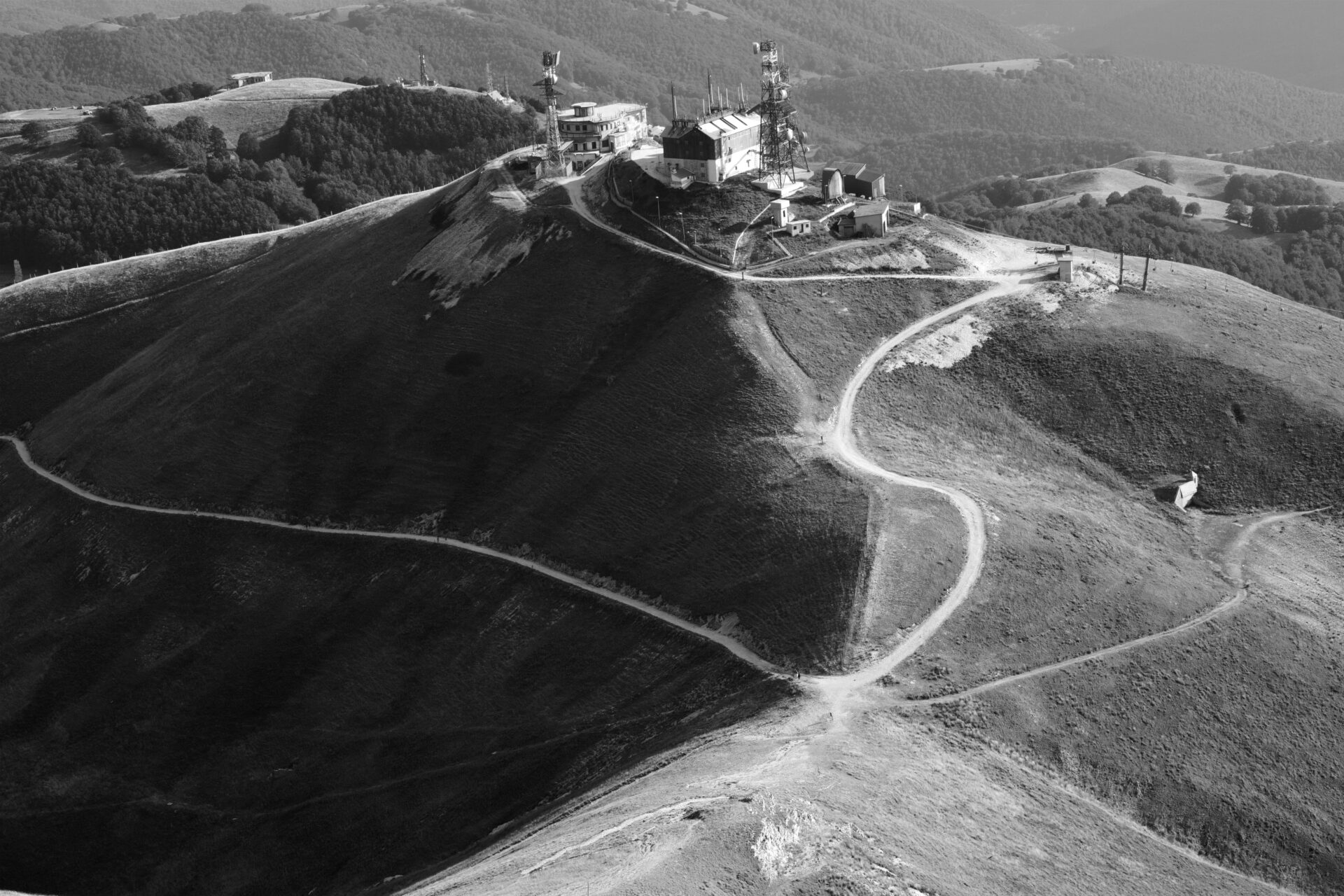
Reate, now known as Rieti, sits in a wide valley surrounded by the stunning Apennine Mountains. I was amazed to discover it’s located almost exactly at the geographic center of Italy. The Romans actually placed a marker here designating it as the “Umbilicus Italiae” or “Navel of Italy.”
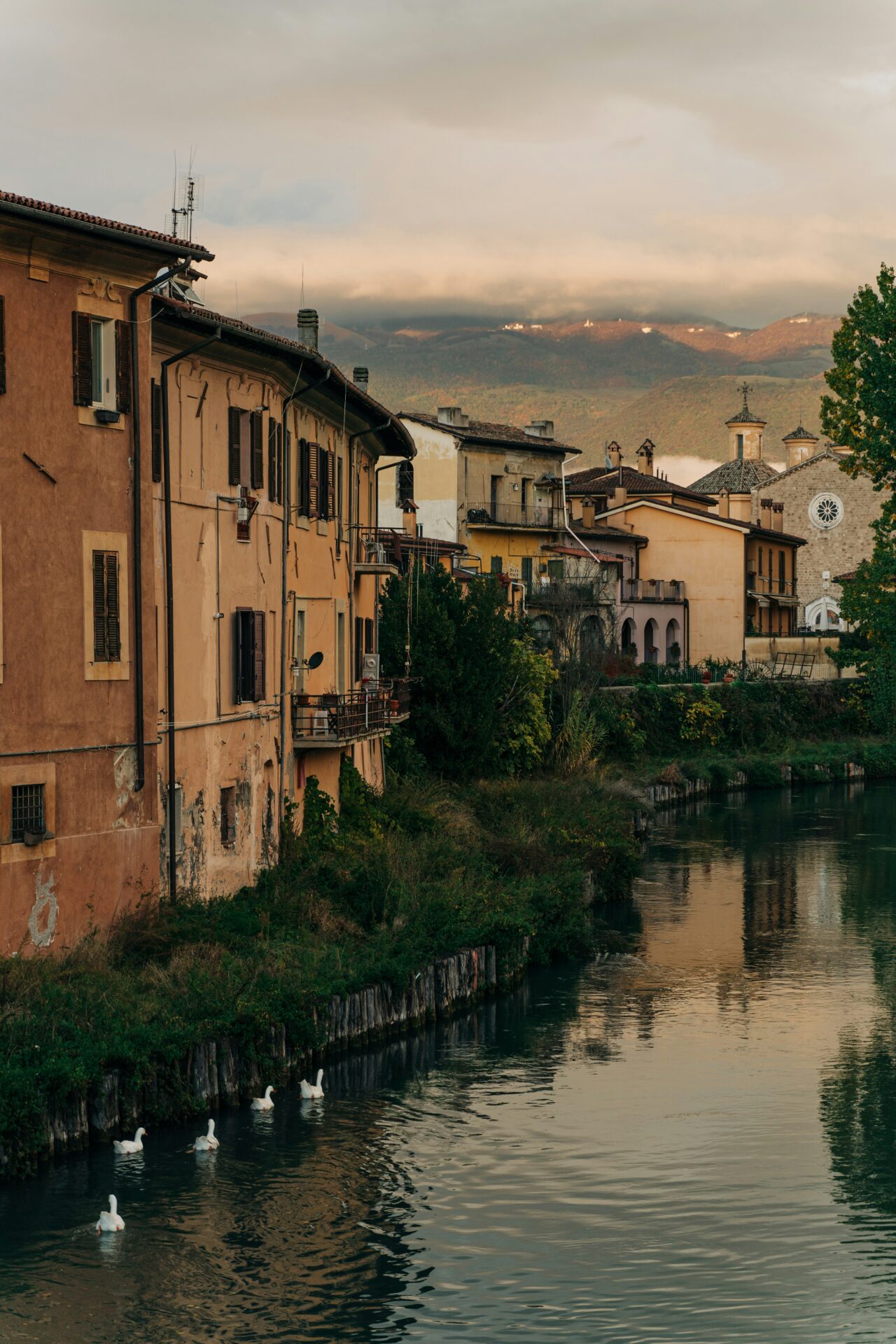
The city enjoys a special position at the confluence of several ancient routes that connected different regions of the peninsula. When I visited, I was struck by the beautiful Velino River that flows through the valley, creating fertile plains that have supported agriculture for millennia.
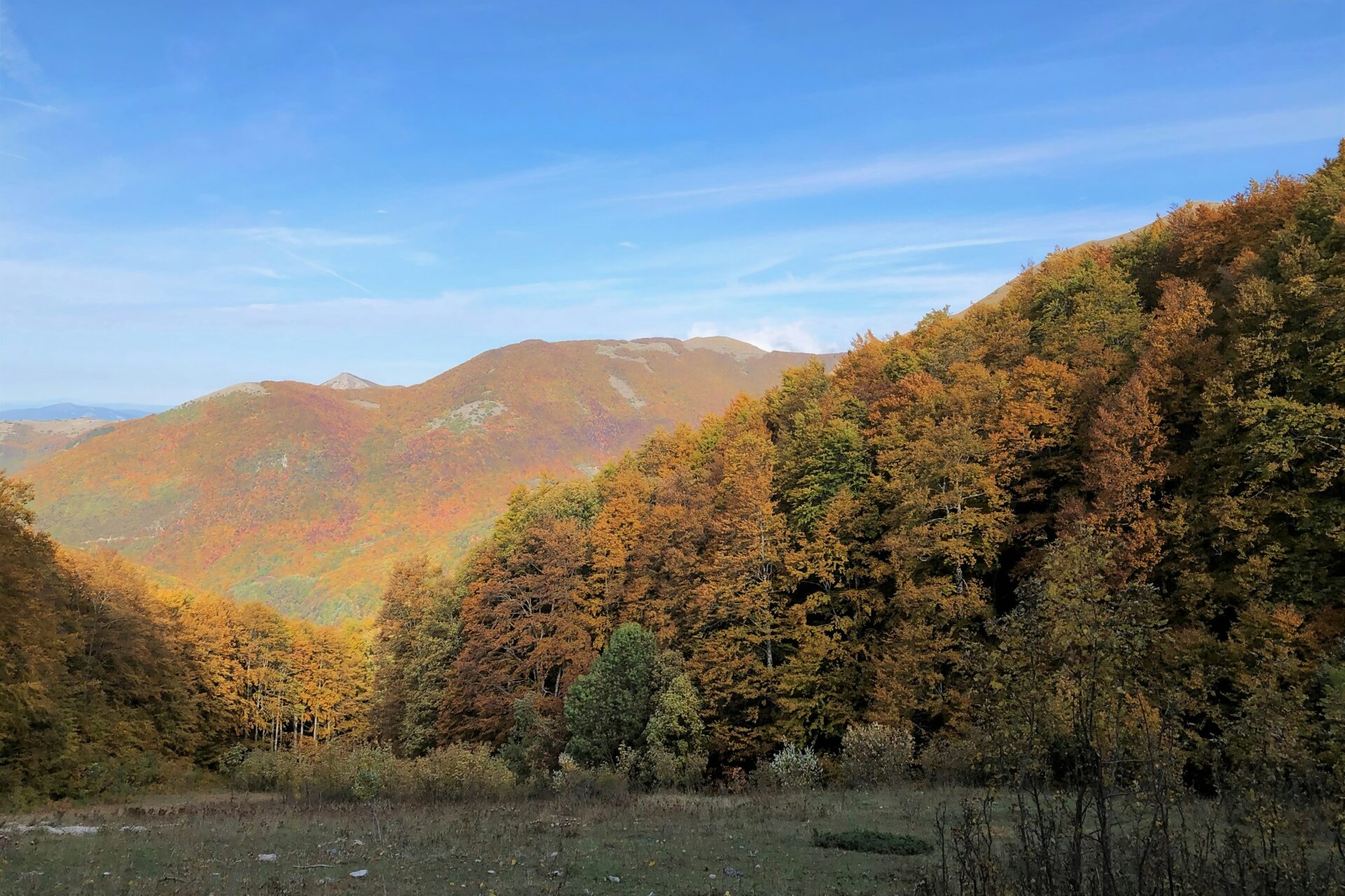
The landscape around Reate features:
- Rolling hills covered with olive groves
- Mountain vistas in every direction
- Lush valleys with clear streams
- Ancient paths connecting to Rome and beyond
Historical Significance
Reate’s importance dates back to before the Roman Empire. I learned that it was originally a Sabine settlement before being absorbed into Roman territory around the 3rd century BCE. What fascinated me most was how the city served as a crucial administrative center during the Roman Republic.
Many wealthy Romans built country villas near Reate, attracted by its pleasant climate and fertile soil. The Roman scholar Varro was born here and wrote extensively about the region’s agricultural riches.
During my exploration of the area, I discovered remnants of ancient Roman infrastructure, including parts of the Via Salaria, one of Rome’s oldest roads. The city’s strategic position in Latium made it an important hub for trade and military movements throughout the Roman period.
In medieval times, Reate continued to serve as a key connection between Rome and the Adriatic coast, maintaining its significance as a central point in Italian geography and commerce.
A Journey Through Time: Reate’s Ancient Origins
Walking through modern Rieti, it’s easy to forget you’re treading on ground that has witnessed thousands of years of Italian history. This ancient settlement, originally called Reate, stands at a fascinating crossroads of mythology, Roman politics, and imperial ambition.
Reate in the Roman Republic
Reate emerged as a significant Sabine settlement long before Rome’s dominance. During the Roman Republic, the town served as a strategic outpost along the Salt Road (Via Salaria), connecting Rome to the Adriatic Sea. I’ve found that Reate’s importance grew especially during the 3rd century BCE, when it became a prefectura under Roman control.
The citizens of Reate received partial Roman citizenship in 268 BCE and full rights after the Social War in 90 BCE. Walking through the archaeological remains today, I can still see traces of the original Roman grid layout.
What fascinates me most is how Reate maintained its local Sabine identity while adapting to Roman political structures. The town produced several notable Roman figures, including the scholar Marcus Terentius Varro, who wrote extensively about Reate’s agricultural prosperity.

Reate under Augustus
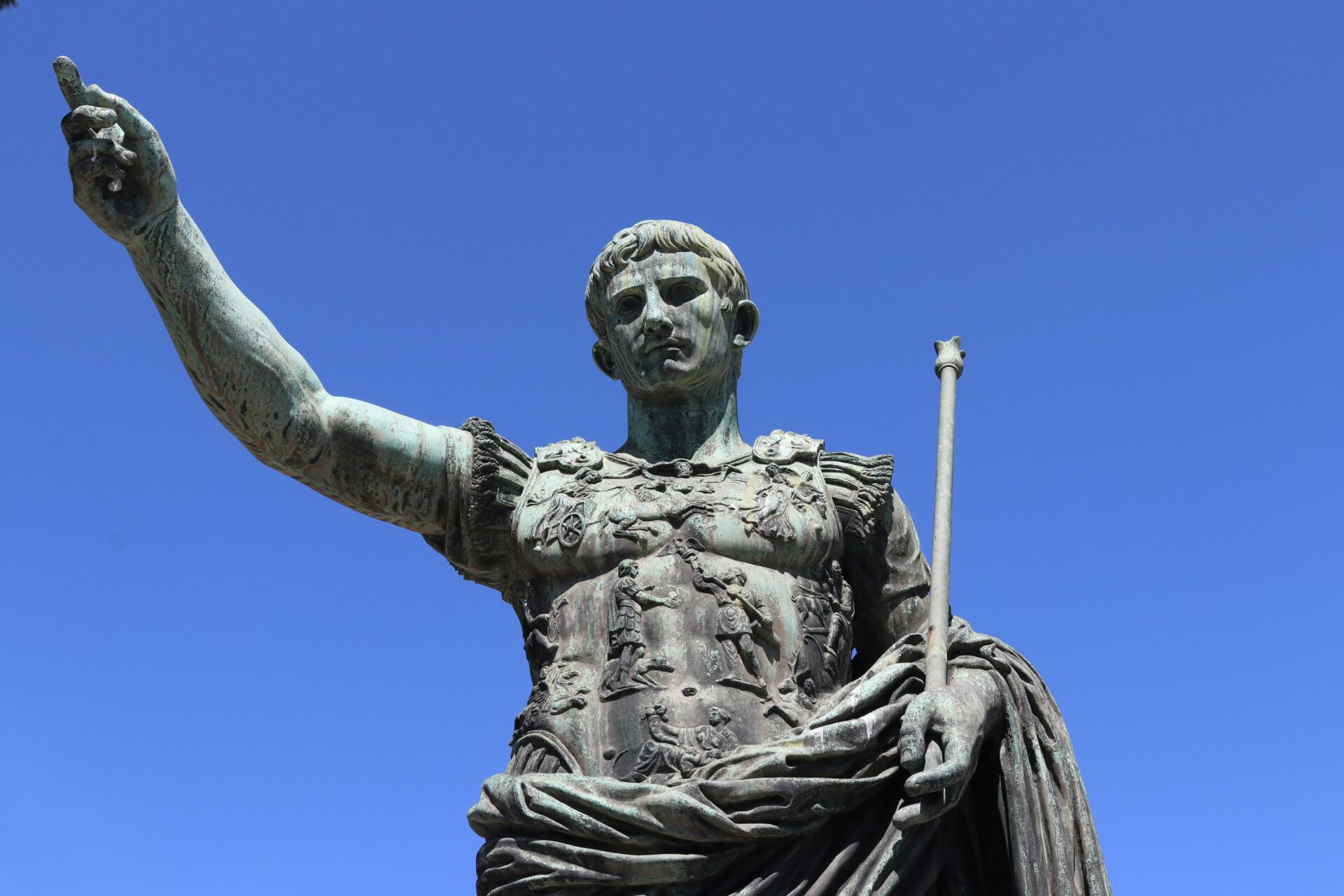
When Augustus became Rome’s first emperor, Reate experienced significant development. The emperor included the town in his administrative region IV (Samnium). During my research, I discovered Augustus valued Reate for both strategic and personal reasons.
Augustus rebuilt infrastructure throughout Italy, and Reate benefited from improved roads and public buildings. The archaeological evidence shows:
- A renovated forum
- New aqueducts
- Expanded temple complexes
- Improved defensive walls
The Augustan era brought greater prosperity to Reate. Agricultural exports flowed to Rome, while Roman cultural influences transformed local traditions. What’s remarkable is how Augustus balanced centralized control with respect for local governance.
Mythological Roots
Reate’s origins stretch deep into Italian mythology, connecting to Rome’s founding legends. According to ancient traditions I’ve studied, the area around Reate was inhabited by the Aborigines, considered among Italy’s earliest peoples.
When Aeneas arrived in Italy after fleeing Troy, his descendants eventually founded Alba Longa. This legendary city later produced Romulus and Remus, Rome’s twin founders. The fascinating connection? Some ancient sources claim the Sabine people of Reate descended from colonists from Alba.
Before Roman dominance, Etruscan influence shaped the region’s culture. Archaeological findings reveal a blend of Sabine, Etruscan, and Latin cultural elements in early Reate. Temples dedicated to ancient deities dotted the landscape, some foundations still visible today.
I find it incredible how these mythological connections gave Reate special status even as Rome expanded its power across Italy.
The Lifelines of Ancient Reate
Ancient Reate thrived because of its strategic location along vital transportation and water networks. These systems connected the city to Rome and other important settlements, allowing for trade, communication, and cultural exchange.
The Tiber River Connection
The Tiber River played a crucial role in Reate’s development. As a natural highway connecting the region to Rome, it served as both a transportation route and a source of life. Local boats carried goods, people, and ideas between Reate and the capital city.
I’ve walked along what remains of the ancient riverbanks and was struck by how the Tiber shaped Reate’s economy. Fish were abundant, providing food for locals and trade goods for merchants. The river’s fertile floodplains supported crops that fed the population and created surplus for export.
Water from the Tiber also powered mills that ground grain into flour, showing how deeply integrated the river was in daily life and commerce.

Ancient Roads and Trade
Roman roads connected Reate to the broader network of the empire, making it a key junction in ancient Italy. The Via Salaria (Salt Road) passed through Reate, bringing salt and other goods from the Adriatic coast.
When I explored the remaining sections of these ancient paths, I was amazed by the engineering precision. Built with multiple layers of stone and gravel, these roads supported carts, armies, and travelers in all weather conditions.
Merchants from Reate could reach Rome in just a few days, carrying olive oil, wool, and other local products. These roads remained important for nearly 2,000 years, some evolving into modern highways that I still use when visiting the region today.
Aqueducts and Arches
Reate’s aqueducts showcased Roman engineering brilliance, bringing fresh water from mountain springs into the city. These structures utilized the natural slope of the land while maintaining a consistent grade—typically dropping just 1 foot per 300 feet of distance.
I’ve studied the remaining arches that once supported these water channels. Built with precisely cut stone blocks without mortar, they’ve withstood earthquakes and weather for centuries.
Water from these aqueducts fed public fountains, baths, and private homes of wealthy citizens. The system was so efficient that some sections continued to function well into the medieval period. The public baths weren’t just for cleaning but served as important social spaces where business deals and political discussions took place.
Cultural Treasures and Traditions
Reate’s position at Italy’s geographic center has made it a crucial crossroads for cultural exchange throughout history. The city preserves remarkable treasures that reflect Italy’s diverse heritage, from architectural marvels to religious practices and literary contributions.
Architectural Heritage
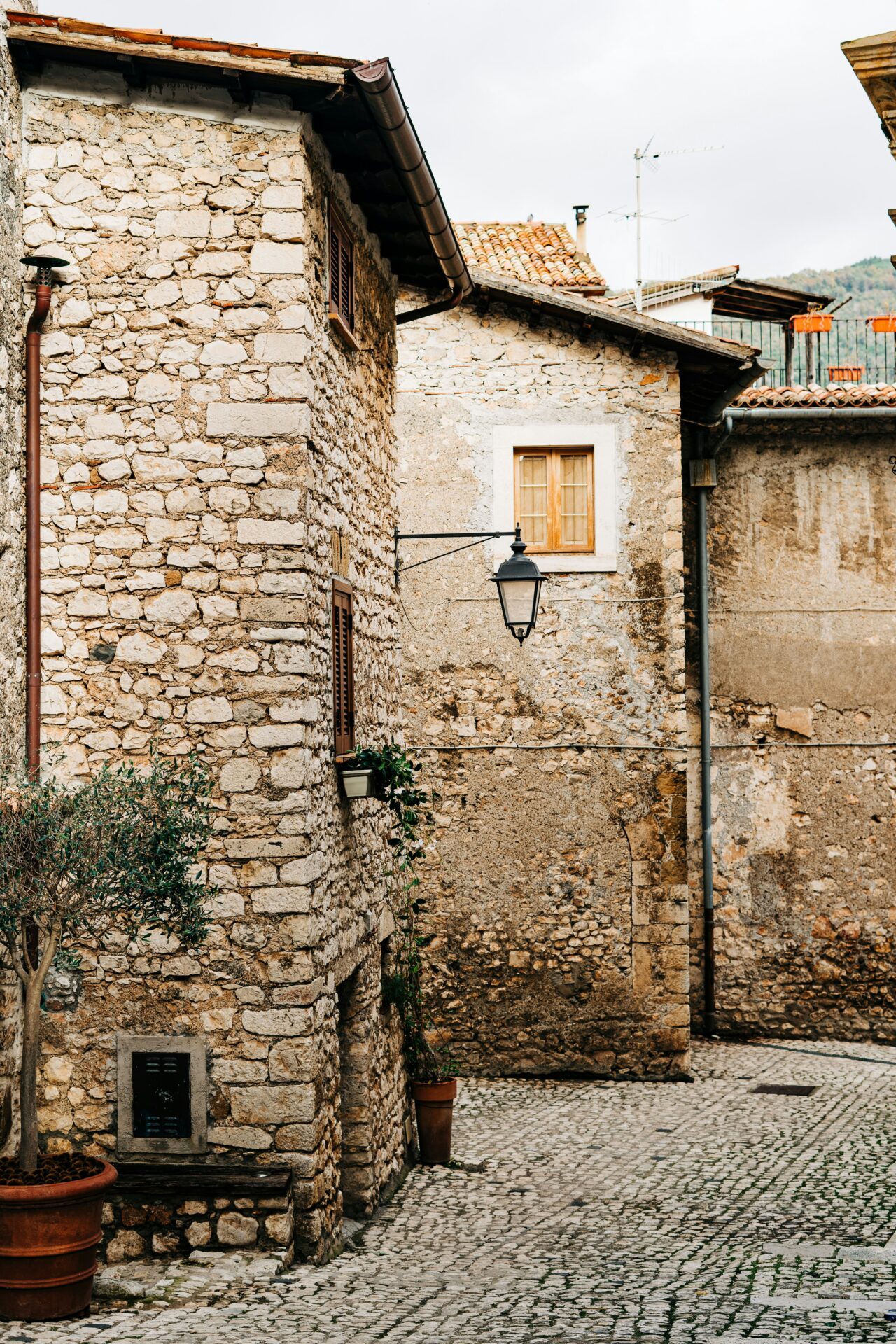
Walking through Reate’s ancient streets, I discovered stunning examples of Roman engineering that have withstood millennia. The city’s amphitheater, smaller than Rome’s Colosseum but remarkably preserved, offers a glimpse into daily entertainment during the Empire’s height.
The Temple of Victory stands as my favorite architectural gem, built to commemorate a forgotten battle. Its columns blend both Etruscan and Roman styles, showcasing the cultural fusion that defined early Italian civilization.
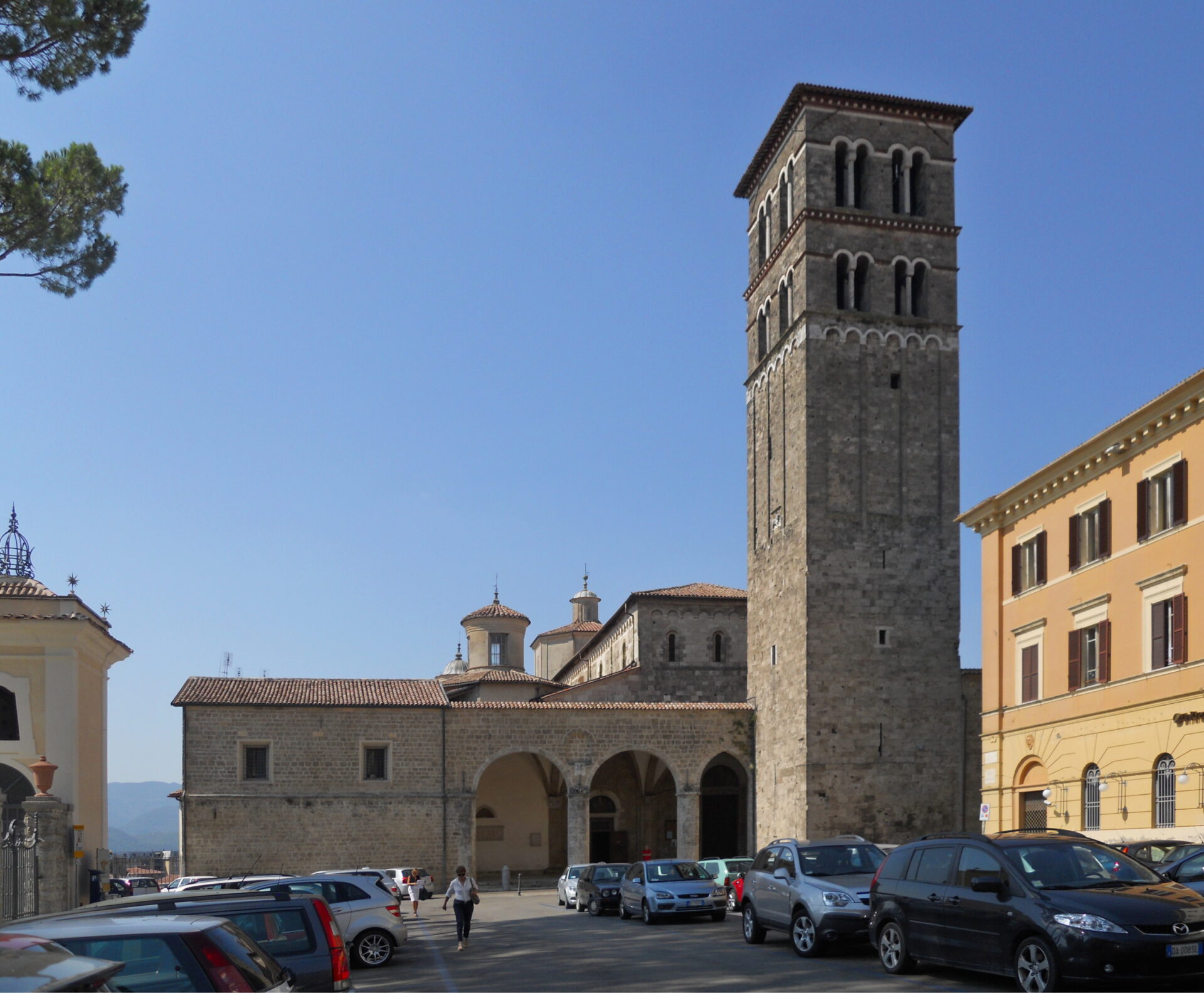
The medieval period added beautiful churches with remarkable frescoes. I spent hours admiring the Cathedral of Santa Maria, where Byzantine influences meet Roman traditions. Local stonemasons developed unique techniques still visible in the city walls and towers that protected Reate through centuries of conflict.
The Pantheon of Gods
Ancient Reate honored a fascinating mix of deities that reveal its importance as a religious center. Before Roman influence, the Sabine people worshipped nature spirits tied to the surrounding mountains and springs.
When Rome expanded its territory, their pantheon merged with local beliefs. I learned from local guides that Jupiter, Mars, and Venus temples once dotted the landscape. Archaeologists have uncovered numerous votive offerings at sacred sites throughout the region.
The most intriguing aspect is how Reate became home to a unique cult of Vacuna, a goddess of agricultural abundance. Her worship continued even as Christianity spread. Many Christian churches were built directly atop former temple sites, creating layers of spiritual history beneath your feet as you explore the city today.
Literary Imprints
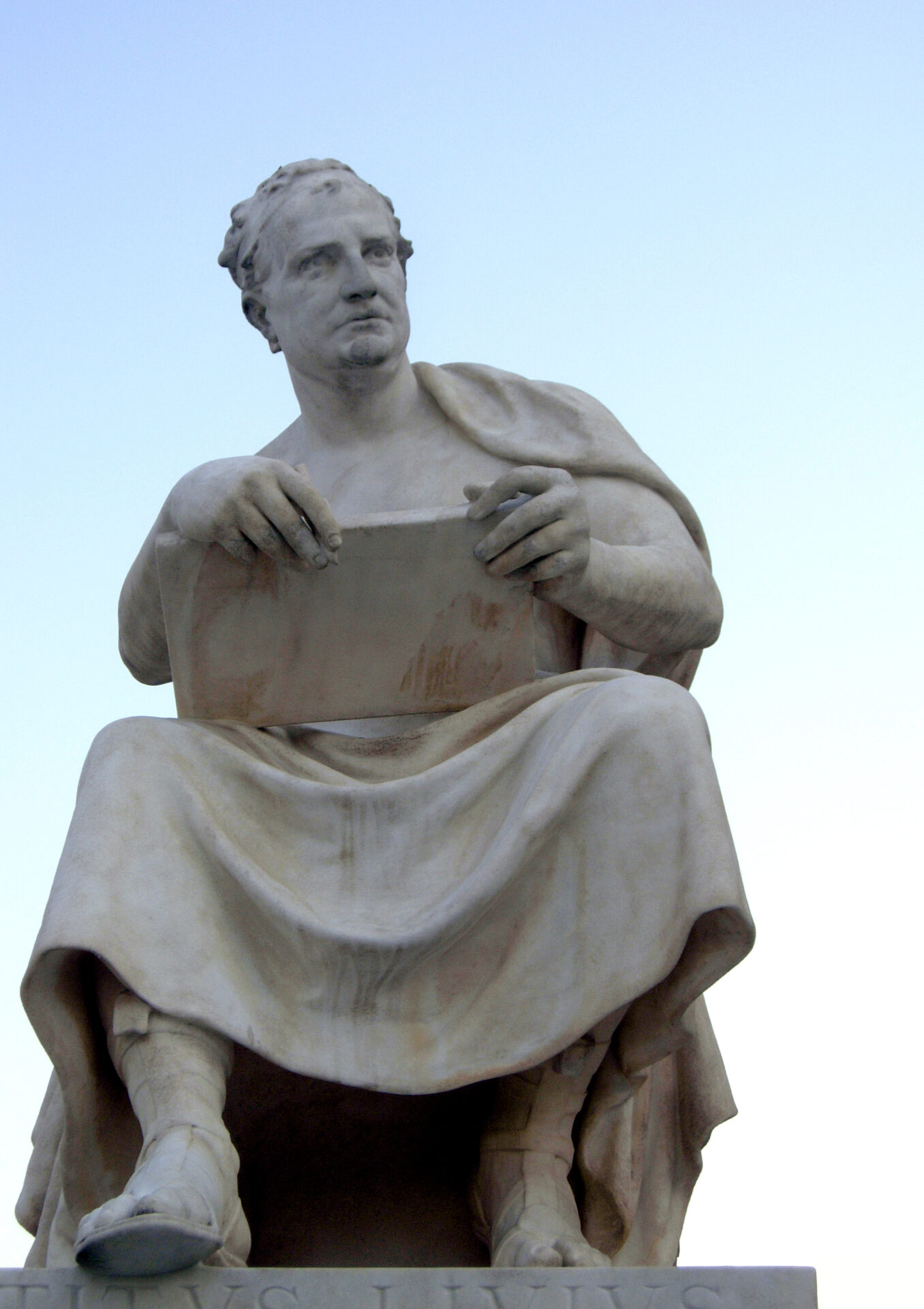
Reate’s literary significance stems from its mentions in classical texts that shaped Western civilization. The great Roman historian Livy referenced the city multiple times in his works, particularly when discussing the early formations of Roman power and territorial expansion.
I visited the small but impressive library housing ancient manuscripts that mention the region. Local scholars have preserved fragments of poems and historical accounts that paint a vivid picture of life in ancient Reate.
The city produced several noted intellectuals during the Renaissance who documented local traditions and history. Their works provide invaluable insights into how cultural practices evolved over centuries. Poetry competitions, a tradition dating back to Roman times, continue today with annual festivals celebrating both ancient meters and modern expressions.
Modern Reate’s Echoes of Antiquity
Walking through today’s Rieti (ancient Reate), I’m constantly struck by how the past and present intertwine in this remarkable Italian town. The ancient Roman influence isn’t just in museums—it’s woven into the very fabric of daily life.
From Ancient Peaks to Modern Streets
The mountainous landscape that made Reate so strategically important to ancient Rome still defines the city today. I love how the narrow medieval streets follow paths established over 2,000 years ago.
The underground passageways of Roman Rieti are now open to visitors, offering a glimpse into the engineering marvel that once connected important buildings. As I wandered these ancient corridors, I could almost hear the footsteps of Romans who walked here centuries ago.
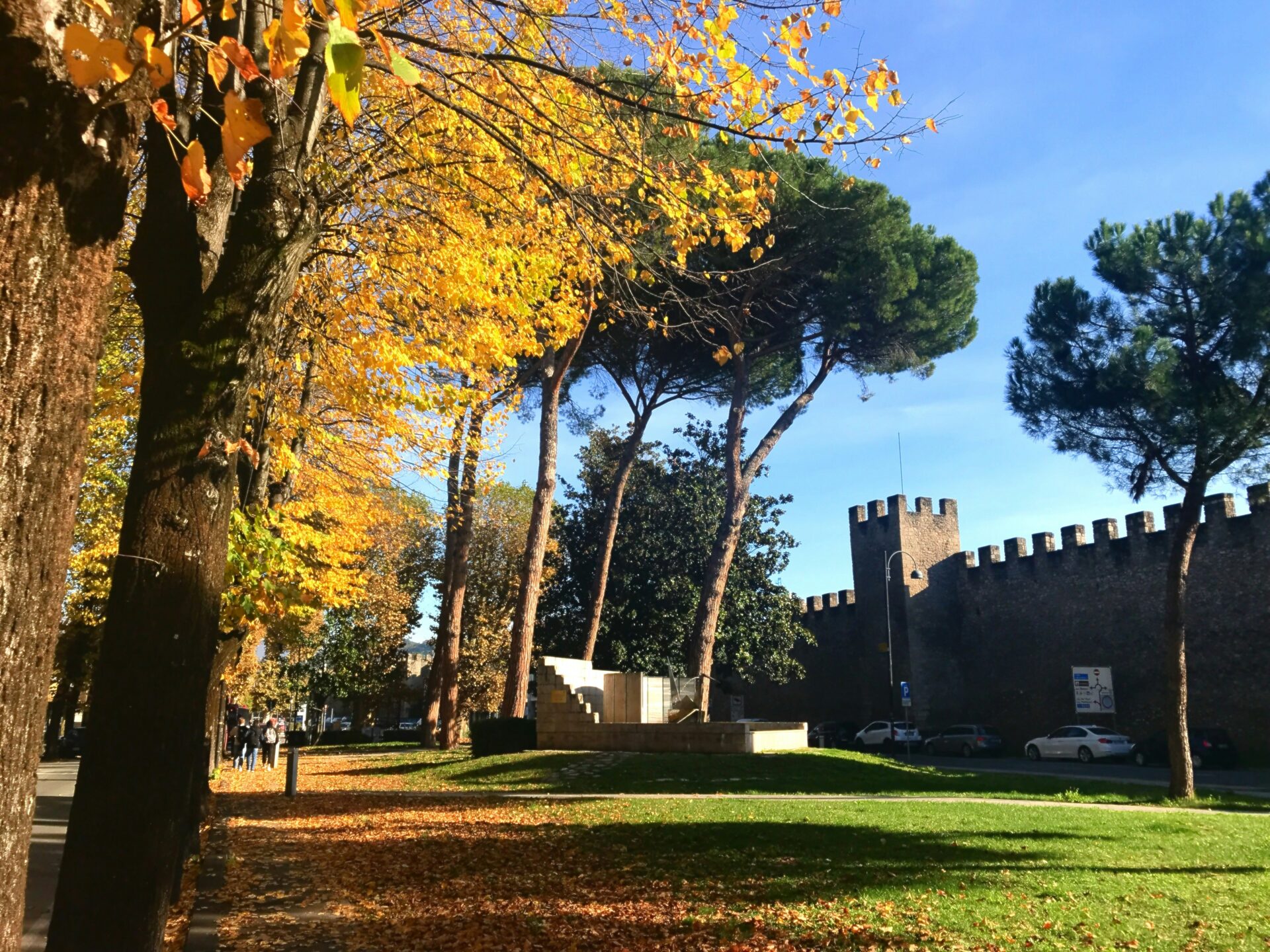
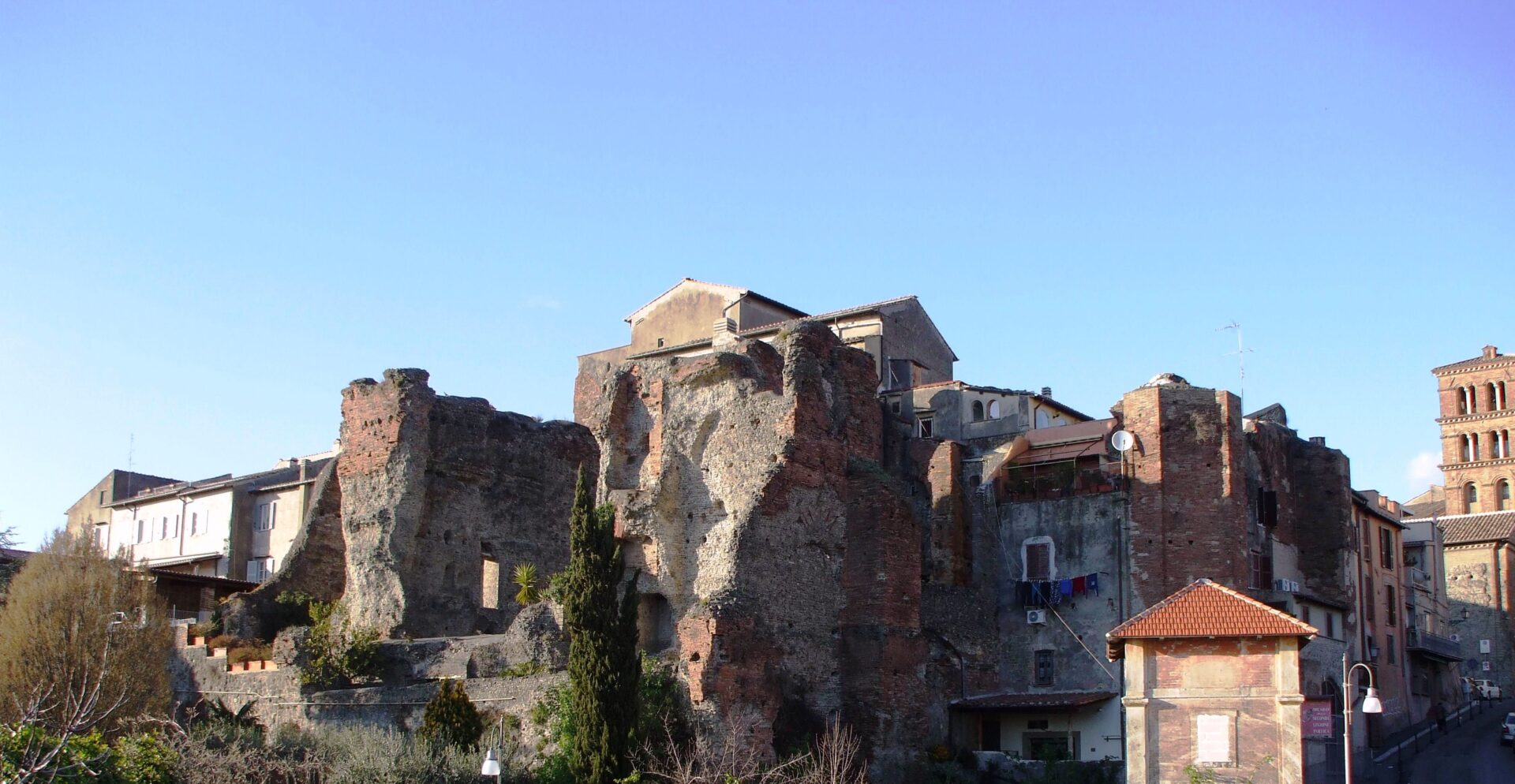
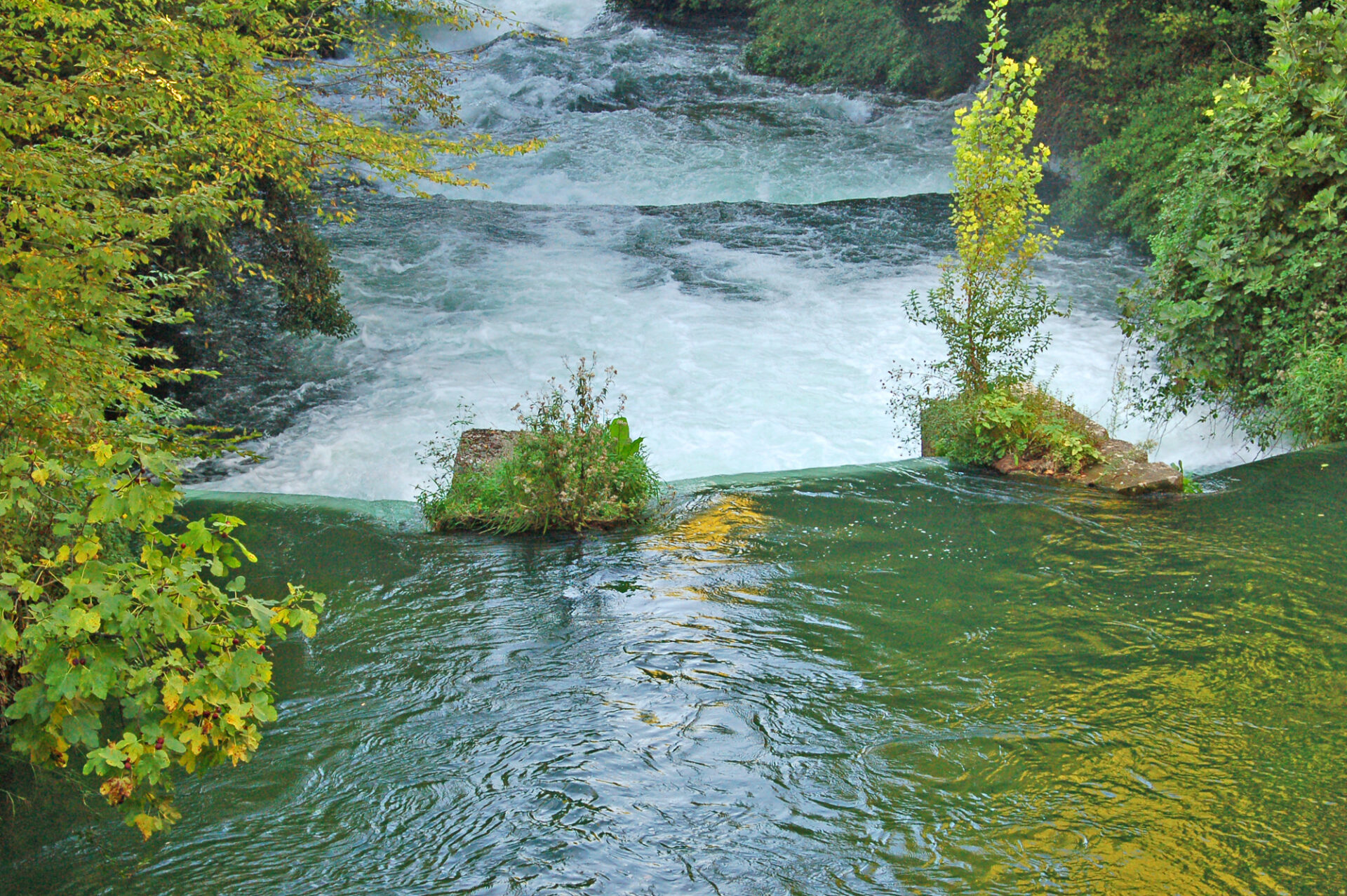
In the city center, I discovered the remains of Roman walls incorporated into newer buildings—a perfect metaphor for how this city embraces its heritage. The Velino River that once served as a vital transportation route for the Romans continues to shape local life.
Influence on Contemporary Culture
The ancient identity of Reate permeates modern culture in fascinating ways.
Local festivals often celebrate the town’s Roman heritage with historical reenactments and traditional foods that date back centuries.
Many restaurants serve dishes inspired by ancient Roman recipes. They use locally sourced ingredients that would have been familiar to the original inhabitants. I particularly enjoyed sampling the farro dishes, a grain that’s been cultivated in this region since antiquity.
Rieti’s museums display artifacts from the town’s days as the geographic center of the Italian Peninsula.
The pride locals take in their ancient heritage is evident in street names, local businesses, and public art that reference Roman history.
Even modern infrastructure projects often uncover Roman artifacts. This creates a constant dialogue between development and preservation that keeps Reate’s ancient spirit alive.


#/media/File:Cattedrale_di_Rieti_-_esterno_-_6.jpg)

