
Tucked away on Italy’s stunning coastline sits San Fruttuoso, a 10th-century abbey that feels like it belongs in a fairytale. I discovered this hidden gem during my travels along the Italian Riviera last summer. What makes it truly special is its remarkable isolation.
San Fruttuoso is only accessible by boat from nearby coastal towns or by hiking through the beautiful trails of Portofino National Park. This makes it one of Italy’s most uniquely positioned historical sites.
The journey to San Fruttuoso is an adventure in itself. I opted to take the scenic 30-minute boat ride from Camogli, watching the rugged coastline slip by as we approached the tiny cove where the abbey sits between the sea and mountains. Many travelers choose the more challenging route – hiking from either Portofino or Camogli through steep, sometimes difficult terrain that rewards you with breathtaking views of the Mediterranean.
When you finally arrive at this secluded cove, you’ll understand why the effort to reach San Fruttuoso is so worthwhile. The ancient Benedictine monastery later became the property of the powerful Doria family, whose tombs remain on site.
As I stepped off the boat onto the small pebble beach, I felt like I’d stepped back in time. The abbey rises majestically against the backdrop of green mountains, with crystal clear waters lapping at its doorstep.
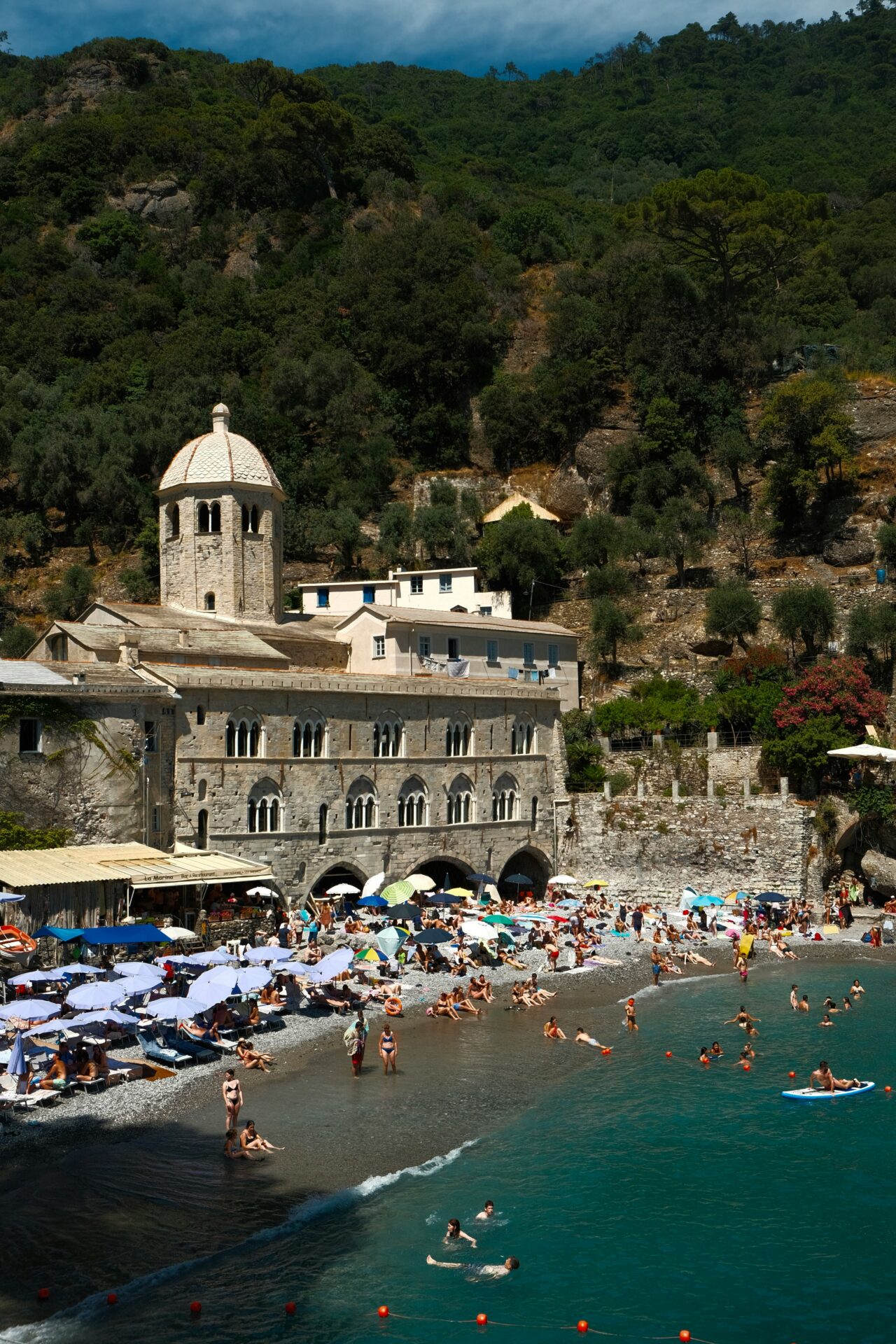
Unveiling the Charm of Liguria
Liguria’s coastline offers a perfect blend of natural beauty and historic treasures, with hidden gems tucked between its rugged cliffs and turquoise waters.
The Lure of Portofino and Its Environs
Portofino captivated me from the moment I approached its picturesque harbor. This fishing village turned luxury destination maintains an authentic charm despite its popularity with the jet-set crowd.
The colorful buildings lining the harbor create a postcard-perfect scene that’s impossible to forget. I spent hours wandering the narrow streets, discovering boutique shops and cafés tucked away in unexpected corners.
What truly sets Portofino apart is how it balances sophistication with natural beauty. The surrounding promontory offers spectacular hiking trails with breathtaking views of the Ligurian Sea.
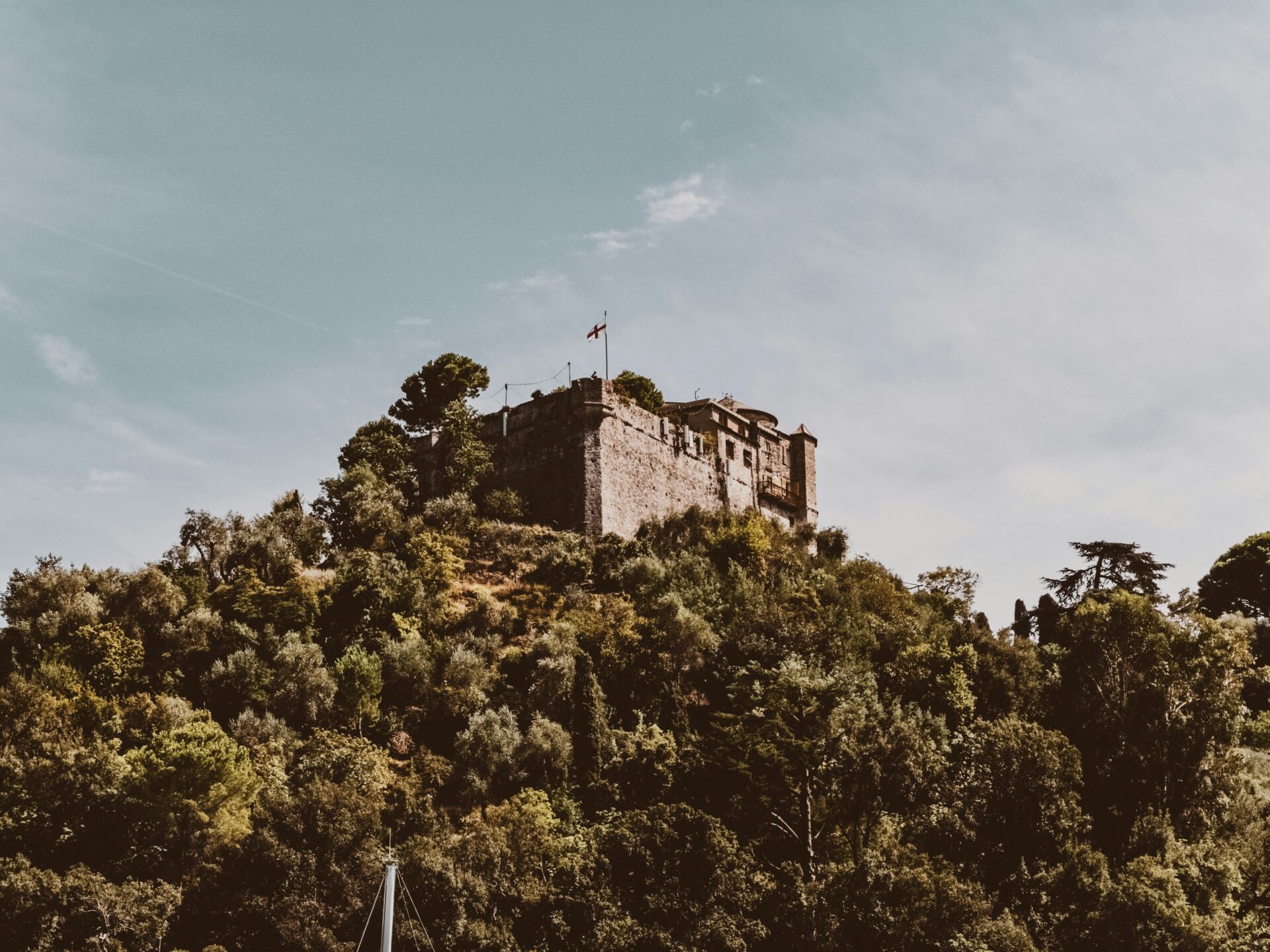
Don’t miss the 16th-century Castello Brown perched above the village – the panoramic views alone are worth the climb!
The Allure of Camogli and the Cinque Terre
Camogli stole my heart with its authentic fishing village atmosphere and fewer tourists than its famous neighbors. The pastel-colored buildings along the waterfront create a magical backdrop for enjoying fresh seafood at local trattorias.
The challenging hiking trail from Camogli to San Fruttuoso rewards adventurers with stunning coastal vistas and the ultimate hidden gem destination.
Further along the coast, the Cinque Terre’s five villages offer their own distinctive appeal. Each colorful town clings dramatically to steep cliffs overlooking the Mediterranean.
I found Vernazza to be the most charming of the five, with its natural harbor and medieval castle ruins. Hiking between villages on ancient paths provides unforgettable views and a deeper appreciation for Ligurian coastal life.

The Journey to San Fruttuoso
Reaching the hidden abbey of San Fruttuoso is an adventure in itself, with two distinct options that offer completely different experiences of the Ligurian coast.
By Boat: Navigating the Ligurian Sea
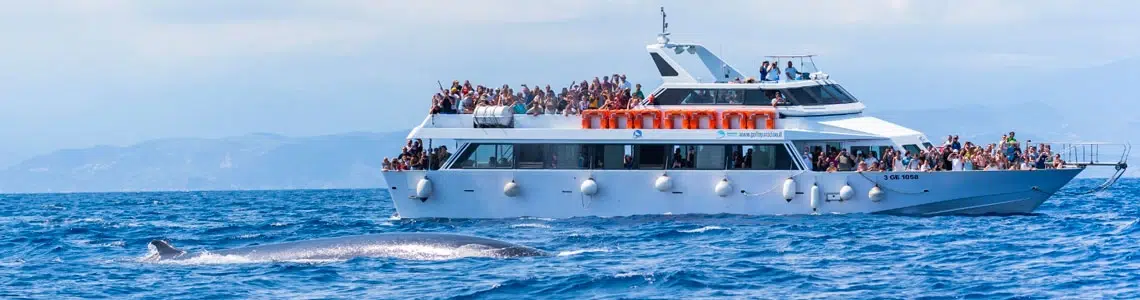
I boarded a Golfo Paradiso ferry early in the morning, excited to approach the abbey from the water. The boat ride takes about 30 minutes and costs around €16 for a round trip ticket.
The journey itself is spectacular. As we glided across the turquoise waters, I watched the rugged coastline unfold before me. The boat captain pointed out interesting landmarks along the way.
What makes this approach special is the dramatic reveal of San Fruttuoso. The abbey suddenly appears nestled in a small cove, its stone walls seemingly emerging from the sea itself.
Boats run regularly during tourist season (April-October), but schedules become limited in winter months. So, make sure to check the ferry timetable in advance since weather conditions can cause cancellations.
By Land: Trekking Through Time
The hiking option to San Fruttuoso offers a more adventurous way to reach the abbey. I chose the trail from Camogli, which is quite challenging even for experienced hikers.
The path winds through the lush Portofino Regional Park. Sturdy shoes are a must for the uneven terrain. The hike involves significant elevation changes with some steep sections.
It took me about 2-3 hours one way, but the stunning panoramic views of the Ligurian coastline made every step worthwhile. I passed through Mediterranean scrubland and forests filled with birdsong.
The final descent reveals the abbey from above – a perspective boat travelers miss completely. This approach lets you appreciate how perfectly the structure is nestled between mountain and sea.
Discovering the Abbey’s Mysteries
Walking through San Fruttuoso Abbey feels like stepping back in time. The ancient stones and secluded location create an atmosphere of mystery that captivated me from the moment I arrived.
Exploring the History
The history of San Fruttuoso Abbey dates back to the 10th century. Originally built to house the relics of Saint Fructuosus, this Benedictine monastery has survived centuries of change and transformation.
What fascinated me most was learning how the abbey changed hands throughout history. After the Benedictines, it became property of the powerful Doria family in the 13th century. They transformed parts of it into their family burial site.
The abbey’s isolated location between Camogli and Portofino helped it survive various historical threats. I found it remarkable that pirates once attacked this peaceful sanctuary!
Many visitors don’t realize that local fishermen once used parts of the abbey as their homes. This community connection has helped preserve San Fruttuoso’s stories through generations.

San Fruttuoso Abbey: An Architectural Marvel
The abbey’s architecture took my breath away. Built in a unique Romanesque style, it features a mix of religious simplicity and aristocratic elegance that reflects its complex history.
The building sits perfectly between mountains and sea. Its stone arches frame breathtaking views of the turquoise Mediterranean waters. I spent hours examining the intricate details of the cloister, with its double-order columns and peaceful central courtyard.
One architectural highlight is the Doria family tower, added in the 13th century. It stands as a testament to the noble family’s influence on this sacred place.
Inside, I discovered beautiful frescoes that have somehow survived the salty sea air for centuries. The refectory (dining hall) contains some of the most impressive examples of medieval art I’ve seen.
The church itself may seem modest, but its perfect proportions and serene atmosphere left me in awe.
Immersing in Nature’s Splendor
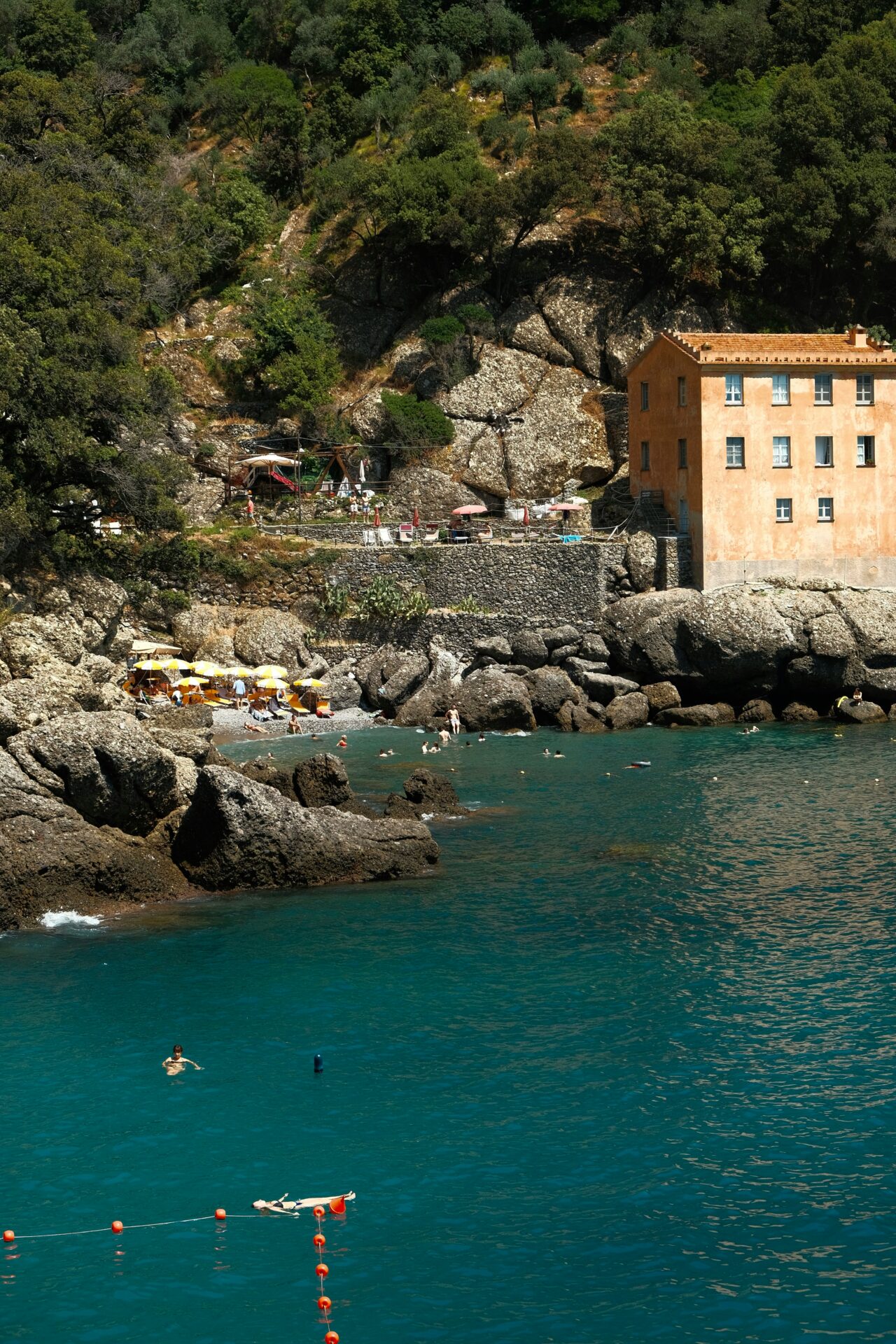
The natural beauty surrounding San Fruttuoso creates a peaceful sanctuary where Mediterranean landscapes meet crystal-clear waters. This pristine environment offers a remarkable escape from modern life.
Flora and Fauna: The Heart of Liguria
Walking the paths to San Fruttuoso, I found myself surrounded by a rich tapestry of plant and animal life unique to the Ligurian coast. Maritime pines create a fragrant canopy overhead, while vibrant wildflowers dot the terrain in spring.
The protected marine area teems with life. During my swim in the clear waters, small fish darted around me, and I spotted several varieties of sea stars clinging to underwater rocks.
Birds are abundant here too. I watched peregrine falcons soaring above the cliffs and colorful European bee-eaters flitting through the trees.
The Portofino Regional Park, which encompasses this area, protects numerous rare plant species that have adapted to the coastal environment. Some plants here are found nowhere else in Italy.
Olive Groves and Vineyards: The Taste of the Terrain
The terraced hillsides around San Fruttuoso showcase centuries-old agricultural traditions. Ancient olive trees with gnarled trunks cling to the steep slopes, producing the region’s prized olive oil.
I wandered through groves where local farmers still harvest olives by hand, maintaining methods passed down through generations. The fruity, slightly peppery olive oil produced here became a highlight of my meals in the area.
Small vineyards dot the landscape too, growing native grape varieties like Vermentino and Pigato. These grapes thrive in the unique microclimate created by the meeting of mountains and sea.
Many local restaurants serve wines produced from these hillside vineyards. I enjoyed a crisp glass of Vermentino with my seafood lunch, appreciating how the terroir influenced its distinctive mineral notes.

Savoring Ligurian Delights
The coastal region surrounding San Fruttuoso offers some of Italy’s most distinctive flavors, with dishes that reflect both sea and mountainside traditions.
The Savory Satisfaction of Focaccia
After my morning boat ride to San Fruttuoso, I was ready for a taste of authentic Ligurian cuisine. Focaccia, the region’s famous flatbread, became my daily obsession. Unlike any bread I’ve tasted elsewhere, Genoese focaccia has a perfect balance of crispy exterior and soft, oil-infused interior.
The local version comes drizzled with olive oil and sprinkled with coarse salt. Some bakeries near the abbey offer variations with rosemary, onions, or cherry tomatoes pressed into the dough.
I discovered that locals eat focaccia for breakfast, dipping it into cappuccino! While this seemed unusual at first, I tried it and found the combination of savory bread with coffee surprisingly delightful.
Culinary Secrets and Local Eats
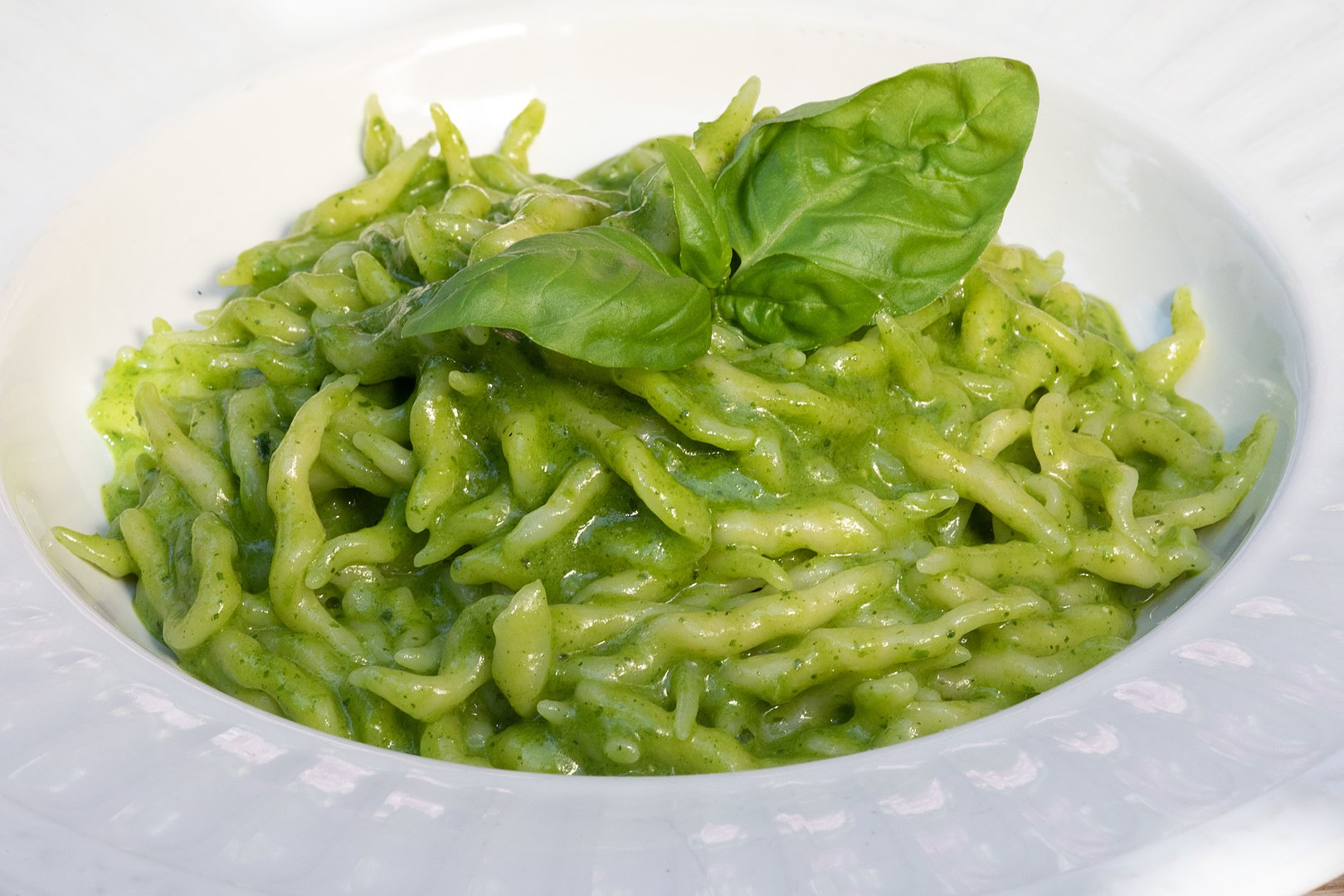
Beyond focaccia, the small eateries around San Fruttuoso serve seafood pulled fresh from the Ligurian Sea. My favorite discovery was a tiny restaurant where I enjoyed trofie al pesto – the twisted pasta native to Genoa, covered in bright basil sauce made with local Ligurian olive oil.
The pesto here tastes nothing like store-bought versions. Made with Genovese basil, pine nuts, garlic, and local cheese, it’s vibrant and intensely aromatic.
Fish dishes reflect the abbey’s coastal location. I savored anchovies marinated simply in lemon and olive oil, and delicate fritto misto (mixed fried seafood) served in paper cones for easy eating while watching fishing boats.
The region’s wines, particularly the crisp white Vermentino, perfectly complement these dishes with their mineral notes and subtle citrus flavors.

Planning Your Visit
Preparing for a trip to San Fruttuoso requires some careful planning due to its unique accessibility challenges. The effort is absolutely worth it for the pristine beach and historic abbey that awaits.
Best Times to Travel
I found that late spring (May-June) and early fall (September) offer the perfect balance of pleasant weather and smaller crowds. During these months, temperatures hover around 70-75°F (21-24°C), ideal for both hiking and swimming.
Summer months (July-August) bring the most visitors and higher temperatures, often reaching 85°F (29°C). Boat services run more frequently during this peak season, which is convenient but comes with crowded beaches.
Winter visits are possible but risky. Many ferry services reduce their schedules or stop altogether between November and March. The abbey remains open year-round, but the experience is quite different without the vibrant beach atmosphere.
From Genoa, it’s about a 30-minute drive to Camogli or Portofino where you can catch the ferries. Plan for around €16 for a round-trip boat ticket.
Understanding the Terrain and Weather
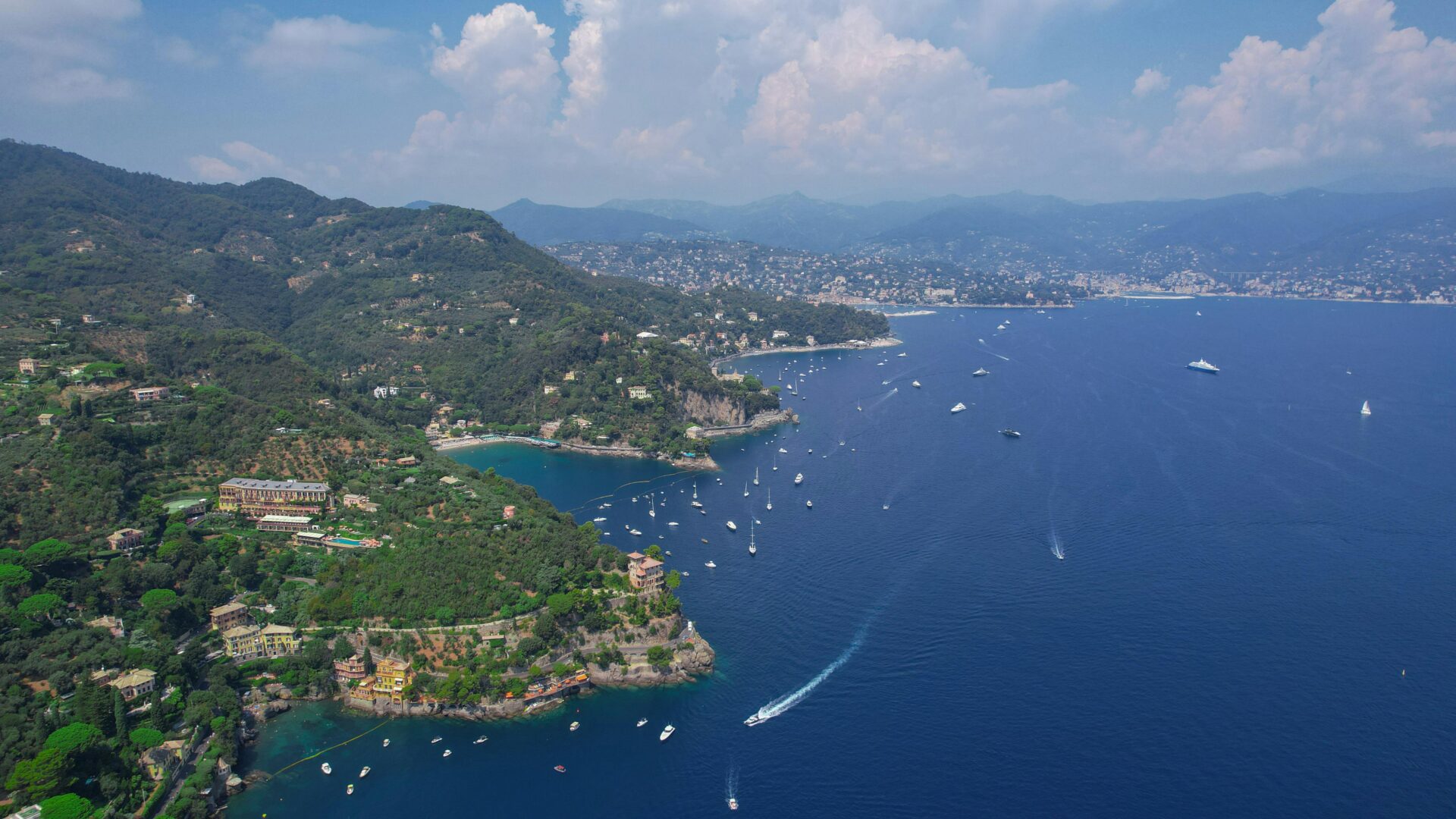
The hiking trails to San Fruttuoso vary in difficulty. The path from Portofino takes about 2 hours and offers stunning Mediterranean views. However, it includes steep sections and uneven terrain. Good hiking shoes are essential!
I recommend checking the weather forecast carefully before your trip. Summer thunderstorms can develop quickly, making hiking paths slippery and potentially dangerous.
Sea conditions affect boat services too. On windy days, ferries might be canceled without much notice. Always have a backup plan and perhaps an extra day in your itinerary just in case.
Water temperature is most pleasant from June through September (70-75°F/21-24°C), perfect for a refreshing swim after your journey. The beach is pebbly rather than sandy, so water shoes are helpful.
