
Every year, Miami braces for hurricane season—and honestly, visitors need to pay attention just as much as locals do. Being prepared with solid info and a plan makes all the difference when a storm threatens your trip.
Hurricanes can flip travel plans upside down in a flash. It’s smart to know what to do if one heads your way while you’re in town.
I look for practical steps that actually help me protect myself and anyone traveling with me. This guide lays out what you really need—how to get accurate updates, what to pack, and what to do if there’s an evacuation—so you can focus on enjoying Miami, rain or shine.

Understanding Hurricane Season in Miami
Miami’s hurricane season isn’t short, and the risks spike at certain times. I always want to know why these storms target the city, when they’re most likely to show up, and what kind of trouble they cause.
Key Dates and Weather Patterns
Hurricane season in Miami runs from June 1 to November 30. The real danger zone? Mid-August through late September.
September tops the charts for storm activity. That’s when I keep a close eye on weather alerts.
Warm Atlantic waters fuel these storms, and the weather can shift fast. Hurricanes can pop up with little warning.
The National Hurricane Center and local news update forecasts all day long. I check them often, just in case something changes.
Why Miami Is at Increased Risk
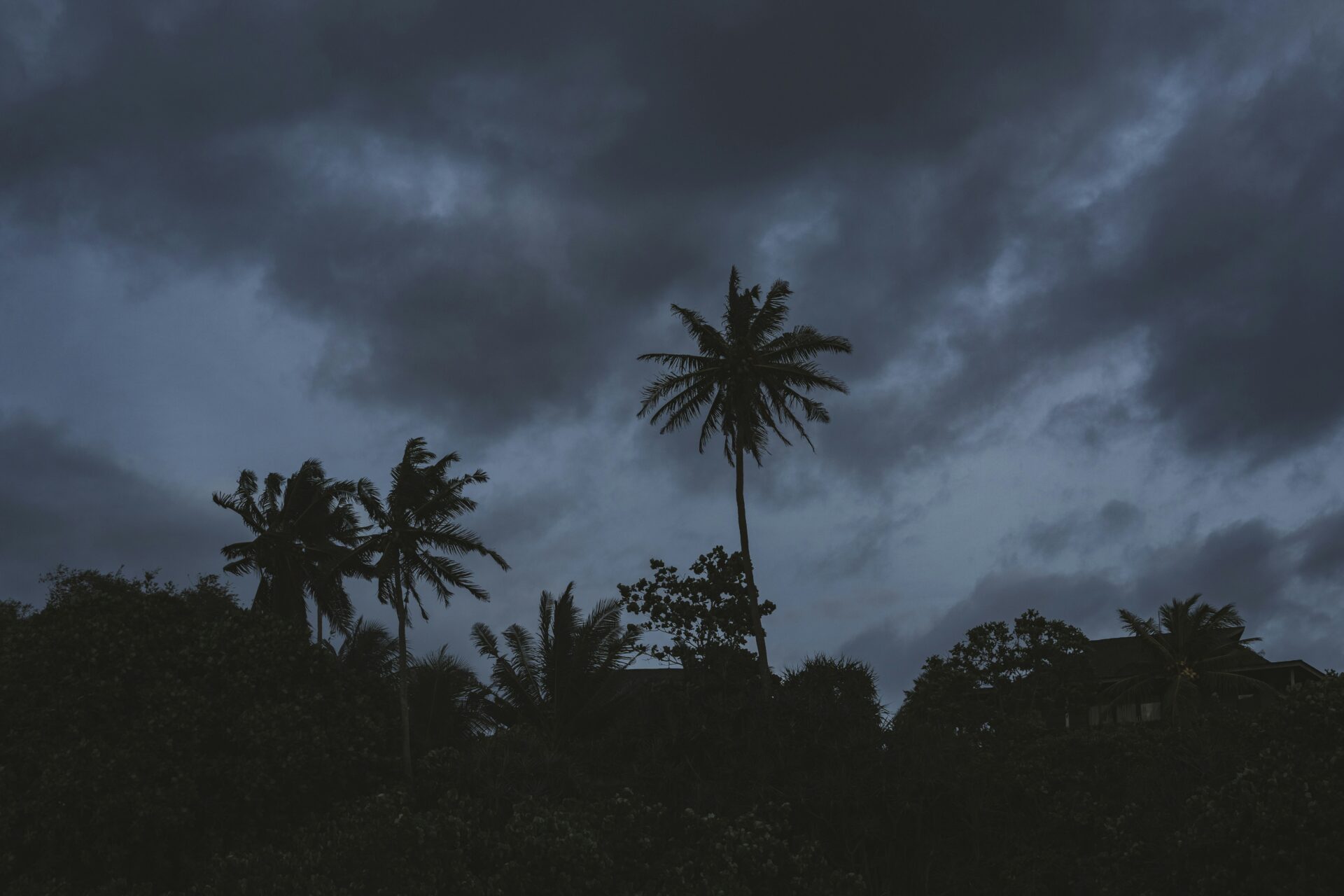
Miami hugs Florida’s southeast coast, right beside the Atlantic and close to the Caribbean. Its spot puts it directly in line for many hurricanes every year.
The city’s flat, and some neighborhoods barely sit above sea level. Floodwaters and storm surge can spread fast here.
With more people and packed urban areas, the risk just goes up. More buildings, more lives, more at stake if a big storm hits.
Parts of the city get hit hardest by storm surge—when the sea rises and floods streets and homes in a hurry.
Types of Hurricane Hazards
Hurricanes bring Miami a mix of dangers:
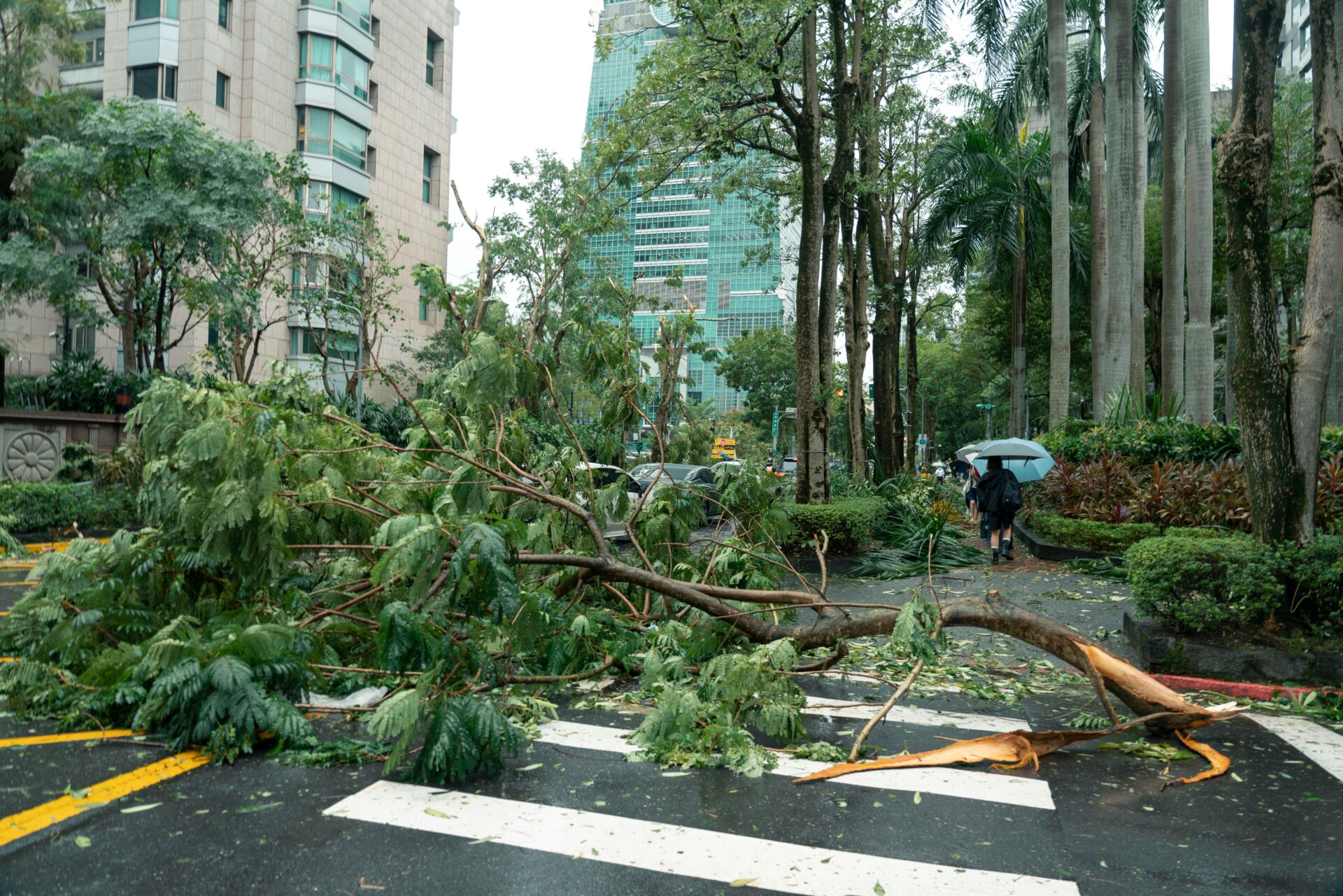
- Strong winds: They knock down trees, power lines, and even tear up roofs.
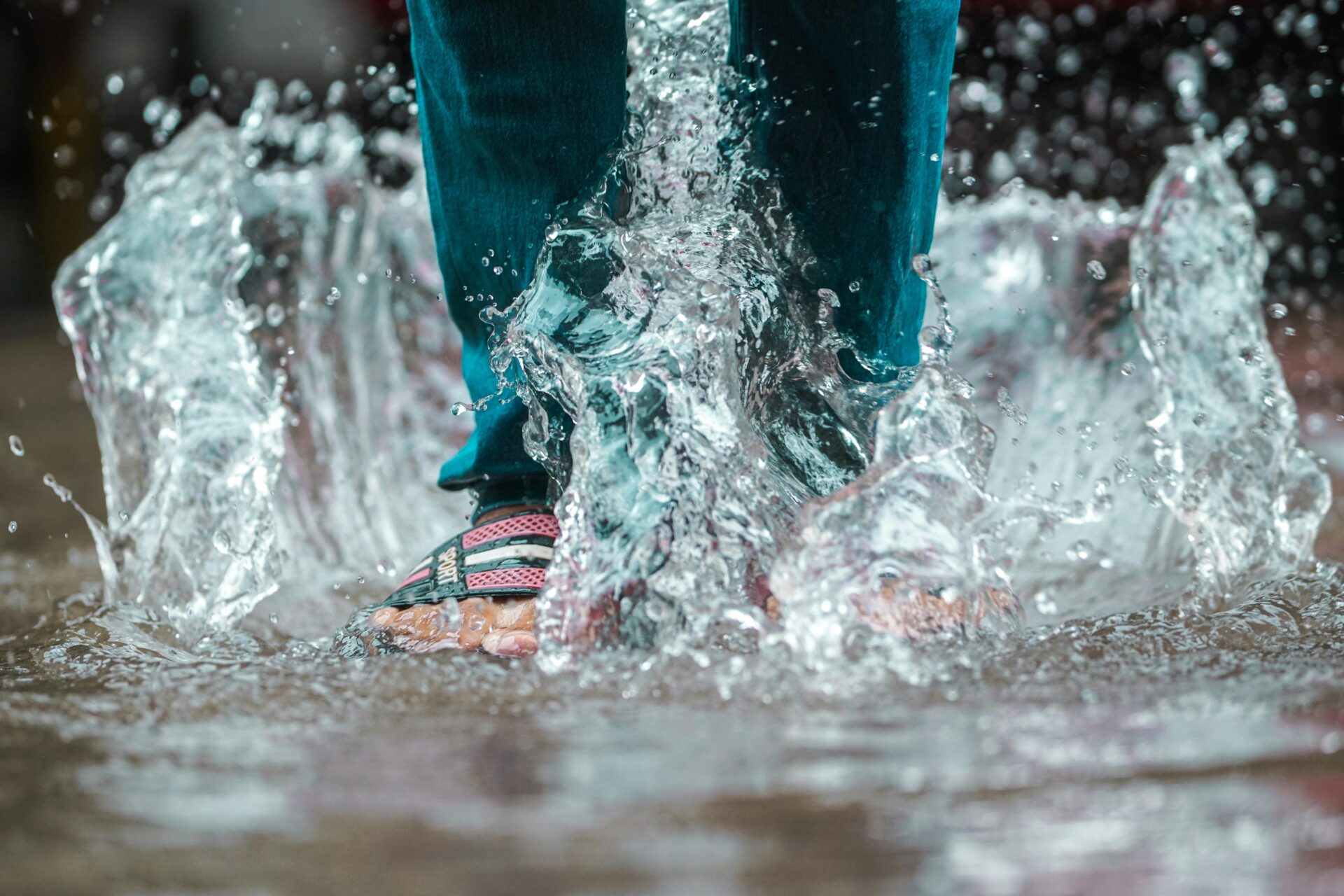
- Heavy rainfall: Flooding happens fast, especially in low spots.
- Storm surge: Water pushed ashore can flood entire neighborhoods, not just the beachfront.
- Tornadoes: Hurricanes sometimes spin off quick, nasty tornadoes.
I prep for each risk. I secure anything that might blow away, stash emergency supplies, and map out an evacuation plan just in case.
Knowing these hazards helps me stay sharp and ready to act if a storm comes through.
Essential Preparedness for Visitors
Visiting Miami during hurricane season means staying alert and ready for anything. The right gear, flexible plans, and reliable info make a huge difference.
Hurricane Kit Essentials
Before I even pack my swimsuit, I throw together a hurricane kit. Water tops my list—about a gallon per person per day, for at least a week.
I pack non-perishable snacks, a manual can opener, flashlights (with extra batteries), and a battery-powered or hand-crank radio for weather alerts.
A small first aid kit comes with me, stocked with bandages, antiseptic, pain meds, and anything personal I might need. I add extra face masks, hand sanitizer, and a copy of my medical info.
Emergency numbers and a little cash go in a waterproof pouch. For my phone, I never forget a portable charger. If I’m traveling with a pet, I bring their food, meds, and records too.

Travel Insurance and Documentation
I always grab travel insurance that covers hurricanes—delays, cancellations, extra hotel nights, all of it.
Important documents? I keep them dry and organized: passport, insurance, IDs, travel plans—all in a waterproof bag. I snap digital copies and upload them to my email or cloud, just in case.
Here’s my quick doc checklist:
| Document | Physical Copy | Digital Copy |
|---|---|---|
| Passport/ID | ✔️ | ✔️ |
| Travel insurance policy | ✔️ | ✔️ |
| Flight/hotel details | ✔️ | ✔️ |
Monitoring Alerts and Official Updates
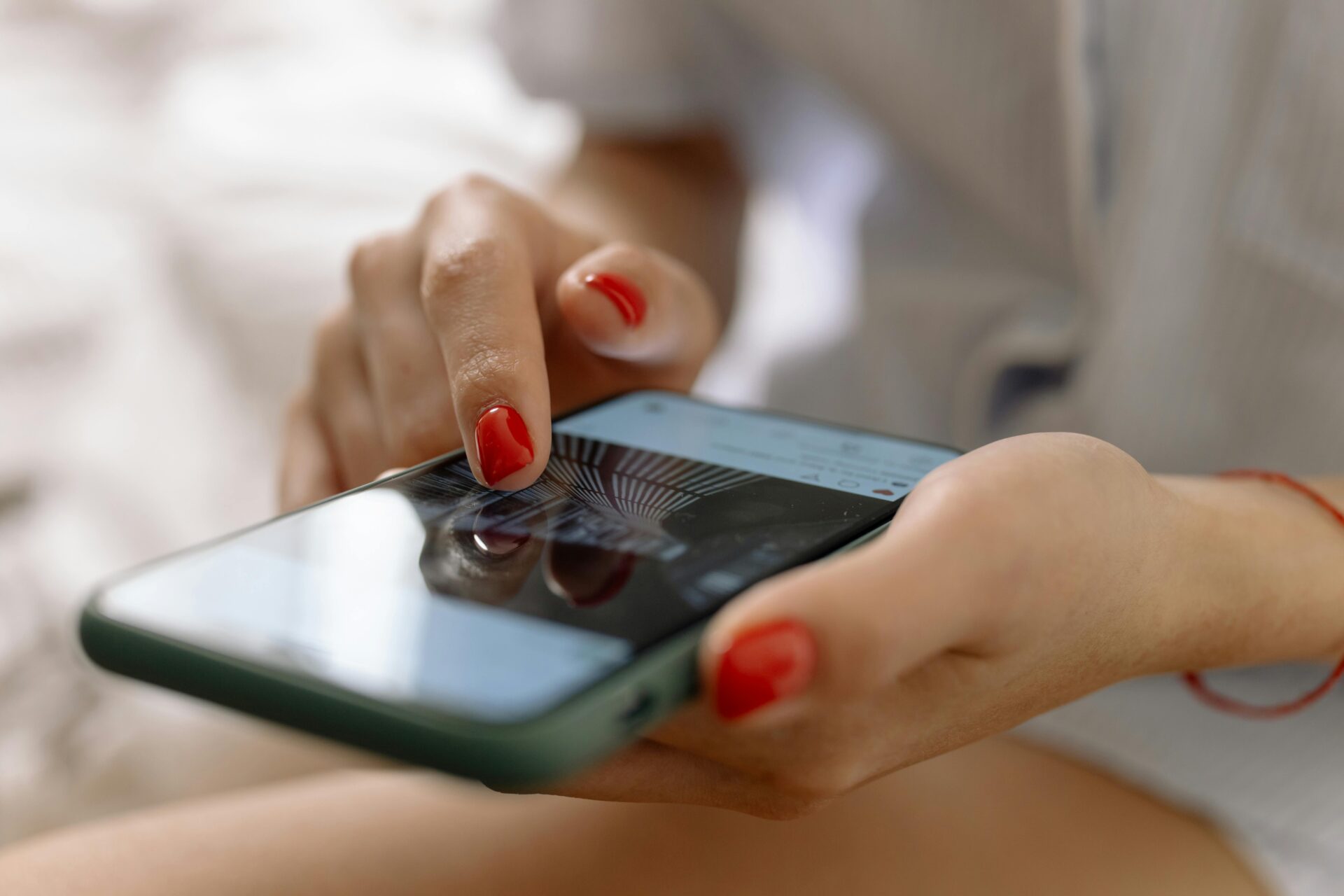
I sign up for local emergency alerts through Miami-Dade County’s app or website. I save key numbers: hotel, car rental, emergency services.
The National Hurricane Center and NOAA sites give me the latest weather news. I follow the county’s official social media for real-time updates.
If there’s a warning, I review my evacuation plan and know where the closest shelter is. I always check alerts before heading out, so I don’t end up somewhere risky.
Evacuation Planning and Safety
Having an evacuation plan in Miami isn’t just smart—it’s necessary. Knowing where to go and how to get there can really save you from chaos.
Evacuation Zones and Routes
I always check which evacuation zone I’m in. Miami-Dade splits the city into zones (A, B, C, etc.) based on flood and surge risks.
Officials announce zone evacuations before a hurricane gets close. I use the Miami-Dade SAFE app to check my zone and see the best routes out.
Main roads like I-95, the Turnpike, US 1, and State Road 836 serve as evacuation routes. Traffic gets wild, so I plan to leave early. I keep a paper map in my bag in case my phone dies.
Shelter Options for Visitors
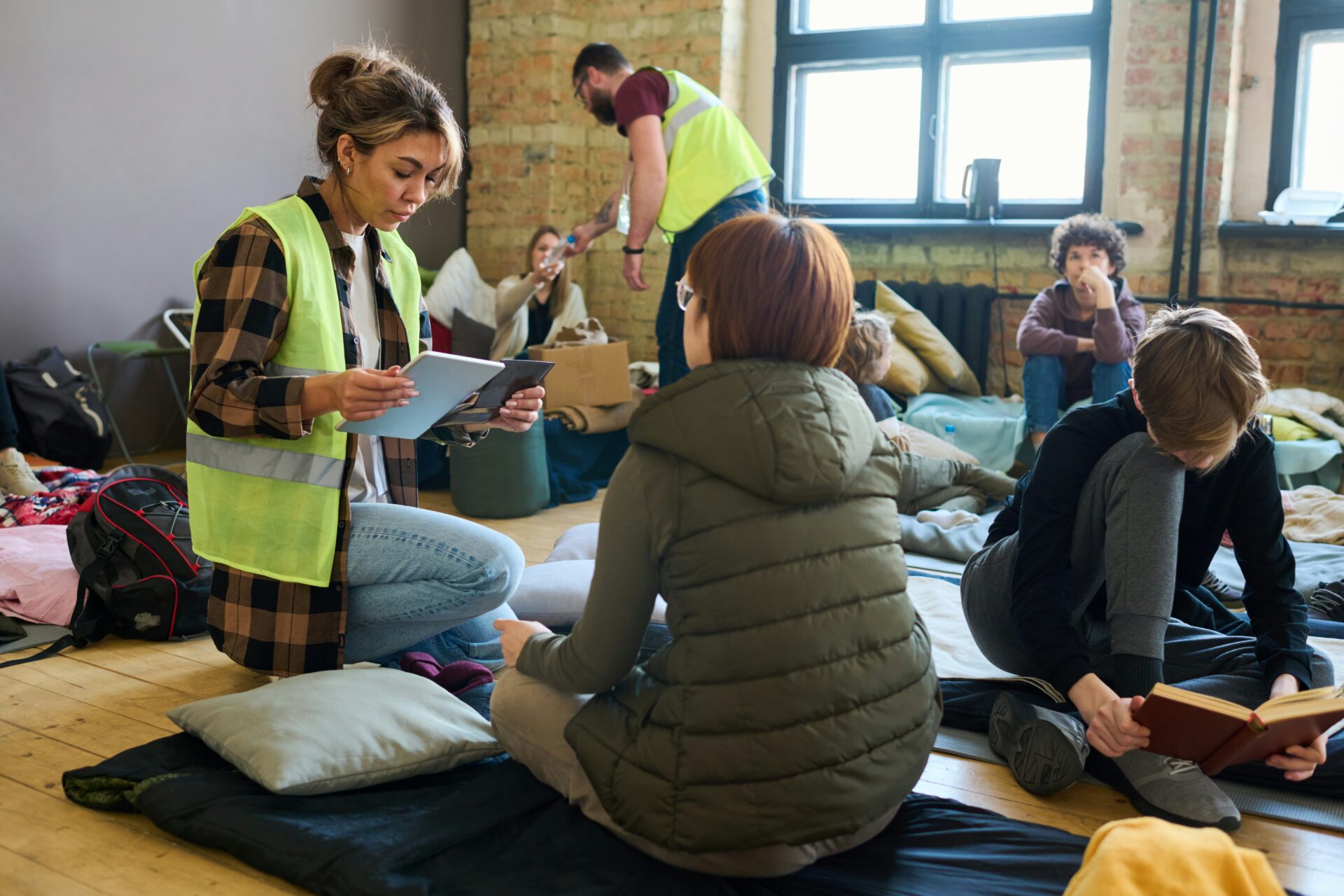
If I can’t get out of Miami before a storm, I find out where the official hurricane shelters are. Most are schools or community centers.
Not every shelter takes pets, so I double-check before heading over. Some hotels have hurricane policies, but I always call to confirm.
I keep a list of shelter addresses and phone numbers handy. The county’s website or a quick call can tell me which shelters are open.
When I go, I bring essentials: ID, meds, snacks, water, and chargers. A pillow and blanket help, too. Getting there early is key—shelters fill up fast.
Transportation Tips During Emergencies
Getting out safely depends on having a way to leave. If I don’t have a car, I check for public transit options.
Miami-Dade Transit sometimes runs free buses to shelters during storms. They use limited schedules, so I try to leave ahead of the rush.
The county has special pickup points for people who need help. I look these up and jot down the locations.
Rideshares and taxis might vanish when a storm’s coming. I set up backup plans and talk with friends or my property manager if I need help. Staying tuned to alerts and local news lets me adjust if things change fast.
Protecting Yourself from Storm Surge
Storm surge tops the list of hurricane dangers in Miami. I never ignore official warnings about it.
Understanding Storm Surge Risks
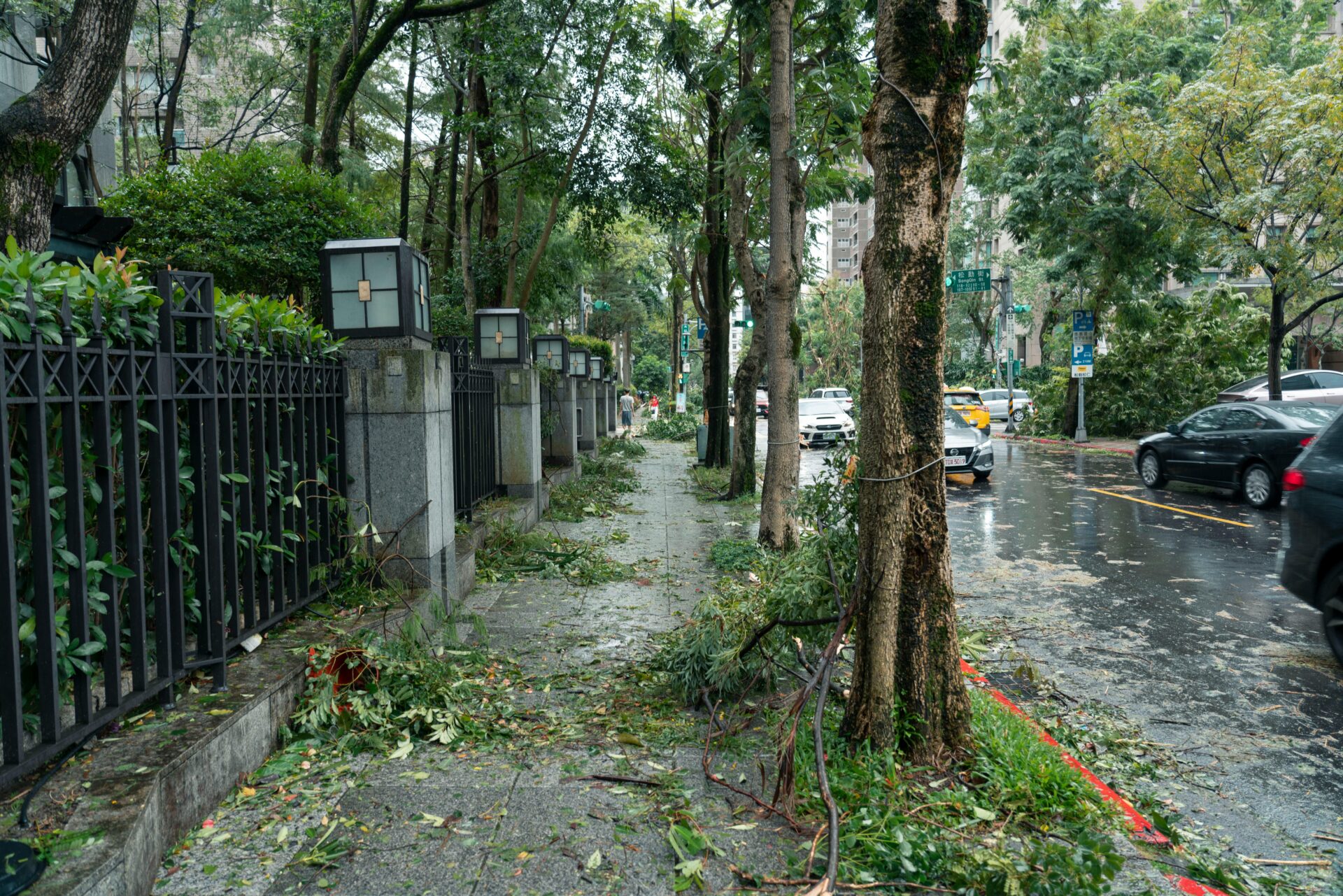
Storm surge happens when hurricane winds shove ocean water onto land. Flooding can get deep, fast—covering roads, homes, and beaches.
This isn’t just regular flooding. The water rises higher, and it moves in quickly. Even after the wind dies down, big waves and strong currents stick around.
Most storm surge deaths happen when people stay put or underestimate the water. Cars float in just a few feet of surge. Taking warnings seriously and acting early keeps me safe.
Identifying High-Risk Areas in Miami
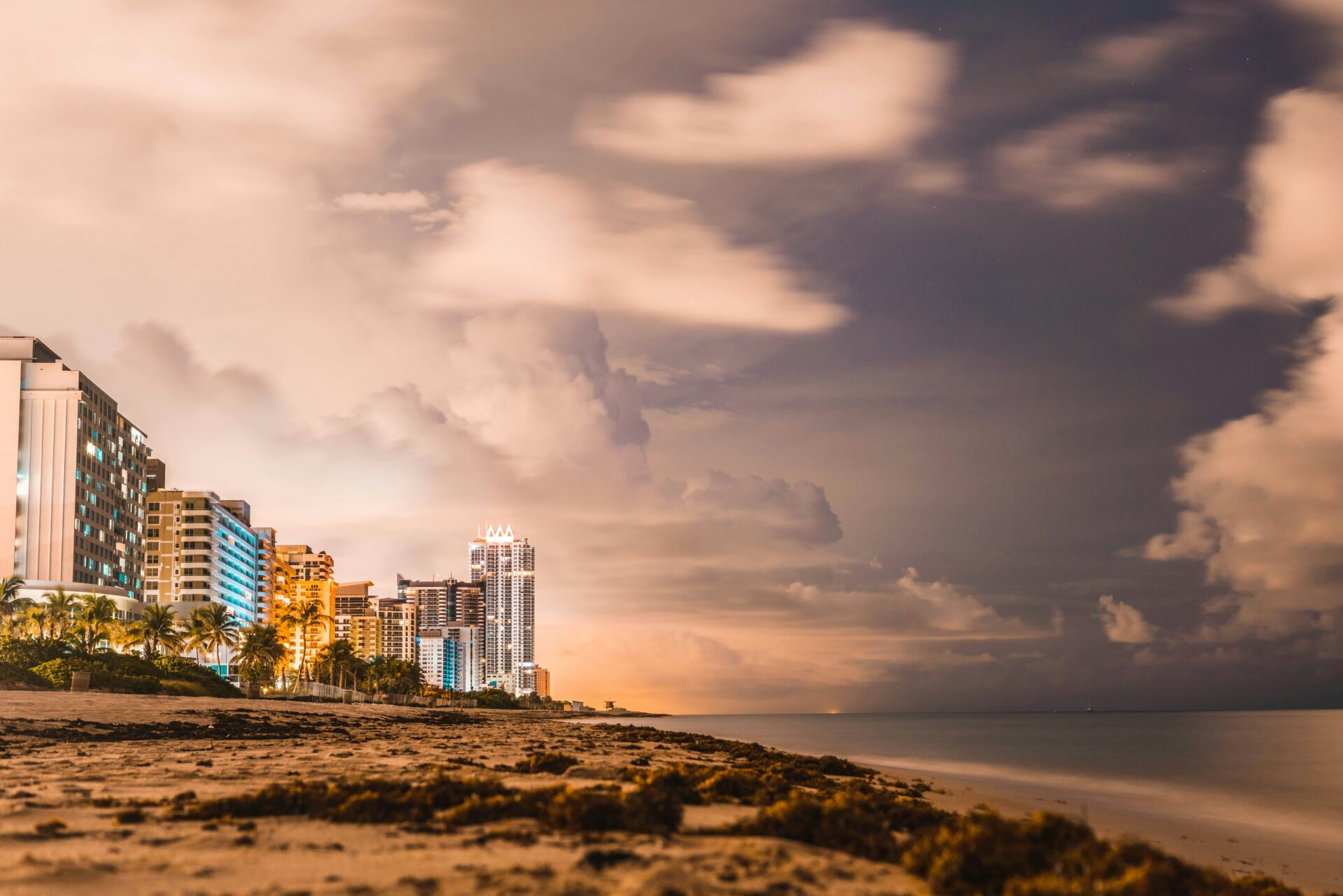
Some Miami neighborhoods face bigger storm surge risks. Areas near the coast, low-lying spots, and places close to rivers or bays are in the danger zone.
Miami divides into Storm Surge Planning Zones, and I can look up my zone on the county’s website.
Hotels and rentals don’t always tell you if you’re in a high-risk area. I make it a habit to check the address before booking. I also scope out evacuation routes and nearby shelters.
Table: Examples of High-Risk Locations in Miami
| Type | Examples |
|---|---|
| Beachfront hotels | Miami Beach, Key Biscayne |
| Low-lying districts | Brickell, Downtown Miami |
| Near water bodies | Coconut Grove, Edgewater |
Knowing these spots helps me choose safer places to stay and plan my escape routes.

Safety Strategies While Traveling
When I’m in Miami during hurricane season, I always make a plan ahead of time. I set up alerts on my phone and pack a simple emergency kit—water, snacks, flashlight, the basics.
If a hurricane heads my way, I steer clear of storm surge zones. If officials call for an evacuation, I leave before the crowds and road closures.
I keep emergency contacts handy and know where the closest shelter is. Cash is important, since ATMs and card machines can go down when the power’s out.
Taking action early and following official advice helps me avoid the worst of storm surge.
Staying Safe During and After the Storm
When a hurricane hits, I focus on what to do during the storm and right after. The right moves keep me safe, help me stay connected, and avoid injuries once it’s over.
Hotel and Accommodation Protocols
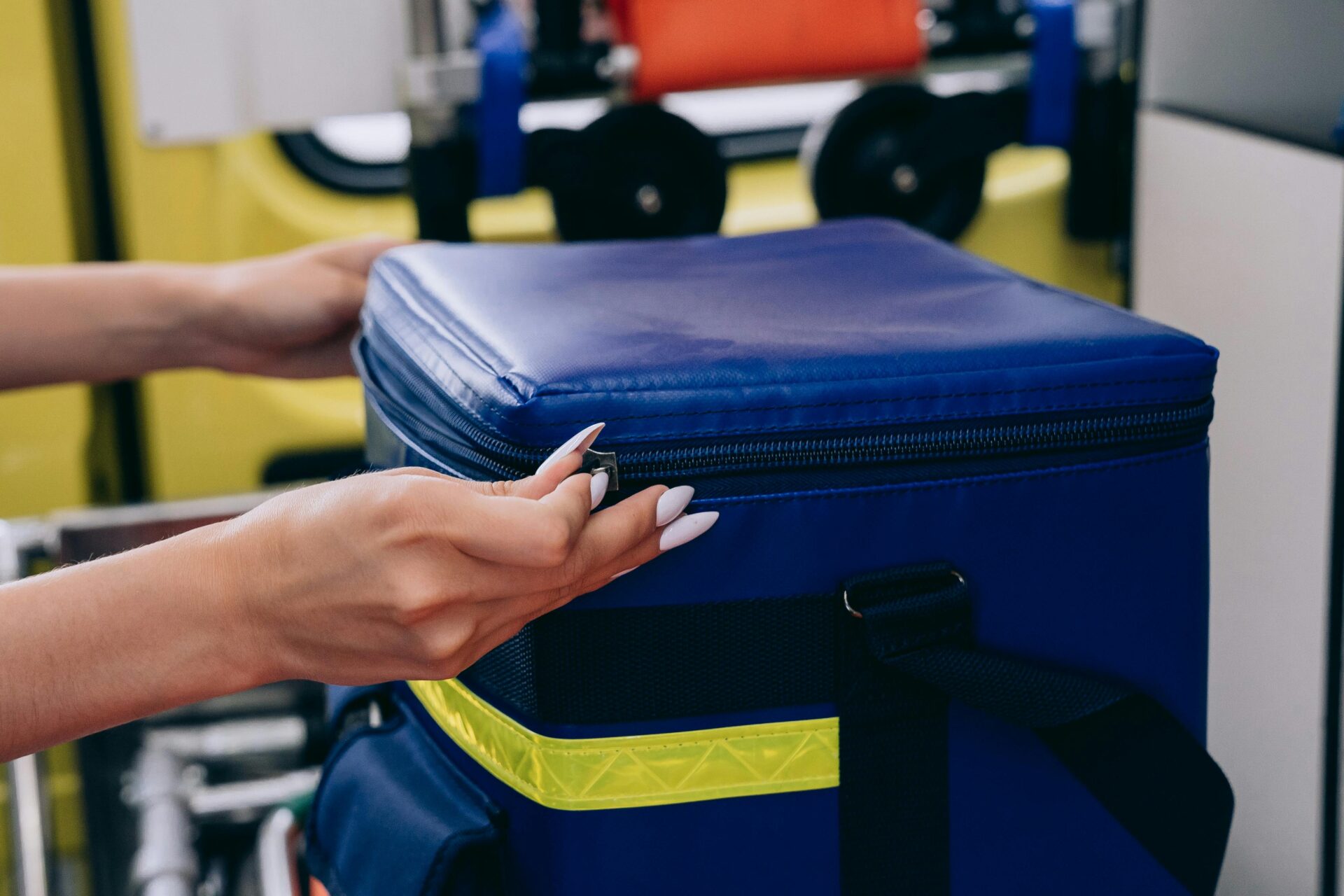
If I’m in a hotel, I pay close attention to the staff’s instructions. Most Miami hotels have storm plans and will tell you what to do and where to go.
I find the nearest exits and safe spots—interior hallways or lower-level rooms away from windows. I keep emergency numbers for the hotel and local authorities close.
If things get bad, I stay in my room or the designated shelter area and skip the elevators in case the power cuts out. Hotels usually have water and flashlights, but I bring my own snacks, meds, and important documents in a waterproof pouch.
After the storm, I wait for staff to say it’s safe to move around. I avoid damaged areas and let hotel management know if I spot any hazards.
Staying Connected and Informed
I use my phone only for what’s needed, to save battery. Texts or social media work better than calls to let family know I’m okay.
If the cell network drops, I use a battery-powered or hand-crank radio for updates. Local officials send out emergency instructions and weather info this way.
I sign up for local emergency notifications before my trip and stick to reliable sources like the National Weather Service.
If the power goes out, I avoid candles and use flashlights or battery lamps to avoid fires.

Post-Storm Safety Considerations
After the hurricane passes, I always fight the urge to rush outside. It’s tempting, but there could be loose wires, debris, or buildings that look sturdy but really aren’t.
I wait until someone from the hotel or local authorities says it’s actually safe to leave my shelter. No point in risking it just to get a look around.
When it’s finally okay to head out, I pull on sturdy shoes and whatever protective clothing I can find. Cleanup can get messy, and I’d rather not deal with cuts or scrapes if I can help it.
If I do end up with a small wound, I make sure to clean it up and cover it. Infections are the last thing I want on a trip. Anything bigger, and I don’t hesitate to seek medical help.
If the place is flooded, I steer clear of the water. It might look harmless, but who knows what’s in it? Better safe than sorry.
Before touching or moving anything, I snap photos of any damage for insurance. That’s saved me headaches later.
Spotting a downed power line or some other hazard? I stay far away and make sure to let officials know. There’s no adventure worth that kind of risk.
