
Mexico’s indigenous cultures? They’re not just distant memories or museum pieces. They pulse through modern Mexican society every single day.
From street food stalls to political protests, ancient traditions and worldviews flow into daily life, like rivers feeding the ocean of Mexican identity.
Indigenous peoples have woven their languages, art, spiritual practices, and agricultural know-how into modern Mexico. The result? A culture that bridges thousands of years—old wisdom meeting present-day creativity.
I’ve always found it fascinating that civilizations like the Maya, Aztec, and Zapotec didn’t just vanish after the Spanish conquest. Their descendants adapted, survived, and kept their heritage alive, even while facing colonial rule and modern pressures.
Today, you’ll hear over 60 indigenous languages spoken across Mexico. Traditional healing influences modern medicine. Indigenous ingredients? They’re the backbone of world-famous Mexican cuisine.
Let’s take a journey through Mexico’s indigenous heart. We’ll wander from ancient pyramids to lively markets where people still cook family recipes passed down for generations.
We’ll look at how conquest changed but never erased indigenous cultures. We’ll see the fight for language preservation and how old traditions keep evolving in today’s world.

Legacy of Ancient Civilizations
Ancient Mexican civilizations built the foundation for today’s culture. They made breakthroughs in agriculture, astronomy, math, and art.
The Olmecs kicked off early trade and set up artistic traditions. The Maya? They came up with complex writing and astronomical calendars that still boggle the mind.
Olmec Civilization: The Mother Culture
The Olmecs showed up around 1500 BCE on Mexico’s Gulf Coast. They didn’t just create the region’s first big civilization—they set the stage for everything that followed.
I can’t help but marvel at those colossal stone heads. Some weigh up to 50 tons! The Olmecs carved them from basalt and hauled them across miles of jungle.
They built the Americas’ first writing system and even invented the concept of zero in math. Their calendar system laid the groundwork for the Maya and Aztec.
Key Olmec innovations:
- Mesoamerican ball game
- Jade carving
- Early religious symbols
- Trade routes across Mexico
Olmec art and religious ideas spread everywhere. The feathered serpent god and jaguar worship? Both started here and lasted for ages.

The Maya: Mathematics, Astronomy, and Urban Centers
The Maya reached their peak between 250-900 CE in southern Mexico, Guatemala, and Belize. Honestly, their scientific achievements still blow my mind.
They created a writing system with over 800 hieroglyphs. They wrote on bark-paper books, recording everything from history to astronomy. Spanish colonists destroyed most of these texts, but archaeologists still uncover Maya writing on stone monuments.
Their math skills were top-notch. The Maya used a base-20 system and understood zero. They tracked the planets and predicted eclipses with jaw-dropping accuracy.
Major Maya cities and sites:
| City | Location | Notable Features |
|---|---|---|
| Chichen Itza | Yucatan Peninsula | El Castillo pyramid, Great Ball Court |
| Palenque | Chiapas | Temple of Inscriptions, detailed carvings |
| Tikal | Guatemala | Tallest pyramids in pre-Columbian Americas |
Their cities featured pyramids, palaces, and ball courts. They built reservoirs and canals to manage water, supporting big populations even in tough jungle terrain.

The Aztec Empire and Tenochtitlán
The Aztecs ruled central Mexico from 1345 to 1521 CE. Their capital, Tenochtitlán, rose from an island in Lake Texcoco—where Mexico City sprawls today.
Spanish conquistadors couldn’t believe the city’s size and organization. Tenochtitlán held about 200,000 people, outpacing most European cities at the time.
Canals crisscrossed the city, and causeways linked it to the mainland.
Their chinampas—floating gardens—still amaze me. These man-made islands grew crops year-round, feeding the city’s huge population. Some farmers still use this method today.
The Aztecs set up a tribute system. Conquered peoples sent goods like cacao, cotton, and precious stones to Tenochtitlán. This wealth built temples, funded art, and kept a complex social order running.
Aztec cultural contributions:
- Nahuatl language (spoken by 1.5 million people today)
- Advanced medicine and surgery
- Rich historical records
- A legal system ahead of its time
Their impact is everywhere. Many everyday Spanish words in Mexico—chocolate, tomato, coyote—come straight from Nahuatl.

Zapotec, Mixtec, and Otomí Contributions
Three more civilizations shaped Mexico in their own ways: the Zapotec, Mixtec, and Otomí.
The Zapotecs flourished in Oaxaca from 500 BCE to 1500 CE. They built Monte Albán, one of the first big cities in Mesoamerica.
Zapotecs developed early writing and tracked the stars. Their artisans mastered gold, silver, pottery, and textiles. Even now, Oaxaca’s crafts trace back to Zapotec skills.
The Mixtec people became famous for manuscript painting and goldwork. Their codices—painted books—recorded genealogies, history, and ceremonies. These treasures give us a window into pre-Columbian life.
Mixtec specializations:
- Turquoise mosaics
- Detailed genealogies
- Metalworking
- Stone carving
The Otomí developed terracing systems to farm Mexico’s steep hills. Their methods stopped soil erosion and supported big populations in tough landscapes.
Each culture kept its own language, beliefs, and traditions. Their approaches to art, agriculture, and community life enriched ancient Mexico and still shape indigenous communities today.

Spanish Conquest and Its Enduring Impact
The Spanish conquest flipped indigenous Mexico upside down. Cortés and his men tore down the Aztec Empire, forced Spanish ways on the land, and sparked a complicated dance of survival and adaptation.
These changes still echo through Mexico’s culture.
Hernán Cortés and the Fall of the Aztec Empire
Hernán Cortés landed in Mexico in 1519 with about 600 men. He quickly realized he needed allies and teamed up with indigenous groups tired of Aztec rule.
The Tlaxcalans fought alongside Cortés, hoping to break free from the Aztecs.
La Malinche, an indigenous woman, became Cortés’s translator and key advisor. She helped him navigate the tangled web of regional politics.
The battle for Tenochtitlán dragged on for two years. Spanish weapons, horses, and—worst of all—smallpox devastated the Aztecs.
Cortés finally captured the city in 1521. The fall of Tenochtitlán ended the Aztec Empire and changed the Americas forever.
Other indigenous groups, like the Maya, faced similar invasions soon after.

Spanish Colonization and Cultural Syncretism
Spanish colonizers didn’t just take over—they blended their world with what was already there.
Catholic missionaries tried to convert indigenous people. But local communities mixed Catholic rituals with their own beliefs, creating new forms of worship.
Indigenous groups often blended their ancient gods with Catholic saints, giving old traditions new life.
The encomienda system forced indigenous people to work for Spanish settlers, upending their economies.
Spanish newcomers brought new crops, animals, and tools. These things changed how people lived, farmed, and ate.
Languages mixed, too. Spanish became dominant, but indigenous languages survived by adopting Spanish words and ideas.
Art and architecture showed this blend. Churches rose on old temple sites, built by indigenous workers who added their own designs.

Indigenous Resistance and Adaptation
Indigenous communities found ways to survive. Some fought back, launching military campaigns against the Spanish.
The Maya resisted longer than most, holding out in remote jungles for decades.
Others fought with culture instead of weapons. They kept their languages, ceremonies, and knowledge alive in secret, even as they outwardly accepted Spanish rule.
Many learned to work the Spanish system while holding on to core traditions. They became experts at walking between two worlds.
Indigenous people filed lawsuits to protect their land and sometimes served as go-betweens for their communities and colonial authorities.
These strategies helped cultures survive. Even now, indigenous communities use similar tactics to keep their traditions alive while taking part in wider Mexican society.

Language as Cultural Heritage
Indigenous languages in Mexico carry deep knowledge and unique worldviews. Nahuatl influences modern Mexican Spanish with thousands of words, while Zapotec, Mixtec, and Otomí languages keep cultural practices alive in their regions.
Nahuatl and Its Influence
Nahuatl is still Mexico’s most spoken indigenous language, with about 1.7 million speakers. Most live in Central Mexico, but you’ll find communities in the U.S. too.
This ancient language shaped Mexican culture in ways you might not expect. I use Nahuatl words almost every day.
Common Nahuatl words in Mexican Spanish:
- Chocolate (chocolatl)
- Tomato (tomatl)
- Coyote (coyotl)
- Chili (chilli)
Nahuatl preserves ancient worldviews. Many speakers pass down traditional medicine, farming, and spiritual knowledge.
Dialects vary a lot. Sometimes, two Nahuatl speakers from different regions can’t even understand each other.

Zapotec, Mixtec, and Otomí Languages
Zapotec thrives in Oaxaca with over 400,000 speakers and many local variants. Each town might have its own Zapotec dialect.
Mixtec languages center in Oaxaca but also stretch into Guerrero and Puebla. Roughly 500,000 people speak Mixtec.
Otomí serves about 300,000 speakers in central Mexico. Most live in Hidalgo, México, Querétaro, Puebla, and Veracruz.
These languages face tough odds. Young people move to cities where Spanish rules everyday life.
Key threats:
- Migration to urban areas
- Few educational resources
- Social stigma
- Pressure to speak Spanish for work
Each language holds unique stories, farming techniques, and beliefs. These pass down through generations, but only if the language survives.

Role of INALI and Language Preservation
The National Institute of Indigenous Languages (INALI) fights to save Mexico’s 68 indigenous languages. They push for linguistic rights and help communities keep their languages strong.
INALI produces educational materials and trains teachers in indigenous languages. They create dictionaries and learning tools for local use.
But real preservation needs community action. Families have to decide to teach their kids their ancestral tongues.
Current efforts include bilingual schools and cultural workshops. Some communities record elders telling stories and singing songs.
Mexico ranks fifth in the world for endangered languages. About 2,500 languages globally face extinction.
INALI teams up with local groups to support grassroots language projects. These efforts help communities protect their heritage while meeting modern challenges.
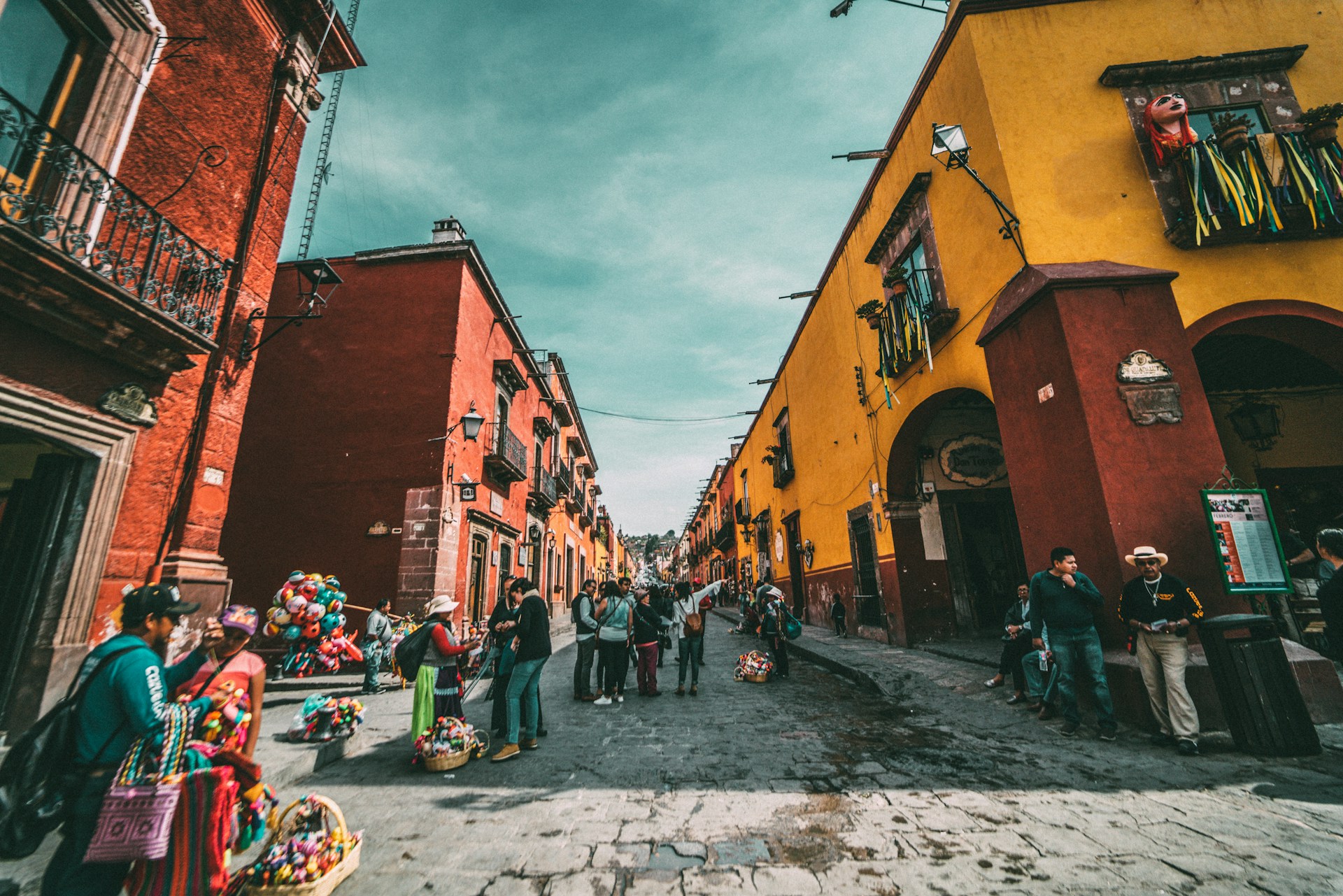
Traditions and Contemporary Practices
Indigenous communities in Mexico blend old customs with modern life. Traditional pottery still shapes beautiful art, the marimba brings people together through music, and indigenous spiritual practices pop up in national celebrations.
You’ll see ancient ways living side by side with the new—proof that Mexico’s indigenous heart beats on.
Indigenous Art and Pottery
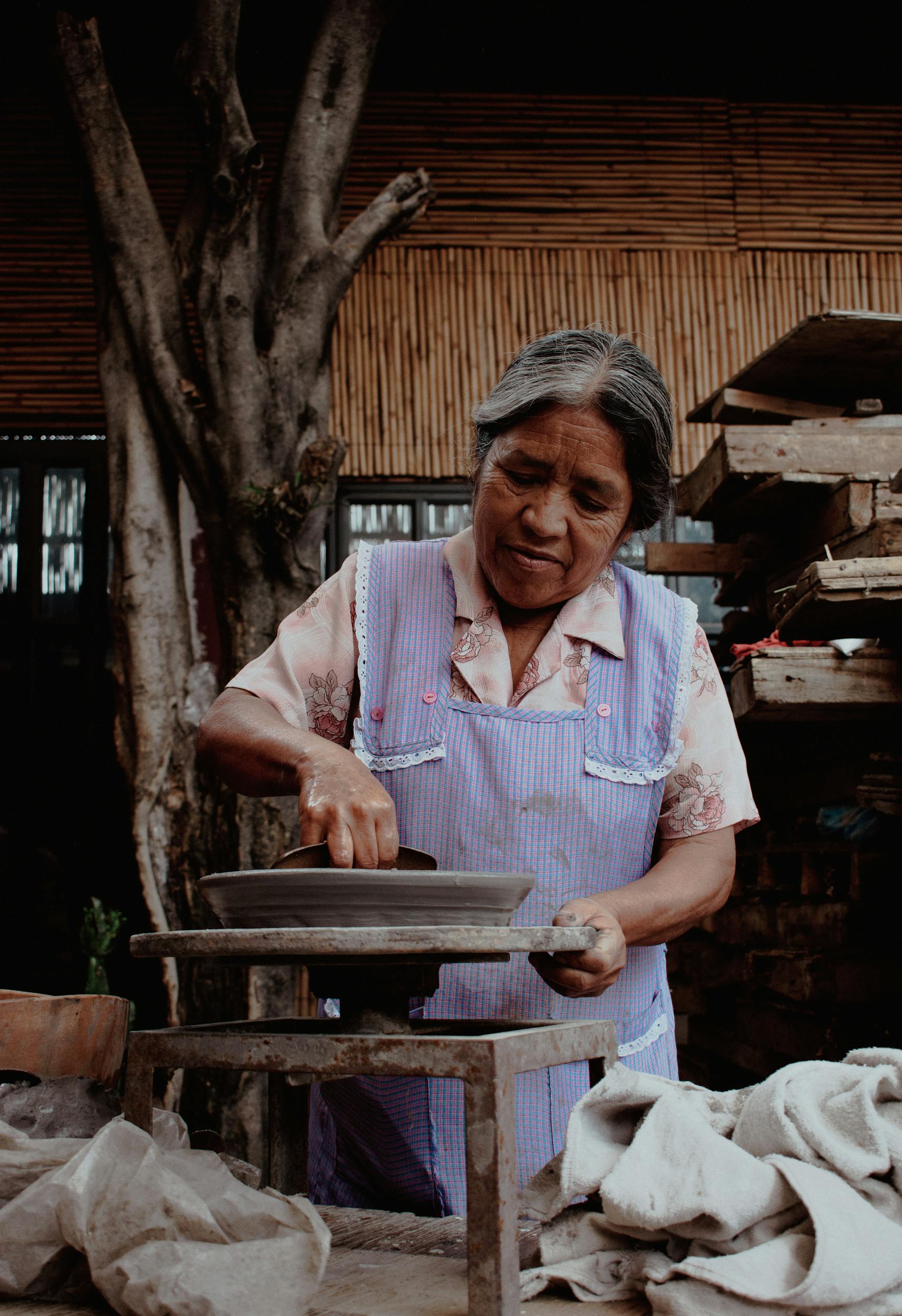
You can still spot indigenous pottery techniques from thousands of years ago thriving in Oaxaca. Local artisans keep using the same clay-firing methods their ancestors did, and honestly, it’s mesmerizing to watch.
The black pottery from San Bartolo Coyotepec? It really stands out. Potters here don’t even bother with pottery wheels—they shape everything by hand, relying on skills that run deep in their families.
Key pottery traditions you’ll find:
- Natural pigments straight from local plants and minerals
- Wood-fired kilns that leave each piece with a totally unique surface
- Sacred symbols and patterns—some with meanings only the community really knows
- Functional stuff like water jugs, cooking pots, or even simple cups
These authentic pieces fetch high prices in modern markets now. Indigenous potters sell their work everywhere, from local stalls to international art galleries.
Grandmothers teach granddaughters, and the knowledge stays close. Every family guards its own techniques, and that’s a big part of what keeps their identity alive.
Music, Dance, and the Marimba
If you wander into a southern Mexican village, you’ll probably hear the marimba before you see it. This wooden percussion instrument isn’t just for music—it’s the heartbeat of celebrations and ceremonies.
I’ve watched families gather around as elders play marimba at festivals. Kids pick up the rhythms by ear, learning just by being there.
Traditional dances always seem to pop up alongside marimba music:
- Jarabe dances that spin tales of everyday life
- Ceremonial dances for harvest time
- Wedding dances that bring families together
- Music for religious processions
Modern twists are everywhere. Young musicians love blending old marimba tunes with electric guitars or even synths. The result? Something new, but still rooted in tradition.
Marimba groups perform at cultural events across Mexico. These gigs keep musical heritage alive and, honestly, help families earn some extra cash.

Spiritual Practices and Día de los Muertos
Día de los Muertos might be the most vivid example of how indigenous beliefs blend with modern Mexican life. It’s a wild, beautiful mix of pre-Hispanic ancestor worship and Catholic rituals.
Ancient Aztec and Maya death traditions show up in surprising ways. Families build altars with the favorite foods and flowers of their ancestors—sometimes down to the exact candy their grandpa liked.
Traditional touches include:
- Cempasúchil flowers, bright orange and everywhere, said to guide spirits home
- Copal incense that fills the air during prayers
- Favorite foods of the departed, set out with care
- Personal things—maybe a hat or a photo—placed on the altar
The real heart of the celebration happens in cemeteries. Families clean graves, eat together, and sometimes laugh and tell stories with their loved ones in mind.
Mexico made Día de los Muertos a national holiday, and UNESCO called it a cultural treasure. It’s about honoring life and death, and the wisdom passed down through generations.
Big cities throw massive public festivals now. Still, rural communities keep it close to home, preserving the intimate, spiritual side that gives the holiday its soul.

Modern Challenges, Identity, and Revival
Indigenous communities in Mexico face a tangle of challenges as they fight to keep their cultural heritage alive and secure their rights. The Zapatista movement shone a spotlight on land disputes and autonomy, and there’s a constant push to revive languages and traditions, plus make society more inclusive.
Indigenous Voices and Cultural Preservation
Mexico’s home to over 68 indigenous languages and hundreds of variants. Sadly, many are fading as young people move to cities and switch to Spanish.
Some communities have started teaching traditional languages to kids. The National Institute of Indigenous Languages jumps in with resources and research to help.
How people revive languages:
- Community schools that teach in both Spanish and indigenous languages
- Festivals that feature storytelling in native tongues
- Projects that record elders’ voices and stories
- Digital apps and platforms for language learning
Arts still play a huge role in cultural identity. Zapotec weavers weave patterns that literally tell family tales. Nahua potters teach their craft to the next generation—sometimes in the same backyard as their grandparents.
You can taste indigenous influence in every bite of Mexican food. Maize, cacao, and native chiles shape the national cuisine, and chefs are finally giving these ingredients the spotlight.
Artisan markets aren’t just for tourists—they give communities a way to support themselves. Many artists blend old techniques with new designs, reaching people far beyond their villages.

Land Rights and the Zapatista Uprising
Back in 1994, the Zapatista uprising in Chiapas changed everything for indigenous rights. The Zapatista Army of National Liberation demanded land reform, autonomy, and justice.
This movement forced people to confront centuries of marginalization. Colonial land grabs pushed communities off their ancestral land, and now, big industry projects keep threatening what’s left.
What the Zapatistas asked for:
- Recognition of indigenous autonomy
- Land redistribution
- Protection of cultural rights
- Real political representation
Their fight inspired similar movements across Latin America. Suddenly, the world started paying attention to indigenous struggles in Mexico.
The San Andrés Accords tried to address these issues, but let’s be honest—many communities still don’t have full legal recognition of their land.
Mining, logging, and development keep threatening indigenous territories. Communities lead the resistance, standing up to protect forests and water sources they depend on.

Intercultural Dialogue and Inclusion
Mexican identity is finally embracing its indigenous roots. Schools now teach pre-Columbian history, not just the conquest and colonization.
The National Institute of Indigenous Peoples runs cultural exchange programs. These bring together indigenous and non-indigenous folks for workshops and festivals.
Urban indigenous communities face challenges you don’t see in rural areas. Mexico City, for example, is home to tons of indigenous migrants who juggle keeping traditions alive with city life.
Ways Mexico works toward inclusion:
- Bilingual education in public schools
- More indigenous voices in media
- Cultural centers popping up in big cities
- Legal recognition of traditional forms of governance
Universities are launching indigenous studies programs. Indigenous scholars now research and write about their own histories and cultures.
Contemporary artists often blend indigenous themes and techniques with modern art. This creates something new, but always with a nod to the past.
Social media lets indigenous communities tell their own stories. Young activists organize, educate, and reach audiences that would’ve been impossible just a generation ago.

Influence on Mexican Cuisine and Medicine
Ancient ingredients and healing practices still shape daily life in Mexico. Maize remains the backbone of most meals. Dishes like mole keep pre-Hispanic cooking techniques alive, and traditional herbal medicine thrives alongside clinics and pharmacies.
Maize: A Staple of Ancient and Modern Diets
Maize is so much more than food in Mexico—it’s sacred. Archaeologists say indigenous people domesticated corn in southern Mexico about 9,000 years ago. That’s wild to think about.
The old nixtamalization process transforms corn into masa. Basically, you soak corn in an alkaline solution, which boosts its nutrition and makes it easy to grind.
Families still eat corn every single day. Tortillas show up at almost every meal, whether you’re having a quick taco or a fancy enchilada.
Must-try corn-based foods:
- Fresh tortillas and crispy tostadas
- Tamales, always wrapped in corn husks
- Pozole, a hearty soup with hominy
- Atole, a warm corn-based drink
Each region puts its own spin on corn. In Oaxaca, you’ll find giant tlayudas smothered in beans and cheese. Head to Yucatán, and you’ll see cooks mixing masa with achiote for something totally different.
People still hold ceremonies to honor maize. For many indigenous groups, corn isn’t just a crop—it’s a life force.

Traditional Dishes: Mole and Tamales
Mole might be the ultimate blend of indigenous and Spanish flavors. It’s a rich sauce with chocolate, chiles, nuts, and spices—sometimes so many ingredients it’s hard to keep track.
Every region has its own version. Oaxaca alone claims seven distinct types, each with a different taste and a special place in local celebrations.
Making mole takes hours, sometimes days. Traditional cooks still use metates—those heavy stone grinders—to get the texture just right.
Tamales are another throwback to ancient cooking. You wrap corn masa around fillings like meat, veggies, or even sweet stuff, then steam them in husks or banana leaves.
Families often gather for tamaladas—big tamale-making parties, especially around the holidays.
Classic tamale options:
- Savory pork or chicken
- Sweet ones with raisins and cinnamon
- Oaxacan tamales in banana leaves
- Vegetarian versions packed with beans
Both mole and tamales keep their ceremonial roles. Families serve mole at weddings or festivals. Tamales are a must-have for Christmas and Day of the Dead.

Herbal Medicine and Healing Traditions
Traditional Mexican medicine draws from a deep well of indigenous plant knowledge, handed down through generations. You’ll still find curanderos—local healers—working right alongside doctors in many towns.
People often reach for manzanilla when their stomach acts up, or grab hierba buena to soothe a cough or stuffy nose. If you wander through any Mexican market, you’ll spot bundles of dried herbs ready for every home remedy you can imagine.
Indigenous healing isn’t just about the body. It weaves together physical treatments and spiritual practices, aiming to help both the body and the mind. Sometimes, a remedy targets a sore throat and a heavy heart in the same breath.
Popular traditional remedies:
| Plant | Common Use |
|---|---|
| Epazote | Digestive aid, reduces gas |
| Chamomile | Calming tea, stomach relief |
| Oregano | Respiratory issues, antiseptic |
| Aloe vera | Burns, skin conditions |
Researchers have started to catch up, too. They dig into the science behind these plants, hoping to uncover new medicines hiding in ancient traditions.
In rural areas, these practices aren’t just a cultural thing—they’re a lifeline. With clinics sometimes hours away, folks rely on what they know and what grows nearby.
Meanwhile, cities have their own herbal revival. Young people are curious, eager to learn from grandparents or seek out practitioners who keep these traditions alive. Isn’t it funny how what’s old can suddenly feel new again?

