
When I first set foot on the golden sands of Soverato, I immediately got why Italians call it “The Pearl of the Ionian Sea.” This coastal town in Calabria just pulls you in with its pristine beaches and those crystal-clear waters sparkling under the Mediterranean sun.
Soverato really stands out among southern Italy’s seaside spots, thanks to its fine white sand and lively atmosphere.
But honestly, it’s not just about the scenery. Along Soverato’s buzzing seafront promenade, cafés and restaurants serve up the region’s best culinary traditions. I spent my evenings here watching locals and travelers mingle, everyone enjoying gelato and that gentle sea breeze.
Thinking about an Italian beach holiday? Soverato hits that sweet spot between relaxation and entertainment. I’ve been to a lot of beaches across Italy, but this one has a unique mix of natural beauty and real-deal Italian coastal culture.
The town gets especially lively in summer, but it never loses its charm—even in the quieter months, it’s great for anyone wanting a taste of southern Italian coastal life.
Soverato’s Golden Beaches: The Heart of the Ionian Pearl
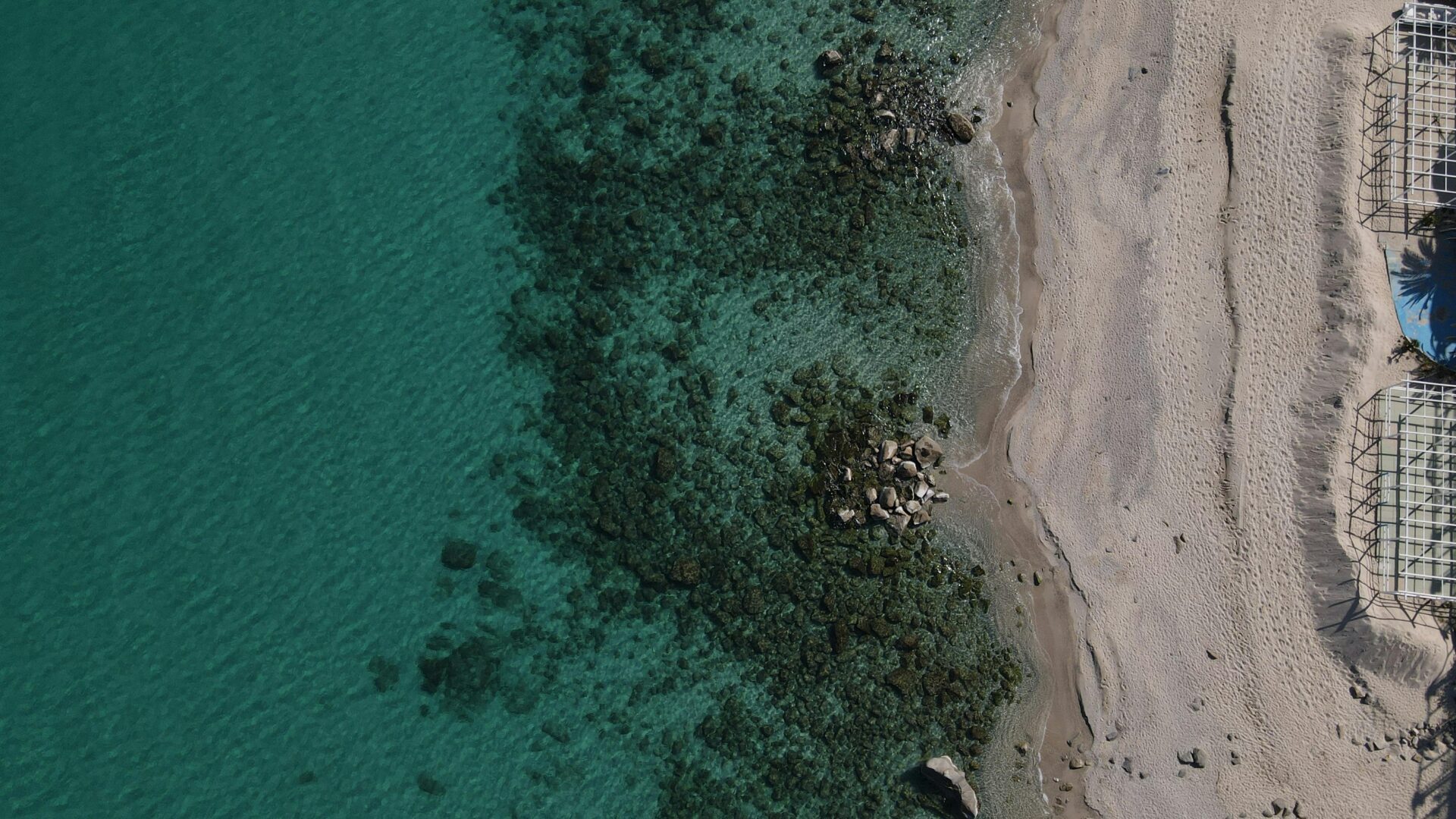
Soverato’s coastline stretches out with golden sands meeting the clear blue Ionian Sea. These beaches are the reason the town gets called “The Pearl of the Ionian.”
What Makes Soverato’s Sandy Beaches Unique
The first time I walked onto Soverato’s beaches, the fine golden sand felt almost silky under my feet. Unlike many other Italian beaches, Soverato gives you a rare combo of soft sand and crystal-clear waters that gradually get deeper—perfect for families with little kids.
These beaches go on for kilometers along the Gulf of Squillace, making a golden ribbon against the Ionian’s blue. On calm days, I can see straight to the bottom, even when I’m out swimming a bit further.
Mediterranean shrubs and trees give some natural shade here and there, and that green against the gold is just stunning.

Where to Find the Best Beach Experiences
My go-to is Soverato Marina’s main beach—it’s the center of local beach life and has all the amenities. If you want more peace and quiet, head to Soverato Superiore. The coves there are smaller, more private, and the views are amazing.
Top Beach Spots in Soverato:
- Central Beach – Always lively, full of activities and beach clubs.
- Soverato Lido – Great for families, shallow waters.
- Northern Beach – Calmer, not as crowded.
- Pietragrande – Rocky, with incredibly clear water.
On summer weekends, I try to get there early. Italians know a good thing, and these beaches fill up fast.
Beach Services and Accessibility
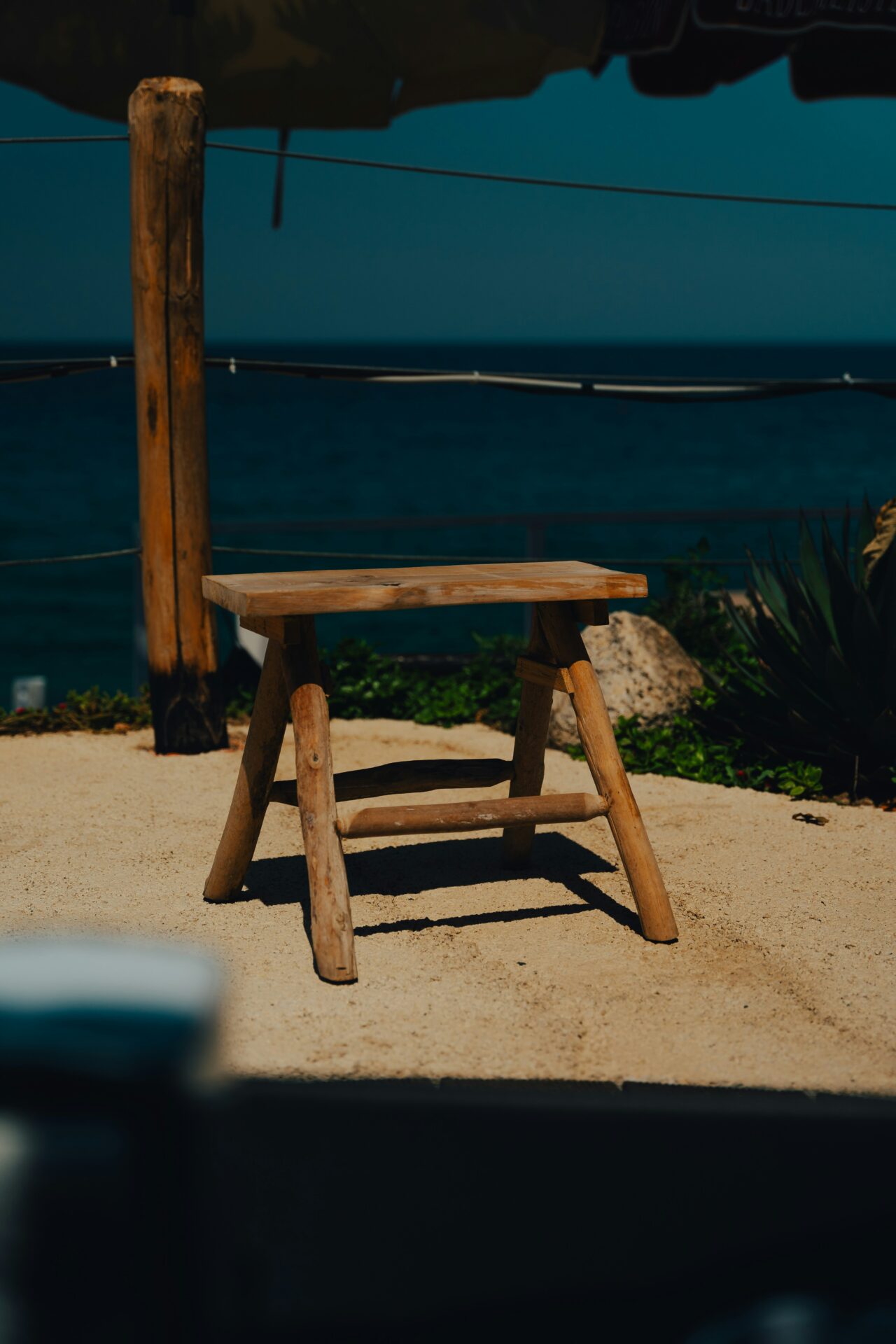
Most beaches here have great services, so a day by the sea is easy. The lidos (beach clubs) offer everything you need.
For about €15-20, you can get an umbrella plus two sunbeds for the whole day. Most clubs throw in free Wi-Fi, showers, and changing rooms.
Wooden walkways make it simple for everyone to reach the sand, and they’re pretty common along the beach.
The promenade’s full of cafés, gelaterias, and restaurants. I often stop there for a granita or a quick seafood lunch.
If you prefer the free beaches, just look for the public stretches between the lidos. Bring your own gear and enjoy the same stunning water.
The Magnetic Allure: Nature, Relaxation, and Adventure
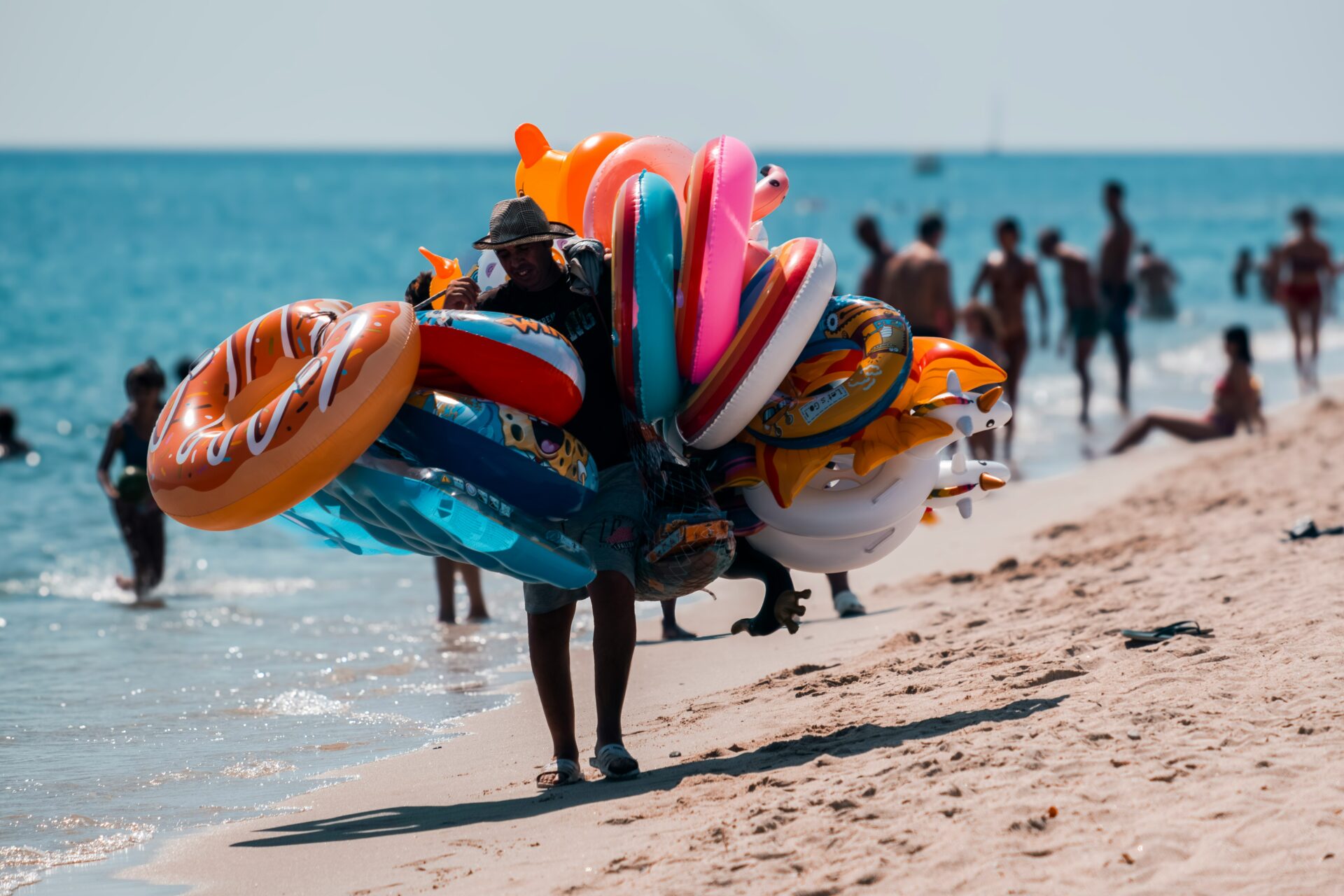
Soverato nails the balance between natural beauty and excitement, which is why Italians keep coming back. The golden coastline is just the start of what makes this place so special.
Nature Walks and Olive Groves
I’ve lost count of how many mornings I’ve wandered Soverato’s nature trails. These paths give you amazing views of the coastline—honestly, you won’t find scenery like this anywhere else in Calabria.
The ancient olive groves especially stand out. Some of these trees are centuries old, their twisted trunks showing off the passage of time. Walking among them feels like stepping into another era.
In spring, wildflowers cover the hillsides with color. I always suggest an early morning walk to catch the soft light through the olive branches.
Local guides sometimes lead tours that mix nature appreciation with a bit of education about the area’s ecosystem. These walks work for any fitness level and offer a calm change from the beach scene.

Diving, Sailing, and Water Sports
The Ionian waters here are a dream for anyone who loves the sea. I’ve gone diving a few times, and the visibility is always impressive—sometimes you can see over 30 meters.
Sailing’s big here too. You can rent anything from small boats to bigger yachts. The coastline hides secret coves that you can only reach by water.
Water sports? There’s plenty:
- Paddleboarding
- Jet skiing
- Windsurfing
- Snorkeling
- Kayaking
The best time for water activities is June through September, when the sea’s nice and warm. Several schools offer lessons, so it’s easy to try something you’ve never done before.

Exercise, Sports, and Local Football
Football is basically a way of life here. The local team draws serious support, and catching a match at the stadium is a real taste of Italian sports energy.
Exercise equipment lines the waterfront promenade, so you can squeeze in a workout even on vacation. I like using the outdoor gym at sunset, when it’s cooler.
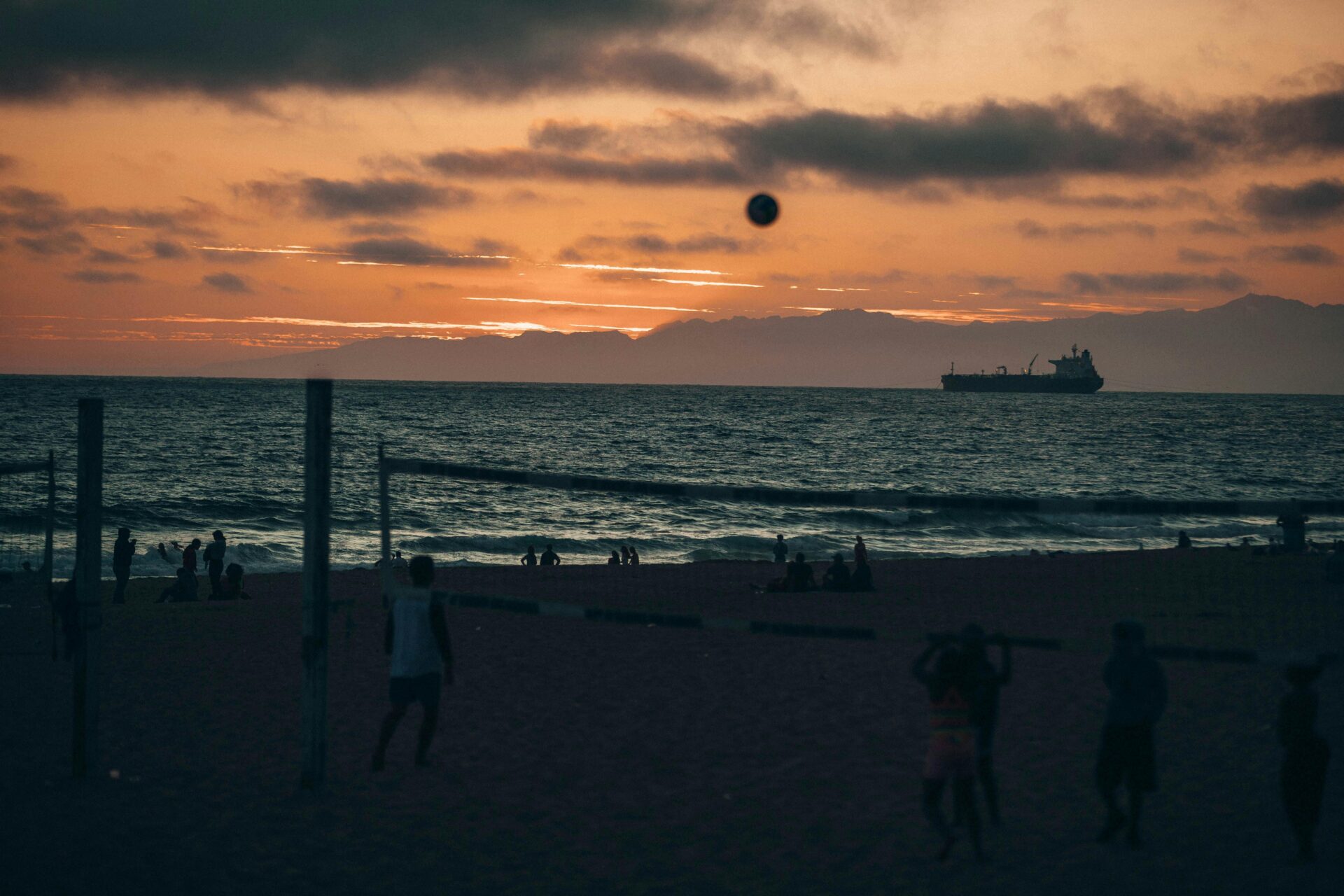
You can find tennis and basketball courts, and hotels will often help you book a slot. Beach volleyball is a summer staple—tourists are usually welcome to jump in on a game, which is a fun way to meet people and get moving in the sunshine.
Culture, Art, and the Spirit of Calabria
If you want to feel Calabria’s soul, dive into its cultural traditions, architecture, and art. Soverato makes a great starting point for exploring all this history.
The Historic Center and Architectural Beauty
Walking through Soverato’s old town, I feel like I’ve traveled back in time. Narrow cobblestone streets wind between buildings that show off the area’s architectural history.
I love the little piazzas where everyone gathers in the evenings. The buildings have those classic Calabrian touches—arched doorways, terracotta roofs, and balconies with stories to tell.
If you head over to Catanzaro, just a short drive away, you’ll find even more historic gems. Its old town blends Byzantine, Norman, and Spanish styles. The Palazzo dei Nobili and other grand homes hint at a rich past.
The facades, painted in warm Mediterranean shades, make for great photos. There are some viewpoints where you can see how the old buildings fit perfectly into the natural landscape.

Churches, Amphitheaters, and Castles
Calabria’s religious roots show up in its beautiful old churches. In Soverato, the Church of Maria SS. Addolorata stands out for its history and craftsmanship.
Nearby towns have ancient amphitheaters that give you a peek into the Roman era. I was honestly surprised by how well some of these ruins have survived.
Medieval castles dot the landscape, each one with a story. The Norman castle ruins close to Soverato offer sweeping views of the coast and a sense of the area’s strategic importance.
These places aren’t just for tourists—locals still use them for concerts, plays, and events on summer nights.

Art, Local Traditions, and Festivals
Calabrian art draws from the region’s mix of Mediterranean influences. Modern galleries in Soverato and Catanzaro show off art that mixes old themes with new styles.
I’ve noticed local traditions run deep here. Handmade ceramics with unique Calabrian designs make great souvenirs. In some villages, you can still find silk weaving, with patterns that have been passed down for ages.
Festivals really bring the culture to life. During the Feast of Madonna del Rosario, the streets fill up with music, processions, and food stalls.
The tarantella, Calabria’s lively folk dance, is a staple at these events. I’ve even joined in a few times—locals are always happy to teach newcomers the steps.
Food festivals celebrate things like ‘nduja (that spicy spreadable sausage) and bergamot, the citrus used in Earl Grey tea.

Gastronomy and the Flavors of Soverato
Eating in Soverato is a treat—every meal feels like a slice of local tradition, especially if you love seafood. The food here tells a story of fresh ingredients and Calabrian pride.
Mediterranean Cuisine and Local Specialties
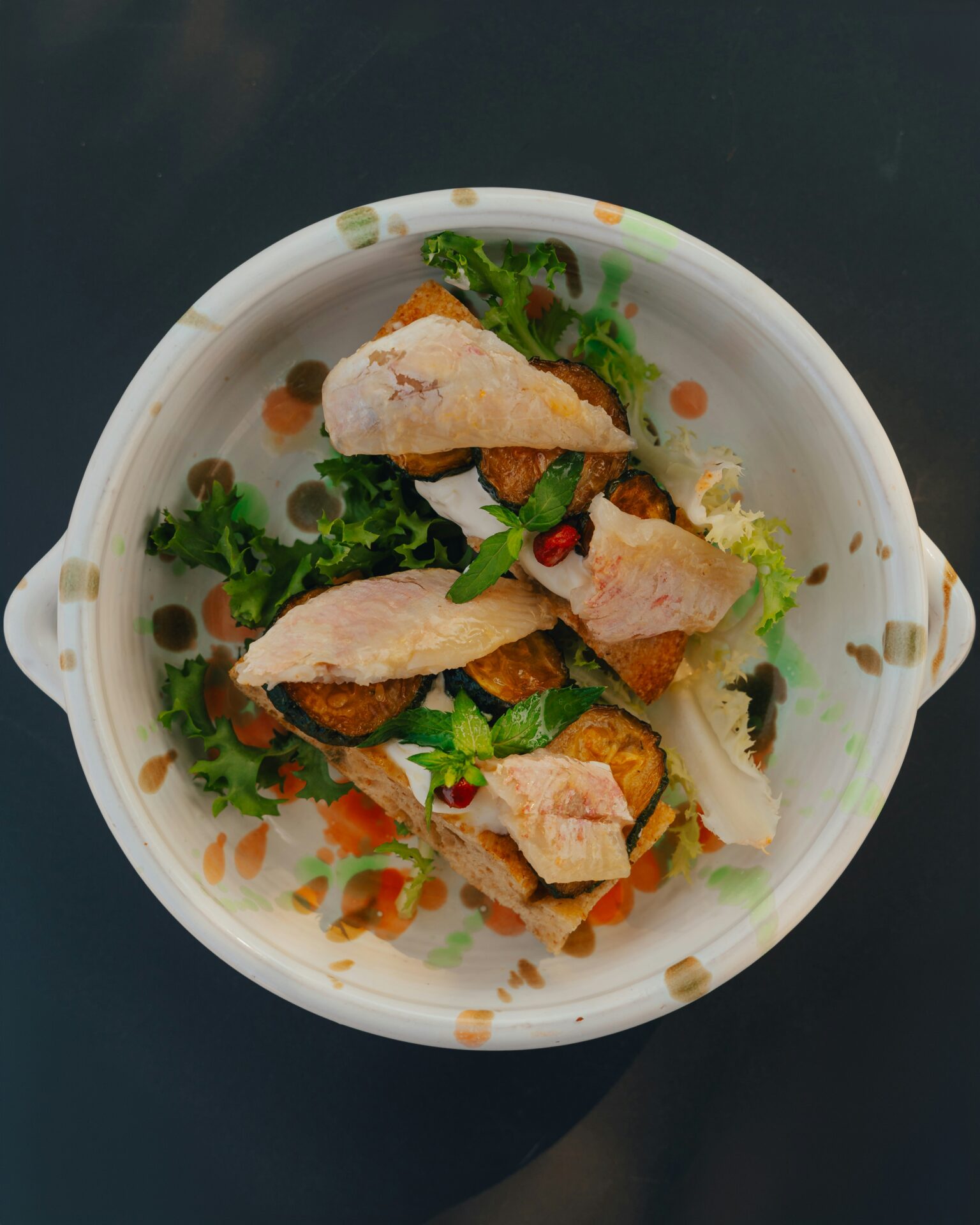
Just walking around town, the smells drifting from kitchens are amazing. Seafood is the star here, no question. The pasta dishes loaded with mussels, clams, and shrimp are hard to beat.
There’s one dish I always order: “pesce spada alla calabrese” (Calabrian-style swordfish), usually grilled with olive oil, lemon, and herbs. Restaurants love to show off regional ingredients, especially those fiery Calabrian chili peppers.
Breakfast usually means a cornetto and espresso by the sea. For something different, try ‘nduja—locals put it on everything from pizza to bread.
Restaurants, Bars, and Places to Dine
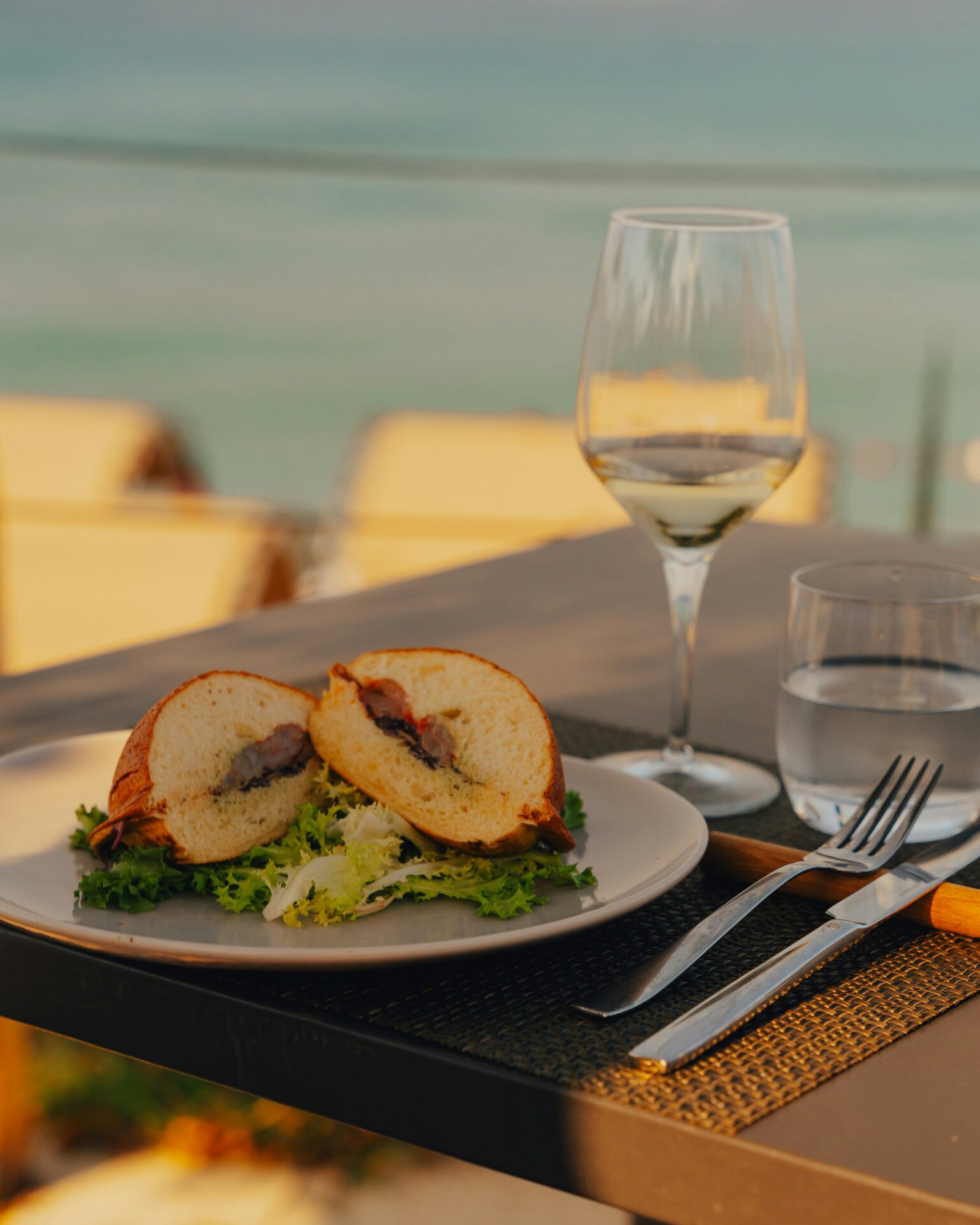
Dining options range from chill beachside places to fancier spots. My favorite is right on the boardwalk, where you can eat with your feet in the sand and the waves close by.
If you want the freshest seafood, check out the restaurants near the fishing harbor. They serve whatever came in that morning—can’t get fresher than that.
Beach bars dot the coast, perfect for a quick Aperol Spritz while you watch the sun go down.
Prices are pretty reasonable, especially compared to the north. A full seafood dinner usually runs €25-40 per person. Lunch at a beach bar? Maybe €10-15 for a sandwich and a drink.
Points of Interest and Day Trips Beyond Soverato
Sure, Soverato’s beaches are amazing, but the region around it is packed with adventures for anyone willing to explore. From historic towns to ancient ruins, Calabria has plenty to offer just a short drive away.
Stunning Destinations: Pizzo, Tropea, and Badolato
Pizzo really won me over with its old town set high on a cliff above the Tyrrhenian Sea. It’s famous for tartufo ice cream and the Piaggio Aragonese castle. If you have time, take the walking tour—it’s worth it.
Tropea is probably Calabria’s most famous beach town. The white sand beaches sit below dramatic cliffs topped with colorful houses. The Santa Maria dell’Isola sanctuary on its rocky outcrop is one of Italy’s most iconic sights.
Badolato is a quieter, more authentic spot away from the crowds. This medieval hilltop village gives you sweeping views of the Ionian coast. I wandered its narrow alleys, passing stone houses and stumbling on artisans making traditional Calabrian crafts.
These three towns are easy day trips from Soverato, each one showing off a different side of Calabrian coastal life.

Ancient Sites: Sibari, Crotone, and Archaeological Excavations
Sibari used to be one of the richest cities in Magna Graecia. Now, the archaeological park lets you wander through the remains of this ancient Greek colony.
You can see the street layouts, old buildings, and artifacts from so many different eras. It’s honestly wild to imagine how much history sits right under your feet.
The archaeological museum brims with remarkable finds that tell the story of this sophisticated civilization. I spent hours poking around the exhibits—everyday objects sit beside some truly extraordinary artistic treasures.
Crotone keeps its Greek roots alive in the archaeological museum and those ancient city walls. Pythagoras actually ran his famous school of philosophy and mathematics here back in the 6th century BCE.
The Castle of Charles V gives you both a crash course in history and, honestly, some of the best sea views around.
Archaeologists keep digging up new remnants of Greek, Roman, and Byzantine civilizations throughout the region. These sites open up fascinating windows into Calabria’s tangled, colorful past.

Charming Villages: Tiriolo and Belcastro
Tiriolo sits dramatically on a ridge between the Ionian and Tyrrhenian seas. On clear days, I could spot both coastlines from this perfectly perched village.
The ethnographic museum displays the famous “Cavaliere di Tiriolo,” a bronze statue from the 4th century BCE. The narrow streets twist through stone buildings, and bright flowers spill from windowsills.
Local weavers still use ancient patterns, making beautiful textiles the old-fashioned way. Honestly, it feels like time slows down here.
Belcastro perches on a hillside surrounded by olive groves and radiates real medieval charm. The Norman castle ruins offer up spectacular views of the countryside.
I found the local food scene surprisingly impressive. Small family restaurants serve hearty Calabrian specialties, and most ingredients come straight from nearby farms.
Both villages give you a real glimpse into Calabria’s inland culture. Traditions stay strong, and the landscapes manage to inspire awe at every single turn.

Volcano Views: Stromboli and Vulcano
The Aeolian Islands sit just off Sicily’s northeastern coast. They’re a bit of a trek from Soverato, but if you’re feeling ambitious, the trip really pays off.
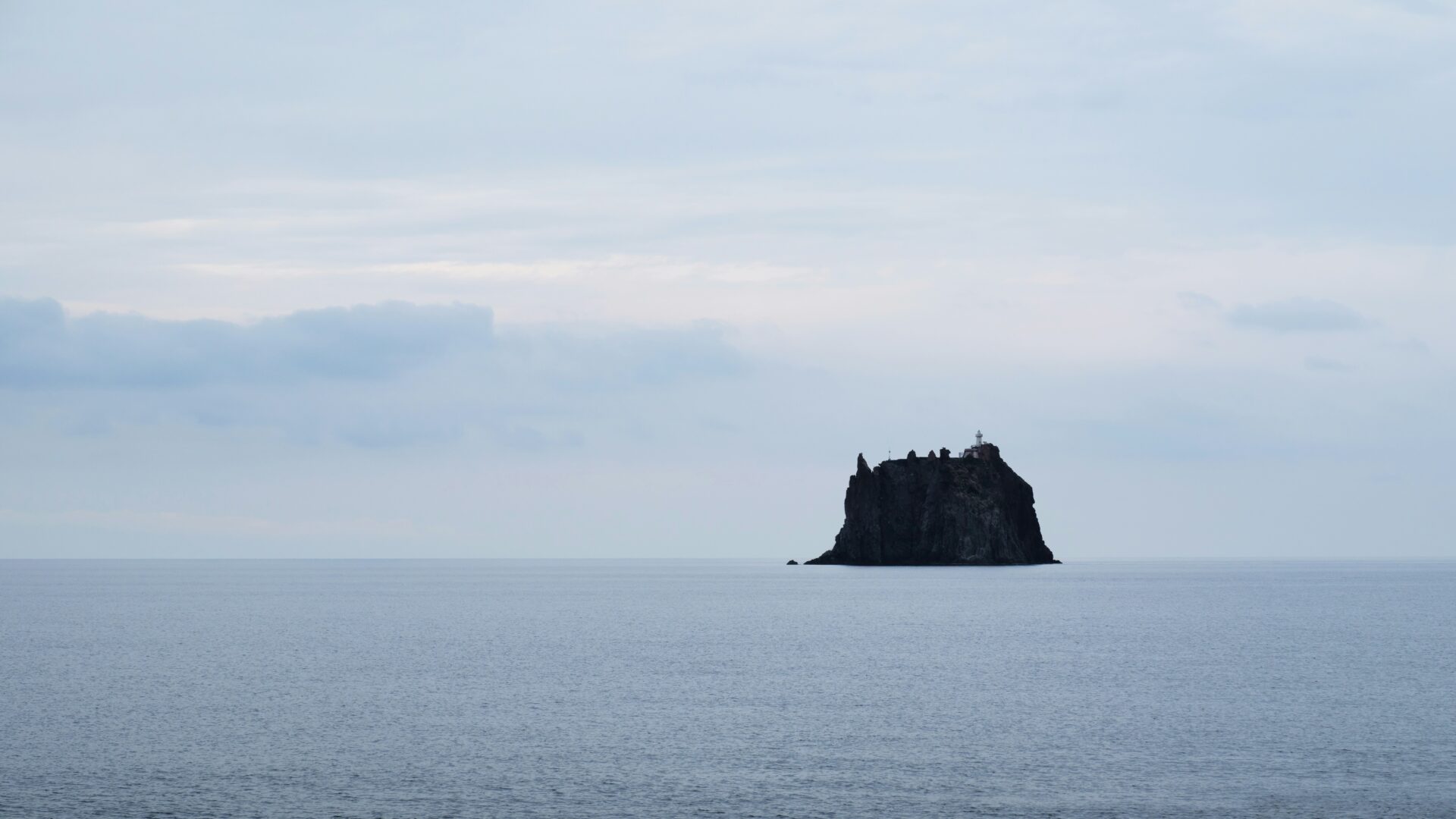
Boat tours leave from nearby ports, offering day trips to these volcanic wonders. Stromboli boasts one of the world’s most active volcanoes, regularly tossing out minor eruptions like nature’s own fireworks.
Evening boat tours get you close enough to witness the “Sciara del Fuoco”—lava streams glowing as they slide into the sea. It’s something you don’t forget.
Vulcano Island got its name from the mythological forge of Hephaestus. The island’s mud baths and hot springs offer surprisingly soothing experiences, all with wild volcanic backdrops.
If you’re up for it, the hike to the crater rewards you with panoramic views of the whole archipelago.
These volcanic islands stand in dramatic contrast to Soverato’s golden beaches. Sure, getting there means an early start and a long day, but the otherworldly landscapes make it more than worth the effort.
Planning Your Stay: Practical Travel Insights
Organizing a trip to Soverato means juggling logistics and comfort. You want to get the most out of this Ionian gem, right?
Getting There: Lamezia Terme and Regional Access
Lamezia Terme Airport serves as Calabria’s main gateway. It’s about an hour’s drive from Soverato.
On my trips, I found that renting a car made everything easier. The scenic drives along the coast are half the fun.
If you’d rather skip the car, regular trains run between Lamezia and Soverato. The regional trains are affordable, but hey—this is Italy. Delays happen.
Local buses connect major towns, but schedules can get pretty limited during the off-season. Last summer, I noticed a lot of travelers using ride-sharing apps, which have finally started covering the region.
Honestly, if you’re traveling in July or August, book airport transfers ahead of time. That’s peak tourism, and things get busy fast.
Apartments, Accommodation, and Modern Comforts
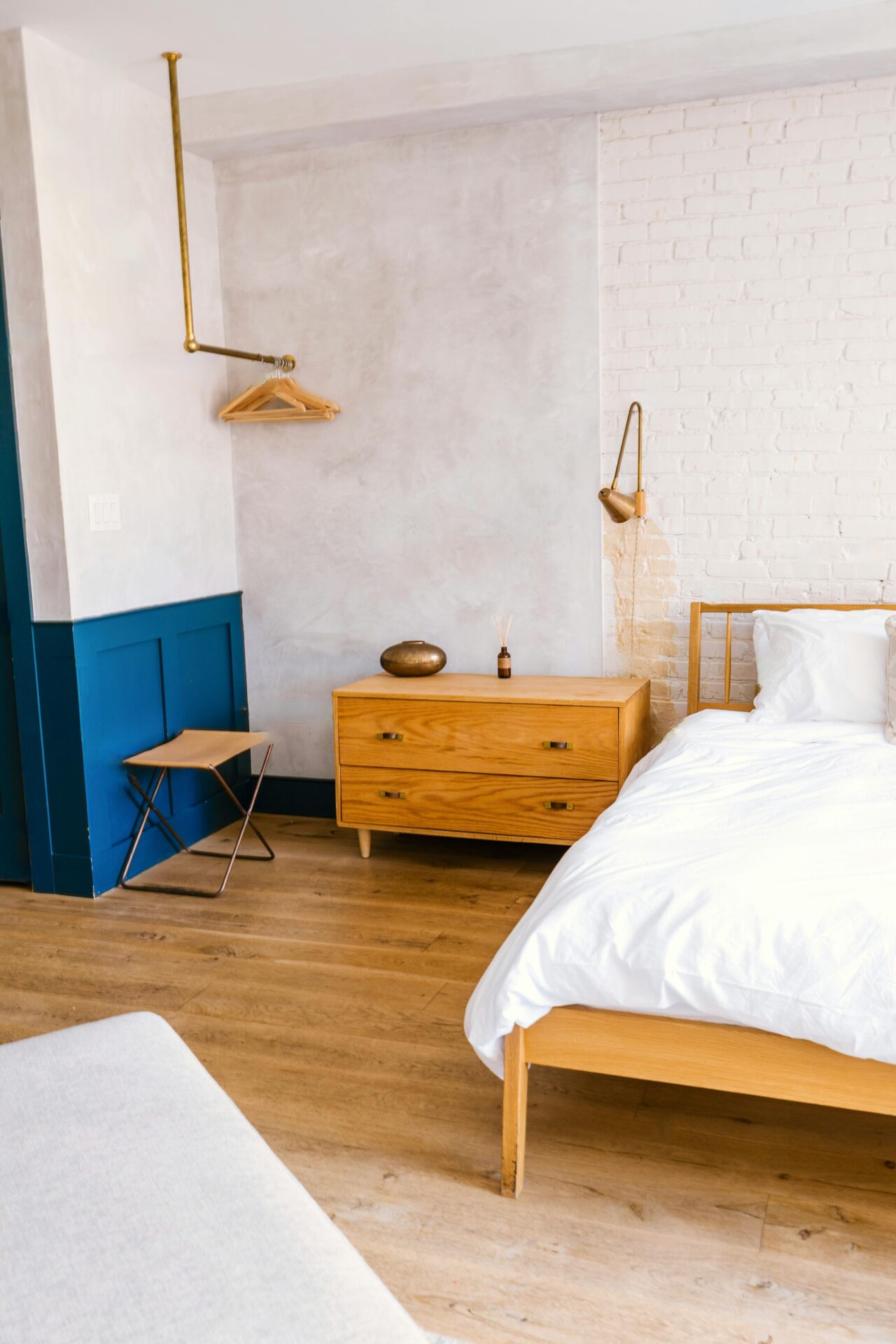
Soverato has places to stay for every budget. I’ve tried everything from fancy beachfront hotels to cozy family-run B&Bs.
For longer visits, renting an apartment makes the most sense. Many old buildings have been beautifully renovated, still holding onto their Calabrian character.
My favorite spot had a rooftop terrace with a sea view that honestly blew me away.
Modern amenities are pretty common, but not every place has everything:
- Air conditioning (you’ll want this in summer)
- WiFi (sometimes spotty)
- Kitchen facilities (perfect if you want to cook with local ingredients)
Booking platforms like Airbnb have tons of options, but sometimes you’ll find better deals by booking directly with local places. It’s worth checking.
Languages Spoken and Local Customs
Italian is the official language here, but honestly, English skills can be hit or miss in Soverato. Around tourist spots, restaurants, and hotels, you’ll probably bump into someone who speaks English. Once you wander into local markets or tiny shops, though, you’ll really need some Italian.
I’ve noticed that just knowing a few phrases makes a huge difference:
- “Grazie” (thank you)
- “Per favore” (please)
- “Quanto costa?” (how much?)
Locals take meal times seriously. Most businesses close down for riposo, that midday rest, from about 1 to 4pm.
Dinner doesn’t really get going until after 8pm. If you show up earlier, you might find yourself eating alone, which can feel a bit odd!
People in Calabria truly value personal connections. I remember shopkeepers recognizing me after just one visit. Sometimes, they’d even hand me a little sample or a small gift when I came back.

#/media/File:Chiesa_di_Soverato_Superiore_(agosto_2019).jpg)
