
The Canadian dollar—everyone calls it the “loonie” thanks to the bird on the one-dollar coin—hovers around 69.5 cents compared to the U.S. dollar these days. For Americans, that means your wallet just got a lot bigger when you’re dealing with Canadian currency or heading north for a trip.
Let’s dive into what this exchange rate actually means on the ground. From tourist hotspots to groceries, everything starts to feel a little more affordable for Americans. The weak loonie opens up all kinds of opportunities, whether you’re planning a getaway or just shopping online from Canadian stores.
So, let’s break down how Canadian coins work, why the loonie’s value is what it is, and—most importantly—how you can make the most of this currency gap. There’s a bit of history behind these quirky coins, and right now, Americans are in a sweet spot for getting more bang for their buck.
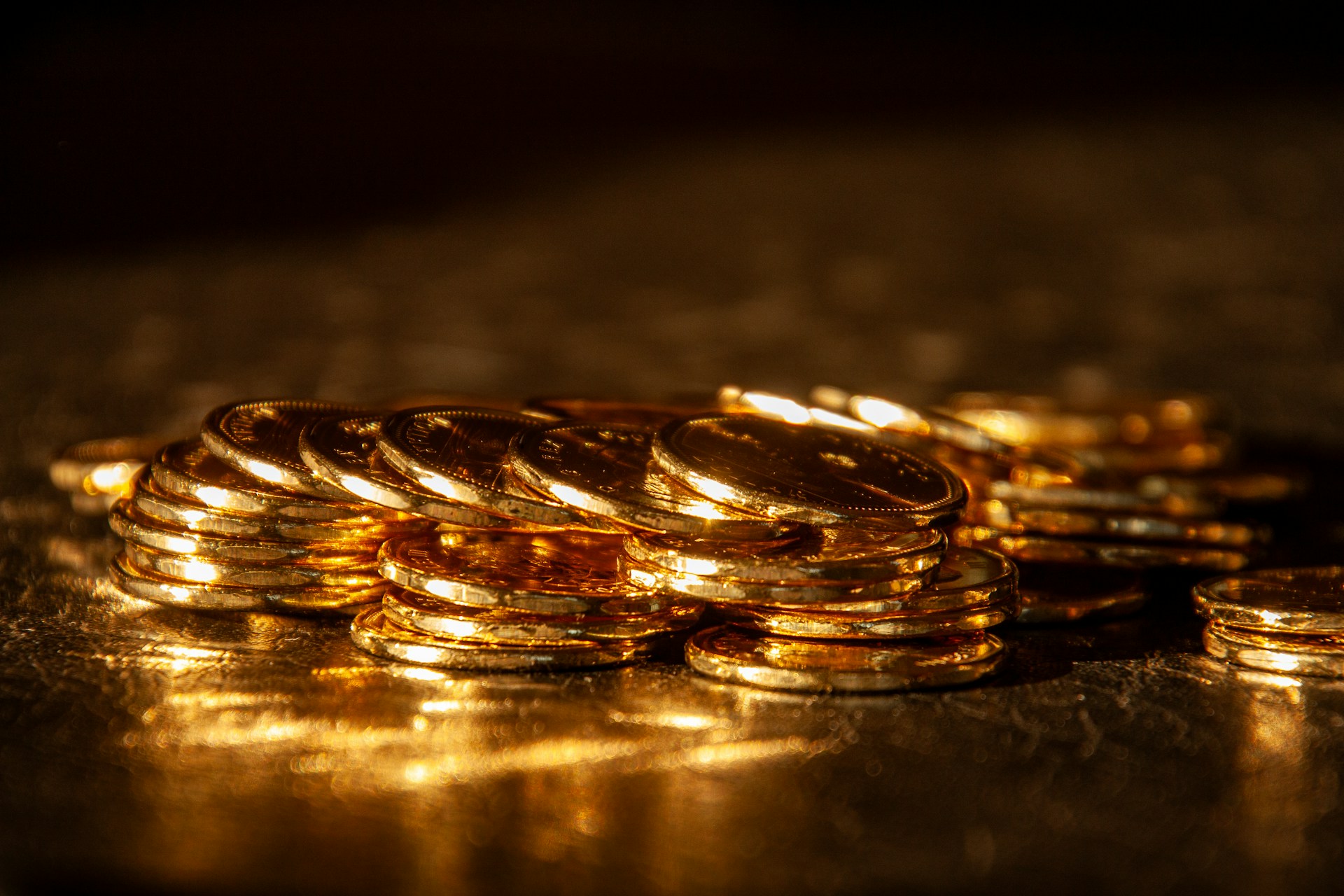
Understanding Canadian Coins: Loonie and Toonie Explained
Canada switched from paper bills to coins for the $1 and $2 denominations to save money and keep coins in circulation longer. The loonie showed up in 1987, and the toonie followed in 1995, each with its own story.
What Is the Loonie and How Did It Get Its Name?
The loonie is Canada’s $1 coin. In 1987, the government decided to swap out the old paper dollar because coins just last longer—over 20 years, actually. Paper bills? They barely survive a year.
Why the loon? That wasn’t even the original plan. The Royal Canadian Mint tried to use the old “Voyageur” design, showing a canoe and paddlers. But, in a twist worthy of a Canadian winter, the dies vanished during a snowstorm en route to Winnipeg.
Artist Robert-Ralph Carmichael whipped up the loon design as a replacement. The loon is everywhere in Canada, so it just fit. It’s almost a symbol of the country’s wild side.
People loved the name “loonie” so much that by 2006, the Mint actually trademarked it. Now, if you ask for a $1 coin in Canada, you’ll probably just hear “loonie.”
The Toonie: The Canadian $2 Coin
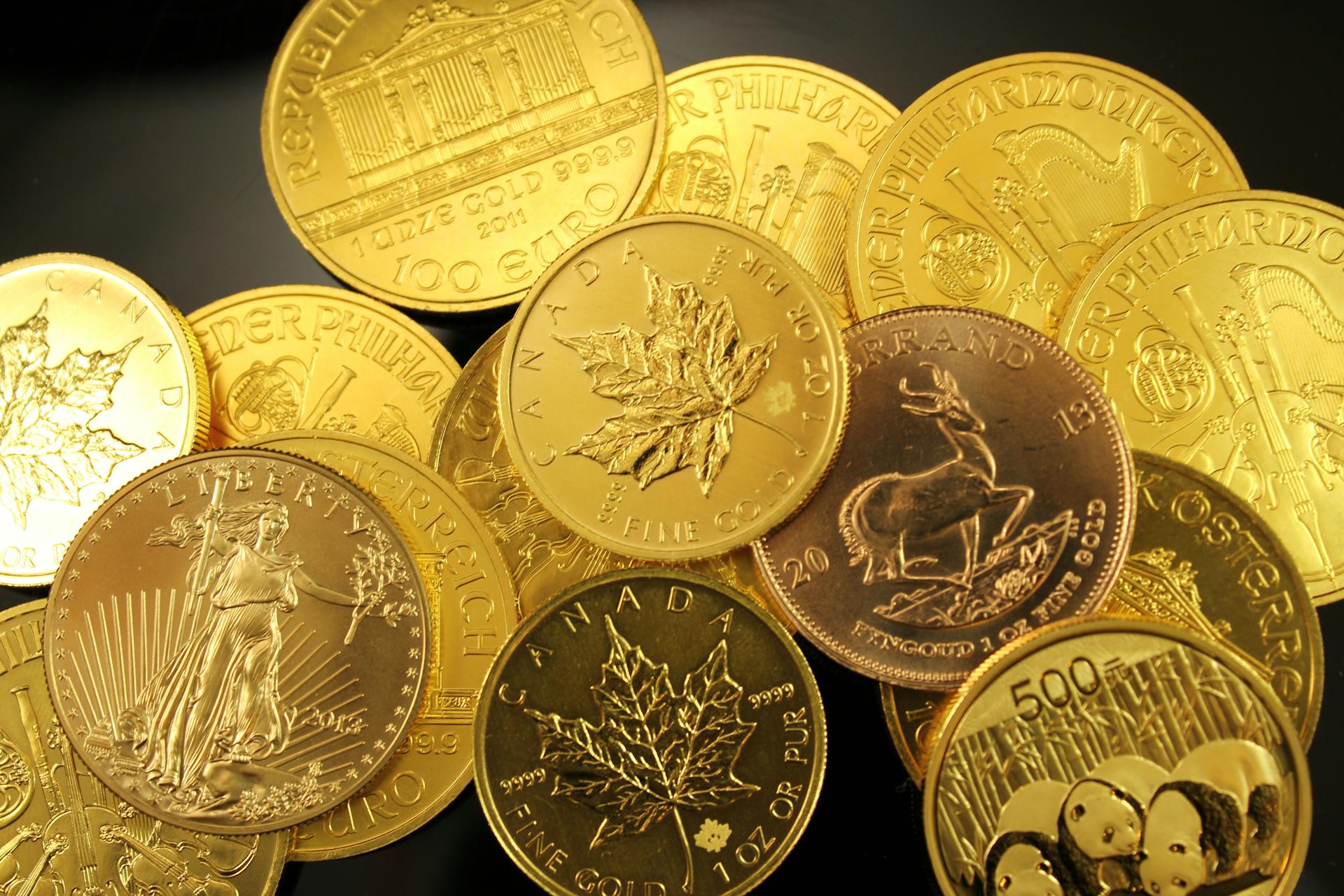
The toonie came out in 1995 and replaced the $2 bill overnight. Its name is a mashup of “two” and “loonie.” Some folks tried “dubloon” or “dubloonie,” but “toonie” won out.
Before the design was chosen, Canadians weighed in with a national survey. Wildlife was the big winner.
Brent Townsend designed the polar bear that’s now on the back of every toonie. If you look closely, you’ll spot his initials on the ice floe.
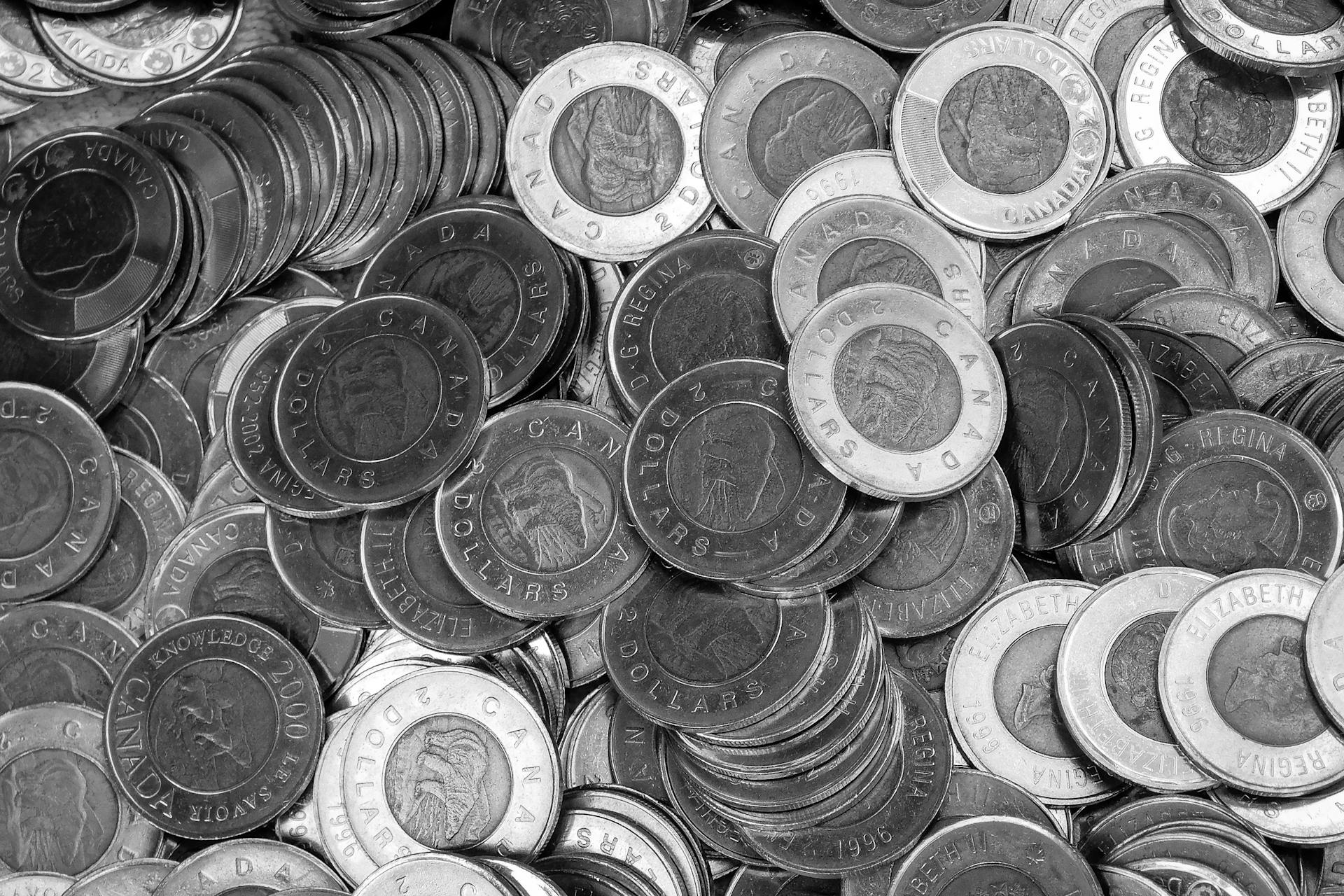
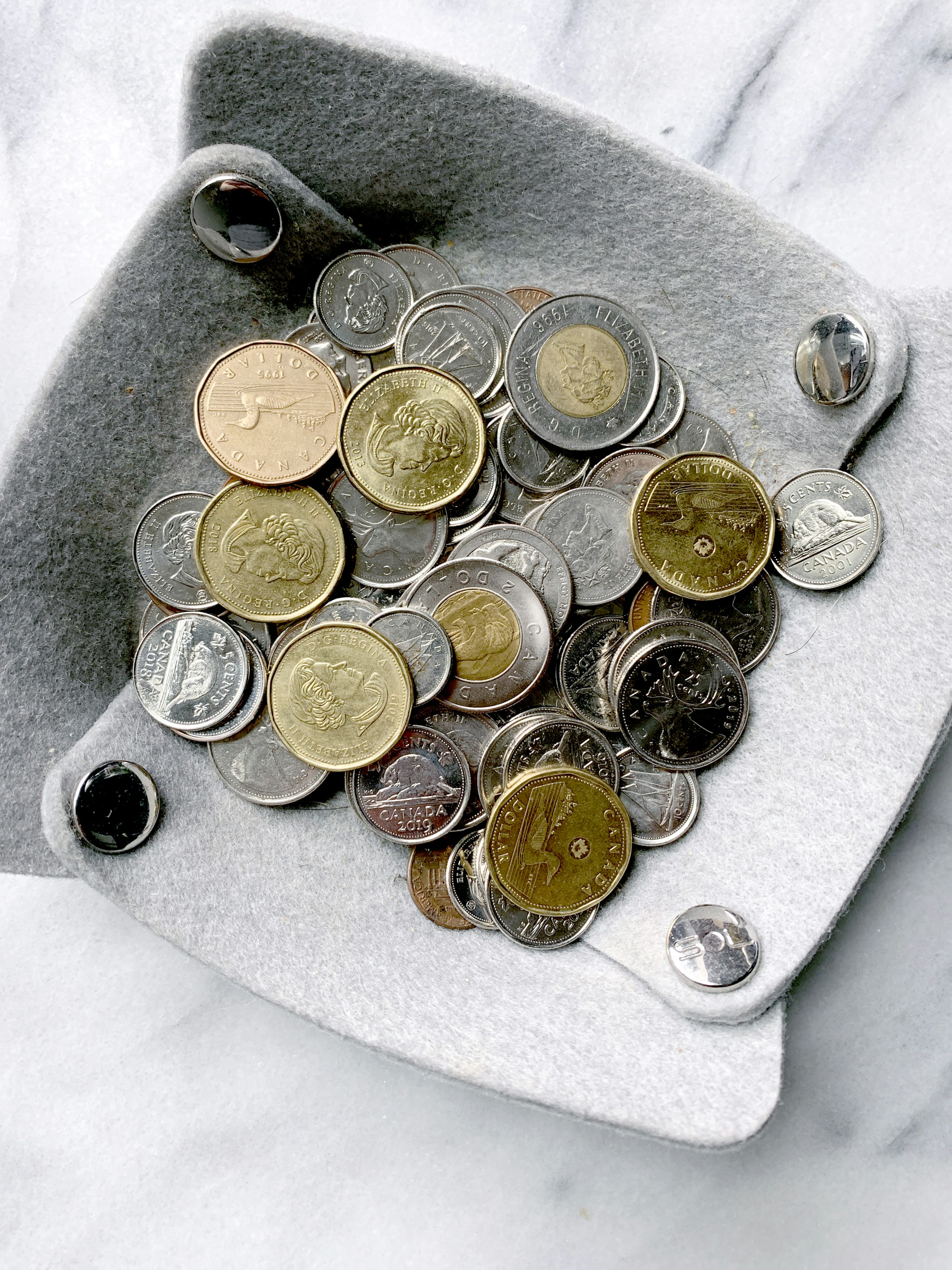
The toonie stands out because it’s bimetallic—two different metals, two colors. You can’t really mix it up with any other coin in your pocket.
In 2006, they named the bear “Churchill,” nodding to both Winston Churchill and the Manitoba town famous for its polar bears.
Design and Symbolism of the Loonie and Toonie
Both coins show off Canadian symbols, right down to the details.
Loonie Design:
- Front: The reigning monarch (King Charles III since 2023)
- Back: A loon gliding on a lake with trees behind it
- Security: A laser-etched maple leaf above the loon’s head (added in 2012)
The loon stands for Canada’s wild places and a certain peacefulness you get up north.
Toonie Design:
- Front: Monarch’s portrait
- Back: Polar bear on Arctic ice
- Feature: Two-tone metal rings make it easy to spot
That polar bear? It’s all about Canada’s Arctic and a nod to the country’s strength and northern roots.
You’ll always see “CANADA” and the value on both coins. The Mint keeps adding security features to stay ahead of counterfeiters.
Designs get little tweaks now and then. New monarch? The coin updates. Special events? You might spot a commemorative edition.
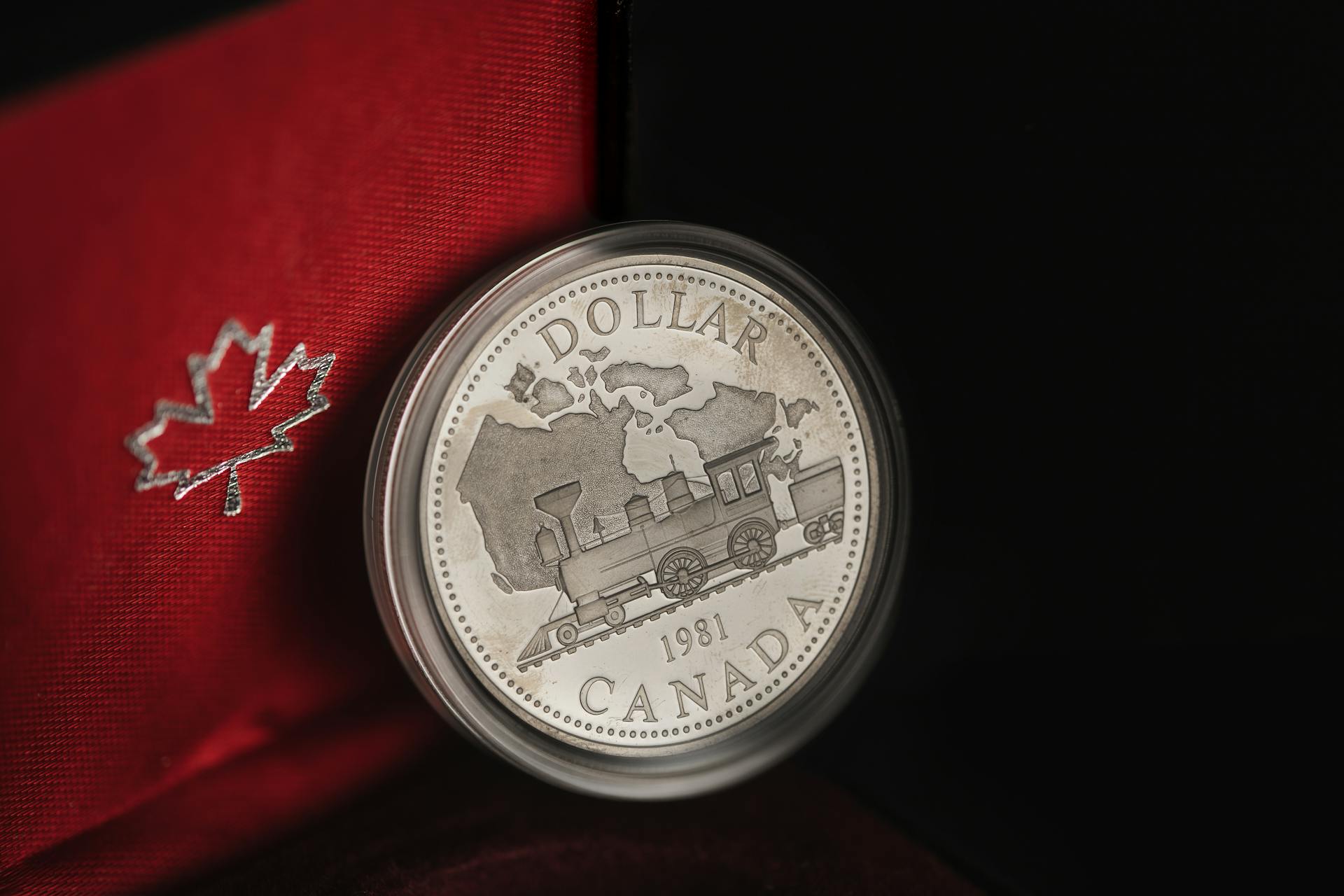
The Loonie Advantage Over the U.S. Dollar
The Canadian dollar’s recent slide against the U.S. dollar has made things a lot more interesting for American travelers. Exchange rates now tip the scales in favor of U.S. dollar holders, and a few big economic trends keep pushing the loonie lower.
Recent Shifts in Exchange Rates
The loonie really took a dive this year. By late 2024, it dropped to about 71 cents on the U.S. dollar.
That’s a noticeable slip from earlier in the year when it hovered between 72 and 74 cents.
A quick look back:
- 2007: Loonie peaked at $1.05 CAD/USD
- 2008-2016: It slid after the financial crisis
- 2024: Down to $0.71 CAD/USD
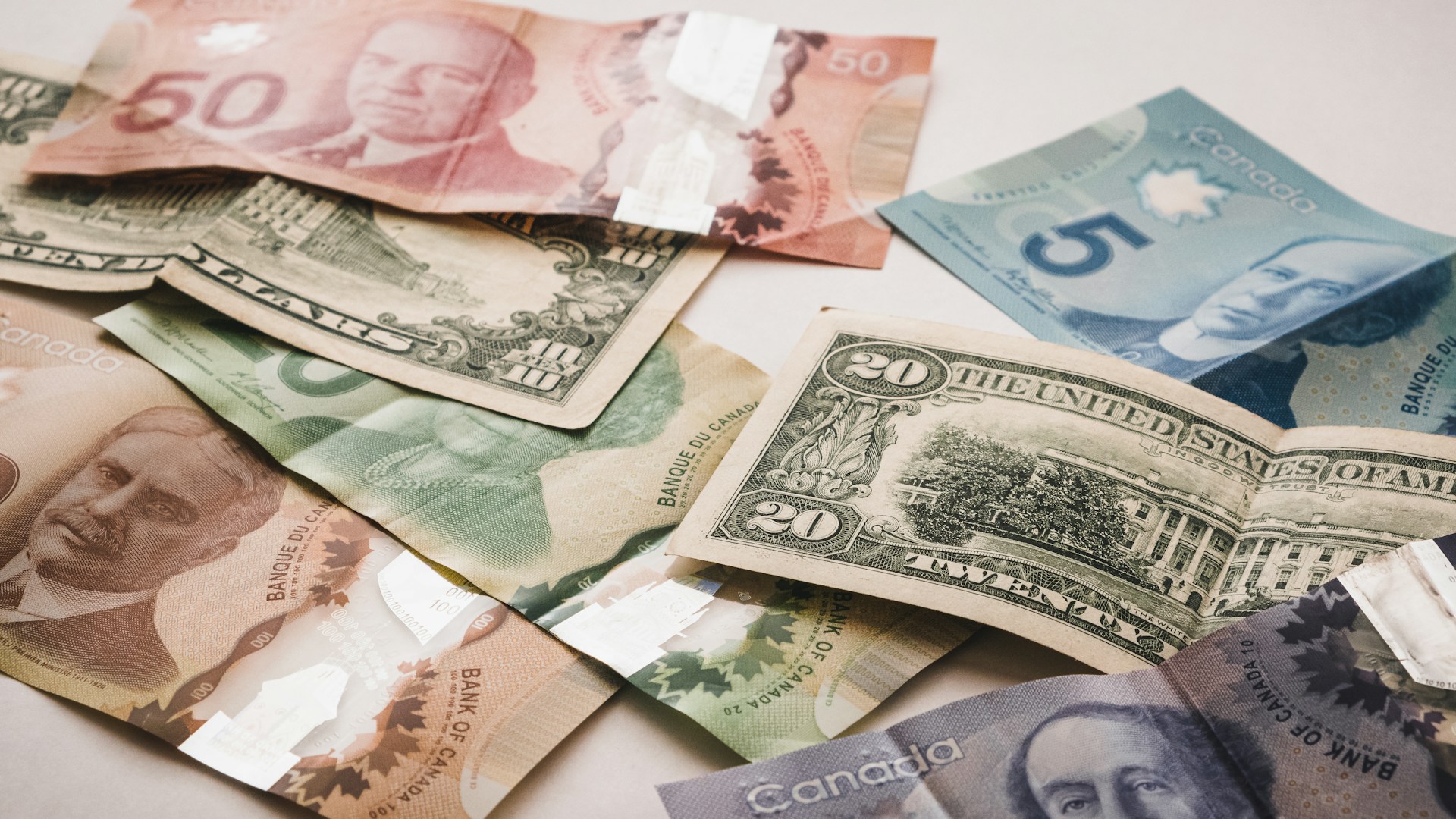
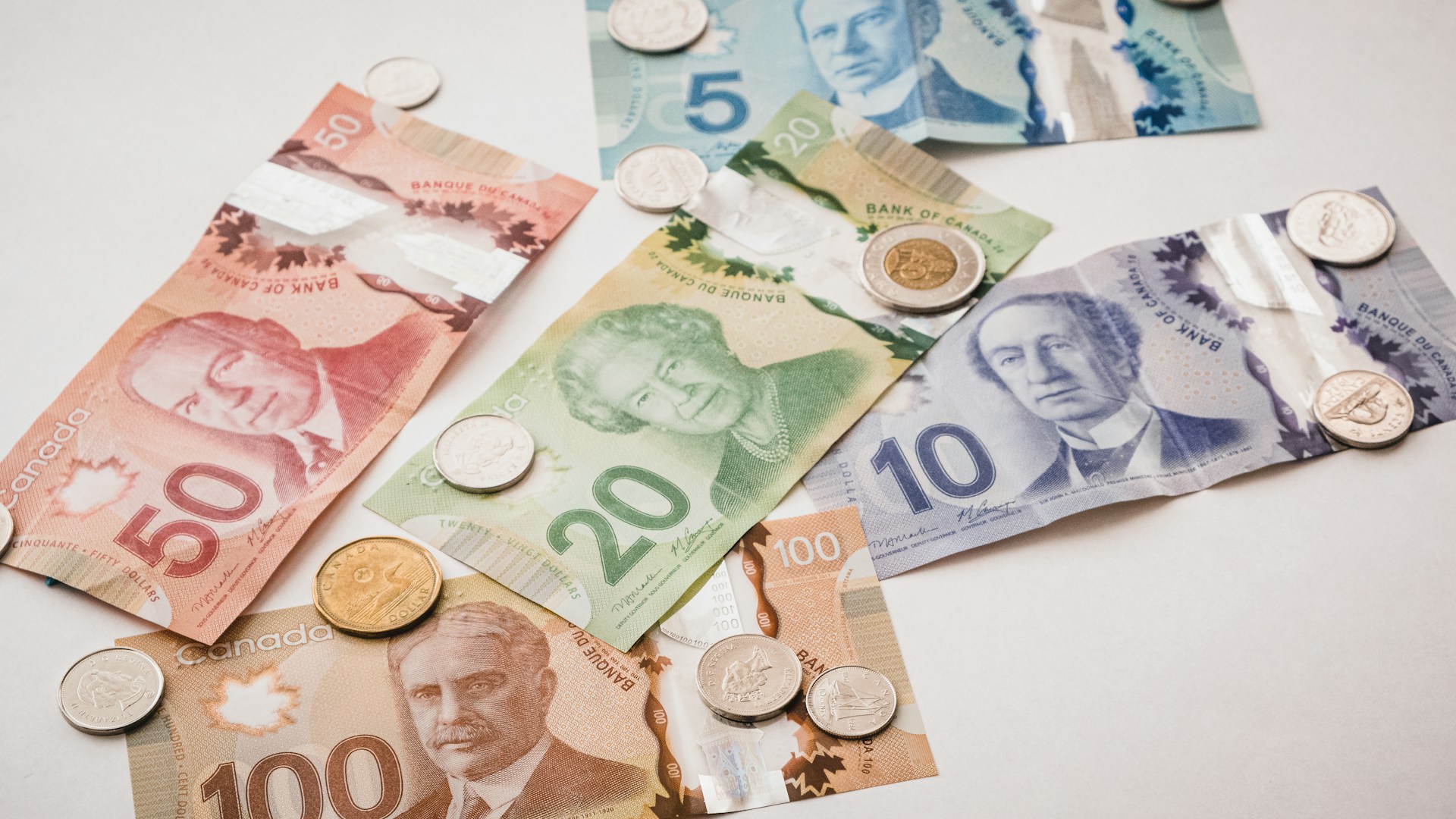
Right now, each U.S. dollar gets you about $1.41 in Canadian currency. That means real savings on just about anything you buy or book in Canada.
Economic Factors Influencing Value
A few big things drive the loonie’s weakness. Oil prices are huge—Canada exports a ton of petroleum, so when oil slumps, so does the dollar.
Interest rates matter too. When the U.S. offers higher rates than Canada, money chases those better returns south of the border.
Main drivers:
- Oil prices: Low prices mean a weaker Canadian export economy
- Interest rates: U.S. rates often outpace Canada’s
- Trade: Over 75% of Canada’s exports head to the U.S.
Canada’s economy rides the waves of global commodity prices, especially oil. And when the U.S. economy is humming, investors tend to favor American assets.

Dollar Diversification for U.S. Travelers
If you plan ahead, you can really stretch your dollars in Canada. The weak loonie lets Americans save big on almost everything.
It’s not hard to save 25-30% on most purchases compared to U.S. prices. Hotels, meals, shopping—it all adds up.
Smart moves:
- Exchange cash when rates are good
- Use credit cards with no foreign transaction fees
- Snap up Canadian gift cards when the exchange rate is in your favor
- Time big buys for when the loonie is weak
Big-ticket items like real estate, cars, and luxury goods suddenly become a lot more tempting when you pay in U.S. dollars.

How Canadian Coins Enhance American Purchasing Power
Whenever the Canadian dollar dips below the U.S. dollar, Americans traveling north get a serious purchasing boost. The loonie’s lower value means instant savings on hotels, food, and fun across Canada.
Stretching Budgets on Canadian Travel
I’ve noticed hotel costs drop sharply when I pay with U.S. dollars. Rates listed in Canadian dollars suddenly look like bargains.
Typical savings on places to stay:
- Hotels: 20-35% off during loonie lows
- Vacation rentals: 15-30% cheaper
- Camping: 25-40% less expensive
Getting around is easier on the wallet too. Car rentals, gas, and public transit all cost less in U.S. dollar terms.
Rental car prices are set in Canadian dollars, but thanks to the exchange rate, your American money goes further at the counter.
Even flights within Canada become more affordable. When you pay in U.S. dollars, those domestic flights in loonies are a steal.

Shopping and Hospitality Benefits
Eating out is one of the best deals. Menu prices stay put in Canadian dollars, but the exchange rate makes every meal a bit more satisfying.
I’ve found the biggest savings at places a step above fast food. A $50 CAD dinner? It’s more like $37 USD if the exchange rate’s on your side.
Where to look for value:
- Clothes: Canadian brands can be 20-30% cheaper
- Outdoor gear: Great deals on camping and sports equipment
- Local crafts: Handmade souvenirs come at a discount
Even groceries are a better deal. When I’m near the border or spending a few weeks up north, I always stock up on Canadian goodies.
Salons, spas, and entertainment venues keep their prices in Canadian dollars. If you’re paying in U.S. dollars, you’ll get more for your money.

Impact on Tourism and Recreation
Ski resorts and outdoor adventures are a real bargain when the loonie is low. Lift tickets, gear rentals, and lessons all cost less for Americans.
I’ve saved on park entry fees, guided tours, and all sorts of outdoor activities. Parks Canada lists prices in loonies, so your U.S. dollars stretch further.
Recreation savings:
- Ski lift tickets: 15-25% off
- Guided fishing trips: 20-30% less
- Golf: 10-20% cheaper
Cultural attractions—museums, theaters, festivals—are easier to fit into the budget. Ticket prices don’t change, but your money goes further.
Pro sports are another win. Hockey, baseball, whatever your sport, tickets cost less when you pay with a strong U.S. dollar.
Tour companies set their prices in Canadian dollars, so whether you’re whale watching or heading out on a wilderness trek, you’ll find better deals when the loonie’s down.

The Economic Role of the Loonie in Canada and Beyond
The Canadian dollar does a lot more than just buy coffee—it’s a big player in the country’s economy and culture. The loonie’s ups and downs shape investment, trade, and even how the world sees Canada.
Currency Stability and Investor Appeal
The loonie has actually stayed pretty steady compared to some other currencies over the last 25 years. On average, it lands around 80 U.S. cents, which gives investors some peace of mind.
That kind of predictability pulls in foreign investment. When the loonie rose to 80 U.S. cents recently, it signaled that Canada’s economy was outpacing other G7 countries.
What helps keep it stable?
- Ties to oil prices
- Interest rate differences with the U.S.
- Economic growth comparisons
Currency traders often see the loonie as a safer bet than some emerging market options. Its link to natural resources, especially oil, gives it a solid foundation.
When the world gets shaky, the loonie benefits from Canada’s stable politics and strong banks.

Bank of Canada’s Policy Influence
The Bank of Canada sets the tone for the loonie’s value through interest rate decisions. When the central bank raised rates for the first time in seven years in July, the loonie jumped 10 percent in just a few weeks.
Interest rate changes ripple through the currency market quickly.
| Policy Action | Loonie Impact | Timeline |
|---|---|---|
| Rate increase | Strengthens | 2-4 weeks |
| Rate cut | Weakens | 1-2 weeks |
| Forward guidance | Gradual change | 1-3 months |
Markets often try to guess what the Bank of Canada will do next. Traders react before official announcements, so the loonie can move ahead of policy changes.
The central bank sometimes uses the loonie’s value as a lever. A strong loonie can slow exports and cool off economic growth, acting like a rate hike.
Governor Stephen Poloz has pushed for decisions based on the data, not just projections. That keeps everyone guessing and the loonie a bit unpredictable.

Export and Tourism Sector Impacts
The loonie’s value shifts the balance for different industries. When it’s strong, exporters struggle; when it’s weak, importers and tourism get a boost.
Exporters face:
- Tougher competition abroad
- Smaller profits when converting U.S. dollar sales
- Pressure to cut costs or get more efficient
Tourism feels the effects right away. A strong loonie makes Canada pricier for Americans, and fewer cross-border visitors show up.
I’ve watched tour operators sweat when the loonie climbs above 75 U.S. cents. At that point, Canada just isn’t the bargain it used to be for Americans.
Manufacturers selling to the U.S. see profits squeezed if the loonie jumps 10 percent—unless they hedge their currency.
On the flip side, Canadian companies that import supplies benefit from a strong loonie. They pay less for U.S. goods, which helps their bottom line.

Commemorative and Cultural Value
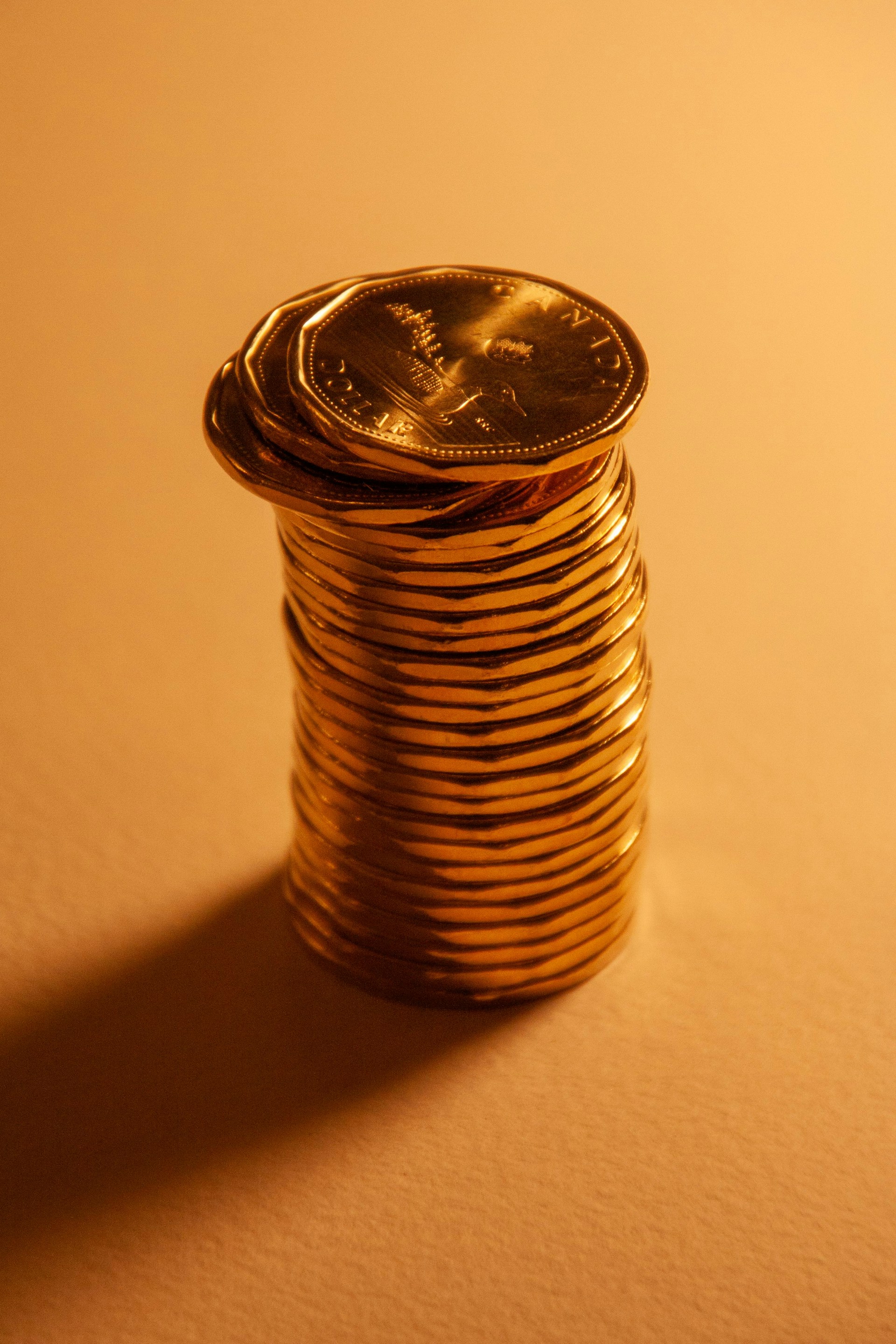
The Royal Canadian Mint rolls out the loonie coin, and honestly, it’s hard not to love that iconic loon design. Back in 1987, they swapped out the paper dollar bills for this one-dollar coin, and just like that, a quirky new symbol of Canadian identity took flight.
Every so often, the Mint drops special commemorative loonies to mark big national moments. These fresh designs aren’t just for show—they keep the currency’s cultural significance alive, way beyond its face value.
Why the loonie matters:
- It puts Canada’s national bird front and center.
- The designs highlight Canada’s artistic side.
- Collectors? They can’t get enough of these unique releases.
You’ll spot the loonie’s golden tone and unusual shape from a mile away. Even foreign exchange traders caught on, and now “loonie” echoes in financial markets everywhere—Canada’s culture sneaking into global conversations.
Whenever the Mint unveils a new design, it feels like a mini history lesson. These coins really do tell Canada’s story, one pocketful at a time.
The loon isn’t just a bird; it’s a piece of the wild north, right there in your hand. Unlike other major currencies that stick to portraits and buildings, Canada chose to showcase its natural beauty.
Origins, Innovations, and Notable Designers
Let’s rewind to 1987. The Canadian dollar coin didn’t just appear out of thin air. The Royal Canadian Mint, along with wildlife artist Robert-Ralph Carmichael, brought together art and innovation. The result? A coin that’s tough, practical, and surprisingly beautiful.
The Origins of the Loonie and Toonie
On June 30, 1987, the Mint introduced the loonie at their Winnipeg plant. The government wanted to save money, so they ditched the paper bills and went with this 11-sided coin. Smart move, right? Cost-saving measure and all that.
Funny thing—the famous loon design wasn’t the original plan. They meant to use a voyageur image, like the old silver dollars. But someone lost the master dies during shipping in late 1986. Oops.
That twist of fate put Robert-Ralph Carmichael’s loon artwork in the spotlight. The name “loonie” just made sense, given the bird on the back. Canadians didn’t hesitate—they ran with it.
Fast forward to 1996, and along came the toonie, a $2 coin. Out went the $2 bill. This time, a polar bear took center stage. The name? A mash-up of “two” and “loonie.” Catchy, right?
Artistry and Designers Behind the Coins
Robert-Ralph Carmichael, a wildlife artist with serious patience, finally got his big break with the loonie. He’d sent proposals to the Mint for over a decade before they picked his design in ’87.
In a 2012 interview with The Sault Star, Carmichael said, “The loon dollar was the first, and I suppose the greatest. You couldn’t ask for a better introduction.” It’s hard to argue with that.
His simple, striking loon—just one bird gliding across the water—has graced over a billion coins. It’s pure Canadian nature, right there in your change.
Brent Townsend brought the polar bear to life for the toonie’s reverse. His design shows that bear standing strong in the Arctic, another perfect symbol for Canada’s wild side.
Production and Security Features
The Royal Canadian Mint crafts these coins with some pretty advanced tech and clever security tricks. They went with a bronze-plated nickel for the loonie, which gives it a tough, long-lasting feel.
Now, the toonie? That one stands out with its cool bi-metallic design:
- The outer ring uses nickel.
- The inner core? Aluminum bronze.
- You get this striking golden center wrapped in a silvery edge.
Honestly, that two-tone look makes the toonie pop. It’s not just for show, either—it makes counterfeiting a real headache. The Mint takes pride in its precise standards, making sure every coin feels just right in your hand.
I always notice the raised edges and detailed engravings on both coins. They don’t just look good—they help the coins survive years of use. And if you’ve ever fished for change in your pocket, you’ll know the loonie’s 11-sided shape is a lifesaver. Even with your eyes closed, you can tell it apart from the round ones.
The Mint doesn’t rest easy, though. They keep rolling out new security features to stay one step ahead of counterfeiters. It’s reassuring, honestly. Knowing they’re on top of it helps everyone trust Canadian coins that much more.
