
When I first wandered through Zagreb, I quickly realized the city’s real pulse isn’t in its grand architecture or famous tourist spots. Instead, it’s alive in a bustling market just off the main square, where red umbrellas shelter vendors selling everything from crusty bread to tangy homemade cheese.
Dolac Market has been Zagreb’s cultural and culinary soul since 1930. Locals have gathered here for generations to buy fresh food and catch up with neighbors. It’s no wonder people call it the “Belly of Zagreb”—this place literally feeds the city and keeps age-old food traditions going strong.
Let’s wander this colorful world together. Here, head-scarved vendors swap stories with regulars, the scent of cornbread mixes with ripe fruit, and the city’s urban buzz meets rural Croatian roots.
You’ll get a taste of local flavors, meet the people who make the market tick, and see how Dolac ties into Zagreb’s bigger story.
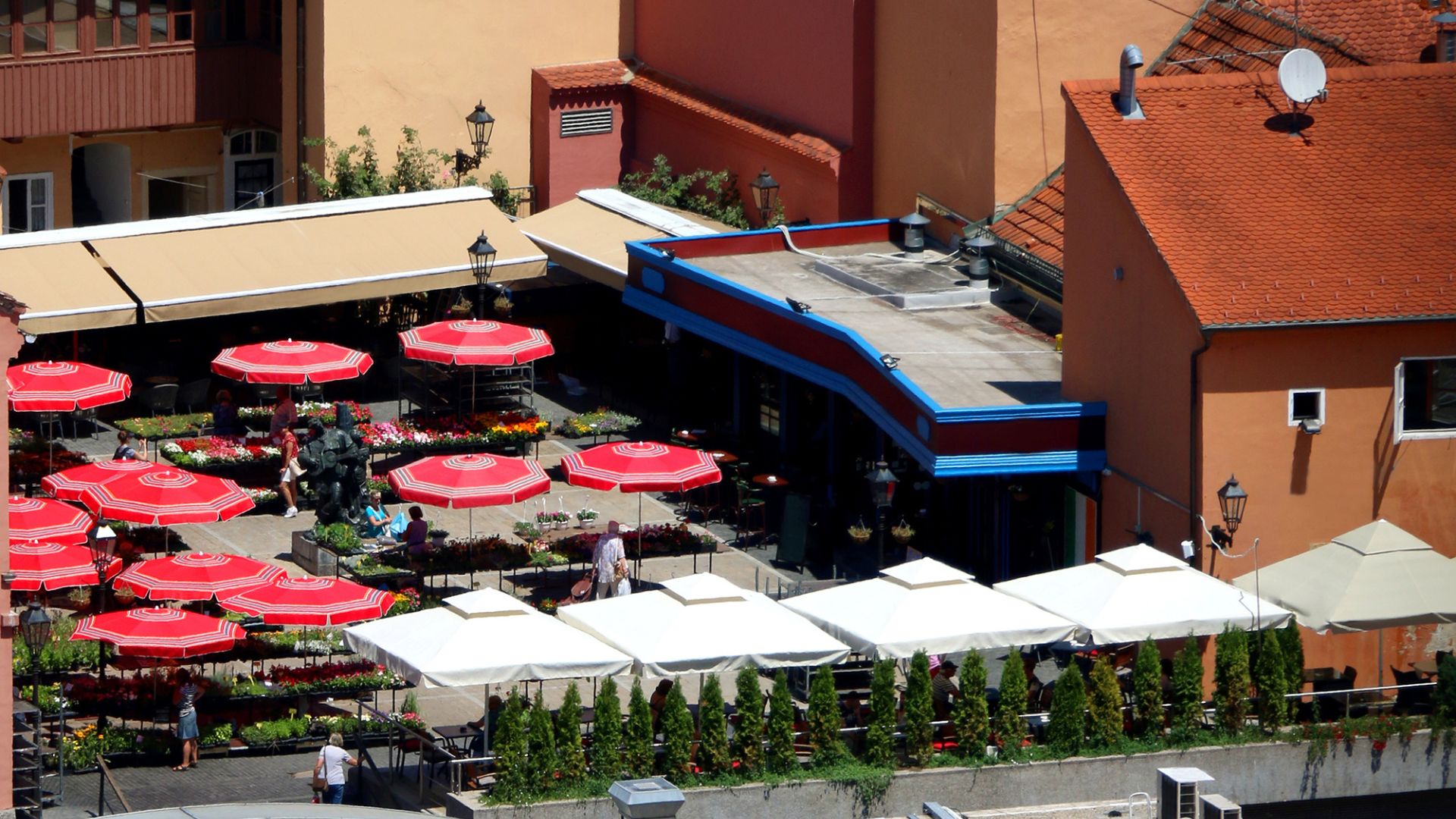
Dolac Market: The Colorful Beating Heart of Zagreb
Dolac Market has stood at the center of Zagreb’s food scene since 1930. Those iconic red umbrellas create a sea of color over stalls piled high with local produce.
This open-air market isn’t just about shopping—it’s where city life and village customs blend into something uniquely Zagreb.
Iconic Red Umbrellas and Atmosphere
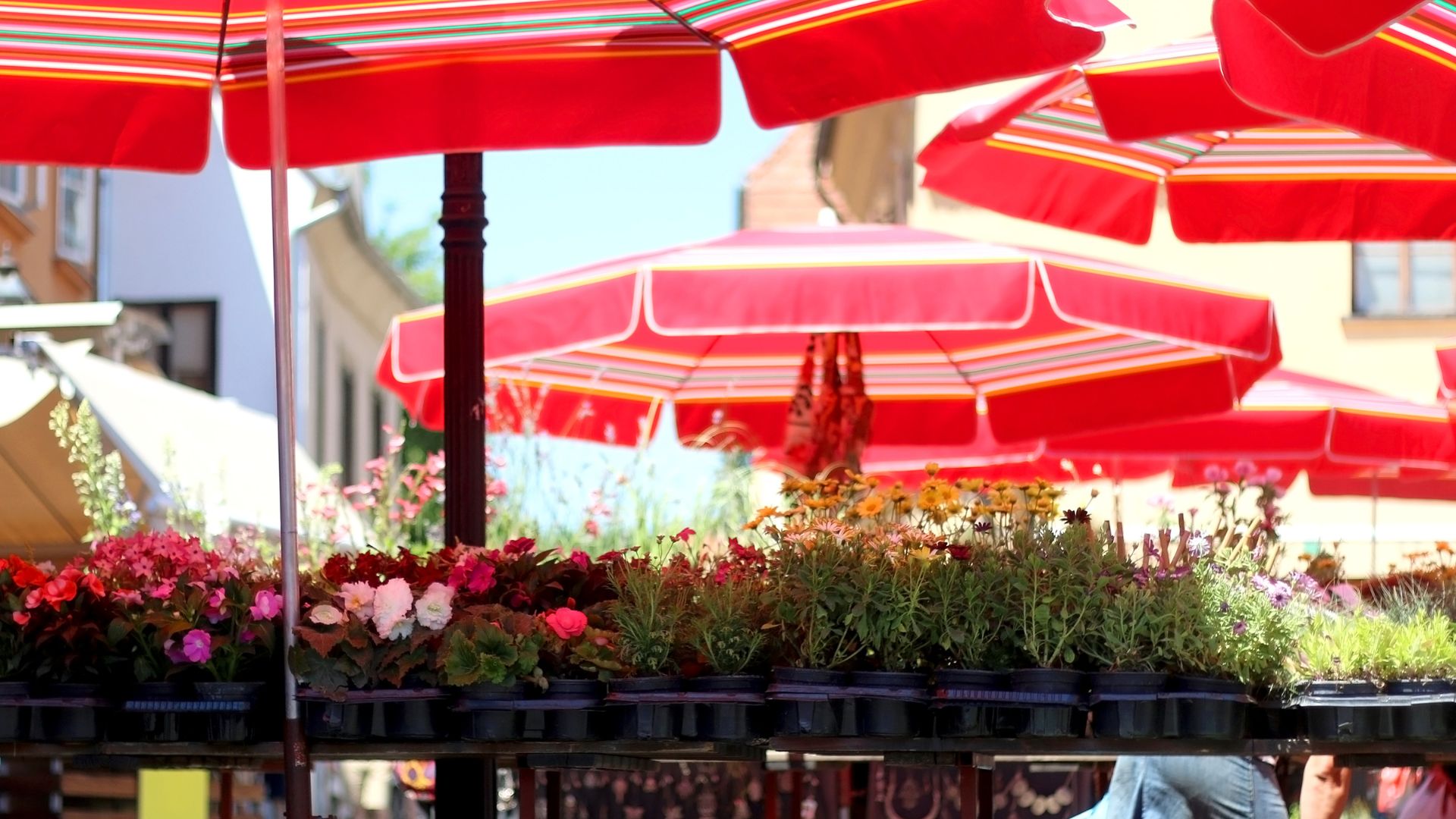
You can’t miss the red umbrellas at Dolac. They shield both shoppers and vendors from the elements and give the market its signature vibe.
Every morning, the place hums with energy. Vendors shout out specials, shoppers squeeze tomatoes, and the displays of fruit and veggies almost look too pretty to eat.
Market Layout:
- Upper level: Fresh produce and souvenirs under the umbrellas
- Lower level: Meats, dairy, and homemade cornbread
- Fish section: Adriatic catches, straight from the coast
The market buzzes six days a week, but things get lively before 1 PM. If you want the best selection and a true taste of local life, come early.
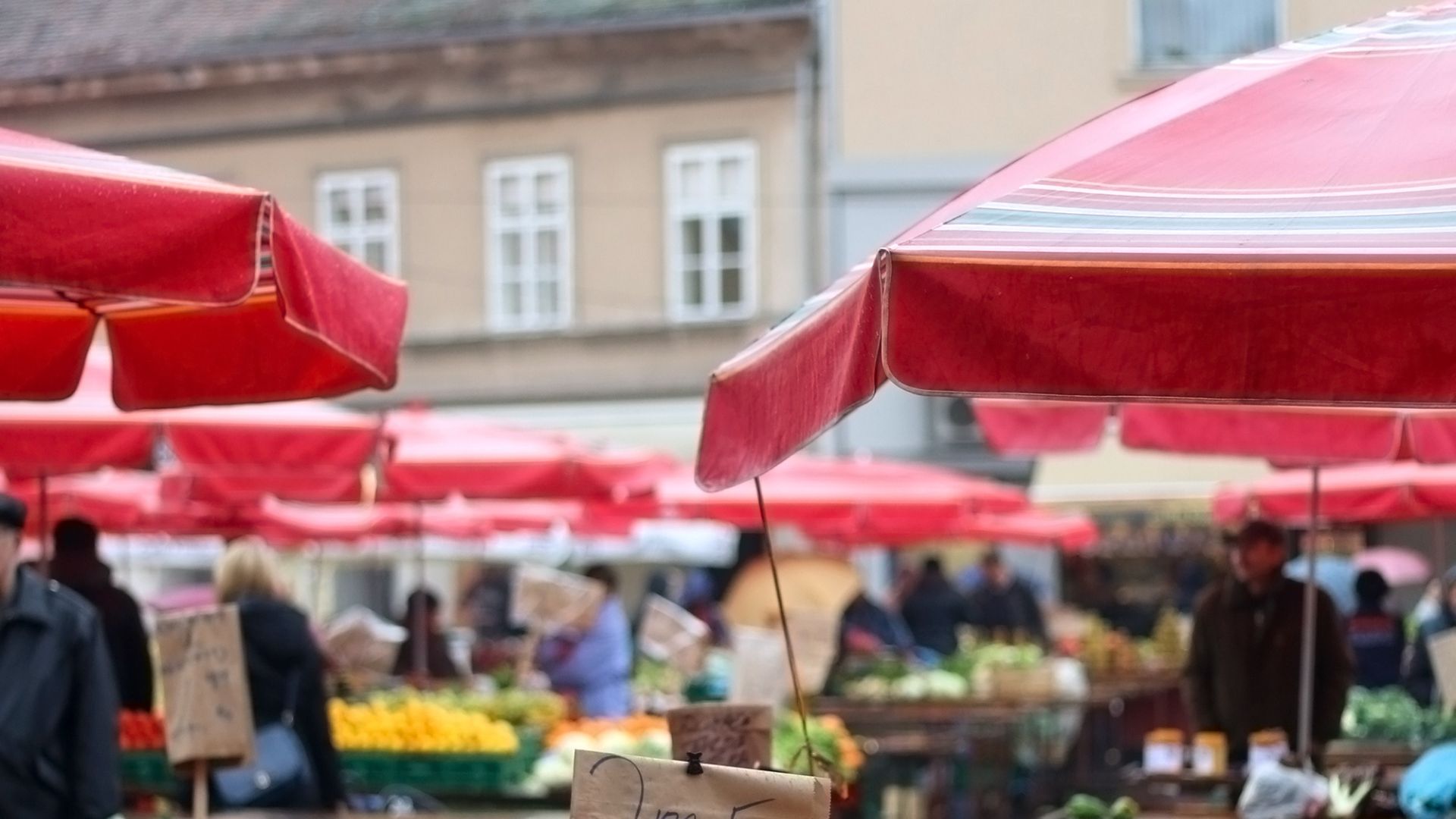
Farmers Market Roots and Open-Air Traditions
Dolac isn’t just any market—it’s Zagreb’s main spot for everyday food shopping. Farmers from all over Croatia haul their goods here, turning the place into a living showcase of the country’s best.
You’ll spot fresh pasta, tangy cheese, jars of honey, and heaps of seasonal fruits and veggies. Many vendors sell what they’ve grown or made themselves, including the women who bake cornbread at dawn.
What’s on offer:
- Farm-fresh produce
- Artisanal cheese and yogurt
- Homemade pasta and bread
- Croatian honey and preserves
- Fresh flowers
- Traditional souvenirs
This tradition stretches back centuries. Dolac keeps the bond alive between city folks and rural producers, and honestly, it’s the heartbeat of Zagreb’s food culture.
A Bit of History and Cultural Importance
Back in 1930, Dolac Market opened on what used to be a residential patch of Zagreb. No one guessed it would become the city’s main hub for food and socializing.
It picked up the nickname “Belly of Zagreb” because it feeds everyone—simple as that.
Quick Facts:
- Since: 1930
- Where: Behind Ban Jelačić Square
- Why it matters: It’s a Croatian cultural icon
- Crowds: Hundreds of locals and tourists daily
Vendors still use old-school scales and paper bags. These little touches keep decades-old customs alive. Dolac isn’t just a market—it’s where the city’s sense of community thrives.
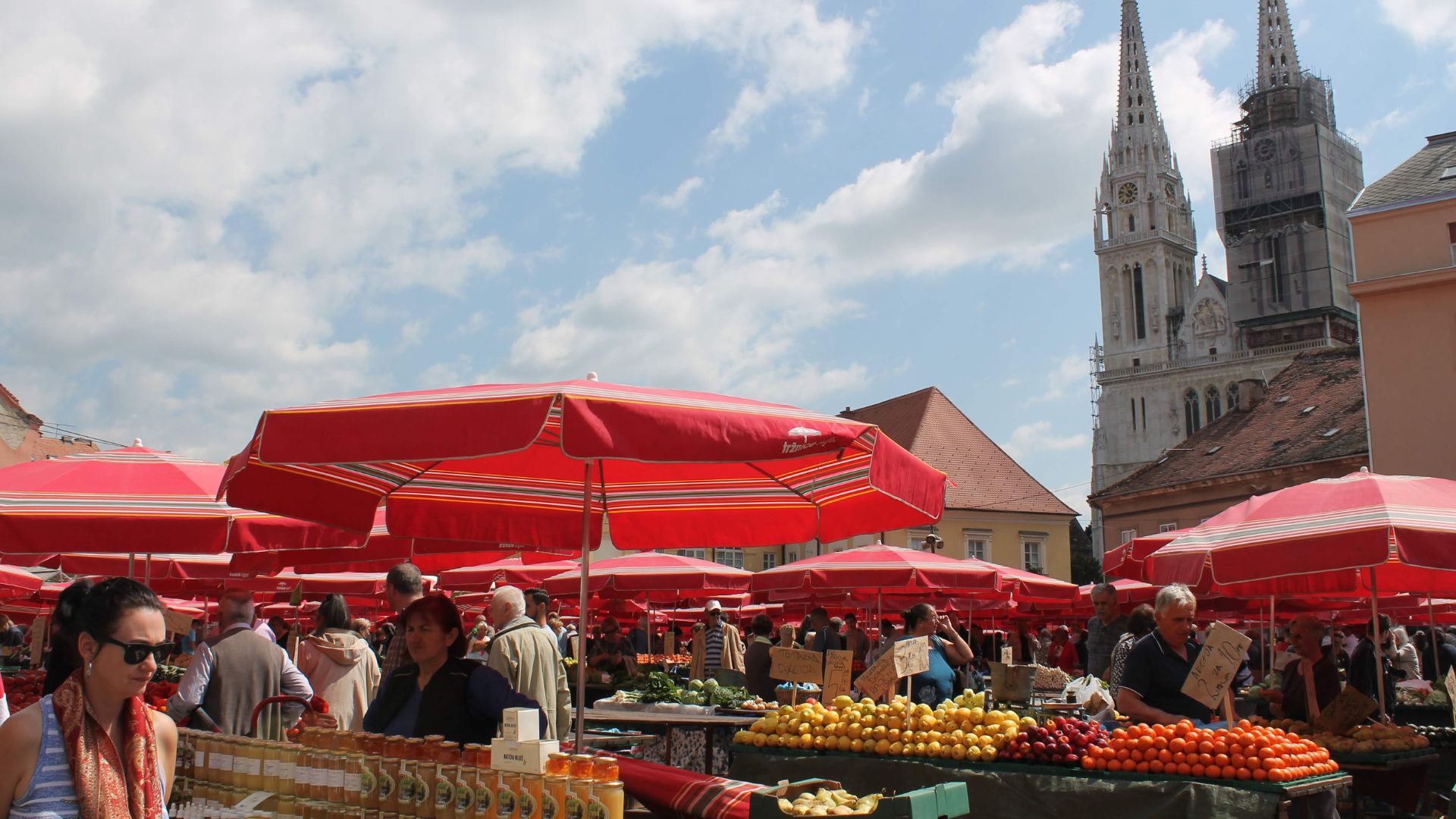
Exploring Local Flavors and Delicacies
Dolac Market is a feast for the senses, showing off seasonal produce, handmade cheeses, and traditional specialties like štrukli. This is where Zagreb’s food identity really comes alive.
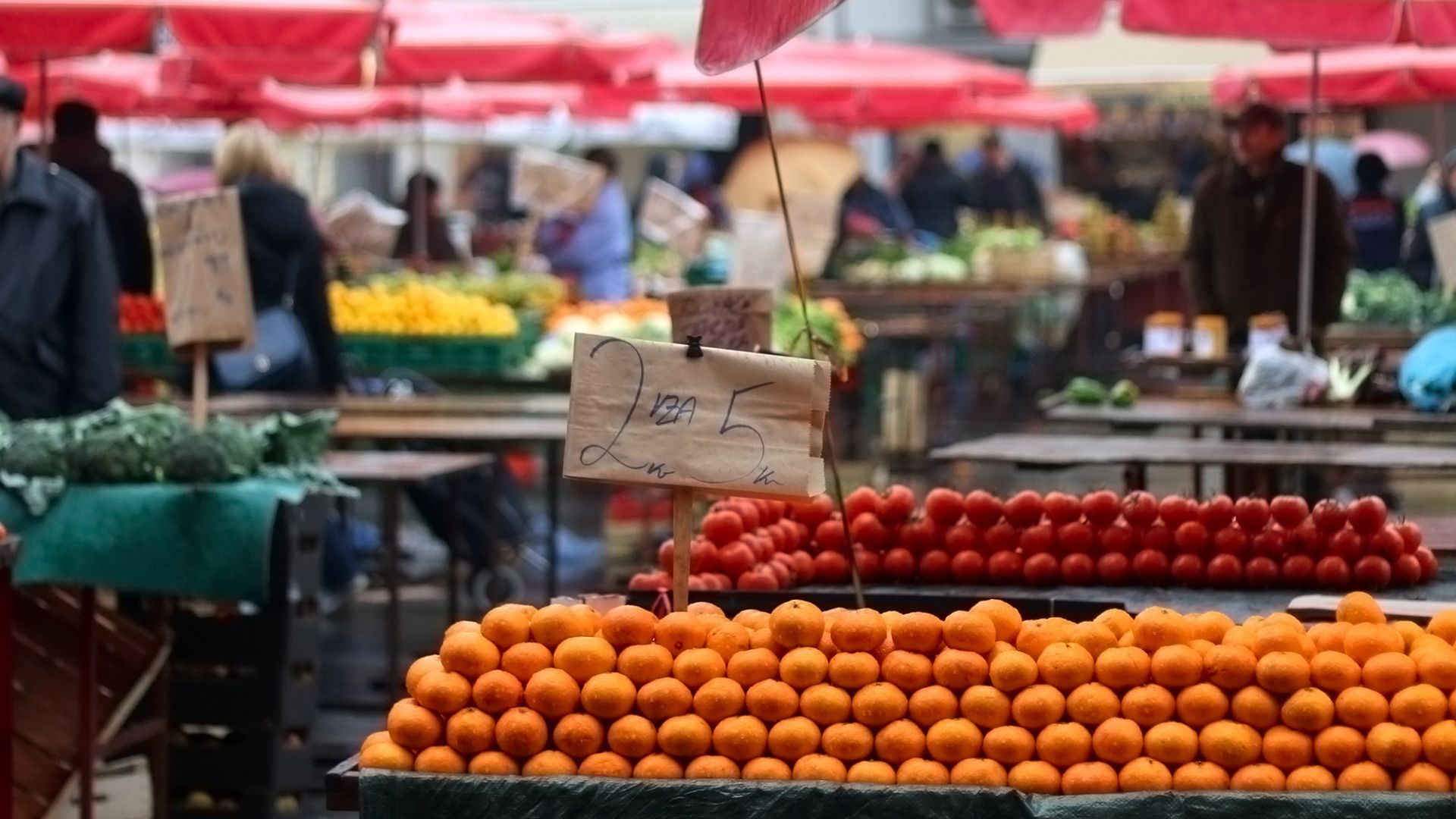
Fresh Produce: Veggies and Fruit Galore
Upstairs, stalls overflow with veggies and fruits straight from Croatian farms. You’ll see growers from Zagorje, Slavonia, and Istria proudly showing off their harvests.
Seasonal standouts:
- Spring: asparagus, strawberries, fresh herbs
- Summer: tomatoes, peppers, juicy stone fruits
- Fall: apples, pears, root veggies
- Winter: cabbage, potatoes, preserves
Each season brings new flavors. Farmers pick produce late at night or early in the morning, so you get the freshest stuff possible.
The taste? Way better than supermarket fare. You can really tell these come from small family farms. Tomatoes are richer, herbs more fragrant.
Vendors often hand out samples and love chatting about how they grow their crops.
Cheese and Meats: Croatian Classics
Step inside and you’ll hit the jackpot: handmade sausages, cured meats, and cheeses that tell the story of Croatian food.
Don’t miss:
- Pag cheese – a hard, tangy cheese from Pag Island
- Kulen – spicy, paprika-laced sausage from Slavonia
- Pršut – air-dried Croatian prosciutto
- Kajmak – creamy cheese sold by the legendary kumice
The kumice are older women from nearby villages. They’ve been here for ages, selling dairy and eggs. Their cheeses taste nothing like what you’ll find in stores.
Butchers slice samples of their best sausages and hams. Every region has its own twist, and recipes pass down through families.
Sampling Croatian Specialties
Dolac isn’t just about raw ingredients—it’s a launchpad for Zagreb’s classic dishes. Nearby restaurants and food stands whip up specialties using market-fresh goods.
Must-try bites:
- Štrukli – flaky pastry stuffed with cheese
- Fritule – bite-sized doughnuts, especially popular in winter
- Fresh bread, straight from the oven
- Honey from passionate local beekeepers
Food tours often kick off at Ban Jelačić Square and swing through Dolac. Guides share the backstory behind every dish and know which stalls are best.
Štrukli? Try a few versions. Every family has their own recipe—some bake it, others boil.
The fish section brings the coast to the city. Fresh seafood arrives each morning from Dalmatia and Kvarner, which means you can grab a taste of the Adriatic right here in Zagreb.

Daily Life and Local Connections
Dolac is more than a market—it’s a social hub. Vendors stick to long-standing routines, and locals flock here for the traditional morning špica. The market brings neighborhoods together and mirrors Zagreb’s daily rhythm.
Vendors and Their Routines
Most mornings, I spot the same faces setting up before sunrise. Farmers from nearby villages roll in with crates of produce from places like Zagorje and Slavonia.
The kumice—those legendary women—have sold cheese and eggs here for decades. They’re the backbone of market tradition in Croatia.
Each vendor claims a regular spot under the umbrellas. Their displays change with the seasons, always arranged with surprising care.
Typical Day:
- 5:00 AM – Vendors set up shop
- 6:00 AM – Doors open
- 7:00–9:00 AM – Peak shopping
- 2:00 PM – Outdoor stalls pack up
Butchers and fishmongers work the covered lower level, getting fresh deliveries from the coast and countryside every morning.
Neighborhoods and the Zagreb Špica
Špica is Zagreb’s version of a morning social hour. People meet up, swap news, and check out what’s fresh. Dolac sits at the center of this ritual.
Neighbors bump into each other at the stalls, chatting as they fill their bags. The market becomes a crossroads for different corners of the city.
Residents from Upper Town stroll down for their groceries, and even folks from far-flung neighborhoods make the trek to Dolac for the good stuff.
The market forges connections between city dwellers and rural producers. These ties have lasted since Dolac first opened.
Why Mornings Matter
If you want the best pick, come early. Vendors put out their freshest veggies and fruit at dawn.
Between 7:00 and 9:00 AM, the market feels most alive. Locals do their shopping before work, and the vibe is unbeatable.
Why shop early?
- Just-picked produce
- Full variety of seasonal goods
- Lively, social scene
- Cooler temps in summer
By afternoon, most outdoor stalls close up. The morning rush really captures the market’s spirit.
Dolac’s Place in Zagreb’s Urban and Cultural Life
Dolac Market sits smack between Zagreb’s medieval Upper Town and its busy commercial center. This spot makes it a bridge between old traditions and modern city life.
Right Next to History
Dolac’s location is pretty perfect. It’s perched just above Ban Jelačić Square, linking the city’s most important neighborhoods.
From here, you can wander up to the historic Upper Town in minutes. It’s wild how daily grocery shopping mixes with medieval heritage. Churches and museums sit side by side with bustling stalls.
On one side, you’ve got Kaptol and the Zagreb Cathedral. On the other, everyday commerce. Locals can buy veggies and pop by a historic site in the same morning.
Ban Jelačić Square acts as the main gateway. Trams and buses drop you right at the market’s doorstep, so it’s easy for both locals and travelers to swing by.

Dolac: A European Market With Croatian Soul
Dolac gives Zagreb a modern European feel, but it never loses its Croatian roots. The market opened in 1930, following trends set by other big-city markets.
Dolac works a lot like the famous markets in Vienna or Budapest. It’s a food source, sure, but also a spot where people gather, gossip, and celebrate local life.
But there’s a twist: Croatian traditions shine through. Vendors from every region bring their own specialties, so you get a taste of the whole country in one place.
European visitors sometimes compare Dolac to other capitals’ markets. The umbrellas and neat layout feel familiar, but the kumice selling homemade cheese? That’s pure Zagreb.
Nearby Attractions and Experiences
After a morning at Dolac, you’re steps away from some of Zagreb’s best sights. The historic Lotrščak Tower fires its cannon daily, and quirky museums or leafy parks are just around the corner. There’s always something else to explore nearby.
Lotrščak Tower and the Grič Cannon
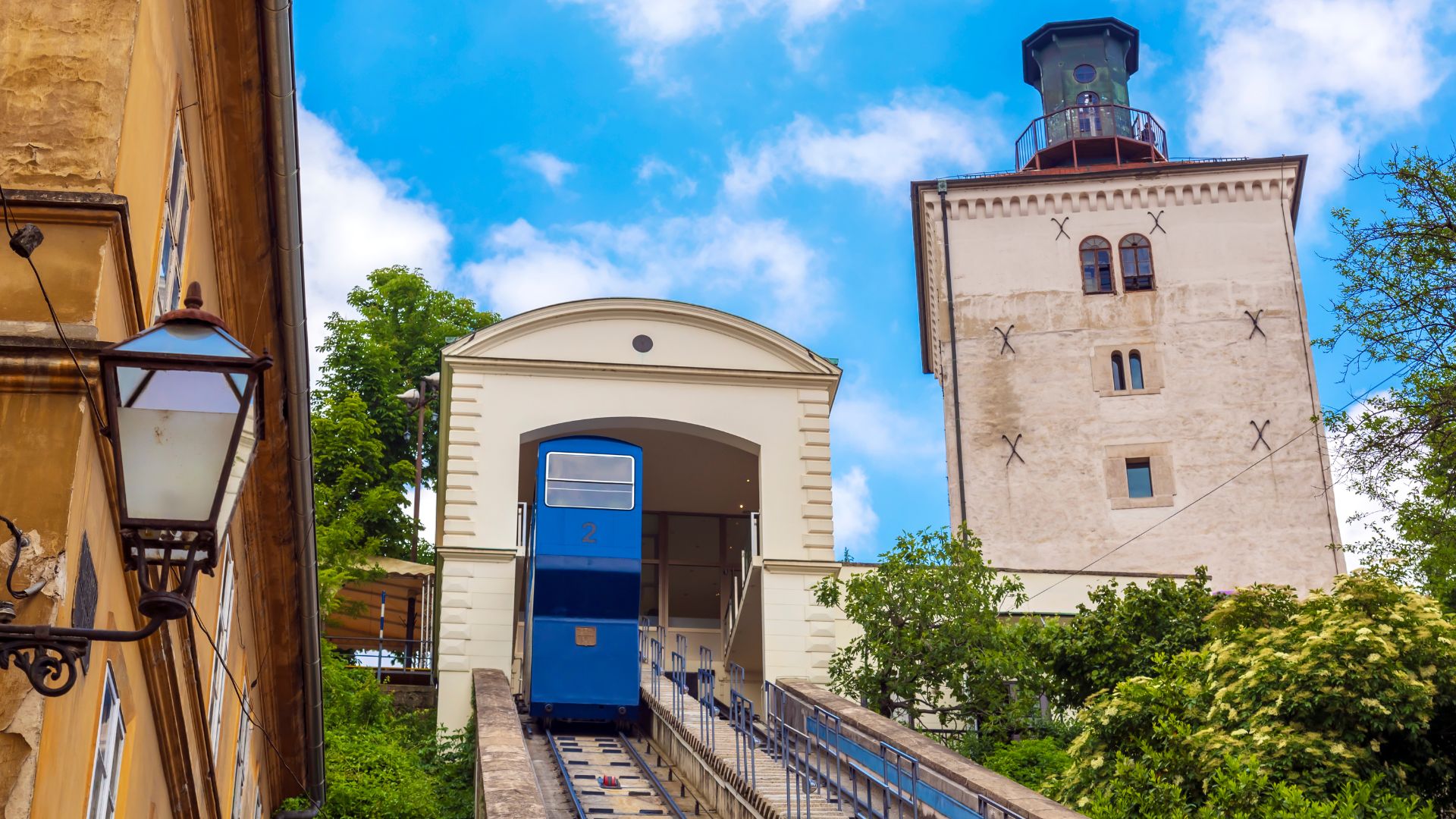
I took the short walk from Dolac and, honestly, it only took me about five minutes to reach Lotrščak Tower. This old stone tower—built way back in the 13th century—really stands out as one of Zagreb’s most iconic sights.
Every day at noon, something pretty special happens. The Grič Cannon lets out a single, thunderous shot that rolls across the city. Locals started this tradition in 1877 to help everyone keep their clocks in sync. It’s a quirky ritual, but I love how it connects the past and present.
You can climb the spiral staircase inside the tower. At the top, there’s an observation deck that’s totally worth the effort. I always pause to take in the sea of red umbrellas at Dolac Market below, and the view stretches all the way across Lower Town to the Sava River.
Key details:
- Height: 30 meters tall
- Cost: There’s a small entrance fee
- Best time: Get there before noon if you want to catch the cannon
- Location: Only a quick 2-minute uphill walk from Dolac
Inside, you’ll also stumble upon a tiny gallery. Sometimes I find local artists showing off their latest pieces here, and the exhibits change throughout the year.
Museum of Broken Relationships and Local Museums
Just a three-minute stroll from Dolac Market, you’ll find the Museum of Broken Relationships. This place is honestly unlike any other museum I’ve visited. It’s filled with personal objects that people donated after their relationships ended—each one comes with a heartfelt story.
Some stories made me laugh, others tugged at my heartstrings. You’ll see shoes, letters, toys… everyday stuff, but packed with emotion. The museum even snagged the Kenneth Hudson Award for being Europe’s most innovative museum. That’s pretty cool, right?
Nearby museums worth checking out:
- Croatian Museum of Naïve Art – Showcases self-taught artists
- Zagreb City Museum – Offers a peek into local history and culture
- Natural History Museum – Has fossils and minerals on display
If you’re a museum lover, grab a combined ticket—it saves money and lets you hop between several spots. Most museums open Tuesday to Sunday, usually from 10 AM to 6 PM.
The Museum of Broken Relationships keeps things fresh by rotating its temporary exhibits. I’d suggest peeking at their website before you go, just to see what’s on.
Maksimir Park and Other Green Spaces
Hop on a tram near Dolac Market, and in about 15 minutes, you’ll find yourself at Maksimir Park. It’s huge—316 hectares, actually—and easily the biggest green space in Zagreb. You could spend hours wandering here and still not see it all.
Five artificial lakes wind through the park, all connected by easy walking paths. I’ve watched ducks and swans gliding across the water, and sometimes I’ll spot a few other curious birds too. Those ancient oak trees? They’re a lifesaver on hot summer afternoons, casting plenty of cool shade.
Park highlights:
- Zagreb Zoo – Over 2,000 animals call this place home. It’s surprisingly fun, even if you’re not a big zoo person.
- Echo Pavilion – This quirky 19th-century building stands out, and it’s got plenty of stories if you’re into history.
- Walking trails – Whether you want a gentle stroll or something a bit more challenging, there’s a path for you.
If you don’t feel like straying far from Dolac, Zagreb’s city center is dotted with smaller parks that are perfect for a quick breather. Zrinjevac Park, for example, sits right in the middle of the action, bursting with flowers and fountains. It’s a favorite spot to people-watch or just relax with a coffee.
The Botanical Garden is another hidden gem. You’ll find over 5,000 plant species tucked away in a peaceful corner of the city. Entry is cheap, and honestly, it’s only a 10-minute walk from Dolac. If you’re a fan of tropical plants, the greenhouse is open year-round and always worth a peek.
