
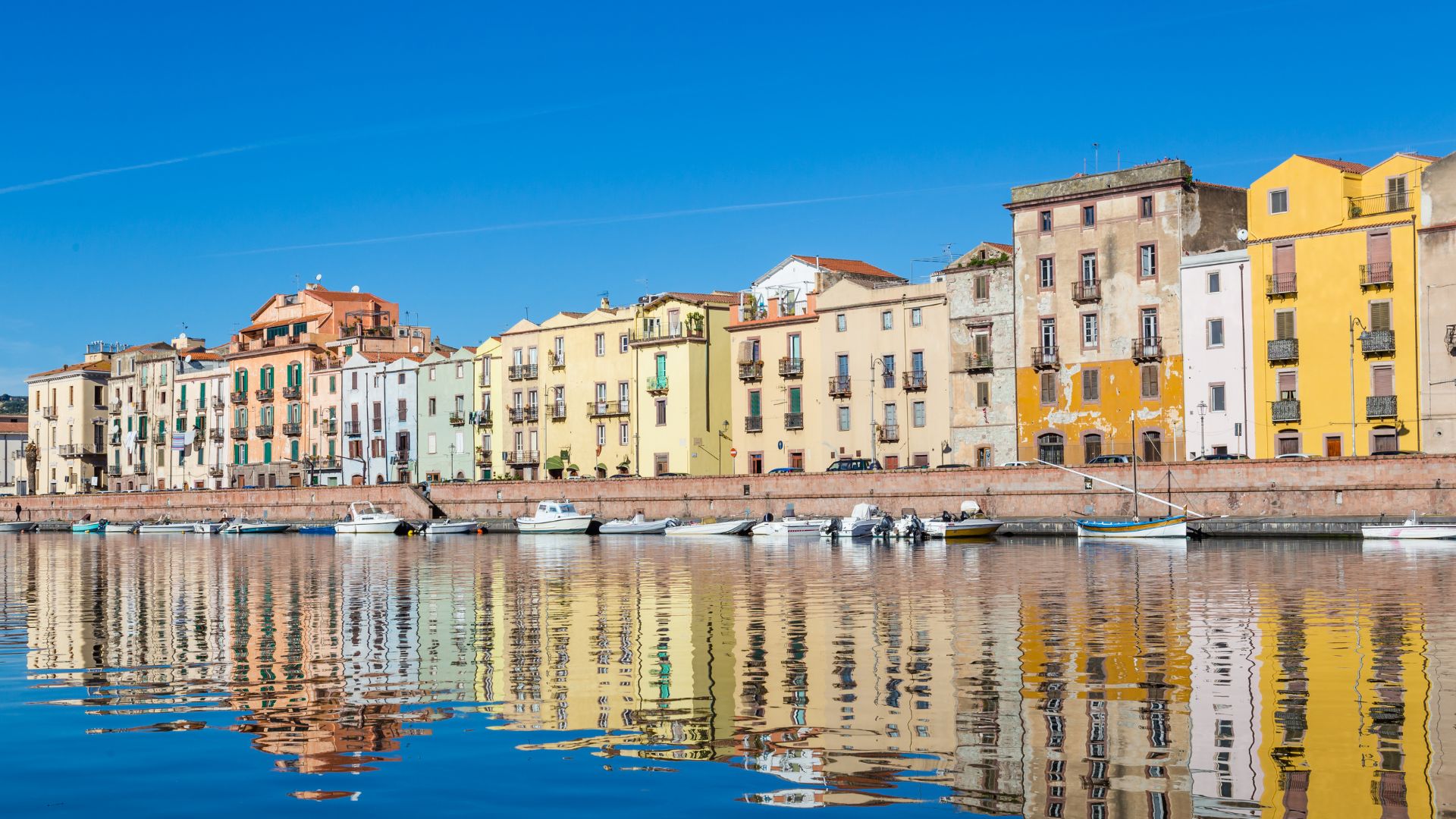
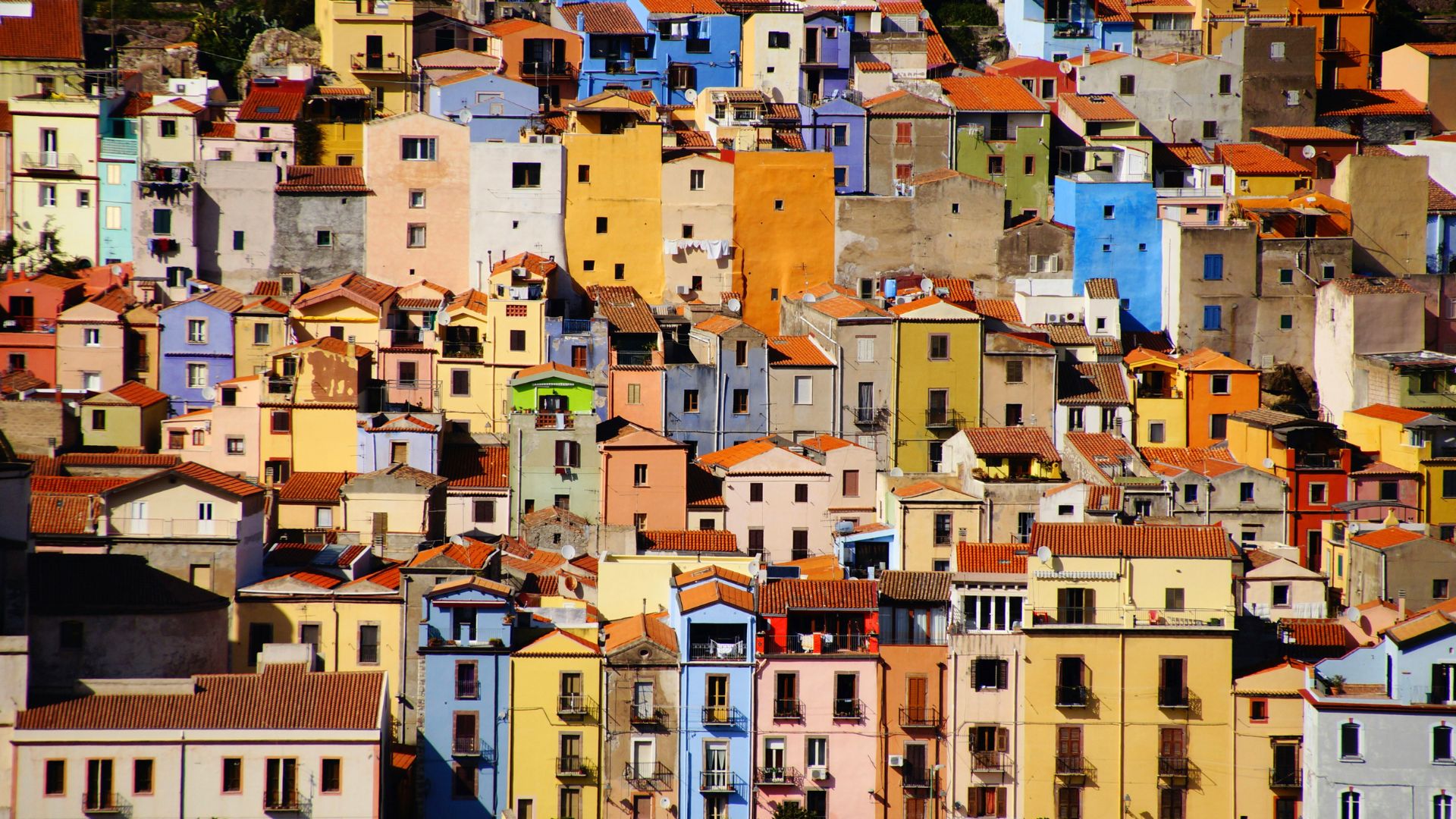
On Sardinia’s western coast, Bosa sits quietly—a cascade of pastel homes tumbling down a hillside to the gentle Temo River. The first time I wandered into this charming town, I couldn’t believe how empty the cobblestone streets felt compared to Sardinia’s busier coastal spots.
Bosa really deserves its reputation as one of the prettiest towns in Italy, yet somehow it slips under the radar for most people visiting Sardinia.
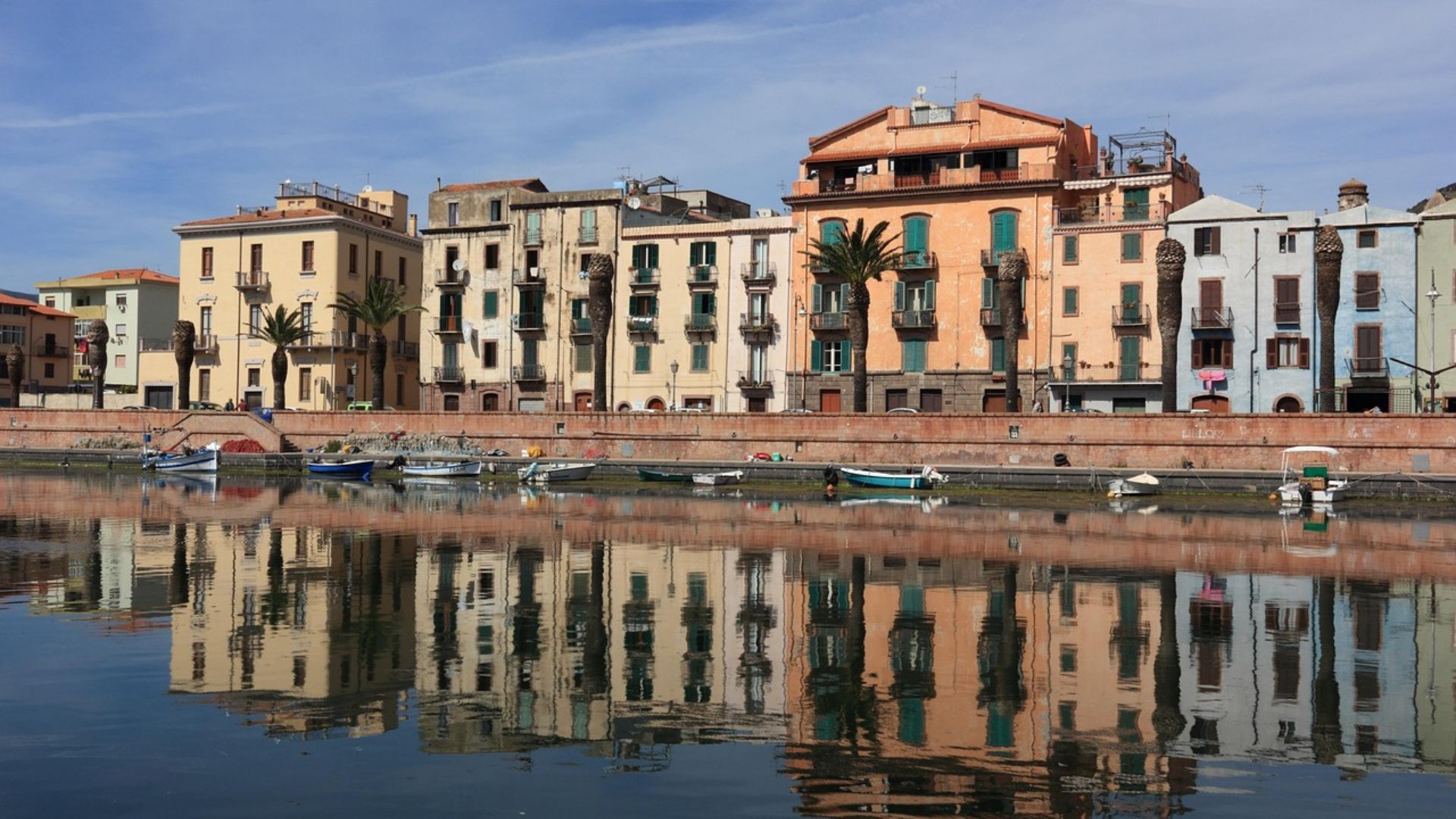
The town’s jumble of colorful houses creates a stunning mosaic against the Mediterranean, with the medieval Malaspina Castle perched on the hill above. These vibrant buildings aren’t just pretty—they reflect Bosa’s history as a tannery center. Families once painted their homes in distinctive colors, making it easier to spot them from afar after long days at work.
Walking through Bosa feels a bit like stepping into a painting that the crowds haven’t discovered yet. Where the Temo River meets the sea, you’ll find the perfect spot for sunset strolls along the waterfront.
Unlike the packed beaches of Costa Smeralda, Bosa lets you experience an authentic slice of Sardinian life. Local cafés buzz with conversation, artisans still make traditional crafts, and the relaxed atmosphere feels untouched by the usual tourist machine.
Discovering The Most Colorful Town in Sardinia
Most travelers flock to Sardinia’s famous beaches, but honestly, the island’s most vibrant treasure hides in its colorful towns.
You’ll find authentic cultural experiences here, far from the crowds.
A Hidden Gem Amidst Famous Destinations
Bosa is that rainbow-colored jewel most tourists just miss. This riverside town sits tucked away on the western coast, well off the path from Costa Smeralda’s packed beaches or Cagliari’s busy streets.
What makes Bosa special? Imagine a hillside dotted with pastel houses, all crowned by an ancient castle. The Temo River drifts through town, adding to the laid-back charm.
I stumbled on Bosa during my third Sardinia trip, after I’d already seen the island’s hotspots. The narrow cobblestone streets practically beg you to wander, and you won’t have to dodge crowds like in Capri or other Italian favorites.
Local cafés serve up Sardinian treats, and you can still find artisans practicing age-old crafts in their workshops. It really feels like you’ve stepped into the real Sardinia.
How The Town Stands Apart From Pula, Cagliari, and Costa Smeralda
Bosa offers something entirely different from Sardinia’s tourist centers. Cagliari buzzes with city energy, Costa Smeralda glitters with luxury resorts, but Bosa moves at a slower, more genuine pace.
Pula draws crowds with its ancient ruins, but Bosa’s attractions blend right into daily life. The colorful houses aren’t just for show—they’re actual homes where locals live.
You won’t find souvenir shops on every corner or prices inflated for visitors. Bosa still feels like a real place, not a tourist playground.
I especially appreciate Bosa’s balance of beauty and authenticity. The local food? It’s fresh seafood caught that morning, not a menu tailored for tourists.
The countryside around town is perfect for hiking and wine tasting. Small family vineyards make Malvasia, a local wine you’ll rarely see outside Sardinia.
The Story and Culture Behind the Colors
Bosa’s vibrant colors aren’t just for show—they tell a story of artistic expression and Sardinian identity. These hues carry practical traditions and a creative spirit that’s lasted for generations.
Artistic Heritage and Local Traditions
As I wandered Bosa’s narrow streets, I noticed how the rainbow of building colors connects to the town’s fishing roots. Locals told me fishermen painted their homes in bright colors to spot them from the sea. What started as a practical idea became a beloved tradition that shows Sardinian pride.
The colors also reflect Spanish influence, when wealthy merchants flaunted their status with bold façades. In the Barbagia region near Nuoro, you’ll see similar colors in traditional textiles and ceramics.
Women in Bosa keep ancient weaving techniques alive, making filet lace and textiles that match the same colors you see on the houses. These crafts have even been nominated for UNESCO World Heritage status.
Festivals, Murals, and Creative Expressions
Bosa celebrates its colorful identity with vibrant festivals throughout the year. During Carnival, the streets explode with energy as locals wear traditional masks and costumes in every color imaginable.
I got lucky and caught the S’Attobiu festival. Residents create stunning floral carpets along the streets, turning the whole town into a living canvas.
Street art fits right in here. Local artists have filled Bosa with murals that tell stories of Sardinian folklore and everyday life. These paintings often show scenes like fishing, harvesting, or celebrations.
Some buildings feature trompe l’oeil art, creating cool optical illusions on the façades. Artists from Nuoro have played a big part in this, mixing traditional Sardinian motifs with modern styles.
Must-See Sights and Outdoor Adventures
Sardinia’s hidden colorful towns offer more than just Instagram-friendly streets. The real magic happens when you go beyond the obvious and dive into the cultural treasures and natural wonders nearby.
Exploring Picturesque Streets
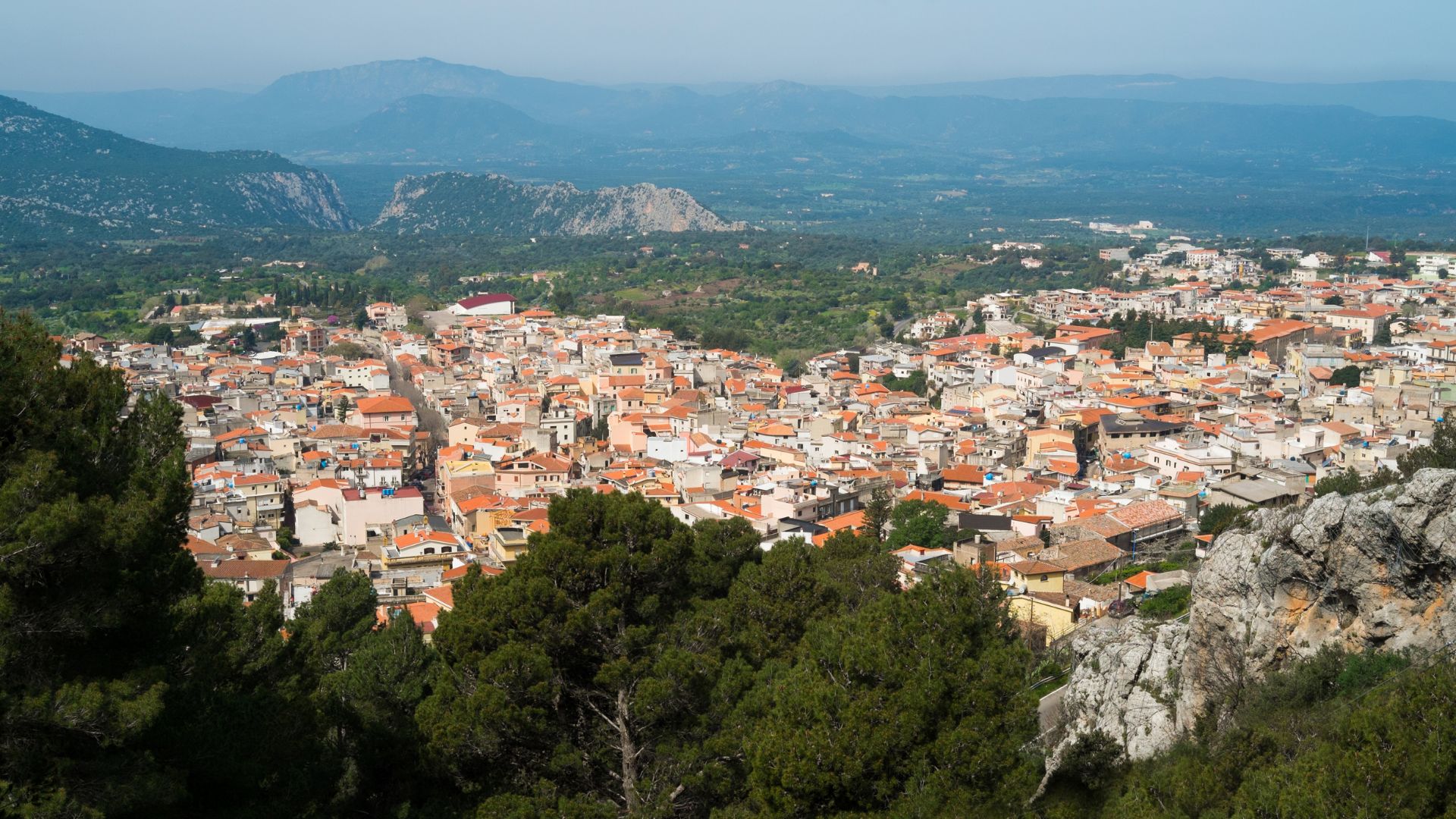
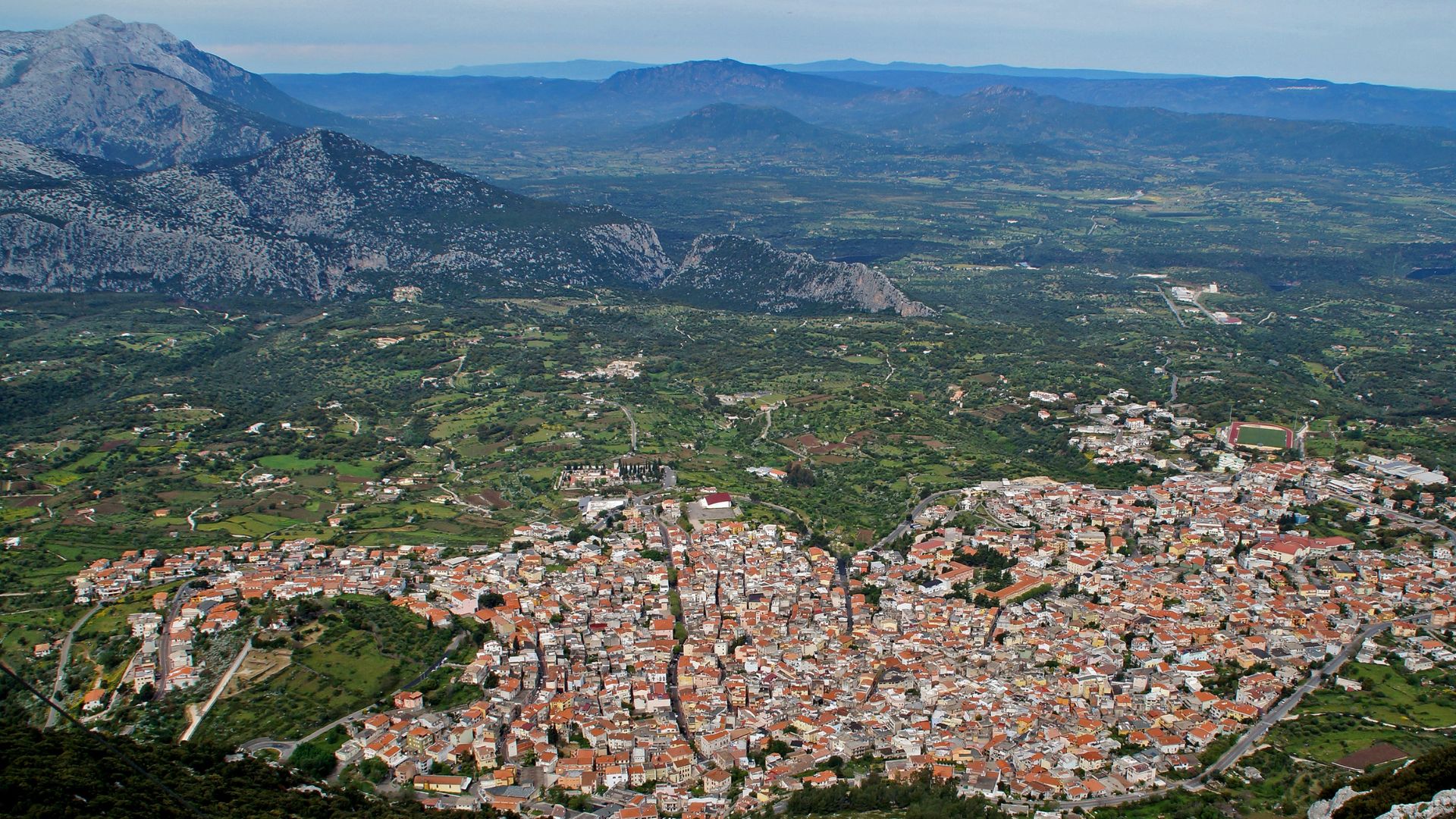
Dorgali’s narrow cobblestone alleys drew me in with their rainbow buildings and balconies overflowing with flowers. Every turn brings a surprise—maybe an artisan making ceramics, a tiny café with real Sardinian pastries, or a quiet courtyard where time slows down.
Don’t skip the central piazza. Locals gather there in the evening for the traditional passeggiata. I spent hours just wandering and snapping photos of vibrant doorways painted in blues, oranges, and yellows.
The historic center holds a few small museums about Sardinian heritage. My favorite? The folklore museum, with displays of traditional costumes and handmade jewelry that tell stories from generations ago.
Kayaking and Outdoor Activities
The coast near Cala Gonone offers some of the best kayaking in the Mediterranean. I rented a kayak for a half-day (about €40) and paddled along dramatic limestone cliffs to Cala Luna—a beach so beautiful it almost doesn’t feel real.
The turquoise water is crystal clear, and you can spot colorful fish swimming below. Several local operators run guided tours that include:
- Exploring caves along the Gulf of Orosei
- Snorkeling gear and lessons
- Picnic stops at hidden beaches
- A chance to spot wildlife
If you’re new to kayaking, the calm morning waters are perfect. More experienced paddlers can go further and discover secret coves you can’t reach by land.
Hiking to Breathtaking Spots
The mountains behind Dorgali hide some of Sardinia’s best hiking trails. The path to Tiscali, an ancient settlement tucked inside a mountain crater, blew me away with its mix of archaeology and wild scenery.
The hike takes about three hours round-trip. You’ll climb through scrubland scented with wild herbs, so bring plenty of water and start early to beat the heat.
For a shorter outing, I loved the Su Gorropu gorge trail—sometimes called “Europe’s Grand Canyon.” Huge limestone walls tower above while the path follows a seasonal stream.
Many trails give you sweeping views from mountain peaks all the way to the sea. The tourist office hands out free maps and can suggest routes based on how much hiking you want to do.
Flavors and Culinary Experiences
This colorful Sardinian town hides some of the island’s most authentic food experiences. Local ingredients and time-tested recipes create flavors that really tell the story of this place.
Not-to-Miss Local Restaurants
Down a narrow street, I found Trattoria Bella Vista, a family spot where Nonna Maria has been making handmade pasta for over 40 years. The terrace view is stunning, and their seafood dishes are the real deal.
Just off the main square, Osteria dei Pescatori serves up the freshest catch of the day. Try to get there early (around 7 PM) because locals fill it up fast.
If you want something fancier, Ristorante Quattro Stagioni does modern takes on Sardinian classics. Their tasting menu, with wine pairings, highlights local vintages—don’t miss the crisp Vermentino with seafood.
For morning coffee and pastries, the tiny Bar Centrale is a must. Franco, the owner, seems to remember everyone’s name after just one visit.
Traditional Sardinian Dishes
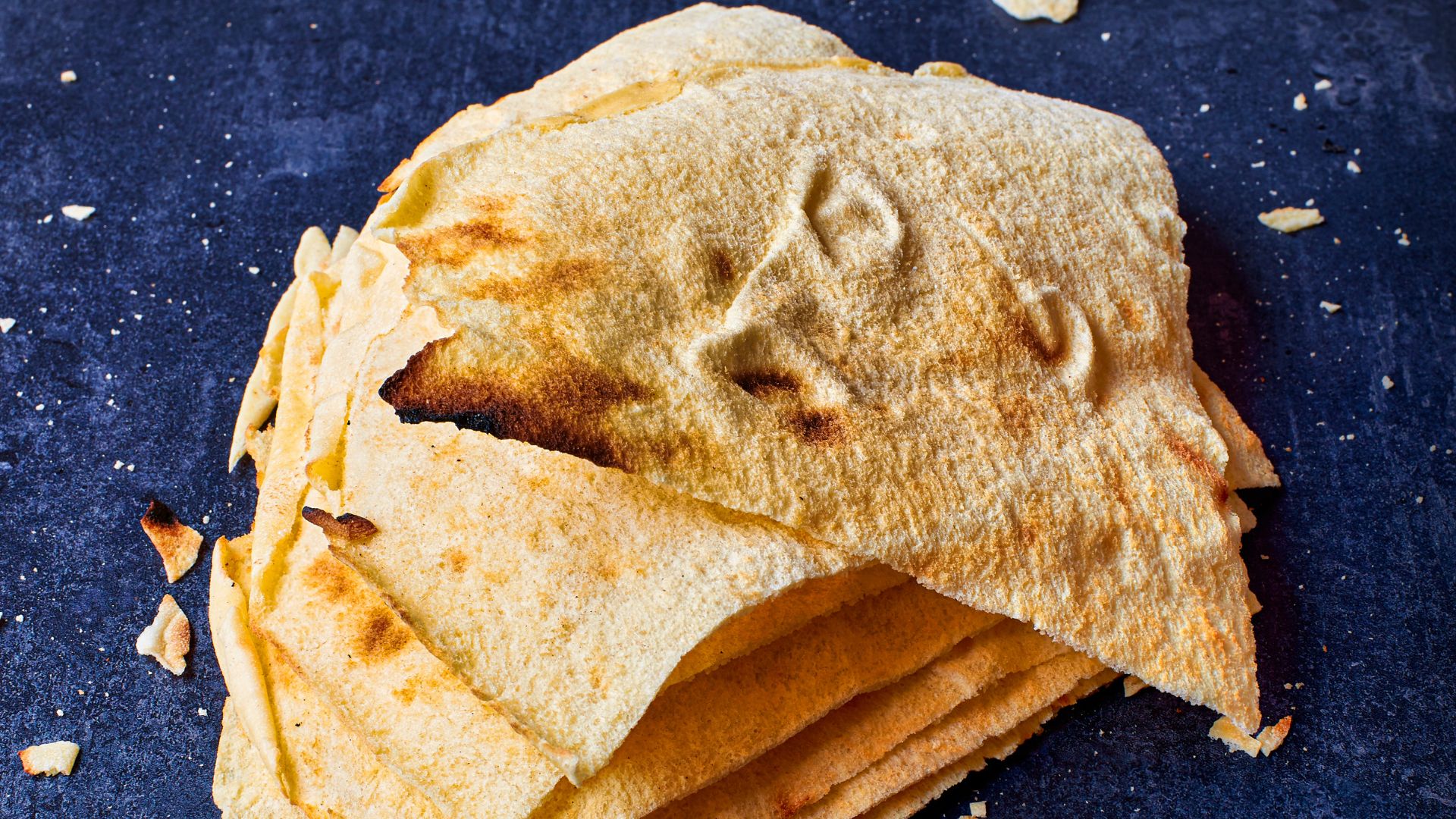
The heart of local food is pane carasau, a thin, crispy flatbread that shepherds once carried for days. I watched bakers stretch it paper-thin before baking it to a perfect crunch.
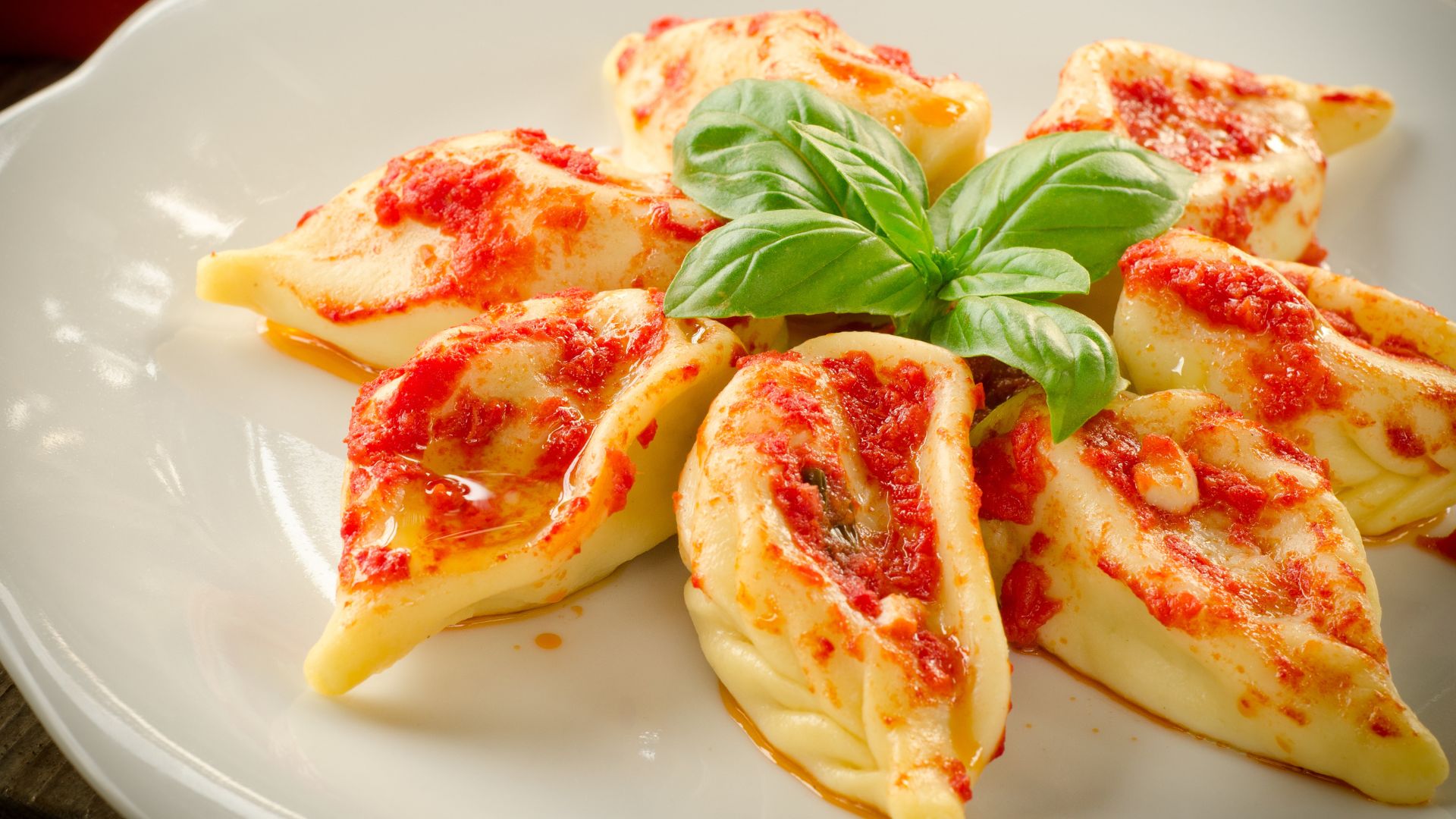
Culurgiones quickly became my go-to pasta—potato and cheese dumplings pinched into a wheat-spike shape, served with a simple tomato sauce.
Seafood fans should try fregola con arselle, a toasted pasta like couscous, served with tiny clams in saffron broth. The flavors take you right to the Mediterranean.
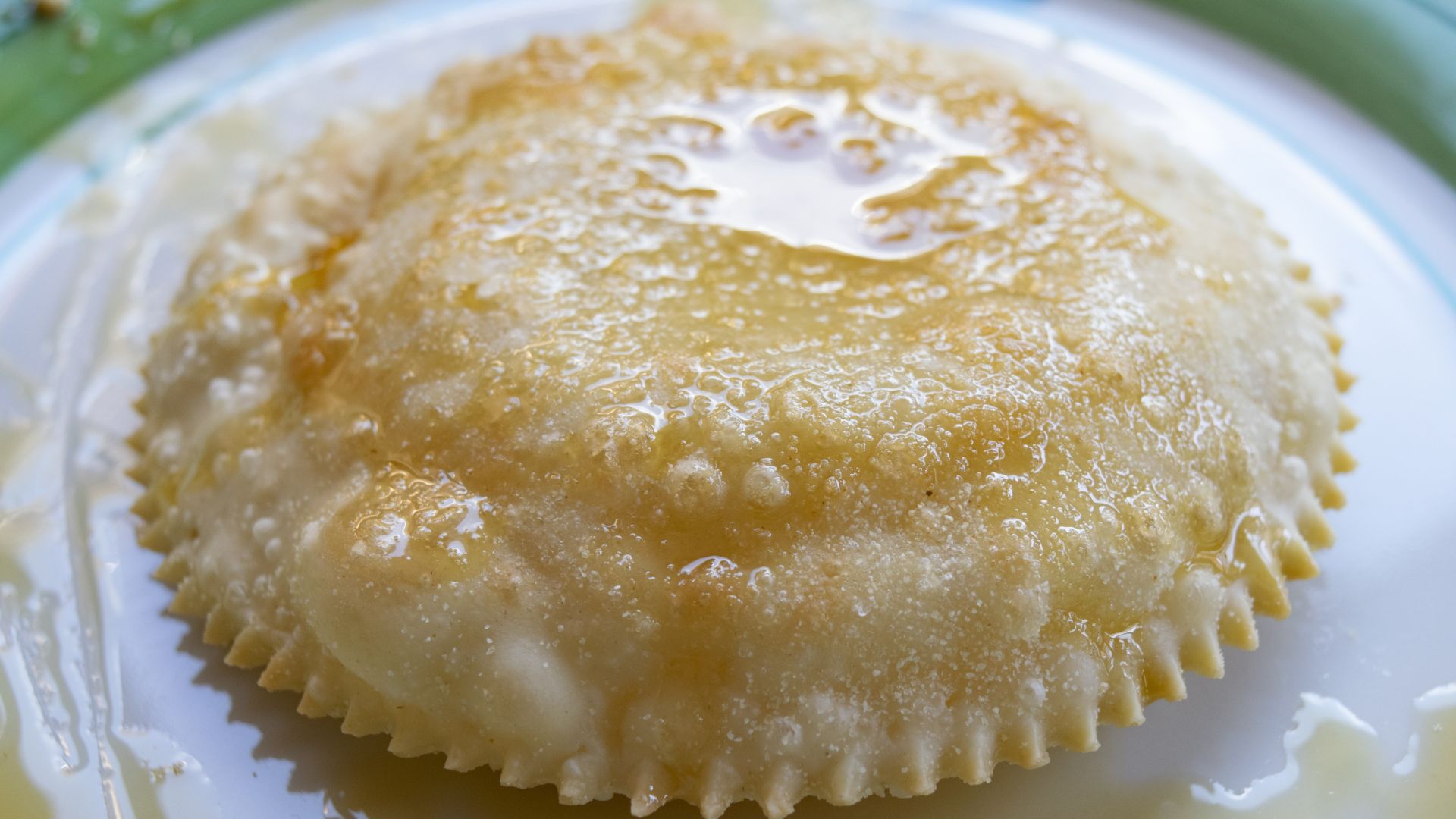
For dessert, the local specialty seadas hits the spot—fried pastry filled with fresh cheese and drizzled with honey. The mix of savory cheese and sweet honey is unforgettable.
If you love meat, porceddu (roasted suckling pig) is as traditional as it gets in Sardinia. Locals usually serve it at celebrations and special occasions.
Planning Your Visit and Insider Tips
If you’re planning a trip to this hidden gem, timing and respect for local culture matter. After several visits, I’ve picked up some tips to help you experience the town’s vibrant spirit without leaving a heavy footprint.
Best Time to Visit and How to Get There
Go in May-June or September-October for the best experience. The weather is pleasant (around 70-80°F / 21-27°C), crowds are thin, and prices drop. I think mid-May is especially magical, with wildflowers blooming everywhere.
To get there, fly into either Cagliari (south) or Alghero (northwest) airports. Renting a car gives you the most freedom—public transport exists but runs rarely to smaller towns. If you’re driving from the mainland, ferries run from several Italian ports like Civitavecchia near Rome.
The drive from Cagliari takes about 1.5 hours. From Alghero, expect around two hours through some seriously beautiful countryside.

Responsible Travel and Avoiding Overtourism
Sardinia hasn’t really struggled with overtourism like Sicily has, but it’s still important to be thoughtful. I always try to stay in locally-owned accommodations instead of those big international chains.
You’ll find that family-run B&Bs usually offer the warmest welcome. They share insider tips you just can’t get from a guidebook.
I like to shop at local markets and eat at places that serve traditional Sardinian food. That way, you support the local economy and get a real taste of the island.
If you can, check out nearby beaches during the week. The coastline fills up fast on weekends, especially when folks from Cagliari come for the day.
Always follow beach rules, and don’t even think about taking sand home—it’s illegal and the fines are no joke.
Before you go, try to learn a few Italian phrases. Even a simple “ciao” or “grazie” gets you a smile and sometimes even better service.
Honestly, making that effort to connect with locals changes everything about your trip. This town has so much color and character—why not dive in a little deeper?
