
The Mexican peso’s been on a wild ride lately, becoming one of the world’s top-performing currencies. Over the last five years, it’s outpaced all 20 major global currencies. That’s opened up some surprising doors for both locals and foreigners. Suddenly, Mexican dreams feel more within reach than they have in ages.
I’ve watched the peso’s surge change whole neighborhoods and shake up the way people invest, live, and do business here. When the peso gets stronger, Mexican shoppers score better deals on imports, travel becomes a bargain, and international investments don’t feel so out of reach. Investors from around the world are taking notice, pouring money into Mexico with hopes the trend keeps rolling.
Of course, this “super peso” comes with its own mix of opportunities and risks. Whether you’re a traveler, an expat, or a business owner, the peso’s moves touch your wallet. So, what’s really driving this currency’s climb? And how can you use these currency dynamics to your advantage when thinking about Mexico?
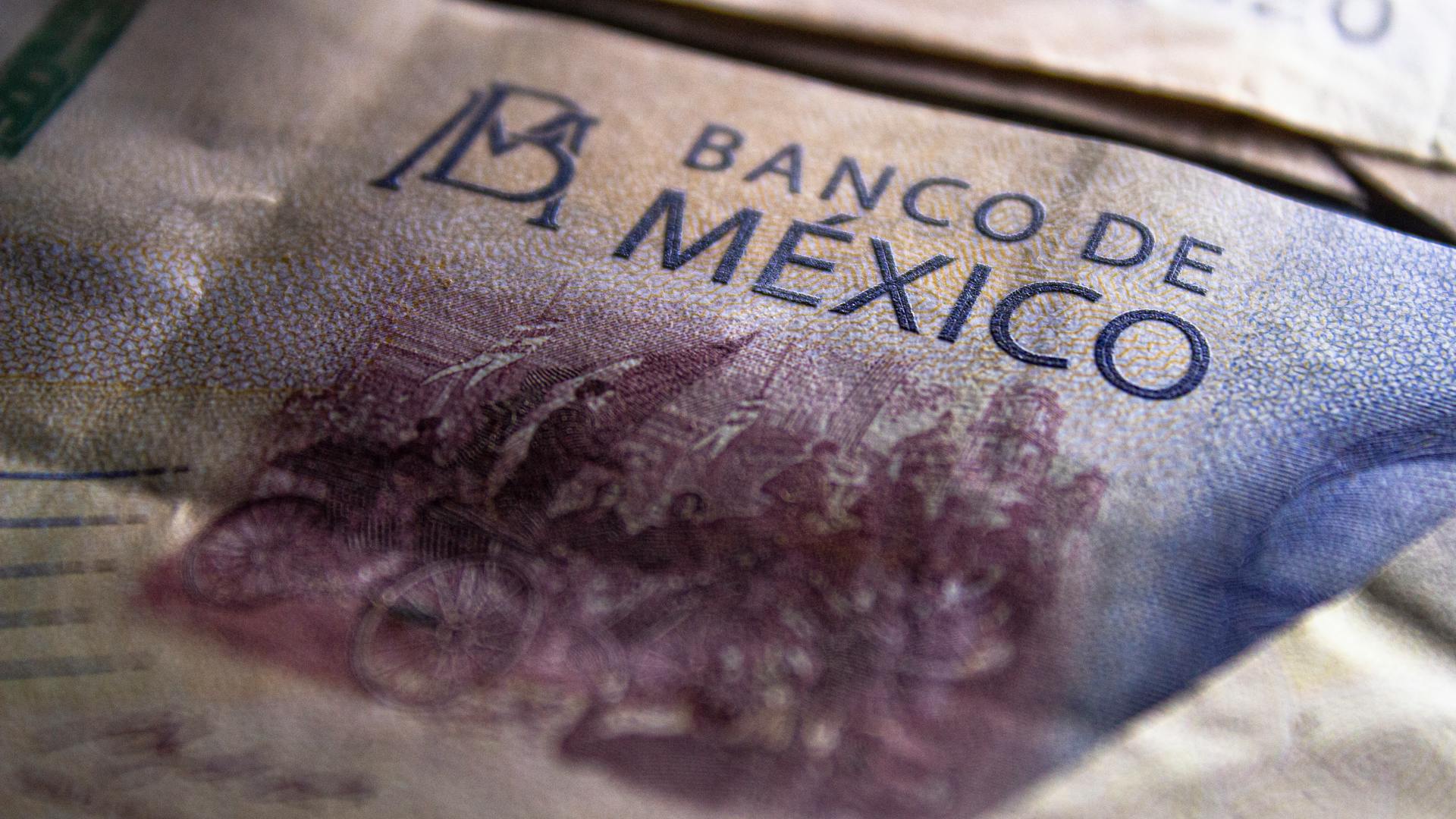
How the Mexican Peso Shapes Affordability in Mexico
The peso’s strength changes what you can actually afford in Mexico—everything from tacos to townhouses. When the peso flexes, locals get more bang for their buck, but that ripple can hit housing and tourism pricing in unexpected ways.
Purchasing Power and Daily Living
When the peso climbs, everyday expenses start feeling lighter. Suddenly, your money stretches further for food, rides, and basic services.
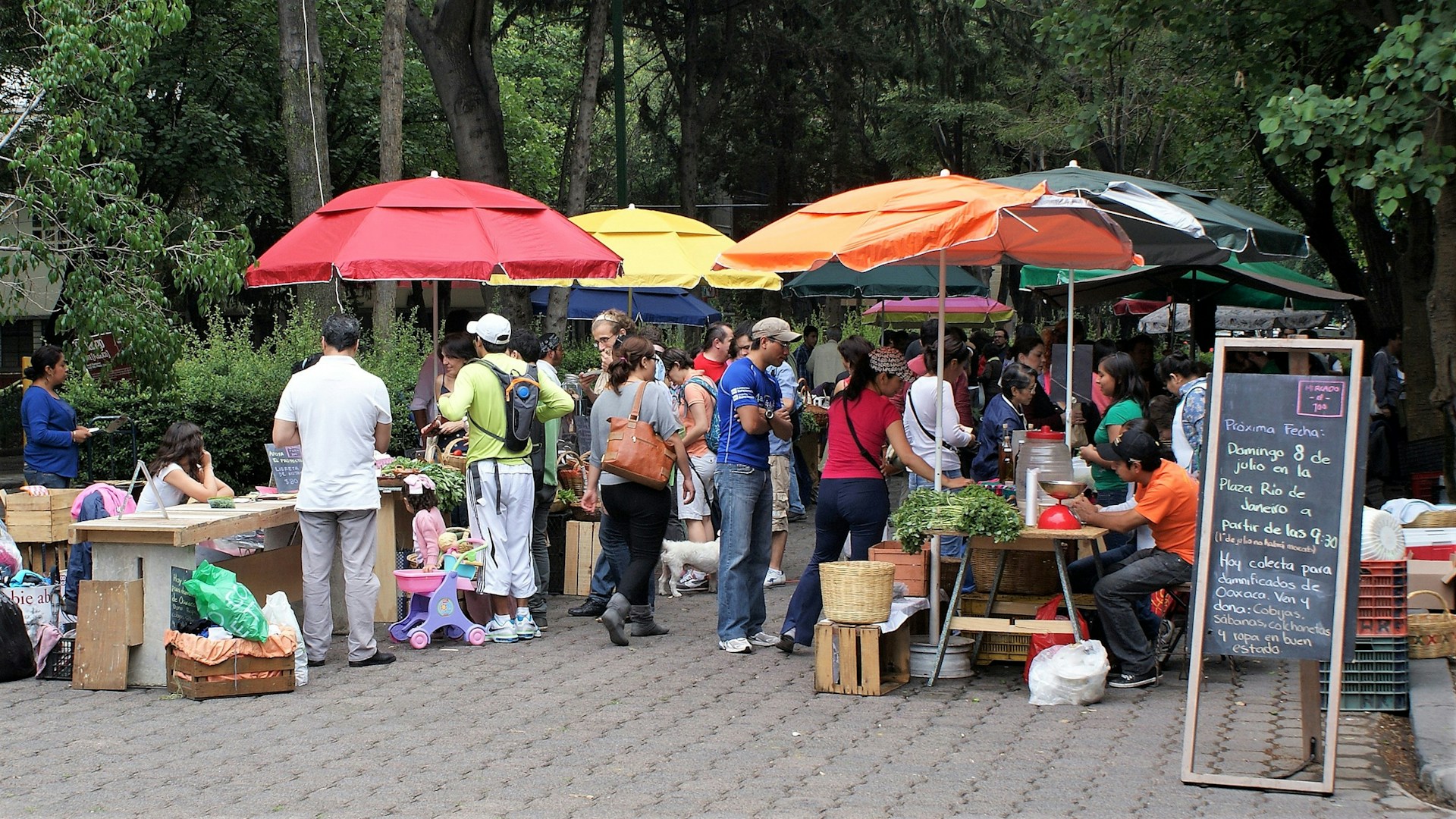
A strong peso helps keep inflation in check. Groceries, utilities, and local services don’t spike as much. I’ve noticed it most at open-air markets and family-run restaurants, where prices stay steady.
Everyday expenses that shift with the peso:
- Eating out, street food, and cafes
- Buses, metro, and taxis
- Doctor visits and pharmacies
- Movies, concerts, and local events
Stable currency means fewer price rollercoasters. When the MXN holds its ground against the dollar, shop owners can actually plan ahead. That turns into more predictable prices for all of us.
Consumer spending is a big deal here—71% of Mexico’s economy, in fact. When the peso’s strong, people open their wallets more. That keeps the local economy humming.
Impacts on Real Estate and Housing
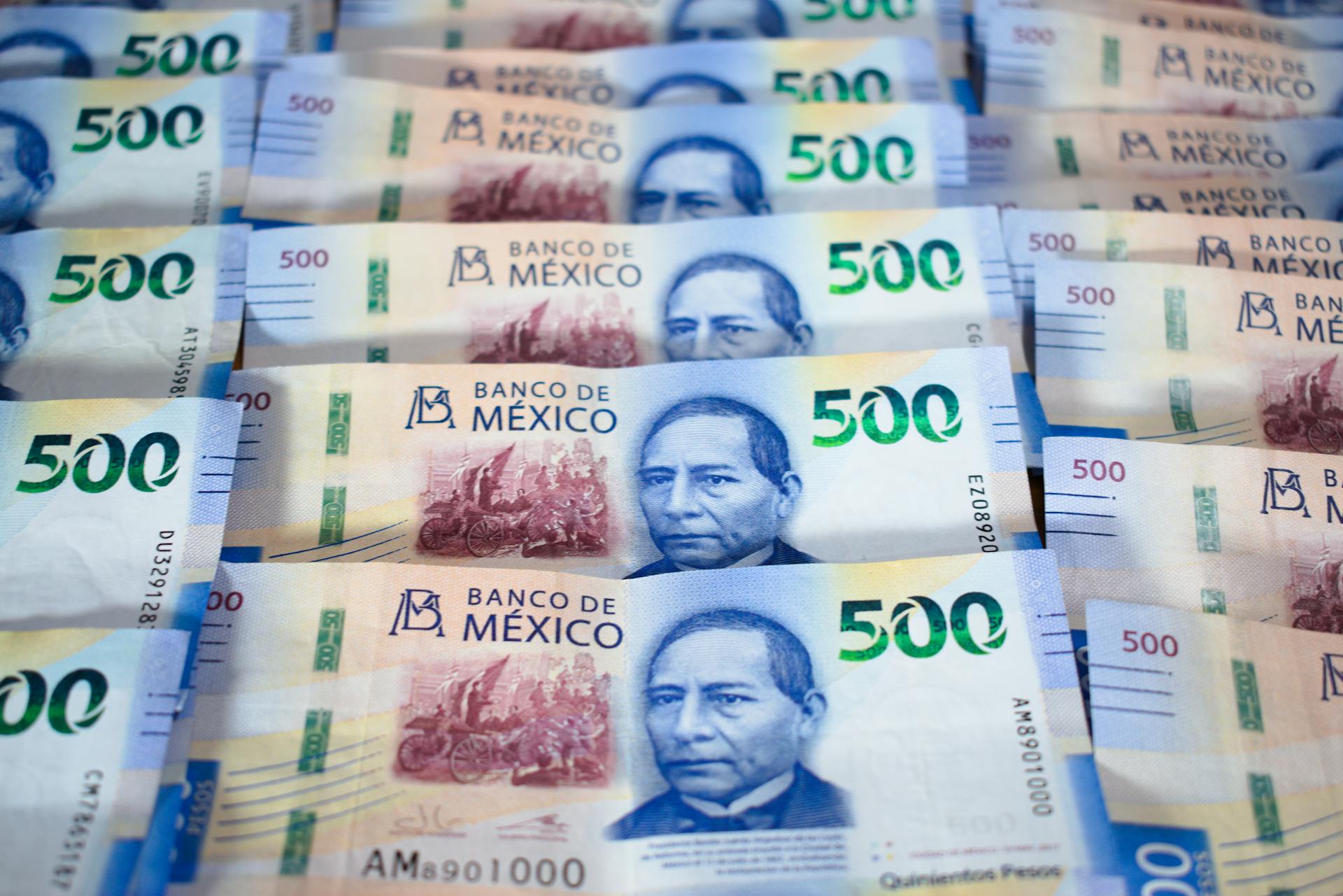
The peso’s strength hits the housing market in a few different ways. For foreign buyers paying in dollars, properties can get pricier. On the flip side, the stability attracts more investors.
Since last October, the peso’s hit record highs. That’s brought a sense of security to real estate deals. Properties can appreciate from both market growth and favorable currency moves.
What’s behind real estate prices:
- Local buyers enjoy stronger purchasing power
- Foreign investors pay more but get stability
- Rental markets offer steadier income
The peso’s 8% gain against the dollar since recent political shifts shows its resilience. Even with trade tension in the air, the currency hasn’t wobbled. That steadiness helps keep property investments less risky.
For builders, a strong peso means imported materials cost less. Over time, that can help hold construction costs in check.
Tourism and the Travel Advantage
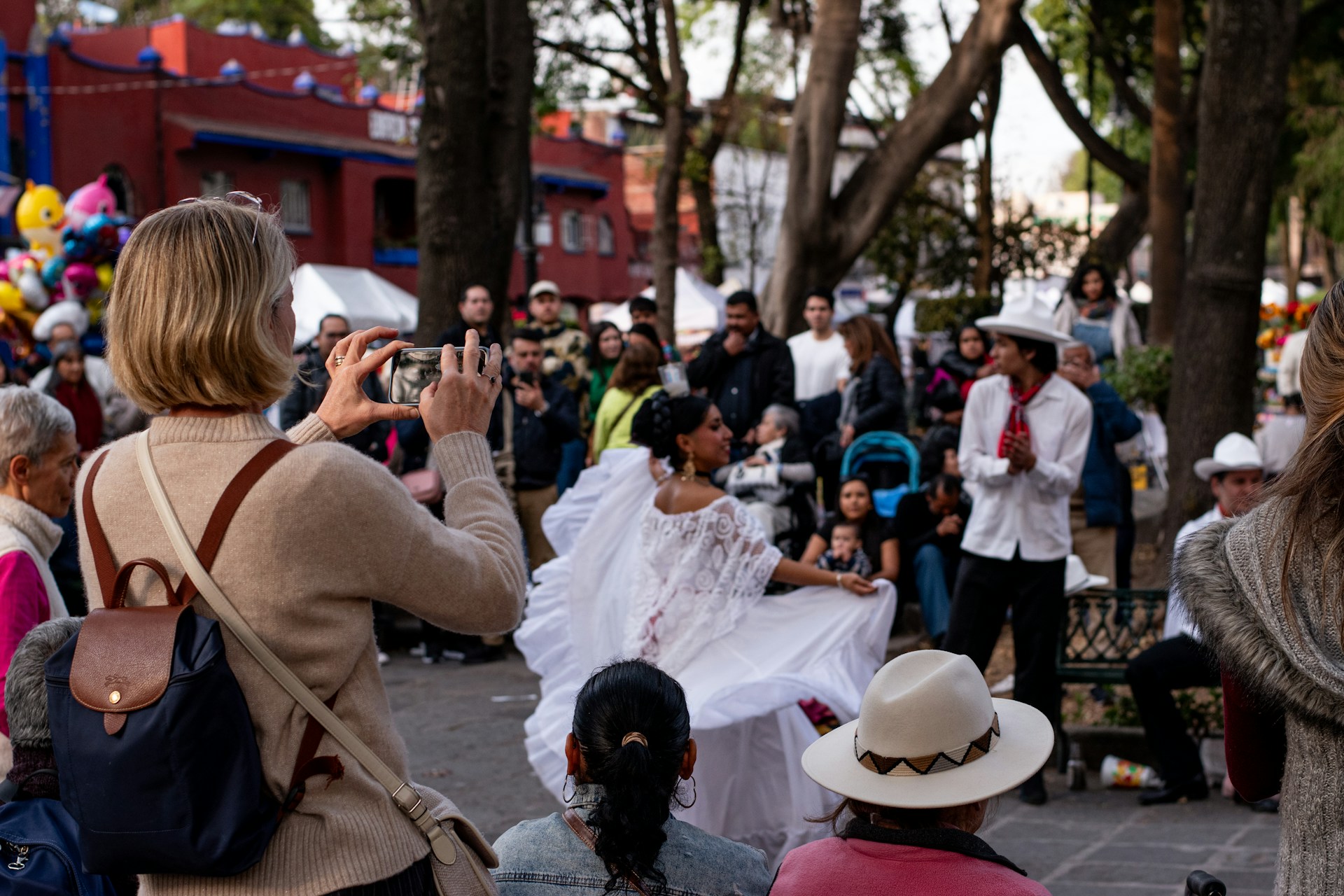
Tourism pricing gets interesting when the peso’s strong. Some things cost more for visitors spending dollars, but the economic boost brings better hotels and attractions.
Hotel rates and tourist services often shift with the currency. Strong peso? Tourists might pay a bit more. But in return, you’ll notice better service and upgraded infrastructure.
Tourism costs to watch:
- Hotel and Airbnb rates
- Restaurant meals and cocktails
- Shopping and souvenirs
- Guided tours and adventure activities
A strong peso signals a healthy economy, and that confidence draws more international tourists. Resorts, restaurants, and attractions tend to get more investment when things are stable.
Local tourism businesses benefit, too. They can buy imported supplies—like kitchen equipment or linens—for less when the peso’s up.
The Forces Behind the Peso’s Surging Strength
So, what’s really powering the peso’s rise? It mostly comes down to smart central bank moves, tempting interest rates, and Mexico’s solid economic backbone.
Monetary Policy and Banxico’s Strategy
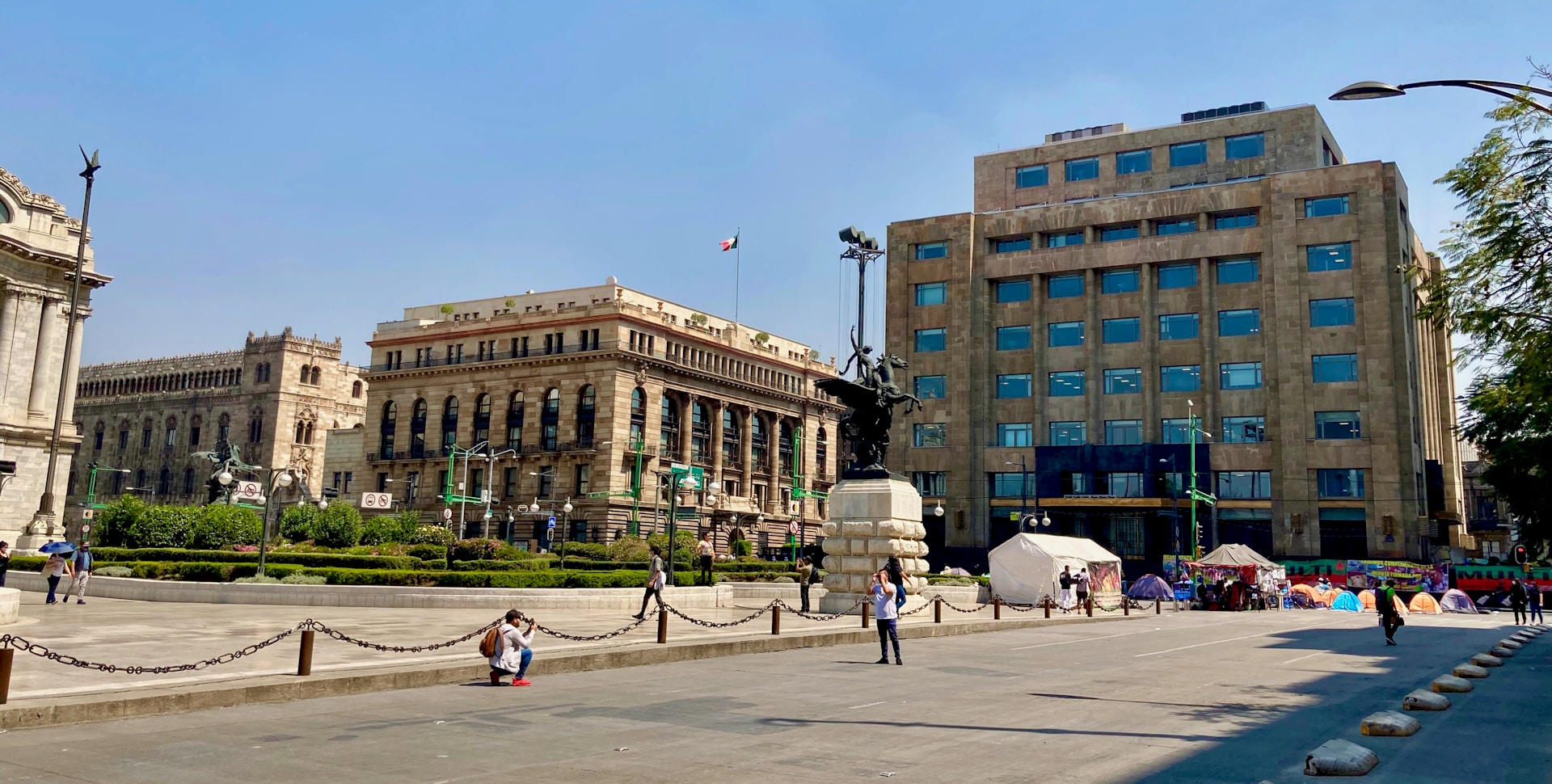
Banxico, Mexico’s central bank, has played things pretty aggressively. They’ve kept policy rates way above the US Federal Reserve, making the peso a hot ticket for investors.
This approach creates what economists call a “risk-adjusted carry.” Basically, investors get higher returns for the risk they take. Banxico’s own meeting notes point to this yield as the main driver of peso strength.
The central bank isn’t in a rush to cut rates. That patience keeps the peso attractive to global investors. Banxico’s steady hand helps avoid the kind of currency chaos that can spook markets.
Mexico also keeps national debt relatively low. That alone gives the currency a big boost.
Interest Rates and Their Impacts
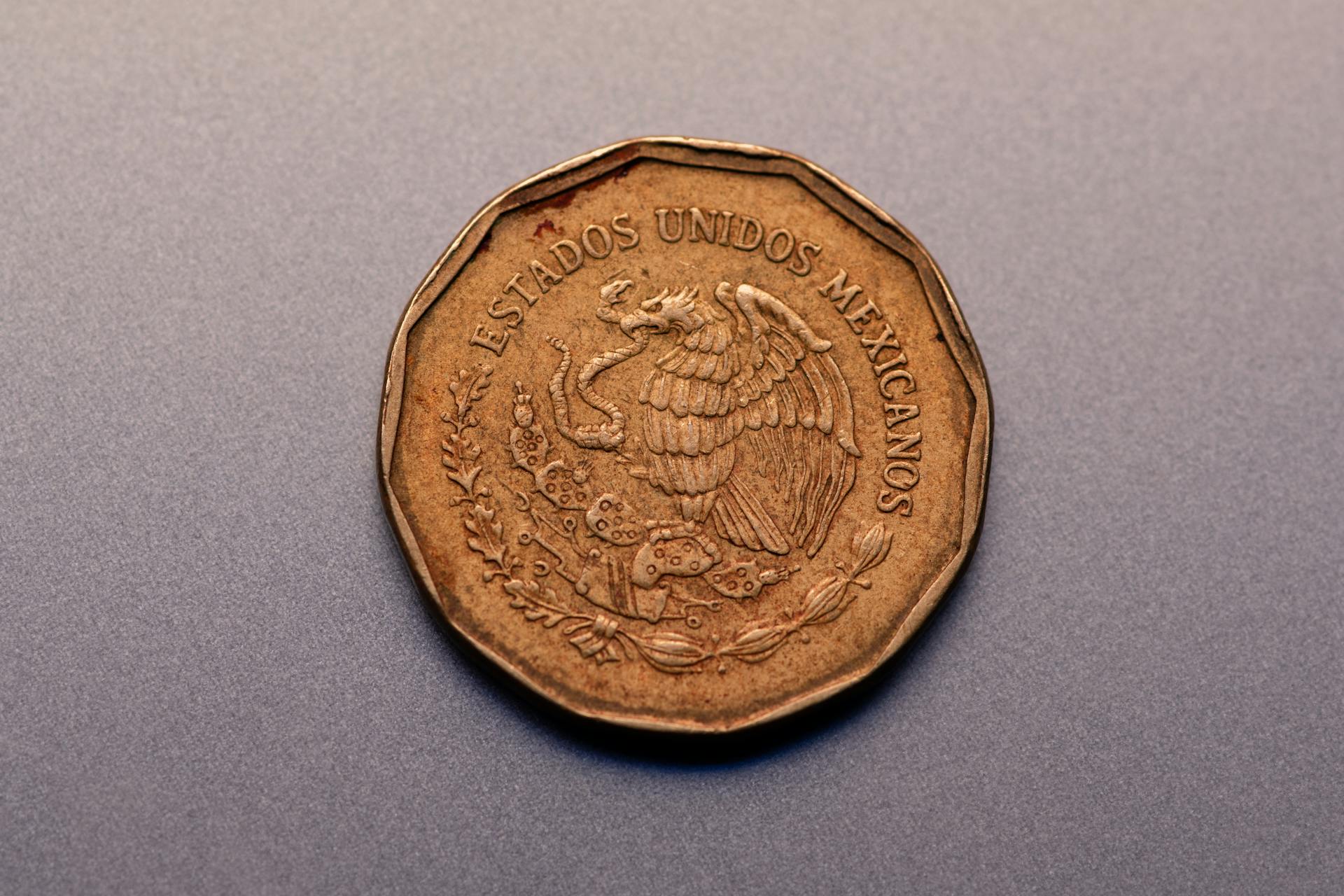
High interest rates make the peso irresistible to global investors hunting for better returns. Mexico’s rates are way higher than what you’ll find in the US or Europe.
The carry-to-risk ratio puts Mexico at the top of the emerging market pack. Investors can pocket healthy profits while keeping risk in check.
When investors buy Mexican bonds, they have to convert their cash to pesos first. That steady demand keeps pushing the currency higher.
Interest rate differences also ripple through forward currency markets. As long as Mexico keeps its rate advantage, the peso stays strong.
Economic Growth and GDP Resilience
Despite global jitters, Mexico’s economy keeps chugging along. Steady GDP growth brings in long-term foreign investment and supports a strong currency.
Nearshoring is a big part of this. Companies are moving factories closer to the US, and Mexico’s reaping the rewards—new jobs, fresh capital, and a stronger peso.
Solid economic growth calms investor nerves about things like default or instability. The peso starts to look like a safer bet compared to other emerging market currencies.
Mexico’s weathered some real storms lately. That resilience gives global investors more confidence to stick with peso investments.
Investment and Foreign Capital: Fueling Mexico’s Dreams
Mexico just smashed records, pulling in $21.4 billion in foreign direct investment in the first quarter of 2025—a wild 165% jump from the previous quarter. This flood of cash, plus nearshoring and smart infrastructure spending, lays the groundwork for a strong peso and affordable living costs.
Foreign Direct Investment and Nearshoring
It’s been fascinating to watch Mexico become a magnet for foreign money. FDI numbers in 2025 tell a story of growing global confidence.
Top FDI Source Countries (Q1 2025)
- United States: 38.7% ($8.3 billion)
- Spain: 15%
- Netherlands: 8.3%
- Australia: 5.7%
- Germany: 3.7%
These five countries alone bring in over 70% of Mexico’s foreign investment. North America leads the pack, with the USMCA trade deal fueling cross-border business.
Manufacturing grabs the biggest slice—43% of all investment—while financial services get 24%. It’s cool to see new money flowing into sectors like food processing and agriculture, which used to be off-limits.
Nearshoring is a game changer. Companies shift operations closer to the US, and Mexico’s skilled workforce and lower costs make it a no-brainer. Seven major firms have promised $36.7 billion over five years.
Public Debt and Fiscal Health
Mexico’s kept its fiscal house in order, which helps keep the peso stable and investors happy. The government focuses on sustainable borrowing and only funds growth projects that really matter.
The debt-to-GDP ratio stays manageable compared to other emerging markets. That discipline means Mexico doesn’t have to print money like crazy, which would only hurt the peso.
Mexico issues bonds in both pesos and dollars, attracting a wide range of investors. The Plan México initiative gives nearshoring a boost through smart incentives, not reckless spending.
As foreign investment grows, so do tax revenues. That creates a positive cycle, reinforcing fiscal health and keeping investors interested in Mexican bonds.
Infrastructure Projects and Economic Expansion
Mexico’s infrastructure boom is hard to miss. The government pours money into projects that help manufacturing and trade.
Transportation gets a lot of love—new ports, railways, and highways link factories to US markets. That slashes logistics costs for companies setting up shop here.
Energy upgrades are happening fast, especially in border regions packed with factories. Better power grids and new pipelines let companies operate smoothly.
Digital infrastructure is taking off, too. Fiber optics and 5G are rolling out in industrial zones, drawing in tech companies and supporting higher-value manufacturing.
These projects create jobs, boost demand, and ramp up productivity. That’s a win for the peso and keeps Mexico affordable for investors and expats.
Currency Dynamics: The Peso’s Role in Global and US Markets
The Mexican peso now stands as Latin America’s most liquid currency. Its exchange rate with the USD shapes billions in daily trade. Investment flows and remittances create a web of currency dynamics that impact Americans living or traveling in Mexico.
Exchange Rate Trends: USD and Beyond
The peso-dollar dance has been surprisingly stable. Lately, the peso’s gained real ground against the USD—traders even call it the “super peso.”
MXN ranks among the world’s most traded currencies, with daily volumes to match. The peso usually hovers between 17 and 20 per dollar, but that range shifts with economic news.
What drives the exchange rate:
- Interest rate gaps between Mexico and the US
- Oil prices and energy exports
- Political stability on both sides of the border
- The Fed’s latest moves
The peso’s moves against the euro and yen often echo its USD trends. That makes things a bit more predictable for global investors.
Mexico’s central bank steps in when needed to smooth out wild swings. Their interventions help keep exchange rates fair for trade and block excessive speculation.
Trade Relationships and Export Power
Mexico’s the US’s second-biggest trading partner, with over $600 billion in annual trade. That constant flow creates endless demand for peso-dollar exchanges.
Top exports:
- Cars and electronics
- Avocados, tomatoes, and other produce
- Oil and refined energy products
- Tourism and logistics services
A weaker peso makes Mexican goods cheaper for American buyers, which boosts exports and fuels growth.
US companies lead the way in foreign investment, especially in manufacturing and energy. Trade deals like USMCA give everyone a stable framework for currency exchange and long-term planning.
Remittances and Capital Flows
Mexican workers in the US send home about $60 billion a year. That’s one of Mexico’s biggest sources of foreign currency.
Remittances strengthen the peso by bringing in a steady stream of dollars. This flow helps anchor the currency during rocky times.
Where capital flows from:
- Worker remittances
- Foreign direct investment
- Portfolio investment in stocks and bonds
- Tourism spending by Americans
Mexico’s economy benefits from all these inflows. It doesn’t have to rely on just one source, which helps keep the currency steady.
More American retirees and remote workers are moving south, bringing their dollars with them. That trend helps support the peso over the long haul.

Opportunities and Risks for Investors and Consumers
The peso’s strength opens doors for investors but comes with its own set of challenges. Interest rates and economic stability will decide if Mexico stays a hot spot for long-term investment.
Benefiting from a Strong Peso
When the peso’s on top, opportunities pop up everywhere. Mexican companies can invest more in infrastructure and new tech.
Real estate investors get some peace of mind. A strong peso means less worry about currency losses, making Mexican property more appealing.
What’s in it for consumers:
- Cheaper imports and services
- Lower living costs for expats
- Predictable expenses for retirees
The central bank’s focus on inflation control—mainly through higher interest rates—keeps investors confident. That helps the peso hold its value and maintain purchasing power.
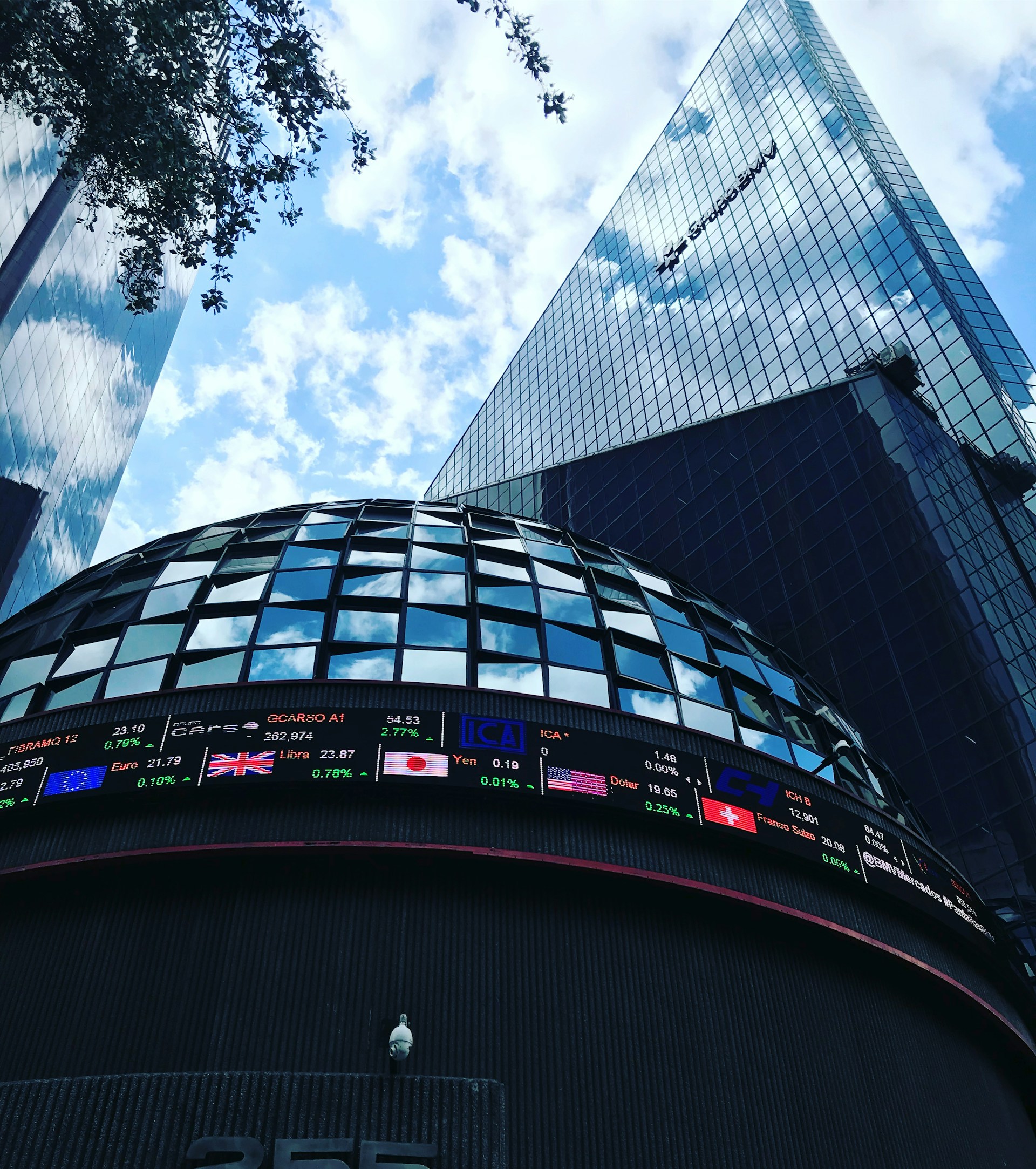
The Mexican stock market gets more attractive as the peso rises. Companies can upgrade equipment and adopt sustainable practices, drawing foreign partners.
Foreign residents also get a boost. Stable currency means daily costs like healthcare and dining don’t swing wildly.
Potential Risks in Currency Fluctuations
Currency swings? They’re a real headache, especially if you’re dealing with the Mexican economy. Whenever the peso tumbles—like it did recently, hitting those 16-year lows against the dollar—everyone feels it.
Key risks include:
- Sudden currency drops that can mess with your investments
- Imports getting pricier when the peso weakens
- Mexican exports losing their edge abroad
I’ve noticed that market chaos hits emerging market currencies like the peso pretty hard. When things get rocky, investors usually scramble for safer bets, which drags down the peso’s value even more.
Interest rates? They’re always on the move, mostly because of inflation worries. If rates climb, the peso might get a boost, but then businesses could pull back on spending.
Trade deals feel like a wild card these days. One policy shift or a bit of geopolitical drama, and the peso can swing wildly—leaving both investors and everyday folks scrambling.
If you’re thinking about buying property in Mexico, keep an eye on exchange rates. A weaker peso can chip away at the value of your investment when you convert it back to dollars or euros. It’s a risk worth remembering.
