
When I first set foot in the Evros Delta up in northern Greece, it felt like I was walking into a dream. The winding waterways, sprawling wetlands, and chorus of birds made a landscape I’d never imagined.
If you love untouched nature and rare wildlife, you’ll find the Evros Delta both peaceful and full of discovery.
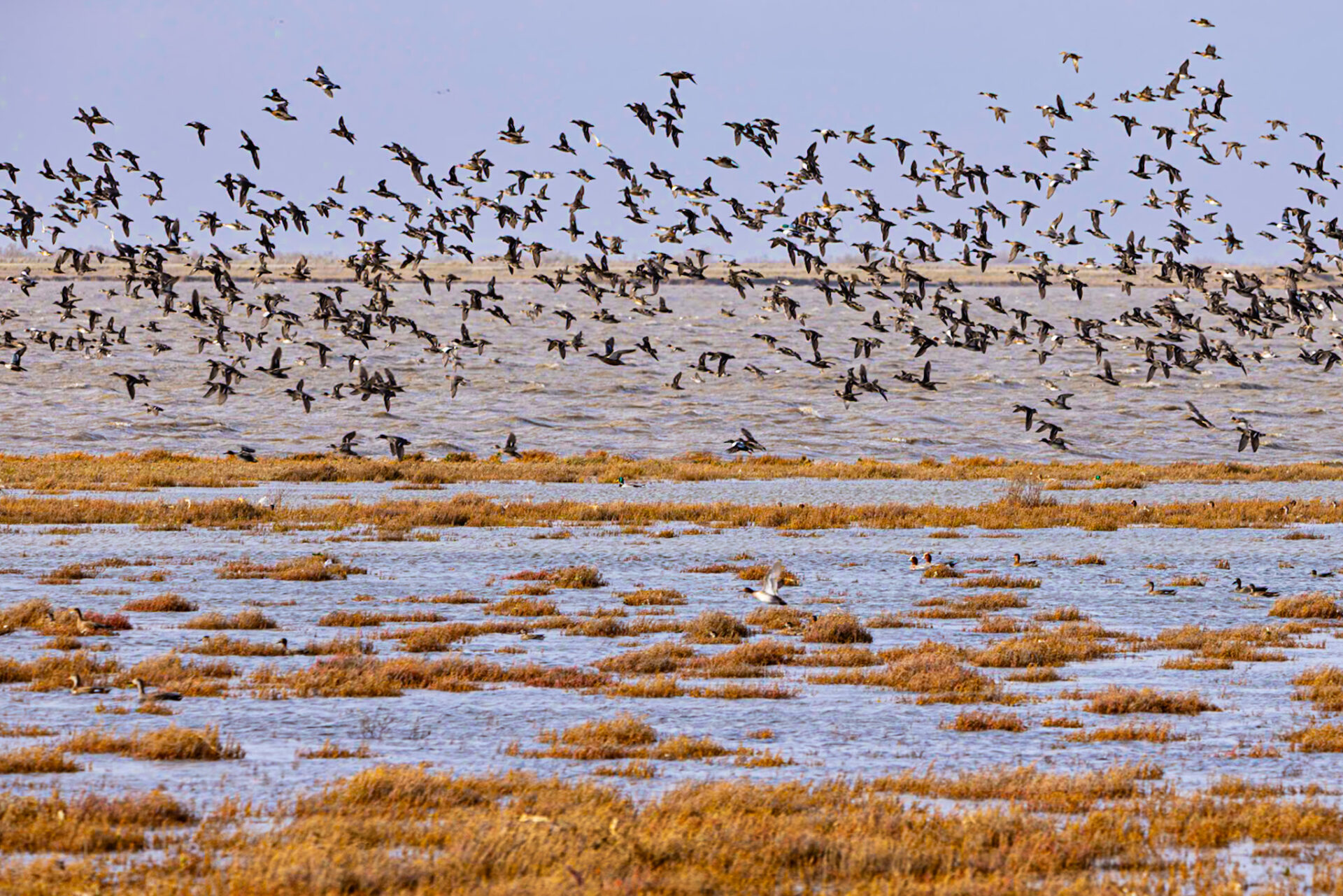
As I wandered along the riverbanks, flocks of flamingos suddenly lifted into the sky. Wild horses grazed quietly in the reeds, almost like they’d always belonged there.
This place is all about shifting landscapes and rich biodiversity. Every visit feels different.
It’s not hard to understand why true nature lovers rave about this hidden corner of Thrace.
Coming here isn’t just about seeing things—it’s about feeling that wild side of Greece. The delta’s quiet beauty pulls you in and slows you down.
You notice moments here you won’t find anywhere else.
Discovering the Heart of the Evros Delta
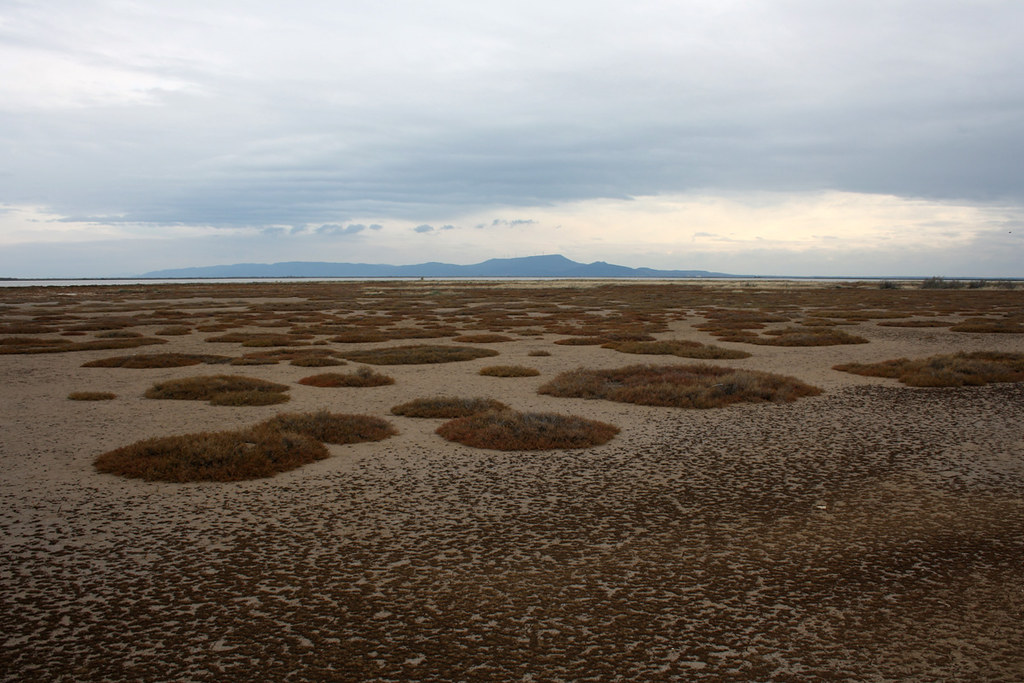
I came to the Evros Delta thinking I’d see just marshes, but it turned out to be a living patchwork of water, reeds, and wildlife.
This wetland in northeastern Greece pulses with energy and the layered rhythms of Thrace’s past and present.
A Brief Overview of the Evros Delta
The Evros Delta stretches across Greece’s northeastern edge, right where the Evros River meets the Aegean Sea.
It covers about 200 square kilometers. I was honestly surprised by how quickly the scenery could shift—from dense reed beds to open mudflats, then to shallow lagoons.
Hundreds of plant and animal species, especially birds, call this place home.
International Wetland status marks its global importance. Local guides told me how the delta serves as a wintering ground and migration stopover for rare and endangered birds.
I realized the delta isn’t just an ecosystem; it’s a crossroads where life gathers.
Essential Facts for First-Time Visitors
Location: Northeastern Greece, near the Turkish border
Best Time to Visit: Winter and spring, when birdlife explodes with color and sound
Access Points: Close to Alexandroupoli and Anthia, with boat tours and walking trails
Planning ahead really helps. Since much of the area is protected, you’ll need a guide for some parts.
I picked a guided boat tour—best choice for the views and for hearing local stories.
Packing Recommendations:
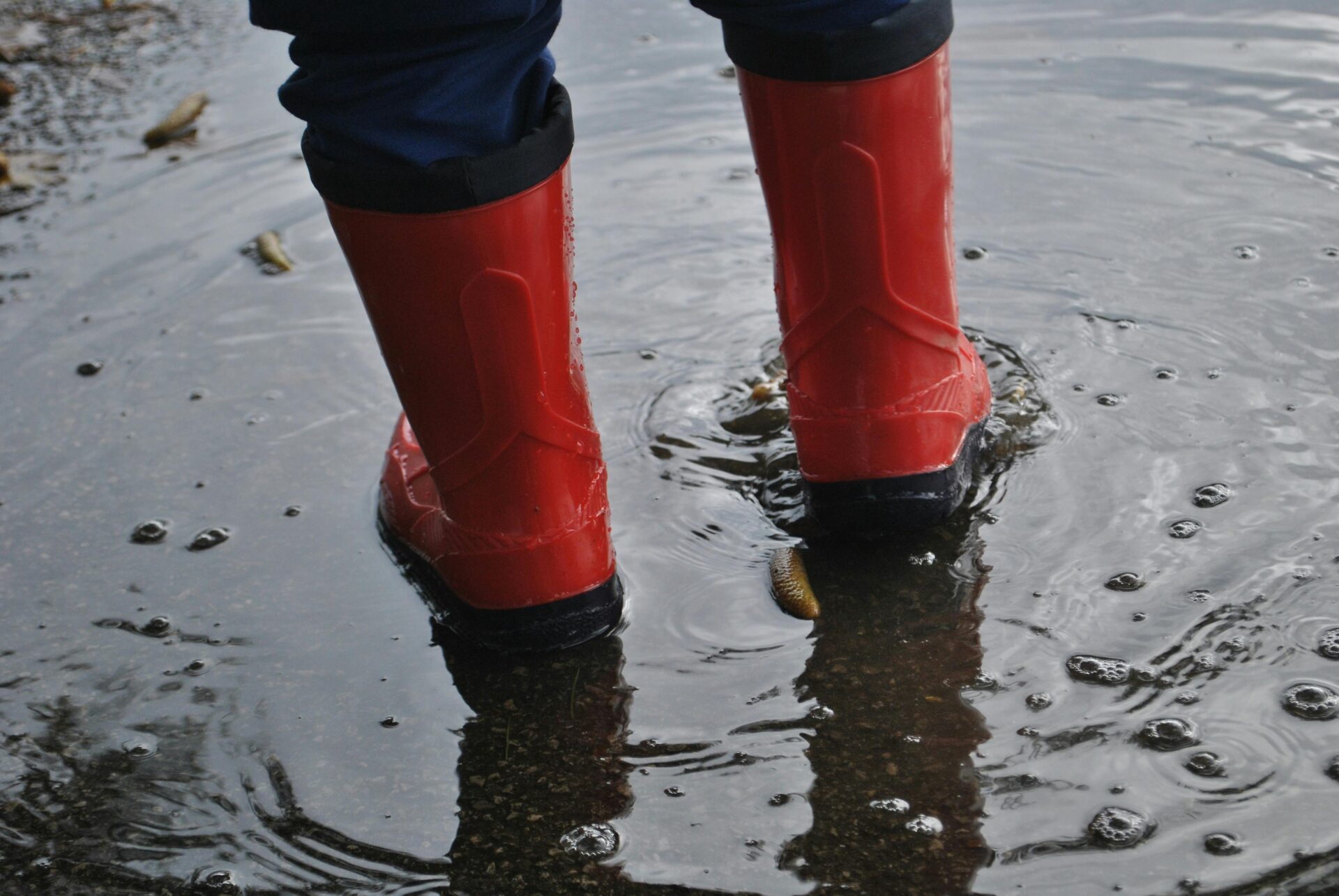
- Waterproof boots
- Binoculars
- Layers for unpredictable weather
- Camera (zoom lens helps if you’re into birds)
Most tours run 2–4 hours. Restrooms are scarce, so it’s smart to prepare before you go.
Why the Evros Delta Captures True Nature Lovers
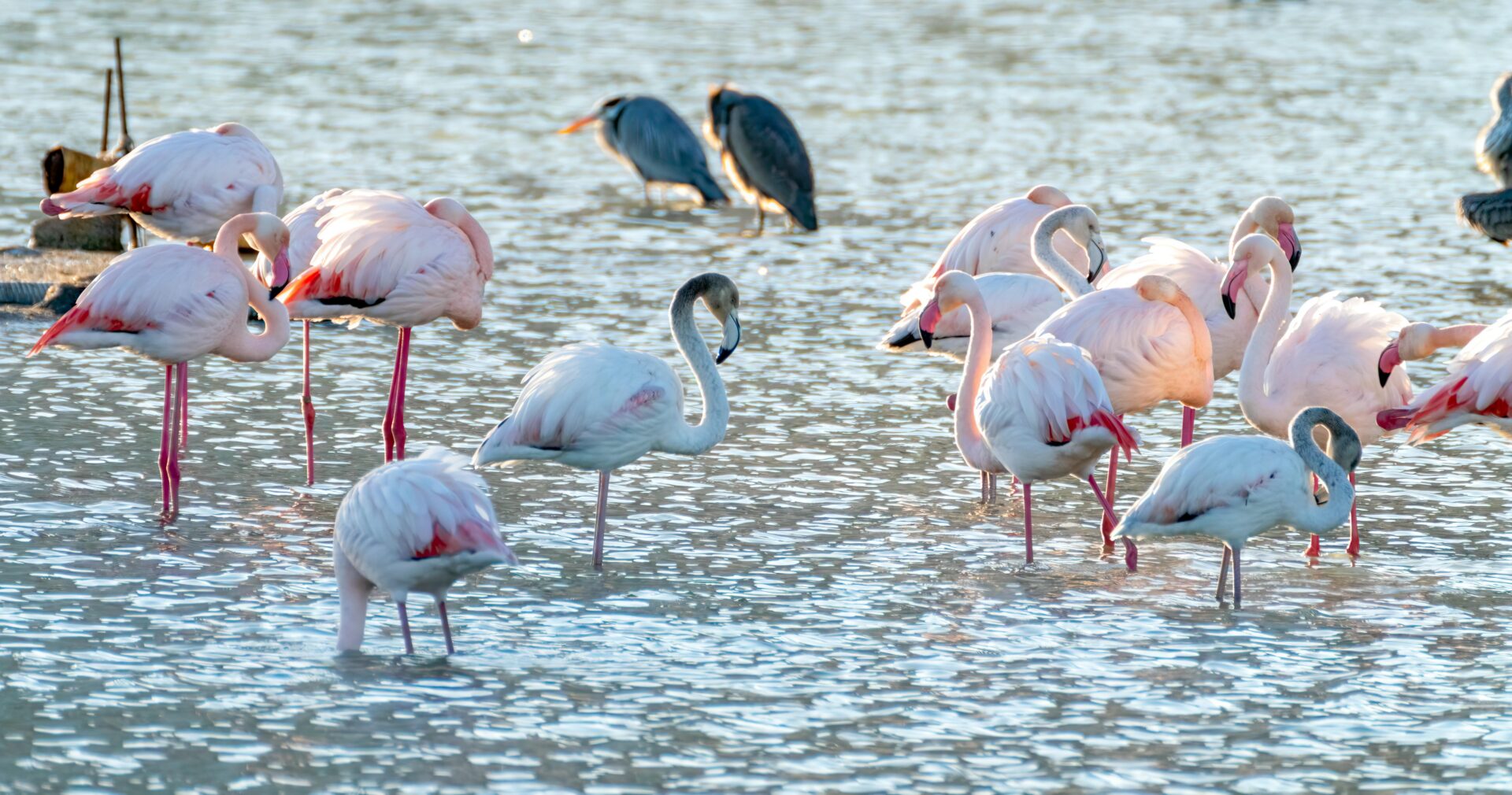
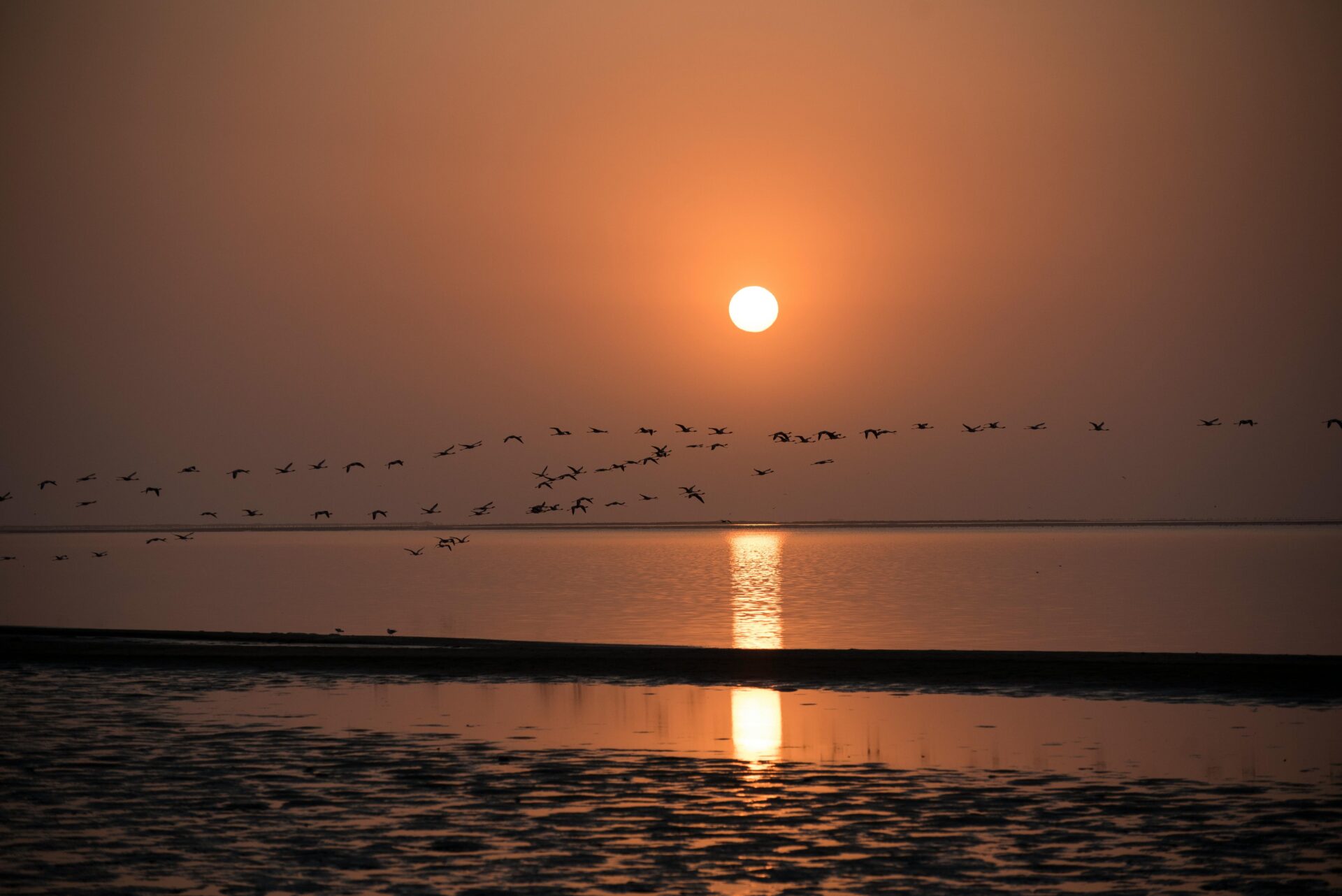
There’s something quietly magical about watching thousands of birds take off at dawn. I remember standing on the riverbank, spotting flamingos, herons, and even white-tailed eagles.
The delta is home to over 320 bird species.
But it’s not just about rare birds. The landscape shifts constantly—sometimes whispering reeds, other times open water alive with frogs and insects.
Each season brings its own spectacle. Winter feels wild and full of promise; spring bursts with life everywhere you look.
What makes it stand out for me? The peace. Here, nature is the star. No crowds, just wildness and new surprises every time.
The Thracian Connection: Cultural and Historical Roots
The Evros Delta isn’t only about nature—it’s tangled up in Thracian history. For centuries, locals have depended on the delta’s resources, whether fishing or grazing livestock.
I heard old stories about river spirits and legends that still drift along the banks.
Nearby villages like Feres give you a peek at Thracian traditions. Stone churches and wooden bridges linger as reminders of the past.
This delta has always been a borderland, shaped by migration and trade.
Things that stood out to me:
- Frescoes inside village chapels
- Fishermen’s boats pulled up in the mud
- Traditional Thracian recipes with local fish and herbs
As I explored, I felt the heartbeat of Thracian history echoing through the wild.

Wildlife Wonders: Birds, Mammals, and Miraculous Migrations
The Evros Delta pulses with life—every wingbeat, every ripple in the reeds. Rare creatures appear if you’re patient, and the grand migrations are something else.
Iconic Bird Species and Migratory Routes
In spring and autumn, the delta feels like a giant aviary. Over 300 bird species have been spotted here, making it a dream for bird lovers like me.
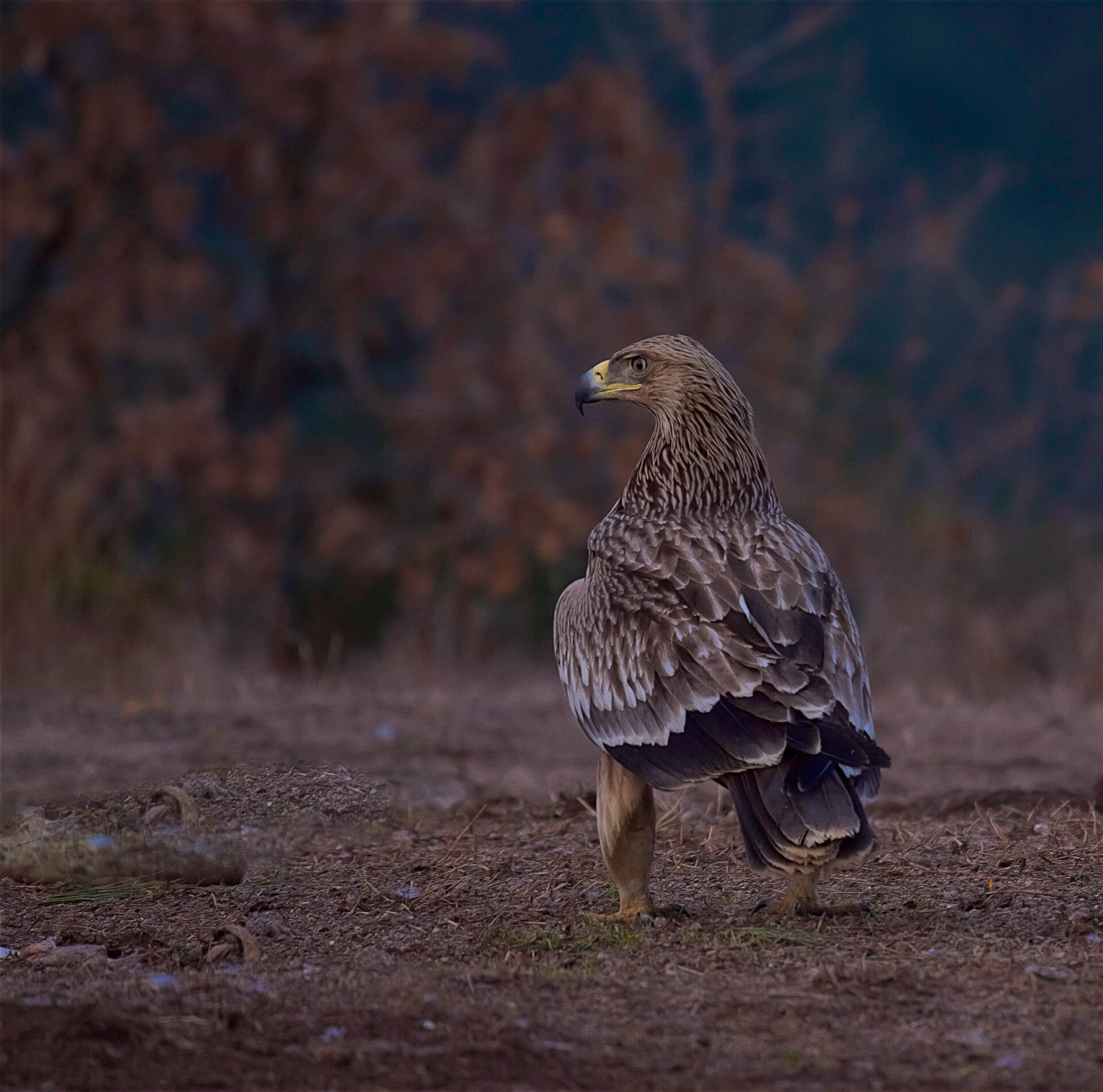
I often see herons, egrets, flamingos, and even the rare Dalmatian pelican. Raptors like the white-tailed eagle and plenty of waders—avocets, stilts—show up too.
Major migratory routes cross the region, so thousands of birds stop to rest and feed before heading to Africa or back to Europe. Early mornings with binoculars are my favorite—calls and flashes of color everywhere.
Here are a few birds to keep an eye out for:
| Species | Best Season | Notable Features |
|---|---|---|
| Dalmatian Pelican | Spring, Autumn | Huge bill, curly crown |
| Purple Heron | Spring, Summer | Reddish neck, slender |
| Greater Flamingo | Autumn, Winter | Pink plumage, long legs |
| White-tailed Eagle | Winter | Large, broad wings |
Rare Mammals and Reptiles Unique to the Delta
Birds aren’t the only draw. The Evros Delta hides elusive mammals and reptiles too.
Sometimes, I spot a European otter—a real sign of healthy water.
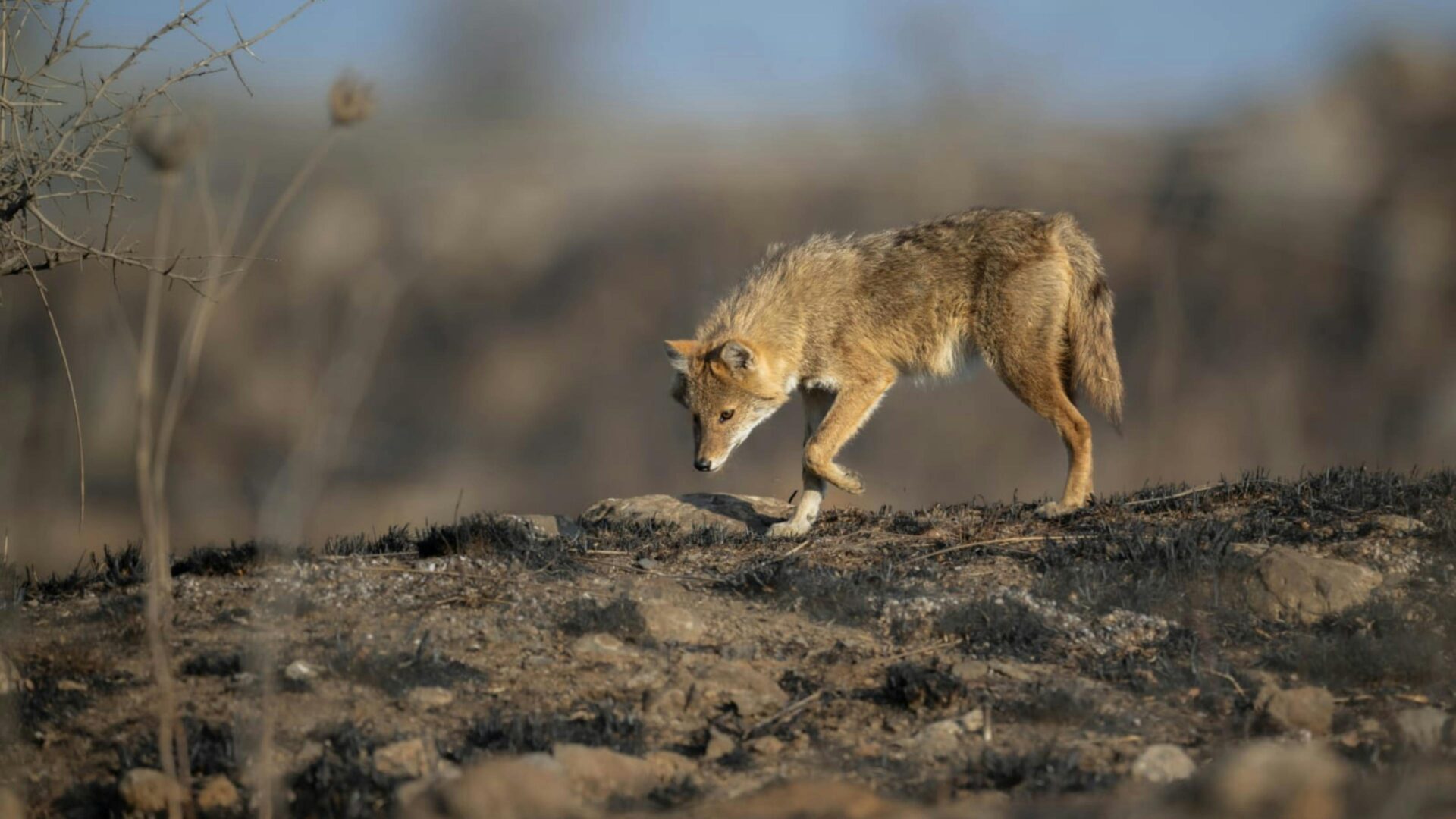
The wildcat and golden jackal sneak through the remote reed beds. At dusk, foxes and wild boar sometimes appear near the water’s edge.
Reptile fans, take note: you might find rare turtles like the European pond terrapin or even a sand boa. Every walk brings the chance for a new encounter, if you’re patient.
Here’s a quick list of notable mammals and reptiles:
- European Otter
- Wildcat
- Golden Jackal
- European Pond Terrapin
- Sand Boa
Tips for Ethical Wildlife Watching
If you want future generations to enjoy this place, respecting the wildlife is key. I always keep my distance, using binoculars or my camera’s zoom.
I stick to marked trails and avoid trampling marshes. Feeding or chasing animals? Not cool—it only harms them and the habitat.
Learning a bit about animal behavior helps. If birds flush or mammals dart away, it’s time to back off. For photographers, using a hide or blind keeps the disturbance low.
Here are some tips I follow:
- Take all your litter with you
- Keep voices and movements quiet
- Stay away from nesting areas in breeding season
- Follow local rules and park guidelines
Seasonal Spectacles: Timing Your Visit for Peak Wildlife Activity
When you visit the Evros Delta really shapes the wildlife you’ll see. I find spring (March–May) and autumn (September–November) are best for bird migrations—wetlands are full and flocks come in waves.
In winter, you’ll see big numbers of waterfowl—flamingos, ducks, even rare geese. Summer has more mammals and reptiles, but it’s hotter and the mosquitoes come out.
Each season has its own vibe. Here’s a quick guide:
| Season | Wildlife Highlights |
|---|---|
| Spring | Peak bird migration, otters active |
| Summer | Mammals, reptiles, chicks |
| Autumn | Return migration, flamingos |
| Winter | Waterfowl, raptors, solitude |
Knowing the delta’s rhythm helps me plan my visits, so I don’t miss the best moments.
Raw Landscapes and Nature Activities
Every time I visit, the Evros Delta shows me wild, shifting views and quiet water channels. Sometimes rare bird calls echo through the air, and I feel completely immersed—whether I’m wandering marshes, gliding in a boat, or just sitting quietly among the reeds.
Exploring Marshes, Lagoons, and Untamed Riverbanks
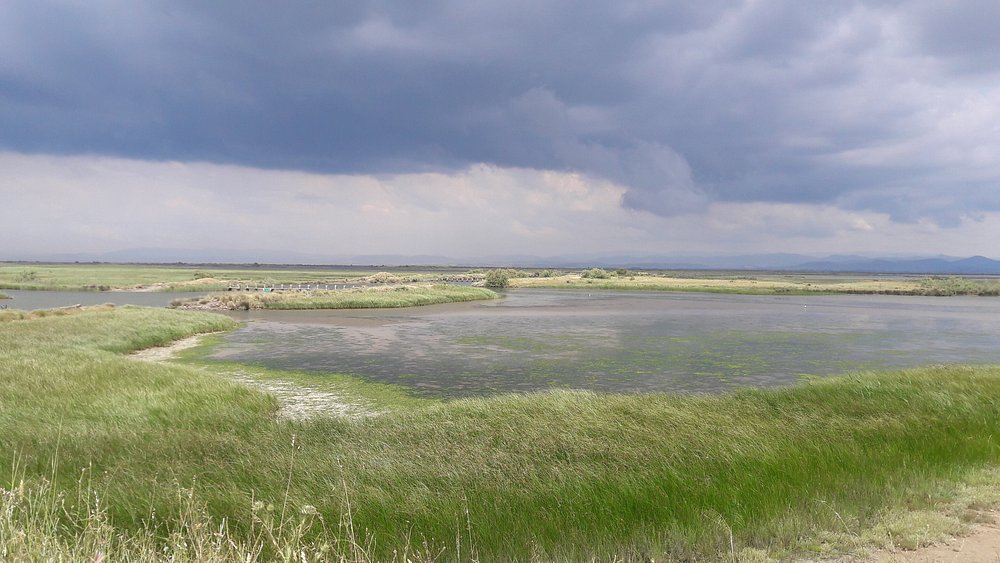
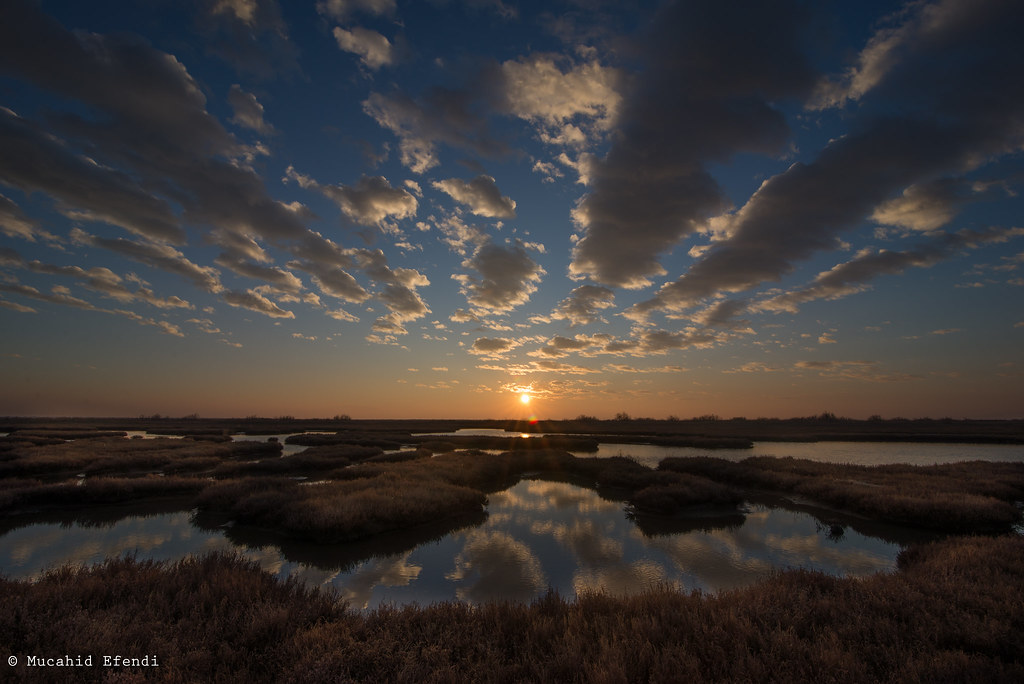
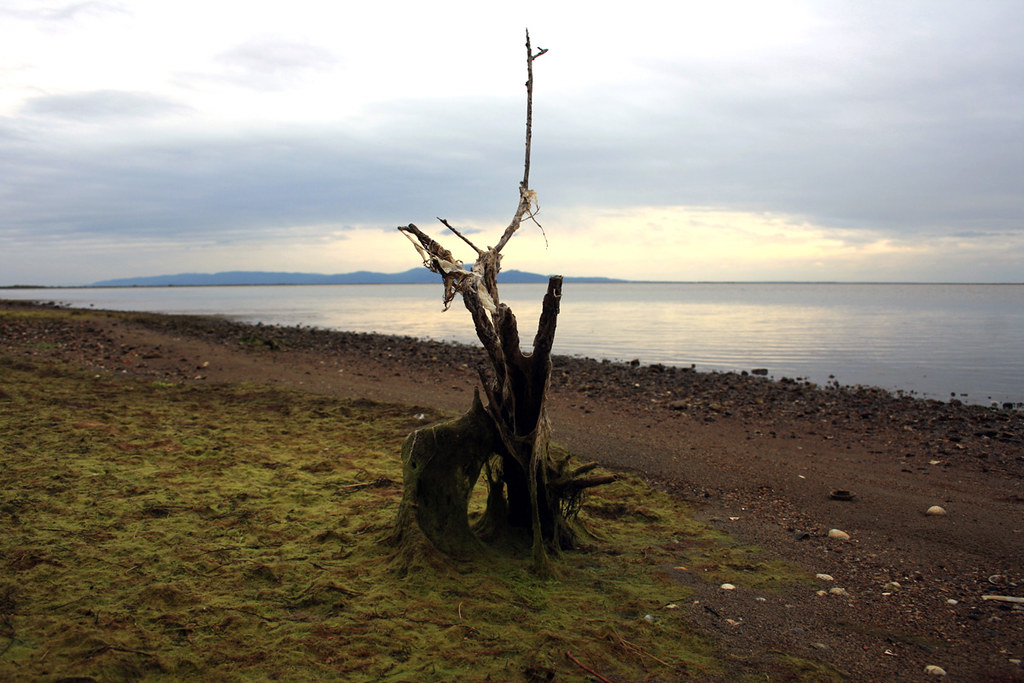
The way land and water blur together here always catches my eye. Marshes stretch out, broken by shallow lagoons that reflect the sky.
Reed beds sway in the breeze, hiding herons and wildflowers I’d never seen before.
Along the Evros River’s muddy banks, I find footprints—sometimes birds, sometimes wild horses. The air smells clean, a bit salty, and always fresh.
I’ve watched storks hunting, kingfishers darting between roots, and tiny frogs leaping out of my way.
Boots are a must—the ground gets soft and grassy in spots. It’s easy to lose your bearings, but I stick close to the channels and keep the river in sight.
Here, moving slow and watching closely is the only way.
Top Nature Walks and Photography Spots
Marked trails are there, but I like the quieter paths best. Early mornings work wonders for photos—golden light over misty fields.
Some trails loop through reed beds, while others lead to wooden birdwatching towers.
I always bring binoculars and a long lens. Winter’s great for flamingos, spring brings wildflowers and butterflies.
I check the main lagoon for pelicans, then hike out to the gravel spit for wide views.
A favorite trick: stand right at the water’s edge at sunset. The colors, reflections, and distant birds settling in make every photo feel special.

Boating and Canoeing Adventures
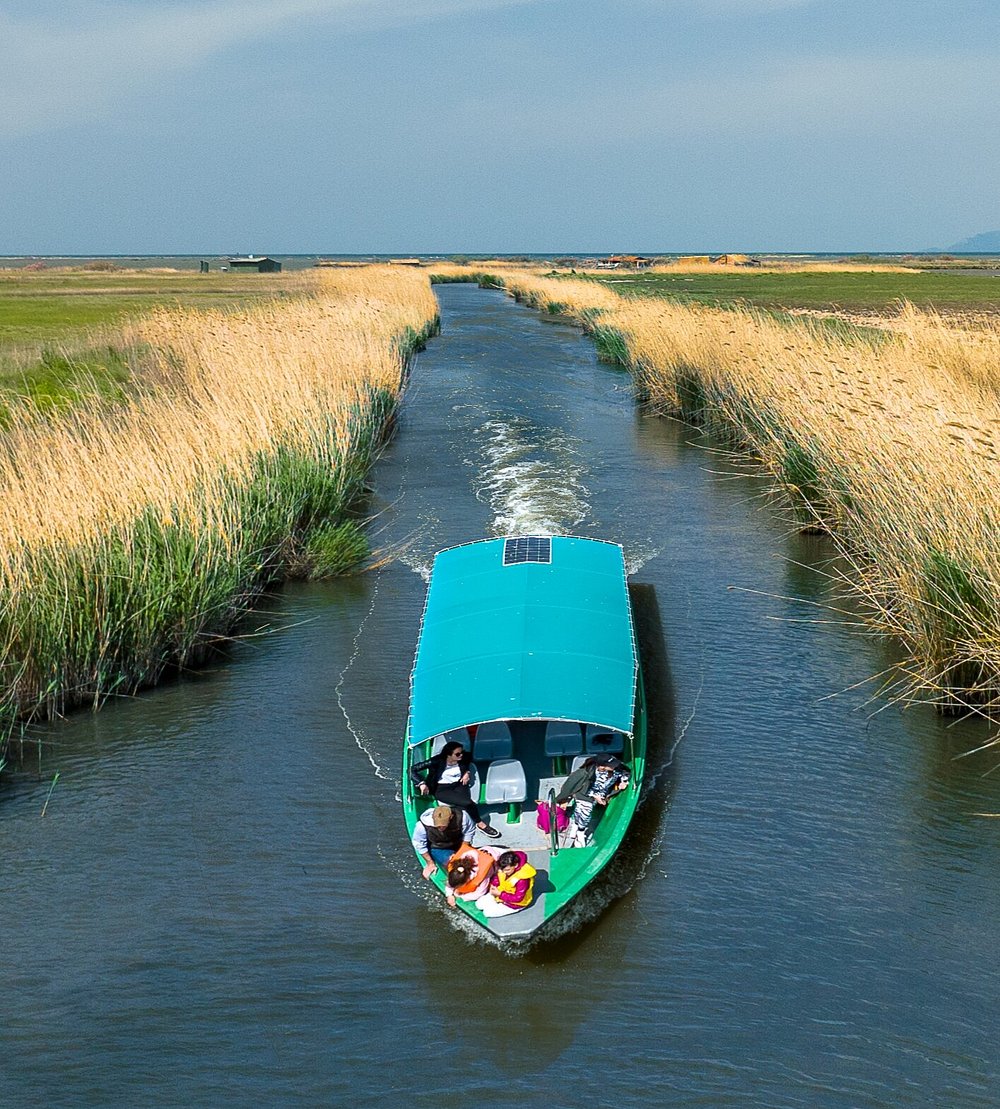
The first time I visited, I joined a local guide for a canoe trip. Skimming across flat water with reeds brushing the boat is something I won’t forget.
Wildlife seems less bothered when you glide by quietly, so I always spot more this way.
Some guides use small, eco-friendly boats that don’t scare off animals. It’s easy to follow main river routes or slip into hidden lagoons where fish jump and the water narrows.
If I’m lucky, I’ll catch a glimpse of a wild boar or a shy otter among the branches.
Here’s what I pack for the boat:
- Waterproof bag for camera
- Sun hat and sunglasses
- Insect spray
- Water bottle
I always ask the guide about tides or strong currents—just to be safe.

Unplugged: Embracing Solitude in the Wilderness
Cell reception is spotty out here, and honestly, I like it that way. It feels like stepping out of time.
I’ll sit hidden in the grass with just my notebook, watching the day shift. Sometimes, I just listen—to frogs, ducks, and the slow lap of water.
I plan for long, quiet pauses. No music, no podcasts—just me and the wild.
A thermos and a small blanket make it comfortable. If I see anyone else, it’s usually a fisherman or another birder.
For me, the Evros Delta isn’t only about what I see—it’s about what I feel. The space and silence do something rare: they make me slow down, breathe, and really notice everything.

Access, Local Experiences, and Responsible Travel
Getting to the Evros Delta means leaving Greece’s usual tourist track behind, but that’s half the fun.
Whether I’m winding along country roads or drifting through water channels, the sense of discovery is real.
Choosing authentic stays and traveling thoughtfully helps protect this wild place for the future.
Getting to the Evros Delta and Best Routes
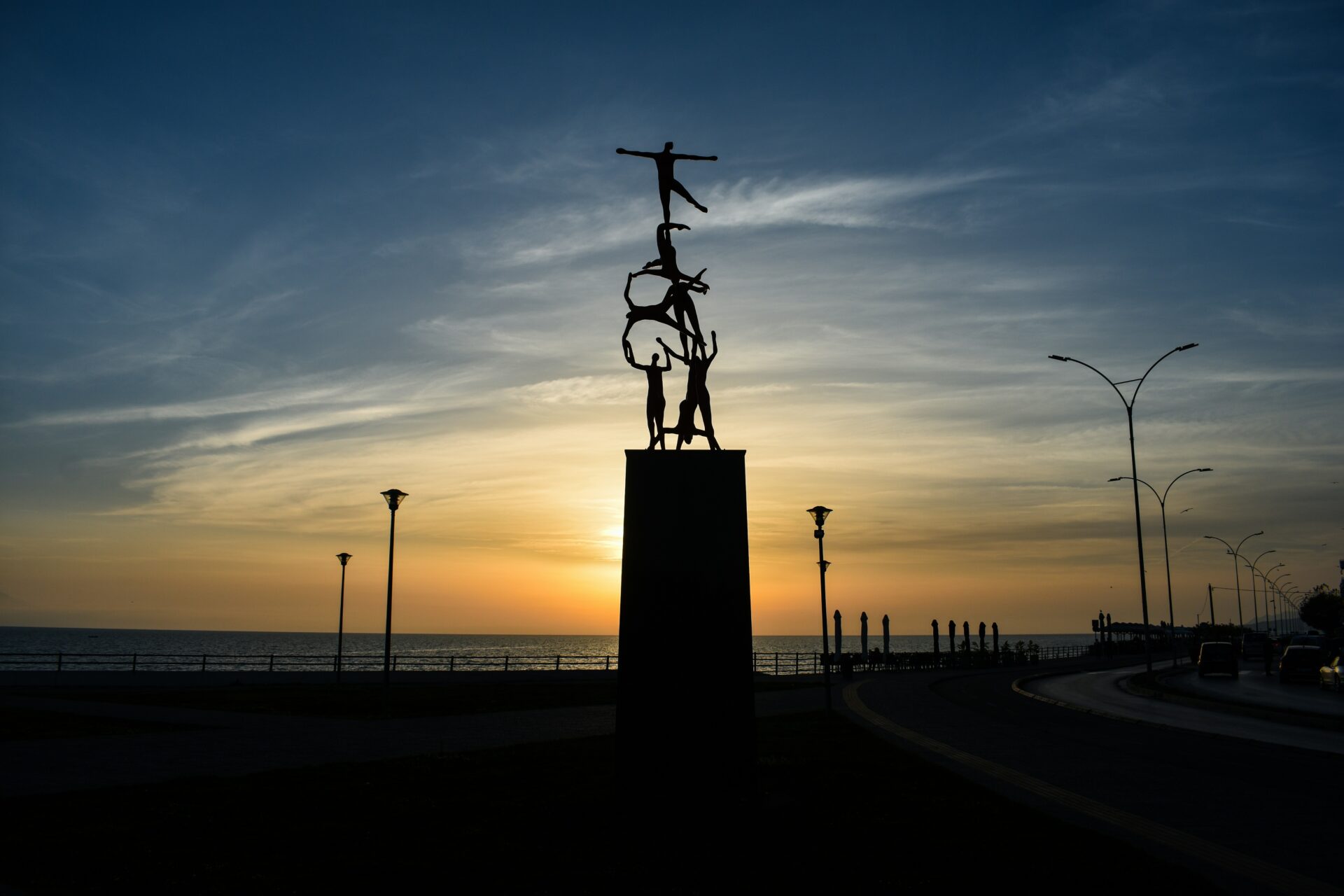
Most people start their Evros Delta adventure by flying into Alexandroupoli, since that’s the nearest city with an airport. From there, I usually drive east along the Egnatia Odos highway—it’s about 25 minutes to the delta.
You can arrange a rental car right at the airport. I honestly think that’s the easiest way to reach smaller villages like Anthia and Traianoupoli, which make great starting points for exploring.
If you want to come by train, you can hop on a line connecting Alexandroupoli with Thessaloniki and Athens. Buses also run to nearby towns several times a day, though not as often as you might hope. Here’s a quick rundown:
| Mode | Route | Notes |
|---|---|---|
| Plane | To Alexandroupoli Airport (AXD) | Closest major airport |
| Car | From Alexandroupoli via Egnatia | 25 minutes, scenic drive |
| Train/Bus | Trains or KTEL buses to city | Regular but less frequent |
Local signs usually appear in Greek, so I recommend grabbing a phrasebook or downloading offline maps. The last stretch feels rural and open—the sky widens, and wetlands start to appear as you drive closer to the delta.
Local Guides, Boat Tours, and Enriching Experiences
One of my favorite memories involves jumping onto a flat-bottomed boat with a local guide. From April to October, boat tours let you glide through lagoons and marshes packed with birds.
Guides know the area inside out. I managed to spot rare herons and even wild horses while listening to old folk stories about the delta.
Most tours run for 2 to 4 hours, and you can join a group or book privately. On land, guided walks follow open trails or slip into secret reedbeds. Birdwatchers will love these outings—sometimes guides even hand out binoculars.
Some highlights worth seeking out:
- Wetland Birdwatching: Spring and autumn migrations bring rare species.
- Traditional Fishing Huts: A few guides show how locals have fished these waters for generations.
- Nature Photography: Early mornings are magic for catching the wild landscape in golden light.
Where to Stay: Traditional Guesthouses and Eco-Lodges
Instead of busy hotels, I always go for traditional guesthouses near the delta. These family-run spots feel warm and welcoming.
They usually serve homemade Thracian breakfasts—think fresh cheese, bread, and honey. Some even lend out bicycles so you can pedal to nearby villages or trails.
Eco-lodges are popping up more often now, built from wood and stone to blend into the landscape. I once stayed at a riverside eco-lodge with solar panels and rainwater collection—felt good to tread lightly.
Many of these places help arrange birdwatching tours or rent out canoes. When I pick a place, here’s what matters to me:
- Close to walking or cycling routes
- Meals with local ingredients
- Easy access to guides and gear rentals
Booking ahead makes sense, especially in spring when birdwatchers flock to the area.

Responsible Tourism: Protecting a Fragile Ecosystem
The Evros Delta stands out as a protected wetland, vital for both wildlife and local communities. You really notice how delicate the ecosystem is once you see it up close.
Local rules ask everyone to stick to marked trails and avoid disturbing nesting sites. I steer clear of plastics and always take my trash with me. Many guides hand out reusable bottles and encourage quiet during boat tours.
Simple actions make a difference: keeping a respectful distance from wildlife, buying from local farms, and picking eco-friendly places to stay.
Before I visit, I check for any updates on regulations or closures. Traveling this way helps keep the delta wild—for the animals, for the people who live here, and for anyone who comes after.
Practical Tips and Inspiring Stories for Your Delta Adventure
Traveling to the Evros Delta puts you right next to wild nature, shifting waters, and rare wildlife. A bit of planning—and maybe a little inspiration—can really shape your trip.
Packing Essentials and Safety Advice
Whenever I plan a trip to the Evros Delta, I start with my packing list. Waterproof hiking boots? Absolutely. Mud and shallow water are everywhere.
I toss in a rainproof jacket and a few light, long-sleeve shirts. Mosquitoes can be relentless in the warmer months, and sunburn sneaks up fast.
Here’s a quick packing list for the delta:
| Item | Purpose |
|---|---|
| Waterproof boots | Wet terrain, mud, and comfort |
| Lightweight jacket | Rain and cooler mornings |
| Binoculars | Birdwatching and wildlife |
| Hat and sunscreen | Protection from strong sun |
| Snacks and water | Few places to buy supplies |
| Insect repellent | Mosquitoes and other bugs |
I always bring a small first aid kit—just seems smart. Before heading out, I check local advisories, since river levels can rise quickly.
If I’m exploring solo or going off the main paths, I make sure someone knows my plans.

Weather: What to Expect Throughout the Year
The Evros Delta changes a lot with the seasons. In my experience, spring feels mild but muddy from rain and melting snow. Migrating birds fill the skies, so I pack extra layers for chilly mornings.
Summer gets hot—temperatures often climb past 30°C (86°F). The greenery thickens, and the bugs come out in force, so I never skip repellent.
Autumn brings cooler air and fewer crowds. Skies clear up, and the landscape turns golden. Winter can be wet and windy, sometimes even flooding parts of the delta.
If I visit in winter, I pack heavier layers and waterproof gear. Here’s a general month-by-month weather guide:
| Month | High Temp (°C) | Rainfall | Notes |
|---|---|---|---|
| March-May | 13-22 | Moderate | Migrating birds |
| June-Aug | 28-35 | Low | Hot, buggy season |
| Sep-Nov | 14-25 | Moderate | Best for hiking |
| Dec-Feb | 5-12 | High | Can be flooded |
Personal Stories That Bring the Delta Alive
One morning, I woke before dawn just to watch pelicans stir in the mist. As I waded through tall reeds, I lost track of the bird calls—herons, flamingos, and even caught sight of a shy wild horse off in the distance.
Another time, I ran into a pair of local fishermen by the river. They shared stories about winters when the river iced over and summers when the water pulled back, exposing hidden trails.
Their laughter and easy conversation pulled me in. Suddenly, I saw the delta through their eyes—a living, breathing place, not just a pretty backdrop.
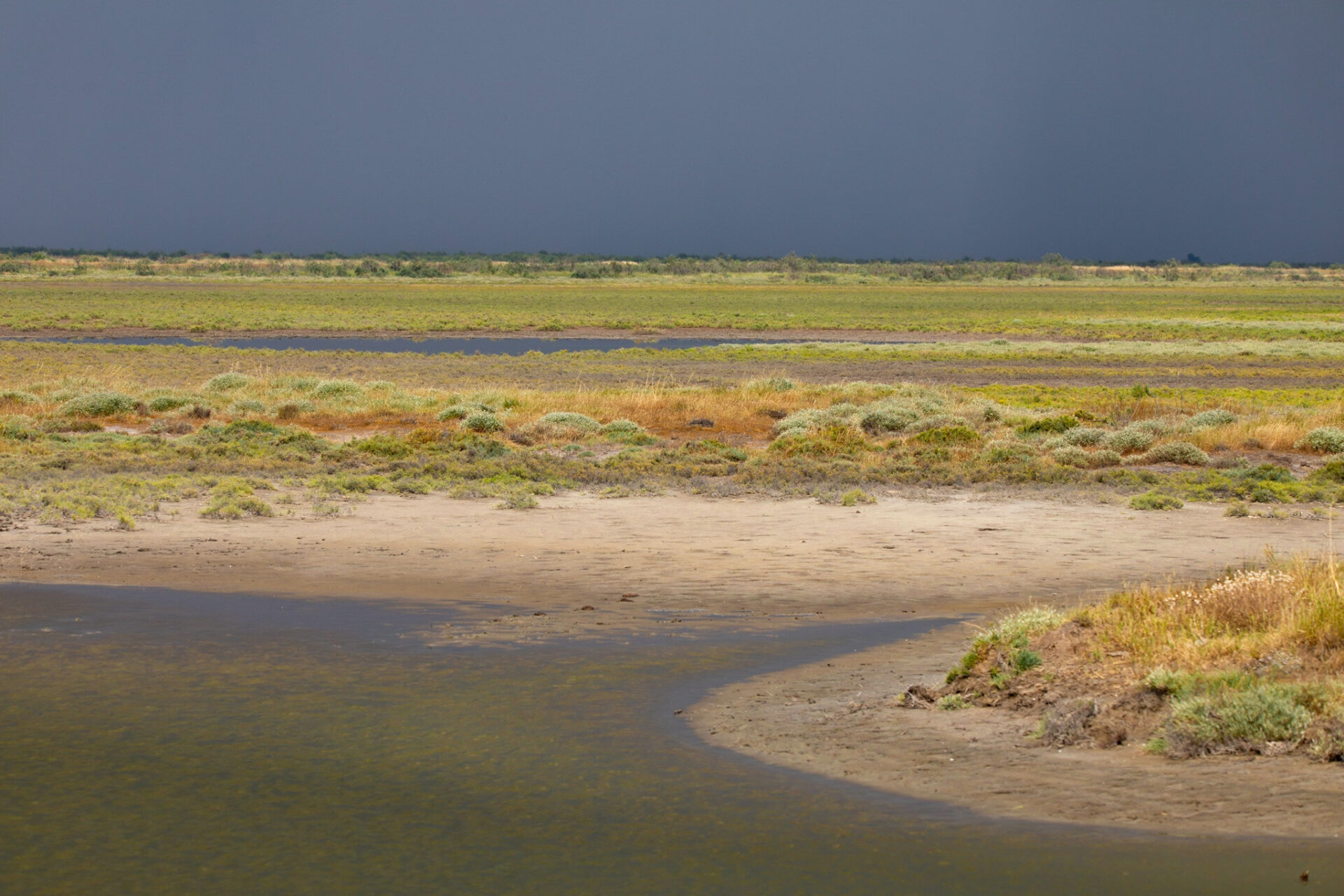
I’ve had days when storms swept in out of nowhere. I’d duck under overhanging willows, waiting out the rain with a flask of strong Greek coffee.
Even with wet socks and a muddy backpack, I found every little challenge turned into a story worth telling. Honestly, the Evros Delta always hands you something unexpected.

