
Croatia’s Adriatic coastline might just be a seafood lover’s dream. The country’s lucky spot along those crystal-clear waters gives you a dining scene that’s both ancient and fresh, with local ingredients that taste like the sea itself.
Croatian seafood culture really stands out from other Mediterranean cuisines. The preparation methods? They’re distinctive. The quality of Adriatic fish and shellfish? Genuinely exceptional. Local chefs here blend old-school techniques—sometimes handed down for centuries—with ingredients you can’t find anywhere else.
From olive groves planted by Greek colonists back in the fourth century BC, to modern restaurants putting their own spin on coastal dining, there’s a story in every bite. I’ll take you through signature dishes from each region, the local ingredients that make Croatian seafood unforgettable, and the wine traditions that turn every seaside meal into a celebration.
Foundations of Croatian Seafood and Mediterranean Dining
Croatia’s coastal cuisine has deep roots in the Adriatic. Olive oil and fresh seafood form the backbone of Mediterranean dining.
The country’s geography and history shaped unique cooking styles. Croatian cooks highlight natural flavors and keep things simple.
Historical Influence of the Adriatic Sea
The Adriatic Sea has shaped coastal life here for over 2,000 years. Greek colonists planted the first olive groves on these islands and coastlines way back in the day.
Those early influences stuck around. Croatian fishing communities developed techniques that still show up at dinner tables today.
The sea gave locals steady access to fresh fish and shellfish. With over 1,000 islands, Croatia has protected waters that are perfect for fishing and aquaculture.
Traditional fishing methods have stuck around. You’ll see:
- Small boat coastal fishing
- Seasonal sardine hauls
- Shellfish harvesting from rocky coves
- Net fishing in calm, sheltered bays
Croatian coastal cuisine borrowed Mediterranean techniques but kept its own personality. Ancient trade routes brought new ingredients into the mix, and locals blended them with homegrown traditions.

Defining Characteristics of Croatian Mediterranean Cuisine
Croatian Mediterranean cooking is all about simplicity and top-notch ingredients. Fresh seafood gets just enough attention to let its natural flavor shine.
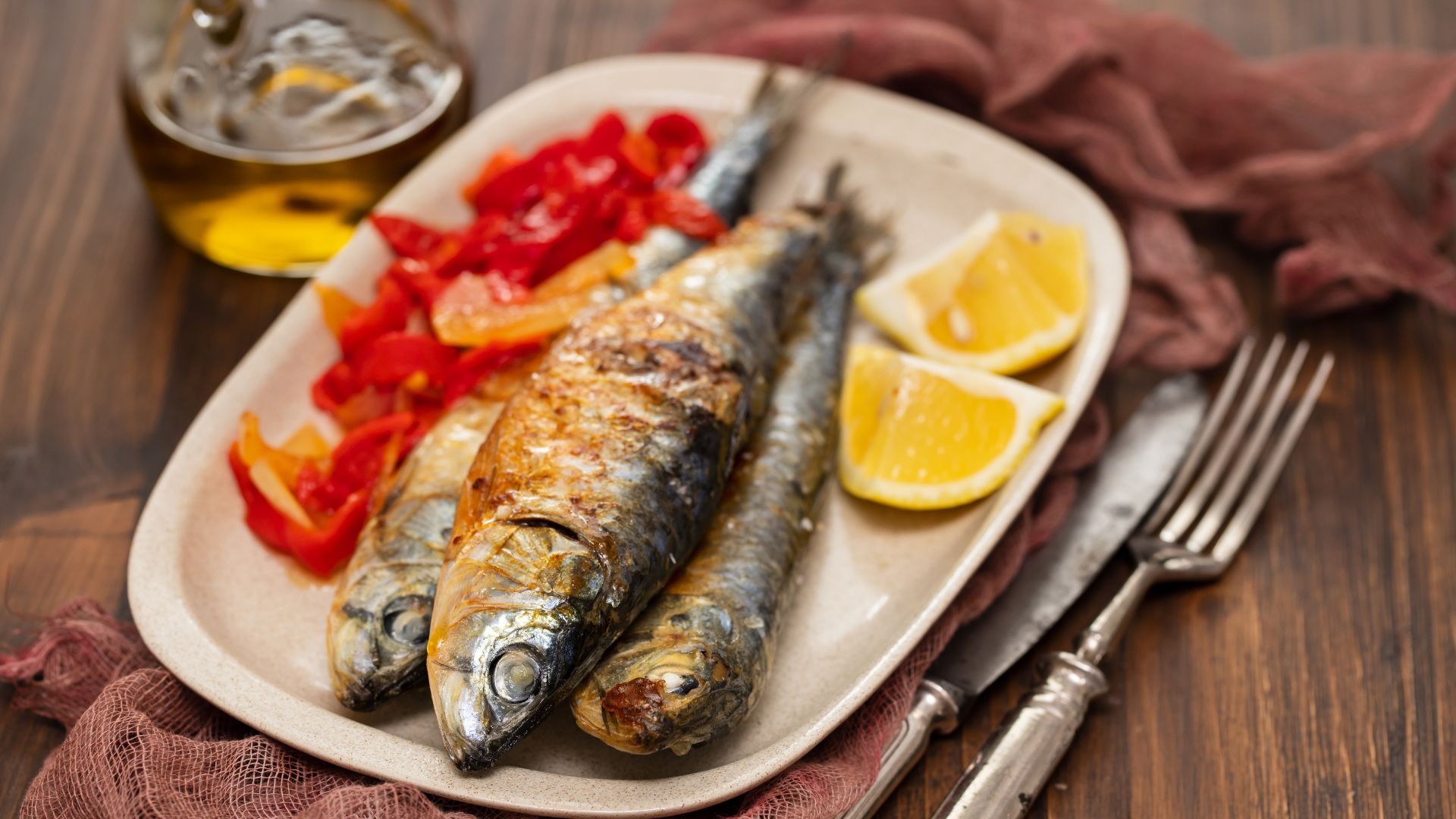
Grilling is king. You’ll find whole fish cooked over open flames, seasoned with only the basics.
Core preparation methods include:
- Grilling (na gradele)
- Steaming with herbs (na buzaru)
- Baking with olive oil
- Raw dishes like carpaccio
Heavy sauces? Not really a thing here. Most seafood gets a foundation of olive oil, garlic, and parsley.
The “less is more” approach really defines coastal Croatian food. The ingredients do the talking.
Seasonality matters. In summer, you’ll find sardines and fresh veggies. In winter, preserved fish and heartier plates take the lead.
Key Ingredients Shaping Coastal Flavors
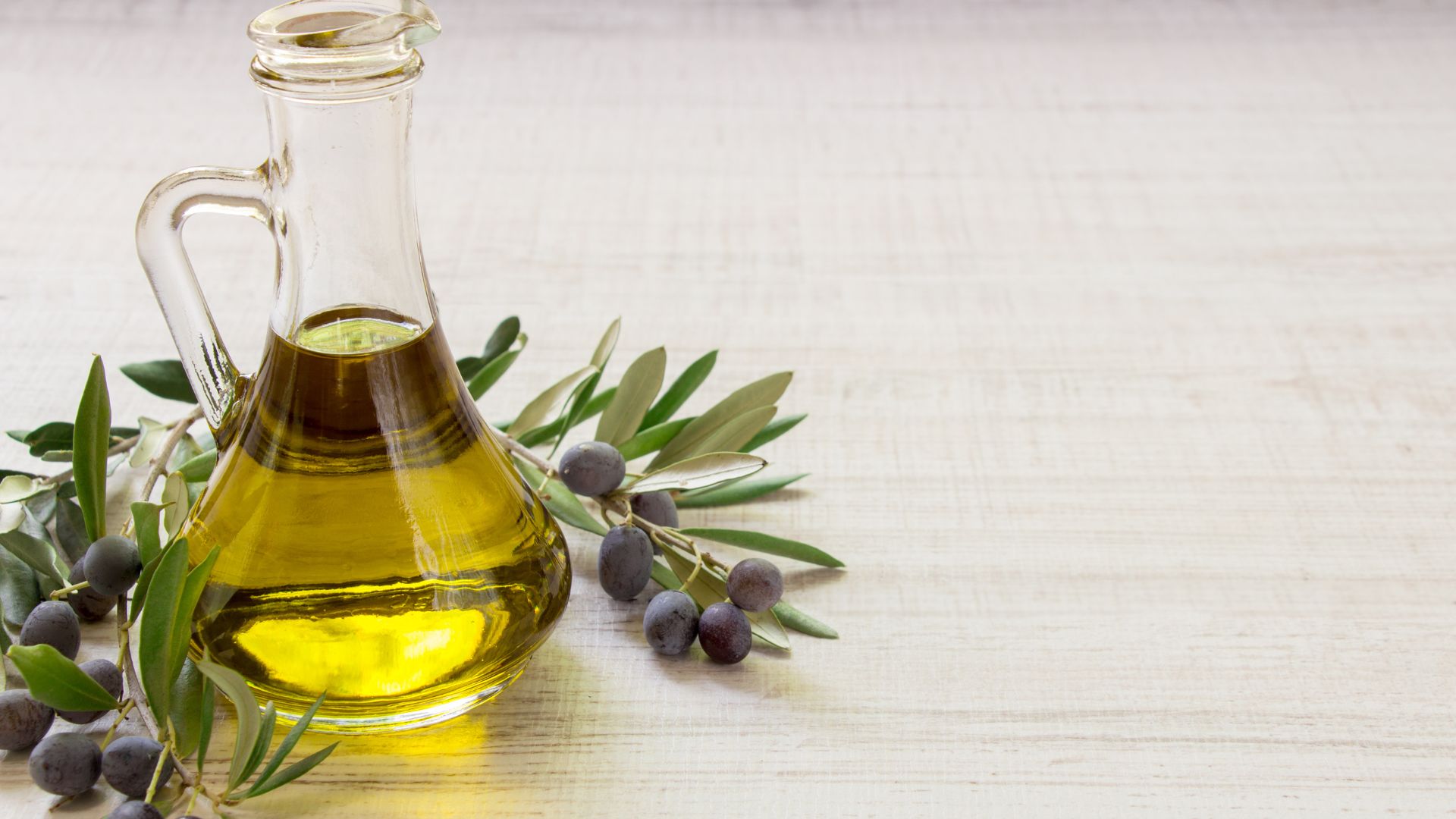
Olive oil is the heart of Croatian Mediterranean cooking. Istrian olive oils, in particular, are some of Europe’s best—fruity, peppery, and full of character.
I’ve noticed Croatian coastal cuisine leans on five essentials:
| Ingredient | Primary Use | Flavor Profile |
|---|---|---|
| Olive oil | Cooking, finishing | Fruity, peppery |
| Garlic | Aromatics, marinades | Sharp, pungent |
| Parsley | Herb finish | Bright, clean |
| Tomatoes | Stews, sauces | Sweet, acidic |
| Potatoes | Sides, stews | Neutral, starchy |
Garlic pops up everywhere. Chefs usually sauté it gently in olive oil to start off fish dishes.
Fresh parsley adds a bright, clean finish. Most cooks go for flat-leaf parsley, which has a stronger flavor and better texture.
Tomatoes are the soul of classic fish stews like brudet. San Marzano types thrive in coastal Croatia.
Potatoes are the ultimate sidekick—hearty, starchy, and perfect for soaking up all those seafood flavors.
It’s the quality of these basics, not fancy techniques, that really makes Croatian food sing.

Iconic Croatian Seafood Dishes
Croatian coastal cuisine brings together Mediterranean know-how and local ingredients for some truly memorable seafood. The standouts? Hearty fish stews, squid ink risottos, Dalmatian classics, and cephalopods cooked to perfection.
Brodet and Fish Stew Traditions
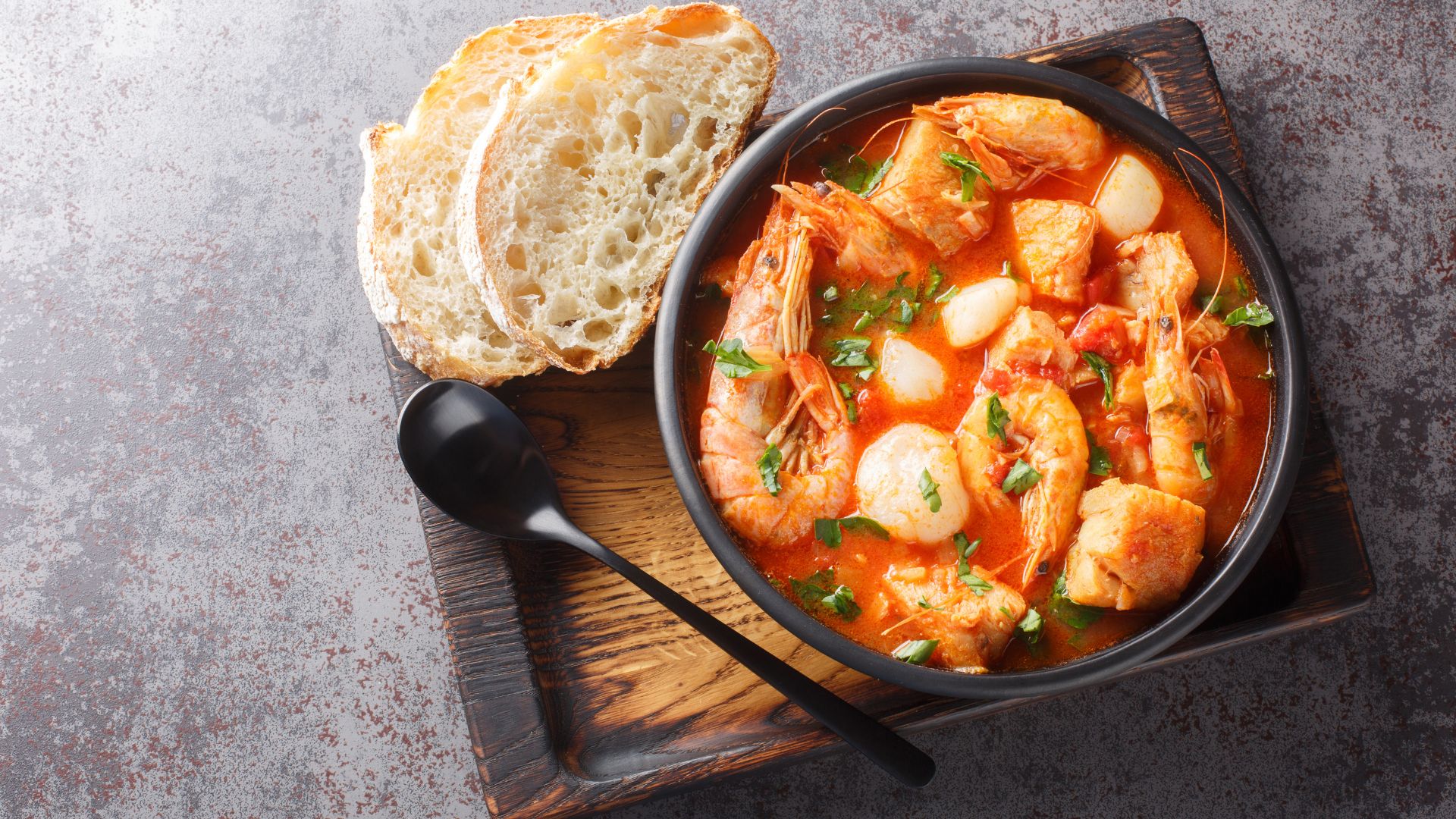
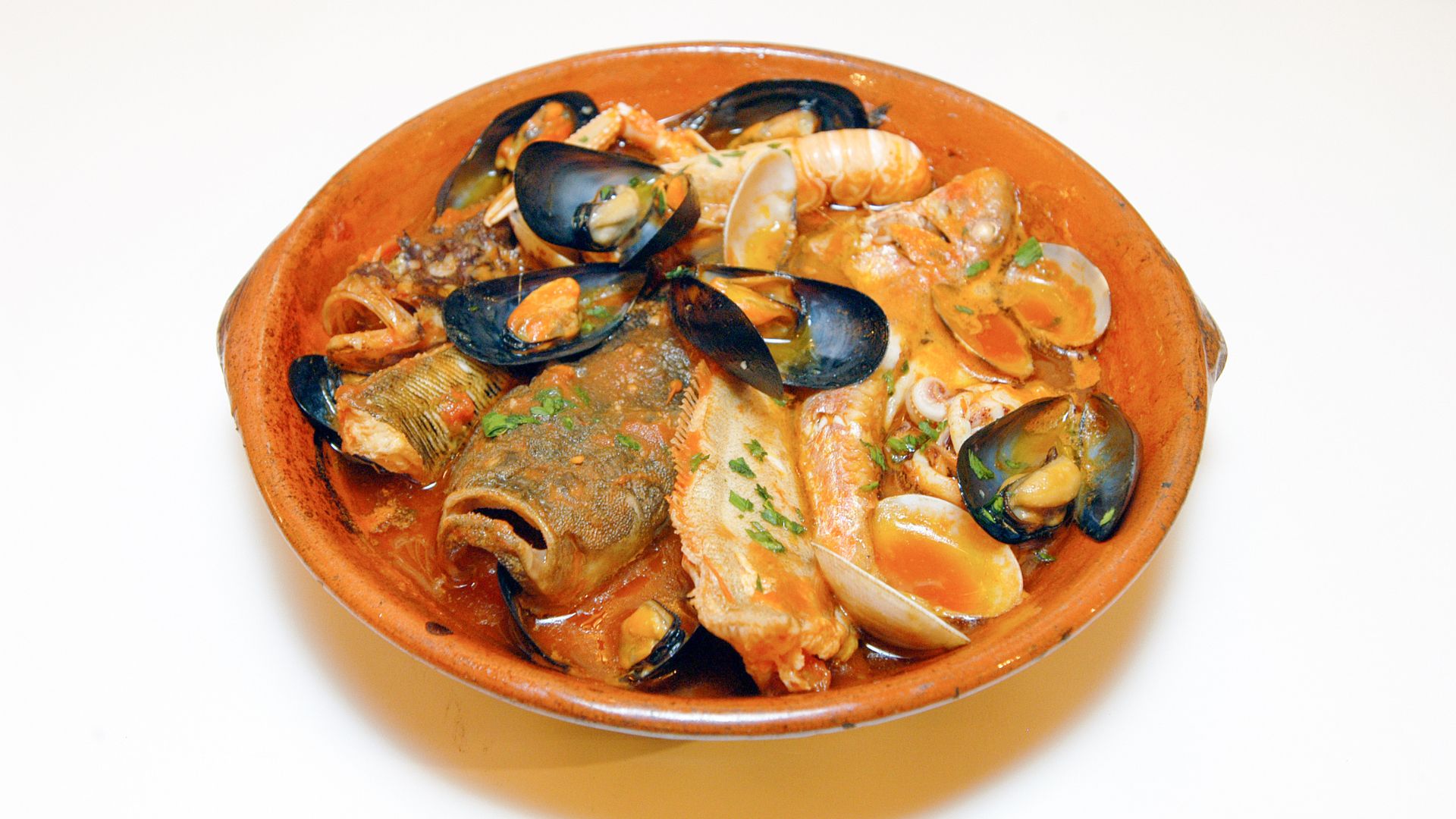
Brodet is probably Croatia’s most famous fish stew. Every coastal region claims their version is the real deal. This rustic dish mixes several kinds of fresh fish with tomatoes, onions, and white wine. The result? A rich, flavorful broth that kind of tastes like home.
Preparation changes from place to place. Istrian brodet comes with polenta, while Dalmatian versions sometimes add potatoes right into the pot.
Traditional brodet uses at least three kinds of fish. Fishermen just cook up whatever they’ve caught—sea bass, mullet, scorpion fish, John Dory, you name it.
Making brodet takes a bit of patience. Fish bones get simmered into a stock, then the flesh joins in with veggies and herbs. Every family guards their recipe, and I can’t blame them.
Black Risotto and Crni Rižot
Crni rižot, or black risotto, is a Dalmatian classic. Cuttlefish ink gives it that dramatic dark color and a deep, briny flavor that’s pure Adriatic.
Authentic crni rižot needs fresh cuttlefish (not just squid). The ink and tender meat go right into the rice. Olive oil, white wine, and fish stock bring it all together.
The rice should be just a little al dente. Key ingredients include:
- Fresh cuttlefish with ink
- Arborio or short-grain rice
- Good olive oil
- Dry white wine
- Garlic and onions
Plenty of restaurants serve it, but honestly, homemade versions taste way better. Just be careful—cuttlefish ink stains everything.

Dalmatian Seafood Specialties
Dalmatian coastal towns have a knack for simple seafood that lets the ingredients shine. Buzara is a favorite—seafood cooked in olive oil, wine, garlic, and parsley.
You’ll spot buzara-style mussels on every seaside menu. The cooking liquid turns into a sauce you’ll want to mop up with bread. Shrimp, clams, and langoustines love this treatment, too.
Grilled fish is another Dalmatian staple. Sea bass, sea bream, and dentex get a splash of olive oil, a squeeze of lemon, and maybe a sprinkle of herbs. No heavy sauces needed.
Gregada is a lighter fish stew from Hvar island. It combines white fish with potatoes, olive oil, and white wine. No tomatoes—just pure, clean flavors.

Octopus and Squid Creations
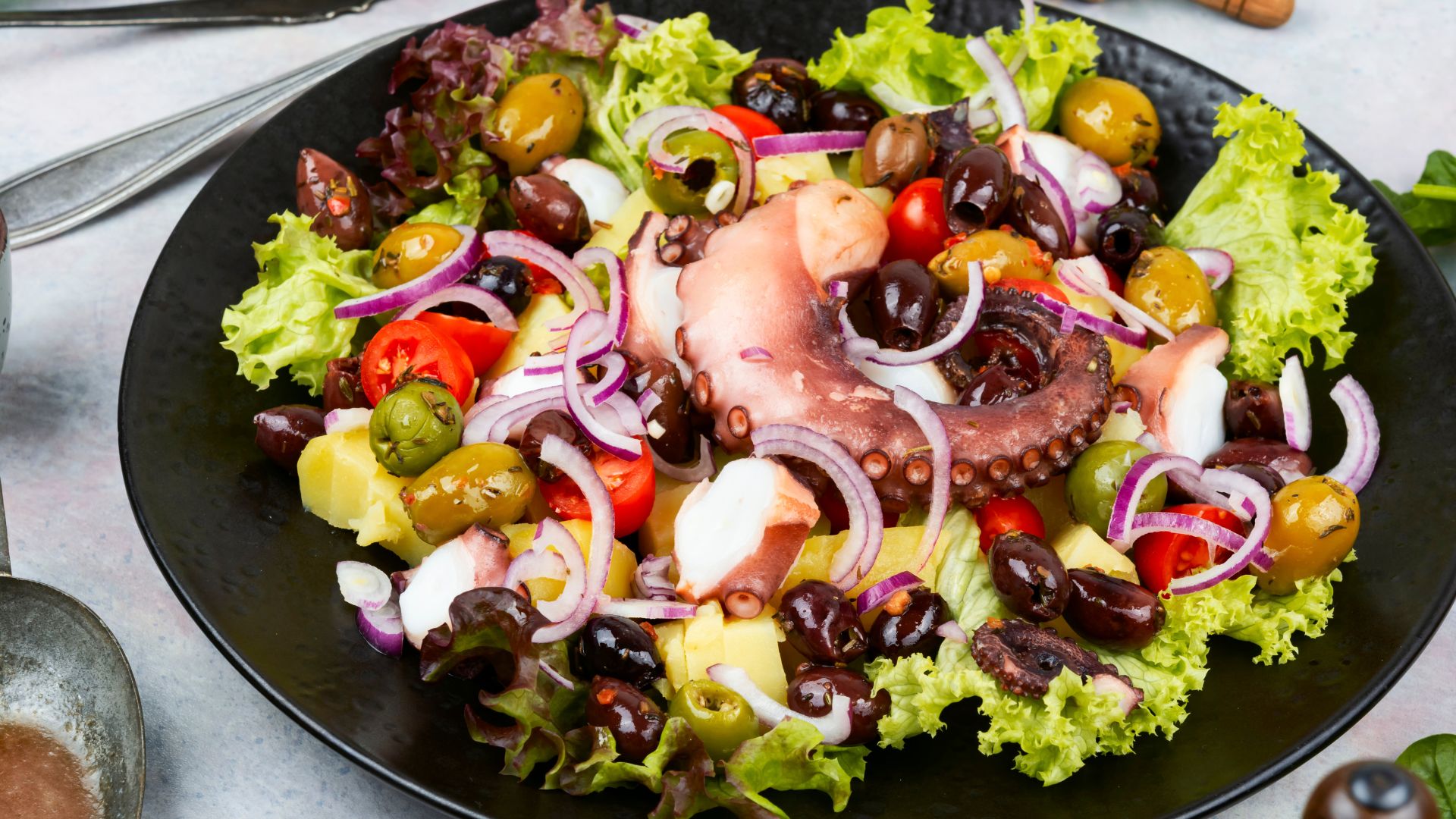
Octopus in Croatia gets treated with care. Most cooks boil the whole thing with bay leaves and peppercorns, then finish it on the grill for a bit of char.
Octopus salad is everywhere. Sliced octopus gets dressed with olive oil, lemon, garlic, and parsley. Sometimes you’ll find potatoes, onions, or capers mixed in for extra texture.
Squid is a go-to as well. You’ll see fried calamari rings or stuffed squid on plenty of menus. The stuffing usually has breadcrumbs, garlic, herbs, and maybe a bit of rice or chopped tentacles.
Popular squid and octopus dishes:
- Grilled octopus with potatoes
- Squid ink pasta
- Stuffed squid in tomato sauce
- Octopus carpaccio
The difference between tender and rubbery seafood comes down to proper technique. Croatian cooks have mastered it after generations by the sea.
Signature Local Ingredients and Preparation Techniques
Croatian coastal cooking keeps things simple: fresh seafood, ancient methods, and local herbs and olive oils. These traditions turn the day’s catch into something you’ll remember.
Fresh Grilled Fish and Shellfish
Grilled fish is the soul of Croatian seaside food. I’ve watched local chefs pick out sea bass, sardines, and anchovies—always making sure the eyes are clear and the flesh is firm.
The gradele grilling method uses open flames for a smoky flavor and juicy fish. Chefs score whole sea bass and rub it with coarse salt before grilling. Sardines sometimes get air-dried and salted before hitting the flames.
Mussels shine in buzara. This technique brings together:
- Fresh mussels or shellfish
- White wine
- Garlic and parsley
- Local olive oil
- Maybe a handful of breadcrumbs
The shellfish soak up all those Mediterranean flavors. I’ve seen this method work for everything from tiny mussels to big scampi.
Peka and Traditional Cooking Methods
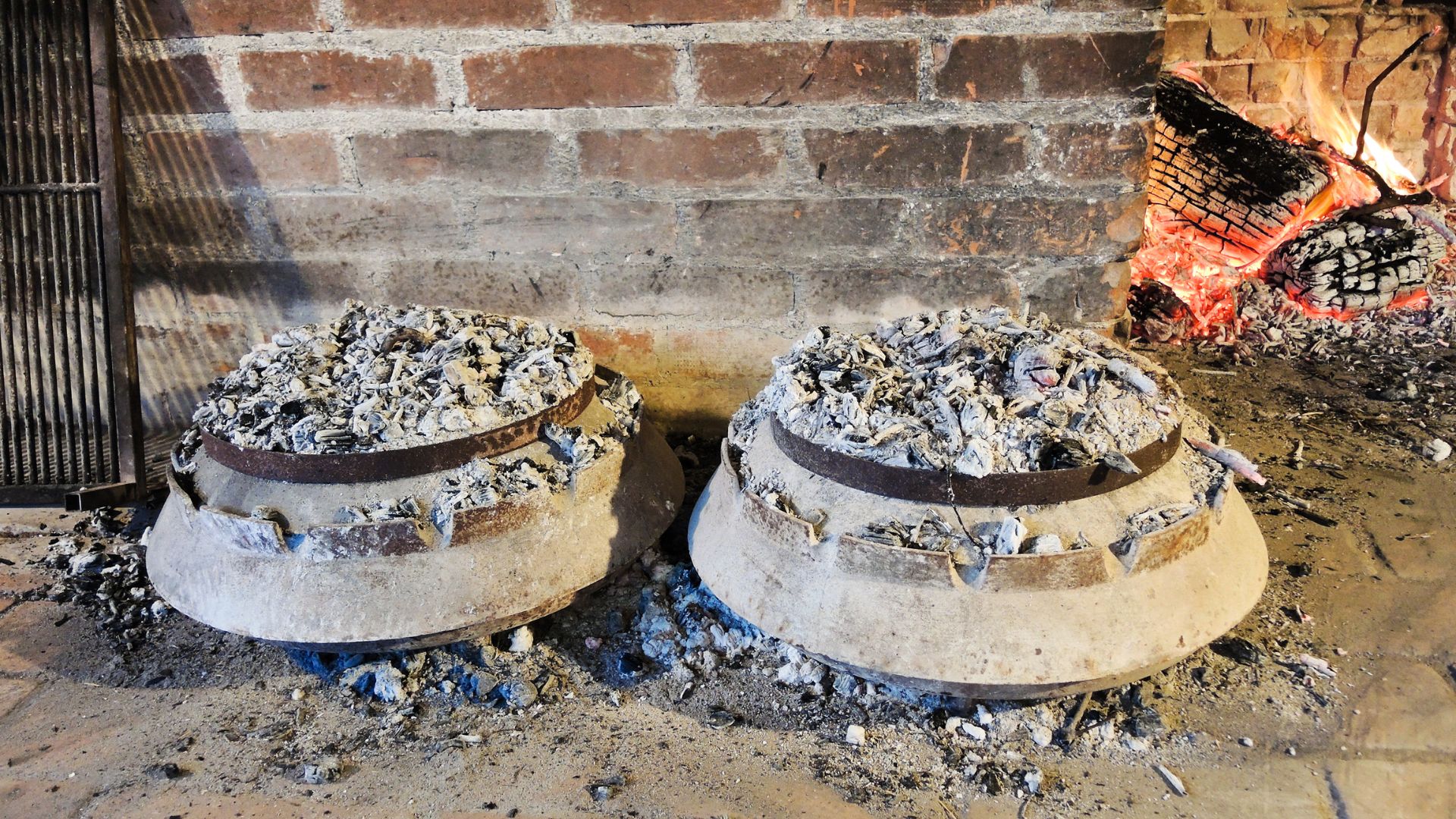
Peka is a time-honored way of cooking under a metal dome (ispod čripnje), trapping heat and moisture. It’s basically a natural oven built right into the ground.
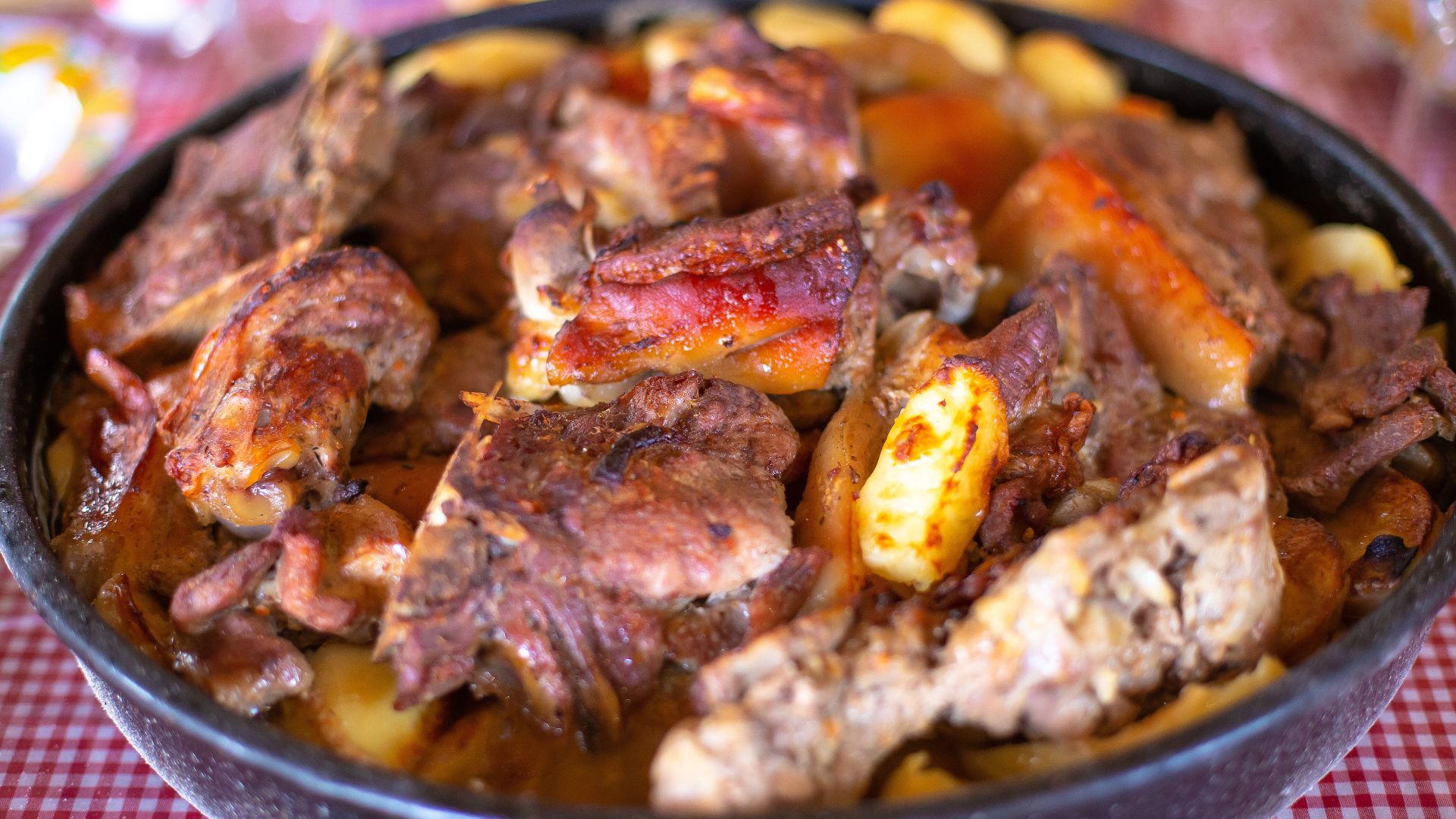
Octopus cooked under peka comes out incredibly tender. First, you marinate it in olive oil, garlic, and herbs, then slow-cook it with potatoes and veggies.
The dome gets covered with hot coals, surrounding the food with even heat. It takes a couple of hours, but the result is worth it.
Fish stews like brudet use a one-pot approach. Multiple fish types simmer with tomatoes, onions, and herbs, blending all those flavors into something rich and satisfying.
The Role of Herbs and Olive Oil
Croatian olive oil mostly comes from Istria. Greek colonists started those groves ages ago, and the oil still forms the backbone of coastal dishes.
Parsley is everywhere—chopped into buzara sauces, scattered over grilled fish, or mixed into salads. Its bright flavor balances out rich seafood.
You’ll also taste:
- Bay leaves in stews
- Rosemary on the grill
- Capers for a tangy kick
- Sea salt, harvested locally
A grilled sea bass might just get olive oil, parsley, lemon, and a sprinkle of salt. That’s it. The idea is to let the seafood’s natural flavor shine.
Good olive oil makes all the difference. The best ones have a peppery bite that goes perfectly with briny fish.
Regional Diversity in Coastal Dining
Croatia’s Adriatic coast is anything but one-note. Each region brings its own twist, shaped by local traditions and what’s growing nearby. Istria leans into truffles and refined wines, while Dalmatia’s islands stick to rustic, sea-inspired plates.
Distinctive Cuisine of Istria
Istria has a vibe all its own. With Italian influences and world-class wine, the peninsula feels both familiar and unique. Local restaurants here love pairing Mediterranean seafood with Istria’s famous truffles.
Malvazija white wine is the go-to for seafood—crisp and refreshing, it brings out the best in scampi and sea bass. For heartier dishes, locals pour a glass of Teran red, which stands up to stews and grilled tuna.
Istrian chefs get creative. You’ll find fresh Adriatic fish topped with truffle shavings and local olive oil. The Italian influence pops up in seafood pasta dishes made with indigenous ingredients.
Must-try Istrian specialties:
- Fuži pasta with scampi and truffles
- Grilled fish with Malvazija wine reduction
- Sea bass carpaccio drizzled with Istrian olive oil
- Brodetto fish stew with local herbs
Dalmatian Islands: Hvar, Korčula, and Beyond
Hvar and Korčula sit right at the core of traditional Dalmatian island cooking. Each island keeps its own seafood traditions alive, with recipes passed down like family secrets.
On Hvar, I wandered into restaurants where chefs love the old-school peka-style cooking. They slow-cook whole fish under heavy iron bells buried in hot coals. The smoky, melt-in-your-mouth flavors? Absolutely unforgettable.
Korčula shines when it comes to shellfish. The bays here create the perfect home for mussels and oysters. Local konobas scoop them straight from the sea, serving them up with almost no fuss—just enough to let those briny flavors sing.
Island dining highlights:
- Hvar: Gregada fish stew, grilled dentex, lavender-inspired dishes
- Korčula: Fresh oysters, black risotto, grilled sardines
- Brač: Lamb paired with fish, stone-grilled specialties
Zadar and Split: Urban Gastronomy
Zadar and Split bring a modern twist to Croatian coastal dining. These cities blend old Dalmatian recipes with a dash of international flair.
In Split, especially around Diocletian’s Palace, restaurants serve up classic dishes with a refined edge. Chefs here sometimes dabble in molecular gastronomy, but they never lose sight of those honest Adriatic flavors. The fish markets buzz every morning, keeping kitchens stocked with the freshest catch.
Zadar leans into tradition. The city’s kitchens turn out brodetto the old way and love using local Pag cheese in seafood plates. Many chefs source ingredients from nearby islands and coastal farms.
Urban specialties include:
- Octopus carpaccio, plated with a modern touch
- Deconstructed fish stews
- Croatian wine pairings
- Fusion dishes that mix Balkan and Mediterranean flavors
Wine Culture and Seafood Pairings
Croatian wine regions crank out some seriously good bottles that just click with seafood. From Istria to Dalmatia, the vineyards produce wines with zippy acidity and those salty, mineral notes that play so well with fresh fish.
Croatian Wine Regions and Terroir
Each wine region in Croatia brings something different to the table. Istria is famous for Malvazija, a crisp white with a clean, mineral edge that’s ideal with shellfish or light fish.
Along the Dalmatian coast, you’ll find Pošip and Grk. Both are lively whites with bright acidity. Pošip, mostly grown on Korčula, has a citrus punch that cuts through richer seafood—think grilled sea bass or octopus salad.
Slavonia, out east, focuses on Graševina. These whites have a bit more heft, which makes them perfect for heartier fish stews.
The Pelješac Peninsula stands out for Dingač, a bold red. I know it’s unusual, but if you chill Dingač just a bit, it pairs surprisingly well with tuna steaks and meaty fish.
The coastal terroir really comes through in these wines. You can taste the sea air in every sip.

Classic Wine Tasting Experiences
Wine tasting in Croatia usually happens right at the vineyard. Many coastal wineries invite you in to taste their wines with just-caught seafood.
Family-run wineries in Istria offer Malvazija tastings with fresh oysters. The mineral notes in the wine bring out the best in the oysters’ briny flavor.
On the islands of Korčula and Hvar, you can sip Pošip while watching fishing boats glide into the harbor. These tastings are often simple—maybe just grilled fish with a splash of olive oil.
Wine bars in Split and Dubrovnik curate flights of local wines. They’ll pair them with classic seafood like buzara (mussels in white wine sauce), so you can try different combos in one sitting.
The best tastings dive into the details. Guides love explaining how the sea breeze and rocky soil shape the grapes.
Best Local Wines with Seafood
Malvazija Istarska is my go-to for almost any seafood. Its crispness and floral aroma work with everything from oysters to grilled squid.
Pošip shines with medium-weight fish. The citrus in the wine matches lemony fish dishes without overpowering them. Sea bream and sea bass are a great fit.
For shellfish and mussels, I reach for Croatian sparkling wines or a light Graševina. The bubbles and acidity keep your palate fresh between bites.
Crno vino—light reds from the coast—pair surprisingly well with tuna carpaccio or raw fish. Just chill the bottle a little.
Rosé wines from Plavac Mali grapes fill the gap between whites and reds. They’re spot-on for salmon, tuna, or seafood in tomato sauces.
The trick? Match wine weight with the dish. Light fish loves light wine. Hearty seafood can handle something bolder.
Unique Coastal Experiences and Local Traditions
Croatia’s coastal dining scene isn’t only about what’s on your plate. The real magic happens in old-school taverns, lively fish markets, and during seasonal celebrations. These moments reveal just how deeply the locals connect with the Adriatic.
Dining at Authentic Konoba Taverns
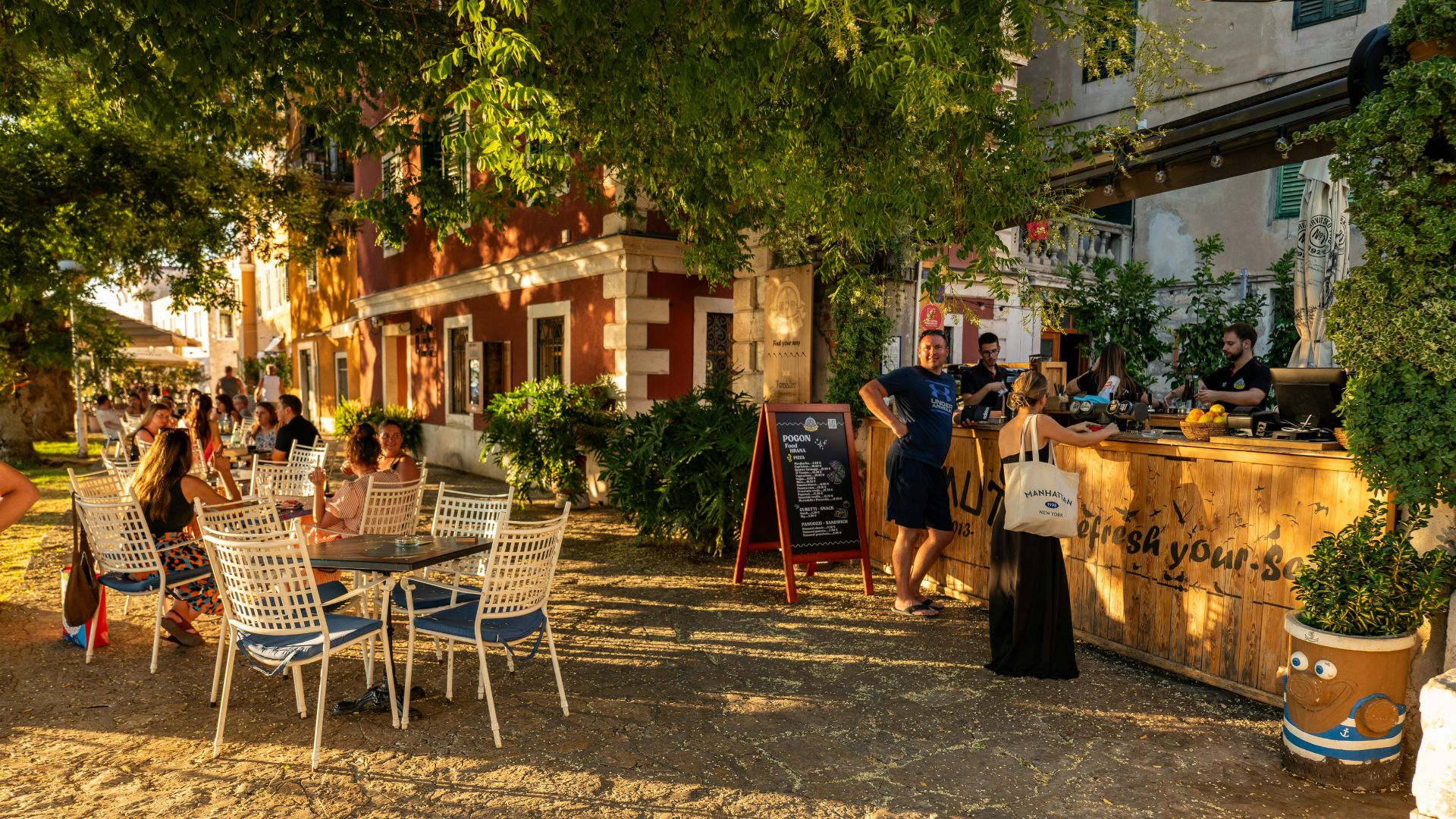
Konoba taverns feel like stepping into someone’s home. These family-run spots serve up traditional dishes in cozy, stone-walled rooms that practically ooze history.
Traditional konoba dishes:
- Brodet – fish stew simmered with tomatoes and herbs
- Grilled brancin – Adriatic sea bass with olive oil and garlic
- Black risotto – made with cuttlefish ink
- Fritule – sweet fried dough balls for dessert
Most konobas buy fish straight from local fishermen each morning. Menus shift daily, depending on what the sea brings in.
The vibe is always relaxed. Stone walls, wooden tables, and family photos set the scene. Many of these places have been in the same family for generations.
Service moves at a gentle pace. Meals often stretch for hours, with locals swapping stories over carafes of wine and plates of seafood.
Fish Markets and Fresh Catches
Fish markets in Croatia wake up before sunrise. Fishing boats pull in, and vendors start arranging their silvery catch on ice as the Adriatic glows in the morning light.
Common market finds:
- Sardines and anchovies, gleaming and fresh
- Adriatic sea bass and sea bream
- Squid and octopus
- Mussels and oysters from local farms
- Seasonal stars like tuna and swordfish
The biggest, liveliest markets are in Split, Dubrovnik, and Zadar. Vendors might not speak much English, but with a few hand gestures, you’ll get the idea. Some even clean and prep your fish right there.
You can spot the freshest fish by looking for clear eyes, bright red gills, and firm flesh. Locals show up early for the best pick, before restaurants swoop in.
Markets often sell more than just fish. You’ll find island olive oil, sea salt from Pag, and homemade pasta. Pair these with your seafood haul for the ultimate coastal feast.
Seasonal Festivals and Culinary Events
Summer rolls into Croatia’s coastal towns and islands with a burst of seafood festivals. Locals throw these lively events to honor fishing traditions—think music, dancing, and, honestly, more seafood than you’d ever expect.
Here are a few major seafood festivals that always stand out:
- Sardine Festival in Postira (June)
- Tuna Festival in Kali (May)
- Oyster Festival in Ston (March)
- Fish Festival in Vrboska (July)
I’ve wandered from stall to stall, sampling every style of preparation. There’s this friendly rivalry among local cooks, each one swearing their family recipe is the best.
You’ll find classic dishes right next to creative new spins, all made with those fresh Adriatic ingredients. It’s a dream for anyone who loves to eat.
Cooking demos are a big part of the fun. I’ve picked up tips on grilling fish just right or getting risotto perfectly creamy—though I still mess it up sometimes at home.
Local winemakers show up, too, pouring samples that pair surprisingly well with whatever seafood you’re nibbling. It’s not all about food, though.
Music fills the air and folk dancers in colorful costumes keep everyone entertained. Fishing boats parade by, decked out with flags and flowers, and you’ll see kids learning old-school fishing tricks from the village elders.
Trust me, if you’re anywhere near the coast in summer, these festivals are worth planning your trip around.
