
Packing for a ski trip? Yeah, it can feel like a puzzle—staring at that empty suitcase and wondering what actually matters. After years of chasing powder and learning the hard way, I can tell you: most people bring too much or forget something crucial.
You really don’t need your entire closet to stay warm and happy on the slopes. Trust me, I’ve tried.
Here’s the trick: know which must-have items keep you comfortable and safe, and which ones just add dead weight to your bag. I’ve spent countless ski days testing gear, figuring out what’s worth the space. Some things make every trip better. Others? They just take up room.
Let’s cut through the noise. I’ll show you exactly what belongs in your ski bag, what you can skip, and share a few hard-earned lessons. From base layers that actually keep you warm to accessories that save your skin, here’s what I pack every time.
Key Takeaways
- Always bring waterproof outer layers and a few solid base layers. You’ll thank yourself when the weather turns.
- Don’t skip a helmet, goggles, and sunscreen. These are non-negotiable for mountain safety.
- Leave the bulky extras behind. Focus on versatile pieces that work both on and off the mountain.
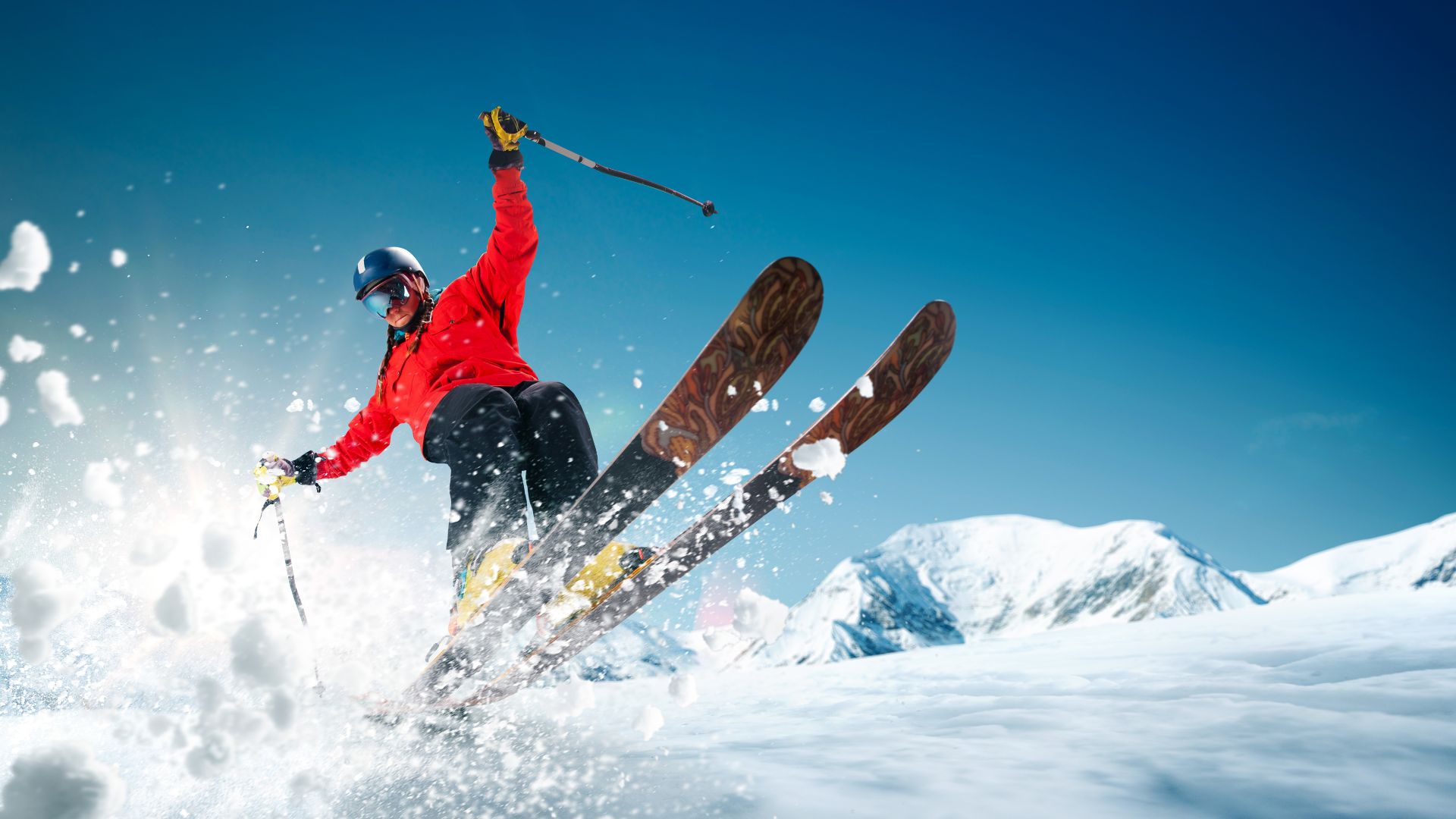
Absolute Ski and Snowboard Essentials
Getting the right equipment can seriously make or break your trip. You want gear that fits well and keeps you safe, whether you bring your own or rent at the resort.
Skis, Boots, and Helmet: What to Bring or Rent
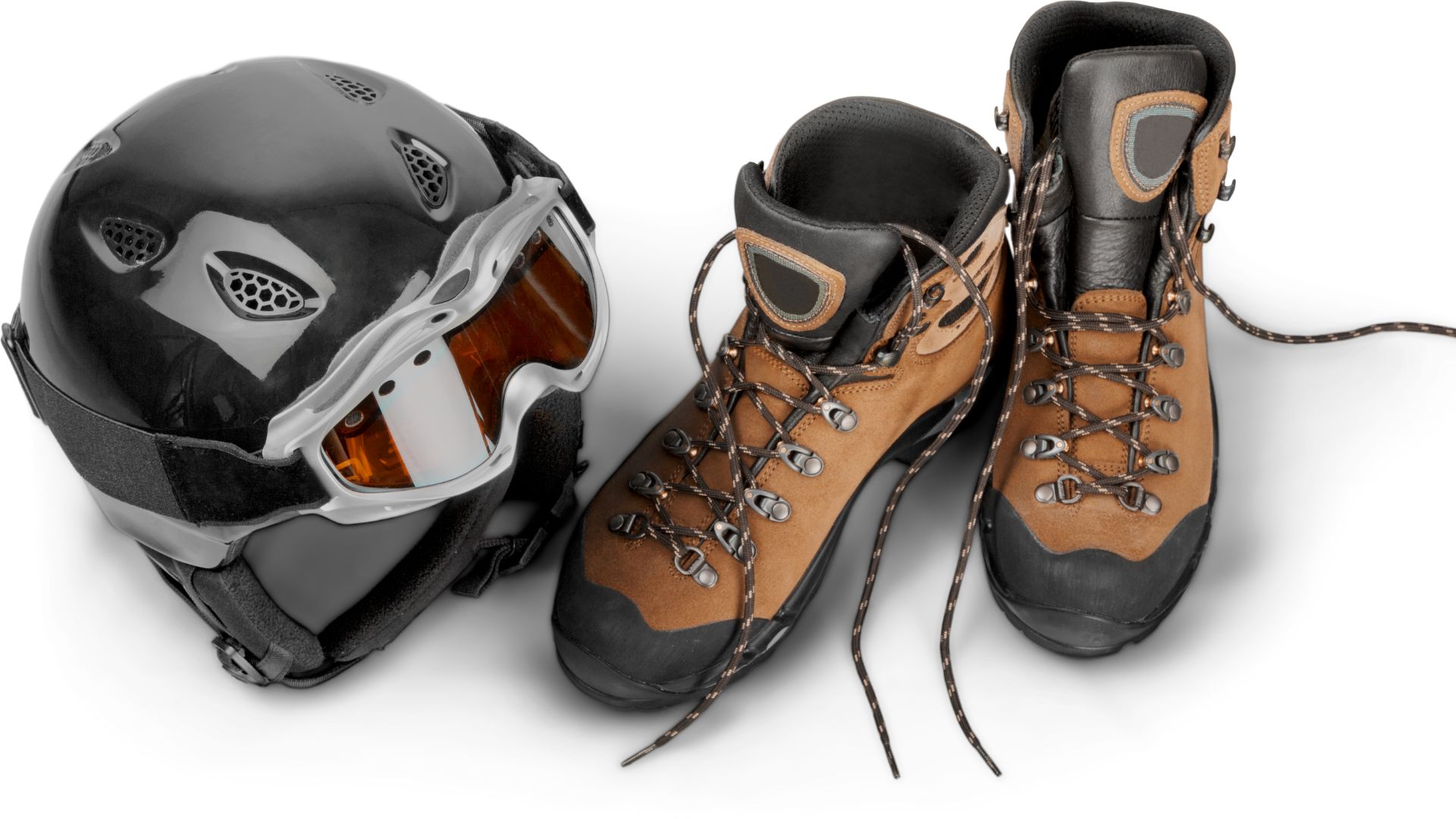
Ski boots top my list of crucial gear. If you own a pair that fits, bring them. A proper fit is everything—bad boots hurt, mess with your control, and can ruin your day faster than bad weather.
Renting? Get a pro to fit you at the shop. Boots should feel snug, not painful. Your toes should just brush the front, with some wiggle room when you lean forward.
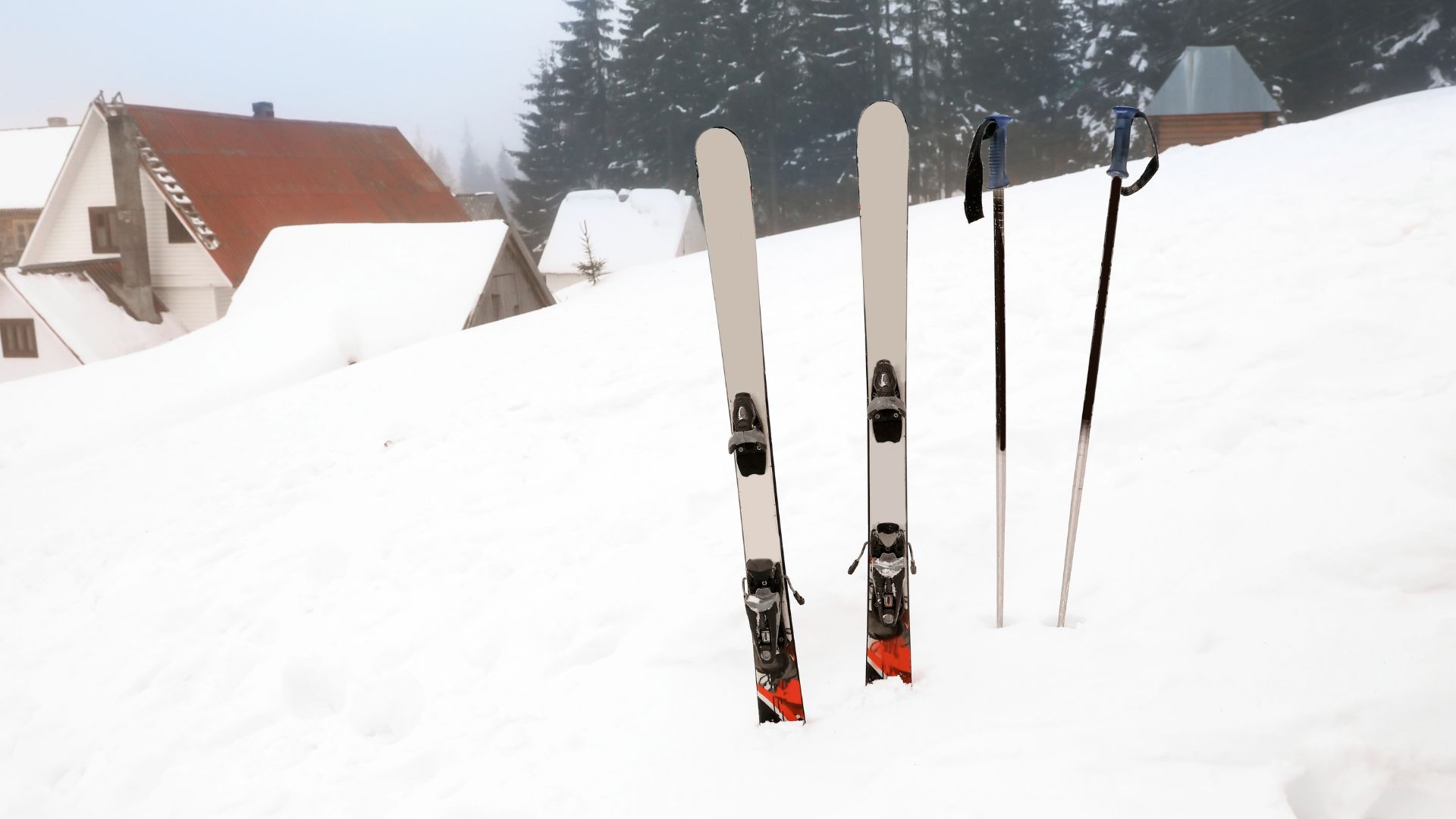
Skis are honestly easier to rent unless you ski a lot. Rentals let you try different styles and save you from airline fees or the headache of damaged gear.
I never leave my helmet at home. Rental helmets? No thanks. They’ve been on a hundred other heads and never fit quite right. Adjust your own so it sits level, covers your forehead, and stays put when you shake your head.
Snowboard Equipment Considerations
Snowboarders, same deal. Make sure your boots fit snugly with zero heel lift when you bend your knees.
If you’re an experienced rider with strong preferences, pack your own board. Otherwise, just rent—especially if you’re new or traveling light.
I always toss wrist guards in my bag for snowboarding. Falls happen, especially when you’re learning, and wrist injuries are way too common. They’re tiny but can save you a trip to the clinic.
The Importance of Ski Poles and Safety Gear
Ski poles help with balance and rhythm, and honestly, they’re a lifesaver for getting up after a tumble.
Most rental packages include poles. Make sure they reach your armpit when flipped upside down and you’re gripping below the basket.
I never ski without safety gear. Helmets reduce head injury risk by 60%. That’s huge. Modern helmets are light, warm, and have vents you can open or close depending on the weather.
If you’re hitting terrain parks or just skiing hard, back protectors and padded shorts add a layer of safety. They’re not essential for groomed runs, but I’ll wear them if I’m pushing my limits.
Layering for the Slopes: Clothing You Truly Need
The right ski clothing keeps you warm, dry, and able to move. I stick to three core layers plus a few accessories for the bits that always freeze.
Base Layers and Thermal Tops
Base layers go right against your skin and handle all the sweat. I always pick synthetic or merino wool—cotton just soaks up moisture and leaves you freezing.
Thermal tops should fit close but not squeeze. I use long sleeves that cover my wrists and bottoms that reach my ankles.
The thickness? I switch it up depending on the weather: lightweight for warmer days, midweight for the usual cold, and heavyweight only if it’s really frigid.
I own two sets and rotate them between ski days. One dries out while I wear the other. Keeps things fresh and less stinky.
Waterproof Ski Jacket and Pants
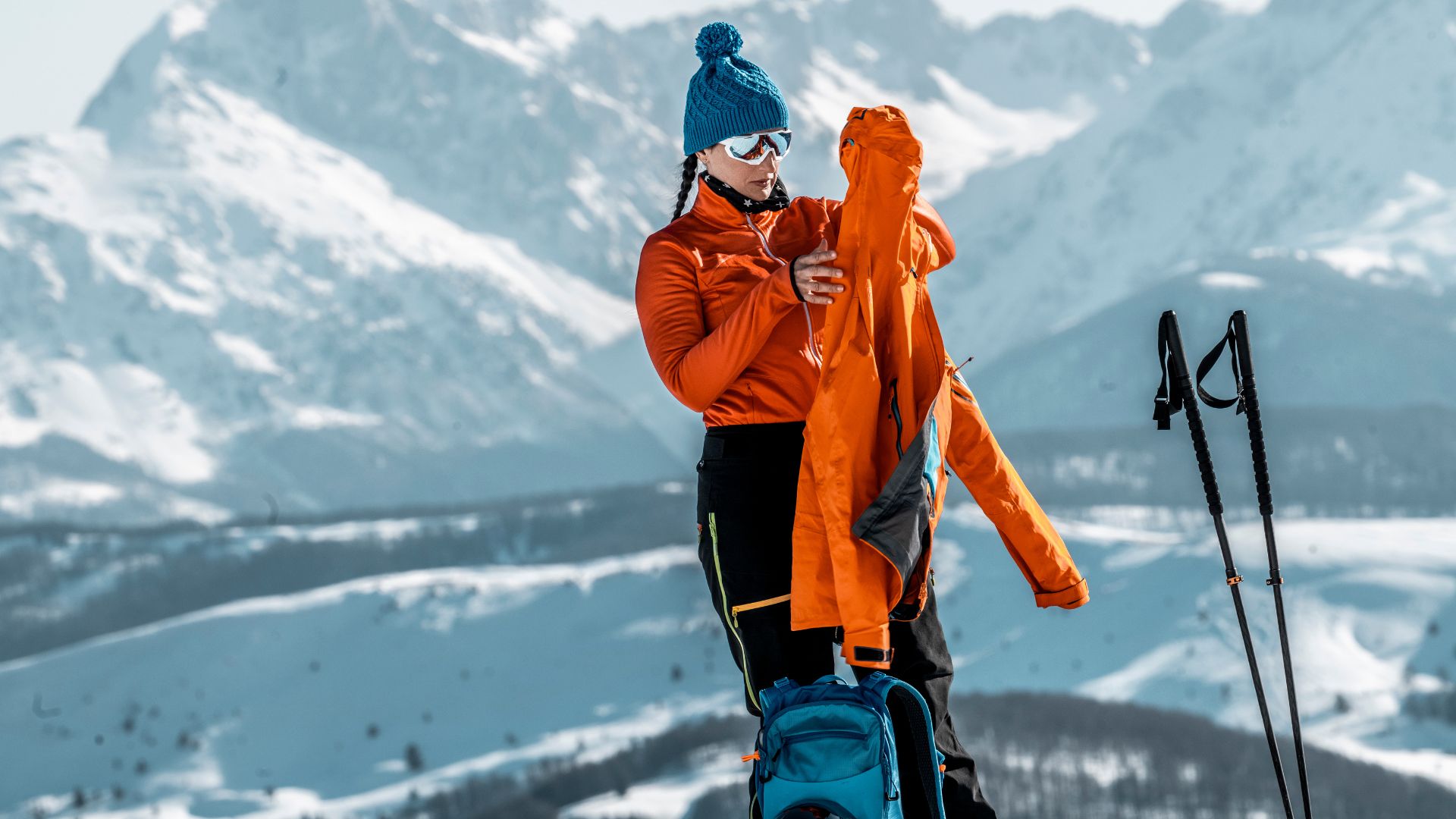
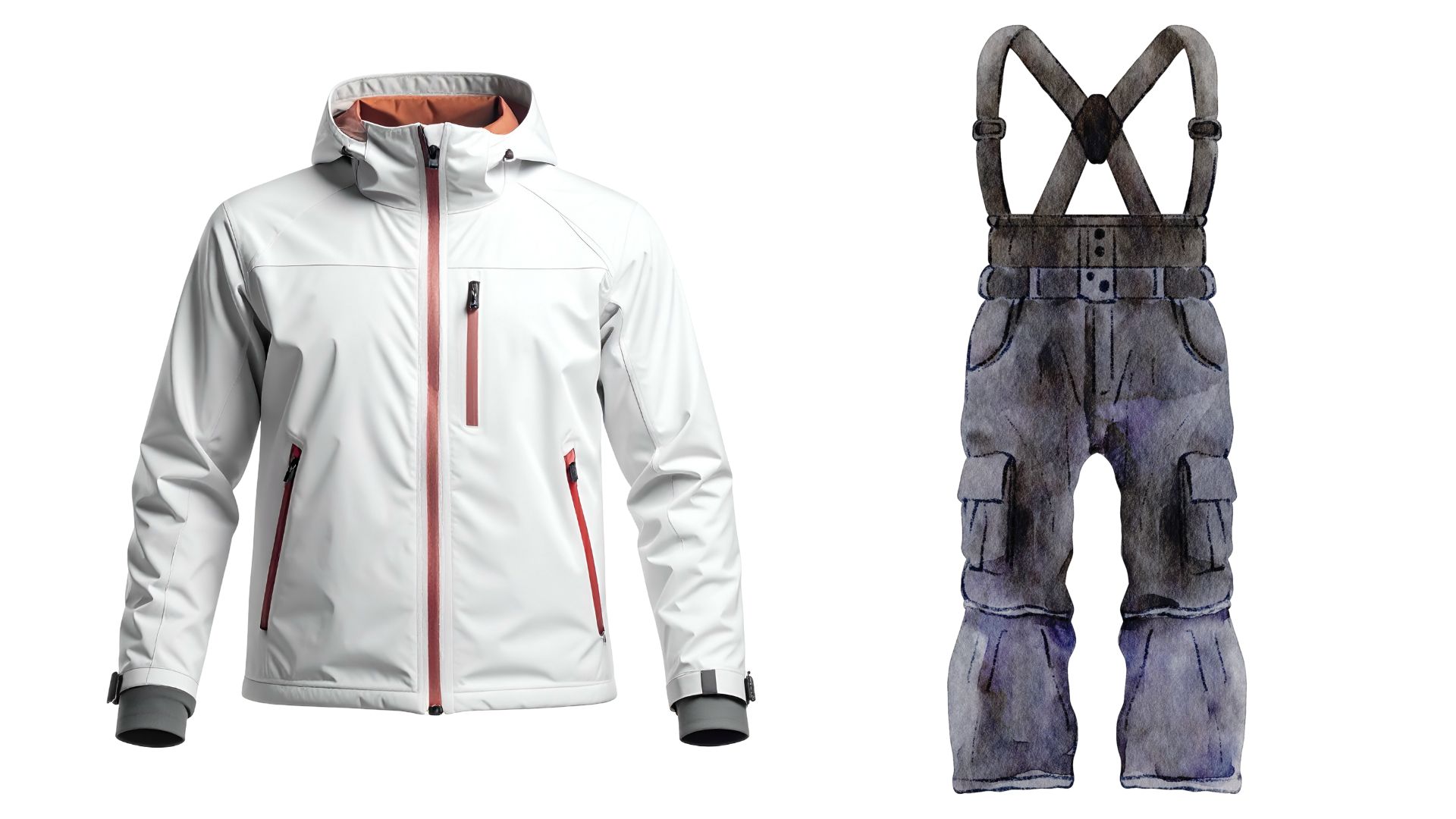
My outer shell—jacket and pants—blocks wind, snow, and slush. I look for waterproof ratings above 10,000mm and breathability above 8,000mm. That way, I stay dry from both snow and sweat.
A good ski jacket has adjustable cuffs, a powder skirt, and underarm vents. Vents are a game-changer when you’re working hard. Pockets are a must for phones, passes, and snacks.
Ski pants need reinforcement at the knees and seat. Those spots take a beating. Make sure they fit over your boots but don’t drag on the ground.
A good fit keeps snow out if you fall. Trust me, you’ll notice if it’s wrong.
Ski Socks and Footwear
I stick to one pair of proper ski socks per day—merino or synthetic blends that cushion and prevent blisters. Doubling up just leads to pressure points and cold toes.
Ski socks should reach just below your knee and fit smooth, without bunching. I pack enough for every ski day plus one extra.
My ski boots live at the rental shop or on the slopes. For everything else, I bring waterproof snow boots with solid traction. They keep my feet warm and dry when I’m out for dinner or wandering the village.
Balaclavas, Neck Warmers, and Gaiters
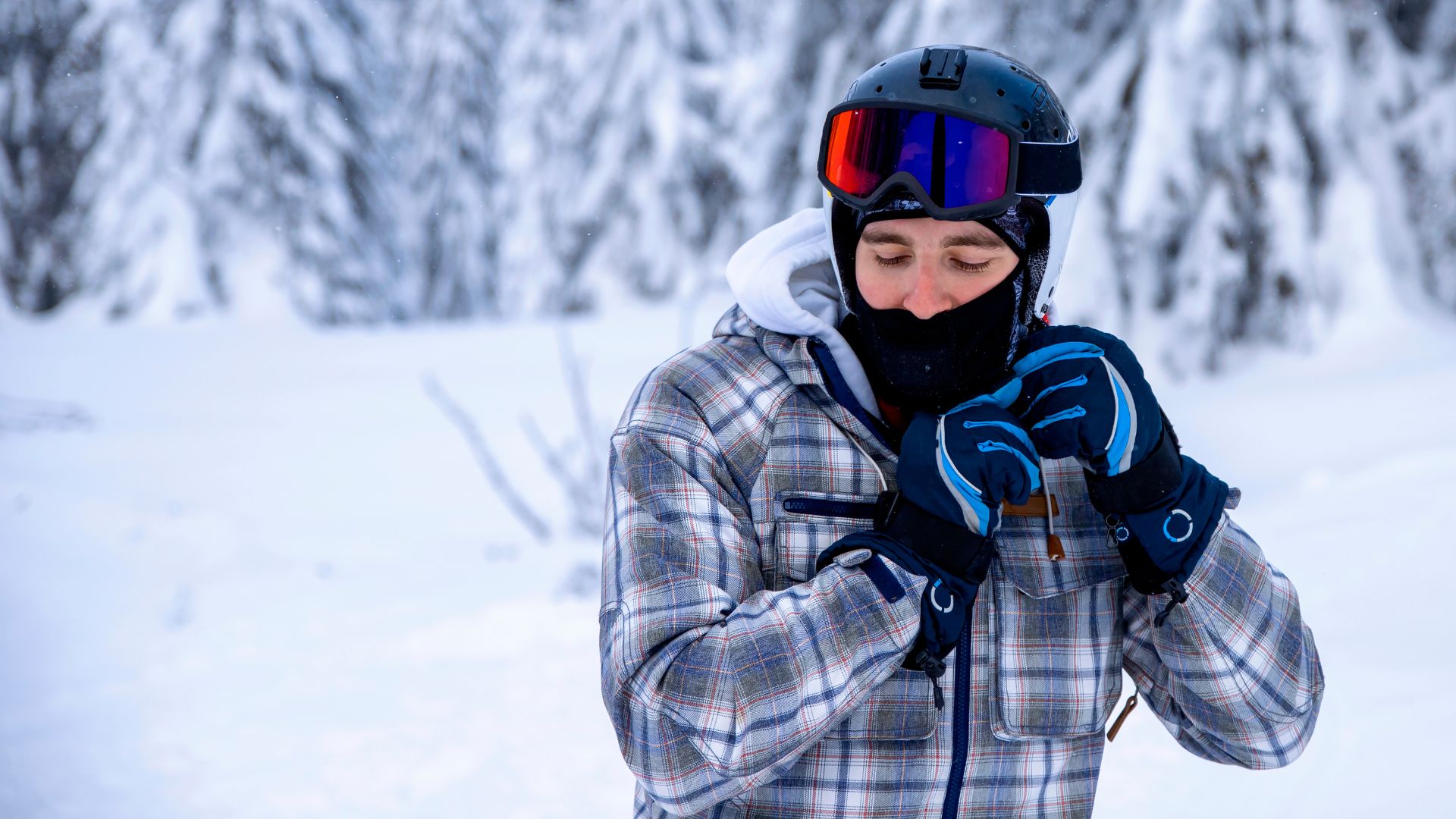
A neck warmer or gaiter fills that gap between your jacket and helmet. I like fleece neck warmers—they’re easy to pull up over your nose on the lift. Gaiters work too, usually lighter and more breathable.
I throw in a balaclava for the coldest or windiest days. It covers everything but my eyes and fits under my helmet. Some days, I don’t bother if it’s mild.
These take up almost no space. I always pack at least one neck warmer and sometimes a balaclava, especially for deep winter trips.
Essential Ski Accessories and On-Mountain Extras
Accessories can totally save your day. A warm beanie for après-ski, hand warmers for those bone-chilling mornings—these little things matter.
Head and Hand Protection: Beanies, Mittens, and Wrist Guards
I always stash a beanie in my pocket for early lifts or après-ski. It’s perfect for covering helmet hair and warming up off the mountain.
Mittens beat gloves for warmth—your fingers share heat. I prefer mittens with removable liners so I can dry them overnight.
If you’re new to skiing or boarding, wrist guards are a smart call. They protect against the most common beginner injury.
Look for mittens with a waterproof shell and good insulation. Long cuffs that tuck into your sleeves keep snow out.
Sun Protection: Sunscreen, Lip Balm, and Sunglasses
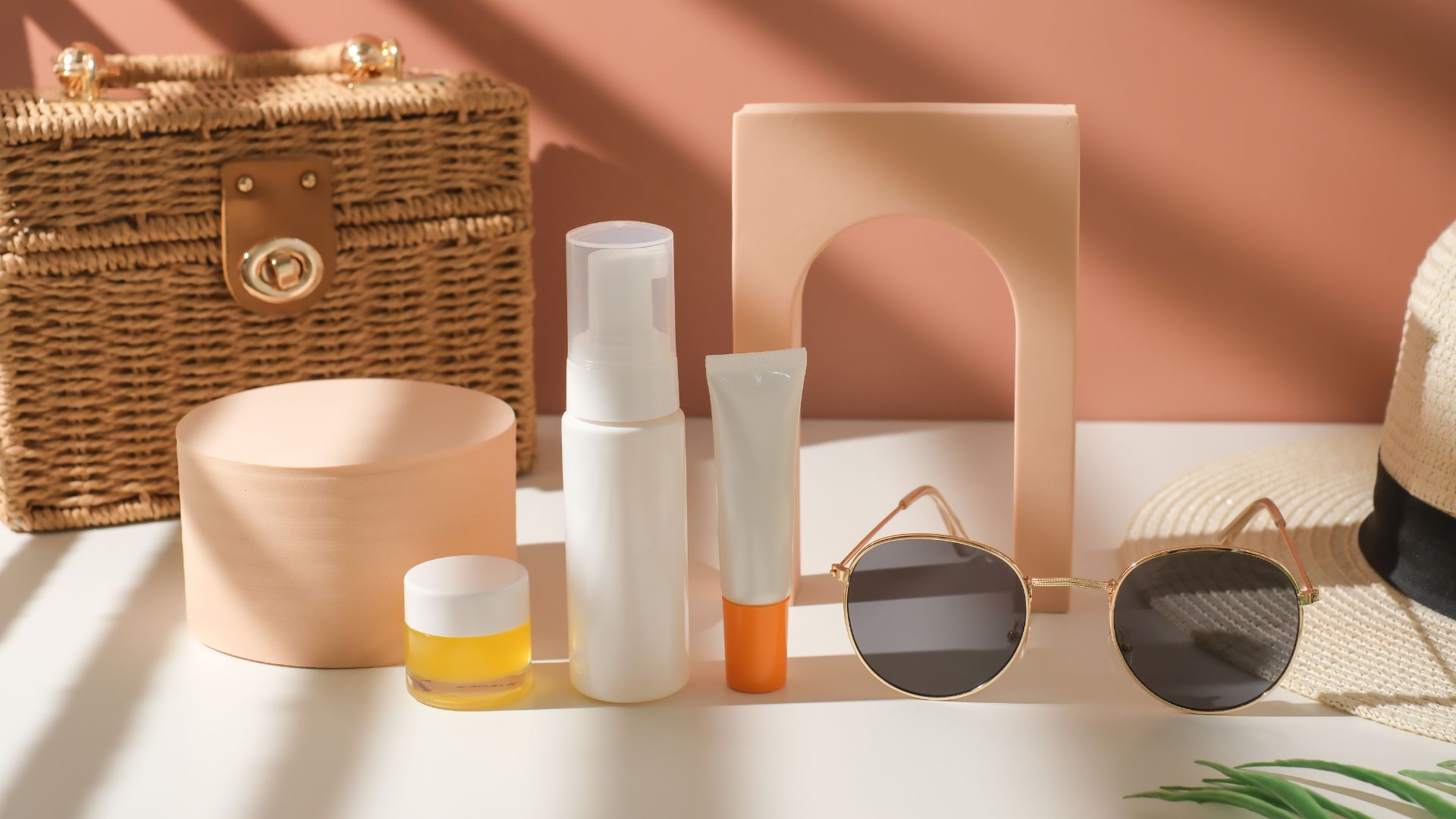
Mountain sun is intense—snow reflects it right into your face. I slather on sunscreen (SPF 50+) every morning and reapply at lunch. Don’t skip your ears and neck.
Lip balm with SPF is non-negotiable. I keep one in my pocket and use it constantly, especially on windy days.
Sunglasses come out for spring skiing or sunny afternoons when goggles feel too hot. Polarized lenses cut the glare and help for wandering around town later.
Staying Warm and Comfortable: Hand Warmers & Small Backpacks
Hand warmers are my secret weapon for cold snaps. I grab a few disposable packs—they last all day and fit in gloves, boots, or pockets.
A small backpack (15-20 liters) lets me carry layers, snacks, and water. I look for one with a chest strap so it stays put. Mine holds an extra fleece, hand warmers, sunscreen, and lunch.
If you want your water to stay liquid, grab a pack with insulated compartments.
Hydration and Safety Must-Haves
I always bring a water bottle—dehydration sneaks up fast at altitude. Insulated bottles are great for stopping water from freezing.
I drink on the chairlift and at lunch to avoid headaches and fatigue.
A basic first aid kit lives in my backpack. Bandages, painkillers, blister patches, and some athletic tape have saved me more than once.
Don’t forget your phone (in a waterproof case). You’ll need it for emergencies, meeting up, or just snapping a few photos.
Off-Slope & Après-Ski Clothing
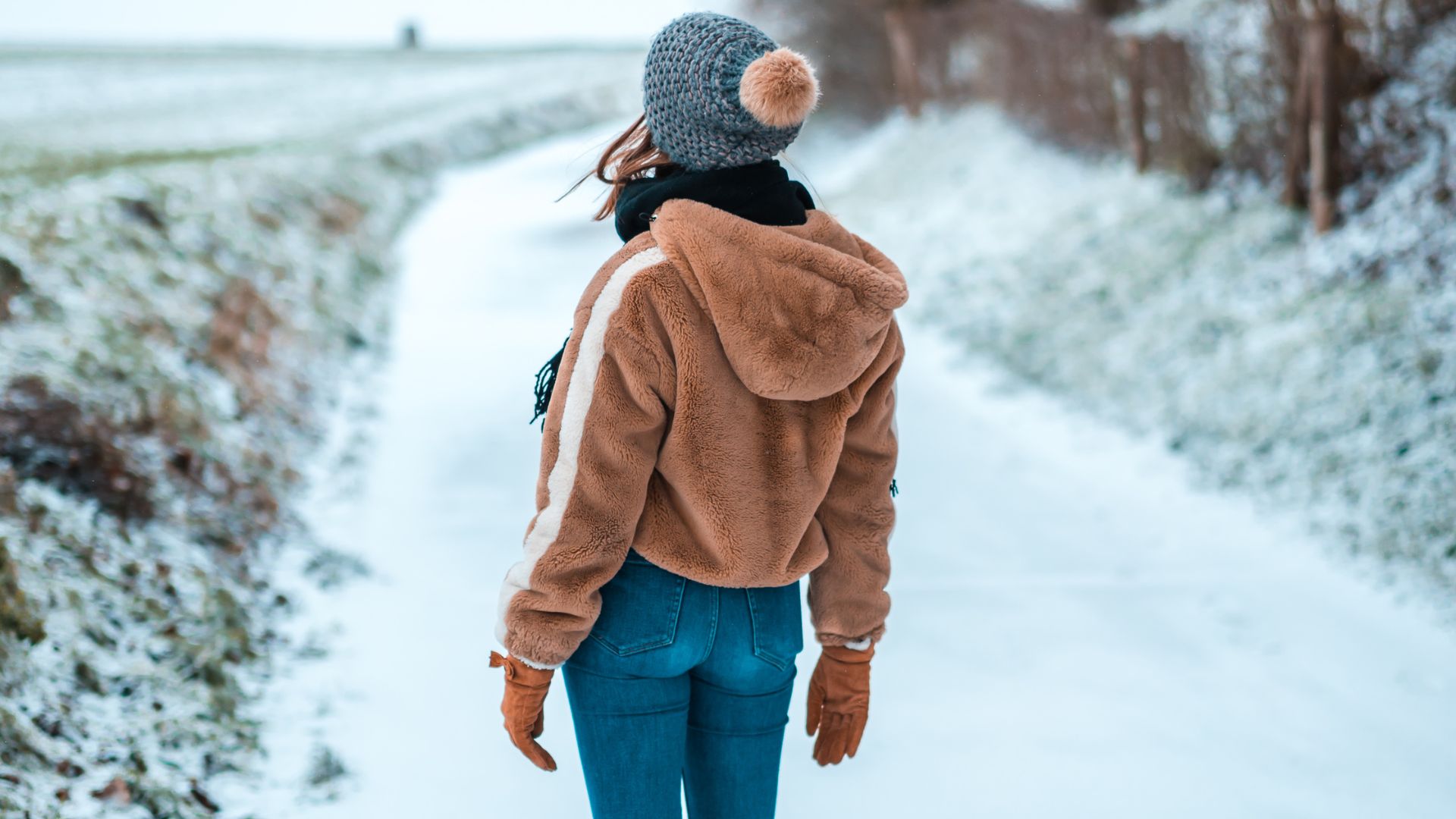
After the slopes, you’ll want comfy clothes for strolling, dinner, or maybe a little nightlife. Your après-ski wardrobe should keep you warm and look decent at a bar or restaurant.
Casual Wear: Jeans, Sweaters, and Layers
I usually pack two pairs of jeans for a week-long trip. They’re warm, tough, and work for most evenings. Dark-wash hides stains and looks nicer for dinner.
Here’s what I toss in:
- 2-3 sweaters (merino or fleece)
- 1-2 long-sleeve shirts
- 1 scarf for extra warmth
- Enough underwear for each day, plus two extra
Merino sweaters are my favorite—they resist odors and stay warm even if damp. A light fleece is perfect for casual dinners. If it gets really cold, I’ll wear my ski base layers underneath.
I skip cotton base layers—they just trap moisture. One nicer outfit is enough if your hotel has a fancy restaurant, but most ski towns are super casual.
Footwear and Evening Accessories
Waterproof snow boots are a must for après-ski. Sidewalks get icy and messy, so I want boots with solid grip and insulation down to at least 0°F.
I pack flip-flops for the hotel room or the hot tub. After a day in ski boots, my feet need a break.
Other essentials:
- Warm hat or beanie
- Sunglasses (that mountain glare is no joke)
- Small crossbody bag or backpack
Don’t bother with heels. Most ski towns keep it casual, and you’ll just slip on the snow.
Toiletries and Health Essentials
Cold weather and high altitude can mess with your skin, hair, and energy. Over the years, I’ve found the right toiletries make a huge difference—no more chapped lips or dry skin.
Basic Toiletries for Cold Weather Travel
Mountain air is bone dry, so your skin loses moisture fast. I always bring a rich face moisturizer and a heavier body lotion or cream.
My lips get wrecked, so I keep a good lip balm handy and reapply all day.
Don’t forget the basics: toothbrush, toothpaste, and floss. I pack deodorant that can handle long days in layers. If I have space, I bring my own shampoo and soap—resort stuff can be harsh.
A hydrating face wash works better than the usual cleansers in cold weather. I also use a cleansing balm to get sunscreen off at night.
For my body, I swap drying bar soap for a cream or oil-based product. My skin thanks me later.
Cosmetics and Personal Grooming
When I’m heading out on a ski trip, I usually keep makeup pretty minimal. I always toss in a tinted moisturizer with SPF instead of any heavy foundation—trust me, the sun bouncing off the snow hits your skin hard, so SPF is non-negotiable.
Here’s what always ends up in my grooming bag:
- Tweezers and a trusty eyebrow pencil
- Nail clippers (because dry air and hangnails are a terrible combo)
- Razor if I think I’ll need it
- Hair ties and a brush
- Detangler spray for unruly, post-helmet hair
A good hair mask can really help after a day of wind, cold, and helmet hair. I usually skip most other cosmetics, honestly—after skiing, I’m wiped out and just want to relax.
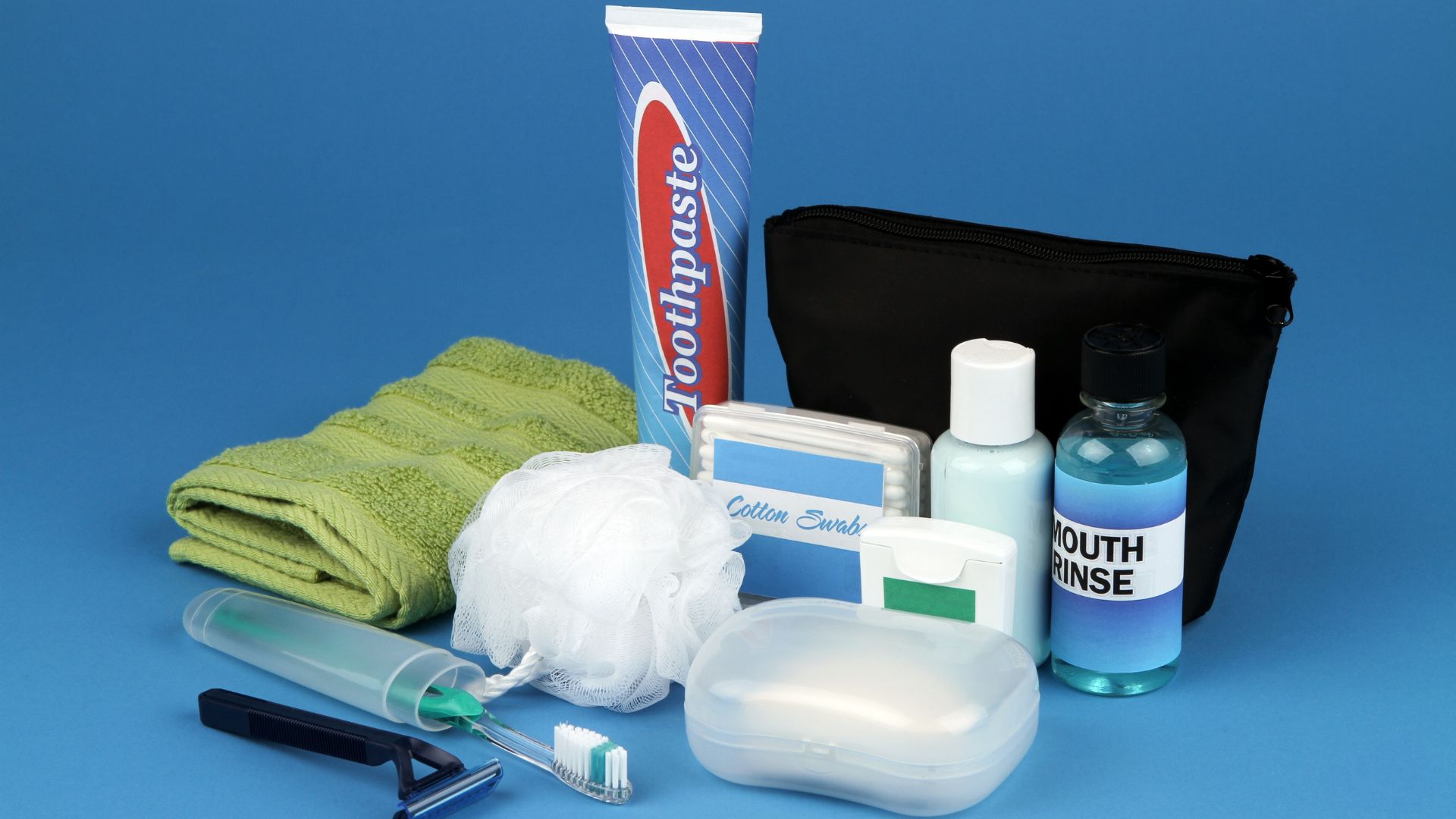
Medications, Glasses, and First Aid
I keep all my must-have items together in a secure pouch so I don’t forget anything. That includes any prescription medications, contact lenses (or backup glasses), and a simple first aid kit.
My first aid kit isn’t fancy: just bandaids, antibacterial ointment, some blister treatment, and pain relievers like ibuprofen. Headaches from altitude and sore muscles happen more often than you’d expect.
If you need personal medical stuff—like a knee brace or inhaler—definitely bring it. If you’re coming from sea level, consider packing altitude sickness meds. And while hand and foot warmers aren’t exactly medicine, I always bring them to avoid numb fingers or toes on the coldest days.
Smart Extras and What to Skip
Over the years, I’ve realized that packing smart is all about knowing what actually makes your trip better—and what just adds dead weight. A few clever extras can totally change your experience, while other things just take up space you’ll wish you’d saved for souvenirs.
Travel Documents, Insurance, and Must-Have Tech
Travel insurance is a must for ski trips. Medical coverage for accidents on the mountain can save you so much money, and trip cancellation insurance is a lifesaver when weather suddenly shuts down the resort. I keep my policy on my phone and stash a paper copy in my neck wallet.
A portable charger lives in my jacket pocket—cold weather kills phone batteries fast. I go for one that can recharge my phone at least twice.
Want to capture those runs? Bring a waterproof camera, or use your phone with a sturdy case. Action cams are perfect for helmet or pole mounting. I bring headphones for the drive or flight, but once I hit the slopes, I leave them behind so I can hear what’s going on around me.
I keep my lift ticket, ID, and credit card in a neck wallet or a zippered pocket. I’ve watched too many people dig through snow for lost cards.

Items to Leave at Home for Efficient Packing
Regular scarves just blow away or get tangled in gear. I always use a buff or neck gaiter instead.
Cotton clothing is the worst—it soaks up sweat and snow, then just stays cold and damp. That goes for socks, tees, even jeans. Synthetics or wool are the way to go.
I never pack jewelry. It gets lost, breaks, or feels uncomfortable under all those layers.
Forget about dressy clothes. Ski towns are super casual. Most folks head straight to dinner in fleeces or base layers. One nice sweater is plenty for the rare fancier meal.
And honestly, leave extra electronics at home. You probably won’t touch your laptop or tablet. I stick to one camera or my phone for photos—less to worry about, more time to enjoy.
Frequently Asked Questions
Packing for a ski trip always brings up the same questions—how much to bring, what’s actually necessary, and what about families or women-specific needs? Here’s what I’ve learned after lots of trips to the mountains.
A solid ski trip packing list covers three things: technical gear, layered clothing, and those off-slope essentials. For gear, I always grab waterproof gloves, goggles, a helmet, and proper ski socks. These keep you safe and comfortable all day.
For clothing, I rely on thermal base layers, a fleece or sweater for the mid-layer, and a waterproof shell for my jacket and pants. Layering lets you adjust how warm you are as the day goes on.
Off the slopes, you’ll want warm, comfy clothes—think sweaters and long pants for strolling around the resort. I always have lip balm with SPF, sunscreen (at least SPF 30), and a reusable water bottle to fight off dehydration at altitude.
The basics are the same for everyone, but a few things make a difference for women. I always pack sports bras made for winter sports—regular ones just don’t cut it when you’re skiing.
Hair ties and a soft headband that fits under a helmet are lifesavers for keeping hair in check. A good face balm or thick moisturizer helps battle the dry mountain air.
Women-specific base layers fit better in all the right places. I bring at least two sets so I can swap out if one gets sweaty or damp.
I make a list for each family member, then see what we can share—like sunscreen, first aid, and snacks.
Kids go through gloves and socks fast, so I pack extras for them. Properly fitted helmets are a must (and easy to rent if you don’t want to bring your own).
Booking rental gear ahead of time saves stress and guarantees the right sizes. I usually keep everyone’s measurements and skill levels in a shared doc for easy reference.
Each person gets their own base layers, but we pack fewer mid-layers since they don’t get as dirty. I always bring extra hand warmers and a small backpack for snacks and water.
A helmet that fits well is non-negotiable for me. Goggles with UV protection come next—they shield your eyes from glare and changing weather.
Waterproof gloves or mittens keep hands warm and dry. I like gloves with wrist straps so I don’t drop them from the chairlift.
Good ski socks—merino wool or synthetic—make a huge difference. They keep feet warm and dry without being bulky. Cotton socks just make your feet cold and damp.
Your jacket and pants should be waterproof, not just water-resistant. I also carry a small backpack with sunscreen, lip balm, snacks, and an extra layer in case the weather turns.
I usually bring three to four sets of thermal base layers for a week. That way, I can rotate them and always have a dry pair ready.
Base layers get sweaty quick, so I wash them more often than my outer layers. With laundry at your accommodation, two or three sets might be enough—you can wash mid-trip.
Merino wool thermals dry fast and can be worn more than once if you’re in a pinch. I always pack one extra set, just in case the weather gets wild or something unexpected happens on the slopes.
Let’s talk ski gear first. You’ll want a helmet, goggles, waterproof gloves, and some solid layered clothing. Trust me, label every single thing with your name—stuff disappears fast in a group, and you don’t want to end up with someone else’s socks.
Bring two pairs of gloves. I’ve seen so many students lose or soak one pair before lunch. Toss in some hand warmers and extra ski socks, just in case things get soggy out there.
A small backpack makes life easier on the slopes. You can stash water, snacks, sunscreen, and lip balm—don’t skip those last two, the mountain sun can be brutal. A refillable water bottle is a must; you’ll get thirsty way faster than you expect.
For evenings at the lodge, pack something cozy. Sweatpants, a hoodie, maybe slippers—there’s nothing better after a day in ski boots. Oh, and a power bank for your phone? Essential. Cold weather zaps batteries in no time.
Don’t forget basic first aid. Pain relievers and blister bandages come in handy more often than you’d think. A little cash is smart too, just in case you spot a vending machine or need to buy something the school didn’t cover.
With this list, students will have what they need for a smooth and fun trip.
