
Exploring Tomar in central Portugal cracked open a door to the past I didn’t see coming. The town’s winding streets led me straight to the Convent of Christ, a UNESCO World Heritage site, where the myths and legends of the Knights Templar still echo through the ancient stone halls.
Visiting the Convent of Christ in Tomar is honestly the best way to step into the mysterious world of the Knights Templar and see how their legacy shaped Portugal’s history.
Walking beneath the arches, past the ornate carvings, I spotted architectural styles from all sorts of eras—Romanesque, Gothic, Manueline, and more. They all seem to blend together in one breathtaking site.
The atmosphere feels both grand and peaceful. It’s easy to picture the Templars who once called this place home.
If you love stories of adventure or want to experience a real piece of European history, Tomar is a destination you just can’t skip. The Convent of Christ isn’t just another landmark; it’s a living memory of faith, intrigue, and the enduring spirit of Portugal.
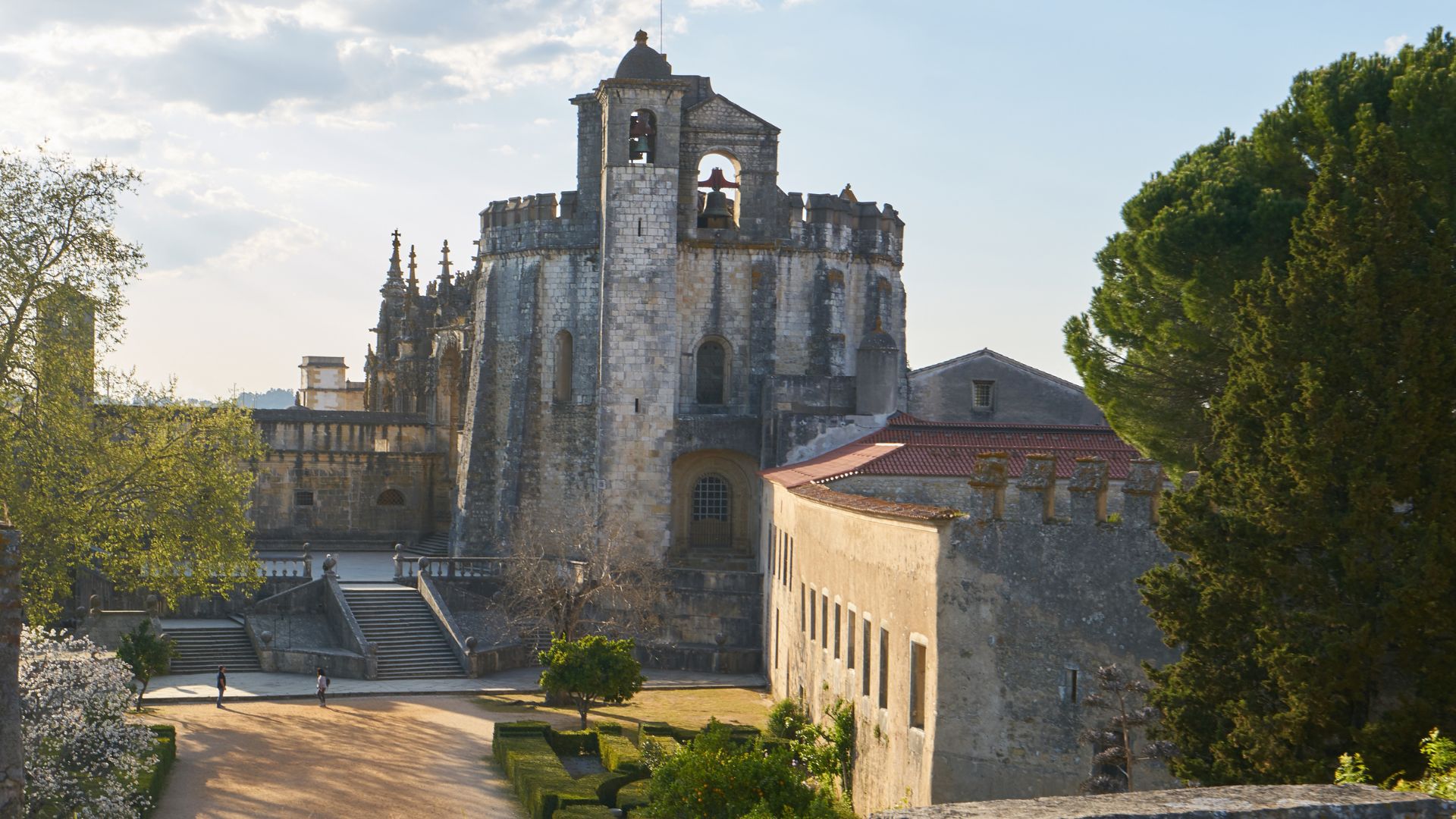
Discovering Tomar: Gateway to Templar Legends
My first moments in Tomar felt like stepping straight into the pages of medieval history. With cobbled lanes lined by whitewashed houses and towering ancient walls, every corner hints at stories of the Knights Templar and their legendary past.
A Walk Through Central Portugal
Getting to Tomar took me deep into the heart of central Portugal. The region is dotted with forests, rolling hills, and sparkling rivers.
As the train rolled into the station, I could already spot the silhouette of the Templar Castle watching over the town. Wandering the narrow streets, I stumbled on local bakeries serving sweet pastries and quiet plazas where locals chatted in the sunshine.
The architecture mixes Gothic, Renaissance, and Manueline styles, all proof of Tomar’s layered past. What really caught my eye was how Tomar weaves daily life with history.
Modern shops sit right beside medieval arches. Fountains and gardens invite you to slow down and just be present.
Every step reminded me why visiting Tomar is about more than just seeing a castle—it’s about soaking up the spirit of central Portugal.
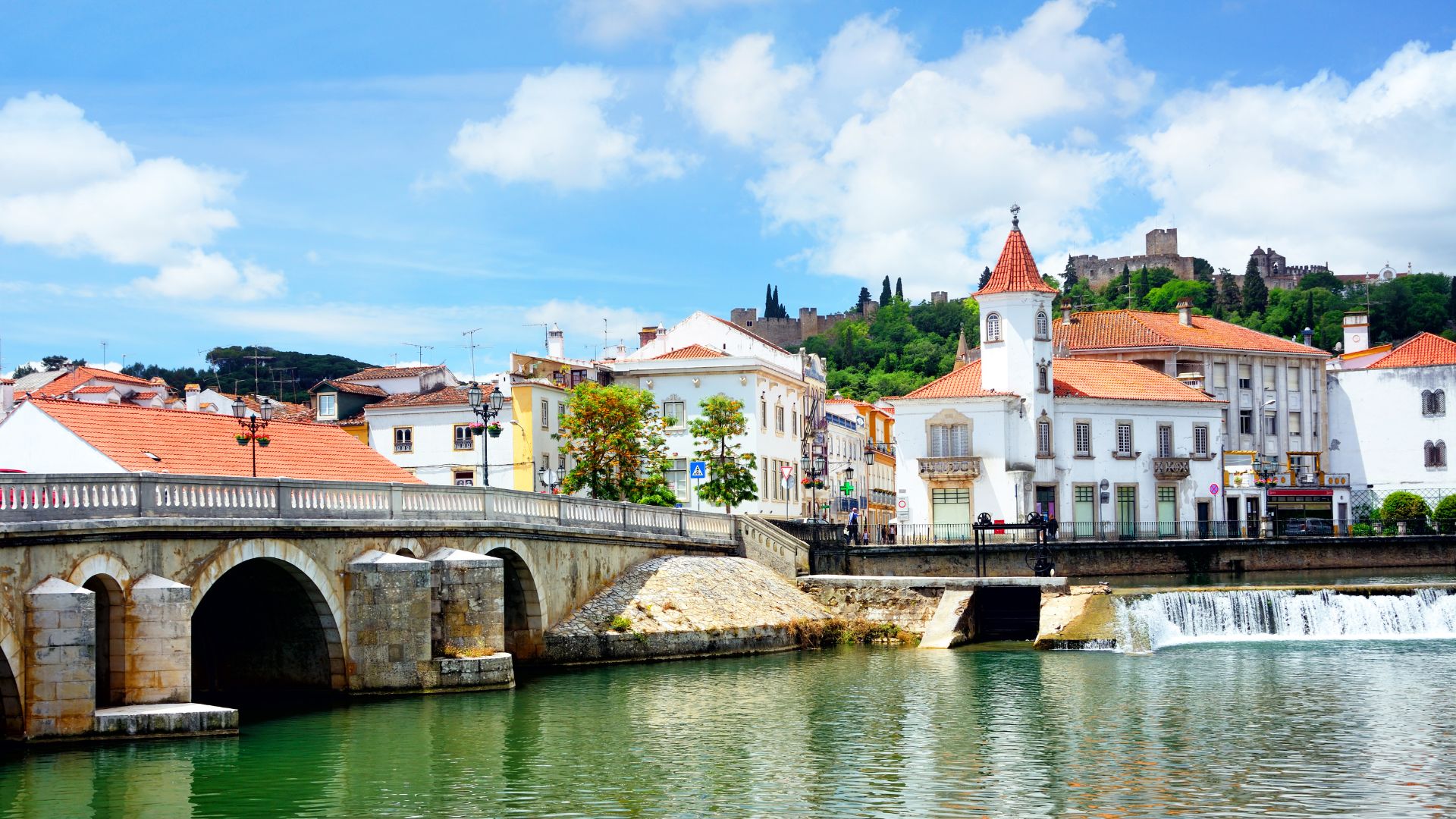
The Knights Templar’s Arrival in Tomar
The history of the Knights Templar in Tomar goes back to the 12th century, during the long struggle called the Reconquista. Portugal’s first king, Afonso Henriques, handed this land to the Templar knights to thank them for supporting his young kingdom.
Gualdim Pais, a legendary Templar master, led the knights and built the imposing Castle of Tomar in 1160. The fortress became their headquarters in Portugal and a symbol of their power and devotion.
As I explored the castle walls and the Convent of Christ, I could almost picture the knights preparing for their next battle or planning the future of their order. Each stone and symbol in the castle speaks of Templar secrets and a faith that shaped Portuguese history.
Highlights of the Templar Festival
One of my most memorable experiences in Tomar was the Templar Festival. Every few years, the whole town turns back the clock to celebrate its Templar roots.
Streets fill with people dressed as knights, monks, and villagers, bringing the legends to life. During my visit, I joined crowds lining the main square to watch historical reenactments and vibrant parades.
Local food stalls offered roast meats, bread, and sweets based on medieval recipes. At night, outdoor performances featured music, storytelling, and dramatic displays with swords and costumes.
The festival isn’t just about entertainment. It’s a lively history lesson where locals and visitors pay tribute to Tomar’s unique role in Templar history.
If you’re into knights, castles, or just want a truly authentic cultural experience, the Templar Festival is a highlight you should plan for.
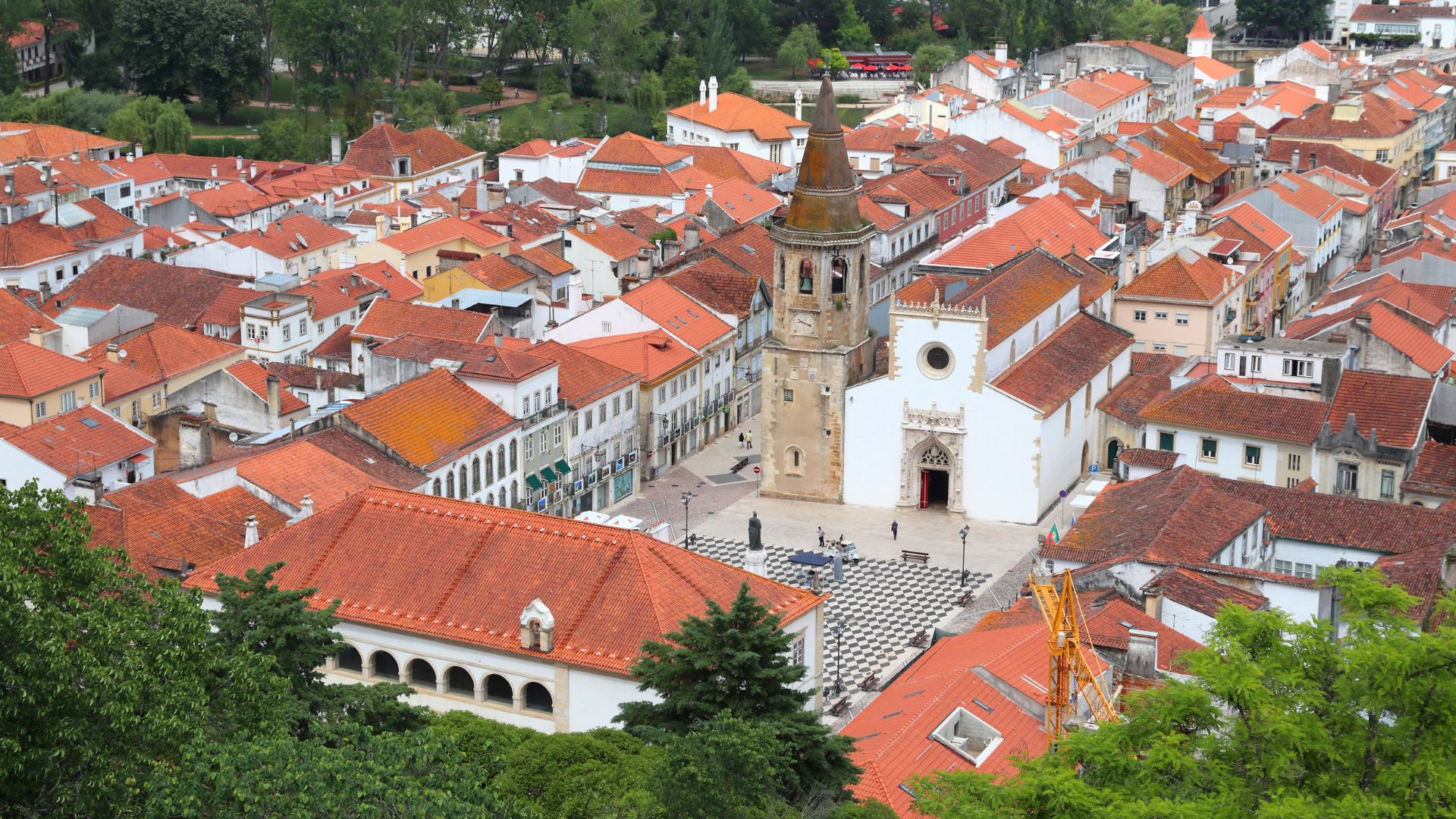
Convent of Christ: A UNESCO Marvel
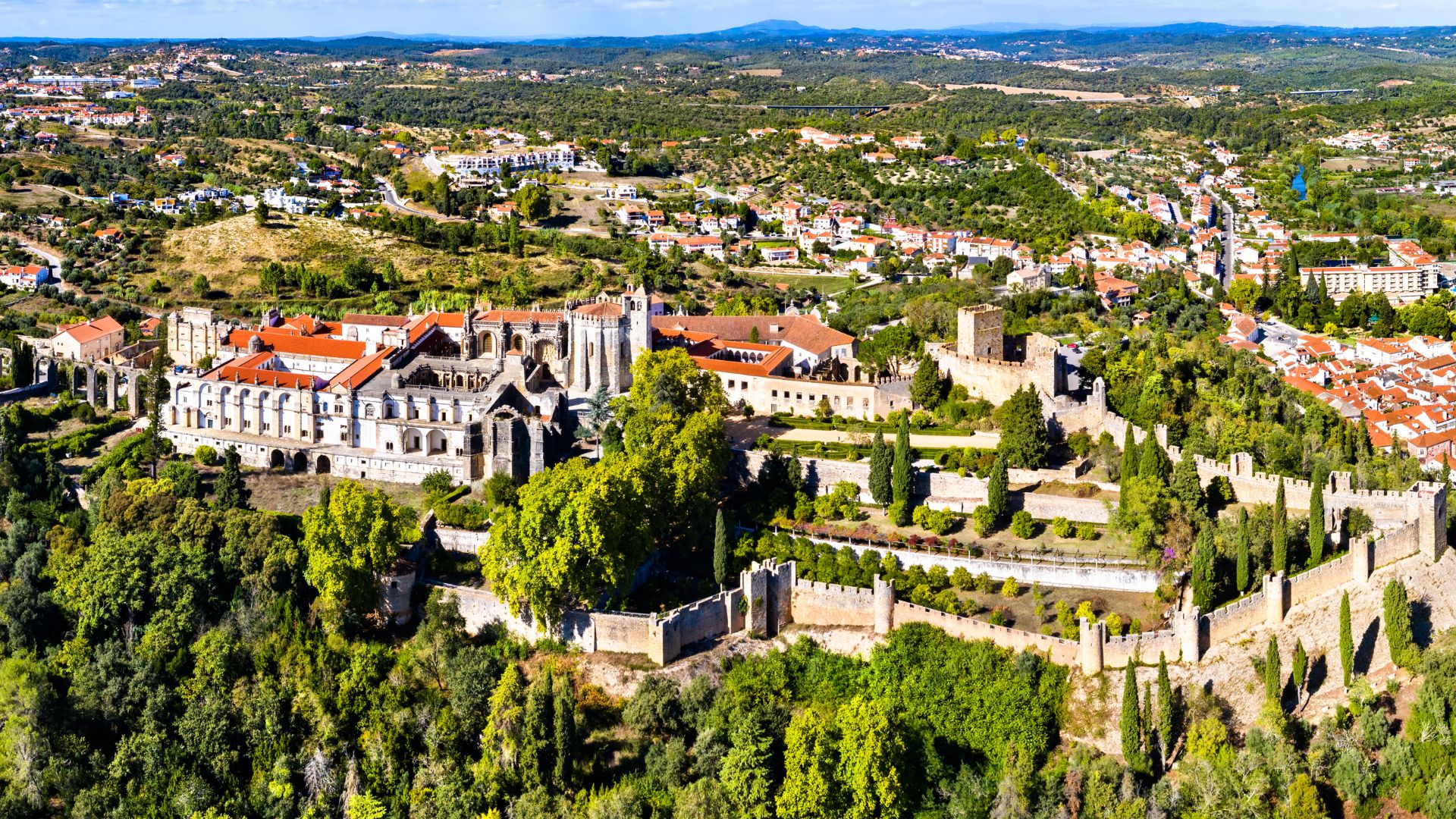
Visiting the Convent of Christ in Tomar felt like stepping into a living history book. Set on a hilltop, the site amazed me with its ancient stone walls and the blend of architectural styles that tell Portugal’s story.
Origins and Historical Significance
Gualdim Pais, Grand Master of the Knights Templar, kicked off the Convento de Cristo in 1160 when he picked Tomar as the order’s center in Portugal. King Afonso Henriques had already given the Templars land to defend the kingdom’s new borders during the Christian Reconquista.
The convent was more than just a church—it served as the Templar stronghold. I found out the main round church, called the Charola, took inspiration from the Church of the Holy Sepulchre in Jerusalem.
This meant the Convent of Christ was both a spiritual place and a fortress. When the Knights Templar were dissolved in the 14th century, the convent passed to the Order of Christ.
The Order ended up playing a huge role in funding Portuguese explorers during the Age of Discoveries. Standing in a place that fueled some of Portugal’s most important journeys into the unknown felt pretty amazing.

The Templar Castle & Alcáçova
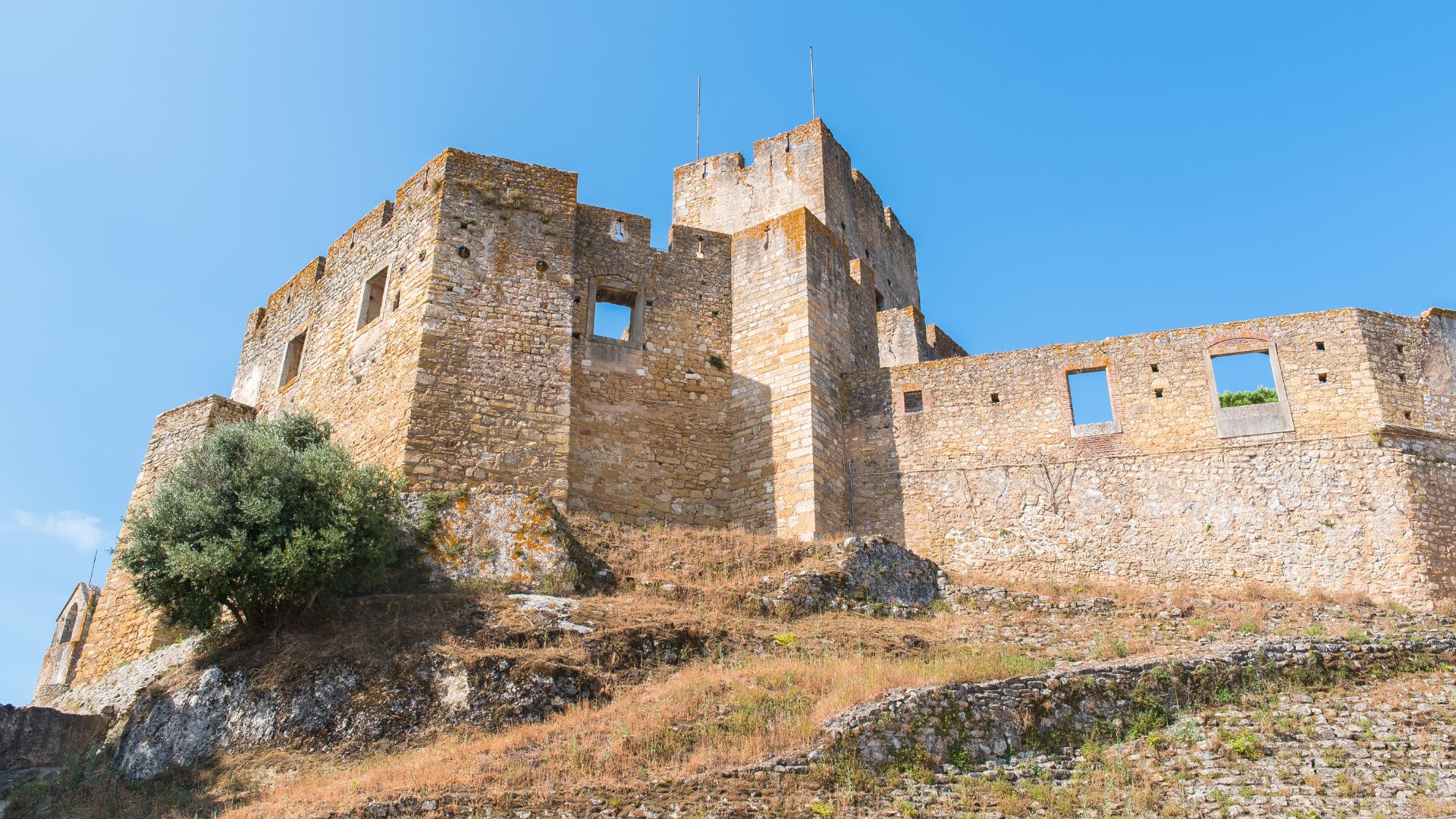
The Castle of Tomar, or the Templar Castle, stands guard over the entire convent site. Walking through its stone arches, I could picture knights once defending this stronghold.
They built thick walls and watchtowers for protection against invading forces. At the heart of the site sits the Alcáçova—the main residence for the knights and leaders.
The layout is practical but intricate, with living quarters, storerooms, and chapels. The Alcáçova connects to the main convent, making the whole place feel like a hidden fortress within a fortress.
What struck me most was how military and religious features blend together. The castle’s ramparts stand right next to beautiful cloisters and decorated doorways.
Being there gave me a sense of how the Templars lived—always ready to pray, but always prepared for battle too.
Becoming a UNESCO World Heritage Site
UNESCO named the Convent of Christ a World Heritage Site in 1983. I was honestly surprised to learn that this place covers nearly seven centuries of Portuguese history.
UNESCO recognized it not just for its age, but also because it blends Romanesque, Gothic, Manueline, Renaissance, and Baroque styles all in one spot. The site’s national monument status helps keep it safe.
Restoration teams work hard to preserve details, from the Manueline window’s stonework to the delicate cloisters. If you’re after a UNESCO marvel packed with layered cultural heritage, this is a must-visit in Portugal.
Here’s a quick summary of the key details:
| Name | Built | Main Features | UNESCO Status |
|---|---|---|---|
| Convent of Christ | 12th Century | Templar castle, Charola, cloisters | Since 1983 |
| Castle of Tomar | 12th Century | Stronghold, ramparts, Alcáçova | National Monument |
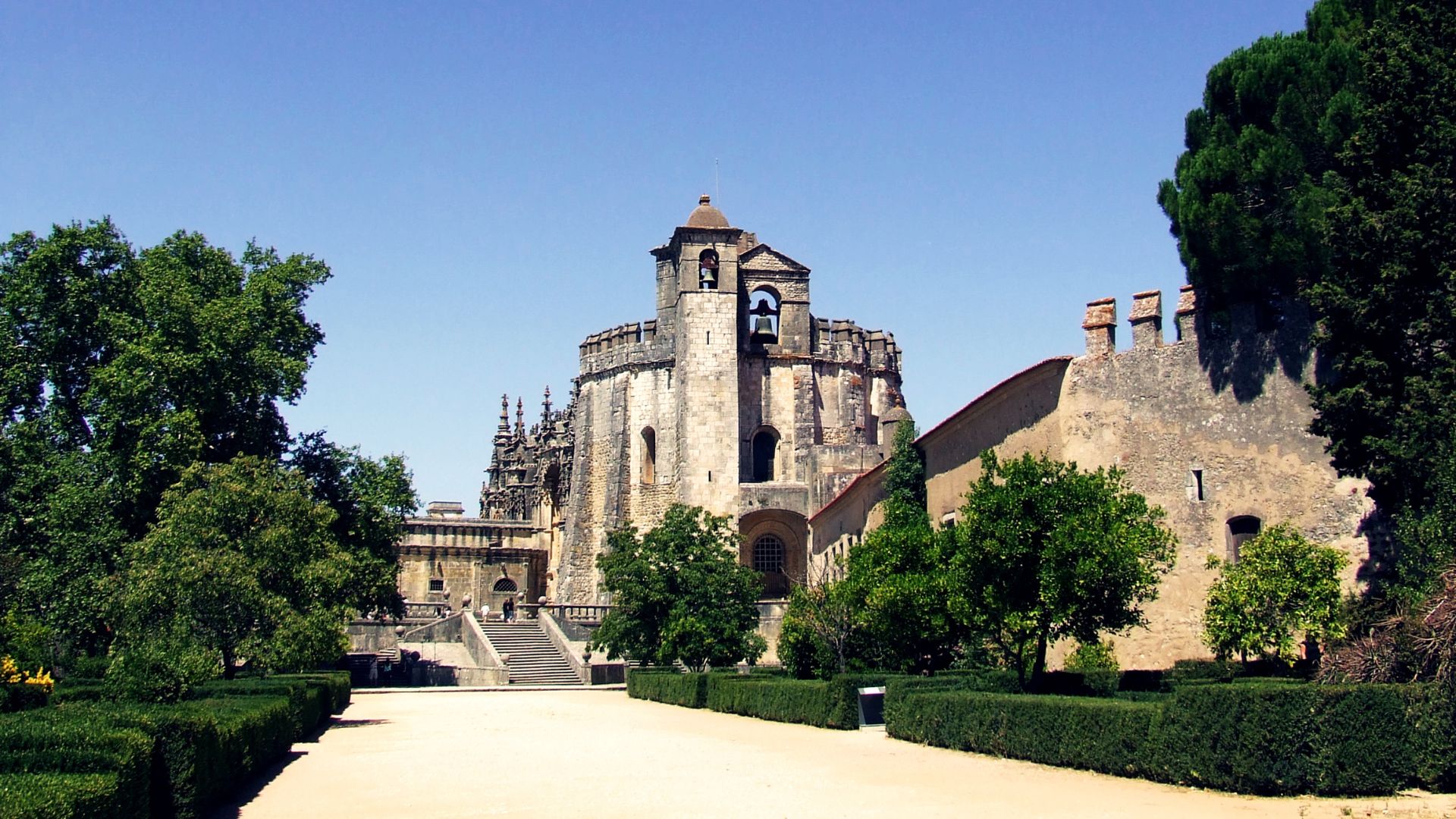
Architectural Wonders & Sacred Spaces
Stepping into the Convent of Christ, I couldn’t miss how layers of centuries-old architecture paint a living history. The brilliant mix of Romanesque, Gothic, Manueline, and Renaissance details pulled me into the Knights Templar’s sacred world.
Exploring the Charola: The Templar Rotunda
The heart of the Templar church is the stunning Charola, a round sanctuary inspired by Jerusalem’s Church of the Holy Sepulchre. Its layout feels unique—an octagonal central space surrounded by an ambulatory, where armored knights once paraded around during prayers.
Every inch of the Charola buzzes with history and mystery. Colorful frescoes burst from the walls, many showing rich biblical scenes and saints.
The space feels both intimate and grand. Its vaulted ceilings soar overhead, but the altar sits nearly within arm’s reach, reminding me how sacred—and practical—this chamber was for the Templars.
Massive pillars, decorated with intricate carvings, stand like silent guardians. I noticed how the play of light slipping through narrow windows creates a spiritual glow that draws your eye straight to the altar.
It’s a perfect mix of practical defense and spiritual devotion, unlike any other church I’ve visited.
Manueline Style and Masterpieces
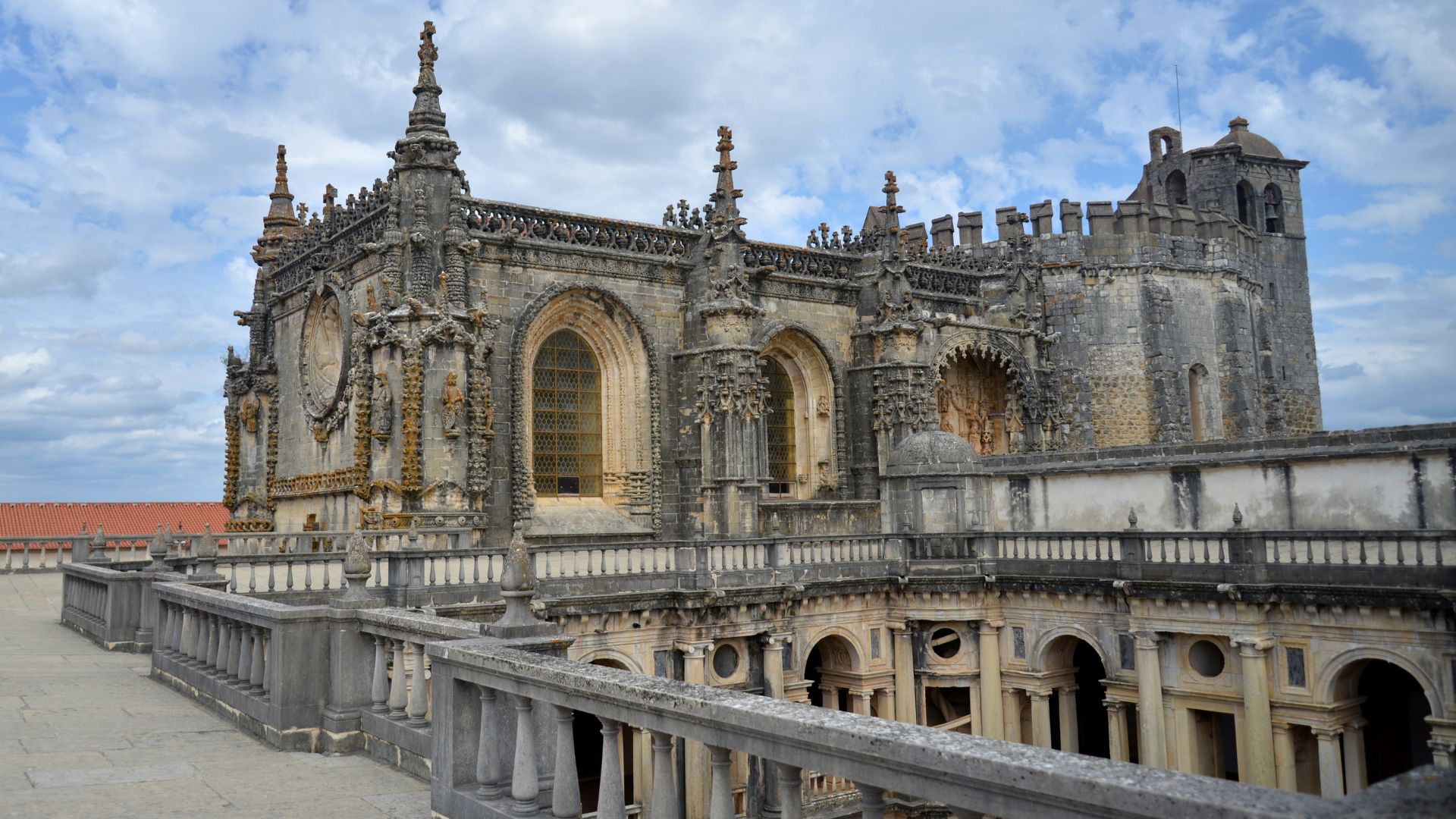
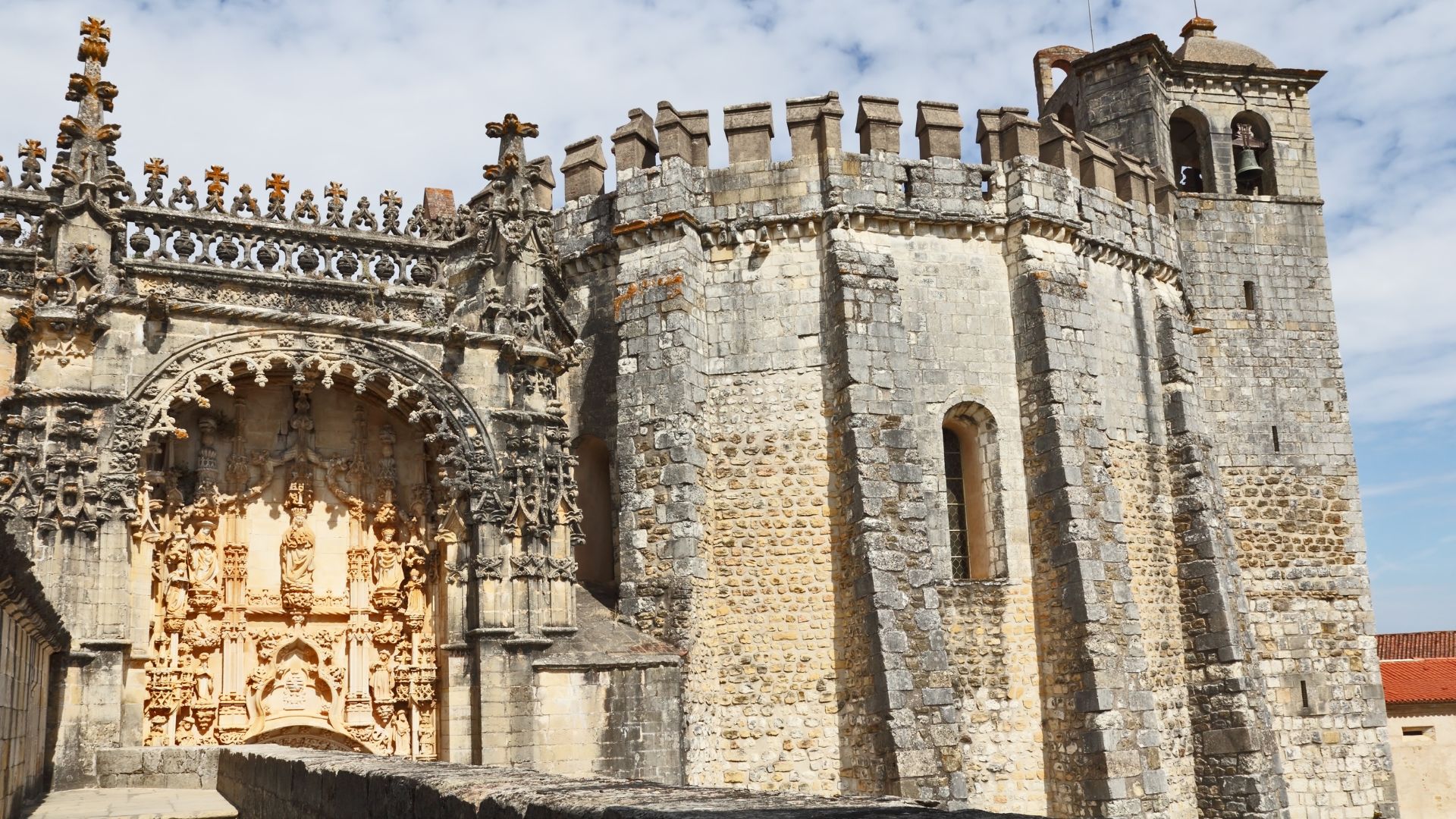
No trip to Tomar is complete without stopping at the Manueline window, a jaw-dropping masterpiece above the chapter house. Designed during King Manuel I’s reign, this window is draped in limestone ropes, knots, leaves, and armillary spheres—symbols of Portugal’s Age of Discovery.
João de Castilho, a master architect, added these flourishes with incredible detail. The Manueline style mixes Gothic engineering with playful nautical motifs and Christian symbols.
I found the Manueline church space captivating because every surface—arches, pillars, and even the doors—overflows with decoration. Stone transforms into coral, ropes, and botanical motifs.
If you love photography, bring your camera. The tiled walls and elaborate carvings inside the chapter house and sacristy are a feast of texture and color.
Highlights:
| Manueline Features | Where to See Them |
|---|---|
| Ornate window | Chapter house façade |
| Nautical motifs | Cloisters & portals |
| Stone ropes & spheres | Manueline church section |
Gothic and Renaissance Influences
As I wandered the corridors, I could easily spot the building’s evolution. Gothic pointed arches lift parts of the church to airy heights, their ribbed vaults drawing your gaze upward.
Sunlight slips in through tall windows, washing the stone with a soft, golden light. The Renaissance additions bring a more balanced and human scale to the complex.
The cloisters—especially the main ones and the chapter house area—are perfect for slow strolls or a moment of reflection. Classical proportions in arches, domes, and pilasters stand out against the older, heavier medieval walls.
Tiles (azulejos) line many interior walls, often painted with geometric patterns. The blend of styles creates a patchwork of influences: Romanesque roots, Gothic drama, Manueline flair, and Renaissance calm.
Moving from room to room feels like turning the page of a living history book.
Secret Corners: Claustro do Cemitério & Infirmary
Hidden within the corners of the convent, I found some of its most atmospheric spaces. The Claustro do Cemitério, or Cemetery Cloister, is tranquil and almost haunting, ringed by simple arches and shielded from the crowds.
Monks once laid the dead to rest here, and the silence speaks volumes. Just steps away, the Infirmary surprises with its straightforward design.
Arched windows look out over green courtyards, letting in natural light that once helped heal the ill. I loved how the tiled walls and plain pillars contrast with the drama of the main church.
If you visit, these spaces invite quiet reflection. They remind me that the Convent of Christ was not just a fortress of faith and power—it was a living home, a place of care, and a space to mourn.
Even today, you can almost feel the footsteps of centuries passing through these cloisters.
Inside the Walls: Life and Stories of the Order
Walking through the Convent of Christ, I felt like history was never far away. Ancient stones whispered secrets about the orders who built, lived, and worshipped here.
Their legacy shaped not just Tomar, but the history of Portugal and the entire Age of Discovery.
Order of Christ and the Shift from Templars
The Convent of Christ first belonged to the Knights Templar. This legendary order arrived in Portugal in the 12th century and built their castle and convent high above Tomar on the orders of King Afonso Henriques.
The architecture still stands strong—thick walls, arched windows, and mysterious symbols carved in stone. After the Templar Order dissolved in the 14th century, their properties in Portugal didn’t disappear.
Instead, they became part of the Order of Christ, a new group founded to keep defending the region. I learned that, unlike elsewhere in Europe, Portugal kept much of the Templar riches, land, and knowledge.
The Order of Christ became a powerful force during the Age of Discoveries. They supported Portugal’s bold explorers and funded ships that sailed to Africa, India, and beyond.
Their cross symbol even appears on old maps and the sails of ships used by famous navigators. Wandering these halls, I pictured monks and knights plotting journeys that would change the world.
Famous Figures: From Henry the Navigator to Gualdim Pais
Gualdim Pais, the first Grand Master in Portugal, played a huge part in building Tomar’s castle and leading the early Templar knights. He served King Afonso Henriques and designed the fortifications to defend this region from invasions.
You can almost picture him up there, planning defenses and watching the rivers below. It’s honestly hard not to be impressed.
Centuries later, Prince Henry the Navigator chose the Convent of Christ as his headquarters. He became one of the most influential figures of the fifteenth century, directing expeditions down Africa’s coast and kicking off the Age of Discovery.
Under his leadership, Tomar filled with cartographers and explorers. Henry’s vision pushed Portugal’s reach across oceans, and that chapter in world history still echoes today.
I noticed memorials and symbols honoring both Pais and Prince Henry, their stories woven into the quiet beauty of the convent. Every corridor seemed to remind me how these men shaped not just the city, but the very soul of Portugal’s past.
Planning Your Visit: Tips, Tours, and Treasure Hunts
Getting to Tomar and exploring the Convent of Christ takes some planning, but it’s absolutely worth it. From ticket tips and tours to local food and bonus sights like the Aqueduct of Pegões, I realized every detail made the visit smoother and more rewarding.
Tickets, Opening Times & Best Time to Visit
The Convent of Christ opens Tuesday to Sunday, usually from 9:00 AM to 5:30 PM. Mondays are off, so I checked ahead to avoid disappointment.
You can buy tickets at the door or online for about €6 per adult. Early mornings are the quietest, especially during the week.
I went in spring, when the weather felt mild and flowers brightened the castle grounds. The lighter crowds let me wander the cloisters and ornate church at my own pace.
Summer afternoons get busier and hotter, but fall is also a pleasant time to visit.
Tip: Planning to see several Portuguese monuments? Look for combo tickets. Student and senior discounts are available with ID.
| Ticket Type | Price (approx.) |
|---|---|
| Adult | €6 |
| Youth/Senior | €3 |
| Under 12 | Free |
Guided Tours & Day Trips from Lisbon
Tomar sits about 90 minutes by car from Lisbon, or two hours by train. I picked a private tour from Lisbon, which really saved me time—direct transport, a guided walk through the convent, and usually bonus stops at places like Almourol Castle or the Church of Santa Maria do Olival.
If you’re traveling solo, renting a car gives you flexibility, but parking near the main gates can be tricky. The direct train from Lisbon offers a scenic and affordable ride; Tomar’s railway station is a 15-minute walk from the convent.
Some group tours throw in “Knights Templar treasure hunt” activities, which I thought were a blast and great for families.
Popular Tour Features:
- Roundtrip transport from Lisbon
- Skip-the-line entrance
- History-focused guides
- Optional add-ons: Fatima Sanctuary, Almourol Castle
Aqueduct of Pegões and Other Nearby Sights
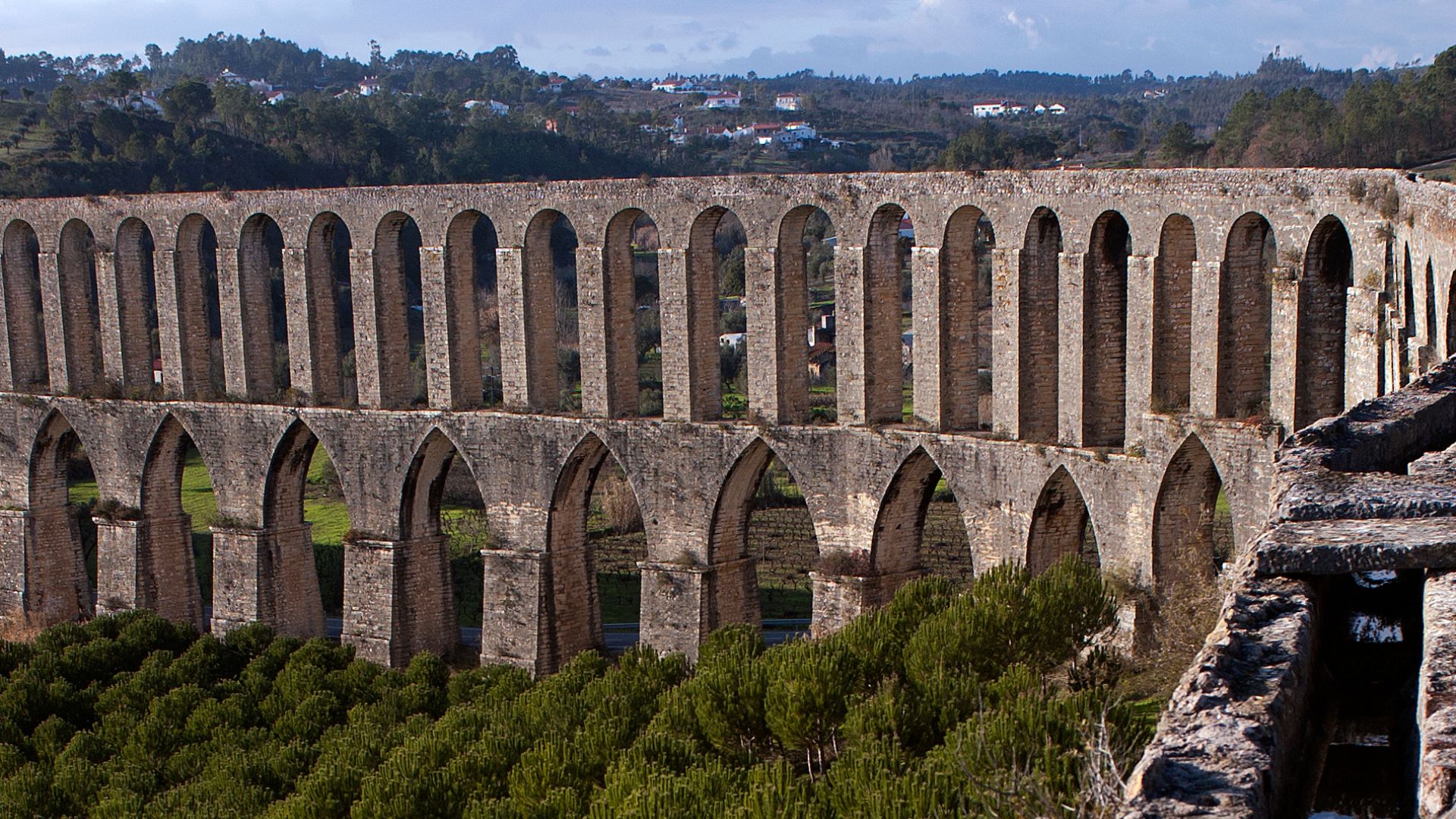
If you’re into history, you shouldn’t skip the Aqueduct of Pegões just outside Tomar. This impressive aqueduct stretches over six kilometers and once brought water to the convent.
I walked a short section, checked out its arches, and snapped photos with olive groves in the background.
Nearby, the Church of Santa Maria do Olival holds the tombs of Templar knights. The Tagus River runs close to Tomar—a riverside stroll offers a peaceful break from sightseeing.
Don’t miss a quick detour to Almourol Castle, perched on an island—it feels like you’re stepping into a legend. Some tours bundle these stops, or you can rent a car and go at your own pace.
Sights Table:
| Sight | Distance from Tomar | Highlight |
|---|---|---|
| Aqueduct of Pegões | 3 km | Panoramic photo ops |
| Church of Santa Maria Olival | 1 km | Templar tombs |
| Almourol Castle | 23 km | Island castle on the Tagus |
Where to Eat: Taverna Antiqua & More
After wandering around all morning, I started craving something hearty and local. Taverna Antiqua immediately caught my eye with its quirky medieval décor and those old-school Portuguese dishes.
I sat under these ancient stone arches and dug into roast pork, a plate of local cheeses, and “migas”—that’s a garlicky bread side that’s honestly way better than it sounds.
If Taverna Antiqua’s full (which happens a lot), you could walk over to Cantinho da Praca for grilled fish, or hit up O Tabuleiro for proper Portuguese comfort food. The cafés lining Praça da República serve quick pastries and surprisingly good coffee.
Finding vegetarian or vegan food in Tomar isn’t hard anymore, which is such a relief.
Restaurant Recommendations:
- Taverna Antiqua – Medieval atmosphere, Portuguese classics
- O Tabuleiro – Cozy, hearty local meals
- Cantinho da Praca – Fish specialties, relaxed vibe
There’s just something about ending your day with a snack by the square, watching the town wind down under the convent’s towers.
