
Stepping onto the grounds of the Tower of London, I felt centuries pressing in around me. It’s more than a royal fortress; it’s a place where British history actually breathes. From mysterious ravens on the South Lawn to the unmistakable uniforms of the Beefeaters, every bit of it grabbed my attention.
My visit gave me a real taste of London’s most legendary secrets, with every corner revealing tales of kings, queens, plots, and treasures.
Watching the Beefeaters unlock the Tower gates and coming face-to-face with the dazzling Crown Jewels—honestly, every traveler should try to catch this in London. Even the ravens, called the guardians of the Tower, seemed to quietly watch my every move.
There’s something both thrilling and chilling about walking the same paths as royals, prisoners, and lucky survivors. If you’ve ever wondered what it’s like to wander a royal fortress that’s stood over the Thames for nearly a thousand years, keep reading. I’ve got stories, travel tips, and a few surprises about the Tower’s hidden corners and unforgettable moments.
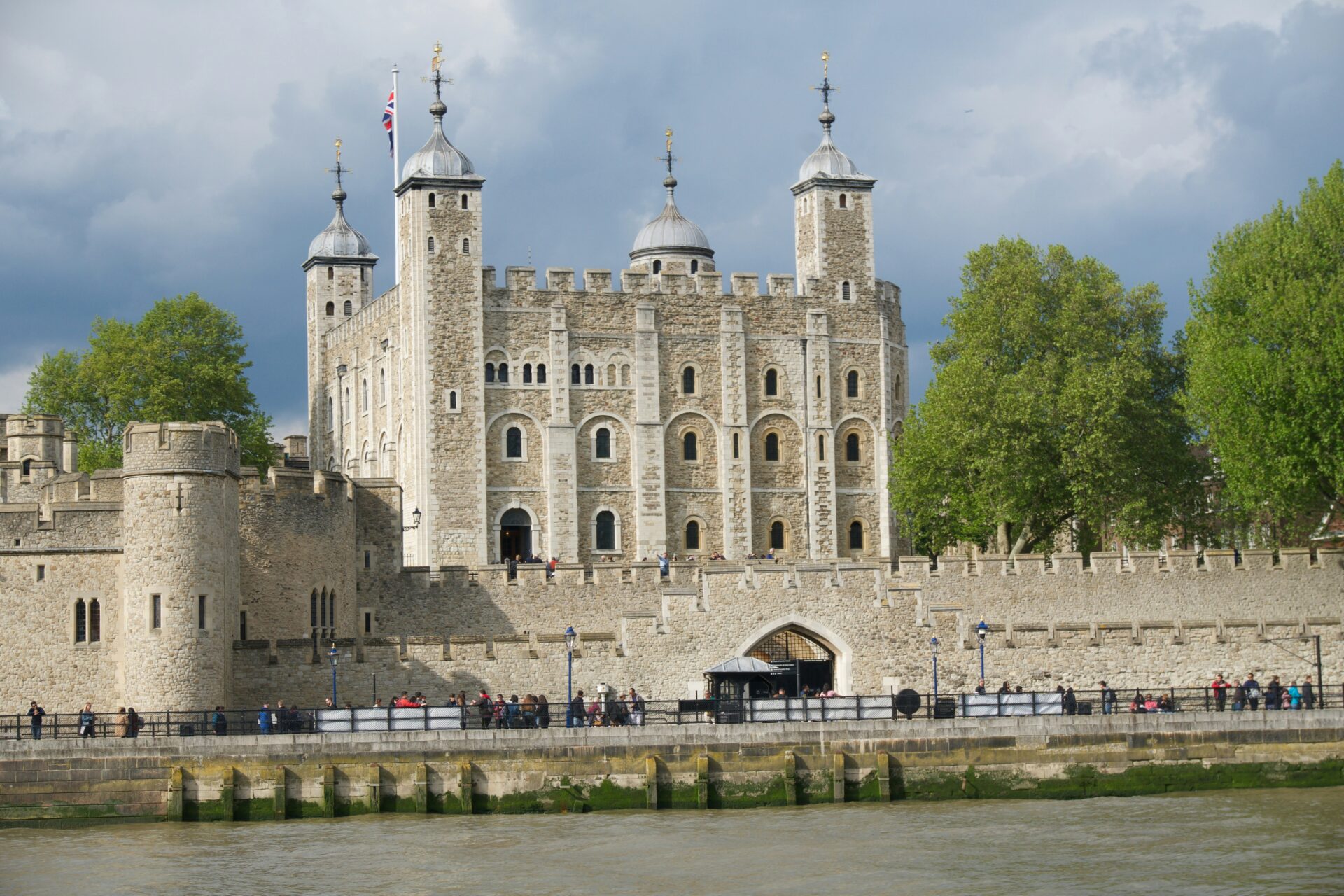
Exploring the Tower of London: A Living Chronicle
Visiting the Tower of London gave me a vivid window into a thousand years of royal history, law, and legend. As I stepped inside its walls, every corner seemed to hold a story—some filled with grandeur, others shrouded in shadow.
First Impressions and the Awe of the White Tower
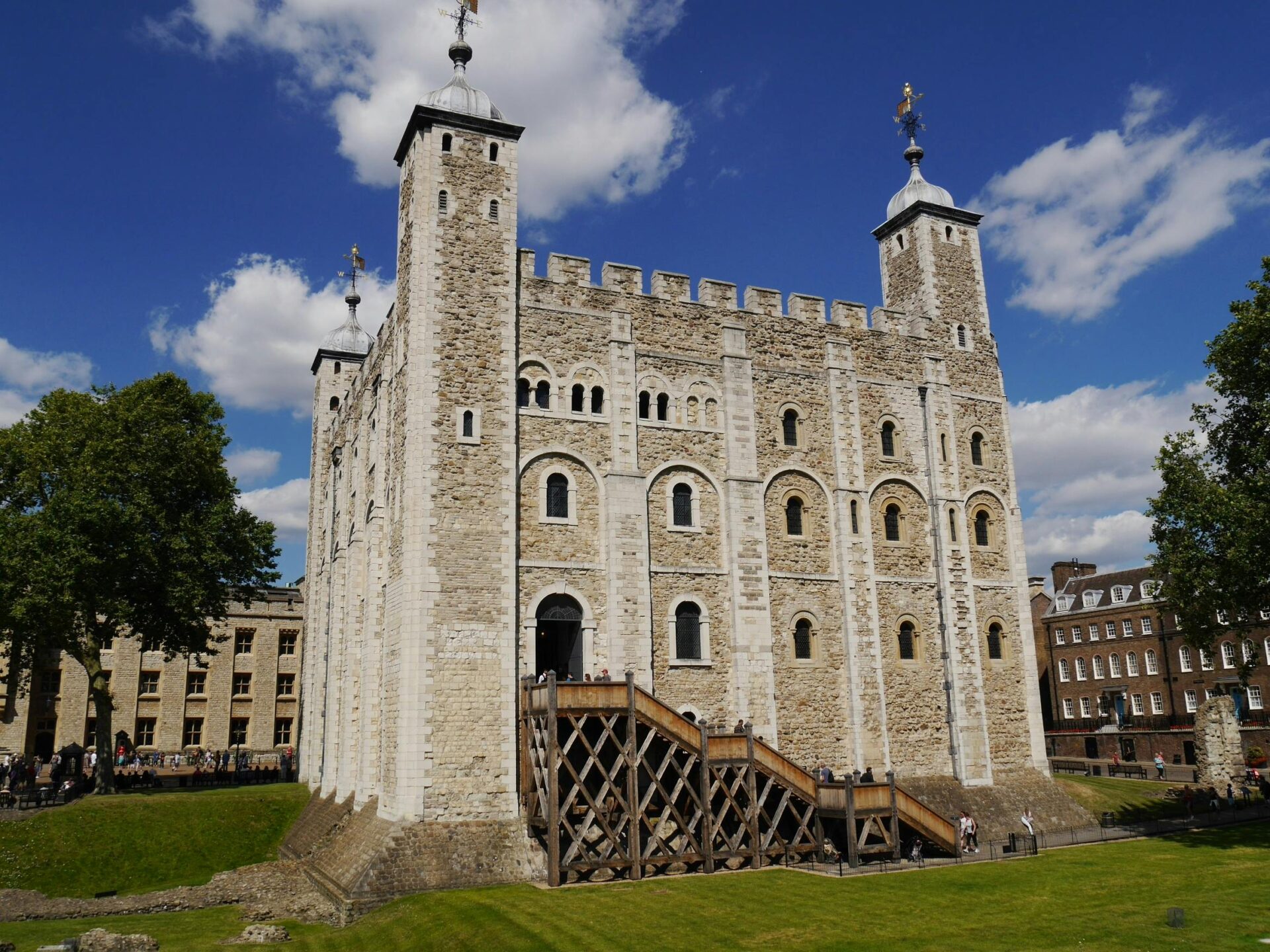
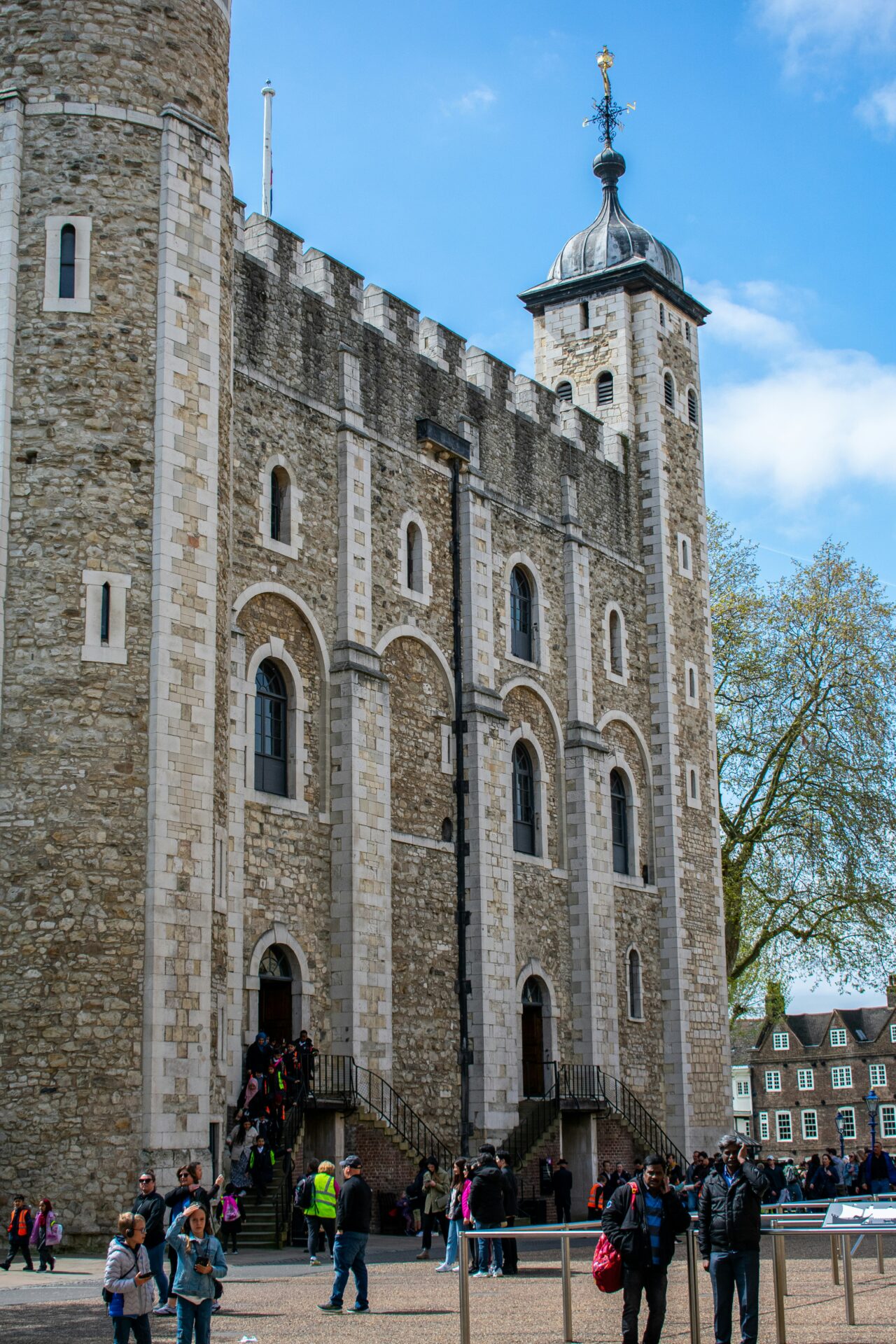
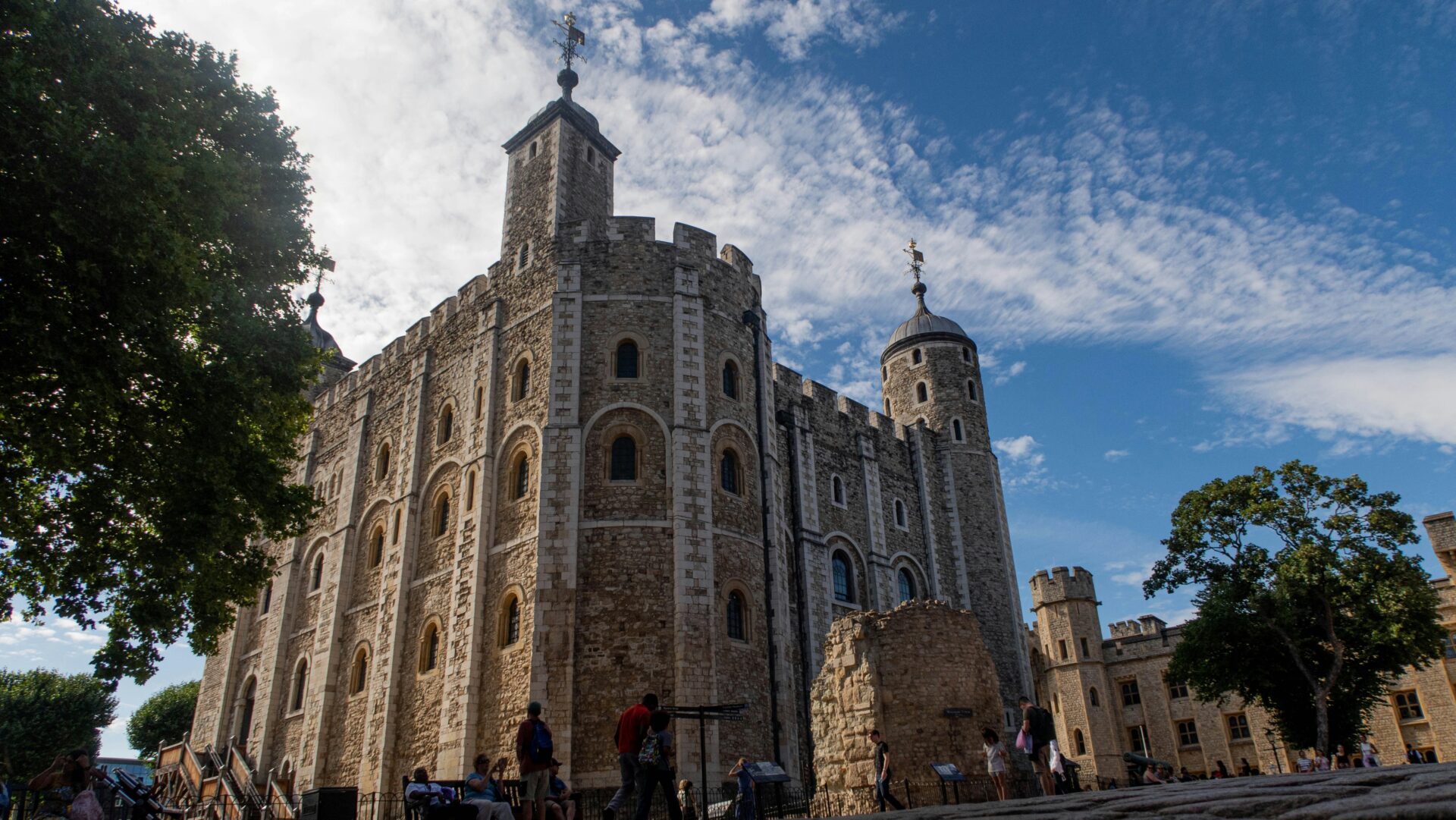
The first thing I noticed was the massive White Tower at the heart of the complex. William the Conqueror built it after his victory in 1066, and its stone walls have loomed over London for nearly a millennium.
From any angle, the tower’s size and simplicity command attention. Inside, thick stone corridors and spiral staircases twist through the building. Suits of armor and ancient weapons line the walls, giving a glimpse of life within a royal palace and fortress.
The chapel, St John’s, stands out for its beautiful Norman arches and quiet atmosphere. I couldn’t help but imagine kings, queens, and guards moving through these spaces long ago.
Today, visitors like me marvel at the history. The Beefeaters—officially Yeoman Warders—share fascinating stories about the royalty who lived, ruled, and sometimes feared within these walls.
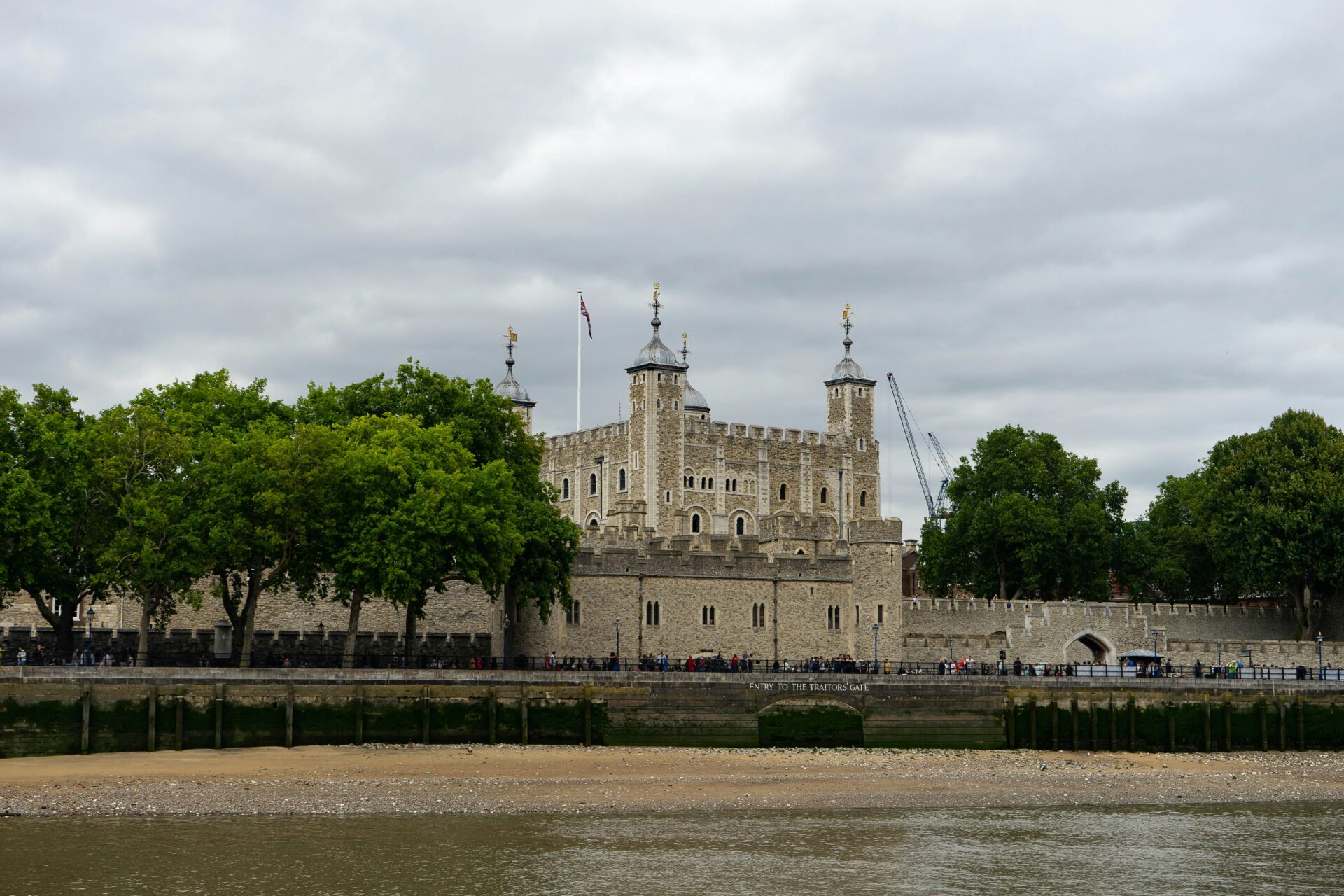
Walking Through Centuries of Royal Secrets
Wandering the Tower, I felt surrounded by secrets of England’s past. The Tower served as both royal residence and state prison.
The Royal Family lived here during times of danger, making it not just a fortress but a safe haven. I found plaques and information boards describing famous prisoners, from Anne Boleyn to Sir Walter Raleigh.
The Tower’s dark, narrow passages seemed to whisper their stories. In one room, I stared at centuries-old graffiti carved by desperate prisoners—names, dates, even prayers for mercy.
The Crown Jewels are another highlight. Stepping into the Jewel House, my eyes landed on crowns and scepters still used by the Royal Family today.
The glitter of gems is impressive, but what stood out most was the sense of unbroken tradition. These items have been guarded and displayed at the Tower for generations.
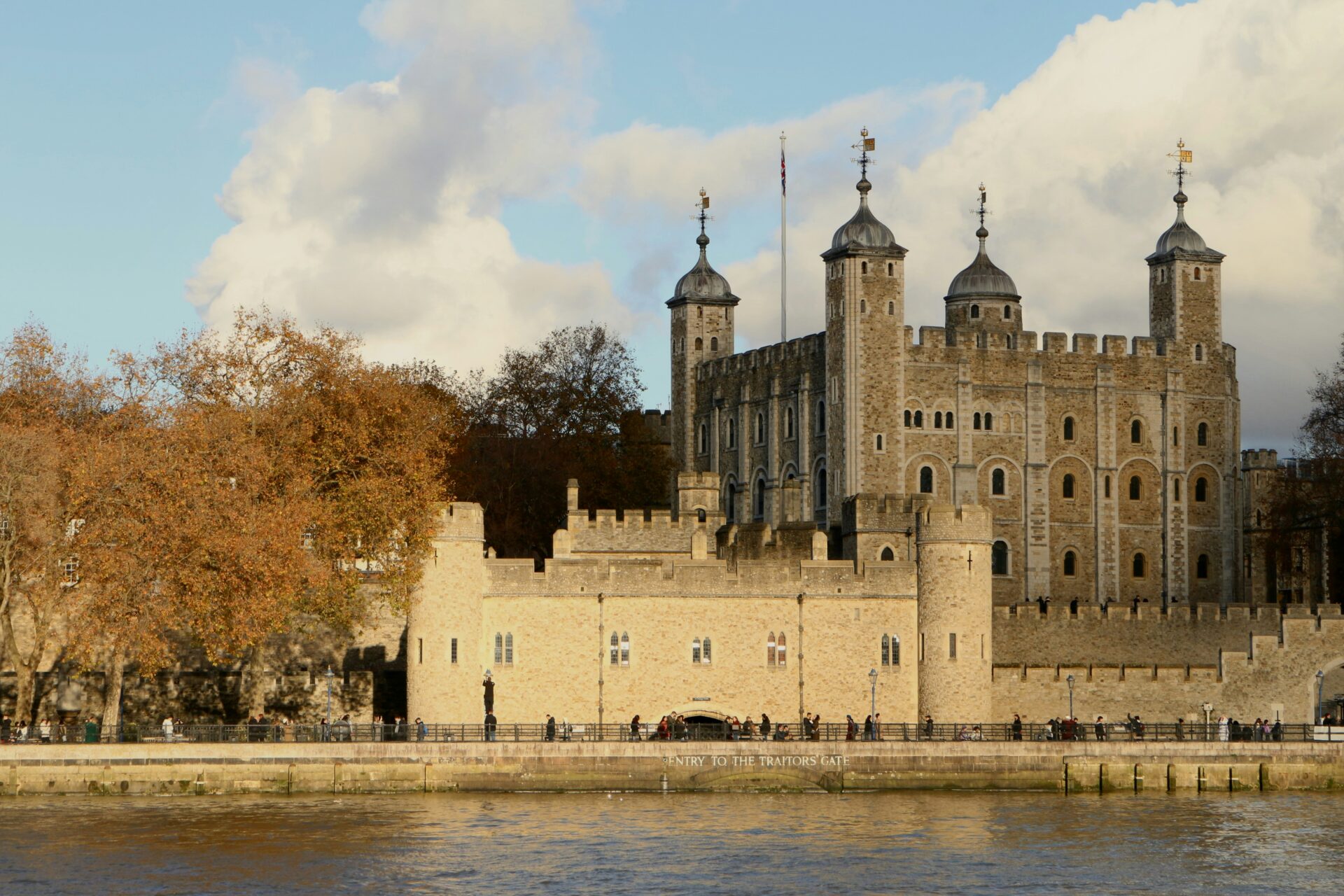
Tower Green and the Shadows of Execution
Tower Green sits quietly behind the walls, but I could almost sense the tension of centuries past. This grassy area, within sight of the White Tower, is where some of England’s most high-profile executions took place.
I stood near a small glass memorial marking the spot where queens like Anne Boleyn and Catherine Howard were beheaded. The Beefeaters explained how executions here were private, kept from public view as a sign of respect for royal status.
I paused and pictured the enormous decisions and harsh laws that sent these people here. Walking away, I felt a mix of sadness and awe at the personal stories woven into this place—proof that the Tower was both a palace and a prison.
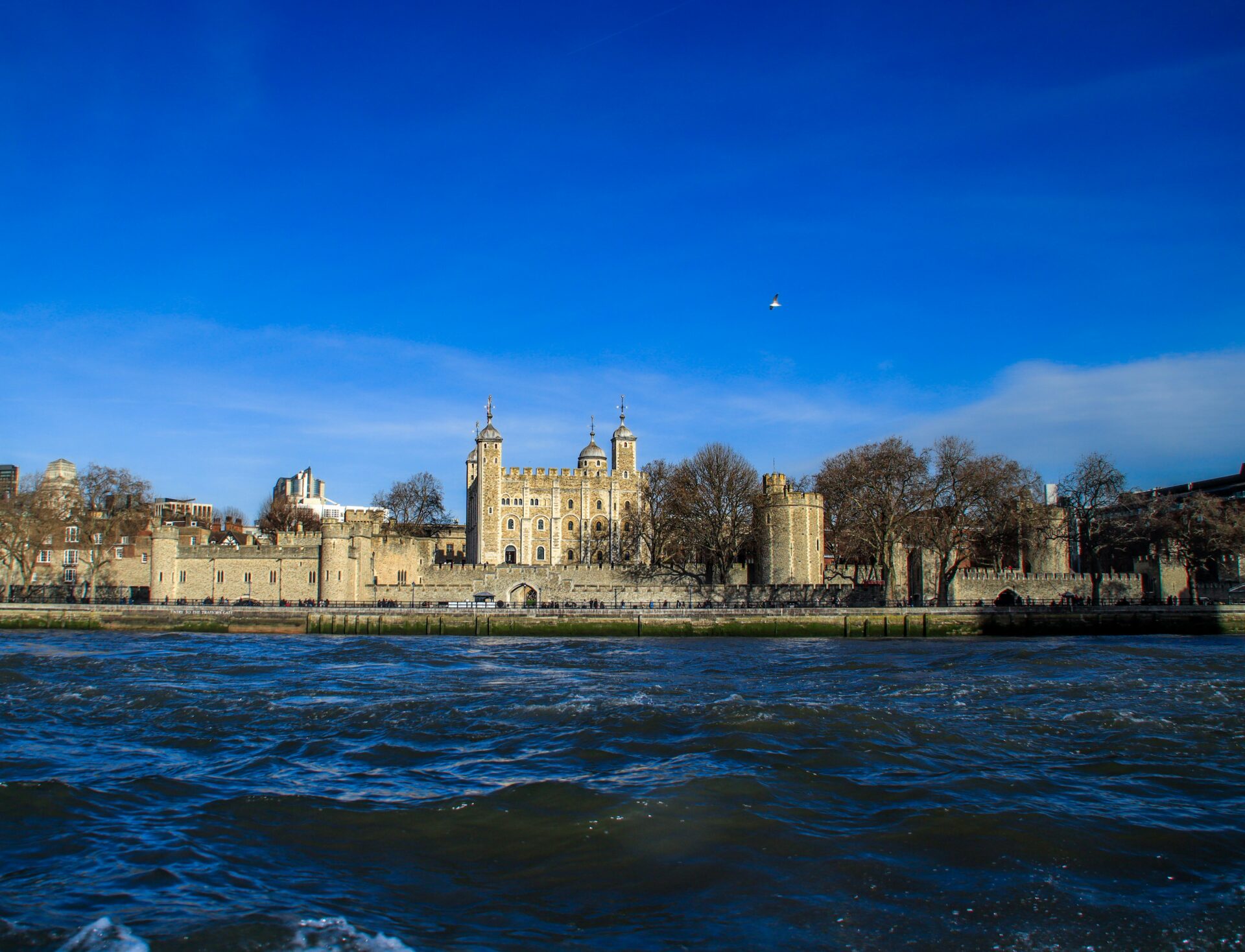
Traitors’ Gate: Tales of State Prison
Following the path alongside the Thames, I reached Traitors’ Gate, a water entrance that once sent shivers through prisoners bound for the Tower. The gate became a chilling symbol; those who entered—accused of betraying the law or the Crown—rarely left freely.
As I looked at the murky water, I imagined boats carrying accused traitors, passing beneath the stone arches. The Beefeaters explained how they watched Traitors’ Gate closely, keeping those inside cut off from escape or hope.
Stories about famous prisoners, like Queen Elizabeth I, who entered the Tower here under suspicion, really hit home. Standing at the edge of Traitors’ Gate, I felt the weight of history and understood why this entrance had such a feared reputation.
Quick Tip:
- Arrive early in the day to avoid queues at popular spots like the White Tower and Crown Jewels.
- Take a guided tour with a Beefeater to get detailed, personal stories from Tower veterans.
Beefeaters and the Yeoman Warders: Guardians of Tradition
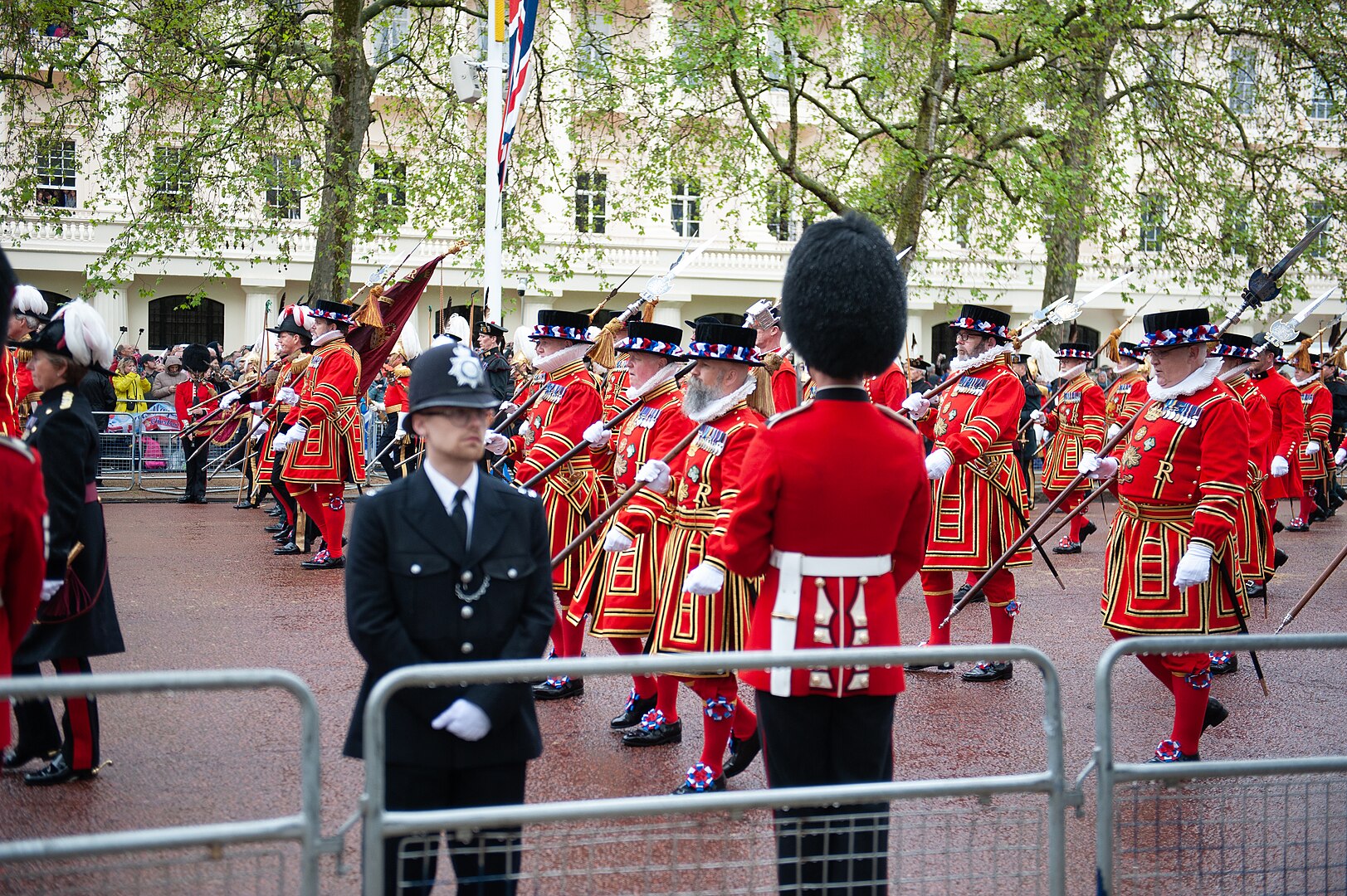
Stepping into the Tower of London, you can’t miss the Yeoman Warders—most people call them Beefeaters. Their history, daily traditions, and the stories they share are some of the highlights for anyone exploring this centuries-old castle.
Meeting the Beefeaters: Stories and Legends
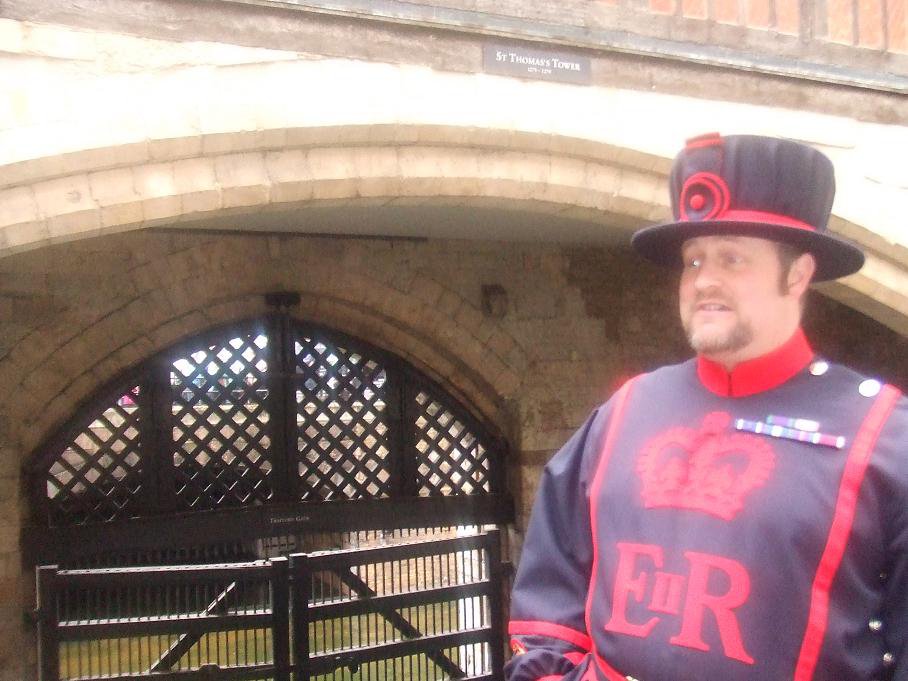
The first Beefeater I met stood tall in a dark blue and red uniform, looking both approachable and authoritative. Each Yeoman Warder is carefully chosen, often after decades of military service and achievement.
They aren’t just tour guides—they’re living connections to the Tower’s royal past. During my visit, I listened as the Beefeater shared tales of ghostly sightings, daring escapes, and even the legend of the Tower’s own ravens.
One little-known tale involved a mysterious bear frightening a former Jewel House Keeper. The mixture of humor and suspense in their storytelling kept both kids and adults fascinated.
Interacting with the Beefeaters feels different from any other guided tour I’ve taken. They deliver real-life accounts passed through generations of courtiers, always mixing fact with a dash of legend.
If you visit, I recommend asking them about their daily lives—you might hear stories not found in any guidebook.

Historic Roles and the Ceremony of the Keys
Over the centuries, Yeoman Warders have guarded the Tower, serving as protectors of the monarch and the Crown Jewels. Their position goes back to the Tudor period, making them one of the longest-serving ceremonial guards in all historic royal palaces and castles.
One tradition that stood out to me is the Ceremony of the Keys. Every night, for hundreds of years, this ritual has locked up the Tower.
Watching this event, I saw the Chief Yeoman Warder in action, carrying out the ceremony with serious attention to detail. It’s a small yet significant piece of history still performed with precision today.
Witnessing the Ceremony of the Keys felt like being part of a secret passed down through time. The courtiers and kings may be gone, but these traditions remain alive, connecting visitors like me with the Tower’s living history.
A Day in the Life of a Yeoman Warder
Yeoman Warders actually live within the Tower’s ancient walls, becoming part of its daily rhythm. Their day starts early—guarding the entrances, guiding tours, and keeping a watchful eye on the Crown Jewels.
I noticed their close attention to detail, whether herding tourists or tending to the famous ravens. A typical Beefeater’s day includes not just security, but also storytelling and taking care of tower legends.
Here’s a quick look at their main duties:
| Duty | Description |
|---|---|
| Guarding | Watch over the Crown Jewels and tower |
| Tour Guiding | Lead tours for visitors |
| Ceremony Rituals | Perform historic rituals, like Keys |
| Raven Care | Help feed and protect the Tower ravens |
After hours, the castle gets quiet, with Yeoman Warders and their families enjoying life inside the grounds. Living so close to the heart of British history, they bring the past to life in ways that no book or video ever could.
For travelers, talking with a Beefeater is a memorable highlight—one that gives true insight into the Tower’s remarkable traditions.
Ravens of the Tower: Myth, Prophecy, and the Grip of Legend
Every visit to the Tower of London feels touched by the mysterious presence of its black-feathered ravens. As I walked the ancient grounds, these birds seemed to watch over both tourists and royalty, carrying tales of prophecy, old beliefs, and daily routines rooted in centuries of tradition.
Guardians or Prisoners: The Ravens’ Enduring Presence
Standing by the thick stone walls, I watched the ravens strut confidently across the grass. Their glossy feathers caught the light, and their sharp eyes seemed to miss nothing.
It’s easy to believe these birds truly guard the Tower. There are usually at least six ravens kept at the Tower by tradition.
These birds aren’t exactly free—they have their wings clipped to prevent them from flying away. Some say this makes them prisoners, but others argue they’re more like honored guardians.
The Beefeaters, or Yeoman Warders, take their duty to the ravens seriously. Each raven even has a name and a personality.
Some are playful, while others are a little moody with visitors. Seeing the ravens up close, I felt a real sense of history and a connection to the many secrets hidden within these walls.
Superstitions and Prophecies Surrounding the Ravens
The legend of the Tower ravens is one of London’s most famous. According to an old prophecy: “If the ravens leave the Tower, the Crown will fall and Britain with it.”
This chilling warning has kept the tradition alive for centuries. During World War II, the raven population dropped dangerously low—with only one or two left.
The story goes that officials rushed to bring more ravens in. They couldn’t risk angering fate or tempting the prophecy.
No one really knows when the legend began, but its grip on British imagination is strong. Many visitors, like me, come partly to see if the birds are still there, keeping Britain’s luck secure.
Caring for the Ravens: Challenges and Daily Life
It’s not just about feeding the birds and letting them roam. Every raven at the Tower has a dedicated Ravenmaster—a member of the Yeoman Warders with special training.
I watched as the Ravenmaster fed them a diet of raw meat, eggs, and a few treats. The Tower makes sure the birds get regular vet checkups.
The health and happiness of every raven is taken seriously. Sometimes a raven might misbehave or try to escape.
In those cases, their wing feathers get trimmed a bit more, just enough to keep them home. Yet, I noticed the birds are curious and smart, and they often interact with people—posing for photos or exploring the grounds.
For visitors, this glimpse into raven care felt like peeking behind the curtain of a living legend.
The Crown Jewels: Dazzle, Drama, and Royal Ceremony
Standing in the Tower of London, I found myself surrounded by centuries of history, shimmering gemstones, and strict security. From glittering crowns and royal traditions to the astonishing value locked behind thick glass, every aspect of the Crown Jewels left a lasting impression.
Witnessing the Crown Jewels Up Close
Stepping into the Crown Jewels exhibition, I was immediately drawn to the dazzling display. Sparkling under the spotlights, the crowns, scepters, and orbs are carefully laid out behind glass.
The Imperial State Crown caught my eye first. Its purple velvet, encrusted with over 2,800 diamonds—plus sapphires and emeralds—was almost unreal.
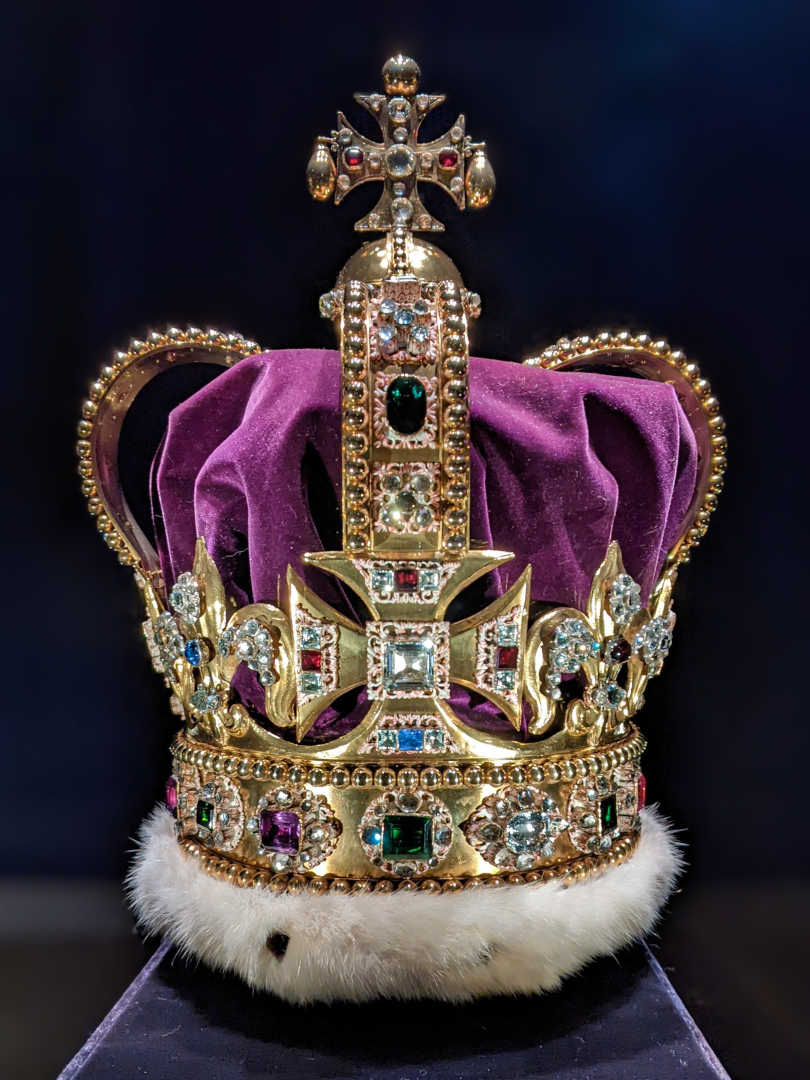
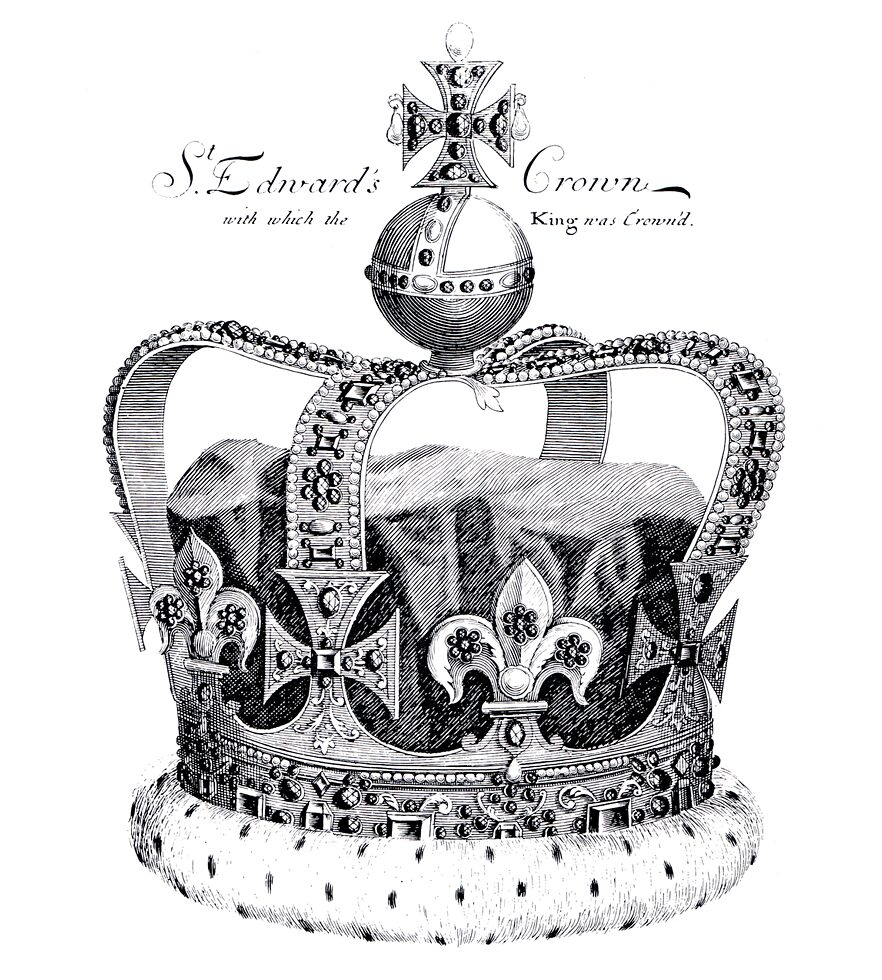
Next was the legendary St. Edward’s Crown, reserved for coronations, its solid gold frame gleaming with a weight you can practically feel through the glass. One surprising detail was just how many different pieces there are.
Each item tells its own story. Things like the Sovereign’s Sceptre and the Coronation Spoon aren’t just beautiful—they’ve played a role in ceremonies for generations.
Display cards offer quick facts, but nothing beats seeing the intricate craftsmanship up close. I stood among visitors from all over the world, everyone craning their necks for another peek.
Coronation, Ceremony, and the British Monarchy
Understanding the history behind the Crown Jewels changed the way I saw them. These treasures are not just objects; they’re symbols of the British monarchy’s continuity.
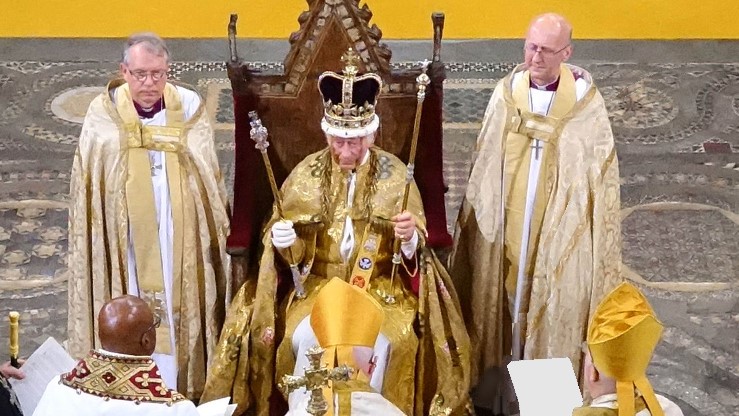
During every coronation, the Jewels play the star role. The monarch is crowned with St. Edward’s Crown and holds the Sovereign’s Sceptre and the golden orb.
These objects are steeped in tradition, their rituals shown each time a new king or queen takes the throne. Special celebrations, like jubilees, show off some of the Jewels beyond coronations.
And the Ceremony of the Keys every night—the oldest military ceremony in the world—reminds everyone that these priceless objects are always guarded with precision.
Security, Money, and the Value of Royalty
The security around the Crown Jewels? It’s intense, and honestly, that makes sense. They aren’t just symbols of royal power; their actual value is wild.
Gem experts estimate the collection could be worth billions. The Black Prince’s Ruby and the Cullinan Diamond stand out—they’re among the largest and rarest gems anywhere.
Guards in those iconic red uniforms, especially the Beefeaters, keep a constant watch. Every piece sits behind bulletproof glass.
Cameras seem to cover every angle. Even the walkway moves you along so you don’t get too close or linger.
When I saw the Crown Jewels, it wasn’t just about their sparkle. The whole thing hit me as a reminder of how royalty, security, and history all get tangled up together in one of London’s most iconic spots.
Infamous Prisoners, Royal Drama, and Chilling Encounters
Walking into the Tower of London, I immediately felt the weight of its violent, secret-filled past. The stories of the people locked inside—some royal, some infamous—grabbed my attention even more than the fortress’s walls.
Anne Boleyn and the Ghostly Legends
Anne Boleyn, Henry VIII’s second wife, might be the Tower’s most famous ghost. I wandered near the Chapel of St. Peter ad Vincula, where she’s buried, half-wondering if I’d hear those whispers people talk about.
Anne faced accusations of treason and adultery before her execution in 1536. Many visitors, including me, feel a chill retracing her last steps.
Some Beefeaters and staff claim they’ve seen a headless figure—supposedly Anne—drifting through the corridors or near the White Tower at night. Her story feels heavy and sad, not just because of her ending, but also the drama tied to Henry VIII’s obsession with a male heir.
Her spirit—real or just rumor—adds a real chill to the Tower. That sense of injustice and unfinished business just lingers.

Tales of Henry VIII and Famous Executions
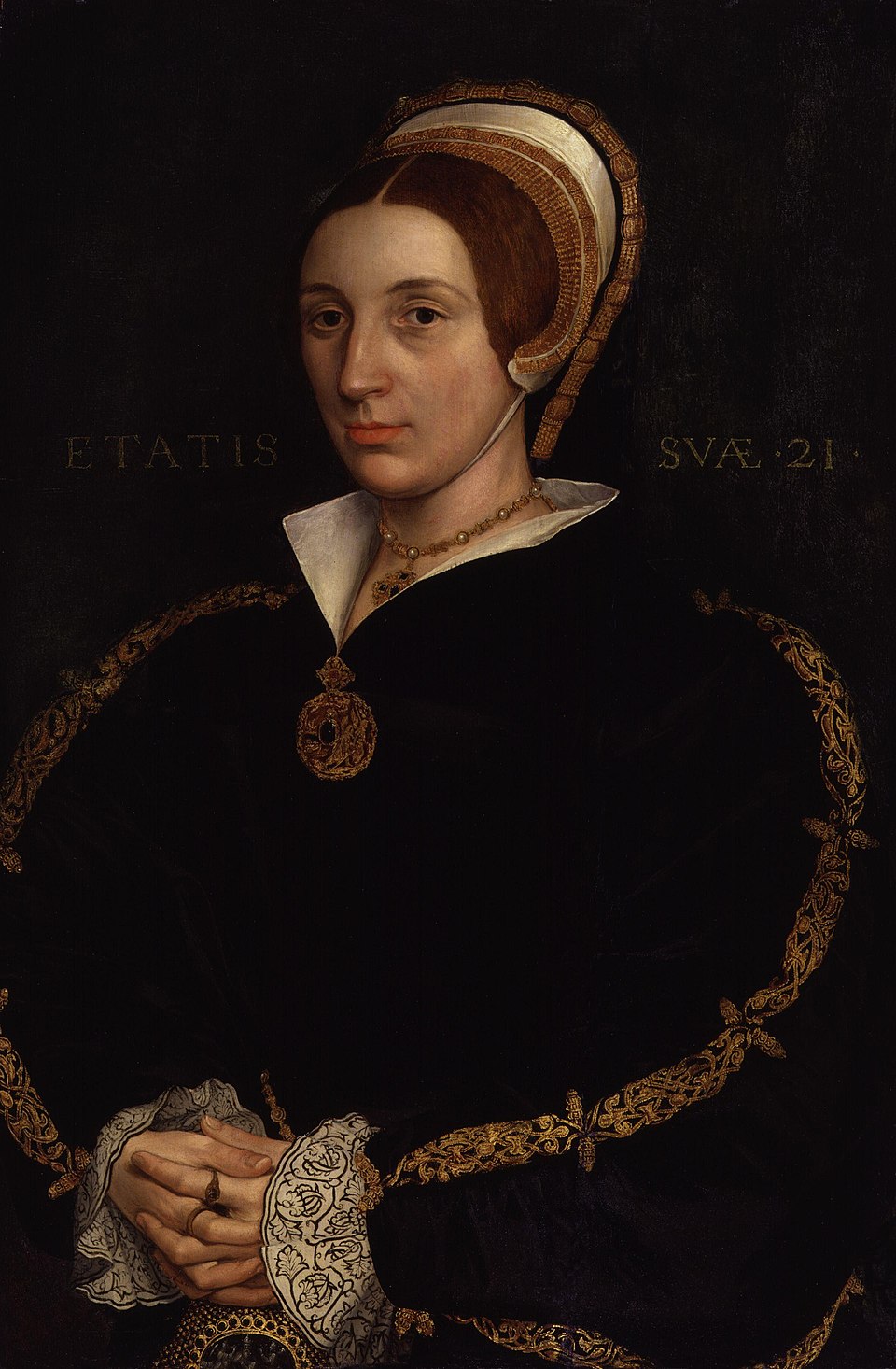
During Henry VIII’s reign, the Tower became a symbol of royal power and revenge. Henry’s fifth wife, Catherine Howard, also met her end here after accusations of infidelity.
The site of the executions, close to the scaffold on Tower Green, pulled me in with a mix of dread and curiosity. Lady Jane Grey, called the “Nine Days’ Queen,” was another royal victim.
Her time on the throne was brief, and her execution came just as swiftly. I stood where she likely spent her last days and wondered how she coped.
The Tower wasn’t just a fortress—it was a place where lives ended quickly, and the ghosts of those stories still feel close.
The Mystery of the Princes in the Tower
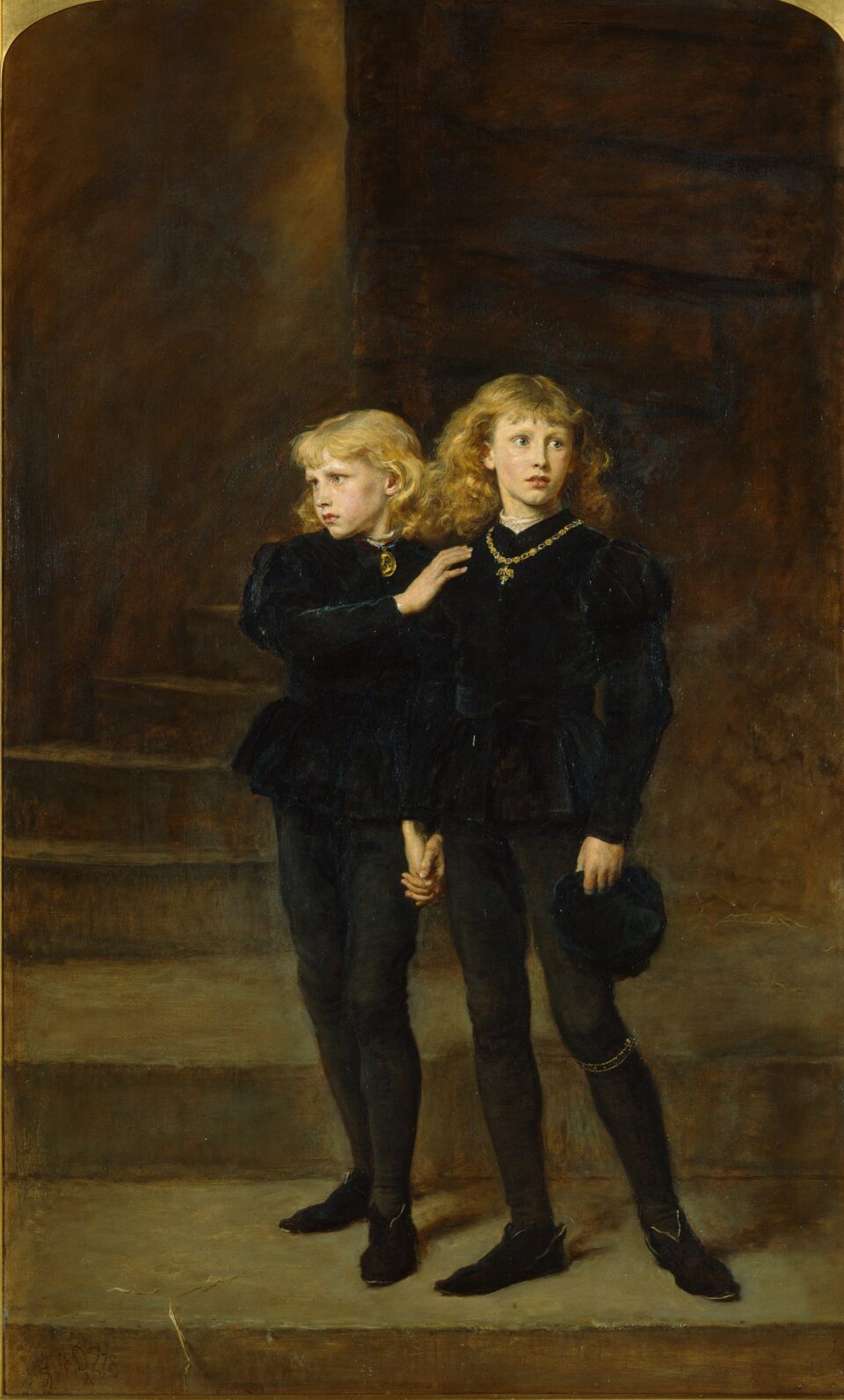
The Tower’s deepest mystery? Probably the story of Edward V and his younger brother, Richard of Shrewsbury. Both boys, sons of Edward IV, ended up here after their uncle Richard—later Richard III—sent them.
Standing in the shadow of the Bloody Tower, the legend felt strangely real. The boys vanished in 1483 and never reappeared.
Most people think Richard III ordered their deaths to secure the throne. The tale of the “Princes in the Tower” still draws in historians, tourists, and amateur detectives.
Some folks claim they’ve heard faint sounds of children or seen ghostly figures near where the princes slept. It’s sobering to imagine the real kids behind the centuries-old myth.
Other Notorious Inmates: Guy Fawkes and Thomas More
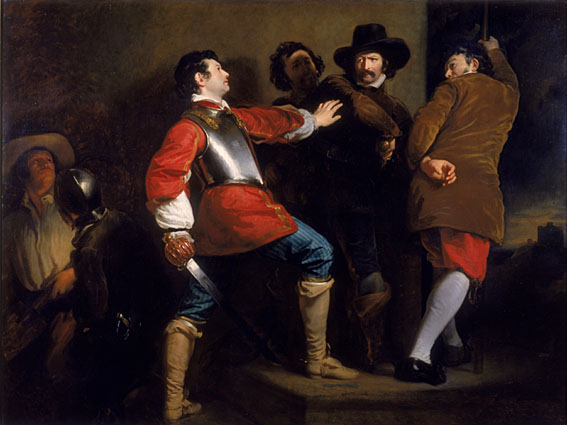
The Tower’s prisoner list goes beyond royalty. Guy Fawkes, caught in the Gunpowder Plot, was brought here for questioning and torture.
Walking past the damp cells, I pictured the fear and pain he must have felt. Sir Thomas More, once a trusted advisor to Henry VIII, lost his freedom—and his head—after refusing to recognize the King’s supremacy over the church.
I stopped at the plaques with his name, thinking about his courage and beliefs. Other inmates, real or rumored—including Lady Jane Grey and royal conspirators—add more layers to the Tower’s dark reputation.
Each story brings a different kind of awe and caution while exploring this fortress.
The Tower in Modern Memory: Reflections, Connections, and Travel Tips
Even after so many centuries, the Tower of London feels alive. Its stories of royalty, power, and loss connect it to nearby landmarks and draw in anyone curious about European history or old secrets.
The Tower’s Place in London and World Heritage
Walking through the Tower, I really felt how it shapes London. It’s a UNESCO World Heritage Site and stands alongside other Historic Royal Palaces like Hampton Court and Windsor Castle.
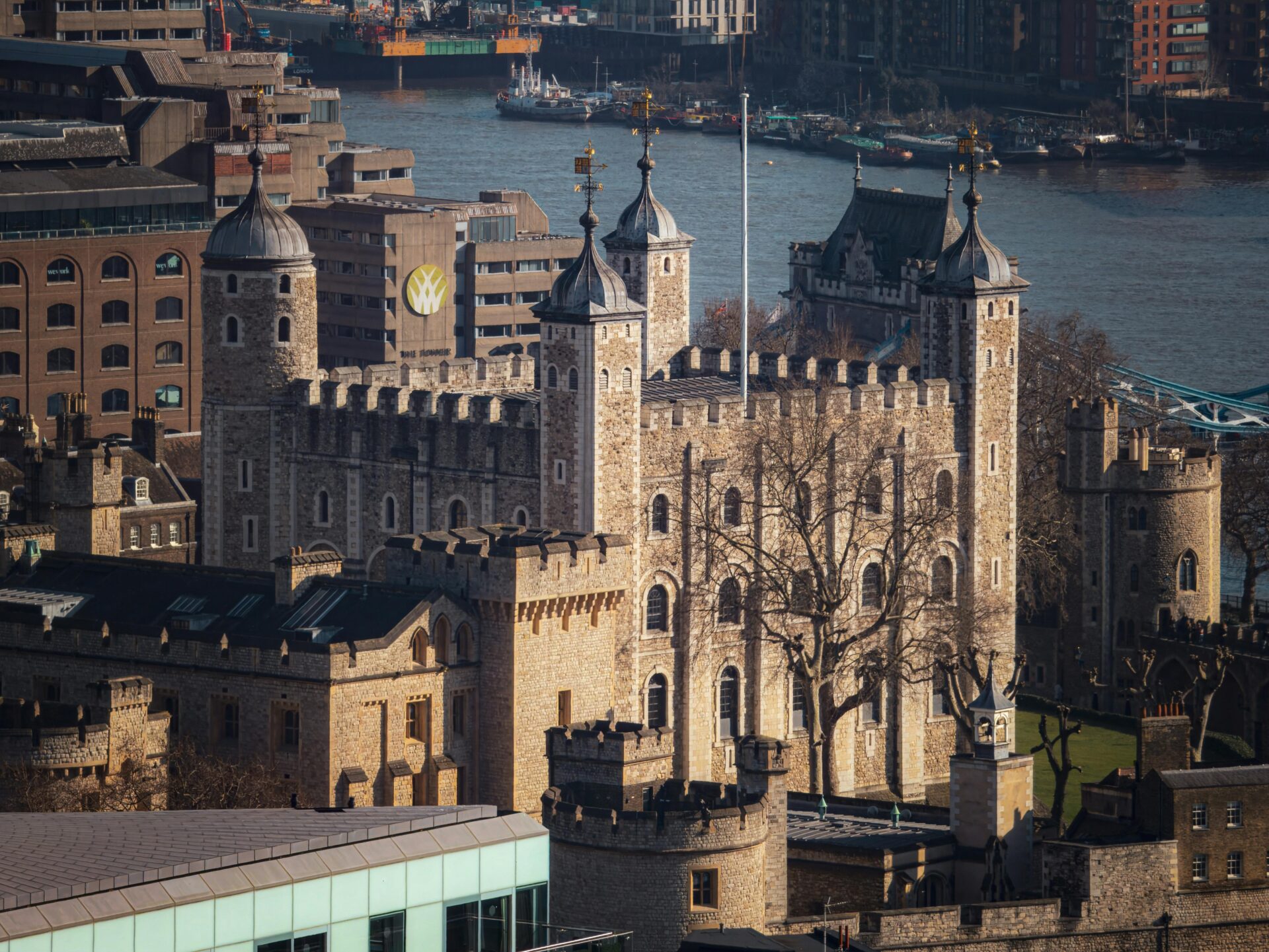
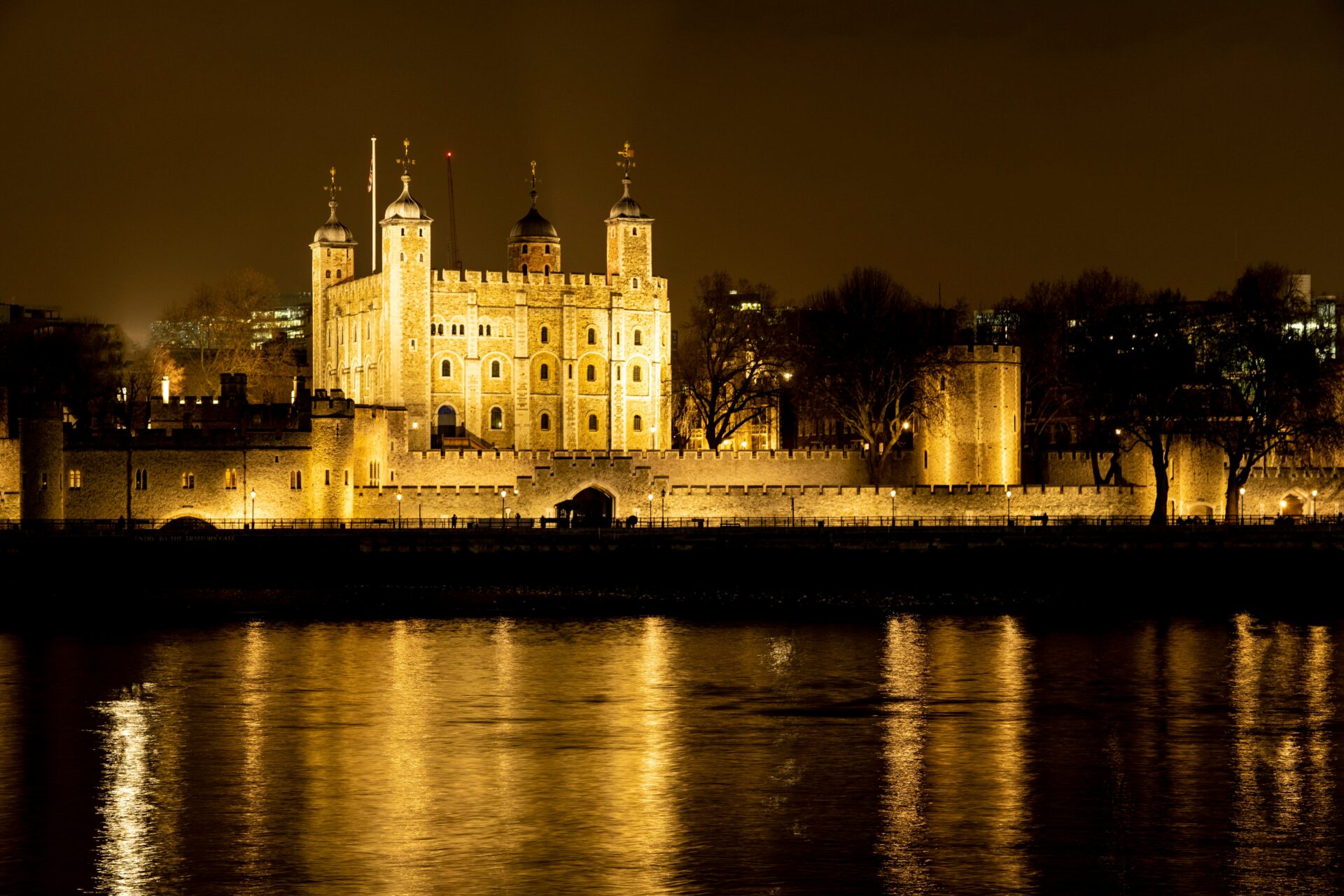
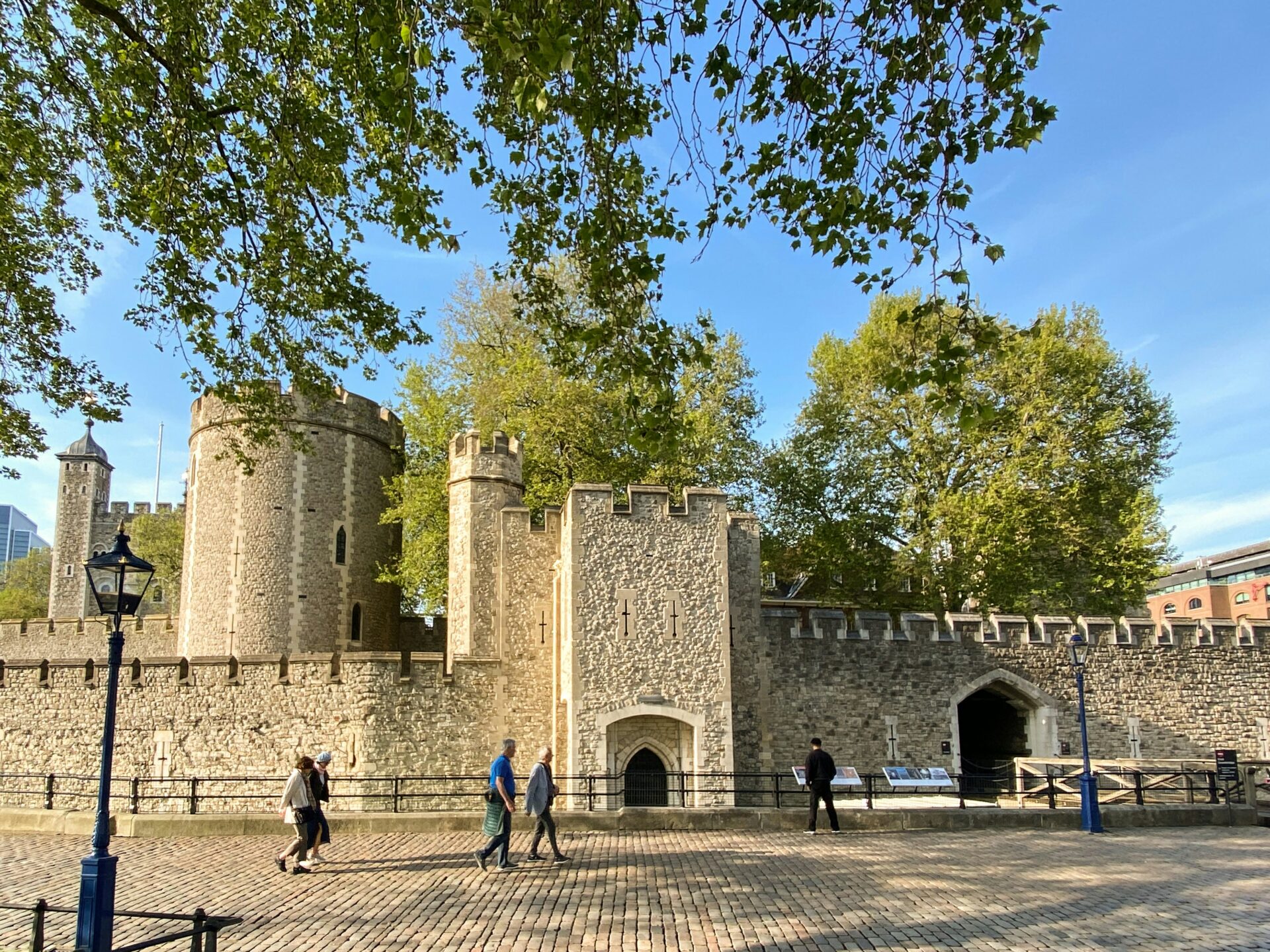
The Tower’s stone walls, broad moat, and the White Tower centerpiece have changed over time, but the sense of history sticks around. You can see modern skyscrapers from right outside, which is a weird mix of old and new.
It’s a symbol of how London blends its royal past with current life. Local school kids visit as part of their history lessons, and it’s still a place for learning, not just sightseeing.
Personal Travel Tips for Visiting
When I visit, I try to get there early—right when the gates open. The Crown Jewels line gets long by midmorning.
Buying tickets online from the official Historic Royal Palaces site saves time and sometimes a bit of cash. The Beefeater-led tours come with entry and are totally worth it.
I picked up a lot about betrayal, bravery, and, of course, the ravens. Wear comfortable shoes, trust me—there are lots of stairs and uneven stone floors.
Give yourself at least three hours. There are some good food options nearby, but eating inside is limited.
Photography isn’t allowed in the Crown Jewels chamber, which surprised me the first time.
Quick Packing List:
- Water bottle
- Windbreaker (the weather by the river changes fast)
- Camera (but not for the Crown Jewels)
- ID (for student or senior discounts)
Connections to Paris, Edinburgh, and Windsor
The Tower shares a royal thread with places like Edinburgh Castle and Windsor Castle. All have served as royal homes, prisons, and fortresses.
When I visited Edinburgh, the stonework felt familiar. The crows there—even if not ravens—reminded me of the Tower’s legends.
Windsor Castle, just outside London, is still used by the royal family. Like the Tower, it keeps changing with each monarch, but the traditions stay.
Standing in Windsor’s State Rooms, I couldn’t help but compare them to the Tower’s ancient chambers. Paris, though, brings a different vibe.
The Conciergerie on the Île de la Cité has its own tales of imprisonment and revolution. It’s a good reminder that royal secrets and power struggles aren’t just a British thing.
All these places together weave a story of European history through their walls.

Surprising Stories: Love, Morality, and Lost Fortunes
Some stories from the Tower go beyond power—they reach into love, morality, and vice.
I once heard about Lady Jane Grey, England’s “Nine Days’ Queen.” She landed in the Tower after a political gamble backfired.
Her husband ended up there with her. Their tragic tale mixes romance, regret, and loss.
The Tower has held all kinds of people for gambling, drinking too much (soldiers always seemed to have liquor around), or breaking the rules.
Beefeaters like to tell stories about guards who lost their jobs—or even their lives—because of choices, both wise and foolish.
You’ll find hidden treasures here too. Royal jewels vanished during the English Civil War.
People executed at the Tower left behind all sorts of personal things. Those lost fortunes add another layer to the story.
Hearing about ordinary folks next to kings and queens makes this place feel both grand and strangely human.


.jpg)


.png)
