
Nestled in the beautiful Le Marche region of Italy, Gradara captured my heart the moment I laid eyes on its impressive medieval walls.
Walking through this charming village feels like stepping back in time, with its cobblestone streets and well-preserved architecture telling stories from centuries past.
The Rocca di Gradara and its surrounding fortified borgo represent one of the best-preserved medieval structures in all of Italy, making it a must-visit destination for history lovers and casual travelers alike.
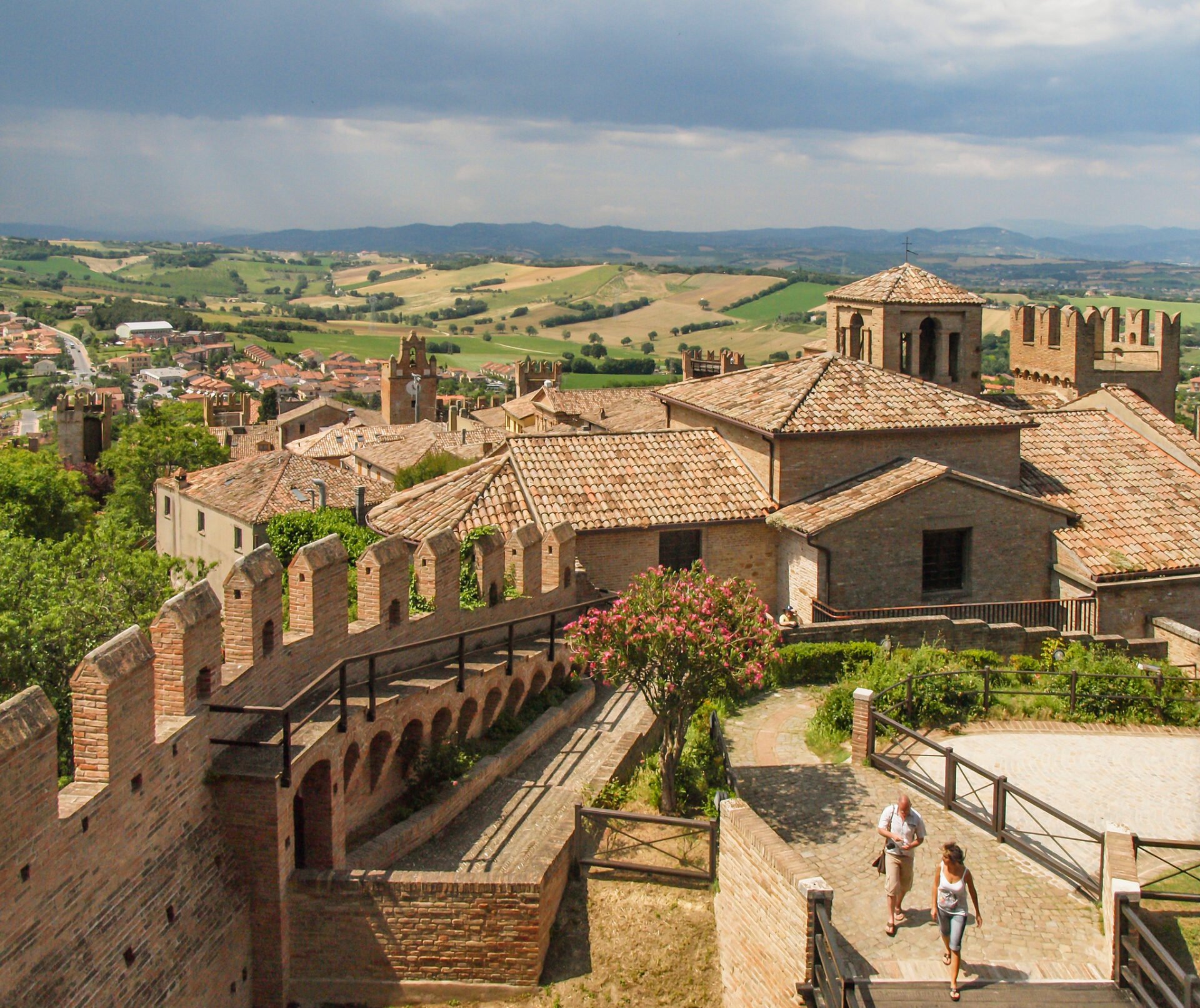
I spent hours exploring Gradara’s stunning castle, which locals proudly explain is among Italy’s most intact medieval fortresses.
The double line of imposing walls that encircle the village offers breathtaking views of the countryside and stands as testament to the engineering skills of medieval builders. What makes this place truly special isn’t just its historical significance but the feeling of authenticity that permeates every corner.
My favorite part of visiting Gradara was simply wandering through the village, imagining life in medieval times while admiring the majestic Malatesta Fortress.
Whether you’re interested in architecture, history, or just looking for a unique Italian experience away from the usual tourist spots, Gradara delivers an unforgettable journey.
I recommend setting aside at least half a day to fully appreciate all this remarkable medieval treasure has to offer.
Historical Overview of Gradara
Gradara’s stone walls hold centuries of fascinating history, including one of Italy’s most famous love stories that was immortalized by Dante Alighieri in his Divine Comedy.
The Legend of Paolo and Francesca
When I visited Gradara Castle, guides told me about the tragic love story that made this medieval village famous. Paolo and Francesca’s forbidden romance unfolded within these very walls in the 13th century.
Francesca was married to Gianciotto Malatesta but fell in love with his brother Paolo.
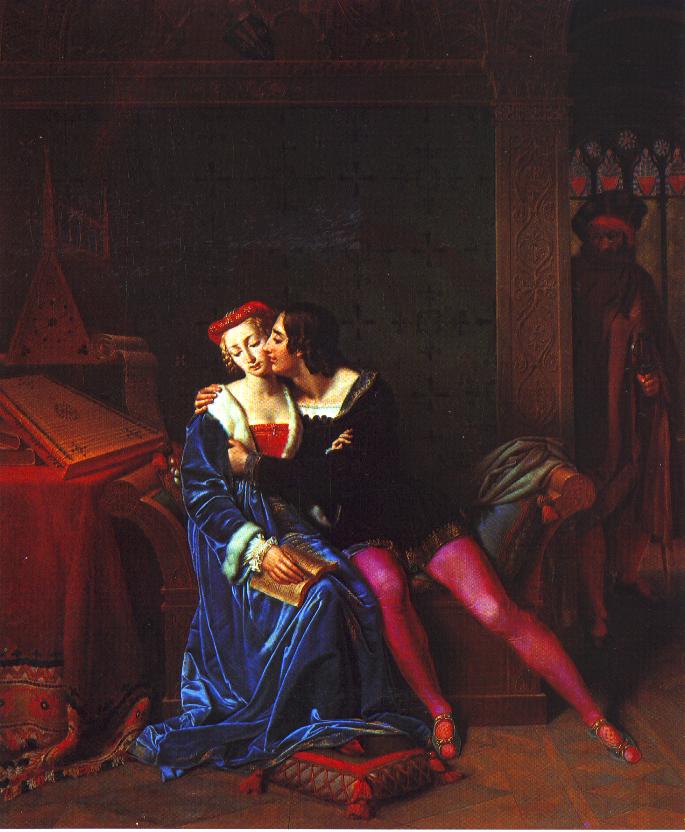
Their affair ended tragically when Gianciotto discovered them together and killed them both. The murder reportedly happened in 1285, though some historical details remain debated.
Walking through the castle rooms, I could almost feel the presence of these star-crossed lovers. Their story has inspired countless artists, poets, and musicians through the centuries.
Gradara and the Divine Comedy
Dante immortalized Paolo and Francesca’s tale in Canto V of his Divine Comedy’s Inferno. I was fascinated to learn that the poet placed them in the second circle of Hell, reserved for those overcome by lust.
The Divine Comedy’s depiction transformed their story from local scandal to one of literature’s most enduring romances. Dante’s vivid portrayal presents Francesca as an eloquent, sympathetic figure explaining how “love led us to one death.”
Gradara celebrates this literary connection with special exhibits and events throughout the year. The castle even features rooms dedicated to Dante’s interpretation of their story.
Many tourists visit specifically to see where this famous passage from the Divine Comedy allegedly took place.

Exploring the Castello di Gradara
The Castello di Gradara stands as one of Italy’s most impressive medieval structures, drawing visitors with its imposing walls and rich history. Walking through this fortress feels like stepping back in time, where ancient stones tell stories of power struggles, romance, and medieval life.
Architectural Marvels
I was immediately struck by the castle’s impressive defensive walls when I first approached Gradara. The double fortification system creates an imposing presence that has protected the fortress for centuries.
Inside, I wandered through the Great Hall with its stunning wooden beams and period furnishings that transport you straight to medieval times.
The castle’s watchtower offers breathtaking panoramic views of the Marche countryside and Adriatic coastline. Don’t miss the secret passageways that once allowed soldiers and nobles to move discretely throughout the fortress.
The beautiful courtyard features elements from different time periods, showing how the castle evolved from a purely military structure to a noble residence. I was particularly fascinated by the blend of medieval architecture with Renaissance refinements.

Museum Collections
The castle museum houses an impressive array of medieval and Renaissance artifacts that bring the fortress’s history to life.
I spent hours examining the collection of ancient weapons, armor, and military equipment that showcase the defensive importance of Gradara.
The art collection includes remarkable Renaissance paintings depicting historical events and noble families who once controlled the castle. The Malatesta and Sforza family portraits were particularly striking, giving faces to the names I’d read about.
Period furniture throughout the rooms creates authentic settings that help visitors imagine life centuries ago. I was enchanted by the antique tapestries with their intricate designs and vibrant colors that have somehow survived the centuries.
Guided Tours and Events
I highly recommend joining one of the guided tours led by knowledgeable local experts. My guide shared fascinating details about the legendary love story between Paolo and Francesca, immortalized by Dante in his Divine Comedy, which supposedly unfolded within these very walls.
Throughout the year, the castle hosts medieval reenactments that bring history vividly to life.
I was lucky enough to witness knights in authentic armor demonstrating combat techniques in the courtyard—a truly unforgettable experience!
Evening tours offer a completely different atmosphere, with the castle illuminated dramatically against the night sky. These special candlelit experiences often include tales of mysteries and legends that have surrounded Gradara for centuries.
Special events like historical dinners let visitors taste medieval cuisine while enjoying period music and entertainment. Checking the castle’s calendar before your visit is definitely worth it to catch these unique experiences.
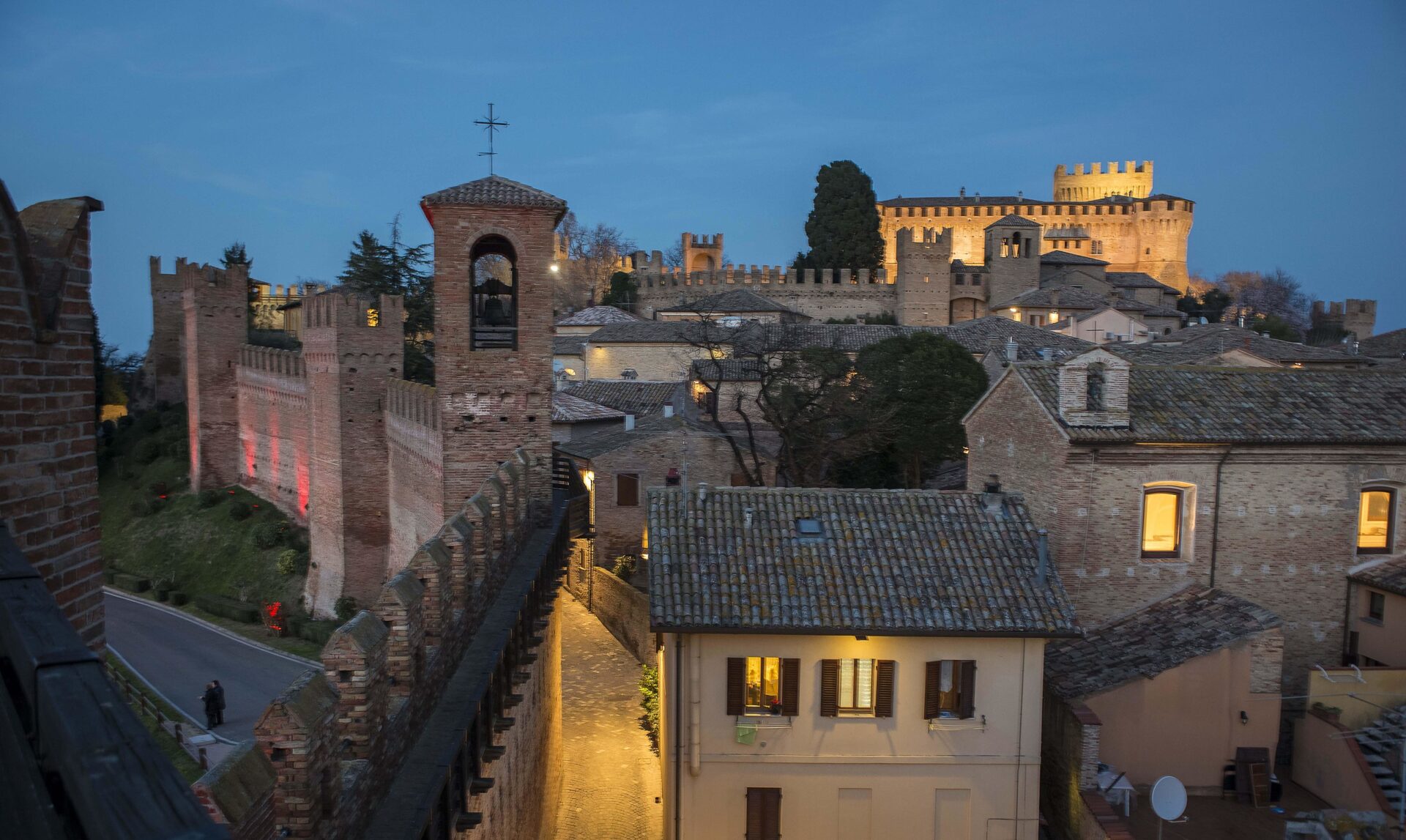
Image Source: Flickr
Around Gradara
Gradara’s medieval charm extends beyond its walls, with the surrounding Marche region offering diverse experiences from Renaissance cities to beautiful coastlines. The area makes for perfect day trips that complement your visit to this historic fortress town.
The Marche Region
Le Marche remains one of Italy’s hidden gems, far less crowded than neighboring Tuscany but equally beautiful.
I found the rolling hills dotted with vineyards and olive groves absolutely breathtaking, especially in the early morning light.
The region is famous for its white Verdicchio wines, which pair perfectly with the local seafood dishes. Don’t miss trying brodetto, a flavorful fish stew that varies slightly from town to town.
Many hilltop towns similar to Gradara are scattered throughout Le Marche, each with unique charm. Corinaldo, Mondavio, and Offagna all feature impressive medieval fortifications worth exploring.
The local festivals celebrate everything from grape harvests to medieval traditions, with colorful costumes and lively music filling the streets.

Venturing into Urbino
Just 30 minutes from Gradara lies Urbino, a UNESCO World Heritage site and Renaissance masterpiece.
I was stunned by the perfectly preserved historic center, which feels like stepping back in time.
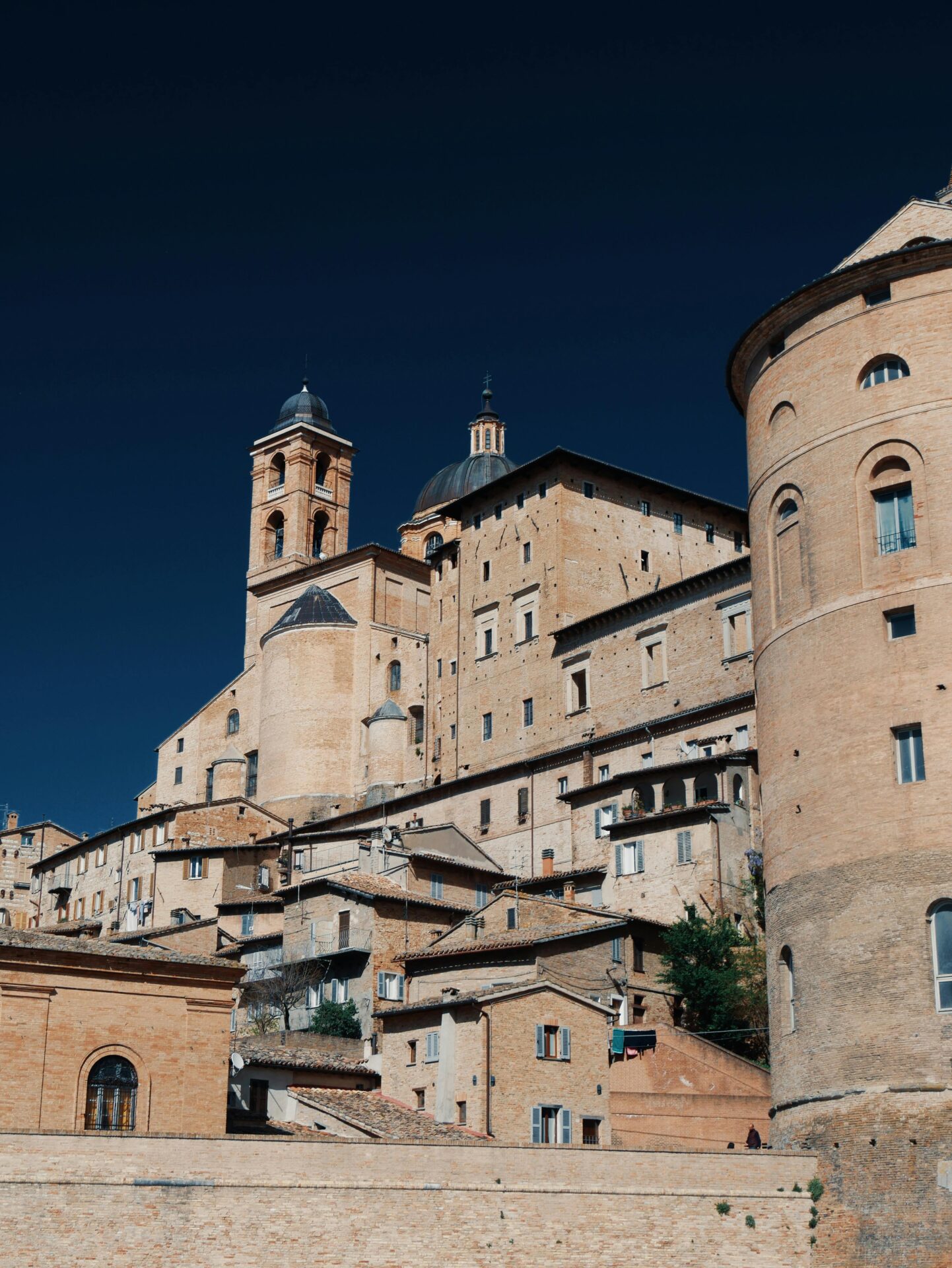
The Ducal Palace houses one of Italy’s most important art collections, including works by Raphael, who was born in this very city. The massive twin-towered palace dominates the skyline and offers spectacular views.
Urbino’s university, founded in 1506, brings youthful energy to this historic city. The student population creates a lively atmosphere in the cafes and piazzas.
Walking the narrow, winding streets reveals hidden courtyards and stunning architecture at every turn. I recommend visiting early in the day to beat the tour groups.
Adriatic Coast and Beach Escapes
After immersing myself in history, I found the nearby Adriatic beaches perfect for relaxation.
Just 15 minutes from Gradara, the resort town of Gabicce Mare offers beautiful sandy beaches and crystal-clear waters.
Pesaro, slightly further north, combines beach culture with cultural attractions. The birthplace of composer Rossini hosts a famous opera festival each summer that draws music lovers from around the world.
For a more natural beach experience, I recommend the Conero Riviera south of Ancona. The dramatic white cliffs and secluded coves create an unforgettable backdrop for swimming and sunbathing.
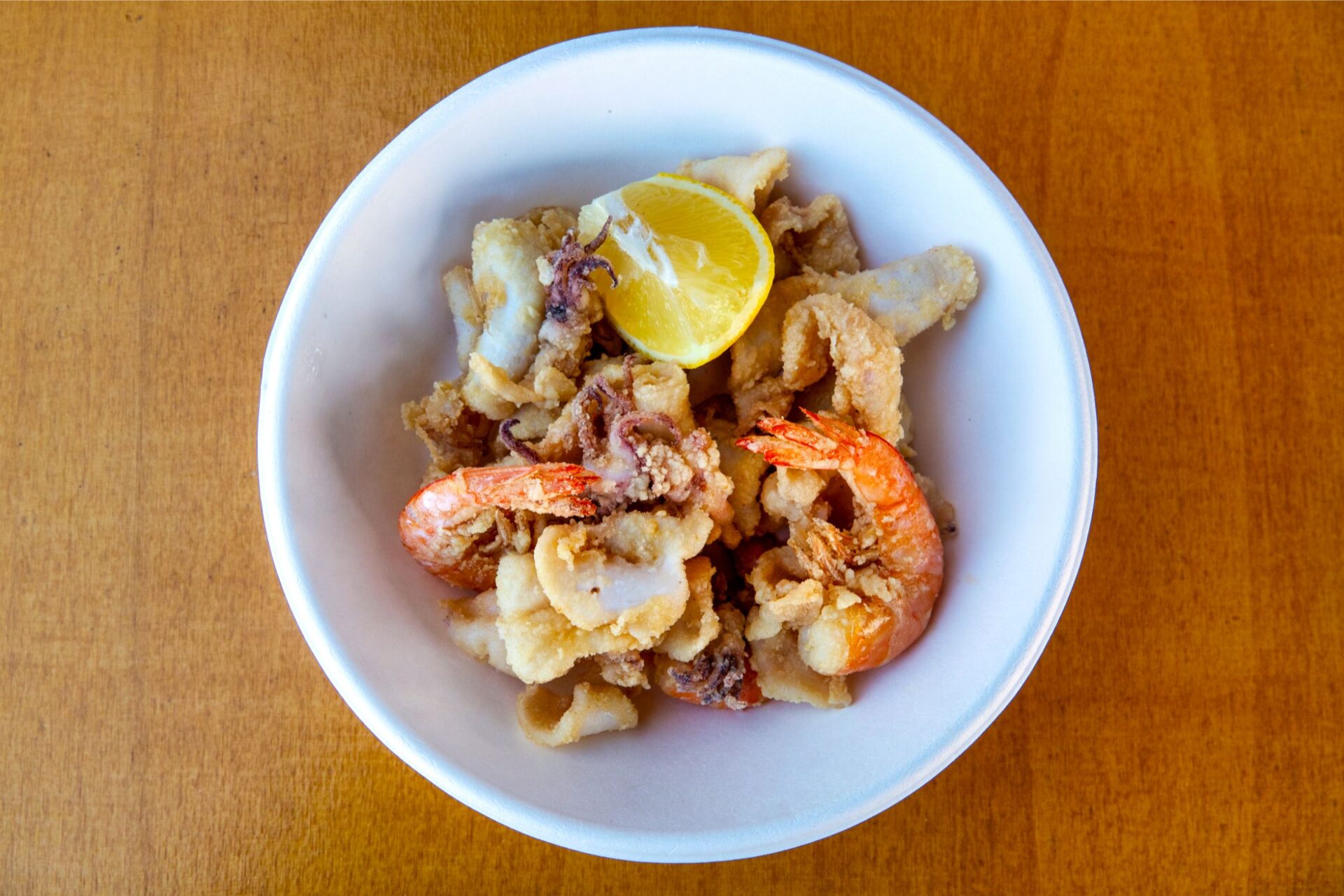
Beach clubs typically offer umbrella and chair rentals, making for comfortable day trips. Many coastal restaurants serve incredibly fresh seafood caught that same morning—the frittura mista (mixed fried seafood) is a must-try local specialty.
Practical Travel Information
Planning your visit to Gradara requires some practical knowledge to make the most of this medieval gem. I’ve gathered essential details about timing, places to stay, eat, and transportation options to help you explore this stunning Italian village with ease.
Best Time to Visit
Spring and early fall offer the most pleasant weather for exploring Gradara.
I found April-June and September-October particularly magical, with temperatures ranging from 65-80°F and smaller crowds than summer months.
July and August bring warmer temperatures (80-90°F) and more tourists, especially on weekends. If you visit during summer, plan early morning outings to the castle and walls for cooler temperatures and better photos.
Winter visits (November-March) mean fewer tourists and lower hotel rates, but some restaurants may operate on limited hours. The Christmas season transforms Gradara with lovely decorations and special events that showcase the medieval village in a different light.
Accommodations and Dining
Gradara offers charming B&Bs and small hotels within the walled village.
I loved staying inside the walls for the authentic medieval atmosphere, though options are limited so book early. Hotel Flaminio and La Loggia are popular choices with travelers.
Just outside the walls, you’ll find more accommodations ranging from budget-friendly to upscale options. Many provide stunning panoramic views of the countryside and Adriatic coast.
For dining, try Osteria Petito for traditional Marche cuisine or La Cantina del Castello for local wines and dishes.
Most restaurants serve regional specialties like passatelli (pasta with breadcrumbs), brodetto (fish stew), and olive ascolane (stuffed olives). Prices range from €15-25 for lunch and €25-40 for dinner per person.
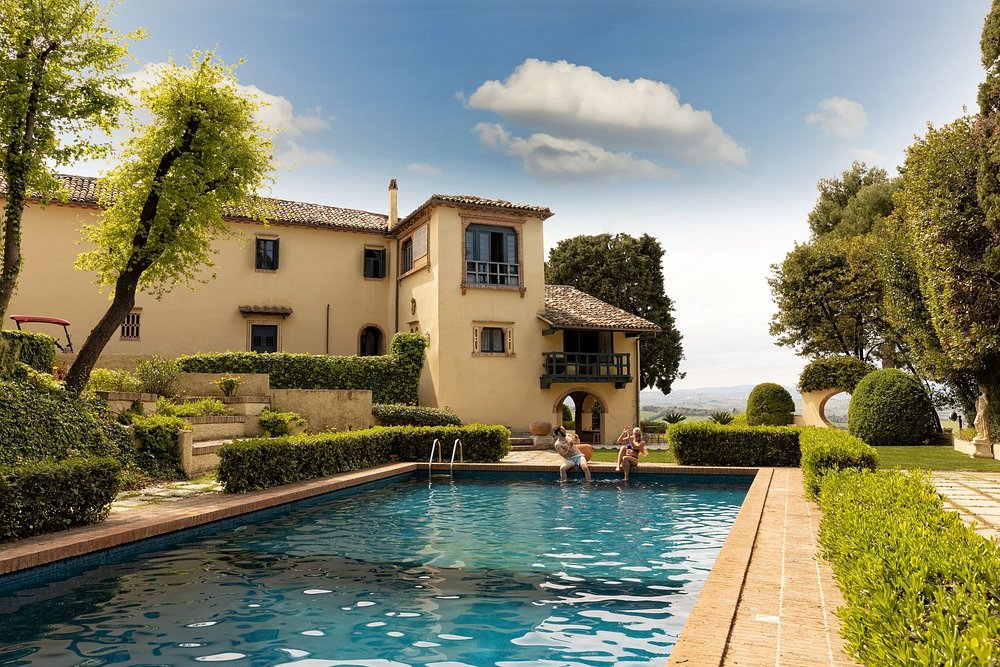
Image Source: Tripadvisor
Getting There and Around
The nearest major airports are in Ancona (60 miles) and Bologna (87 miles).
I rented a car to explore the region, which I highly recommend for flexibility.
By train, the closest station is Pesaro (8 miles from Gradara), with connections to major Italian cities. From Pesaro, take a local bus (Line 130) that runs several times daily to Gradara village.
Once you arrive, the village is entirely walkable. The main attractions—including the castle, walls, and historic center—are all within a 15-minute walk of each other.
Comfortable shoes are essential for navigating the cobblestone streets and steps.
Free parking is available just outside the walls, but spots fill quickly during peak season. I suggest arriving before 10 AM to secure parking.
Beyond Gradara
While Gradara deserves your full attention, the surrounding Le Marche region offers equally stunning experiences that shouldn’t be missed.
I found this area to be Italy’s best-kept secret. It has fewer tourists than Tuscany, but just as much charm.
Just a short drive away lies Urbino, a UNESCO World Heritage Site that was once a major center of Renaissance art. The Ducal Palace houses one of Italy’s most important art collections, including works by Raphael, who was born here.
The coastal town of Pesaro combines beach relaxation with culture. During my visit, I loved alternating between seaside lounging and exploring the birthplace of composer Rossini.
For breathtaking panoramic views, head to San Leo. The fortress sits dramatically atop a massive rock formation, offering vistas that stretch for miles across the rolling hills.
Don’t miss these nearby gems:
- San Marino: The tiny independent republic perched on Mount Titano
- Fano: A delightful seaside town with Roman ruins
- Urbania: Famous for its ceramic traditions
- Carpegna: Gateway to the beautiful Monte Carpegna natural area
The cuisine in Le Marche deserves special mention. Local specialties include olive all’ascolana (stuffed fried olives) and brodetto (fish stew). These are best enjoyed with the region’s excellent Verdicchio wines.
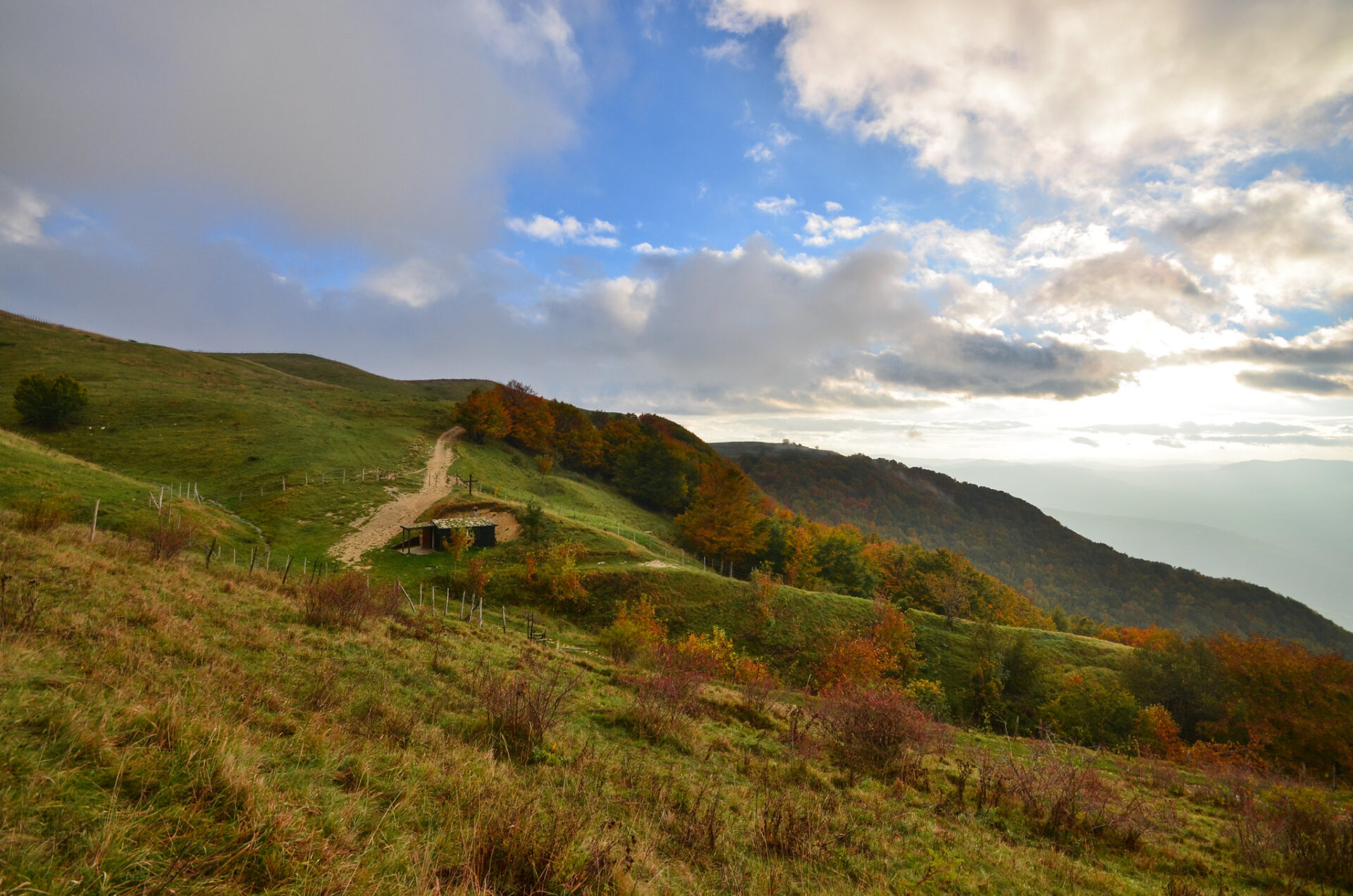
Image Source: Flickr
