
When I first wandered into Venosa, I honestly felt like I’d stumbled onto one of Italy’s best-kept secrets. This small town in Basilicata is packed with archaeological treasures that whisper stories from its Roman past.
The unfinished church of the Blessed Trinity complex and the Roman amphitheater really steal the show here, each offering a unique window into different eras of Italian history.
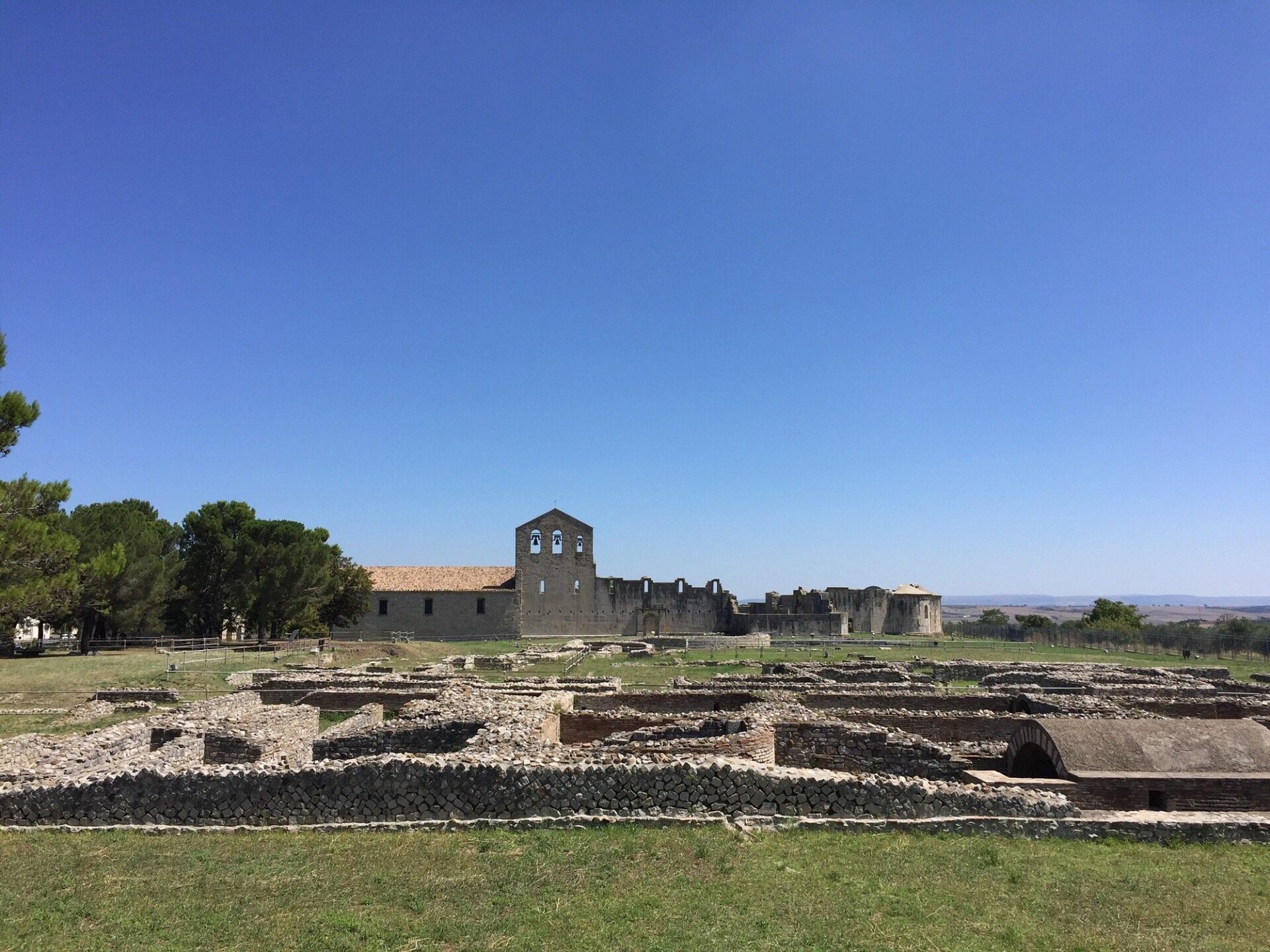
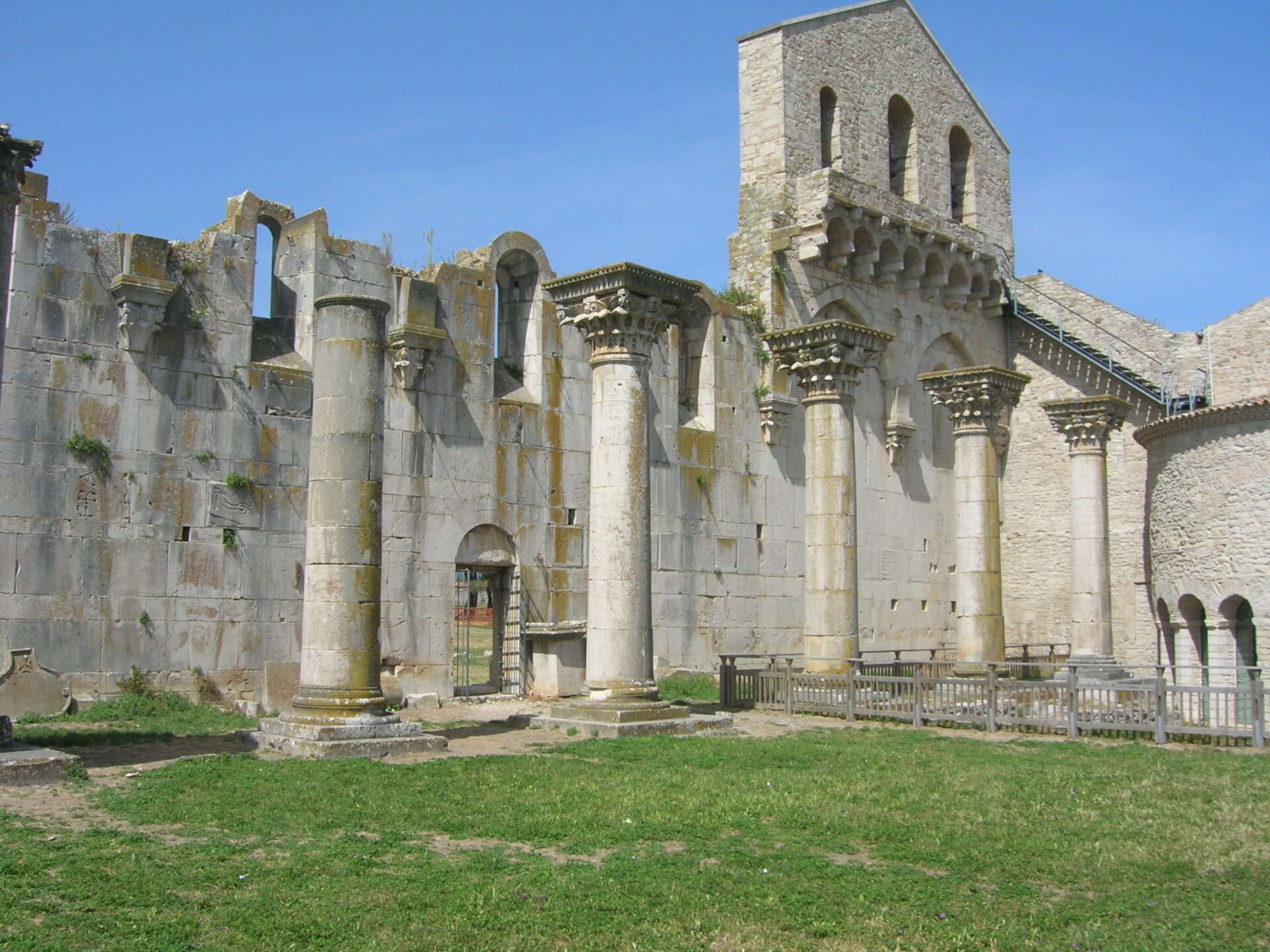
As I walked through the archaeological park, the unfinished church immediately caught my eye. It’s massive—imposing, really—and even though no one ever finished it, there’s something haunting and beautiful about the place.
Builders started this ambitious project behind the Ancient Church’s apse, and now locals just call it the “unfinished” church. It’s odd, but sometimes what’s incomplete feels more perfect—the open walls and skeletal arches hint at big dreams and sudden change.
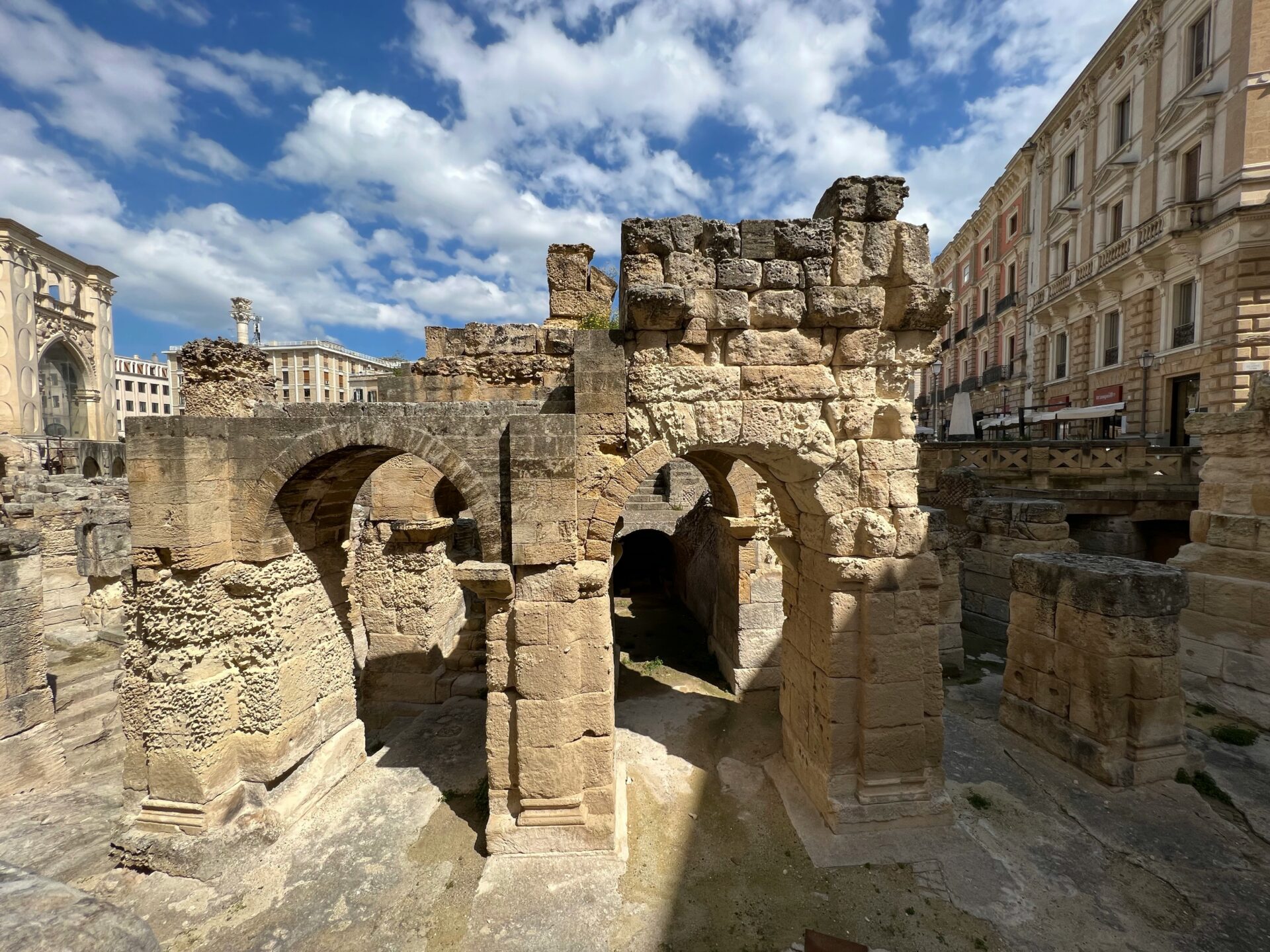
Right nearby, the Roman amphitheater pulled me straight into another world. On a 2-hour guided tour, I learned how this spot once hosted wild spectacles for the people of this important Roman town.
What really gets me is how these ruins seem frozen in time, but they’re buzzing with history if you listen close. If you’re planning a trip near Matera, put Venosa on your list.
Venosa: Gateway to Archaeological Wonders
Tucked away in southern Italy, Venosa takes you on a journey through centuries with its archaeological treasures. The town’s Roman roots, medieval buildings, and that one-of-a-kind unfinished cathedral make it a must for anyone who’s even a little bit into history.
Historical Significance of Venosa
Venosa’s story goes way back—it started as the Roman colony of Venusia in 291 BCE. I was surprised to find out that the famous Latin poet Horace was born here in 65 BCE, earning the town the nickname “the city of Horace.”
During my visit, I found out Venosa thrived as a key trade center between Basilicata and Puglia. Over the centuries, different rulers took over—Normans, Angevins, Aragonese—and each left their stamp on the town’s architecture.
Prince Pirro Orsini del Balzo did something especially interesting. He took stones from Roman ruins to build the castle and cathedral in the 15th century, creating a sort of architectural collage that tells Venosa’s long story.
Geographical Context within Basilicata and Puglia
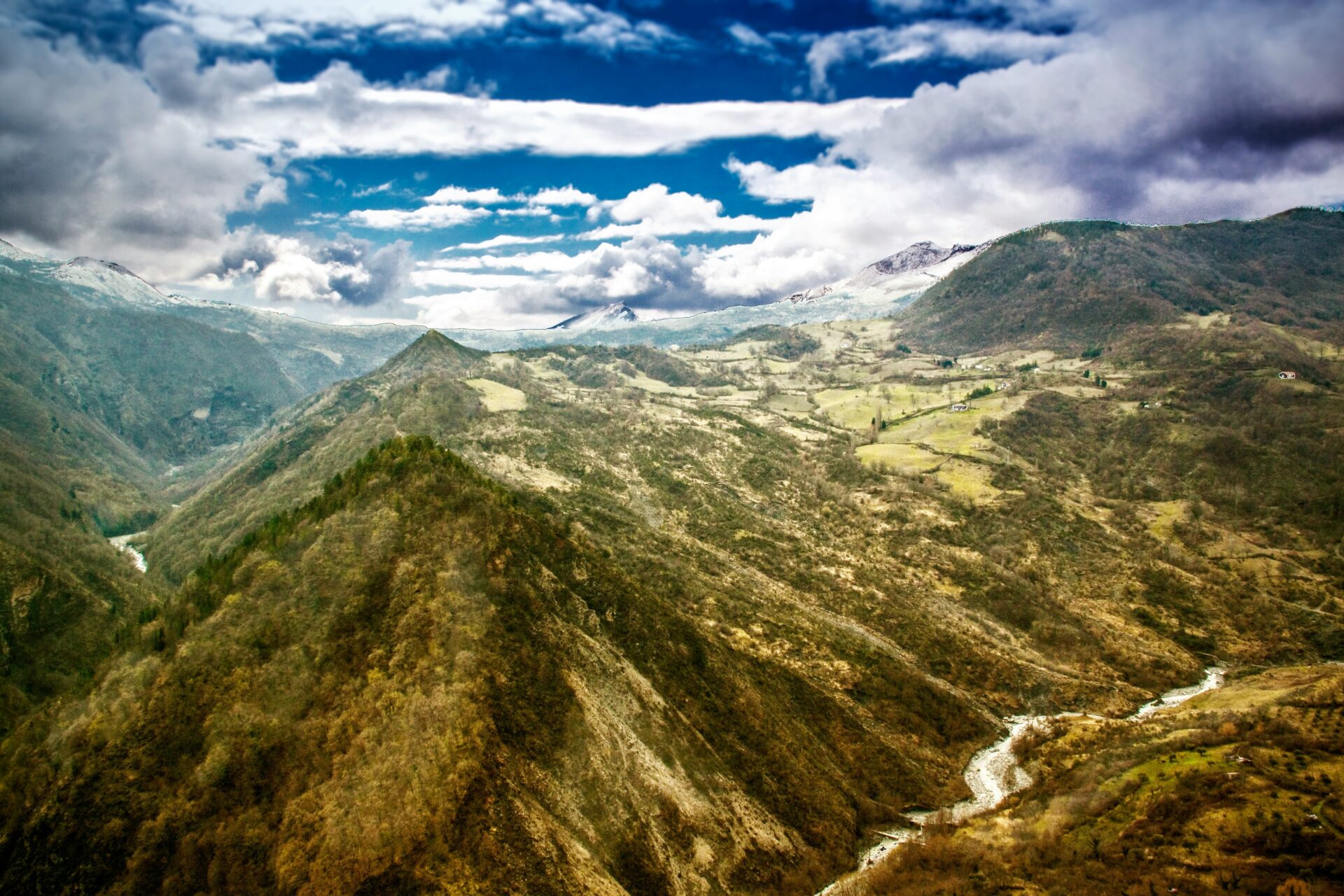
Venosa sits in the northeastern corner of Basilicata, not far from the Puglia border. This spot made it a crossroads for centuries.
The town stands about 420 meters above sea level, perched on a plateau with views over the Fiumara di Venosa valley.
From Venosa, I could reach other interesting places easily. Matera, famous for its cave dwellings, is just 80 kilometers southwest, and Melfi Castle is only 20 kilometers south.
Vineyards cover the rolling hills here, producing the well-known Aglianico del Vulture wine. The blend of Basilicata and Puglia influences shows up everywhere—in the food, the dialect, and the traditions.
Accessing Venosa: Travel Tips and Local Insights
Getting to Venosa felt pretty straightforward, but honestly, renting a car made things easier. Bari and Naples are the closest major airports—both about two hours away by car.
Train service isn’t great; the nearest station is in Melfi, and you’ll need a bus from there.
Spring and fall are the best times to visit. The weather’s nice, and you won’t have to deal with big crowds. Summer gets hot, but you’ll find lively local festivals if that’s your thing.
Wear comfortable shoes and bring water when you visit the archaeological park. The sites are a bit spread out, and there’s some walking involved.
Don’t skip local dishes like orecchiette pasta and Aglianico wine at the small trattorias in the historic center.
I stayed in a renovated historic building in the old town—so much charm, and the price was much better than in Italy’s more famous spots.
The Unfinished Cathedral: Mystique and Marvel
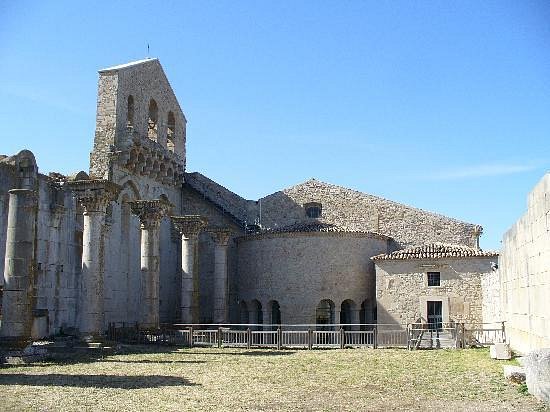
The Unfinished Church of the Blessed Trinity in Venosa stands as a haunting reminder of medieval ambition. When I first saw it, I couldn’t help but be drawn in by its incomplete grandeur and the stories it seems to hold.
Origins of the SS. Trinity
The Church of the Holy Trinity (SS. Trinity) began construction in the 11th century. Local elites wanted a bigger Romanesque cathedral to replace the old church, which couldn’t fit the growing community.
This project became part of a larger religious complex, showing how important Venosa was back then. What fascinates me is how they kept building for centuries before suddenly stopping, leaving the church unfinished forever.
Builders grabbed materials from nearby Roman ruins, including the amphitheater. Reusing classical elements was pretty common in medieval times, and it gives the place a cool mix of styles.
Architectural Features and History
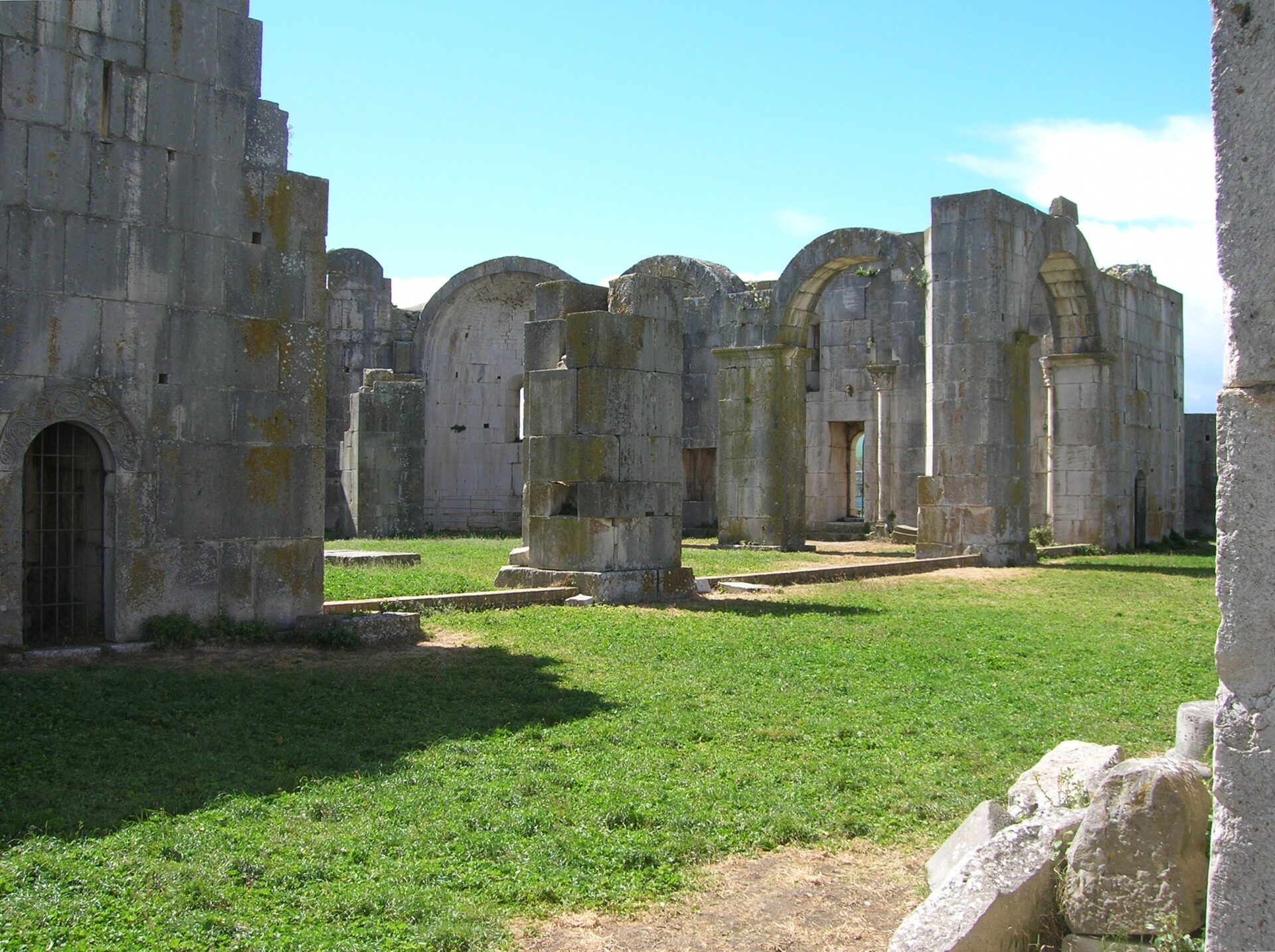
Inside, the unfinished cathedral blew me away with its size and design. You’ll see classic Romanesque elements, like:
- Thick stone walls and sturdy pillars
- Rounded arches everywhere
- Traces of planned vaulted ceilings
- Partial apses and transepts
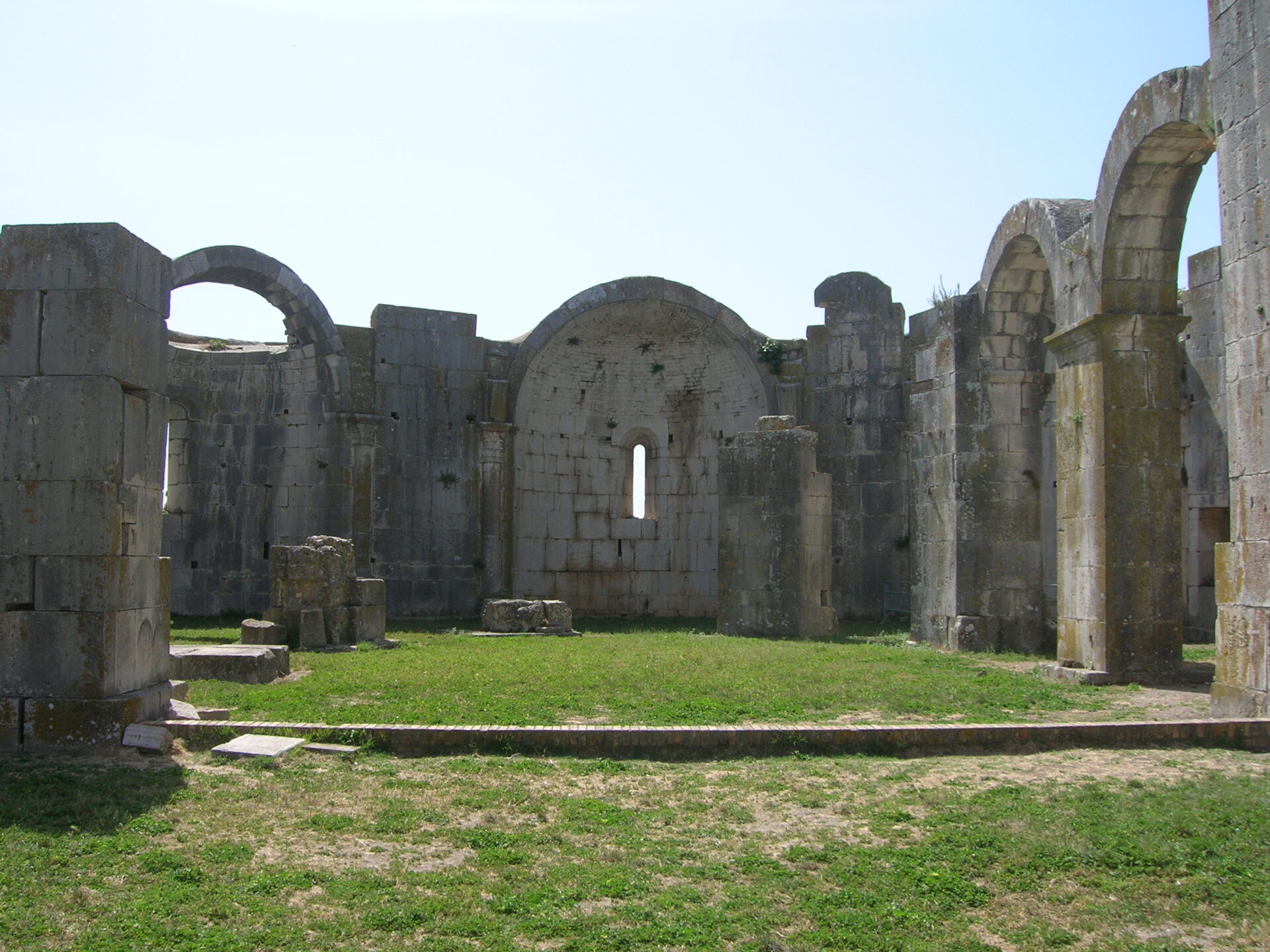
Since no one ever finished it, you can actually see how medieval builders worked. Normally, all that would be hidden under plaster and paint.
Some parts show early Romanesque styles, while later sections hint at Gothic influences starting to creep in. It’s like a timeline written in stone.
Sacred Spaces and Religious Symbolism
Even though it’s unfinished, the cathedral still feels sacred. I felt a deep sense of spirituality just standing in those old spaces meant for worship and reflection.
The church follows traditional Christian symbolism, with its east-facing orientation and cruciform layout. Sunlight filters in and dances across the stone—probably not what the original builders expected, but it’s magical.
Local legends and traditions have grown up around this place. People still use it for special services, and it’s become part of Venosa’s folklore.
You’ll find some fascinating religious artwork and carvings inside, like:
- Stone scenes from the Bible
- Decorative Christian symbols
- Traces of what would have been elaborate altars
The Ancient Amphitheater: Cultural Heart of Venosa
The Roman amphitheater is one of Venosa’s biggest archaeological draws, giving you a peek into the city’s lively past.
This structure once hosted gladiatorial contests and public shows that brought everyone together.
Roman City Life and Entertainment
Walking through the amphitheater ruins, I could almost hear the roar of ancient crowds. Built at the height of Roman power, it held thousands of spectators from all walks of life.
The amphitheater was more than just a place for fun—it was a social center where the local elite showed off by sponsoring games. These events reinforced social order and Roman values.
Gladiator fights were the main event, but they also held animal hunts and plays. I’m always amazed at how these places united communities while showing off the complicated social layers of Roman life.
Polytheism and Rituals in the Ancient World
Entertainment wasn’t the only thing happening here. The amphitheater had a religious side, too.
Many shows began with rituals to honor Roman gods, blending worship with spectacle.
Before big events, priests performed ceremonies to win divine favor. These public rituals helped spread Roman religious habits in places like Venosa.
You’ll even spot architectural nods to Roman deities in the building itself. Back then, the line between fun and faith was pretty blurry.
Games often lined up with religious festivals, so the amphitheater became a hub for both civic pride and spiritual life.
Reconstructing the Amphitheater: Scholarship and Discovery
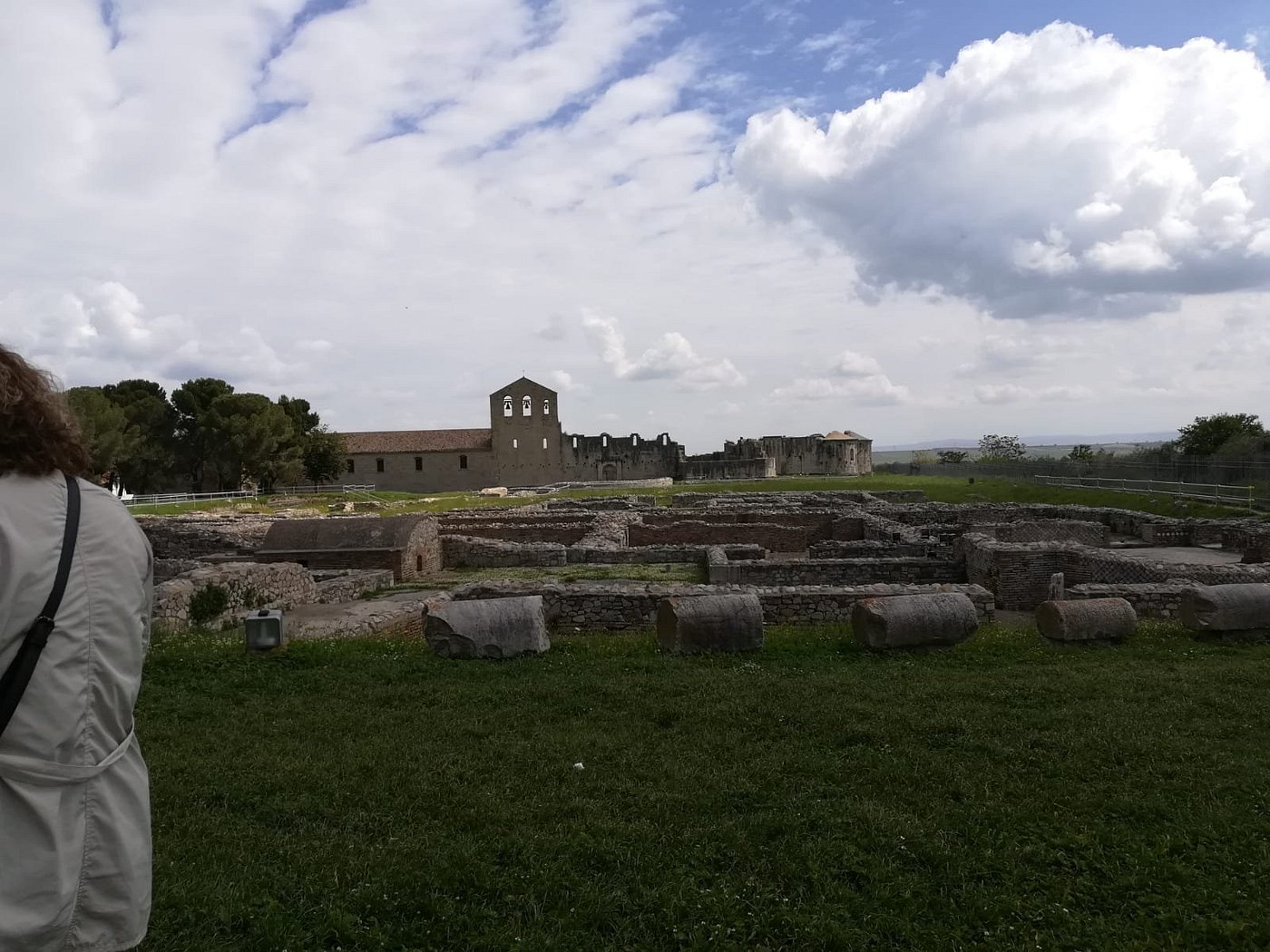
Archaeologists have really changed what we know about Venosa’s amphitheater in recent years. The IDEHA project uses new tech to document and preserve the site.
Researchers have mapped out its original shape and details through careful digging and analysis. I watched as archaeologists mapped each stone, revealing building methods that have lasted for centuries.
Digital reconstructions now let visitors see what the amphitheater looked like in its prime. This work helps us understand not just the structure, but how it fit into Roman Venosa’s daily life.
Every new find adds to the picture of how people lived here so long ago.
Exploring the Archaeological Park and National Museum
Venosa’s archaeological sites offer a trip through history that won’t break the bank. For just 5 euros, I got into both the park and the museum. Together, they bring the town’s Roman story to life.
Highlights of the Archaeological Park
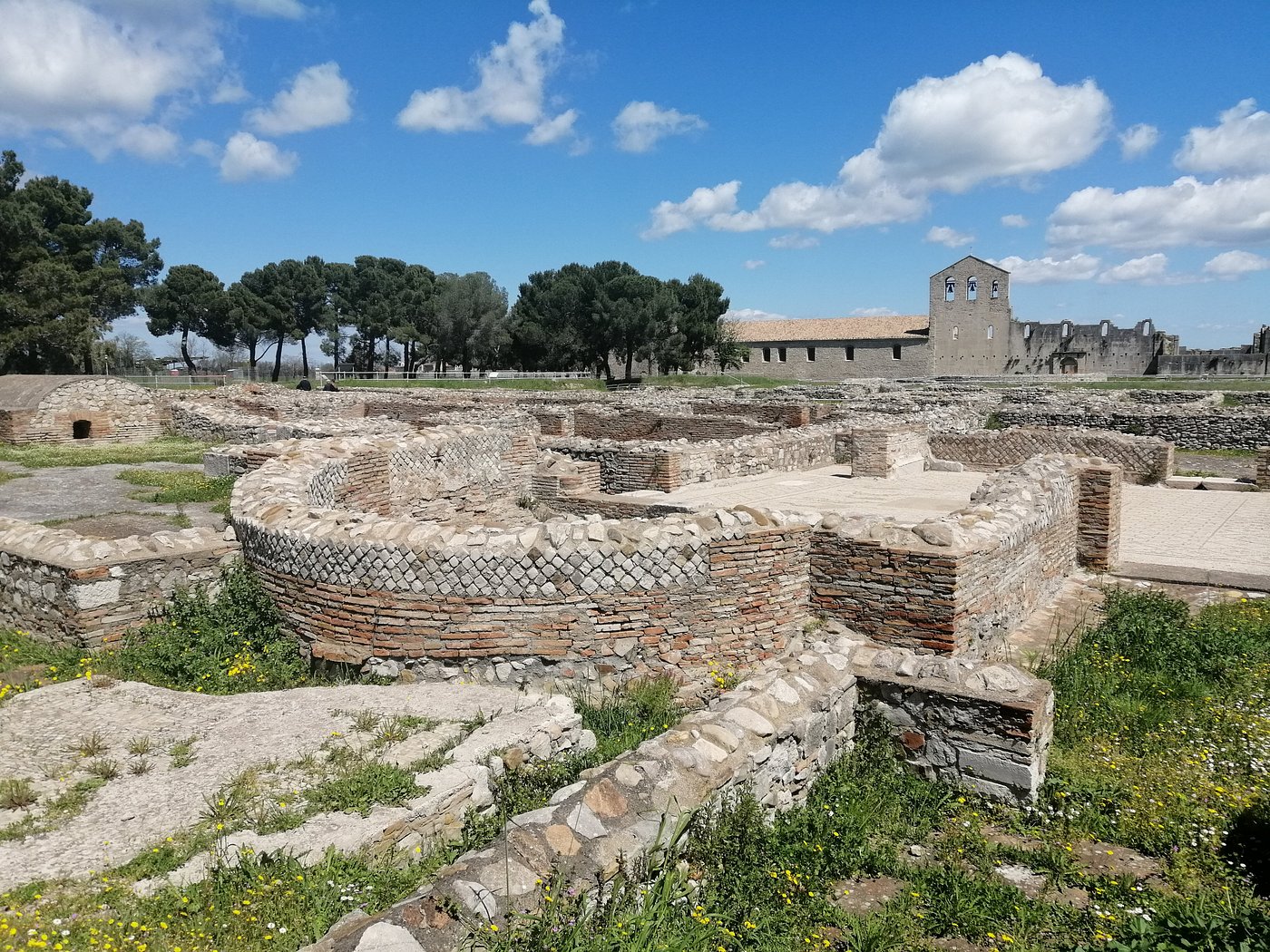
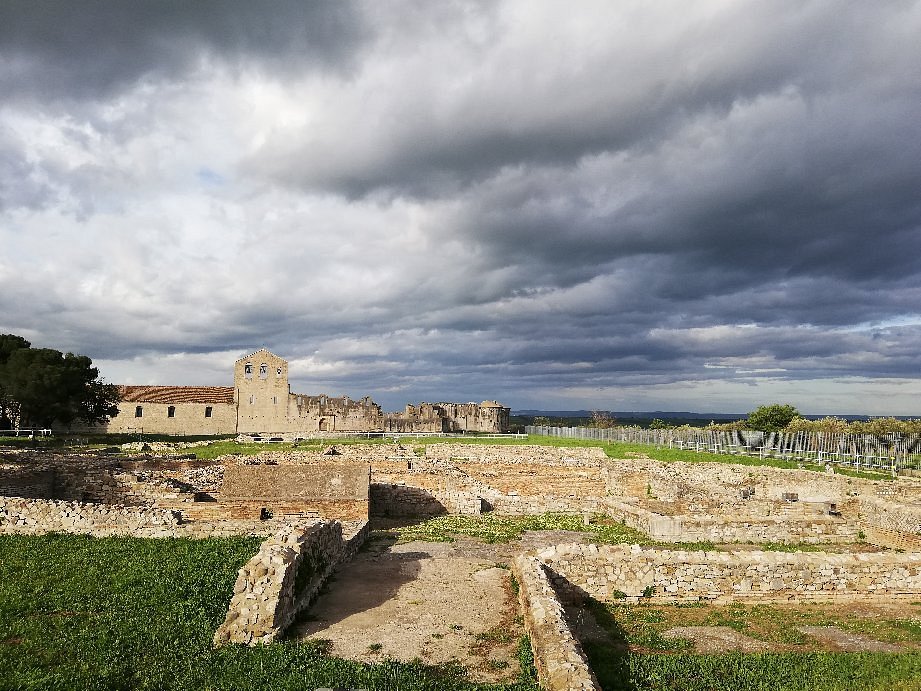
The Archaeological Park of Venosa has some of the best Roman ruins I’ve seen in southern Italy. The thermal baths are especially impressive, with some of the ancient heating system still visible.
I wandered through the remains of several domus (Roman houses) and spotted detailed floor mosaics. The colors and patterns have survived centuries of sun and rain, hinting at the wealth of the families who once lived here.
The amphitheater, though partly ruined, is still a highlight. Standing in the center, I could almost hear echoes of the crowds. The site is wheelchair accessible, though some uneven ground might need a little extra care.
Inside the National Archaeological Museum
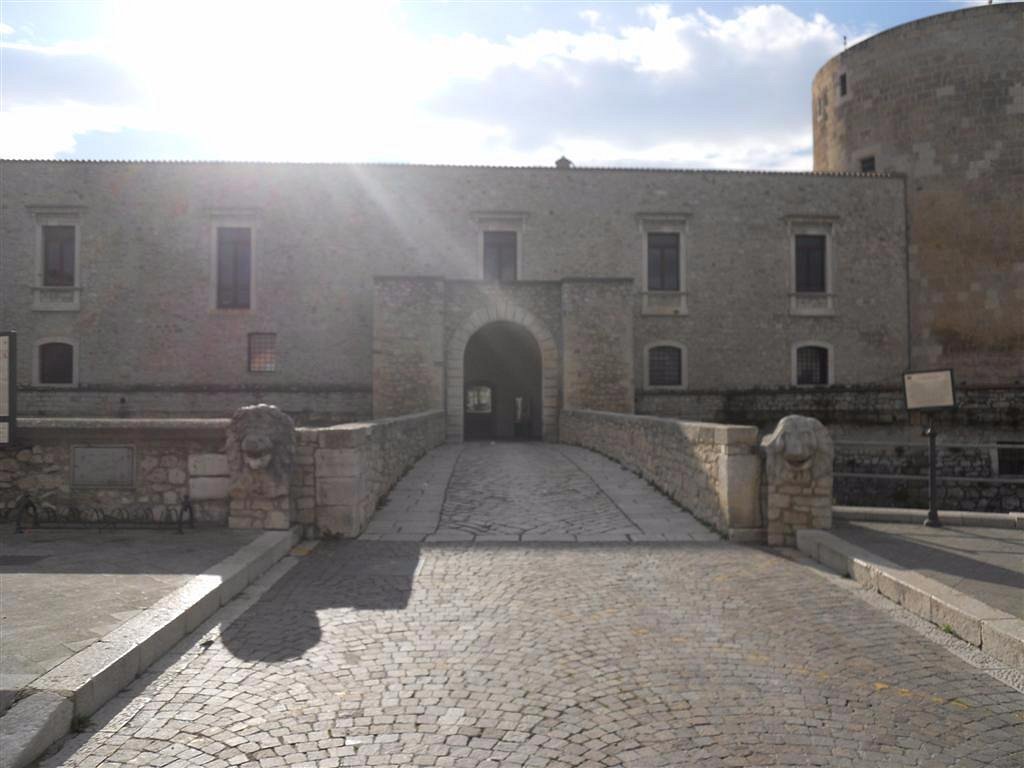
The National Archaeological Museum sits inside the impressive Aragonese Castle. Inside, you’ll find artifacts that really make Venosa’s history come alive.
Some of my favorite pieces include:
- Well-preserved Roman pottery
- Marble statues of local bigwigs
- Ancient coins used in the Roman colony
- Funeral inscriptions that offer glimpses into daily life
The museum’s multilingual descriptions are helpful. I liked how everything was set up chronologically—it made the town’s long history much easier to follow.
Guided Tours and Local Guides
Booking a local guide changed my whole experience of Venosa’s ruins. These folks know their stuff and love sharing stories, especially about the poet Horace, who was born here.
Most tours last about two hours and cover both the park and museum. My guide pointed out cool details I’d have missed, like ancient graffiti and clever Roman engineering tricks.
If you’re traveling solo, book through the museum’s official website. Group tours usually start at 10 AM, which is great for avoiding the midday heat.

Broader Connections: Venosa’s Place in Southern Italy’s Heritage
Venosa is a key piece in southern Italy’s history, linking the ancient Roman world to today’s culture. Its spot between regions makes it a great base for exploring more of the south.
Via Appia and Ancient Trade Routes
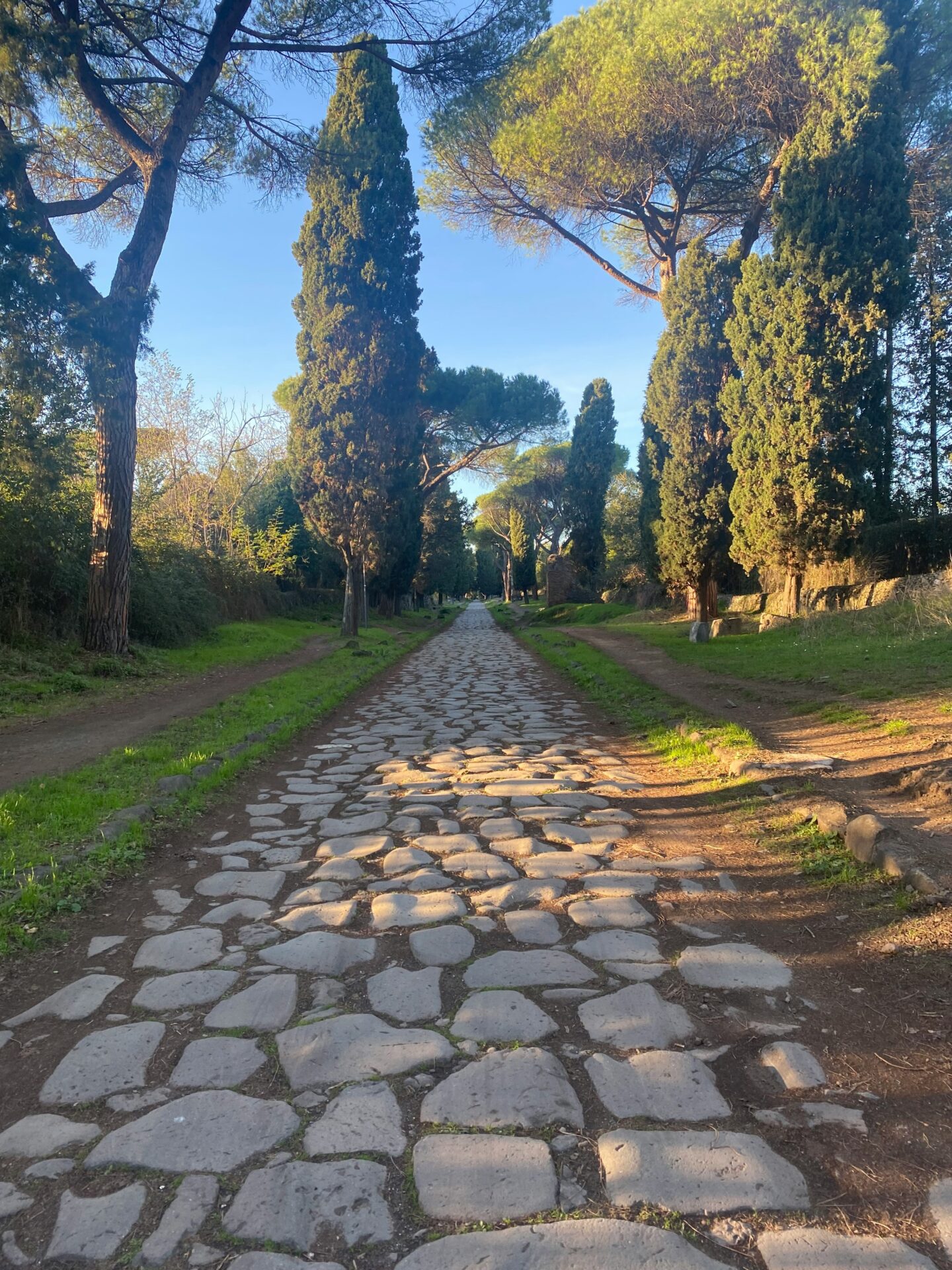
The Via Appia, one of Rome’s most important roads, ran right through Venosa. That’s no accident—it shows how strategic the town was.
Walking along the old road, I could almost hear the footsteps of Roman soldiers and traders from centuries ago. Venosa sat at the edge of Lucania and Apulia, making it a control point for the whole region.
Trade thrived here as goods moved between Rome and the ports of Brindisi and Taranto. The Romans knew this spot mattered, which is why they founded Venusia here in 291 BCE.
Even today, you can trace parts of the ancient road network that once connected Venosa to other important Roman towns.
Cultural Experiences Across Puglia and Basilicata
Venosa just feels like the perfect base when you want to explore both Puglia and Basilicata. These regions each have their own quirks and charm.
Basilicata brings rugged landscapes and old traditions to the table. Puglia, on the other hand, shows off coastal beauty and some wild architectural gems.
You can see the mix of Greek, Roman, and medieval influences everywhere. Local festivals really highlight this blend—pagan and Christian roots come together in summer celebrations.
Almost every town throws its own feast days. There are processions, music in the streets, and food that locals have loved for generations.
If you love art, you’ll spot Byzantine influences in churches all over the place. The religious buildings tell stories—some are simple and early Christian, others go all out with Baroque flair.
Regional Highlights: Lecce, Trani, Castel del Monte, Ostuni, and Otranto
Lecce really blew me away with its Baroque style. They call it “The Florence of the South,” and honestly, the honey-colored buildings do glow in the sunlight.
The facades are covered in detailed carvings, almost too much to take in at once.
Trani sits right on the Adriatic, and its cathedral feels like it rises straight out of the sea. I got lost wandering the medieval Jewish quarter and ended up eating way too much seafood by the harbor.
Castel del Monte just stands out—a fortress with eight sides, built by Emperor Frederick II. The design is so precise, mixing Islamic, Classical, and Gothic touches. You can’t help but wonder what secrets it holds.
Ostuni sits on a hill, all whitewashed and bright. The town looks like it’s glowing above the olive groves.
I wandered through its twisting streets and stumbled into little shops where artisans make traditional ceramics by hand.
In Otranto, I reached Italy’s eastern tip. The cathedral there has this massive 12th-century mosaic of the Tree of Life—honestly, it’s breathtaking.
Taste of Southern Italy: Local Food Traditions
Venosa sits right where Puglia and Basilicata meet, and honestly, you can taste that blend in every bite. It’s a dream for anyone who loves food.
Locals craft Aglianico del Vulture wine on the slopes of Mount Vulture. This bold red stands up to some of Italy’s finest, and it pairs beautifully with the region’s rich, hearty dishes.
You’ll spot orecchiette pasta everywhere—those cute, ear-shaped pieces. People here still make them by hand, and you can see the skill in every piece.
They usually top orecchiette with cime di rapa (turnip greens) or a deep, savory ragù. Watching someone roll out the dough is almost hypnotic.
Sheep and goat cheeses really set the tone here. Grab some pecorino stagionato, an aged sheep cheese with a sharp bite, or try ricotta forte if you’re feeling brave.
The olive oil? It’s worth talking about. Ancient olive groves wrap around Venosa, and the oil is grassy, peppery, and somehow ends up in just about every dish.



