
I remember walking into the Roman Agora in Athens, Greece, and honestly, it felt like I’d stumbled onto a secret left behind by time. Among all the ruins, the Tower of the Winds just demanded my attention.
This octagonal marble tower, which once served as both a weather station and a clock, brings together science, history, and architecture in a way that’s pretty rare in Athens.
As I wandered around its eight sides, I kept thinking about how, over 2,000 years ago, people actually depended on this tower to tell the time and forecast the weather. The Tower of the Winds isn’t just another monument—it’s proof of how curious and advanced the Greeks were.
The marble carvings, the careful design—everything about it invites you to get closer and just take it all in.
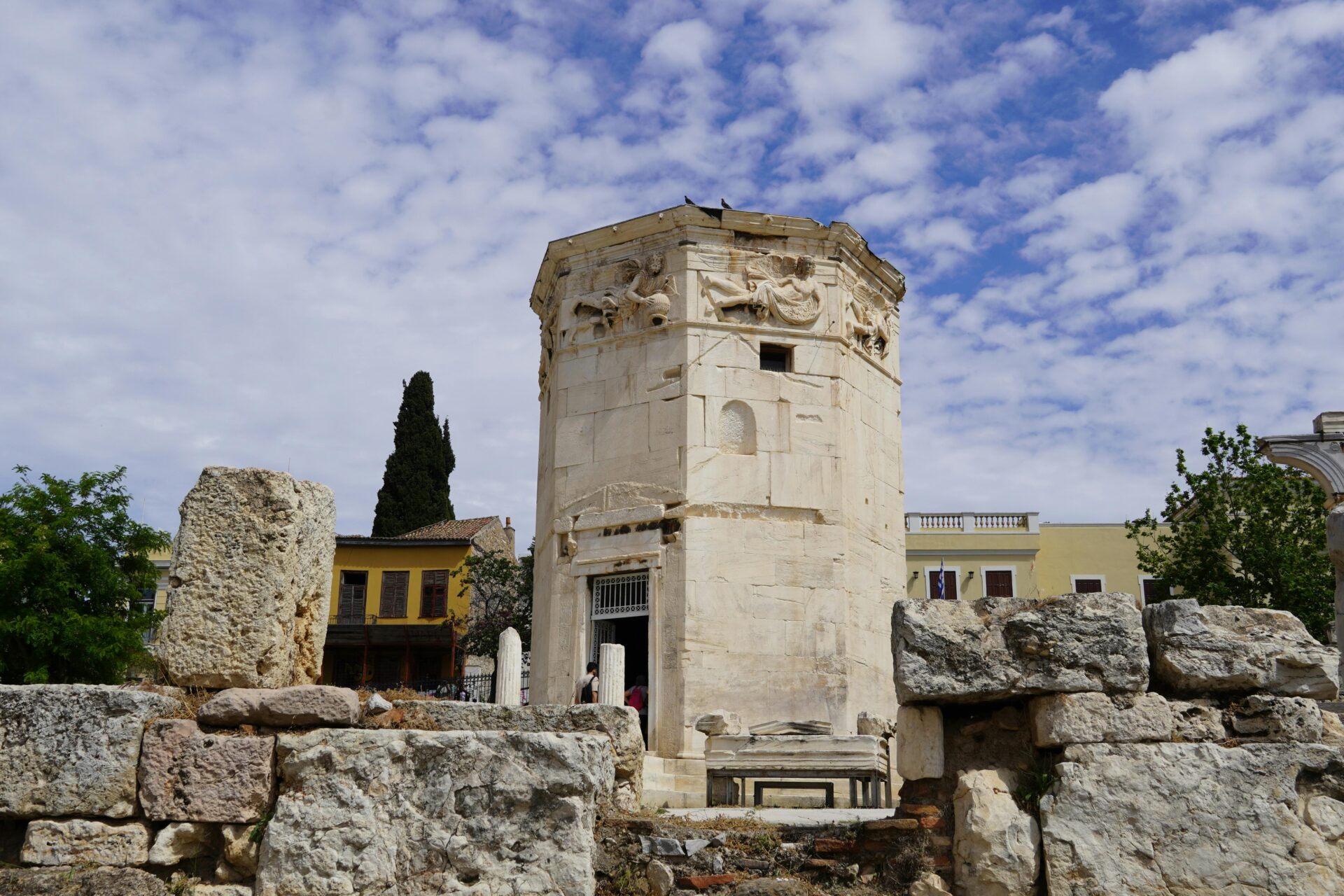
If you’re into travel, ancient history, or just enjoy finding quiet spots away from crowds, the Roman Agora and its famous tower offer a really different side of Athens.
Unraveling the Mystery: The Tower of the Winds’ History and Purpose
Right in the heart of Athens, the Tower of the Winds rises above the ruins of the Roman Agora. This isn’t just another archaeological site—its story connects ancient Greek science, timekeeping, and legendary visitors to the city’s past.
Origins in Ancient Greece
The story of the Tower of the Winds starts in ancient Greece. Andronikos of Kyrrhos—an architect and astronomer—built it in the 1st century BC.
You’ll find the tower on the eastern side of the Roman Agora, not far from the Acropolis. Its octagonal shape isn’t random.
Made from bright Pentelic marble, each wall faces one of the eight winds that Greek sailors and traders watched closely. Location was everything, since Athens buzzed as both a cultural and trading hub back then.
On my last walk through the Agora, I noticed how the tower has survived the centuries surprisingly well. Unlike some of the crumbling ruins nearby, its structure still stands strong, making it a real highlight for any history lover.
Astronomical and Timekeeping Functions
The Tower of the Winds did a lot more than just look pretty. People call it the world’s first weather station and one of the earliest public clocks.
Each side of the octagon shows a sculpted figure for a different wind, giving locals clues about the weather. Inside, a clever water clock (or clepsydra) once ticked away.
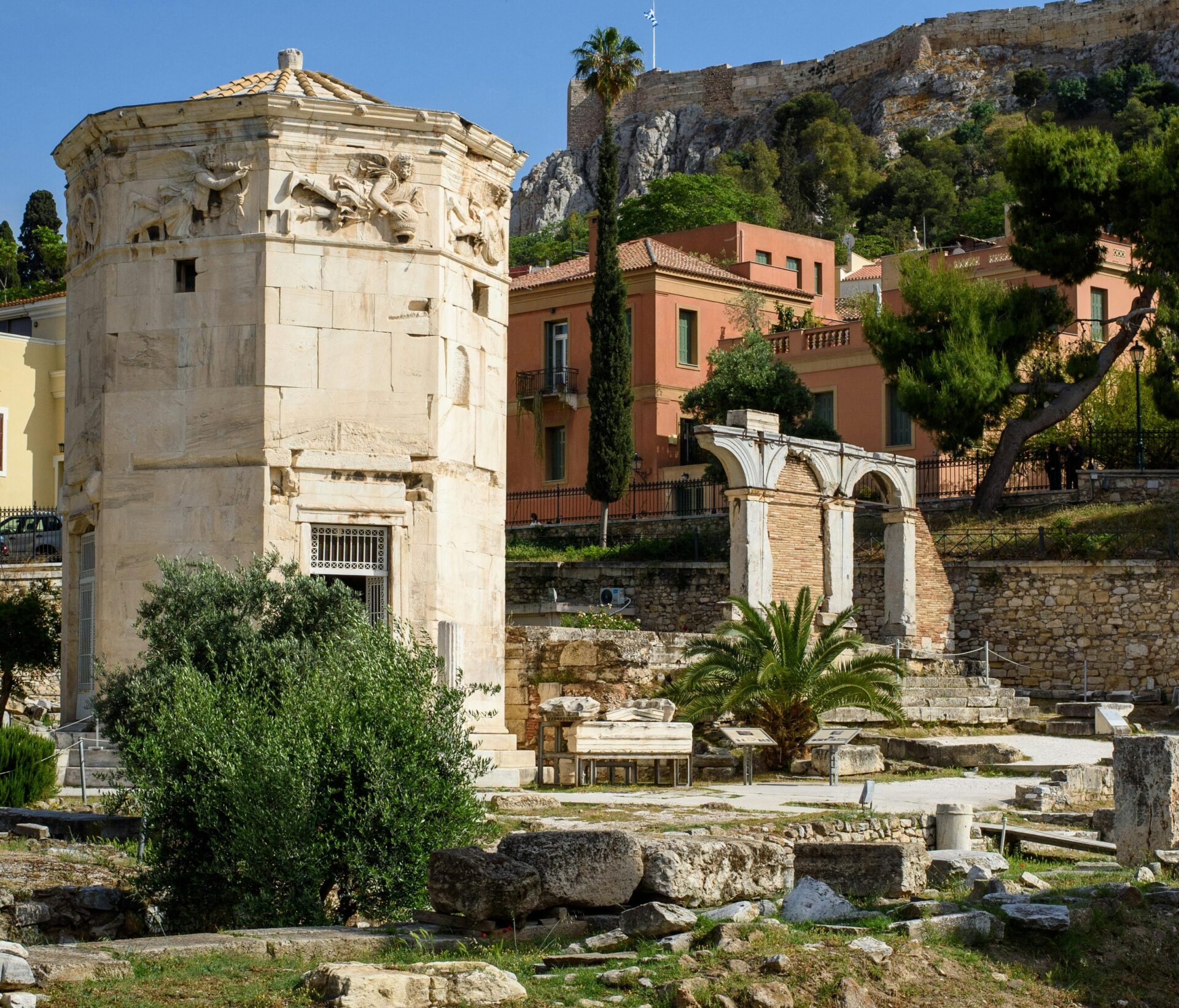
I find it wild that the tower used both sun dials—carved right into the outer walls—and water power to keep time, rain or shine. That’s some serious ancient engineering.
Standing there, I pictured ancient Athenians—merchants, citizens, everyone—checking the tower for time and weather. It’s no wonder this place fascinates historians and travelers even now.
Legendary Visitors and Historical Events
The Tower of the Winds didn’t just impress modern tourists. Over its long life, it drew some famous visitors.
Roman Emperor Nero reportedly visited the Roman Agora and admired the tower’s features during his time in Greece. Some believe the tower saw early Christian gatherings.
Over the years, it served many roles—including as a church and possibly a spot tied to biblical stories. Today, when I walk through the site, I feel connected to all those who came before—Greeks, Romans, rulers.
You can almost hear the stories these marble walls have witnessed over thousands of years.
Architectural Marvels: Design and Engineering Excellence
At the Roman Agora, I felt surrounded by ancient craftsmanship. The Tower of the Winds shows off clever engineering, beautiful details, and how marble and art blended science with culture.
Structure, Materials, and Symbolic Motifs
The tower’s octagonal shape pops against the Athens skyline. Each side points toward a different direction, representing one of the eight wind gods from Greek mythology.
When I visited, I noticed how much purpose and symbolism shaped the design. Pentelic marble—famous for its white glow—forms the main structure.
That marble still shines, even after so many years under the Greek sun. Builders topped the tower with a small dome and an ancient weather vane.
The structure wasn’t just for show—it worked as a clock and had a water-driven mechanism inside. Every feature means something.
The carvings and sharp corners add beauty, but they also help cast the right shadows so ancient Athenians could tell time with both sun and water.

The Marvel of Marble Columns and Peristyle
While exploring the Roman Agora, I kept noticing marble columns, but the ones at the Tower of the Winds’ entrance really stood out.
These columns—smooth and sturdy—show the skill of ancient Greek masons. Each one has detailed fluting that catches the light, giving the whole place a sense of grandeur.
The columns form a subtle peristyle entrance. It’s welcoming but not flashy. I noticed the solid bases, still holding strong after all this time.
They weren’t just decorative—these columns supported the tower’s heavy structure. Their layout made the building feel open, tying the landmark to the busy marketplace around it.
Walking there, I tried to imagine strolling those marble paths centuries ago, seeing the Agora full of life.
Carvings, Reliefs, and Mosaics
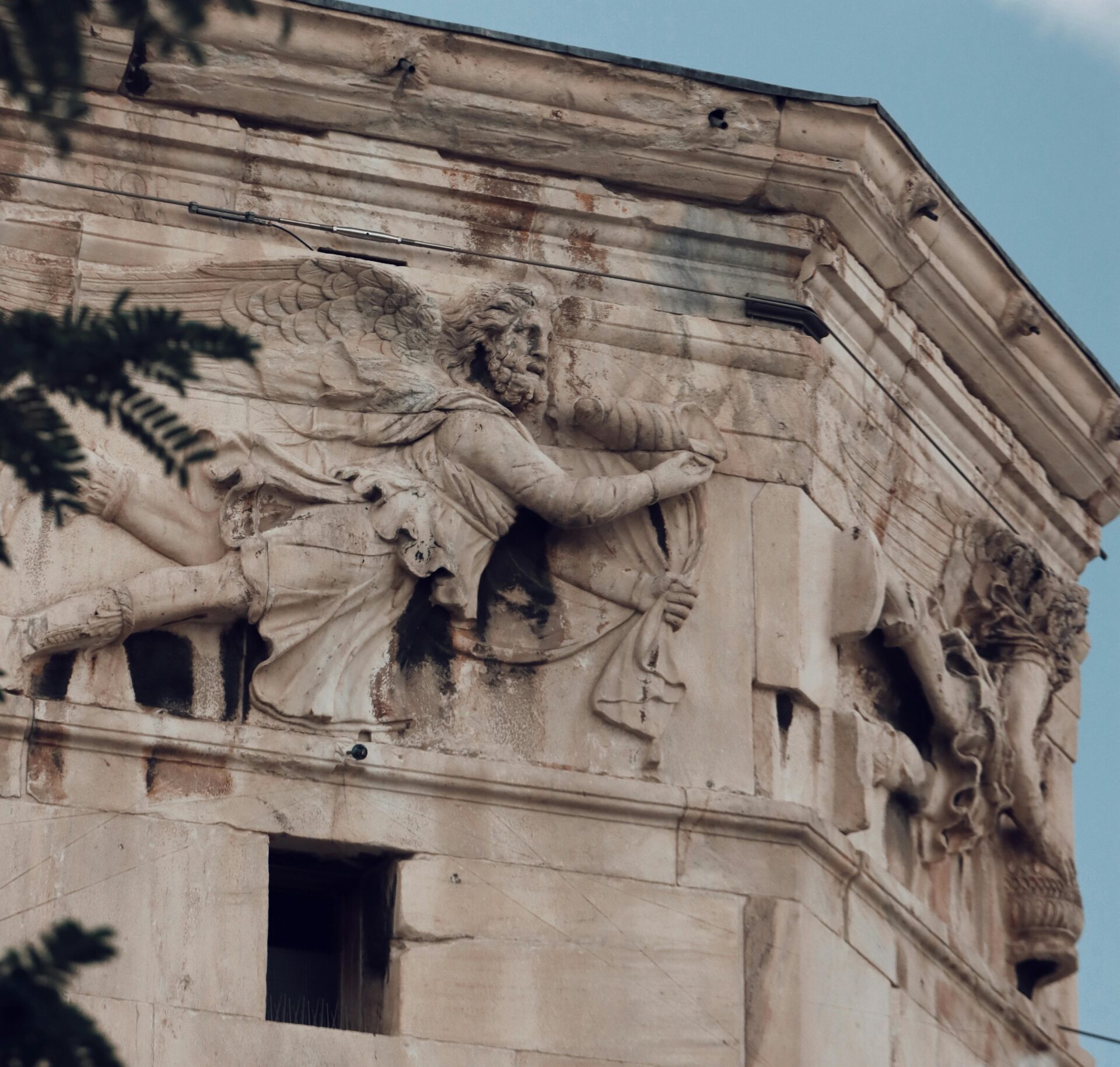
Up close, the Tower of the Winds bursts with detail. The friezes at the top show the eight wind gods, each with their own style and symbols.
These carvings serve as both decoration and practical guides—helping Athenians figure out which way the wind blew.
The marble is covered in rich reliefs. Some spots still have traces of ancient mosaics, though time has worn them down.
I’m always amazed at how artists used tiny stones to create such detailed patterns and images. Every carving and mosaic adds to the history and beauty.
It’s easy to see why people call the tower one of Athens’ most important ancient sites. Every step around it reveals new shapes, textures, and glimpses into a world where art and science worked hand in hand.
A Personal Journey: How the Tower Shaped My Fascination with Ancient Times
I’ve always been curious about ancient places. The Tower of the Winds brought history alive for me, shaping how I learn and explore even now.
Formative Childhood Adventures
As a kid, I loved exploring—even if it was just the backyard or the pages of a book. Stories about ancient structures like the Tower of the Winds filled me with excitement.
A marble tower in Athens that could tell the time and the wind’s direction? That sounded magical. I’d sketch what I imagined the Roman Agora looked like, then check my drawings against library books.
Thinking that someone in ancient Greece also gazed up at that same eight-sided tower fueled hours of daydreaming.
Seeing it in person years later, standing in its shadow, brought those childhood dreams full circle. Touching the cool marble, I felt time stretch in both directions, linking my young imagination to real history.
Family Bonds, Reading, and Education
My family loved reading, so history came up a lot at home. My mom would read aloud from books like The Robe by Lloyd C. Douglas, published by Houghton Mifflin Co.
Stories like that made me a lifelong learner, always searching for something new. Those family reading nights were more than just stories—they were shared adventures.
Hazel McCann’s retellings of ancient tales, found in my mom’s ebook collection, helped me picture the ancient world in vivid detail.
Travel became our way to answer the questions we found in books. When we visited ancient sites, we’d match what we saw to the stories, making history real in a way the classroom never could.
Influences from Literature and the Arts
Books and art shaped how I saw the Tower of the Winds. Novels like The Robe and travelogues helped me connect personal experience to a bigger story.
Authors like Lloyd C. Douglas painted the ancient world with both facts and feeling. Old illustrations and artworks showed me how the Tower inspired people long before me.
Each piece of writing or art added something new—a way to think about time, change, and the power of place. I started to see travel as a living story, not just something you read about.
Every trip to Athens now feels like turning a new page in the story that started with one childhood fascination.
Exploring the Roman Agora: Hidden Corners and Vibrant Local Life
A walk through the Roman Agora is more than just ruins. It’s about feeling the city’s heartbeat—where ancient columns stand next to lively shops and people swap stories in bustling corners.
There’s always something unexpected, from quiet gardens to bursts of music.

Shops, Cafes, and Street Musicians
Once you step through the Agora’s gates, narrow lanes twist past small shops. Many sell pottery, local crafts, and handmade jewelry.
I can never resist the little stalls tucked into shady corners, full of souvenirs and shopkeepers who greet you with a smile.
Cafes spill out onto the old stone paths. With tables right among the ruins, it’s easy to picture ancient traders making deals where I now sip Greek coffee.
I like to pause at a cafe near the Tower of the Winds, enjoying a cool drink and watching people wander by.
Live music drifts through the air—street musicians with guitars or bouzoukis add energy that brings everyone together. Their songs echo between pillars, giving each moment a bit of magic.
I always stop for a while to listen.
The Plaka and Views of the Acropolis
Just beyond the Agora, the Plaka district stretches out with winding cobblestone streets and pastel houses. This neighborhood feels like a village in the middle of Athens, dotted with bakeries, bookstores, and colorful doors.
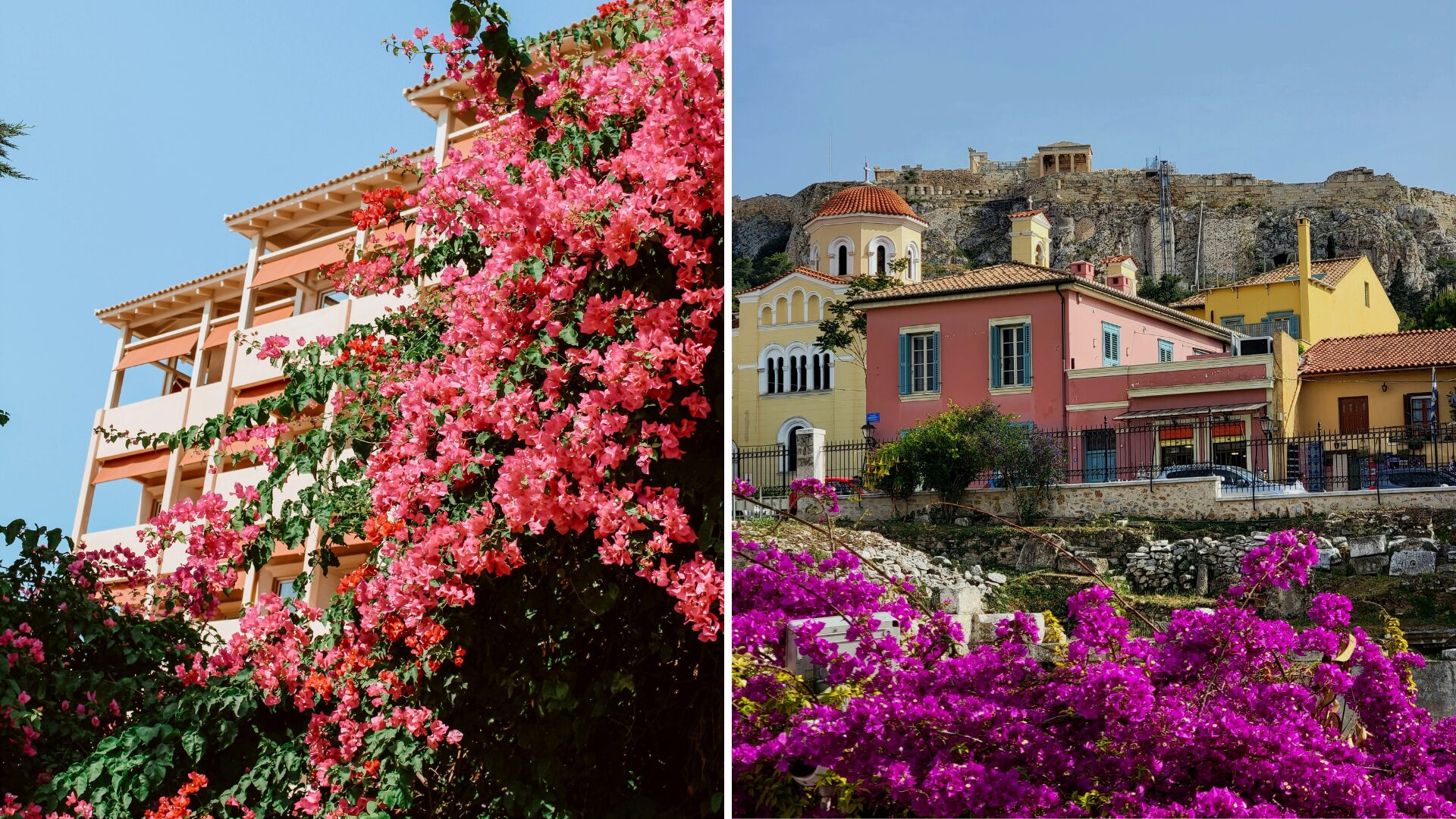
One of my favorite views of the Acropolis comes from a shaded alley near the Roman Agora. It’s hard not to look up and spot the Parthenon rising above the rooftops, especially as the sunlight shifts through the day.
For me, that mix of ancient and lively present is pure Athens.
It’s a short walk from the Agora to the Acropolis Museum. I like to make an afternoon of it—moving from ancient stones to world-class exhibits, all within the city’s heart.
Gardens, Fountains, and Nearby Churches
Hidden inside the Agora are small gardens full of native plants—olives, wildflowers, and patches of herbs. These quiet green spots are perfect for resting or jotting down notes in the shade.
A simple stone fountain stands where market-goers once filled their jugs. Its cool water brings calm, especially on hot afternoons.
I’ve leaned in to listen to the gentle trickle and watched birds hop nearby.
Several old churches sit just steps from the Agora’s edge. Their worn facades and peaceful interiors offer a break from the busy paths outside.
I love stepping inside for a moment of quiet before heading back into the city’s buzz.

Timeless Lessons: Reflections from the Ancient to the Modern World
Standing before the Tower of the Winds, I felt a connection to stories reaching from daily life in ancient Athens to the struggles of people under Roman rule. Thinking about those who once walked here reveals truths about family, duty, resilience, and humanity.
Brotherhood, Responsibility, and Coming of Age
When I wandered through the Roman Agora, I pictured brothers working together under the bright sun. They supported each other in crowded markets or during tough times.
Brotherhood here felt like more than just blood ties. It was about trust, sharing the load, and learning from those who’d been around longer.
Coming of age in ancient Athens happened in clear, important moments. Young men stepped up with public works or service, learning to put the community ahead of themselves.
Responsibility stretched beyond the personal. It was civic, too. Tasks like caring for family, looking after city spaces, or helping with local religious rites showed real maturity.
Echoes of Slavery, Servitude, and Tyranny
The Tower’s halls once rang with stories of servants and slaves from far-off places. Their hard work kept households running, and sometimes they earned enough trust to manage a home.
But life for them meant following orders and rarely getting to steer their own fate. I read about times when tyrants ruled, demanding loyalty and labor—often through fear.
The Agora’s layout hints at control, with routines and spaces fixed for slaves and servants. Every moment, social roles shaped what could or couldn’t happen.
Even now, as I walk these ruins, I sense the fine line between working with pride and serving out of fear. The stones push me to notice who does the unseen work around us and to treat everyone with respect.

Stories of Military Tribunes and High-Grade Captives
Military tribunes once strode across these grounds, their armor catching the Athenian light. They weren’t just officers—they led by example and managed soldiers and supplies for Roman legions.
I can almost feel the pride and pressure they carried, knowing so many depended on their choices. High-grade captives and valuable slaves, sometimes once nobles or skilled workers, arrived here as war’s spoils.
Some found favor and became trusted aides or joined important households. Their journeys tell stories of adapting—picking up new languages and customs, sometimes rising up despite starting as prisoners.
Learning about them gave me a new angle on the Agora’s tangled social web. Here, status could change in a single day, making ancient history feel oddly close and personal.
Persistence, Patience, and Understanding
The Tower’s weathered stones stand for time, patience, and steady effort. For ancient Greeks and Romans, measuring time meant more than just minutes—it was about seasons, harvests, and waiting for answers or justice.
Their persistence inspired me. On busy, chaotic days, they built habits to push through hardship, find joy, and work with others.
Waiting for a friend on a crowded street or haggling at the market often meant practicing patience. Even now, when I travel or hit setbacks, I try to remember the lessons of the Agora.
Taking a breath, listening, and giving others a little grace helps me see their side and find support—just like people did here thousands of years ago.
Literary Connections and Notable Figures Across Time
The Tower of the Winds has always drawn a curious mix of visitors and stories. Its presence in ancient and modern literature links it to big names, myths, and journeys that reach far beyond Athens.
Famous Residents and Visitors
Standing inside the Tower, I can’t help but picture the footsteps of those who came before me. Prince Gaius, a Roman noble, supposedly admired the Tower during his travels in Greece.
History sometimes ties Marcellus and Tertia, both from the elite Gallio family, to visits in Athens. They got pulled in by their love of art and science.
I’ve read stories about Decimus and Demetrius, who were students of astronomy. Maybe they watched the Tower’s sundials and water clock with curiosity.
The Macedonian twins—famous in some local legends—apparently spent time nearby, sketching the winds carved into the marble.
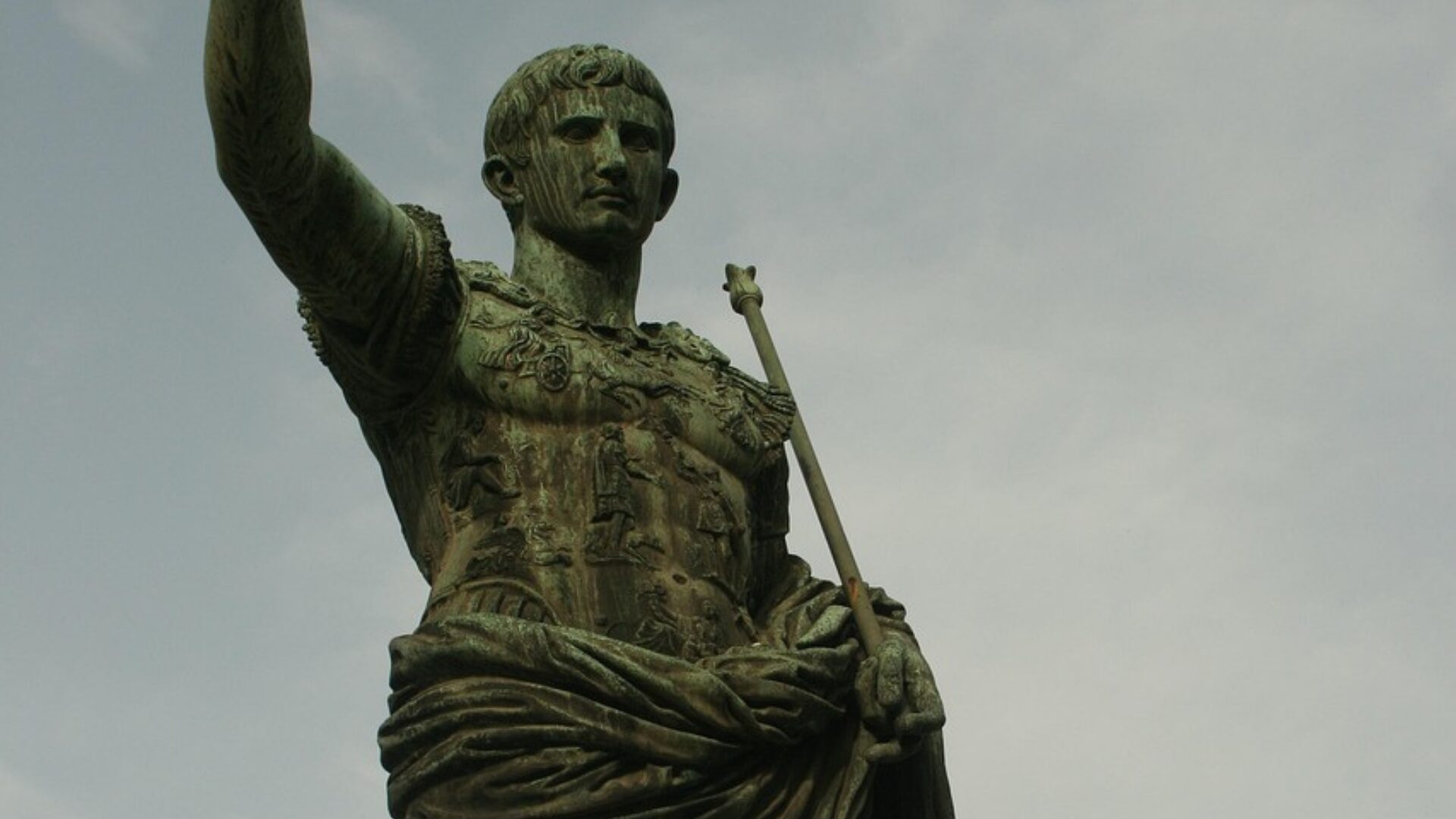
Here’s a quick look at some notable connections:
| Name | Connection to the Tower |
|---|---|
| Prince Gaius | Traveler, admirer of art |
| Marcellus & Tertia | Noble visitors, science fans |
| Decimus, Demetrius | Astronomy students |
| Macedonian twins | Imaginative artists |
Inspired Characters and Stories
Writers have obsessed over the Tower of the Winds for centuries. I’ve found that some fictional stories echo my own curiosity about its mysteries.
The Gallio family pops up in historical dramas, usually exploring the intellectual life of Roman Athens. Minna, a character in a travel novel, once admired the Tower’s carvings during a stormy afternoon.
I came across a short story where Decimus, as a young philosopher, stood lost in thought beneath the carved faces of the winds—a scene I can imagine every time the breeze stirs.
Both ancient and modern authors use the Tower as a meeting point for science, ritual, and daily life. It’s a perfect stage for stories set in shifting times and cultures.
Connections to Israel and Rhodes
The Tower’s influence really stretches way beyond Athens. I bumped into a group of travelers from Israel who told me ancient Jewish scholars admired Greek engineering—especially the Tower. Their stories about making the pilgrimage usually end with this sense of amazement at how myth and math mix in the Roman Agora.
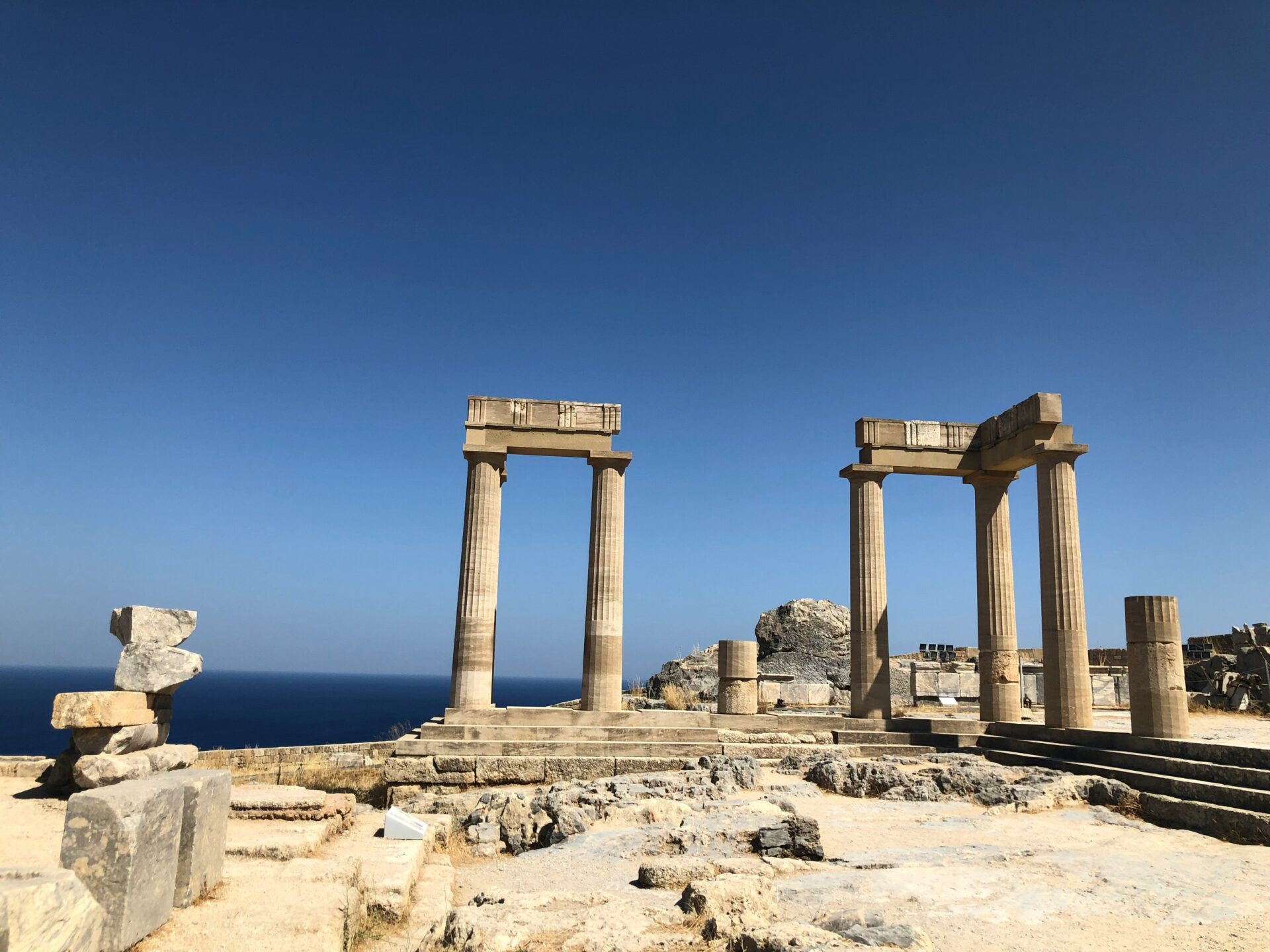
On my last visit, I heard how merchants from Rhodes actually studied the Tower’s weathervanes and timekeeping tricks, then took those ideas back home. You can still spot traces of this exchange in the buildings and old stories scattered around Rhodes, Israel, and Athens.
As I wandered through these layers of history, I couldn’t help but feel the Tower pulling people and places together across the Mediterranean. It stands as this odd little symbol of curiosity and shared discovery.
