
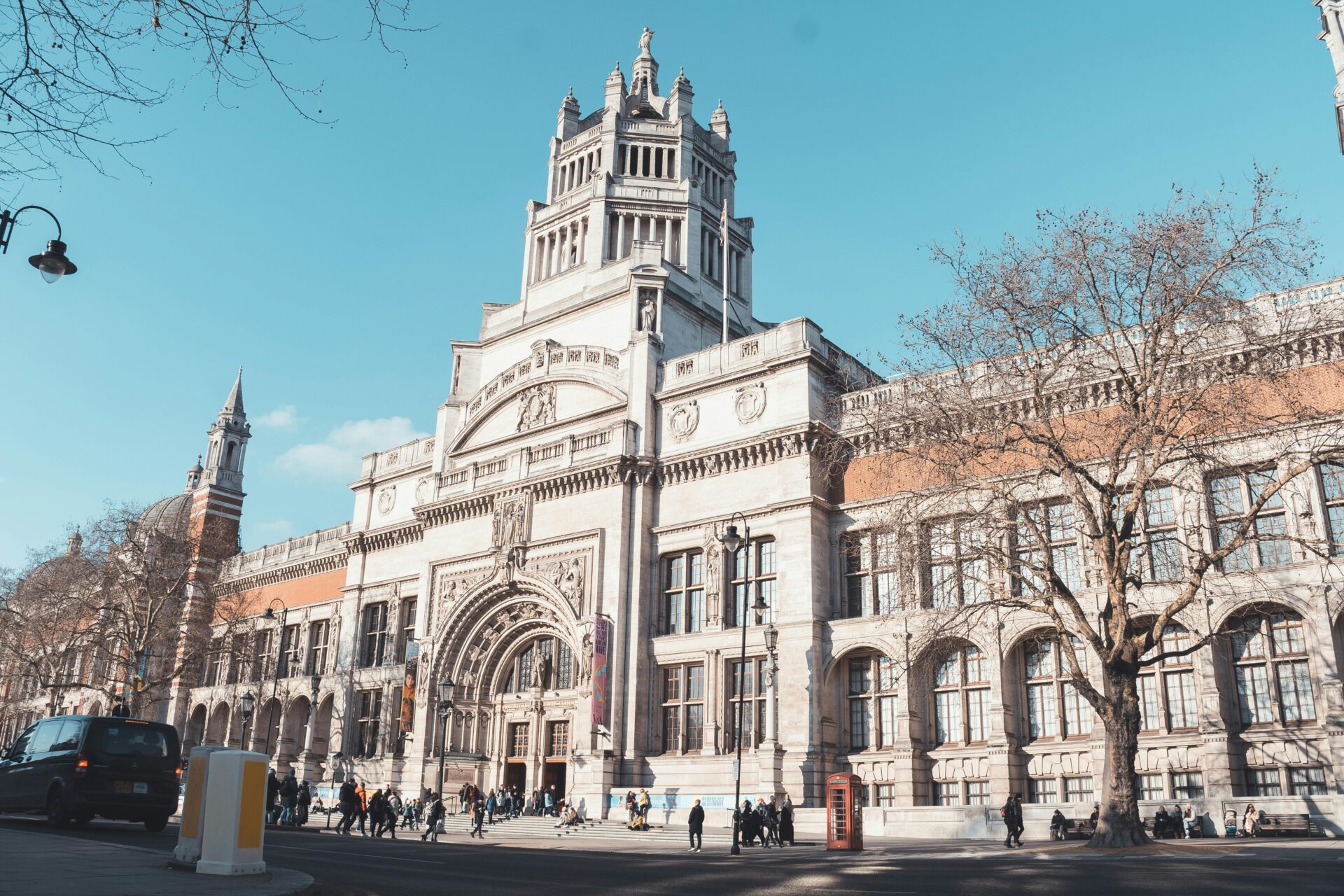
When I walked through the grand doors of the Victoria and Albert Museum in London, it honestly felt like I’d stumbled into a treasure chest. Every corner seemed to hold something different—striking fashion displays with rare gowns, colorful couture, and intricate decorative arts stretching across centuries.
If you love exploring history, creativity, and beautiful design, the V&A Museum is a place where you could gladly lose track of time.
It’s not just about peering at old things behind glass. The museum pulls together art, fashion, and design in a way that feels lively and welcoming.
Admission is free, which makes visiting both easy and gentle on your wallet. If stylish clothes, dramatic objects, and fascinating stories catch your eye, you’ll find plenty to love here—and probably more than enough to make you want to come back.
The Allure of Fashion: Where Glamour Meets History
The V&A Museum in London lets you explore fashion’s power to inspire with glamour, creativity, and technique. Inside, I found myself surrounded by extraordinary clothing, legendary designers, and the artistry that brings garments to life.
Iconic Garments Through the Ages
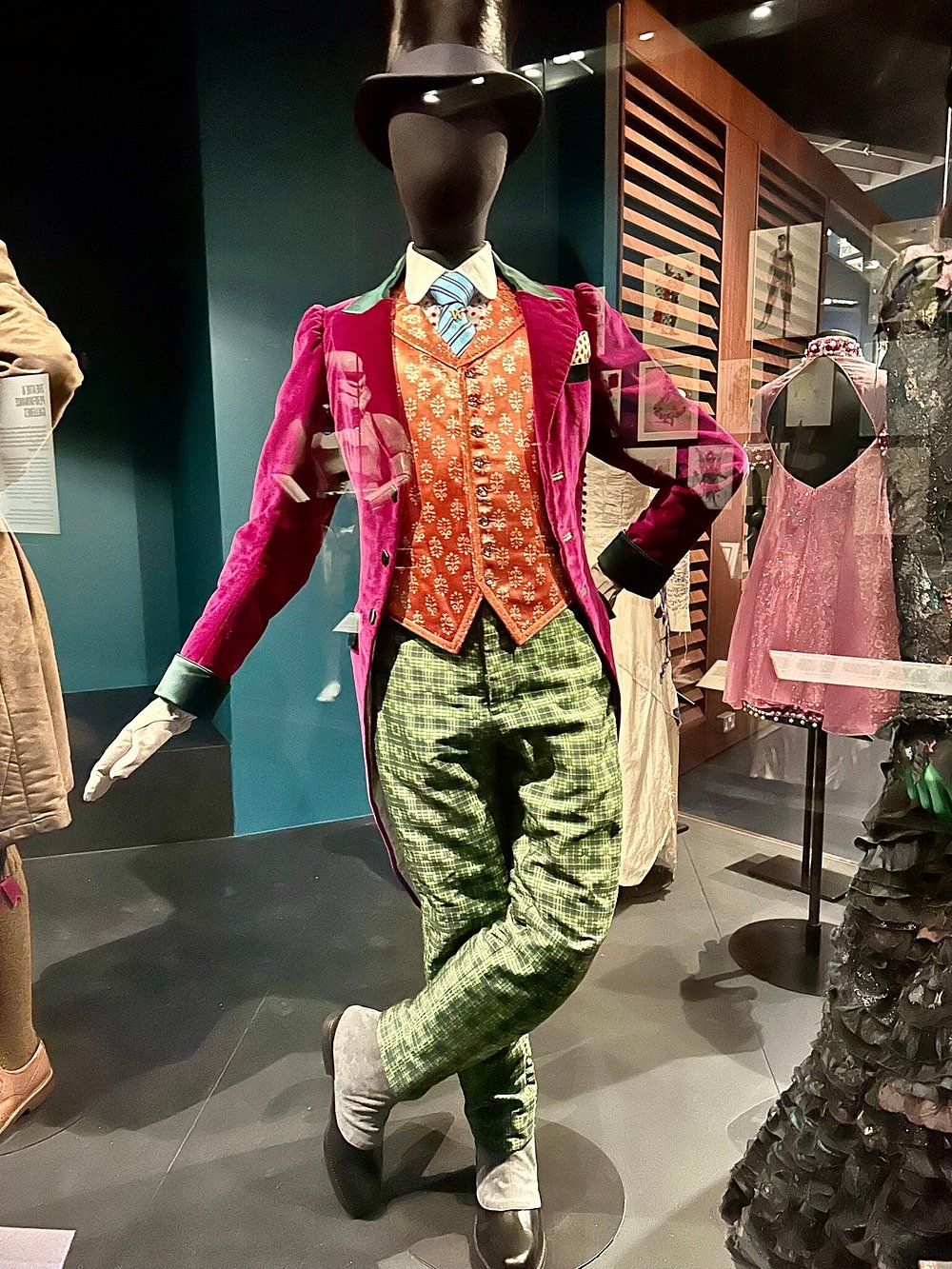
As I wandered the V&A’s fashion galleries, I ran into rare pieces from the 17th century all the way to today. Delicate silk gowns with wide skirts from the 1700s stood near sharp 1960s daywear and glitzy 1930s evening dresses.
These iconic garments show how society, beauty standards, and technology have changed.
Some dresses told personal stories. For example, a detailed wedding dress offered a glimpse into someone’s special day long ago.
The collection shares not just how people dressed, but why—whether for ceremony, status, or comfort. Each display invites me to imagine London’s streets filled with these looks, way before fast fashion.
Here’s a quick list of collection highlights:
- 17th-century mantuas
- 18th-century gowns
- Post-war couture
- Bright 1960s styles
Fashion Designers Who Shaped the Scene
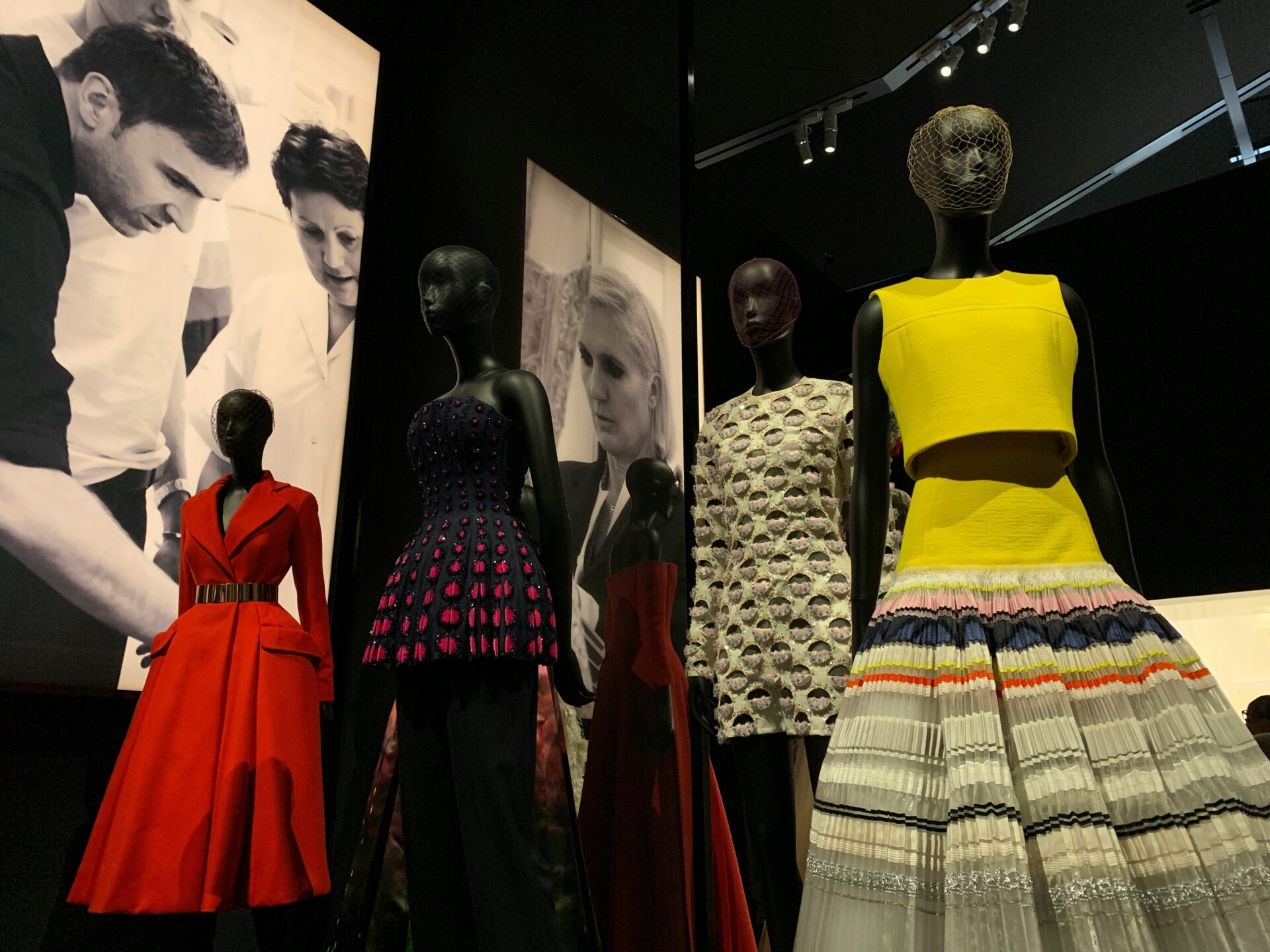
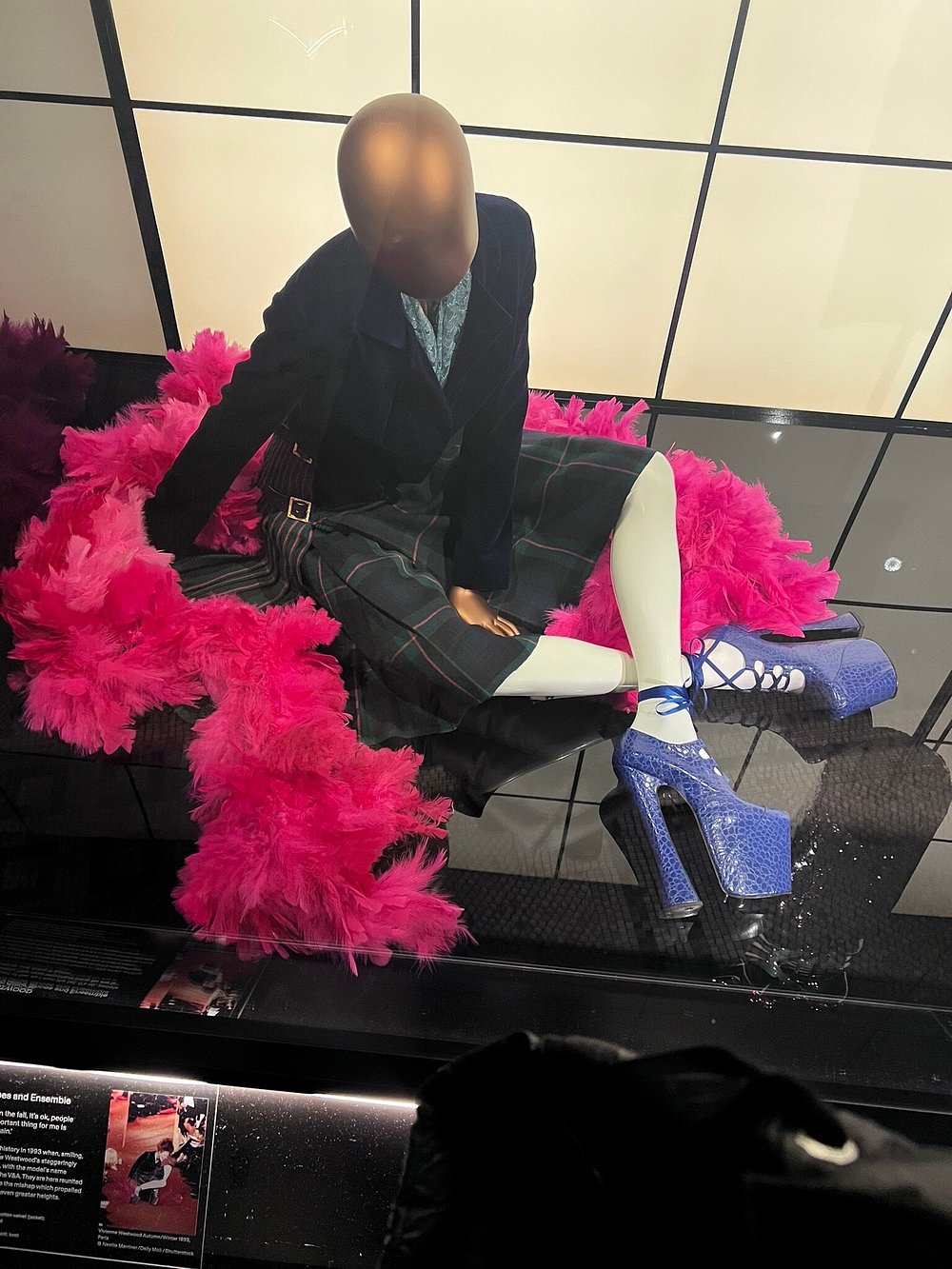
The museum celebrates designers who left their mark on fashion. I spotted pieces by names like Christian Dior, Vivienne Westwood, and Alexander McQueen.
Their styles shaped not just what people wore but how we see fashion as an art form.
Reading about Dior’s 1947 “New Look” made me realize how much it changed silhouettes and revived glamour after World War II. Westwood’s punk energy brought rebellion and British identity to high fashion, while McQueen’s dramatic dresses pushed the limits of imagination.
Each designer’s work in the V&A collection responds to cultural changes, beauty ideals, and moments in London’s history. The museum puts faces and stories behind famous brands, making fashion feel more personal and alive.
Couture Techniques and Smocking
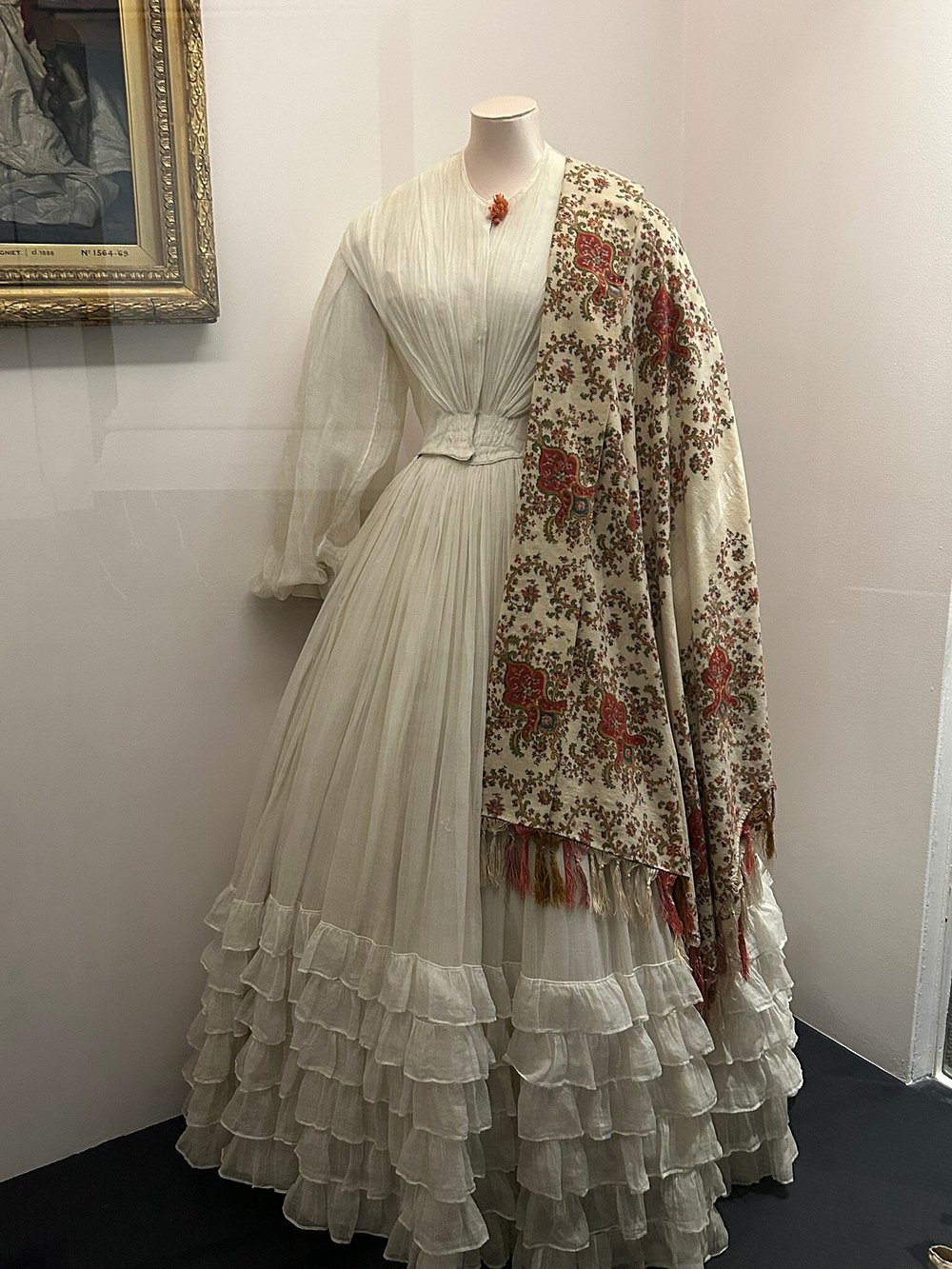
Standing close to couture pieces, I could really appreciate the craftsmanship. The V&A shows off delicate techniques like smocking, hand-stitched details, and beaded embellishments.
Smocking, with its tiny pleats and embroidery, adds both stretch and texture.
Interactive displays let me see the layers and construction up close. Some dresses revealed hidden structures or inner boning that shaped the body’s silhouette.
Labels explained how tailors used special tricks to get perfect fits, whether for grand balls or daily wear.
Techniques like smocking remind me that fashion’s beauty isn’t just about looks—it’s about skill and innovation too. The collection shows how fashion can be both a practical craft and a glamorous art, tying the past to today’s styles.
Immersed in Decorative Arts and Design
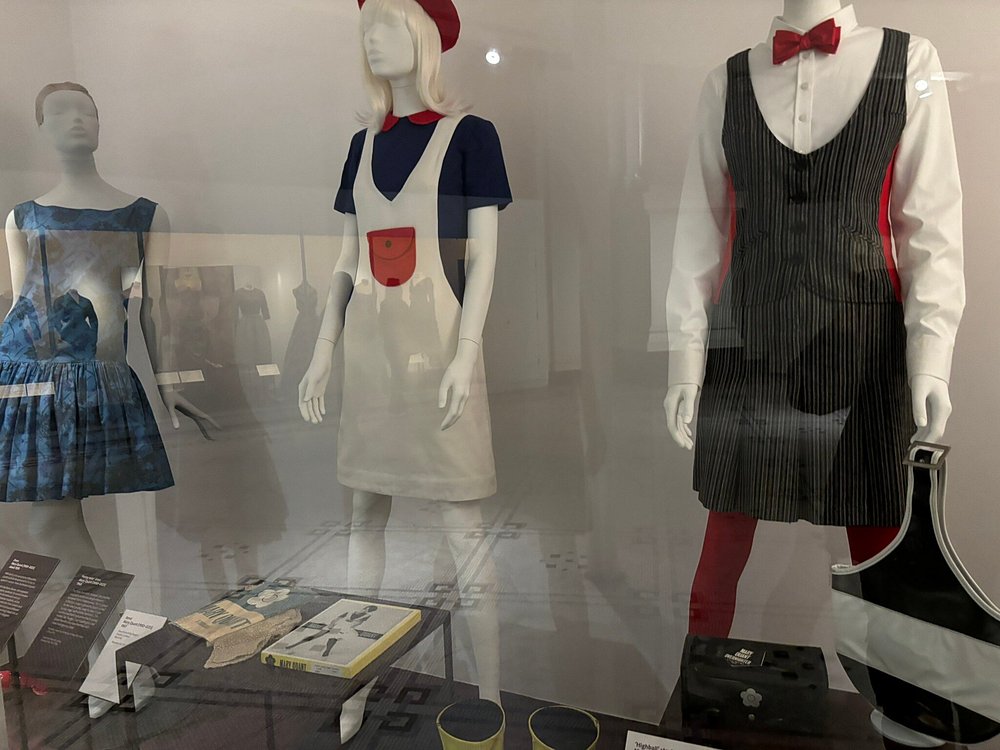
As I walked through the V&A Museum, I felt surrounded by the real beauty of creative expression. Every corridor and gallery offered something new—ornate objects, detailed fabrics, and impressive displays that highlight the world of art and design.
Treasures of Applied Arts
Rooms filled with applied arts made me realize how everyday objects can become true masterpieces. Glassware from Paris, delicate ceramics, and detailed metalwork from all over Europe sit side by side.
I admired the color and patterns painted on vases, bowls, and plates—each one a link to life in another century.
Many of these treasures come from East London and across the world, showing how artists added style to daily essentials. Seeing these pieces up close—like shimmering jewelry and intricate clocks—helped me appreciate the time and care poured into each one.
Even small items, like a decorated box or snuff bottle, stood out as reminders of their makers’ skill.
Some pieces sit in themed galleries. That made it easier for me to spot French enamel, Italian glass, and English silver without feeling lost.
If you love history or just enjoy clever design, it’s a fascinating dive into the beauty behind practical things.
Furniture, Textiles, and Everyday Splendor
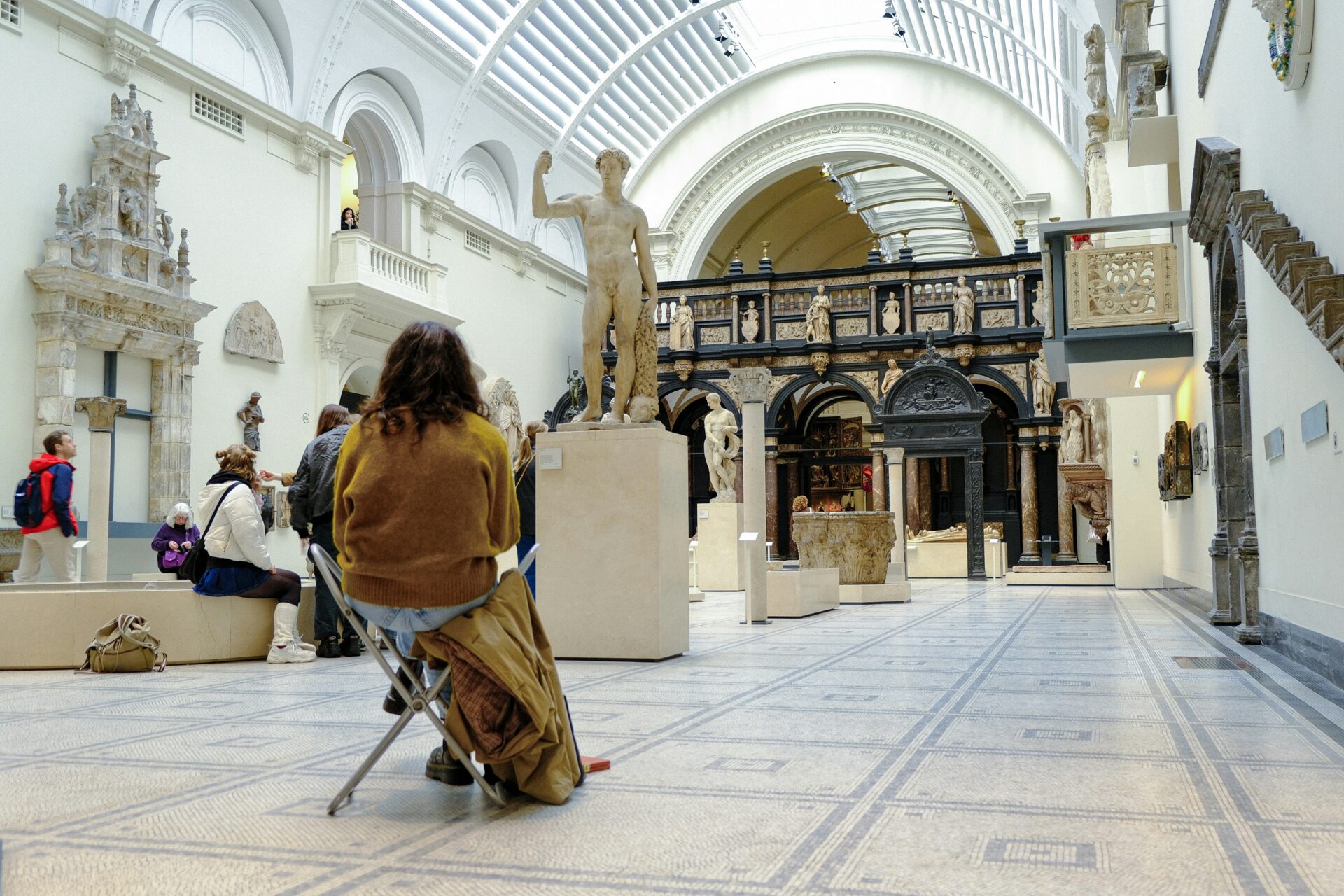
I couldn’t help but stop at the museum’s vast furniture and textile collection. Ornate chairs, carved cabinets, and even whole rooms whisked me from London to opulent homes in Paris.
Detailed embroidery and tapestries caught my eye with their bold colors and careful stitching.
The textile exhibits feature fabrics from around the globe, including rich silks and stylish patterns that hint at changing fashion and trade. I found myself tracing floral patterns on antique curtains, noticing the wear from centuries of use.
- Victorian and Georgian furniture pieces stand out for their craftsmanship.
- Rugs and quilts from different cultures tell stories in threads and dye.
Being surrounded by these objects made me think about daily life back then. The blend of function and art in each piece made every room feel both grand and lived-in—proof that decorative arts aren’t just for show but a real part of history.
Art Appreciation: Paintings, Sculptures, and Fine Arts
Strolling through the V&A Museum, I found it ridiculously easy to lose track of time while admiring the range of paintings and sculptures. Each gallery offered a unique journey through fine arts, making the experience both educational and inspiring.
Unveiling Masterpieces on Canvas
The V&A has a stunning collection of paintings, from luminous oil pieces to delicate watercolors. In the painting galleries, I quickly recognized works by Raphael, John Constable, and J. M. W. Turner.
Their brushstrokes are mesmerizing up close—the details in the landscapes, portraits, and historical scenes offer an intimate window into the past.
Several pieces highlight different art movements and techniques. Exploring these works, I saw the evolution of style and taste across centuries.
Big, bold frames pull your attention to the smallest details—like the play of shadow and light or the lifelike folds of a garment.
For anyone who loves art appreciation, this section feels like an interactive textbook, but with all the beauty and none of the stress.
Tip: Free gallery guides are available near the entrance, helping you find the paintings that interest you most.
Pausing in front of a favorite painting, I noticed how visitors would quietly discuss colors, technique, and even the emotions each scene sparked.
Captivating Sculptures Across Centuries
The sculpture wings of the V&A practically beg you to slow down and look closer. Wide corridors house everything from classical Greek statues to modern pieces, with materials that range from glowing marble to dark bronze.
The sheer variety amazed me—I spotted delicate Renaissance angels, intricate medieval carvings, and even full-scale plaster casts of monuments.
Sculptures here aren’t tucked away behind glass. Many are placed so close you can circle around and view them from every angle.
Key highlights:
- Michelangelo-inspired pieces
- 19th-century British portrait busts
- Elaborate mythological groups
Several sculptures are replicas or casts, letting visitors see famous works usually found in Rome or Florence. If you’re passionate about aesthetic appreciation, it’s an amazing chance to study technique, shape, and anatomy up close—without hopping on a plane.
I recommend bringing a sketchbook or just sitting for a few quiet moments. The atmosphere is welcoming, perfect for both first-time visitors and returning art lovers.

A Royal Legacy: The Stories of Prince Albert and Queen Victoria
Every time I walk through the grand halls of the V&A Museum, I can see the passion that Queen Victoria and Prince Albert had for art and culture. Their vision meant more than just gathering beautiful things—it was about shaping a new era for British design and creativity.
The Vision Behind the Museum
Prince Albert and Queen Victoria were more than leaders; they were real art lovers who wanted to inspire the public. Prince Albert, especially, believed in the power of education through museums.
He wanted everyone—not just the rich—to learn from art and design.
In 1851, the Great Exhibition showcased art, inventions, and industry from around the world. That event’s success sparked the idea for a national museum dedicated to decorative arts and design.
The museum, named the Victoria and Albert Museum, came not long after. It stands as a symbol of their shared dream: making art accessible and uplifting British creativity.
For me, the V&A isn’t just a place to view old paintings and sculptures. It feels like an ongoing gift from the royal couple, who believed that design could help build a better, smarter society.
Historical Impact on British Art and Design
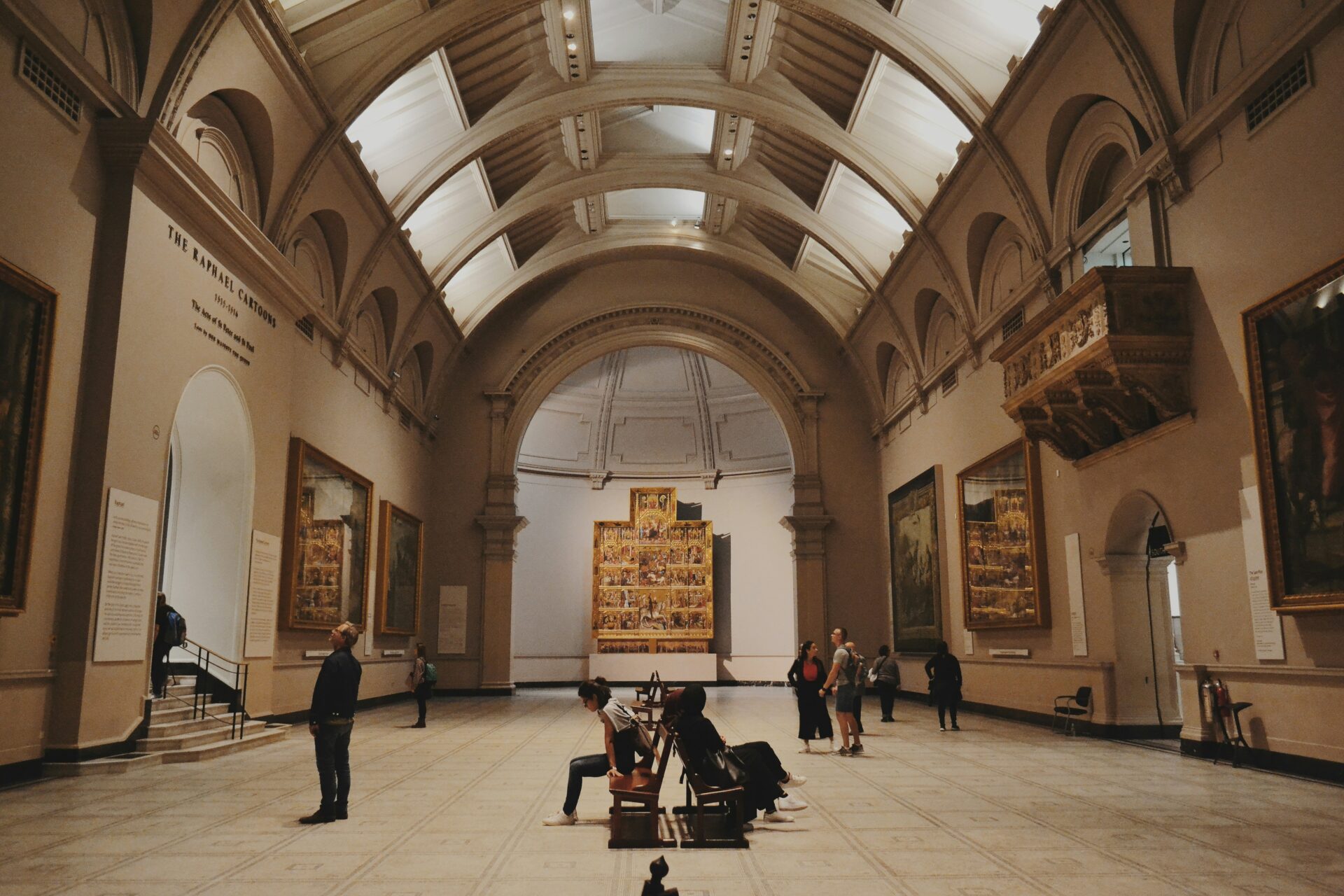
The legacy of Queen Victoria and Prince Albert shaped more than the museum’s collection. Their support for artists helped turn London into a creative hub.
The V&A’s mix of fine arts, fashion, and everyday objects highlights just how much they valued both beauty and usefulness.
When I compare this to other London attractions, like the British Museum, I notice how the V&A focuses on everyday design and its role in people’s lives, not just history.
Over five thousand years of creativity fill the galleries, from royal portraits to cutting-edge fashion.
Their vision made art more than a private pleasure—it became a public good. Thanks to their efforts, students, makers, and even casual visitors like me can connect to the past and find inspiration for the future.
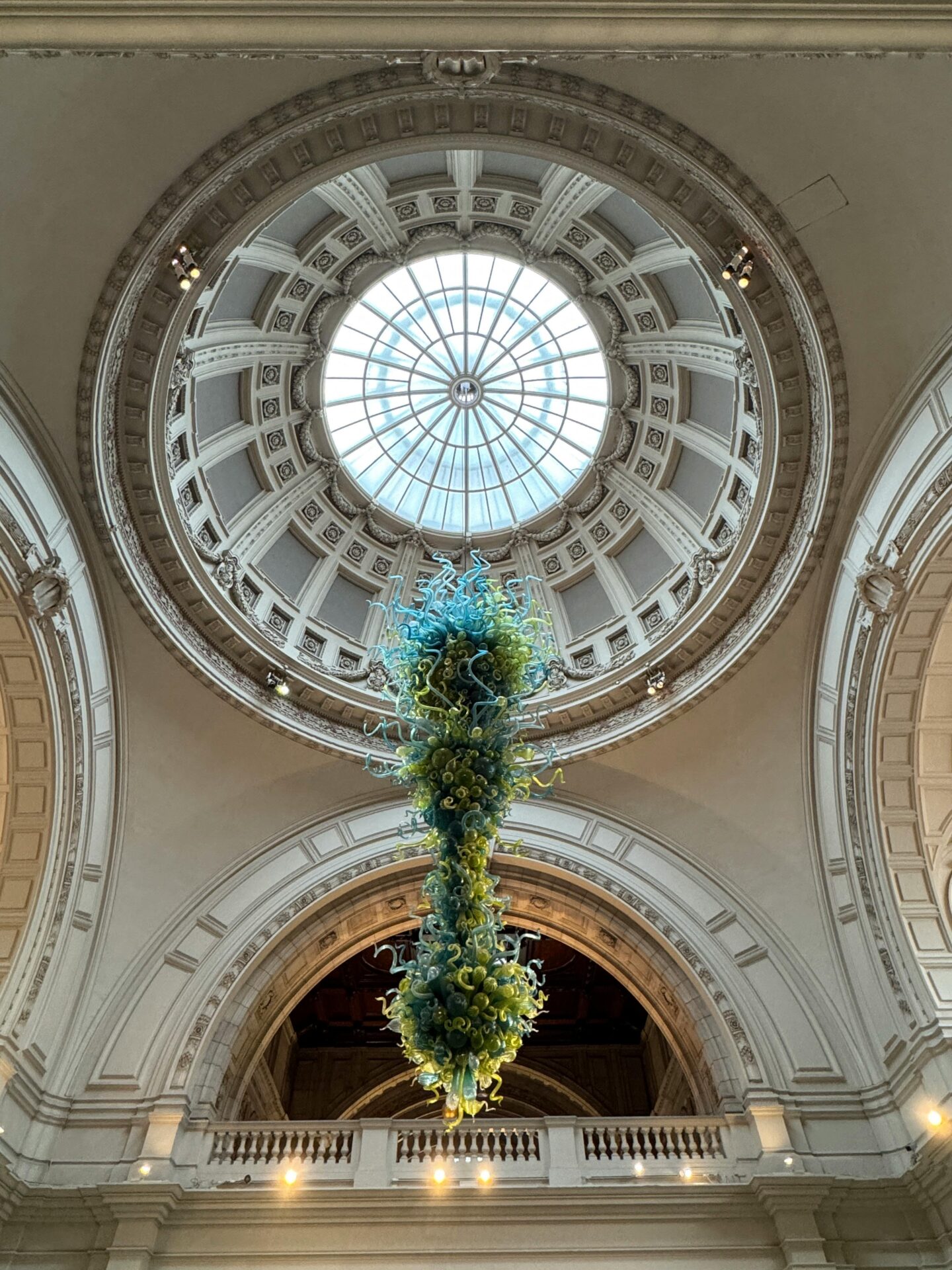
Unforgettable Experiences and Must-See Highlights
From world-famous artifacts to cozy coffee corners, the V&A Museum offers moments that stick with me long after I leave. My visit blended rare discoveries, the hunt for the perfect museum souvenir, and savoring the museum’s stylish, calm corners.
Personal Favorites and Hidden Gems
As soon as I walked into the museum, I felt drawn to the Tippoo’s Tiger—an 18th-century Indian automaton that both fascinates and startles. It’s not every day you see a wooden tiger “attacking” a soldier, but there it was, right in the South Asia gallery.
I also loved the Ardabil Carpet. Its scale and the freshness of its colors are just breathtaking.
It made me see how textiles can tell stories of kingdoms and new horizons in design.
Sometimes, the best finds are smaller. A quiet side room surprised me with collections of delicate jewelry.
These displays felt almost like a private viewing. Each item reflected centuries of changing tastes and styles—from chunky Victorian brooches to sleek, modernist pieces.
Quick list of my memorable highlights:
- Tippoo’s Tiger (South Asia Gallery)
- The Ardabil Carpet (Islamic Art)
- Jewelry collections (hidden rooms in Jewellery Gallery)
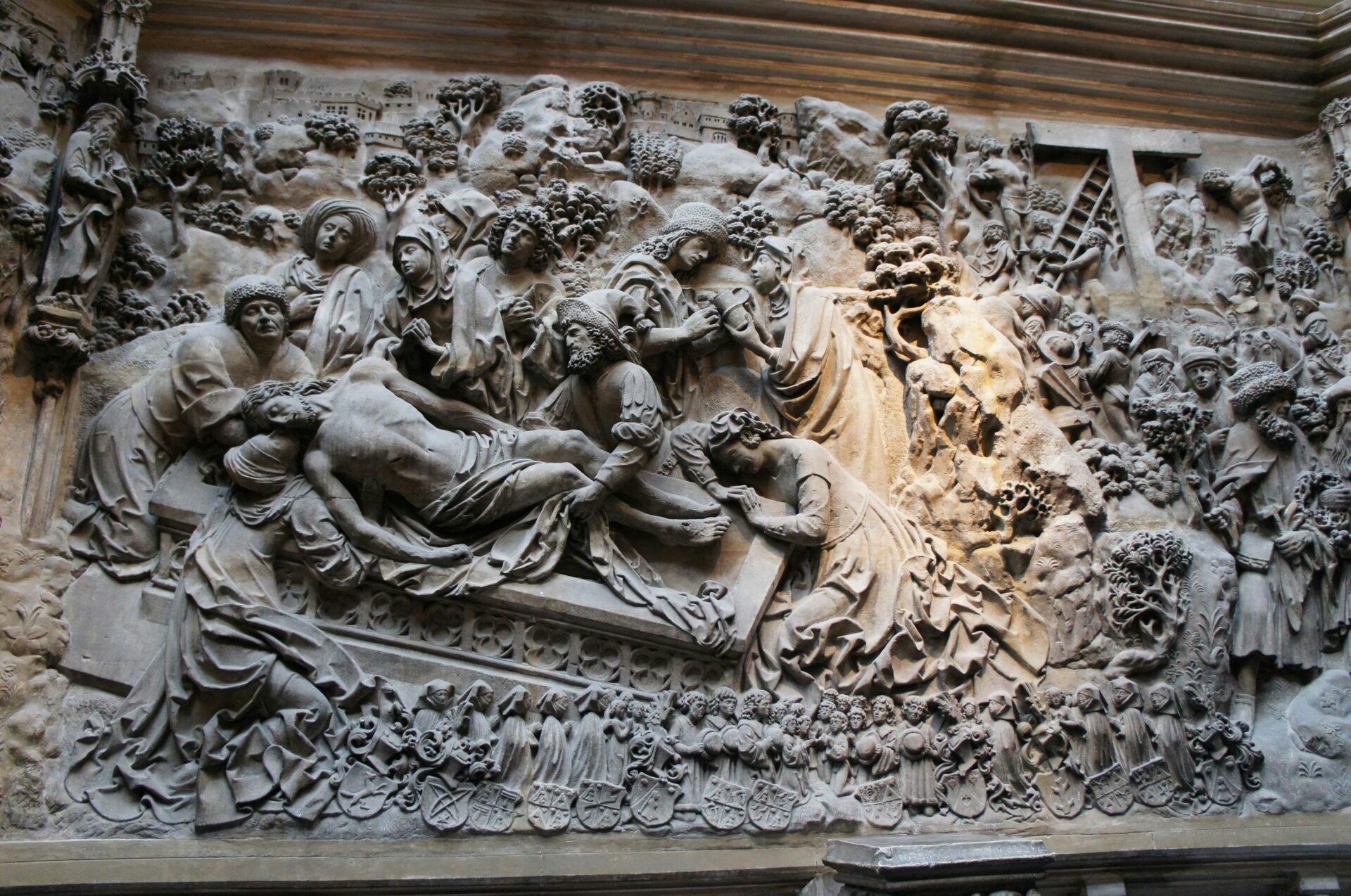
Coffee Table Book Souvenirs
I can’t help myself at the V&A shop—I always end up picking out a coffee table book. There’s just something about bringing the museum’s art and design vibe into my own living room.
I came across this lush volume on the museum’s decorative arts collection, packed with photos and little stories about famous objects. It’s honestly hard to put down.
The shop covers all sorts of topics, from fashion history to architecture. Whether you’re just curious or a total design nerd, you’ll find something that pulls you in.
Some books even focus on temporary exhibits. You get to revisit a favorite show or hand a piece of it to a friend.
Top picks I noticed:
- “V&A Gallery Highlights: A Visual Guide”
- “Fashion: The Definitive History”
- “1000 Chairs”
These books aren’t just for display. They open up new ideas, spark a little inspiration, and honestly, they make pretty great gifts.
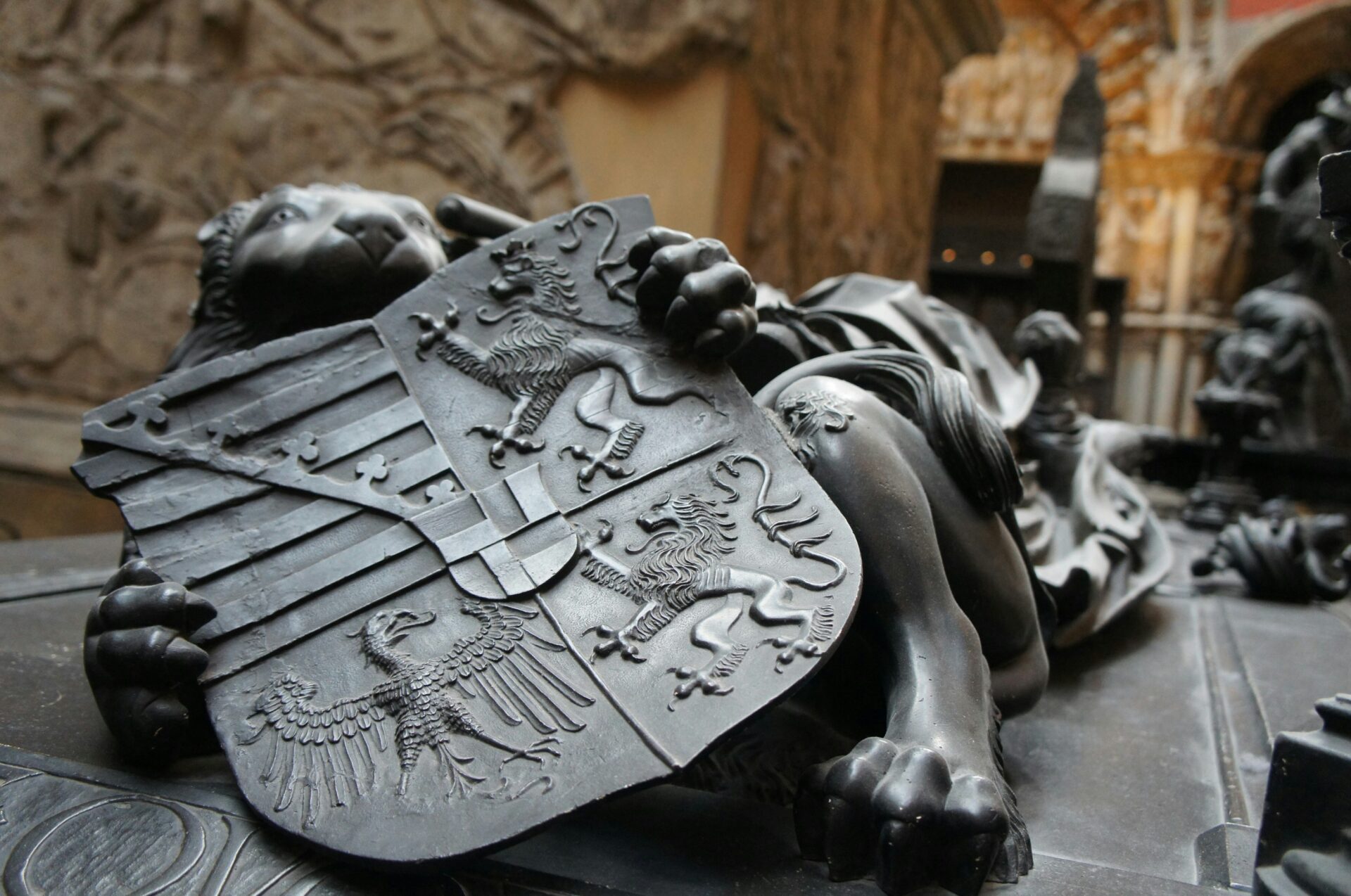
Chic Moments in the Museum Cafés
Honestly, nothing beats pausing at the museum’s Victorian-era café. After walking for hours, I just grabbed a table under those glittering mosaic ceilings and felt like I’d left the busy London streets far behind.
The menu offered traditional English tea, but also some modern bites—think fresh salads and cakes. I couldn’t resist flipping through my new coffee table book while I sat there.
It’s easy to hang around, soaking up the stylish atmosphere. The décor in the café really stands out, with stained glass and ornate tiles everywhere you look.
If you’re after some quiet, the garden courtyard offers another peaceful escape. I sipped my espresso among the greenery, just reflecting on all the extraordinary things I’d seen.
Honestly, it’s these small, chic pauses that make the V&A so inviting. It never feels overwhelming—just welcoming.
