
Walking through the Valley of the Temples in Sicily, you almost feel like you’ve slipped into the glory days of ancient Greece. This archaeological wonder shows off some of the best-preserved Greek temples outside of Greece itself.
The Valley of the Temples in Agrigento can rival even Athens, with its Doric temples standing tall against the Mediterranean sky. It’s no wonder UNESCO recognized it as a World Heritage site.
I was honestly amazed to find out that this city, once called Akragas, ranked among the most important Greek colonies in the ancient world. As I wandered through those massive stone columns, I kept picturing the bustling city that once filled this space.
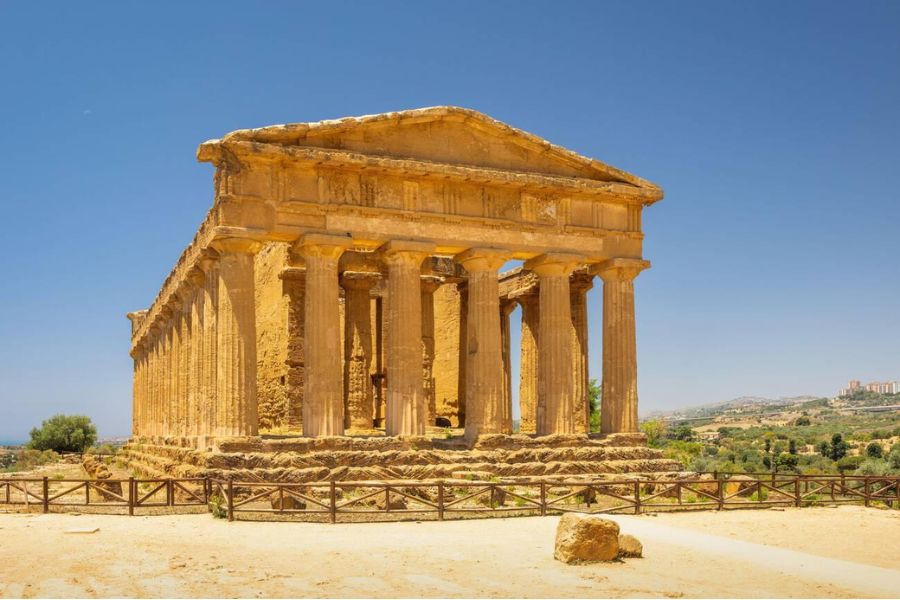
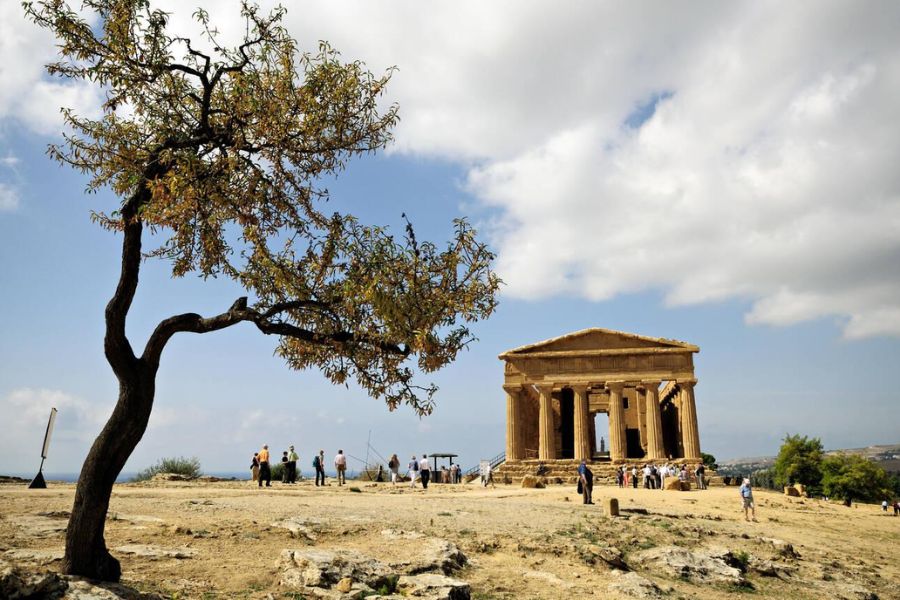
The Temple of Concordia still stands almost completely intact after 2,500 years. That’s wild—a real testament to the ancient builders’ skill.
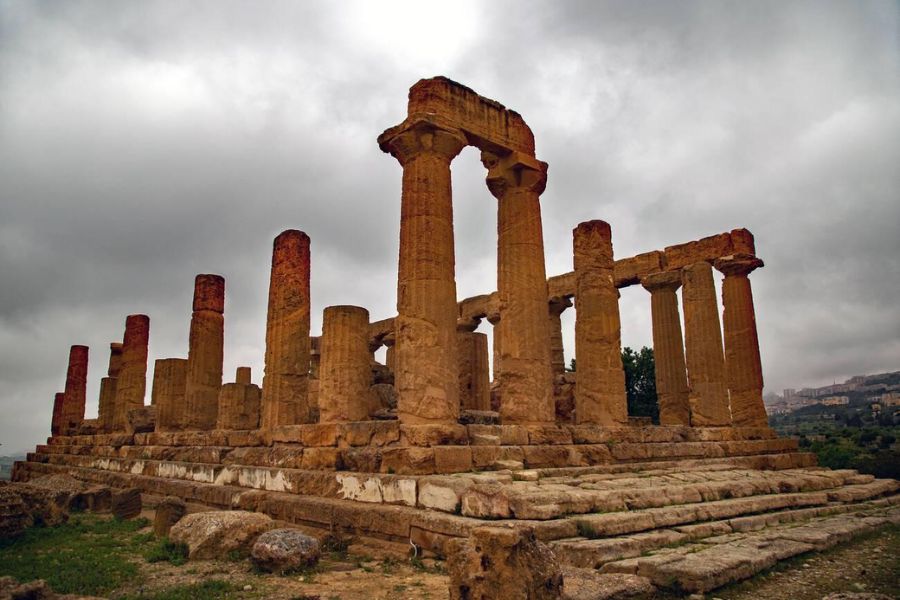
Sicily’s crown jewel stretches along a ridge, offering views of rolling countryside and the distant sea. From the clifftop Temple of Juno to the remains of the Temple of Zeus, each structure tells a story about a civilization that cared deeply about beauty, proportion, and grandeur.
The nearby Garden of Kolymbetra brings a splash of life to the site, hinting at the agricultural richness that once fed this powerful city.
The Rise of Akragas: Founding a Greek Colony Rivaling Athens
Akragas rose in the 6th century BCE. It grew quickly from a modest settlement into a wealthy city-state that could stand toe-to-toe with Athens.
Origins and Colonization of Sicily
Around the 8th century BCE, Sicily became a hotspot for Greek colonization. Its strategic spot in the Mediterranean made it perfect for trade and naval power.
When I visited, I couldn’t help but notice how ideal the natural harbors would’ve been for ancient ships.
Greek colonists flocked to Sicily for its fertile land and natural resources. They set up settlements along the coast, creating what historians now call “Magna Graecia” or Greater Greece.
Naxos became the first Greek colony in Sicily, founded around 734 BCE. That success encouraged others to follow.
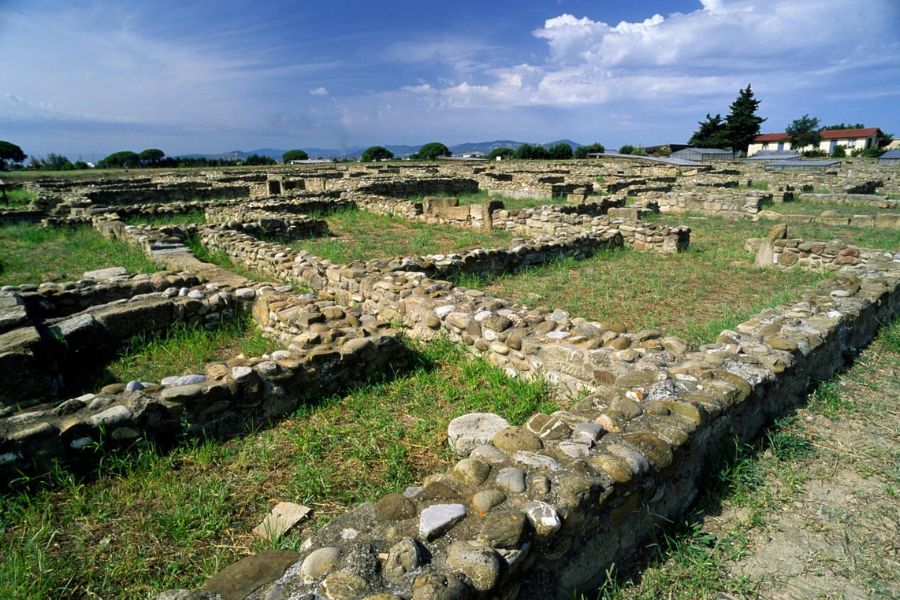
The Phoenicians had already established trading posts on the island’s western side. This mix of cultures shaped Sicilian identity in ways that still echo today.
Role of Greek Colonists and Theocles
Settlers from Gela, led by Aristonous and Pystilus, founded Akragas in 580 BCE. As I walked through the Valley of the Temples, I could almost sense the determination of those founders.
Theocles, although not directly tied to Akragas, played a key role in Sicilian Greek colonization. He established Naxos and set the model for later colonies.
The colonists set up city-states just like those back in Greece. They brought their language, religion, political systems, and architecture—pretty much their whole cultural package.
Gela, Akragas’s mother city, was itself founded by colonists from Rhodes and Crete. This blend of backgrounds gave Akragas a unique mix of Dorian and Ionian traditions.
Influences from Asia Minor and the Mediterranean
Akragas’s founders brought architectural inspiration from Ionian cities in Asia Minor. The grand temples in the Valley show clear influences from places like Ephesus.
Maritime know-how played a huge role in the colony’s success. Greek sailors understood Mediterranean routes and could connect with distant lands.
Trade networks linked Akragas to Egypt, Carthage, and Greek cities all over. The colony grew rich trading luxury imports and exporting agricultural goods.
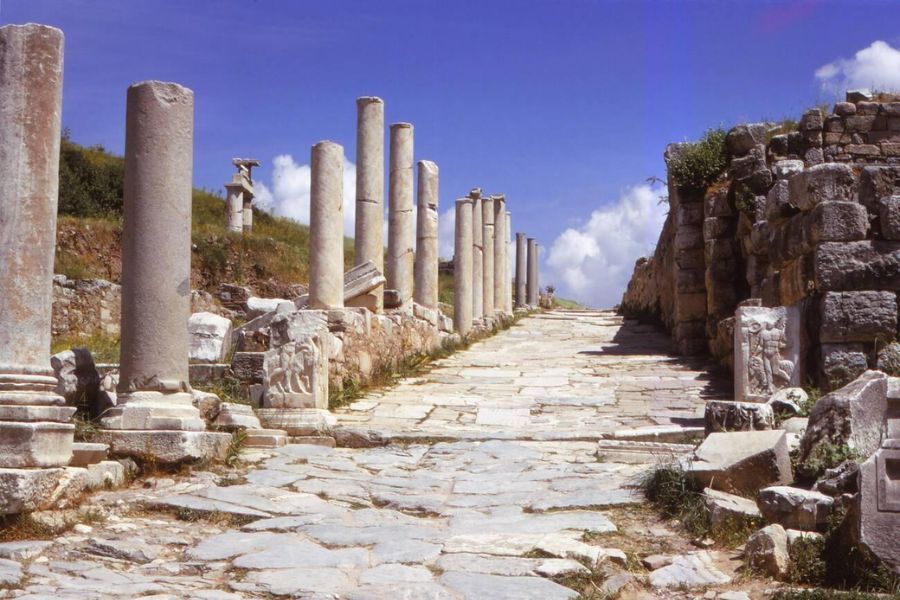
The city’s rapid growth reflected smart urban planning. As I wandered the site, I noticed how the ancient street grid followed the landscape, but still kept things orderly—a real sign of Greek engineering, honestly as impressive as anything in Athens.
Architectural Wonders: Temples and Monuments of Grandeur
The Valley of the Temples features some of the most impressive Greek architecture you’ll find outside Greece. These structures show off the technical mastery and creative vision of ancient builders who weren’t afraid to rival Athens.
Temple of Concordia and Olympian Zeus
The Temple of Concordia really steals the show. I was blown away by how well it’s held up. Built around 440-430 BCE, it’s among the world’s best-preserved Greek temples.
Its classic hexastyle design—6 columns at the front, 13 along the sides—still impresses. Walking around it, I kept marveling that it’s survived for over 2,400 years.
Its preservation owes a lot to its conversion into a Christian church in the 6th century. That move saved it from destruction.
Nearby, the ruins of the Temple of Olympian Zeus sprawl across the site. Even though it’s mostly collapsed, the sheer size is jaw-dropping.
The fallen telamones—huge stone figures—lie scattered around. These giants once stood about 25 feet tall, making the temple a real show of power.
Doric Order and Unique Temple Designs
The temples here showcase the Doric order at its best. As I explored, I noticed the sturdy columns, simple capitals, and detailed metopes.
What sets these temples apart is their mix of Greek precision and local flair. Sicilian Greeks tweaked standard designs, giving the temples a distinct regional character.
The Temple of Hera Lacinia (Juno) sits dramatically on the ridge’s edge. Its position offers sweeping views and would have made it visible from far away.
Another thing that caught my eye: the use of tufa stone instead of marble. It gives the temples a warm, golden glow in the sunlight—a practical choice and honestly, it looks fantastic.
Acropolis, Agora, and Urban Landmarks
The ancient acropolis crowned the highest point, commanding the landscape. Walking these grounds, I could almost picture the city’s defenses standing guard.
Just below, the agora buzzed with life. This open space served as both marketplace and public forum—a place for politics, trade, and daily chatter.
Remains of stoas line parts of the city grid. These covered walkways offered shade for shoppers and a spot for merchants and philosophers to gather.

The ruins of the tholos—a rare circular building—caught my attention. It probably served religious or civic purposes, making it a fascinating find.
Orchestra, Greek Theater and Dramatic Performances
The ancient theater, carved right into the hillside, gives you a taste of the colony’s entertainment scene. The semi-circular orchestra was where the chorus performed during festivals.
Sitting on those stone seats, I was amazed by the acoustics. Even a whisper from the center carries throughout—no microphones needed!
The theater could hold around 13,000 people. Clearly, dramatic performances mattered a lot here.
The skene, or backdrop building, gave actors a place for costume changes and dramatic entrances. It also provided an impressive architectural background.
Performances brought the community together and kept Greek identity alive, even so far from the mainland.
Akragas Society: Life, Mysteries, and Cultural Heritage
The ancient Greek colony of Akragas thrived with its own blend of traditions and cultural quirks. Greek influences mixed with local Sicilian elements, making this civilization uniquely Mediterranean.
Religious Practices and Sacred Mysteries
The people of Akragas took their spirituality seriously. Religious practices shaped daily life.
I found it fascinating how central temple worship was. The Valley of the Temples wasn’t just a monument—it was a living religious center.
Special sanctuaries hosted sacred mysteries and initiation rituals. Only those initiated could join these secret ceremonies for Demeter and Persephone.
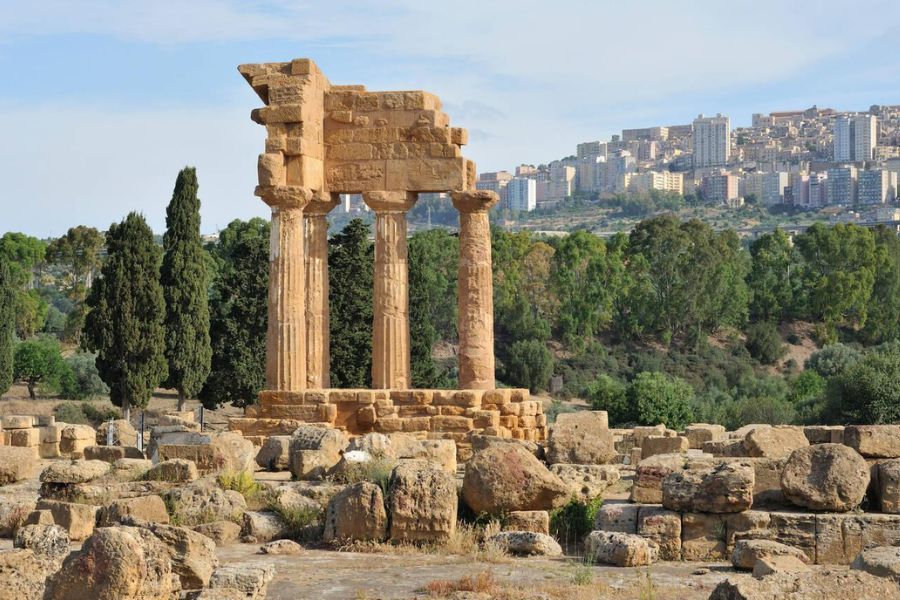
Animal sacrifices happened often, right on massive altars that still stand today. I spotted one near the Temple of Concordia—pretty impressive, honestly.
Despite some myths, they didn’t practice human sacrifice. Symbolic offerings, though, were common.
Religious festivals filled the Akragan calendar with processions, feasts, and performances. These events brought the community together and honored the gods.
Political Power and Social Hierarchy
Akragas started out as a tyranny. Rulers like Theron held a lot of power.
It’s interesting—despite what we think of “tyranny” now, Theron’s reign was considered a golden age.
The social hierarchy was clear but layered. Aristocrats owned land and ran politics. Merchants, craftspeople, and free farmers made up the next ranks.
Slave labor, unfortunately, formed the backbone of the economy. Many slaves worked the land or helped build the city’s monuments.
After tyranny ended, Akragas set up a democracy—kind of like Athens, but with its own twists. Free adult males could join the assembly and help make decisions.
Women didn’t get a political voice, but they played key roles in religion and managed households. Some upper-class women held real sway through family ties.
Trade Networks, Maritime Economy, and Industry
Akragas’s location made it a maritime trade powerhouse. Their trade networks stretched across Sicily, Greece, North Africa, and beyond.
Their port—modern Porto Empedocle—buzzed with goods from all over the Mediterranean. Merchants traded olive oil, wine, and grain from the fertile valleys.
Industry flourished too. Workshops produced pottery, textiles, and metalwork. I’ve seen some of their pieces in museums—honestly, they rival anything from mainland Greece.
Agriculture drove Akragas’s wealth. Huge wheat fields earned the colony its “breadbasket” nickname.
The city even minted its own coins, often stamped with a crab. These coins showed off their independence and identity and traveled widely.
Heroes, Symbols, and Legends
Akragas built its identity around local heroes and legends. Empedocles, the philosopher-scientist, remains the city’s most famous figure. I’ve stood where stories say he taught his theories about the four elements.
The crab became Akragas’s main symbol, appearing on coins and monuments. Local legend tied it to the rivers that hugged the city like a crab’s claws.
Ancient travelers described Akragas as paradise-like. They said people “built as if they would live forever but dined as if they would die tomorrow.” Not a bad motto, really.
The serpent appeared in local worship of underworld deities and healing cults. Sacred serpent pits near some temples still hint at these rituals.
Athletic competitions honored local heroes. Winners earned special status, and the city sent athletes to the Olympic games, winning glory back home.
Influence, Connections, and Legacy Across the Ancient World
The Valley of the Temples stands as proof of the connections that linked ancient civilizations all over the Mediterranean. As a Greek colony, it became a key point for cultural exchange and philosophical growth.
Cultural Exchange with Greece, Egypt, and Beyond
Walking through the Valley, I’m always struck by how it’s a crossroads of ancient cultures. The temples are clearly Greek, but with Sicilian twists you just don’t see in Athens.
The colony kept strong trading ties with Greece, but developed its own artistic style. Pottery found here shows trade patterns reaching as far as Egypt under Pharaoh Psammetich.
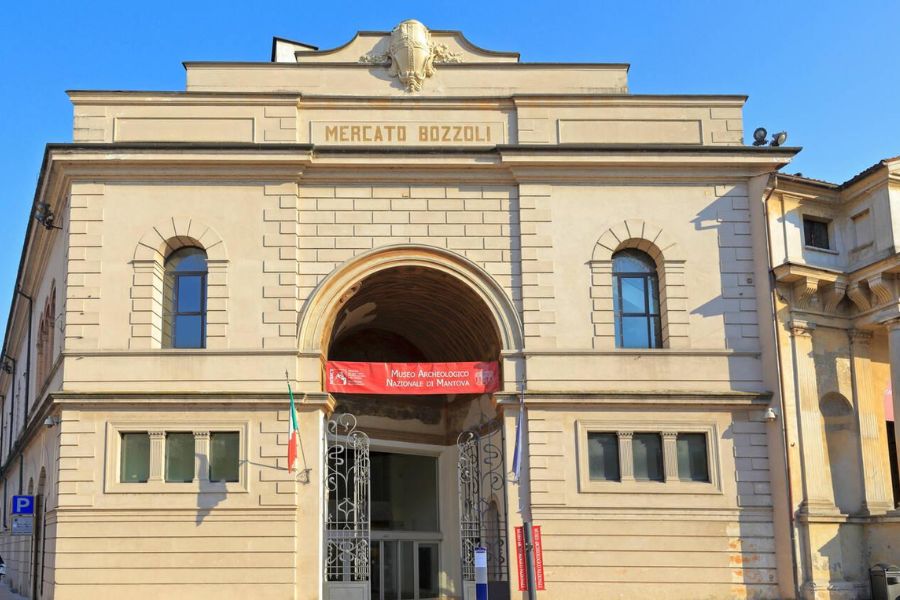
Artifacts in the National Archaeological Museum suggest Agrigento’s traders traveled beyond the Mediterranean—maybe even as far as the Indus Valley.
These connections weren’t just about commerce. Religious practices and building techniques flowed both ways. Some temples even show subtle Egyptian touches in their columns and decorations—a sign that ancient peoples borrowed freely from one another.
Conflicts, Conquests, and Historical Turning Points
The Valley of the Temples has seen some wild shifts in power over the centuries. When I dug into the history, I realized the Carthaginian invasion of 406 BCE hit the colony hard and left it in ruins.
Persian conquests didn’t reach Agrigento directly, but refugees from Ionian Greek cities streamed west, bringing fresh ideas and skills. This wave of newcomers helped spark the colony’s golden age in the 5th century BCE.
In 210 BCE, the Romans took over. At first, they seemed to respect Greek traditions, but over time, they changed the site’s look and feel. I noticed this shift in the way temple designs evolved and how the city layout changed.
The Assyrian Empire never ruled Sicily, but its trade routes and culture still managed to touch the island. Eastern Mediterranean traders carried those influences across the sea.
Influence of Ancient Sages and Religious Knowledge
The Valley of the Temples turned into a hotspot for philosophy and religious learning. I was genuinely surprised to find out that Pythagoras himself is said to have visited, sharing his ideas about math and the soul’s immortality.
Mystery schools popped up here, much like those in Greece and Egypt. Egyptian priests might’ve swapped secrets with local leaders, especially about celestial navigation and mysterious sciences.
Local oracles earned a big reputation, kind of like the ones at Delphi. People came from far away, hoping for advice on everything from crops to politics.
During the same period, Confucius taught in China and Zoroaster’s influence spread through Persia. Sicily, somehow, ended up as this fascinating crossroads for ancient wisdom and new ideas.
From Greek Origins to the Orthodox Church and Modern Legacy
The Valley of the Temples has seen its religious landscape shift in unexpected ways over the centuries. I followed the story as the ancient Greek gods slowly faded, replaced first by Roman deities, then by the arrival of Christianity, and finally the Orthodox Church.
When Christianity showed up, people converted many temples into churches. Instead of tearing down the old structures, they adapted them, which is probably why I can still admire so much of that ancient architecture today.
Judaism and, later on, Islam both found a place in Sicily too. These communities added to a religious mix that feels unique even now. The temples have watched all of it, standing quietly as faith after faith passed through.
Modern Hellenism has made a bit of a comeback. Some groups now hold ceremonies at the temples, trying to revive ancient traditions. I went to one of these gatherings and honestly, it surprised me how strongly they managed to connect us to people who lived here 2,500 years ago.

The Polynesians probably came up with their own remarkable ways of navigating the seas. Still, I can’t help but find it fascinating to compare how ancient Sicilians and other peoples tackled similar challenges—seafaring, astronomy, all of it.
