
As I wandered Veria’s old streets, I couldn’t help but feel the city’s layers of history coming alive under my feet. Barbouta, the Jewish Quarter, still stands today, a window into a once-vibrant community that shaped Veria for centuries. Winding through its alleys, I stumbled upon a beautiful synagogue—a silent witness to the stories and traditions that once filled this neighborhood.
But there’s more to Veria than just its Jewish roots. I found myself at Apostle Paul’s Bema, the very stone platform where Paul preached around 50 AD. There’s a strange power in standing where ancient Greeks and early Christians gathered, where fresh ideas changed history. If you’re curious about the crossroads of faith, culture, and daily life, Veria has surprises tucked into every corner.
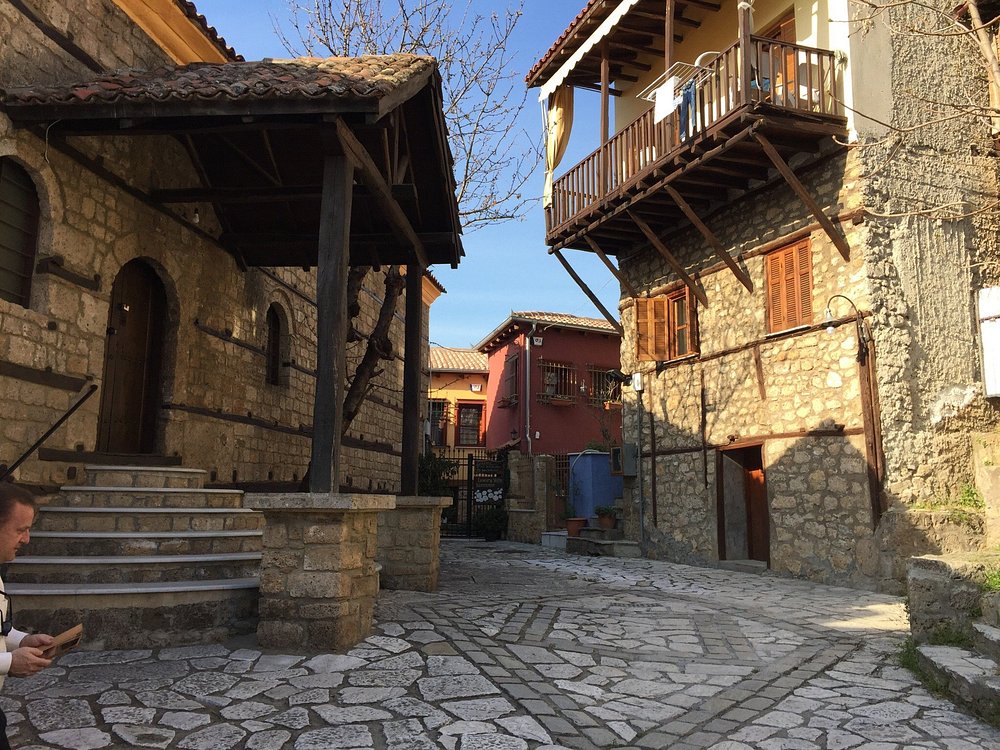
Discovering Veria’s Jewish Quarter
Walking through Veria’s Jewish Quarter, I felt like I’d stepped into a rare chapter of history. The place is layered with stories of resilience, trade, faith, and change.
This part of the city brims with architecture and Jewish culture. It gives you a close-up view of local heritage shaped by both daily routines and big historical moments.
Historical Roots and Community Life
Barbouta, Veria’s Jewish Quarter, has held a special spot in the city since at least late antiquity. The neighborhood really flourished during Byzantine Greece and stayed lively well into modern times.
Jewish families here worked as merchants and craftsmen, taking part in Veria’s economy and building tight-knit, supportive networks.
Cobblestone lanes twist past old houses, some with wooden balconies and sturdy stone walls. These details show how local and Jewish architectural styles mixed together.
It’s hard to ignore the echoes of community life that once thrived here. Laughter, family gatherings, and religious festivals brought these streets to life.
Even now, I sense fragments of everyday moments woven into the walls and courtyards.
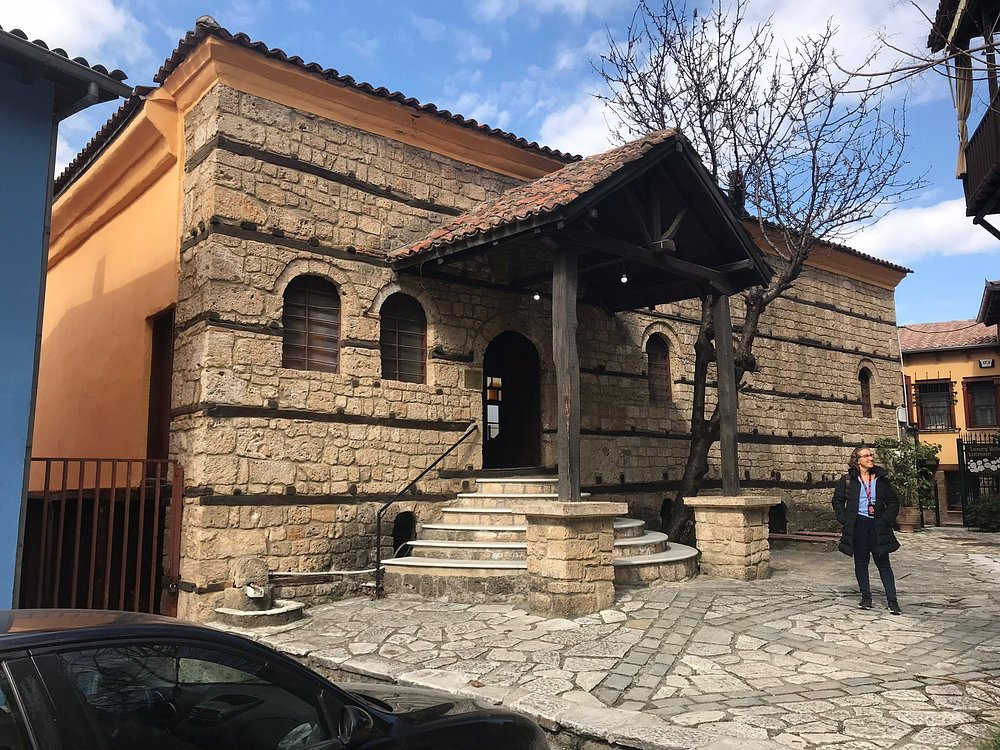
Jewish Heritage Sites and Guided Walks
Veria’s synagogue, built in 1850, stands at the heart of the quarter. It’s the oldest synagogue still standing in northern Greece and one of the oldest in Europe.
Its simple structure makes it easy to imagine community gatherings and prayers through decades of change. No Jews live here today, but people still keep the synagogue carefully maintained—a rare survivor from the past.
Guided walks take you through this vivid heritage. As I explored, guides pointed out archaeological remains and hidden corners—ritual baths (mikvaot), plaques with Hebrew inscriptions, and more.
These walks also share stories of merchants who traded in textiles and spices. They helped me appreciate the cultural context and daily life in the quarter.
Walking tours reveal how every alley and stone holds memory and meaning.
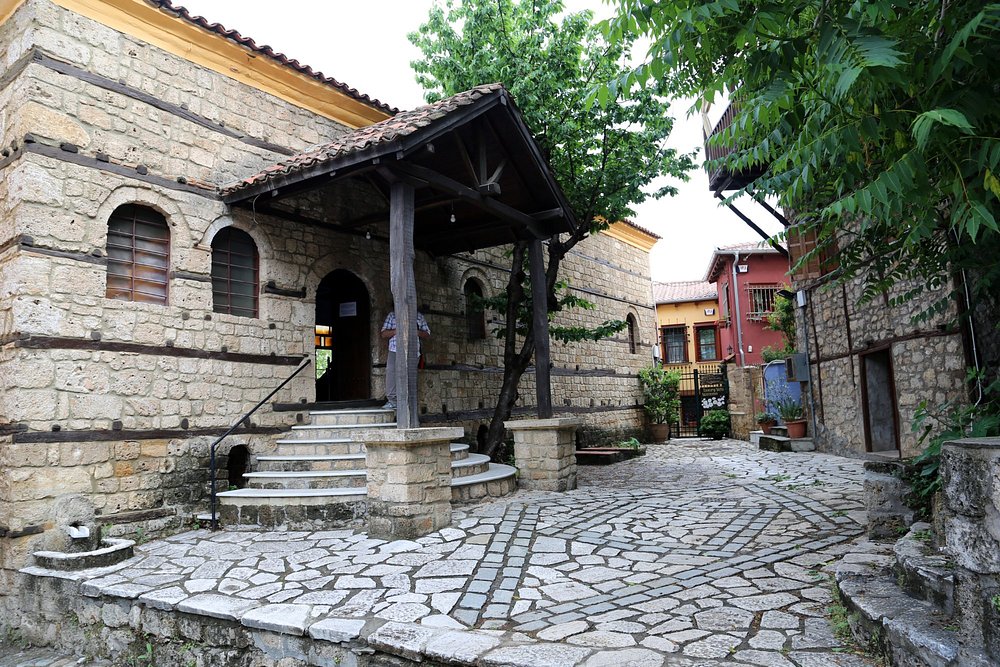
Cultural Legacy and Continuing Traditions
What really stands out is how Barbouta’s legacy continues to shape Veria’s identity. Local festivals and educational programs aim to honor and share the Jewish heritage of Veria.
Even without a current Jewish community, locals celebrate this chapter of their own story. They work to protect the architectural and cultural gifts left behind.
Sometimes, small exhibitions or museum events pop up inside the restored synagogue or nearby. These highlight Veria’s layered history, bridging ancient, Byzantine, and modern stories.
If you’re into archaeology, architecture, or Greek history in general, visiting this quarter opens up new ways to see the city and the people who’ve called it home.
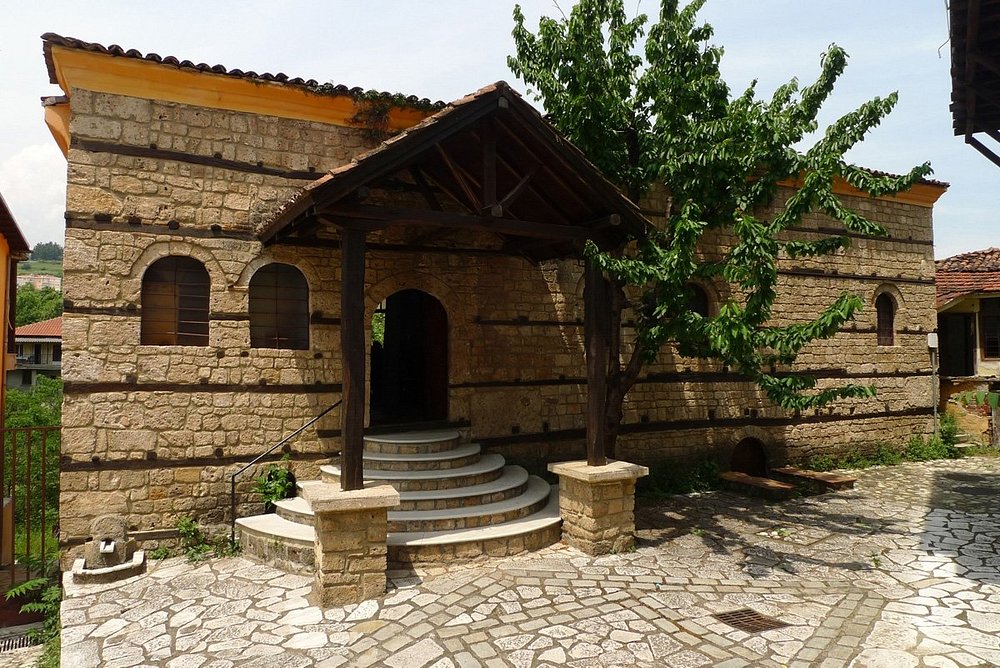
Apostle Paul’s Bema: Where Faith and History Intersect
In Veria, the layers of time seem to blend together, especially at Apostle Paul’s Bema. This ancient platform isn’t just a relic—it’s where spiritual heritage, Christian pilgrimage, and centuries-old community life meet.
The Story of Apostle Paul’s Visit to Veria
When I first heard about Veria, I got curious about its mix of cultures and faith. The real highlight for me? Around 50 AD, Apostle Paul arrived here with Silas after leaving Thessalonica.
Paul came to the Jewish Quarter, welcomed by the local community. He preached in the synagogue, sharing the message of Christ.
Ancient texts describe this event, making Veria a key stop on Paul’s journeys through Greece.
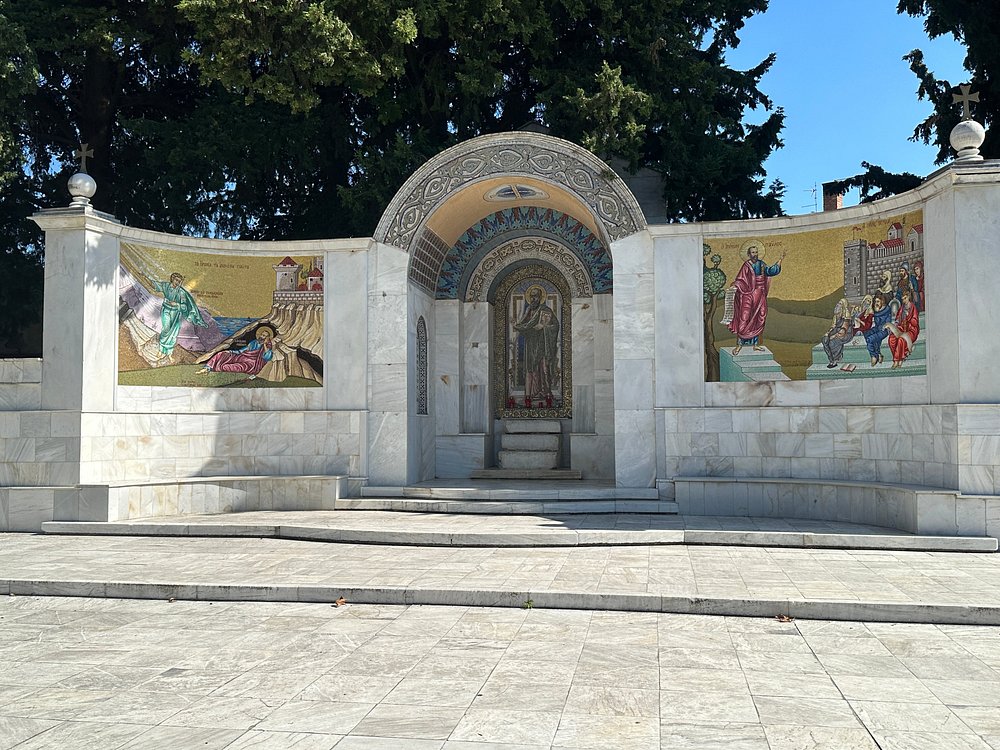
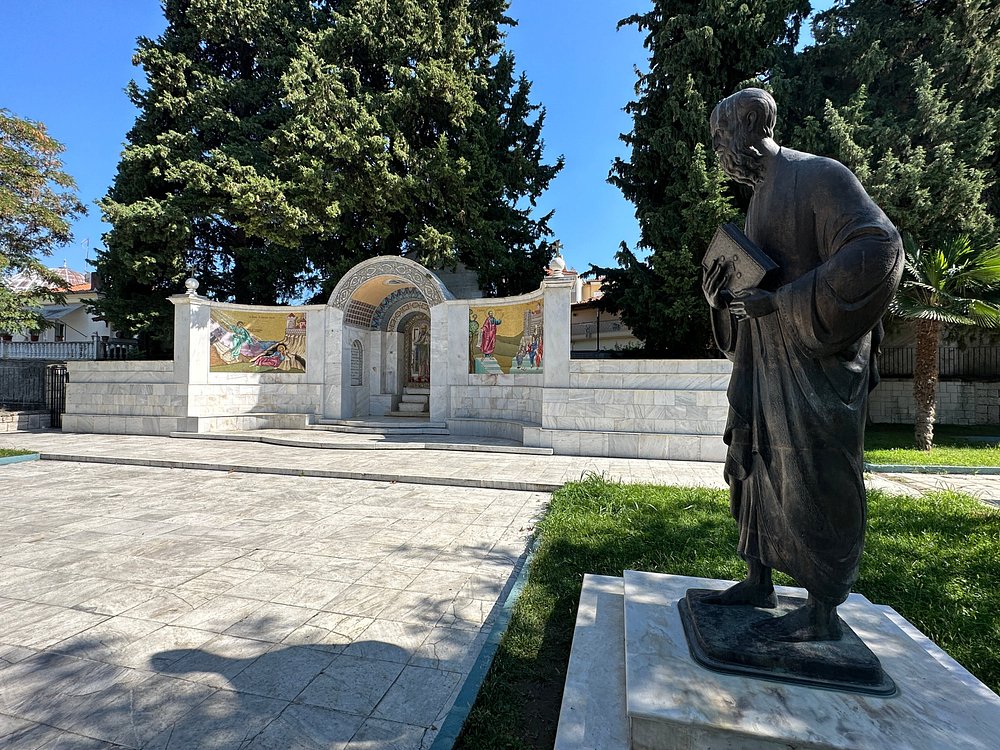
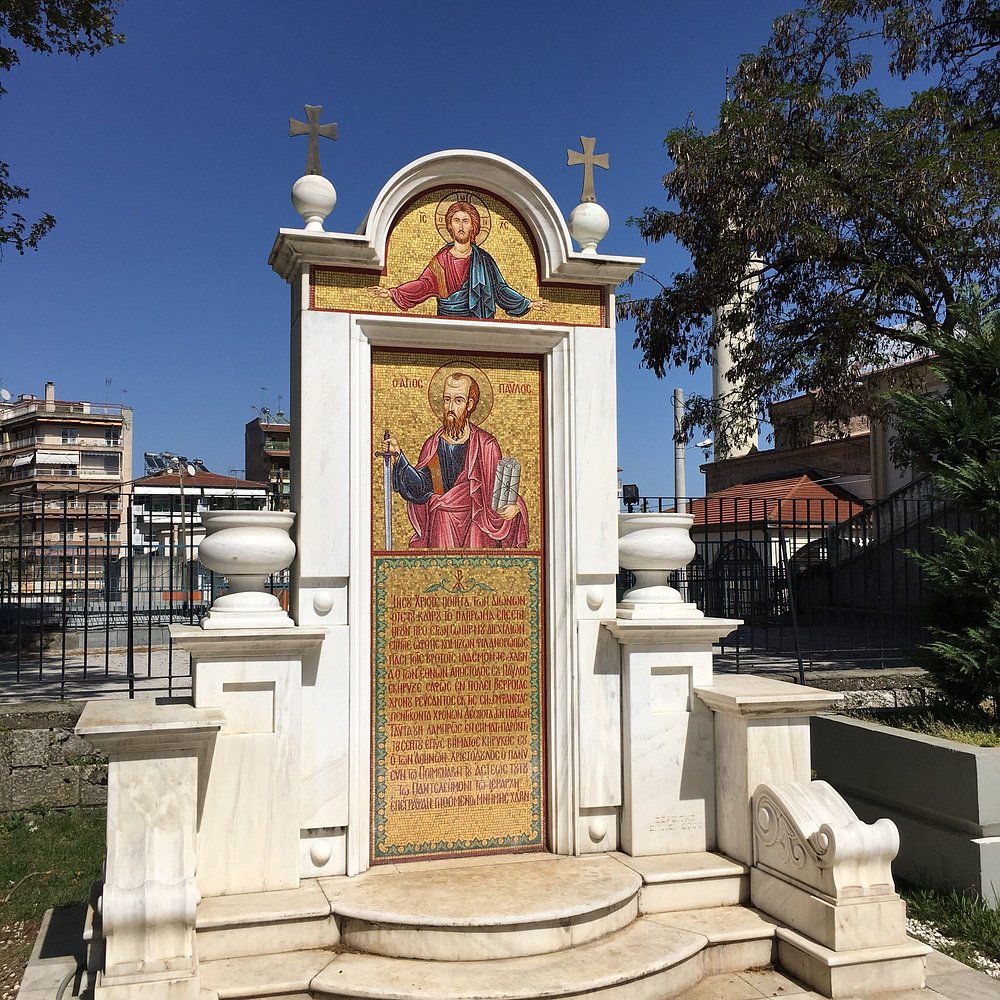
The Bema, a stone platform, marks the spot where people believe he spoke. Standing here, I get a sense of what it meant to share early Christianity openly, despite the political and cultural challenges of the time.
The Significance of the Bema in Christian Tradition
The Bema isn’t just for sightseeing—it stands as a symbol of early Christian faith in Greece and the changing religious landscape under Byzantine influence.
For centuries, people have seen it as a sacred space where new ideas about Christ were discussed and debated.
During Byzantine times, stories and art kept the memory of Paul’s visit alive. The site still pops up in religious texts and local traditions.
It’s striking that this platform, once part of public life, later drew pilgrims and worshippers.
When I visit the Bema now, I can trace its rectangular base and imagine the gatherings that shaped Christian communities here.
Pilgrimage and Modern-Day Reverence
Every year, travelers and believers come to Apostle Paul’s Bema from all over the world. For some, it’s a spiritual journey; for others, it’s a way to connect with living history.
I find the site blends religious meaning with practical travel interest. The area is well signposted, and guided tours cover biblical routes and Byzantine history.
Locals sometimes host community events here, reinforcing the Bema’s role as a meeting point for faith and culture.
Tips: Visit early morning for quiet reflection. Don’t skip the nearby synagogue remains and Byzantine mosaics. This sacred space holds stories for anyone willing to explore its stones.
Layers of Byzantine Influence in Veria
As I walk through Veria, I keep finding traces of ancient empires. Landmarks everywhere show how the Byzantine era shaped the city’s buildings, art, and spiritual life.
Architectural Treasures: Churches and Sacred Spaces
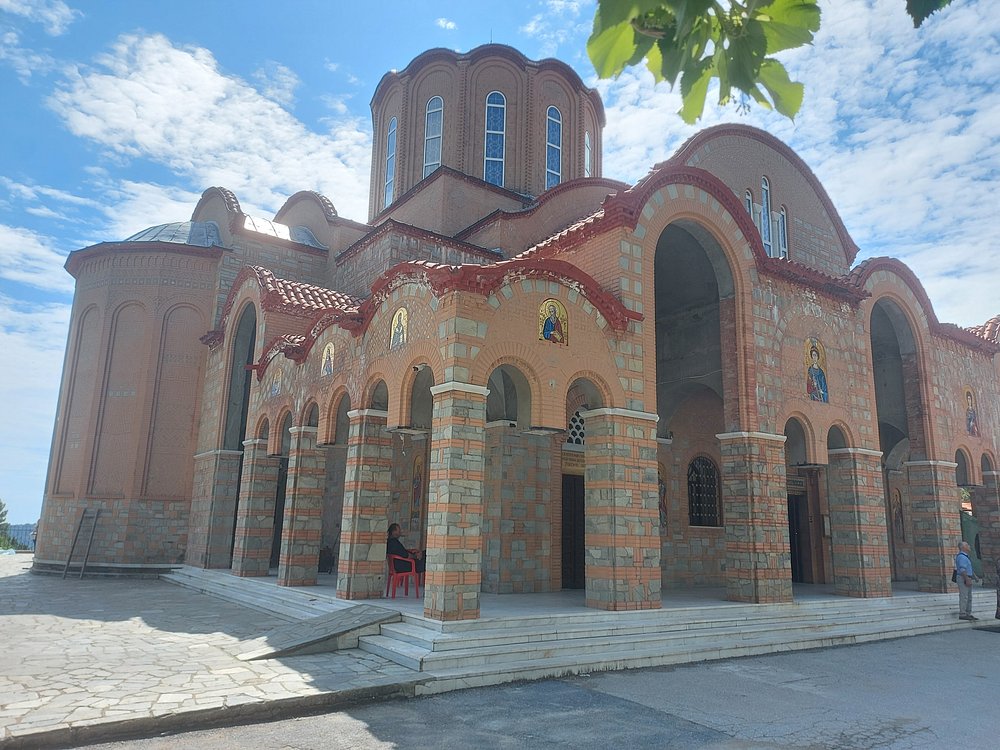
Veria has over 40 Byzantine and post-Byzantine churches still standing. Agios Apostolos and Panagia Dovra caught my eye with their detailed stonework and domed roofs.
Inside, I notice thick, curved arches and small windows that let in soft, golden light. This style feels different from the ancient Greek ruins nearby.
It feels peaceful to sit on old stone benches, knowing these churches have been used for worship for centuries.
Signs in Greek and English share stories, so it’s easy to pick up what makes each church unique.
Byzantine Art and Mosaic Pavements
I’m amazed by the colorful mosaics on the church floors and walls. Tiny pieces of colored stone and glass form pictures and geometric patterns.
Even after centuries, the images of saints and Bible scenes look vibrant and full of life.
Some churches, like the Church of Christ, show early medieval art up close. Detailed paintings cover the walls, showing off the skill of local artists during the Byzantine period.
As I explore, I make sure to look down as well as up. Walking on these ancient floors, I feel connected to generations before me.
Monks and Hermits: Spiritual Lives Across Centuries
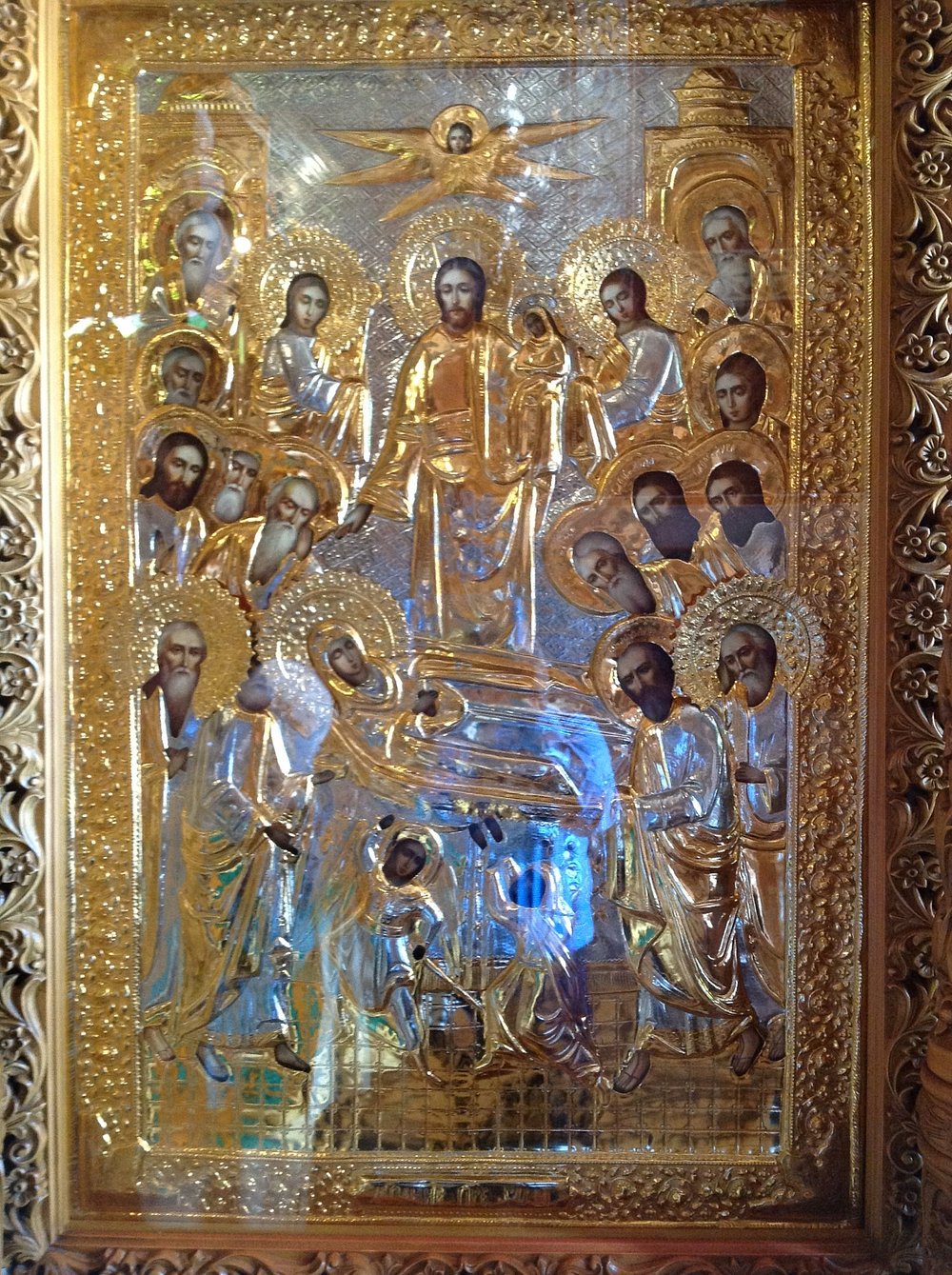
Stories about monks and hermits around Veria fascinate me. The city was a spiritual center in the medieval Mediterranean, drawing those looking for quiet and prayer.
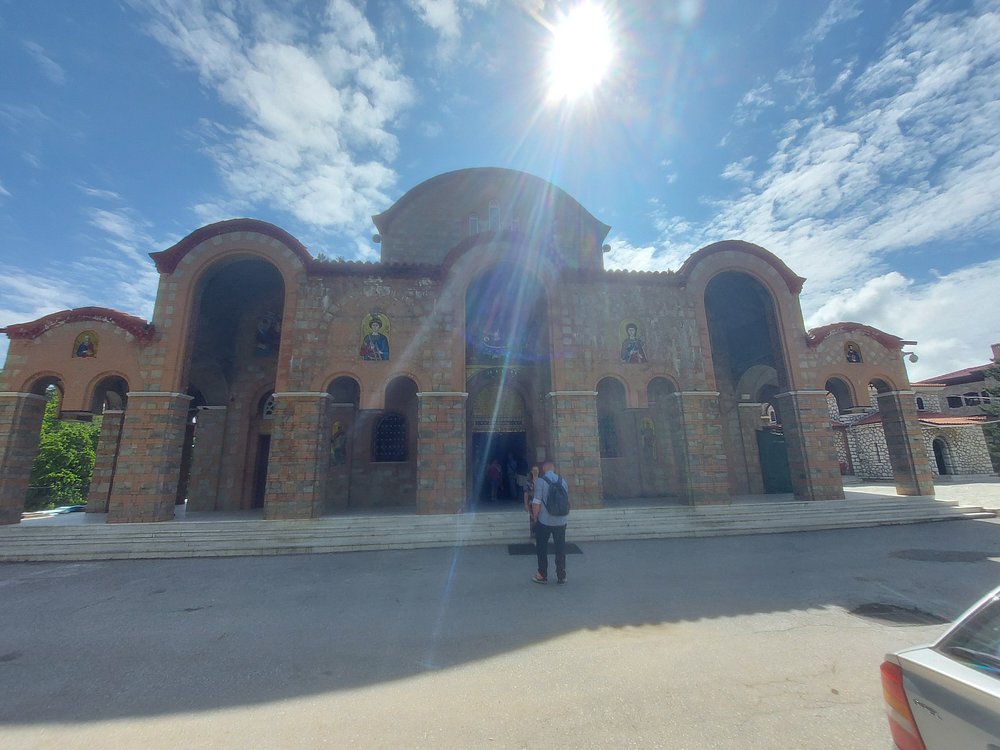
Monks followed strict routines in many monasteries, including the well-known Monastery of Panagia Soumela nearby.
Some hermits even carved small chapels and shelters into rocky hillsides. Their simple living spaces remind me of their deep faith and the religious roots that still shape Veria.
Guided tours often stop at peaceful monastic sites, making it easy to imagine life centuries ago.
Veria in the Context of the Wider Ancient Mediterranean
As I wander through Veria, I feel the mix of ancient roads, languages, and religions. The city’s story reaches far beyond its borders, connecting to places like Thessalonike and even Italy and Turkey.
Everyday life here pulsed with trade, travelers, and fresh ideas. Veria became a crossroads where East met West.
Connections to Thessalonike and the Peloponnese
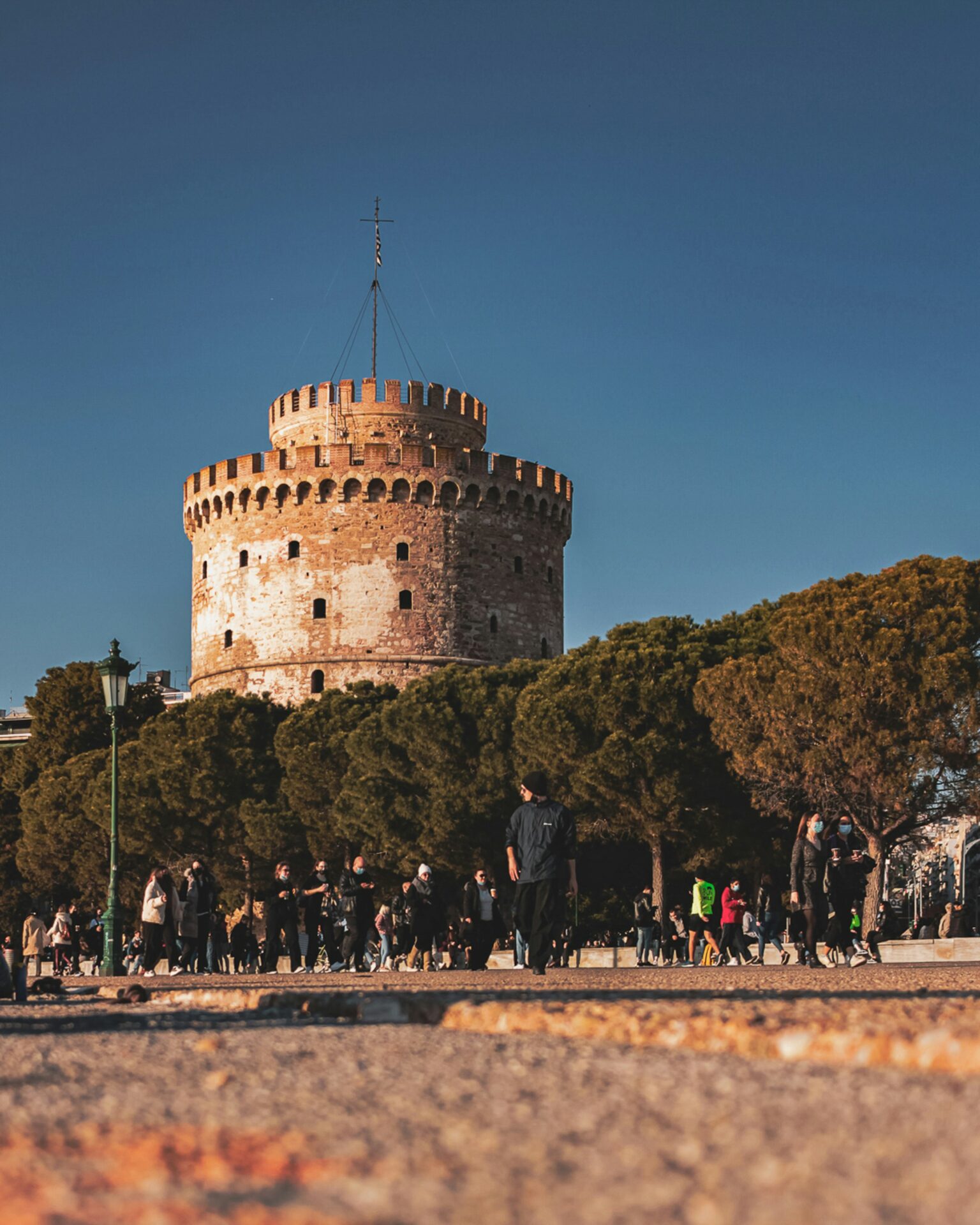
Walking Veria’s narrow streets, I sense its old ties to Thessalonike. Ancient travelers and messengers moved between these cities along busy roads.
Thessalonike, not far away, acted as the main port for Macedonia. Goods and news flowed quickly from Veria to the sea.
People from the Peloponnese—Greece’s southern tip—traveled north, sometimes stopping in Veria on their way to or from Thessalonike.
This shared influence shaped Veria’s identity. Stories from thinkers, Jewish communities, and Christians—like Apostle Paul—spread along these routes, leaving deep marks still felt now.
Trade, Merchants, and Crossroads of Culture
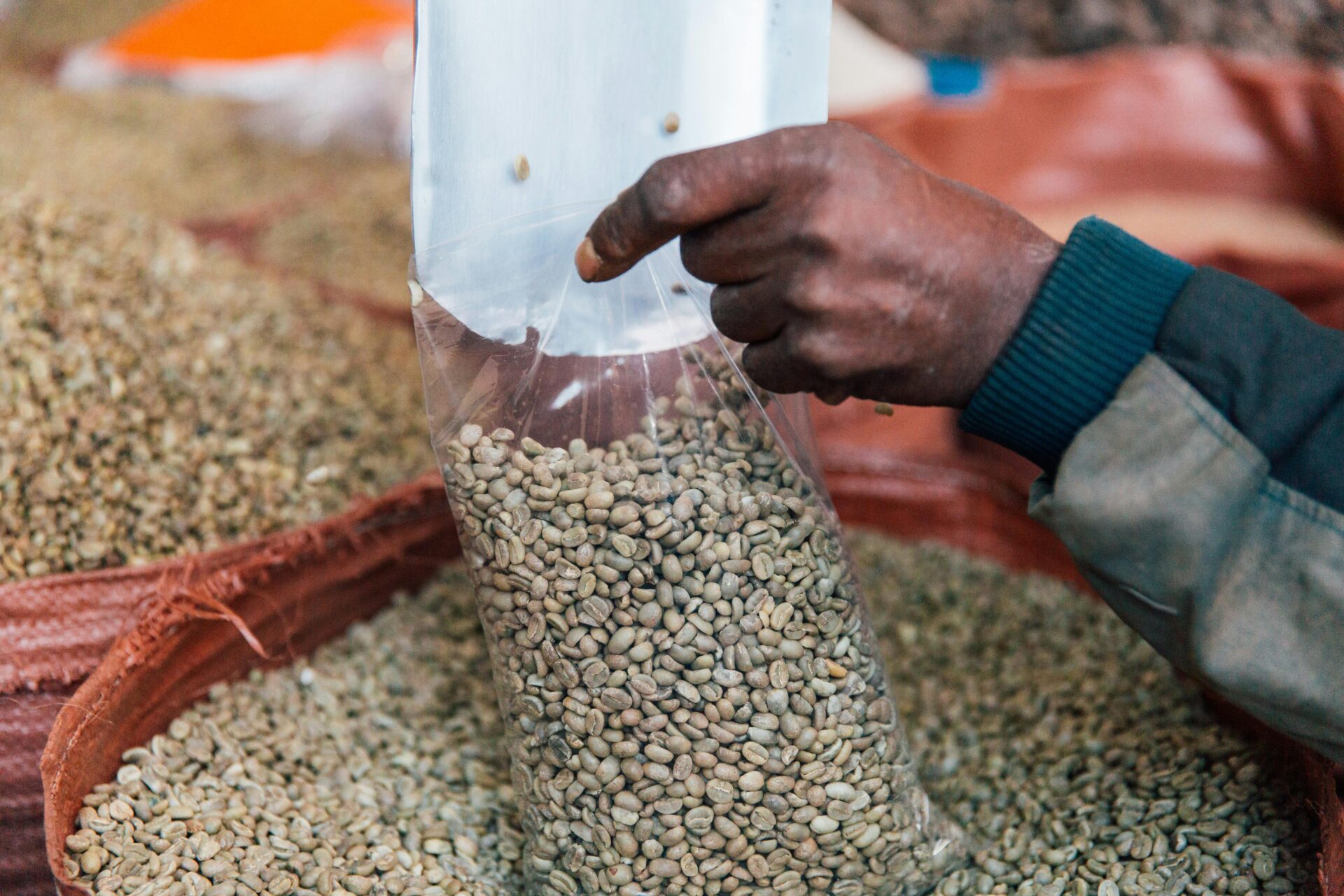
While exploring the old Jewish Quarter, I picture merchants unloading goods from nearby markets. In ancient times, Veria buzzed with business.
Trade didn’t just come from Greece. Goods arrived from the Aegean islands, Turkey, and as far as Italy.
Local landowners, especially wealthy Jewish families, played a big part in this. They traded crops, cloth, and rare spices.
Every deal brought new people and ideas to Veria, adding to its unique blend of cultures.
Markets buzzed with Greek, Latin, and Hebrew voices. Travelers swapped news and stories.
Even now, this cultural mix shows up in the city’s architecture and food.
From Late Antiquity to the Dark Age
I stroll past ruins from the Roman and Byzantine periods and see how much Veria changed over time. During late antiquity, the city stayed lively. But things shifted after Roman power faded.
The medieval Mediterranean faced wars and upheaval. Veria, like Thessaly and other Greek towns, saw hard times—trade declined, cities shrank, and old roads sometimes faded away.
Yet, small pockets of culture and faith survived in hidden quarters. Even during these “dark” times, places like Veria’s Jewish quarter kept tradition alive.
They held onto language, faith, and customs through tough centuries. This layered history shapes what I experience here today.
Scholarly Insights and Ongoing Research
Exploring Veria’s Jewish Quarter and Apostle Paul’s Bema means more than just walking ancient streets. My trip brought living history into focus, thanks to great scholarly research, international partnerships, and ongoing preservation efforts.
Ernst Kitzinger and Art History Discoveries
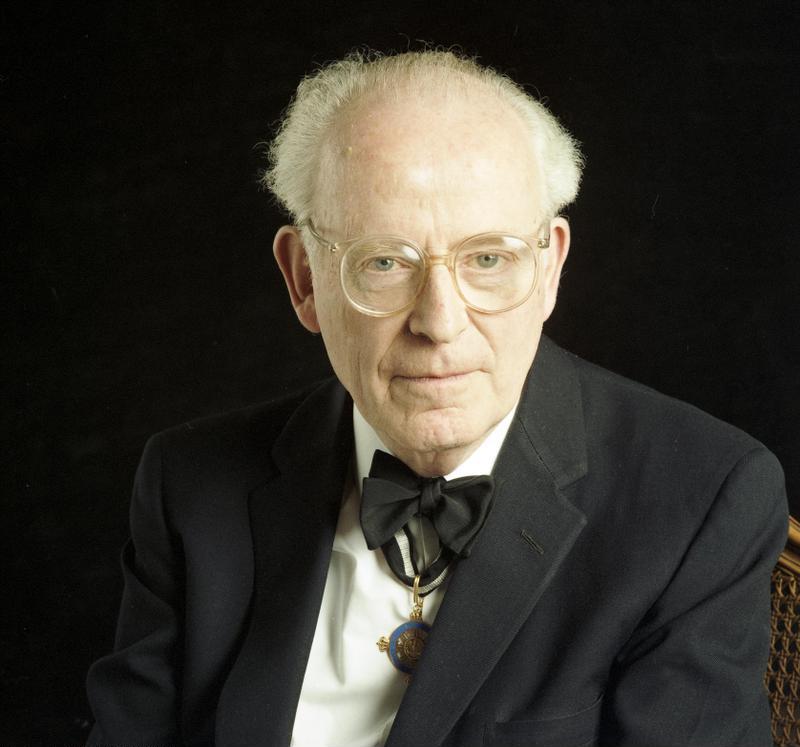
When I dug into Byzantine art, Ernst Kitzinger’s influence popped up everywhere. Kitzinger, a top scholar in Byzantine studies, focused on mosaic art and the visual culture of Greece, including Veria.
His work unlocked layers of meaning in the art and architecture still decorating Veria’s old synagogues and churches.
Thanks to his studies, I learned how local mosaics and wall paintings connect Western art with the traditions of the Jewish community and early Christians.
Much of what I saw—faded frescoes, ancient symbols, and unique decorations—had been carefully documented by Kitzinger and his students.
Their efforts help everyone today, from curious travelers to professional art historians, recognize Veria’s unique role in Mediterranean history.
Dumbarton Oaks and International Scholarship
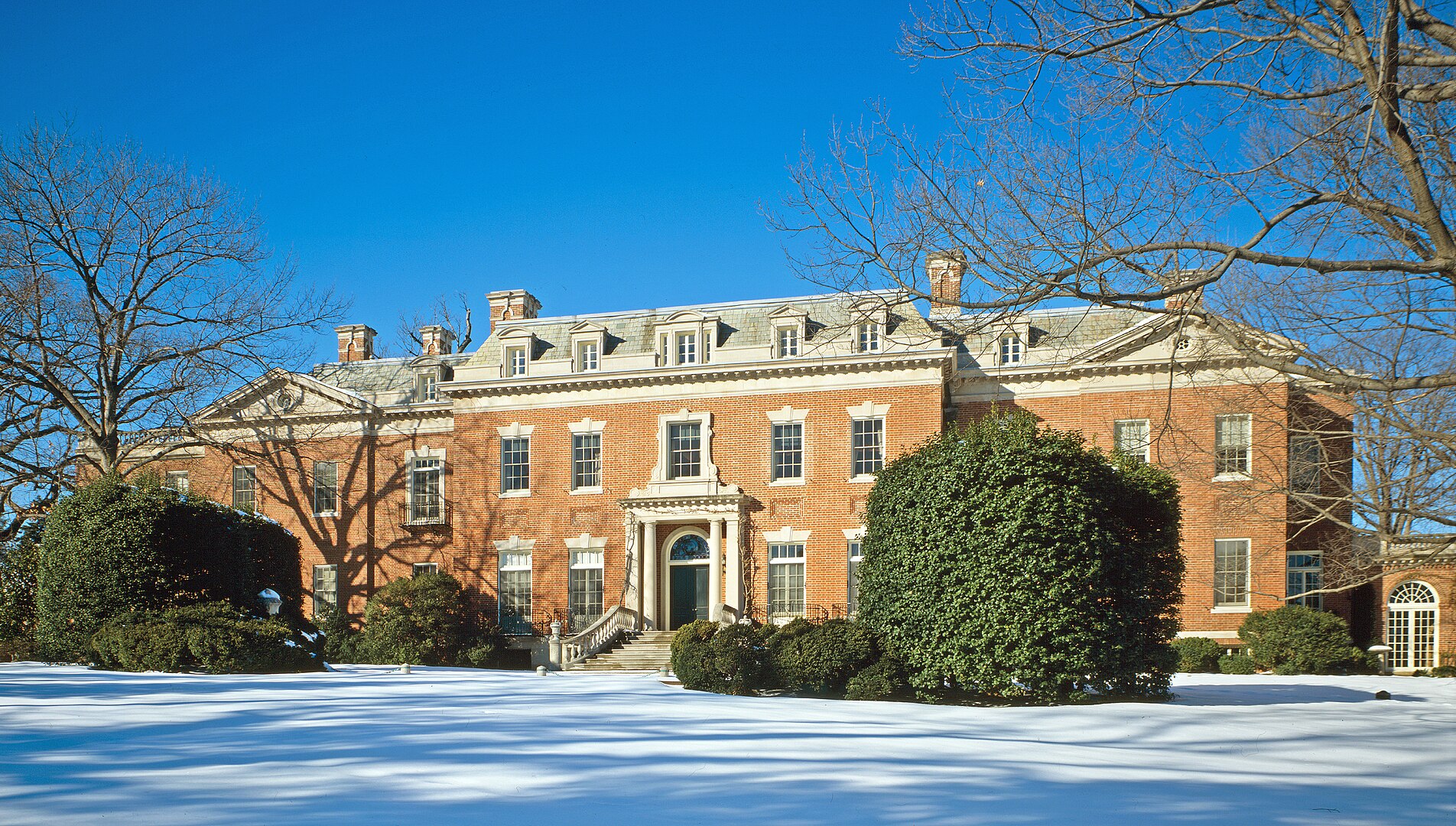
Dumbarton Oaks in Washington, D.C. is more than a museum—it’s a hub for scholars studying Byzantine art, including what’s in Veria.
Every year, researchers from all over gather there to share new findings. Dumbarton Oaks has funded fieldwork, published research, and helped catalog artifacts from Veria’s Jewish Quarter and sites linked to Apostle Paul.
Their grants support projects on Byzantine mosaics and synagogue art, keeping Veria on the map for international scholarship.
During my visit, I realized how much these global partnerships matter. Thanks to Dumbarton Oaks’ database and library, I could connect what I saw in Veria to discoveries happening across Europe and beyond.
These collaborations keep the city’s history alive and make it meaningful for new generations.
Preservation Efforts and Cultural Heritage Today
When I wandered through Veria’s tangled streets, I saw both beautifully restored facades and bits of crumbling heritage side by side.
Local and international teams pour their energy into saving what’s left of the Jewish Quarter and Apostle Paul’s Bema.
They focus on restoring frescoes, shoring up old stone walls, and putting up signs that actually help visitors find their way.
The restored synagogue really struck me—it blends ancient details with modern displays in a way that feels respectful and alive.
Cultural heritage groups in town often run walking tours or host talks that dive into Jewish history and early Christianity in Veria.
Sometimes they add workshops, too, so visitors can experience history firsthand instead of just reading about it.


