
Veterans Day rolls around every November 11th, a day set aside to honor the brave men and women who’ve served in America’s armed forces. What started as Armistice Day back in 1919, marking the end of World War I, has grown into a national tribute to all veterans—living and gone.
This federal holiday isn’t just another day off. It’s a real chance to turn our gratitude into action, and honestly, it’s one of those rare moments when travel can mean so much more than just sightseeing.
Traveling across America gives you a front-row seat to the stories and sacrifices of our veterans. Whether you’re standing in awe at national memorials in Washington D.C. or poking around local veterans’ museums in small towns, these places transform an ordinary trip into something deeply meaningful. I always feel like, by visiting these sites, we’re doing more than just looking—we’re actively remembering.
Let me share some of my favorite destinations that honor our veterans. I’ll throw in ways to connect with local communities and talk about how these experiences can teach the next generation what freedom really costs.
These aren’t just vacations. They’re journeys of gratitude that, if you let them, can change the way you see service and sacrifice.
Veterans Day Origins and Significance
Veterans Day started as Armistice Day in 1918, marking the end of World War I on November 11. After World War II and the Korean War, folks realized the day should honor all American veterans, not just those from the first world war.
The Transition from Armistice Day
Armistice Day began as a tribute to World War I veterans. Back then, the holiday focused only on that group.
But after more wars, people across the country wanted to include every veteran. In 1954, President Dwight D. Eisenhower made it official by signing the new law.
What changed in 1954:
- The name switched from Armistice Day to Veterans Day.
- The holiday began honoring all American veterans.
- November 11 stayed the date.
- The focus shifted to living veterans.
America wanted to recognize service from every conflict, making the holiday more inclusive for families everywhere.

World War I and November 11, 1918
The fighting in World War I stopped at 11 a.m. on November 11, 1918. That’s the famous “11th hour of the 11th day of the 11th month.”
That timing wasn’t random. People deliberately chose it to create a moment everyone could remember each year.
In 1921, America buried an unknown World War I soldier at Arlington National Cemetery. That grave became a powerful symbol for honoring all American veterans.
Comparison with Memorial Day
People sometimes mix up Veterans Day and Memorial Day. They serve different purposes.
Veterans Day honors living veterans from every military branch. Memorial Day specifically remembers those who died while serving.
Quick rundown:
- Veterans Day: Living veterans, November 11, all military branches.
- Memorial Day: Fallen soldiers, last Monday in May, those who died in service.
Veterans Day events usually include parades and ceremonies where veterans join in. Memorial Day leans more toward visiting graves and memorials.
Both holidays matter. Veterans Day thanks those who made it home. Memorial Day remembers those who didn’t.
Honoring Veterans Through American Travel
Traveling to military memorials, joining national ceremonies, or exploring patriotic destinations can turn a simple trip into a heartfelt tribute. These experiences connect you directly with the sacrifices made by our armed forces.
Veterans Memorials and Landmarks
Visiting veterans memorials always leaves a mark on me. Arlington National Cemetery stands as the most significant military burial ground in the country. The changing of the guard at the Tomb of the Unknown Soldier happens every 30 minutes, and it’s honestly mesmerizing.
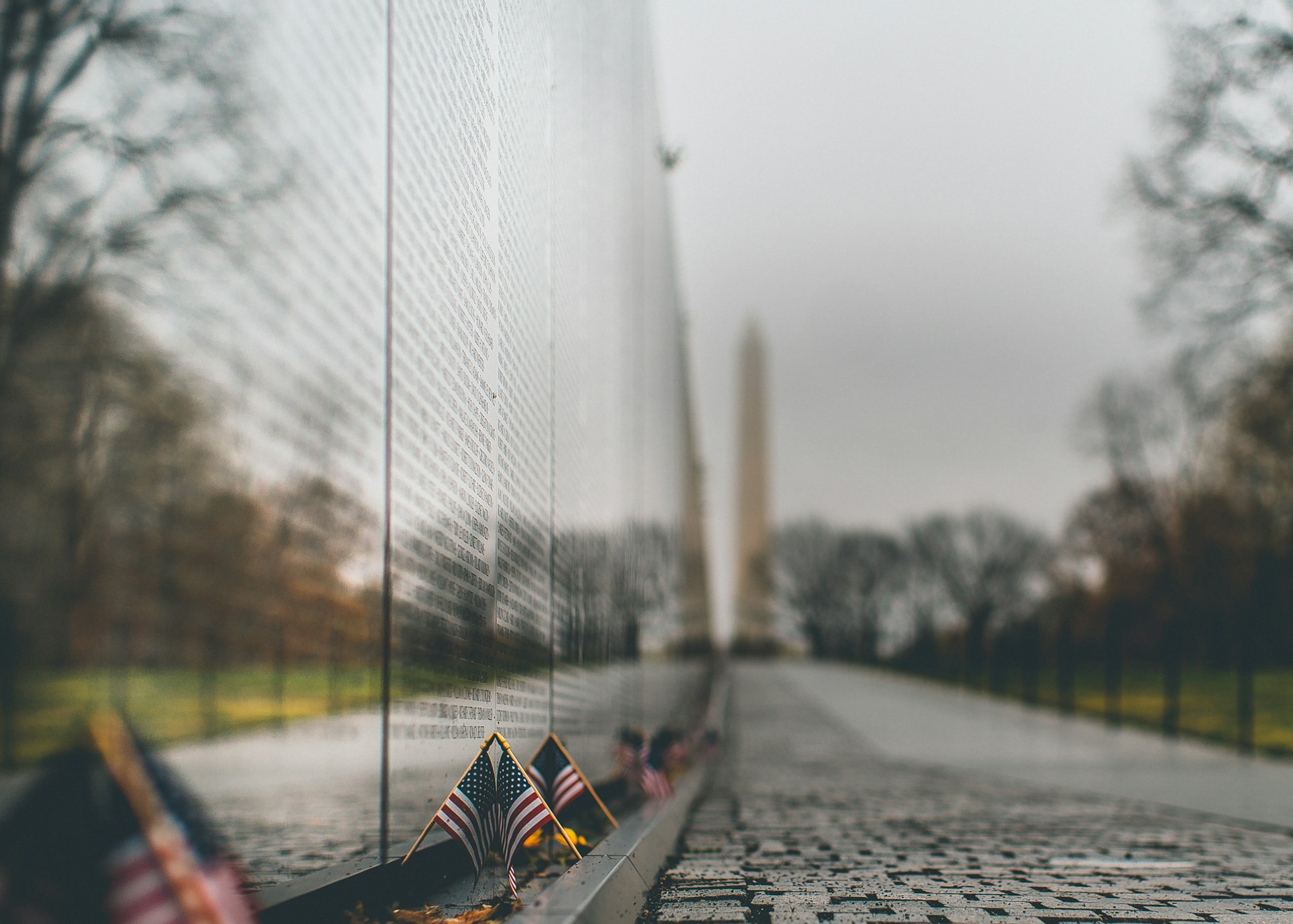
The Vietnam Veterans Memorial in Washington, D.C. lists over 58,000 names of fallen service members. Visitors leave personal items and make rubbings of names—it’s a place that never really feels empty.
Must-see Memorial Sites:
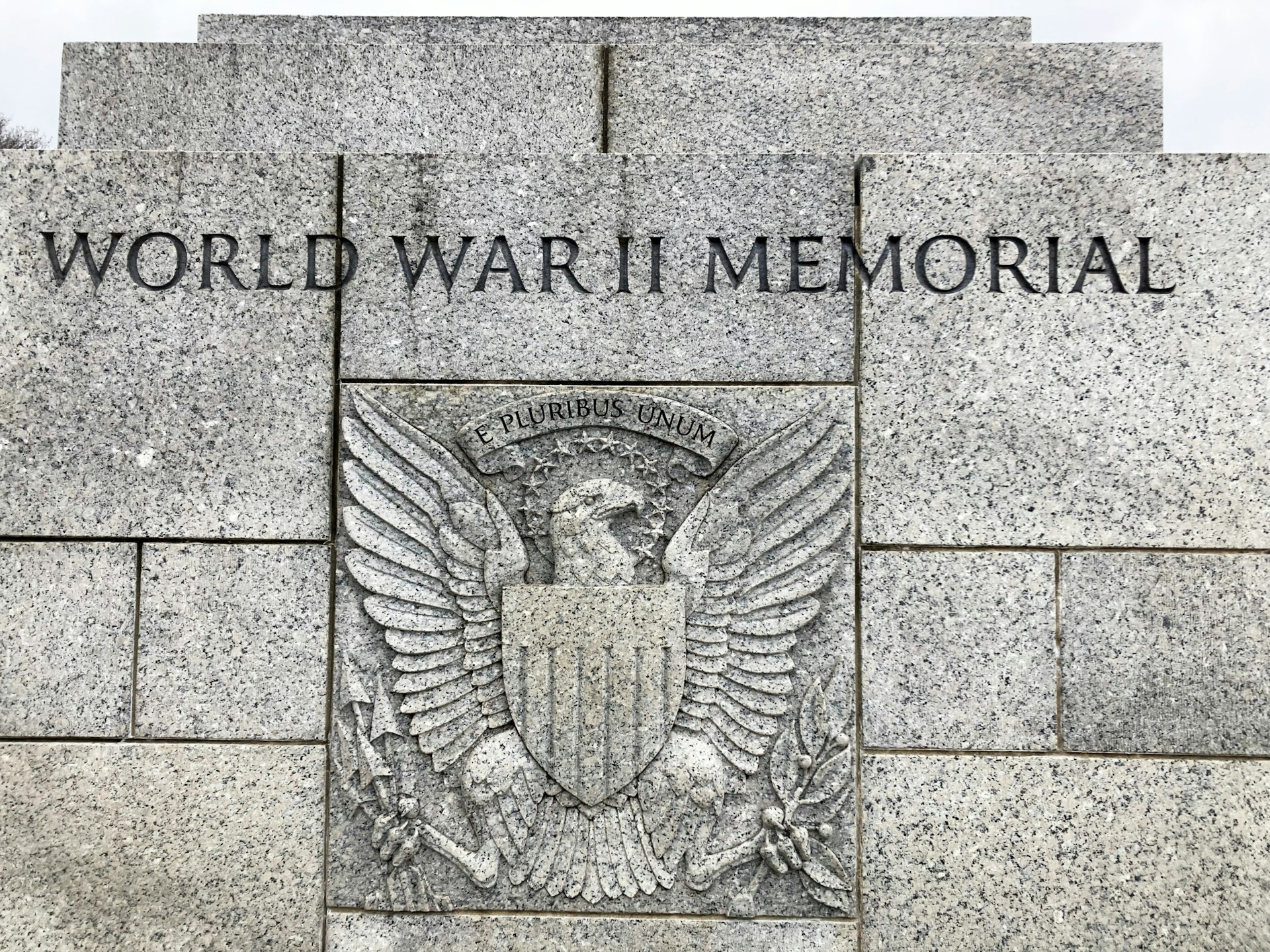
- World War II Memorial – Honors 16 million Americans who served.
- Korean War Veterans Memorial – Features 19 stainless steel statues.
- USS Arizona Memorial – Pearl Harbor, Hawaii.
- Gettysburg National Military Park – Civil War battlefield.
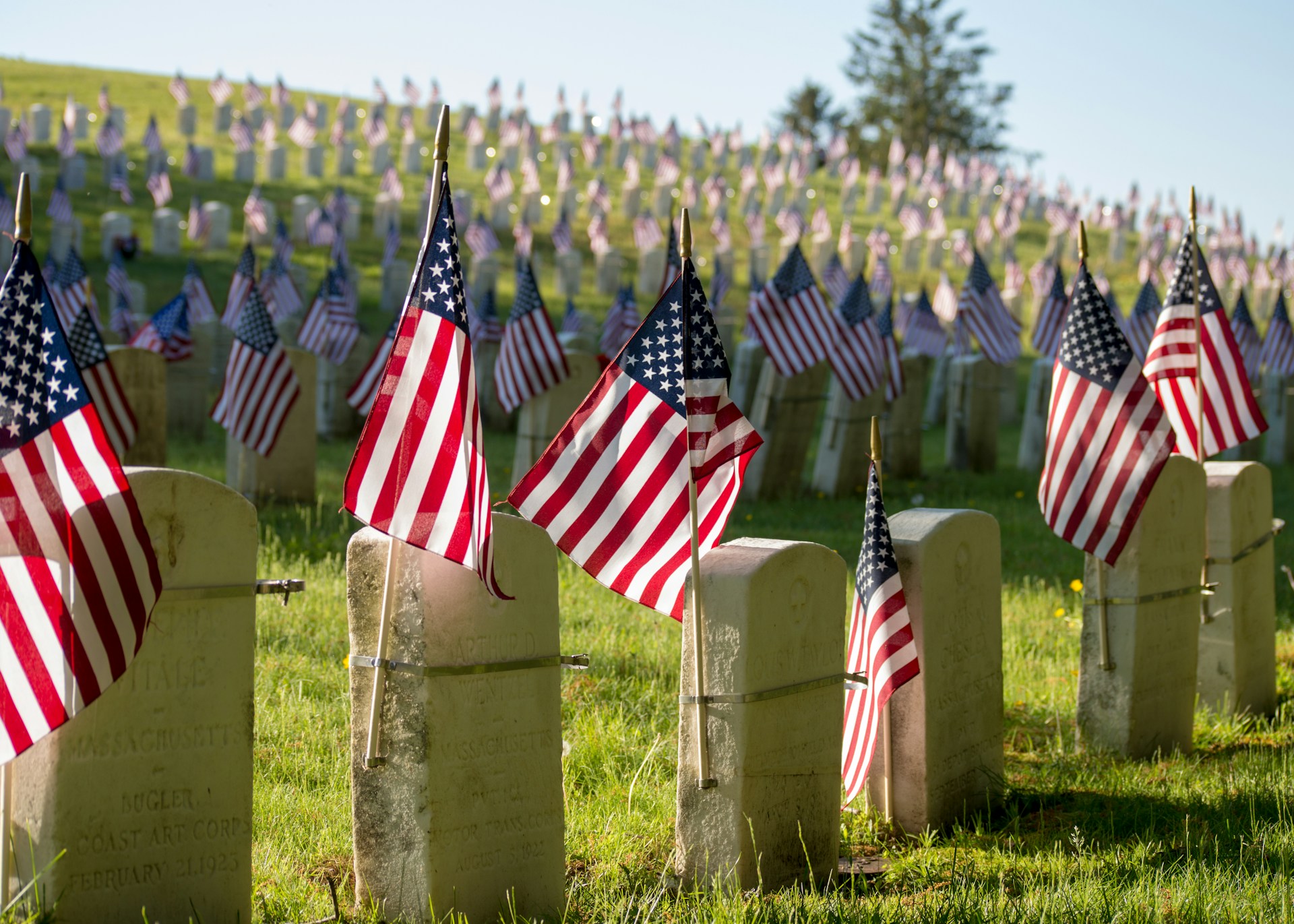
You’ll see the American flag at half-staff at many memorials on Veterans Day. Every site tells its own story of sacrifice.
National Observances and Ceremonies
Veterans Day ceremonies on November 11 happen all over the country. If you can, check out the national ceremony at Arlington National Cemetery. It kicks off at 11 a.m.
The President usually lays a wreath at the Tomb of the Unknown Soldier. Veterans from every branch gather for this moment. Local communities host parades and memorial services in almost every state.
Most ceremonies include:
- Honor guard presentations.
- Military flyovers.
- Veterans giving speeches.
- That moving moment of silence at 11 a.m.
I always recommend checking with local veterans organizations to find out what’s happening nearby. These events offer real chances to thank veterans and their families.

Patriotic Road Trips
Hitting the road on one of America’s historic military routes is a unique way to pay tribute. The Blue Star Memorial Highway system runs through all 50 states, marked with signs honoring the armed forces.
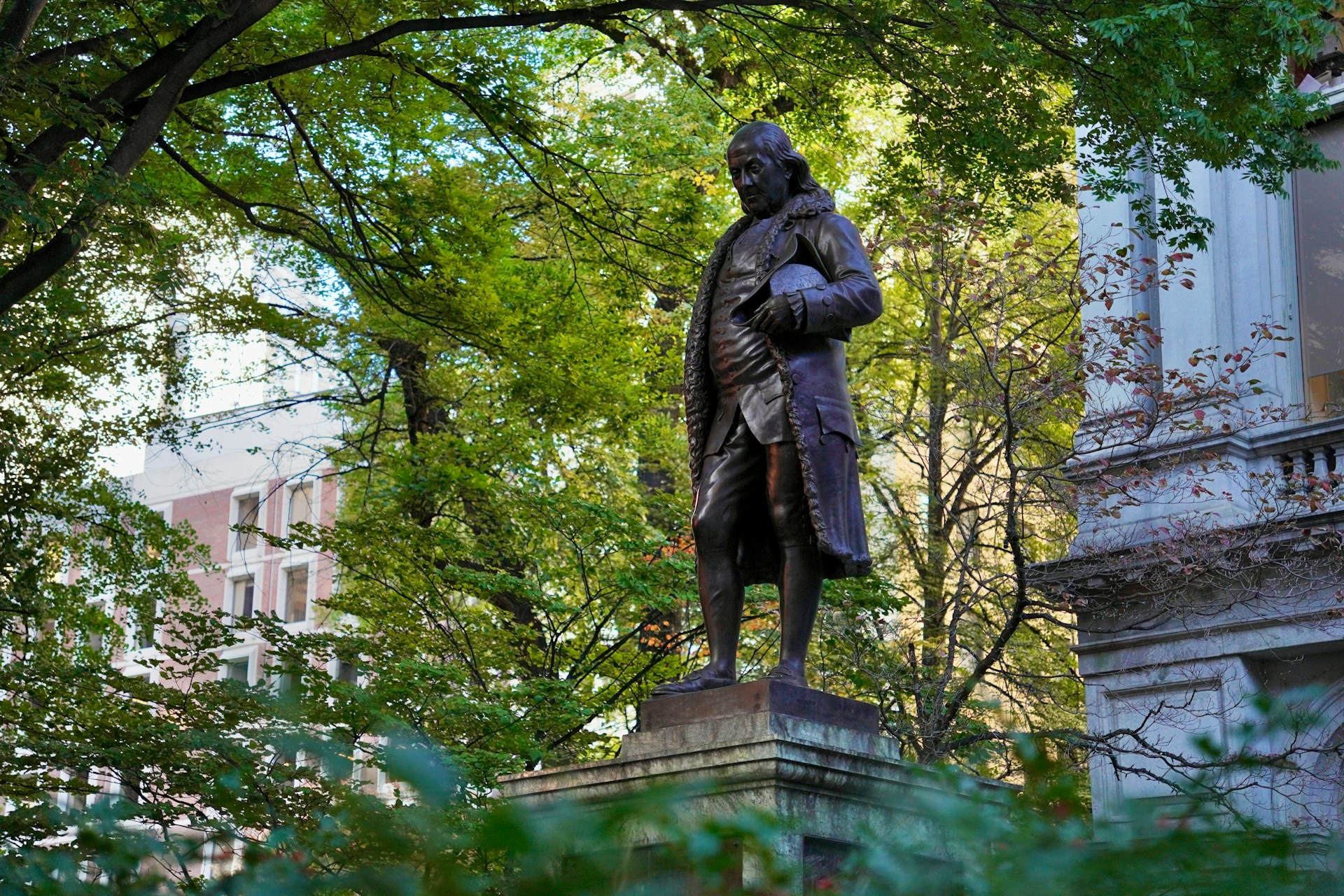
Try the Freedom Trail in Massachusetts for Revolutionary War history. Or follow the Civil War Trail through Virginia, Maryland, and Pennsylvania.
Favorite Patriotic Routes:
- Route 66 – Scattered with veterans memorials.
- Pacific Coast Highway – Passes by military bases and scenic views.
- Great River Road – Dotted with historic forts and battlefields.
These road trips bring you closer to military history and give you plenty of chances to support veteran-owned businesses along the way.
Commemorative Destinations and Experiences
America’s full of places where you can honor military veterans in unforgettable ways. From Arlington National Cemetery to small-town museums, these destinations preserve the stories of those who served in every conflict.
Arlington National Cemetery
Arlington National Cemetery stands as the country’s most sacred ground for honoring veterans. The daily Changing of the Guard ceremony at the Tomb of the Unknown Soldier always gives me chills.
On Veterans Day, the cemetery hosts special ceremonies, including wreath-laying and moments of silence. If you want to avoid the crowds, try arriving early.
What you’ll find:
- Over 400,000 graves of military veterans.
- Tomb of the Unknown Soldier ceremonies every 30 minutes.
- Memorial Amphitheater for big events.
- Women in Military Service for America Memorial.
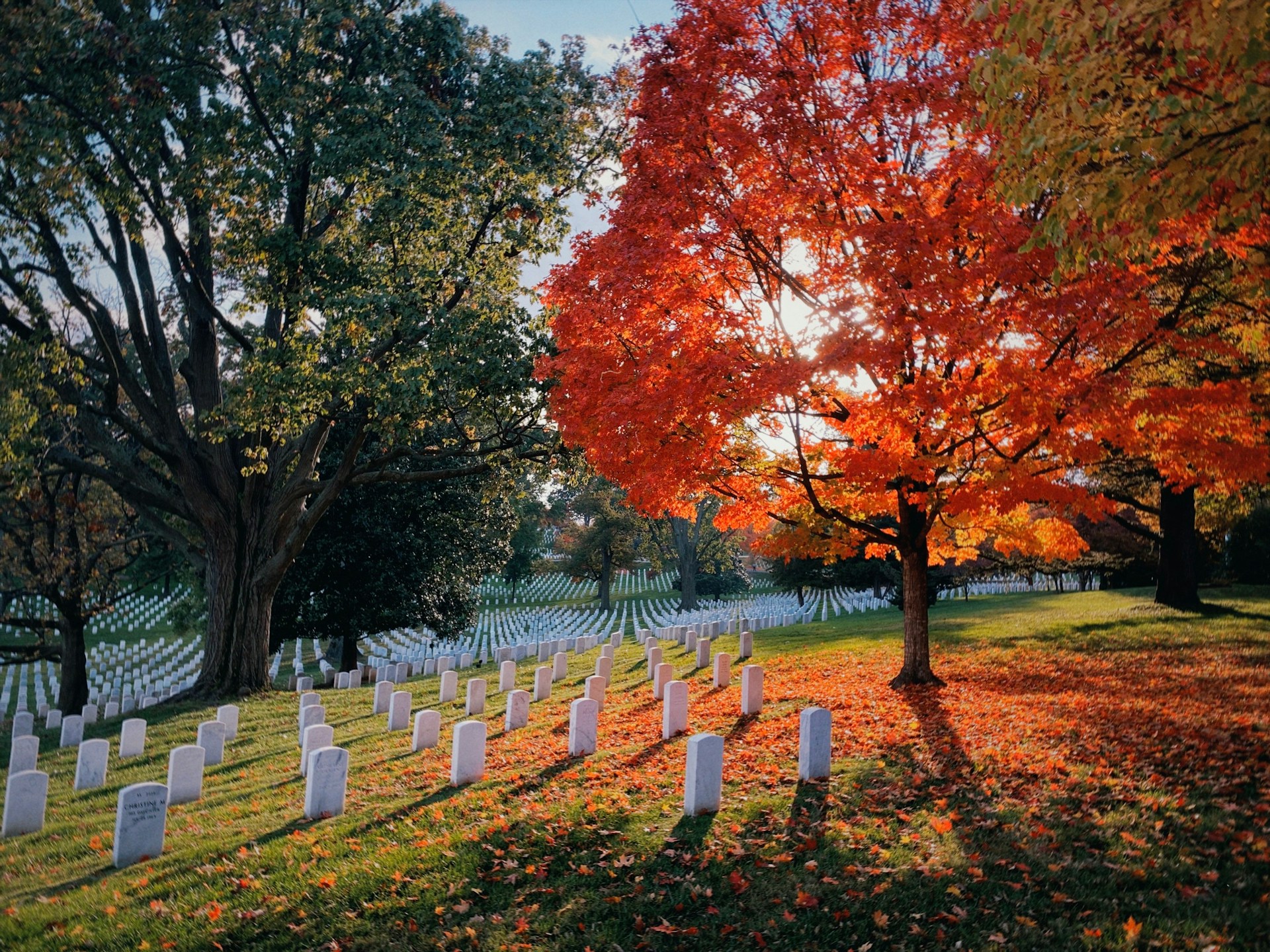
The grounds stretch over 624 acres in Arlington, Virginia. Walking among those white headstones is a humbling experience. Many people spend hours exploring the different sections dedicated to various wars and service branches.

National and Local Military Museums
Military museums across the country keep veterans’ stories alive. The National WWII Museum in New Orleans stands out for its personal artifacts and first-hand veteran accounts.
A lot of museums offer special programs where retired service members share their stories. These personal experiences bring history to life in a way no display case can.
Top Military Museums:
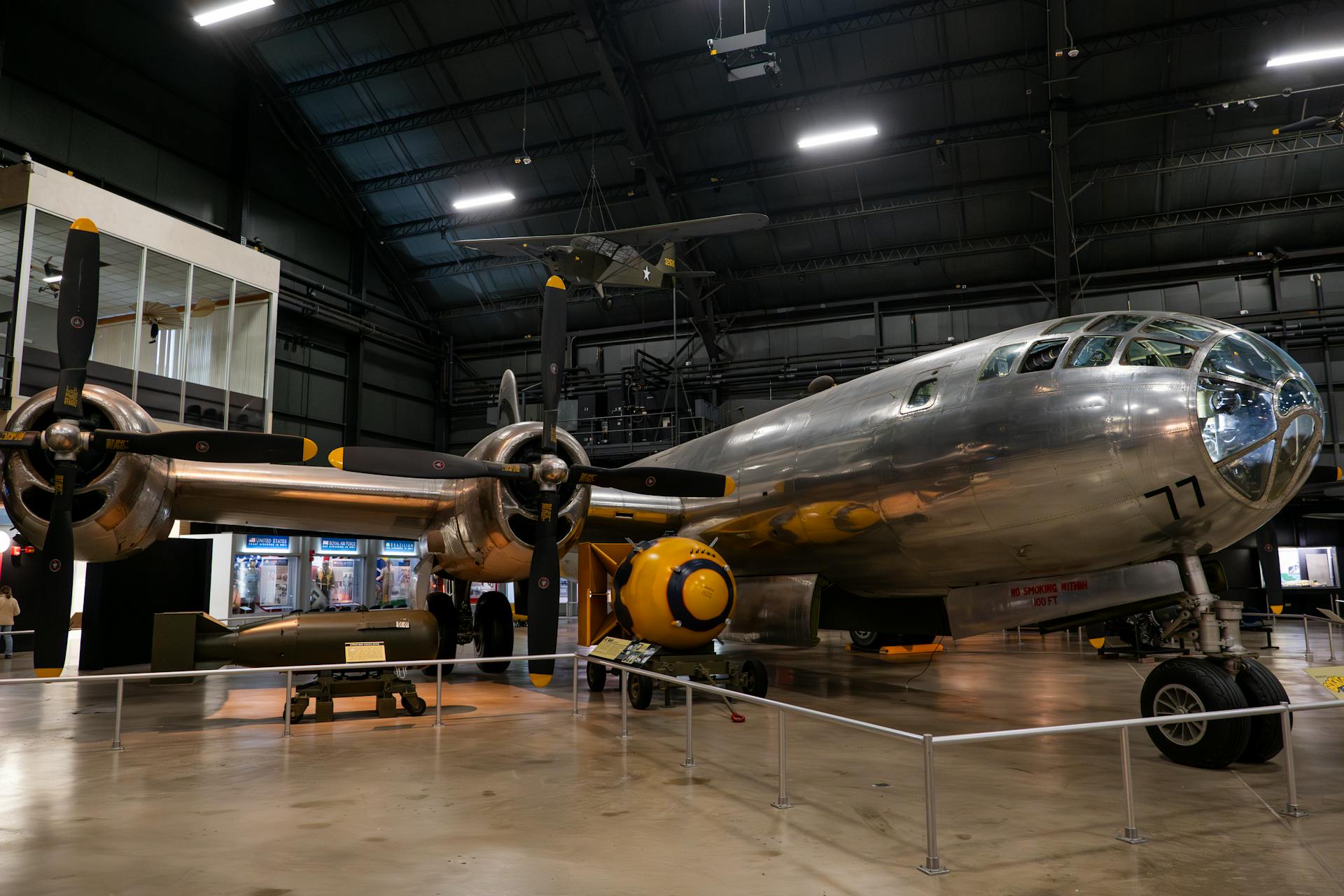
- National Museum of the U.S. Air Force (Dayton, Ohio).
- USS Midway Museum (San Diego, California).
- National Infantry Museum (Columbus, Georgia).
- Women’s Military Museum (Arlington, Virginia).
Small-town veterans museums often surprise you with unique collections donated by local families. Exhibits change regularly, so you never know what piece of history you’ll stumble upon.
Sites Honoring Specific Wars
Different memorials across America honor veterans from specific conflicts. The Vietnam Veterans Memorial in D.C. lists over 58,000 names of those killed or missing.
The Korean War Veterans Memorial, also in D.C., features 19 statues representing service members from different branches.
War-Specific Memorials:
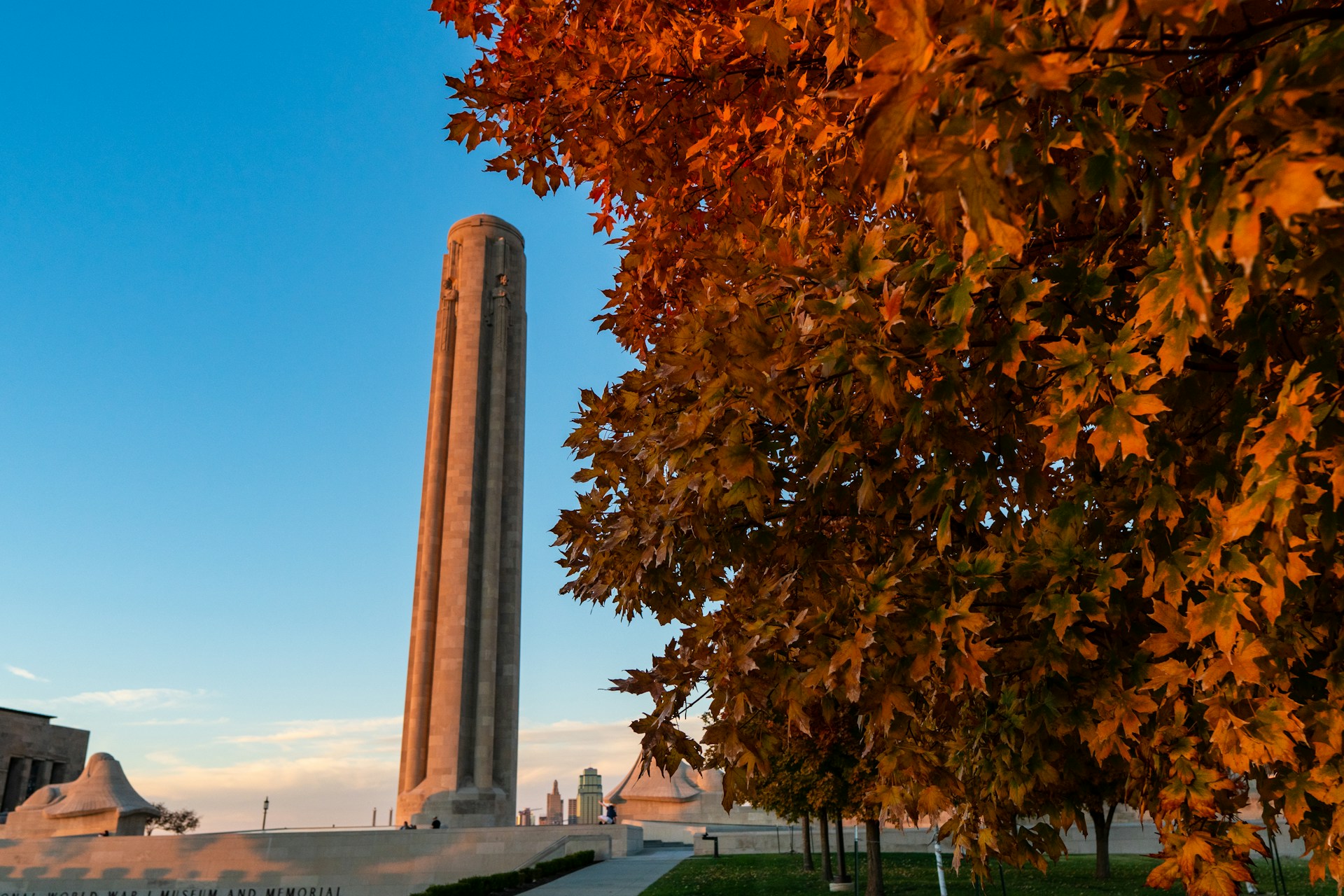
- World War I Memorial (Kansas City, Missouri).
- Korean War Veterans Memorial (Washington D.C.).
- Vietnam Veterans Memorial (Washington D.C.).
- 9/11 Memorial (New York City).
Gettysburg National Military Park preserves a key Civil War battlefield. I always suggest the auto tour—it’s the best way to cover so much ground and catch the ranger-led talks that really put things in perspective.
Personal Tributes and Community Engagement
Communities across the U.S. find creative ways to show appreciation, from writing letters to hosting parades and building lasting memorials. These efforts bring people together and make honoring veterans a shared experience.
Thank You for Your Service Initiatives
Writing personal letters to veterans can form real connections. Groups like the USO help deliver these notes to veterans in hospitals or care homes.
Many towns run thank you campaigns where locals write cards for area veterans. It’s a small gesture, but it means a lot.
Supporting veteran-owned businesses is another way to show your appreciation. I like to ask friends for recommendations and try their products or services. It helps veterans succeed after their service days.
Treating veterans to a meal or just a coffee creates a personal moment of gratitude. When I thank someone for their service, I try to be specific about what I admire.
Inviting veterans to speak at schools or events honors their experience and lets others learn directly from them.
Veterans Day Parades and Events
Local parades on November 11th bring whole communities together. You’ll see marching bands, veteran groups, and plenty of patriotic displays.
Ceremonies at parks and memorials often include flag presentations and moments of silence. Many feature local veterans sharing their stories.
Community festivals mix entertainment with education about military service. You’ll find displays of military equipment and booths with info on veteran services.
Schools get involved, too. Kids might create art or perform songs to honor veterans during assemblies.
Creating Lasting Memorials
Memorial walls list the names of local service members who gave everything. These permanent spots give families and neighbors a place to remember.
Memorial gardens offer quiet spaces for reflection, often with benches and plaques honoring specific veterans or units.
Brick walkways let people buy personalized bricks for their loved ones who served. These paths become lasting tributes for generations to visit.
Digital memorials on community websites preserve photos and stories. Online, these accounts of service stay accessible for everyone.
Educating and Inspiring Future Generations
Teaching kids about Veterans Day helps them understand military service and respect those who serve. Schools play a huge part by sharing veteran stories and building patriotism.
Learning the Stories of Veterans
Personal stories stick with kids more than anything else. When veterans visit classrooms, students get to hear real-life experiences.
Local veterans often share their journeys in person. Kids learn about different branches and what serving really means.
Ways to share stories:
- Guest speakers in class.
- Video interviews with veterans.
- Written testimonials and letters.
- Photo displays from years of service.
Students ask about daily life, training, friendships, and tough times. These conversations help bridge the gap between generations.
Many schools team up with veteran organizations like the American Legion or VFW. These partnerships often lead to ongoing relationships, not just one-time visits.
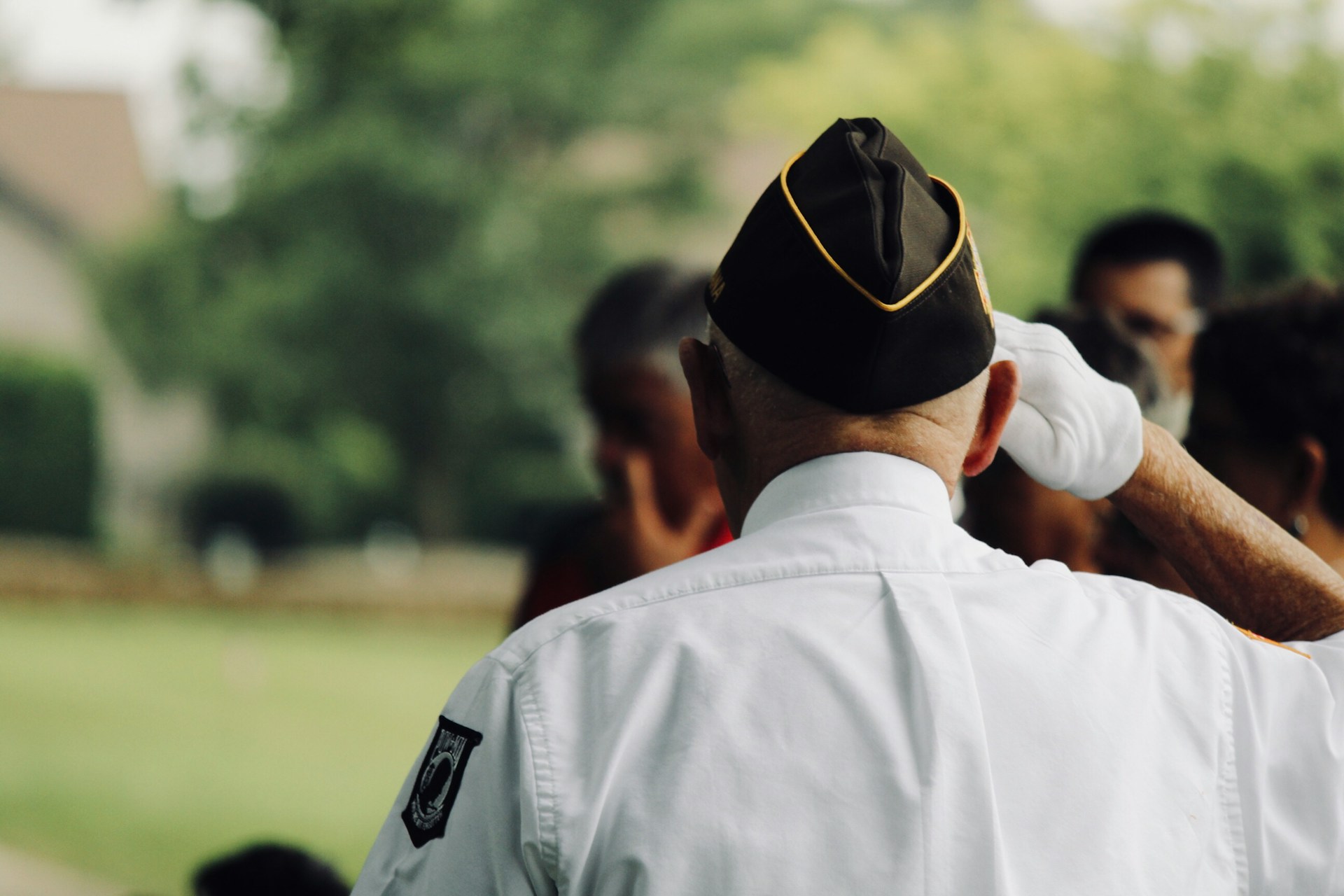
Incorporating Veterans Day in Schools
Every November, schools across the United States turn Veterans Day into a real learning experience. I’ve seen so many creative ways teachers help students understand and appreciate military service—sometimes it’s pretty moving.
Some of my favorite school activities:
- Sharing morning announcements about veteran family members. It’s a simple touch, but it makes a difference.
- Art projects where kids make thank you cards. There’s something special about seeing a wall of heartfelt notes.
- History lessons that dig into major conflicts. Teachers don’t just read from the textbook—they bring stories to life.
- Flag ceremonies. Students learn proper etiquette, and honestly, it feels pretty patriotic.
Kids often research family members who served in the military. They’ll build family trees that highlight those connections. Suddenly, history feels personal, not just names and dates.
Many schools invite local veterans to Veterans Day assemblies. Veterans show up in uniform, and you can sense the pride in the room. Students might sing, recite poems, or share their research—sometimes you’ll even catch a few tears.
Teachers tailor their lessons to the age group. In elementary school, kids talk about what it means to serve. High schoolers dive into military strategy or debate the impact of different wars. The conversations get pretty deep.
Some schools set up letter-writing campaigns for active military members. It’s not just about practicing writing skills—students learn about the real people serving right now. That’s a lesson that sticks with you.