
Right in the heart of Sicily, you’ll find one of the most jaw-dropping archaeological treasures I’ve ever stumbled upon. Villa Romana del Casale is a 4th-century Roman villa, and honestly, it has the largest and most dazzling collection of ancient Roman mosaics anywhere. The first time I wandered onto these grounds, I felt like I’d slipped right into the late Roman Empire—luxury, artistry, all of it.
The UNESCO-listed Villa Romana del Casale stuns with more than 40 mosaic floors, each telling a story of Roman life, mythology, or culture in wild, vivid detail. These mosaics have somehow survived nearly 1,700 years, sealed away under mud until the 1950s, when archaeologists finally brought them back into the light. As you walk through the villa’s rooms, it’s like flipping through a massive ancient picture book—hunting scenes, mythological tales, and daily Roman life all sprawled out beneath your feet.
Last summer, I spent hours poking around the different corners of this enormous place. The famous “Bikini Girls” mosaic stopped me in my tracks—women in ancient sportswear, showing off Roman athleticism and maybe even a bit of fashion sense. If you’re heading to Sicily, carve out at least half a day for this place near Piazza Armerina. Seriously, you’ll want to linger over every single colorful detail.
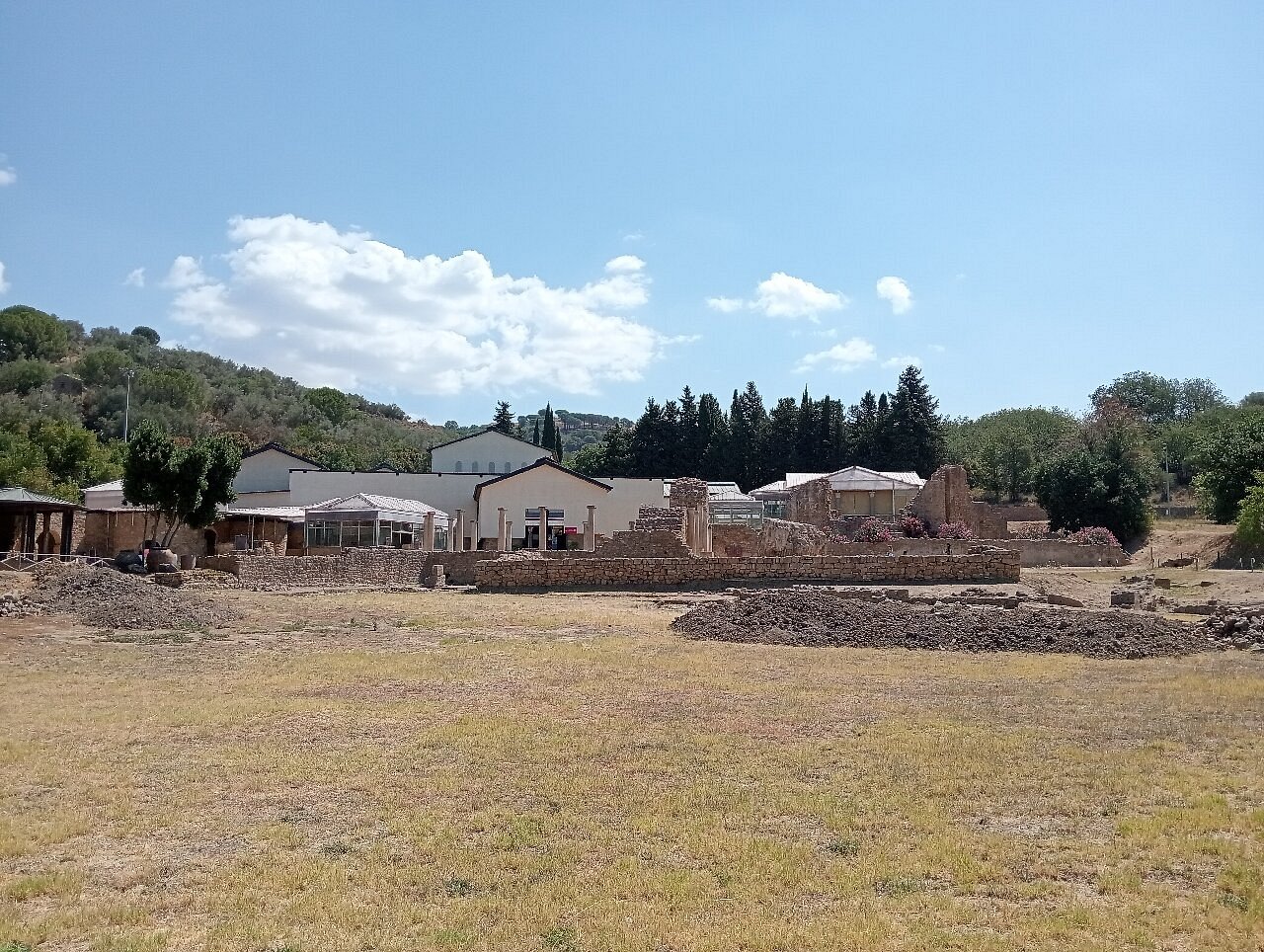
History and Significance of Villa Romana del Casale
Villa Romana del Casale stands out as one of the best examples of Roman luxury and creativity in the Mediterranean. Built in the 4th century AD, it gives us a rare peek into elite Roman life, thanks to its mosaics and intricate layout.
Origins of the Roman Villa
Builders completed Villa Romana del Casale between 320 and 350 AD, back when Sicily played a key role in the Roman Empire. Most experts think a high-ranking member of the Roman senatorial class owned it. Some even argue it could’ve belonged to an emperor or a powerful Sicilian governor.
This villa didn’t just serve as a home—it was a bold statement of power and wealth. The place sprawls over several thousand square meters, which really says something about the owner’s status.
The villa also functioned as the heart of a massive agricultural estate. The owner could oversee local production while living in serious countryside comfort.
Role in the Late Roman Empire
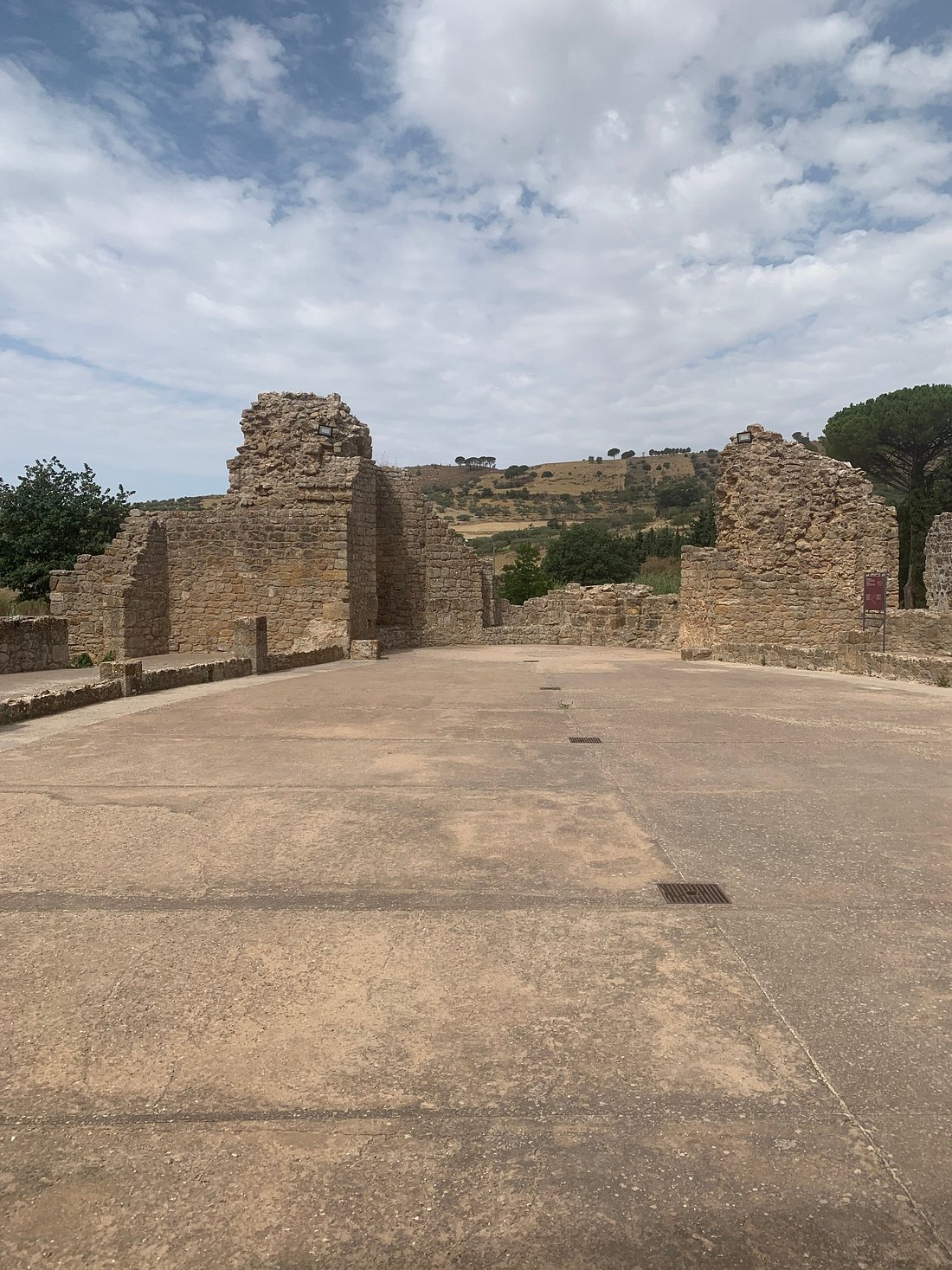
In the late Roman period, Villa Romana del Casale operated as an administrative and economic powerhouse for the area. Its elaborate layout shows this wasn’t just a private retreat—it probably hosted diplomatic meetings and big social gatherings.
The mosaics—hunting, Olympic games, daily scenes—reveal what the elite cared about back then. These images do more than decorate; they tell stories about Roman values and day-to-day life.
Sicily’s location mattered. The island produced tons of grain for the Empire, so running a big estate here brought serious political and economic clout.
As the Western Roman Empire faltered, rural estates like this one started to matter even more, especially as cities became less stable.
Archaeological Discovery and Excavation
After people abandoned the villa, a landslide buried it for centuries. That disaster actually saved the mosaics and much of the architecture.
In the 19th century, archaeologists started poking around, but real excavations didn’t kick off until the 1950s, led by Gino Vinicio Gentili. His team revealed the extraordinary mosaics that draw crowds today.
Excavations have popped up here and there ever since. Since 2004, new digs have even uncovered hints about a medieval settlement that grew up near the deserted villa.
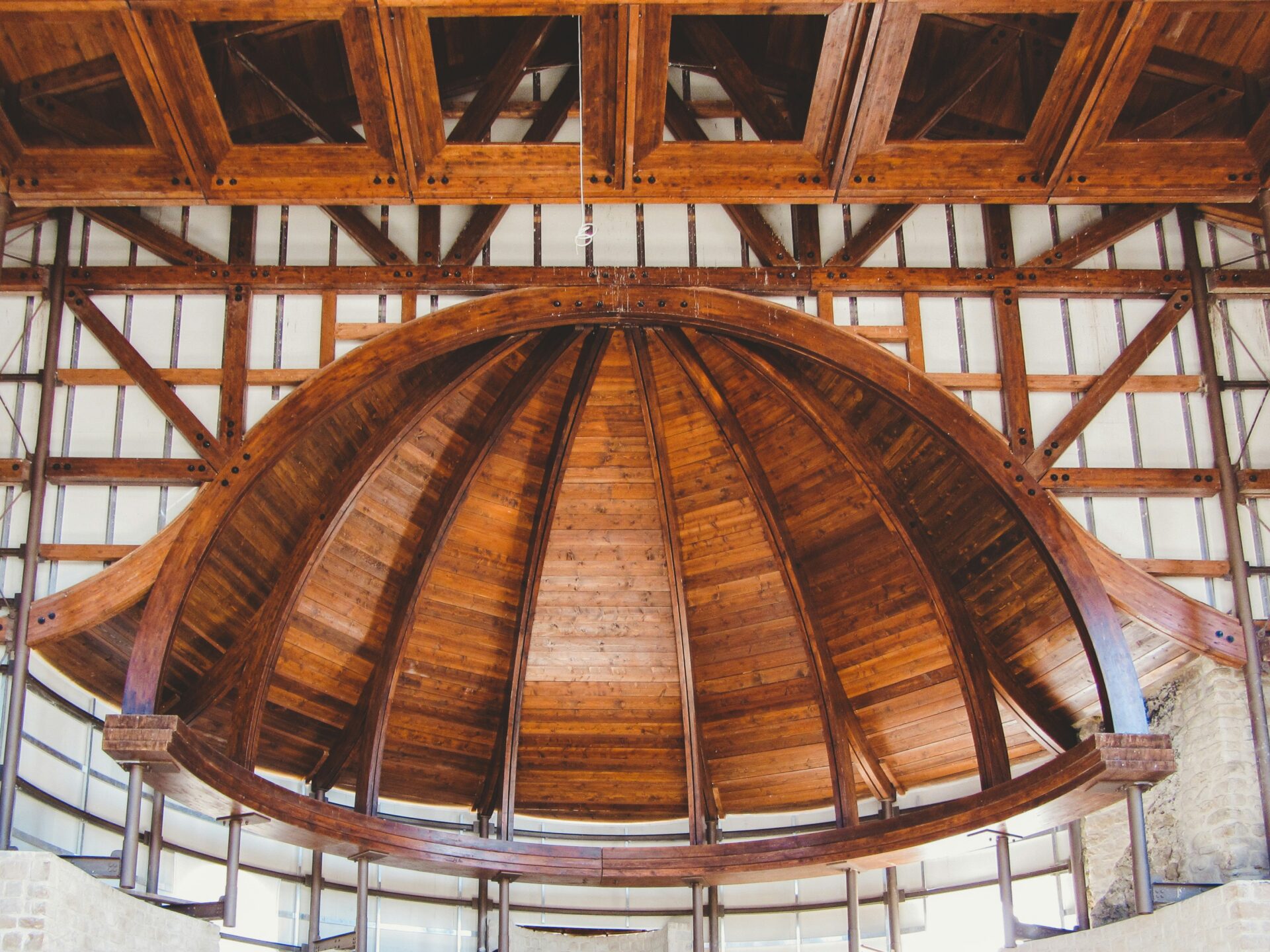
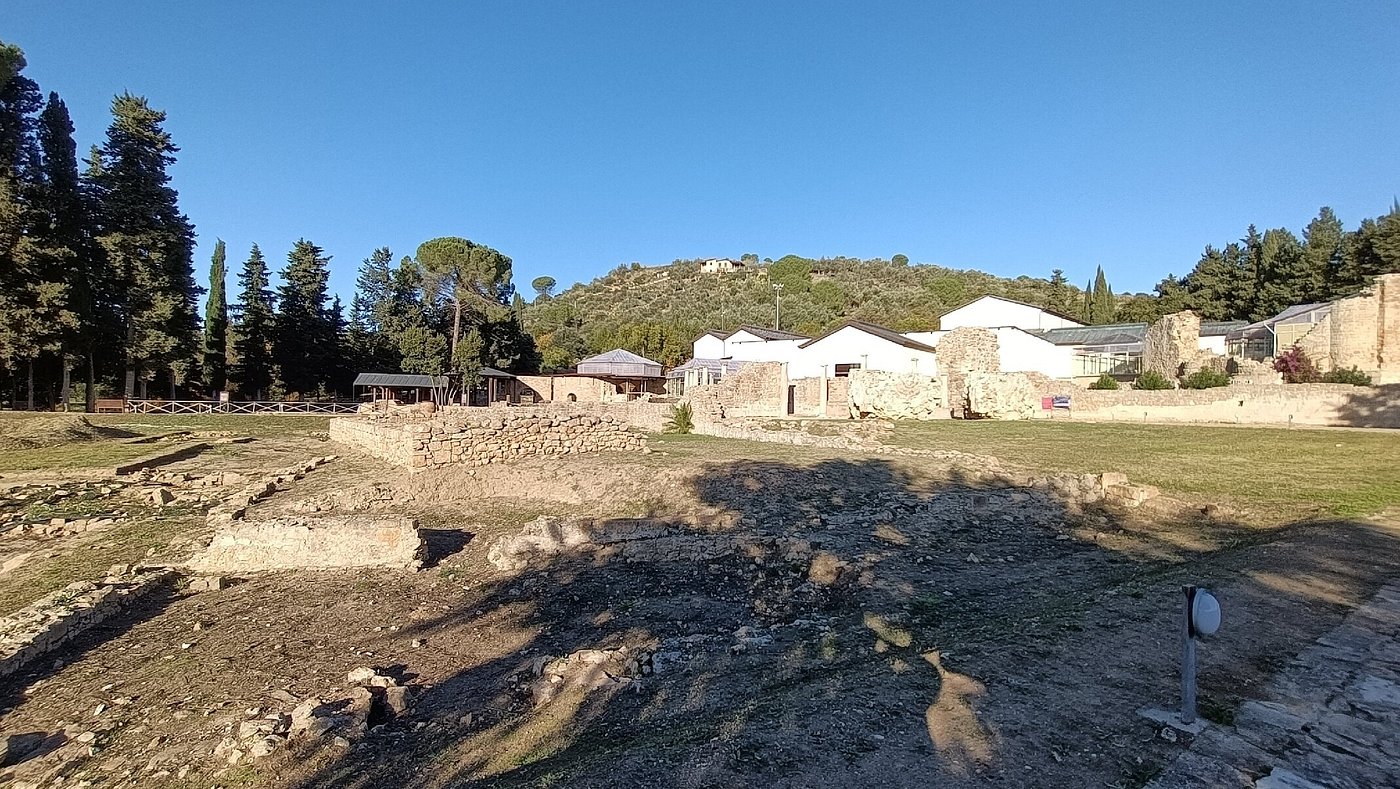
Preserving the site has been tricky. After the mosaics came to light, they suffered some damage from exposure. Now, protective structures cover the ruins, trying to balance preservation with letting people actually see the art.

UNESCO World Heritage Site Status
Villa Romana del Casale earned UNESCO World Heritage Site status in 1997, thanks to its unmatched artistic and historical value. UNESCO highlighted the villa’s collection of Roman mosaics as the most extensive and best-preserved anywhere.
That recognition brought in much-needed funding for conservation. Modern shelters now keep the mosaics safe from the weather, while visitors get to enjoy them up close.
Thousands of people visit every year, making this one of Sicily’s top cultural sites. Tourism boosts the local economy and keeps Roman heritage in the spotlight.
Conservation experts keep working to protect the villa from threats like climate change, decay, and, yes, the wear and tear of all those visitors.

Unraveling the Mosaics: Art, Themes, and Mastery
Villa Romana del Casale boasts the world’s largest collection of ancient Roman mosaics. The artistry covers everything from mythology to daily life and wild hunting adventures.
Iconic Mosaic Floors and Geometric Patterns
As soon as I entered the villa, I noticed how well these 4th-century mosaic floors have held up. Nearly every room bursts with geometric patterns that frame the main scenes. These aren’t just pretty—they shout about the owner’s wealth and taste.
The “Bikini Girls” mosaic steals the show. It’s a bunch of female athletes in what look like ancient bikinis, competing in sports like discus and running.
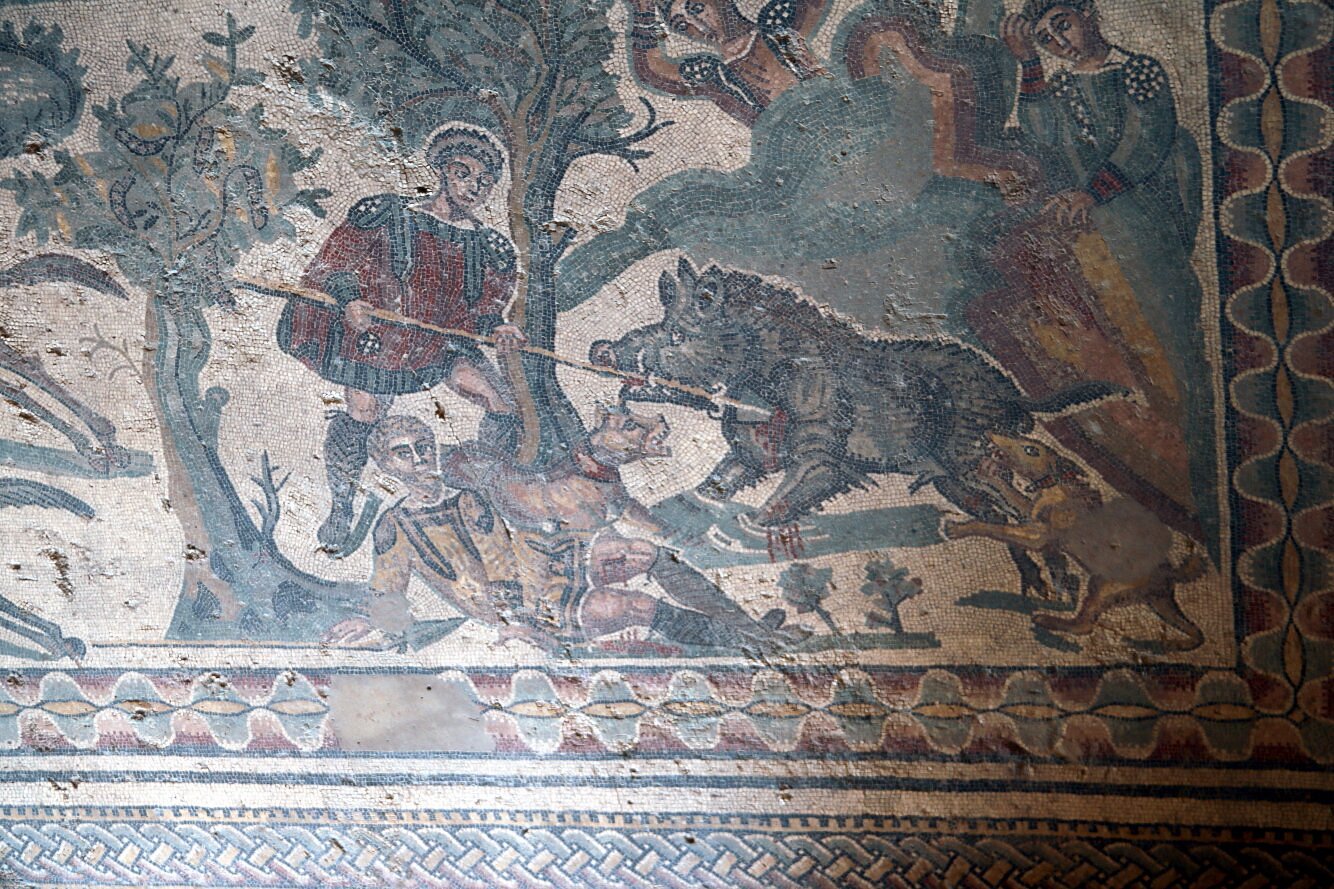
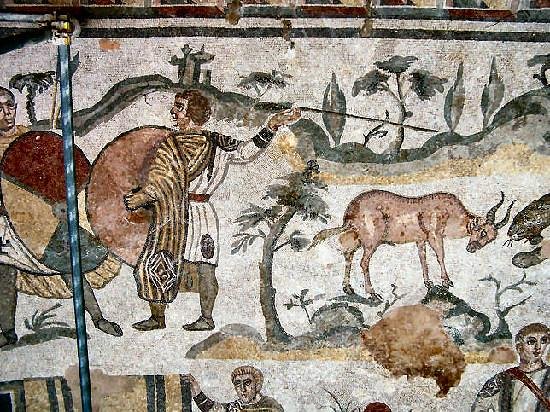
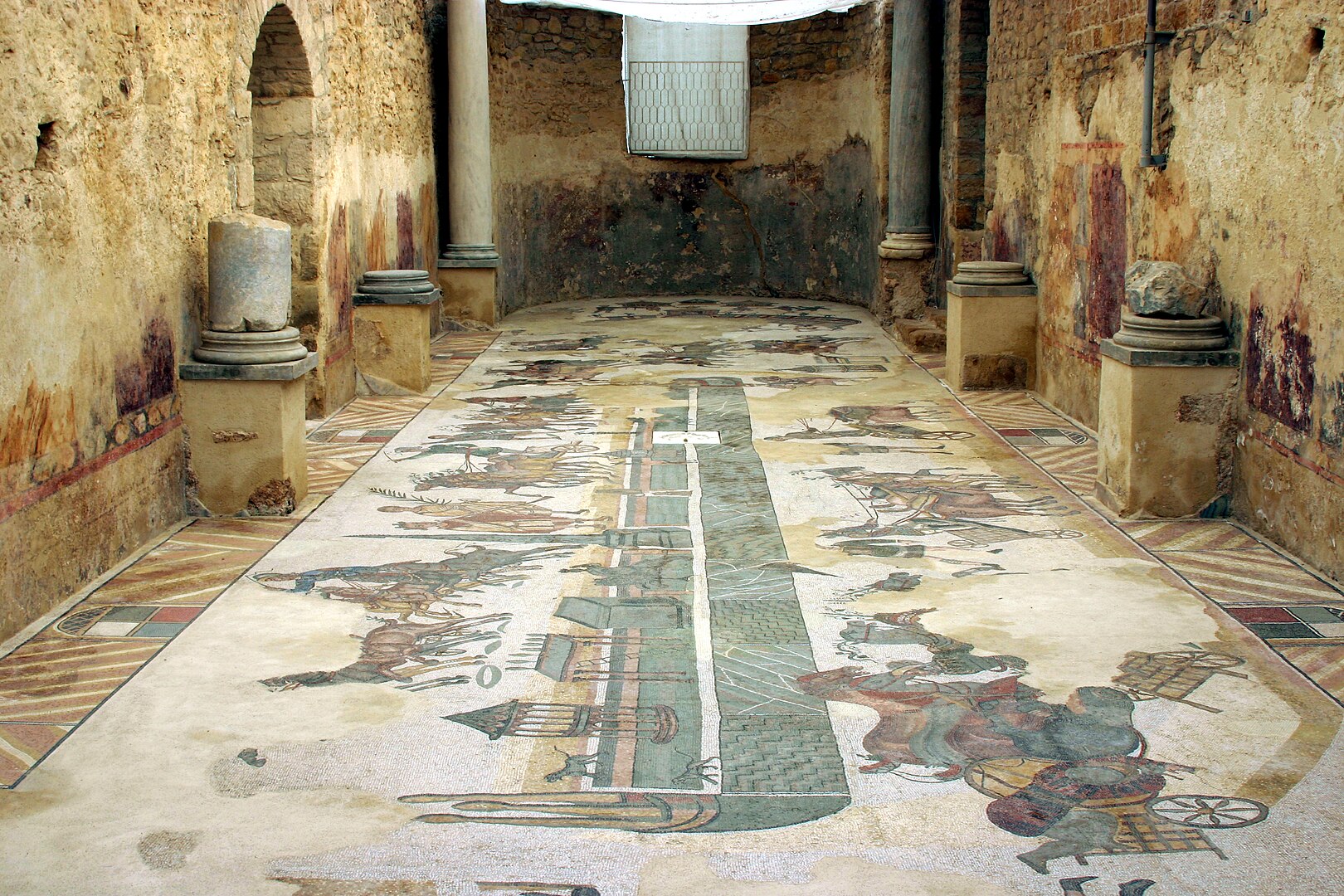
The 60-meter hunting corridor is another jaw-dropper, packed with scenes of exotic animal hunts. The artisans used tiny, colorful tesserae (those little tiles) to capture details that still amaze me.

Depictions of Daily Life and Mythology
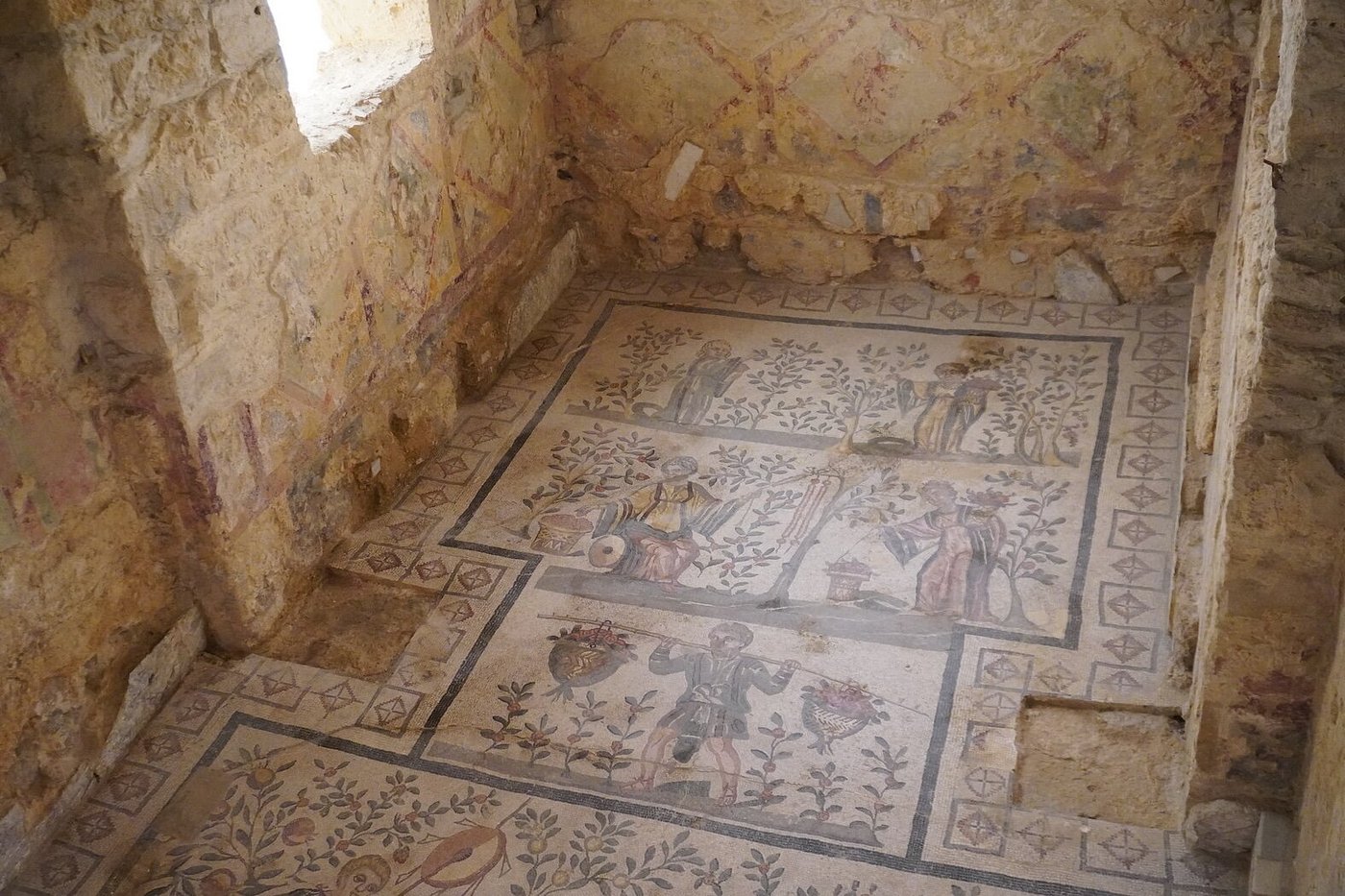
The mosaics give us a peek into Roman beliefs and routines. In the atrium of the fishing cupids, you’ll spot chubby kids in boats, catching Mediterranean fish—a cheerful mix of daily life and myth.
Mythology pops up everywhere. The Demeter and Persephone story, shown in one room, really moved me. The artists captured the goddess searching for her daughter, who’d been dragged to the underworld.
Banquets, hunts, and kids’ games fill out the rest, letting us see what Roman daily life looked like for the upper crust. These images do more than decorate—they’re like time capsules, showing off fashion, customs, and social scenes.
Opus Sectile and Artistic Techniques
The villa doesn’t just stick to mosaics. In some rooms, you’ll find opus sectile—big pieces of colored marble and stone cut to fit together like a puzzle. That’s a real flex, showing just how loaded the owner was.
I kept noticing how the artists used shading and perspective to give the hunting scenes some real depth. They pulled stones from all over the Roman Empire to get such a wild range of colors.
Even after some vandalism in the 1990s, conservation teams managed to save these masterpieces. Walkways now let you admire the mosaics from above without wrecking them.
Some scenes use more than twenty different colors of stone. The artists truly pushed the limits to make people, animals, and mythological figures come alive.
Exploring the Main Structures and Layout
Villa Romana del Casale spreads across several connected areas, each one showing off the owner’s wealth and taste. As you wander through, you’ll see how carefully the whole place was designed for both daily life and big ceremonies.
The Basilica and Reception Rooms
When I first walked into the villa, the basilica blew me away with its size and formal vibe. This grand hall served as the main reception area, where the owner greeted important guests and took care of business. Tall walls once made the space feel even more imposing.
Next to the basilica, you’ll find several reception rooms, all decked out with mosaics that fit their purpose. The “Chamber of the Ten Maidens” is the standout, with young women in bikini-like outfits showing off their athletic skills.
The entrance vestibule pulls visitors through a series of rooms, each one fancier than the last—a clever way to impress guests as they moved deeper into the villa.
The Baths, Frigidarium, and Palaestra
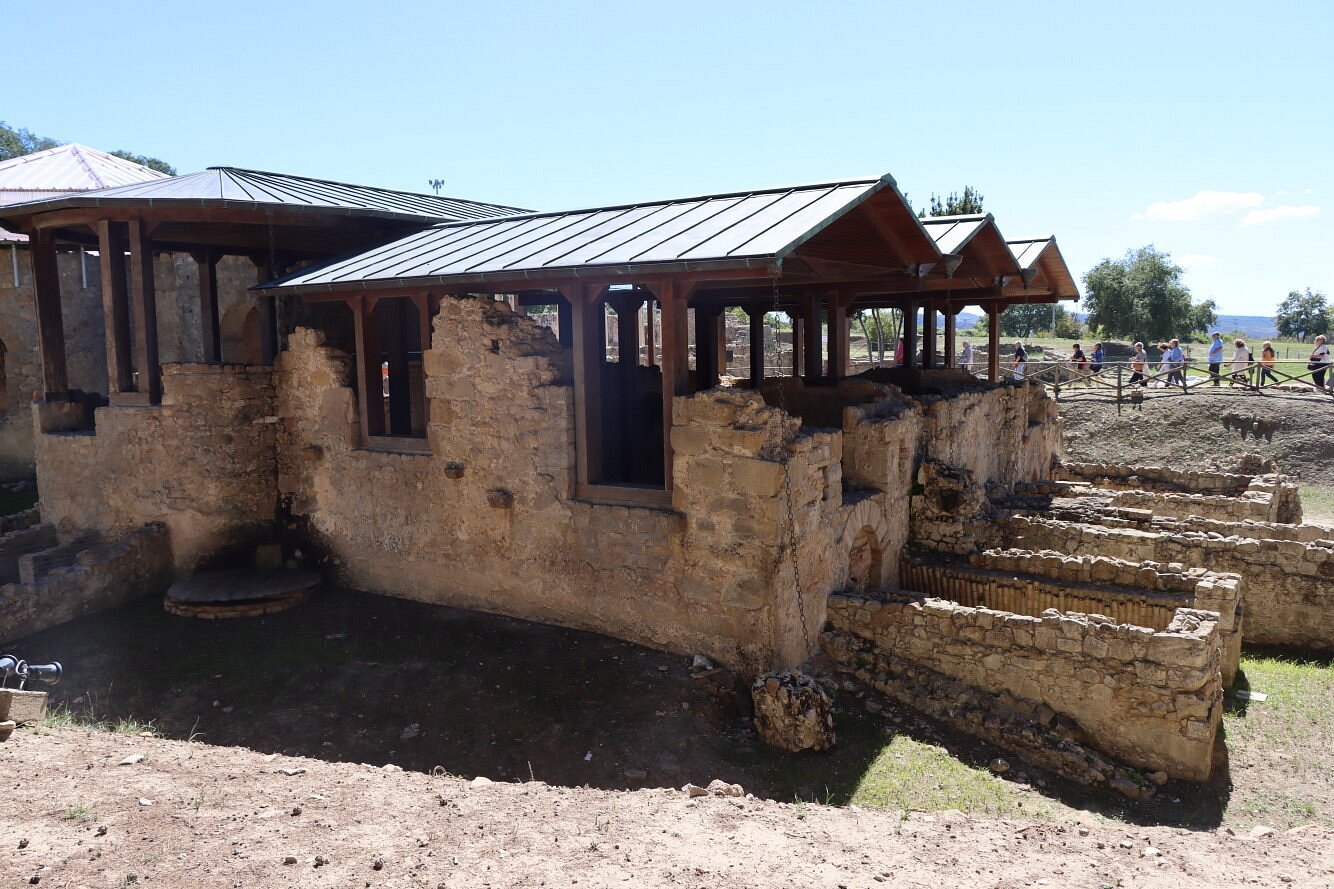
The bath complex really shows off Roman engineering. I couldn’t help but admire how they separated areas by temperature: caldarium (hot), tepidarium (warm), and frigidarium (cold).
The frigidarium holds some of the best mosaics, with marine scenes full of fish and sea creatures. Huge granite columns once held up the roof, a real sign of wealth.
Right next to the baths is the palaestra, an open yard for exercise before bathing. That fits the classic Roman bath culture—work out first, then clean up. These features make it clear the villa was more than a house; it was a whole lifestyle.
Elliptical and Rectangular Peristyles
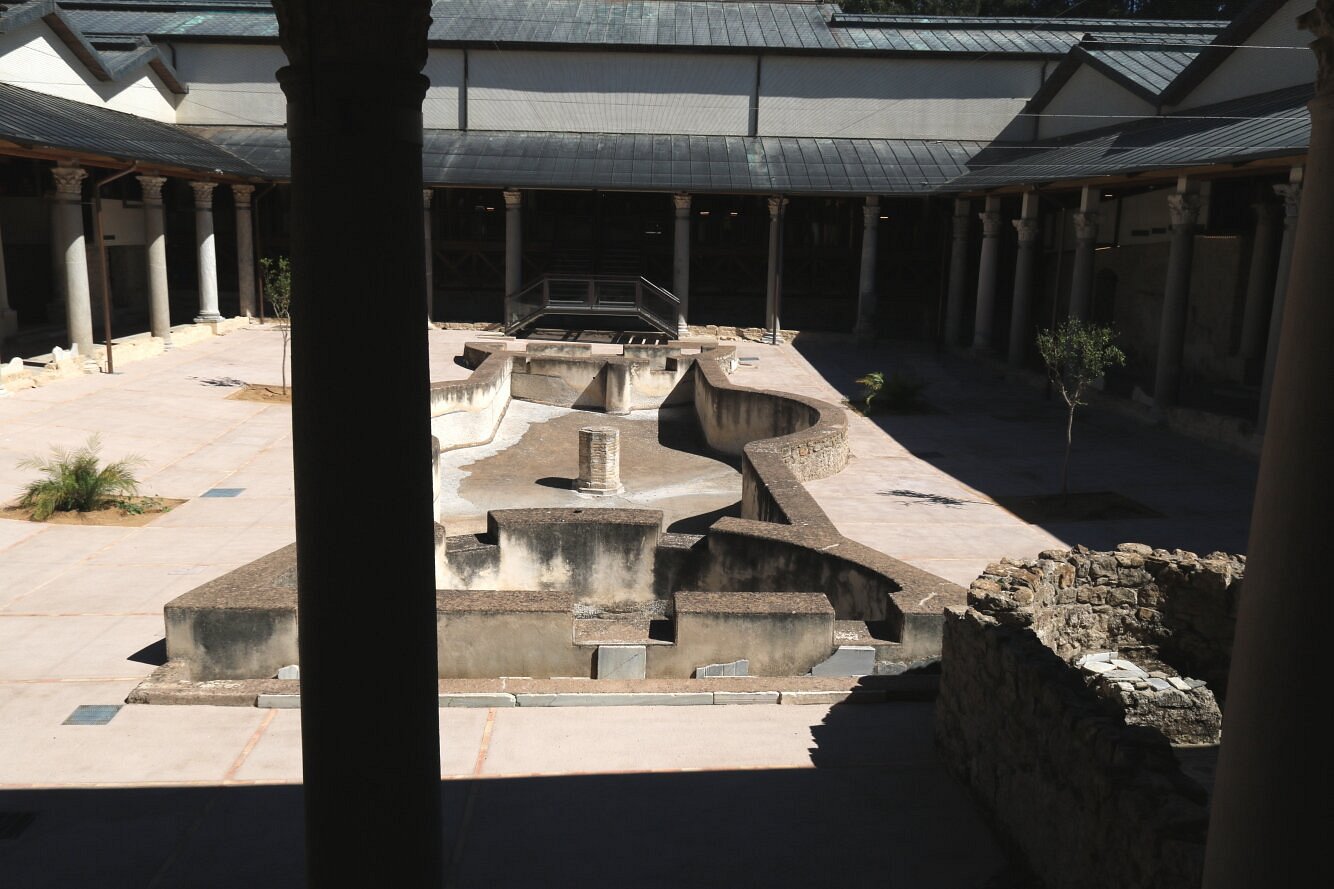
The villa has two striking peristyles, or columned courtyards, that tie the whole place together. The elliptical one is rare in Roman design, making for a dramatic centerpiece. I could picture it as a lush garden with fountains, surrounded by shaded walkways.
The rectangular peristyle is even bigger and links up most of the main living spaces. Elegant porticos with columns create cool, shaded paths for strolling and socializing. These courtyards did more than look nice—they brought in sunlight and fresh air.
Both peristyles are lined with mosaic floors, some with wild geometric patterns and others with hunting scenes. The colors have somehow stayed bright after all these centuries.
Triclinium, Latrines, and Service Areas
The triclinium, or dining room, is massive and features the jaw-dropping “Great Hunt” mosaic. I could almost see the banquets—guests lounging on couches, feasting course after course.
The villa’s communal latrines surprised me with their sophistication. They used running water, a real feat of Roman plumbing, and probably served both the family and their staff.
Behind the scenes, kitchens, storage rooms, and servant quarters kept everything humming. These practical spaces show just how much work went into keeping up such a grand estate.
The layout smartly separates public, private, and service areas, but still connects them for efficiency. That’s Roman design at its best.

Visitor Experience: Planning Your Trip
If you’re thinking about visiting Villa Romana del Casale, a little planning will help you make the most of it. The site offers a rare look at ancient Roman luxury—there’s really nothing else like it in Sicily.
Getting to Villa Romana del Casale from Major Sicilian Cities
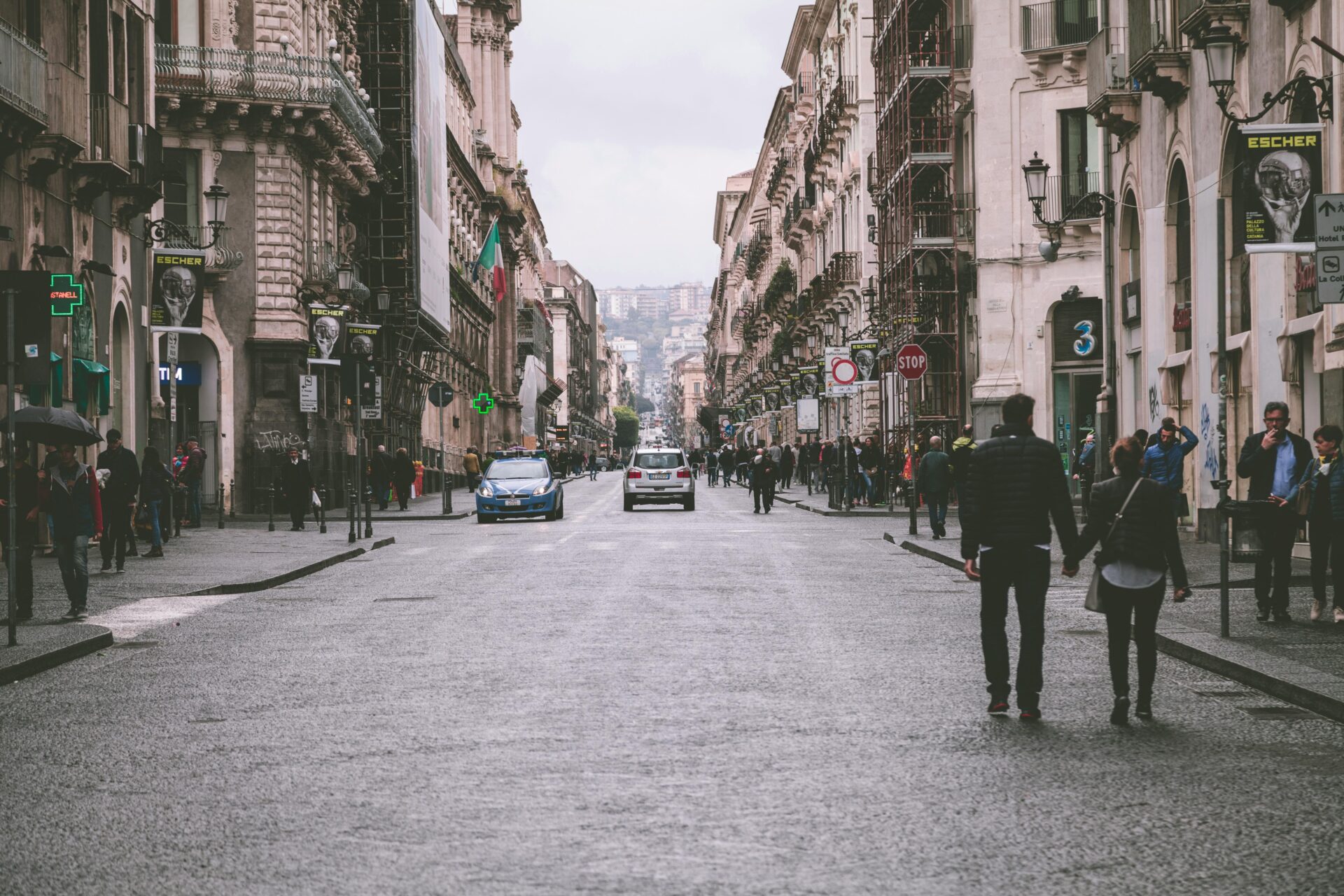
When I drove from Catania, it took about an hour and a half on the A19 highway. From Taormina, plan for two hours winding through the Sicilian countryside.
If you’re coming from Syracuse, expect around two hours by car. From Palermo, it’s about two and a half hours. The villa sits near Piazza Armerina in Enna province, which makes a handy base if you want to stay close by.
Public transport is possible, but honestly, it’s limited. I’d suggest renting a car for more freedom. Plenty of tour companies run day trips from major cities, and those usually include a guide and transportation.
Distance from major cities:
- Catania: 110 km (1.5 hours)
- Taormina: 150 km (2 hours)
- Syracuse: 150 km (2 hours)
- Palermo: 160 km (2.5 hours)
Best Times to Visit and What to Expect
I’ve noticed that mid-spring (April-May) and early autumn (September-October) usually give you the best mix of pleasant weather and manageable crowds. Summer can get brutally hot—classic Mediterranean sun—and even with the protective covering, the heat makes it tough to enjoy the mosaics.
Crowds tend to swell between 10:30 AM and 2:30 PM, mostly when tour buses pull in. If you want a quieter visit, try to show up right at opening (9:00 AM) or wait until later in the afternoon.
Set aside at least 2-3 hours to wander through the villa’s many rooms and mosaic floors. The raised walkways really let you soak in the details of the designs. You absolutely can’t miss the “Bikini Girls” mosaic and those wild hunting scenes.
You can take photos (just skip the flash), and honestly, binoculars come in handy for spotting the tiny details from the viewing platforms.
Practical Travel Tips and Accessibility
In recent years, the villa has put real effort into making the site more accessible. Elevated walkways now help visitors with mobility issues see most of the mosaics, though some corners still aren’t easy to reach.
Wear comfortable shoes and pack a few basics:
- Water bottle (especially in the summer)
- Sun protection (hat, sunscreen)
- Light rain jacket (spring can surprise you)
Entrance tickets cost about €10 (as of 2025), with discounts for EU citizens under 25 and over 65. Audio guides come in several languages and, in my opinion, are worth the small extra charge.
You’ll find basic facilities: restrooms, a small cafeteria, and a gift shop. If you want a real meal, Piazza Armerina has plenty of spots with authentic Sicilian food just a short drive away.
Insider Insights: Guided Tours, Nearby Sites, and Cultural Context
Villa Romana del Casale isn’t just about ancient mosaics. The whole experience gets richer when you connect it to Sicily’s layered cultural history and check out nearby archaeological gems.
Expert-Led Tours and Visitor Services
I honestly think guided tours make all the difference at Villa Romana del Casale. The stories behind each mosaic come alive when an expert explains them. Most tours run about 2 hours, so you get time to really take in the 40+ mosaic floors.
Groups usually have 10-15 people, which keeps things personal and makes it easy to ask questions. Tour prices hover between €15-25 per person, depending on the season.
Most guides speak great English and share fascinating details about 4th-century patrician life. Some tours even get you access to parts of the villa that aren’t open to everyone.
If you’re visiting in peak summer, definitely book ahead—sometimes the site gets up to 2,000 visitors a day.
Exploring Morgantina and the Archaeological Museum of Aidone
Just a 20-minute drive from the villa, Morgantina brings you into the world of ancient Greece. I wandered through the remains of its theater, sanctuaries, and old homes from the 5th century BCE.
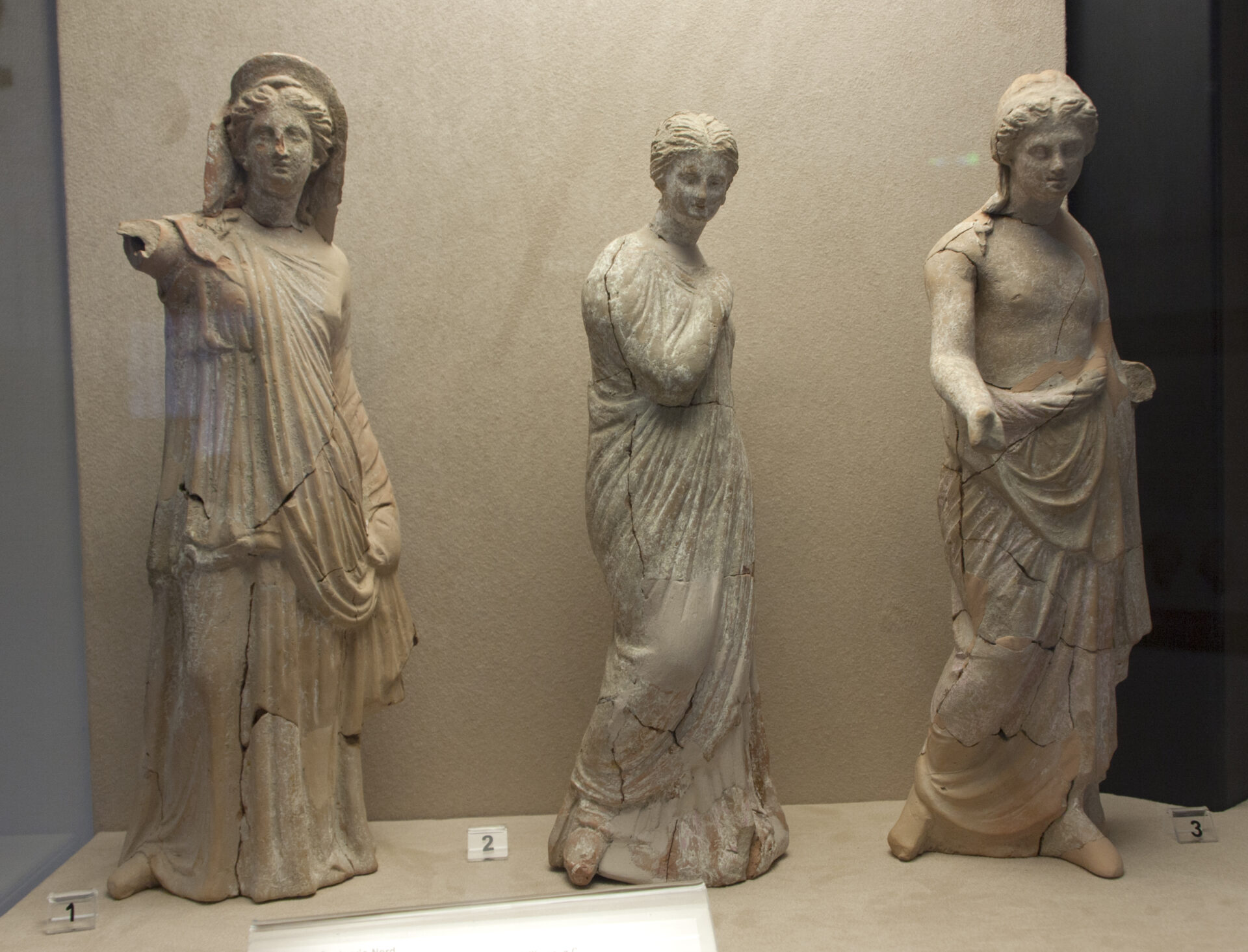
The Archaeological Museum of Aidone, set in a former Capuchin monastery, displays treasures found at Morgantina. The highlights? The famous Morgantina silver and some truly stunning Greek statues.
I spent about three hours between both sites. The museum’s not huge, but it’s packed with incredible artifacts that really help you piece together Sicily’s backstory.
If you’re interested, you can buy a combined ticket for all three sites (Villa Romana, Morgantina, and the museum) for about €18. It’s a good deal and encourages you to dig deeper into the area.
Connecting Villa Romana del Casale to Sicilian Heritage
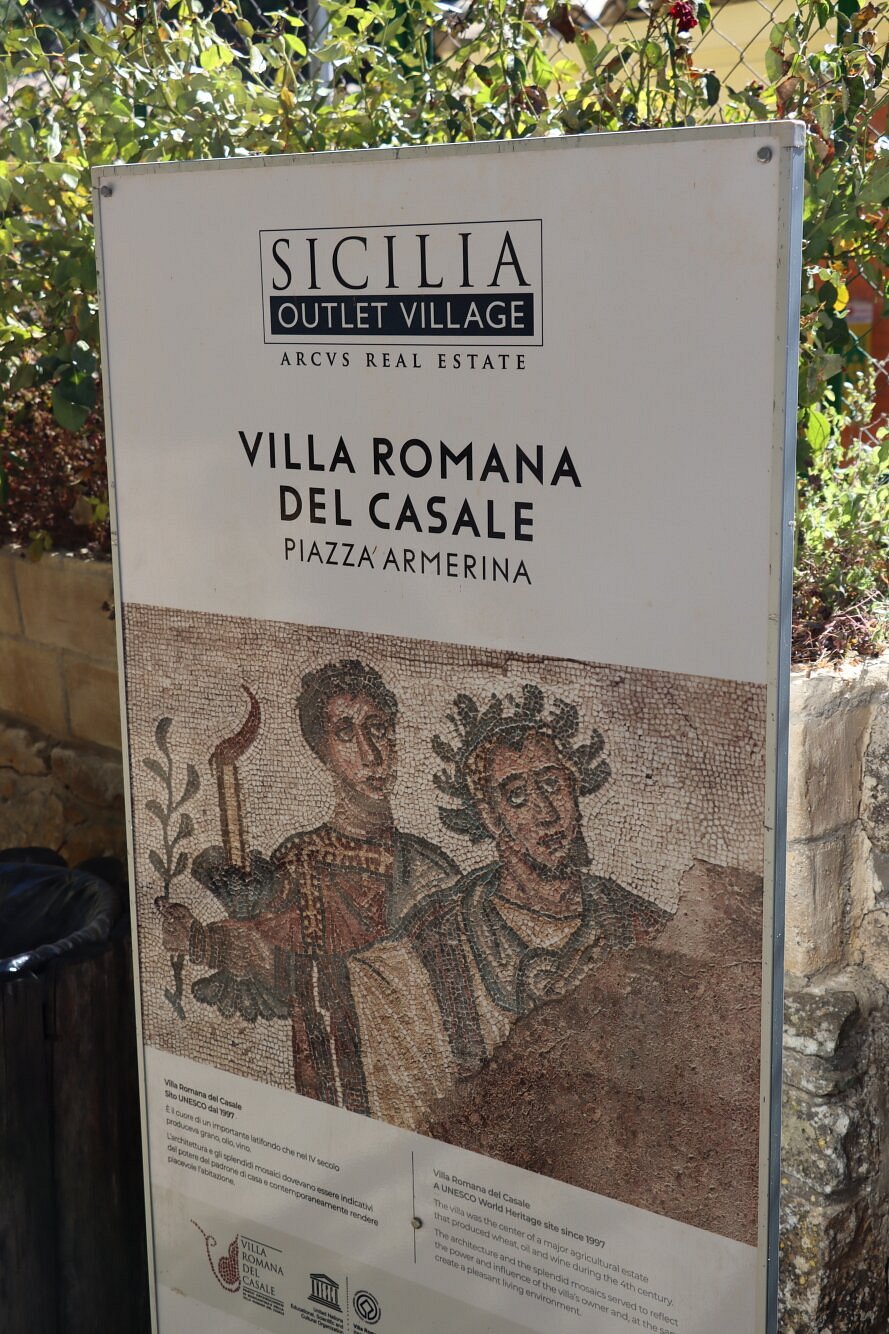
Villa Romana shows how Sicily became a cultural crossroads over the centuries. The mosaics blend influences from North Africa, Greece, and Rome, which fits Sicily’s role at the heart of Mediterranean trade.
I noticed how the hunting scenes, mythological stories, and the “Bikini Girls” mosaic reveal both daily Roman life and Sicily’s multicultural identity.
UNESCO recognized the site as a World Heritage Site in 1997, honoring its unique value for understanding Roman Sicily.
Local guides often point out how ancient customs in the mosaics connect to modern Sicilian traditions. For example, the agricultural scenes echo Sicily’s ongoing reputation as a fertile farming center.
If you visit in spring (like now in May 2025), you’ll hit the sweet spot for weather and crowd size.
Legends, Environmental Changes, and Restoration
Villa Romana del Casale has survived wild twists of fate, from Roman emperors to natural disasters and impressive feats of engineering.
The Villa’s Notable Residents and Emperors
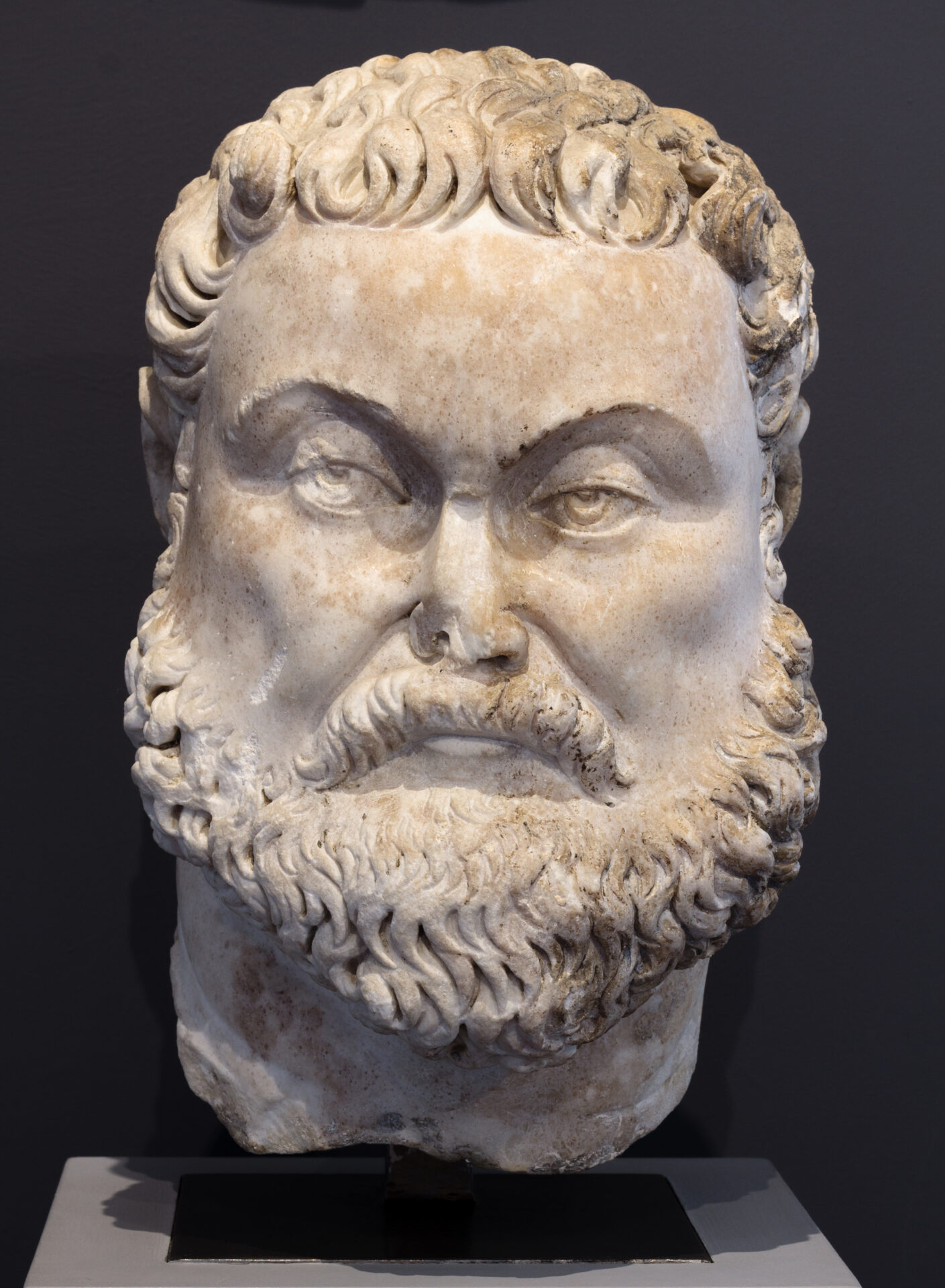
Historians often link Emperor Maximian to Villa Romana del Casale. I came across some convincing arguments that he built this luxurious retreat around 286-305 CE, maybe as a retirement home after leaving imperial office.
Some details suggest Emperor Constantine had ties to the villa too. The sheer scale and design of the place fit the tastes of someone with serious power.
When I walked through, guides pointed out mosaics that might show the owners or imperial guests. The opulence—private baths, grand halls, elaborate decorations—makes it clear the villa belonged to someone at the top of Roman society.
The Story of the Landslide and Rediscovery
The villa’s second life started when disaster struck. In the 12th century, a landslide buried the whole complex, hiding it for centuries. Ironically, this natural event protected the mosaics from weather and people.
The ruins stayed hidden until the early 20th century, when the first excavations began. Serious digs kicked off in the 1950s, and that’s when archaeologists uncovered the amazing mosaics under all that mud.
I found it wild that, during the Middle Ages, people built a village right on top of the buried villa—completely clueless about the Roman wonder beneath. Archaeologists found this settlement south of the villa back in 2004.
Uncovering the villa has felt like reading an ancient mystery, one room at a time. Each discovery adds a new chapter to the story of Roman life in Sicily.
Aqueducts, Water Management, and Conservation
The Romans really nailed their engineering, and you can see it in the villa’s water systems. They built an advanced aqueduct system that brought fresh water straight from the mountains into the villa.
When I visited, I couldn’t help but admire the clever setup of the thermal baths. The hot, warm, and cold rooms all needed pretty sophisticated water delivery and heating—honestly, it’s wild how much thought went into it.
These days, conservation teams work hard to preserve the old hydraulic systems and the famous mosaics. They’ve added modern protective shelters over the most delicate spots, which creates a little microclimate and helps slow down the wear and tear.
Water management still gives conservators plenty to worry about. They have to shield the site from seasonal flooding and make sure drainage works properly. Even now, they stick to the original Roman engineering principles as they care for the place.


