
Nestled on Sardinia’s southeast coast, Villasimius instantly feels like a Mediterranean paradise. I fell in love the moment I set foot on its pristine shores.
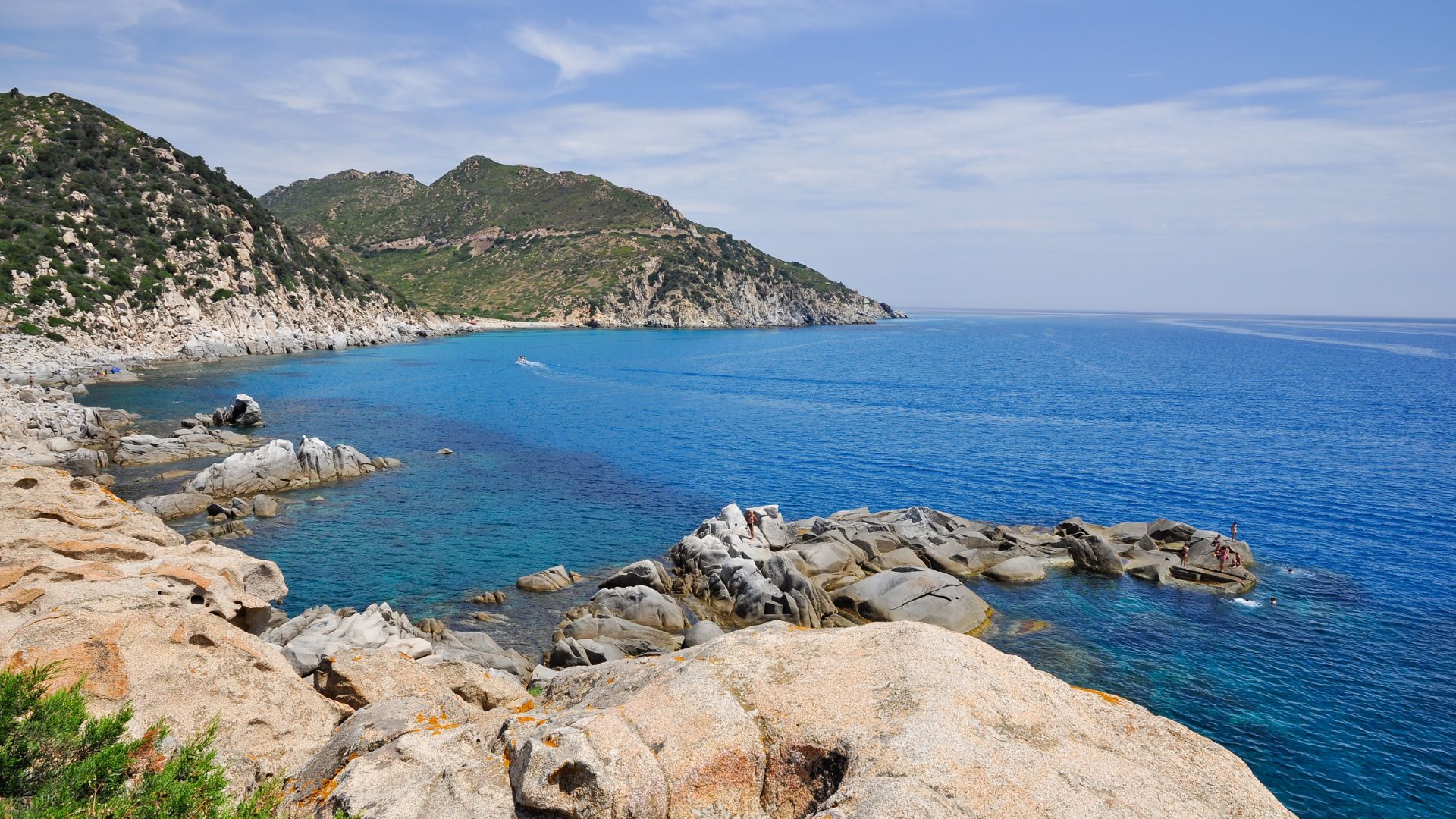
Locals call it the “Polynesia of the Mediterranean,” and honestly, I get it. The town boasts a lineup of white sandy beaches, clear turquoise waters, and smooth granite rocks that look almost unreal.
What really sets Villasimius apart is its wild variety of beaches—Porto Giunco, Campulongu, Porto Sarruxi, and Campus—each with its own vibe but all ridiculously beautiful. I’ve brought my family here to build sandcastles, and I’ve watched sunsets with someone special. It just works for every kind of trip.
There’s so much more than sunbathing. Villasimius invites water sports lovers and history fans to dive into its adventures. Salt-water lagoons and islets line the coast, just waiting for explorers. If you love culture, nearby archaeological sites add a whole other layer to your beach holiday.
I’m already planning my next visit for summer 2025. I can almost feel those warm sands and that salty Mediterranean breeze.
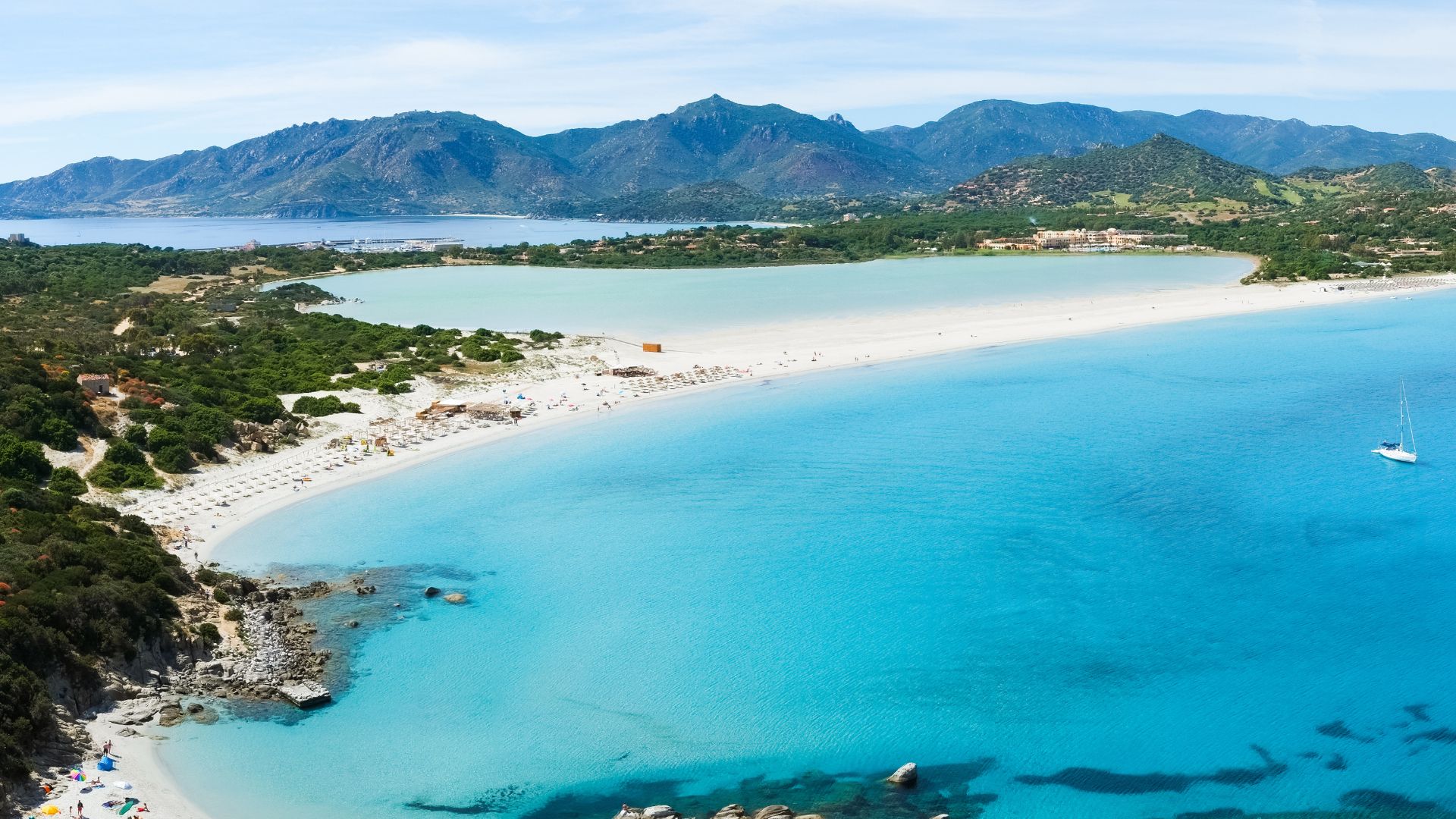
Discovering Villasimius: The Gem of Southeast Sardinia
Villasimius grabbed me right away with its clear waters and untouched beaches. It’s a spot where natural beauty, culture, and adventure all come together for a real Sardinian experience.
Location and Geographic Highlights
Villasimius sits at Sardinia’s southeastern tip, about 50 kilometers from Cagliari. The protected Marine Area of Capo Carbonara wraps around the town, so you get turquoise waters and tons of marine life.
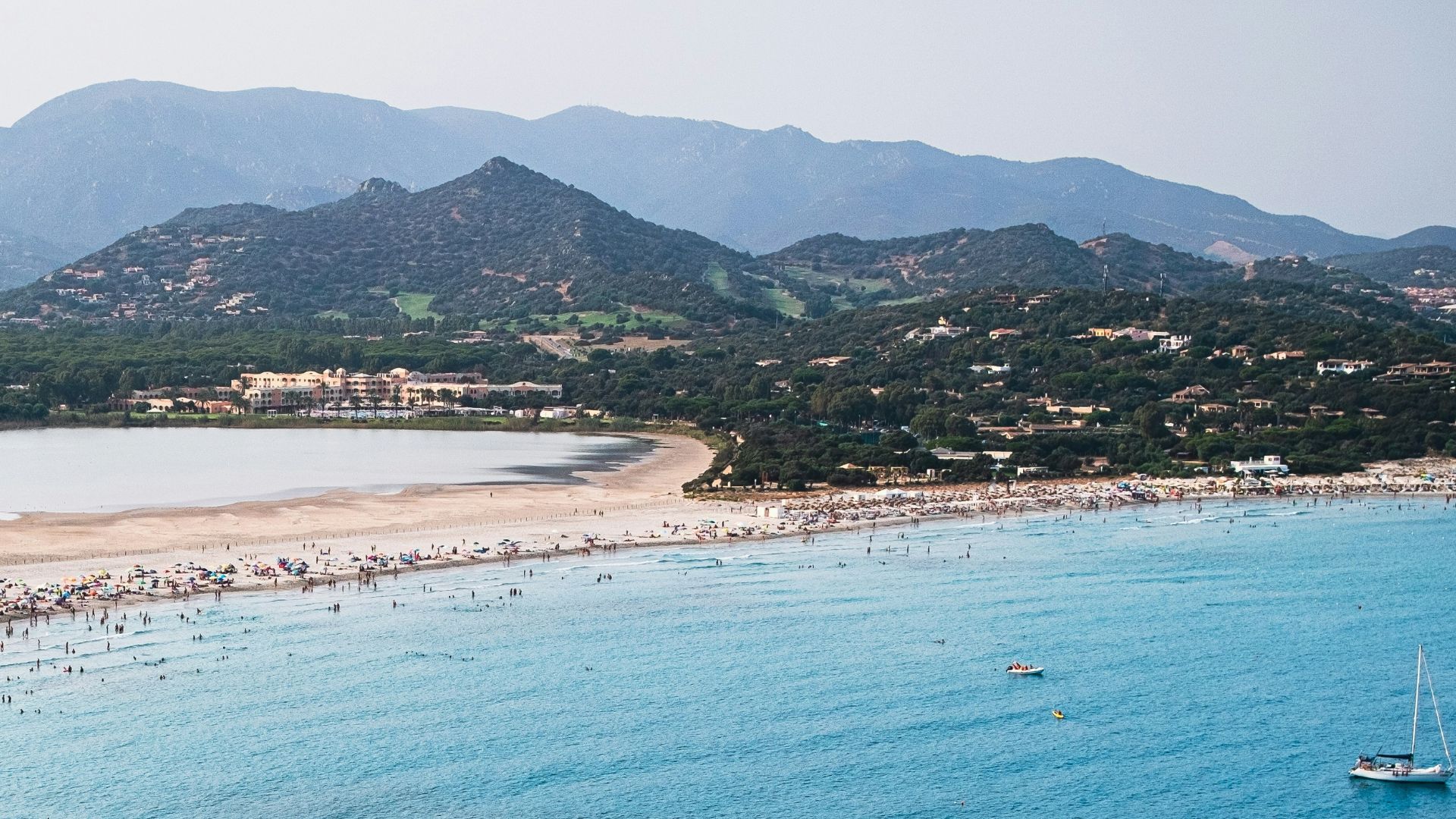
The landscape is something else. Mediterranean scrub tumbles down rolling hills to meet some of Europe’s most jaw-dropping beaches. Porto Giunco, Punta Molentis, and Spiaggia del Riso all dot the coast.
I love how the terrain changes so much in a single day. I’ve hiked through juniper forests, scrambled over granite rocks, and swum in water so clear I could count the fish without even snorkeling. Pink flamingos gather at the salt ponds during migration, and it’s always a treat to spot them.
A Brief History and Local Culture
Villasimius started out as a fishing village, but it’s managed to keep its original charm. Ancient nuraghi—those mysterious stone towers—dot the landscape, showing off the area’s prehistoric roots.
The town center still has narrow streets and classic Sardinian buildings. In the evenings, I’ve stumbled into local festivals with folk music, dancing, and food that’s hard to forget.
Fishing still matters here. Many restaurants serve the day’s catch, following recipes that have been passed down for ages. Don’t skip “sa burrida”—fish marinated in walnut sauce. It’s a local gem.
The Archaeological Museum of Villasimius brings the region’s maritime history to life. I’ve seen artifacts from old shipwrecks and ancient trade routes that sailed these waters.
Getting There from Cagliari
Getting to Villasimius from Cagliari is pretty straightforward, and you’ve got options.
By Car:
- Fastest: 45–60 minutes on the SS125
- Scenic: 75–90 minutes along the SP17 coastal road
By Bus:
- ARST public buses leave from Cagliari’s central station
- The ride takes about 90 minutes
- Tickets cost around €4–6 one way
I usually rent a car for the freedom to stop at hidden coves and scenic overlooks. The drive itself is half the fun—those coastal views are just unreal, and I always end up pulling over for photos.
If you’re coming in peak summer (June–August), I’d say leave early. Parking fills up fast, and the roads get busy with visitors chasing that beach paradise.
Unrivaled Beaches and Coastal Beauty
Villasimius has some of the most stunning coastal scenery I’ve seen anywhere in Italy. This corner of Sardinia really delivers a beach experience that honestly rivals the Caribbean.
Iconic Beaches You Can’t Miss
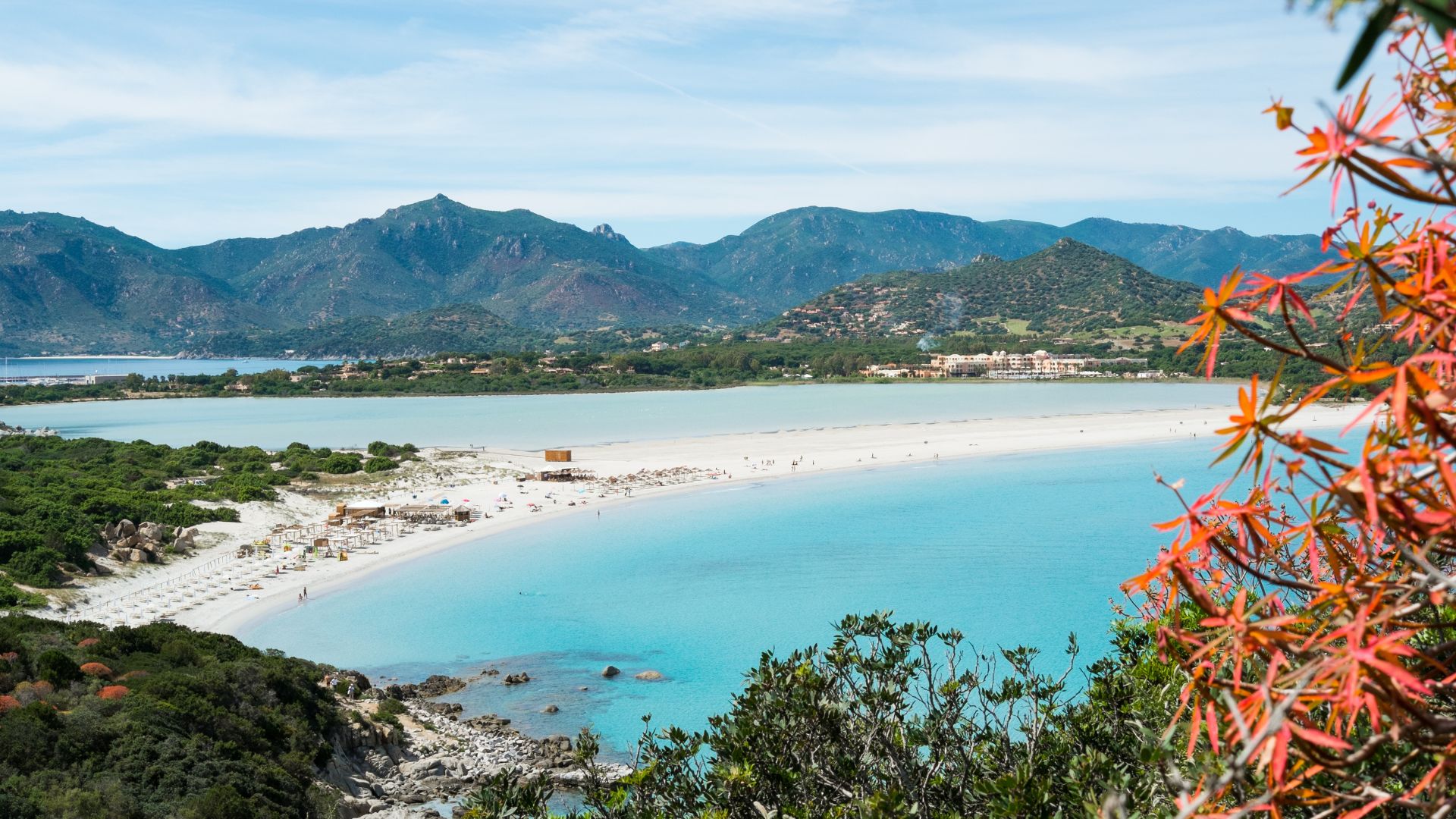
Porto Giunco might be the most famous beach here, and it totally lives up to the hype. The white sand and turquoise water look like something out of a dream.
Is Molentis beach grabbed my attention right away. It’s been in plenty of ad campaigns, and for good reason. The curved bay, ringed by pink granite rocks, feels almost magical.
If you want somewhere quieter, Punta Molentis has a more secluded feel. I’d get there early in summer to snag a good spot.
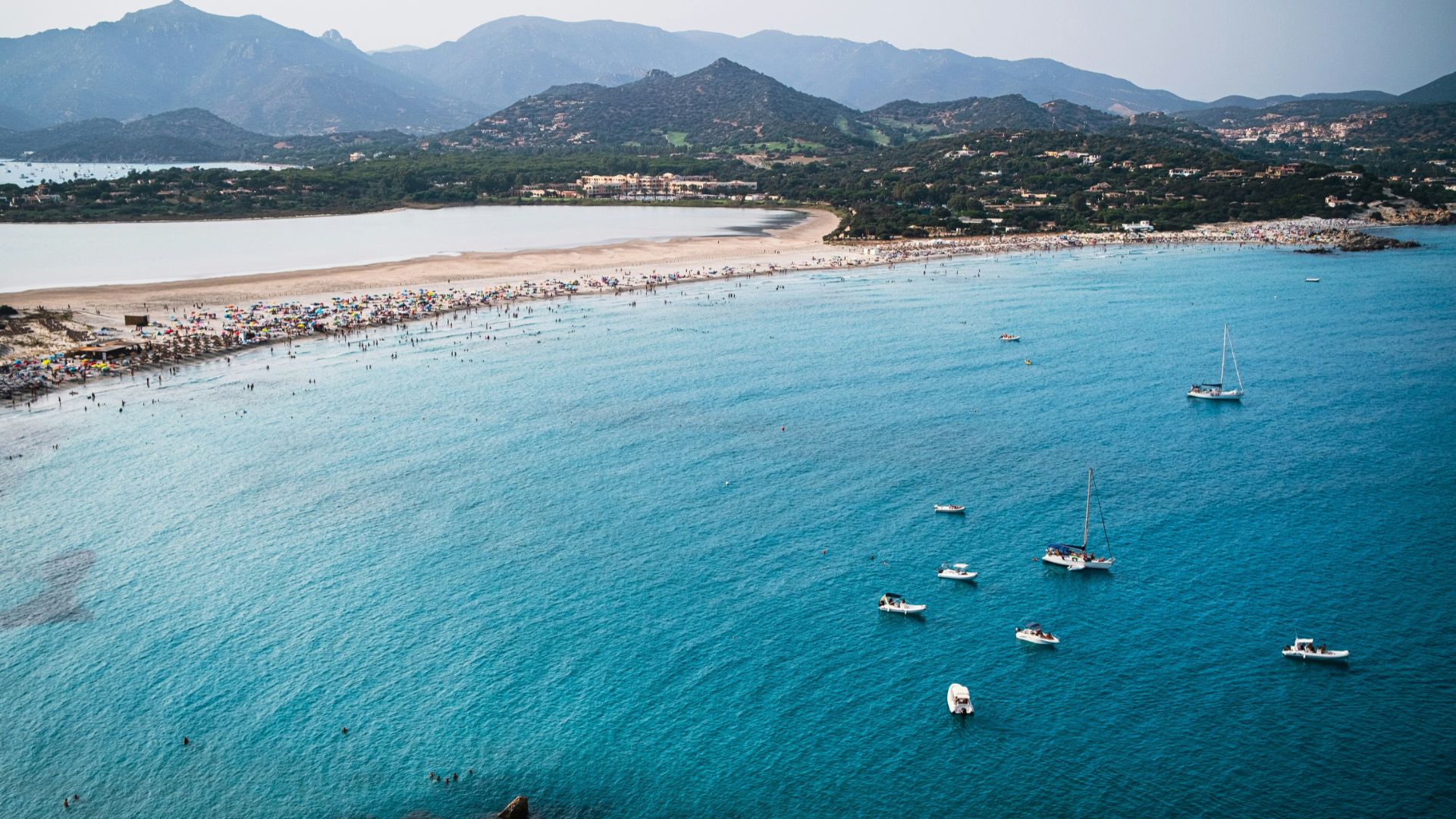
Simius Beach is great for families. The shallow water is perfect for kids, and the beach stretches for nearly two kilometers, so there’s room for everyone.
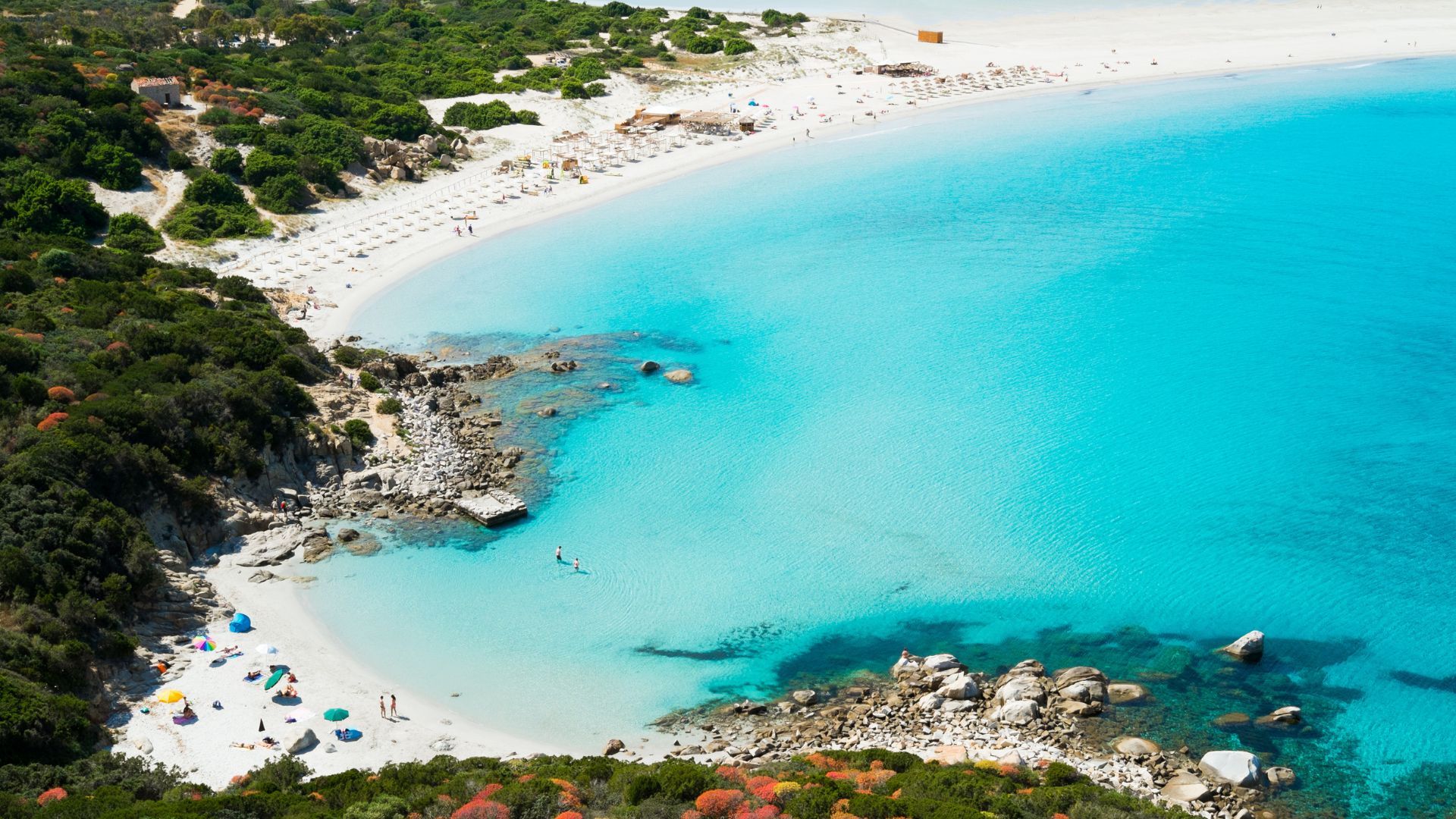
Crystal Clear Waters and Soft Sands
The water here is so clear, I could see fish swimming right around my feet, even when I was waist-deep.
Sand varies from beach to beach. Some spots have fine white sand, while others are more golden and sparkly. Either way, it’s soft and perfect for barefoot walks.
Swimming is a treat from June through October. Even in May, I found the sea warm enough for a quick dip.
Most beaches rent umbrellas and loungers. Expect to pay €15–25 a day, depending on the season and how popular the beach is.
Panoramic Views and 360° Experiences
Driving the coast around Villasimius gives you epic views. Capo Carbonara is my top pick for a panoramic look at the coastline stretching out in both directions.
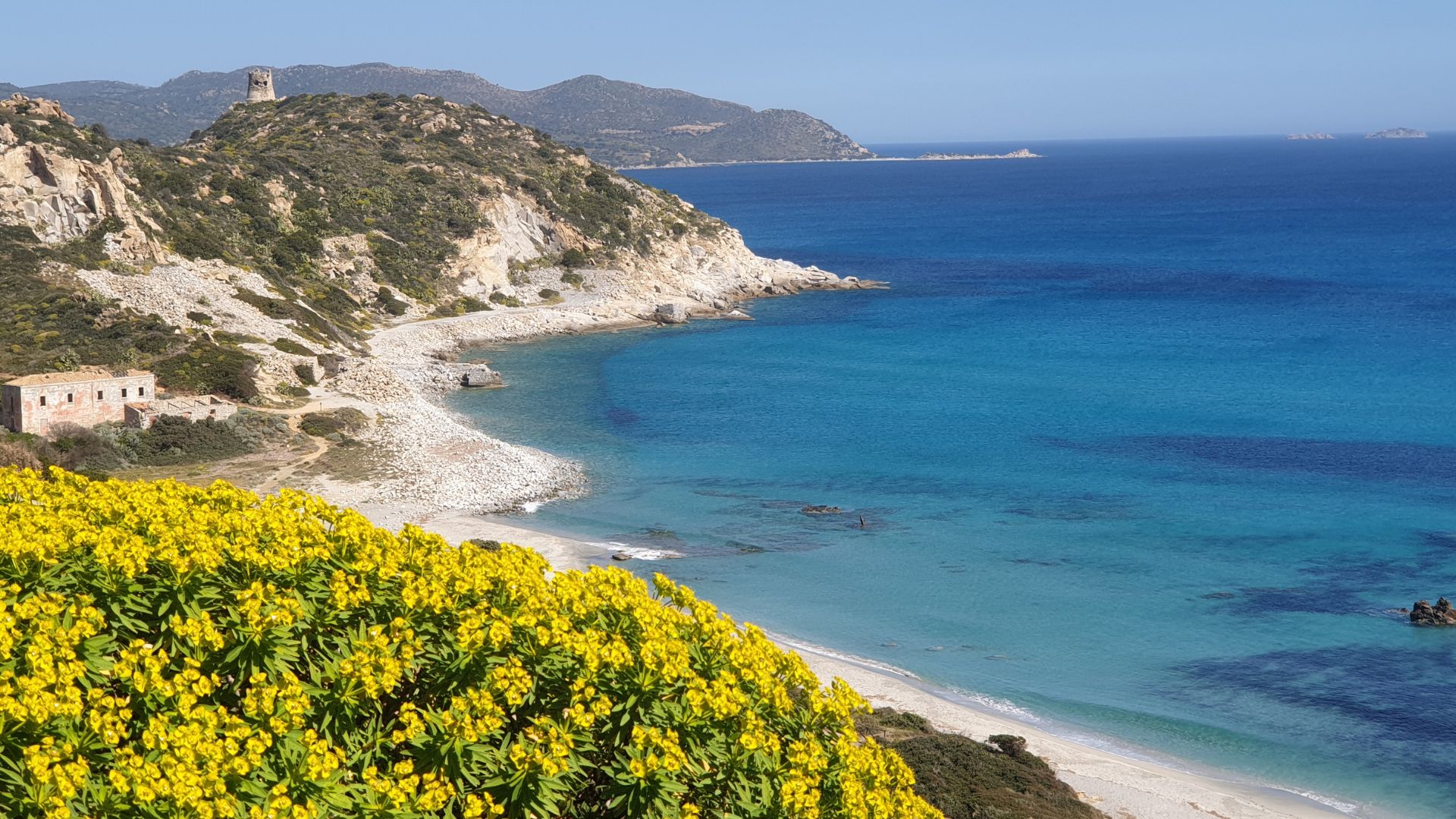
If you hike up to the old Spanish watchtower near Porto Giunco, you’ll get a 360° view that takes in both the open sea and the Notteri pond—sometimes with flamingos.
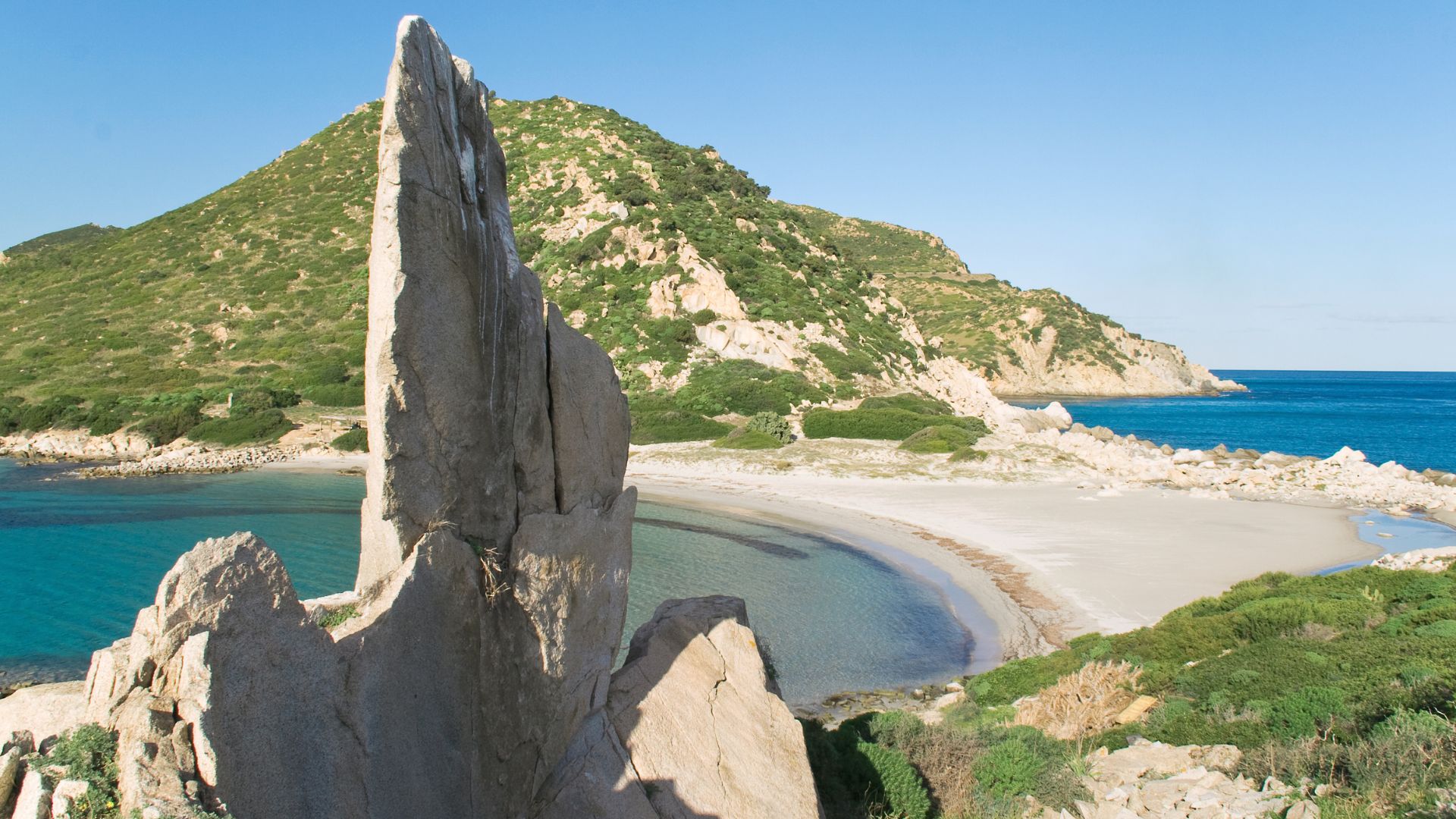
Sunrise at Punta Molentis is pure magic for photos. The rocks turn pink and orange, and the water is calm and glassy.
I caught a sunset at Capo Boi beach that left me speechless. The sky exploded in purples and oranges, with mountains silhouetted in the distance.
Wildlife and Natural Wonders
The Capo Carbonara Marine Protected Area surrounds Villasimius, keeping the marine life thriving. While snorkeling, I spotted colorful fish, sea urchins, and even a few small octopuses.
Flamingos often flock to the Notteri pond between Simius beach and Porto Giunco. Early mornings or late afternoons are the best time to see them.
The coastline is alive with Mediterranean plants. The air smells like myrtle, juniper, and rosemary, which honestly adds something special to the whole experience.
Sea turtles sometimes nest on these beaches, and conservation groups work hard to protect them. It’s a fragile ecosystem, and I’m always careful to respect it.
Activities for Every Adventurer
Villasimius has something for everyone, whether you want to kick back or chase adventure. I’ve found this Sardinian spot perfect for underwater explorers, water sports lovers, and anyone who just wants to soak up the sun.
Diving Adventures and Underwater Exploration
Capo Carbonara’s protected marine area makes Villasimius a diver’s paradise. I’ve checked out a few diving spots here, and the underwater scenery is just wild.
On clear days, you can see up to 30 meters underwater. I’ve swum with schools of fish, sea bream, groupers, and even glimpsed a dolphin once.
Local diving centers welcome everyone from beginners to pros. New divers can earn their PADI certification, while seasoned folks can explore caves and shipwrecks.
The best time to dive is May to October, with water temps from 18°C to 26°C. If you get the chance, check out “Secca dei Berni”—the granite rocks down there are something else.
Windsurfing and Water Sports
The Gulf of Villasimius has ideal conditions for windsurfing and other water sports. Reliable winds and sheltered bays make it a favorite spot.
Porto Giunco is my go-to for windsurfing. Rental shops offer gear and lessons, so beginners don’t have to miss out. The mistral wind usually picks up in the afternoon, which is perfect for catching some speed.
I’ve also kayaked along the coast to find hidden coves you can’t reach by land. Guided kayak tours are available if you want some local insight.
Jet skiing, paddleboarding, and sailing are all popular here. Most beaches and tour operators in town rent out equipment, so it’s easy to try something new.
Outdoor Relaxation and Leisure
When I want to slow down, Villasimius makes it easy.
The coastal hiking trails are gorgeous and not too challenging. My favorite is the path from Porto Giunco to the Capo Carbonara lighthouse. It takes about two hours and the views are worth every step.
Horseback riding on the beach at sunset is unforgettable. Local stables offer rides for all levels, and the scenery is unbeatable.
Cycling is another great way to explore. Bikes are easy to rent in town, and the coastal roads give you scenic routes without too many hills.
If you’re a golfer, the Tanka Golf Club has an 18-hole course with sea views from several holes. I found it well-kept and surprisingly peaceful.
Culinary Delights and Local Experiences
Exploring Villasimius means diving into some of Sardinia’s best food and drink. The local cuisine blends island traditions with fresh seafood straight from the Mediterranean.
Savoring Sardinian Cuisine
Food in Villasimius really tells the story of the island. Traditional dishes here are all about fresh seafood, and every meal feels like a celebration.
Hotel Ristorante Le Anfore stands out for its seafood. I was blown away by the flavors—so fresh, so simple, so good.
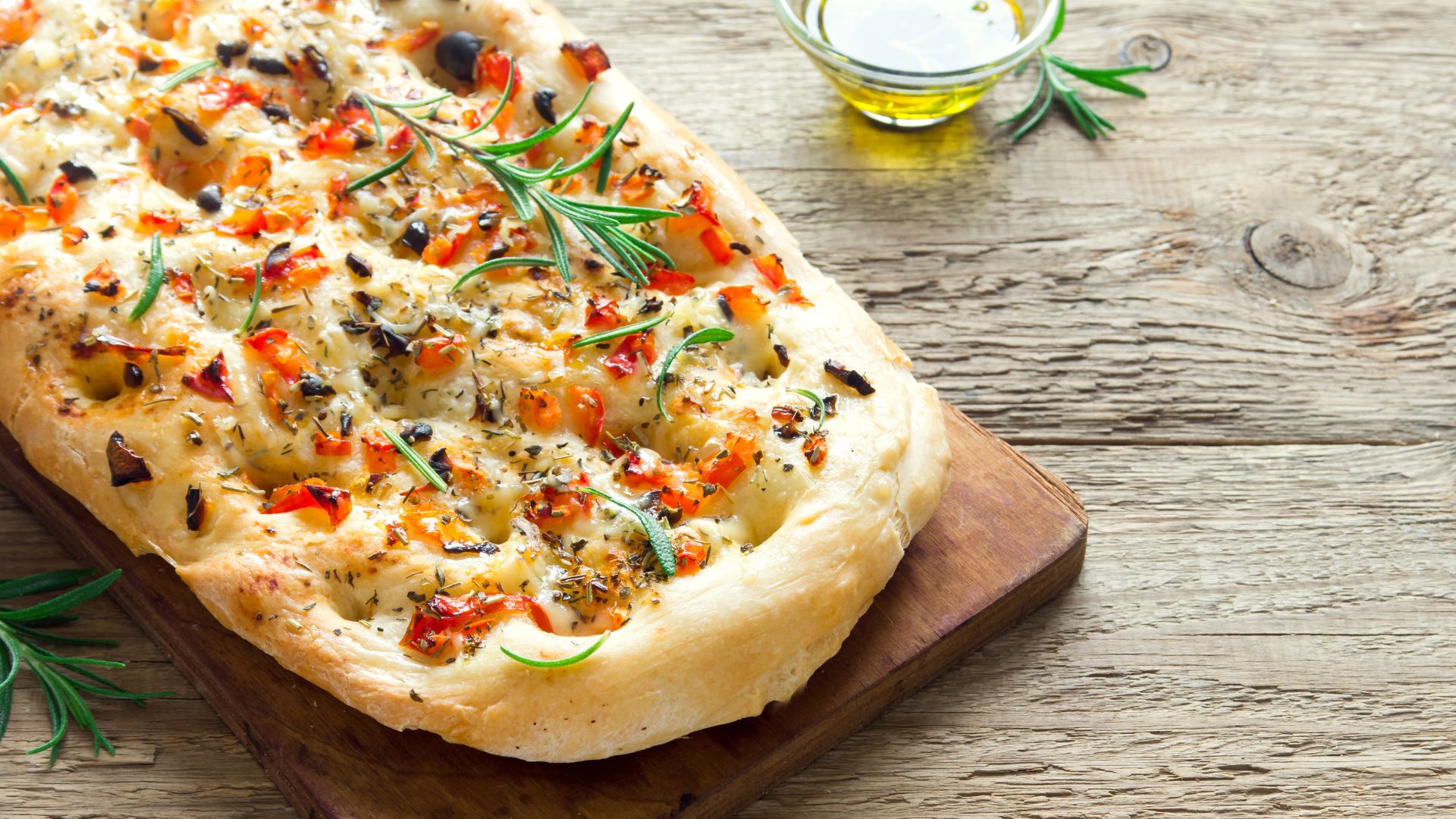
The food here mixes Sicilian and Sardinian influences. Expect amazing bread, focaccia, and pasta made the old-fashioned way.
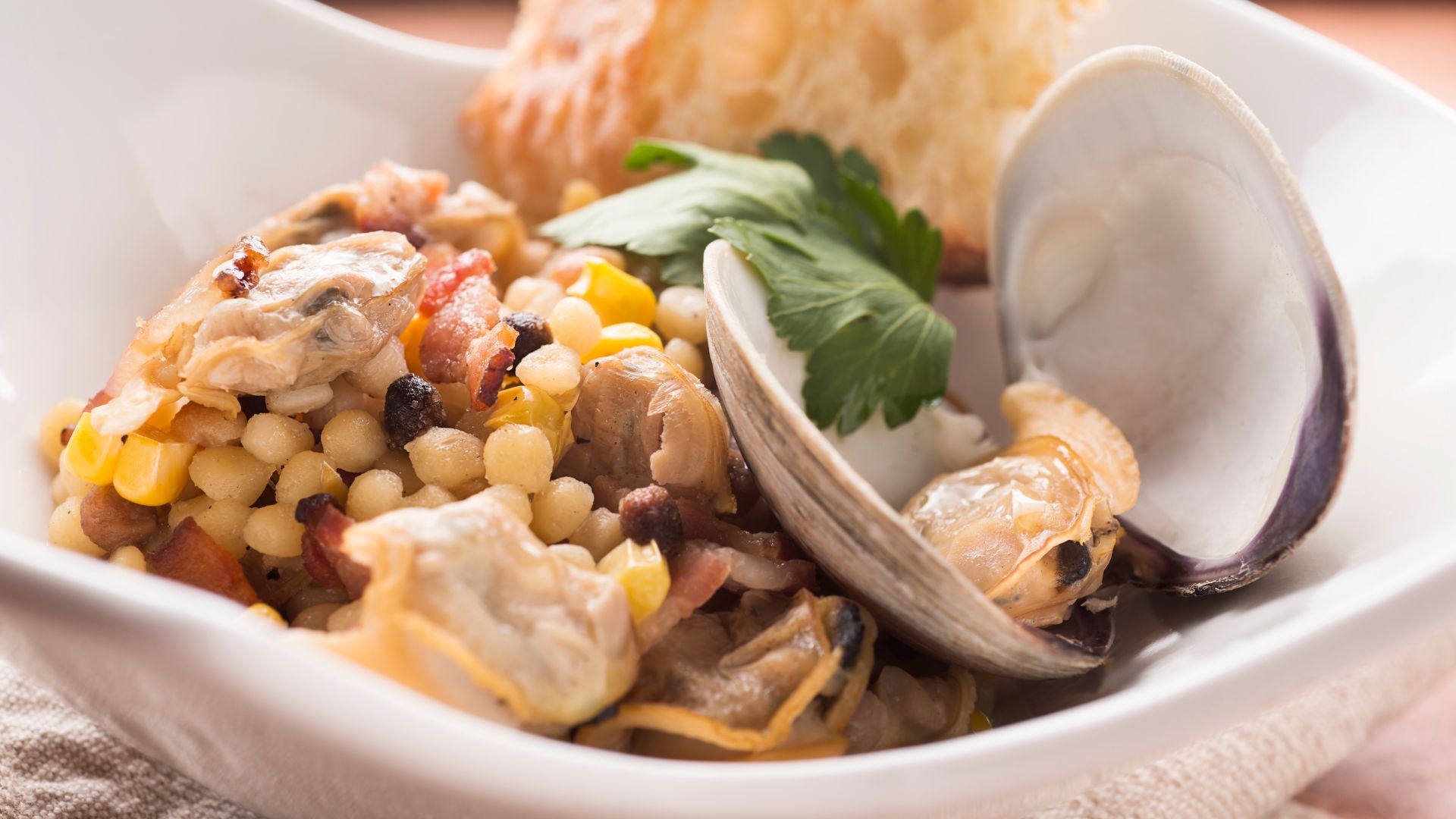
Fregola, a pearl-shaped pasta, pops up in lots of dishes. I had it in a seafood stew that tasted like the sea itself.
For something hands-on, I’d try a pasta cooking class. Learning to make traditional Sardinian pasta from locals gave me a new appreciation for the food.
Wine Tasting and Coastal Flavors
Sardinian wines are a must-try in Villasimius. The island’s grapes thrive in the Mediterranean sun and sea air.
Vermentino, a crisp white, pairs perfectly with seafood. It’s my go-to on a sunny afternoon after the beach.
Lots of places serve Cannonau, a bold red that’s Sardinia’s signature. It has a real depth and goes well with heartier dishes.
Wines from this coast have their own character, shaped by the sea breezes and mineral-rich soil. You really can taste the difference.
I always look for small, family-run spots for wine tastings. The locals love to share stories about Villasimius and their traditions, and it makes the experience feel personal.
Capturing the Magic: Travel Memories and Visual Inspiration
Every time I visit Villasimius, I come home with photos and memories that pull me right back to those perfect beaches and clear waters. Sometimes, sharing those snapshots is almost as fun as the trip itself.
Best Spots for Photos and Panoramas
Punta Molentis is honestly one of my favorite places to take photos around Villasimius. The beach just nails that Sardinian vibe—those wild rock formations set off against the crazy blue water are something else.
If you get up early and wander down to Spiaggia Porto Giunco, you’ll catch this magical lighting before the crowds show up. I love climbing up to the old Spanish tower; from there, the view over the beach and lagoon just begs for panoramic shots.
The old Moorish part of town is a whole different vibe. You get these twisty, narrow streets that photograph beautifully, especially when the light gets soft at golden hour.
If you’re into sunsets, you really shouldn’t miss the Capo Carbonara lighthouse. The sky just explodes in vibrant colors over the Mediterranean—honestly, it’s a little surreal.
Using Stock Photos and Vectors for Travel Stories
When I plan trips to Villasimius, I’ll admit I scroll through a bunch of stock photos for inspiration. Good stock images actually help me get a sense of the real colors and decide which beaches to check out first.
I like mixing my own photos with professional stock shots for travel blogs and digital scrapbooks. Sometimes I just can’t get those perfect underwater shots myself, so pairing my memories with crisp stock images makes my visual guides pop.
Vector illustrations are kind of underrated, honestly. I use simple beachy vectors to mark out big stops in my Sardinia travel journals, and it just makes everything easier to follow—and way more fun to look at.
Sharing Videos and Visual Content
Short video clips of waves lapping against Villasimius’ shore always get the most attention whenever I post them. There’s something about the sound and movement together—it just pulls people in way more than a photo ever could.
I love making time-lapse videos of the sunrise over beaches near Muravera. Those changing colors and the shifting light? Still images just can’t compete.
I usually keep these videos under a minute. Honestly, anything longer and people start scrolling.
Sometimes I’ll do a live stream from places like Spiaggia di Campulongu. Friends back home get to tag along in real time, which feels pretty special.
I’ve noticed folks connect more with raw, unedited footage. There’s just something about showing Sardinia’s southeast coast as it is—no fancy edits, just nature doing its thing.
