
I’ll never forget standing among the giant sequoias of Mariposa Grove in Yosemite National Park. These trees, some stretching nearly 300 feet into the sky and living for more than 1,800 years, create this cathedral-like feeling that’s hard to put into words.
It’s honestly impossible not to feel tiny yet somehow connected to something much older and grander than yourself. With over 500 mature giant sequoias—including the legendary Grizzly Giant—Mariposa Grove is the largest sequoia grove in Yosemite and easily one of the best places to see these ancient wonders up close.
Wandering through the grove, I realized visiting Mariposa Grove isn’t just a hike. It’s a walk through living history, where each massive trunk feels like it’s holding onto centuries of stories.
The trails wind past both fallen and standing giants, some weathered by storms and fire, others standing tall and serene. There’s a trail for everyone here, whether you want a short stroll or a longer adventure.
What really got me was how these trees shift your sense of time and scale. As I wandered the paths and learned about the grove’s restoration, I started to see that understanding these sequoias is a lesson in resilience and the wild beauty of nature.
Honestly, all the practical stuff—shuttles, trail maps, planning—fades into the background when you’re actually walking among these colossal beings.
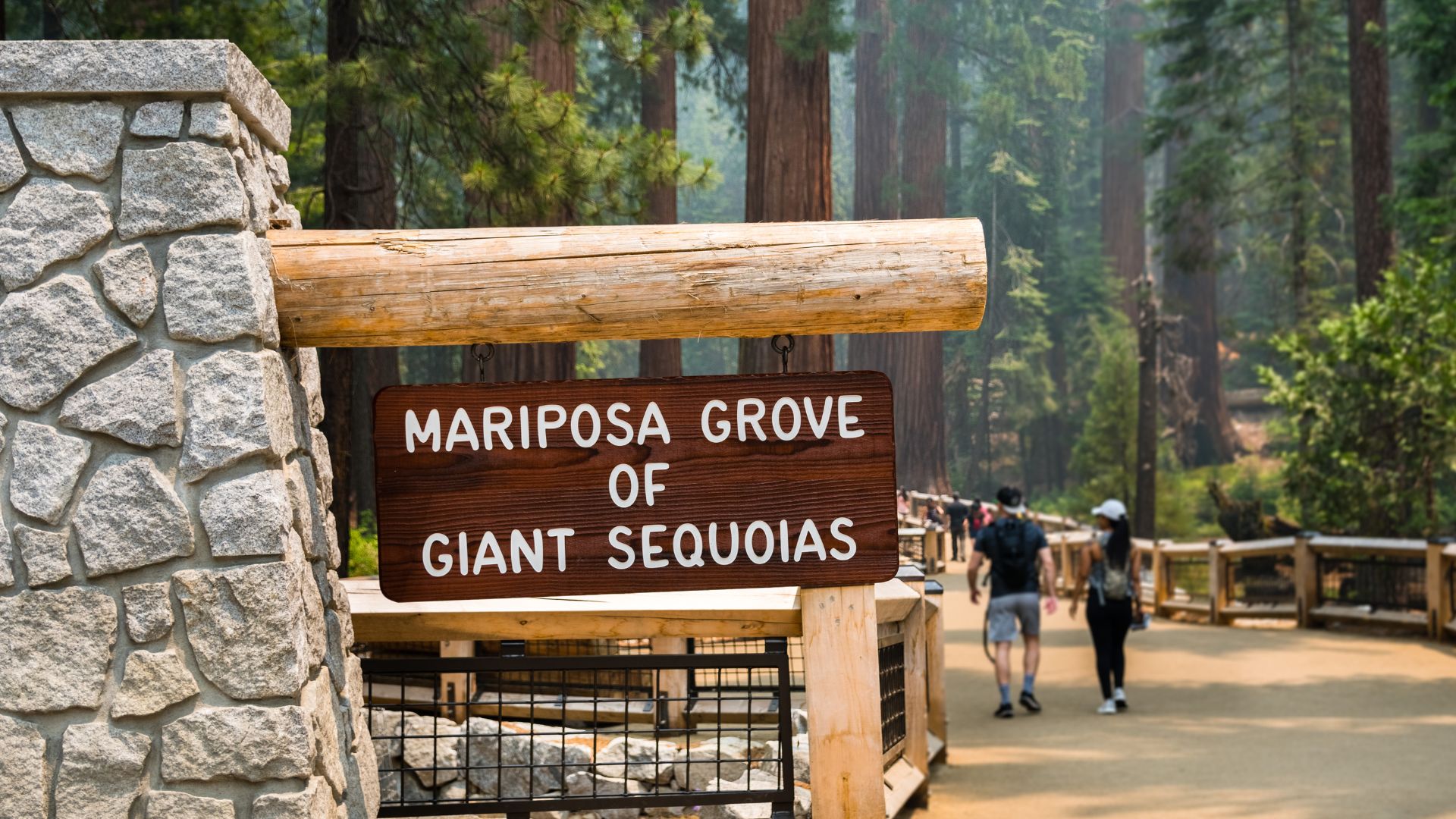
First Impressions: Approaching Mariposa Grove
Getting to Mariposa Grove is a bit of an adventure in itself. Planning around the seasons and figuring out the park’s shuttle system can make or break your visit.
Arriving at Mariposa Grove Welcome Plaza
The Mariposa Grove Welcome Plaza greets you before you even glimpse the giants. I found the modern facilities surprisingly unobtrusive, blending in with the pines.
There are restrooms, water fountains, and displays about the grove’s history. Those displays actually helped me get a sense of what I was about to see.
A small gift shop sells books and maps. I grabbed a trail guide, and honestly, it helped me spot and identify specific trees later on.
The shuttle pick-up area is easy to find, with benches and some much-needed shade. In the busy season, shuttles come every 15-20 minutes and take you straight to the grove.
Between 10 AM and 2 PM, the plaza gets pretty packed. I’d recommend arriving early or late in the day if you want a calmer start.

Seasonal Access and Parking Tips
Parking at Mariposa Grove changes a lot depending on the time of year. In summer, you’ll need to show up before 9 AM if you want a spot in the main lot.
Winter is a whole different story—the grove sometimes closes due to snow. I always double-check the Yosemite National Park site for current conditions.
Spring and fall are my favorite times to visit. The crowds thin out, the weather is perfect for hiking, and parking is usually much easier.
If you come in winter, bring tire chains and check the status of Mariposa Grove Road. Snow sticks around up here long after it’s melted in the valley.
Overflow parking fills up fast on weekends. If you’re visiting during peak season, aim to arrive by 8 AM or, better yet, visit on a weekday.
Navigating Mariposa Grove Road
Mariposa Grove Road snakes through the forest for about two miles from Highway 41 to the Welcome Plaza. The road is well-kept but gets narrow in spots.
If you’re driving an RV or towing a trailer, you’ll want to check the restrictions. Vehicles over 40 feet or 8 feet wide can’t use the grove parking.
There are a few scenic pullouts along the way. I stopped at one or two just to take in the forest and build up the anticipation.
As you approach, the Welcome Plaza appears tucked among the pines. The park enforces a 25 mph speed limit here, and I saw plenty of wildlife crossing the road.
Sometimes road construction pops up during the shoulder seasons. The park service keeps visitors updated about closures or delays on their official channels.

Exploring the Giants: Iconic Sequoia Trees and Landmarks
Mariposa Grove is home to some of the world’s most famous and photographed giant sequoias. Each ancient tree has its own personality, and some have survived for thousands of years.
The Grizzly Giant: Yosemite’s Legendary Sentinel
The Grizzly Giant is hard to miss. It stands 209 feet tall and spans 30 feet across at the base.
When I first saw it, I couldn’t get over its massive, leaning trunk and those gnarled, outstretched branches. The bark looks rough and weathered, almost like the fur of a grizzly bear.
Scientists believe this tree is somewhere between 2,000 and 2,700 years old. One of its lower branches is actually bigger than most regular trees—six feet thick!
Over the centuries, the Grizzly Giant has survived fires, storms, and droughts. Its thick, fire-resistant bark still bears scars from old blazes.
Standing beneath it, I felt impossibly small. There’s something about its presence that just demands awe.
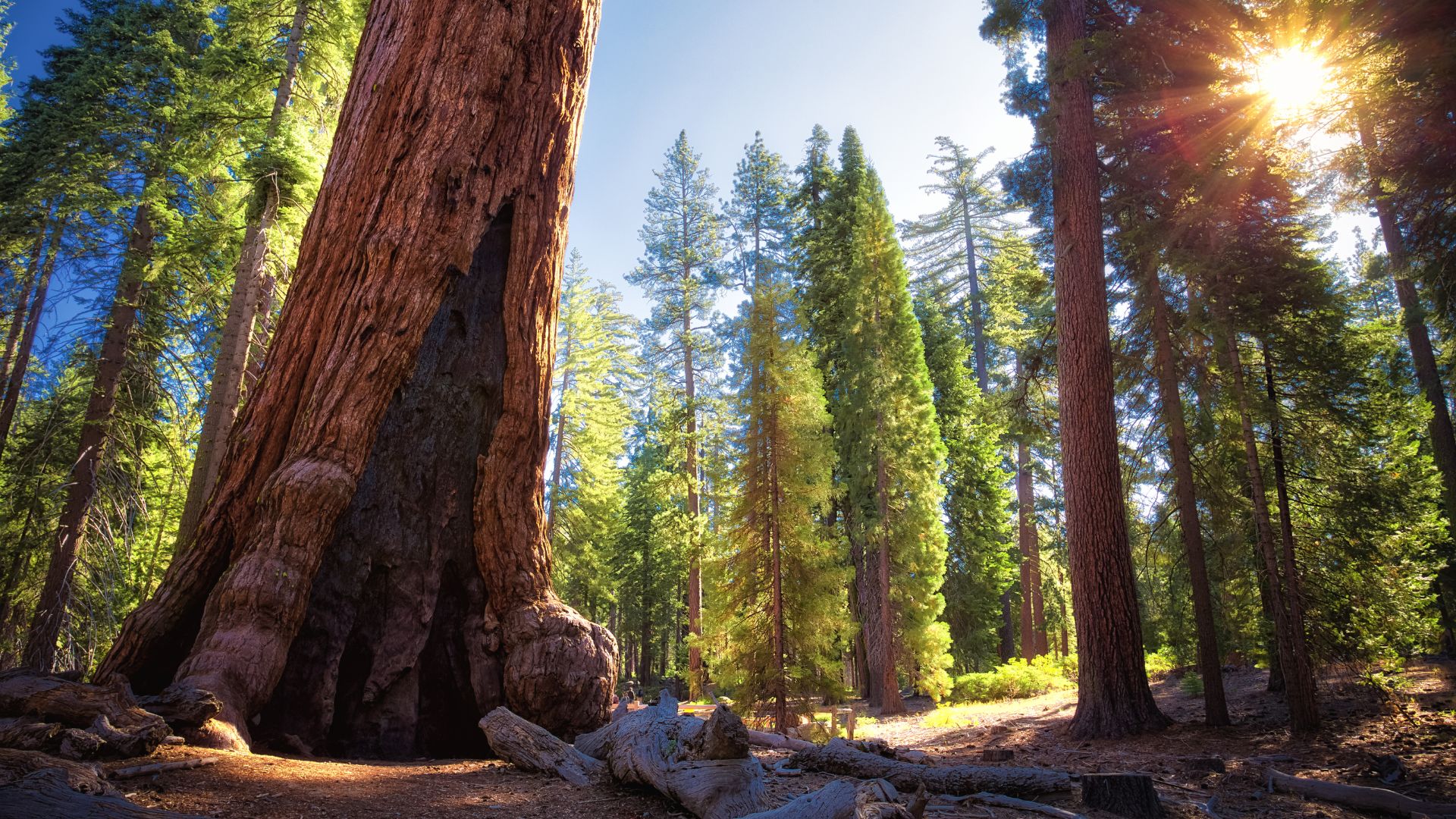
Walking Through the California Tunnel Tree
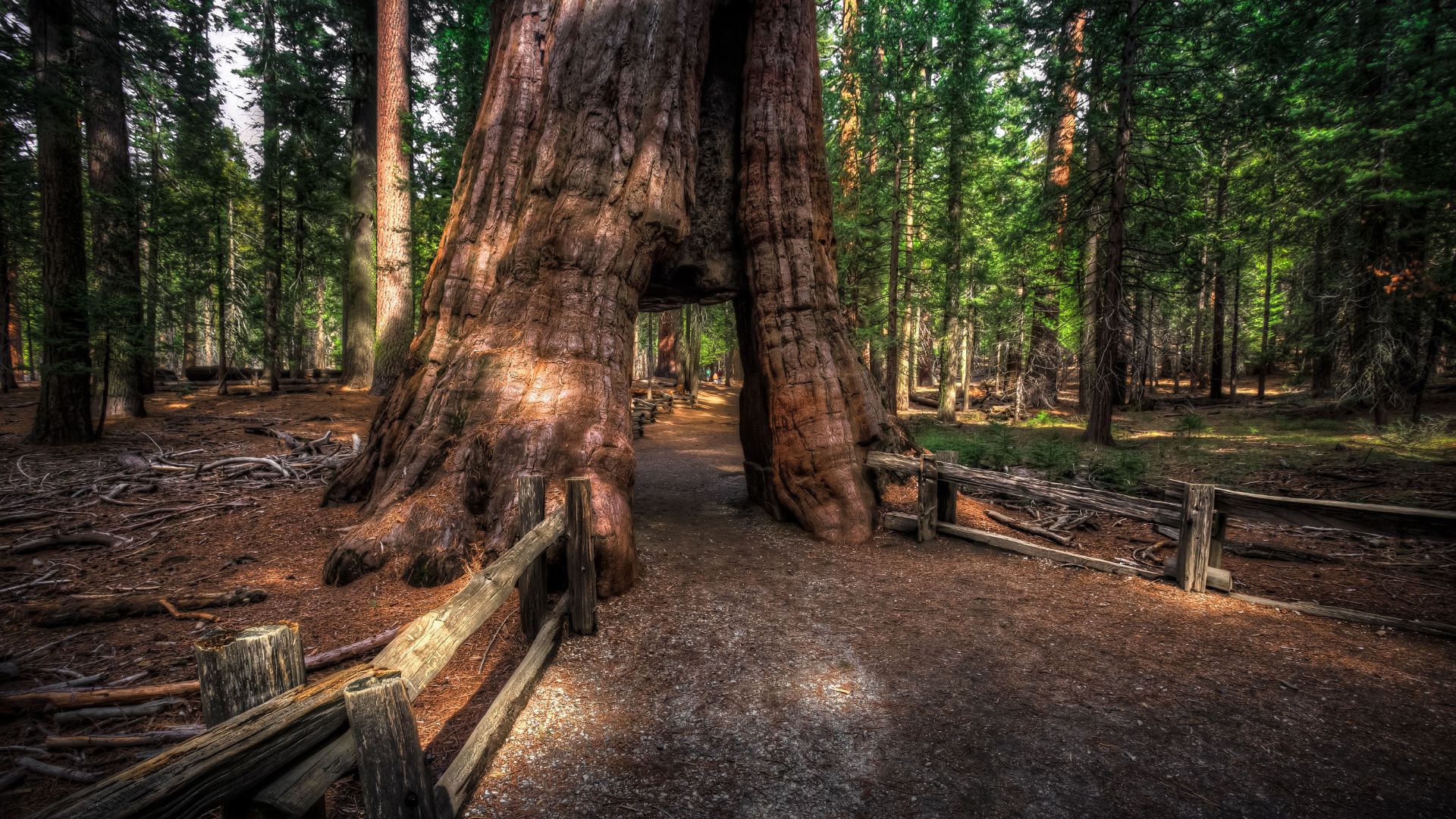
The California Tunnel Tree used to let people walk or even drive through its base. Back in 1895, workers carved a tunnel to draw tourists to the grove.
The tunnel was eight feet wide—big enough for carriages and, later, cars. It became one of California’s most iconic photo ops.
Sadly, a brutal winter storm in 1969 toppled the tree. Decades of having a tunnel cut through it had weakened its structure.
Now, the enormous trunk still lies where it fell. It’s a different kind of spectacle, but just as impressive when you see the sheer size up close.
This tree’s story is a powerful reminder of how human choices can impact these ancient giants. Even in its downfall, it teaches us about conservation.
Discovering the Fallen Monarch
The Fallen Monarch sprawls across the grove floor like a natural bridge. This giant sequoia toppled centuries ago, yet it’s still remarkably well-preserved.
It stretches over 120 feet long and is 26 feet across. There’s enough space to walk beneath its trunk, which feels a bit surreal.
Even in death, the Fallen Monarch supports new life. Ferns, wildflowers, and even saplings grow from its decaying bark.
Sequoia wood is famously tough. This tree has been lying here for hundreds of years and still holds together.
It’s amazing to see how these giants continue giving back to the forest long after they fall.
Bachelor & Three Graces and Faithful Couple
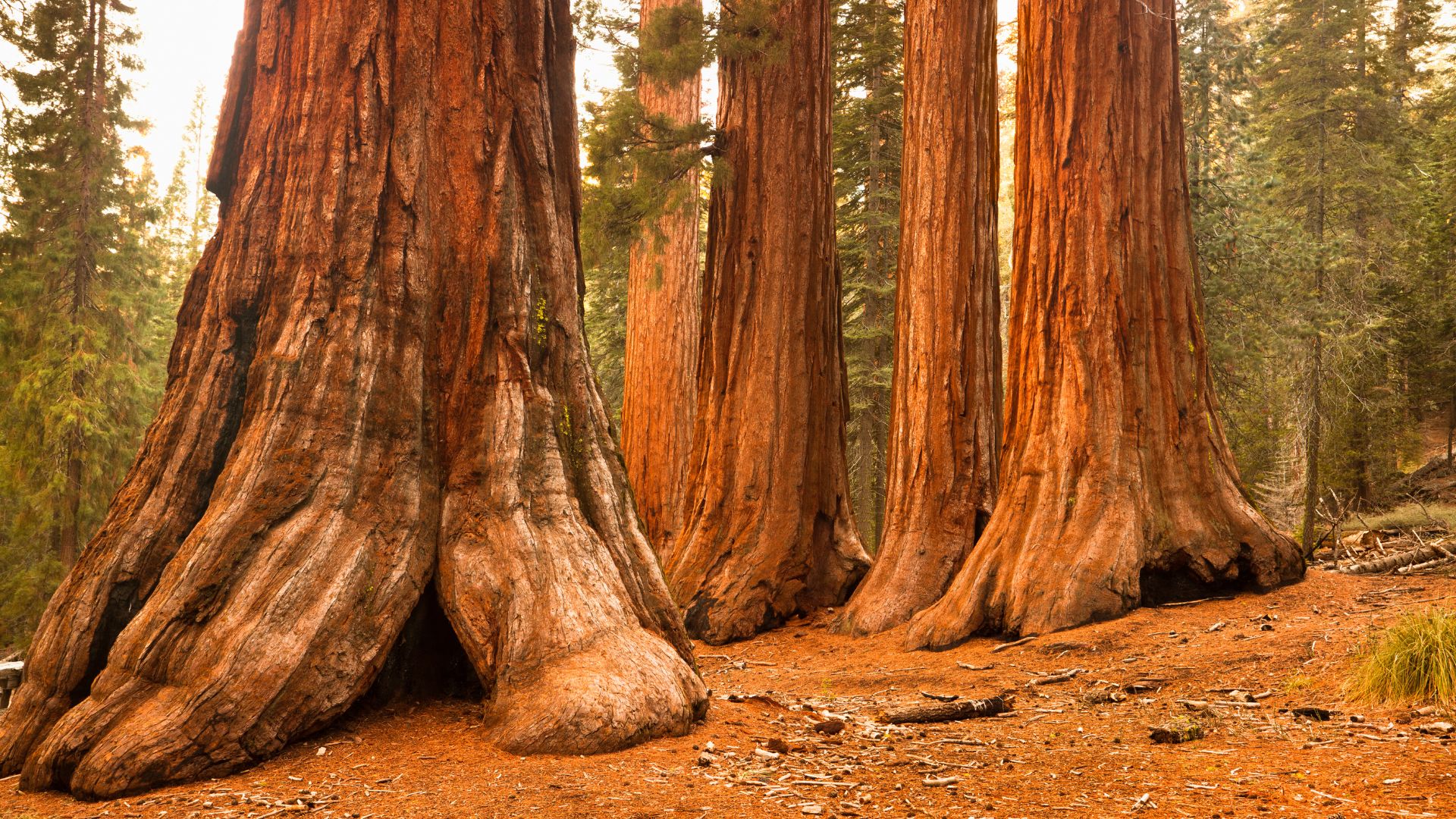
Some of the most striking trees grow in clusters. The Bachelor & Three Graces are a group of four sequoias growing tightly together.
You’ll spot the Bachelor—one big tree—surrounded by the Three Graces. It’s a formation that’s charmed visitors for generations.
The Faithful Couple stands out too—two massive sequoias growing side by side, their trunks nearly touching.
Clusters like these happen when several sequoias sprout close together. They compete for sunlight and nutrients, but their roots intertwine and support each other.
These tree groups help you appreciate how sequoias can thrive both alone and in close-knit communities.
Trails and Routes: Immersive Walks Among Ancient Trees
Mariposa Grove features several trails, each offering a different way to experience these ancient giants. Whether you’re after a quick walk or a longer trek, there’s something for everyone.
Mariposa Grove Trail Guide
The main Mariposa Grove Trail runs 10.6 kilometers out and back. I’d call it a moderate hike, and it took me a little over three hours.
You start at the shuttle drop-off near the grove entrance. Parking is in a designated lot, and the shuttle gets you to the trailheads in about five minutes.
Trail Features:
- Distance: 10.6 km round trip
- Elevation gain: 371 meters
- Estimated time: 3 hours 10 minutes
- Difficulty: Moderate
The trails weave through different tree clusters. They’re open all year, but conditions change with the seasons.
After the first mile, the crowds thin out a lot. If you want solitude, hit the trail early.
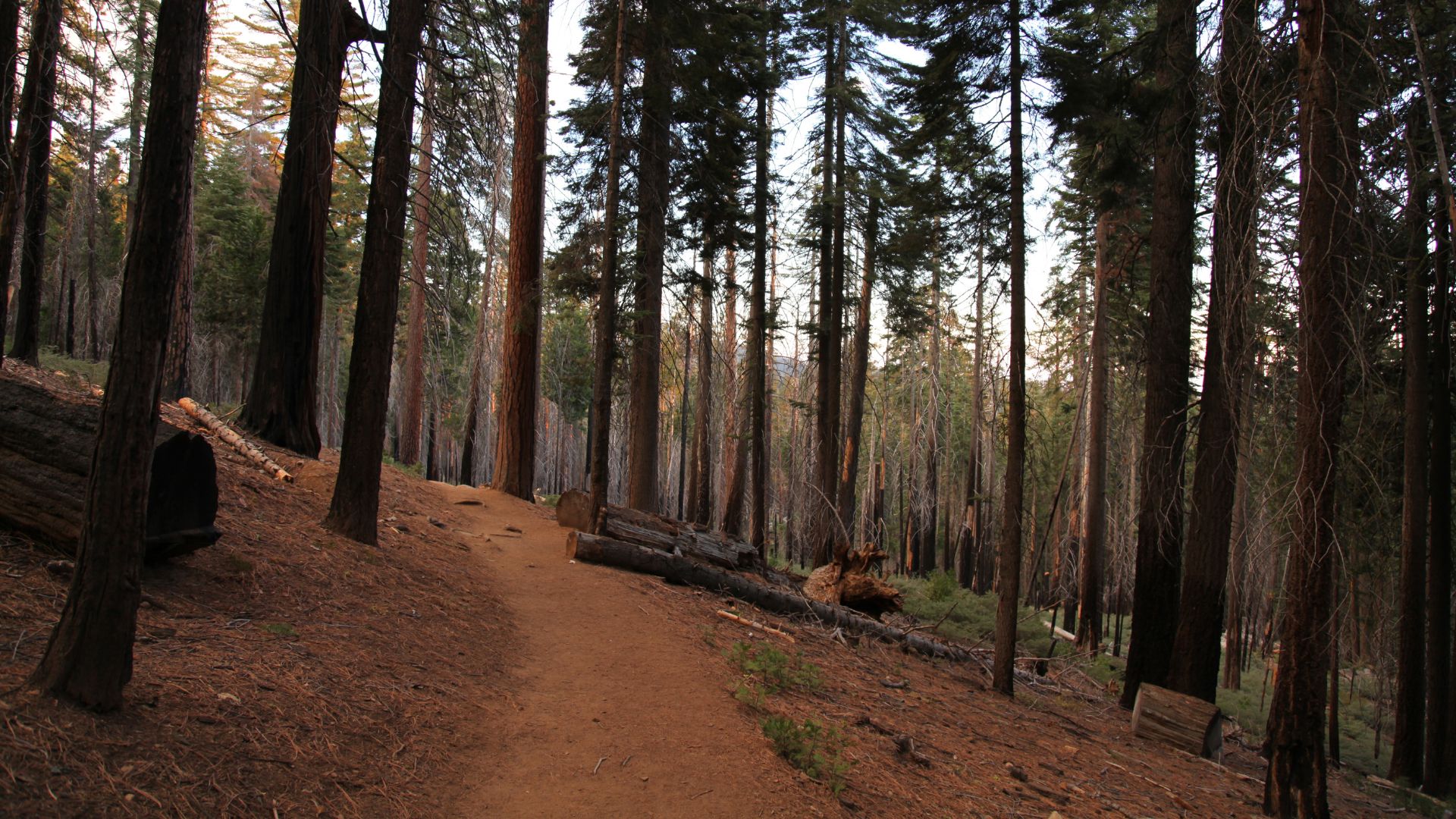
Grizzly Giant Loop Trail Experience
If you’re short on time, the lower grove has a 2.2-mile loop that covers the most famous trees. I took this route to see the Grizzly Giant up close.
This loop highlights several must-see trees:
- Fallen Monarch – Known from an 1899 cavalry photo
- Bachelor and Three Graces – That charming cluster
- Grizzly Giant – The legendary old-timer
- California Tunnel Tree – With its iconic cut-through
It’s mostly flat, with gentle slopes, so most people find it easy.
I took my time and finished in about 90 minutes. The wide, well-maintained paths make it a breeze for almost everyone.
Guardians Loop Trail Highlights
The upper grove loop takes you beyond the main tourist area and into quieter forest. I hiked this section to escape the crowds and find some hidden giants.
Notable trees along the way:
- Faithful Couple – The close-knit pair
- Clothespin Tree – Named for its unique shape
- Columbia Tree – One of the grove’s largest
- Telescope Tree – You can see straight through its hollow trunk
- Galen Clark Tree – Named for the grove’s first guardian
This trail has some steeper climbs and rougher patches. It leads all the way to Wawona Point, where you get sweeping views of the forest.
Even though it’s a tougher hike, I found it much more peaceful. The solitude and variety of trees made the extra effort worth it.
The Living History of Mariposa Grove
Mariposa Grove’s story of protection began with one determined person in the 1850s. Today, restoration and preservation efforts keep the grove thriving while still welcoming millions of visitors.
Galen Clark: The Guardian and His Legacy
Galen Clark became the first guardian of Mariposa Grove in 1866. He spent more than 40 years watching over these ancient trees.
Clark built the first trails in the 1850s, along with bridges and basic shelters for early visitors. Thanks to his work, people could finally access the sequoias.
Clark’s legacy:
- Created the first visitor trails
- Built barriers to protect sensitive trees
- Documented tree sizes and ages
- Guided notable figures like President Ulysses S. Grant
He lived in a small cabin near the grove. Most days, he maintained trails and shared his knowledge with visitors.
His dedication set the tone for how we care for the grove today. Many of the original trails he built still guide people through the trees.
The Mariposa Grove Restoration Story
From 2014 to 2018, the grove underwent a massive restoration. Workers set out to undo decades of damage from cars and heavy foot traffic.
They ripped out old asphalt roads and parking lots. Water now flows naturally again, and all the trails use sustainable materials.
Restoration highlights:
- Removed 7 miles of asphalt
- Restored creeks and natural water flow
- Built new accessible boardwalks
- Planted native plants
The changes brought the grove back to life. I notice healthier trees and clearer streams now.
Walking these trails, it’s easy to imagine what the grove looked like when Galen Clark first started protecting it, over 150 years ago.
Preservation Efforts and Visitor Guidelines
Right now, the focus is on protecting the shallow root systems of giant sequoias. These roots stretch wide but barely reach six feet deep.
Visitor guidelines matter for the trees:
- Stick to the marked trails—really, don’t wander off.
- Don’t climb on the trees, whether they’re standing or fallen.
- Take every bit of trash with you.
- No fires or camping inside the grove.
The park limits how many people can visit each day during the busy season. Shuttle buses cut down on car traffic and help prevent soil damage. Rangers keep a close eye on tree health and how visitors affect the grove.
Fire management shapes the health of these sequoias. Park staff set controlled burns to clear out undergrowth. This practice keeps wildfires from getting out of hand and actually helps sequoia seeds sprout.
I do my best to follow the rules because these trees have been around for 1,800 years. Even small choices—like staying on the path—can help future visitors feel the same awe I did walking among these giants.
Understanding the Giant Sequoias
Giant sequoias are honestly some of the most remarkable trees you’ll ever see. Their biology is wild—they can live for thousands of years, but you’ll only find them in certain pockets of the Sierra Nevada.
That makes them rare, especially compared to their famous cousins, the coastal redwoods.
Life Cycle and Unique Biology
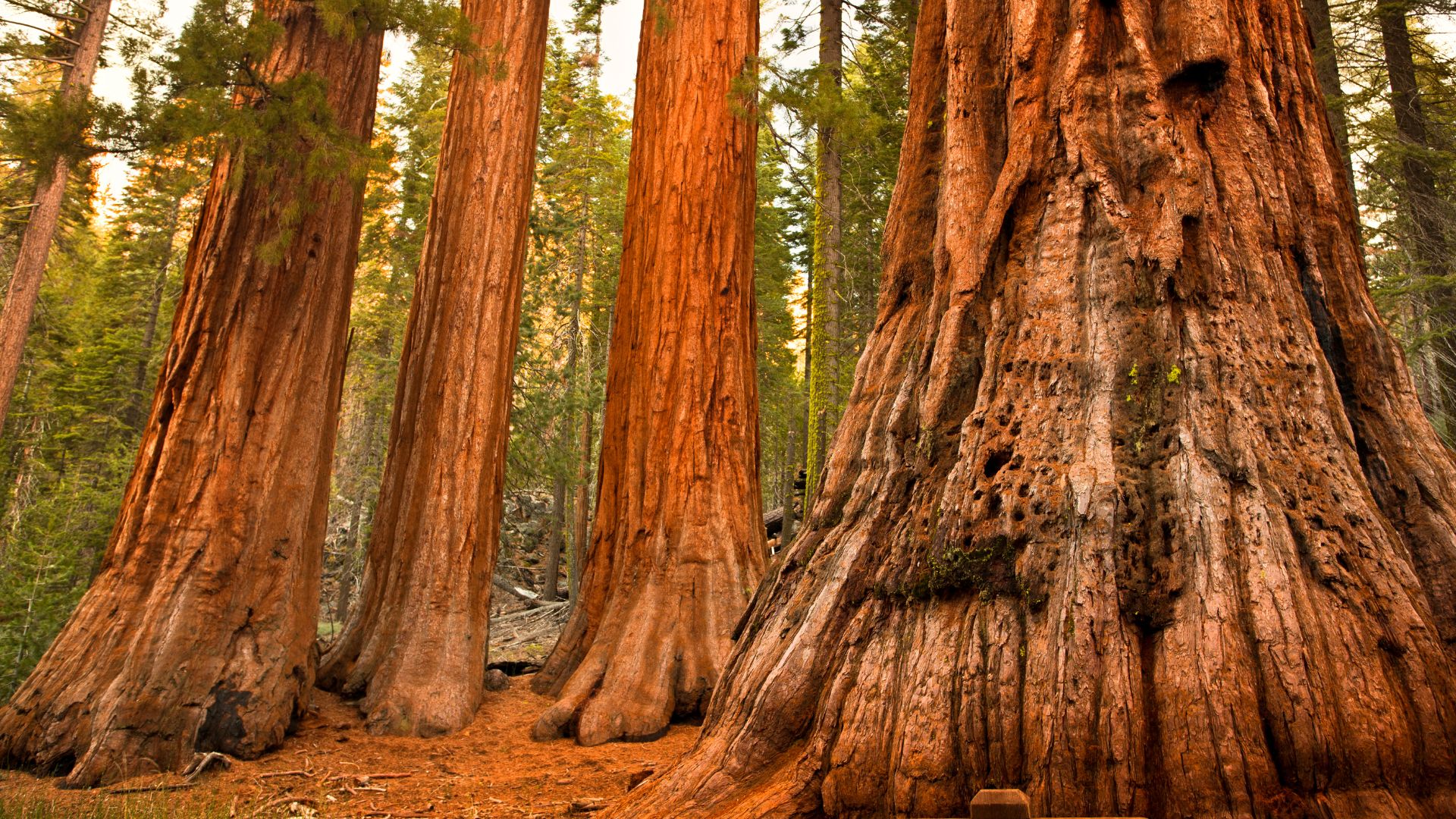
These trees have some fascinating tricks up their sleeves. Their bark grows up to two feet thick, which helps shield them from fire. Thanks to tannins, this bark is naturally fire-resistant.
Sequoias reproduce with tiny cones, each about the size of a chicken egg. Every cone holds roughly 200 seeds, but each seed is barely bigger than a flake of oatmeal. You’d need about 91,000 seeds to make a pound.
Fire is more friend than foe here. The heat from wildfires pops the cones open, letting seeds fall onto the mineral-rich, cleared soil. Without fire, new sequoias really struggle to take root.
They grow slowly—no rushing these giants. Some live over 3,000 years and reach 300 feet tall. At the base, their trunks can swell to 30 feet across.
Sequoia Distribution in the Sierra Nevada
You’ll only find giant sequoias growing wild on the western slopes of California’s Sierra Nevada. They like elevations between 5,000 and 7,000 feet, where winter snow and summer rain keep them going.
They’re picky about conditions. The trees rely on:
- Winter snowpack for water all year
- Well-drained soil to avoid root rot
- Regular fires to help new trees grow
- Mild, moist summers to stay healthy
There are just about 75 wild groves left, scattered across 250 miles of the Sierra Nevada from Placer County to Tulare County. Most groves are actually pretty small—fewer than 100 mature trees in many of them.
Mariposa Grove stands out as one of the biggest, with over 500 mature sequoias. I didn’t realize how rare these trees were until I saw the numbers myself.
Comparing Sequoias to Other Iconic Trees
People mix up giant sequoias and coastal redwoods all the time. They’re different species, though. Redwoods shoot up taller, but sequoias pack on more bulk.
Here’s how they stack up:
| Feature | Giant Sequoia | Coastal Redwood |
|---|---|---|
| Height | Up to 300 feet | Up to 380 feet |
| Trunk diameter | Up to 30 feet | Up to 22 feet |
| Location | Sierra Nevada | Pacific Coast |
| Lifespan | 3,000+ years | 2,000+ years |
Giant sequoias win for sheer volume—they’re the largest living things on Earth by mass. The General Sherman tree weighs something like 2.7 million pounds.
Redwoods are all about height, with roots that spread out just under the surface. Sequoias, meanwhile, have sturdier trunks and roots that dig a bit deeper, helping them stand up to snow and wind in the Sierra.
Planning Your Visit: Practical Advice and Nearby Wonders
If you’re heading to Mariposa Grove, a little planning goes a long way. The shuttle system is a lifesaver, especially when the crowds show up. Plus, the nearby Yosemite Valley is a fantastic bonus if you want to keep exploring.
Accessibility and Visitor Facilities
Try to get to the Mariposa Grove Welcome Plaza by mid-morning. Parking fills up fast—there are only about 300 spots, and summer mornings can get hectic.
Shuttle Service Schedule:
- May 10 – September 24: 8 am to 7 pm (buses come every 15 minutes)
- September 25 – November 1: 8 am to 5:30 pm (weather permitting)
- November 2 – November 30: 8 am to 3:30 pm (weather permitting)
- December 1 – April 15: No shuttle service
The free shuttle takes you from the Welcome Plaza to the grove entrance. When shuttles aren’t running, I’ve walked the two-mile Washburn Trail—it’s a bit of a climb, with about 500 feet of elevation gain.
Facilities you’ll find:
- Restrooms at the Welcome Plaza, arrival area, and near Grizzly Giant
- Drinking water is available year-round at the Welcome Plaza, and seasonally at the arrival area
- No food for sale, so pack snacks
The Big Trees Loop Trail is wheelchair accessible—a 0.3-mile loop that usually takes about 30-45 minutes. If you have a disability placard, you can drive right up to the Grizzly Giant area when the road is open.
Photographing the Giants
I’ve found the best photos happen when the light’s low—early morning or late afternoon, when the sun filters through the canopy.
A wide-angle lens helps capture the full height of these trees, but nothing beats including a person in the frame for scale. That’s when you really see how massive these sequoias are.
Photography Tips:
- A tripod is handy in the dim forest light
- Try vertical shots to show off the height
- Zoom in on bark or roots for texture
- Watch for light beams sneaking through branches
The Fallen Monarch on the Big Trees Loop is a favorite. Since it’s horizontal, you can actually fit the whole tree in your shot—something that’s tough with the standing giants.
If you visit in winter, the snow on the branches against that reddish bark is just stunning. Even when the road closes, you can still get in for snowshoeing or cross-country skiing.
Exploring Beyond: Yosemite Valley and Surroundings
Yosemite Valley sits about an hour from Mariposa Grove. I mixed my sequoia adventure with a stop at Valley icons like El Capitan and Yosemite Falls.
The Grand Tour by Yosemite Hospitality actually takes you to both spots in just eight hours. This guided trip brings you through Yosemite Valley, Glacier Point, and Mariposa Grove.
Nearby Attractions:
- Glacier Point: It’s about a 30-minute drive, but the sweeping valley views are worth every minute.
- Wawona: You’ll find a historic hotel and a quirky pioneer village just a short drive away.
- Hetch Hetchy: Want fewer crowds? Hetch Hetchy offers waterfalls and some solid hiking without the bustle.
I’d say you need at least two full days to soak in both the giant sequoias and Yosemite Valley. There’s just something about the switch from those quiet forest trails to the jaw-dropping granite cliffs—it really rounds out the Yosemite experience.
If you’re up for winter camping, Mariposa Grove allows it above the Clothespin Tree once there’s enough snow. You’ll just need a wilderness permit for any overnight stay.
