

The ancient trees soared above as I stepped into Los Tilos, La Palma’s most treasured natural wonder.
This UNESCO Biosphere Reserve protects one of the world’s last remaining laurel forests, a prehistoric ecosystem dating back 20 million years.
Right when I entered this green sanctuary, I understood why locals call La Palma “Isla Verde”—the green island.
My walk through Los Tilos felt like wandering back in time inside a living museum.
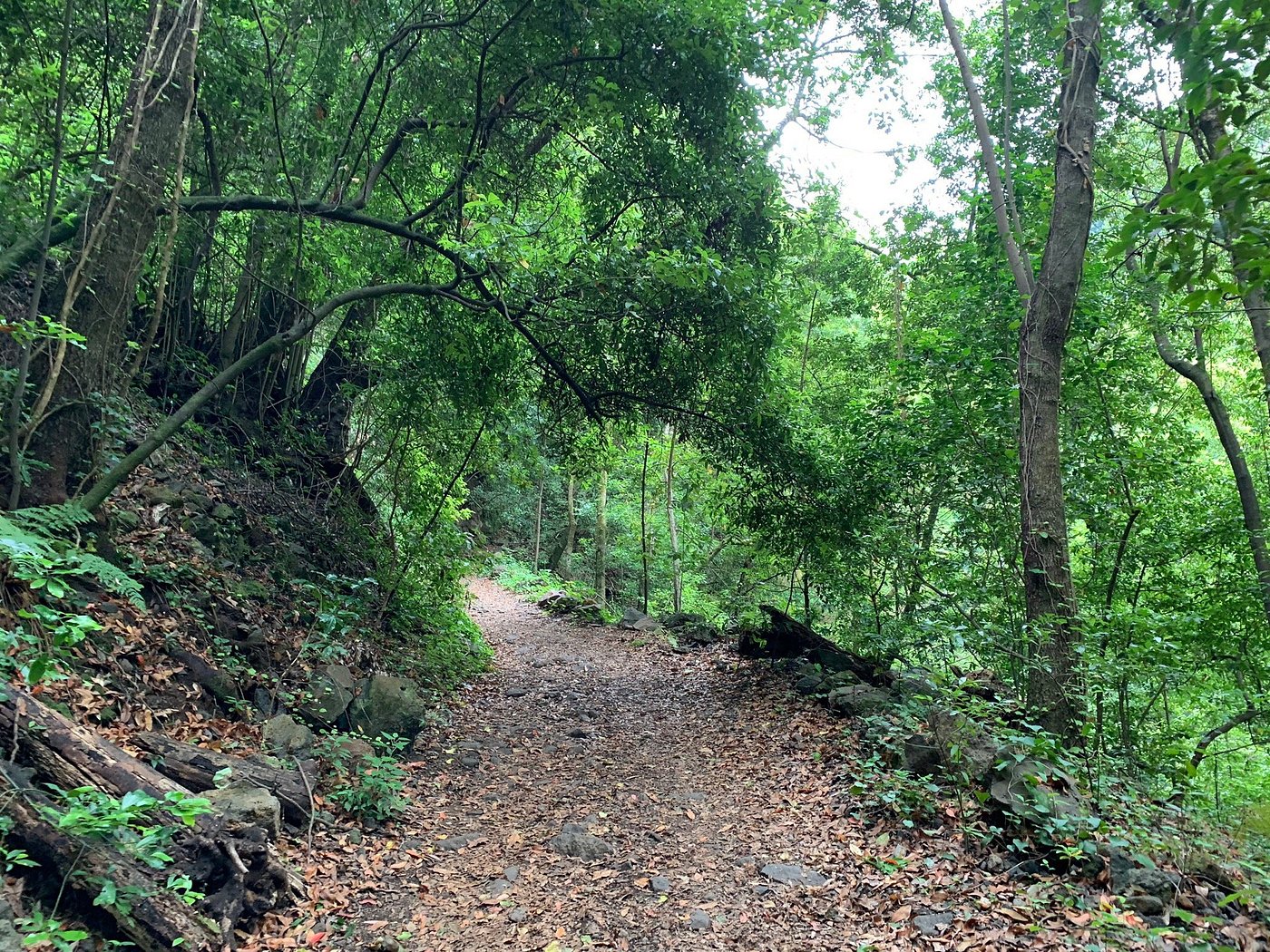
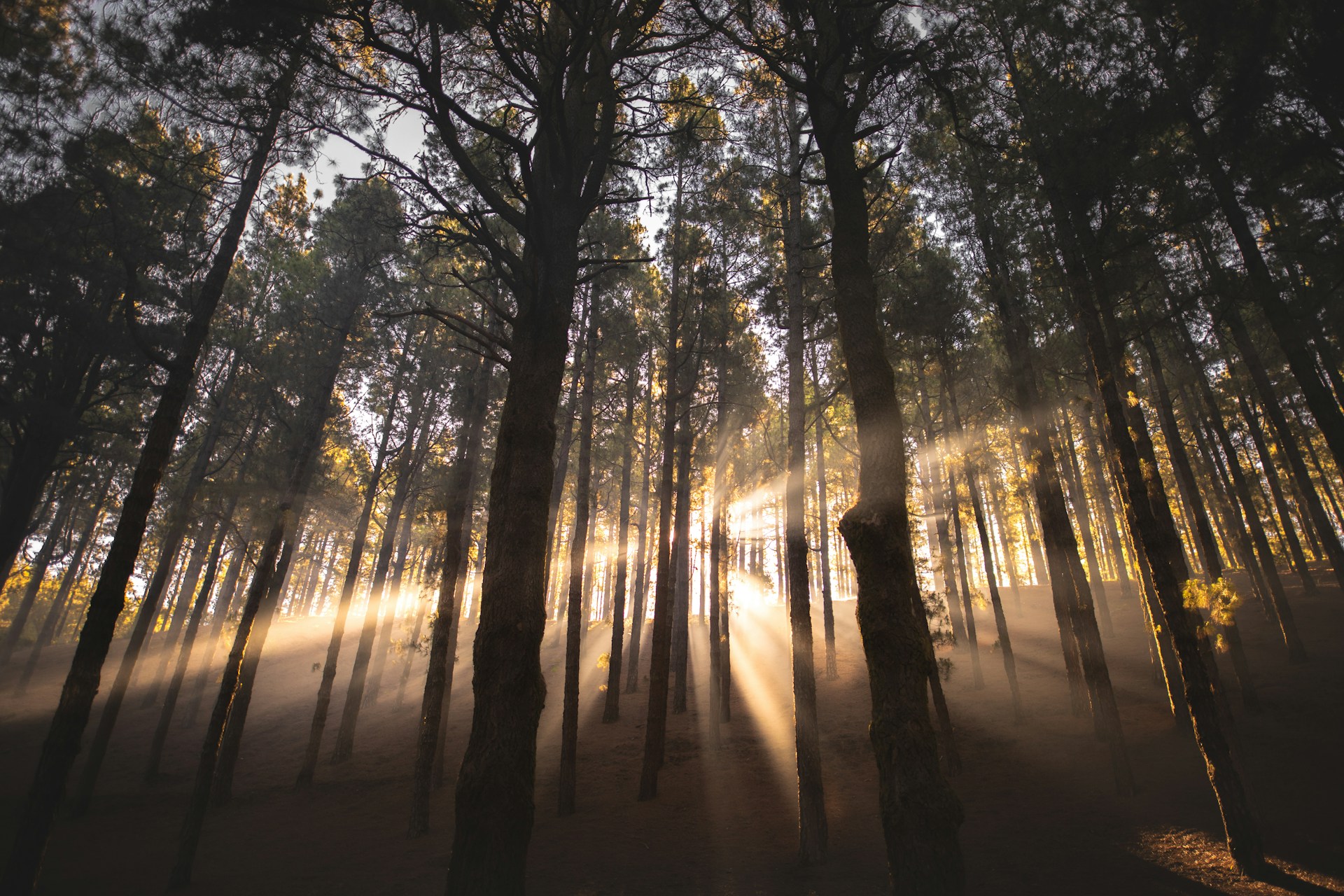
The laurel trees here stretch up to 40 meters tall, forming a canopy so thick that sunlight only sneaks through in soft, golden beams.
Giant ferns spread across the forest floor, and the constant sound of flowing water hints at hidden springs and waterfalls just waiting to be found.
I originally came to Los Tilos expecting a simple nature walk.
But what I found? Something far more extraordinary.
This forest supports dozens of unique plant and bird species you won’t find anywhere else.
From peaceful strolls along easy trails to more adventurous hikes through tunnels and past cascading waterfalls, Los Tilos has experiences that can leave any nature lover in awe.
Discovering Los Tilos: A Forestry Gem in La Palma
Los Tilos stands as La Palma’s most cherished natural sanctuary.
UNESCO protected it as a World Biosphere Reserve back in 1983.
This ancient laurel forest greets visitors with a well-organized gateway at its dedicated visitor center, tucked inside one of the Canary Islands’ most pristine ecosystems.
Location and Access on Isla Bonita
You’ll find Los Tilos in the northeast of La Palma, in the municipality of San Andrés y Sauces.
It’s only 24 kilometers by road from Santa Cruz de la Palma, so day trips are a breeze.
The drive takes about 30 minutes from the island’s capital.
A winding road leads right to the forest entrance, and there’s parking available near the visitor center.
This spot sits at the heart of what locals call Isla Bonita (Beautiful Island).
That nickname fits perfectly when you see the lush green landscape that earned La Palma its other name, Isla Verde.
The forest sits at a comfortable elevation, which creates an ideal climate for the ancient laurel trees.
Trade winds sweep in moisture from the Atlantic, feeding the springs that keep this ecosystem alive all year.
UNESCO World Biosphere Reserve Designation
UNESCO recognized Los Tilos as a World Biosphere Reserve in 1983.
This made it one of the earliest protected sites in the Canary Islands.
The forest preserves a Laurisilva ecosystem that once blanketed much of Europe.
These ancient forests survived the ice age only in Madeira, the Azores, and a few Canary Islands like La Palma.
I learned the forest gets its name from the til tree, also called stinking laurel.
Technically, it should be “Los Tiles,” but that name just never stuck.
UNESCO’s protection covers the entire ecosystem, not just the trees.
Rare birds like Bolle’s laurel dove and plants found nowhere else on Earth thrive here.
Visitor Center and Essential Information
The Los Tilos Visitor Centre is the main entry point into the forest.
It’s well-equipped with themed rooms, educational videos, and a cafeteria where you can grab a snack.
The center hands out maps and info about the different hiking trails.
Staff are happy to advise on trail conditions and any weather-related closures.
Key facilities include:
- Educational exhibits about the forest ecosystem
- Trail maps and hiking information
- Restrooms
- Small cafeteria
- Parking area
The center opens during regular daytime hours, but it’s smart to check the current schedule before visiting.
Sometimes staff close trails during bad weather or high winds for safety.
From here, several self-guided trails lead deeper into the forest.
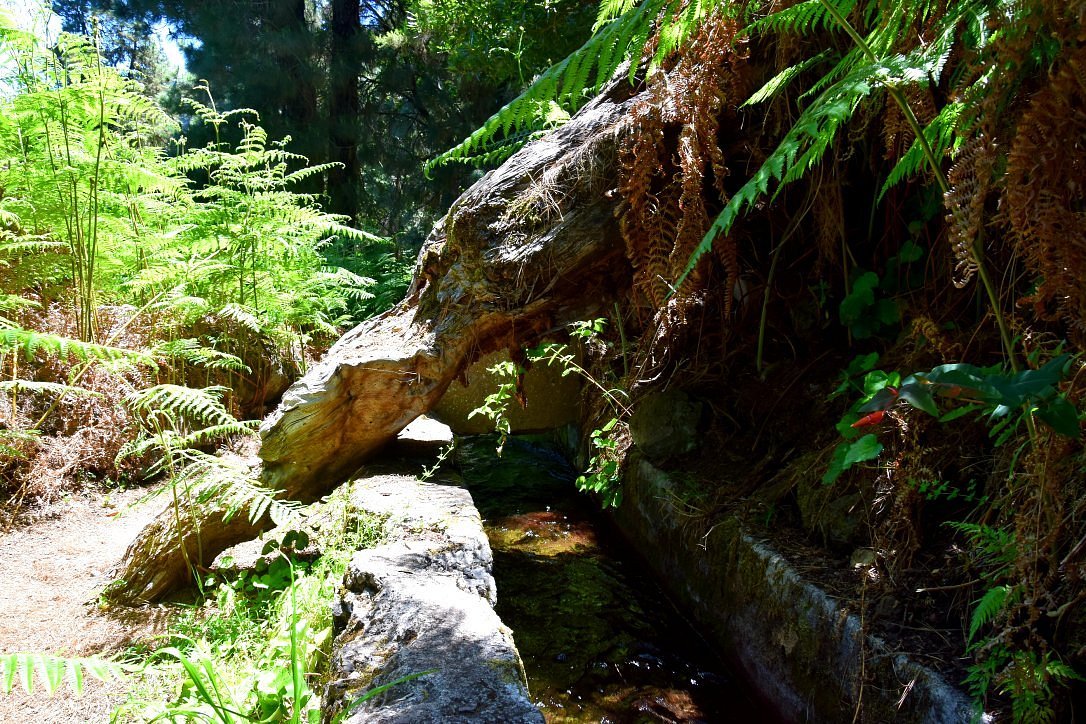
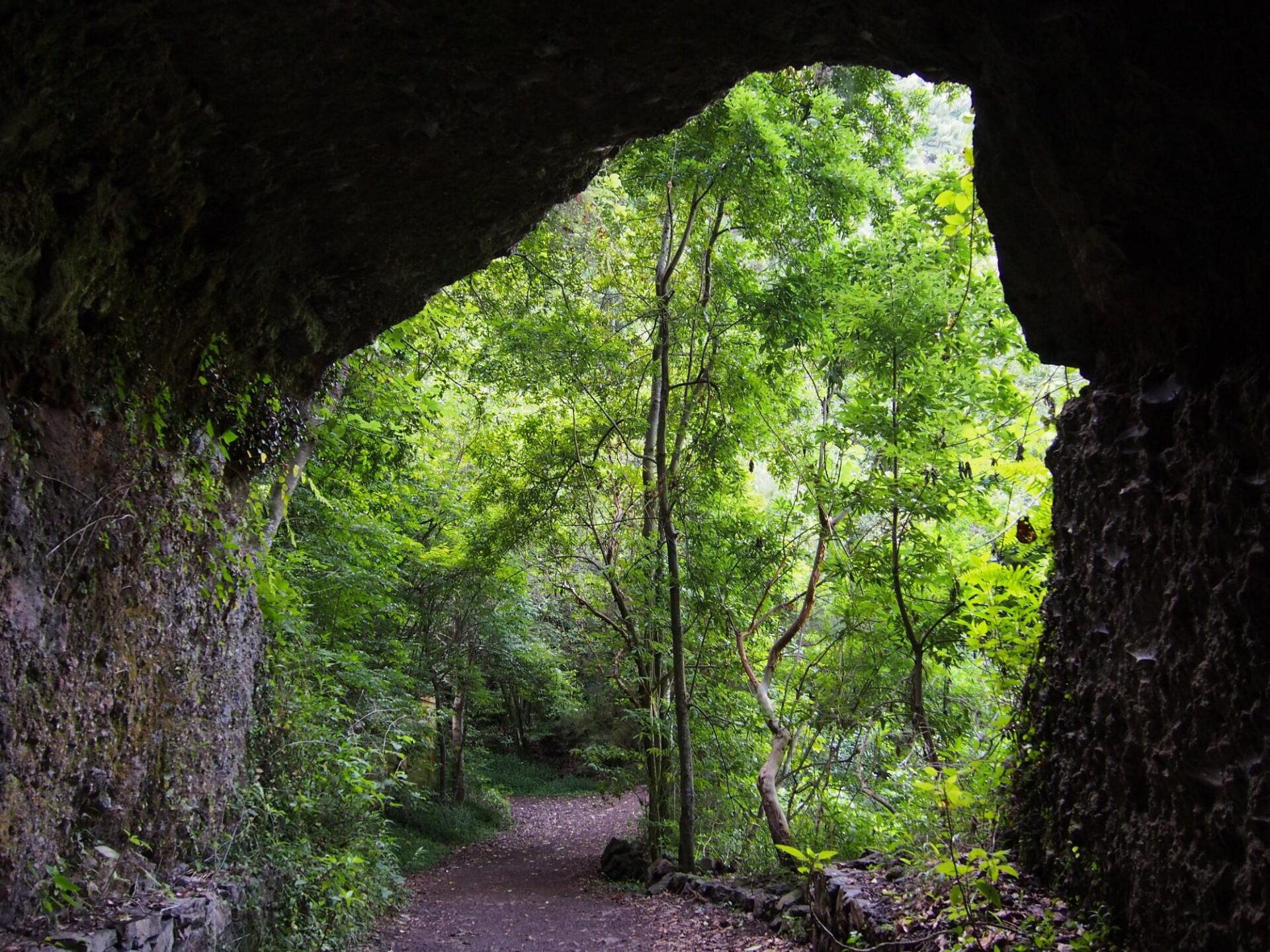
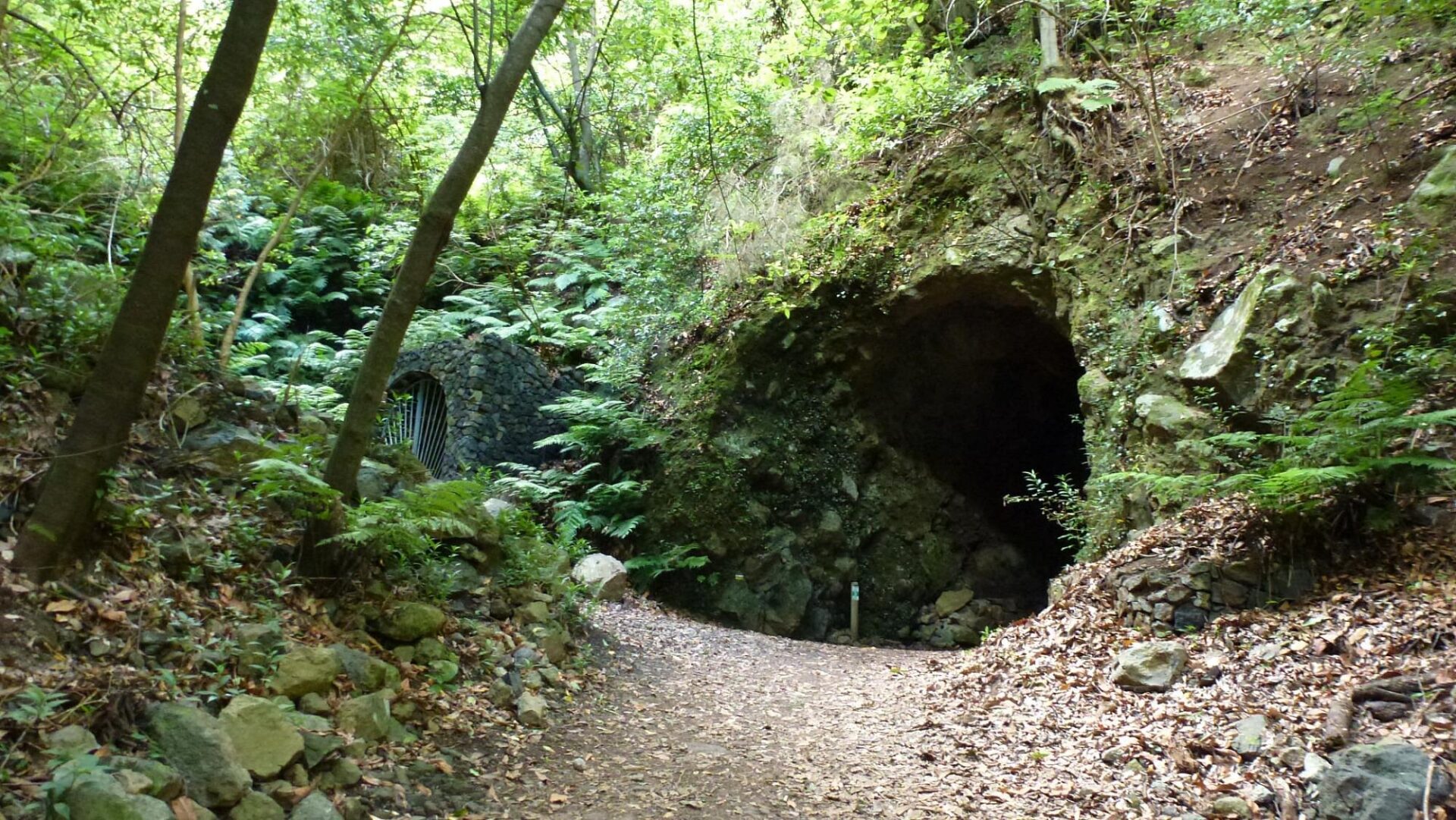
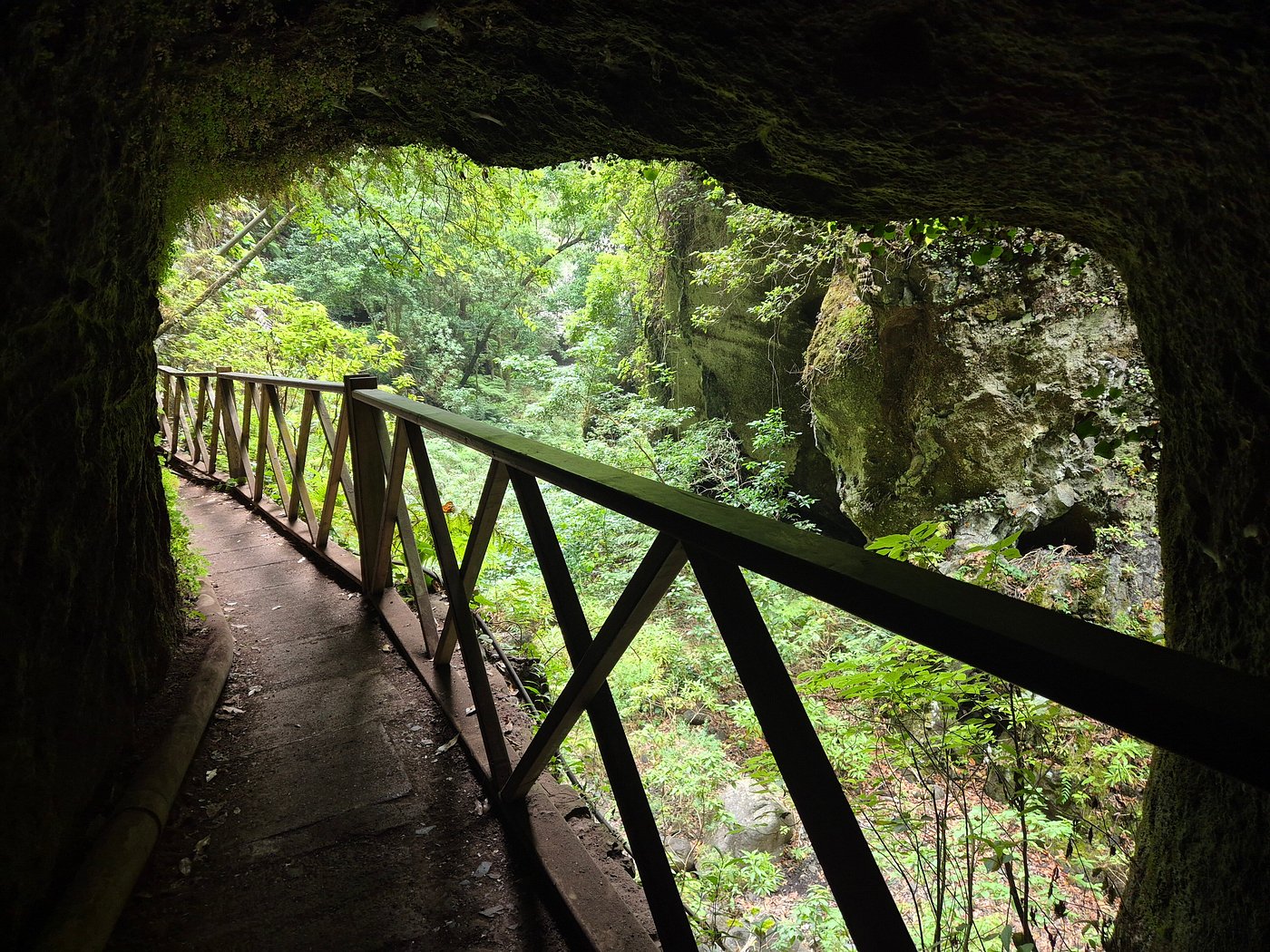
The most popular route follows an old water channel, passing through two small tunnels before reaching a stunning waterfall.
Immersed in Prehistoric Nature: The Laurel Forest Ecosystem
Los Tilos’ laurel forest gives you a window into Earth’s ancient past.
Here, 20-million-year-old ecosystems thrive in a unique microclimate.
You’ll see towering laurel trees, massive ferns, and endemic species you simply can’t find elsewhere.
The Evolution and Uniqueness of Laurisilva Forests
I walked through one of the world’s rarest ecosystems.
Laurisilva forests once covered much of North Africa and southern Europe 20 million years ago.
Now, only small patches survive in the Canary Islands.
These forests date back to the Tertiary Age, surviving when mammals just started to dominate Earth.
The humid conditions in Los Tilos created a perfect refuge for these prehistoric plants.
It feels a bit like a tropical rainforest, but without the usual wildlife.
No snakes live here, which makes exploring extra relaxing.
The dense canopy blocks most sunlight from reaching the ground.
Los Tilos became a UNESCO Biosphere Reserve in 1983.
It was the first of its kind in the Canary Islands.
The 511-hectare reserve protects this delicate macaronésic laurel forest ecosystem.
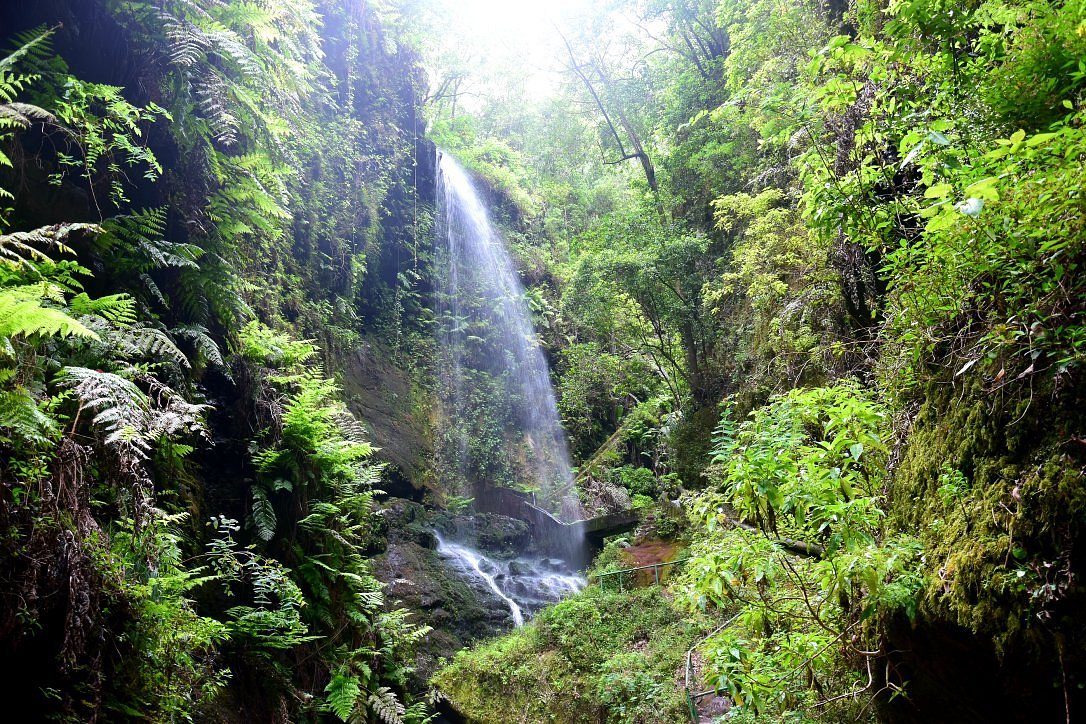
Laurel Trees and Giant Ferns
The laurel trees form a natural cathedral overhead.
Some reach up to 40 meters tall, their thick branches filtering sunlight into soft green rays.
I spotted four main laurel species during my walk:
- Viñatigo – pretty common throughout the forest
- Loro – stands out with its distinctive leaves
- Barbusano – has a sturdy, impressive trunk
- Tilo – the namesake of the forest
Giant ferns cover the ground beneath these ancient trees.
Some grow several meters tall, giving the place a prehistoric vibe.
The mix of massive laurels and oversized ferns makes it feel like you’ve landed in another era.
The leaves above block most sunshine, so shade-loving plants like ferns, moss, and ivy thrive below.
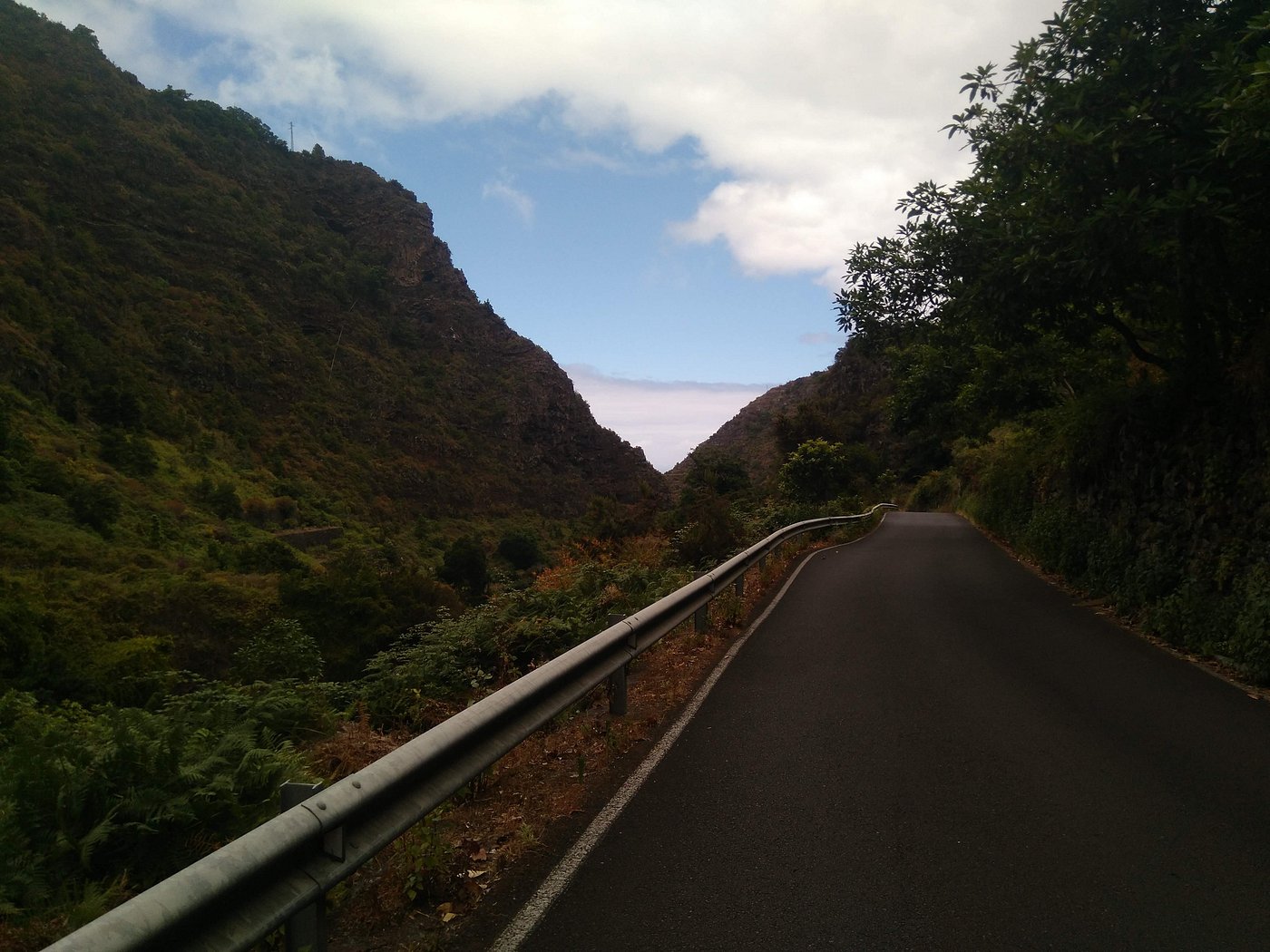
Canary Islands’ Endemic Flora
Many plant species here exist nowhere else.
These endemics evolved in isolation on La Palma Island.
I kept discovering plants that adapted specifically to this unique environment over millions of years.
The moist conditions support a wild variety of vegetation.
Some species are unique to La Palma, while others are endemic to the Canary Islands as a whole.
Walking the trails, I couldn’t help but notice how different this flora looks from typical European forests.
The subtropical location and isolation allowed these plants to evolve without much competition.
It’s like stumbling into a botanical treasure chest.
Microclimate and Moisture
The forest’s microclimate is key to its survival.
Trade wind clouds bring a steady supply of moisture.
This humidity keeps everything lush and green, even during dry spells.
I felt the dampness in the air right away.
Water droplets clung to leaves and ferns all day.
The Marcos and Cordero springs provide the largest freshwater sources in the Canary Islands.
These springs keep the ecosystem alive with their constant flow.
Natural waterfalls run through the forest, adding even more moisture.
The combination of ocean winds, elevation, and geography creates this rare climate.
Temperatures stay mild, humidity stays high, and the prehistoric forest hangs on in modern times.
Wildlife and Biodiversity Wonders
Los Tilos bursts with biodiversity.
The forest shelters over 1,500 plant species and unique endemic animals you won’t spot anywhere else.
The laurel pigeons are probably the most famous residents, but bats and lizards have carved out their own niches here too.
Common and Endemic Species
I discovered that Los Tilos holds an incredible concentration of endemic species.
The forest is home to over 150 endemic plants that evolved in isolation.
The Canarian bellflower (Canarina canariensis) caught my eye with its bright orange blooms.
This climbing plant only grows in the laurel forests of the Canary Islands.
I came across several endemic ferns:
- Woodwardia radicans – giant chain ferns that reach up to 3 meters
- Diplazium caudatum – delicate fronds in shady ravines
- Asplenium hemionitis – heart-shaped leaves clinging to rocks
The Palmeran violet (Viola palmensis) blooms in the forest understory from February to May.
It grows only on La Palma.
Endemic mosses and liverworts blanket the forest floor, creating lush green carpets underfoot.

The Laurel Pigeons and Iconic Birds
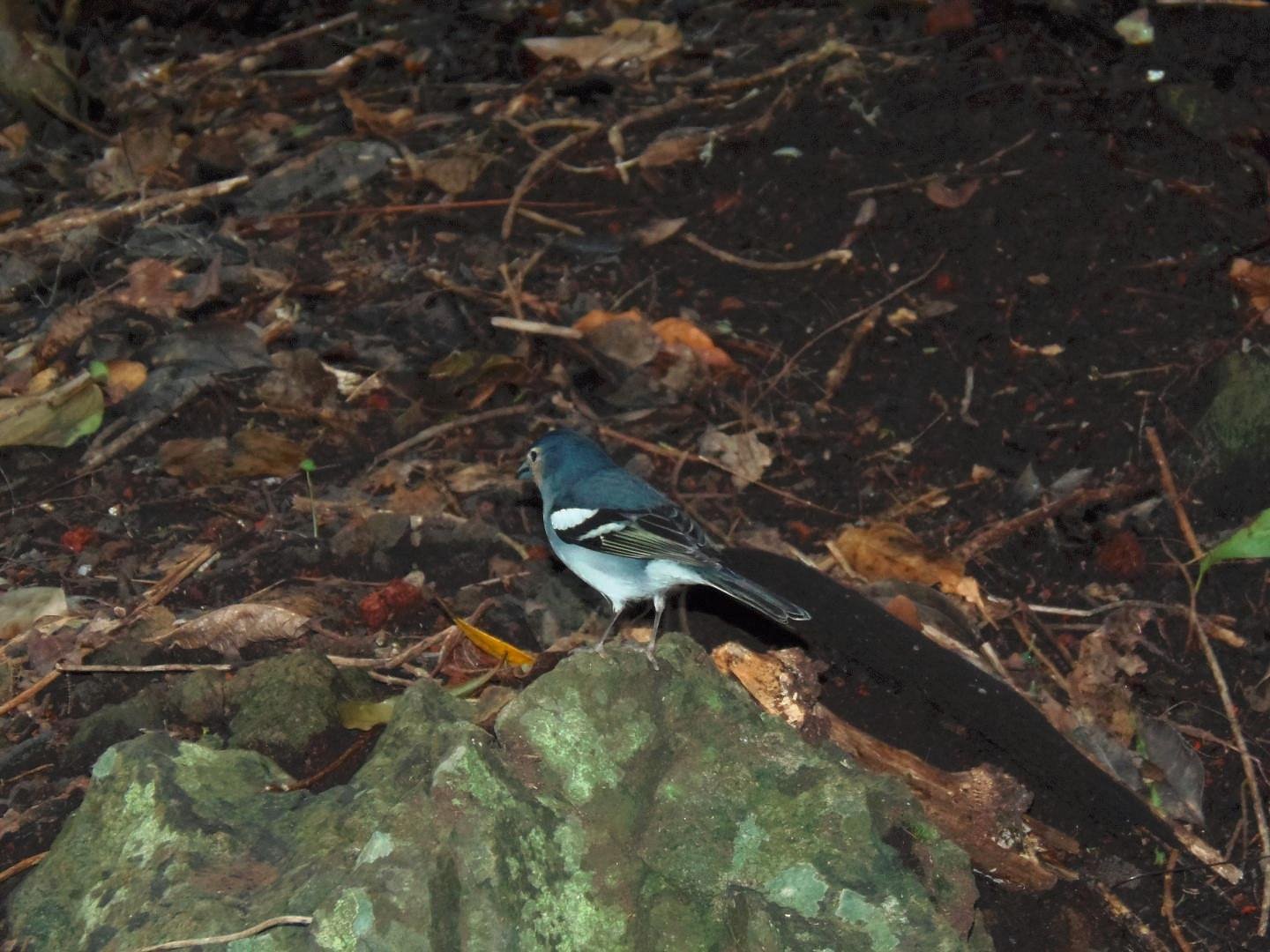
Two endemic pigeon species call Los Tilos home.
The laurel pigeon (Columba junoniae) and Bolle’s pigeon (Columba bollii) survived here while similar species vanished elsewhere.
I heard their unique calls echo through the canopy.
These pigeons almost disappeared in the 1980s, with fewer than 100 pairs left.
Laurel pigeons feed mostly on laurel berries and nest in tree cavities.
Their blue-gray feathers help them blend in with the misty forest.
Bolle’s pigeons hang out near the forest edges, so I spotted them more easily.
They have darker plumage and white neck patches.
Other birds I encountered:
- Canary Islands chiffchaff – a tiny warbler with a cheerful call
- Atlantic canary – the wild ancestor of pet canaries
- Sparrowhawk – dashing through the forest in search of smaller birds
Fascinating Fauna: Bats and Lizards
Los Tilos supports three bat species that roost in caves and rocky crevices.
The Leisler’s bat (Nyctalus leisleri) hunts insects above the canopy at dusk.
Madeira pipistrelle bats dart between trees using echolocation, catching moths and other insects all night.
The endemic Gallotia lizard species always catch visitors’ attention.
Gallotia galloti palmae grows up to 25 centimeters and loves basking on sunny rocks.
These lizards help spread seeds by munching on fruits from endemic plants.
I noticed smaller Tarentola geckos hunting insects on tree bark.
Their sticky toe pads let them climb straight up vertical surfaces.
The Canarian shrew is the only native land mammal here.
This tiny insectivore weighs less than 10 grams but scurries actively through the leaf litter.

Conservation Efforts and Research
Scientists run ongoing research to protect Los Tilos’ unique biodiversity.
The reserve’s research station keeps tabs on population changes and habitat conditions all year.
Conservation programs brought laurel pigeon numbers up from near extinction to over 800 pairs.
Captive breeding and restoring habitat made this possible.
Researchers use GPS mapping and genetic analysis to track endemic plant populations.
They also identify threats from invasive species and climate change.
Key conservation activities:
- Removing invasive plants like eucalyptus
- Installing nest boxes for endangered birds
- Monitoring stream water quality
- Educating visitors on protecting the ecosystem
International funding from UNESCO and the European Union supports these efforts.
Research here helps protect similar laurel forests on other Canary Islands.
Walking and Hiking Adventures
The hiking trails in Los Tilos are some of the most spectacular in the Canary Islands.
I found well-marked paths winding through ancient laurel forests and leading to beautiful waterfalls.
Top Hiking Trails and Routes
The GR130 trail forms the backbone of hiking in Los Tilos.
This main route links to several shorter paths that branch into different parts of the biosphere reserve.
If you’re just starting, I recommend the Cascada de los Tilos trail.
It takes you right to the famous waterfall through dense forest.
The walk is moderate and suits most fitness levels.
The Espigón Atravesado hike offers a deeper rainforest experience.
I wandered through spots where vines hang from trees and moss covers everything.
This trail really shows why Los Tilos became La Palma’s first UNESCO biosphere reserve.
For a longer adventure, the Marcos y Cordero Springs trail stretches further into the forest.
It takes more time but rewards hikers with remote waterfalls and untouched forest.
Trail Options:
- Short walks: 1–2 hours
- Medium hikes: 3–4 hours
- Full day treks: 6–8 hours
Trail Highlights: Ancient Trees and Panoramic Views
Massive, ancient laurel trees tower over Los Tilos and shape everything you see here. These forests, somehow clinging to life since the last ice age, create an ecosystem you just won’t find anywhere else.
I wandered beneath tree ferns so big they almost blocked out the sky. The Laurisilva forest shelters species that have been around for millions of years. Honestly, walking here feels like time travel—it’s easy to forget the modern world exists.
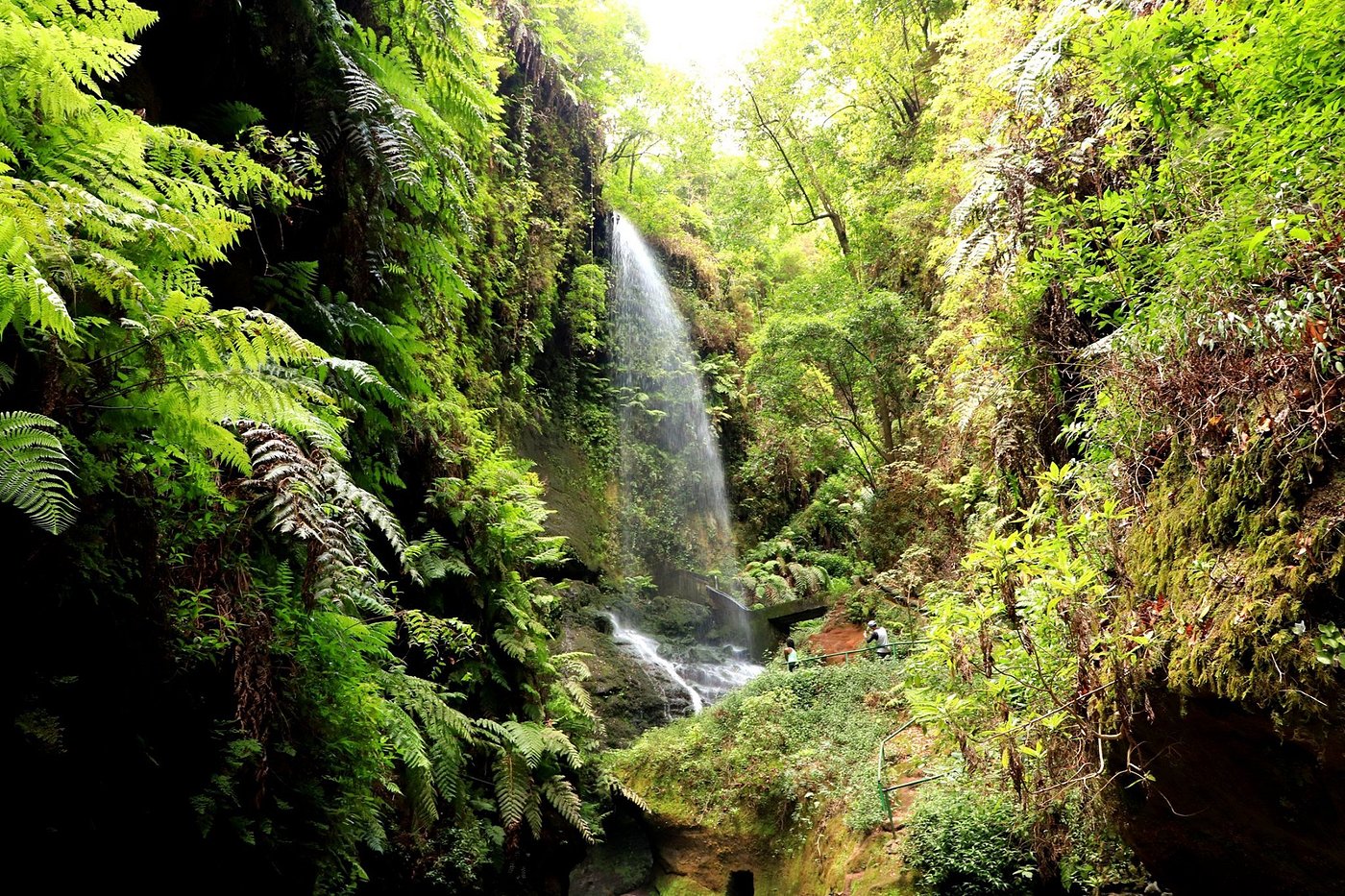
Waterfalls pop up along the trails and instantly grab your attention. Cascada de los Tilos drops through the canopy with a force you can hear before you see. That steady rush of water pulls you forward, deeper into the green.
Wildlife makes itself known if you slow down and look. I spotted birds you won’t see anywhere else and stumbled across wildflowers, moss, even vines twisting up into the light.
Key Features:
- Ancient laurel groves
- Multiple waterfalls
- Endemic bird species
- Prehistoric plant life
Tips for Exploring Safely
I never hike in Los Tilos without waterproof gear. The forest makes its own weather—rain can start with almost no warning.
Sturdy hiking boots are a must. The trails get slick from all the moisture and fallen leaves. I learned that lesson the hard way and still remember the slip.
If you start early, you’ll catch the forest at its quietest. Wildlife seems braver in the morning, and most guided tours stick to these hours anyway.
Bring plenty of water and snacks. Even though it stays cool under the trees, the humidity can wear you out after a while.
Stick to the marked trails. Los Tilos is a protected biosphere reserve, and wandering off damages a delicate world that really can’t fix itself.

Cascading Beauty: Waterfalls and Secret Springs
Water runs through every part of Los Tilos, shaping the forest with its cascades and hidden springs. The most famous waterfall sits just a few minutes from the visitor center, but if you’re up for a challenge, remote springs wait at the end of tough mountain hikes.
Cascada de los Tilos and Other Notable Waterfalls
Most people come for the Cascada de los Tilos, and honestly, it’s worth it. The walk from the parking lot takes maybe five minutes, and it’s so easy you could bring kids or your not-so-outdoorsy friends.
After you duck through a rock tunnel, the gorge suddenly opens up. Water pours down sheer rock walls, making a shimmering curtain behind all that thick, green growth.
A wooden staircase lets you get close enough to feel the spray on your face. Giant ferns and laurel trees crowd around, and for a second, it almost feels like a movie set.
The waterfall’s story is a bit unusual. In 2005, the local council created the current flow by building a rainwater reservoir. Back in the 1950s, people diverted the original water for hydroelectric power.
Key details for visiting:
- Access hours: 10:00 to 18:00 daily
- Trail difficulty: Very easy, suitable for children
- Walking time: 5 minutes from parking
- Cost: Free admission

The Springs of Marcos y Cordero
The Marcos and Cordero Springs call out to hikers looking for a real adventure. This isn’t a stroll; you need experience and the right gear.
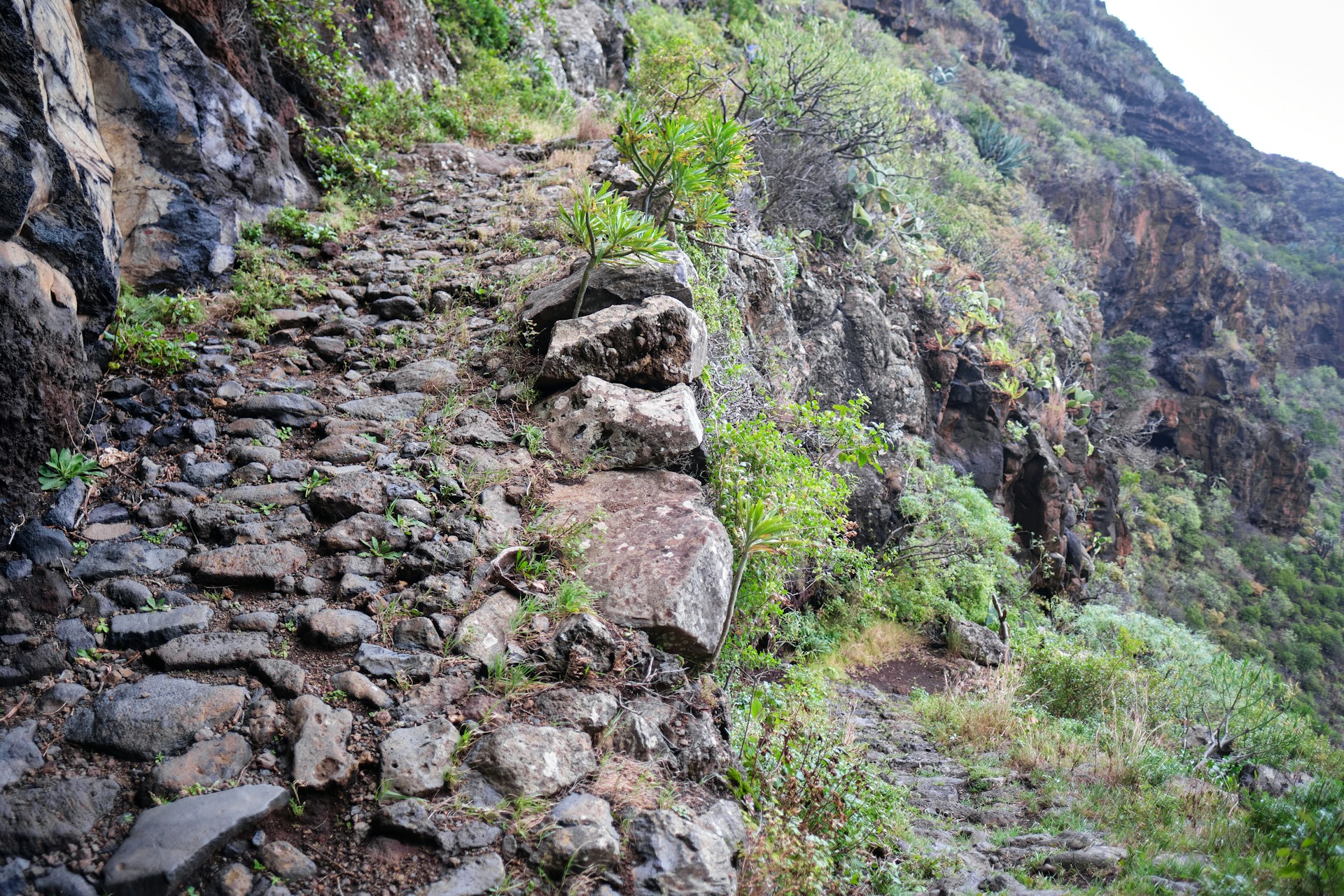
The trail clings to the cliffs, following old irrigation channels. I squeezed through tunnels and edged along narrow paths high above the ravines. Not for the faint-hearted, honestly.
These springs feed the forest all year. The hike usually takes seven or eight hours, so you’ll want to be in good shape before trying it.
At the end, the springs burst straight from the rock at the canyon’s head. Cold, clear water flows nonstop, keeping Los Tilos green and alive.
Important considerations:
- Difficulty level: Very challenging
- Duration: 7-8 hours round trip
- Requirements: Flashlight, sturdy boots, hiking experience
- Trail conditions: Narrow ledges, multiple tunnels
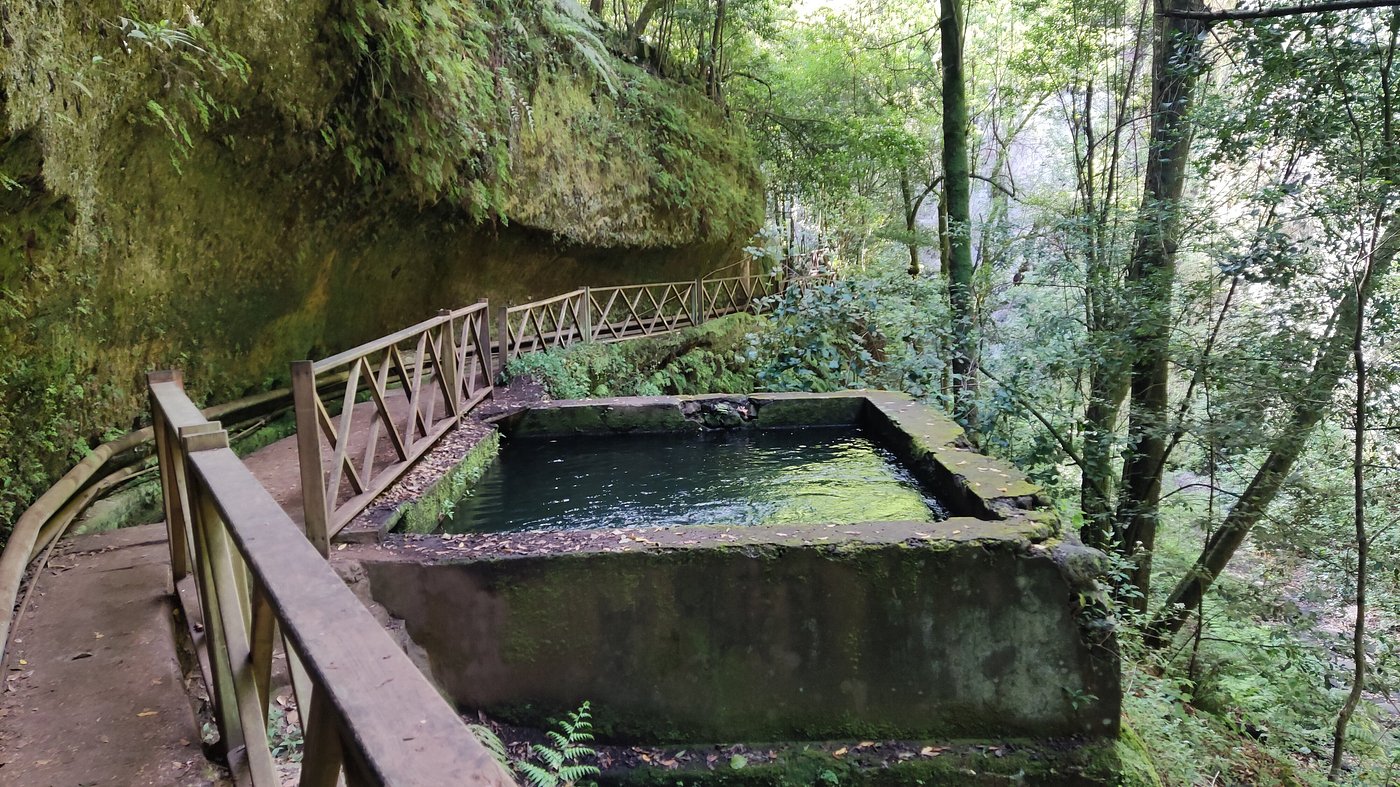
Seasonal Water Flows and Photographic Spots
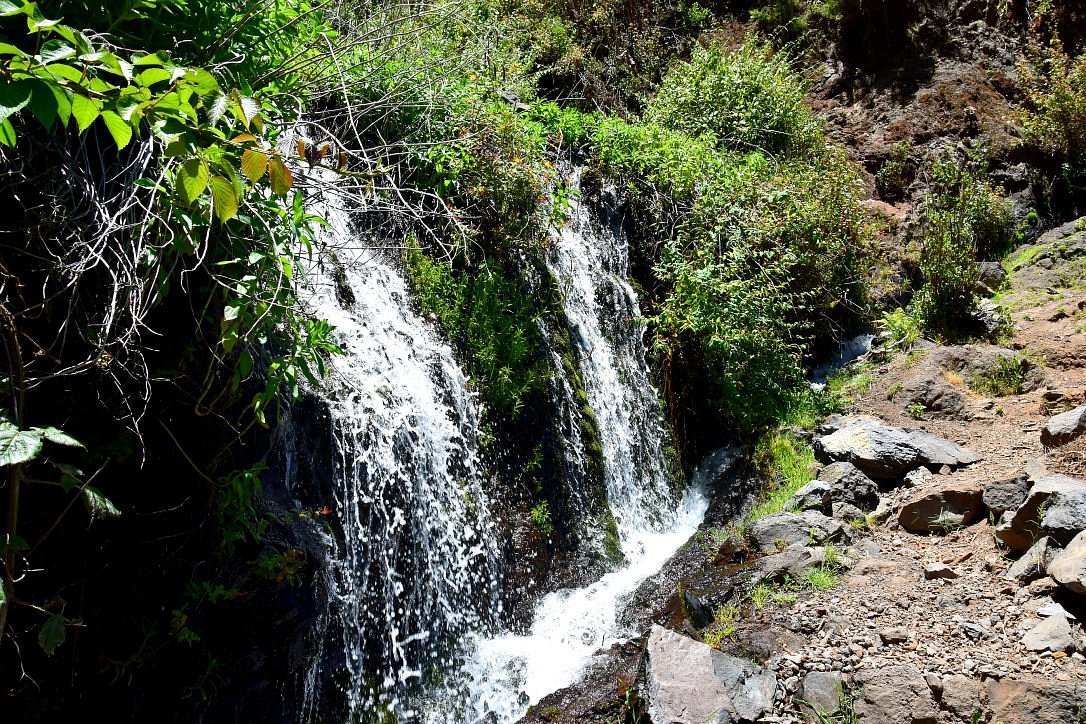
If you visit Los Tilos, you’ll notice the water flow changes a lot depending on the season. Winter and spring usually bring the heaviest cascades, while in summer, most waterfalls shrink back quite a bit.
The main waterfall keeps flowing steadily, thanks to its artificial reservoir. Smaller cascades? They’re at the mercy of the rain—sometimes they’re roaring, sometimes barely a trickle.
Best photography conditions:
- Morning light: 10:00–12:00, when the light’s soft and forgiving
- Rainy season: November through March, if you want to catch the waterfalls at their most dramatic
- After storms: Give it a day or two for the water to really surge—trust me, it’s worth it
Even in the middle of summer, I always toss a light jacket in my bag. The mist and deep shade from the forest keep the area cool and damp, no matter how hot it gets elsewhere on the island.
Those wet rocks can get ridiculously slippery. I’ve learned (sometimes the hard way) to stick with shoes that have decent grip when I’m wandering near the water.
The scenery here is wild—dark volcanic rock set against bright, almost glowing green vegetation. If you show up early, you’ll get that magical lighting and probably dodge the crowds too.
